For years, Garmin held the line that serious sports watches demanded transflective memory-in-pixel displays, prioritizing battery life and sunlight legibility over visual flair. The Epix name once existed on the fringes, remembered mostly as an early experiment that never quite fit Garmin’s endurance-first philosophy. With Epix (Gen 2), Garmin didn’t just revive a dormant model line, it reversed a long-standing belief about what a flagship performance watch could be.
If you are coming from a Fenix, a Forerunner, or even a high-end Apple Watch, this is the pivot point where Garmin’s priorities visibly shift. This section breaks down why the AMOLED screen is not a cosmetic upgrade, how it reshapes daily usability and training interaction, and where the real compromises emerge once you move beyond the spec sheet. Understanding this change is essential before comparing Epix to Fenix, because the screen choice quietly dictates everything from battery behavior to how often you actually engage with the watch.
From Tool Watch to Visual Interface
The 1.3-inch AMOLED panel is the defining feature of the Epix Gen 2, delivering deep contrast, true blacks, and a level of sharpness Garmin users simply have not seen before. Training data fields, maps, and widgets are no longer something you tolerate for function, they are something you actively enjoy interacting with. In low light, indoors, or during early morning workouts, the clarity difference versus a Fenix is immediate and difficult to ignore.
This display fundamentally changes how often you glance at the watch outside of training. Notifications, calendar alerts, and health metrics feel more smartwatch-like without sacrificing Garmin’s data density. For users who wear their watch 24/7, the Epix finally bridges the gap between a performance instrument and a modern daily wearable.
🏆 #1 Best Overall

- Stylish Design, Vibrant Display: The lightweight aluminum build blends effortless style with workout durability, while the vivid 1.97" AMOLED display keeps your data easy to read, even under bright sunlight.
- All-in-One Activity Tracking: The Amazfit Bip 6 fitness tracker watch offers 140+ workout modes including HYROX Race and Strength Training, plus personalized AI coaching and 50m water resistance.
- Up to 14 Days Battery Life: The Amazfit Bip 6 smart watch powers through your training and recovery for up to two weeks at a time - no nightly charging needed.
- Accurate GPS Tracking & Navigation: Stay on course with free downloadable maps and turn-by-turn directions. Support from 5 satellite systems ensures precise tracking of every move and fast GPS connection.
- 24/7 Health Monitoring: The Amazfit Bip 6 smartwatch provides precise, real-time monitoring of heart rate, sleep, blood-oxygen and stress, empowering you with actionable insights to optimize your health and fitness.
Always-On Display and the Battery Reality
Garmin made a calculated decision to pair AMOLED with an always-on option, but this is where the playbook changes most visibly. In real-world testing, enabling always-on display pulls the Epix away from Fenix-class endurance and closer to a managed charging routine, especially if you train frequently with GPS. You can still expect multiple days between charges, but the “forget your charger for a week” mindset no longer applies.
The trade-off is mitigated by intelligent power management and configurable display behavior during activities. Turning off always-on or relying on gesture activation restores much of Garmin’s battery advantage, though it never fully matches the solar-assisted Fenix variants. This is not a failure of engineering, but a conscious choice that forces buyers to decide what matters more: maximum endurance or maximum visual engagement.
Why Garmin Needed This Watch
The Epix Gen 2 exists because Garmin’s audience has changed. Many endurance athletes now expect their training watch to function as a daily smartwatch without feeling utilitarian or dated. By introducing AMOLED at the top end, Garmin prevents potential defections to lifestyle-focused competitors while retaining its unmatched depth in sports and outdoor tracking.
This also reframes the Epix as a parallel flagship rather than a lesser alternative to Fenix. The internals, materials, GPS performance, and training metrics are largely identical, meaning the decision hinges almost entirely on how you want to experience your data. The screen is not just a feature here, it is the identity of the watch, and it sets the tone for every interaction that follows in the rest of this review.
Design, Case Options, and Wearability: Familiar Fenix DNA with a Visual Twist
Seen from across the room, the Epix Gen 2 is unmistakably a Garmin flagship. The case architecture, button layout, and rugged stance are lifted directly from the Fenix line, which is intentional rather than conservative. What changes the experience immediately is how that familiar shell now frames a vibrant AMOLED display, altering the watch’s personality without rewriting its design language.
Case Design and Materials
The Epix Gen 2 uses the same round, tool-watch geometry that has defined Garmin’s premium outdoor watches for years. Angular lugs, a reinforced bezel, and five tactile buttons emphasize function first, even as the screen brings a more modern edge. It still looks like equipment, just more refined equipment.
Garmin offered the Epix Gen 2 primarily in a 47mm case, keeping the sizing squarely in flagship territory. Stainless steel versions provide a reassuring heft, while sapphire titanium models noticeably reduce wrist weight without feeling fragile. The construction remains rated to 10 ATM, making it suitable for swimming, heavy rain, and long-term exposure to the elements.
AMOLED’s Impact on Visual Presence
The AMOLED panel subtly reshapes how the watch wears, even though the physical dimensions are nearly identical to a Fenix 7. Colors pop, contrast is extreme, and the perceived bezel feels smaller because the screen draws your eye inward. Watch faces that looked purely functional on memory-in-pixel displays now feel almost decorative.
This matters more in daily life than during a workout. Glancing at notifications, steps, or recovery metrics feels closer to using a modern smartwatch, while still retaining Garmin’s dense data layouts. The Epix doesn’t abandon its utilitarian roots, but it no longer looks dated next to lifestyle-focused competitors.
Thickness, Weight, and Wrist Comfort
At roughly 14 to 15mm thick depending on materials, the Epix Gen 2 is not a slim watch. That said, its mass is distributed well, and the curved caseback helps it sit securely without pressure points. On medium to large wrists, it feels planted rather than top-heavy.
During extended wear, including sleep tracking, the lighter titanium versions are noticeably easier to live with. Steel models remain comfortable for training and daily use, but endurance athletes who wear the watch 24/7 will appreciate every gram saved. This is a watch designed to stay on your wrist, not rotate with a collection.
Buttons, Controls, and Tactile Feedback
Garmin sticks with its proven five-button layout, and that decision pays off during hard sessions and adverse conditions. The buttons are firm, well-spaced, and easy to differentiate by feel, even with gloves or cold fingers. Touch support exists, but it remains optional rather than mandatory.
This hybrid control scheme preserves reliability while allowing the AMOLED screen to shine in menus and maps. In practice, many users will navigate casually with touch and revert to buttons during workouts. It’s a mature interface that respects muscle memory built on older Garmin devices.
Straps, Fit Adjustability, and Daily Wear
The Epix Gen 2 uses Garmin’s QuickFit system, typically in a 22mm width, making strap swaps fast and tool-free. Silicone bands suit training and heat, while nylon and leather options soften the look for office or casual wear. The lugs integrate cleanly, so aftermarket straps don’t feel like an afterthought.
Breathability and skin comfort are solid, even during multi-hour sessions. The watch sits securely without needing to be overtightened, which improves optical heart rate accuracy and reduces wrist fatigue. For a watch this capable and robust, it wears more comfortably than its dimensions suggest.
Durability Meets Daily Refinement
Scratch resistance, water sealing, and general toughness remain core to the Epix identity. Sapphire models handle abuse with confidence, while the bezel design offers real protection rather than cosmetic flair. This is still a watch you trust on a mountain trail or during an ultramarathon.
What’s different is how seamlessly it transitions back into everyday life afterward. The AMOLED screen, combined with refined materials, makes the Epix feel appropriate in settings where older Garmins could look overly tactical. It doesn’t pretend to be a dress watch, but it no longer feels out of place once the workout ends.
The AMOLED Display in Real Use: Brightness, Clarity, and Outdoor Legibility
After talking about materials and daily refinement, the display is where the Epix Gen 2 most clearly separates itself from previous Garmins. This is not a subtle upgrade layered on top of an existing experience. The AMOLED screen fundamentally changes how the watch looks, feels, and is interacted with throughout the day.
First Impressions and Visual Density
The 1.3-inch AMOLED panel delivers a level of sharpness and contrast that immediately stands out if you’re coming from a Fenix or older Forerunner. Text is crisp, colors are saturated without looking cartoonish, and complications finally feel purpose-built rather than utilitarian. Watch faces that once looked busy on a MIP display become cleaner and more legible at a glance.
Resolution isn’t just about aesthetics here. Smaller data fields, subtle icons, and map details are easier to parse without slowing down or squinting mid-run. That matters when you’re moving, fatigued, or trying to make decisions quickly.
Brightness in Direct Sunlight
AMOLED skepticism usually centers on outdoor visibility, and this is where Garmin had little room for error. In real-world use, the Epix gets impressively bright, easily readable in direct midday sun during road runs, hikes, and bike sessions. Automatic brightness reacts quickly, and manual override lets you push the panel harder when conditions demand it.
Compared to a Fenix’s transflective display, the Epix doesn’t rely on ambient light to become readable. Instead, it overpowers glare outright, which feels more consistent when moving between shade, forest cover, and open terrain. The trade-off is energy use, but from a visibility standpoint, there are no meaningful compromises.
Clarity During Workouts and Data Screens
During structured workouts, intervals, and long endurance sessions, the AMOLED panel pays real dividends. High-contrast fields make heart rate zones, pace targets, and power ranges instantly recognizable. You spend less time interpreting numbers and more time executing the session.
Garmin’s UI design also benefits from the display upgrade. Color-coded metrics, progress bars, and subtle animations add clarity without becoming distracting. Importantly, this remains a Garmin first and foremost, so information density is preserved rather than dumbed down for visual flair.
Maps, Navigation, and Course Following
Mapping is where the Epix’s screen feels like a generational leap. Trails, contour lines, and turn prompts are easier to distinguish, especially when zoomed out or navigating complex intersections. The AMOLED panel adds depth and separation that a MIP display simply can’t replicate.
This becomes especially noticeable during trail runs and hikes when glancing quickly at your wrist. You can absorb direction and context faster, which reduces stop-and-check moments. For athletes who rely heavily on navigation, this alone can justify choosing the Epix over a Fenix.
Always-On Display vs Gesture Wake
Garmin gives you control over how the AMOLED behaves, and those choices matter. In always-on mode, the display stays dimmed but readable, mirroring the passive visibility of a traditional sports watch. Gesture wake then adds full brightness when you lift your wrist, preserving clarity without constantly running the panel at max output.
In gesture-only mode, battery life improves noticeably, but there’s a slight delay compared to MIP when checking the time mid-activity. It’s not a dealbreaker, but athletes coming from always-visible displays will feel the difference. The key point is flexibility, letting you prioritize endurance or immediacy depending on the day.
Low-Light, Night Use, and Eye Comfort
In dim environments, the Epix is markedly better than older Garmins. The display can get genuinely dark without losing contrast, making it comfortable for nighttime wear, early-morning alarms, and indoor use. Red shift and night mode options further reduce eye strain during overnight adventures or sleep tracking.
Rank #2

- Stylish Design, Bright Display: The sleek stainless steel build blends classic style with workout durability, while the bright 1.32" AMOLED display keeps your data easy to read, even under bright sunlight.
- Precise Heart Rate and Sleep Tracking: Amazfit's BioTracker technology tracks your heart rate and sleep data with accuracy that previous sensors just can't match.
- Up to 10 Days of Battery Life: With long battery life that lasts up to 10 days with typical use, nightly recharges are a thing of the past.
- Free Maps with Turn Directions: Stay on-track with free downloadable maps, and get turn-by-turn guidance on-screen or via your Bluetooth headphones. Enjoy ski maps for global resorts, including guidance for cable cars, slopes, and more.
- Faster and More Accurate GPS Tracking: 5 satellite positioning systems ensure fast GPS connection and accurate positioning whenever you're out running, walking, cycling or hiking.
This is also where AMOLED subtly improves the smartwatch side of the Epix. Notifications, widgets, and music controls feel more refined and less intrusive in low light. It reinforces the idea that this watch now spans performance and lifestyle more convincingly.
Battery Trade-Offs Compared to Fenix
There’s no ignoring the cost of this display technology. Even with Garmin’s efficiency improvements, AMOLED consumes more power than a MIP panel, especially in always-on mode. The Epix still delivers strong endurance by smartwatch standards, but it won’t match a Fenix Solar during multi-week expeditions or extreme GPS use.
What’s important is context. For most training weeks, long runs, and even ultramarathons, the Epix has ample battery when configured sensibly. The question becomes whether maximum longevity or maximum visual clarity better suits your training and daily life, and the Epix makes a compelling case for the latter.
Battery Life Reality Check: Epix Gen 2 vs Fenix 7 in Daily Training and Adventure Use
All of the display flexibility discussed earlier eventually funnels into one unavoidable question: how does the Epix Gen 2 actually hold up when training stacks, adventures stretch long, and charging becomes an inconvenience rather than a routine? On paper, Garmin’s specs look reassuring, but real-world use paints a more nuanced picture that depends heavily on how you train and how you live with the watch day to day.
The Epix does not suffer from poor battery life. Instead, it demands more intentional choices than the Fenix 7, which is still built around the assumption that you may forget where your charging cable is for weeks at a time.
Smartwatch Mode: Daily Wear and Training Weeks
In typical smartwatch mode with gesture-based AMOLED activation, the Epix Gen 2 consistently lands in the 6 to 7 day range with daily notifications, sleep tracking, Pulse Ox during sleep, and several hours of GPS workouts per week. That includes a mix of indoor sessions, outdoor runs, and strength workouts, not a stripped-down, battery-saving configuration.
Switch to always-on display, and that drops closer to 4 to 5 days for most users. The drain is steady rather than dramatic, and importantly, predictable. You don’t see sudden overnight losses or erratic behavior, which makes planning charges around training blocks relatively easy.
By comparison, the Fenix 7 in similar usage comfortably stretches beyond 10 days, often pushing closer to two weeks if solar exposure is decent. For athletes who wear their watch 24/7 and treat charging as an afterthought, the Fenix still feels liberating in a way the Epix does not.
GPS Training Sessions: Runs, Rides, and Long Days Out
Once GPS enters the equation, the gap narrows more than many expect. With multi-band GNSS enabled and the AMOLED set to gesture wake, the Epix Gen 2 delivers roughly 30 hours of GPS tracking, which is more than enough for marathon training, all-day hikes, and even most ultras.
In real training weeks, that translates to roughly 10 to 12 hours of GPS activity before battery anxiety sets in. A runner logging daily sessions and a long weekend run will typically charge once mid-week and once over the weekend.
The Fenix 7 still leads here, particularly in extended GPS modes and solar-assisted scenarios, but the advantage is more relevant to multi-day outings than daily training. For most athletes, both watches comfortably handle heavy weeks without compromise, assuming sensible settings.
Adventure Use: Multi-Day Hikes, Ultras, and Expeditions
This is where the philosophical divide between Epix and Fenix becomes most apparent. On a multi-day hike with navigation, frequent map checks, and all-day GPS usage, the Epix requires active power management. Gesture-only display, reduced backlight timeouts, and possibly disabling non-essential sensors become part of the routine.
The Fenix 7, especially Solar variants, is far more forgiving. You can leave maps open, glance at data fields constantly, and still trust that the watch will make it through the trip without a recharge. For expeditions where charging is impossible or inconvenient, that difference matters.
That said, the Epix remains fully capable for weekend adventures, stage races, and supported ultras. The need to think about battery does not equal unreliability, but it does change how carefree the experience feels once you move beyond single-day efforts.
Charging Behavior and Practical Ownership
One underappreciated factor is how quickly the Epix Gen 2 charges. From roughly 20 percent to full takes well under two hours, which means topping up during a shower, commute, or desk session is often enough to reset the week. The Fenix charges quickly as well, but needs it far less often.
Comfort also plays a role here. The Epix’s titanium case and slightly sleeker profile make it more comfortable for sleep tracking, which encourages 24-hour wear. That constant wear increases overall power consumption, but also reinforces its identity as a hybrid performance and lifestyle watch.
From a long-term ownership perspective, the Epix behaves more like a premium smartwatch with elite sports credentials, while the Fenix remains a pure endurance instrument that happens to do smartwatch things reasonably well.
Who Battery Life Favors, and Who It Doesn’t
If your training consists of daily workouts, structured plans, and occasional long efforts, the Epix Gen 2’s battery life is more than sufficient and rarely intrusive. The AMOLED display actively enhances daily usability, and the trade-off feels justified rather than limiting.
If your priorities include extended backcountry travel, multi-day races without support, or the psychological comfort of never checking battery percentages, the Fenix 7 still holds the crown. Its endurance-first design aligns better with extreme use cases.
The Epix doesn’t replace the Fenix’s dominance in absolute longevity, but it reframes the question. Instead of asking how long the watch can last, it asks how much you value seeing your data clearly, beautifully, and comfortably every single day you wear it.
Sports and Training Performance: From Multisport Tracking to Advanced Metrics
Where the Epix Gen 2 truly differentiates itself is not in what it can track, but in how clearly and intuitively it presents that information during training. Garmin’s sports engine here is essentially identical to the Fenix 7, which means the performance ceiling is very high before the AMOLED display even enters the conversation.
The result is a watch that delivers flagship-grade multisport depth, but with a visual experience that changes how often you engage with your data mid-session rather than just reviewing it afterward.
Multisport Coverage and Core Activity Tracking
The Epix Gen 2 supports an enormous range of activity profiles, from road running and trail running to cycling, open-water swimming, pool swimming, triathlon, skiing, golf, strength training, climbing, paddling, and niche outdoor pursuits. Transition handling in triathlon and multisport modes is seamless, with clear lap and segment visibility even at a glance.
GPS performance is excellent, particularly on models equipped with multi-band GNSS, where urban runs, tree-covered trails, and mountainous terrain show consistently tight tracks. Compared side-by-side with the Fenix 7, real-world accuracy is functionally indistinguishable, reinforcing that the Epix is not a “lighter” sports watch in any technical sense.
Heart Rate, Sensors, and Real-World Accuracy
Garmin’s Elevate optical heart rate sensor performs reliably across steady-state efforts and longer endurance sessions. Interval-heavy workouts and cold-weather runs still benefit from a chest strap, but that recommendation applies equally to the Fenix and remains a limitation of wrist-based optics rather than the Epix itself.
The combination of heart rate, pulse oximetry, barometric altimeter, compass, gyroscope, and temperature sensors feeds into a dense training ecosystem. Elevation gain, grade-adjusted pace, and ascent metrics are particularly strong for trail runners and mountain athletes who rely on vertical data to pace efforts realistically.
The AMOLED Advantage During Training
This is where the Epix begins to feel fundamentally different from every other Garmin sports watch before it. Data fields are sharper, color-coded metrics are easier to parse under fatigue, and map detail is significantly more legible during motion.
During structured workouts, interval targets, power zones, and heart rate ranges are instantly readable without slowing down or exaggerating wrist movements. In practice, this reduces cognitive load during hard efforts and encourages more frequent in-session checks, something that matters more than it sounds during long training cycles.
Mapping, Navigation, and Outdoor Use
Full-color onboard maps, turn-by-turn navigation, and course following are all present, and the AMOLED panel elevates their usability. Trail contours, route lines, and upcoming turns stand out clearly, even in complex terrain or low-light conditions.
Rank #3
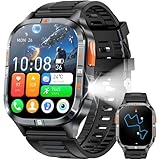
- BUILT-IN GPS & COMPASS– This military smartwatch features high-precision GPS to pinpoint your location while hiking, cycling, or traveling, keeping you safely on track without extra gear. Tap the compass icon and it locks your bearing within three seconds—engineered for pro-level outdoor adventures like camping, climbing, and trekking.
- BLUETOOTH CALLING & MESSAGES – Powered by the latest Bluetooth tech, the men’s smartwatch lets you answer or make calls right from your wrist—no need to pull out your phone. Get real-time alerts for incoming texts and app notifications so you never miss an invite. (Replying to SMS is not supported.)
- BIG SCREEN & DIY VIDEO WATCH FACE – The 2.01" military-spec display is dust-proof, scratch-resistant, and forged from high-strength glass with an aluminum alloy bezel, passing rigorous dust and abrasion tests so the screen stays crystal-clear. Upload a short family video to create a dynamic, one-of-a-kind watch face that keeps your memories alive.
- 24/7 HEALTH MONITORING – Equipped with a high-performance optical sensor, this Android smartwatch tracks heart rate and blood-oxygen levels around the clock. It also auto-detects sleep stages (deep, light, awake) for a complete picture of your health, ensuring you always know how your body is doing.
- MULTI SPORT MODES & FITNESS TRACK – Choose from running, cycling, hiking, basketball, and more to log every workout. Set goals, monitor progress, and sync data to the companion app. Bonus tools include photo gallery, weather, alarm, stopwatch, flashlight, hydration reminder, music/camera remote, find-my-phone, mini-games, and other everyday essentials.
For hikers, trail runners, and ultrarunners on supported courses, this visual clarity improves confidence and reduces the need to stop and zoom. The trade-off remains battery consumption, but for day-long adventures or planned routes, the Epix feels more intuitive and less utilitarian than previous Garmin designs.
Advanced Training Metrics and Performance Analysis
The Epix Gen 2 includes Garmin’s full suite of advanced metrics: Training Readiness, Training Status, Acute Load, Load Focus, VO2 max, race predictions, recovery time, and real-time stamina tracking. These metrics are not new, but their integration feels more cohesive when you can actually see trends and alerts clearly on the watch itself.
Training Readiness, in particular, benefits from consistent 24-hour wear, pulling together sleep quality, HRV status, resting heart rate, and recent load into a single actionable score. The Epix’s comfort and screen readability encourage that constant wear, indirectly improving the usefulness of the data it generates.
Strength Training and Indoor Workouts
Strength tracking remains one of Garmin’s more polarizing features, but the Epix executes it as well as any watch in the lineup. Rep counting and exercise recognition are passable with occasional corrections, while rest timers, muscle group visuals, and workout guidance are easy to follow on the AMOLED display.
Indoor cycling, treadmill running, and gym-based sessions benefit from the same clarity advantages seen outdoors. Metrics like power targets, cadence, and interval prompts are simply easier to absorb when the screen feels closer to a high-end smartwatch than a traditional sports instrument.
Recovery, Sleep, and Longitudinal Insight
Sleep tracking on the Epix is detailed and consistent, with breakdowns across sleep stages, respiration, and overnight HRV trends. While the underlying algorithms match those of the Fenix, the Epix’s comfort and visual polish make reviewing this data on-wrist more appealing rather than deferring everything to the phone.
Body Battery and recovery metrics become more meaningful when viewed in context throughout the day, not just after workouts. The Epix subtly encourages that behavior, reinforcing its role as a training companion rather than a device you only interact with during exercise.
Epix vs Fenix: Performance Parity, Different Experience
From a pure performance standpoint, there is no meaningful gap between the Epix Gen 2 and the Fenix 7. They share the same sensors, algorithms, and training logic, and both can support elite-level endurance training when configured correctly.
The difference lies in how often and how comfortably you interact with that system. The Epix makes advanced metrics feel accessible and visually rewarding, while the Fenix maintains a more restrained, endurance-first presentation that prioritizes longevity over engagement.
Navigation, Mapping, and Outdoor Features: Is the Screen an Advantage on the Trail?
After spending time with training metrics and daily health insights, the Epix’s real inflection point becomes obvious once you leave paved roads. Navigation and mapping are where Garmin’s software depth meets hardware execution, and the Epix’s AMOLED display meaningfully changes how that experience feels in the field.
Full-Color Maps: More Than Just Visual Flair
The Epix Gen 2 carries the same full TopoActive maps as the Fenix 7, including turn-by-turn routing, course navigation, points of interest, and on-device recalculation. What changes is how readable and intuitive those maps become when viewed on a high-resolution AMOLED panel.
Contours, trail names, water features, and elevation shading are instantly distinguishable at a glance, even while moving. On technical singletrack or dense forest routes, the clarity reduces the need to stop and zoom repeatedly, which subtly improves flow and situational awareness.
Touchscreen Mapping vs Buttons: A Hybrid Done Right
Garmin wisely keeps full button control alongside touch input, which matters in cold weather, rain, or while wearing gloves. The touchscreen shines during panning, zooming, and inspecting upcoming trail junctions, while buttons remain the reliable fallback during active navigation.
This hybrid approach works better on the Epix than on earlier Garmin attempts largely because the screen responds quickly and accurately. Touch never feels mandatory, but when conditions allow, it significantly speeds up map interaction compared to button-only navigation on older Fenix models.
AMOLED Outdoors: Visibility, Glare, and Real-World Use
Concerns about AMOLED visibility outdoors are understandable, but in practice the Epix performs extremely well in bright conditions. Peak brightness is high enough that maps and data fields remain legible in direct sunlight, especially with always-on mode disabled during activity.
Where the Epix truly excels is contrast. Trail lines, breadcrumb tracks, and course deviations stand out clearly, reducing cognitive load when navigating unfamiliar terrain at speed.
Battery Life Trade-Offs in Navigation Mode
Navigation is one of the most battery-intensive use cases, and this is where the Epix makes its clearest compromise versus the Fenix. With GPS and maps active, especially using multi-band GNSS, battery life is meaningfully shorter than on a solar-equipped Fenix 7.
For most day-long hikes, trail runs, or mountain bike sessions, this is a non-issue. For multi-day expeditions, ultra-distance events, or fastpacking without charging access, the Fenix still holds a functional advantage that no display improvement can fully offset.
GNSS Accuracy and Sensors in Demanding Terrain
The Epix Gen 2 uses the same multi-band GNSS chipset found in the Fenix 7 Sapphire models, and accuracy is excellent. Tracks through dense forest, steep valleys, and urban canyons remain clean and consistent, with minimal drift.
Barometric altitude, compass stability, and ClimbPro integration all benefit from the enhanced map presentation. Seeing upcoming gradients and remaining ascent on a vibrant display makes pacing decisions easier, particularly during long climbs where mental fatigue sets in.
Outdoor Profiles and Practical Trail Tools
Hiking, trail running, skiing, climbing, and expedition modes all feel more usable thanks to improved visual hierarchy. Data screens are easier to customize and read mid-activity, and glanceable metrics reduce time spent scrolling while moving.
Weather overlays, sunrise and sunset widgets, and storm alerts feel more immediate when viewed on the AMOLED screen. These aren’t headline features, but they contribute to a sense that the Epix is a more approachable outdoor tool without sacrificing depth.
Durability, Comfort, and Confidence Off-Grid
Despite the display shift, the Epix remains a serious outdoor watch. Sapphire glass options, a fiber-reinforced polymer case with metal bezel, 10 ATM water resistance, and solid button feel ensure it can handle rough use.
On-wrist comfort during long hikes or all-day wear is excellent, helped by balanced weight and well-designed straps. The watch feels secure without being bulky, reinforcing its suitability for extended outdoor sessions rather than just short adventures.
Epix vs Fenix on the Trail: A Philosophical Divide
Functionally, the Epix and Fenix offer the same navigation toolkit. The difference is experiential: the Epix prioritizes immediacy, clarity, and interaction, while the Fenix emphasizes endurance and minimal power draw.
If your outdoor activities revolve around day missions, technical trail navigation, or frequent map checks, the Epix’s screen is a genuine advantage. If your adventures prioritize duration over detail, the Fenix remains the more pragmatic choice, even if it feels less engaging along the way.
Health, Recovery, and 24/7 Monitoring: Where Epix Fits in Garmin’s Ecosystem
After time on the trail, the Epix transitions seamlessly into Garmin’s broader health and recovery framework. This is where the watch’s always-on presence matters just as much as its performance during activities, and where the AMOLED display quietly reshapes the experience without redefining Garmin’s underlying metrics.
Garmin hasn’t reinvented health tracking for the Epix, but it has refined how approachable and readable that data feels throughout the day. The result is a watch that still behaves like a performance tool, yet feels more inviting as a 24/7 companion than most Fenix generations.
Heart Rate, HRV, and the Foundation of Garmin Recovery Metrics
At the core of the Epix’s health tracking is Garmin’s Elevate optical heart rate sensor, delivering continuous heart rate, resting trends, and heart rate variability sampling around the clock. Accuracy during daily wear and sleep aligns closely with recent Fenix models, with reliable baseline tracking rather than aggressive spike detection.
Rank #4

- 【Built-in GPS & Multi-System Positioning】Stay on track with the Tiwain smartwatch’s built-in GPS. Featuring military-grade single-frequency and six-satellite support (GPS, GLONASS, Beidou, Galileo, NAVIC, QZSS), this watch offers fast and accurate location tracking wherever you go. It also includes a compass, altimeter, and barometer, giving you real-time data on your altitude, air pressure, and position.
- 【Military-Grade Durability】Engineered to withstand the toughest conditions, the Tiwain smartwatch meets military standards for extreme temperatures, low pressure, and dust resistance. Crafted from tough zinc alloy with a vacuum-plated finish, this watch is also waterproof and built to resist wear and tear. The 1.43-inch AMOLED HD touchscreen offers clear visibility in all environments, and the watch supports multiple languages for global users.
- 【170+ Sport Modes & Fitness Tracking】Track your fitness journey with 170+ sport modes, including walking, running, cycling, hiking, basketball, and more. Set exercise goals, monitor progress, and sync your data to the companion app. The smartwatch also offers smart features like music control, camera remote, weather updates, long-sitting reminders, and more.
- 【LED Flashlight for Outdoor Adventures】The Tiwain smartwatch comes equipped with a built-in LED flashlight that can illuminate up to 20 meters. Activate it with the side button for added convenience during nighttime activities or outdoor adventures.
- 【Comprehensive Health Monitoring】Monitor your health with real-time heart rate, sleep, blood pressure, and blood oxygen level tracking. The smartwatch will vibrate to alert you of any abnormal readings. You can also make and receive calls directly from the watch, and stay connected with message and app notifications (receive only, no sending capability) – perfect for when you’re driving or exercising.
HRV Status, introduced as a headline feature across Garmin’s ecosystem, becomes especially useful on the Epix because trends are easier to visualize. Weekly baselines, nightly deviations, and long-term adaptation patterns are immediately legible, reinforcing how recovery is trending rather than forcing interpretation through raw numbers.
This data feeds directly into Training Readiness, Body Battery, and recovery time estimates, keeping Epix firmly aligned with Garmin’s performance-first philosophy. The watch doesn’t chase medical-grade insights, but it excels at showing whether your body is absorbing training or accumulating fatigue.
Sleep Tracking and Overnight Comfort
Sleep tracking on the Epix is comprehensive, covering sleep stages, respiration, blood oxygen estimates, and overnight HRV sampling. The AMOLED display makes sleep reports more readable in the morning, particularly when reviewing graphs and nightly summaries directly on the watch.
Comfort plays a significant role here, and the Epix performs better than its rugged appearance suggests. The 47mm case sits securely without pressure points, and the silicone strap remains comfortable enough for uninterrupted overnight wear, even for lighter sleepers.
Battery impact from overnight SpO2 tracking is still notable, as with all Garmins, but manageable if used selectively. With SpO2 disabled, the Epix easily handles multi-day wear with full sleep metrics intact.
Body Battery, Stress, and Daily Energy Awareness
Garmin’s Body Battery remains one of the most intuitive recovery tools in the category, blending heart rate variability, stress, sleep, and activity into a single daily energy score. On the Epix, this metric benefits disproportionately from the brighter display, making quick checks genuinely useful rather than informational afterthoughts.
Stress tracking throughout the day feels consistent and believable, particularly during sedentary work hours and post-training recovery windows. The watch excels at highlighting cumulative load rather than overreacting to short-term spikes, reinforcing Garmin’s long-game approach to endurance health.
These insights feel especially relevant for athletes training frequently but balancing work, travel, or inconsistent sleep. The Epix doesn’t push mindfulness aggressively, but it does provide the data needed to recognize when backing off is the smarter move.
AMOLED vs MIP for 24/7 Health Visibility
This is where the Epix quietly separates itself from the Fenix. Health metrics are inherently passive, and the AMOLED display makes them more glanceable, more engaging, and more likely to be checked regularly rather than ignored until Garmin Connect is opened.
Widgets like HRV Status, Body Battery, and sleep scores benefit from richer color and contrast without becoming visually overwhelming. Garmin’s restrained UI design prevents the Epix from drifting into smartwatch excess, even with the increased visual capability.
The trade-off remains battery life, particularly in always-on display mode, but for most users the difference is academic rather than limiting. In real-world mixed use, the Epix still delivers nearly a week of battery life with health tracking enabled, which keeps it competitive within the premium sports watch tier.
Recovery Guidance and Training Context
Training Readiness is where Garmin’s ecosystem feels most cohesive, pulling together sleep quality, HRV trends, recent load, recovery time, and stress. On the Epix, this score feels less abstract because supporting metrics are easier to explore directly on the watch.
Suggested workouts, recovery time estimates, and load focus data all benefit from clearer presentation. The Epix doesn’t change Garmin’s coaching logic, but it lowers the friction involved in understanding why the watch is recommending rest or intensity.
For endurance athletes following structured plans, this clarity adds confidence rather than distraction. The watch feels like a quiet advisor rather than a demanding coach.
How Epix Fits Among Garmin’s Health-Focused Lineup
Within Garmin’s ecosystem, the Epix sits above lifestyle-focused models like the Venu and below ultra-specialized devices like the Enduro in terms of battery-first priorities. It delivers the full performance health stack without leaning into smartwatch wellness trends or touch-first interaction.
Compared to the Fenix, the Epix doesn’t offer more health data, but it does make that data easier to live with day after day. For users who want one watch that supports serious training while remaining pleasant to wear 24/7, this distinction matters more than spec sheets suggest.
The Epix ultimately reinforces Garmin’s core strength: long-term physiological insight rather than momentary metrics. The AMOLED screen doesn’t dilute that identity, it simply makes engaging with it more natural.
Smartwatch Features and Daily Usability: Notifications, Apps, and AMOLED Trade-offs
After spending time with recovery metrics and training context, the shift into everyday smartwatch use feels natural rather than jarring. The Epix (Gen 2) is still unmistakably a Garmin at heart, but the AMOLED display subtly reshapes how often you interact with it outside of workouts. This is where the watch either justifies its existence alongside the Fenix, or exposes its compromises, depending on how you use it day to day.
Notifications: Clear, Readable, and Still Purposefully Limited
Garmin’s notification handling remains utilitarian rather than conversational, and the Epix does not attempt to blur that line. You receive mirrored phone notifications for calls, texts, and apps, but interaction is limited to basic actions like dismissing or, on Android, sending canned replies. There is no ambition here to compete with an Apple Watch or Wear OS device.
What the Epix does change is legibility. The AMOLED screen dramatically improves text clarity, emoji rendering, and glance readability, particularly indoors or at night. Messages that felt compressed and easy to ignore on a Fenix suddenly feel readable without effort, which subtly increases how often you actually check notifications on the watch.
The flip side is intent. Garmin still assumes notifications are informational, not central to the experience. If your priority is managing communication from the wrist, the Epix remains the wrong tool, but if you want awareness without distraction, it executes that balance well.
Apps, Garmin Pay, and Music: Functional, Not Expansive
The Connect IQ app ecosystem is unchanged, and that’s both reassuring and limiting. You can add watch faces, data fields, and a modest selection of third-party apps, but performance and visual consistency vary widely. The AMOLED screen exposes this gap more clearly, as poorly optimized apps look worse by contrast.
Garmin Pay works reliably for supported banks and remains one of the most useful everyday features for runners and cyclists leaving phones behind. The interface is unchanged, but the brighter display makes PIN entry and confirmation screens easier to read in real-world conditions like bright cafés or transit stations.
Music support, whether via offline Spotify, Deezer, or local files, benefits similarly from the screen upgrade. Navigation through playlists is faster and less frustrating, especially with touch enabled, but syncing and storage management still feel dated compared to mainstream smartwatches. It works best as a companion feature rather than a reason to buy the watch.
Touchscreen and Buttons: Better Balance Than Expected
The Epix retains Garmin’s five-button layout alongside a responsive touchscreen, and this hybrid approach is one of its quiet strengths. During workouts, buttons remain dominant, ensuring reliability in rain, sweat, or gloves. Outside of activities, touch interaction feels natural and meaningfully faster for scrolling widgets, maps, and settings.
The AMOLED panel makes touch feel worthwhile in a way it never quite did on Garmin’s MIP displays. Menus feel less dense, icons are clearer, and swiping through widgets becomes something you do rather than tolerate. Importantly, touch can be disabled per activity, preserving the watch’s training-first credibility.
This dual-input system reinforces that the Epix is designed to be worn all day, not just during sessions. It adapts to context rather than forcing a single interaction model.
AMOLED in Daily Wear: Visual Comfort Versus Power Discipline
In everyday use, the AMOLED display is less about spectacle and more about comfort. Indoors, in low light, or during quick glances, it is simply easier on the eyes than a reflective display. Watch faces feel more expressive, data fields more legible, and maps more intuitive to follow.
Always-on display mode is where trade-offs become tangible. With AOD enabled, the Epix still delivers respectable battery life by smartwatch standards, but it no longer feels untouchable the way a Fenix can. Users who charge weekly will be satisfied, while those accustomed to forgetting their charger for ten days may need to adjust habits.
💰 Best Value

- Smart Watch with GPS and Offline Map: This smart watch connects to multiple satellite systems for accurate real-time positioning, and includes a professional-grade compass, altimeter, and barometer for precise data, ensuring you maintain your sense of direction in any outdoor environment. The map version supports downloading offline maps; select a route or destination to view the route even without a signal, eliminating the risk of getting lost.
- Bluetooth Call & Message Functionality: This smart watches for men allows you to make and receive calls; receive text and social media notifications (Facebook, WhatsApp, Instagram, Twitter, etc.); and reply to text messages with voice-to-text or set up quick replies (text reply functionality is available for Android phones).
- Sports & Health Monitoring: This 5ATM waterproof fitness watch supports over 100 sports modes and tracks daily activity data, calories, distance, steps, and heart rate. You can use it to monitor your health metrics (blood oxygen, heart rate, stress, and sleep), monitor your fatigue and mood, and perform PAI analysis. You can also use this smartwatch to set water intake and sedentary reminders. Stay active and healthy with this fitness tracker watch.
- Customizable Watch Faces & AI Functionality: This smart watch features a 1.46-inch HD touchscreen and over 100 downloadable and customizable watch faces. You can even use your favorite photos as your watch face. Equipped with AI technology, it supports voice descriptions in multiple languages to generate personalized AI watch faces. The watch's AI Q&A and AI translation features provide instant answers to questions and break down language barriers, making it an ideal companion for everyday life and travel.
- Large Battery & High Compatibility & More Features: This smart watch for android phones and ios phone features a large 550ml battery for extended battery life. It's compatible with iOS 9.0 and above and Android 5.0 and above. It offers a wealth of features, including an AI voice assistant, weather display, music control, camera control, calculator, phone finder, alarm, timer, stopwatch, and more. (Package Includes: Smartwatch (with leather strap), spare silicone strap, charging cable, and user manual)
Critically, the Epix never feels fragile or indulgent despite the screen. The sapphire glass, solid case construction, and familiar Garmin bulk preserve its tool-watch character. It looks more refined, but it still feels like equipment rather than jewelry.
Comfort, Wearability, and Living With It 24/7
At 47 mm, the Epix sits firmly in the large-watch category, but weight distribution and case shaping keep it comfortable for continuous wear. The standard silicone strap is breathable and secure, while quick-release compatibility makes it easy to shift into nylon or leather for daily wear. The AMOLED screen actually enhances perceived comfort by reducing the need for exaggerated wrist movements to read data.
Sleep tracking, overnight charging routines, and daily health checks all benefit from the improved display without demanding more attention. The watch fades into the background when it should, then becomes instantly legible when needed. That balance is difficult to quantify, but easy to feel over weeks of use.
Ultimately, the Epix’s smartwatch features do not redefine Garmin’s software philosophy. What they do is remove friction. The AMOLED display doesn’t turn the Epix into a different category of device, but it makes living with Garmin’s existing strengths noticeably more pleasant.
Epix Gen 2 vs Fenix 7: Choosing Between Screen Brilliance and Endurance
With daily comfort and visual ease established, the comparison inevitably turns outward toward Garmin’s other flagship. The Epix Gen 2 does not exist in isolation; it is a deliberate alternative to the Fenix 7, sharing almost everything beneath the surface while diverging sharply in how that information is presented. Choosing between them is less about features and more about priorities formed through months and years of use.
Same Engine, Different Interface Philosophy
From a hardware and software standpoint, the Epix Gen 2 and Fenix 7 are effectively twins. They run the same Garmin OS, use the same multi-band GNSS chipset on Sapphire models, support identical training metrics, maps, sensors, and third-party app compatibility. Performance in GPS accuracy, training load analysis, recovery tracking, and navigation is indistinguishable in real-world testing.
What changes is how often you engage with the watch and how easily that engagement happens. The Epix invites interaction through clarity and contrast, while the Fenix rewards restraint and efficiency. This difference subtly reshapes how the watch fits into daily life, even though the feature list remains the same.
Display Technology: AMOLED Versus Memory-in-Pixel
The Epix’s AMOLED panel is vibrant, high-resolution, and immediately legible in all lighting conditions. Data fields are crisper, maps are easier to interpret at a glance, and watch faces feel modern in a way Garmin displays never quite did before. Indoors and at night, the Epix requires less wrist rotation and less focus to extract information.
The Fenix 7’s memory-in-pixel display counters with passive readability and unmatched efficiency. In direct sunlight, it remains excellent, and in always-on mode it consumes a fraction of the power of AMOLED. It feels less expressive, but more disciplined, particularly during multi-day activities where charging is not an option.
Battery Life: Practical Reality Over Spec Sheets
Battery life is where the philosophical split becomes tangible. With always-on display enabled, the Epix Gen 2 realistically delivers around five to six days of mixed use, extending closer to ten if gesture-based wake is used conservatively. GPS endurance remains strong for single-day ultras or long training sessions, but it no longer feels limitless.
The Fenix 7, especially in Solar variants, operates on a different timeline altogether. Ten to fourteen days of smartwatch use is achievable without effort, and GPS tracking can stretch across multiple long outings without anxiety. For expedition use, multi-day races, or users who simply do not want to think about charging, the Fenix retains a decisive advantage.
Outdoor Use and Navigation in the Field
Mapping and navigation benefit differently from each screen type. On the Epix, contour lines, trails, and turn prompts are more visually intuitive, particularly when zooming or panning. This reduces cognitive load during complex navigation, especially in forests or urban trail networks.
The Fenix’s display is less visually rich but remains functional and predictable. Its strength lies in consistency; the screen is always visible, always on, and unaffected by battery-saving behaviors. For long alpine days or cold-weather expeditions where gloves and power management matter, this reliability still holds appeal.
Design, Materials, and Daily Wear Considerations
Both watches share the same case dimensions, button layout, and rugged construction. Sapphire glass, stainless steel or titanium bezels, and 10 ATM water resistance reinforce their tool-watch credentials. On the wrist, they feel nearly identical in weight and balance.
The difference emerges in perception rather than physicality. The Epix feels more refined and contemporary, bridging the gap between sports instrument and premium smartwatch. The Fenix leans harder into its utilitarian roots, projecting endurance-first seriousness even when worn casually.
Price, Positioning, and Who Each Watch Serves Best
At launch and in current pricing tiers, the Epix Gen 2 typically commands a slight premium over comparable Fenix 7 models without solar charging. That premium is paid entirely for the display experience rather than expanded functionality. Value, therefore, depends on how often the screen itself enhances your interaction.
For athletes who train daily, live indoors as much as outdoors, and want their watch to feel inviting every time it lights up, the Epix makes a compelling case. For those whose priorities center on maximum autonomy, solar assistance, and minimal charging across long horizons, the Fenix remains the more conservative and durable choice.
Who the Garmin Epix (Gen 2) Is Really For—and Who Should Look Elsewhere
By this point, the core distinction between Epix and Fenix is clear: they are functionally near-identical instruments separated almost entirely by how you experience the data. The Epix Gen 2 doesn’t redefine Garmin’s training ecosystem, but it dramatically reshapes how often and how enjoyably you interact with it. That difference matters more to some athletes than others.
The Athlete Who Trains Daily and Lives With Their Watch
The Epix Gen 2 is ideally suited to athletes who wear their watch all day, not just during workouts. Runners, cyclists, gym users, and multi-sport athletes who check metrics frequently will benefit from the AMOLED screen’s clarity, contrast, and responsiveness in everyday environments. Indoors, under artificial light, or during early-morning and evening sessions, the Epix simply feels more readable and inviting.
If your training revolves around structured workouts, pace targets, heart rate zones, and interval guidance, the Epix reduces friction. Glancing at a brightly rendered data screen mid-rep or mid-interval requires less effort, which subtly improves focus and adherence. Over months of training, that ease of use compounds.
The Outdoor Enthusiast Who Values Visual Mapping Over Absolute Battery Life
For hikers, trail runners, and adventure athletes who regularly use maps but typically operate within day-long or weekend timeframes, the Epix’s display meaningfully enhances navigation. Trails, elevation shading, and turn prompts are easier to parse at a glance, especially when moving quickly or navigating dense trail networks. The watch encourages active map use rather than treating it as an emergency-only feature.
Battery life remains strong by AMOLED standards, but it does require more intentional charging habits than a Fenix with solar assistance. If your adventures are measured in hours or days rather than weeks, that trade-off is unlikely to feel restrictive. For many, the improved situational awareness outweighs the need for maximal autonomy.
The Buyer Who Wants One Watch to Cover Training, Work, and Social Wear
Aesthetically, the Epix Gen 2 occupies a different emotional space than the Fenix. The same case dimensions, sapphire crystal, and metal bezels are present, but the vivid display elevates the watch from pure tool to premium daily wearable. Notifications, widgets, and watch faces feel closer to a modern smartwatch experience without sacrificing Garmin’s rugged build quality.
Comfort is unchanged from the Fenix, with similar weight distribution and excellent strap options for long-term wear. The difference is perception: the Epix looks alive on the wrist, even during mundane moments. If you want a watch that feels as appropriate in the office or at dinner as it does on the trail, the Epix makes a stronger case.
Who Should Still Choose the Fenix Instead
The Epix is not the optimal choice for every Garmin user. Ultra-endurance athletes, expedition travelers, and anyone who prioritizes absolute battery longevity above all else will still be better served by the Fenix line. Solar-assisted charging, always-on visibility without power management, and fewer display-related compromises matter in extreme scenarios.
Cold-weather users and glove-heavy environments also favor the Fenix’s always-visible MIP display. There is a reliability in knowing the screen will never dim, timeout, or require gesture activation. For those who see their watch first and foremost as a survival-grade instrument, the Fenix remains the more conservative and arguably safer option.
Who Should Look Elsewhere Entirely
If your training needs are casual or your primary interest is smartwatch functionality like voice assistants, LTE, or deep third-party app ecosystems, the Epix may be overkill. It is a premium sports watch first, with smartwatch features clearly secondary to training and health metrics. The price reflects that priority.
Likewise, athletes who rarely engage with maps, structured workouts, or advanced physiological data may not fully realize the value of the Epix’s display advantage. In those cases, a Forerunner or Venu model can deliver a more cost-effective experience with fewer compromises.
The Bottom Line on the Epix Gen 2
The Garmin Epix Gen 2 does not change what Garmin watches can do; it changes how often you want to look at them. The AMOLED display fundamentally alters the daily experience, making training data, maps, and health insights feel more immediate and accessible. For athletes who train frequently, live with their watch on their wrist, and want premium presentation without sacrificing depth, the Epix is one of Garmin’s most compelling offerings to date.
The premium is real, and the battery trade-offs are not imaginary. But for the right user, the Epix Gen 2 justifies its position by making Garmin’s already best-in-class ecosystem more engaging, more readable, and more enjoyable every single day.