If you’ve ever opened the Garmin Connect app and wondered what half the health graphs actually mean—or whether you’re supposed to check them daily—Health Snapshot is Garmin’s attempt to simplify the noise. It’s designed as a quick, guided check-in that captures several core health metrics at once, under controlled conditions, and presents them as a single moment-in-time picture of how your body is doing.
Rather than passively collecting data in the background like most Garmin health features, Health Snapshot asks you to stop, sit still, and intentionally measure. That difference matters, because it shifts the data from “always-on estimates” to a repeatable baseline you can compare over days, weeks, or months without needing medical-grade knowledge.
This section will help you understand exactly what Health Snapshot is, why Garmin built it this way, and whether it’s actually useful for your lifestyle—or something you’ll try once and forget about.
What Garmin Health Snapshot actually does
Garmin Health Snapshot is a two-minute guided measurement session that records multiple biometric signals at the same time while you remain seated and still. During the session, your watch uses its optical heart rate sensor and pulse oximeter to capture heart rate, heart rate variability (HRV), blood oxygen saturation (SpO2), respiratory rate, and stress level.
🏆 #1 Best Overall
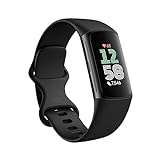
- Find your way seamlessly during runs or rides with turn-by-turn directions from Google Maps on Fitbit Charge 6[7, 8]; and when you need a snack break on the go, just tap to pay with Google Wallet[8, 9]
The key idea isn’t that these metrics are new—most Garmin watches track them already—but that they’re measured under identical conditions every time. By removing movement, training load, and posture changes, Garmin aims to make the results more comparable from one snapshot to the next.
Once completed, the data is saved as a single report in Garmin Connect. You can view trends over time, export the summary as a PDF, or simply use it as a reference point when something feels off physically or mentally.
Why Garmin built Health Snapshot instead of another health score
Unlike features such as Body Battery or Training Readiness, Health Snapshot doesn’t reduce your health to a single number. Garmin intentionally avoids labeling results as “good” or “bad,” because the company positions this as a self-awareness tool rather than a diagnostic one.
From a sports science perspective, this makes sense. Metrics like HRV and resting heart rate are highly individual, and context matters more than absolute values. A snapshot taken after poor sleep or high stress can look very different from one taken during a recovery week, even if nothing is medically wrong.
Health Snapshot is Garmin’s answer to users who want clarity without clinical claims. It gives structure to self-checks while keeping responsibility with the user to interpret trends, not chase perfect readings.
Which Garmin watches support Health Snapshot
Health Snapshot is available on most modern Garmin watches equipped with Garmin’s latest heart rate sensors and pulse oximetry. This includes popular lines like Venu, Venu Sq, Vivoactive, Forerunner (mid to high-end models), Fenix, Epix, and Instinct 2 series.
Battery impact is minimal because snapshots are short and user-initiated. Comfort does matter, though—watches with lighter cases and softer silicone straps tend to produce more consistent readings during seated sessions, especially if worn snugly above the wrist bone.
If your watch already tracks HRV status, stress, and SpO2, there’s a good chance Health Snapshot is supported. The feature is accessed directly on the watch and synced through Garmin Connect on both iOS and Android.
Who Health Snapshot is genuinely useful for
Health Snapshot is best suited for users who want a simple routine to check how their body is responding to life and training, without turning health tracking into a daily obsession. This includes recreational athletes, busy professionals managing stress, and anyone returning to exercise after illness, travel, or disrupted sleep.
It’s also valuable for beginners who feel overwhelmed by Garmin’s depth. Instead of interpreting multiple dashboards, Health Snapshot gives them a single place to start learning how metrics like HRV and resting heart rate behave over time.
For more advanced athletes, the feature works as a supplementary reference rather than a primary training tool. It won’t replace detailed performance metrics, but it can highlight early signs of fatigue or accumulated stress before they show up in workouts.
Who it’s not designed for—and common misunderstandings
Health Snapshot is not a medical assessment, and it’s not meant to detect illness or diagnose conditions. A single abnormal reading doesn’t mean something is wrong, and Garmin is careful not to frame the data that way.
It’s also not ideal for people who tend to fixate on numbers or check metrics compulsively. Because natural daily fluctuations are normal, using Health Snapshot too frequently can create unnecessary anxiety rather than insight.
Finally, it’s not a replacement for continuous tracking. Metrics like sleep quality, training load, and recovery still rely on long-term patterns, which is where Garmin’s broader ecosystem does its best work.
Which Garmin Watches Support Health Snapshot (and What You Need Before You Start)
If Health Snapshot sounds like the right balance of insight and simplicity for you, the next step is making sure your Garmin actually supports it—and that you’re set up to get clean, meaningful readings. While the feature is widely available, it’s not universal across Garmin’s lineup, and a few practical details matter more than most users realize.
Garmin watch families that support Health Snapshot
Health Snapshot is available on most modern Garmin watches that include continuous heart rate tracking, HRV measurement, and pulse oximetry hardware. In practical terms, that means the majority of Garmin’s mid-range and premium models released over the last few years.
You’ll find Health Snapshot on watches such as the Venu series (including Venu Sq 2 and Venu 2/2S/2 Plus), vivoactive 4 and 5, and the newer vívosmart fitness bands. These models prioritize all-day wellness tracking, lightweight cases, and comfortable silicone straps, which actually helps with measurement consistency during seated sessions.
It’s also supported on performance-focused lines like the Forerunner 255, 265, 745, 955, and 965, as well as the fēnix 6 and 7 families, epix (Gen 2), Enduro, and tactix models. These watches use reinforced polymer or metal cases with sapphire or Gorilla Glass lenses, and while they’re larger and heavier, their advanced sensors still handle short, static health checks well when worn correctly.
Models where support may vary or be limited
Older Garmin devices and entry-level models are less likely to support Health Snapshot, even if they track heart rate. Watches that lack HRV recording or pulse oximetry—such as early Forerunner or vívofit models—don’t meet the feature’s requirements.
Some specialized outdoor or legacy devices may receive partial support depending on firmware updates. If your watch can track HRV status overnight but doesn’t show Health Snapshot in the activity list, it usually means Garmin hasn’t enabled the guided session on that hardware.
The fastest way to check is directly on the watch. If you can add Health Snapshot as an activity or find it under health monitoring tools, your device is compatible regardless of its positioning in Garmin’s lineup.
Software, phone, and account requirements
Beyond the watch itself, Health Snapshot requires an up-to-date Garmin Connect app on iOS or Android. The watch session runs locally, but results are only viewable in detail once they sync to your Garmin account.
You’ll also need to keep your watch firmware current. Garmin occasionally refines HRV algorithms and SpO2 handling through updates, which can subtly improve consistency over time without changing how the feature looks or behaves.
There’s no subscription required, and Health Snapshot data is stored alongside your other health metrics. That makes it easy to compare snapshots over weeks or months without managing separate dashboards.
Sensor and hardware considerations that affect accuracy
Health Snapshot relies on optical sensors on the back of the watch, so physical design matters. Watches with flatter casebacks and softer, flexible straps tend to sit more evenly on the wrist, which helps reduce motion artifacts during the two-minute session.
Larger adventure watches with metal bezels and thicker cases work just as well, but they’re more sensitive to fit. Wearing the watch snugly, about a finger’s width above the wrist bone, makes a noticeable difference—especially for HRV and breathing rate.
Cold skin, dry contact, or loose straps can all skew readings. If you’re using a heavier fēnix or epix model, taking a moment to warm up indoors and adjust the strap before starting is worth the effort.
What you should do before running your first Health Snapshot
Before starting, make sure you’re seated comfortably, relaxed, and not immediately post-exercise or post-caffeine. Health Snapshot is designed to capture a calm baseline, not a stressed or stimulated state.
It also helps to be consistent. Running snapshots at roughly the same time of day, under similar conditions, improves trend usefulness far more than chasing perfect numbers.
Once those basics are in place, Health Snapshot becomes a dependable reference point rather than just another data screen. The watch does the measuring, but the setup—and your expectations—are what determine how valuable the results become.
The Six Key Metrics Health Snapshot Tracks—Explained in Plain English
Once you’re settled and still, Health Snapshot pulls together six signals that reflect how your body is functioning in that calm moment. None of them are diagnostic on their own, but together they form a surprisingly useful check-in you can repeat over time.
What matters most isn’t chasing “ideal” numbers. It’s understanding what each metric represents, how it normally behaves for you, and what meaningful changes tend to look like.
Heart Rate: your baseline engine speed
Heart rate is the simplest metric in Health Snapshot, but it anchors everything else. It’s your resting beats per minute during those two quiet minutes, measured continuously by the optical sensor on the back of the watch.
A lower resting heart rate generally reflects good cardiovascular efficiency, especially in trained users, but day-to-day fluctuations are normal. Poor sleep, dehydration, illness, or accumulated fatigue can all push it higher without signaling anything serious.
When reviewing snapshots, look for patterns rather than single spikes. A gradual upward drift across several days often tells you more than one off reading after a stressful morning.
Heart Rate Variability (HRV): how adaptable your nervous system is
HRV measures the tiny timing differences between heartbeats, not how fast your heart is beating. Higher variability usually indicates a relaxed, resilient nervous system, while lower values often show stress, fatigue, or incomplete recovery.
Garmin’s snapshot HRV is a short-term reading, so it’s best used as a directional signal. Comparing today’s value to your usual range is far more informative than comparing it to someone else’s number.
Because HRV is sensitive to fit and movement, this is where strap comfort and caseback design really matter. A snug, stable fit improves reliability, especially on heavier metal-cased watches.
Respiration Rate: how calmly you’re breathing
Respiration rate tracks how many breaths you take per minute while sitting still. In a relaxed state, most people fall somewhere between 12 and 20 breaths per minute.
A higher-than-normal breathing rate during a snapshot can reflect stress, anxiety, lingering exertion, or even poor posture. It’s not uncommon for it to normalize once you consciously relax and rerun the snapshot later.
This metric pairs especially well with HRV. When breathing rate drops and HRV rises together, it usually signals genuine relaxation rather than forced stillness.
Stress: a combined view of physical and mental load
Garmin’s stress score isn’t based on your thoughts or emotions directly. It’s derived primarily from HRV patterns, estimating how taxed your nervous system appears at that moment.
Lower scores suggest your body is in a rest-and-digest state, while higher scores indicate activation, even if you feel mentally calm. Caffeine, poor sleep, or dehydration can elevate stress scores without any obvious emotional trigger.
Use this number as a quick gut check. If stress scores stay elevated across multiple snapshots, it may be time to adjust recovery, sleep habits, or training load.
Blood Oxygen Saturation (SpO2): oxygen delivery efficiency
SpO2 estimates how much oxygen your blood is carrying, expressed as a percentage. For most healthy people at sea level, values typically sit in the mid-to-high 90s.
Garmin measures this using red and infrared light, which means readings can be affected by skin temperature, movement, and strap tightness. Cold hands or loose fit are common causes of unusually low results.
This metric is most useful when tracked consistently under similar conditions. Single low readings aren’t cause for alarm, but repeated drops may be worth paying attention to, especially at altitude or during illness.
Skin Temperature: subtle changes beneath the surface
On supported models, Health Snapshot includes skin temperature variation relative to your personal baseline. This isn’t a core body temperature reading, but it can still highlight meaningful trends.
Rank #2

- Inspire 3 is the tracker that helps you find your energy, do what you love and feel your best. All you have to do is wear it.Operating temperature: 0° to 40°C
- Move more: Daily Readiness Score(1), Active Zone Minutes, all-day activity tracking and 24/7 heart rate, 20+ exercise modes, automatic exercise tracking and reminders to move
- Stress less: always-on wellness tracking, daily Stress Management Score, mindfulness sessions, relax breathing sessions, irregular heart rhythm notifications(2), SpO2(3), menstrual health tracking, resting heart rate and high/low heart rate notifications
- Sleep better: automatic sleep tracking, personalized Sleep Profile(1), daily detailed Sleep Score, smart wake vibrating alarm, sleep mode
- Comfortably connected day and night: calls, texts & smartphone app notifications(4), color touchscreen with customizable clock faces, super lightweight and water resistant to 50 meters, up to 10 day battery life(5)
Small increases can appear during illness onset, hormonal shifts, or recovery strain, while decreases often show up in cooler environments. Because skin temperature is highly individual, the value lies almost entirely in changes, not the absolute number.
If your watch supports this metric, it adds valuable context to HRV and stress. When several metrics shift together, the snapshot becomes much more than the sum of its parts.
How to Take a Garmin Health Snapshot: Step-by-Step on Your Watch
After understanding what each metric represents, the next step is learning how to capture a clean, reliable Health Snapshot. The process is intentionally simple, but small details like posture, strap fit, and timing can meaningfully affect the quality of your data.
Health Snapshot is designed as a controlled check-in, not a passive background metric. Treat it more like a brief calibration of your body than a casual glance at a watch face.
Before you start: set yourself up for accurate readings
Choose a moment when you can sit or stand still for a few uninterrupted minutes. Avoid taking a snapshot immediately after exercise, caffeine, or rushing up stairs, as your heart rate and breathing may still be elevated.
Wear the watch snugly, about a finger’s width above the wrist bone. The case should sit flat against the skin, with no visible gaps, especially on lighter polymer cases where loose fit is common during daily wear.
If your watch supports SpO2 or skin temperature, warm hands matter. Cold skin reduces optical sensor accuracy, so indoor, room-temperature conditions tend to produce the most consistent results.
Step 1: Open the Health Snapshot app
On most Garmin watches, press the top-left button to open the activity or app list, then scroll to Health Snapshot. Touchscreen models like the Venu or Epix allow you to swipe through the app drawer, while button-driven models such as the Forerunner or Fenix rely on up and down keys.
If you don’t see Health Snapshot, it may need to be added to your app list through the watch settings or Garmin Connect. Older or entry-level models may not support the feature at all, so compatibility is worth checking upfront.
Once opened, the watch will briefly explain which metrics are about to be measured. This is your cue to settle into position.
Step 2: Get into position and stay still
Sit upright with your feet flat on the floor, or stand relaxed with arms at your sides. Rest the arm wearing the watch on your thigh or a table to minimize movement.
During the snapshot, avoid talking, looking around excessively, or adjusting the strap. Even subtle movement can interfere with heart rate variability and respiration tracking, especially on lighter watches with slimmer cases.
The watch will guide you with on-screen prompts, and some models provide gentle vibrations to indicate progress. Trust the process and let the sensors do the work.
Step 3: Breathe naturally while the watch records
The snapshot typically takes around two minutes, depending on the metrics your model supports. During this time, breathe normally rather than forcing slow or deep breaths.
Garmin’s respiration and HRV estimates rely on natural patterns. Trying to “game” the reading by controlling your breath often creates less representative results.
If the watch detects too much movement or signal loss, it may prompt you to restart. That’s not a failure, just a sign the sensors need cleaner data.
Step 4: Review your results on the watch
When the snapshot finishes, you’ll see a summary screen showing each metric measured during the session. This usually includes heart rate, HRV-based stress, respiration rate, and SpO2, with skin temperature variation on supported models.
These values are presented as a moment-in-time check, not a diagnosis. The watch may flag certain readings as within or outside your typical range, based on your personal history rather than population averages.
Resist the urge to judge a single number in isolation. The real value emerges when these metrics are viewed together and tracked over time.
Step 5: Dive deeper in Garmin Connect
After syncing your watch, open the Garmin Connect app on your phone. Navigate to Health Snapshot to see a more detailed breakdown, including trend context and historical comparisons.
Garmin Connect often presents these metrics with gentle explanations and visual cues, making it easier to spot patterns across days or weeks. This is especially useful for noticing gradual changes in stress, recovery, or baseline physiology.
From here, you can also export or share snapshots if you choose, though the data is best used as a personal reference rather than something to obsess over daily.
How often to take a Health Snapshot for meaningful insights
For most users, one snapshot per day or a few per week is more than enough. Taking it at roughly the same time of day, such as after waking or before bed, improves consistency.
Snapshots are particularly useful during periods of change: increased training load, poor sleep, illness, travel, or altitude exposure. In these moments, trends across multiple snapshots tell a clearer story than any single reading.
Taking snapshots too frequently can add noise rather than clarity. Garmin designed this tool to support awareness, not constant monitoring.
Common issues and how to avoid them
Inconsistent readings are often caused by loose straps, cold skin, or movement during the test. Adjusting fit and environment solves most problems without any setting changes.
Battery level can also matter. While Health Snapshot isn’t especially power-hungry, very low battery states may reduce sensor performance on older devices.
If your watch repeatedly fails to complete a snapshot, a quick restart or software update usually resolves the issue. Garmin’s health features rely heavily on firmware stability, especially on multisensor models with long battery life and always-on monitoring.
How to Read Your Health Snapshot Results in Garmin Connect
Once you move from taking snapshots to reviewing them regularly, Garmin Connect becomes the real control center. This is where individual numbers turn into context, trends, and practical signals you can actually use in daily life and training.
Rather than presenting a single “score,” Garmin deliberately breaks Health Snapshot into its core components. Understanding what each metric means, and how they relate to one another, is the key to using the feature well.
Start with the overall snapshot view
When you open a Health Snapshot in Garmin Connect, you’ll first see a summary screen showing all recorded metrics from that session. This includes heart rate, heart rate variability, stress, respiration rate, blood oxygen saturation, and skin temperature change on supported models.
This top-level view is designed for quick comparison rather than diagnosis. Think of it as a physiological status check, not a verdict on your health.
If something looks slightly off, Garmin’s design encourages you to tap deeper rather than react immediately. Most meaningful insights come from patterns across multiple snapshots, not isolated readings.
Understanding heart rate in context
Your snapshot heart rate reflects how calm or activated your body was during the two-minute test. A lower reading generally indicates good recovery or relaxation, especially if taken at rest under consistent conditions.
What matters more than the number itself is consistency. If your snapshot heart rate is gradually trending higher at the same time of day, it can hint at accumulated fatigue, poor sleep, stress, or illness.
Garmin Connect often shows how this value compares to your recent baseline, which is far more useful than comparing yourself to generic averages.
How to interpret heart rate variability (HRV)
HRV is one of the most important but most misunderstood metrics in Health Snapshot. In simple terms, higher HRV usually reflects a nervous system that’s adaptable and well-recovered, while lower HRV suggests strain or incomplete recovery.
Garmin does not expect you to interpret HRV clinically. Instead, Connect frames it relative to your own historical range, which is exactly how HRV should be used.
If your HRV dips for a day or two after hard training, poor sleep, or travel, that’s normal. Persistent drops across several snapshots are what deserve attention.
Stress score: useful, but only with nuance
The stress value in Health Snapshot is calculated using heart rate variability patterns during the test. Lower stress scores typically align with calm, parasympathetic-dominant states.
This number is highly sensitive to movement, breathing patterns, caffeine, and even mental state during the snapshot. A slightly elevated stress score doesn’t mean you are “unhealthy,” only that your body wasn’t fully relaxed at that moment.
Over time, consistently higher stress readings during snapshots taken at rest may indicate poor recovery habits or ongoing life stressors worth addressing.
Respiration rate and what it really tells you
Respiration rate during Health Snapshot reflects how many breaths you take per minute while sitting still. For most adults, a narrow, stable range across snapshots is a good sign.
A sudden increase can happen with illness, anxiety, poor sleep, or altitude exposure. That’s why Garmin emphasizes trend tracking rather than reacting to a single spike.
This metric becomes especially useful when viewed alongside heart rate and stress, as all three often move together during periods of physiological strain.
Blood oxygen saturation (Pulse Ox) interpretation
If your Garmin supports Pulse Ox during Health Snapshot, you’ll see a percentage value representing estimated blood oxygen saturation. At sea level and at rest, most healthy users will see readings in the mid to high 90s.
Small day-to-day fluctuations are normal and often meaningless. Factors like watch fit, skin temperature, circulation, and even arm position can influence readings.
Pulse Ox data becomes most informative during travel to altitude, respiratory illness, or when tracked consistently under the same conditions.
Rank #3

- 【BUILT-IN GPS SMART WATCH – GO FURTHER, FREER, SMARTER】No phone? No problem. This fitness watch for women, featuring the latest 2025 technology, includes an advanced professional-grade GPS chip that precisely tracks every route, distance, pace (real-time & average), and calorie burned—completely phone-free. Whether you're chasing new personal records or exploring off the beaten path, your full journey is automatically mapped and synced in the app. Train smarter. Move with purpose. Own your progress. Own your journey.
- 【BLUETOOTH 5.3 CALLS & SMART NOTIFICATIONS】Stay effortlessly connected with this smart watch for men and women, featuring dual Bluetooth modes (BT 3.0 + BLE 5.3) and a premium microphone for crystal-clear calls right from your wrist—perfect for driving, workouts, or busy days. Receive instant alerts for calls, texts, and popular social apps like WhatsApp and Facebook. Just raise your wrist to view notifications and never miss an important moment.
- 【100+ SPORT MODES & IP68 WATERPROOF & DUSTPROOF】This sport watch is a versatile activity and fitness tracker with 100+ modes including running, cycling, yoga, and more. It features quick-access buttons and automatic running/cycling detection to start workouts instantly. Accurately track heart rate, calories, distance, pace, and more. Set daily goals on your fitness tracker watch and stay motivated with achievement badges. With IP68 waterproof and dustproof rating, it resists rain and sweat for any challenge. Not suitable for showering, swimming, or sauna.
- 【24/7 HEALTH ASSISTANT & SMART REMINDERS】This health watch continuously monitors heart rate, blood oxygen, and stress levels for comprehensive wellness tracking. Sleep monitoring includes deep, light, REM sleep, and naps to give you a full picture of your rest. Stay on track with smart reminders for sedentary breaks, hydration, medication, and hand washing. Women can also monitor menstrual health. Includes guided breathing exercises to help you relax. Your ultimate health watch with event reminders for a healthier life.
- 【ULTRA HD DISPLAY, LIGHTWEIGHT & CUSTOMIZABLE DIALS】This stylish wrist watch features a 1.27-inch (32mm) 360×360 ultra HD color display with a 1.69-inch (43mm) dial, offering vivid details and responsive touch. Its minimalist design fits both business and casual looks. Switch freely among built-in designer dials or create your own DIY watch face using photos, colors, and styles to showcase your unique personality. Perfect as a cool digital watch and fashion wrist watch.
Skin temperature change on compatible models
On newer Garmin devices with skin temperature tracking, Health Snapshot may show deviation from your baseline rather than an absolute temperature. This is intentional and far more useful.
A positive deviation can appear during illness, poor sleep, alcohol consumption, or intense training blocks. A negative deviation may occur with cold exposure or hormonal changes.
Garmin Connect frames this as a signal, not a diagnosis. It’s best used as an early awareness tool when paired with how you feel subjectively.
Why trend charts matter more than today’s numbers
Each metric in Health Snapshot can be expanded into a trend view in Garmin Connect. This is where the feature truly earns its place in Garmin’s health ecosystem.
Looking at 7-day or 4-week trends helps smooth out daily noise and reveals whether your body is adapting well or struggling to recover. This is especially valuable for endurance athletes, shift workers, and frequent travelers.
If several metrics drift in the same direction over time, that’s a stronger signal than any single red or green indicator.
Using snapshot insights in real-world decisions
Health Snapshot data can help guide practical choices like adjusting training intensity, prioritizing sleep, or taking extra recovery days. It works best when paired with Garmin’s other tools like Body Battery, sleep tracking, and training readiness.
For example, consistently low HRV combined with higher stress and rising heart rate may justify an easier workout or rest day. On the other hand, stable metrics can reinforce confidence in your current routine.
The goal is not optimization at all costs, but awareness that supports smarter habits.
What Health Snapshot is not designed to do
Garmin is careful not to position Health Snapshot as a medical diagnostic tool, and it shouldn’t be used as one. The data is informative but not definitive, especially when taken out of context.
If a reading concerns you repeatedly or aligns with physical symptoms, Garmin Connect encourages seeking professional advice rather than relying on wearable data alone.
Used correctly, Health Snapshot is a personal monitoring tool that complements how you feel, not something that overrides common sense or professional care.
What a ‘Good’ Health Snapshot Looks Like—and Why Trends Matter More Than Scores
After understanding what Health Snapshot measures and what it is not meant to diagnose, the next logical question is simple: what should you actually be looking for when you run one. Garmin deliberately avoids labeling snapshots as good or bad for a reason, because context matters more than any single number.
A “good” Health Snapshot is less about hitting textbook targets and more about seeing consistency across metrics that match your normal baseline. When several readings align with what’s typical for you, that’s when the data becomes genuinely useful.
There is no universal “perfect” snapshot
Garmin Health Snapshot doesn’t score you against population averages. Instead, it quietly builds a picture of what normal looks like for your body, your training load, and your lifestyle.
Two users can record very different heart rates, HRV values, or respiration rates and both be within a healthy range for them. An endurance athlete with years of aerobic training may show a lower resting heart rate and higher HRV than a recreational walker, without either result being inherently better.
This is why Garmin avoids traffic-light labeling inside Health Snapshot. It’s designed to be descriptive, not judgmental.
What balanced metrics usually look like in practice
In a broadly “healthy” snapshot, resting heart rate typically sits close to your recent average rather than spiking unexpectedly. Small day-to-day changes are normal, especially after travel, poor sleep, or a hard workout.
HRV tends to stay within your established baseline range. Minor dips happen after intense training or stress, while sustained drops over several days are more meaningful than a single low reading.
Stress levels during the two-minute snapshot are often low to moderate if you’re seated and breathing normally. Elevated stress during the snapshot doesn’t automatically signal a problem, but it may explain why other metrics look slightly off.
Blood oxygen saturation usually appears stable and consistent for most users at sea level. Occasional lower readings can happen due to fit, movement, or cold skin rather than physiology.
Respiration rate typically falls into a narrow personal range. Sudden increases can reflect illness, anxiety, or poor sleep, especially if they repeat across multiple snapshots.
Why Garmin avoids a single “health score”
It can be tempting to want Health Snapshot to behave like a readiness score or battery percentage. Garmin intentionally resists that approach because health data doesn’t work well when compressed into a single number.
A snapshot taken after a bad night’s sleep might look “worse” than usual, but that doesn’t mean your health is declining. It simply reflects a temporary state that your body will likely recover from.
By keeping metrics separate, Garmin encourages interpretation rather than reaction. This design choice favors long-term awareness over short-term reassurance.
Trends reveal adaptation, strain, and recovery
Where Health Snapshot truly becomes valuable is when you compare today’s results to your own historical patterns. Garmin Connect’s 7-day and 4-week views help you see whether changes are random or persistent.
If resting heart rate gradually creeps upward while HRV trends downward over weeks, that combination often signals accumulated fatigue or insufficient recovery. Seeing those shifts early allows you to adjust before performance or well-being suffer.
Conversely, stable or improving trends during a training block can reinforce that your workload and recovery balance is working, even if individual snapshots fluctuate.
Why single readings are often misleading
Health metrics are sensitive to timing, posture, hydration, caffeine, and even how snugly your watch sits on your wrist. A slightly loose strap or cold hands can skew optical readings during a snapshot.
That’s why Garmin recommends taking Health Snapshots under similar conditions each time. Sitting still, breathing naturally, and wearing the watch consistently improves comparability.
One unusual snapshot is noise. Several unusual snapshots pointing in the same direction is information.
Using your “normal” as the real benchmark
Over time, Health Snapshot teaches you what your personal baseline looks like during normal work weeks, heavy training phases, vacations, or stressful periods. This makes the feature more powerful the longer you use it.
Once that baseline is established, deviations become easier to interpret. A snapshot taken during illness, overreaching, or chronic stress often looks meaningfully different from your usual pattern.
The goal isn’t to chase idealized numbers, but to notice when your body is behaving differently than it usually does—and to understand why.
Why this approach fits Garmin’s broader ecosystem
Garmin devices are built around long battery life, continuous background tracking, and durable all-day wear. Health Snapshot fits naturally into that philosophy by favoring longitudinal insight over instant feedback.
Paired with features like sleep tracking, Body Battery, and Training Readiness, snapshots add another layer of context rather than competing for attention. They reward consistent wear and patience rather than constant checking.
For users who value durability, comfort, and data depth over flashy scores, this trend-first approach aligns with how Garmin watches are meant to be worn and trusted day after day.
When Health Snapshot Data Is Most Useful (Recovery, Stress, Illness, Training Load)
Once you understand your personal baseline, Health Snapshot becomes most valuable in moments where your body is adapting, struggling, or under unusual load. It’s less about daily curiosity and more about strategic check-ins during periods that matter.
Taken at the right times, a 2‑minute snapshot can confirm whether what you’re feeling matches what your physiology is showing. That’s where it shifts from interesting data to practical guidance.
During recovery days and rest periods
Health Snapshot is especially useful on rest days or easy recovery days when your nervous system should be settling down. A snapshot taken in the morning or later in the day can reveal whether your heart rate, HRV, respiration, and stress levels are returning toward your normal range.
If metrics remain elevated despite reduced training, it’s often a sign that recovery isn’t complete yet. That might point to insufficient sleep, lingering fatigue, or non-training stress rather than a problem with the workout itself.
Because Garmin watches are designed for comfortable all-day wear with lightweight cases and breathable straps, these recovery snapshots fit easily into normal routines without feeling intrusive. The long battery life on most models also means you’re less likely to skip snapshots during multi-day recovery phases.
When stress feels high but the cause isn’t obvious
Mental and emotional stress doesn’t always show up clearly in daily activity metrics. Health Snapshot can help connect subjective stress with objective signals like elevated heart rate, suppressed HRV, or higher-than-usual respiration while at rest.
Taking a snapshot after a stressful meeting, travel day, or poor night of sleep often highlights how strongly non-physical stressors affect your body. Over time, patterns emerge between work stress, lifestyle habits, and physiological strain.
This is where consistency matters more than precision. Using the same posture, time of day, and strap fit helps ensure the data reflects stress load rather than measurement noise.
When you suspect illness or immune strain
One of the most practical uses of Health Snapshot is during the early stages of illness. Subtle changes like a higher resting heart rate, reduced HRV, or increased respiration can appear before symptoms fully develop.
Snapshots taken across consecutive days can help confirm that something is off, especially when compared against your established normal. This can be a useful signal to reduce training load, prioritize sleep, or monitor how quickly your body returns to baseline.
Garmin is careful not to frame this as medical detection, and that restraint is appropriate. The value lies in noticing deviation early, not diagnosing conditions.
Rank #4

- 24H Accurate Heart Rate Monitoring: Go beyond basic tracking. Our watch automatically monitors your heart rate, blood oxygen (SpO2), and sleep patterns throughout the day and night. Gain deep insights into your body's trends and make informed decisions for a healthier lifestyle.
- Practical Sports Modes & Smart Activity Tracking: From running and swimming to yoga and hiking, track a wide range of activities with precision. It automatically records your steps, distance, calories burned, and duration, helping you analyze your performance and crush your fitness goals.
- 1-Week Battery Life & All-Day Wear: Say goodbye to daily charging. With an incredible up to 7-10 days of battery life on a single charge, you can wear it day and night for uninterrupted sleep tracking and worry-free travel. Stay connected to your data without the hassle.
- Comfortable to Wear & IP68 Waterproof: The lightweight, skin-friendly band is crafted for all-day comfort, even while you sleep. With IP68 waterproof, it withstands rain, sweat, It is not suitable for swimming or showering.
- Ease of Use and Personalized Insights via Powerful App: The display is bright and easy to read, even outdoors. Unlock the full potential of your watch. Sync with our dedicated app to view detailed health reports, customize watch faces, set sedentary reminders, and manage your preferences with ease.
During heavy training blocks or increasing training load
Health Snapshot pairs well with periods of intensified training when fatigue accumulates gradually. While Training Readiness and acute load metrics show performance impact, snapshots reflect how your body is handling that stress internally.
A stable snapshot profile during a demanding block often suggests your recovery strategies are working. Repeated snapshots showing elevated stress, suppressed HRV, or rising heart rate may indicate that load is outpacing recovery, even if workouts still feel manageable.
Because Garmin devices are built for durability and reliable sensor contact during both training and rest, snapshot trends remain consistent even as mileage or intensity increases. This makes them a useful cross-check rather than a replacement for performance metrics.
After lifestyle changes or routine disruptions
Health Snapshot is particularly informative after changes like travel, shift work, new training schedules, or altered sleep routines. These disruptions often affect the nervous system more than they affect step counts or calorie burn.
Snapshots taken before and after the change provide a clear picture of how your body adapts over time. This helps set realistic expectations for when performance and recovery should normalize again.
For users who wear their Garmin nearly 24/7, including overnight charging breaks thanks to multi-day battery life, these transitions are easier to track without gaps in data.
When the data is less useful
Health Snapshot is not designed for rapid feedback during workouts or immediate decision-making mid-day. Taking frequent snapshots without consistent conditions usually creates confusion rather than clarity.
It’s also less helpful when viewed in isolation or compared against other people’s numbers. Its strength comes from repetition, patience, and context within Garmin’s broader health ecosystem rather than from any single reading.
Common Mistakes That Skew Health Snapshot Readings—and How to Avoid Them
Once you understand when Health Snapshot is most useful, the next step is making sure the data you collect is actually trustworthy. Most confusing or alarming snapshot results come down to setup, timing, or wear habits rather than any real change in health.
Garmin’s sensors are highly capable, but they are also literal. They measure exactly what’s happening in that moment, under those conditions, which means small mistakes can create big-looking fluctuations.
Taking a snapshot too soon after activity
One of the most common errors is running a Health Snapshot shortly after exercise, even if the workout felt easy. Heart rate, respiration, stress, and HRV can remain elevated for 30 to 90 minutes after activity, especially strength training or high-intensity sessions.
To avoid this, wait until your heart rate has fully settled and you feel physically calm. As a rule of thumb, snapshots work best at least an hour after any workout, or first thing in the morning before training begins.
Inconsistent timing from day to day
Health Snapshot is designed for trend tracking, not random spot checks. Taking one snapshot in the morning, another late at night, and another mid-afternoon introduces circadian noise that can mask real changes.
Choose a consistent time window and stick to it. Morning snapshots shortly after waking or evening snapshots before bed tend to be the most repeatable, especially for users with regular schedules.
Improper watch fit or poor sensor contact
Loose straps, worn bands, or watches sliding on the wrist can quietly degrade optical sensor accuracy. This is especially true for HRV and respiration rate, which rely on clean, stable signals.
Wear your Garmin snug but comfortable, about a finger’s width above the wrist bone. Nylon and silicone bands generally perform better than stiff leather or metal bracelets for health tracking, particularly on lighter watches like the Venu or Forerunner series.
Movement during the snapshot
Health Snapshot requires stillness, but many users underestimate how still that really means. Shifting posture, adjusting clothing, or checking notifications can introduce motion artifacts that raise stress readings or disrupt HRV.
Once the snapshot starts, stay seated or lying down, breathe naturally, and let the watch finish uninterrupted. The two-minute duration is short, but patience here directly improves data quality.
Shallow or forced breathing
Garmin measures respiration passively through heart rate variability patterns, not through guided breathing. Consciously controlling your breath, holding it, or breathing unusually slowly can distort both respiration rate and stress scores.
The best approach is to breathe normally and forget about your breathing altogether. If you notice yourself focusing on it, pause the snapshot and restart once you’re relaxed again.
Comparing snapshots to other people’s numbers
Health Snapshot values are individualized baselines, not universal benchmarks. A “high” stress score or a “low” HRV may be perfectly normal for one person and concerning for another.
Focus on how your snapshot compares to your own historical range. Garmin’s software is built around personal trends, and interpreting it through someone else’s data almost always leads to false conclusions.
Obsessing over single outlier readings
Occasional odd snapshots happen, even with perfect conditions. Poor sleep, dehydration, alcohol, travel, or emotional stress can all produce one-off results that don’t reflect your broader health trajectory.
Look for patterns across multiple days rather than reacting to a single snapshot. If a metric returns to baseline quickly, it was likely situational rather than meaningful.
Ignoring battery and software considerations
Low battery states, outdated firmware, or background syncing interruptions can occasionally affect sensor performance. While Garmin devices are generally stable, optimal conditions still matter for clean data capture.
Keep your watch updated, avoid snapshots when battery is critically low, and ensure the device has had time to fully sync recently. Multi-day battery life on most Garmin models makes this easy if you charge proactively rather than reactively.
Expecting medical-grade insight
Health Snapshot is a wellness monitoring tool, not a diagnostic system. It can highlight trends worth paying attention to, but it is not designed to identify disease or replace professional evaluation.
Use it to guide awareness and conversations, not to self-diagnose. When viewed as a long-term signal rather than a medical verdict, it becomes far more useful and far less stressful.
Using Health Snapshot in isolation
A snapshot gains meaning when it’s viewed alongside sleep quality, Body Battery, Training Readiness, and resting heart rate trends. Looking at it alone removes the context that explains why numbers shift.
Garmin’s ecosystem is designed to layer these metrics together. Health Snapshot works best as a supporting instrument, confirming what other signals are already suggesting rather than standing on its own.
Battery Life, Sensors, and Accuracy: What’s Really Happening Under the Hood
All of the guidance so far rests on one assumption: that the data coming out of Health Snapshot is reasonably consistent. That consistency doesn’t come from a single sensor reading in isolation, but from how Garmin balances battery management, optical hardware, and software smoothing in the background.
Understanding those trade-offs helps explain why Health Snapshot works best as a calm, controlled check-in rather than something you run constantly throughout the day.
Why Garmin’s long battery life actually matters for health data
Garmin’s biggest advantage over many lifestyle-focused smartwatches is battery endurance. Most current models, from Venu to Forerunner to Fenix and Epix, can run multiple days with continuous heart rate and stress tracking enabled.
That headroom allows Garmin to keep sensors running steadily instead of aggressively cycling them on and off to save power. More continuous sampling improves baseline accuracy, especially for resting heart rate, HRV trends, and stress calculations that depend on stable data rather than momentary spikes.
It also reduces the temptation to rush measurements before a battery dies. Health Snapshot works best when the watch has been worn normally for hours beforehand, not when it’s limping along at 5 percent and prioritizing survival over precision.
The optical heart rate sensor and why stillness matters
Health Snapshot relies primarily on Garmin’s optical heart rate sensor, which uses green LEDs to detect blood flow changes under the skin. This same sensor underpins heart rate, HRV, stress, respiration rate, and blood oxygen estimation.
Optical sensors are highly sensitive to motion, strap tension, skin tone, tattoos, and ambient light intrusion. That’s why Garmin explicitly asks you to sit still and breathe normally during a snapshot rather than measuring passively in the background.
When you’re stationary, the signal-to-noise ratio improves dramatically. The watch doesn’t need to guess which fluctuations are movement-related versus physiological, so the derived metrics become more reliable.
HRV: the most fragile but most informative metric
Heart rate variability is the most sensitive component of Health Snapshot and also the easiest to distort. Even subtle movements, shallow breathing, or mental agitation can influence short-term HRV readings.
Garmin mitigates this by averaging data over the two-minute snapshot window rather than relying on single beat-to-beat values. Still, HRV during Health Snapshot should be interpreted as a moment-in-time reflection of nervous system balance, not a definitive score.
This is also why comparing your snapshot HRV to overnight HRV status can be misleading. Nighttime readings benefit from hours of stillness, while snapshots trade duration for convenience.
Pulse Ox and the reality of spot oxygen readings
Blood oxygen saturation is one of the most misunderstood Health Snapshot metrics. Garmin’s Pulse Ox uses red and infrared light, which is inherently more sensitive to movement and positioning than heart rate tracking.
A spot Pulse Ox reading during Health Snapshot can confirm that you’re generally within your normal range, but it’s not designed to detect subtle clinical changes. Cold hands, loose straps, or shallow breathing can all skew results downward.
For most users, Pulse Ox in Health Snapshot is best treated as contextual information rather than a performance metric. Trends over time or consistent deviations from your baseline matter more than any single percentage.
How software smoothing improves consistency without hiding reality
Garmin’s health metrics are not raw sensor outputs. They’re filtered, averaged, and cross-referenced with historical data to reduce false spikes.
This smoothing is intentional. Health Snapshot isn’t trying to capture extreme precision; it’s trying to deliver repeatable signals under similar conditions. That’s why running snapshots at roughly the same time of day and under similar circumstances produces the most useful comparisons.
Importantly, smoothing doesn’t mean the data is fake or watered down. It means the watch prioritizes meaningful patterns over jitter that would otherwise create anxiety without insight.
Device differences and what they realistically change
Higher-end Garmin models may use newer sensor revisions or additional LEDs, but Health Snapshot behaves similarly across most current devices. The core experience is driven more by wear quality and consistency than by whether you’re using a Venu, Forerunner, or Fenix.
💰 Best Value

- 【Superb Visual Experience & Effortless Operation】Diving into the latest 1.58'' ultra high resolution display technology, every interaction on the fitness watch is a visual delight with vibrant colors and crisp clarity. Its always on display clock makes the time conveniently visible. Experience convenience like never before with the intuitive full touch controls and the side button, switch between apps, and customize settings with seamless precision.
- 【Comprehensive 24/7 Health Monitoring】The fitness watches for women and men packs 24/7 heart rate, 24/7 blood pressure and blood oxygen monitors. You could check those real-time health metrics anytime, anywhere on your wrist and view the data record in the App. The heart rate monitor watch also tracks different sleep stages for light and deep sleep,and the time when you wake up, helps you to get a better understanding of your sleep quality.
- 【120+ exercise modes & All-Day Activity Tracking】There are more than 120 exercise modes available in the activity trackers and smartwatches, covering almost all daily sports activities you can imagine, gives you new ways to train and advanced metrics for more information about your workout performance. The all-day activity tracking feature monitors your steps, distance, and calories burned all the day, so you can see how much progress you've made towards your fitness goals.
- 【Messages & Incoming Calls Notification】With this smart watch fitness trackers for iPhone and android phones, you can receive notifications for incoming calls and read messages directly from your wrist without taking out your phone. Never miss a beat, stay in touch with loved ones, and stay informed of important updates wherever you are.
- 【Essential Assistant for Daily Life】The fitness watches for women and men provide you with more features including drinking water and sedentary reminder, women's menstrual period reminder, breath training, real-time weather display, remote camera shooting, music control,timer, stopwatch, finding phone, alarm clock, making it a considerate life assistant. With the GPS connectivity, you could get a map of your workout route in the app for outdoor activity by connecting to your phone GPS.
Physical comfort still plays a role. Lighter cases, curved casebacks, and flexible silicone straps tend to produce better sensor contact during seated measurements. A well-fitted strap is more important than premium materials or case finishing when it comes to clean data.
If a watch is uncomfortable or worn loosely because of weight or bulk, accuracy will suffer regardless of price point.
Accuracy in context: what Garmin does well and where it draws the line
Garmin’s strength lies in trend reliability, not clinical precision. When conditions are controlled, Health Snapshot is highly consistent at tracking relative changes within your own data history.
Where it intentionally draws the line is diagnosis. The system is not calibrated to flag disease states, nor does it attempt to interpret numbers beyond wellness context.
That design choice aligns with everything discussed earlier. Health Snapshot is meant to reinforce awareness, confirm recovery or stress patterns, and provide reassurance when your body feels “off,” not to deliver definitive answers.
When you understand what’s happening under the hood, the experience becomes simpler and calmer. You stop chasing perfect numbers and start paying attention to whether today looks meaningfully different from your normal, which is exactly where Health Snapshot delivers its real value.
Health Snapshot vs Continuous Tracking: How It Fits Into Garmin’s Bigger Health Ecosystem
Once you understand Health Snapshot as a controlled, moment-in-time check-in rather than a constant monitor, it makes more sense when viewed alongside Garmin’s always-on tracking. These two approaches are designed to complement each other, not compete.
Garmin’s health ecosystem is built around context. Continuous tracking shows how your body behaves across real life, while Health Snapshot shows how your body looks when variables are stripped away.
Health Snapshot: a controlled baseline, not a daily average
Health Snapshot is best thought of as a standardized test. You’re seated, still, breathing normally, and giving the sensors ideal conditions to capture heart rate, heart rate variability, respiration, stress, and blood oxygen in one clean window.
Because movement and external stressors are minimized, the data is less noisy. That makes it easier to compare today’s snapshot to one taken last week or last month and quickly see whether something is meaningfully different.
This is why Health Snapshot works so well when you feel “off” but can’t explain why. It gives you a stable reference point rather than a moving target.
Continuous tracking: real life, with all its messiness
Continuous tracking does the opposite by design. Your Garmin is measuring heart rate, stress, respiration, and activity across workouts, meetings, meals, sleep, and recovery.
This data reflects how your body responds to training load, sleep quality, hydration, alcohol, illness, and mental stress. It is incredibly useful, but it is also influenced by everything you do.
That’s why individual readings during the day can fluctuate wildly. A stressful email, a walk upstairs, or a loose strap can all show up in the data without meaning anything long-term.
Why Garmin keeps these systems separate
Garmin intentionally separates Health Snapshot from continuous tracking to avoid misinterpretation. A single calm, seated measurement should not be averaged together with data collected while walking, training, or fidgeting.
By keeping Health Snapshot as a manual, intentional action, Garmin encourages you to slow down and engage with the data thoughtfully. It becomes a check-in you choose to perform, not something that constantly demands attention.
This separation is part of why Garmin’s health features feel quieter and less anxiety-inducing than platforms that surface raw data nonstop.
How Health Snapshot feeds into the wider health picture
Health Snapshot does not directly change metrics like Body Battery, Training Readiness, or recovery time. Instead, it gives you a lens to interpret those metrics more confidently.
For example, if your Body Battery feels unusually low or your stress score seems elevated, a Health Snapshot taken under calm conditions can help confirm whether your nervous system is genuinely under strain or if the day’s chaos is skewing perception.
Over time, patterns emerge. A gradual drop in snapshot HRV across weeks often lines up with heavy training blocks, poor sleep streaks, or mounting life stress, even if daily numbers fluctuate.
When to rely on Health Snapshot over continuous data
Health Snapshot is most useful during moments of uncertainty. If you wake up feeling unusually fatigued, run-down, or overstimulated, a snapshot gives you a clean comparison against your normal baseline.
It’s also valuable during recovery phases, illness, or deload weeks, when you want reassurance that your system is stabilizing rather than reacting to daily noise.
In contrast, continuous tracking shines during training analysis, sleep evaluation, and lifestyle habit assessment. It answers “how did my body handle today?” rather than “where is my baseline right now?”
Device comfort, battery life, and real-world usability
Because Health Snapshot requires stillness, comfort matters more than ruggedness or premium materials. Watches with lighter polymer cases, curved backs, and soft silicone straps tend to sit flatter on the wrist, improving sensor contact during seated measurements.
Battery life also plays a quiet role. Garmin devices with multi-day or multi-week endurance encourage consistent wear, which strengthens both continuous trends and snapshot comparisons over time.
From a software perspective, Health Snapshot is one of Garmin’s most approachable features. It lives directly on the watch, requires no subscriptions, and syncs cleanly into Garmin Connect without overwhelming charts or medicalized language.
The ecosystem mindset Garmin is pushing
Garmin isn’t asking you to monitor your health constantly. It’s asking you to observe patterns, check in intentionally, and use data as confirmation rather than control.
Health Snapshot represents the pause button in that philosophy. Continuous tracking represents the background hum of daily life.
Used together, they create a system that rewards consistency, patience, and self-awareness rather than obsession over perfect numbers.
Limitations, Medical Disclaimers, and When You Shouldn’t Rely on Health Snapshot Alone
All of that context leads to an important reality check. Health Snapshot is a powerful awareness tool, but it is not a diagnostic instrument, and it works best when you understand where its boundaries are.
Garmin’s philosophy is about trend literacy, not medical interpretation. Treat Health Snapshot as a structured check-in with your body, not a verdict on your health.
Health Snapshot is not a medical test
Despite tracking clinically relevant signals like heart rate variability, blood oxygen saturation, and respiration rate, Health Snapshot is not a regulated medical feature. Garmin does not position it as a tool for diagnosing disease, detecting cardiac events, or evaluating chronic conditions.
The sensors are optimized for consumer wearables, not hospital-grade equipment. Wrist-based optical sensors are sensitive to movement, temperature, skin tone, wrist anatomy, and strap fit, all of which can subtly influence readings.
If a snapshot result looks unusual, that is a prompt for curiosity, not alarm. Garmin’s own guidance is clear that any health concerns should be discussed with a qualified medical professional, especially if symptoms are present.
Single snapshots can be misleading without context
Health Snapshot is most informative when compared against your own historical baseline. A single reading taken during a stressful morning, after caffeine, or following poor sleep can skew metrics like HRV and heart rate upward.
This is why Garmin emphasizes consistency over precision. The value comes from repeating snapshots under similar conditions, ideally at the same time of day, while seated, relaxed, and breathing normally.
Interpreting a snapshot in isolation, without looking at recent sleep, training load, illness, or lifestyle factors, often leads to incorrect conclusions. The watch gives you signals, but context gives them meaning.
Situations where Health Snapshot is the wrong tool
There are clear moments when you should not rely on Health Snapshot at all. During acute illness, fever, chest pain, dizziness, or shortness of breath, a smartwatch should never delay seeking medical care.
It is also not designed for real-time monitoring during exercise, high stress events, or immediately after intense workouts. Elevated heart rate and suppressed HRV in those moments are expected physiological responses, not warning signs.
If you are managing a known medical condition, using medication that affects heart rate, or recovering from surgery, Health Snapshot can still provide general insight, but only as a supplementary awareness tool alongside professional guidance.
Why numbers alone don’t tell the full story
Wearables excel at detecting patterns, but they cannot explain why those patterns exist. A drop in HRV could reflect poor sleep, dehydration, psychological stress, illness, or cumulative training fatigue, and the watch cannot distinguish between them.
Garmin intentionally avoids giving diagnostic labels or health “scores” inside Health Snapshot. That restraint is a feature, not a flaw, because it reduces false certainty and encourages users to look at trends rather than chase optimization.
Your subjective experience still matters. Mood, motivation, soreness, and mental clarity often align with snapshot trends, but they should always be weighed alongside the data rather than overridden by it.
Using Health Snapshot responsibly and confidently
The smartest way to use Health Snapshot is as a decision-support tool. It can reinforce a rest day choice, validate that recovery is trending positively, or confirm that a stressful period is affecting your physiology.
It should not drive anxiety, compulsive checking, or self-diagnosis. If you find yourself reacting emotionally to individual readings, that’s a sign to zoom out and focus on weekly or monthly patterns instead.
Garmin’s ecosystem works best when you use Health Snapshot as a pause, continuous tracking as the background, and your own judgment as the final filter.
Final takeaway: awareness, not assurance
Health Snapshot is one of Garmin’s most thoughtfully designed health features because it respects the line between insight and overreach. It gives you a quiet, controlled look at how your body is responding over time without pretending to replace medical expertise.
Used consistently, it helps you understand your personal baseline, recognize meaningful deviations, and respond with smarter training and lifestyle choices. Used carelessly, it can become noise.
The real value lies in restraint. Health Snapshot works best when it supports awareness, encourages patience, and reminds you that health is a long-term pattern, not a single number on your wrist.