Heart rate data sits at the center of almost everything Garmin does, from daily stress tracking to VO2 max estimates and marathon pacing strategies. If that number is off, training load, recovery metrics, and even sleep insights can quietly drift in the wrong direction. Understanding how Garmin measures heart rate is the fastest way to know when to trust the data on your wrist and when to question it.
Garmin relies primarily on optical heart rate monitoring using photoplethysmography, better known as PPG. This same technology powers 24/7 tracking, Pulse Ox, stress, Body Battery, and most health features across the lineup, from entry-level Forerunners to the latest Fenix, Epix, and Venu models. Knowing how PPG works, and where it struggles, explains why accuracy varies between activities, skin types, watch fit, and sensor generations.
What follows breaks down the science behind Garmin’s optical heart rate system, how the hardware and algorithms have evolved, and what that means in real-world training compared to chest straps and external sensors.
What Optical PPG Heart Rate Monitoring Actually Measures
Optical heart rate sensors measure changes in blood volume beneath the skin rather than electrical signals from the heart. Garmin watches emit light into the wrist using LEDs, then detect how much of that light is reflected back to the sensor as blood pulses through capillaries with each heartbeat. More blood flow absorbs more light, less flow reflects more light.
🏆 #1 Best Overall

- Easy-to-use running smartwatch with built-in GPS for pace/distance and wrist-based heart rate; brilliant AMOLED touchscreen display with traditional button controls; lightweight design in 43 mm size
- Up to 11 days of battery life in smartwatch mode and up to 19 hours in GPS mode
- Reach your goals with personalized daily suggested workouts that adapt based on performance and recovery; use Garmin Coach and race adaptive training plans to get workout suggestions for specific events
- 25+ built-in activity profiles include running, cycling, HIIT, strength and more
- As soon as you wake up, get your morning report with an overview of your sleep, recovery and training outlook alongside weather and HRV status (data presented is intended to be a close estimation of metrics tracked)
The watch converts these tiny fluctuations into a pulse waveform, which software algorithms translate into beats per minute. This process happens continuously during rest and at higher sampling rates during activities, allowing Garmin to provide live heart rate data and detailed trends over time.
Because PPG measures blood flow indirectly, it is sensitive to anything that interferes with light transmission or skin contact. Wrist movement, pressure changes, temperature, and even how tightly the watch is worn all influence signal quality.
Why Garmin Uses Multiple LED Colors
Garmin optical sensors use a combination of green, red, and infrared LEDs depending on the measurement being taken. Green light penetrates the skin at a shallow depth and produces a strong signal for heart rate during exercise, which is why it is the primary color used for real-time HR tracking.
Red and infrared LEDs penetrate deeper into tissue and are used for metrics like Pulse Ox and sleep-related breathing analysis. These wavelengths are more sensitive to oxygen saturation but require the wrist to be still, which is why Pulse Ox works best during sleep rather than workouts.
Newer Garmin sensors dynamically adjust LED intensity and color usage based on activity type, skin tone, ambient light, and motion. This adaptive behavior is a key reason newer watches perform better than older models in difficult conditions.
Garmin Elevate Sensor Generations Explained
Garmin brands its optical heart rate hardware as Elevate, and the generation of this sensor matters more than most users realize. Earlier Elevate versions relied on fewer LEDs and simpler photodiodes, which struggled during high-intensity intervals, cycling, and strength training.
Elevate v4 and v5 sensors, found in recent Forerunner, Fenix, Epix, and Venu models, use more LEDs, improved photodiode layouts, and higher sampling rates. This allows better signal separation between actual pulse data and motion noise, especially during running with cadence changes or trail vibration.
The latest sensors also sit flatter against the wrist, improving comfort and reducing light leakage. This small physical change improves consistency during long runs, multi-hour rides, and all-day wear without requiring overly tight straps.
How Software and Algorithms Shape Accuracy
The hardware only captures raw optical data; accuracy depends heavily on Garmin’s signal processing. Algorithms filter out noise caused by arm swing, impact shock, and changes in pressure as muscles flex and relax.
Garmin cross-references optical data with accelerometer and gyroscope inputs to predict when spikes are likely motion artifacts rather than true heart rate changes. During steady-state endurance efforts, this works extremely well and often matches chest strap data within a few beats per minute.
During sudden intensity changes, such as sprint intervals or hill repeats, optical heart rate can lag behind electrical chest straps. This is not a Garmin-specific flaw but a limitation of PPG technology itself.
Why Fit, Strap Choice, and Wrist Placement Matter
Even the best optical sensor fails if the watch is worn poorly. Garmin recommends wearing the watch slightly higher on the wrist, away from the wrist bone, with a snug but not restrictive fit. A loose watch allows light to escape and lets external light contaminate the signal.
Strap material also plays a role. Silicone straps maintain consistent pressure during sweat-heavy workouts, while nylon bands can loosen as they absorb moisture. For smaller wrists, lighter watches like the Forerunner series tend to maintain better contact than heavier outdoor models during fast-paced running.
Cold weather can reduce blood flow to the extremities, degrading PPG accuracy. This is why winter runs often show erratic heart rate readings until the body warms up.
Optical Wrist HR vs Chest Straps in Real Training
Chest straps measure the heart’s electrical activity directly, making them the gold standard for precision, especially during intervals, cycling, and strength training. Garmin’s optical sensors perform closest to chest straps during steady aerobic efforts like long runs, hikes, and zone-based endurance rides.
For athletes training by heart rate zones rather than split-second response, wrist-based HR is often accurate enough. For lactate threshold testing, sprint work, or structured intervals where timing matters, pairing a Garmin watch with a chest strap still provides the most reliable data.
Garmin’s ecosystem makes switching seamless, automatically prioritizing external sensors when connected without disabling wrist-based tracking for daily health metrics.
Limitations You Should Be Aware Of
Optical heart rate struggles most with rapid wrist flexion, heavy gripping, and impact-heavy movements. Strength training, rowing, kettlebells, and technical mountain biking often produce erratic readings due to muscle contraction compressing blood flow.
Skin tone, tattoos, and scars can also affect light absorption and reflection. Newer Elevate sensors have improved performance here, but no optical system fully eliminates these challenges.
Understanding these limitations allows users to interpret Garmin heart rate data intelligently rather than assuming every number is equally reliable across all activities.
Garmin Heart Rate Sensor Generations Compared (Elevate v2, v3, v4, v5)
Those limitations explain why Garmin has steadily iterated on its Elevate optical heart rate platform rather than treating wrist HR as a solved problem. Each Elevate generation reflects targeted improvements in light emission, sensor layout, algorithms, and physical integration with the watch case.
Understanding which Elevate sensor a Garmin watch uses is critical, because real-world accuracy differences often matter more than marketing features like training readiness or VO2 max.
Elevate v2: Garmin’s First Mature Wrist HR Platform
Elevate v2 marked the point where Garmin wrist heart rate became usable for everyday training rather than novelty tracking. It relied on a tri-LED green light array with a single photodiode, paired with basic motion compensation algorithms.
You’ll find Elevate v2 in older devices like the Forerunner 235, Forerunner 735XT, Vivoactive HR, and early Fenix 5 models. These watches were relatively thick and heavy, which made stable skin contact more difficult during high-cadence running.
In steady-state aerobic efforts, Elevate v2 could track average heart rate reasonably well, but it lagged badly during intervals and produced frequent cadence lock. For modern structured training, it is the least reliable Elevate generation.
Elevate v3: Better Motion Filtering and Broader Adoption
Elevate v3 introduced a refined LED layout and improved signal processing, significantly reducing cadence lock during running. Garmin also improved how the sensor handled wrist flexion, making it more usable for cycling and gym sessions.
This generation appeared in widely used models like the Forerunner 245, Forerunner 645, Fenix 5 Plus, Instinct, and Vivoactive 3. Watch casings became slimmer, and strap integration improved overall wearability.
In practice, Elevate v3 performs well for zone-based training and long runs, but still struggles with short intervals and heavy strength work. Compared to v2, error spikes are less frequent but not eliminated.
Elevate v4: Multi-Wavelength Sensing and ECG Support
Elevate v4 was a major leap, adding red and infrared LEDs alongside green light. This enabled blood oxygen saturation tracking and, in select models, FDA-cleared ECG functionality.
Devices using Elevate v4 include the Fenix 6 and 7 series, Forerunner 255 and 955, Venu 2 and Venu 2 Plus, Epix Gen 2, and Enduro 2. These watches feature flatter sensor windows that sit closer to the skin, improving consistency across wrist sizes.
From an accuracy standpoint, Elevate v4 is markedly better during tempo runs and progressive workouts. While still slower than a chest strap during sharp intervals, it delivers stable averages and cleaner heart rate curves for endurance athletes.
Elevate v5: Garmin’s Most Accurate Wrist HR to Date
Elevate v5 focuses on raw signal quality rather than adding new health metrics. It uses a revised multi-LED array with higher light output and improved photodiode sensitivity, paired with more aggressive artifact rejection.
This sensor debuted in premium models like the Fenix 7 Pro series, Epix Pro (Gen 2), and later high-end outdoor watches. These models are heavier, but improved sensor protrusion and strap geometry help maintain consistent skin contact.
In testing, Elevate v5 tracks chest straps closely during steady and moderately variable efforts, including rolling terrain and long climbs. It still cannot match ECG-based sensors for sprint intervals, but the gap is now small enough that many runners can train effectively without an external strap.
Sensor Generation vs Watch Design: Why It Matters
The Elevate sensor itself is only part of the accuracy equation. Case thickness, lug geometry, strap material, and total weight all influence how well the sensor stays coupled to the wrist.
Lightweight Forerunner models with Elevate v4 often outperform heavier adventure watches using the same sensor during fast running. Conversely, hiking and endurance events favor larger watches where motion is lower and contact is more stable.
This is why two Garmin watches with the same Elevate generation can produce noticeably different heart rate traces in identical workouts.
Which Elevate Generation Is “Good Enough” for You?
For casual fitness tracking and general health metrics, Elevate v3 already delivers acceptable accuracy. Most users upgrading from basic trackers will see a dramatic improvement at this level.
Serious runners, cyclists, and triathletes should prioritize Elevate v4 or v5, especially if they train by heart rate zones or rely on load-based metrics. Elevate v5 offers the closest experience to chest strap data without additional hardware.
No Elevate generation fully replaces a chest strap for maximal precision, but understanding these differences helps you choose a Garmin watch that aligns with how you actually train rather than how you think you train.
Which Garmin Devices Use Which Heart Rate Sensors
Once you understand how Elevate sensor generations differ in capability, the next practical step is mapping those sensors to real Garmin watches you can actually buy and wear. Garmin’s lineup spans lightweight plastic training tools, metal-cased adventure watches, and hybrid lifestyle models, and heart rate sensor choice closely tracks both price and intended use.
Garmin rarely markets Elevate generations prominently on product pages, so knowing which models use which sensor helps cut through spec-sheet ambiguity. Below is a device-by-device breakdown, grouped by sensor generation and watch family, with notes on how design and use case influence real-world performance.
Elevate v5: Garmin’s Current Flagship Heart Rate Sensor
Elevate v5 is found in Garmin’s newest premium watches, where the combination of higher light output, improved photodiodes, and refined firmware delivers the strongest wrist-based heart rate performance Garmin has achieved so far. These watches are typically heavier and thicker, but better rear-case shaping and strap integration help offset the mass.
Devices using Elevate v5 include the Fenix 7 Pro series, Epix Pro (Gen 2), Enduro 2, and newer high-end outdoor models released from mid-2023 onward. These watches often feature metal bezels, sapphire options, and multi-band GPS, positioning them as do-it-all training and expedition tools.
In daily wear, v5-equipped watches tend to excel during steady endurance sessions, hiking, long climbs, and structured base training. During short intervals and explosive changes in effort, accuracy is still limited by wrist motion, but the signal dropouts seen in older sensors are noticeably reduced.
Rank #2
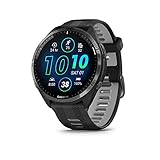
- Brilliant AMOLED touchscreen display with traditional button controls and lightweight titanium bezel
- Battery life: up to 23 days of battery life in smartwatch mode, up to 31 hours in GPS mode
- Confidently run any route using full-color, built-in maps and multi-band GPS
- Training readiness score is based on sleep quality, recovery, training load and HRV status to determine if you’re primed to go hard and reap the rewards (data presented is intended to be a close estimation of metrics tracked)
- Plan race strategy with personalized daily suggested workouts based on the race and course that you input into the Garmin Connect app and then view the race widget on your watch; daily suggested workouts adapt after every run to match performance and recovery
Elevate v4: The Workhorse Sensor for Serious Training
Elevate v4 remains the most widely used high-accuracy sensor across Garmin’s performance-focused lineup. It strikes a balance between power efficiency, sensor fidelity, and compact size, making it ideal for lighter watches where tight wrist coupling matters.
You’ll find Elevate v4 in popular models such as the Forerunner 255 and 955, Forerunner 265 and 965, Fenix 6 series, Fenix 7 (non-Pro), Epix (Gen 2 non-Pro), Venu 2 series, and several Instinct 2 variants. This generation spans plastic-bodied race watches and rugged outdoor designs.
In real-world testing, v4 performs exceptionally well for road running, tempo sessions, and endurance cycling when paired with a snug strap. Lightweight Forerunner models often deliver cleaner heart rate traces than heavier watches using the same sensor, especially during high-cadence running.
Elevate v3: Reliable for Fitness and Health, Limited for Precision Training
Elevate v3 marked Garmin’s transition into consistently usable wrist-based heart rate tracking for fitness and wellness metrics. While it lacks the signal processing improvements of newer versions, it remains dependable for everyday activity tracking and steady aerobic exercise.
This sensor appears in older Forerunner models like the Forerunner 245 and 645, earlier Venu and Vivoactive watches, and select legacy outdoor models. These watches are generally thinner and lighter, which helps mitigate some of the sensor’s limitations.
For gym workouts, walking, and continuous running at moderate intensity, v3 holds up well. However, athletes training by narrow heart rate zones or relying on load-based metrics will notice lag and smoothing during rapid intensity changes.
Elevate v2 and Earlier: Entry-Level and Legacy Devices
Earlier Elevate versions are now largely confined to discontinued models and basic fitness watches. These sensors were designed primarily for all-day heart rate tracking rather than structured training.
Devices in this category include early Vivoactive and Vivosmart models, as well as older Forerunner generations no longer sold new. Battery life on these watches is often shorter, and software support is increasingly limited.
For users upgrading from these models, even a jump to Elevate v3 feels transformative. From a training standpoint, however, these sensors are best viewed as historical reference points rather than viable tools for modern performance analysis.
How Watch Design Alters Sensor Performance Across the Same Generation
Two watches sharing the same Elevate sensor can behave very differently on the wrist. Case thickness, rear sensor protrusion, lug angle, and strap stiffness all affect how consistently the LEDs stay pressed against the skin.
Plastic-bodied Forerunners with flexible silicone straps often outperform metal-cased adventure watches during fast running, despite identical sensor hardware. Conversely, heavier watches shine during long-duration efforts where movement is minimal and contact pressure remains stable.
This interaction between sensor and chassis is why Garmin’s training watches and outdoor watches can feel optimized for entirely different athletes, even when the core sensor is technically the same.
Choosing the Right Sensor by Training Style, Not Price
If your training focuses on endurance running, cycling, hiking, or triathlon pacing, Elevate v4 already delivers reliable enough data to drive meaningful decisions. Elevate v5 adds refinement, not a radical leap, and shines most during long, steady efforts and mixed-terrain adventures.
For casual fitness, sleep tracking, and general health insights, older sensors remain serviceable, especially in lighter watches that wear comfortably all day. The key is matching the sensor generation to how intensively you plan to use heart rate data.
Understanding which Garmin devices use which heart rate sensors lets you evaluate watches on performance reality rather than marketing tiers. In practice, the best choice is often the watch that fits your wrist, your sport, and your training habits as much as it fits your budget.
Garmin Heart Rate Features: From 24/7 Tracking to Advanced Training Metrics
Once you understand how sensor generation and watch design influence raw heart rate accuracy, the next step is seeing what Garmin actually does with that data. Garmin’s ecosystem is built around continuous heart rate collection, using it not just for workouts, but to model recovery, readiness, stress, and long-term fitness trends.
What separates Garmin from simpler fitness trackers is not that it measures heart rate, but how deeply that signal is integrated into training logic, health monitoring, and device-to-device compatibility.
24/7 Heart Rate Tracking as the Foundation
Every modern Garmin with an Elevate sensor records heart rate around the clock, sampling more frequently during activity and scaling back during rest to conserve battery. This continuous baseline allows Garmin to establish personal norms rather than relying on population averages.
Resting heart rate trends are calculated automatically, using overnight data when movement is minimal. Over time, this becomes one of the most reliable indicators of aerobic fitness changes, illness, or accumulated fatigue.
Because tracking is always on, even lightweight models like the Forerunner 165 or Venu Sq can surface meaningful health insights, provided the watch is worn consistently and snugly.
Heart Rate Zones and Intensity Minutes
Garmin uses heart rate zones as the backbone of workout intensity analysis, whether you are following structured training plans or free-form activities. Zones can be based on percentage of max heart rate, heart rate reserve, or lactate threshold on higher-end devices.
Intensity Minutes translate those zones into a simple weekly target, rewarding moderate and vigorous effort rather than raw step counts. This makes heart rate relevance clear even for users who do not train with pace, power, or intervals.
Accuracy here depends heavily on zone calibration. Users who take the time to set max heart rate manually or pair a chest strap for threshold testing get far more useful feedback than those relying on automatic estimates.
Sleep, Stress, and Body Battery
Heart rate variability, derived from beat-to-beat changes during sleep and periods of rest, powers several of Garmin’s most popular wellness features. Stress tracking interprets suppressed HRV as physiological load, updating throughout the day.
Body Battery blends heart rate, HRV, sleep quality, and activity intensity into a single energy score. While simplified, it offers a surprisingly intuitive reflection of how hard training, poor sleep, or alcohol intake affect recovery.
These features benefit from stable overnight sensor contact, which is why lighter watches with flexible straps often outperform heavier adventure models for sleep accuracy, even if both use the same sensor generation.
Training Load, Training Effect, and Recovery Time
For athletes, heart rate truly comes alive once it feeds Garmin’s training algorithms. Training Effect scores quantify aerobic and anaerobic stimulus based on how heart rate responds to effort duration and intensity.
Training Load aggregates these effects over rolling windows, helping users identify whether they are maintaining, building, or overreaching. Recovery Time estimates how long before another hard session is advisable, using heart rate response and recent workload.
These metrics are most reliable during steady-state efforts like endurance runs or long rides. During short intervals or sprints, wrist-based heart rate lag can soften peaks, which is why Garmin still positions chest straps as the gold standard for precision training.
VO2 Max and Performance Trend Analysis
Garmin’s VO2 max estimates rely on the relationship between heart rate and external workload, such as running pace or cycling power. When conditions are controlled, these estimates track fitness changes well, even if the absolute number is imperfect.
Performance Condition provides real-time feedback early in a workout, comparing current heart rate response to your baseline. It is especially useful for detecting fatigue on days when pace feels harder than expected.
Consistent device wear matters here. Switching watches, wearing a device loosely, or training in extreme heat without accounting for environmental stress can skew trends and mask real progress.
Broadcasting and External Sensor Integration
Many Garmin watches can broadcast heart rate over ANT+ or Bluetooth, allowing the watch itself to act as a sensor for bike computers, gym equipment, or training apps. This is particularly useful for cyclists who want a single data source without a chest strap.
Garmin also supports pairing with external heart rate straps, which seamlessly override wrist data during activities while still feeding the same training metrics. This hybrid approach preserves convenience for daily wear and accuracy for key sessions.
Battery life plays a role here. Multi-band GPS watches with always-on displays may see reduced endurance when broadcasting continuously, whereas simpler models can sustain all-day tracking with ease.
Limitations and Best-Use Scenarios
Despite its sophistication, Garmin’s heart rate ecosystem is not immune to optical limitations. Rapid arm movement, cold weather, tattoos, and poor strap fit can still introduce noise, particularly during high-intensity efforts.
Understanding when wrist-based data is “good enough” versus when precision matters is critical. For health tracking, endurance pacing, and trend analysis, modern Garmin sensors perform exceptionally well.
For race-day pacing, interval validation, or lactate-based training decisions, pairing a chest strap remains the most reliable way to unlock the full potential of Garmin’s advanced metrics without compromise.
Optical Wrist HR vs Chest Straps: Real-World Accuracy Analysis
With Garmin’s training ecosystem relying so heavily on heart rate–derived metrics, the question of wrist-based optical accuracy versus chest straps becomes more than academic. It directly affects training load calculations, recovery guidance, and how much trust you can place in day-to-day feedback.
Understanding where each sensor type excels, and where it predictably struggles, helps explain why Garmin continues to support both so deeply across its watch lineup.
How Optical Wrist Heart Rate Actually Behaves in Training
Garmin’s Elevate optical sensors measure heart rate using photoplethysmography, detecting blood volume changes through the skin with green LEDs. In steady-state efforts like easy runs, long rides, hiking, or indoor cardio, modern Elevate sensors track chest straps remarkably closely once heart rate stabilizes.
The gap appears during rapid intensity changes. Optical sensors respond with a short delay during hard intervals, surges, or sprint finishes, often under-reporting peaks by several beats per minute before catching up.
This latency is not a Garmin-specific flaw but a physiological limitation of wrist-based optical sensing, where blood flow changes lag behind electrical heart activity.
Accuracy During Different Sports and Movement Patterns
Running highlights both the strengths and weaknesses of wrist HR. On smooth roads at consistent paces, accuracy is typically within 1–3 bpm of a chest strap, but aggressive arm swing or downhill braking can introduce brief cadence lock artifacts.
Cycling presents a different challenge. Reduced wrist blood flow, bent riding positions, and vibration make optical readings more variable, especially outdoors, which is why Garmin still recommends chest straps for structured bike training.
Rank #3

- Our brightest AMOLED touchscreen display with button controls and an aluminum bezel in 42 mm size to fit smaller wrists
- Up to 10 days of battery life in smartwatch mode and up to 18 hours in GPS mode for a more complete picture of your training and recovery
- Train for an event, achieve a milestone, or improve your fitness with Garmin Coach training plans; these running and triathlon plans are personalized to you and adapt based on your performance and recovery
- Training readiness score is based on sleep quality, recovery, training load and HRV status to determine if you’re primed to go hard and get the most out of your workout (data presented is intended to be a close estimation of metrics tracked)
- Built-in microphone and speaker let you make and take phone calls from your wrist when your watch is paired to your smartphone — and you can even use your smartphone’s voice assistant to respond to text messages and more
Strength training, CrossFit-style workouts, and racquet sports are the most problematic. Grip tension, wrist flexion, and intermittent effort patterns often cause wrist HR to lag or flatten, even on Garmin’s latest sensor hardware.
Cold Weather, Heat, and Fit: The Hidden Accuracy Variables
Environmental stress plays a major role in wrist-based accuracy. Cold conditions reduce peripheral blood flow, making it harder for optical sensors to maintain signal quality during winter runs or ski sessions.
Heat introduces the opposite problem. Elevated skin temperature and sweat can increase signal noise, occasionally causing spikes if the watch shifts or loses consistent contact.
Fit remains the single most important controllable factor. A Garmin watch worn slightly higher on the forearm and snug enough to prevent micro-movement will consistently outperform a loose, low-on-the-wrist fit, regardless of sensor generation.
Chest Straps and Why They Still Set the Accuracy Benchmark
Chest straps measure the heart’s electrical signal directly, capturing R-R intervals with near-instant responsiveness. This makes them effectively immune to motion artifacts, temperature changes, and muscle tension.
For Garmin’s advanced metrics, this matters. Heart rate variability, lactate threshold detection, training effect, and recovery time calculations all become more stable and repeatable when driven by chest strap data.
During interval workouts, chest straps capture true peaks and recoveries without smoothing or delay, which is essential for athletes using heart rate targets to validate pacing or fatigue.
Garmin’s Hybrid Approach: Wrist Convenience, Strap Precision
Garmin’s software intelligently prioritizes external sensors when paired, automatically overriding wrist HR during activities while preserving all downstream metrics. This allows athletes to wear the watch comfortably all day and still achieve laboratory-grade accuracy during key sessions.
Importantly, Garmin does not penalize users for mixing data sources. VO2 max trends, load focus, and recovery insights remain coherent even when wrist HR is used for easy days and chest straps for intensity.
Battery life and comfort factor into this equation. For ultrarunners, cyclists, and triathletes, removing reliance on wrist HR during long events can reduce sensor strain and improve overall data consistency.
What the Data Shows Over Time, Not Just in Single Workouts
Single-session accuracy differences often look dramatic in side-by-side charts, but Garmin’s real strength lies in longitudinal analysis. Wrist-based HR excels at trend detection, capturing changes in resting heart rate, sleep HR, and aerobic efficiency with high reliability.
Over weeks and months, these trends correlate strongly with fitness changes, even if individual intervals show minor discrepancies. This is why Garmin’s health features and daily training recommendations remain robust when using wrist HR alone.
Where precision truly matters is in sessions designed to test limits. When outcomes hinge on exact thresholds or repeatable comparisons, chest straps remain the reference standard within Garmin’s ecosystem.
Choosing the Right Tool Based on Training Intent
For general fitness, endurance base building, health tracking, and daily wear, Garmin’s optical wrist HR is accurate enough to support meaningful decisions. It delivers consistency, convenience, and deep integration with minimal friction.
For performance-focused athletes, the decision is not wrist or strap, but when to use each. Pairing a chest strap for intervals, races, and testing while relying on wrist HR the rest of the time reflects how Garmin’s platform is designed to be used.
This flexibility, more than raw sensor specs, is what allows Garmin users to balance comfort, accuracy, and long-term training insight without compromising the integrity of their data.
Activity-by-Activity Accuracy: Running, Cycling, Strength, HIIT and Swimming
Understanding where Garmin’s optical heart rate performs well and where it struggles becomes clearer when viewed through the lens of specific activities. Each sport places different demands on the sensor, from repetitive motion patterns to rapid intensity changes and environmental interference.
Running: The Optical Sensor’s Strongest Use Case
Running remains the most reliable scenario for Garmin’s wrist-based heart rate, especially with recent Elevate sensor generations found in devices like the Forerunner 265, Forerunner 965, Fenix 7, and Epix Pro. The consistent arm swing, steady cadence, and relatively stable wrist position create ideal conditions for optical readings to track closely with chest straps during steady-state efforts.
Accuracy is highest during easy runs, long aerobic sessions, and progression runs where intensity ramps gradually. In these contexts, wrist HR typically stays within a few beats per minute of a chest strap once initial warm-up stabilization passes.
Intervals expose the limitations. During short repeats, hill sprints, or VO2 max sessions, wrist HR often lags behind rapid heart rate changes, smoothing peaks and delaying recoveries. For athletes training to exact pace or heart rate zones, this lag can meaningfully affect session quality.
Cold weather also plays a role. Reduced blood flow to the wrist can degrade signal quality, particularly in slim or lightweight watches with less sensor contact pressure, making chest straps more reliable in winter conditions.
Cycling: Mixed Results That Depend on Position and Terrain
Cycling presents a more challenging environment for optical heart rate due to sustained wrist flexion and variable grip pressure on the handlebars. On smooth indoor trainer rides or steady outdoor endurance efforts, Garmin’s wrist HR can deliver usable data, particularly when cadence and power remain stable.
Accuracy drops during climbs, technical descents, or high-torque efforts where upper body tension increases. These movements alter blood flow and sensor contact, leading to dropouts or artificially flattened heart rate curves.
Road cyclists focused on power-based training may tolerate wrist HR for aerobic rides, but those using heart rate to assess decoupling, threshold work, or heat adaptation benefit significantly from pairing a chest strap. Garmin’s cycling metrics, including load and recovery, remain intact regardless of the heart rate source, so accuracy gains come without data trade-offs.
Strength Training: Where Wrist HR Becomes Contextual, Not Precise
Strength training exposes one of the clearest weaknesses of optical wrist heart rate. Isometric contractions, gripping barbells or dumbbells, and repeated wrist flexion restrict blood flow, causing delayed or suppressed readings during lifts.
Garmin watches often underestimate peak heart rate during heavy sets, while rest periods can appear artificially elevated as blood flow normalizes. This does not invalidate the data, but it changes how it should be interpreted.
For general strength sessions, wrist HR is adequate for estimating overall training load and caloric expenditure trends. For circuit-style lifting or heart-rate-driven conditioning, a chest strap provides a more truthful reflection of physiological stress, especially when Garmin’s anaerobic load calculations are involved.
HIIT and Cross-Training: High Variability, High Demands
HIIT workouts combine the most challenging elements for optical heart rate: rapid intensity spikes, multi-directional movement, and frequent transitions between exercises. In these sessions, Garmin’s wrist HR tends to smooth the effort, underrepresenting true peaks and compressing recovery valleys.
The impact is most noticeable in short intervals under 60 seconds, where heart rate rises faster than optical sensors can track. This can skew time-in-zone metrics and reduce the accuracy of anaerobic training effect estimates.
Garmin partially mitigates this through algorithmic filtering and post-workout analysis, but physics still applies. Athletes using HIIT to drive specific adaptations or comparing repeat sessions benefit from chest straps for consistency, especially when tracking progress over time.
Swimming: Technically Impressive, Physiologically Limited
Garmin’s ability to capture heart rate during swimming is notable, particularly in pool sessions with steady pacing. The optical sensor functions underwater by recording heart rate during rest phases and smoothing data across lengths, offering a reasonable approximation of effort.
However, water pressure, arm rotation, and reduced sensor contact limit real-time accuracy. Open water swimming introduces further variability due to temperature and navigation movements.
For triathletes, swim HR data is best treated as contextual rather than diagnostic. It can highlight relative effort trends across sessions, but it should not be used for precise intensity control or physiological testing.
Across all activities, the pattern remains consistent. Garmin’s wrist-based heart rate excels when movement is rhythmic and intensity changes are gradual, and it falters when biomechanics or rapid transitions interfere with optical signal quality.
Known Limitations and Common Heart Rate Accuracy Issues
As the activity spectrum widens, the constraints of wrist-based optical heart rate become more predictable. These are not Garmin-specific flaws so much as the practical boundaries of photoplethysmography when it is packaged into a wearable designed for all-day comfort, long battery life, and outdoor durability.
Understanding where and why errors occur helps athletes interpret their data correctly and decide when a chest strap or alternative placement is the better tool.
Optical Lag During Rapid Heart Rate Changes
The most common limitation is response time. Optical sensors measure blood volume changes at the skin, which naturally lag behind electrical heart activity captured by chest straps.
During sharp accelerations, short intervals, or hill surges, wrist heart rate often underreports peak values by several seconds. This delay compresses time spent in higher zones and can soften anaerobic load estimates.
Garmin’s newer sensor generations reduce this effect, but they cannot eliminate it entirely without sacrificing signal stability.
Fit, Strap Tension, and Wrist Anatomy
Optical accuracy is highly dependent on how the watch sits on the wrist. A loose fit, worn low near the wrist bone, or rotating during movement introduces light leakage and motion artefacts.
Garmin’s larger performance watches, such as Fenix and Enduro models, place more mass on the wrist, which can amplify this issue during running or strength work. A snug fit worn slightly higher on the forearm consistently improves signal quality without compromising comfort.
Skin curvature, tendon prominence, and wrist circumference all influence results, which is why two athletes can see very different accuracy from the same device.
Cadence Lock and Motion Interference
In steady-state running or cycling, optical sensors can sometimes lock onto repetitive motion rather than true cardiac rhythm. This typically shows up as heart rate tracking step cadence or pedal cadence instead of physiological effort.
Cadence lock is more likely at moderate intensities when heart rate and movement frequency overlap numerically. It is less common in newer Garmin sensors but still appears occasionally during treadmill running or indoor cycling.
Chest straps remain immune to this effect, making them preferable for pacing-critical sessions.
Rank #4

- Easy-to-use running watch monitors heart rate (this is not a medical device) at the wrist and uses GPS to track how far, how fast and where you’ve run.Special Feature:Bluetooth.
- Battery life: up to 2 weeks in smartwatch mode; up to 20 hours in GPS mode
- Plan your race day strategy with the PacePro feature (not compatible with on-device courses), which offers GPS-based pace guidance for a selected course or distance
- Run your best with helpful training tools, including race time predictions and finish time estimates
- Track all the ways you move with built-in activity profiles for running, cycling, track run, virtual run, pool swim, Pilates, HIIT, breathwork and more
Cold Weather and Peripheral Vasoconstriction
In cold environments, blood flow to the skin decreases as the body prioritizes core temperature. This reduces the optical signal available to the sensor, leading to flat-lined or erratic heart rate early in workouts.
Winter runs, ski touring, and cold-water activities are particularly affected. Wearing the watch over a base layer or allowing a longer warm-up can help, but accuracy may remain compromised.
This is one of the clearest scenarios where chest-based monitoring offers a substantial advantage.
Skin Tone, Tattoos, and Sensor Contact
Darker skin tones and dense wrist tattoos can reduce optical signal clarity by absorbing or scattering the sensor’s light. Garmin’s multi-wavelength designs mitigate this better than older sensors, but interference is still possible.
Tattoos directly under the sensor are the most problematic, especially solid black or dark blue ink. Shifting the watch slightly or wearing it on the opposite wrist often resolves the issue.
Garmin does not officially recommend alternative placements, but real-world users frequently find workable adjustments.
Strength Training and Isometric Load
Weight training presents a different challenge than endurance sports. Gripping bars, flexing forearm muscles, and sustained isometric contractions restrict blood flow at the wrist.
This leads to heart rate readings that lag or remain artificially low during heavy lifts. Garmin’s strength profiles are better interpreted using rep tracking and perceived exertion rather than heart rate zones alone.
For circuit training or metabolic conditioning, pairing a chest strap restores meaningful cardiovascular data.
Battery Saver Modes and Reduced Sensor Sampling
On longer activities, especially ultraruns or expeditions, battery-saving modes can reduce heart rate sampling frequency. This preserves runtime but lowers resolution, smoothing out short-term fluctuations.
Garmin makes these trade-offs explicit in power management settings, but many users enable them without fully understanding the impact. Training load and recovery metrics remain usable, but fine-grained intensity analysis suffers.
Athletes relying on precise zone compliance should avoid aggressive power-saving profiles.
Daily Wear vs Training Accuracy
Garmin optimizes wrist heart rate differently for 24/7 tracking than for recorded activities. During daily wear, the emphasis is on stability, battery efficiency, and trend detection rather than rapid responsiveness.
This is ideal for resting heart rate, stress tracking, and sleep analysis. It is less suited to capturing brief spikes from climbing stairs or rushing between meetings.
Understanding this distinction prevents misinterpretation of everyday heart rate graphs.
When Wrist Heart Rate Is the Wrong Tool
Certain use cases consistently exceed the practical limits of optical sensing. Lab-style testing, threshold validation, and interval-heavy programs benefit from electrical heart rate measurement.
Garmin’s ecosystem supports seamless pairing with chest straps, and many of its advanced metrics were originally built around that data source. Using the right sensor for the session improves not only accuracy, but long-term confidence in the training system itself.
Wrist heart rate is a powerful convenience feature, but it performs best when its limitations are acknowledged rather than ignored.
How to Improve Garmin Heart Rate Accuracy in Daily Use
Understanding when wrist heart rate works well, and when it needs support, sets the foundation. The next step is optimizing how the watch is worn, configured, and used day to day so the sensor can perform at its best.
Small adjustments in fit, placement, and software behavior often deliver larger gains than upgrading hardware alone.
Optimize Watch Fit and Placement
Optical heart rate accuracy starts with mechanical stability. The watch should sit just above the wrist bone, snug enough to prevent micro-movements but not so tight that it restricts circulation.
During exercise, a looser everyday fit often becomes a source of cadence lock or signal dropouts. Many athletes benefit from tightening the strap one notch for training, then relaxing it again afterward for comfort.
Case size and lug-to-lug length also matter. Larger Garmin models with thicker sensor housings, such as Fenix or Enduro variants, need more deliberate placement than slimmer Forerunner or Venu models to maintain consistent skin contact.
Choose the Right Strap Material for the Activity
Silicone straps are durable and water-resistant, but they can allow subtle sliding once sweat builds up. This movement degrades optical signal quality, especially during tempo changes or downhill running.
Nylon or fabric straps distribute pressure more evenly across the wrist and often improve heart rate stability during longer sessions. They also reduce hot spots, making it easier to maintain a secure fit without discomfort.
For daily wear, comfort drives compliance. A strap that encourages all-day use improves resting heart rate, stress, and body battery accuracy over time.
Warm Up Before Relying on the Data
Optical sensors perform better once blood flow increases. Early-session heart rate readings, especially in cold weather, are more prone to lag or under-reporting.
A structured warm-up allows Garmin’s algorithms to stabilize before intensity rises. This is particularly important for workouts with early intervals or pace targets tied to heart rate zones.
Runners and cyclists who consistently see delayed heart rate response often mistake this for sensor failure when it is actually a physiological and environmental effect.
Keep the Sensor and Skin Clean
Sweat residue, sunscreen, and dead skin cells interfere with light transmission. Cleaning the sensor window regularly with fresh water and a soft cloth maintains optical clarity.
Equally important is skin hygiene. Heavy lotions or oil-based sunscreens applied directly under the watch reduce signal quality, especially during longer activities.
This is a low-effort habit that preserves accuracy across months of daily wear rather than just single workouts.
Use Activity Profiles That Match the Session
Garmin applies different filtering and sampling behavior depending on the selected activity. Recording a strength session as cardio or a run as “other” changes how aggressively heart rate data is smoothed.
Using the correct profile ensures heart rate is interpreted in context with motion patterns, GPS data, and accelerometer input. This directly affects training load, intensity minutes, and recovery calculations.
Custom activity profiles are useful, but they should be built with an understanding of how heart rate contributes to the metrics you care about.
Update Firmware and Sensor Algorithms
Garmin frequently refines heart rate algorithms through firmware updates, especially for newer Elevate sensor generations. Improvements are often subtle but cumulative, addressing edge cases like high cadence or uneven terrain.
Keeping the watch updated ensures access to these refinements as well as bug fixes that can affect data continuity. This is particularly relevant for users who train across multiple sports.
Skipping updates may leave performance on the table even with high-end hardware.
Know When to Switch to a Chest Strap
Daily heart rate tracking does not require medical-grade precision. For resting heart rate trends, sleep tracking, and stress estimation, wrist-based accuracy is more than sufficient.
When sessions involve intervals, threshold work, or rapid intensity shifts, pairing a chest strap provides cleaner data and faster response. Garmin’s seamless strap integration allows this switch without changing workflows or metrics.
Using wrist heart rate for convenience and chest straps for precision is not a compromise. It is how Garmin’s ecosystem is designed to be used.
Interpret Daily Heart Rate Trends, Not Single Readings
Garmin’s strength in daily monitoring lies in pattern detection over time. Resting heart rate, stress scores, and body battery become meaningful when viewed across days and weeks.
Short-term spikes or dips during normal life are often noise rather than signal. Understanding this prevents unnecessary concern and improves trust in the system.
When used as intended, daily heart rate data becomes a contextual layer that supports training decisions rather than dictating them.
When You Should Use a Chest Strap with Garmin (HRM-Pro, HRM-Dual, HRM-Fit)
Understanding when wrist-based heart rate reaches its limits is the key to using Garmin’s ecosystem intelligently. Optical sensors have improved dramatically, but physiology, movement, and training intensity still create scenarios where electrical chest straps remain the gold standard.
💰 Best Value

- Brilliant AMOLED touchscreen display with traditional button controls; lightweight design in 46 mm size
- Up to 13 days of battery life in smartwatch mode and up to 20 hours in GPS mode
- As soon as you wake up, get your morning report with an overview of your sleep, recovery and training outlook alongside HRV status, training readiness and weather (data presented is intended to be a close estimation of metrics tracked)
- Plan race strategy with personalized daily suggested workouts based on the race and course that you input into the Garmin Connect app and then view the race widget on your watch; daily suggested workouts adapt after every run to match performance and recovery
- Training readiness score is based on sleep quality, recovery, training load and HRV status to determine if you’re primed to go hard and get the most out of your workout (data presented is intended to be a close estimation of metrics tracked)
Garmin does not position chest straps as upgrades to wrist HR, but as precision tools for specific training contexts. The goal is not constant use, but targeted deployment when data quality materially affects training decisions.
High-Intensity Intervals and Rapid Heart Rate Changes
Intervals, VO2 max sessions, and short hill repeats expose the biggest weakness of wrist-based optical heart rate: response time. Optical sensors must infer blood volume changes, which lag behind electrical signals during sharp intensity transitions.
Chest straps like the HRM-Pro and HRM-Dual read the heart’s electrical activity directly. This produces near-instantaneous detection of heart rate spikes and drops, which is critical when intervals last 30 to 120 seconds.
Without a strap, wrist HR often smooths these efforts, underreporting peaks and delaying recoveries. That distortion affects time-in-zone metrics, VO2 max estimation, and anaerobic training load.
Threshold Training and Lactate-Based Workouts
Threshold sessions live in a narrow heart rate band where small inaccuracies matter. A drift of even 3–5 bpm can push a workout from controlled threshold work into unintentional overreaching.
Chest straps provide the stability required for sustained, steady-state efforts. This is especially important for athletes using heart rate to pace long tempo runs, marathon-pace workouts, or FTP-aligned cycling sessions.
Garmin’s Firstbeat-derived metrics, such as Training Effect and load focus, rely heavily on accurate time spent near threshold. Chest straps reduce noise in these calculations.
Cycling, Indoor Training, and Low-Impact Arm Movement
Cycling is one of the most challenging activities for wrist-based heart rate. Static wrist position, road vibration, and tight grips reduce blood flow signals that optical sensors depend on.
Indoor trainers compound this problem with sweat pooling and minimal arm movement. Even high-end Garmin watches can struggle to maintain consistent readings in these conditions.
A chest strap removes these variables entirely. For cyclists using power-based training, pairing a strap ensures heart rate-derived metrics remain aligned with wattage data rather than lagging behind it.
Cold Weather, Wet Conditions, and Outdoor Variability
Cold constricts blood vessels near the skin, degrading optical signal quality. Trail running, skiing, and winter cycling introduce temperature swings, uneven terrain, and layered clothing that interfere with wrist sensors.
Chest straps are largely immune to these factors once warmed by body heat. The HRM-Pro, in particular, maintains stable readings in rain, snow, and sub-zero conditions where wrist accuracy often degrades.
For outdoor athletes training year-round, a strap is not about marginal gains but about consistency across seasons.
Garmin HRM-Pro: For Multisport Athletes and Data Maximalists
The HRM-Pro is Garmin’s most advanced strap, designed for athletes who want full ecosystem integration. It transmits over ANT+ and Bluetooth, stores heart rate data internally, and syncs post-activity if a watch cannot be worn.
It adds running dynamics, including vertical oscillation and ground contact time, without relying on the watch sensor. This is valuable for runners who want biomechanics data while wearing lighter watches or race-day sleeves.
Battery life typically exceeds one year, and the soft strap prioritizes comfort for long sessions. For triathletes and serious runners, it functions as an extension of the watch rather than a simple sensor.
Garmin HRM-Dual: Reliable Accuracy Without Extra Metrics
The HRM-Dual focuses purely on accurate heart rate transmission. It lacks onboard storage and advanced running dynamics, but delivers stable data over both ANT+ and Bluetooth.
This makes it ideal for athletes who train across multiple platforms, including indoor bikes, rowing machines, or third-party apps. Pairing is straightforward, and battery replacement is simple.
For users who want chest-strap accuracy without paying for features they will not use, the HRM-Dual remains one of the best value options in Garmin’s lineup.
Garmin HRM-Fit: Designed for Comfort and Everyday Training
The HRM-Fit targets users who prioritize comfort and ease of wear, particularly women. Its clip-based design integrates with sports bras, reducing pressure points and strap movement.
Accuracy remains comparable to other Garmin chest straps for steady-state and interval training. While it lacks some advanced features of the HRM-Pro, it excels in comfort during high-impact activities.
For athletes who avoid chest straps due to fit or discomfort, HRM-Fit removes a common barrier to using more precise heart rate data.
Situations Where Wrist Heart Rate Is Still Enough
Easy runs, recovery rides, daily steps, sleep tracking, and stress monitoring do not require chest strap precision. Wrist-based heart rate is well suited for these contexts and integrates seamlessly into all-day metrics.
Using a chest strap for every session adds friction without meaningful benefit for low-intensity work. Garmin’s ecosystem is designed around selective accuracy, not constant instrumentation.
The most effective approach is intentional switching. Wrist heart rate for lifestyle and base training, chest straps when the quality of heart rate data directly influences performance outcomes.
Choosing the Right Garmin for Reliable Heart Rate Tracking
With the trade-offs between wrist-based sensors and chest straps clearly defined, the next step is choosing a Garmin watch that matches how you actually train. Heart rate reliability is not just about the sensor itself, but about fit, software behavior, battery management, and how the watch handles different intensities and environments.
Garmin’s lineup spans casual wellness trackers to expedition-grade multisport tools. Understanding where each family excels helps avoid paying for precision you will not use, or worse, missing data quality when it truly matters.
Understanding Garmin’s Heart Rate Sensor Generations
Garmin’s Elevate optical heart rate sensors have evolved through multiple generations, each improving light emitters, photodiode sensitivity, and signal filtering. Newer generations reduce cadence lock and improve responsiveness during interval work, but they do not eliminate the fundamental limitations of wrist-based optical sensing.
Elevate Gen 4 and Gen 5 sensors, found in current Forerunner, Fenix, Epix, Venu, and Instinct models, deliver noticeably better performance during steady endurance efforts. High-intensity intervals, rapid terrain changes, and cold-weather constriction still favor chest straps regardless of generation.
Sensor generation matters most when comparing older Garmin models to current ones. Within the modern lineup, watch fit and usage context often outweigh raw sensor hardware differences.
Best Garmin Watches for Wrist-Based Heart Rate Accuracy
For runners and cyclists who primarily rely on wrist heart rate, the Forerunner 265 and Forerunner 965 strike an excellent balance. Their lighter cases, slimmer profiles, and flexible silicone straps improve skin contact, which directly improves optical signal quality during motion.
The Venu 3 prioritizes all-day comfort and health tracking, performing best for users focused on lifestyle metrics, gym workouts, and steady cardio. Its AMOLED display and refined case finishing make it ideal for continuous wear, which improves baseline heart rate, sleep, and stress accuracy.
Fenix and Epix models deliver solid wrist heart rate performance, but their heavier builds and thicker cases slightly increase sensitivity to strap tension and wrist anatomy. For users training with packs, poles, or gloves, these watches benefit even more from pairing with a chest strap.
When Device Class Matters More Than Sensor Quality
Training intensity and environment often matter more than the watch itself. Trail running, skiing, and mountaineering introduce vibration, temperature swings, and wrist flexion that degrade optical accuracy across all devices.
In these cases, even the best wrist sensor becomes secondary to external pairing. Garmin’s higher-end watches handle chest strap integration, offline storage, and physiological metrics like Training Effect and HRV status more robustly than entry-level models.
If your training includes intervals, racing, or structured heart rate zones, choosing a watch that fully supports external sensors and advanced analytics is more important than chasing the newest optical sensor.
Daily Wear, Comfort, and Long-Term Data Quality
Reliable heart rate tracking over weeks and months depends heavily on comfort. A watch that is worn consistently produces cleaner resting heart rate trends, better sleep data, and more stable stress and Body Battery readings.
Smaller wrists often benefit from S-sized cases like the Forerunner 265S or Venu 3S, which maintain sensor contact without over-tightening. Strap material also matters, as softer silicone or nylon bands reduce micro-movement during daily activities.
Durability plays a role as well. Scratched sensor lenses, degraded straps, or inconsistent charging habits can introduce noise that looks like physiological change but is actually hardware drift.
Battery Life and Software Behavior Under Real Training Loads
Heart rate accuracy is influenced by how aggressively the watch samples data. Longer battery life allows Garmin to maintain higher sampling rates during extended activities without resorting to power-saving compromises.
Fenix, Epix, and Enduro models excel here, maintaining consistent heart rate tracking during ultra-distance efforts and multi-day events. Forerunner models trade some endurance for lighter weight, which is often a worthwhile exchange for runners.
Garmin’s firmware also plays a role, smoothing heart rate curves and correcting dropouts. Keeping software updated ensures access to the latest algorithm refinements, which can quietly improve accuracy without any hardware change.
Choosing Based on How You Actually Train
For lifestyle users and recreational athletes, wrist-based heart rate from modern Garmin watches is more than sufficient. Focus on comfort, display preference, and battery life rather than obsessing over marginal accuracy differences.
For structured training, racing, or performance analysis, pair any compatible Garmin with a chest strap and choose the watch for its analytics, durability, and usability. The watch becomes the brain, while the chest strap handles precision sensing.
The most reliable heart rate setup is not the most expensive one. It is the combination that fits your wrist, matches your training intensity, and integrates cleanly into how you move, recover, and live day to day.
In Garmin’s ecosystem, accuracy is not about chasing perfection. It is about choosing tools that deliver consistent, trustworthy data where it matters most, and staying simple everywhere else.