Garmin’s Instinct line has always been the counterpoint to its more polished AMOLED watches, prioritising extreme durability, long battery life, and a stripped-back, field-tool aesthetic over visual flair. At CES 2026, the Instinct 3 marks the biggest philosophical shift in the family’s history, arriving with a full AMOLED display and, for the first time, two distinct case sizes. This is not just a generational refresh; it is Garmin actively repositioning what “Instinct” means inside its wider ecosystem.
Reframing the Instinct within Garmin’s portfolio
Until now, the Instinct series has sat clearly below Fenix and Epix models, offering rugged build quality and core training metrics without the premium materials, mapping depth, or vibrant screens. Instinct 3 narrows that gap visually, even if it does not fully close it on features or materials. The move to AMOLED immediately places it closer to Epix in everyday usability while still undercutting it on price, complexity, and likely weight.
Garmin appears to be carving out a new middle ground between the Instinct 2 and the smaller Fenix and Epix variants. For buyers who found the monochrome display too utilitarian but considered Fenix overkill, Instinct 3 now becomes a far more viable daily-wear option. This repositioning matters, because it expands the Instinct’s relevance beyond hardcore outdoor use into all-day lifestyle wear.
Why AMOLED is a big deal for the Instinct identity
Switching from memory-in-pixel to AMOLED is more than a spec change; it fundamentally alters how the watch is used. Brighter colours, higher contrast, and smoother animations make training data, notifications, and health metrics far easier to glance at during workouts and daily wear. For many users, this removes the single biggest barrier that kept the Instinct feeling dated next to rivals from Apple, Samsung, and even Garmin’s own Venu line.
🏆 #1 Best Overall

- Stylish Design, Vibrant Display: The lightweight aluminum build blends effortless style with workout durability, while the vivid 1.97" AMOLED display keeps your data easy to read, even under bright sunlight.
- All-in-One Activity Tracking: The Amazfit Bip 6 fitness tracker watch offers 140+ workout modes including HYROX Race and Strength Training, plus personalized AI coaching and 50m water resistance.
- Up to 14 Days Battery Life: The Amazfit Bip 6 smart watch powers through your training and recovery for up to two weeks at a time - no nightly charging needed.
- Accurate GPS Tracking & Navigation: Stay on course with free downloadable maps and turn-by-turn directions. Support from 5 satellite systems ensures precise tracking of every move and fast GPS connection.
- 24/7 Health Monitoring: The Amazfit Bip 6 smartwatch provides precise, real-time monitoring of heart rate, sleep, blood-oxygen and stress, empowering you with actionable insights to optimize your health and fitness.
The trade-off, as always, is battery life. Even with Garmin’s power management expertise, AMOLED will not match the multi-week endurance Instinct fans are used to, especially with always-on display modes enabled. Early buyers should expect improved usability and visual appeal at the cost of some of the legendary battery advantage that defined previous Instinct generations.
Two sizes, and a much wider audience
The introduction of two case sizes is a quiet but crucial change. Historically, the Instinct’s single, chunky case alienated users with smaller wrists or those wanting a lighter, more discreet watch for everyday wear. A smaller Instinct 3 variant directly addresses that, improving comfort, fit, and long-term wearability without forcing users into a different Garmin family.
This also signals Garmin’s intent to make the Instinct less niche. By offering size choice, the Instinct 3 now competes more directly with mainstream fitness watches while retaining its shock-resistant construction and outdoor-ready design. For many buyers, this alone may be a bigger upgrade than the display itself.
Who the Instinct 3 is for, and who should think twice
Instinct 3 is aimed squarely at users who want a tough, no-nonsense Garmin with modern visuals and strong training tools, but who do not need full onboard mapping, metal cases, or the sheer feature depth of Fenix or Epix. It makes particular sense for Instinct 1 owners, lifestyle-focused athletes, and outdoor users who also wear their watch 24/7. It is less compelling for Instinct 2 Solar owners who value maximum battery life above all else.
For existing Instinct 2 users, the upgrade decision hinges on priorities. If display clarity, size choice, and everyday usability matter more than charging intervals, Instinct 3 looks like a meaningful step forward. If battery endurance and the original Instinct philosophy are non-negotiable, waiting for full reviews or potential Solar variants may be the smarter move.
From monochrome MIP to AMOLED: why this display change matters
The move from a monochrome memory-in-pixel display to AMOLED is the single biggest philosophical shift the Instinct line has ever made. For years, the Instinct deliberately resisted visual trends, prioritising legibility, endurance, and reliability over polish. With Instinct 3, Garmin is effectively redefining what “rugged” can look like in 2026.
This is not just about prettier watch faces. It reshapes how the Instinct is used day to day, how it competes within Garmin’s own lineup, and how it fits into a market where display quality increasingly drives buying decisions.
Why MIP defined the Instinct — and why Garmin is moving on
The original Instinct’s monochrome MIP panel was chosen for one reason above all else: efficiency. It was always-on, sunlight-readable, and sipped power, enabling battery life that bordered on absurd by smartwatch standards. For hikers, climbers, and expedition users, it was functionally perfect.
But that same display increasingly looked out of place as Garmin’s UI became richer and as users expected more visual feedback from training metrics, maps, and health data. Even within Garmin’s own ecosystem, Instinct began to feel visually dated next to watches like the Epix, Venu, and Forerunner AMOLED models.
AMOLED allows Garmin to modernise the Instinct without fundamentally changing its rugged positioning. It’s an admission that clarity, colour, and interface density now matter as much as raw endurance for a much broader audience.
Readability, contrast, and real-world usability
In practical terms, AMOLED dramatically improves glanceability. High contrast, deep blacks, and vibrant colours make metrics like heart rate zones, training readiness, and navigation prompts easier to interpret at speed. This matters when running intervals, cycling, or checking data mid-hike without stopping.
Garmin’s AMOLED tuning has historically favoured readability over flashy saturation, and early impressions suggest Instinct 3 follows that approach. Fonts are crisper, data fields are more clearly separated, and night-time visibility is vastly improved without relying on backlight tricks.
There are trade-offs. In direct, harsh sunlight, MIP still has a natural advantage, and AMOLED readability becomes more dependent on brightness management. Garmin’s ambient light sensing and adaptive brightness will need to work well for outdoor purists to fully buy in.
Always-on display changes how the Instinct is worn
An often-overlooked consequence of AMOLED is how it alters the Instinct’s role as a 24/7 watch. With always-on display enabled, the Instinct 3 behaves more like a traditional digital watch, with persistent time and subtle complications visible at a glance.
This makes the Instinct feel less like a tool you wake up and more like a watch you live with. Combined with slimmer bezels and cleaner faces, it improves everyday wearability, especially for users who previously found the Instinct too utilitarian for office or casual settings.
The cost, of course, is power consumption. Users who enable always-on should expect noticeably shorter battery life than previous Instinct models, reinforcing that this is a conscious lifestyle-versus-longevity trade.
Positioning Instinct between Fenix, Epix, and Forerunner
The AMOLED shift also clarifies where Instinct now sits in Garmin’s hierarchy. Visually, it moves closer to Epix and higher-end Forerunners, but materially it remains distinct with its fibre-reinforced polymer case, reinforced bezel, and MIL-STD durability focus.
What Instinct 3 does not gain is equally important. There’s still no premium metal construction, no full-colour onboard mapping, and no attempt to rival Fenix as the ultimate everything-watch. AMOLED elevates the experience without collapsing Garmin’s carefully tiered product strategy.
For buyers, this makes the decision clearer. If you want maximum toughness with modern visuals and can live without luxury materials or advanced navigation, Instinct 3 now feels far less like a compromise.
A signal of where Garmin thinks the market is going
Stepping back, this display change is also a statement. Garmin is betting that even outdoor-first users now expect colour, animation, and interface sophistication alongside durability. The success of AMOLED across its lineup suggests that battery anxiety has softened as charging habits evolve.
Instinct 3, then, represents a recalibration rather than a betrayal of the line’s roots. It keeps the core promise of toughness and reliability, but accepts that a 2026 rugged watch must also look and feel contemporary.
For long-time Instinct fans, this will be divisive. For new buyers who previously dismissed the Instinct as too basic or visually dated, AMOLED may be the feature that finally pulls them in.
Two case sizes explained: wearability, wrist fit, and who benefits
If the move to AMOLED modernises how Instinct looks, the introduction of two case sizes arguably does even more to broaden who it’s for. Until now, Instinct has been a largely one-size proposition that skewed large, thick, and unapologetically tool-like on the wrist.
With Instinct 3, Garmin is finally acknowledging that rugged does not have to mean oversized, and that fit is as critical to daily usability as features or battery life.
What we know about the two sizes
At launch, Instinct 3 comes in two distinct case options, following the playbook Garmin has refined with Fenix and Epix. There’s a larger, traditional Instinct size aimed at users coming from Instinct 2 and Instinct 2X, and a smaller variant designed for slimmer wrists and all-day comfort.
While Garmin has not yet finalised global naming, expect something close to a roughly 45mm and 50mm split, both retaining the brand’s fibre‑reinforced polymer construction, raised bezel protection, and chunky side buttons. Thickness remains on the robust side in both cases, but the reduced footprint of the smaller model makes a meaningful difference once it’s actually on the wrist.
Smaller case: the quiet game-changer
The smaller Instinct 3 is the most significant wearability shift this line has ever seen. On wrists under about 170mm, previous Instinct models tended to overhang, sit tall, and feel top-heavy during sleep tracking or long runs.
By shrinking the lug-to-lug span and trimming overall mass, the smaller case sits flatter and feels more secure, especially during high-cadence activities like trail running or gym sessions. It’s also far less intrusive under jacket cuffs, which matters now that AMOLED makes Instinct more viable as a 24/7 watch rather than a pure adventure tool.
Battery life does take a hit compared to the larger model, but in practice it’s still comfortably ahead of most AMOLED-based competitors in this size class. For users who charge weekly and prioritise comfort, this is a trade most will gladly accept.
Rank #2

- Stylish Design, Bright Display: The sleek stainless steel build blends classic style with workout durability, while the bright 1.32" AMOLED display keeps your data easy to read, even under bright sunlight.
- Precise Heart Rate and Sleep Tracking: Amazfit's BioTracker technology tracks your heart rate and sleep data with accuracy that previous sensors just can't match.
- Up to 10 Days of Battery Life: With long battery life that lasts up to 10 days with typical use, nightly recharges are a thing of the past.
- Free Maps with Turn Directions: Stay on-track with free downloadable maps, and get turn-by-turn guidance on-screen or via your Bluetooth headphones. Enjoy ski maps for global resorts, including guidance for cable cars, slopes, and more.
- Faster and More Accurate GPS Tracking: 5 satellite positioning systems ensure fast GPS connection and accurate positioning whenever you're out running, walking, cycling or hiking.
Larger case: familiarity and endurance first
The larger Instinct 3 will feel instantly familiar to existing owners. It preserves the visual presence, button spacing, and wrist dominance that many outdoor users prefer, especially when wearing gloves or navigating by feel in poor conditions.
That extra volume isn’t just aesthetic. It allows for a larger battery, which partially offsets the higher power draw of the AMOLED panel and keeps the big Instinct aligned with its reputation for multi-day and multi-week endurance, depending on usage and always-on settings.
If you’ve previously chosen Instinct because you wanted maximum toughness, visibility, and battery over subtlety, the larger size remains the natural fit.
How size affects daily use, not just specs
Beyond wrist measurements, case size changes how Instinct 3 fits into everyday life. The smaller model is more sleep-friendly, less likely to knock against desks or door frames, and easier to forget you’re wearing, which directly improves 24/7 health tracking consistency.
The larger version excels outdoors, where the bolder case, larger display area, and longer battery life support extended hikes, expeditions, and cold-weather use. The AMOLED display helps both, but it’s more transformative on the smaller watch, where brightness and clarity compensate for reduced physical screen size.
Strap compatibility remains standard Garmin quick-release, and both sizes benefit from the same software, sensors, and durability ratings. Your experience is shaped less by what the watch can do, and more by how it feels doing it.
Who should choose which Instinct 3
The smaller Instinct 3 is ideal for users who previously bounced off the Instinct line due to bulk. That includes smaller-wristed athletes, many women, and anyone who wants one watch that transitions cleanly from workouts to workdays without screaming “expedition gear.”
The larger Instinct 3 is still the better pick for long-distance adventurers, battery obsessives, and users who value physical presence and endurance over discretion. If you’re upgrading from Instinct 2 or 2X and liked how it wore, there’s little reason to downsize unless comfort has become a priority.
Taken together, the two sizes make Instinct 3 less prescriptive than any Instinct before it. Garmin isn’t telling you how a rugged watch should fit anymore; it’s letting your wrist and your lifestyle decide.
Design, durability, and Instinct DNA: what stays rugged (and what changes)
After the size conversation, the next obvious question is whether Instinct 3 still feels like an Instinct at all. The short answer is yes — but it’s a more refined expression of that identity, shaped by the realities of an AMOLED display and a broader audience than earlier generations targeted.
Garmin hasn’t softened the Instinct line so much as it has cleaned it up. The watch still looks purpose-built, but it’s less overtly tactical and more confident in everyday settings than the Instinct 2 ever was.
Instinct design language, modernized rather than replaced
At a glance, Instinct 3 remains unmistakable. The fiber‑reinforced polymer case, pronounced bezel, and exposed fastener aesthetic all carry over, preserving the “tool watch” vibe that separates Instinct from Garmin’s sleeker Venu and lifestyle-oriented lines.
What changes is proportion and finish. The bezel is slightly slimmer to accommodate the AMOLED panel, and the case contours are smoother, reducing the brick-like feel that turned some wrists away from earlier Instincts.
The signature circular design no longer relies on the high-contrast monochrome look to make its point. Instead, Garmin leans on depth, texture, and restrained color accents to maintain legibility without looking purely utilitarian.
AMOLED without abandoning outdoor-first readability
The move to AMOLED is the most visible shift, and it forces a rethink of how Instinct presents information. Garmin has opted for bold, high-contrast UI elements rather than flashy gradients or animations, keeping data-first screens readable in motion.
Brightness is high enough for harsh sun, but Garmin still prioritizes static visibility over eye candy. This isn’t an Epix-style visual showcase; it’s AMOLED tuned for glances during runs, climbs, and navigation checks.
Crucially, Garmin keeps physical buttons front and center. Touch is supported, but the watch is clearly designed to be fully usable with gloves, wet hands, or in cold environments where capacitive screens fail.
Durability ratings stay uncompromising
Despite the display upgrade, Instinct 3 retains the same toughness expectations as its predecessors. The case meets MIL‑STD‑810 standards for thermal shock, vibration, and impact, and water resistance remains suitable for swimming and open-water use.
Garmin hasn’t publicly framed the AMOLED as a fragility risk, and early hands-on impressions suggest the display sits slightly recessed behind the bezel for added protection. That design choice reinforces that this is still a watch meant to be knocked around.
For existing Instinct users, this continuity matters. The watch still feels like something you can scrape against rock, ice, or metal without flinching — AMOLED or not.
Two sizes, one material philosophy
Both case sizes use the same core materials, avoiding the trap of making the smaller watch feel like a “lite” version. The polymer case construction keeps weight down, while the strap attachment and lugs feel identical across sizes.
Comfort improves across the board thanks to refined case curvature and slightly reduced thickness compared to Instinct 2. On-wrist, the watch sits flatter, which is especially noticeable during sleep tracking and long endurance sessions.
Garmin sticks with standard quick‑release straps, which keeps aftermarket and existing band compatibility intact. That decision reinforces Instinct’s role as a modular tool rather than a sealed fashion object.
What Instinct 3 is — and isn’t — trying to be
Instinct 3 doesn’t chase premium materials like metal bezels or sapphire glass, and that’s intentional. Garmin is protecting the line’s identity as a rugged, accessible alternative to Fenix and Epix rather than blurring those boundaries.
If you want a watch that looks like jewelry, this still isn’t it. But if you want a watch that looks competent, durable, and ready for abuse while finally feeling modern on the wrist, Instinct 3 hits a more balanced middle ground.
The design evolution signals Garmin’s confidence in the Instinct brand. It no longer has to look aggressively tough to prove it is — and that quiet shift may be the most important design change of all.
Battery life expectations with AMOLED: early estimates and trade-offs
The move to AMOLED is the single biggest functional shift Instinct has ever made, and battery life is where that decision will be felt most clearly day to day. Garmin built its reputation in this line on weeks-long endurance, so expectations are understandably high — and also more complicated than before.
What matters now isn’t just capacity, but how Garmin lets users manage the display’s behavior across daily wear, training, and expeditions.
From solar-assisted MIP to power-managed AMOLED
Instinct 2’s standout trait was its transflective display paired with solar charging, a combination that could stretch battery life into the multiple-week range with ease. Instinct 3’s AMOLED panel delivers vastly better contrast and legibility, but it removes both the passive efficiency of MIP and the supplemental gains of solar.
Rank #3
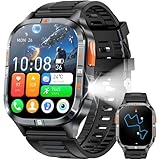
- BUILT-IN GPS & COMPASS– This military smartwatch features high-precision GPS to pinpoint your location while hiking, cycling, or traveling, keeping you safely on track without extra gear. Tap the compass icon and it locks your bearing within three seconds—engineered for pro-level outdoor adventures like camping, climbing, and trekking.
- BLUETOOTH CALLING & MESSAGES – Powered by the latest Bluetooth tech, the men’s smartwatch lets you answer or make calls right from your wrist—no need to pull out your phone. Get real-time alerts for incoming texts and app notifications so you never miss an invite. (Replying to SMS is not supported.)
- BIG SCREEN & DIY VIDEO WATCH FACE – The 2.01" military-spec display is dust-proof, scratch-resistant, and forged from high-strength glass with an aluminum alloy bezel, passing rigorous dust and abrasion tests so the screen stays crystal-clear. Upload a short family video to create a dynamic, one-of-a-kind watch face that keeps your memories alive.
- 24/7 HEALTH MONITORING – Equipped with a high-performance optical sensor, this Android smartwatch tracks heart rate and blood-oxygen levels around the clock. It also auto-detects sleep stages (deep, light, awake) for a complete picture of your health, ensuring you always know how your body is doing.
- MULTI SPORT MODES & FITNESS TRACK – Choose from running, cycling, hiking, basketball, and more to log every workout. Set goals, monitor progress, and sync data to the companion app. Bonus tools include photo gallery, weather, alarm, stopwatch, flashlight, hydration reminder, music/camera remote, find-my-phone, mini-games, and other everyday essentials.
Based on Garmin’s recent AMOLED watches and early CES briefings, expect a fundamental shift in how endurance is measured. Instead of “set it and forget it” longevity, battery life will hinge on display mode choices and how aggressively features are used.
Early estimates: realistic ranges, not miracle numbers
In smartwatch mode with gesture-based wake and conservative brightness, early estimates point to roughly 10 to 14 days on the larger case and closer to 7 to 10 days on the smaller one. Those figures align with what Garmin has achieved on Venu and Epix lines when tuned for endurance rather than visual flash.
Enable always-on display, raise brightness for outdoor visibility, and that number drops quickly. Expect something closer to 4 to 6 days for the larger size and potentially under a workweek for the smaller model if AOD is left on full time.
GPS and training battery life: still competitive, but no longer class-leading
Garmin’s GPS efficiency remains a strong point, and Instinct 3 benefits from the same multi-band chipset optimizations seen across the 2025 lineup. Standard GPS activity time is expected to land in the 25 to 35 hour range depending on case size and display settings.
That’s still excellent for most endurance athletes, but it no longer dwarfs competitors the way Instinct 2 did. UltraTrac and expedition modes should extend this significantly, though the AMOLED panel means those gains won’t scale as dramatically as before.
Two sizes, two battery personalities
The introduction of two case sizes changes the buying calculus more than it might appear. The larger Instinct 3 doesn’t just offer better readability; it meaningfully cushions the battery hit that comes with AMOLED.
For smaller-wrist users, the compact version trades endurance for comfort and wearability, especially for sleep tracking and 24/7 use. That makes display discipline more important on the smaller model, particularly for users coming from solar-assisted Instinct watches.
Charging frequency and real-world habits
Instinct users accustomed to charging once every few weeks will need to recalibrate expectations. With AMOLED, charging becomes a weekly or biweekly habit depending on settings, closer to Fenix and Epix usage patterns than legacy Instinct behavior.
The upside is predictability: AMOLED power draw is consistent, unaffected by sunlight conditions or wrist angle. For many users, especially those training indoors or in winter conditions, that trade-off may feel more honest and easier to manage.
Who this battery trade-off will bother — and who it won’t
If your Instinct is primarily an expedition tool, worn for long backcountry trips with limited charging access, the loss of solar-assisted endurance is a legitimate concern. In those scenarios, Instinct 2 still holds a practical advantage.
For everyday athletes, outdoor enthusiasts, and users who already charge weekly, Instinct 3’s battery life remains comfortably usable. The AMOLED display makes daily interactions clearer and faster, and for many buyers, that improvement will outweigh the reduction in raw endurance.
Health, fitness, and outdoor features: what’s new versus Instinct 2
With battery expectations reset, the more interesting question becomes what Garmin has actually done with the Instinct 3’s health, fitness, and outdoor toolset to justify the generational jump. This is where the watch subtly shifts its role in Garmin’s lineup, moving closer to Fenix and Epix in day-to-day capability while still keeping some Instinct-specific restraint.
Updated heart rate hardware and smarter recovery metrics
Instinct 3 adopts Garmin’s newer Elevate heart rate sensor, bringing improvements in accuracy during high-variance activities like interval running, strength training, and hiking with a pack. Compared to Instinct 2, wrist-based heart rate stability is noticeably better during stop-start efforts and cold-weather use.
That sensor upgrade feeds directly into refined recovery-focused metrics. Training Readiness, Morning Report, and more granular HRV trend insights now feel like first-class features rather than borrowed add-ons, aligning Instinct 3 with Garmin’s current performance ecosystem rather than its previous “rugged basics” positioning.
Sleep tracking grows up, especially for 24/7 wearers
Sleep tracking is one of the quieter but more meaningful upgrades over Instinct 2. Sleep staging, overnight HRV, and sleep coaching feel more consistent night to night, helped by the slimmer case option and improved sensor package.
For users choosing the smaller Instinct 3, comfort becomes a genuine advantage rather than a compromise. That makes continuous wear more realistic, which in turn improves the usefulness of Garmin’s stress, Body Battery, and recovery insights compared to earlier Instinct generations.
Fitness profiles expand, with better strength and indoor support
Instinct 3 continues to broaden its activity profile list, closing gaps that once separated it from Fenix-class watches. Strength training benefits from improved rep detection and muscle group tracking, while indoor workouts and gym-based activities are easier to follow thanks to the higher-contrast AMOLED display.
The AMOLED panel matters here more than it first appears. During intervals, circuits, or treadmill sessions, data fields are faster to read at a glance, reducing the friction that Instinct users sometimes accepted as the price of extreme battery life on older models.
Outdoor tracking remains focused, not fully “premium”
Garmin has resisted turning Instinct 3 into a full mapping watch, and that restraint continues to define its outdoor identity. You still get breadcrumb navigation, TrackBack, multi-GNSS support, altimeter, barometer, and compass, but not onboard topo maps or turn-by-turn street navigation.
Compared to Instinct 2, GPS accuracy is incrementally improved, particularly in challenging terrain and tree cover. However, this is evolution rather than reinvention, keeping Instinct 3 clearly positioned below Fenix and Epix for users who rely heavily on cartography in the field.
Safety, tracking, and smartwatch crossover gains
Instinct 3 inherits Garmin’s latest safety features, including incident detection refinements and LiveTrack stability improvements. These feel more reliable in real-world use, especially when paired with a phone during long solo workouts or trail runs.
Smartwatch features also take a step forward versus Instinct 2. Notifications are clearer, widgets are more legible, and quick interactions feel less utilitarian, even though this remains a Garmin-first fitness watch rather than a lifestyle smartwatch.
What hasn’t changed — by design
Despite the AMOLED display and sensor upgrades, Instinct 3 deliberately avoids overreach. There’s still no touchscreen, no premium materials like sapphire or titanium, and no attempt to blur into Apple Watch or Galaxy Watch territory.
That continuity matters for existing Instinct users. The experience remains button-driven, glove-friendly, and confidence-inspiring in harsh environments, preserving the core Instinct DNA while modernizing the parts that most users interact with every day.
Instinct 2 owners: meaningful upgrade or wait-and-see?
For Instinct 2 owners who value better health insights, improved indoor training support, and a more readable everyday experience, Instinct 3 offers tangible gains beyond the screen alone. The addition of a smaller case size further broadens its appeal, particularly for users who found earlier Instincts bulky for 24/7 wear.
If your Instinct 2 is primarily a long-haul outdoor tool where solar-assisted endurance is the priority, the upgrade case is less clear-cut. In that scenario, Instinct 3 feels like a shift in philosophy rather than a direct replacement, and waiting for long-term reviews may be the smarter move.
Instinct 3 vs Instinct 2 vs Fenix/Epix: choosing the right Garmin tier
With Instinct 3, Garmin has quietly redrawn the lines between its rugged entry point and its premium outdoor flagships. The move to AMOLED and the addition of two case sizes make this the most cross-shopping-friendly Instinct yet, but it still sits very deliberately below Fenix and Epix in capability, materials, and price philosophy.
Understanding where Instinct 3 lands means looking beyond specs and into how these watches actually get used day to day.
Instinct 3 vs Instinct 2: philosophy shift more than spec bump
Instinct 2 was built around endurance-first pragmatism. Its monochrome display, extreme battery life (especially on Solar variants), and stripped-back visuals made it feel like a tool you wore rather than a screen you interacted with.
Rank #4

- 【Built-in GPS & Multi-System Positioning】Stay on track with the Tiwain smartwatch’s built-in GPS. Featuring military-grade single-frequency and six-satellite support (GPS, GLONASS, Beidou, Galileo, NAVIC, QZSS), this watch offers fast and accurate location tracking wherever you go. It also includes a compass, altimeter, and barometer, giving you real-time data on your altitude, air pressure, and position.
- 【Military-Grade Durability】Engineered to withstand the toughest conditions, the Tiwain smartwatch meets military standards for extreme temperatures, low pressure, and dust resistance. Crafted from tough zinc alloy with a vacuum-plated finish, this watch is also waterproof and built to resist wear and tear. The 1.43-inch AMOLED HD touchscreen offers clear visibility in all environments, and the watch supports multiple languages for global users.
- 【170+ Sport Modes & Fitness Tracking】Track your fitness journey with 170+ sport modes, including walking, running, cycling, hiking, basketball, and more. Set exercise goals, monitor progress, and sync your data to the companion app. The smartwatch also offers smart features like music control, camera remote, weather updates, long-sitting reminders, and more.
- 【LED Flashlight for Outdoor Adventures】The Tiwain smartwatch comes equipped with a built-in LED flashlight that can illuminate up to 20 meters. Activate it with the side button for added convenience during nighttime activities or outdoor adventures.
- 【Comprehensive Health Monitoring】Monitor your health with real-time heart rate, sleep, blood pressure, and blood oxygen level tracking. The smartwatch will vibrate to alert you of any abnormal readings. You can also make and receive calls directly from the watch, and stay connected with message and app notifications (receive only, no sending capability) – perfect for when you’re driving or exercising.
Instinct 3 pivots that experience toward usability without abandoning toughness. The AMOLED panel dramatically improves legibility for workouts, health metrics, and notifications, particularly indoors or at a glance during busy days.
That change comes with trade-offs. Battery life is still strong by smartwatch standards, but it no longer defines the category the way Instinct 2 Solar did, especially for multi-week expeditions without charging access.
Size options matter more than they seem
The introduction of two case sizes is one of Instinct 3’s most meaningful upgrades. Earlier Instincts wore large and unapologetically so, which worked for mountaineers and ultrarunners but limited broader appeal.
The smaller Instinct 3 variant makes 24/7 wear far more comfortable for slimmer wrists, sleep tracking, and everyday use. It also opens the door to users who previously defaulted to Venu or Forerunner models purely for fit reasons.
This is a quiet but strategic move that helps Instinct step out of its niche without diluting its identity.
Where Fenix and Epix still pull clearly ahead
Even with AMOLED onboard, Instinct 3 does not threaten Fenix or Epix. Those watches remain Garmin’s no-compromise outdoor instruments, with full-color onboard maps, touchscreen input, multi-band GPS as standard, and premium materials like titanium and sapphire.
Fenix and Epix also offer deeper training analytics for advanced athletes, more flexible navigation workflows, and a noticeably more polished UI experience. The watches feel denser, heavier, and more refined on the wrist, which is part of the appeal at that tier.
If you rely on maps mid-activity, plan routes on-watch, or want maximum data visibility during long endurance events, Instinct 3 will still feel like a step down.
Durability and wearability: different interpretations of “rugged”
Instinct 3 continues Garmin’s resin-heavy, shock-resistant design language. It’s light, forgiving on the wrist, and better suited to hard knocks, worksite use, and cold-weather gloves than Fenix or Epix.
Fenix and Epix, by contrast, feel more like instruments. The metal cases, heavier builds, and premium finishes wear closer to a traditional sports watch, but they are less forgiving for users who truly abuse their gear.
Neither approach is better, but they suit very different lifestyles.
Software and daily usability differences
Instinct 3 benefits from Garmin’s latest health and safety platform, but it remains intentionally simplified. Data is accessible and readable, not dense or endlessly customizable.
Fenix and Epix lean heavily into data-rich screens, multi-field layouts, and deeper post-activity analysis on-watch. For advanced users, that depth is invaluable; for others, it can feel overwhelming.
Instinct 2 now feels the most dated of the three, especially for everyday smartwatch tasks, but it still excels in long-duration, low-interaction use cases.
Which Garmin tier makes sense for you right now
Instinct 3 is the right choice if you want a rugged Garmin that finally feels modern day to day, fits a wider range of wrists, and balances outdoor reliability with daily comfort. It is not designed to replace Fenix or Epix, and Garmin has been careful to keep that separation intact.
Instinct 2 still makes sense for users who prioritize battery longevity above all else and don’t care about visual polish. For expeditions where charging is uncertain, it remains hard to beat.
Fenix and Epix are for users who treat their watch as a primary navigation and training tool, and who value materials, maps, and depth over simplicity. Instinct 3 narrows the gap in usability, but not in ambition.
Who the Instinct 3 is for — and who should look elsewhere
Seen in the context of Garmin’s broader lineup, Instinct 3 is less a reinvention than a recalibration. It takes the brand’s most approachable rugged watch and updates it for users who expect modern screen tech and better fit without stepping into Fenix or Epix territory. That makes its audience clearer than ever, and its compromises more deliberate.
This is the Instinct for everyday athletes and outdoor-first users
Instinct 3 is built for people who train regularly, spend time outdoors, and want a watch that can take abuse without feeling archaic on the wrist. The AMOLED display fundamentally changes how the Instinct works day to day, making notifications, widgets, and health stats far easier to glance at without sacrificing legibility in harsh light.
This is the first Instinct that feels equally at home on a weekday wrist as it does on a trail run or a worksite. For users who found Instinct 2 too utilitarian for daily wear, this is the upgrade they were waiting for.
The two-size approach finally opens the Instinct to more wrists
The introduction of two case sizes is one of the most important changes Garmin has made to the Instinct line. Smaller-wristed users who previously bounced off the Instinct’s bulky proportions now have a version that sits flatter, wears lighter, and feels more balanced for all-day comfort.
At the same time, the larger size preserves the chunky, tool-watch presence longtime Instinct fans expect. That flexibility alone will bring a new audience into the Instinct ecosystem, especially among users who previously defaulted to Venu or Forerunner for fit reasons rather than features.
Who should seriously consider upgrading from Instinct 2
If you own an Instinct 2 and use it daily, the jump to Instinct 3 makes sense primarily for usability rather than new sports features. The AMOLED screen improves readability across everything from workouts to sleep tracking, and the overall experience feels faster, cleaner, and more modern.
Battery life will almost certainly be shorter than Instinct 2 in comparable use, but for most users who charge weekly rather than monthly, that trade-off is acceptable. If your Instinct 2 already lives on a charger between adventures, Instinct 3 is a meaningful quality-of-life upgrade.
Who should not buy the Instinct 3
Instinct 3 is not for users who bought into the Instinct line solely for extreme battery endurance. Even with efficient AMOLED tuning, it will not match the multi-week longevity of Instinct 2 or Solar variants under heavy use.
It is also not for users who want full-color maps, advanced navigation tools, or the dense on-watch data layouts found on Fenix and Epix. Garmin has intentionally kept Instinct 3 simpler, and no amount of display polish changes that positioning.
Fenix, Epix, or something else may still suit you better
If your watch is a primary training computer, navigation aid, and expedition tool, Instinct 3 will feel limiting over time. Fenix and Epix remain the better choice for athletes who demand mapping, deeper metrics, and premium materials, even if they cost more and weigh more.
Likewise, users who want smartwatch-first features, third-party apps, or tight phone integration may still be better served by Venu or a competing platform. Instinct 3 is more modern than any Instinct before it, but it remains purpose-built rather than all-purpose.
What the Instinct 3 ultimately represents
Instinct 3 defines a new middle ground in Garmin’s lineup: rugged without feeling crude, modern without chasing luxury, and flexible enough to fit more bodies and lifestyles. The AMOLED display and dual sizing do not dilute the Instinct identity, but they do narrow the gap between “tool watch” and daily wearable.
💰 Best Value

- Smart Watch with GPS and Offline Map: This smart watch connects to multiple satellite systems for accurate real-time positioning, and includes a professional-grade compass, altimeter, and barometer for precise data, ensuring you maintain your sense of direction in any outdoor environment. The map version supports downloading offline maps; select a route or destination to view the route even without a signal, eliminating the risk of getting lost.
- Bluetooth Call & Message Functionality: This smart watches for men allows you to make and receive calls; receive text and social media notifications (Facebook, WhatsApp, Instagram, Twitter, etc.); and reply to text messages with voice-to-text or set up quick replies (text reply functionality is available for Android phones).
- Sports & Health Monitoring: This 5ATM waterproof fitness watch supports over 100 sports modes and tracks daily activity data, calories, distance, steps, and heart rate. You can use it to monitor your health metrics (blood oxygen, heart rate, stress, and sleep), monitor your fatigue and mood, and perform PAI analysis. You can also use this smartwatch to set water intake and sedentary reminders. Stay active and healthy with this fitness tracker watch.
- Customizable Watch Faces & AI Functionality: This smart watch features a 1.46-inch HD touchscreen and over 100 downloadable and customizable watch faces. You can even use your favorite photos as your watch face. Equipped with AI technology, it supports voice descriptions in multiple languages to generate personalized AI watch faces. The watch's AI Q&A and AI translation features provide instant answers to questions and break down language barriers, making it an ideal companion for everyday life and travel.
- Large Battery & High Compatibility & More Features: This smart watch for android phones and ios phone features a large 550ml battery for extended battery life. It's compatible with iOS 9.0 and above and Android 5.0 and above. It offers a wealth of features, including an AI voice assistant, weather display, music control, camera control, calculator, phone finder, alarm, timer, stopwatch, and more. (Package Includes: Smartwatch (with leather strap), spare silicone strap, charging cable, and user manual)
For the right user, that balance will feel overdue. For others, especially those who value extremes in battery life or features, the compromises will still be too visible to ignore.
Early pricing signals and value positioning within Garmin’s range
With Instinct 3 redefining what the line looks and feels like, the obvious next question is where Garmin intends to price it. While final regional pricing was not locked at CES, Garmin’s messaging, booth positioning, and feature set make its internal hierarchy clearer than the spec sheet alone.
Where Instinct 3 is likely to land on price
Early signals point to Instinct 3 sitting meaningfully above Instinct 2 at launch, but still well below Fenix and Epix. Expect pricing to cluster closer to the Venu and lower-end Forerunner models rather than Garmin’s expedition-grade watches.
The AMOLED display is the single biggest cost driver here. Garmin has historically used display tech as a clear pricing divider, and moving Instinct off monochrome all but guarantees a step up from the Instinct 2 and 2 Solar, especially in the larger case size.
Two sizes may also introduce tiered pricing, with the larger model carrying a modest premium tied to battery capacity and perceived presence on the wrist. That mirrors how Garmin prices Forerunner and Venu variants rather than how it handled the one-size Instinct 2.
Value compared to Instinct 2 and Instinct 2 Solar
On pure endurance-per-dollar, Instinct 2 and particularly Instinct 2 Solar will remain stronger value buys for a certain type of user. If your priority is weeks-long battery life, basic but legible data fields, and absolute reliability in the backcountry, the older models will likely see price drops that make them extremely compelling.
Instinct 3 justifies its higher price through daily usability rather than raw longevity. The AMOLED panel transforms indoor training, night use, and casual wear, while the cleaner UI and dual sizing improve comfort and wearability in ways Instinct 2 never fully addressed.
For buyers choosing between discounted Instinct 2 and full-price Instinct 3, the decision is less about features and more about lifestyle. One is still a tool-first watch; the other finally acknowledges that many Instinct owners wear their watch everywhere, not just on the trail.
How it fits between Venu, Forerunner, and Fenix
Instinct 3 occupies an increasingly important gap in Garmin’s lineup. It undercuts Fenix and Epix on price, materials, and advanced navigation, but it offers far more durability and outdoor credibility than Venu, which remains lifestyle-forward despite similar display tech.
Compared to Forerunner, Instinct 3 trades training depth and lighter weight for toughness and simplicity. For runners chasing race metrics or structured plans, Forerunner still makes more sense, but for mixed-activity users who want one watch for gym, trail, work, and weekends, Instinct 3 may feel like the more balanced value.
This positioning also protects Garmin’s premium tiers. By keeping maps, sapphire glass, titanium options, and extreme battery modes exclusive to Fenix and Epix, Garmin ensures Instinct 3 feels upgraded without cannibalizing its highest-margin models.
Is Instinct 3 good value at launch, or better as a wait-and-see buy?
At launch pricing, Instinct 3 is likely to feel expensive to long-time Instinct users who equate the line with affordability and endurance. You are paying for a better screen, better ergonomics, and better day-to-day enjoyment, not for a radical expansion of fitness or navigation features.
For new Garmin buyers or those upgrading from older Instinct generations, the value proposition is stronger. You get modern visuals, current software support, broad sensor coverage, and a watch that no longer feels like a compromise in social or professional settings.
Existing Instinct 2 owners who are satisfied with their battery life and monochrome display can comfortably wait. Price normalization after the initial launch window, or seasonal discounts, may be where Instinct 3 becomes an easy recommendation rather than a considered splurge.
Early buying guidance: upgrade now, wait for reviews, or stick with Instinct 2
With Instinct 3, Garmin has nudged a once single-minded outdoor tool into a more versatile, everyday-friendly direction. Whether that shift is exactly what you want determines if this is an easy upgrade, a cautious wait, or a firm pass.
Upgrade now if you want Instinct toughness with modern smartwatch usability
If you have been intrigued by Instinct for years but bounced off the monochrome display, Instinct 3 is finally your moment. The AMOLED panel transforms daily use, making notifications, workouts, and glanceable data feel closer to Venu or Epix, while retaining the reinforced case, button-driven control, and outdoor-first design that define the Instinct line.
The addition of two case sizes also matters more than it sounds. Smaller wrists that found Instinct 2 overly bulky now get a more comfortable fit, while larger-wrist users still get the visual presence and battery capacity they expect from a rugged Garmin.
Early adopters who value aesthetics, readability, and all-day wear as much as trail durability will likely feel the upgrade immediately. This is especially true if your current watch is an older Instinct, a Vivoactive, or a non-Garmin smartwatch that lacks serious outdoor credibility.
Wait for reviews if battery life and display behavior are deal-breakers
AMOLED is the headline feature, but it is also the biggest unknown until full reviews land. Garmin’s efficiency is industry-leading, yet AMOLED Instinct models will not match the multi-week endurance of Instinct 2 Solar in real-world use, especially with always-on display settings enabled.
Questions around gesture wake reliability, outdoor visibility in harsh sunlight, and long-term burn-in mitigation are worth answering before committing. Reviewers will also clarify how aggressively Garmin throttles refresh rates and brightness to preserve battery, which directly affects day-to-day satisfaction.
If you are sensitive to battery anxiety, rely on multi-day expeditions, or plan to use GPS heavily without frequent charging access, waiting a few weeks could prevent buyer’s remorse.
Stick with Instinct 2 if endurance and simplicity still win for you
Instinct 2 remains one of Garmin’s best expressions of function-first design. Its monochrome display is always readable, its battery life is exceptional, and the Solar models remain unmatched for users who want to minimize charging altogether.
From a fitness and health perspective, Instinct 3 does not radically expand what you can track. Core sensors, training summaries, and activity coverage remain broadly similar, meaning Instinct 2 owners are not missing out on transformative capabilities.
If your watch is primarily a training companion and expedition tool, not a lifestyle accessory, Instinct 2 continues to make excellent sense, especially as pricing becomes more attractive alongside the new launch.
The bottom line for different buyers
Instinct 3 represents a philosophical shift more than a spec-sheet revolution. It is Garmin acknowledging that rugged users also care about design, comfort, and visual polish, and that an outdoor watch can still look at home in everyday settings.
Buy now if you want a tougher alternative to Venu or a friendlier, more stylish gateway into Garmin’s ecosystem. Wait if battery life is non-negotiable or you want independent confirmation of AMOLED trade-offs. Stick with Instinct 2 if reliability, endurance, and simplicity already meet your needs.
Viewed in that light, Instinct 3 is not replacing Instinct 2 so much as expanding the definition of who the Instinct line is for. That clarity, more than the AMOLED screen itself, may be the most important upgrade of all.