For a company as disciplined as Garmin, leaks are usually the result of firmware breadcrumbs rather than loose lips. This one fits that pattern perfectly. Buried inside recent Garmin Connect updates and device compatibility files, sharp-eyed developers and data miners spotted references that simply don’t align with any existing Garmin product category.
What emerged wasn’t a new watch, bike computer, or chest strap. Instead, the clues point toward a screenless, always-on wearable focused almost entirely on recovery, physiological load, and long-term health metrics. In other words, the exact lane Whoop has owned for years.
Where the Leak Came From
The first red flag appeared in backend Garmin Connect code, where a previously unknown device class was listed separately from watches, bands, and sensors. This wasn’t a placeholder name for a Forerunner refresh or a Vivosmart successor. It was categorized more like an ecosystem endpoint, something designed to live quietly in the background rather than demand daily interaction.
Shortly after, additional strings surfaced referencing continuous wear assumptions, 24/7 heart rate sampling, sleep-first data prioritization, and recovery scoring logic that operates independently of on-device workouts. That distinction matters, because Garmin’s current devices still anchor most advanced metrics to activity sessions and visible screens.
🏆 #1 Best Overall
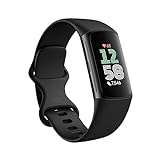
- Find your way seamlessly during runs or rides with turn-by-turn directions from Google Maps on Fitbit Charge 6[7, 8]; and when you need a snack break on the go, just tap to pay with Google Wallet[8, 9]
The Hardware Implications Are Hard to Ignore
Nothing in the leak explicitly names the form factor, but the language strongly suggests a minimalist wearable. There’s no UI layer mentioned, no display drivers, and no references to touch or button input. That immediately rules out a traditional smartwatch or fitness band and puts this squarely in Whoop territory.
A screenless design would allow Garmin to optimize for comfort, size, and battery life, three areas where even its lightest watches still face trade-offs. Expect a soft-touch fabric or elastomer band, low-profile housing, and a sensor stack tuned for long-duration skin contact rather than intermittent wear. This is the kind of device you forget you’re wearing, which is precisely the point.
Why This Looks Like a Direct Whoop Competitor
Whoop’s entire value proposition is built on passive data collection, recovery readiness, and behavioral coaching without the distraction of a screen. The leaked Garmin references mirror that philosophy almost uncomfortably well. Terms related to strain balance, long-term load trends, and sleep-derived recovery indicators appear decoupled from visible workouts and watch-based interactions.
Garmin already has the raw ingredients, including Body Battery, HRV Status, Training Readiness, and advanced sleep staging. What it hasn’t had is a device designed solely to deliver those metrics without also being a watch. This leak suggests Garmin may finally be separating the data engine from the display hardware.
How Credible Is This Leak?
This isn’t a rumor sourced from a factory whisper or a vague supply chain note. It’s coming straight from Garmin’s own software infrastructure. Historically, similar backend references have preceded real products by months, not years, including past Edge and Forerunner launches.
Just as important, nothing in the leak feels experimental or half-baked. The terminology is consistent, the architecture is intentional, and the feature set aligns tightly with Garmin’s existing analytics strengths. That combination makes it far more likely this is an active product in development rather than an abandoned internal concept.
Why This Matters Right Now
If Garmin is indeed preparing a recovery-first, subscription-light alternative to Whoop, it could dramatically shift buying decisions for athletes and biohackers. Garmin already offers deep health insights without mandatory monthly fees, and extending that philosophy to a dedicated recovery band would directly undercut Whoop’s core business model.
For users currently weighing a Whoop subscription or considering a secondary recovery wearable, this leak introduces real hesitation. A Garmin-backed option would likely integrate seamlessly with existing watches, leverage years of historical data, and avoid locking users into yet another closed ecosystem. Whether intentional or not, this accidental reveal may have just changed the timing calculus for anyone on the fence.
Why This Looks Like a Whoop-Style Device (Not Just Another Garmin)
What makes this leak compelling isn’t just that Garmin appears to be working on new hardware. It’s that nearly every signal points away from a traditional watch or screen-first wearable and toward something far closer to Whoop’s recovery-band philosophy.
No Display-Centric Assumptions in the Software
The leaked references conspicuously avoid anything tied to screens, watch faces, or on-device interaction. There’s no indication of glanceable metrics, button inputs, or UI states that normally accompany even Garmin’s smallest fitness watches.
Instead, the language assumes passive, continuous data capture with interpretation happening later in Garmin Connect. That separation mirrors Whoop’s model almost exactly, where the device collects and the app explains.
Recovery and Load Without “Activities”
One of the clearest tells is how strain and recovery appear to be calculated independently of logged workouts. Garmin watches typically anchor their analytics to activities like runs, rides, or strength sessions.
Here, the metrics seem designed to function even if the user never presses a start button. That’s a core Whoop principle: effort is inferred physiologically, not declared manually.
Form Factor Implications: Band-First, Not Wristwatch
Nothing in the leak suggests the need for a case, bezel, or display stack. That strongly implies a slim band or pod-style device optimized for 24/7 wear, sleep comfort, and minimal bulk.
Garmin already knows how to build compact sensor modules, as seen in devices like the HRM-Pro and Vivosmart line. A fabric or elastomer band with a lightweight polymer housing would be entirely consistent with this direction and far more Whoop than Forerunner.
Battery Life Prioritized Over Interactivity
A screenless design radically changes battery priorities. Without a display or frequent user interaction, Garmin could realistically target multi-day or even week-long battery life, which is table stakes in the recovery band category.
Whoop’s value proposition leans heavily on “never take it off” endurance. This leak reads like Garmin finally building hardware that makes that promise realistic without charging interruptions dictating user behavior.
Metrics That Match Whoop’s Core Pitch
The emphasis on HRV trends, sleep-derived readiness, and cumulative strain maps directly onto Whoop’s daily recovery score framework. These are not secondary features bolted onto activity tracking; they appear to be the primary outputs.
Garmin already has equivalents in Body Battery and Training Readiness, but those are framed as supporting metrics on a watch. This looks like a device where those numbers are the product.
Deep App Dependence Signals a Strategic Shift
Whoop lives or dies by its app experience, and the leak suggests Garmin is comfortable pushing users into Connect as the primary interface. That’s notable because Garmin has historically leaned on hardware to differentiate models.
By moving interpretation fully into software, Garmin gains flexibility to evolve algorithms without replacing hardware. It also opens the door to subscription-adjacent features without making them mandatory, a subtle but important contrast to Whoop’s model.
Designed to Complement, Not Replace, Garmin Watches
Perhaps the most telling detail is that nothing here threatens Garmin’s existing watch lineup. A recovery band slots neatly alongside a Fenix, Forerunner, or Epix, handling sleep and background physiology while the watch handles training and navigation.
That dual-device strategy is exactly how many Whoop users already behave, wearing a Whoop alongside an Apple Watch or Garmin. Garmin appears ready to internalize that use case rather than cede it to a competitor.
Why This Isn’t Just a Vivosmart Reboot
It’s tempting to compare this to Garmin’s earlier fitness bands, but the intent feels fundamentally different. Vivosmart devices were simplified trackers with displays, notifications, and consumer fitness framing.
This leak points to a purpose-built recovery instrument with fewer features, not more. That restraint is what makes it look like a Whoop challenger rather than another incremental Garmin wearable.
Evaluating the Credibility: Leak Sources, Firmware Clues, and Garmin’s Track Record
All of this only matters if the leak itself holds water. At this point, the conversation shifts from what the device appears to be into whether Garmin genuinely tipped its hand—or whether the internet is overfitting fragments into a narrative that isn’t there.
This is where the details start to matter, because Garmin leaks tend to follow very specific patterns.
Where the Leak Originated and Why That Matters
Unlike many speculative product rumors, this leak didn’t originate from marketing renders, retail listings, or anonymous tipsters chasing attention. The earliest references surfaced in firmware and backend artifacts tied to Garmin Connect and device compatibility tables.
That immediately raises the signal-to-noise ratio. Garmin’s software ecosystem is tightly coupled to hardware, and unsupported device classes don’t appear casually in production firmware.
Historically, when new product categories show up in Connect code, they correspond to real hardware already deep in validation. This is the same pipeline that exposed early references to the Edge Explore 2, the Instinct Crossover, and even Venu Sq variants months before launch.
Firmware Language Points to a Distinct Device Class
The most compelling evidence isn’t just that a new device exists, but how it’s described internally. The terminology being used does not align with Garmin’s existing bands, watches, or sensors.
There’s a clear emphasis on continuous wear, sleep-first data capture, and background physiological monitoring rather than activity-centric tracking. That separation is critical, because Garmin normally treats bands and watches as interchangeable data sources within Connect.
Here, the firmware appears to treat this device as a primary recovery input rather than a secondary sensor. That’s exactly how Whoop is architected, and it’s not how Vivosmart or even older fitness bands were handled.
Rank #2

- Inspire 3 is the tracker that helps you find your energy, do what you love and feel your best. All you have to do is wear it.Operating temperature: 0° to 40°C
- Move more: Daily Readiness Score(1), Active Zone Minutes, all-day activity tracking and 24/7 heart rate, 20+ exercise modes, automatic exercise tracking and reminders to move
- Stress less: always-on wellness tracking, daily Stress Management Score, mindfulness sessions, relax breathing sessions, irregular heart rhythm notifications(2), SpO2(3), menstrual health tracking, resting heart rate and high/low heart rate notifications
- Sleep better: automatic sleep tracking, personalized Sleep Profile(1), daily detailed Sleep Score, smart wake vibrating alarm, sleep mode
- Comfortably connected day and night: calls, texts & smartphone app notifications(4), color touchscreen with customizable clock faces, super lightweight and water resistant to 50 meters, up to 10 day battery life(5)
No Display Assumptions Are Baked In
Another credibility marker is what’s missing. There are no obvious references to screen resolution, UI navigation, or on-device interactions in the leaked materials.
That absence strongly suggests a display-less or minimally interactive form factor, which narrows the design space considerably. Garmin is meticulous about UI dependencies in firmware, so their omission is unlikely to be accidental.
From a hardware perspective, that points toward a lightweight band focused on comfort, soft-touch materials, and round-the-clock wearability rather than a rigid module with buttons or touch gestures. That design logic mirrors Whoop far more than any existing Garmin product line.
Garmin’s History of Leaks Breaking This Way
Garmin rarely leaks through flashy channels. Instead, their products surface through regulatory filings, firmware breadcrumbs, and quiet compatibility additions that only make sense in hindsight.
The original Body Battery metric, Training Readiness, and even HRV Status all appeared in code long before they were publicly explained. In each case, early leaks were dismissed as internal testing artifacts until the product launches validated them.
What’s notable here is that this leak isn’t about a feature—it’s about an entirely different philosophy of device usage. That kind of shift doesn’t get prototyped casually.
Why This Isn’t Just an Internal Experiment
Garmin absolutely experiments, but experiments usually stay fenced off in beta firmware or developer builds. What’s surfaced here appears integrated into consumer-facing Connect infrastructure.
That suggests Garmin expects real users to rely on this device for daily metrics like recovery, sleep consistency, and strain accumulation. Supporting that at scale requires customer support, onboarding flows, and long-term algorithm maintenance.
Companies don’t make that investment unless a product is intended to ship.
Comparing This Leak to Past False Alarms
There have been moments where Garmin-related leaks didn’t pan out, but those usually involved niche accessories, regional variants, or shelved watch SKUs. They almost never involved the creation of a new product category.
When Garmin pivots categories, it tends to commit fully. The Edge bike computer line, the Tacx acquisition, and the expansion into dive computers all followed similar early leak patterns.
A recovery-first wearable fits that mold far more than it does a half-baked side project.
What This Means for Buyers Watching Whoop Closely
For consumers considering a Whoop today, this leak introduces real strategic uncertainty. Garmin’s biggest weakness in recovery tracking has never been the data—it’s been the framing.
If Garmin delivers a dedicated recovery band that integrates seamlessly with its watches, avoids mandatory subscriptions, and leverages Connect’s long-term data depth, it would directly challenge Whoop’s core value proposition.
The credibility of this leak suggests that waiting may be the rational move, especially for athletes already embedded in the Garmin ecosystem and frustrated by wearing two devices to get one complete picture.
Whoop’s Position in the Market: Why Garmin Would Want a Direct Competitor
To understand why this leak matters, you have to look at how uniquely strong Whoop’s position has become in a very specific corner of the wearable market. Whoop doesn’t compete on features in the traditional smartwatch sense; it competes on framing, habit formation, and long-term physiological insight.
That’s exactly the kind of dominance Garmin historically doesn’t tolerate for long.
Whoop Owns the Recovery-First Narrative
Whoop’s biggest achievement isn’t its hardware, which is intentionally minimal. It’s the way it trained users to think about recovery as the primary metric that dictates everything else.
Strain, sleep, and recovery are presented as a closed loop, reinforced daily through simple scores, behavioral nudges, and coaching language that’s easy to internalize. You’re not checking stats; you’re being told how ready your body is to perform.
Garmin, by contrast, has always been data-rich but interpretation-poor. Body Battery, Training Readiness, and HRV Status exist, but they’re layered on top of a watch-first experience designed around activities, not physiology.
The Subscription Moat Garmin Has Never Crossed
Whoop’s subscription model is also its moat. The hardware is effectively a delivery mechanism for ongoing software, coaching updates, and algorithm refinements.
That recurring revenue funds aggressive research, partnerships with elite athletes, and continuous refinement of recovery models. It also creates lock-in, because the longer you wear Whoop, the more valuable your historical baseline becomes.
Garmin has resisted this model almost entirely. Garmin Connect remains free, and while that’s a consumer win, it also limits how aggressively Garmin can compete in high-touch, insight-driven health coaching without a dedicated product justification.
A recovery-only wearable gives Garmin that justification without forcing subscriptions onto its entire watch lineup.
Why Whoop Is Vulnerable Despite Its Strength
For all its strengths, Whoop has clear pressure points that Garmin is uniquely positioned to exploit.
First is redundancy. Many endurance athletes already wear a Garmin watch for training, navigation, and race-day reliability. Wearing a Whoop on top of that often feels like compromise rather than elegance.
Second is hardware stagnation. Whoop’s band-only form factor maximizes comfort and battery life, but it limits sensor evolution, display experimentation, and broader health feature expansion.
Third is ecosystem isolation. Whoop data largely lives inside Whoop. Garmin users, by contrast, often have years of training load, VO2 max, sleep, and HRV history already centralized in Connect.
A Garmin recovery band that plugs directly into that dataset would immediately feel more complete for existing users, even if its insights started less polished.
Garmin’s Structural Advantage: Depth, Not Simplicity
Garmin doesn’t need to out-Whoop Whoop on day one. It needs to reframe recovery as a native extension of everything athletes already do inside its ecosystem.
Training load, intensity minutes, acute-to-chronic ratios, race calendars, and multi-sport context are things Whoop either approximates or ignores. Garmin already owns them at scale.
If a recovery-focused Garmin wearable can quietly collect 24/7 physiological data with better comfort than a watch, then feed that into Training Readiness, suggested workouts, and rest recommendations, it changes the value equation entirely.
At that point, Whoop becomes an extra device rather than the central nervous system.
Rank #3

- 【BUILT-IN GPS SMART WATCH – GO FURTHER, FREER, SMARTER】No phone? No problem. This fitness watch for women, featuring the latest 2025 technology, includes an advanced professional-grade GPS chip that precisely tracks every route, distance, pace (real-time & average), and calorie burned—completely phone-free. Whether you're chasing new personal records or exploring off the beaten path, your full journey is automatically mapped and synced in the app. Train smarter. Move with purpose. Own your progress. Own your journey.
- 【BLUETOOTH 5.3 CALLS & SMART NOTIFICATIONS】Stay effortlessly connected with this smart watch for men and women, featuring dual Bluetooth modes (BT 3.0 + BLE 5.3) and a premium microphone for crystal-clear calls right from your wrist—perfect for driving, workouts, or busy days. Receive instant alerts for calls, texts, and popular social apps like WhatsApp and Facebook. Just raise your wrist to view notifications and never miss an important moment.
- 【100+ SPORT MODES & IP68 WATERPROOF & DUSTPROOF】This sport watch is a versatile activity and fitness tracker with 100+ modes including running, cycling, yoga, and more. It features quick-access buttons and automatic running/cycling detection to start workouts instantly. Accurately track heart rate, calories, distance, pace, and more. Set daily goals on your fitness tracker watch and stay motivated with achievement badges. With IP68 waterproof and dustproof rating, it resists rain and sweat for any challenge. Not suitable for showering, swimming, or sauna.
- 【24/7 HEALTH ASSISTANT & SMART REMINDERS】This health watch continuously monitors heart rate, blood oxygen, and stress levels for comprehensive wellness tracking. Sleep monitoring includes deep, light, REM sleep, and naps to give you a full picture of your rest. Stay on track with smart reminders for sedentary breaks, hydration, medication, and hand washing. Women can also monitor menstrual health. Includes guided breathing exercises to help you relax. Your ultimate health watch with event reminders for a healthier life.
- 【ULTRA HD DISPLAY, LIGHTWEIGHT & CUSTOMIZABLE DIALS】This stylish wrist watch features a 1.27-inch (32mm) 360×360 ultra HD color display with a 1.69-inch (43mm) dial, offering vivid details and responsive touch. Its minimalist design fits both business and casual looks. Switch freely among built-in designer dials or create your own DIY watch face using photos, colors, and styles to showcase your unique personality. Perfect as a cool digital watch and fashion wrist watch.
Battery Life and Comfort Are the Real Battleground
Whoop’s practical advantage has always been wearability. Multi-day battery life, no screen, low-profile materials, and flexible straps make it easy to forget you’re wearing it.
Garmin watches, even the smaller ones, are still watches. They rotate on the wrist during sleep, catch on sleeves, and create pressure points during long wear.
A dedicated Garmin band or strap-based device would be an admission that watches aren’t the ideal form factor for continuous recovery tracking. It would also signal that Garmin is willing to design hardware around physiology first, not features.
That’s a philosophical shift as much as a product one.
Why This Leak Aligns Perfectly With Whoop’s Market Success
The leaked signals don’t make sense unless Garmin sees Whoop as a category threat, not just a niche player. Whoop didn’t just sell bands; it changed how athletes talk about rest, readiness, and overtraining.
Garmin already collects equivalent or better raw data. What it lacks is a single-purpose device that users associate emotionally with recovery rather than performance.
A recovery-only Garmin wearable bridges that gap. It gives Garmin a product that competes directly with Whoop without diluting its watch lineup or forcing a subscription rethink across the board.
What This Means for Buyers Right Now
If you’re deeply invested in Whoop and value its coaching tone, community, and simplicity, Garmin doesn’t immediately invalidate that choice. Whoop still leads in behavioral framing.
But if you’re a Garmin watch user who’s been tolerating dual-wrist life or questioning a long-term subscription for data you already partially have, this leak changes the calculus.
Garmin wouldn’t build a direct Whoop competitor unless it believed the market was both large and strategically important. The evidence suggests Garmin isn’t just experimenting with recovery tracking anymore; it’s preparing to own it.
How a Garmin Recovery Band Could Outperform Whoop on Day One
If Garmin is indeed preparing a recovery-first band rather than a stripped-down watch, the competitive math changes immediately. Whoop’s advantage has never been sensor quality in isolation; it’s been the integration of comfort, continuous wear, and a recovery narrative that makes the data feel actionable.
Garmin already solves two of those three at a deeper technical level. The missing piece has been form factor, not physiology.
Garmin’s Sensor Stack Is Already Ahead
Garmin’s latest Elevate optical heart rate sensors are among the most mature in consumer wearables. Multi-wavelength LEDs, improved photodiode layouts, and better motion filtering already give Garmin an edge in difficult scenarios like sleep, low perfusion, and overnight HRV stability.
Whoop’s recovery model depends heavily on nightly HRV baselines and resting heart rate trends. Garmin has been collecting the same raw inputs for years, often with higher sampling rates and better cross-validation against training load, respiration, and SpO2.
In a dedicated band with fewer motion artifacts than a bulky watch case, Garmin’s existing sensors could actually perform better than they do today. That means more reliable overnight data from day one, not after multiple hardware revisions.
No Onboarding Lag: Garmin’s Algorithms Are Already Trained
One of Whoop’s quiet friction points is the ramp-up period. New users need weeks of baseline data before recovery scores become meaningful, and even then the system is largely siloed from external training context.
Garmin’s advantage is historical depth. For existing Garmin users, a recovery band wouldn’t be starting from zero; it would inherit years of VO2 max trends, training load ratios, sleep patterns, and stress data already tied to the same Garmin Connect account.
That changes the first-week experience entirely. Instead of “learning you,” the device could immediately contextualize recovery against known fitness age, chronic load, and recent intensity, something Whoop simply can’t do without owning your entire training history.
Recovery Without the Subscription Tax
This is where Garmin could land a decisive early blow. Whoop’s business model depends on a mandatory subscription, and while many users accept it, the resistance is real, especially among long-term athletes.
Garmin has already proven it can deliver recovery insights without locking them behind recurring fees. Body Battery, Training Readiness, HRV Status, and acute load metrics are all included with hardware purchases.
If a Garmin recovery band launches with full functionality out of the box, it immediately reframes the value conversation. A single upfront cost versus an ongoing monthly commitment is not a minor difference; it’s often the deciding factor for buyers on the fence.
Battery Life and Materials Could Match Whoop, Not Chase It
Whoop’s comfort advantage comes from restraint. No screen, minimal hardware, soft-touch materials, and a low-profile clasp all contribute to all-day wearability.
Garmin has historically overbuilt its devices, but a recovery band would force a different design philosophy. Fewer radios, no display, and a narrower sensor module could easily push battery life into multi-day or even week-long territory.
Garmin also has access to materials and finishing that Whoop doesn’t typically emphasize. Expect lightweight composites, breathable elastomer straps, and better clasp ergonomics designed for sleep, not workouts. This wouldn’t be Garmin learning comfort; it would be Garmin finally prioritizing it.
Deeper Context Beats Simpler Coaching
Whoop excels at behavioral framing. Its strain and recovery scores are easy to understand and emotionally resonant.
Garmin’s strength is context. Recovery doesn’t exist in isolation inside Garmin Connect; it sits alongside training plans, race calendars, power zones, and long-term progression metrics.
A recovery band plugged directly into that ecosystem could deliver more nuanced guidance. Instead of telling you to “take it easy,” it could explain how today’s readiness affects your marathon block, your FTP build, or your taper week. For serious athletes, that depth matters more than motivational language.
Why This Would Feel Like an Upgrade, Not an Alternative
The most important distinction is that Garmin wouldn’t be asking users to switch ecosystems. It would be extending one they already trust.
For Whoop users, adopting Garmin often means starting over. For Garmin users, a recovery band would feel additive, not disruptive, replacing sleep-in-a-watch compromises and dual-device juggling with a purpose-built solution.
If this leak reflects real product intent, Garmin isn’t trying to copy Whoop’s success. It’s trying to absorb the recovery category into its broader performance framework, and that’s why a Garmin recovery band could realistically outperform Whoop the moment it launches.
Subscription vs Ownership: The Business Model Clash This Leak Signals
If the hardware hints feel deliberate, the business model implications feel even more telling. A Garmin recovery band wouldn’t just compete with Whoop on sensors and comfort; it would challenge the very idea that recovery tracking must live behind a monthly paywall.
Whoop’s entire value proposition is inseparable from its subscription. You don’t really buy a Whoop; you rent access to its analytics, coaching language, and long-term trend insights, with the hardware acting as a continuously refreshed token.
Garmin has spent two decades training its users to expect the opposite.
Rank #4

- 24H Accurate Heart Rate Monitoring: Go beyond basic tracking. Our watch automatically monitors your heart rate, blood oxygen (SpO2), and sleep patterns throughout the day and night. Gain deep insights into your body's trends and make informed decisions for a healthier lifestyle.
- Practical Sports Modes & Smart Activity Tracking: From running and swimming to yoga and hiking, track a wide range of activities with precision. It automatically records your steps, distance, calories burned, and duration, helping you analyze your performance and crush your fitness goals.
- 1-Week Battery Life & All-Day Wear: Say goodbye to daily charging. With an incredible up to 7-10 days of battery life on a single charge, you can wear it day and night for uninterrupted sleep tracking and worry-free travel. Stay connected to your data without the hassle.
- Comfortable to Wear & IP68 Waterproof: The lightweight, skin-friendly band is crafted for all-day comfort, even while you sleep. With IP68 waterproof, it withstands rain, sweat, It is not suitable for swimming or showering.
- Ease of Use and Personalized Insights via Powerful App: The display is bright and easy to read, even outdoors. Unlock the full potential of your watch. Sync with our dedicated app to view detailed health reports, customize watch faces, set sedentary reminders, and manage your preferences with ease.
Garmin’s Ownership-First DNA
Every major Garmin device, from a Forerunner to a Fenix to an Edge bike computer, follows the same economic logic. You pay upfront for the hardware, and the software experience is included for the life of the product.
There’s no monthly fee to unlock HRV trends, training readiness, body battery, or sleep staging. Those features are baked into Garmin Connect and evolve over time without an ongoing cost attached.
A recovery band entering that ecosystem would almost certainly inherit this philosophy. Asking long-time Garmin users to suddenly subscribe just to see recovery data would be a cultural shock, not a natural extension.
Why Whoop Can’t Decouple Hardware From Subscription
Whoop’s model works because it has to. The hardware is intentionally minimal, margins are thinner, and the company’s real asset is its data science, behavior models, and ongoing platform development.
The subscription pays for continuous algorithm tuning, customer acquisition, hardware refresh cycles, and the kind of coaching UX that Whoop leans on to differentiate itself. Without recurring revenue, Whoop’s entire structure collapses.
Garmin doesn’t have that vulnerability. Its revenue base is diversified across aviation, marine, automotive, outdoor, and fitness segments, which gives it the freedom to treat recovery tracking as a feature, not a product category that must sustain itself.
The Strategic Signal Hidden in the Leak
This is where the leak starts to look less accidental and more revealing. A display-less recovery band only makes sense for Garmin if it strengthens platform stickiness, not if it becomes a new subscription funnel.
By extending HRV, sleep quality, and readiness metrics into a more comfortable, sleep-first form factor, Garmin increases daily data density across its entire user base. That data feeds back into training readiness, race predictions, adaptive plans, and long-term performance insights.
In other words, the band doesn’t need to make money on its own. It makes the rest of the ecosystem more valuable.
Could Garmin Introduce a Subscription Anyway?
It’s not impossible, but it would likely be optional and additive rather than required. Garmin has already experimented cautiously with premium features and third-party integrations, but it has never locked core health metrics behind a paywall.
If a subscription appears at all, expect it to sit above the baseline experience. Advanced coaching layers, AI-driven planning, or deeper longitudinal analytics could be gated, while raw recovery, HRV, sleep, and readiness remain accessible by default.
That approach would preserve Garmin’s ownership promise while still opening new revenue streams, without alienating its core audience.
What This Means for Buyers Right Now
For anyone currently weighing a Whoop, this leak introduces real hesitation. Not because Whoop suddenly becomes a bad product, but because its value is tightly coupled to ongoing cost.
If Garmin delivers a recovery band that plugs into Connect with no mandatory subscription, the long-term economics shift dramatically. Over two or three years, the total cost difference could outweigh hardware advantages, especially for athletes already invested in Garmin watches, bike computers, or training plans.
This leak doesn’t just suggest new hardware is coming. It suggests Garmin may be preparing to challenge the subscription-first recovery model itself, reframing recovery tracking as something you own, not something you rent.
What We Can Infer About Hardware: Form Factor, Sensors, and Battery Life
If Garmin is serious about challenging Whoop on its own terms, the hardware has to look fundamentally different from a Forerunner or Fenix. The leaked references point toward something designed to disappear on the wrist, prioritizing continuous wear and sleep comfort over interaction or on-device visuals.
This is where Garmin’s long-standing hardware philosophy quietly shifts. Instead of a do-everything sports watch, the clues suggest a single-purpose recovery device built to collect data relentlessly, not to be checked constantly.
Form Factor: Screenless by Design
All signs point to a display-free band, much closer to Whoop than to anything in Garmin’s current lineup. That isn’t a downgrade; it’s a deliberate trade-off that enables smaller dimensions, lower weight, and fewer compromises during sleep.
Expect a narrow, low-profile module integrated into a fabric or elastomer strap rather than a removable puck-style tracker. Garmin has decades of experience with wrist-based comfort across ultramarathons and multi-day events, and it would be surprising if this device didn’t lean heavily on that ergonomic DNA.
The absence of a screen also simplifies durability and sealing. No glass, no touch layer, fewer failure points, and better water resistance for 24/7 wear, including showers, swims, and heat-heavy environments like saunas.
Materials, Fit, and Real-World Wearability
Comfort is non-negotiable in this category, especially for sleep tracking. Garmin would likely favor soft-touch woven straps or breathable elastomers, with an emphasis on minimizing pressure hotspots during side sleeping.
Unlike watches that rely on a rigid caseback, a recovery band can spread sensor contact over a broader surface area. That improves signal quality at lower strap tension, which matters for overnight HRV accuracy and all-day compliance.
Interchangeable straps are also a near certainty. Not for fashion, but for hygiene, longevity, and training context, allowing athletes to rotate bands without interrupting data continuity.
Sensors: Familiar Tech, Tuned for Continuous Physiology
Garmin already owns most of the sensor stack required to match or exceed Whoop. Expect an updated multi-wavelength optical heart rate sensor optimized for low-motion and sleep conditions, where HRV measurement lives or dies on signal stability.
Blood oxygen saturation is almost guaranteed, given Garmin’s existing Pulse Ox implementations, though likely tuned for overnight sampling rather than constant daytime drain. Skin temperature sensing is also increasingly likely, especially as Garmin expands its recovery, illness detection, and menstrual health algorithms.
What’s less certain is whether Garmin adds newer bio-sensing capabilities like EDA or stress-related galvanic skin response. Garmin has traditionally leaned more on HRV-derived stress models, so it may continue refining that approach rather than introducing an entirely new physiological input.
Battery Life: The Silent Competitive Weapon
This is where Garmin could quietly outmaneuver Whoop. With no display and a narrow sensor focus, multi-day battery life becomes much easier to achieve, even with aggressive sampling.
A realistic expectation would be 5 to 7 days per charge, possibly more if Garmin leans on overnight-intensive data collection rather than constant daytime sampling. That alone changes the ownership experience, especially for athletes who already juggle charging watches, headphones, and bike computers.
Garmin’s proprietary charging solutions also matter here. A compact, quick-charge system that tops up the band during a shower could make battery anxiety almost irrelevant, reinforcing the idea that this device is meant to stay on your body, not on your nightstand.
Compatibility and Ecosystem Integration
Crucially, this hardware wouldn’t live in isolation. It would almost certainly sync directly into Garmin Connect, merging with data from watches, head units, scales, and training plans.
That means no parallel app experience, no duplicated sleep records, and no competing readiness scores. The band becomes an extension of the ecosystem rather than a replacement for existing devices, filling the data gaps when a watch is off-wrist or too bulky for sleep.
From a hardware perspective, that integration lowers the bar for onboard storage, processing, and interaction. The band doesn’t need to explain anything on its own. It just needs to collect clean, consistent physiological data and hand it off to Garmin’s already mature software stack.
Software Is the Real Weapon: Garmin Connect, Training Readiness, and HRV Depth
If the leaked hardware points toward a Whoop-style recovery band, the real threat lives entirely in software. Garmin doesn’t need to reinvent recovery tracking; it already owns one of the deepest physiological analysis stacks in consumer wearables, and a screenless band would simply feed that machine more consistently.
💰 Best Value

- 【Superb Visual Experience & Effortless Operation】Diving into the latest 1.58'' ultra high resolution display technology, every interaction on the fitness watch is a visual delight with vibrant colors and crisp clarity. Its always on display clock makes the time conveniently visible. Experience convenience like never before with the intuitive full touch controls and the side button, switch between apps, and customize settings with seamless precision.
- 【Comprehensive 24/7 Health Monitoring】The fitness watches for women and men packs 24/7 heart rate, 24/7 blood pressure and blood oxygen monitors. You could check those real-time health metrics anytime, anywhere on your wrist and view the data record in the App. The heart rate monitor watch also tracks different sleep stages for light and deep sleep,and the time when you wake up, helps you to get a better understanding of your sleep quality.
- 【120+ exercise modes & All-Day Activity Tracking】There are more than 120 exercise modes available in the activity trackers and smartwatches, covering almost all daily sports activities you can imagine, gives you new ways to train and advanced metrics for more information about your workout performance. The all-day activity tracking feature monitors your steps, distance, and calories burned all the day, so you can see how much progress you've made towards your fitness goals.
- 【Messages & Incoming Calls Notification】With this smart watch fitness trackers for iPhone and android phones, you can receive notifications for incoming calls and read messages directly from your wrist without taking out your phone. Never miss a beat, stay in touch with loved ones, and stay informed of important updates wherever you are.
- 【Essential Assistant for Daily Life】The fitness watches for women and men provide you with more features including drinking water and sedentary reminder, women's menstrual period reminder, breath training, real-time weather display, remote camera shooting, music control,timer, stopwatch, finding phone, alarm clock, making it a considerate life assistant. With the GPS connectivity, you could get a map of your workout route in the app for outdoor activity by connecting to your phone GPS.
Where Whoop built its reputation by making recovery understandable, Garmin has quietly spent years making it multidimensional. The difference is subtle but important, especially for athletes who already live inside Garmin Connect.
Garmin Connect Is Already a Recovery Platform
Unlike Whoop, which asks users to commit fully to its app and scoring philosophy, Garmin Connect acts as a central nervous system. Sleep, HRV, training load, acute stress, illness flags, menstrual cycle data, and even altitude acclimation all coexist in one timeline.
A recovery band wouldn’t introduce a new dashboard so much as increase data density. Overnight HRV becomes cleaner, sleep tracking becomes less dependent on watch comfort, and gaps from off-wrist time shrink dramatically.
That matters because Garmin’s algorithms are longitudinal by design. Many of its insights only become powerful after weeks or months of continuous data, something a lightweight band worn 24/7 supports better than a full multisport watch.
Training Readiness vs Whoop Recovery: Philosophy Clash
Whoop’s Recovery Score is intentionally simple: green, yellow, red. It’s behavior-shaping and accessible, but it abstracts away a lot of context.
Garmin’s Training Readiness takes the opposite approach. It blends HRV status, sleep score, sleep history, acute training load, recovery time, stress, and recent activity into a single readiness number, while still exposing every contributing variable underneath.
A dedicated recovery band would make that score more reliable, not more complex. By ensuring consistent overnight wear and high-quality HRV capture, Garmin reduces noise without reducing transparency, which is exactly what advanced users want.
HRV Depth Is Garmin’s Quiet Advantage
Whoop popularized nightly HRV, but Garmin operationalized it. HRV Status in Garmin Connect isn’t just a rolling average; it’s contextualized against personal baselines, training cycles, and even travel stress.
Garmin also separates raw HRV trends from interpreted outcomes. You can see when HRV is suppressed, but also why, whether due to load, sleep debt, illness signals, or accumulated stress.
A screenless band strengthens this model because it removes compromises. No bulky case digging into your wrist at night, no temptation to take the device off, and no reliance on daytime spot sampling to fill gaps.
Subscription Dynamics Change the Math
This is where the implications of the leak get uncomfortable for Whoop. Garmin Connect delivers all of this without a mandatory subscription.
If Garmin introduces a recovery band that unlocks deeper insights without adding a monthly fee, it reframes the entire value equation. Even a modest upfront cost becomes attractive when compared to Whoop’s long-term subscription commitment.
Garmin could still tier advanced analytics or future AI-driven coaching, but the baseline experience would already rival or exceed Whoop’s core offering.
Why This Signals a Strategic Shift
Historically, Garmin built hardware first and let software mature over time. A recovery band flips that script, using minimal hardware to amplify an already mature software ecosystem.
That suggests this leak isn’t about chasing Whoop’s audience so much as consolidating Garmin’s own. It gives existing Garmin users a reason not to look elsewhere for recovery insights and gives fence-sitters a reason to wait.
For anyone considering a Whoop primarily for recovery, sleep, and readiness metrics, this software-first approach is the clearest sign yet that Garmin is preparing a direct, credible alternative rather than a side experiment.
Should You Hold Off on Buying Whoop? What This Means for Buyers Right Now
All of this brings the conversation out of theory and into purchase timing. If Garmin truly has a screenless recovery band in late-stage development, the decision to buy a Whoop today looks very different than it did even a few months ago.
This isn’t about hype or tribal brand loyalty. It’s about understanding where each ecosystem is strongest right now, and where near-term disruption is most likely.
If You’re Already Deep in Garmin’s Ecosystem
If you’re using a Forerunner, Fenix, Epix, or even a Venu primarily for training and performance, waiting makes sense. A Garmin recovery band would almost certainly integrate natively with existing HRV Status, Training Readiness, Load, and Sleep Score without forcing you to juggle platforms.
That matters more than hardware specs. One continuous data model, one physiological baseline, and one interpretation engine tends to produce cleaner insights than stitching together data from two different companies with different assumptions.
For these users, buying a Whoop now risks redundancy. You’d be paying a subscription to re-learn insights Garmin already understands about your body, just presented through a different lens.
If You’re Whoop-Curious but Subscription-Averse
This is the group most affected by the leak. Whoop’s hardware is intentionally minimal, but the long-term cost is anything but.
If Garmin launches even a $150–$200 recovery band with no required subscription, the math shifts immediately. Over two years, Whoop’s subscription alone can exceed the cost of a dedicated Garmin device that delivers comparable recovery, sleep, and HRV insights.
If you’ve been on the fence because of recurring fees rather than features, waiting a product cycle is a rational move rather than a speculative one.
If You Want Coaching and Motivation Above All Else
This is where Whoop still has an edge, for now. Its behavioral coaching, strain-recovery loop, and daily narrative are extremely good at driving habit change, especially for users who don’t already train with structure.
Garmin’s insights are deeper but quieter. They assume a user willing to interpret trends rather than be nudged constantly, which not everyone wants.
If you thrive on prompts, daily explanations, and lifestyle framing rather than performance metrics, Whoop remains the more complete experience today. A Garmin band may close that gap, but it hasn’t yet.
If You Need a Recovery Tracker Right Now
Timing matters. Garmin leaks tend to surface months before release, not weeks, and there’s no official confirmation yet.
If you’re entering a heavy training block, managing overreaching, or addressing sleep and stress immediately, waiting indefinitely isn’t practical. Whoop is a known quantity with proven overnight HRV capture, excellent comfort, and multi-day battery life that supports true 24/7 wear.
In that case, the value comes from acting now rather than waiting for a hypothetical alternative.
The Practical Takeaway
This leak doesn’t make Whoop obsolete overnight, but it does remove its sense of inevitability. For the first time, there’s credible evidence that Garmin isn’t just adjacent to recovery tracking but actively preparing a focused, minimalist product to challenge it directly.
If you’re invested in Garmin, subscription-sensitive, or already satisfied with Garmin’s interpretation of your physiology, patience is likely rewarded. If you prioritize coaching, immediacy, and a lifestyle-first recovery narrative, Whoop still earns its place on your wrist today.
The bigger signal is strategic, not transactional. Garmin appears ready to compete on Whoop’s turf without abandoning its own strengths, and that alone should give any recovery-focused buyer pause before clicking “subscribe.”