Most endurance athletes know the feeling of starting strong, settling into rhythm, and then watching performance quietly unravel later than expected. Legs fade, heart rate drifts, and suddenly the pace that felt sustainable becomes expensive. Garmin Real-Time Stamina exists to solve that exact problem by giving you a live, continuously updating picture of how much usable energy you actually have left while you’re moving.
Instead of guessing whether today is a good day to push or a day to back off, Real-Time Stamina translates complex physiological signals into an at-a-glance metric you can act on mid-run, mid-ride, or mid-race. This section explains what the feature really measures, how Garmin calculates it, which devices support it, and why it can fundamentally change how you pace long efforts when used correctly.
What Garmin Real-Time Stamina Actually Measures
Garmin Real-Time Stamina is a dynamic estimate of your remaining energy capacity during an activity, displayed as a percentage from 0 to 100. Think of it as a live fuel gauge for your body, not just a snapshot of fatigue or heart rate at a single moment.
Behind the scenes, Garmin combines heart rate data, heart rate variability trends, pace or power output, VO2 max estimates, and training history to model how quickly you are depleting your available energy. As effort increases, stamina drains faster; as effort stabilizes or drops, the rate of depletion slows.
🏆 #1 Best Overall

- Stylish Design, Vibrant Display: The lightweight aluminum build blends effortless style with workout durability, while the vivid 1.97" AMOLED display keeps your data easy to read, even under bright sunlight.
- All-in-One Activity Tracking: The Amazfit Bip 6 fitness tracker watch offers 140+ workout modes including HYROX Race and Strength Training, plus personalized AI coaching and 50m water resistance.
- Up to 14 Days Battery Life: The Amazfit Bip 6 smart watch powers through your training and recovery for up to two weeks at a time - no nightly charging needed.
- Accurate GPS Tracking & Navigation: Stay on course with free downloadable maps and turn-by-turn directions. Support from 5 satellite systems ensures precise tracking of every move and fast GPS connection.
- 24/7 Health Monitoring: The Amazfit Bip 6 smartwatch provides precise, real-time monitoring of heart rate, sleep, blood-oxygen and stress, empowering you with actionable insights to optimize your health and fitness.
Importantly, this is not a recovery metric and not a readiness score. It is an in-the-moment tool designed to answer one question: if you keep doing exactly this, how much longer can your body realistically sustain it.
Real-Time vs Potential Stamina
On supported watches, Garmin shows two stamina values during an activity. Real-Time Stamina reflects how much energy you have left right now at your current intensity. Potential Stamina estimates how much you could still have if you immediately eased off to a very low effort.
This dual view is crucial for decision-making. If real-time stamina is dropping quickly but potential stamina remains high, it’s a clear signal that your pacing is aggressive rather than your body being fundamentally cooked.
For long races, this becomes a powerful pacing safeguard. You can see in real time whether a surge, climb, or surge in headwind is costing you more than it should, long before the damage shows up in splits or perceived exertion.
Which Garmin Watches Support Real-Time Stamina
Real-Time Stamina is available on Garmin’s higher-end performance watches that have the processing power and sensor suite to support it. This includes models like the Forerunner 255, 265, 955, and 965, the Fenix 7 series, the Epix Gen 2 line, and the Enduro series.
These watches share advanced optical heart rate sensors, multi-band GPS options, and enough onboard memory to run complex physiological models continuously. Battery life also matters here, since stamina tracking runs throughout the activity; devices like Fenix and Enduro excel in ultra-distance scenarios where long GPS sessions are common.
If your watch supports advanced training metrics like Training Readiness, HRV Status, and PacePro, it almost certainly supports Real-Time Stamina as well.
How Athletes Use It During Training
In training, Real-Time Stamina shines as a pacing discipline tool. During long runs or endurance rides, it helps athletes learn what truly sustainable effort feels like, rather than relying on adrenaline or fresh legs early in the session.
For interval work, stamina trends can reveal whether your recovery periods are actually sufficient. If stamina never rebounds meaningfully between efforts, you may be stacking fatigue rather than building quality.
Over time, athletes often notice that improved aerobic fitness shows up as slower stamina depletion at the same pace or power. That feedback loop makes the metric especially useful for athletes following structured plans who want confirmation that adaptations are happening.
How It Helps on Race Day
On race day, Real-Time Stamina becomes a guardrail against early mistakes. Watching stamina plummet in the first third of a marathon or gran fondo is a strong signal to rein things in before the cost becomes irreversible.
For triathletes, it’s particularly valuable on the bike leg, where overcooking effort can sabotage the run. Managing stamina on climbs, into headwinds, or during surges helps preserve energy for later stages where it matters most.
Used correctly, the metric doesn’t replace feel or race strategy, but it adds an objective layer that cuts through excitement, competition pressure, and misjudged effort.
Limitations and Best-Use Scenarios
Real-Time Stamina is a model, not a direct measurement, and its accuracy depends heavily on good heart rate data and an up-to-date fitness profile. Poor optical heart rate readings, outdated VO2 max estimates, or inconsistent training history can reduce reliability.
It also works best for steady-state endurance efforts. Short, explosive activities or sports with frequent stops and starts are less suited to stamina modeling, as the underlying assumptions break down.
When viewed as a pacing assistant rather than a hard rule, Real-Time Stamina becomes one of Garmin’s most practically useful performance features. It rewards patience, consistency, and self-awareness, especially for athletes who want to finish strong rather than simply start fast.
The Science Behind Real-Time Stamina: VO₂ Max, Heart Rate, Power, and Effort Modeling
To understand why Real-Time Stamina behaves the way it does on your wrist, it helps to look under the hood. Garmin isn’t guessing how tired you feel in the moment; it’s continuously modeling how much usable energy you likely have left based on fitness, workload, and physiological response.
At its core, the feature blends long-term fitness markers with second-by-second effort data. The result is a live energy budget that updates as conditions, intensity, and fatigue change during an activity.
VO₂ Max as the Foundation of Your Energy Ceiling
Everything starts with VO₂ max, which Garmin uses as a proxy for your aerobic engine size. A higher VO₂ max increases your total stamina capacity, meaning the watch assumes you can sustain work longer before depletion accelerates.
This is why two athletes running side by side at the same pace can see very different stamina curves. The fitter athlete is burning a smaller percentage of their available capacity at that intensity, so stamina drains more slowly.
Because VO₂ max estimates update over time, Real-Time Stamina quietly adapts as your fitness improves or declines. If your VO₂ max is outdated due to inconsistent training or poor heart rate data, the stamina model built on top of it will reflect those inaccuracies.
Heart Rate as the Real-Time Stress Signal
Heart rate is the primary live input that tells Garmin how hard your body is working relative to your capacity. As heart rate rises toward threshold and above, stamina depletion steepens because the model assumes increased reliance on limited energy systems.
This is why sudden surges, hills, or heat can cause stamina to drop faster than expected even if pace stays constant. Your cardiovascular system is signaling higher internal strain, and the model responds immediately.
Accurate heart rate data matters here. Watches with newer optical sensors, snug fit, and minimal wrist movement deliver more stable stamina behavior, while chest straps further improve responsiveness during intervals and hard efforts.
Power and Pace: Quantifying External Work
For runners using Garmin’s Running Power or cyclists paired with a power meter, external workload becomes a critical part of the equation. Power provides a direct measure of mechanical output, allowing stamina to respond faster than heart rate alone.
This is especially noticeable during short climbs or accelerations where heart rate lags. Power spikes tell the model that you are burning matches, even before your cardiovascular system fully reacts.
Pace plays a similar role when power isn’t available, particularly in steady-state running. Combined with grade-adjusted calculations, it helps Garmin estimate how costly your movement is relative to your aerobic capacity.
Effort Modeling and Energy System Assumptions
Real-Time Stamina relies on effort modeling that blends aerobic sustainability with assumptions about anaerobic contribution. When you push above sustainable thresholds, the model assumes you are drawing from a limited reserve that cannot be quickly replenished.
This is why stamina often drops sharply during aggressive surges and recovers slowly, if at all, unless intensity meaningfully decreases. Easy running or coasting on the bike allows partial recovery, but the model intentionally avoids overstating how fast fatigue disappears.
The behavior mirrors real physiology rather than subjective feel. You may feel fine after a hard climb, but the model remembers the cost and reflects it in reduced remaining stamina.
Why Stamina Feels Conservative Late in an Activity
As total workload accumulates, Real-Time Stamina becomes less forgiving. Even moderate efforts late in a session can drain stamina faster than the same effort early on, reflecting cumulative fatigue rather than momentary exertion.
This is where the metric earns its value for endurance pacing. It discourages the common mistake of treating the final third of an event as energetically equal to the first.
The watch isn’t telling you what you can do; it’s modeling what you can likely sustain without disproportionate cost. That distinction explains why experienced athletes often find stamina aligns better with race outcomes than with perceived effort alone.
Device Capabilities and Software Integration
Real-Time Stamina appears on higher-end Garmin watches like the Forerunner 255/265/955/965, Fenix series, Epix, and Enduro models. These devices combine strong battery life, multi-band GPS, and advanced sensors to support continuous modeling without compromising daily usability.
The data is processed on-device during the activity, with post-workout analysis available in Garmin Connect. Comfort, strap choice, and sensor contact matter more than watch size or materials, since stable data input directly affects stamina accuracy.
While the algorithm is sophisticated, it remains bounded by the quality of the inputs. Treating Real-Time Stamina as a live interpretation of your physiological signals, rather than a prediction etched in stone, is the key to using the science to your advantage.
Supported Garmin Watches and Requirements: Devices, Sensors, and Battery Impact
All of the modeling described so far depends on one non‑negotiable reality: Real-Time Stamina only works on Garmin watches with the processing headroom, sensor fidelity, and battery reserves to run a live physiological model without shortcuts. This is why support is limited to Garmin’s performance-focused families rather than the broader lifestyle lineup.
If your watch can’t maintain continuous heart rate accuracy, stable GPS sampling, and background computation during long activities, the stamina estimate quickly loses credibility. Garmin’s approach has been to restrict the feature to devices that can sustain that load without degrading the overall experience.
Garmin Watch Models That Support Real-Time Stamina
Real-Time Stamina is currently available on higher-end Garmin multisport and endurance watches, including the Forerunner 255, 265, 955, and 965, the Fenix 7 series, Epix (Gen 2), Enduro and Enduro 2, and newer Pro variants within those families. These watches share a common platform designed for sustained training rather than short, casual workouts.
From a physical standpoint, case materials and display type are less important than internal architecture. Whether it’s a polymer Forerunner with a lightweight, flexible strap or a titanium Fenix on a sturdier band, comfort and sensor stability matter more than premium finishing when it comes to stamina accuracy.
Garmin does not currently enable Real-Time Stamina on entry-level models or older devices with limited processing power. Even if a watch tracks heart rate and GPS, that alone is not sufficient to support continuous depletion and recovery modeling during an activity.
Software and Firmware Requirements
Real-Time Stamina runs entirely on the watch during the activity, which is why up-to-date firmware is essential. The feature was introduced through major software updates rather than as a static hardware capability, so keeping your watch current directly affects access and reliability.
The live stamina fields appear as configurable data screens during supported activity profiles such as running, cycling, trail running, and multisport modes. Post-activity, the same data is synced to Garmin Connect, where you can review stamina depletion alongside pace, power, heart rate, and elevation.
There is no standalone app to enable stamina. If your watch supports it, the feature is integrated at the system level, which reduces lag and avoids the inconsistencies that third-party fields often introduce.
Sensor Inputs: What the Model Actually Needs
At its core, Real-Time Stamina relies on continuous optical heart rate data and GPS-derived workload metrics. The watch is constantly translating cardiovascular response and movement into an estimate of how much usable energy remains.
Rank #2

- Stylish Design, Bright Display: The sleek stainless steel build blends classic style with workout durability, while the bright 1.32" AMOLED display keeps your data easy to read, even under bright sunlight.
- Precise Heart Rate and Sleep Tracking: Amazfit's BioTracker technology tracks your heart rate and sleep data with accuracy that previous sensors just can't match.
- Up to 10 Days of Battery Life: With long battery life that lasts up to 10 days with typical use, nightly recharges are a thing of the past.
- Free Maps with Turn Directions: Stay on-track with free downloadable maps, and get turn-by-turn guidance on-screen or via your Bluetooth headphones. Enjoy ski maps for global resorts, including guidance for cable cars, slopes, and more.
- Faster and More Accurate GPS Tracking: 5 satellite positioning systems ensure fast GPS connection and accurate positioning whenever you're out running, walking, cycling or hiking.
External sensors are not mandatory, but they can meaningfully improve accuracy in specific sports. A chest strap provides cleaner heart rate data during high-intensity efforts or cold conditions, while a cycling power meter allows the model to better understand sustained load rather than inferring it from speed alone.
The model does not use muscle oxygen sensors or laboratory-style metrics. It is intentionally built around signals that can be captured reliably during real-world training, as long as sensor contact is stable and the watch is worn correctly.
Activity Types Where Stamina Is Most Reliable
Real-Time Stamina performs best in steady, endurance-oriented activities with consistent movement patterns. Road running, trail running, long rides, gravel cycling, and triathlon segments align well with how the algorithm models energy depletion and recovery.
Short, explosive workouts, strength training, or stop-start sports are less compatible with the model’s assumptions. In those cases, rapid heart rate fluctuations and mechanical load changes can distort the stamina curve without providing actionable pacing insight.
This doesn’t mean the feature is broken in those scenarios. It simply means it was not designed to guide energy management in activities where intensity changes every few seconds.
Battery Impact and Real-World Usage
Because Real-Time Stamina is calculated on-device, it does add computational overhead. In practice, the battery impact is modest on supported watches, typically blending into the normal drain associated with GPS, heart rate, and sensor recording.
On devices like the Fenix, Epix, and Enduro, stamina tracking does not meaningfully shorten long-activity battery life. Garmin’s endurance-focused hardware is designed to run these models continuously over hours or even days without aggressive power-saving compromises.
Where battery management does matter is in ultra-long sessions. Using multi-band GPS, music playback, and stamina simultaneously will compound power draw, so athletes targeting extreme durations should prioritize which features deliver the most value for the event.
Comfort, Fit, and Why They Quietly Matter
Real-Time Stamina is only as good as the data feeding it, which makes watch fit more important than most users realize. A loose strap or a watch bouncing during descents can introduce heart rate noise that cascades into inaccurate stamina estimates.
Lighter watches like the Forerunner series often excel here simply because they move less on the wrist during long efforts. Heavier metal-cased models can be just as accurate, but only if the strap is dialed in for stable contact without restricting circulation.
This is one of the rare Garmin metrics where daily wearability directly influences performance insight. The best watch for stamina tracking is not the most expensive one, but the one you forget you’re wearing while it quietly collects clean data.
Understanding the Stamina Screens: Potential vs Current Stamina Explained
Once you have a stable fit and clean sensor data, the Real-Time Stamina screens become far easier to interpret. Garmin intentionally splits stamina into two related but very different values, because managing energy is not just about how tired you feel now, but how much capacity you still have access to if you slow down or change strategy.
Seeing both numbers together is what turns stamina from a novelty into a practical pacing tool. Understanding what each represents, and how they move relative to each other, is the key skill most users miss.
Potential Stamina: Your Total Energy Envelope
Potential Stamina represents your maximum available energy for the session, expressed as a percentage from 0 to 100. At the start of an activity, it reflects your rested state based on recent training load, recovery, sleep, and physiological readiness.
As the activity progresses, Potential Stamina declines steadily, even if you slow down or take breaks. This is because it reflects cumulative fatigue rather than moment-to-moment effort, similar to how a fuel tank empties regardless of how gently you press the accelerator.
Think of Potential Stamina as the ceiling you cannot exceed. Once it drops, there is no way to replenish it mid-activity, even with fueling, hydration, or rest. Those strategies can slow the decline, but they cannot reverse it.
Current Stamina: What You Can Use Right Now
Current Stamina shows how much of that total energy is immediately accessible at your present intensity. This number reacts quickly to changes in pace, heart rate, and mechanical load, often rising or falling within minutes.
If you back off the effort, Current Stamina can recover partially toward your Potential Stamina ceiling. If you surge, climb, or spike intensity, it will drop sharply, sometimes much faster than expected.
This is the number that matters most for tactical decisions. It answers the real-time question of whether you can sustain what you’re doing, or whether you’re borrowing from future fatigue.
Why the Gap Between the Two Numbers Matters
The relationship between Potential and Current Stamina is where the real insight lives. A large gap means you are operating well below your maximum capacity and have room to push harder if needed.
A narrow gap, especially late in a session, signals that you are close to your physiological limit. At that point, even small increases in effort can cause rapid fatigue and dramatic drops in Current Stamina.
Experienced athletes learn to watch how quickly the gap closes during surges. If a short hill or acceleration collapses Current Stamina toward zero, it’s a clear sign that the effort is unsustainable, even if you feel mentally capable of continuing.
How This Looks During Real Training and Racing
During a steady long run or endurance ride, Potential Stamina will trend downward smoothly while Current Stamina oscillates with terrain and pacing. Ideally, those oscillations stay controlled, with no prolonged dips into low percentages.
In interval sessions, Current Stamina behaves almost like a stress meter. It drops rapidly during hard efforts and rebounds during recovery, while Potential Stamina keeps ticking down in the background, showing how many high-quality efforts you truly have left.
In races, especially marathons, ultras, and long-course triathlons, the screen becomes a pacing governor. Athletes who ignore early Current Stamina crashes often pay for it later, when Potential Stamina is too depleted to buffer mistakes.
Common Misinterpretations to Avoid
One of the most frequent mistakes is treating Potential Stamina like a battery that should reach zero at the finish. In reality, finishing with some Potential Stamina left often means you paced intelligently and avoided catastrophic fatigue.
Another trap is obsessing over Current Stamina dips during short, unavoidable spikes like steep climbs or technical sections. What matters is how quickly it recovers once intensity normalizes, not the dip itself.
Finally, stamina is not a pain meter. You can feel strong and still be draining Potential Stamina at an unsustainable rate, especially when adrenaline, caffeine, or race-day excitement masks early warning signs.
Why Watch Hardware and Software Experience Shape the Display
On higher-resolution displays like the Epix or Forerunner AMOLED models, the stamina fields are easier to glance at without breaking focus. On MIP displays like the Fenix and Enduro, the advantage is readability in harsh light and exceptional battery efficiency during ultra-long sessions.
Garmin’s stamina screens are customizable, and placement matters. Athletes who bury stamina on a secondary screen often ignore it, while those who place it alongside heart rate or power tend to make better real-time decisions.
This is where Garmin’s software maturity shows. The stamina visuals are simple by design, but they integrate deeply with the rest of the training ecosystem, making them more valuable the longer you use the platform.
Using Both Numbers as a Coaching Tool on the Wrist
The most effective way to use stamina is to treat Potential as your strategic budget and Current as your tactical allowance. Spend too aggressively early, and the budget shrinks faster than you realize.
With experience, athletes learn to associate certain stamina patterns with outcomes. A sharp early drop in Potential often predicts late-race fade, while stable Current Stamina during the middle third of an event is a strong indicator of a successful day.
This is not about chasing perfect percentages. It’s about learning how your body responds to effort, and letting the watch quietly confirm or challenge your instincts in real time.
How to Use Real-Time Stamina in Training: Long Runs, Intervals, and Brick Sessions
Once you understand Potential as your long-term budget and Current as your moment-to-moment allowance, the next step is applying that insight deliberately in training. This is where Real-Time Stamina stops being an interesting graph and starts acting like a quiet coach on your wrist.
Different session types stress energy systems in very different ways, and stamina behaves accordingly. Learning what “normal” looks like for each workout style is what turns the metric into something you can trust.
Long Runs and Endurance Rides: Guarding the Back Half
In long aerobic sessions, Real-Time Stamina is most valuable in the first third of the workout, when discipline matters most. If Potential Stamina drops faster than expected early on, it’s a clear signal that pace, fueling, or terrain is costing more than planned.
A useful rule of thumb is to keep Potential Stamina above roughly 70 percent until you’re well past halfway. This doesn’t mean locking into an artificially slow pace, but it does mean resisting the urge to “bank time” early, which stamina will quietly punish later.
Current Stamina should feel boring during long runs and rides. Small oscillations are normal, but if it trends steadily downward without recovering at steady effort, that’s a sign you’re drifting out of your true endurance zone even if heart rate still looks controlled.
On watches like the Fenix, Enduro, and Forerunner 955, this kind of pacing guidance is especially practical because battery life easily supports multi-hour sessions with stamina visible the entire time. AMOLED models like the Epix make quick glances easier when fatigue sets in, which matters late in long runs when form and focus start to fade.
Intervals and Structured Intensity: Reading the Cost of Each Rep
Intervals are where many athletes misinterpret stamina by expecting it to behave like heart rate. During hard reps, Current Stamina will often plunge quickly, and that’s not a failure of pacing—it’s the point of the workout.
What matters is how much Potential Stamina you lose across the entire set, not how low Current drops within a single interval. If Potential falls dramatically rep after rep, you’re no longer training the intended system and are likely digging unnecessary fatigue.
Recovery periods tell an important story here. When Current Stamina rebounds quickly between intervals while Potential stabilizes, you’re operating at an appropriate intensity for that day. If recovery stalls or Potential continues to leak during rest, the session may need fewer reps or longer recovery.
This is particularly useful for power-based cycling intervals and track running, where perceived effort can drift as fatigue accumulates. Stamina acts as a reality check, especially late in sessions when adrenaline encourages one more hard rep that the body won’t absorb well.
Brick Sessions and Multisport Training: Managing Cumulative Fatigue
Brick sessions expose one of Real-Time Stamina’s biggest strengths: showing how fatigue carries over between disciplines. Starting the run with lower-than-expected Potential after the bike is a clear indication that the ride intensity was too aggressive for the session’s goal.
Rank #3
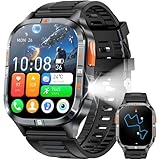
- BUILT-IN GPS & COMPASS– This military smartwatch features high-precision GPS to pinpoint your location while hiking, cycling, or traveling, keeping you safely on track without extra gear. Tap the compass icon and it locks your bearing within three seconds—engineered for pro-level outdoor adventures like camping, climbing, and trekking.
- BLUETOOTH CALLING & MESSAGES – Powered by the latest Bluetooth tech, the men’s smartwatch lets you answer or make calls right from your wrist—no need to pull out your phone. Get real-time alerts for incoming texts and app notifications so you never miss an invite. (Replying to SMS is not supported.)
- BIG SCREEN & DIY VIDEO WATCH FACE – The 2.01" military-spec display is dust-proof, scratch-resistant, and forged from high-strength glass with an aluminum alloy bezel, passing rigorous dust and abrasion tests so the screen stays crystal-clear. Upload a short family video to create a dynamic, one-of-a-kind watch face that keeps your memories alive.
- 24/7 HEALTH MONITORING – Equipped with a high-performance optical sensor, this Android smartwatch tracks heart rate and blood-oxygen levels around the clock. It also auto-detects sleep stages (deep, light, awake) for a complete picture of your health, ensuring you always know how your body is doing.
- MULTI SPORT MODES & FITNESS TRACK – Choose from running, cycling, hiking, basketball, and more to log every workout. Set goals, monitor progress, and sync data to the companion app. Bonus tools include photo gallery, weather, alarm, stopwatch, flashlight, hydration reminder, music/camera remote, find-my-phone, mini-games, and other everyday essentials.
Watching Current Stamina during the first 10 to 15 minutes of the run is especially revealing. If it collapses quickly despite conservative pacing, the bike leg likely depleted more than just your legs—it drained your overall energy budget.
Over time, experienced triathletes learn to associate specific bike stamina profiles with successful run outcomes. A bike that finishes with slightly restrained Potential often produces a smoother, more controllable run, even if the bike split feels modest in the moment.
Garmin’s multisport implementation keeps stamina continuous across legs, which is critical for realistic feedback. This continuity is part of why higher-end models with robust multisport support feel more coherent during brick workouts and race simulations.
Using Stamina to Adjust, Not Abort, a Session
One of the most practical skills is learning when stamina is telling you to adjust rather than quit. A faster-than-expected drain doesn’t automatically mean the session is ruined; it often means shifting from execution to damage control.
Dialing back intensity slightly, extending recoveries, or shortening the final block can stabilize Potential and preserve training value. This kind of mid-session decision-making is where stamina becomes a protective tool rather than a source of anxiety.
It’s also worth noting that external factors matter. Heat, altitude, poor sleep, and inadequate fueling will all show up in stamina before they fully register in pace or heart rate, making the metric especially valuable on days when conditions aren’t ideal.
Practical Setup Tips for Training Use
For training sessions, stamina should live on your primary data screen alongside heart rate or power. Burying it behind multiple button presses almost guarantees it won’t influence decisions when you need it most.
Touchscreen responsiveness on newer Garmin models makes mid-run glances easier, but button-driven watches remain more reliable with sweat, rain, or gloves. Comfort also matters—lighter watches like the Forerunner series tend to disappear on the wrist during long sessions, which reduces friction in actually using the data.
Above all, consistency matters more than perfection. The more sessions you record while paying attention to stamina patterns, the more context you build—and that context is what turns Real-Time Stamina from a number into an instinct you can train.
Race-Day Pacing with Real-Time Stamina: Marathons, Ultras, Cycling, and Triathlon Scenarios
By race day, Real-Time Stamina should feel familiar rather than novel. You’re no longer asking what the number means; you’re using it as a boundary line for decisions that matter when fatigue, adrenaline, and crowd energy all try to pull you off-plan.
What changes on race day is not the metric itself, but your tolerance for risk. Stamina becomes less about optimizing training load and more about protecting the outcome you’ve spent months preparing for.
Marathon Pacing: Preventing the Slow Bleed
In a marathon, stamina is most useful in the first 10–15 kilometers, when everything feels easy and mistakes are cheapest but most damaging. If you see stamina dropping faster than expected while heart rate and pace still look “comfortable,” that’s an early warning you’re spending future energy too quickly.
A stable marathon effort typically shows a gradual, controlled decline in Potential Stamina rather than a steep early slide. If your watch shows a sharp drop despite staying on goal pace, it often means your internal cost is higher than planned, usually due to heat, dehydration, or subtle overexertion.
Mid-race, stamina helps distinguish between real fatigue and psychological discomfort. If stamina remains higher than expected at 30 km, you can maintain pace with confidence; if it’s already critically low, the smarter move is preserving cadence and form rather than chasing splits that will unravel later.
Ultramarathons: Managing Variability, Not Perfection
Ultras are where Real-Time Stamina becomes less about pace control and more about energy accounting. Terrain changes, hiking sections, and aid station stops all cause visible fluctuations, which is exactly what you want to see.
In long ultras, watch how stamina responds to climbs rather than flats. A sustainable strategy usually shows sharper drops on climbs followed by partial recovery on descents or runnable sections, while an unsustainable approach shows continuous erosion with no rebound.
Battery life and comfort matter here. Watches like the Fenix or Enduro series, with larger cases, sapphire options, and extended GPS modes, are better suited for multi-hour use where you’re glancing frequently but don’t want to think about charging or wrist fatigue.
Cycling and Long Rides: Translating Power into Cost
On the bike, stamina shines because power output makes effort cost more explicit. Two identical average power numbers can produce very different stamina curves depending on surges, wind, and terrain.
If stamina drops rapidly during repeated short climbs or group accelerations, that’s a sign the variability is costing more than the average power suggests. Backing off slightly on the spikes often stabilizes stamina without meaningfully affecting overall speed.
For endurance rides and fondos, a well-paced effort usually shows stamina declining in predictable steps rather than erratic swings. Garmin’s larger, heavier watches are rarely noticed on the bike, and button-driven navigation is especially reliable when hands are sweaty or road vibration makes touchscreens inconsistent.
Triathlon: Using Stamina to Protect the Run
In triathlon, stamina is less about maximizing each leg and more about preserving what matters most at the end. Garmin’s ability to carry stamina continuously from swim to bike to run is critical, because the bike leg quietly determines the quality of your run.
If stamina is already lower than expected late in the bike, that’s not a cue to push harder before T2. It’s a signal to soften the final kilometers, spin efficiently, and arrive with enough reserve to execute the run you trained for.
On the run, stamina provides a clearer picture than pace alone, especially early. If stamina stabilizes after the first few kilometers, you’re likely riding the edge correctly; if it continues to fall sharply, dialing back slightly can prevent a dramatic fade later.
What Real-Time Stamina Can and Can’t Do on Race Day
Stamina does not predict cramps, gastrointestinal distress, or mechanical failure, and it can’t account for tactical racing decisions where placing matters more than efficiency. It also assumes accurate inputs, meaning poor heart rate data, incorrect FTP, or under-fueled training history will skew its guidance.
What it does exceptionally well is reveal hidden cost. It shows when effort is quietly unsustainable long before pace or power collapse, giving you a chance to intervene while options still exist.
Race-Morning Setup and Display Strategy
On race day, stamina should be visible at a glance, ideally paired with heart rate or power rather than pace alone. This combination lets you see both what you’re doing and what it’s costing you in real time.
Screen clarity and comfort matter more than aesthetics here. Lightweight Forerunner models excel for running-focused races, while bulkier multisport watches trade a bit of wrist presence for better battery life, durability, and confidence over long events.
If you’ve trained with stamina consistently, race day becomes less about watching the number and more about recognizing its behavior. That recognition is what allows you to make calm, deliberate pacing decisions when the race is trying to rush you into mistakes.
Real-Time Stamina vs Body Battery vs Training Readiness: What Each Metric Is (and Isn’t)
After using stamina in races or key workouts, the natural question becomes how it fits alongside Garmin’s other readiness-style metrics. Body Battery and Training Readiness often appear to tell a similar story, but they operate on different time scales, draw from different inputs, and answer very different questions.
Understanding where each metric shines—and where it can mislead—is what turns Garmin’s ecosystem from a dashboard of numbers into a practical decision-making tool.
Real-Time Stamina: The Cost of What You’re Doing Right Now
Real-Time Stamina is a live, activity-only metric designed to answer one question: how much usable energy do you have left at your current effort. It updates continuously during a workout, recalculating based on heart rate, power or pace, historical fitness data, and how hard you’ve been working relative to your personal limits.
Unlike most Garmin metrics, stamina is not about readiness or recovery. It is about sustainability. It shows the physiological cost of the effort you are producing in that moment, and how long you can realistically continue before performance degrades.
Crucially, stamina responds immediately to changes in intensity. Back off the pace, and stamina stabilizes or recovers slightly. Push above threshold, and you’ll see a rapid decline that often precedes any visible slowdown in speed or power.
What stamina is not is a measure of motivation, freshness, or general health. It does not care whether you slept well, had a stressful workday, or feel mentally sharp. Once you press start, only the demands of the activity matter.
This is why stamina excels during long runs, structured intervals, endurance rides, and races. It is less useful for short, explosive workouts where depletion is expected and irrelevant.
Body Battery: Your All-Day Energy Budget
Body Battery operates on a completely different timeline. It is a 24/7 metric that estimates your overall energy reserves based primarily on heart rate variability, sleep quality, stress levels, and activity throughout the day.
Where stamina is reactive, Body Battery is cumulative. It rises during sleep and restful periods, falls with physical exertion and psychological stress, and reflects how charged or drained your system is overall.
For daily life and training planning, Body Battery is extremely useful. A low morning score can explain why even an easy run feels harder than expected, while a high score often aligns with days where intensity feels manageable.
However, Body Battery does not understand context within a workout. It cannot tell you whether your current pace is sustainable for another 10 kilometers, or whether pushing harder now will compromise the rest of the session.
It also does not differentiate between types of fatigue particularly well. A mentally stressful day and a hard tempo run may drain Body Battery similarly, even though their impact on performance is very different.
Training Readiness: Should You Push Today or Not?
Training Readiness sits above both metrics as a planning tool rather than a pacing tool. It combines sleep, recovery time, HRV status, acute load, recent training history, and stress to produce a single score that reflects how prepared your body is for hard training today.
This metric is most valuable before you train. It helps answer whether today is a good day for intervals, a better day for aerobic volume, or a day where restraint will pay off more than ambition.
Training Readiness does not change during a workout, and it is not meant to. Once you start running or riding, its job is already done. At that point, stamina becomes the more relevant signal.
It also assumes that your recent training data is accurate and consistent. Large swings in training volume, device gaps, or inaccurate recovery tracking can distort the score.
Why These Metrics Often Feel Conflicting (and Aren’t)
It’s common to see high Training Readiness, a decent Body Battery, and rapidly falling stamina during a workout. This is not a contradiction. It simply means you are ready to train, but the way you’re training right now is expensive.
Rank #4

- 【Built-in GPS & Multi-System Positioning】Stay on track with the Tiwain smartwatch’s built-in GPS. Featuring military-grade single-frequency and six-satellite support (GPS, GLONASS, Beidou, Galileo, NAVIC, QZSS), this watch offers fast and accurate location tracking wherever you go. It also includes a compass, altimeter, and barometer, giving you real-time data on your altitude, air pressure, and position.
- 【Military-Grade Durability】Engineered to withstand the toughest conditions, the Tiwain smartwatch meets military standards for extreme temperatures, low pressure, and dust resistance. Crafted from tough zinc alloy with a vacuum-plated finish, this watch is also waterproof and built to resist wear and tear. The 1.43-inch AMOLED HD touchscreen offers clear visibility in all environments, and the watch supports multiple languages for global users.
- 【170+ Sport Modes & Fitness Tracking】Track your fitness journey with 170+ sport modes, including walking, running, cycling, hiking, basketball, and more. Set exercise goals, monitor progress, and sync your data to the companion app. The smartwatch also offers smart features like music control, camera remote, weather updates, long-sitting reminders, and more.
- 【LED Flashlight for Outdoor Adventures】The Tiwain smartwatch comes equipped with a built-in LED flashlight that can illuminate up to 20 meters. Activate it with the side button for added convenience during nighttime activities or outdoor adventures.
- 【Comprehensive Health Monitoring】Monitor your health with real-time heart rate, sleep, blood pressure, and blood oxygen level tracking. The smartwatch will vibrate to alert you of any abnormal readings. You can also make and receive calls directly from the watch, and stay connected with message and app notifications (receive only, no sending capability) – perfect for when you’re driving or exercising.
Likewise, you can start a session with low Body Battery and poor Training Readiness, yet see stable stamina at an easy intensity. Your body may be tired, but the effort itself is still sustainable.
The mistake many athletes make is trying to use one metric as a universal truth. Each one answers a different question, and confusion usually comes from asking the wrong question of the wrong tool.
How to Use Them Together Without Overthinking It
Before training, use Training Readiness to choose the type of session and Body Battery to set expectations. These metrics help decide whether to chase performance, maintain consistency, or prioritize recovery.
During training or racing, ignore both and focus on Real-Time Stamina. Once effort begins, sustainability matters more than readiness scores calculated hours earlier.
After training, revisit Body Battery and recovery metrics to understand the broader cost of the session. Stamina tells you how hard it was in the moment; Body Battery shows how much it took out of your day.
When used this way, Garmin’s metrics stop competing for attention and start reinforcing each other. Stamina manages the now, Body Battery explains the day, and Training Readiness shapes the plan.
Limitations, Accuracy, and Common Misinterpretations to Avoid
Once you start trusting Real-Time Stamina during hard sessions, it becomes tempting to treat it as an infallible fuel gauge. It is powerful, but it is not magic. Understanding where it excels, where it struggles, and how athletes often misuse it is what separates smart pacing from blind obedience to the number on your wrist.
Real-Time Stamina Is a Model, Not a Measurement
Garmin is not measuring your remaining energy directly. Real-Time Stamina is a predictive model built from heart rate response, VO2 max estimates, recent training load, and intensity trends during the session.
That means it is only as good as the inputs feeding it. If your heart rate data is noisy, your VO2 max is outdated, or your recent training history is incomplete, the model will still produce a number, but that number may not reflect reality.
This is why athletes upgrading from casual use to structured training often notice stamina becoming more “honest” over time. As your watch learns your physiology through consistent data, the predictions tighten.
Heart Rate Accuracy Is Non-Negotiable
Real-Time Stamina lives and dies by heart rate accuracy. Optical sensors on the wrist have improved dramatically, but they still struggle in cold weather, during rapid pace changes, or when worn loosely on smaller wrists.
During interval sessions, hill repeats, or high-cadence cycling, a delayed or suppressed heart rate signal can cause stamina to drop too slowly at first, then crash suddenly once the sensor catches up.
For serious pacing work, especially races or key long sessions, a chest strap transforms stamina from a helpful estimate into a genuinely reliable tool. The watch hardware may be premium, but physiology demands clean data.
Environmental Stress Is Only Partially Accounted For
Heat, humidity, altitude, and dehydration all tax your system beyond what pace or power alone can explain. Garmin does attempt to factor some of this in through heart rate drift and heat acclimation data, but the model is still reactive, not predictive.
On a hot marathon day, stamina may look stable early on, then unravel dramatically after the halfway mark. That is not a failure of the metric, but a reminder that physiological stress compounds non-linearly in harsh conditions.
Treat stamina more conservatively when conditions are extreme. If it feels too generous early, it probably is.
Strength, Anaerobic Bursts, and Technical Terrain Can Confuse It
Real-Time Stamina is best at steady-state endurance. Activities with frequent surges, sharp climbs, technical descents, or strength-heavy demands can distort the signal.
Trail running is a common example. Short, steep climbs spike effort well beyond what pace reflects, while descents lower heart rate without fully resetting muscular fatigue. Stamina may oscillate in ways that feel disconnected from how your legs actually feel.
The same applies to sports with repeated anaerobic bursts. Stamina does not fully capture neuromuscular fatigue, tendon load, or localized muscle failure. It tracks sustainability, not structural wear and tear.
Early Session Drops Are Often Misread as “Bad Fitness”
One of the most common mistakes is panicking when stamina falls quickly in the first 10 to 20 minutes. This usually says more about pacing than fitness.
If you start above your sustainable intensity, stamina will punish you immediately. That early drop is actually doing its job, warning you that the cost of your current effort is higher than you think.
Experienced athletes learn to use this phase as calibration. Back off slightly, stabilize heart rate, and see if stamina levels out. The goal is not to keep it high, but to stop it from free-falling.
Low Stamina Does Not Automatically Mean “Stop”
Seeing single-digit stamina late in a race can be unsettling, but it does not mean you must shut things down. It means you are operating near your limit, and the margin for error is small.
Elite and experienced athletes often finish races with stamina near zero. What matters is how you arrive there. A smooth, controlled decline usually correlates with good pacing, while a sudden collapse is a sign of overreaching.
Use stamina as a pacing governor, not a kill switch. It informs risk; it does not decide the outcome for you.
It Does Not Replace Perceived Effort or Experience
No metric, including stamina, can override body awareness. Hunger, cramps, joint pain, and mental fatigue often appear before stamina fully reflects trouble.
Athletes who perform best treat Real-Time Stamina as a second opinion. If it aligns with how you feel, confidence increases. If it disagrees, that disagreement is the signal to investigate, not ignore.
Over time, you should not become dependent on stamina. You should become better at interpreting it in context.
Software, Battery, and Device Differences Matter
Not all Garmin watches implement stamina with the same fidelity. Higher-end models with stronger processors, better optical sensors, and longer battery life handle long sessions more consistently.
Battery-saving modes, reduced GPS accuracy, or disabled sensors can degrade stamina tracking during ultra-long activities. If the watch is cutting corners to preserve power, the model loses resolution.
Comfort also plays a role. A watch that shifts on the wrist, especially on smaller or flatter profiles, introduces noise. Strap choice and fit matter more here than most users realize.
Why Chasing a Perfect Number Misses the Point
The biggest misinterpretation is trying to “protect” stamina at all costs. Training adaptations come from stress, not from keeping the graph pretty.
Stamina is at its best when used to manage distribution, not avoidance, of effort. It helps you decide where to spend energy, where to hold back, and when to commit fully.
If you finish every workout with high stamina, you are likely under-training. If you finish every workout at zero, you are likely under-recovering. The value lies in learning when each outcome makes sense.
When understood this way, Real-Time Stamina stops being a judgment and becomes what it was designed to be: a live pacing assistant that works with your experience, not against it.
Best Practices and Pro Tips: Custom Data Screens, Alerts, and Post-Workout Analysis
Once you understand what Real-Time Stamina can and cannot tell you, the next step is putting it where it actually influences decisions. This is where setup matters more than theory.
Used well, stamina becomes a quiet background guide rather than a number you constantly chase.
Build a Data Screen That Supports Decisions, Not Distractions
Real-Time Stamina works best when paired with only one or two complementary fields. Overcrowded screens lead to fixation, not better pacing.
For running, a highly effective layout is Stamina Remaining, Lap Pace, and Heart Rate. This combination lets you see whether your current pace is sustainable without needing to interpret too many signals mid-stride.
For cycling, Stamina Remaining paired with Power (3s or Lap Avg) and Heart Rate gives better context than speed. Wind, terrain, and drafting all distort speed, while stamina reacts more cleanly to true workload.
Where to Place Stamina in Multi-Screen Setups
Stamina should not live on your primary screen if you are racing or training by pace or power. It works better as a secondary screen you check deliberately, especially during climbs, long intervals, or late-race segments.
Many experienced users place stamina on a dedicated “decision screen” they scroll to only a few times per hour. This reduces anxiety and keeps effort guided by feel most of the time.
On larger watches like the Fenix or Enduro series, the extra screen real estate helps. Smaller cases like the Forerunner 255 or 265 still handle stamina well, but screen discipline becomes more important.
Using Stamina Alerts Without Letting Them Control You
Garmin allows stamina-based alerts on supported models, but these should be treated as reminders, not commands. A mid-range alert around 40–50 percent works well for long sessions.
This alert is most useful as a check-in during endurance rides or runs where pace creep is common. It prompts you to reassess hydration, fueling, and effort before fatigue compounds.
💰 Best Value

- Smart Watch with GPS and Offline Map: This smart watch connects to multiple satellite systems for accurate real-time positioning, and includes a professional-grade compass, altimeter, and barometer for precise data, ensuring you maintain your sense of direction in any outdoor environment. The map version supports downloading offline maps; select a route or destination to view the route even without a signal, eliminating the risk of getting lost.
- Bluetooth Call & Message Functionality: This smart watches for men allows you to make and receive calls; receive text and social media notifications (Facebook, WhatsApp, Instagram, Twitter, etc.); and reply to text messages with voice-to-text or set up quick replies (text reply functionality is available for Android phones).
- Sports & Health Monitoring: This 5ATM waterproof fitness watch supports over 100 sports modes and tracks daily activity data, calories, distance, steps, and heart rate. You can use it to monitor your health metrics (blood oxygen, heart rate, stress, and sleep), monitor your fatigue and mood, and perform PAI analysis. You can also use this smartwatch to set water intake and sedentary reminders. Stay active and healthy with this fitness tracker watch.
- Customizable Watch Faces & AI Functionality: This smart watch features a 1.46-inch HD touchscreen and over 100 downloadable and customizable watch faces. You can even use your favorite photos as your watch face. Equipped with AI technology, it supports voice descriptions in multiple languages to generate personalized AI watch faces. The watch's AI Q&A and AI translation features provide instant answers to questions and break down language barriers, making it an ideal companion for everyday life and travel.
- Large Battery & High Compatibility & More Features: This smart watch for android phones and ios phone features a large 550ml battery for extended battery life. It's compatible with iOS 9.0 and above and Android 5.0 and above. It offers a wealth of features, including an AI voice assistant, weather display, music control, camera control, calculator, phone finder, alarm, timer, stopwatch, and more. (Package Includes: Smartwatch (with leather strap), spare silicone strap, charging cable, and user manual)
Avoid setting alerts too high or too low. Alerts at 70 percent trigger too early, while alerts near zero often arrive after damage is already done.
Race-Day Strategy: Spending Stamina Intentionally
On race day, stamina is most valuable in the first half, not the finish. Early restraint preserves optionality later.
If stamina drops faster than expected early, it usually reflects pacing errors, heat stress, or fueling mistakes. Correcting those early can stabilize the curve surprisingly well.
Late in a race, stamina becomes descriptive rather than predictive. At that point, effort, position, and goals should take priority over protecting a number.
Post-Workout Analysis: What the Graph Actually Teaches You
After the session, the stamina graph becomes a learning tool. Look at where the curve steepens rather than where it ends.
Sharp drops often align with surges, climbs, or laps where pace exceeded sustainable output. These moments reveal more about your pacing habits than average pace or heart rate ever will.
If stamina drains evenly but faster than expected, aerobic durability or fueling may be the limiter. If it stays high until late and then collapses, over-aggressive finishing or insufficient recovery is often the cause.
Compare Stamina Trends Across Similar Workouts
The real value emerges when you compare like-for-like sessions over time. Identical routes, similar weather, and comparable intensity reveal whether stamina depletion is improving.
When endurance improves, you will see the same effort preserve stamina longer, not necessarily finish higher. This distinction matters and prevents false confidence.
Garmin Connect’s timeline view makes these patterns easier to spot than single-activity summaries. Spend time here, not just on the headline stats.
Fueling and Hydration Show Up Clearly in Stamina
Stamina is unusually sensitive to under-fueling, especially in sessions longer than 90 minutes. A sudden acceleration in decline often coincides with missed carbohydrate intake.
Hydration issues tend to show up as steadily worsening stamina despite controlled effort. Heat amplifies this effect and can make well-paced efforts look deceptively costly.
If stamina consistently collapses at a predictable time point, the solution is often nutritional rather than fitness-based.
Battery, Fit, and Sensor Quality Still Matter
Long activities demand reliable data. Use full GPS accuracy and keep optical heart rate enabled if you want stamina to remain meaningful deep into a session.
A snug, comfortable fit matters more than materials or weight. Titanium cases, sapphire lenses, and premium straps add durability and comfort, but stability on the wrist is what preserves signal quality.
If you switch to battery saver modes during ultras or long rides, expect stamina resolution to degrade. In those cases, use it early, then rely more on experience later.
Let Stamina Inform, Not Rewrite, Your Training Philosophy
The most effective athletes treat stamina as a feedback loop, not a target. It helps confirm whether training stress is applied where intended.
Over time, your goal is not to watch stamina more closely, but to need it less. When perception, pacing, and stamina align, the metric has done its job quietly in the background.
Used this way, Real-Time Stamina becomes part of your learning process, not a number you chase or fear.
Who Real-Time Stamina Is Best For—and When You Should Ignore It
By this point, it should be clear that Real-Time Stamina is most powerful when it reinforces smart habits rather than replaces judgment. The key is knowing when it adds clarity—and when it becomes noise.
Used in the right context, it sharpens pacing and energy awareness. Used indiscriminately, it can distract from effort cues that matter more.
Endurance Athletes Learning to Pace Themselves
Real-Time Stamina is at its best for runners, cyclists, and triathletes who struggle with early overexertion. If your workouts or races tend to fade after a strong start, stamina gives immediate feedback that effort is drifting too high.
For long steady sessions, it acts like a guardrail. Seeing stamina drop faster than expected encourages restraint before damage is done.
This is especially useful for athletes moving up in distance, where internal pacing instincts are not yet reliable.
Race-Day Decision Making in Long Events
During marathons, long fondos, and Ironman-distance racing, stamina becomes a real-time risk indicator. It helps validate whether a surge, hill, or tactical move is affordable.
It is not about preserving stamina to zero, but about managing the slope of decline. A controlled, predictable drop usually signals a sustainable race.
Athletes who execute well often glance at stamina only a few times, using it as confirmation rather than instruction.
Training Blocks Focused on Aerobic Efficiency
Real-Time Stamina shines in base and tempo-heavy training phases. When aerobic fitness improves, stamina depletes more slowly at the same heart rate and pace.
This makes it a useful tool for detecting meaningful adaptations without chasing speed. You learn whether endurance is improving even when workouts feel similar.
It also highlights when fatigue, poor sleep, or under-fueling undermine otherwise solid training.
Athletes Who Train by Feel—but Want a Backstop
Experienced athletes often rely on perceived exertion, but stamina can still play a supporting role. When feel and data diverge, it prompts a moment of reflection rather than blind trust.
On days when adrenaline masks fatigue, stamina often sees the cost before legs do. That awareness can prevent turning a good session into a compromised one.
The best use here is occasional reference, not constant monitoring.
When Real-Time Stamina Is Less Useful
Short, high-intensity workouts are not where stamina excels. Intervals, sprints, and VO2 max sessions deplete stamina rapidly by design, making the metric obvious rather than informative.
Strength training, trail runs with extreme terrain variability, and stop-start group rides can also distort readings. In these cases, mechanical load and neuromuscular fatigue matter more than metabolic endurance.
If your session is about power, explosiveness, or technique, stamina adds little value.
Why Beginners Should Use It Carefully
For newer athletes, stamina can feel authoritative before it is fully understood. Without a sense of pacing or fueling, it risks becoming a crutch rather than a teacher.
Early on, focus on learning effort, breathing, and recovery signals. Use stamina only as a post-session review tool until those basics are established.
Once foundational habits are in place, stamina becomes far more meaningful.
Situations Where You Should Actively Ignore It
There are moments when stamina should not influence decisions at all. Final race surges, decisive climbs, and tactical moves often require accepting unsustainable effort.
In these scenarios, stamina dropping sharply is expected and irrelevant. The outcome depends on commitment, not conservation.
Ignoring the number is sometimes the correct call.
The Big Picture: A Tool, Not a Verdict
Real-Time Stamina works best for athletes who want to understand energy cost, not outsource discipline. It rewards patience, consistency, and attention to detail.
Its real value lies in pattern recognition over weeks and months, not single moments. When used selectively, it builds confidence rather than dependence.
Manage it wisely, and Real-Time Stamina becomes a quiet partner in better endurance—not a voice that overrides your instincts.