Garmin’s latest shake-up of the Approach range isn’t just a routine model refresh. It’s a quiet but meaningful reset of how Garmin wants golfers to think about dedicated golf watches versus full-blown multisport smartwatches, and where value now sits across the line-up.
If you’ve ever been confused about whether the S42, S62, S70, or a Venu or Forerunner made the most sense for your game, the arrival of the Approach S44 and S50 is Garmin’s attempt to simplify that decision. These watches aren’t chasing tour-level analytics or smartwatch excess; they’re about refining the core golf GPS experience and making it more approachable, more wearable, and more sensibly priced.
What follows is not just a feature rundown, but an explanation of what’s actually changed, who these new models are for, and whether upgrading from an older Approach watch genuinely improves your experience on the course and off it.
A clearer split between “golf-first” and “everything” watches
The most important takeaway from the S44 and S50 launch is that Garmin is doubling down on golf-first devices that stay focused on the sport, rather than trying to be diluted smartwatches. These models sit deliberately below the Approach S70, which remains the premium AMOLED option with deeper fitness and lifestyle crossover.
🏆 #1 Best Overall
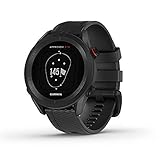
- New round watch design with a high-resolution sunlight-readable display
- Battery life: up to 30 hours in GPS Mode
- More than 42,000 courses preloaded from around the world
- Keep score right on the watch and upload directly to the Garmin Golf app (when paired with a compatible smartphone) to participate in weekly leaderboards
- Automatically keep track of your score and how far you hit with each club with compatible Approach CT10 club tracking sensors (sold separately)
For golfers, this matters because it means fewer compromises in interface design. The S44 and S50 prioritize quick yardages, hole visuals, and glanceable data over app ecosystems and voice assistants, which keeps interactions fast during a round and battery drain predictable.
This also helps explain why Garmin hasn’t overloaded these watches with advanced training metrics or multi-band GNSS. Accuracy remains excellent for golf-specific use, but the emphasis is stability and simplicity rather than spec-sheet one-upmanship.
How the S44 and S50 differ in real-world use
On paper, the S44 and S50 look closely related, but in practice they target slightly different golfers. The S44 is the more stripped-back option, aimed at players who want front, middle, and back distances, hazard views, green shapes, and PlaysLike Distance without distractions.
The S50 builds on that foundation by leaning more into post-round insight and everyday usability. You’re getting more detailed shot data, stronger integration with the Garmin Golf app, and broader health tracking that makes it easier to justify wearing the watch away from the course.
Neither model is trying to replace the S70 or a Forerunner for serious athletic training. Instead, the S44 is about frictionless rounds, while the S50 is for golfers who enjoy reviewing their game trends and want one watch that feels more complete day to day.
What’s genuinely new compared to older Approach models
For anyone coming from an Approach S42 or even an S40, the biggest improvements aren’t flashy features but refinements. CourseView visuals are cleaner and more legible, touchscreen responsiveness is noticeably better, and menus are structured around fewer, more relevant actions.
PlaysLike Distance is now better integrated into how you actually play holes, factoring elevation changes without forcing you into extra screens. Green view access is faster, and pin movement feels more natural rather than buried in sub-menus.
Battery life has also quietly improved in real-world golf scenarios. While headline numbers matter less than consistency, both watches comfortably handle multiple rounds per charge, even with frequent screen interactions and smartphone syncing enabled.
Where these watches sit in Garmin’s hierarchy
The S44 effectively becomes the new entry point for serious Garmin golf users, replacing older models that were starting to feel dated in screen quality and software polish. It’s the watch you buy if golf is your primary sport and you want minimal fuss.
The S50 sits in the middle of the range, bridging the gap between pure golf GPS watches and Garmin’s broader lifestyle wearables. It offers enough health tracking and comfort to wear daily, without stepping on the toes of the S70’s premium positioning.
Above them, the S70 remains the choice for golfers who want AMOLED visuals, more advanced fitness insights, and a watch that can credibly replace a high-end smartwatch. Below them, anything older now feels like a compromise unless price is the deciding factor.
Who should upgrade, and who probably shouldn’t
If you’re using an Approach S60 or S62 and are satisfied with your current feature set, the upgrade case is less about capability and more about wearability and interface smoothness. You won’t suddenly gain new ways to play golf, but you may enjoy the experience more.
For S42 or S40 owners, the jump is easier to justify. You’re getting better displays, more responsive software, and a longer runway for future Garmin Golf app updates.
New buyers deciding between models should focus less on specs and more on how they play. If you want fast yardages and zero clutter, the S44 is the cleanest expression of Garmin’s golf DNA right now. If you enjoy stats, trends, and wearing one watch all week, the S50 is the more balanced long-term choice.
Approach S44 vs S50 at a Glance: Positioning, Price, and Target Golfer
With the hierarchy now clearly defined, the S44 and S50 make the most sense when viewed side by side. They share a core software foundation and the same updated Garmin Golf experience, but they’re aimed at very different buying mindsets.
This isn’t a case of “good” versus “better.” It’s about how much watch you want on your wrist when you’re not standing on a tee box.
Market positioning within the new Approach range
The Approach S44 is positioned as a dedicated golf-first GPS watch with just enough everyday functionality to avoid feeling one-dimensional. It replaces the older S40/S42 tier with a cleaner interface, sharper display, and faster interaction, without drifting into full smartwatch territory.
The S50 deliberately moves upmarket. It’s designed for golfers who want strong on-course tools but also expect meaningful health tracking, sleep data, and all-day comfort that justifies wearing it Monday through Sunday.
Importantly, Garmin has kept both models clearly below the S70. The S44 and S50 don’t chase AMOLED visuals or advanced training metrics, which helps preserve the S70’s premium appeal while making the lower tiers easier to understand.
Price expectations and value proposition
At launch, the S44 sits firmly in mid-range pricing for dedicated golf GPS watches. It undercuts the S50 by a noticeable margin, making it one of the more accessible entry points into Garmin’s modern golf software without resorting to older hardware.
The S50 commands a higher price, but that premium is tied to broader capability rather than better golf data. You’re paying for expanded health sensors, more lifestyle-oriented software, and a design that feels less like a “golf watch” and more like a compact everyday wearable.
For buyers cross-shopping against older models like the S62 or discounted S42 units, the value equation shifts. The S44 makes a strong case as a future-proof option, while the S50 justifies its cost only if those extra non-golf features will actually be used.
Design, sizing, and real-world wearability
Both watches prioritize comfort over presence. Case sizes are restrained, with slim profiles that sit flat on the wrist and avoid the top-heavy feel of older Approach models.
The S44 leans more utilitarian in finishing, with lightweight materials and a strap that’s clearly optimized for long rounds and sweaty conditions. It disappears on the wrist during play, which is exactly the point.
The S50 feels more refined. The case finishing is subtler, the strap more flexible for all-day wear, and the overall aesthetic works better with casual clothing. It’s still clearly a sports watch, but not one that screams golf course exclusivity.
Feature emphasis: golf essentials versus all-day tracking
On the course, the core experience is nearly identical. Both deliver fast GPS yardages, PlaysLike Distance, green views with manual pin positioning, hazard data, and seamless syncing with the Garmin Golf app.
The divergence shows up off the course. The S44 keeps health tracking basic, covering the essentials without pushing deeper insights or trends.
The S50 adds more continuous wellness data, stronger sleep tracking, and a broader activity profile, making it feel closer to a lightweight fitness watch that happens to be excellent at golf.
Which golfer each watch is really for
The S44 is for players who see a golf watch as a tool, not a lifestyle accessory. If you play regularly, want reliable distances, and prefer a simple interface that never gets in the way, this is the most focused option Garmin currently offers.
The S50 is for golfers who want one watch to do most things well. It suits players who track their health, value daily wear comfort, and don’t want to switch watches once the round ends.
Seen this way, Garmin’s revamp isn’t about adding complexity. It’s about letting buyers choose between purity and versatility, without forcing them into a price tier that includes features they’ll never touch.
Design, Display, and Wearability: How the New Approach Watches Feel on the Wrist
Garmin’s rethink of the Approach line becomes most obvious the moment you put the S44 or S50 on your wrist. Instead of chasing bigger cases or flashier styling, both watches lean into restraint, prioritising comfort, legibility, and day-long wear over visual impact.
This is a deliberate shift away from earlier Approach generations that often felt purpose-built for the course but slightly awkward everywhere else.
Case size, thickness, and on-wrist balance
Both the Approach S44 and S50 are compact by modern smartwatch standards, with case dimensions that will suit a wide range of wrist sizes without overhang. The cases sit low, with minimal lug flare, which keeps the centre of gravity close to the wrist and avoids that top-heavy feel common to older golf GPS watches.
Rank #2
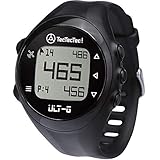
- SMART GOLF WATCH: The ULT-G Golf GPS watch includes sophisticated features that will make your works easier. A lot of useful features to take your game to the next level. It features Bluetooth connectivity to connect the watch to your smartphone for free course updates. There are no unusual features that can drain your mobile's battery too fast.
- EASY TO OPERATE: Learning to use the ULT-G watch is very simple. There are only four buttons to navigate the screen. Once the initial set-up is complete, with the touch of a button, the device will automatically connect to the satellite and begin displaying course information. This GPS watch does not require a smartphone, app, or web activation.
- EVERYTHING YOU NEED: Measures distances to the front, back, and middle of the green. Figure out the distance of your shots. Automatic hole progression while you play golf. Access information about over 38,000 courses around the world. There is a clock to tell the time.
- RELIABLE: Comes in a durable design. Water and dust resistance will assist you in hostile weather. Battery power to take you through 2.5 rounds before needing to be recharged. One-year warranty (online registration required), lifetime software support, and high-class customer service.
In real-world wear, that translates to less movement during a swing and fewer pressure points during long rounds. You notice the watch when you need it, not because it’s shifting around mid-backswing.
Materials and finishing: function first, refinement where it counts
The S44 adopts a straightforward, utilitarian construction. Lightweight composite materials dominate, keeping overall mass down and reinforcing its role as a dedicated playing tool rather than a hybrid lifestyle watch.
The S50 steps things up subtly. Case finishing is cleaner, transitions between materials are smoother, and there’s a slightly more premium feel without drifting into luxury territory. It’s still unmistakably a Garmin sports watch, but one that doesn’t feel out of place away from the course.
Display technology and outdoor readability
Both models use bright, high-contrast colour displays optimised for outdoor visibility rather than visual flourish. In direct sunlight, yardages, hazards, and green contours remain easy to read at a glance, which is ultimately what matters during play.
Garmin’s interface design continues to favour clarity over density. Distances are large, colour coding is intuitive, and there’s minimal on-screen clutter, even when cycling through PlaysLike Distance, hazard views, or layup targets.
Touchscreen versus buttons in real play
Touch input is responsive on both watches, but Garmin wisely retains physical buttons for core navigation. This matters more than it sounds, especially when playing in rain, wearing a glove, or quickly checking distances mid-walk.
The button layout feels familiar to anyone coming from previous Approach or Forerunner models, which shortens the learning curve. Long-time Garmin users will be navigating screens instinctively within a round or two.
Strap design and all-day comfort
Straps are where the two models subtly diverge. The S44’s band is firmer and clearly designed for durability and sweat resistance, making it ideal for hot-weather rounds and frequent play.
The S50 uses a softer, more flexible strap that prioritises comfort across a full day. It conforms better to the wrist, reduces pressure during extended wear, and feels less like something you’re eager to take off once the round ends.
From first tee to daily wear
What stands out most is how unobtrusive both watches feel over time. Neither model demands wrist real estate, and neither feels like a compromise when worn continuously from morning to evening.
This is where Garmin’s revamp pays off. The Approach line no longer forces golfers to choose between comfort and capability, and the S44 and S50 each deliver a distinct take on wearability without straying from what a golf watch is supposed to be.
Core Golf Features Explained: CourseView, PlaysLike Distance, Hazards, and On-Course Usability
Comfort and screen clarity only matter if the underlying golf tools actually deliver when you’re standing over a shot. This is where Garmin’s Approach DNA remains unmistakable, and where the S44 and S50 feel less like incremental updates and more like a quiet refinement of how Garmin wants golfers to interact with course data.
CourseView: the foundation of the Approach experience
Both the S44 and S50 ship with Garmin’s full CourseView database preloaded, covering over 43,000 courses worldwide. There’s no pairing requirement to access yardages on the course, which remains a key advantage over more smartwatch-led golf modes that rely heavily on phone sync.
Hole maps load quickly and orient themselves intuitively as you move, showing fairway shape, doglegs, and green geometry without forcing unnecessary interaction. Compared to older Approach models, map transitions feel faster and more fluid, especially when moving between holes or rotating the wrist mid-walk.
Front, middle, back distances done right
At a glance, both watches prioritise the three numbers most golfers rely on: front, centre, and back of the green. These distances are large, high-contrast, and readable without needing to stop or slow down, which is exactly how a golf watch should behave.
What’s improved here isn’t raw accuracy, which Garmin has long had dialled in, but consistency. Yardages remain stable even when walking across uneven lies or approaching greens from awkward angles, reducing the micro-doubts that creep in with less reliable GPS watches.
PlaysLike Distance and elevation-adjusted yardages
PlaysLike Distance remains one of Garmin’s most genuinely useful tools for recreational golfers, and it’s fully implemented on both models. The watches factor elevation changes into your yardage, adjusting the number you see to reflect how far the shot will effectively play.
On hilly courses, this quietly changes decision-making. Uphill par threes stop coming up short, downhill approaches become less intimidating, and club selection becomes more repeatable, particularly for players who don’t naturally calculate elevation on the fly.
Hazards, layups, and smarter risk management
Hazard view allows you to scroll through bunkers, water, and key landing areas with clear distances to carry or lay up short. This is especially useful on unfamiliar courses, where visual cues off the tee are limited or misleading.
The interface encourages strategic thinking rather than shot-by-shot micromanagement. You’re not being told what club to hit, but you’re given the information needed to decide whether attacking makes sense or whether positioning is the smarter play.
Green View and pin positioning
Green View provides a full outline of the putting surface, allowing you to manually move the pin position to match the day’s flag. This feature is easy to overlook, but it becomes invaluable on large or multi-tiered greens where front-to-back distances alone don’t tell the full story.
Touch interaction here is particularly effective, and the S50’s slightly more refined touchscreen makes pin placement feel quicker and more precise. That said, both watches allow you to complete the adjustment in seconds, without breaking pace of play.
Shot tracking and post-round analysis
Both models support basic shot tracking, automatically recording strokes as you play. For many golfers, this strikes the right balance between insight and effort, capturing data without requiring constant manual input.
When synced with the Garmin Golf app, rounds are broken down hole by hole, with fairways hit, greens in regulation, and scoring trends clearly presented. While neither watch replaces a full sensor-based system like Approach CT10, they provide enough data to identify patterns without overwhelming the user.
On-course usability in real conditions
Garmin’s decision to retain physical buttons alongside touch input pays off most during actual rounds. Swiping through hazards or PlaysLike Distance works well in dry conditions, but buttons remain faster and more reliable when it’s wet, cold, or you’re wearing a glove.
Battery life also plays into usability more than most golfers realise. Both the S44 and S50 comfortably handle multiple rounds on a single charge, meaning you’re not managing power anxiety mid-weekend or switching features off to conserve battery.
How the S44 and S50 differ on the course
From a pure golf functionality standpoint, the S44 and S50 are more alike than different. Garmin has intentionally avoided splitting core golf features between the two, ensuring that yardages, PlaysLike Distance, hazards, and CourseView feel equally capable regardless of price point.
The distinction comes down to how the watch fits into life beyond the course. The S44 is unapologetically golf-first, while the S50 layers these same tools into a more holistic smartwatch experience, making the decision less about golf performance and more about how much you want the watch to do once you leave the 18th green.
Health, Fitness, and Smartwatch Features: Where the S44 and S50 Sit in Garmin’s Wider Ecosystem
That distinction between golf-first and everyday smartwatch becomes clearer once you look beyond CourseView and yardages. Garmin has quietly reshaped the Approach line so the S44 and S50 no longer feel isolated from the rest of its wearable ecosystem, but they still occupy very different rungs within it.
Both watches now sit closer to Garmin’s lifestyle-focused models than older Approaches ever did, yet neither tries to be a full Venu or Forerunner replacement. Understanding what Garmin has included, and just as importantly what it has left out, is key to choosing between them.
Core health tracking: similar foundations, different depth
At a baseline level, the S44 and S50 share Garmin’s modern health stack. You get all-day heart rate tracking, step counting, calories, sleep monitoring, Body Battery, stress tracking, and respiration, all feeding into the Garmin Connect app.
In day-to-day wear, this makes both watches feel far more useful off the course than older models like the Approach S12 or S42. You can wear either 24/7 without feeling like you’re strapping on a single-sport device.
The difference is how far Garmin lets that data go. The S44 presents health metrics as context, useful for general awareness but not something you’re expected to train around. The S50 leans further into interpretation, surfacing trends more clearly and tying them into activity tracking in a way that feels closer to Garmin’s mainstream fitness watches.
Fitness profiles and activity tracking
This is where the S50 clearly pulls ahead. While both watches support basic activity tracking for walking, running, and casual workouts, the S50 offers a broader range of sport profiles and more detailed metrics during and after exercise.
Rank #3

- Slim design with a stunning 1.2” color AMOLED display that brings 43,000+ preloaded courses to life on your wrist
- Get distance to the front, middle and back of the green and navigate bunkers, water hazards and layups with hazard view
- Pair with optional Approach CT1 or CT10 club trackers (sold separately) for shot-tracking capabilities, so you have a clearer picture of which parts of your game to focus on
- Easily keep score as you play, and upload to the Garmin Golf smartphone app for advanced stat tracking and handicap calculation
- Leave your phone in the cart and get smart notifications sent to your wrist — including emails, texts and alerts when paired with your iPhone or Android smartphone
For golfers who also run, cycle, or train in the gym a few times a week, the S50 starts to make sense as a true hybrid. Pace, distance, heart rate zones, and post-workout summaries are handled with the same polish you’d expect from a Venu Sq or entry-level Forerunner.
The S44, by contrast, feels deliberately restrained. It tracks activity competently, but it doesn’t encourage structured training plans or deep performance analysis. That’s not a weakness so much as a design choice, keeping the focus on golf without overcomplicating everyday use.
Smartwatch features and daily usability
Smart notifications are supported on both models, including calls, messages, and app alerts when paired with a smartphone. In practice, this works reliably, with clear vibration alerts and readable text on the wrist.
The S50 again feels more complete as a smartwatch. Music controls, a smoother interface, and a more refined interaction model make it easier to live with all day, especially if you’re coming from an Apple Watch or a Venu-series Garmin.
Neither watch supports onboard music storage or LTE, and Garmin Pay availability may vary by region. That keeps both firmly in the lightweight smartwatch category, but it also preserves battery life, which is still a major selling point for golfers.
Battery life in the context of everyday wear
Garmin’s approach here is conservative and smart. Both the S44 and S50 offer battery life that comfortably covers several rounds of golf plus days of normal smartwatch use, without forcing you to think about charging routines.
The S44 tends to last longer overall thanks to its simpler feature set, making it appealing to golfers who only want to charge once a week. The S50’s extra fitness and smartwatch functionality does shorten endurance slightly, but it still outperforms most touchscreen-heavy lifestyle watches.
In real-world terms, either watch can handle a long golf weekend plus workouts and sleep tracking without anxiety, which is something many general-purpose smartwatches still struggle to match.
How they compare to other Garmin lines
Within Garmin’s broader lineup, the S44 sits closest to the traditional Approach identity, just modernised. It replaces older entry-to-mid models by offering better screens, stronger health tracking, and a cleaner software experience, without stepping on the toes of Venu or Forerunner.
The S50, meanwhile, overlaps more intentionally with Garmin’s lifestyle and fitness watches. It doesn’t compete directly with a Forerunner 265 for training depth, but it offers enough crossover that golfers don’t feel forced to own two devices.
For existing Garmin users, this matters. If you already understand Garmin Connect, Body Battery, and activity summaries, the S50 feels like a natural extension of that ecosystem, while the S44 feels like a specialist tool that now happens to speak the same software language.
Upgrade considerations for existing Approach owners
For golfers coming from older Approach models, the biggest upgrade isn’t a single feature but the overall balance. Health tracking is no longer an afterthought, screens are more legible indoors and outdoors, and the watches feel more comfortable as all-day wearables.
If you’ve been holding onto an S20, S40, or even an S42 and only use your watch on the course, the S44 delivers a meaningful refresh without paying for features you won’t use. If your golf watch has slowly become your daily watch by default, the S50 is the more future-proof choice.
Garmin’s revamp makes the decision less about raw golf capability and more about lifestyle fit. That, more than any spec change, is what redefines where the S44 and S50 sit in the company’s wider ecosystem.
Battery Life and Real-World Performance: Round-to-Round and Beyond the Course
Battery life is where Garmin’s reshaped Approach lineup quietly shows its priorities. The S44 and S50 are tuned less for headline-grabbing endurance figures and more for predictable, low-stress use across multiple rounds, workouts, and days of normal wear.
That distinction matters, because a golf watch fails its job the moment you start rationing features mid-round. In practice, both models feel designed to be charged when convenient, not because you’re forced to.
On-Course GPS Endurance: Playing 18, 36, and Then Some
In golf GPS mode, both watches comfortably handle a full 18-hole round with continuous yardages, hazard views, and green data active, without the battery percentage becoming a distraction. Even with features like PlaysLike Distance and automatic shot tracking enabled, real-world drain stays consistent rather than spiking unpredictably.
For golfers who regularly play 36 holes in a day or stretch a weekend into multiple rounds, the difference between the two models becomes clearer. The S44 leans toward conservative power management, prioritising stable GPS performance over flashy animations or background processes.
The S50, with its brighter display and deeper smartwatch integration, uses more power per hour on the course, but still remains well within the comfort zone for back-to-back rounds. In practical terms, both can handle a full day of golf without intervention, but the S44 gives you more margin for error if charging habits are irregular.
Between Rounds: Daily Use, Health Tracking, and Standby Drain
Away from the course, Garmin’s revamp shows up in how quietly these watches sip power during everyday wear. Step tracking, sleep monitoring, Body Battery, and passive heart rate tracking run continuously without the dramatic overnight drops that plague many touchscreen-heavy watches.
The S44 is the more predictable of the two in daily mode. Its simpler interface and lighter software load translate into longer gaps between charges, making it better suited to golfers who wear the watch primarily as a utility device rather than a lifestyle hub.
The S50, by contrast, behaves more like a restrained smartwatch. Notifications, richer widgets, and a more interactive screen add convenience, but they also introduce slightly higher standby drain. Even so, it remains firmly in Garmin territory rather than Apple or Wear OS territory, meaning days of use rather than hours.
Display, Sensors, and Their Impact on Battery Reality
Display technology plays a bigger role here than spec sheets suggest. The S50’s more vibrant screen improves readability indoors and in shade, but it naturally draws more power, especially when frequently woken by notifications or gestures.
The S44’s display, while more understated, excels in direct sunlight and consumes less energy when left passively visible during a round. For golfers who glance at yardages dozens of times per hole, that efficiency adds up over the course of a week.
Sensor behaviour is equally important. Both watches handle GPS lock quickly and maintain accuracy without aggressive polling, which helps preserve battery life during long walks between holes or on sprawling courses.
Charging Habits and Real-World Ownership Experience
Neither the S44 nor the S50 demands daily charging unless you deliberately push them with constant workouts, heavy notification use, and frequent GPS sessions outside golf. For most golfers, charging becomes a twice-a-week habit rather than a nightly chore.
This is where Garmin’s ecosystem experience pays off. Battery estimates inside Garmin Connect are conservative and reliable, so you’re rarely surprised by a sudden drop before a tee time.
For players upgrading from older Approach models with weaker health tracking or dimmer screens, the key takeaway is that battery life hasn’t been sacrificed to modernise the experience. Instead, Garmin has redistributed power use toward features golfers actually leave turned on.
What This Means for Different Types of Golfers
If your watch lives in your golf bag between rounds and only sees the light of day on the first tee, the S44’s endurance-focused behaviour makes the most sense. It feels built for reliability first, with just enough daily tracking to stay relevant off the course.
If your golf watch has become your default daily watch, worn to the office, the gym, and bed, the S50 strikes a more flexible balance. You give up a little theoretical endurance, but gain a device that still lasts long enough to forget about charging while offering a more complete everyday experience.
In both cases, Garmin’s revamp reframes battery life not as a single number, but as a confidence factor. These are watches you trust to get through the round, the weekend, and the week, which is ultimately what matters most to golfers who just want their tech to stay out of the way.
How the S44 and S50 Compare to Previous Approach Models (S42, S62, S70)
Seen in the context of battery confidence and everyday usability, the S44 and S50 make the most sense when you place them against the Approach watches they’re effectively replacing or repositioning. Garmin hasn’t simply added two more models to the shelf; it has reshuffled the hierarchy to close long-standing gaps between “golf-only” and “do-everything” devices.
For existing Garmin users, this comparison is less about raw specs and more about philosophy. The S44 and S50 borrow selectively from the S62 and S70, while fixing the compromises that made the S42 feel dated far sooner than it should have.
S44 vs S42: A True Generational Step, Not a Cosmetic Refresh
The S44 is the clearest successor in the line-up, effectively taking over from the S42 as Garmin’s entry-level dedicated golf watch. Where the S42 now feels constrained by its display brightness, limited health metrics, and older UI responsiveness, the S44 modernises the experience without bloating it.
Rank #4
- New round watch design with a high-resolution sunlight-readable display
- More than 42,000 courses preloaded from around the world
- Provides yardages to the front, back and middle of the green, as well as to hazards and doglegs
- Keep score right on the watch and upload directly to the Garmin Golf app (when paired with a compatible smartphone) to participate in weekly leaderboards
- Automatically keep track of your score and how far you hit with each club with compatible Approach CT10 club tracking sensors (sold separately)
Screen technology is the most immediately obvious upgrade. The S44’s display is brighter, easier to read in harsh sunlight, and more efficient at glance-based interactions, which matters when you’re checking front-middle-back distances dozens of times per round. The S42 was usable, but it often required deliberate wrist angles or backlight engagement that broke flow during play.
Software parity is just as important. The S44 runs Garmin’s newer interface layer, meaning smoother scrolling through hazards, quicker access to PlaysLike Distance, and more consistent syncing with the Garmin Golf app. On the S42, features like score review and post-round stats always felt a generation behind Connect’s capabilities.
From a wearability standpoint, both watches sit comfortably in the lightweight category, but the S44 benefits from refined case shaping and strap comfort. It feels less like a “golf tool” and more like a watch you can leave on after the round, which was never really the S42’s strength.
If you’re still using an S42, the upgrade argument is straightforward. The S44 does everything the S42 does, but faster, clearer, and with better long-term software relevance.
S50 vs S62: A Smarter Middle Ground
The comparison between the S50 and the older S62 is more nuanced. The S62 has long been Garmin’s sweet spot for serious golfers, offering Virtual Caddie, wind-aware distance suggestions, and a rugged, button-first design that many purists still prefer.
The S50 doesn’t replace the S62 feature-for-feature, but it reframes what “mid-tier” means in Garmin’s current ecosystem. You gain a more modern display, improved health and wellness tracking, and a watch that’s genuinely comfortable for 24/7 wear, not just during golf rounds.
Where the S62 still leans heavily into on-course decision support, the S50 shifts the balance slightly toward everyday smartwatch usability. Garmin Golf integration is tighter, post-round insights surface more cleanly, and the watch feels less specialised when you step off the course and into normal life.
Battery life is the trade-off that matters most here. The S62’s transflective display and older architecture still give it an edge in pure golf GPS longevity, especially for multi-day trips without charging. The S50 narrows that gap significantly, but it doesn’t eliminate it.
For golfers who loved the S62’s data depth but found themselves wishing it were more comfortable or versatile day-to-day, the S50 makes a compelling case. For those who want maximum on-course assistance and minimal smartwatch distractions, the S62 remains relevant, even as it ages.
S50 vs S70: Trimming the Excess Without Losing the Core
Comparing the S50 to the S70 highlights Garmin’s intent most clearly. The S70 is still the flagship, with the largest AMOLED display, premium materials, and the most comprehensive feature set Garmin offers in a golf-specific watch.
The S50 deliberately steps back from that edge. You lose some of the luxury finishing, screen real estate, and advanced visual polish, but the core golf experience remains intact. Distances, hazard views, PlaysLike calculations, and score tracking behave nearly identically in real-world play.
In daily use, the difference is one of refinement rather than capability. The S70 feels like a statement piece, with a case and display that can double as a lifestyle smartwatch in more formal settings. The S50 is subtler, lighter, and arguably more comfortable for sleep tracking and long-term wear.
Price positioning is where this comparison becomes practical. The S50 delivers most of what makes the S70 appealing at a lower cost, making the flagship harder to justify unless you specifically value the larger screen, premium materials, or top-tier aesthetics.
For many golfers, the S50 hits the point of diminishing returns perfectly. It gives you nearly everything you’ll use, without paying for features or finishes you may never fully appreciate.
Where the New Line-Up Leaves Existing Owners
Taken together, the S44 and S50 tighten Garmin’s Approach range in a way previous generations didn’t. The jump from S42 to S44 is an easy recommendation, while the decision between S50, S62, and S70 now depends more on lifestyle preferences than missing core golf features.
Garmin’s revamp effectively removes the “awkward middle” where older models felt either underpowered or overbuilt. Whether you prioritise endurance, daily wear comfort, or premium presentation, the new line-up makes it clearer where each watch belongs and who it’s built for.
Garmin Golf App Integration and Ecosystem Benefits
What ultimately ties the S44, S50, and the wider Approach line-up together is not the hardware, but Garmin’s software ecosystem. The real value of this revamp becomes clearer once you step off the tee box and look at how these watches plug into the Garmin Golf app and the broader Garmin Connect platform.
Garmin has quietly spent years refining this ecosystem, and with the S44 and S50 it feels less like a companion app and more like an extension of the watch itself. For golfers already invested in Garmin wearables, this continuity is one of the strongest arguments for staying within the brand.
Garmin Golf App: The Hub That Makes the Hardware Matter
Both the S44 and S50 sync automatically with the Garmin Golf app, where scorecards, shot data, and round statistics are stored and analysed. Post-round review is fast and reliable, with hole-by-hole breakdowns that mirror what you saw on the watch during play, rather than reinterpreting the data later.
Scorecards sync almost instantly, including fairways hit, greens in regulation, and putt counts, which makes the data feel actionable rather than archival. For recreational golfers, this is the difference between occasionally reviewing a round and actually spotting patterns over time.
CourseView updates are handled entirely through the app, keeping the onboard course database current without manual intervention. With over 43,000 courses supported globally, the S44 and S50 benefit from the same course accuracy and green mapping quality as Garmin’s flagship models.
PlaysLike, Club Tracking, and Data Consistency
PlaysLike Distance calculations remain consistent across the S44, S50, and higher-end models, and that consistency is important. Elevation-adjusted yardages you trust on one watch behave identically if you upgrade later, which reduces the learning curve and builds confidence over time.
When paired with optional Approach CT10 or CT1 club tracking sensors, the ecosystem becomes more powerful. The watch captures shot locations automatically, while the app visualises club distances and dispersion patterns in a way that feels genuinely useful rather than overwhelming.
The S50 benefits slightly more here thanks to its faster interface and smoother navigation when reviewing shots mid-round. That said, both watches rely on the same backend data processing, so the insights you get after the round are effectively identical.
Garmin Connect: Beyond the Golf Course
One of the understated advantages of the new line-up is how seamlessly golf data lives alongside health and fitness tracking in Garmin Connect. Steps, heart rate, sleep quality, and body battery data sit next to your rounds, giving context to performance in a way standalone golf apps simply can’t.
The S50, in particular, feels more at home as an all-day wearable. Its lighter case, improved display, and broader activity tracking make it easier to justify wearing between rounds, which in turn improves the quality of long-term health data.
For golfers who also run, cycle, or train in the gym, this convergence matters. You’re not choosing between a golf watch and a fitness watch anymore; you’re choosing how much emphasis you want on lifestyle polish versus pure endurance.
Multi-Device Synergy and Upgrade Flexibility
Garmin’s ecosystem design also future-proofs upgrades in a way few competitors manage. Moving from an older Approach model to the S44 or S50 doesn’t fragment your data history; years of rounds, trends, and performance benchmarks remain intact.
If you already own a Garmin handheld, rangefinder, or a higher-end watch like the S70, the Garmin Golf app acts as a unifying layer. Devices don’t compete for attention; they complement each other, with the app deciding how and where data is displayed.
This is particularly relevant for golfers weighing whether the S50 makes sense over stretching to the S70. In practice, both feed into the same analytical engine, so the choice becomes one of screen size, materials, and daily wear preferences rather than losing access to meaningful insights.
Real-World Value for Different Types of Golfers
For S44 buyers, the Garmin Golf app bridges the gap between an approachable price point and a genuinely advanced golf experience. You get the same course data and post-round analysis as more expensive models, without feeling locked out of the ecosystem.
The S50 sits in a sweet spot for golfers who want deeper engagement without committing to a flagship price. Its combination of strong golf tools, robust app integration, and full Garmin Connect compatibility makes it a credible daily smartwatch, not just a weekend golf accessory.
In the context of Garmin’s revamp, the ecosystem is what smooths the edges between models. Hardware differences still matter, but it’s the shared software foundation that ensures the S44 and S50 feel like deliberate, well-supported choices rather than compromises.
Which Approach Watch Should You Buy? Clear Recommendations by Golfer Type
With the ecosystem context in mind, the buying decision now comes down to how you actually play golf and how much you want your watch to exist beyond the course. Garmin’s revamp simplifies the line-up, but it also sharpens the personality of each model.
💰 Best Value

- Preloaded 38,000+ Global Course Maps - with no subscription or course map update fees. Includes Auto-course recognition and auto-hole advance - no need to worry about reconfiguring settings after every hole. Just turn it on and start playing!
- Accurate Distances - to the front, back, and center of the green as well as layup and carry distances to water hazards, bunkers and doglegs. Knowing your position on the course has never been easier.
- i-Caddie technology - take advantage of personalized club suggestions based on your distance from the target. Now you can choose the right club with 100% confidence!
- Shot distance measurement and digital scorecard – track your progress with accuracy. Measure shot distances from anywhere on the course while keeping a running tally of your total strokes and other key stats.
- Easy-charge magnetic charger & water resistant – a full charge will last up to 10 hours in Golf GPS mode, and its water resistant design means it will stand up when unexpected weather elements affect your round.
What follows isn’t a spec-driven checklist, but a set of grounded recommendations based on real-world use, comfort, and long-term value.
If You Want a Dedicated Golf Watch That Stays Out of the Way: Approach S44
The S44 is the right choice for golfers who primarily want accurate yardages, reliable CourseView maps, and clear green visuals without smartwatch complexity. It’s light on the wrist, discreet in size, and easy to forget about during a round, which many purists will appreciate.
Its materials and finish are intentionally utilitarian rather than premium, but that works in its favour for players who walk frequently or play multiple rounds per week. Battery life is tuned for golf-first usage, easily covering several rounds before needing a charge.
If you’re upgrading from older models like the S12, S40, or even the original S42, the S44 feels like a meaningful step forward in screen clarity and software responsiveness without pushing you into smartwatch territory you may not want.
If You Play Often and Want Golf Plus Everyday Wear: Approach S50
The S50 is aimed squarely at regular golfers who also want their watch to function as a proper daily companion. It brings stronger health tracking, deeper Garmin Connect integration, and a more refined hardware feel while keeping the focus on golf performance.
On the wrist, it balances comfort and presence well, with materials and finishing that feel more considered than the S44 without becoming bulky. This makes it viable for office wear, travel, and workouts in a way earlier mid-tier Approach models struggled to achieve.
For golfers coming from an S42 or S62, the S50 makes the most sense as an upgrade. You gain smoother mapping, better sensor performance, and a more modern software experience without paying flagship pricing.
If You Care About Visuals, Premium Materials, and Maximum Data: Approach S70
The S70 remains the top of the hierarchy for golfers who want the largest, brightest display and the most refined hardware. Its screen makes hole layouts, hazards, and green contours easier to interpret at a glance, especially in bright conditions.
It’s also the most lifestyle-oriented Approach watch, with materials, comfort, and polish that rival Garmin’s broader smartwatch range. That said, the core golf data it delivers is not fundamentally different from the S50, which makes this a want-driven upgrade rather than a need-driven one.
Choose the S70 if screen size, premium feel, and long-term daily wear matter more to you than value efficiency.
If You’re a Casual Golfer or Budget-Conscious Buyer
For golfers who play occasionally and don’t care about advanced health metrics or smartwatch features, the S44 represents the cleanest entry point into Garmin’s modern golf ecosystem. You still get the same course database, PlaysLike Distance, and post-round analysis through the Garmin Golf app.
Older models can still make sense on the used market, but Garmin’s revamp means the S44 will receive longer software support and better alignment with future app updates. Over time, that matters more than saving a small amount upfront.
If You’re Cross-Shopping Smartwatches, Not Just Golf Watches
Golfers comparing the S50 to general-purpose smartwatches should understand that Garmin prioritises battery stability, outdoor visibility, and data continuity over flashy UI tricks. Notifications, health tracking, and activity profiles are robust, but they’re secondary to endurance and reliability.
If you want a watch that happens to play golf, a Venu or Forerunner may still appeal. If you want a golf watch that genuinely works as a smartwatch, the S50 is the most balanced choice in the current Approach line-up.
If You’re Wondering Whether an Upgrade Is Worth It
Upgrading makes the most sense if you’re coming from a pre-S42 model or if screen readability and software speed have started to frustrate you. The S44 and S50 both feel faster, clearer, and more cohesive in day-to-day use.
If you already own an S62 or S70, the decision is more nuanced. You’re not gaining new core golf data, but you may gain better battery behaviour, cleaner integration with Garmin Connect, and a form factor that better suits how you actually wear your watch outside the course.
Is It Worth Upgrading? Final Verdict on Garmin’s New Golf Watch Strategy
Taken together, the Approach S44 and S50 aren’t about chasing radical new golf features. They’re about consolidating Garmin’s strengths into clearer tiers, with better screens, smoother software, and a more modern take on how a golf watch fits into everyday life.
This revamp is less headline-grabbing than a brand-new flagship, but it’s arguably more important. Garmin is signalling that the mid-range is now the heart of the Approach lineup, not a compromise zone.
What Garmin Is Really Changing This Time
The biggest shift isn’t in raw golf functionality, because CourseView, PlaysLike Distance, hazard data, and green views were already class-leading. What’s changed is consistency across the lineup, from UI responsiveness to how closely the watches mirror Garmin Connect and the Garmin Golf app experience.
The S44 and S50 feel designed around long-term software support rather than short-term spec wins. Menus are cleaner, sync behaviour is more reliable, and the watches behave less like niche golf devices and more like polished wearables that just happen to be excellent on the course.
That matters because Garmin’s ecosystem only gets more valuable the longer you stay in it. Rounds history, club tracking, health trends, and fitness baselines all benefit from continuity, not from hopping between generations.
S44 vs S50: Choosing Based on Lifestyle, Not Just Handicap
The S44 makes a strong case by doing less, deliberately. It’s lighter, simpler, and focused almost entirely on golf execution and core smartwatch basics, which makes it easy to live with and hard to fault if your priority is playing better golf without distractions.
The S50 adds depth rather than complexity. Health metrics, activity profiles, and daily tracking broaden its appeal without diluting the golf experience, making it the better choice for players who train, walk courses regularly, or want a single watch for work, workouts, and weekends.
Neither watch replaces the S70’s premium feel or screen presence, but that’s intentional. Garmin is no longer trying to push every buyer upward; it’s making each tier feel complete on its own terms.
Who Should Upgrade, and Who Should Sit Tight
If you’re coming from an older Approach model with a lower-resolution display, slower navigation, or limited smartwatch integration, upgrading feels justified almost immediately. The day-to-day usability gains are real, especially in bright sunlight, mid-round interactions, and post-round review.
If you already own an S62 or S70 and are satisfied with how it fits your routine, there’s no urgency. You’re not missing new golf insights, but you may notice that the newer watches feel more balanced as everyday wearables, especially in comfort, weight, and battery behaviour.
In other words, this is a quality-of-life upgrade cycle, not a feature-arms-race one.
The Bigger Picture: A Smarter, More Sustainable Line-Up
Garmin’s approach here feels deliberate and mature. By tightening the gap between models and focusing on refinement, it reduces buyer confusion while strengthening the value of each watch over time.
The S44 anchors the lineup with clarity and affordability, the S50 bridges golf and lifestyle convincingly, and the S70 remains the aspirational option rather than a default recommendation. That’s a healthier hierarchy than Garmin has had in years.
For golfers trying to decide where they fit, that clarity is the real win.
Final Verdict
Yes, upgrading can make sense, but only if you value smoother software, better screens, and a watch that integrates more naturally into daily life beyond the course. The S44 and S50 don’t reinvent Garmin’s golf experience; they refine it in ways that matter once the novelty wears off.
Garmin’s new strategy isn’t about selling you more golf data. It’s about making sure the watch you choose still feels right after a full season, not just the first round. For most golfers in 2026, that’s exactly the kind of upgrade worth considering.