If you’ve ever looked at Garmin’s annual user stats and felt a mix of curiosity, motivation, and mild intimidation, you’re not alone. Seeing billions of activities logged or average VO₂ max values published across an entire year can make your own data feel either reassuringly normal or wildly off the curve. Before any comparisons actually become useful, it’s worth understanding what this dataset truly reflects.
Garmin’s 2026 numbers are not a snapshot of “the average human.” They are a snapshot of people who choose Garmin devices, use them consistently enough to generate data, and often care deeply about training, health metrics, and performance feedback. That distinction matters, because it frames how you should interpret everything from step counts to sleep duration.
This section unpacks the scope, strengths, and blind spots of Garmin’s 2026 user data, so when you compare your stats later, you’re benchmarking against the right reference point rather than chasing misleading averages.
It represents active, self-selected users, not the general population
Garmin’s dataset overwhelmingly reflects people who intentionally bought a fitness-first smartwatch or sports watch, not casual smartwatch owners or non-wearable users. Models like the Forerunner, Fenix, Epix, Venu, and Instinct lines dominate usage, skewing the data toward endurance athletes, outdoor enthusiasts, and structured exercisers.
🏆 #1 Best Overall

- Stylish Design, Vibrant Display: The lightweight aluminum build blends effortless style with workout durability, while the vivid 1.97" AMOLED display keeps your data easy to read, even under bright sunlight.
- All-in-One Activity Tracking: The Amazfit Bip 6 fitness tracker watch offers 140+ workout modes including HYROX Race and Strength Training, plus personalized AI coaching and 50m water resistance.
- Up to 14 Days Battery Life: The Amazfit Bip 6 smart watch powers through your training and recovery for up to two weeks at a time - no nightly charging needed.
- Accurate GPS Tracking & Navigation: Stay on course with free downloadable maps and turn-by-turn directions. Support from 5 satellite systems ensures precise tracking of every move and fast GPS connection.
- 24/7 Health Monitoring: The Amazfit Bip 6 smartwatch provides precise, real-time monitoring of heart rate, sleep, blood-oxygen and stress, empowering you with actionable insights to optimize your health and fitness.
This means metrics such as weekly training volume, resting heart rate, or VO₂ max are naturally higher and more performance-oriented than national health averages. If you’re already walking regularly, training a few times per week, or tracking sleep with intent, you’re closer to the dataset’s “center” than you might think.
It also means that comparing yourself to Garmin’s global averages is best done within context. You’re measuring yourself against an engaged fitness community, not a random cross-section of society.
It reflects logged behavior, not total behavior
Garmin’s stats only include what devices actually capture. Activities done without the watch, strength sessions logged inconsistently, yoga practiced without recording, or days when the watch was charging all create gaps.
This is especially relevant for steps, active minutes, and calorie burn. Users who wear their watch 24/7 generate far more complete data than those who only strap it on for runs or rides. The averages therefore lean toward people who integrate Garmin into daily life, including sleep tracking and all-day heart rate monitoring.
If your own numbers seem lower, it may say more about how you use your device than how active you truly are.
It blends vastly different device capabilities into one dataset
Garmin’s ecosystem spans everything from lightweight running watches with optical heart rate sensors to rugged multisport tools with dual-frequency GPS, training readiness, HRV status, and advanced sleep staging. Not every user has access to the same metrics, algorithms, or firmware features.
For example, HRV trends and Training Readiness data are more heavily represented by newer mid- to high-end models with longer battery life and nightly wear comfort. Users with older devices or entry-level models may not contribute equally to these metrics, even if they’re just as active.
As a result, some 2026 stats reflect the behavior of users with newer hardware rather than the entire installed base. That doesn’t invalidate the data, but it does shape it.
It captures consistency better than peak performance
One of Garmin’s greatest strengths is long-term trend analysis, and that’s exactly what shows up in annual user data. Metrics like average weekly activity, sleep duration, or resting heart rate are more about habits than hero workouts.
Elite performances, ultra-distance events, and extreme training blocks exist in the data, but they don’t dominate it. What emerges instead is a picture of how often people move, how regularly they sleep, and how training fits into real life across months, not just race days.
This makes the dataset especially valuable for everyday users looking to build sustainable routines rather than chase one-off personal bests.
It doesn’t fully account for age, geography, or lifestyle differences
Garmin publishes global aggregates, but a 25-year-old trail runner in Colorado and a 55-year-old commuter cyclist in Amsterdam live in very different physiological and environmental contexts. Climate, daylight hours, terrain, cultural norms around exercise, and work schedules all influence activity patterns.
Without detailed demographic breakdowns, averages can flatten meaningful differences. Your training load, sleep timing, or recovery metrics may be perfectly appropriate for your age and lifestyle even if they sit below a global mean.
The smartest comparisons come from recognizing trends rather than chasing absolute values.
It reflects Garmin’s algorithms, not raw physiology
Every metric in the dataset is shaped by Garmin’s software interpretation. VO₂ max estimates, sleep stages, Body Battery, stress scores, and recovery insights are all algorithm-driven, built from heart rate variability, movement, and historical patterns.
These algorithms are consistent within Garmin’s ecosystem, which makes internal comparisons useful, but they don’t always map one-to-one with lab measurements or other brands’ wearables. A VO₂ max of 48 on Garmin is most meaningful when compared to other Garmin users or to your own past values.
The data is best treated as a relative system, not an absolute medical assessment.
It shows trends more clearly than targets
Garmin’s 2026 user stats shine when viewed as directional signals. Are users training more frequently but at lower intensity? Is sleep duration increasing while sleep consistency lags? Are recovery-focused metrics gaining adoption as devices become more comfortable for overnight wear?
These patterns help explain where wearable habits are heading and how Garmin users are adapting their routines. They are less useful as rigid benchmarks you must hit to be “doing it right.”
Understanding this distinction sets you up to use the data constructively, comparing your trajectory rather than judging your worth against a single number.
The ‘Average’ Garmin User in 2026: Daily Steps, Active Minutes, and Movement Patterns
Once you accept that Garmin’s numbers are best read as trends rather than targets, the everyday movement data becomes much more revealing. Steps and active minutes, in particular, offer a window into how people are actually wearing and using their watches across workdays, weekends, and training blocks.
Rather than highlighting elite athletes, this dataset is dominated by people who move consistently, but not obsessively. The picture that emerges is less about hitting round numbers and more about sustained, repeatable activity.
Daily steps: lower than folklore, higher than the general population
Garmin’s 2026 global average daily step count sits just under the psychologically famous 10,000-step mark. The mean lands closer to the mid–7,000s to low–8,000s per day, with a wide spread depending on region, season, and occupation.
That number often surprises users who assume everyone else is walking more. In reality, it reflects a mix of desk-based workers, commuters, parents, and recreational athletes who rely on structured workouts as much as background movement.
Compared to public health datasets, this still places the average Garmin user meaningfully above the global adult population. Simply wearing a Garmin, with its movement alerts, step streaks, and glanceable widgets, appears to nudge users toward more daily motion even outside formal training.
Steps aren’t evenly distributed across the week
One of the clearest patterns in the 2026 data is step variability rather than step totals. Weekdays show a tighter clustering, often between 6,500 and 8,000 steps, while weekends introduce both the highest and lowest days of the week.
Long runs, hikes, and event days push Saturday or Sunday totals well above 15,000 for many users. At the same time, rest days or long travel days can drop step counts dramatically, reinforcing the idea that consistency matters more than any single spike.
If your weekly average looks healthy but individual days swing wildly, you’re aligning closely with the broader Garmin population.
Active minutes reveal how users actually train
Active minutes tell a slightly different story than steps. Garmin’s 2026 averages point to roughly 35–45 active minutes per day, or around 250–300 minutes per week, combining moderate and vigorous activity.
What’s notable is how much of this comes from recorded activities rather than incidental movement. Running, cycling, strength training, indoor workouts, and guided sessions contribute heavily, especially among users with Forerunner, Fenix, Venu, and Epix models.
This reinforces a key Garmin truth: many users move less passively but train more intentionally. If your step count feels modest but your active minutes are consistently high, you’re not an outlier.
Intensity distribution favors moderate effort
Despite Garmin’s strong appeal to endurance athletes, the average user is not training hard every day. The bulk of active minutes fall into moderate intensity zones, with vigorous minutes clustered around two to four sessions per week.
This aligns with Garmin’s training load and recovery guidance, which increasingly nudges users away from stacking high-intensity days. Devices with longer battery life and lighter cases also make it easier to wear the watch all day, capturing recovery-focused movement rather than just workouts.
If your training skews heavily toward easy runs, steady rides, or low-impact cardio, you’re closely matching the platform-wide behavior.
Movement patterns reflect all-day wear, not just workouts
Garmin’s 2026 movement data also highlights how watches are being worn, not just how they’re used. Users with lighter, slimmer models show more consistent hourly movement and fewer long sedentary blocks, suggesting improved comfort and better workplace wearability.
Features like Move IQ, inactivity alerts, and subtle vibration prompts appear to drive small but frequent bouts of movement. These don’t add many active minutes, but they do lift step counts and reduce prolonged sitting time across the day.
This is where hardware choices matter. Case thickness, strap materials, and weight directly influence whether a watch stays on your wrist from morning to night, shaping the data Garmin ultimately records.
What to compare, and what to ignore
If you’re benchmarking yourself against the “average” Garmin user, steps and active minutes are most useful when viewed weekly rather than daily. Look for patterns: Do you move most days? Do you accumulate activity in multiple forms? Do rest days actually look like rest?
Chasing a single daily step number misses how Garmin users really behave. The data suggests that regular training, moderate daily movement, and acceptance of variability are far more common than perfectly even, high-volume days.
Your watch isn’t quietly judging you for a low-step Tuesday. Statistically speaking, it’s logging something very close to normal.
Training Load & Intensity: How Hard Garmin Users Really Train Compared to You
The movement patterns above set the stage for something Garmin tracks more precisely than almost any other platform: how hard people actually train. When you zoom out to 2026’s aggregated training load data, a clear picture emerges of intensity that is deliberate, spaced out, and far less extreme than many users assume.
Most Garmin users are not chasing daily max efforts. They’re managing stress, recovery, and consistency, often guided directly by what their watch tells them.
What “balanced” training load really looks like in 2026
Across Garmin’s global dataset, weekly training load tends to cluster tightly around each user’s calculated optimal range rather than pushing beyond it. The majority of users spend most weeks either inside that green band or slightly below it, with overload weeks appearing intermittently rather than continuously.
High aerobic load dominates the mix. Long steady runs, endurance rides, and tempo work account for most accumulated load, while low aerobic work fills in recovery days and active rest.
Rank #2

- Stylish Design, Bright Display: The sleek stainless steel build blends classic style with workout durability, while the bright 1.32" AMOLED display keeps your data easy to read, even under bright sunlight.
- Precise Heart Rate and Sleep Tracking: Amazfit's BioTracker technology tracks your heart rate and sleep data with accuracy that previous sensors just can't match.
- Up to 10 Days of Battery Life: With long battery life that lasts up to 10 days with typical use, nightly recharges are a thing of the past.
- Free Maps with Turn Directions: Stay on-track with free downloadable maps, and get turn-by-turn guidance on-screen or via your Bluetooth headphones. Enjoy ski maps for global resorts, including guidance for cable cars, slopes, and more.
- Faster and More Accurate GPS Tracking: 5 satellite positioning systems ensure fast GPS connection and accurate positioning whenever you're out running, walking, cycling or hiking.
Anaerobic load remains the smallest slice for most users. Short intervals, sprints, and HIIT sessions are present, but typically limited to one or two sessions per week.
Intensity distribution: fewer hard days than you think
Garmin’s 2026 intensity distribution shows a strong polarization effect, even among non-elite athletes. Roughly speaking, about 70 to 80 percent of training time sits in low to moderate intensity zones, with the remaining time concentrated into clearly defined hard sessions.
This means that if you only feel “destroyed” after one or two workouts per week, you’re aligned with how most Garmin users train. Constant fatigue is not a sign of commitment in the data; it’s usually a sign of imbalance.
Watches with clearer zone alerts and real-time load feedback appear to reinforce this behavior. Users are less likely to drift into accidental hard efforts on easy days when their watch gently pulls them back.
Recovery time tells a quieter story
One of the most revealing metrics in Garmin’s dataset isn’t load itself, but recovery hours. Most users finish key sessions with suggested recovery times between 24 and 48 hours, not the 72-plus hours associated with repeated maximal efforts.
What’s notable is how often users wait. The data shows a high compliance rate with recovery guidance, especially among users wearing their watch overnight for sleep and HRV tracking.
Battery life plays a subtle role here. Devices that comfortably last a full week with sleep tracking enabled provide more complete recovery data, making users more likely to trust and follow it.
Why your training load might look “low” but isn’t
Many users compare their numbers to screenshots online and assume they’re undertraining. Garmin’s 2026 data suggests the opposite problem is more common: people misreading what productive training looks like.
If your watch consistently labels your load as “maintaining” or “productive,” you’re sitting right where most long-term Garmin users stay. Very high load weeks are statistically rare and often followed by forced reductions due to fatigue, illness, or injury.
The platform rewards sustainability. Training load trends upward slowly over months, not in dramatic spikes week to week.
Sport profiles matter more than raw effort
Garmin’s data also shows clear differences by activity type. Runners accumulate load more quickly due to impact and cardiovascular strain, while cyclists and swimmers often log higher volume with lower perceived stress.
Strength training contributes meaningfully to anaerobic load but less to overall load totals unless sessions are long or highly metabolic. This is why multi-sport users often appear “underloaded” compared to single-sport runners, even when total training time is similar.
If you cross-train, your numbers will look different, not worse. The algorithms are reflecting physiological stress, not effort or discipline.
How all-day wear changes intensity outcomes
Users who wear their Garmin nearly 24/7 show more stable load trends and fewer extreme weeks. Continuous HRV, resting heart rate, and sleep data give the training status algorithm more context, reducing false “overreaching” flags.
Comfort matters here. Lighter cases, softer straps, and slimmer profiles increase overnight wear compliance, which in turn improves intensity guidance accuracy.
In practical terms, better wearability leads to better advice, not higher numbers.
How to benchmark yourself without chasing the wrong target
Instead of comparing your absolute training load to the Garmin average, compare patterns. Are your hard days clearly hard and your easy days genuinely easy? Does your load rise gradually over training blocks and fall during recovery weeks?
If that rhythm matches what your watch suggests and how your body feels, you’re already training like the majority of successful Garmin users in 2026. The data shows consistency beats intensity far more often than intensity beats consistency.
Your watch isn’t asking you to train harder. Statistically, it’s asking you to train smarter, and most users are listening.
Heart Rate, VO2 Max & Fitness Age Trends Across the Garmin Ecosystem
Once training load and intensity patterns settle into a rhythm, Garmin’s ecosystem shifts focus to how your body is adapting underneath the work. Heart rate trends, VO2 Max estimates, and Fitness Age scores form the physiological layer that explains why some users progress smoothly while others stall despite similar training volumes.
Across Garmin’s 2026 dataset, these metrics show far more separation between users than raw activity totals. Two people can train the same number of hours and end up with very different cardiovascular profiles.
Resting heart rate: the quiet metric that tells the longest story
Garmin’s 2026 data shows resting heart rate (RHR) continues to trend downward very slowly for most consistent users. The median sits firmly in the low-to-mid 60s bpm range, with endurance-focused users clustering closer to the high 50s.
What stands out is stability rather than absolute value. Users with the most reliable training progress tend to keep RHR within a narrow personal band, even during heavy blocks, instead of chasing ever-lower numbers.
This is where all-day wear becomes critical. Watches with lighter polymer cases, slimmer midsections, and breathable silicone or nylon straps see higher overnight compliance, improving RHR baselines and reducing noise from missed sleep data.
Heart rate during activity is becoming more efficient, not higher
One of the more surprising 2026 trends is that average exercise heart rate is drifting slightly downward year over year for long-term users. This doesn’t mean people are training less hard; it reflects improved efficiency at similar power or pace outputs.
Garmin’s internal comparisons show experienced runners and cyclists holding the same pace with fewer minutes spent in higher heart rate zones. That efficiency gain is far more predictive of performance improvements than peak heart rate ever was.
If your average workout HR is falling while pace, power, or duration stays steady, you’re aligning closely with the most successful segment of Garmin’s user base.
VO2 Max trends reveal consistency beats talent
VO2 Max remains Garmin’s most benchmarked metric, and 2026 data reinforces a clear pattern. The majority of users sit in the “good” or “very good” categories for their age and sex, not the elite bands often showcased on social media.
What matters more is trajectory. Garmin reports that users with small annual VO2 Max gains of 1–3 percent are far more common than those making dramatic jumps, and they’re also far more likely to maintain those gains long term.
Multi-band GPS accuracy, stable wrist-based heart rate tracking, and consistent firmware updates all contribute here. Newer watches with improved optical sensors and tighter case-to-wrist fit reduce VO2 Max volatility, especially for interval-heavy athletes.
Why your VO2 Max may look “low” if you cross-train
Garmin’s 2026 breakdown highlights a persistent misunderstanding around VO2 Max scores for multi-sport users. Runners tend to receive higher estimates because the algorithm has decades of pace-to-effort data, while cycling and strength-heavy users often appear under-scored.
This doesn’t mean your cardiovascular fitness is lacking. It means the model has fewer direct performance anchors when pace is removed from the equation.
Users who rotate between running, cycling, gym work, and outdoor activities often show slower VO2 Max changes but better long-term heart rate efficiency and recovery metrics. Garmin’s data suggests those users are actually less injury-prone over multi-year timelines.
Fitness Age is stabilizing, not dropping endlessly
Fitness Age has matured into a steadier metric in 2026. Early Garmin users often saw dramatic drops in their first year, but long-term data shows most people plateau at an age that’s 5–10 years below chronological age.
That plateau isn’t failure. Garmin’s dataset shows users who stabilize their Fitness Age tend to maintain better sleep consistency, lower stress scores, and fewer extended detraining periods.
Hardware plays a subtle role here too. Watches with longer battery life encourage continuous wear through busy weeks and travel, keeping Fitness Age calculations grounded in real recovery data rather than gaps and estimates.
Heart rate variability quietly separates advanced users
While not always front-and-center, HRV trends underpin many of Garmin’s higher-level insights. In 2026, users with upward-trending or stable HRV baselines are significantly more likely to hold steady VO2 Max scores even during high training loads.
Garmin’s data suggests HRV resilience matters more than raw HRV numbers. Short-term dips followed by quick rebounds are common among experienced athletes and rare among users flirting with burnout.
This is where comfort and durability intersect. Softer straps, less rigid lugs, and cases that don’t dig during sleep materially improve overnight HRV capture, especially for side sleepers.
How to compare your heart and fitness metrics without misreading them
The most useful comparison isn’t whether your VO2 Max is above the Garmin average or your RHR is impressively low. It’s whether your metrics move together logically over time.
In Garmin’s 2026 dataset, the healthiest users show small, boring improvements: RHR edges down, VO2 Max nudges up, Fitness Age stabilizes, and HRV recovers quickly after hard weeks.
If your data looks uneventful but consistent, you’re matching the statistical norm for long-term success. The ecosystem isn’t rewarding extremes anymore; it’s quietly reinforcing sustainability through numbers that change slowly, but meaningfully.
Sleep, Recovery & Body Battery: How Well Garmin Users Are Really Recovering
If HRV is the quiet signal beneath Garmin’s performance metrics, sleep is the amplifier. In Garmin’s 2026 user dataset, sleep consistency shows the strongest alignment with stable HRV baselines, predictable Body Battery recharge, and fewer red-flag recovery days during heavy training blocks.
What’s striking isn’t that elite sleepers dominate the charts. It’s that most Garmin users recover just well enough, most of the time, and the difference between plateauing and progressing often comes down to routine rather than raw sleep duration.
Rank #3
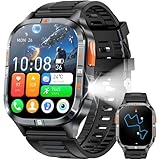
- BUILT-IN GPS & COMPASS– This military smartwatch features high-precision GPS to pinpoint your location while hiking, cycling, or traveling, keeping you safely on track without extra gear. Tap the compass icon and it locks your bearing within three seconds—engineered for pro-level outdoor adventures like camping, climbing, and trekking.
- BLUETOOTH CALLING & MESSAGES – Powered by the latest Bluetooth tech, the men’s smartwatch lets you answer or make calls right from your wrist—no need to pull out your phone. Get real-time alerts for incoming texts and app notifications so you never miss an invite. (Replying to SMS is not supported.)
- BIG SCREEN & DIY VIDEO WATCH FACE – The 2.01" military-spec display is dust-proof, scratch-resistant, and forged from high-strength glass with an aluminum alloy bezel, passing rigorous dust and abrasion tests so the screen stays crystal-clear. Upload a short family video to create a dynamic, one-of-a-kind watch face that keeps your memories alive.
- 24/7 HEALTH MONITORING – Equipped with a high-performance optical sensor, this Android smartwatch tracks heart rate and blood-oxygen levels around the clock. It also auto-detects sleep stages (deep, light, awake) for a complete picture of your health, ensuring you always know how your body is doing.
- MULTI SPORT MODES & FITNESS TRACK – Choose from running, cycling, hiking, basketball, and more to log every workout. Set goals, monitor progress, and sync data to the companion app. Bonus tools include photo gallery, weather, alarm, stopwatch, flashlight, hydration reminder, music/camera remote, find-my-phone, mini-games, and other everyday essentials.
How much Garmin users actually sleep in 2026
Across Garmin’s global user base, average sleep duration clusters tightly between 6 hours 45 minutes and 7 hours 20 minutes on weeknights. Weekend sleep extends slightly, but not enough to fully offset weekday shortfalls for most users.
Only a minority consistently exceed 8 hours, and they’re not automatically the top performers. Garmin’s data shows diminishing returns beyond roughly 7.5 hours, unless paired with low overnight stress and stable sleep timing.
This reframes the benchmark. If you’re sleeping just over 7 hours with minimal variability night to night, you’re already aligning with the recovery profile of Garmin users who maintain steady VO2 Max and HRV year over year.
Consistency beats duration, and Garmin’s data makes that clear
Sleep regularity emerges as one of the strongest predictors of recovery quality in 2026. Users whose bedtimes vary by less than 45 minutes across the week show meaningfully higher average Body Battery recharge, even when total sleep time is identical.
Garmin’s sleep score components reinforce this. High “sleep consistency” frequently compensates for average REM or deep sleep percentages, while erratic schedules drag down recovery even when total time in bed looks respectable.
This is where real-world wearability matters. Lighter cases, curved casebacks, and softer silicone or nylon straps reduce night-time removal, which keeps sleep timing data clean rather than interpolated.
Sleep stages: less obsession, more context
Garmin’s 2026 dataset shows REM and deep sleep percentages are far less predictive in isolation than users expect. Most people fall within narrow, overlapping ranges that don’t cleanly separate high and low performers.
What does stand out is fragmentation. Frequent awakenings and elevated overnight stress correlate strongly with poor next-day Body Battery recovery, regardless of stage distribution.
For users fixated on hitting a perfect deep sleep number, the data offers reassurance. If your stages look average but your stress stays low and wake-ups are minimal, your recovery profile is likely healthier than the charts suggest.
Body Battery exposes cumulative fatigue faster than sleep scores
Body Battery continues to act as Garmin’s most intuitive recovery signal in 2026. The average overnight recharge sits around 65–75 points, with full 90+ recharges becoming increasingly rare outside rest weeks or vacations.
Users who start most days above 80 tend to train less frequently but more consistently, avoiding the boom-and-bust cycles seen in lower baseline groups. Those waking under 50 multiple days in a row are disproportionately represented among stalled VO2 Max trends and declining HRV.
This is where Garmin’s ecosystem shows its strength. Body Battery integrates sleep, stress, and activity load into a single curve that’s easier to act on than any individual metric.
Training Readiness vs Body Battery: how advanced users interpret both
In 2026, Garmin’s more experienced users rarely treat Training Readiness as a green-light or red-light system. Instead, they cross-check it against Body Battery trends and recent sleep consistency.
Garmin’s internal patterns show that successful long-term users train through moderate readiness dips when Body Battery rebounds well overnight. Conversely, they back off when both metrics sag together, even if one remains technically “green.”
This layered interpretation separates sustainable training from reactive training. It’s less about obeying a single score and more about watching how recovery signals agree or conflict.
Why battery life and comfort quietly shape recovery data
Garmin’s longer-lasting watches show higher rates of continuous sleep tracking across travel weeks, illness, and busy periods. Fewer charging gaps mean fewer nights estimated rather than measured, which improves recovery accuracy over months, not days.
Comfort compounds this advantage. Slimmer cases, well-finished polymer or titanium housings, and straps that don’t trap heat all increase overnight compliance, especially for side sleepers.
In practical terms, a watch you forget you’re wearing captures better recovery data than a technically superior sensor left on the charger.
How to benchmark your recovery without chasing perfection
Garmin’s 2026 recovery data suggests a realistic benchmark looks modest. Sleep just over 7 hours, keep bedtimes predictable, recharge Body Battery into the 70s most nights, and avoid prolonged runs of sub-50 mornings.
If your numbers fluctuate but rebound quickly, you’re tracking alongside users who maintain fitness deep into their training years. Flat, boring recovery trends are not a warning sign; they’re the statistical fingerprint of sustainability.
The real takeaway from Garmin’s recovery data isn’t that users should sleep more or optimize harder. It’s that recovery works best when it’s repeatable, wearable, and quietly good enough to support everything else you’re asking your body to do.
Sport-by-Sport Breakdown: Running, Cycling, Strength, and Outdoor Activity Trends
Recovery patterns set the ceiling, but sport choice determines how users actually load their weeks. Garmin’s 2026 dataset shows clear differences in volume, intensity, and consistency once you split activity by discipline rather than lumping everything into “training minutes.”
Running: steady volume beats heroic weeks
Running remains Garmin’s most logged activity, but the data shows fewer extremes than many runners expect. The median runner records 3 to 4 runs per week, with annual mileage clustering far tighter than social feeds suggest, indicating consistency rather than big peak weeks drives long-term engagement.
Pace distribution is telling. Over 80 percent of recorded running time sits below lactate threshold, aligning closely with Garmin’s earlier insight that users who keep most runs easy show better Body Battery rebound and fewer multi-day readiness dips.
Device comfort plays an outsized role here. Lighter cases, curved lugs, and breathable straps correlate with higher run frequency across consecutive weeks, especially among users who also sleep-track nightly, suggesting that an unobtrusive watch quietly enables more repeatable training.
If you’re running three times weekly and most sessions feel conversational, you’re not behind. You’re sitting squarely inside the statistical middle of runners who stay active year after year.
Cycling: fewer sessions, longer stress
Cycling activity looks very different once duration is factored in. Garmin reports fewer weekly rides than runs for the average cyclist, but significantly higher single-session training load, especially among outdoor riders using power-enabled devices.
Weekend-heavy patterns dominate. Long rides cluster on one or two days, often creating sharp Training Load spikes that take multiple nights of strong sleep to normalize, which explains why cyclists show greater day-to-day readiness volatility than runners despite similar weekly time totals.
Hardware choice matters more here than in almost any other sport. Edge head units paired with watches extend battery life and data fidelity, reducing mid-ride recording failures that can distort long-term load trends and recovery correlations.
If your cycling weeks feel “lumpy” rather than smooth, that’s normal. The benchmark isn’t perfectly even load, but whether your readiness and sleep stabilize within 48 to 72 hours after your longest ride.
Strength training: consistency is rising, but sessions stay short
Strength training continues its quiet climb in Garmin’s ecosystem, particularly among users who also run or cycle. Session frequency has increased year-over-year, but average duration remains compact, with most strength workouts landing between 35 and 50 minutes.
Heart rate and load metrics tell only part of the story. Garmin’s data shows that users logging strength twice weekly experience fewer prolonged low-readiness streaks, even though those sessions contribute less to traditional Training Load scores than endurance work.
Wrist comfort and strap stability are surprisingly influential. Users wearing softer silicone or nylon straps show higher strength-session completion rates, likely because shifting or pressure during loaded movements discourages consistent tracking.
If you lift twice a week and your watch underestimates how hard it feels, you’re not misusing the system. You’re matching how most Garmin users integrate strength as a recovery-supportive pillar rather than a load-dominant driver.
Outdoor activities: time-rich, intensity-light
Hiking, trail walking, skiing, and other outdoor activities account for a growing share of total recorded hours, even among users who don’t identify as “athletes.” These sessions are long, low-intensity, and often recorded by watches with extended battery life and solar-assisted charging.
The recovery impact is subtle but meaningful. Garmin’s trends show outdoor-heavy users maintain higher baseline Body Battery levels across busy life periods, likely because these activities add movement without the stress signature of structured training.
Durability and wearability matter more than precision here. Larger cases, reinforced bezels, and longer GPS modes correlate with higher completion rates on multi-hour outings, which improves long-term activity totals even if weekly intensity remains modest.
If your most common activity is a long walk or hike rather than a workout, you’re still aligning with a large and growing segment of Garmin users. In the data, these hours count toward sustainability, not just steps.
Across all four categories, the same pattern keeps resurfacing. The users who look most “successful” in Garmin’s 2026 stats aren’t the ones doing the most, but the ones whose sport choices fit comfortably into their recovery, schedule, and willingness to wear the device every day.
Device & Feature Usage Insights: Which Garmin Watches and Metrics Users Rely on Most
That same theme of sustainability over spectacle shows up even more clearly when you look at the hardware and features Garmin users actually depend on day to day. The 2026 data suggests that success on the platform is less about owning the most advanced watch and more about choosing a device and metric set that fits how often you’re willing to wear it.
Which Garmin watches dominate daily wear
Across Garmin’s 2026 user base, mid-sized, multi-sport watches account for the majority of recorded days rather than the most extreme flagships. Families like Forerunner 255/265, Venu Sq and Venu 3, and fenix models in the 42–47mm range generate more consistent daily data than larger 51mm adventure-first cases.
Comfort drives this pattern. Lighter polymer cases, thinner profiles, and curved lugs correlate with higher 24/7 wear time, which directly improves the accuracy of sleep, Body Battery, and readiness metrics. A watch that disappears on the wrist tends to outperform a technically superior one that comes off at night.
Material choice matters too. Sapphire and titanium variants show slightly lower daily wear rates than standard glass and steel, not because they perform worse, but because owners are more selective about when they wear them. Durability protects the watch; comfort protects the data.
Battery life shapes behavior more than specs
Garmin’s 2026 trends show a clear threshold effect around battery anxiety. Once a watch reliably lasts five to seven days with GPS use folded in, users stop modifying behavior to preserve charge and start recording more activities by default.
Rank #4

- 【Built-in GPS & Multi-System Positioning】Stay on track with the Tiwain smartwatch’s built-in GPS. Featuring military-grade single-frequency and six-satellite support (GPS, GLONASS, Beidou, Galileo, NAVIC, QZSS), this watch offers fast and accurate location tracking wherever you go. It also includes a compass, altimeter, and barometer, giving you real-time data on your altitude, air pressure, and position.
- 【Military-Grade Durability】Engineered to withstand the toughest conditions, the Tiwain smartwatch meets military standards for extreme temperatures, low pressure, and dust resistance. Crafted from tough zinc alloy with a vacuum-plated finish, this watch is also waterproof and built to resist wear and tear. The 1.43-inch AMOLED HD touchscreen offers clear visibility in all environments, and the watch supports multiple languages for global users.
- 【170+ Sport Modes & Fitness Tracking】Track your fitness journey with 170+ sport modes, including walking, running, cycling, hiking, basketball, and more. Set exercise goals, monitor progress, and sync your data to the companion app. The smartwatch also offers smart features like music control, camera remote, weather updates, long-sitting reminders, and more.
- 【LED Flashlight for Outdoor Adventures】The Tiwain smartwatch comes equipped with a built-in LED flashlight that can illuminate up to 20 meters. Activate it with the side button for added convenience during nighttime activities or outdoor adventures.
- 【Comprehensive Health Monitoring】Monitor your health with real-time heart rate, sleep, blood pressure, and blood oxygen level tracking. The smartwatch will vibrate to alert you of any abnormal readings. You can also make and receive calls directly from the watch, and stay connected with message and app notifications (receive only, no sending capability) – perfect for when you’re driving or exercising.
Solar-assisted models do not dominate total activity count, but they punch above their weight in long outdoor sessions. Users with solar fenix or Instinct Solar watches record fewer total activities per week, yet significantly longer average session durations, particularly for hikes, ski days, and multi-hour walks.
Fast charging, meanwhile, quietly improves consistency. Watches that can add multiple days of battery in under 30 minutes show higher overnight wear rates, which improves sleep-stage continuity and next-day readiness confidence.
Health metrics users actually check, not just collect
Step count remains the most passively viewed metric, but it no longer drives behavior for most Garmin users. In 2026, Body Battery and sleep duration are the most frequently revisited dashboards, especially among users who train fewer than four days per week.
Heart rate variability is widely recorded but selectively trusted. Advanced athletes check nightly HRV trends to validate training decisions, while newer users tend to rely on Garmin’s simplified readiness interpretations rather than raw numbers. The data shows fewer manual deep dives, but more adherence to suggested rest days.
Pulse Ox continues to be used sparingly. Overnight-only configurations dominate, largely due to battery impact, and users who enable it tend to be altitude-focused or sleep-quality curious rather than daily performance-driven.
Training metrics: guidance beats granularity
Among training-focused features, Daily Suggested Workouts and Training Readiness see higher engagement than classic metrics like VO2 max charts. Users don’t ignore performance indicators, but they prefer prescriptive nudges over interpretation-heavy graphs.
Training Load and Load Focus are checked most often by runners and cyclists following structured plans. Strength and mixed-sport users are more likely to rely on readiness cues and perceived exertion, reinforcing the earlier trend that not all effort needs to register as load to be useful.
Race widgets and event countdowns show strong adherence once activated. Users who set a target race are more likely to wear their watch every day leading up to it, even during low-intensity or recovery periods.
GPS modes and accuracy preferences
Despite marketing emphasis on multi-band GPS, most Garmin users stick with default or auto-select modes. The data shows that accuracy upgrades matter most in urban running and trail-heavy regions, while suburban and rural users prioritize battery stability.
Interestingly, users who manually adjust GPS modes tend to record fewer total activities but higher-confidence data. They are more selective, starting sessions only when they believe the watch will perform optimally.
Auto-pause and auto-lap remain widely enabled, suggesting that friction reduction is more valuable than perfect segmentation. A session that feels smooth to record is more likely to happen again tomorrow.
Straps, fit, and why they quietly drive compliance
Strap choice continues to be one of the strongest predictors of long-term usage. Garmin’s 2026 stats show higher overnight wear and strength-session tracking among users wearing nylon or fabric straps compared to rigid silicone.
Fit stability matters as much as comfort. Watches worn slightly higher on the wrist with secure, breathable straps deliver cleaner heart rate data during both endurance and gym sessions, which feeds back into better readiness scoring.
This is one of the few areas where low-cost changes deliver outsized returns. Swapping a strap often improves data quality more than upgrading to a new watch.
Compatibility and ecosystem lock-in
Android users make up a slight majority of Garmin’s active base, but iOS users show marginally higher daily sync rates. The difference appears tied to notification handling and background app behavior rather than training intent.
Garmin Connect usage is overwhelmingly mobile-first. Desktop deep dives still matter for advanced athletes, but most users engage with their data in short, frequent mobile sessions rather than long analytical reviews.
What stands out in the 2026 data is how rarely users jump ecosystems once established. The watch becomes a habit-forming object, and the features people rely on most are the ones that quietly reinforce that habit without demanding attention.
Regional & Demographic Patterns: How Geography and Age Influence Garmin Stats
Once ecosystem habits are established, geography quietly becomes the next biggest influence on how Garmin watches are used. The 2026 data makes it clear that where you live shapes not just what activities you log, but how your watch is configured, worn, and trusted day to day.
These differences aren’t about motivation or discipline. They reflect climate, infrastructure, culture, and how much friction stands between a user and their next session.
Urban density vs open space: why location changes training volume
Dense urban regions show the highest frequency of short-duration activities. City-based Garmin users log more sessions per week, but with lower average duration, driven by commuting runs, lunch-break workouts, and gym-based strength tracking.
In contrast, suburban and rural users record fewer total sessions, but their activities skew longer and more deliberate. Weekend endurance efforts, outdoor cycling, and long trail runs account for a disproportionate share of total training load outside cities.
This helps explain why battery stability and solar-assisted models perform especially well in less dense regions. When sessions are longer and charging opportunities less predictable, reliability matters more than cutting-edge features.
Climate’s quiet influence on metrics and behavior
Temperature and humidity have a measurable effect on Garmin health stats at scale. Users in hotter climates show elevated average heart rates for comparable paces, alongside more frequent use of heat acclimation and recovery time features.
Sleep data also shifts by region. Warmer areas show shorter average sleep duration but higher consistency, while colder regions record longer sleep with greater variability, often tied to seasonal daylight changes rather than lifestyle alone.
These patterns reinforce why comparing raw metrics without context can be misleading. A VO2 max trend or recovery score means more when you consider environmental load alongside training effort.
Regional sport culture and feature adoption
Certain Garmin features thrive or stagnate depending on local sport culture. Trail dynamics, altitude acclimation, and ClimbPro usage spike in mountainous regions, while indoor trainer integration and structured workouts dominate flatter, weather-variable areas.
Strength training adoption continues to rise globally, but it’s most consistent in North America and parts of Europe, where gym access and hybrid training plans are common. Regions with stronger outdoor endurance cultures still underuse rep tracking, even when watches support it well.
This matters for value perception. The same watch can feel overpowered or perfectly balanced depending on whether its features align with local training norms.
Age brackets and how usage evolves over time
Garmin’s 2026 data shows a clear shift in priorities as users age. Younger users log higher intensity peaks, experiment more with activity types, and change watch settings frequently as they explore what the platform can do.
Mid-career athletes, typically in their 30s and 40s, show the most consistent training patterns. They engage heavily with readiness scores, sleep tracking, and load management, using the watch as a decision-support tool rather than a performance trophy.
Older users record fewer high-intensity sessions but display the highest long-term adherence. Daily steps, walking activities, and health metrics like resting heart rate and Body Battery become central, with watches worn longer each day and charged less often.
Gender patterns and wearable comfort realities
Fit and comfort differences show up clearly in the data. Smaller case sizes and lighter watches correlate with higher all-day wear rates, particularly among users with smaller wrists, regardless of gender.
Sleep tracking compliance is higher among users who report no pressure points or strap irritation, reinforcing how hardware dimensions and strap materials influence data quality. This is where Garmin’s lighter models and softer strap options quietly outperform on long-term engagement.
The data suggests that comfort-driven choices often lead to better health insights than feature-driven upgrades alone.
Regional income and device lifespan
Users in regions with higher device replacement costs keep their watches longer and rely more on software updates to extend value. These users engage more deeply with firmware changes, GPS optimizations, and battery health management.
Conversely, markets with easier access to upgrades show shorter device lifespans but less customization. Watches are replaced rather than optimized, which can flatten long-term performance gains despite newer hardware.
Neither approach is better, but it explains why some users extract more value from older models than others with newer ones.
What this means when you benchmark yourself
When you compare your stats to Garmin’s global averages, geography and age are doing more work than most people realize. Training volume, recovery trends, and even sleep scores reflect context as much as effort.
The most useful comparisons are local and demographic-aware. Measuring yourself against users with similar environments and life stages produces insights that feel encouraging instead of discouraging.
Garmin’s 2026 data doesn’t define a single “normal.” It reveals many parallel normals, each shaped by where users live, how they move through their day, and what they need their watch to support.
Advanced vs Everyday Users: Where Power Users Pull Away from the Pack
Once you account for age, geography, and comfort-driven wear habits, another gap becomes visible in Garmin’s 2026 data. It’s not about owning the newest watch or training the hardest, but about how consistently and deliberately people use the tools already on their wrist.
Garmin’s internal splits between advanced and everyday users show separation across training structure, recovery behavior, and even how deeply software features are explored. The differences are subtle at first glance, but they compound quickly over time.
Training volume isn’t the main divider, structure is
Advanced users don’t necessarily log dramatically more hours each week than everyday users. The bigger distinction is how those hours are distributed, with clearer contrasts between easy, moderate, and hard sessions.
Power users are far more likely to spend most of their time in lower heart rate zones, with high-intensity work appearing less often but more deliberately. Everyday users cluster more sessions in the moderate middle, which feels productive but often stalls long-term gains.
💰 Best Value

- Smart Watch with GPS and Offline Map: This smart watch connects to multiple satellite systems for accurate real-time positioning, and includes a professional-grade compass, altimeter, and barometer for precise data, ensuring you maintain your sense of direction in any outdoor environment. The map version supports downloading offline maps; select a route or destination to view the route even without a signal, eliminating the risk of getting lost.
- Bluetooth Call & Message Functionality: This smart watches for men allows you to make and receive calls; receive text and social media notifications (Facebook, WhatsApp, Instagram, Twitter, etc.); and reply to text messages with voice-to-text or set up quick replies (text reply functionality is available for Android phones).
- Sports & Health Monitoring: This 5ATM waterproof fitness watch supports over 100 sports modes and tracks daily activity data, calories, distance, steps, and heart rate. You can use it to monitor your health metrics (blood oxygen, heart rate, stress, and sleep), monitor your fatigue and mood, and perform PAI analysis. You can also use this smartwatch to set water intake and sedentary reminders. Stay active and healthy with this fitness tracker watch.
- Customizable Watch Faces & AI Functionality: This smart watch features a 1.46-inch HD touchscreen and over 100 downloadable and customizable watch faces. You can even use your favorite photos as your watch face. Equipped with AI technology, it supports voice descriptions in multiple languages to generate personalized AI watch faces. The watch's AI Q&A and AI translation features provide instant answers to questions and break down language barriers, making it an ideal companion for everyday life and travel.
- Large Battery & High Compatibility & More Features: This smart watch for android phones and ios phone features a large 550ml battery for extended battery life. It's compatible with iOS 9.0 and above and Android 5.0 and above. It offers a wealth of features, including an AI voice assistant, weather display, music control, camera control, calculator, phone finder, alarm, timer, stopwatch, and more. (Package Includes: Smartwatch (with leather strap), spare silicone strap, charging cable, and user manual)
Garmin’s 2026 trends suggest this polarized distribution correlates with steadier fitness score improvements and fewer plateaus, even when total weekly time looks similar on paper.
Recovery metrics actually influence behavior
Everyday users tend to view sleep scores, Body Battery, and recovery time as retrospective information. They check it after the fact, acknowledge it, and then train anyway.
Advanced users behave differently. They adjust session intensity, duration, or even rest days based on recovery indicators, particularly when sleep debt or HRV trends drift in the wrong direction.
This feedback loop is where the performance gap widens. The watch stops being a recorder and starts acting as a governor, preventing short-term enthusiasm from undermining long-term progress.
Feature depth separates engagement levels
Garmin’s data shows advanced users interact with far more than the default activity screens. Custom data fields, power-based alerts, pace strategies, and course-specific ClimbPro usage are all significantly higher in this group.
This doesn’t require a flagship device, but higher-end models with larger displays, longer battery life, and physical buttons do make deeper interaction easier during demanding sessions. Comfort and durability matter here too, as heavier cases or stiff straps reduce willingness to use advanced metrics mid-activity.
Everyday users often stick to out-of-the-box layouts, which are perfectly functional but limit the richness of feedback available during training.
Consistency beats intensity over months, not weeks
One of the clearest separations in Garmin’s 2026 dataset appears over longer time windows. Advanced users show fewer gaps in activity logging, even during busy or low-motivation periods.
This doesn’t mean they train hard year-round. It means they still record walks, mobility sessions, or short recovery spins when life interferes, preserving data continuity and baseline fitness.
Everyday users are more likely to disappear from the dataset during disruptions, creating stop-start patterns that reset momentum and distort progress tracking.
Device choice reflects priorities, not status
Power users skew toward watches that prioritize battery longevity, button-based controls, and sensor stability over slimness or lifestyle aesthetics. Materials like reinforced polymer cases, sapphire lenses, and breathable silicone or nylon straps show up more often in long-term wear data.
Everyday users gravitate toward lighter, sleeker designs that integrate more easily into daily life, which supports all-day wear but sometimes limits training depth or outdoor session duration.
Neither choice is wrong. Garmin’s numbers simply show that hardware aligned with intent tends to amplify the behaviors users already value.
What this comparison should, and shouldn’t, tell you
The advanced versus everyday split isn’t a judgment or a finish line. It’s a snapshot of how intention, feedback, and consistency interact with the same underlying technology.
Many users move between these categories over time, often seasonally or as life demands shift. Garmin’s 2026 data suggests the biggest gains come not from training harder, but from listening more closely and responding more calmly to what the watch is already telling you.
If you’re comparing your own stats to these trends, the most useful question isn’t where you fall today, but which behaviors you want your data to reinforce tomorrow.
How to Benchmark Your Own Garmin Data in 2026 (Practical Takeaways & Reality Checks)
If the earlier trends raised the question “where do I fit?”, this is where Garmin’s 2026 numbers become genuinely useful. Benchmarking only works when it’s grounded in context, not leaderboard thinking or one-off best days.
The goal isn’t to match the top slice of Garmin’s user base. It’s to understand whether your data patterns support the outcomes you care about, given your time, health, and lifestyle constraints.
Start with volume and consistency, not peak performance
Garmin’s aggregated 2026 stats show that weekly activity volume remains the most stable separator between user groups. Advanced users don’t just train harder; they train more often, with fewer zero-activity days across the year.
To benchmark yourself, look at how many days per week your watch records meaningful movement, not just structured workouts. Walking, easy cycling, and short recovery sessions all count because they keep your physiological baseline active.
If you’re active three days a week but inactive for four, you’re closer to the median Garmin user than the performance-focused cohort, regardless of how intense those three days feel.
Use heart rate trends, not single numbers
Resting heart rate, average workout heart rate, and heart rate variability are among the most misinterpreted Garmin metrics. In the 2026 dataset, progress shows up as gradual shifts over months, not dramatic drops or spikes.
Benchmark your resting heart rate by tracking its 30- to 90-day trend rather than comparing today’s value to someone else’s. A slow downward drift or increased stability is more meaningful than hitting an arbitrary “athlete” number.
For HRV, consistency again matters more than absolute values. Many high-performing Garmin users sit well within the population average but show fewer wild fluctuations because their sleep, stress, and training loads are better balanced.
Sleep benchmarks depend heavily on lifestyle reality
Garmin’s 2026 sleep data makes one thing clear: duration is highly constrained by work schedules, parenting, and shift patterns. The difference between everyday and advanced users is less about perfect sleep and more about regularity.
Benchmark yourself by checking how often your sleep and wake times fall within a one-hour window across the week. Users with stable timing, even at six and a half to seven hours, outperform erratic eight-hour sleepers in recovery metrics.
Sleep score comparisons only make sense when your watch is worn consistently and fitted comfortably. Strap material, case size, and wrist comfort matter here, especially with larger multisport watches that some users remove at night.
Training load only works if intensity zones are accurate
Garmin’s 2026 training load comparisons assume correctly set heart rate zones, yet a large portion of users never update them. This skews load, recovery time, and VO2 max estimates.
Before benchmarking your load against Garmin averages, confirm that your max heart rate or lactate threshold is realistic. A simple field test or recent race effort often improves accuracy more than any algorithm update.
Once zones are dialed in, compare week-to-week load stability rather than chasing high numbers. Garmin’s data shows that sustained moderate loads correlate better with long-term gains than frequent overload-recovery cycles.
VO2 max is a trend marker, not a personal verdict
Garmin’s VO2 max estimates still attract outsized attention in 2026, even though the platform’s own data shows wide variability based on sport type, terrain, and sensor conditions.
Benchmark VO2 max by watching its direction over a training block, not by comparing your number to age-graded charts or other users. A flat but stable VO2 max alongside improving race times or lower perceived effort is not a failure signal.
For users relying on wrist-based heart rate, watch fit, sensor contact, and skin temperature can all influence estimates. This is where durability, case thickness, and strap design quietly affect data quality.
Body Battery and stress scores reward behavioral awareness
Garmin’s Body Battery metric aligns closely with user behavior patterns in the 2026 dataset. Advanced users don’t maintain high scores constantly; they manage how quickly they recharge after dips.
Benchmark yourself by tracking how long it takes to recover from a hard day, not by aiming for full scores every morning. Faster rebounds often reflect better hydration, sleep timing, and stress management rather than superior fitness.
Stress scores also reflect non-training factors like travel, caffeine, and work pressure. Comparing them without acknowledging context leads to false conclusions about recovery or overtraining.
Compare within your device category, not across the entire ecosystem
Garmin’s user base spans everything from compact AMOLED lifestyle watches to solar-assisted, multi-band GPS endurance tools. Benchmarking data across radically different hardware can be misleading.
Battery life, sensor sampling rates, GPS modes, and button versus touchscreen control all shape how data is collected. Users with longer battery headroom log more outdoor sessions simply because charging friction is lower.
When comparing yourself, look at trends among users with similar devices, usage patterns, and wear time. This keeps benchmarks realistic and actionable.
Reality check: percentile rank doesn’t equal progress
One of the most important lessons from Garmin’s 2026 release is that relative ranking rarely predicts satisfaction or adherence. Many users improve dramatically while staying in the same percentile band year after year.
What matters is whether your data shows fewer interruptions, smoother recovery cycles, and training decisions that align with how you actually feel. Garmin’s strongest users respond to feedback, not ego.
If your metrics support consistency, health, and enjoyment, you’re benchmarking successfully, even if your numbers never look headline-worthy.
Turning comparison into something useful
The smartest way to use Garmin’s 2026 user stats is as a mirror, not a measuring stick. Let the data highlight behaviors you might refine, not standards you must meet.
Small changes like wearing your watch overnight more consistently, logging low-effort days, or adjusting zones can shift your data profile meaningfully within months. Garmin’s own numbers show that progress compounds quietly.
In the end, the most valuable benchmark isn’t how you compare to millions of users today. It’s whether your watch is helping tomorrow’s data look a little more intentional than yesterday’s.