Most Garmin watches have tracked sleep for years, but Sleep Coach marks a clear shift from passive reporting to active guidance. Instead of simply telling you how long you slept and which stages you hit, it tries to answer a more useful question: how much sleep you actually need tonight to recover and perform tomorrow. For athletes and everyday users alike, that difference is substantial.
Garmin Sleep Coach sits at the intersection of sleep science, recovery analytics, and training load management. It pulls together nightly sleep data with physiological stress, heart rate variability trends, recent workouts, and even naps to generate a personalized sleep duration recommendation. The result feels less like a sleep log and more like a daily recovery plan that adapts as your body and training change.
This is also why Sleep Coach is not available on every Garmin watch, even if it can track sleep. The feature depends on a deeper stack of sensors, background metrics, and software models, which we’ll unpack next so you can understand exactly what it does, how it works, and whether your Garmin can unlock it.
From sleep stages to actionable sleep targets
At its core, Garmin Sleep Coach still relies on the familiar building blocks of sleep tracking: light, deep, REM, and awake time estimated via wrist-based heart rate, accelerometer data, and respiration. What’s different is how those stages are used. Instead of stopping at a sleep score, Garmin looks at whether your sleep architecture was sufficient for recovery given your recent strain.
🏆 #1 Best Overall

- Easy-to-use running watch monitors heart rate (this is not a medical device) at the wrist and uses GPS to track how far, how fast and where you’ve run.Special Feature:Bluetooth.
- Battery life: up to 2 weeks in smartwatch mode; up to 20 hours in GPS mode
- Plan your race day strategy with the PacePro feature (not compatible with on-device courses), which offers GPS-based pace guidance for a selected course or distance
- Run your best with helpful training tools, including race time predictions and finish time estimates
- Track all the ways you move with built-in activity profiles for running, cycling, track run, virtual run, pool swim, Pilates, HIIT, breathwork and more
If you’ve logged a hard interval session, long endurance ride, or accumulated multiple days of high training load, Sleep Coach increases your recommended sleep duration. On lighter days or during recovery phases, the target may come down slightly. This dynamic adjustment is what separates Sleep Coach from static “8 hours is ideal” guidance.
The recommendation appears as a specific sleep window, such as “8h 30m recommended,” rather than a vague suggestion. Over time, Garmin Connect shows how often you meet that target and how sleep consistency impacts your recovery metrics.
How HRV, training load, and stress shape the recommendation
The most important input behind Sleep Coach is heart rate variability, particularly Garmin’s overnight HRV status. HRV acts as a proxy for nervous system balance and recovery, and Garmin tracks both short-term fluctuations and longer-term baselines. When HRV trends downward or becomes unbalanced, Sleep Coach responds by pushing for more sleep.
Training load and intensity also play a major role. Garmin’s acute load calculations, intensity minutes, and recent workout history inform how much physiological stress you’ve accumulated. A watch like a Forerunner 965 or Fenix 7 Pro already understands whether you’re productive, strained, or overreaching, and Sleep Coach taps directly into that same engine.
Daily stress scores, derived from heart rate patterns throughout the day, add further context. High non-training stress, such as poor recovery, travel, or mental load, can increase sleep need even if workouts were light. This is where Sleep Coach feels surprisingly holistic compared to basic sleep tracking.
Naps, consistency, and why timing matters
Garmin Sleep Coach doesn’t just care about total sleep; it also factors in naps recorded by compatible watches. Short daytime naps reduce the remaining sleep need for the night, while frequent long naps can subtly shift recommended bedtimes. This encourages better sleep distribution rather than simply chasing a number.
Sleep timing and consistency are also monitored. If your sleep window drifts later or becomes irregular, Garmin flags it in the context of recovery rather than sleep hygiene alone. For users juggling early training sessions, shift work, or frequent travel, this context matters.
The guidance remains advisory, not prescriptive. Garmin doesn’t punish you for missing the target, but it does show how deviations align with lower Body Battery recharge or poorer HRV the following day.
What Sleep Coach gives you that standard sleep tracking doesn’t
Traditional sleep tracking answers “what happened last night.” Sleep Coach focuses on “what should happen tonight.” That shift changes how the data is used day to day, especially for athletes managing training cycles or users trying to balance fitness with work and family demands.
Instead of treating sleep as an isolated metric, Sleep Coach ties it directly to recovery readiness, training capacity, and overall physiological load. You’re not just looking at sleep in isolation; you’re seeing how it fits into a broader performance system that includes Body Battery, Training Readiness, and HRV Status.
For many users, this makes sleep data finally feel actionable rather than informational. It’s less about obsessing over REM percentages and more about making smarter decisions about bedtime when recovery actually matters.
Which Garmin watches support Sleep Coach and what’s required
Garmin Sleep Coach is currently limited to newer, higher-end models that support advanced HRV tracking, Training Readiness, and nap detection. This includes watches like the Forerunner 265 and 965, Fenix 7 series, Epix (Gen 2), Enduro 2, and select Venu and Instinct models with updated sensors and firmware.
You need to wear the watch consistently, including overnight, with continuous heart rate and sleep tracking enabled. HRV status must be established, which typically requires several nights of data before full insights appear. Naps must also be detected automatically to be factored into sleep need.
If your Garmin can track sleep but lacks HRV status or Training Readiness, you’ll still see basic sleep scores and stages, but Sleep Coach recommendations won’t appear. That distinction is critical when comparing models, and it’s why understanding this feature can influence which Garmin watch actually makes sense for your goals.
How Garmin Sleep Coach Actually Works: Data Sources Behind the Recommendations
To understand why Sleep Coach might suggest eight hours one night and closer to nine the next, you need to look under the hood. Garmin isn’t guessing or averaging generic sleep guidelines. It’s dynamically adjusting your sleep need based on how your body is responding to training, stress, and recovery over time.
Sleep Coach sits on top of Garmin’s broader physiological modeling system. That means its recommendations are only as good as the data feeding into it, which is why watch capability, sensor quality, and consistent wear all matter.
Your personal baseline sleep need
Sleep Coach starts with an individualized baseline rather than a universal target like “eight hours.” This baseline is inferred from your age, sex, historical sleep patterns, and long-term recovery trends captured by the watch.
Over time, Garmin learns how much sleep you typically need to maintain stable HRV, recharge Body Battery effectively, and avoid accumulating fatigue. This is why new users won’t see fully refined recommendations immediately, and why sleep targets can shift subtly over weeks rather than jumping randomly.
This baseline acts as the anchor. Everything else either adds to or subtracts from it depending on what your body has been dealing with recently.
Heart rate variability as a recovery signal
HRV status is one of the most influential inputs behind Sleep Coach, and it’s also the reason the feature is limited to higher-end models. Garmin uses nightly HRV trends to assess how well your autonomic nervous system is coping with training and life stress.
If your HRV is suppressed relative to your personal baseline, Sleep Coach will typically increase your sleep need. The logic is simple: reduced HRV often reflects incomplete recovery, and more sleep is one of the most effective levers to restore balance.
Conversely, stable or improving HRV can keep sleep recommendations closer to baseline, even if training volume is moderate. This is where Sleep Coach diverges from static sleep goals and starts behaving like a recovery tool rather than a wellness reminder.
Training load and recent physical strain
Garmin doesn’t look at sleep in isolation from your workouts. Acute training load, recent intensity, and cumulative strain all feed into how much sleep Sleep Coach thinks you need tonight.
Hard interval sessions, long endurance efforts, or multi-day training blocks tend to push sleep recommendations higher. This is especially noticeable for runners, cyclists, and triathletes using Training Readiness-enabled watches, where load data is already deeply integrated into recovery modeling.
On rest days or during deload weeks, sleep need often drops slightly, even if your actual sleep duration stays the same. That distinction helps athletes avoid over-prioritizing sleep quantity when recovery demand is genuinely lower.
Body Battery and daily stress patterns
Body Battery plays a quieter but important role in Sleep Coach calculations. Poor recharge overnight or heavy daytime stress detected via heart rate patterns can both increase projected sleep need.
This matters for users who aren’t training heavily but are dealing with demanding work schedules, travel, or inconsistent routines. You might see longer sleep recommendations after mentally stressful days, even without a hard workout on the calendar.
In that sense, Sleep Coach isn’t just for athletes. It’s also responding to the physiological cost of modern life, provided you wear the watch consistently enough for those patterns to register.
Naps and split sleep accounting
Unlike older sleep metrics that only cared about overnight rest, Sleep Coach factors in automatically detected naps. If you log a meaningful nap, your remaining sleep need for the day is adjusted downward.
This is especially useful for shift workers, parents, or endurance athletes who rely on strategic naps to stay functional. The watch doesn’t simply subtract nap duration minute-for-minute, but instead estimates how much recovery value that nap provided.
The key limitation is that naps must be detected automatically. Manually logged rest won’t influence Sleep Coach calculations, which reinforces the importance of wearing compatible hardware throughout the day.
Sleep stages and quality, not just duration
Sleep Coach does look at sleep stages, but not in the way many users expect. It’s less concerned with chasing perfect REM or deep sleep percentages and more focused on whether your overall sleep quality supports recovery trends.
Fragmented sleep, frequent awakenings, or elevated overnight heart rate can all reduce the effectiveness of a long night in bed. In those cases, Sleep Coach may recommend more total sleep the following night to compensate.
This approach explains why two nights with identical sleep durations can produce different outcomes. The recommendation isn’t reacting to hours alone, but to how restorative those hours actually were.
What Sleep Coach deliberately does not use
It’s just as important to understand the limits of the system. Sleep Coach does not factor in alarm times, calendar events, or subjective feelings like perceived fatigue or soreness.
It also doesn’t adjust recommendations based on sleep environment factors such as room temperature, caffeine intake, or alcohol consumption, even though those can influence sleep quality. Garmin’s model is strictly physiological, relying on what the sensors can measure reliably.
This keeps the system consistent and device-driven, but it also means users still need to apply common sense. Sleep Coach tells you what your body likely needs, not what your schedule will realistically allow.
Sleep Coach vs Standard Garmin Sleep Tracking: What Extra Insights You Unlock
Up to this point, it’s clear that Sleep Coach is driven by physiology rather than schedules or subjective inputs. That makes it useful to step back and compare it directly with Garmin’s standard sleep tracking, because both systems use similar raw data but turn it into very different kinds of insight.
What standard Garmin sleep tracking already gives you
On most modern Garmin watches, standard sleep tracking focuses on descriptive reporting. You see when you fell asleep and woke up, total sleep time, sleep stages, restlessness, overnight heart rate, respiration, and a nightly Sleep Score.
This data is valuable for awareness and trend spotting. You can identify short nights, fragmented sleep, or nights where stress and heart rate stayed elevated.
What it does not do is tell you what to do next. Standard sleep tracking is retrospective, explaining what happened rather than guiding your recovery going forward.
Sleep Coach shifts from reporting to prescription
Sleep Coach uses much of the same underlying sleep data, but the output is fundamentally different. Instead of asking “how did you sleep,” it answers “how much sleep do you need next.”
That recommendation is recalculated daily based on recent sleep history, naps, training load, HRV status, and recovery strain. The result is a moving target that reflects cumulative fatigue, not just last night’s performance.
Rank #2

- Easy-to-use running smartwatch with built-in GPS for pace/distance and wrist-based heart rate; brilliant AMOLED touchscreen display with traditional button controls; lightweight design in 43 mm size
- Up to 11 days of battery life in smartwatch mode and up to 19 hours in GPS mode
- Reach your goals with personalized daily suggested workouts that adapt based on performance and recovery; use Garmin Coach and race adaptive training plans to get workout suggestions for specific events
- 25+ built-in activity profiles include running, cycling, HIIT, strength and more
- As soon as you wake up, get your morning report with an overview of your sleep, recovery and training outlook alongside weather and HRV status (data presented is intended to be a close estimation of metrics tracked)
This is why Sleep Coach feels more like a recovery tool than a sleep log. It’s designed to influence behavior, not just document it.
Training load and recovery finally influence sleep targets
One of the biggest differences is that standard sleep tracking is isolated from your training context. A hard interval session and a rest day can still produce the same “ideal” sleep duration in the basic sleep view.
Sleep Coach changes that by factoring in recent training load and intensity. Heavy aerobic volume, high anaerobic load, or repeated hard days will push your recommended sleep higher, even if your recent sleep duration looks adequate on paper.
For endurance athletes, this closes a critical loop. Sleep becomes part of the training equation, not a separate health metric sitting in another menu.
HRV and overnight stress add nuance standard sleep lacks
Standard sleep tracking shows overnight heart rate and stress, but it doesn’t translate those signals into actionable guidance. You’re left interpreting whether a higher-than-usual resting heart rate actually matters.
Sleep Coach incorporates HRV status and overnight stress trends into its sleep need calculations. If your nervous system shows signs of incomplete recovery, the system compensates by increasing recommended sleep time.
This explains why Sleep Coach can recommend more sleep even after a long night. The quality of recovery, not the clock, is driving the adjustment.
Dynamic sleep debt versus static sleep goals
Without Sleep Coach, most users default to a fixed sleep goal, often something like eight hours. Standard sleep tracking then simply shows how close you got.
Sleep Coach replaces that static target with a rolling sleep debt model. Poor sleep, fragmented nights, heavy training, and insufficient recovery all accumulate, while high-quality sleep and naps gradually pay that debt down.
This dynamic approach is far better suited to real-world life, especially for athletes, shift workers, or parents whose schedules are rarely consistent.
How insights surface in daily use
Another practical difference is where and how the insights appear. Standard sleep data lives mostly in Garmin Connect’s sleep pages, requiring intentional review.
Sleep Coach places your recommended sleep front and center, both on the watch and in Garmin Connect, often alongside training readiness and HRV status. It becomes part of your daily check-in, not a deep-dive metric you only look at weekly.
That visibility is key to behavior change. When your watch tells you that tonight’s sleep target is longer than usual, it’s harder to ignore.
Hardware and software requirements matter more than you think
Standard sleep tracking works on a wide range of Garmin watches, including many older and entry-level models. As long as the watch can track sleep stages and heart rate, you’ll get basic sleep reports.
Sleep Coach requires newer hardware with continuous heart rate, HRV tracking, and sufficient processing to support Garmin’s newer recovery algorithms. It also assumes you’re wearing the watch consistently, including overnight and during naps.
In practical terms, this means Sleep Coach is tied to Garmin’s more recent fitness and performance-focused lines, where battery life, sensor accuracy, and all-day wear comfort are designed to support 24/7 data collection.
Why the difference matters when choosing a Garmin watch
If your priority is simply knowing how long and how well you slept, standard sleep tracking may be enough. It’s passive, informative, and easy to understand.
If you care about recovery, training adaptation, and making better day-to-day decisions, Sleep Coach offers a much higher ceiling. It turns sleep from a static health stat into an active part of your performance ecosystem.
The gap between the two isn’t about more charts or prettier graphs. It’s about whether your watch helps you react intelligently to fatigue, or just tells you it exists.
The Role of HRV Status, Training Load, and Recovery in Sleep Coach Guidance
Once Sleep Coach is active, its recommendations stop being generic targets and start reflecting how your body is coping with stress. This is where Garmin’s recovery ecosystem—HRV status, training load, and recovery metrics—moves from background data to the driver of your nightly sleep guidance.
Rather than asking only how long you slept last night, Sleep Coach is asking a more useful question: how much sleep does your body need tonight to be ready for what’s next.
HRV status as the foundation of nightly sleep need
Heart Rate Variability is the most influential signal in Sleep Coach’s logic. Garmin uses overnight HRV trends, measured during sleep, to determine whether your autonomic nervous system is balanced, strained, or under-recovered.
When your HRV status is balanced and aligned with your personal baseline, Sleep Coach tends to hold your sleep recommendation close to your normal range. If HRV drops below baseline, which often happens after hard training blocks, travel, illness, or sustained stress, the coach responds by extending your sleep target, sometimes by a noticeable margin.
This is why consistent overnight wear matters. Watches with newer Elevate sensors and enough battery life to support all-night HRV tracking, such as Forerunner, Fēnix, Epix, Enduro, and newer Venu models, provide far more stable Sleep Coach guidance than models that only sample heart rate intermittently.
Training load and intensity shape how much extra sleep is needed
Sleep Coach doesn’t treat all activity the same. It factors in your recent training load, intensity distribution, and whether your workouts are contributing to productive fitness gains or pushing you toward overload.
After high-intensity sessions, long endurance efforts, or multi-day training spikes, Sleep Coach typically increases your recommended sleep duration. This adjustment reflects the higher physiological cost of repairing muscle tissue, restoring glycogen, and calming the nervous system after demanding work.
On rest days or during lighter training phases, recommendations often scale back slightly, assuming HRV and recovery markers remain stable. The result is a sleep target that follows your training cycle instead of ignoring it, which is especially valuable for runners, cyclists, and triathletes using Garmin’s training readiness and load focus tools.
Recovery metrics close the loop between sleep and readiness
Recovery in Garmin’s ecosystem is not a single score, but a combination of signals that Sleep Coach continuously references. Training Readiness, Body Battery trends, resting heart rate, and stress levels all help contextualize whether more sleep is likely to improve performance the following day.
If your recovery metrics suggest lingering fatigue, Sleep Coach leans conservative, favoring longer sleep windows even if your recent sleep duration looks adequate on paper. This is a key distinction from basic sleep tracking, which may mark a night as “good” without recognizing accumulated fatigue.
Over time, this creates a feedback loop. Better sleep supports higher readiness, and higher readiness allows Sleep Coach to dial recommendations back toward maintenance rather than recovery mode.
Why this integration changes daily decision-making
The real value of tying sleep guidance to HRV and training load is that it gives context to your choices. When Sleep Coach pushes for more sleep, it’s not guessing—it’s responding to measurable strain in your system.
This is also why Sleep Coach tends to resonate more with users wearing their watch 24/7. Lighter cases, breathable straps, and balanced weight distribution on models like the Forerunner 265 or Epix Pro make overnight comfort practical, while long battery life ensures HRV data isn’t interrupted by charging habits.
For users coming from standard sleep tracking, this shift can be eye-opening. Sleep stops being a passive report and becomes a recovery prescription, tuned daily by how hard you’re training and how well your body is adapting.
What Garmin Sleep Coach Tells You Each Night (And How to Use the Advice)
Once Sleep Coach has enough context from your training load, HRV trends, and recent sleep behavior, its nightly output becomes more than a static scorecard. Each morning, Garmin Connect presents a set of insights designed to guide how much sleep you should aim for next, and why that target matters for recovery and performance.
The key difference is intent. Sleep Coach is not trying to grade last night in isolation, but to influence what you do tonight based on where your body is right now.
Your personalized sleep need, not a generic target
At the center of Sleep Coach is a dynamic sleep duration recommendation, typically expressed as a range rather than a single number. This target adjusts daily, responding to recent training strain, recovery metrics, and sleep consistency over time.
After a hard interval session or long endurance day, the recommendation often increases, sometimes pushing well beyond eight hours. During lighter training phases or rest weeks, the suggested range may pull back slightly, assuming HRV and resting heart rate indicate adequate recovery.
How to use it: treat this number as a planning tool, not a pass-fail test. If Sleep Coach suggests more sleep than your routine allows, aim to close part of the gap with an earlier bedtime or a short nap rather than dismissing the guidance entirely.
Sleep debt and consistency signals
Sleep Coach tracks how far your actual sleep has drifted from your recommended targets across multiple nights. When short nights stack up, Garmin flags accumulated sleep debt, which directly influences future recommendations.
This is where consistency matters. Even if individual nights score well, irregular bedtimes or repeated shortfalls can push Sleep Coach into recovery mode, increasing your sleep need until the deficit stabilizes.
How to use it: look at trends, not single nights. If your sleep need keeps climbing despite decent sleep scores, the issue is often schedule variability rather than sleep quality itself.
Context from sleep stages and overnight physiology
Unlike basic sleep tracking that simply reports time in light, deep, and REM sleep, Sleep Coach uses these stages as supporting evidence. Reduced deep sleep, fragmented REM cycles, or elevated overnight stress can all nudge recommendations upward, especially when paired with heavy training loads.
Heart rate variability plays a quiet but critical role here. Suppressed HRV overnight, even after what looks like enough total sleep, tells Sleep Coach that your nervous system is still under strain.
Rank #3

- Nautical smartwatch features a 1.4" stunning AMOLED display with a titanium bezel and built-in LED flashlight
- Built-in inReach technology for two-way satellite and LTE connectivity (active subscription required; coverage limitations may apply, e.g., satellite coverage up to 50 miles offshore; some jurisdictions regulate or prohibit the use of satellite communication devices)
- Boat mode brings your vessel-connected apps to the forefront that let you control your autopilot and give you access to trolling motor and other boat data — so you can easily take command from your smartwatch
- Keep your focus on the water, and control your compatible chartplotter via Bluetooth connectivity with voice commands
- Enjoy comprehensive connectivity and remote control capabilities with select compatible Garmin chartplotters, autopilots, Force trolling motors, Fusion stereos and more
How to use it: don’t chase perfect stage percentages. Focus on whether short or disrupted nights line up with increased sleep need and lower readiness the following day.
How Sleep Coach aligns with Training Readiness and Body Battery
Each morning’s sleep advice is tightly linked to the readiness metrics you see elsewhere in Garmin Connect. Low Training Readiness or a Body Battery that fails to recharge overnight reinforces the case for longer sleep, even if duration looks acceptable on paper.
When readiness rebounds and HRV stabilizes, Sleep Coach responds by easing back its recommendations. This adaptive behavior helps prevent over-prioritizing sleep when your body is already coping well.
How to use it: when sleep need is high and readiness is low, adjust training expectations. Easy sessions, technique work, or rest often deliver better long-term returns than forcing intensity on poor recovery.
Bedtime guidance and practical nudges
On supported watches, Sleep Coach can translate sleep need into an estimated bedtime window based on your usual wake-up time. This turns abstract recommendations into something actionable, especially for early-morning trainers.
These prompts work best when paired with wearable comfort. Lightweight polymer cases, slim sensor housings, and breathable nylon or silicone straps make all-night wear realistic, particularly on models designed for 24/7 use rather than occasional tracking.
How to use it: aim for the window, not perfection. Even moving bedtime earlier by 20 to 30 minutes can meaningfully reduce sleep debt over a week.
What it does not do, and why that matters
Sleep Coach does not diagnose sleep disorders, nor does it claim medical accuracy in sleep staging. Its strength lies in trend analysis and behavioral guidance, not clinical precision.
This distinction is important. A single “bad” night is rarely the point. Sleep Coach is watching how your body responds over time, adjusting recommendations as training stress and recovery ebb and flow.
For users accustomed to basic sleep scores, this can feel more demanding. In practice, it’s more forgiving, because it recognizes adaptation, fatigue, and real-world constraints instead of judging each night in isolation.
Getting the most reliable advice
To unlock accurate Sleep Coach insights, consistent wear is non-negotiable. Overnight HRV, resting heart rate, and stress data require a watch with Garmin’s latest Elevate heart rate sensor and enough battery life to support 24/7 tracking without frequent charging gaps.
Watches with longer battery endurance, especially those using AMOLED or memory-in-pixel displays tuned for efficiency, reduce data interruptions. Comfortable fit, proper strap tension, and wearing the watch snug but not tight also improve signal quality.
When those basics are in place, Sleep Coach becomes a practical recovery advisor. Not because it tells you how you slept, but because it helps you decide how to sleep next.
Which Garmin Watches Support Sleep Coach: Full Compatibility Breakdown
If Sleep Coach lives or dies on consistent overnight data, compatibility becomes more than a simple feature checklist. The watch has to support Garmin’s newer recovery metrics, run the right firmware generation, and be comfortable enough to wear every night without compromise.
In practice, Sleep Coach support clusters around Garmin’s mid-range and premium watches released from late 2023 onward, with a few older flagships added via software updates. Entry-level devices and legacy models generally lack either the sensor fidelity or the recovery framework needed to generate reliable guidance.
Garmin Watches With Full Sleep Coach Support
These models unlock the complete Sleep Coach experience, including adaptive sleep need, bedtime windows, and integration with HRV Status and training load. They combine newer Elevate optical heart rate sensors, modern processing hardware, and sufficient battery life for uninterrupted 24/7 wear.
Forerunner Series
For runners and endurance athletes, the Forerunner line is currently the most consistent platform for Sleep Coach.
Forerunner 265 and 265S both support Sleep Coach in full. Their AMOLED displays are bright but power-efficient, allowing multi-day battery life even with nightly tracking. The lightweight polymer case and slim profile make them easy to forget on the wrist, which matters more for sleep than screen resolution.
Forerunner 965 adds the same sleep insights with a larger display and titanium bezel. While slightly heavier, the case is well-balanced, and battery life remains strong enough to avoid nightly charging. This is the most complete option for athletes who want advanced training metrics alongside sleep guidance.
Forerunner 255 and 955 received Sleep Coach support via firmware updates. They use memory-in-pixel displays rather than AMOLED, trading visual punch for exceptional battery endurance. For users who value weeks of use over aesthetics, these remain excellent sleep-tracking platforms.
Fenix and Epix Series
Garmin’s outdoor-focused flagships also fully support Sleep Coach, though their size and weight are worth considering for overnight comfort.
Fenix 7, 7 Pro, and Epix (Gen 2) all support Sleep Coach when updated to current software. The Pro models benefit from Garmin’s newer heart rate sensor, improving HRV consistency during sleep. Case materials range from reinforced polymer to stainless steel and titanium, with sapphire glass options that add durability but also weight.
Epix (Gen 2) stands out for users who want AMOLED clarity without sacrificing battery life. In real-world use, it can still manage several nights of sleep tracking between charges, even with always-on display settings disabled overnight.
Venu Series
The Venu line bridges lifestyle wearability and fitness tracking, and it is one of the most comfortable platforms for Sleep Coach.
Venu 3 and Venu 3S both support Sleep Coach and are arguably the easiest Garmin watches to wear overnight. Their thinner cases, rounded edges, and softer silicone straps reduce pressure points during sleep. Battery life is sufficient for multiple nights of tracking, even with frequent smart features enabled.
While the Venu series lacks some of the deeper training load metrics found on Forerunner or Fenix models, Sleep Coach still adapts recommendations based on HRV, stress, and recent activity. For general fitness users, this is more than adequate.
Instinct Series
Instinct 2 and Instinct 2X support Sleep Coach, despite their rugged positioning. The monochrome display and thick case prioritize durability and battery life, which can stretch to weeks between charges.
Comfort is more subjective here. The case height is noticeable, and side sleeping can be less forgiving. That said, for users who wear their watch nonstop in demanding environments, Instinct models deliver some of the most uninterrupted sleep data Garmin offers.
Models With Partial or No Sleep Coach Support
Not every Garmin that tracks sleep can run Sleep Coach, and this distinction is a common source of confusion.
Vivoactive 4, Venu Sq, older Vivosmart bands, and legacy Forerunner models like the 245 or 745 provide sleep stages and basic sleep scores but do not support Sleep Coach. These devices lack either overnight HRV tracking or the software framework that ties sleep need to recovery and training stress.
Older Fenix generations prior to Fenix 7 also fall into this category. Even when sleep tracking is present, the absence of nightly HRV data prevents Sleep Coach from generating adaptive recommendations.
What You Need Beyond the Watch Itself
Owning a compatible model is only part of the equation. Sleep Coach requires nightly wear, overnight HRV capture, and a minimum data history before recommendations stabilize.
Garmin Connect must be updated to the latest version, and HRV Status must be enabled and established, which typically takes several nights of consistent sleep. Users who charge their watch overnight or remove it frequently will see delayed or less reliable guidance.
Strap choice also matters more than most expect. Nylon or softer silicone straps often outperform rigid or metal bracelets for sleep, reducing micro-movements that degrade optical heart rate signal quality.
Choosing the Right Model for Sleep Coach Use
If Sleep Coach is a priority, comfort and battery life should outweigh screen size or premium materials. A lighter watch worn every night beats a heavier flagship left on the charger.
For athletes, Forerunner models offer the best balance of recovery insight and wearability. For everyday users, the Venu 3 series is the most sleep-friendly Garmin currently available. For those who value durability and long battery life above all else, Instinct models deliver reliable data with minimal maintenance.
Compatibility is not just about whether Sleep Coach appears in Garmin Connect. It is about whether the watch supports the behavior Sleep Coach expects: consistent wear, stable data, and minimal friction between you and a good night’s sleep.
What You Need to Unlock Full Sleep Coach Insights (Sensors, Wear Time, Settings)
Sleep Coach only becomes meaningful when the watch can observe your body continuously and consistently. Garmin’s recommendations are not static tips; they are recalculated each day from physiological signals captured overnight and contextualized by recent training and recovery.
This means the hardware, how you wear it, and how it is configured all directly affect the quality of the guidance you receive.
The Essential Sensors Sleep Coach Depends On
At its core, Sleep Coach relies on overnight heart rate variability. This is captured via Garmin’s optical heart rate sensor while you sleep and forms the backbone of HRV Status, which Sleep Coach references when adjusting sleep need.
Watches without overnight HRV tracking can still show sleep stages and a basic score, but they cannot assess recovery strain. That limitation is why Sleep Coach is restricted to newer generations with updated sensor arrays and firmware support.
Pulse Ox is not required, but it adds context. If enabled, it can help identify nights where breathing-related stress or altitude adaptation may influence recovery, though it comes at a battery cost.
Skin temperature trends, available on recent models like Venu 3 and Fenix 7 Pro, do not directly drive Sleep Coach targets yet, but they help explain why recommendations shift after illness, travel, or hormonal changes.
Rank #4
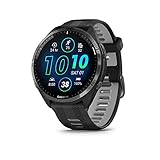
- Brilliant AMOLED touchscreen display with traditional button controls and lightweight titanium bezel
- Battery life: up to 23 days of battery life in smartwatch mode, up to 31 hours in GPS mode
- Confidently run any route using full-color, built-in maps and multi-band GPS
- Training readiness score is based on sleep quality, recovery, training load and HRV status to determine if you’re primed to go hard and reap the rewards (data presented is intended to be a close estimation of metrics tracked)
- Plan race strategy with personalized daily suggested workouts based on the race and course that you input into the Garmin Connect app and then view the race widget on your watch; daily suggested workouts adapt after every run to match performance and recovery
Consistent Overnight Wear Is Non-Negotiable
Sleep Coach assumes the watch is worn for the entire sleep window. Removing it midway through the night, wearing it loosely, or charging overnight breaks the data chain and forces Garmin to fall back on generic estimates.
Comfort matters more here than aesthetics. Lighter cases, curved lugs, and softer straps reduce pressure points that can disrupt both sleep and sensor accuracy.
Metal bracelets, while premium, often introduce micro-shifts on the wrist during the night. Nylon or supple silicone straps maintain steadier skin contact, improving optical signal quality and reducing missing HRV data.
Battery Headroom Matters More Than You Think
If your watch regularly dips below 20 percent before bed, Sleep Coach will suffer. Power-saving behaviors can disable background sampling or reduce sensor frequency during the night.
Models with at least 7 to 10 days of real-world battery life are easier to live with for sleep tracking. This is why Forerunner and Instinct lines tend to outperform lifestyle-focused models in long-term sleep data reliability, even when screens are less flashy.
Fast charging helps, but only if it fits your routine. A quick top-up during a shower or morning routine is far less disruptive than overnight charging that wipes out HRV continuity.
Settings That Must Be Enabled for Full Insights
HRV Status must be turned on and established. Garmin typically needs around three weeks of consistent overnight wear to build a personal baseline, though initial Sleep Coach recommendations may appear earlier with limited confidence.
Sleep times should be set realistically in Garmin Connect. While automatic sleep detection is robust, wildly inaccurate bed or wake times can skew sleep duration calculations and distort sleep need targets.
Body Battery, Training Status, and Training Load should also be active. Sleep Coach does not operate in isolation; it cross-references how hard you have trained, how well you recovered, and whether your autonomic nervous system shows signs of strain.
Training Data Makes Sleep Coach Smarter
For athletes, Sleep Coach becomes more precise when recent workouts are logged with heart rate data. Intensity, duration, and cumulative load all influence how much sleep Garmin recommends for adaptation.
Users who only track steps and casual activity will still see Sleep Coach guidance, but the range of adjustments will be narrower. The system has less context to determine whether extra sleep is needed for recovery or simply general wellness.
Strength training, high-intensity intervals, and long endurance sessions tend to drive the largest upward adjustments in sleep need, especially when paired with suppressed overnight HRV.
Data History and Patience Pay Off
The first week with Sleep Coach often feels conservative or slightly off. This is normal. Garmin is learning your personal variability rather than applying population averages.
After several weeks of stable wear, recommendations typically align more closely with how you feel subjectively. Nights of short sleep or elevated stress start to produce clearer, more intuitive adjustments.
Skipping nights resets this learning process. Sporadic use keeps Sleep Coach stuck in a shallow understanding of your recovery patterns.
Software and Firmware Can Be a Hidden Limitation
Garmin Connect must be up to date, and the watch firmware needs to support the latest health algorithms. Older firmware may technically show Sleep Coach but lack refinements that improve accuracy and responsiveness.
Beta firmware users sometimes notice shifts in sleep metrics. While early access can bring improvements, it can also introduce instability in overnight tracking, which directly affects Sleep Coach reliability.
If Sleep Coach seems inconsistent, checking firmware version and sensor settings often resolves issues faster than changing training or sleep habits.
Why Real-World Wearability Ultimately Decides Everything
Sleep Coach rewards watches that disappear on the wrist. Case thickness, lug shape, and weight distribution all influence whether you subconsciously tolerate wearing the device every night.
A smaller, lighter Forerunner or Venu may deliver better long-term sleep insights than a larger, heavier flagship that spends half its nights on the bedside table.
In practice, the best Sleep Coach experience comes from a watch that fits your wrist, your charging habits, and your tolerance for 24/7 wear. The technology only works when it is allowed to observe you consistently.
Sleep Coach Accuracy, Limitations, and Real-World Use for Athletes
All of this context leads to the most important question for athletes: how accurate is Garmin Sleep Coach, where does it fall short, and how should it actually be used when training matters.
How Accurate Sleep Coach Is Compared to Lab-Grade Sleep Tracking
Garmin Sleep Coach is only as accurate as the sleep and recovery data feeding it, and that data is derived from wrist-based optical heart rate, movement, and respiratory signals. Like all consumer wearables, it does not measure brain activity and cannot directly identify sleep stages the way polysomnography does.
In controlled studies, Garmin’s sleep duration estimates are generally strong, often within 20 to 40 minutes of lab measurements, while sleep stage classification shows wider variance. For Sleep Coach specifically, this matters less than it seems because the feature relies more heavily on trends in HRV, resting heart rate, and total sleep consistency than on any single REM or deep sleep label.
For athletes, the practical accuracy is not about perfect staging but about directional correctness. When training load rises, HRV drops, or stress accumulates, Sleep Coach reliably increases sleep recommendations in a way that aligns with real recovery needs.
Where Sleep Coach Can Struggle in Real Life
Sleep Coach is sensitive to noisy inputs, and wrist-based sensors are easiest to disrupt during sleep. Loose straps, cold extremities, tattoos, or frequent nocturnal movement can all degrade optical heart rate quality, which cascades into less reliable HRV and stress readings.
Irregular sleep schedules are another challenge. Shift workers, parents of young children, or athletes traveling across time zones may see recommendations that lag behind reality, especially in the first few days of disruption.
Alcohol, late meals, and dehydration also distort overnight physiology. Sleep Coach will often respond with longer sleep recommendations, but it cannot distinguish between poor recovery caused by lifestyle choices versus training stress, which can mislead users who expect more granular causation.
Why Athletes Should Treat Sleep Coach as a Range, Not a Target
One of the most common mistakes athletes make is treating the sleep recommendation as a fixed requirement rather than a flexible guideline. Sleep Coach provides a suggested window, not a mandate, and consistently chasing the upper limit can sometimes backfire.
For endurance athletes in particular, forcing extra time in bed can increase sleep fragmentation, especially during high-volume training blocks when sympathetic nervous system activity remains elevated. In these cases, slightly shorter but higher-quality sleep may be more realistic and just as effective.
The most useful way to apply Sleep Coach is to look for patterns over several days. If recommendations keep climbing while perceived fatigue rises and training feels flat, that is a signal to adjust load, not just bedtime.
Interaction With Training Load, Recovery, and Performance Metrics
Sleep Coach does not exist in isolation within Garmin’s ecosystem. It works alongside Training Readiness, Body Battery, acute load, and HRV Status, and these should always be interpreted together.
When Sleep Coach increases recommended sleep at the same time Training Readiness drops and HRV Status shifts to unbalanced, the signal is strong. This combination often precedes illness, plateau, or non-functional overreaching if ignored.
Conversely, athletes returning from rest weeks or taper phases may see Sleep Coach recommendations decrease even if they feel subjectively fresh. This is not a flaw but a reflection of reduced recovery demand rather than reduced sleep importance.
Sport-Specific Real-World Use Cases
Endurance athletes benefit the most from Sleep Coach because of the clear relationship between training volume, autonomic stress, and recovery. Marathoners, cyclists, and triathletes often see sleep needs rise sharply during build phases, especially after long aerobic sessions combined with intensity.
Strength and power athletes may see subtler changes. Heavy lifting and short high-intensity sessions do affect HRV, but the overnight physiological load is often lower than long endurance work, leading to smaller Sleep Coach adjustments.
Team sport athletes fall somewhere in between. Variable schedules, late matches, and travel introduce noise, making consistency more important than absolute sleep duration when interpreting recommendations.
Device Comfort and Sensor Quality Matter More Than Algorithms
Accuracy in Sleep Coach is strongly influenced by the physical watch itself. Lighter watches with thinner cases, such as Forerunner and Venu models, tend to produce more consistent overnight data simply because athletes tolerate them better during sleep.
Heavier watches with thicker cases and metal bezels can still deliver accurate data, but only if strap fit is dialed in. Nylon and soft silicone bands generally outperform rigid straps for overnight wear by maintaining stable sensor contact without pressure points.
Battery life also plays a role. Watches that need frequent charging are more likely to miss nights, which degrades Sleep Coach’s adaptive learning and reduces its usefulness over time.
What Sleep Coach Cannot Tell You
Sleep Coach does not diagnose sleep disorders. Conditions like sleep apnea, insomnia, or restless leg syndrome require clinical evaluation, even if Garmin flags abnormal respiration or consistently poor recovery.
It also cannot fully account for psychological stress unrelated to training. Work pressure, anxiety, or emotional stress can suppress HRV without corresponding physical fatigue, leading Sleep Coach to recommend more sleep when the underlying issue is not physiological.
Finally, Sleep Coach does not replace coaching judgment. It provides context, not strategy, and works best when paired with training plans that allow flexibility rather than rigid volume targets.
💰 Best Value

- Designed with a bright, colorful AMOLED display, get a more complete picture of your health, thanks to battery life of up to 11 days in smartwatch mode
- Body Battery energy monitoring helps you understand when you’re charged up or need to rest, with even more personalized insights based on sleep, naps, stress levels, workouts and more (data presented is intended to be a close estimation of metrics tracked)
- Get a sleep score and personalized sleep coaching for how much sleep you need — and get tips on how to improve plus key metrics such as HRV status to better understand your health (data presented is intended to be a close estimation of metrics tracked)
- Find new ways to keep your body moving with more than 30 built-in indoor and GPS sports apps, including walking, running, cycling, HIIT, swimming, golf and more
- Wheelchair mode tracks pushes — rather than steps — and includes push and handcycle activities with preloaded workouts for strength, cardio, HIIT, Pilates and yoga, challenges specific to wheelchair users and more (data presented is intended to be a close estimation of metrics tracked)
Using Sleep Coach to Make Better Decisions, Not Perfect Ones
For athletes who wear their watch consistently and understand its limits, Sleep Coach becomes a valuable early-warning system rather than a strict rulebook. Its greatest strength is highlighting mismatches between training stress and recovery capacity before performance declines.
The athletes who benefit most are those who look at trends, cross-check with how they feel, and adjust training or expectations accordingly. In that role, Sleep Coach earns its place as a meaningful recovery insight rather than just another sleep number.
How Sleep Coach Fits Into Garmin’s Wider Health and Performance Ecosystem
Sleep Coach does not sit in isolation inside Garmin Connect. It acts as a connective layer that interprets overnight physiology in the context of training stress, recovery trends, and daily readiness, which is why its recommendations feel more nuanced than basic sleep targets.
Rather than asking whether you slept “well,” Garmin’s ecosystem asks whether your sleep was sufficient for what you asked your body to do yesterday and what you plan to do today.
Sleep Coach and HRV Status: The Recovery Backbone
At the core of Sleep Coach is overnight heart rate variability, which Garmin already uses to establish HRV Status baselines across rolling weeks. Sleep Coach taps into that same data stream, looking at whether recent sleep duration and quality are supporting stable or improving autonomic balance.
When HRV trends downward, Sleep Coach typically increases recommended sleep time, even if total sleep looked acceptable on paper. This is where it goes beyond sleep stages and acts as a recovery safeguard rather than a comfort score.
Training Load, Acute Stress, and Why Yesterday Matters
Sleep Coach actively considers recent training load, especially hard or prolonged sessions that elevate acute load relative to your chronic baseline. A heavy interval day, long run, or high-volume ride increases physiological debt, which Sleep Coach repays by pushing sleep need higher.
This link is strongest on watches that already support advanced training metrics, because the system has more context about intensity distribution and accumulated fatigue. Without that context, Sleep Coach still works, but its recommendations are more conservative.
How Sleep Coach Complements Training Readiness
Training Readiness tells you how prepared you are to train today, while Sleep Coach tells you how much sleep you likely need to restore that readiness tomorrow. They operate on adjacent timelines, which makes them more powerful together than either metric alone.
If Training Readiness is suppressed due to poor sleep, Sleep Coach reacts by increasing future sleep recommendations rather than simply flagging today as a bad day. Over time, this feedback loop helps athletes understand how sleep behavior influences readiness trends, not just daily scores.
Body Battery, Stress, and All-Day Energy Management
Garmin’s Body Battery reflects all-day energy depletion and recharge, and Sleep Coach directly affects how much recharge the system expects overnight. Short or fragmented sleep reduces Body Battery recovery, which Sleep Coach responds to by extending recommended sleep duration.
Daytime stress, measured through heart rate patterns, also feeds into this loop. Elevated stress can blunt overnight recovery even with adequate sleep time, prompting Sleep Coach to recommend longer or earlier sleep windows to compensate.
Morning Report and Daily Context
On supported watches, Sleep Coach surfaces inside Morning Report alongside sleep score, HRV Status, and training suggestions. This placement matters, because it frames sleep need as part of the day’s decision-making, not a retrospective judgment.
Seeing sleep recommendations next to weather, calendar events, and workout prompts subtly encourages athletes to plan earlier bedtimes when demanding days are ahead. It turns sleep from a passive metric into an active scheduling tool.
Naps, Irregular Schedules, and Real-World Use
Garmin’s nap detection does not replace overnight sleep in Sleep Coach calculations, but it does influence recovery metrics like Body Battery and stress load. In practice, naps can soften the physiological impact of short nights, even if Sleep Coach still recommends longer primary sleep.
For shift workers or athletes with irregular schedules, this highlights a limitation but also a strength. Sleep Coach remains anchored to circadian assumptions, yet its adaptive learning still responds to recovery signals rather than rigid clock times.
Why Watch Hardware Still Matters Inside the Ecosystem
All of these connections depend on consistent, high-quality data, which brings the focus back to the watch itself. Lightweight polymer cases, thinner profiles, and breathable straps improve overnight compliance, directly strengthening Sleep Coach accuracy.
Battery life is equally critical. Watches like the Forerunner and Fenix lines, which can go a week or more between charges, preserve uninterrupted data streams that allow Sleep Coach to refine recommendations over time rather than resetting its learning curve.
What You Gain by Staying Inside Garmin’s System
Sleep Coach works best when paired with Garmin’s broader health and performance stack rather than used as a standalone insight. The value comes from how sleep, HRV, training load, stress, and readiness inform each other across days and weeks.
For athletes already invested in Garmin’s ecosystem, Sleep Coach feels less like a new feature and more like a missing translator, turning raw physiological data into guidance that aligns sleep behavior with long-term performance goals.
Is Garmin Sleep Coach Worth Upgrading for? Buyer Guidance by User Type
By this point, it should be clear that Sleep Coach is not a standalone sleep score add-on, but an insight layer that only reveals its full value when the surrounding data ecosystem is strong. Whether it is worth upgrading for depends less on curiosity about sleep itself and more on how central recovery and planning are to your daily training and lifestyle decisions.
Below is a practical breakdown by user type, grounded in how Sleep Coach actually behaves in day-to-day Garmin use.
Fitness-Focused Beginners and Everyday Health Trackers
If your primary goals are general health, consistency, and building better habits, Sleep Coach is a meaningful quality-of-life upgrade rather than a necessity. Compared to basic sleep duration and stage breakdowns, the coached recommendation gives beginners a clear target to aim for, which removes a lot of guesswork around “am I sleeping enough.”
For users coming from older Venu, Vivoactive, or entry-level Forerunner models without Sleep Coach, the upgrade makes the morning experience more actionable. Instead of simply seeing that sleep was short or restless, you are given a forward-looking recommendation that adjusts based on activity, stress, and HRV trends.
That said, beginners do not need Garmin’s highest-end hardware to benefit. Mid-tier watches like newer Venu or Forerunner models already offer comfortable case sizes, lightweight polymer construction, and solid battery life that supports consistent overnight wear, which is the real requirement for Sleep Coach to work well.
Busy Professionals, Parents, and Lifestyle Athletes
For users balancing workouts with work stress, family schedules, and limited sleep windows, Sleep Coach often becomes more valuable than raw training metrics. The ability to see how a hard day or elevated stress load translates into a longer recommended sleep window helps reframe rest as a strategic decision rather than a luxury.
This group benefits especially from how Sleep Coach integrates with Body Battery and stress tracking. On weeks where sleep opportunity is constrained, the guidance helps prioritize nights where extra sleep will have the greatest recovery impact, rather than aiming unrealistically for the same duration every night.
From a hardware perspective, comfort and battery life matter more here than advanced training features. Slimmer watches with softer straps, smaller lug-to-lug dimensions, and at least five to seven days of battery life reduce friction around wearing the watch overnight, which directly improves Sleep Coach reliability.
Endurance Athletes and Structured Training Users
For runners, cyclists, triathletes, and anyone following structured plans, Sleep Coach is most valuable when paired with Training Readiness, HRV Status, and acute training load. This is where the feature moves beyond wellness and into performance management.
Sleep Coach dynamically accounts for hard workouts, accumulated fatigue, and HRV suppression, often recommending longer sleep after intense sessions or multi-day blocks. Over time, athletes begin to see patterns emerge between adherence to sleep recommendations and more stable readiness scores.
In this category, upgrading hardware often makes sense. Watches like the Forerunner 955/965 or Fenix/Epix lines combine long battery life, advanced sensors, and durable cases that support heavy training without compromising sleep tracking. The consistency of data collection is what allows Sleep Coach to refine its recommendations instead of resetting its baseline.
Data-Driven Athletes and Recovery Optimizers
For athletes already analyzing HRV trends, resting heart rate, and training load ratios, Sleep Coach acts as a synthesis tool rather than a discovery tool. It does not replace deeper analysis, but it saves time by translating multiple recovery signals into a single, nightly recommendation.
This group will appreciate that Sleep Coach is responsive rather than static. Nights of poor sleep are not treated in isolation; they feed into future recommendations that reflect accumulated strain rather than just last night’s result.
Upgrading purely for Sleep Coach may not be compelling on its own here, but if you are already considering a hardware refresh, choosing a model that supports it ensures you are not leaving recovery insights on the table.
Shift Workers and Athletes with Irregular Schedules
For users with non-traditional sleep patterns, Sleep Coach is helpful but imperfect. Its recommendations are still anchored to circadian expectations, which means it may occasionally suggest sleep durations that are impractical given work constraints.
However, because the system responds to HRV, stress, and recovery trends, it remains more adaptive than fixed sleep targets. Over time, many shift workers find that Sleep Coach becomes a useful indicator of accumulated fatigue, even if exact timing recommendations need to be interpreted flexibly.
In this case, upgrading is worthwhile if your current device already captures high-quality HRV and stress data. The insight quality depends far more on sensor accuracy and wear consistency than on perfect alignment with your schedule.
Who Can Skip the Upgrade
If you rarely wear your watch overnight, charge daily, or only glance at sleep data occasionally, Sleep Coach will not fundamentally change your Garmin experience. Its value depends on long-term data continuity and a willingness to adjust behavior based on recommendations.
Users who prefer minimal metrics or who primarily use their watch as a notification device may find the feature interesting but underutilized.
Bottom Line: When Sleep Coach Truly Pays Off
Garmin Sleep Coach is worth upgrading for when sleep is treated as an active input into training, recovery, and daily planning rather than a passive score. It shines when paired with strong battery life, comfortable hardware, and regular overnight wear, allowing the algorithm to learn from trends instead of snapshots.
For athletes and health-focused users already invested in Garmin’s ecosystem, Sleep Coach completes the loop between effort and recovery. It does not promise perfect sleep, but it consistently answers a more practical question: how much rest do you actually need tonight to perform well tomorrow.