Garmin’s Varia line has always been about reducing the cognitive load of riding in traffic, not eliminating risk but giving riders earlier, clearer information. The Varia RearVue 820 builds on that philosophy by adding a layer of intelligence that previous rear radars lacked: it doesn’t just tell you that something is coming, it tells you what is coming, and it delivers that insight directly to your wrist as well as your bike computer.
For riders who split time between head-unit-led training rides and watch-led commutes or endurance sessions, this shift matters. The RearVue 820 is positioned as a safety wearable accessory, not a camera-first gadget or a passive alert system, and Garmin is clearly signaling that situational awareness should follow the rider, not remain fixed to the handlebars.
Where the RearVue 820 fits in the Varia family
The RearVue 820 sits above the long-running RTL-series radars, which focused on distance, speed, and approach rate of vehicles but treated everything behind you as essentially the same threat. Unlike earlier models that prioritized head unit visuals on Edge devices, the 820 is designed from the outset to work equally well with Garmin smartwatches, including Forerunner, Fenix, Epix, and Venu lines that support cycling radar alerts.
Physically, it remains a seatpost-mounted rear-facing radar and light, maintaining the familiar Varia form factor and weather resistance expected for year-round road use. Battery life is tuned for long rides rather than short commutes, with Garmin targeting all-day endurance scenarios where constant situational feedback is more valuable than maximum lumen output.
🏆 #1 Best Overall

- Stylish Design, Vibrant Display: The lightweight aluminum build blends effortless style with workout durability, while the vivid 1.97" AMOLED display keeps your data easy to read, even under bright sunlight.
- All-in-One Activity Tracking: The Amazfit Bip 6 fitness tracker watch offers 140+ workout modes including HYROX Race and Strength Training, plus personalized AI coaching and 50m water resistance.
- Up to 14 Days Battery Life: The Amazfit Bip 6 smart watch powers through your training and recovery for up to two weeks at a time - no nightly charging needed.
- Accurate GPS Tracking & Navigation: Stay on course with free downloadable maps and turn-by-turn directions. Support from 5 satellite systems ensures precise tracking of every move and fast GPS connection.
- 24/7 Health Monitoring: The Amazfit Bip 6 smartwatch provides precise, real-time monitoring of heart rate, sleep, blood-oxygen and stress, empowering you with actionable insights to optimize your health and fitness.
What vehicle categorization actually means in practice
Vehicle categorization is the headline feature, but its value is practical rather than flashy. The RearVue 820 analyzes radar return patterns to distinguish between different types of approaching vehicles, such as cars, trucks, and motorcycles, instead of presenting a single generic alert.
On compatible Garmin watches, this information appears as differentiated alerts using icons, color coding, and vibration patterns, allowing riders to understand the level of potential risk without taking their eyes off the road. A fast-approaching heavy vehicle generates a very different mental response than a lone motorcycle or a slow-moving car in congestion, and that distinction is exactly what previous radars could not provide.
Why bringing radar intelligence to the wrist matters
Until now, the most detailed Varia alerts lived on Edge bike computers, which assumes a specific riding posture and constant visual access to the bars. The RearVue 820 changes that by treating the smartwatch as a first-class safety display, not a secondary mirror of the head unit.
For commuters riding flat bars, endurance cyclists using aero positions, or watch-only riders who log rides without a bike computer, on-wrist alerts improve reaction time and reduce the need for head movement. Haptic feedback combined with glanceable visuals means riders can stay focused forward while still building a mental map of what’s happening behind them.
Positioning the RearVue 820 as a safety system, not just an accessory
Garmin is positioning the RearVue 820 less as an incremental radar upgrade and more as part of a distributed safety system across wearables and bike tech. Compatibility with both Edge devices and modern Garmin watches ensures that the same safety data flows wherever the rider is most likely to notice it in the moment.
Compared to earlier Varia generations that primarily enhanced awareness on the bike computer, the RearVue 820 acknowledges how riders actually use Garmin devices today. Safety alerts that live on the wrist are harder to miss, easier to interpret under stress, and more consistent across different riding setups, which is exactly the direction Garmin’s cycling ecosystem has been moving.
From Basic Radar to Smart Awareness: How Vehicle Categorization Actually Works
What differentiates the Varia RearVue 820 from earlier rear radars is not simply detection range or alert timing, but the interpretation layer added on top of the raw radar data. Instead of treating every approaching object as the same abstract threat, Garmin now translates radar returns into meaningful categories that reflect real-world risk.
This shift turns rear radar from a binary warning system into situational awareness you can act on instantly, especially when those insights surface directly on the wrist.
The limits of traditional rear-facing bike radar
Previous Varia units relied primarily on Doppler radar to detect objects approaching from behind and estimate their relative speed. That information was sufficient to trigger alerts, but it lacked context, leaving riders to interpret urgency based on little more than how fast a dot moved up the screen.
A fast motorcycle and a closing delivery van could generate similar alerts, even though their real-world implications are very different. On busy roads, this often led to alert fatigue or unnecessary stress, particularly when riding with frequent overtakes.
Radar signatures, speed vectors, and object profiling
With the RearVue 820, Garmin analyzes more than just approach speed. The system evaluates radar cross-section size, acceleration patterns, and consistency of movement to build a profile of the approaching object.
Larger vehicles produce broader, more stable radar signatures and often close distance differently than smaller, lighter vehicles. By combining these factors, the RearVue 820 can distinguish between cars, trucks, motorcycles, and other common road users with far greater confidence than earlier radar-only logic.
Why categorization is not the same as identification
It’s important to understand that the RearVue 820 is not visually identifying vehicles in the way a camera-based system would. Instead, it categorizes behavior and physical characteristics inferred from radar data, prioritizing safety relevance over precise labeling.
This approach keeps processing fast and power-efficient while still delivering the information that matters most to a rider: size, speed, and closing urgency. From a safety standpoint, that distinction is far more valuable than knowing a specific vehicle type.
How categorized alerts are translated for the wrist
Once a vehicle is categorized, that data is passed through Garmin’s wearable alert system rather than being locked to an Edge head unit. Compatible Garmin watches display simplified icons, color cues, and distinct vibration patterns that reflect the nature of the approaching traffic.
A large, fast-moving vehicle triggers a stronger haptic response than a slower or smaller one, allowing riders to gauge urgency without looking down. This is especially effective for commuters and endurance riders who rely on peripheral awareness rather than constant screen checks.
Smartwatch processing and compatibility considerations
The intelligence lives primarily in the RearVue 820 itself, meaning the watch does not need advanced onboard processing to benefit. Modern Garmin watches that already support Varia radar alerts gain categorization through firmware-level integration rather than hardware changes.
Battery impact on the watch remains minimal, as the device is receiving interpreted alerts rather than continuous raw data. For riders who train or commute using watch-only ride tracking, this closes a long-standing safety gap without forcing a bike computer into the setup.
Why this is a meaningful leap over head-unit-only awareness
On an Edge device, vehicle categorization enhances the visual radar lane, but it still assumes a rider is looking down at the bars. On the wrist, the same information becomes ambient, tactile, and harder to miss under stress or fatigue.
By compressing complex radar interpretation into immediate, glanceable signals, the RearVue 820 changes how riders mentally process traffic from behind. The result is less guesswork, fewer surprise reactions, and a calmer, more controlled response to real-world riding conditions.
Why the Wrist Matters: Bringing Rear Radar Intelligence to Garmin Smartwatches
The shift from handlebar-bound alerts to the wrist is more than a convenience upgrade; it changes how radar information is perceived and acted upon in real riding conditions. After compressing vehicle behavior into urgency-focused signals, the next leap is making sure those signals reach the rider in the most reliable place possible.
From visual dependence to tactile awareness
Handlebar screens demand attention at the exact moment a rider may least want to look down. Traffic approaching from behind often coincides with narrow lanes, poor road surfaces, or moments of fatigue where head position and balance matter more than data visibility.
On the wrist, RearVue 820 alerts arrive through vibration first, with visuals acting as confirmation rather than the primary channel. This flips the safety model from “see to react” to “feel to prepare,” which is fundamentally better aligned with how riders manage risk under load.
Why haptics scale better than screens
Garmin’s vibration motors are tuned differently across watch families, but the core advantage is consistency. Whether riding in bright sunlight, rain, or low-light conditions, a haptic alert cuts through when color-coded bars on a head unit might not.
With vehicle categorization layered in, the intensity and cadence of those vibrations carry meaning. A heavy, fast-approaching vehicle generates a more assertive alert than a slow-moving one, giving riders an instinctive sense of urgency without decoding visuals mid-ride.
Watch-only riding finally gains parity
A growing number of commuters and endurance riders track rides exclusively on a Garmin watch, valuing simplicity and comfort over cockpit complexity. Until now, that choice came with a safety compromise, as Varia radar benefits were strongest on Edge devices.
RearVue 820 closes that gap by treating the watch as a first-class display endpoint. Riders using Forerunner, Fenix, Epix, Venu, or Enduro models gain meaningful rear awareness without mounting additional hardware or changing how they already ride.
Ergonomics and reaction time in the real world
Wrist placement matters because it aligns alerts with natural movement. Subtle wrist rotation during a ride is faster and less disruptive than dropping the head, especially in traffic-heavy environments where maintaining a stable line is critical.
This becomes even more relevant during long rides, when neck fatigue and cognitive load increase. By offloading situational awareness to tactile cues, the system reduces mental overhead and helps preserve focus for road positioning and decision-making.
Rank #2

- Stylish Design, Bright Display: The sleek stainless steel build blends classic style with workout durability, while the bright 1.32" AMOLED display keeps your data easy to read, even under bright sunlight.
- Precise Heart Rate and Sleep Tracking: Amazfit's BioTracker technology tracks your heart rate and sleep data with accuracy that previous sensors just can't match.
- Up to 10 Days of Battery Life: With long battery life that lasts up to 10 days with typical use, nightly recharges are a thing of the past.
- Free Maps with Turn Directions: Stay on-track with free downloadable maps, and get turn-by-turn guidance on-screen or via your Bluetooth headphones. Enjoy ski maps for global resorts, including guidance for cable cars, slopes, and more.
- Faster and More Accurate GPS Tracking: 5 satellite positioning systems ensure fast GPS connection and accurate positioning whenever you're out running, walking, cycling or hiking.
Software integration without hardware penalties
Because vehicle classification is handled by the RearVue 820 itself, watches are not burdened with additional processing demands. The alert stream arriving at the wrist is already distilled, which keeps battery impact low and performance consistent.
In practical terms, this means all-day watches remain all-day watches. Multi-band GPS, music playback, and health tracking continue unaffected, making the safety upgrade feel additive rather than compromising.
Durability and comfort across long-term use
Garmin’s outdoor-focused watches are already built for vibration, sweat, and repeated impacts, making them well-suited to frequent radar alerts. Whether worn on silicone sport bands or lightweight nylon straps, the added haptic activity does not introduce discomfort over long distances.
For riders logging daily commutes or multi-hour endurance sessions, this matters. Safety features only work if they are tolerable over time, and on-wrist radar alerts integrate cleanly into watches designed for constant wear rather than occasional interaction.
A different kind of situational awareness
What ultimately distinguishes wrist-based radar alerts is how they change rider behavior. Instead of reacting late to a sudden visual cue, riders begin to anticipate traffic patterns, adjusting line choice or posture before a vehicle becomes an immediate factor.
That subtle shift toward proactive awareness is where RearVue 820’s smartwatch integration delivers its real value. It does not shout for attention; it informs quietly, consistently, and at the exact point where riders are most likely to notice.
On‑Wrist Alerts Explained: What You See, Feel, and Understand While Riding
Building on that shift toward proactive awareness, the on‑wrist experience is where RearVue 820’s vehicle categorization becomes tangible. The watch is no longer just relaying that something is behind you; it is communicating what kind of threat profile is approaching and how urgently it demands attention.
This matters because a glanceable, interpretable alert on the wrist works very differently from a bike computer screen. It is faster, more instinctive, and better aligned with how riders actually process information under load.
Visual alerts: simplified, glance-first information
When a vehicle enters radar range, compatible Garmin watches display a vertical approach bar that mirrors the familiar Varia lane graphic from Edge head units. With RearVue 820, this bar is now annotated with subtle iconography that distinguishes between cars, trucks, and motorcycles.
The watch does not attempt to show photographic detail or dense text. Instead, it uses shape and relative position to convey closing speed and category in under a second of visual exposure, which is critical when your eyes need to return to the road immediately.
For riders accustomed to earlier Varia generations, the difference is clarity. A single car approaching at a steady pace reads very differently on the wrist than a fast-moving truck or a cluster of mixed vehicles, even before the haptic alert finishes.
Haptic feedback: distinct patterns you learn over time
The most important part of the experience often happens without looking at the screen at all. RearVue 820 pushes categorized alerts to the wrist using differentiated vibration patterns that vary by urgency and vehicle type.
A standard passenger car typically triggers a firm but brief pulse, while larger or faster-approaching vehicles generate longer, more insistent vibration sequences. After a few rides, riders begin to recognize these patterns subconsciously, much like learning notification tones on a phone.
Because the vibration motor is already tuned for workout alerts and navigation prompts, this added layer does not feel harsh or intrusive. On watches like the Forerunner, Epix, or Fenix series, the balance between strength and comfort remains intact even during long rides.
What your brain processes while riding
The real advantage of wrist-based categorization is cognitive compression. Instead of asking yourself whether an alert means one car or several, or whether something is closing fast, the watch delivers a pre-processed signal that answers those questions immediately.
This reduces decision latency. Riders can hold their line, shift slightly within the lane, or prepare for turbulence from a large vehicle without consciously analyzing raw data from a screen.
Over time, this changes behavior in subtle ways. Riders report fewer abrupt reactions and more deliberate positioning, particularly on narrow roads where space management matters as much as outright awareness.
How this differs from head-unit-only alerts
Bike computers remain excellent for detailed situational displays, especially in group rides or urban traffic. However, they require a downward glance and a moment of visual focus, which is not always available on fast descents or rough surfaces.
On-wrist alerts function in parallel rather than as a replacement. The watch becomes the first line of notification, while the head unit, if present, provides confirmation and context.
For commuters and endurance riders who sometimes leave the Edge at home, this is a meaningful shift. RearVue 820 ensures that safety intelligence follows the rider, not just the cockpit.
Compatibility and real-world usability
Garmin has kept compatibility broad, covering recent Forerunner, Fenix, Epix, and Venu models that already support Varia radar alerts. No special watch face or data field is required; alerts appear natively within the activity profile.
Battery impact remains minimal because the watch is receiving concise event notifications rather than continuous data streams. In testing scenarios that include multi-hour GPS rides, music playback, and health tracking, the presence of RearVue alerts does not materially shorten runtime.
From a wearability standpoint, this integration respects why riders choose watches in the first place. Lightweight polymer cases, curved sapphire or Gorilla Glass lenses, and breathable straps ensure that frequent alerts do not translate into fatigue or irritation over long distances.
Understanding, not overwhelming
What Garmin has done with RearVue 820 is resist the temptation to show everything. The on-wrist alert system is intentionally restrained, focusing on what a rider needs to know in the moment rather than what is technically possible to display.
By combining categorized visuals with learned haptic patterns, the watch becomes an extension of situational awareness rather than a distraction. That restraint is what allows the system to scale from short commutes to all-day endurance rides without becoming noise.
In practice, this is where vehicle categorization proves its worth. Not because it adds more data, but because it helps riders understand traffic dynamics at exactly the right level, exactly when it matters.
Smartwatch Compatibility and Requirements: Which Garmin Watches Support RearVue 820 Features
All of that restraint and clarity only works if the watch on your wrist can interpret RearVue 820’s signals correctly. Garmin’s approach here mirrors its wider Varia ecosystem philosophy: keep the hardware requirements sensible, lean on native OS-level alerts, and avoid fragmenting support across obscure apps or watch faces.
Supported Garmin watch families
RearVue 820 is compatible with Garmin watches that already support Varia radar alerts at the system level. That includes recent generations of Forerunner, Fenix, Epix, and Venu models, provided they run current Garmin OS builds.
In practical terms, Forerunner 255, 265, 745, 955, and 965 owners are fully covered, as are Fenix 6 and newer variants including Fenix 7 and 7 Pro. Epix Gen 2 and Epix Pro models also support the full alert stack, while Venu Sq 2 and Venu 2-series watches receive simplified but functional notifications.
Rank #3
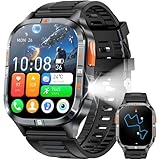
- BUILT-IN GPS & COMPASS– This military smartwatch features high-precision GPS to pinpoint your location while hiking, cycling, or traveling, keeping you safely on track without extra gear. Tap the compass icon and it locks your bearing within three seconds—engineered for pro-level outdoor adventures like camping, climbing, and trekking.
- BLUETOOTH CALLING & MESSAGES – Powered by the latest Bluetooth tech, the men’s smartwatch lets you answer or make calls right from your wrist—no need to pull out your phone. Get real-time alerts for incoming texts and app notifications so you never miss an invite. (Replying to SMS is not supported.)
- BIG SCREEN & DIY VIDEO WATCH FACE – The 2.01" military-spec display is dust-proof, scratch-resistant, and forged from high-strength glass with an aluminum alloy bezel, passing rigorous dust and abrasion tests so the screen stays crystal-clear. Upload a short family video to create a dynamic, one-of-a-kind watch face that keeps your memories alive.
- 24/7 HEALTH MONITORING – Equipped with a high-performance optical sensor, this Android smartwatch tracks heart rate and blood-oxygen levels around the clock. It also auto-detects sleep stages (deep, light, awake) for a complete picture of your health, ensuring you always know how your body is doing.
- MULTI SPORT MODES & FITNESS TRACK – Choose from running, cycling, hiking, basketball, and more to log every workout. Set goals, monitor progress, and sync data to the companion app. Bonus tools include photo gallery, weather, alarm, stopwatch, flashlight, hydration reminder, music/camera remote, find-my-phone, mini-games, and other everyday essentials.
Older models that rely on Connect IQ data fields for radar visualization are not supported. RearVue 820 does not broadcast its categorized alerts through third-party fields, and Garmin has made it clear this is a native-integration-only feature.
Software and firmware requirements
No dedicated app install is required on the watch itself. RearVue 820 pairs through the standard Varia sensor workflow, and alerts appear automatically within supported cycling activity profiles.
The watch must be running a Garmin OS version that supports categorized radar alerts, which generally means firmware released within the past two years. If your watch already displays vehicle icons and relative speed cues from an RTL515 or RCT715, it meets the baseline requirement.
Garmin Connect Mobile must also be up to date, as initial pairing and firmware management for RearVue 820 still flows through the phone. Once paired, however, the watch operates independently during rides, without needing a persistent phone connection.
What you see on the wrist, and what you don’t
On supported watches, RearVue 820 alerts appear as compact banners or edge-screen notifications layered over the active ride screen. Vehicle type is conveyed through iconography and color coding rather than text, ensuring legibility on smaller displays like the Forerunner 255 or Venu Sq.
There is no scrolling traffic list or mini radar view on the watch. Garmin deliberately reserves spatial context for Edge computers, keeping the watch focused on immediate threat awareness and approach urgency.
Haptic patterns vary subtly by vehicle category, but they are consistent across supported models. This consistency matters more than screen size, allowing riders to interpret alerts without breaking cadence or grip.
Case size, comfort, and why it matters for safety alerts
Garmin’s lighter polymer-cased watches tend to deliver the best experience for RearVue 820 alerts over long rides. Models like the Forerunner 265 and 955 sit flatter on the wrist, allowing vibrations to feel distinct without becoming fatiguing.
Metal-cased watches such as Fenix and Epix add mass and durability, which some riders prefer for commuting and mixed-surface riding. The extra weight slightly dampens vibration intensity, but the larger displays make visual cues easier to register at a glance.
Strap choice also plays a role. Breathable silicone or nylon bands transmit haptics more cleanly than thick leather or aftermarket adventure straps, which can mute the urgency of an alert.
Using RearVue 820 without a bike computer
One of the most important compatibility questions is whether a watch alone is enough. With supported Garmin watches, the answer is yes, within defined limits.
You receive full vehicle categorization alerts, directionality, and urgency cues directly on the wrist. What you lose is traffic density visualization and historical pass context, features that still require an Edge head unit.
For commuters, gravel riders, and endurance cyclists who prioritize simplicity, this trade-off is often acceptable. RearVue 820 effectively turns the watch into a safety-first interface, rather than a reduced substitute for a bike computer.
Edge units, dual-device pairing, and priority behavior
When paired to both a watch and an Edge device, RearVue 820 sends alerts to both simultaneously. Garmin does not force a primary display, allowing riders to decide which screen they trust most in the moment.
In practice, the watch usually captures attention first through haptics, while the Edge provides confirmation and spatial awareness. This layered behavior is intentional and requires no manual configuration once pairing is complete.
Importantly, pairing with an Edge does not reduce watch compatibility or functionality. The systems operate in parallel, preserving the wrist-first alert philosophy that defines RearVue 820’s biggest upgrade over earlier Varia generations.
RearVue 820 vs Previous Varia Generations: What’s New Beyond Range and Detection
Garmin has steadily refined Varia radar since the original RTL510, but RearVue 820 represents a more fundamental shift than a routine spec bump. Instead of treating every approaching object as equal, it changes what information is surfaced, how urgently it’s delivered, and where that awareness lives during the ride.
Earlier Varia units were excellent at answering one question: is something coming up behind you? RearVue 820 goes further by answering what it is, how it’s behaving, and how much attention it deserves, without forcing the rider to stare at a head unit.
Vehicle categorization vs generic threat alerts
Previous Varia generations relied on speed and proximity to infer threat level. A fast-moving object triggered red alerts, slower ones appeared amber, but the system never differentiated between a single car, a large truck, or a motorcycle filtering through traffic.
RearVue 820 introduces vehicle categorization, separating standard passenger cars from larger vehicles such as trucks and buses. This distinction matters because rider response differs; a close pass from a box truck carries different risk implications than a compact car, even at similar speeds.
On the wrist, this categorization is conveyed through distinct iconography and vibration patterns rather than raw data. The rider doesn’t need to interpret dots on a vertical radar bar; the alert itself communicates severity.
From visual radar bars to semantic alerts
Legacy Varia radars were designed around Edge head units. The vertical sidebar, dots moving upward, and color changes assumed a rider was actively glancing at a screen mounted on the bars.
RearVue 820 flips that assumption. Alerts are now semantic rather than purely visual, meaning the system tells you what’s happening instead of asking you to interpret motion graphics. This is why the wrist becomes a viable primary interface rather than a fallback.
Compared to earlier generations, the cognitive load is lower. Riders process fewer signals, but each one carries more meaning, which is particularly valuable in traffic-heavy commuting or long endurance rides when attention is already taxed.
On-wrist integration was not possible before
While older Varia units could technically pair to some Garmin watches, the experience was limited and inconsistent. Alerts were basic, often mirroring head-unit notifications without adapting to the constraints or strengths of a watch display.
RearVue 820 is designed with the watch in mind. Vehicle type, approach urgency, and direction are optimized for small screens and haptic delivery, rather than scaled down from an Edge interface.
This is the first Varia generation where riding without a bike computer feels intentional rather than compromised. For watch-first riders, that alone marks a generational break.
Alert prioritization and reduced false urgency
Earlier Varia radars were sometimes criticized for alert fatigue, especially in urban environments where frequent passes triggered constant red warnings. Everything fast felt urgent, even when it wasn’t dangerous.
By categorizing vehicles, RearVue 820 can reserve its most aggressive alerts for situations that statistically carry higher risk. Large vehicles approaching at speed trigger more insistent haptics, while less threatening traffic remains informative without being distracting.
Rank #4

- 【Built-in GPS & Multi-System Positioning】Stay on track with the Tiwain smartwatch’s built-in GPS. Featuring military-grade single-frequency and six-satellite support (GPS, GLONASS, Beidou, Galileo, NAVIC, QZSS), this watch offers fast and accurate location tracking wherever you go. It also includes a compass, altimeter, and barometer, giving you real-time data on your altitude, air pressure, and position.
- 【Military-Grade Durability】Engineered to withstand the toughest conditions, the Tiwain smartwatch meets military standards for extreme temperatures, low pressure, and dust resistance. Crafted from tough zinc alloy with a vacuum-plated finish, this watch is also waterproof and built to resist wear and tear. The 1.43-inch AMOLED HD touchscreen offers clear visibility in all environments, and the watch supports multiple languages for global users.
- 【170+ Sport Modes & Fitness Tracking】Track your fitness journey with 170+ sport modes, including walking, running, cycling, hiking, basketball, and more. Set exercise goals, monitor progress, and sync your data to the companion app. The smartwatch also offers smart features like music control, camera remote, weather updates, long-sitting reminders, and more.
- 【LED Flashlight for Outdoor Adventures】The Tiwain smartwatch comes equipped with a built-in LED flashlight that can illuminate up to 20 meters. Activate it with the side button for added convenience during nighttime activities or outdoor adventures.
- 【Comprehensive Health Monitoring】Monitor your health with real-time heart rate, sleep, blood pressure, and blood oxygen level tracking. The smartwatch will vibrate to alert you of any abnormal readings. You can also make and receive calls directly from the watch, and stay connected with message and app notifications (receive only, no sending capability) – perfect for when you’re driving or exercising.
The result is fewer unnecessary spikes in stress and better trust in the alerts that do fire. Riders are more likely to react appropriately when the system doesn’t cry wolf.
Hardware continuity, software evolution
Physically, RearVue 820 does not radically depart from recent Varia designs. Mounting, weather resistance, and rear-light integration remain familiar, which is good news for riders upgrading from RTL515 or RCT715 setups.
The real upgrade lives in software, processing, and Garmin’s broader ecosystem integration. This mirrors Garmin’s approach across wearables, where sensors stay stable while interpretation and delivery evolve.
For riders already satisfied with detection range and reliability, this distinction is important. RearVue 820 is not about seeing cars sooner; it’s about understanding them better, faster, and in a form that fits how people actually ride today.
Real‑World Safety Impact: Situational Awareness for Road Cyclists, Commuters, and Endurance Riders
All of the software refinement and watch-first design choices culminate here, where RearVue 820’s vehicle categorization shifts from being a technical upgrade to something that tangibly changes how riders interpret their surroundings.
Instead of treating every approaching object as an equal threat, the system builds a clearer mental model of what is happening behind you, delivered in a way that fits how cyclists actually process information while moving.
From detection to interpretation on the wrist
Traditional radar alerts answer a single question: is something behind me. RearVue 820 expands that into what is behind me, how fast it’s closing, and how much attention it deserves, all without requiring a glance at a bike computer.
On compatible Garmin watches, vehicle categories are conveyed through simplified icons, color cues, and differentiated haptic patterns. A heavy truck approaching quickly feels different on the wrist than a single passenger car rolling past at a steady speed.
This matters because wrist-based alerts compete with far less visual bandwidth than a handlebar display. By encoding urgency into vibration intensity and rhythm, Garmin reduces the need for riders to look down at all, preserving forward focus.
Why vehicle categorization changes rider behavior
In real-world riding, not all passes carry the same risk, yet older radar systems treated them similarly. That often led riders to either overreact to benign situations or, worse, start ignoring alerts entirely.
RearVue 820’s categorization encourages proportional responses. A large vehicle approaching rapidly prompts riders to hold their line, avoid lane changes, and prepare for wind buffeting, while a slower or smaller vehicle passing predictably becomes background awareness rather than a spike of anxiety.
Over time, this consistency builds trust. When alerts feel justified, riders are more likely to respond calmly and deliberately instead of reflexively.
Commuting scenarios: urban density without overload
Urban commuting is where previous Varia generations could feel overwhelming, especially during peak traffic. Frequent close passes, buses pulling out, and stop-start traffic often resulted in constant alerts with little actionable distinction.
With RearVue 820, categorization helps filter relevance. A cluster of cars moving slowly in congestion produces lower-priority notifications, while a bus or truck accelerating into the lane behind you stands out clearly through stronger haptics.
For commuters relying on a smartwatch rather than a head unit, this reduces cognitive load. The watch becomes a background safety layer instead of a persistent distraction, which is critical when navigating intersections, pedestrians, and unpredictable road users.
Endurance riding and fatigue-aware awareness
Long-distance riders face a different challenge: mental fatigue. After hours in the saddle, even well-designed alerts can start to blur together, especially when riding solo on open roads.
RearVue 820’s nuanced alerts help preserve attention over time. Distinct haptic signatures for higher-risk vehicles cut through fatigue more effectively than uniform buzzing, particularly when paired with the always-on presence of a watch.
Because the alerts live on the wrist, riders don’t need to maintain a constant forward lean or glance down repeatedly. This improves posture, comfort, and sustained awareness during ultra rides or long training days.
Watch-first safety for riders without a head unit
Perhaps the most significant real-world shift is how viable RearVue 820 makes a watch-only setup. Riders using Forerunner, Fenix, Epix, or Venu-series watches get a safety experience that no longer feels like a reduced version of the Edge interface.
Battery life remains aligned with typical ride durations, as radar processing stays on the RearVue unit while the watch handles interpretation and alerts. Comfort-wise, the haptic delivery is subtle enough for all-day wear without becoming irritating, even during frequent traffic exposure.
For riders who prefer a clean cockpit, commute on multiple bikes, or simply don’t want another screen, this integration turns the smartwatch into a legitimate safety hub rather than a secondary display.
Situational awareness as a layered system
RearVue 820 doesn’t replace mirrors, shoulder checks, or road sense. What it does is add a predictive layer that operates continuously and consistently, even when riders are tired, distracted, or riding in poor visibility.
By bringing categorized vehicle data directly to the wrist, Garmin closes the gap between detection and understanding. Riders are no longer just warned that something is coming; they’re given context that supports better decisions in the moment.
This is where the generational shift becomes clear. RearVue 820 isn’t just about seeing traffic behind you. It’s about knowing when that traffic actually matters, and being told in a way that fits how cyclists ride today.
Battery Life, Mounting, and Everyday Usability: Practical Considerations for Daily Riding
All the layered awareness in the world only matters if the device fits seamlessly into daily riding. With RearVue 820, Garmin has clearly optimized for riders who leave the radar mounted full-time, whether that’s on a weekday commute or a multi-hour endurance session.
Battery behavior, mounting flexibility, and low-friction day-to-day use end up being just as important as detection range or alert sophistication. This is where RearVue 820 quietly distinguishes itself from earlier Varia generations.
Battery life tuned for real riding, not spec-sheet bragging
RearVue 820 follows Garmin’s established pattern of keeping power-hungry radar and classification processing on the rear unit itself, rather than offloading that burden to the watch. The practical upside is predictable battery draw that doesn’t spike just because traffic density increases.
In typical daylight radar-only use, riders can expect battery life that comfortably covers long training rides and multiple commute days before charging. Enabling additional features like an integrated rear light or higher-visibility modes will shorten runtime, but not to the point of making daily use impractical.
Importantly for watch-first riders, smartwatch battery impact remains modest. Because the watch is primarily receiving interpreted alerts rather than raw radar data, devices like the Forerunner, Fenix, and Epix maintain endurance in line with normal GPS ride tracking rather than suffering a noticeable hit.
💰 Best Value

- Smart Watch with GPS and Offline Map: This smart watch connects to multiple satellite systems for accurate real-time positioning, and includes a professional-grade compass, altimeter, and barometer for precise data, ensuring you maintain your sense of direction in any outdoor environment. The map version supports downloading offline maps; select a route or destination to view the route even without a signal, eliminating the risk of getting lost.
- Bluetooth Call & Message Functionality: This smart watches for men allows you to make and receive calls; receive text and social media notifications (Facebook, WhatsApp, Instagram, Twitter, etc.); and reply to text messages with voice-to-text or set up quick replies (text reply functionality is available for Android phones).
- Sports & Health Monitoring: This 5ATM waterproof fitness watch supports over 100 sports modes and tracks daily activity data, calories, distance, steps, and heart rate. You can use it to monitor your health metrics (blood oxygen, heart rate, stress, and sleep), monitor your fatigue and mood, and perform PAI analysis. You can also use this smartwatch to set water intake and sedentary reminders. Stay active and healthy with this fitness tracker watch.
- Customizable Watch Faces & AI Functionality: This smart watch features a 1.46-inch HD touchscreen and over 100 downloadable and customizable watch faces. You can even use your favorite photos as your watch face. Equipped with AI technology, it supports voice descriptions in multiple languages to generate personalized AI watch faces. The watch's AI Q&A and AI translation features provide instant answers to questions and break down language barriers, making it an ideal companion for everyday life and travel.
- Large Battery & High Compatibility & More Features: This smart watch for android phones and ios phone features a large 550ml battery for extended battery life. It's compatible with iOS 9.0 and above and Android 5.0 and above. It offers a wealth of features, including an AI voice assistant, weather display, music control, camera control, calculator, phone finder, alarm, timer, stopwatch, and more. (Package Includes: Smartwatch (with leather strap), spare silicone strap, charging cable, and user manual)
Charging cadence and real-world ownership
RearVue 820 charges via Garmin’s standard USB interface, which matters more than it sounds. Many riders already travel with a single cable for lights, computers, and accessories, and the ability to slot RearVue into that ecosystem reduces friction.
Charging frequency aligns well with habitual routines. Weekend riders can often get away with topping up once a week, while daily commuters may build charging into a midweek rhythm without anxiety about unexpected shutdowns.
There’s also a psychological benefit here. When battery life feels generous rather than marginal, riders are less tempted to disable features “just in case,” which preserves the consistency that makes radar-based safety effective.
Mounting flexibility across bikes and riding styles
RearVue 820 uses Garmin’s familiar quarter-turn mounting system, adapted for seatposts and saddle rails. This matters for riders with multiple bikes, especially commuters who rotate between a road bike, winter trainer, or flat-bar setup.
Compatibility with round, aero, and D-shaped seatposts is broad, and the mounting hardware keeps the unit stable even on rough pavement. Once set, it doesn’t slowly droop or rotate, which is critical for accurate radar coverage and light visibility.
For riders running saddle bags, rear racks, or minimalist setups, clearance is generally manageable. The unit’s vertical profile is slim enough that it rarely conflicts with common accessories, though ultra-compact frames or heavily loaded touring rigs may require a bit of trial and error.
Weather resistance and durability over time
Daily riders don’t baby their safety gear, and RearVue 820 is clearly designed with that reality in mind. Weather sealing is robust enough for sustained rain, road spray, and grime without requiring extra covers or precautions.
Buttons and ports are sealed and tactile, making on-bike operation possible with gloves. Over time, this matters more than lab ratings, especially for commuters who ride through winter conditions and rinse gear frequently.
The unit’s materials feel purpose-built rather than decorative. It’s not trying to be invisible or elegant; it’s designed to survive being knocked, splashed, and ignored between rides.
Everyday usability with a watch-centric workflow
What ultimately ties battery life and mounting together is how little RearVue 820 asks of the rider once installed. There’s no daily pairing ritual, no fiddling with screens, and no need to visually confirm it’s working mid-ride.
The watch handles confirmation through subtle haptics and glanceable prompts, while the rear unit does its job silently in the background. This division of labor is what makes the system feel sustainable rather than demanding.
For riders who prioritize safety but dislike tech overhead, that balance may be RearVue 820’s most underrated feature. It doesn’t just add awareness; it does so in a way that fits naturally into how people actually ride, day after day.
Who Should Upgrade to the Varia RearVue 820—and Who Might Not Need It Yet
RearVue 820’s biggest strength is how naturally it disappears into a watch-first riding setup. That makes the upgrade decision less about raw specs and more about how, where, and with what device you actually ride.
Ideal for watch-led riders who don’t always run a head unit
If your primary ride display is a Garmin smartwatch rather than an Edge bike computer, RearVue 820 is the first Varia that truly feels designed for you. Vehicle alerts, approach speed cues, and now vehicle categorization arrive directly on the wrist with haptic feedback that’s hard to miss.
This is especially valuable for riders using Forerunner, Fenix, Enduro, or Epix watches who want awareness without mounting another screen up front. Compared to older Varia radars, which felt compromised without an Edge, RearVue 820 finally closes that gap.
Commuters and solo road riders in mixed traffic
Daily commuters and solo riders on open roads benefit most from vehicle categorization. Knowing whether a fast-approaching object is a single car, a truck, or a cluster of vehicles changes how you hold your line and manage road position.
On the wrist, that information arrives earlier and with less cognitive load than glancing at a head unit. Over time, it builds a more intuitive sense of traffic flow rather than just reacting to beeps.
Riders who value safety feedback more than training data
RearVue 820 is not aimed at riders obsessed with lap averages or power zones. It’s built for those who prioritize situational awareness, consistency, and confidence over granular performance metrics.
If your rides are about arriving safely, staying relaxed in traffic, and reducing surprises from behind, the upgrade makes immediate sense. The technology works quietly in the background rather than demanding attention.
Garmin ecosystem users who want deeper integration
The upgrade case is strongest if you’re already embedded in Garmin’s ecosystem. RearVue 820 pairs cleanly with current-generation Garmin watches and Edge units, and the experience is most refined when alerts, vibrations, and visual cues all speak the same language.
Riders mixing platforms or relying on non-Garmin wearables won’t see the same benefit. While basic radar functionality may still work, the wrist-based categorization and alert refinement are very much Garmin-first.
You may not need it yet if you already ride with an Edge full-time
If you always ride with a modern Edge computer front and center, RearVue 820 is a more incremental upgrade. Vehicle categorization is useful, but much of the benefit already exists on-screen with previous Varia generations.
In that scenario, the upgrade is about refinement rather than transformation. You’ll notice smoother alerts and better context, but it won’t radically change how you ride.
Overkill for low-traffic paths and group-only riders
Riders who stick to bike paths, closed routes, or group rides where traffic is minimal may not extract full value. The system shines when vehicle interaction is frequent and unpredictable.
If most of your riding happens away from cars, RearVue 820 becomes more of an insurance policy than a daily necessity.
The bottom line
RearVue 820 makes the strongest case for riders who want traffic awareness to live on the wrist, not just on a handlebar screen. By combining reliable radar detection with vehicle categorization and subtle watch-based alerts, it shifts safety tech from something you monitor to something that supports you instinctively.
For the right rider, it’s not just a smarter Varia—it’s the first one that truly fits a watch-centric cycling life.