If you’re looking at the Garmin Vivofit 4, chances are you’re not chasing OLED screens, daily charging rituals, or a wrist computer buzzing all day. You’re probably coming from a basic pedometer, an older fitness band, or you simply want something that tracks movement without demanding attention. That’s exactly the mindset you need to bring into this review, because the Vivofit 4 lives or dies on expectations.
This is one of Garmin’s simplest wearables ever made, and that simplicity is both its biggest strength and its biggest limitation. It promises years-long battery life, step tracking that just works, and a design you can forget you’re wearing. What it does not promise is insight-rich health data, smart features, or modern fitness analytics.
Before getting into how well it performs day to day, it’s critical to understand what the Vivofit 4 actually is in today’s wearable landscape, and just as importantly, what it very deliberately isn’t.
A true step-first activity tracker, not a smartwatch
The Vivofit 4 is fundamentally a digital step tracker with a screen, not a smartwatch and not even a modern fitness band. It tracks steps, distance, calories burned (estimated), and basic sleep duration, then syncs that data to the Garmin Connect app over Bluetooth. There’s no touchscreen, no apps, and no notifications from your phone.
🏆 #1 Best Overall
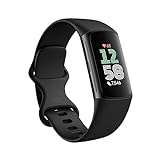
- Find your way seamlessly during runs or rides with turn-by-turn directions from Google Maps on Fitbit Charge 6[7, 8]; and when you need a snack break on the go, just tap to pay with Google Wallet[8, 9]
Interaction happens through a single physical button and a tiny always-on memory-in-pixel display. You cycle through steps, date and time, distance, calories, and a simple move bar that reminds you when you’ve been inactive for too long. That’s the entire experience on the wrist, and Garmin never pretended it was meant to be more.
From a build perspective, it’s lightweight, water-resistant enough for showers and swimming, and designed to be worn 24/7. The removable band and coin-cell battery reinforce the idea that this is a long-term appliance, not a gadget you baby.
The headline feature: battery life measured in years
Garmin’s claim of over one year of battery life, often closer to two years in real-world use, is not marketing fluff. The Vivofit 4 uses a replaceable CR1632 coin battery, meaning there’s no charging cable, no nightly routine, and no battery degradation anxiety. For many casual users, this alone is the deciding factor.
This kind of longevity dramatically changes how the device fits into daily life. You don’t think about it, you don’t manage it, and you don’t stop wearing it because it’s dead. For older users or anyone who found charging a smartwatch frustrating, this is a refreshingly low-maintenance approach.
The trade-off, of course, is that such battery life is only possible because the hardware and features are extremely limited.
What’s missing: no heart rate, no GPS, no advanced health data
The Vivofit 4 does not have an optical heart rate sensor, and that omission shapes everything else. There’s no resting heart rate, no heart rate-based calorie accuracy, no stress tracking, and no heart rate zones during activity. Sleep tracking exists, but it’s duration-only, without sleep stages or quality metrics.
There’s also no GPS, no connected GPS option, and no exercise profiles beyond basic activity tracking. While you can manually log some activities in Garmin Connect, the device itself doesn’t guide or record workouts in any meaningful way.
Compared to even entry-level fitness bands today, the feature set feels dated. That doesn’t make it broken or useless, but it does mean you’re buying into a very narrow definition of “fitness tracking.”
A display built for permanence, not beauty
The monochrome display is always on and readable in bright sunlight, but it’s small, low-resolution, and utilitarian to a fault. There’s no backlight glow or vibrant UI, just stark digits and icons. Indoors or at night, visibility is adequate but never impressive.
This kind of screen is chosen for efficiency and durability, not aesthetics. It won’t impress anyone, and it won’t make checking your stats feel engaging, but it will keep showing the time and your step count day after day without draining the battery.
If you’re used to modern AMOLED fitness bands, this will feel like a step back in time. If you’re used to a basic digital watch, it will feel familiar and unobtrusive.
Who the Vivofit 4 still makes sense for
This tracker is best suited to people who want accountability for daily movement, not detailed analysis. If your main goal is to know whether you hit 5,000 or 10,000 steps and to stay generally active, the Vivofit 4 delivers that reliably.
It also works well for users who dislike charging devices, find touchscreens fiddly, or simply want something durable and forgettable. For seniors, kids, or anyone intimidated by smartwatches, its simplicity can be a genuine advantage rather than a compromise.
Garmin’s ecosystem still adds value here, too. The data syncs cleanly, long-term trends are easy to view, and there’s no subscription required to access your history.
Who should look elsewhere instead
If you want heart rate tracking, meaningful sleep insights, workout guidance, or phone notifications, the Vivofit 4 will feel limiting almost immediately. Even inexpensive modern fitness bands from Xiaomi, Huawei, or Fitbit offer far more health data and richer displays, albeit with regular charging.
It’s also not ideal for anyone actively training or trying to improve performance. Without heart rate or exercise tracking, it can’t support structured fitness goals beyond “move more.”
Understanding these boundaries upfront is essential, because the Vivofit 4 doesn’t grow with you. It does one job, in one very specific way, and the rest of this review explores how well it still holds up at that job today.
Design, Comfort, and Durability After Long‑Term Wear
Once you accept the Vivofit 4’s intentionally limited feature set, the physical experience of wearing it every day becomes far more important. This is a tracker designed to be forgotten on the wrist, and over weeks and months, its design choices either support that goal or quietly undermine it.
Minimalist design that prioritizes function
The Vivofit 4 looks more like a slim digital watch than a modern fitness band. The rectangular module is compact and lightweight, with a matte plastic case that avoids reflections and visual flair.
At 18.3 mm wide and just under 9 mm thick, it sits low on the wrist and doesn’t snag on sleeves or jacket cuffs. The monochrome display reinforces the utilitarian feel, but it also means there’s nothing fragile or decorative to worry about scratching.
This is not a device meant to be admired. Its design communicates durability and practicality first, and for its target audience, that clarity is refreshing.
Comfort during all-day and night-time wear
Over long-term wear, comfort is one of the Vivofit 4’s strongest qualities. The tracker is extremely light, and once adjusted properly, it applies very little pressure to the wrist.
Because there’s no heart rate sensor on the underside, the back is completely flat. This reduces pressure points and makes it more comfortable than many optical heart rate bands for sleeping or extended wear.
For users who plan to wear it 24/7, especially seniors or first-time wearable owners, this low-profile comfort makes a real difference.
Silicone strap quality and sizing quirks
The included silicone band is soft, flexible, and resistant to sweat and moisture. Over months of wear, it holds up well without stiffening or cracking, even with frequent handwashing or outdoor use.
The clasp uses a traditional watch-style pin rather than a tuck-in loop, which feels secure and familiar. That said, sizing can be finicky for some wrists, as the hole spacing doesn’t always allow a perfectly snug fit.
Garmin does offer replacement bands in different sizes and colors, and swapping them is straightforward. Still, this is one area where long-term comfort depends heavily on getting the sizing right from the start.
Durability in everyday use
The Vivofit 4 is built to handle daily life without special care. It’s rated for 5 ATM water resistance, meaning it’s safe for showering, swimming, and rain without hesitation.
The plastic case and recessed display resist scratches better than expected, especially compared to glossy fitness bands. After extended wear, most units show only minor scuffing rather than deep marks or cracks.
This is the kind of tracker you can wear while gardening, cleaning, or doing casual outdoor work without constantly thinking about protecting it.
Battery design and long-term reliability
One of the defining durability features is the coin-cell battery system. Powered by two replaceable CR1632 batteries, the Vivofit 4 avoids the long-term degradation issues that plague rechargeable wearables.
The battery compartment is sealed securely and doesn’t loosen over time, even with periodic replacements. For long-term ownership, this design choice significantly extends the usable life of the device.
Not having to worry about charging ports or battery swelling reinforces the Vivofit 4’s identity as a low-maintenance tracker rather than a disposable gadget.
How it feels after months, not days
After extended use, the Vivofit 4 fades into the background in a way few modern wearables do. It doesn’t demand attention, updates, or charging routines, and physically, it remains comfortable and unobtrusive.
Its simplicity also means there’s less to wear out or malfunction. No touchscreen to lose responsiveness, no sensors to become inaccurate, and no software features that feel unfinished.
For users who value longevity and consistency over innovation, this long-term wear experience is where the Vivofit 4 quietly justifies its existence in today’s crowded fitness tracker market.
Display, Controls, and Day‑to‑Day Usability for Non‑Tech‑Savvy Users
All of that long-term comfort and durability would mean little if the Vivofit 4 were frustrating to use day to day. Fortunately, Garmin’s minimalist hardware choices extend directly into how the display and controls behave in real life, especially for users who want clarity over cleverness.
A simple, always‑on display that behaves like a watch
The Vivofit 4 uses a small, grayscale transflective display rather than a touchscreen or OLED panel. In practice, this means the screen is always on, easy to read in bright sunlight, and never feels “asleep” the way many modern trackers do.
For non‑tech‑savvy users, this matters more than it sounds. You can glance at the time or step count instantly without tapping, swiping, or waking the device, which makes it feel closer to a traditional digital watch than a gadget.
Rank #2

- Inspire 3 is the tracker that helps you find your energy, do what you love and feel your best. All you have to do is wear it.Operating temperature: 0° to 40°C
- Move more: Daily Readiness Score(1), Active Zone Minutes, all-day activity tracking and 24/7 heart rate, 20+ exercise modes, automatic exercise tracking and reminders to move
- Stress less: always-on wellness tracking, daily Stress Management Score, mindfulness sessions, relax breathing sessions, irregular heart rhythm notifications(2), SpO2(3), menstrual health tracking, resting heart rate and high/low heart rate notifications
- Sleep better: automatic sleep tracking, personalized Sleep Profile(1), daily detailed Sleep Score, smart wake vibrating alarm, sleep mode
- Comfortably connected day and night: calls, texts & smartphone app notifications(4), color touchscreen with customizable clock faces, super lightweight and water resistant to 50 meters, up to 10 day battery life(5)
Indoors or at night, a button press activates a soft backlight. It’s not flashy, but it’s sufficient for checking the screen without being distracting or confusing.
Small screen, limited data, but intentionally so
The display is undeniably basic by modern standards. You’ll see steps, distance, calories, the time and date, battery status, and Garmin’s inactivity move bar, but nothing beyond that.
There are no dense menus, charts, or icons to interpret on the wrist. For beginners or older users, this lack of visual complexity actually reduces cognitive load and removes the anxiety of “missing” features they don’t understand.
The downside is font size and resolution. Users with poor eyesight may find the text small, especially compared to larger fitness bands or smartwatches, and there’s no option to customize layouts or enlarge fields.
One physical button, no touchscreen, no learning curve
Control is handled entirely by a single physical button on the case. Pressing it cycles through screens, and a longer press accesses basic options like syncing or resetting the move bar.
There are no gestures to memorize, no accidental swipes, and no sensitivity issues caused by sweat or rain. This is especially helpful for users who struggle with touchscreens or simply don’t want to interact with one on their wrist.
From a long‑term usability standpoint, the physical button is also more reliable. It doesn’t lose responsiveness over time, and it reinforces the Vivofit 4’s “set it and forget it” personality.
No notifications, no distractions, just passive tracking
Unlike many entry‑level fitness bands, the Vivofit 4 does not mirror smartphone notifications. Calls, texts, and app alerts stay on your phone, not your wrist.
For some buyers, this will feel like a limitation. For the audience this tracker is clearly aimed at, it’s often a relief.
There’s no buzzing, no interruptions, and no pressure to interact with the device throughout the day. It quietly tracks steps in the background and leaves everything else alone.
Daily use without charging routines or tech habits
Because the display is always on and power‑efficient, there’s no daily behavior change required. You don’t take it off at night to charge, you don’t plan workouts around battery levels, and you don’t worry about forgetting it on a charger.
In day‑to‑day life, this is where the Vivofit 4 shines for non‑tech‑savvy users. It behaves like a normal watch that happens to count steps, rather than a small computer strapped to your wrist.
The Garmin Connect app handles syncing quietly in the background on both Android and iOS. Once it’s set up, most users rarely need to open the app unless they’re curious about weekly step totals.
Where the experience starts to feel dated
That same simplicity also highlights how old the platform is. There’s no heart rate data, no on‑device workout modes, and no visual feedback beyond basic totals.
Users accustomed to colorful displays, guided goals, or real‑time coaching will find the Vivofit 4 underwhelming almost immediately. Even compared to newer budget fitness bands, the screen and interaction model feel frozen in an earlier era.
Still, for someone who wants the least demanding wearable possible, the display and controls do exactly what they’re meant to do: stay readable, stay reliable, and stay out of the way.
Battery Life and Maintenance: The Vivofit 4’s Biggest Advantage
If the display and feature set feel intentionally restrained, the payoff becomes obvious the moment you realize there is no charging cable at all. Battery life is where the Vivofit 4 stops competing with modern fitness bands and instead sidesteps them entirely.
This is the one area where its age works decisively in its favor.
Over a year of battery life, no charging required
The Vivofit 4 runs on a pair of replaceable coin cell batteries rather than a rechargeable lithium pack. Garmin rates battery life at over one year, and in long-term real-world use, that estimate is conservative rather than optimistic.
For most users, it simply keeps going month after month without any noticeable degradation. There’s no battery anxiety, no gradual loss of capacity, and no sudden realization that the tracker died because it wasn’t charged overnight.
Why replaceable batteries matter for casual users
For beginners and non‑tech‑savvy buyers, replaceable batteries are often easier than charging routines. When the battery finally runs low, the Vivofit 4 displays a clear indicator, and replacing the cells takes a few minutes with no tools beyond a small screwdriver.
There’s no proprietary cable to lose, no need to find a wall outlet, and no long-term battery wear that shortens the device’s lifespan. In practice, this makes the Vivofit 4 feel more like a traditional quartz watch than an electronic gadget.
Always-on display with zero power management
The monochrome display is permanently on, using a low‑power memory‑in‑pixel panel that doesn’t require backlighting to remain visible. Time, date, and step count are always readable at a glance, even in bright sunlight.
Because the screen never “wakes up,” there’s no gesture detection draining power in the background. You don’t interact with the device more than necessary, and the device doesn’t demand interaction from you.
No charging means better long-term consistency
One overlooked benefit of extreme battery life is consistency in data tracking. Since the Vivofit 4 never needs to come off your wrist for charging, it quietly records daily steps without gaps.
For users focused on habit-building or basic movement awareness, this matters more than advanced metrics. A tracker that’s always worn often provides more reliable long-term data than a more capable device that frequently sits on a charger.
Low-maintenance durability for everyday wear
The Vivofit 4 is water-rated for swimming and showering, so battery life isn’t compromised by regular exposure to water. You don’t need to remember to remove it before washing dishes or getting caught in the rain.
The silicone band is soft, flexible, and lightweight, with minimal skin irritation over extended wear. It’s not luxurious, but it’s durable and easy to clean, which reinforces the tracker’s low-effort appeal.
The trade-off: longevity over capability
This battery advantage exists precisely because the Vivofit 4 avoids power-hungry features. There’s no heart rate sensor, no GPS, no color display, and no always-on Bluetooth streaming data to your phone.
For users who want richer health insights, modern fitness bands deliver more at the cost of weekly charging. The Vivofit 4 instead prioritizes longevity and reliability, making a deliberate trade that still makes sense for a specific type of buyer.
Who benefits most from this approach
Older users, first-time wearable buyers, and anyone frustrated by constant charging cycles will appreciate how little the Vivofit 4 asks of them. It’s especially well-suited for people upgrading from pedometers or basic digital watches.
If battery life and minimal maintenance sit at the top of your priority list, this is where the Vivofit 4 remains genuinely competitive even years after its release.
Activity Tracking Accuracy: Steps, Distance, Sleep, and Move Alerts
Because the Vivofit 4 is designed to be worn continuously, its activity tracking lives or dies by consistency rather than sophistication. Garmin’s approach here favors simple motion sensing that works quietly in the background, aligning with the tracker’s low-maintenance philosophy discussed earlier.
What matters most for the target user is whether the basics are dependable enough to build daily awareness. Over long-term wear, the Vivofit 4 largely succeeds, with some clear limitations that are important to understand up front.
Step counting accuracy in everyday use
For straightforward walking and daily movement, the Vivofit 4’s step counting is generally reliable. During normal routines like commuting, household chores, and casual walks, its totals tend to land close to what you’d expect from Garmin’s more advanced trackers and even modern smartphones.
Accuracy is strongest when arm swing is natural and consistent. Like most wrist-based trackers without advanced sensors, it can undercount steps when pushing a stroller, holding grocery bags, or gripping a treadmill rail.
Short, erratic movements can also occasionally register as steps, especially during tasks like folding laundry or brushing teeth. That said, false positives are limited compared to older pedometer-style clip-on devices, and long-term averages remain reasonable.
Distance estimation without GPS
Distance tracking on the Vivofit 4 is entirely derived from step count and stride length rather than GPS. During initial setup, Garmin uses height and gender to estimate stride, and this can be manually adjusted in the app for better accuracy.
For regular walkers who maintain a consistent pace, distance estimates are acceptably close over time. A daily walk around the neighborhood will usually be within a small margin of error, though variations in speed or terrain can throw off the numbers.
Rank #3

- 【BUILT-IN GPS SMART WATCH – GO FURTHER, FREER, SMARTER】No phone? No problem. This fitness watch for women, featuring the latest 2025 technology, includes an advanced professional-grade GPS chip that precisely tracks every route, distance, pace (real-time & average), and calorie burned—completely phone-free. Whether you're chasing new personal records or exploring off the beaten path, your full journey is automatically mapped and synced in the app. Train smarter. Move with purpose. Own your progress. Own your journey.
- 【BLUETOOTH 5.3 CALLS & SMART NOTIFICATIONS】Stay effortlessly connected with this smart watch for men and women, featuring dual Bluetooth modes (BT 3.0 + BLE 5.3) and a premium microphone for crystal-clear calls right from your wrist—perfect for driving, workouts, or busy days. Receive instant alerts for calls, texts, and popular social apps like WhatsApp and Facebook. Just raise your wrist to view notifications and never miss an important moment.
- 【100+ SPORT MODES & IP68 WATERPROOF & DUSTPROOF】This sport watch is a versatile activity and fitness tracker with 100+ modes including running, cycling, yoga, and more. It features quick-access buttons and automatic running/cycling detection to start workouts instantly. Accurately track heart rate, calories, distance, pace, and more. Set daily goals on your fitness tracker watch and stay motivated with achievement badges. With IP68 waterproof and dustproof rating, it resists rain and sweat for any challenge. Not suitable for showering, swimming, or sauna.
- 【24/7 HEALTH ASSISTANT & SMART REMINDERS】This health watch continuously monitors heart rate, blood oxygen, and stress levels for comprehensive wellness tracking. Sleep monitoring includes deep, light, REM sleep, and naps to give you a full picture of your rest. Stay on track with smart reminders for sedentary breaks, hydration, medication, and hand washing. Women can also monitor menstrual health. Includes guided breathing exercises to help you relax. Your ultimate health watch with event reminders for a healthier life.
- 【ULTRA HD DISPLAY, LIGHTWEIGHT & CUSTOMIZABLE DIALS】This stylish wrist watch features a 1.27-inch (32mm) 360×360 ultra HD color display with a 1.69-inch (43mm) dial, offering vivid details and responsive touch. Its minimalist design fits both business and casual looks. Switch freely among built-in designer dials or create your own DIY watch face using photos, colors, and styles to showcase your unique personality. Perfect as a cool digital watch and fashion wrist watch.
Runners and hikers should temper expectations. Without GPS or dynamic stride adjustment, distance accuracy drops noticeably during faster movement, uneven surfaces, or mixed walking and jogging sessions.
Sleep tracking: basic but consistent
Sleep tracking on the Vivofit 4 focuses on duration rather than depth or quality. It automatically detects sleep and wake times, recording total hours and basic sleep windows without requiring manual input.
In long-term use, sleep start and end times are generally accurate enough for habit awareness. Occasional quiet wake periods may be counted as sleep, particularly if you remain still in bed.
There’s no sleep stage breakdown, no SpO2, and no advanced insights. For users simply wanting to know whether they’re getting enough sleep each night, the data is sufficient, but it lacks the interpretive value offered by newer fitness bands.
Move alerts and inactivity reminders
One of the Vivofit 4’s most effective features is its move alert system. After an hour of inactivity, a red bar appears on the display, gradually filling until you walk a few minutes to clear it.
This visual cue is simple but surprisingly effective, especially for desk workers or older users who benefit from regular reminders to stand and move. Because it doesn’t rely on phone notifications, it works even when your phone isn’t nearby.
The alerts are firm without being intrusive. There’s no vibration motor, so you must notice the display, but this restraint aligns with the device’s understated design.
Activity intensity and limitations
The Vivofit 4 tracks steps and movement, not exercise intensity. There’s no heart rate sensor to differentiate light activity from moderate or vigorous effort, which limits how meaningful the data can be for fitness progression.
Garmin’s Move IQ feature can automatically detect basic activity patterns like walking or cycling, but it doesn’t record workouts in detail. These entries are logged as general movement rather than structured exercise sessions.
For beginners or casual users, this may be enough. Anyone aiming to improve cardiovascular fitness, track calorie burn accurately, or follow structured training plans will quickly run into the tracker’s ceiling.
Consistency over precision
What the Vivofit 4 does better than many modern wearables is uninterrupted tracking. Because it never needs charging, step counts and sleep data remain continuous across weeks and months.
That consistency often outweighs minor daily inaccuracies for users focused on trends rather than perfection. Seeing steady averages and long-term patterns can be more valuable than hyper-precise metrics collected sporadically.
This reinforces the Vivofit 4’s role as a habit-building tool rather than a performance tracker. It’s not about optimizing workouts, but about staying aware of how much you move and how regularly you rest.
What’s Missing: No Heart Rate, No GPS, No Smart Features Explained Clearly
The Vivofit 4’s strengths—simplicity, durability, and extreme battery life—come directly from what Garmin chose to leave out. For many buyers, especially first-time users, it’s important to understand these omissions upfront so expectations match reality.
This isn’t a stripped-down smartwatch pretending to be more than it is. It’s a purpose-built step tracker, and everything missing reinforces that narrow focus.
No heart rate monitoring
The most significant omission is the lack of an optical heart rate sensor. There’s no way for the Vivofit 4 to measure resting heart rate, exercise intensity, or heart rate zones during activity.
In daily use, this means calorie burn estimates are basic and largely step-based rather than effort-based. A brisk uphill walk and a casual stroll may look similar in the data, even though your body is working very differently.
For users tracking general movement or building walking habits, this may not matter. Anyone interested in cardiovascular health trends, fitness improvement, or health metrics like resting heart rate will find this limitation quickly frustrating.
No GPS or distance tracking independence
The Vivofit 4 has no built-in GPS and doesn’t support connected GPS through a smartphone. Distance estimates are derived from step count and stride length rather than actual route tracking.
This works adequately for everyday walking but falls apart for running, hiking, or outdoor workouts where pace and distance accuracy matter. There’s also no route map, elevation data, or pace breakdown after the fact.
If you’re hoping to review where you went or how fast you moved, this tracker simply isn’t designed for that use case.
No smart features or phone notifications
Unlike most modern fitness bands, the Vivofit 4 doesn’t mirror phone notifications. Calls, messages, app alerts, and calendar reminders never appear on the display.
There’s also no vibration motor, so alerts are entirely visual. You must look at the screen to notice move reminders or goal progress, which some users appreciate for its non-intrusive nature.
For buyers wanting even basic smartwatch convenience, this will feel dated. For others—especially older users or those trying to reduce screen distractions—it’s a deliberate and welcome absence.
Very limited display and controls
The small monochrome display shows steps, distance, calories, and time, navigated via a single physical button. There’s no touchscreen, no color, and no customization beyond basic watch faces.
This simplicity improves durability and battery life but limits how much information you can access at a glance. Reviewing data trends requires opening the Garmin Connect app rather than interacting with the device itself.
In bright daylight the screen is clear and readable, but it lacks the richness or flexibility of even entry-level OLED fitness bands.
No workout modes, apps, or ecosystem extras
There are no selectable sport modes, no downloadable apps, and no third-party integrations beyond Garmin’s own ecosystem. You won’t find music controls, contactless payments, or guided workouts here.
Move IQ can auto-detect basic activities, but these are logged as general movement rather than true workouts. You can’t manually start or stop an exercise session from the device.
This keeps the learning curve almost nonexistent, but it also caps the Vivofit 4’s usefulness as fitness goals evolve.
What these omissions mean in 2026
Compared to modern budget trackers, the Vivofit 4’s feature set feels intentionally frozen in time. Devices at similar prices now commonly include heart rate monitoring, phone notifications, rechargeable batteries, and larger displays.
What the Vivofit 4 offers instead is longevity, zero charging anxiety, and a device that behaves more like a digital pedometer than a smartwatch. Whether that trade-off makes sense depends entirely on how much technology you want on your wrist.
For users who value simplicity over data depth, these missing features may actually be the reason the Vivofit 4 still appeals.
Garmin Connect App Experience: Data, Insights, and Ease of Use
Because the Vivofit 4 itself shows so little information, the Garmin Connect app effectively becomes the other half of the product. This is where your steps turn into trends, your daily movement becomes context, and the device’s long-term value either makes sense—or doesn’t—depending on your expectations.
If you’re comfortable opening an app to check progress rather than glancing at your wrist, Garmin Connect fills in most of the gaps left by the minimalist hardware.
Initial setup and day-to-day syncing
Setting up the Vivofit 4 through Garmin Connect is straightforward and well-guided, even for users who have never owned a fitness tracker before. Pairing over Bluetooth takes a few minutes, and the app walks you through goals, time settings, and basic preferences without overwhelming you with prompts.
Once paired, syncing is automatic whenever the app is opened near the tracker. In long-term use, syncing is reliable, but it is not instant or background-heavy the way newer wearables are, which fits the Vivofit 4’s low-power philosophy.
Because the band has no rechargeable battery and no Wi‑Fi, all data transfer happens during these short Bluetooth syncs, reinforcing the idea that this is a check-in device rather than a constantly connected one.
Data you get—and what you don’t
Garmin Connect presents step count, distance, estimated calories burned, and intensity minutes in clean, easy-to-read charts. Daily, weekly, and monthly views make it simple to spot patterns, such as whether you move more on weekdays or weekends.
Rank #4

- 24H Accurate Heart Rate Monitoring: Go beyond basic tracking. Our watch automatically monitors your heart rate, blood oxygen (SpO2), and sleep patterns throughout the day and night. Gain deep insights into your body's trends and make informed decisions for a healthier lifestyle.
- Practical Sports Modes & Smart Activity Tracking: From running and swimming to yoga and hiking, track a wide range of activities with precision. It automatically records your steps, distance, calories burned, and duration, helping you analyze your performance and crush your fitness goals.
- 1-Week Battery Life & All-Day Wear: Say goodbye to daily charging. With an incredible up to 7-10 days of battery life on a single charge, you can wear it day and night for uninterrupted sleep tracking and worry-free travel. Stay connected to your data without the hassle.
- Comfortable to Wear & IP68 Waterproof: The lightweight, skin-friendly band is crafted for all-day comfort, even while you sleep. With IP68 waterproof, it withstands rain, sweat, It is not suitable for swimming or showering.
- Ease of Use and Personalized Insights via Powerful App: The display is bright and easy to read, even outdoors. Unlock the full potential of your watch. Sync with our dedicated app to view detailed health reports, customize watch faces, set sedentary reminders, and manage your preferences with ease.
Sleep tracking is included and shown in basic duration and movement-based stages, but without heart rate data, the insights are shallow compared to modern trackers. You’ll see when you slept and roughly how restless the night was, not recovery scores or sleep quality breakdowns.
There is no heart rate, no stress tracking, no body battery, and no health snapshots. For users coming from pedometers, this still feels like an upgrade, but anyone expecting modern wellness metrics will immediately notice the limitations.
Move IQ and activity recognition in the app
Move IQ automatically detects common activities like walking or cycling and logs them in the app timeline. These entries provide timestamps and duration but do not include pace, route, or performance metrics.
In practice, this works best as a personal activity log rather than a training tool. It answers the question “Did I move today?” rather than “How well did I perform?”
Because you cannot manually start activities, Garmin Connect acts more like a passive record keeper than an active coaching platform when paired with the Vivofit 4.
Goals, reminders, and long-term motivation
Daily step goals can be set manually or allowed to auto-adjust based on recent activity. The app also supports move alerts and inactivity reminders, which align well with the Vivofit 4’s gentle nudge approach rather than aggressive fitness coaching.
Garmin’s badges and streak tracking are present, but they feel optional rather than pushed. For older users or those intentionally avoiding gamified fitness pressure, this restrained approach is often a positive.
Over months of use, Garmin Connect’s real strength is in showing consistency. Seeing years of step data laid out clearly reinforces habit-building more than short-term challenges.
Interface complexity for non-tech-savvy users
Garmin Connect is a powerful app, and that power can sometimes work against simplicity. Even when using a basic device like the Vivofit 4, menus for advanced Garmin watches, training metrics, and performance analytics are still visible.
That said, most of these features can be ignored without affecting basic use. The home screen can be customized to surface only steps, sleep, and calories, which makes the experience far less intimidating.
Compared to simpler apps from budget tracker brands, Garmin Connect asks for a bit more patience upfront but rewards it with stability and long-term support.
Compatibility, longevity, and platform support
Garmin Connect works reliably on both Android and iOS, and Garmin has a strong track record of maintaining app support for older devices. Even years after release, the Vivofit 4 still syncs and displays data properly, which is not always the case with low-cost competitors.
Updates are infrequent but generally focused on stability rather than feature expansion. You should not expect new metrics or major interface changes specifically tailored to this device.
For users planning to keep the same tracker for many years, this consistency is a real advantage and reinforces the Vivofit 4’s identity as a long-term, low-maintenance companion.
How the app shapes the overall Vivofit 4 experience
Garmin Connect does not transform the Vivofit 4 into something it isn’t. It doesn’t add heart rate, workouts, or smartwatch features through software magic.
What it does provide is clarity, structure, and historical perspective, turning a simple step counter into a meaningful habit-tracking tool. If you value clean data over constant engagement, the app complements the hardware well.
If, however, you want coaching, insights, or health analysis, the limitations of both the app and the device will feel closely intertwined rather than separate.
How the Vivofit 4 Compares to Modern Budget Trackers in 2026
With the app experience and long-term support in mind, the next logical question is how the Vivofit 4 stacks up against the budget fitness trackers you can buy new in 2026. This is where its age becomes impossible to ignore, but also where its niche starts to make more sense.
Most entry-level trackers today promise more features for less money, but they also ask more of the user in return. The Vivofit 4 remains an outlier by doing the opposite.
Feature set: deliberately minimal versus feature-packed rivals
Modern budget trackers like the Fitbit Inspire 3, Xiaomi Smart Band series, and Samsung Galaxy Fit 3 all include optical heart rate sensors, sleep stages, stress tracking, and guided workouts. Even sub-$50 bands now offer color OLED displays, touchscreen navigation, and connected GPS features via your phone.
The Vivofit 4 offers none of that. No heart rate, no SpO2, no workouts, no touchscreen, and no notifications beyond basic activity reminders.
In isolation, that sounds damning. In practice, it depends entirely on whether you want a tracker that monitors your body, or one that simply counts movement without interpretation.
Battery life and maintenance: still unmatched in its category
This is where the Vivofit 4 continues to stand apart, even in 2026. A real-world one-year battery life from a pair of standard coin cells remains something no modern budget tracker can touch.
Most competitors now last between 7 and 14 days, with some stretching to three weeks if you disable features. They all require charging cables, reminders, and occasional battery anxiety.
For users who forget to charge devices or dislike owning yet another cable, the Vivofit 4’s set-it-and-forget-it approach is still genuinely refreshing.
Display, materials, and everyday wearability
Modern budget trackers use bright AMOLED displays with smooth animations and customizable watch faces. They look more like small smartwatches and feel more engaging on the wrist.
The Vivofit 4’s monochrome memory-in-pixel display is low-resolution, non-touch, and purely functional. It is always visible in sunlight and never wakes you up at night, but it feels dated the moment you compare it side by side with newer bands.
On the upside, the lightweight plastic case and soft silicone strap make it exceptionally comfortable for 24/7 wear. It disappears on the wrist in a way larger, glass-fronted trackers often do not.
Tracking accuracy and data depth
For steps and basic movement, the Vivofit 4 remains reliable. Garmin’s step algorithms are conservative and consistent, which many users prefer over more aggressive counting from budget competitors.
Sleep tracking is basic but usable, focusing on duration rather than stages or recovery metrics. There is no attempt to analyze sleep quality beyond time asleep and movement.
By contrast, modern trackers offer far more data, but that data is not always more actionable for casual users. More graphs and metrics do not automatically translate to better habits, especially for beginners.
Software ecosystem and long-term usability
Garmin Connect remains one of the most stable platforms in the fitness world, and that stability benefits even simple devices like the Vivofit 4. Historical data remains accessible, syncing is reliable, and platform support has proven long-lasting.
Budget tracker brands often rely on faster-moving app ecosystems. While they may look simpler or more modern, long-term support can be inconsistent, especially as new hardware replaces old models every year.
For someone who plans to wear the same tracker for five years or more, Garmin’s conservative approach still holds real value.
Price and value in today’s market
In 2026, the Vivofit 4 is often discounted or sold at closeout pricing, sometimes undercutting newer feature-rich bands. On a pure spec-per-dollar basis, it loses badly.
Value here is not about features, but about ownership experience. If you factor in battery replacements instead of charging, durability, and long-term app support, the equation becomes more balanced.
It is not the cheapest way to get health insights, but it may be the cheapest way to avoid complexity altogether.
Who modern budget trackers are better for
If you want heart rate monitoring, sleep stages, phone notifications, or any form of guided fitness, modern budget trackers are the obvious choice. They are more engaging, more informative, and better aligned with today’s health-focused marketing.
They also suit users who enjoy interacting with their device daily, charging it regularly, and exploring insights within the app.
💰 Best Value

- 【Superb Visual Experience & Effortless Operation】Diving into the latest 1.58'' ultra high resolution display technology, every interaction on the fitness watch is a visual delight with vibrant colors and crisp clarity. Its always on display clock makes the time conveniently visible. Experience convenience like never before with the intuitive full touch controls and the side button, switch between apps, and customize settings with seamless precision.
- 【Comprehensive 24/7 Health Monitoring】The fitness watches for women and men packs 24/7 heart rate, 24/7 blood pressure and blood oxygen monitors. You could check those real-time health metrics anytime, anywhere on your wrist and view the data record in the App. The heart rate monitor watch also tracks different sleep stages for light and deep sleep,and the time when you wake up, helps you to get a better understanding of your sleep quality.
- 【120+ exercise modes & All-Day Activity Tracking】There are more than 120 exercise modes available in the activity trackers and smartwatches, covering almost all daily sports activities you can imagine, gives you new ways to train and advanced metrics for more information about your workout performance. The all-day activity tracking feature monitors your steps, distance, and calories burned all the day, so you can see how much progress you've made towards your fitness goals.
- 【Messages & Incoming Calls Notification】With this smart watch fitness trackers for iPhone and android phones, you can receive notifications for incoming calls and read messages directly from your wrist without taking out your phone. Never miss a beat, stay in touch with loved ones, and stay informed of important updates wherever you are.
- 【Essential Assistant for Daily Life】The fitness watches for women and men provide you with more features including drinking water and sedentary reminder, women's menstrual period reminder, breath training, real-time weather display, remote camera shooting, music control,timer, stopwatch, finding phone, alarm clock, making it a considerate life assistant. With the GPS connectivity, you could get a map of your workout route in the app for outdoor activity by connecting to your phone GPS.
For these users, the Vivofit 4 will feel restrictive almost immediately.
Who the Vivofit 4 still makes sense for
The Vivofit 4 remains relevant for people who want the simplest possible activity tracker that works quietly in the background. This includes older users, first-time wearable buyers, and anyone who found smartwatches overwhelming or annoying.
It is also well-suited to those who value durability and battery life over features, and who see step counting as a motivational tool rather than a health analysis platform.
In a market crowded with increasingly complex budget trackers, the Vivofit 4’s refusal to evolve may actually be its most defining trait.
Who Should Still Buy the Vivofit 4 (and Who Absolutely Shouldn’t)
Seen in the context of everything above, the Vivofit 4 only makes sense when you accept its limits upfront. This is not a compromised modern tracker, but a deliberately minimal one that has stood still while the rest of the market moved on.
Whether that still works for you depends less on budget and more on expectations.
Buy the Vivofit 4 if you want zero maintenance
The strongest case for the Vivofit 4 remains its always-on design powered by a coin cell battery that lasts roughly a year. There is no charging cable to lose, no charging routine to remember, and no anxiety about battery health after a few years.
For users who stopped wearing past trackers because they forgot to charge them, this single trait can be the difference between long-term use and another abandoned gadget.
Buy it if step counting is your primary goal
If your idea of activity tracking begins and ends with daily steps, distance, and a basic calorie estimate, the Vivofit 4 still delivers reliably. The always-visible e-ink-style display shows progress at a glance, even in direct sunlight.
There is no temptation to obsess over metrics you do not understand or plan to act on, which can be surprisingly freeing for beginners.
Buy it if you value durability over features
Physically, the Vivofit 4 is small, light, and unobtrusive, with a polymer body that tolerates knocks better than glossy touchscreen bands. The silicone strap is basic but comfortable for all-day wear, especially for smaller wrists or users who dislike bulky devices.
Water resistance is sufficient for showers and swimming, reinforcing its role as a tracker you never have to think about removing.
Buy it for older users or first-time wearable owners
The simple button interface, high-contrast display, and lack of notifications make it approachable for users who find smart devices frustrating. Paired with Garmin Connect, it offers a gentle introduction to activity tracking without demanding daily engagement.
For gift buyers, this simplicity often matters more than raw capability.
Do not buy it if you want health insights
The Vivofit 4 does not track heart rate, blood oxygen, stress, or advanced sleep metrics. Sleep tracking exists, but it is basic and largely informational rather than actionable.
If your motivation comes from understanding your body rather than just moving more, this tracker will feel incomplete within days.
Do not buy it if you expect smartwatch behavior
There are no phone notifications, no music controls, no GPS, and no apps. The screen is functional rather than attractive, and interaction is limited to cycling through simple data fields.
Anyone upgrading from even a low-end smartwatch will immediately feel like they have gone backward.
Do not buy it if you enjoy interacting with your device
Modern budget trackers encourage daily check-ins, reminders, and guided nudges. The Vivofit 4 is intentionally passive, offering little feedback beyond a step goal and periodic move alerts.
If engagement and motivation come from features, the Vivofit 4 will not hold your attention.
Edge cases where it still makes sense
The Vivofit 4 can work well as a secondary tracker for someone who already owns a smartwatch but wants a lightweight, always-on step counter. It also fits environments where charging electronics is inconvenient, such as travel, caregiving, or work settings with long shifts.
In those narrow scenarios, its age becomes less of a liability and more of a quiet advantage.
Final Verdict: Does the Garmin Vivofit 4 Still Make Sense Today?
After looking at who the Vivofit 4 is not for, the remaining question is simple: does its extreme minimalism still justify its place in today’s entry-level fitness tracker market?
The answer is yes—but only for a very specific kind of user.
What the Vivofit 4 Still Does Exceptionally Well
The defining strength of the Vivofit 4 remains its always-on, no-charging design. Powered by a replaceable coin cell rated for roughly a year of use, it removes one of the biggest friction points in modern wearables: remembering to charge yet another device.
In long-term use, that reliability matters more than features. The tracker is lightweight, comfortable enough to wear 24/7, water-resistant for swimming and showers, and durable in a way many touch-screen bands are not.
Its monochrome display may look dated, but it is legible in bright sunlight and never times out. Combined with the single-button interface, it works consistently without learning curves, menus, or accidental inputs.
Where Its Age Is Impossible to Ignore
At the same time, the Vivofit 4 feels frozen in a different era of fitness tracking. There is no heart rate sensor, no guided workouts, no recovery insights, and no meaningful health data beyond steps, distance, calories, and basic sleep timing.
Even compared to budget trackers, the screen is small, low-resolution, and visually uninviting. Garmin Connect adds some context, but without richer sensor data, the software can only do so much.
For users accustomed to modern smart bands, the Vivofit 4 can feel less like a simplified device and more like a stripped-back one.
Who Should Buy the Garmin Vivofit 4 Today
The Vivofit 4 still makes sense for users who want a digital pedometer that happens to sync to a phone. Older users, first-time wearable owners, and anyone overwhelmed by notifications or touchscreens will appreciate its clarity and restraint.
It is also a strong choice for people who value consistency over motivation. If your goal is simply to keep track of daily movement over months and years, without interacting with the device, the Vivofit 4 delivers that quietly and reliably.
As a gift, especially for someone resistant to technology, its simplicity can be a genuine advantage rather than a limitation.
Who Should Look Elsewhere Instead
If you want health insights, habit-building tools, or any sense of progression, the Vivofit 4 will feel limiting almost immediately. Even inexpensive fitness bands now offer heart rate tracking, richer sleep analysis, and more engaging displays without sacrificing comfort.
Likewise, anyone expecting smartwatch conveniences or interactive feedback should look at newer Garmin models or competitors in the same price range. The market has moved on, even if the Vivofit 4 has not.
The Bottom Line
The Garmin Vivofit 4 is not outdated because it is old; it is outdated because the category around it has evolved. Yet for the right user, its narrow focus is exactly the point.
If you want a tracker you never charge, rarely think about, and simply trust to count your steps every day, the Vivofit 4 still holds value. For everyone else, modern alternatives offer far more insight and engagement for only a little more money.
In 2026, the Vivofit 4 is best understood not as a budget fitness tracker, but as a digital pedometer refined to its most practical form.