The Garmin Vivomove HR arrived at a moment when many people wanted fitness tracking without the visual language of a gadget on the wrist. If you were drawn to traditional analog watches but still wanted steps, heart rate, and smartphone notifications, this was Garmin’s answer to that tension. Understanding what it was designed to be is essential to judging whether it still makes sense today.
This watch was never meant to compete with full smartwatches like the Apple Watch or Garmin’s own Venu and Forerunner lines. Instead, it targeted buyers who valued discretion, long battery life, and classic styling, even if that meant accepting limits in interactivity and training depth. What follows is a clear-eyed look at the role the Vivomove HR was built to fill, and why that positioning still matters in the current used and discounted market.
A Hybrid First, a Smartwatch Second
At its core, the Vivomove HR was designed as a true hybrid, not a smartwatch pretending to look like a watch. Real analog hands are driven by a traditional quartz movement, with no always-on screen competing for attention or battery life. The OLED display remains completely hidden until you raise your wrist or tap the crystal, preserving the illusion of a conventional timepiece.
This design philosophy placed it closer to brands like Withings than to Garmin’s sport watches. The emphasis was on subtlety, visual restraint, and comfort in everyday settings like offices or formal events. Garmin understood that some buyers wanted health data without announcing it to the room.
🏆 #1 Best Overall
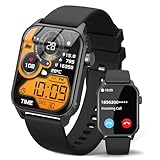
- 【1.83" HD Display & Customizable Watch Faces】Immerse yourself in a vibrant 1.83-inch IPS display, boasting a sharp resolution of 240*284 for crystal-clear visuals. Effortlessly personalize your smart watch with a wide array of customizable watch faces to suit your personal style for every occasion—whether trendy, artistic, or minimalist—ideal for casual, sporty, or professional. Its sleek, modern design complements any outfit, blending technology and fashion seamlessly for everyday wear
- 【120 Sports Modes & Advanced Health Tracking】Our TK29 smart watches for women men come equipped with 120 sports modes, allowing you to effortlessly track a variety of activities such as walking, running, cycling, and swimming. With integrated heart rate and sleep monitors, you can maintain a comprehensive overview of your health, achieve your fitness goals, and maintain a balanced, active lifestyle with ease. Your ideal wellness companion (Note: Step recording starts after exceeding 20 steps)
- 【IP67 Waterproof & Long-Lasting Battery】Designed to keep up with your active lifestyle, this smartwatch features an IP67 waterproof rating, ensuring it can withstand splashes, sweat, and even brief submersion, making it perfect for workouts, outdoor adventures, or rainy days. Its reliable 350mAh battery offering 5-7 days of active use and up to 30 days in standby mode, significantly reducing frequent charging. Ideal for all-day wear, whether you’re at the gym, outdoors, or simply on the go
- 【Stay Connected Anytime, Anywhere】Stay informed and in control with Bluetooth call and music control features. Receive real-time notifications for calls, messages, and social media apps like Facebook, WhatsApp, Twitter, and Instagram directly on your smartwatch. Easily manage calls, control your music playlist, and stay updated without needing to reach for your phone. Perfect for work, workouts, or on-the-go, this watch keeps you connected and never miss important updates wherever you are
- 【Multifunction & Wide Compatibility】Seamlessly handle heart rate monitoring, sleep tracking, and enjoy conveniences like camera/music control, Seamlessly handle heart rate monitoring, sleep tracking, and more-all directly from your wrist. This 1.83 inches HD smartwatch is compatible with iPhone (iOS 9.0+) & Android (5.0+), ensuring smooth daily connectivity and convenience throughout your day. More than just a timepiece, it’s a stylish, all-in-one wearable for smarter, healthier living
Bringing Garmin Health Tracking Into a Dress-Watch Form
The “HR” in the name was the real differentiator at launch. This was Garmin’s first Vivomove to include continuous wrist-based heart rate, along with steps, sleep tracking, stress estimation via heart rate variability, and basic activity profiles. For casual fitness users, this brought core Garmin health metrics into a form factor that previously excluded them.
It was never positioned as a serious training tool. There is no GPS, no advanced workout metrics, and limited sport modes compared to even entry-level Forerunners of the time. The intent was everyday wellness tracking rather than performance analytics, a distinction that still defines its value today.
Designed for Longevity, Not Feature Velocity
Battery life was a central part of the Vivomove HR’s positioning. With up to five days in smartwatch mode and roughly two weeks in analog-only mode, it avoided the daily charging cycle that turns many traditional watch fans away from smartwatches. That longevity came from deliberate compromises, including a low-resolution display and minimal background processing.
Garmin also assumed buyers would accept slower software evolution in exchange for stability. While it integrates cleanly with Garmin Connect and still syncs reliably today, it lacks newer features like Body Battery refinements, advanced sleep scoring, or on-device workouts found in later Vivomove models. This was a watch built to age gracefully rather than chase constant updates.
Where It Sat Then, and Where It Sits Now
At launch, the Vivomove HR sat between fashion hybrids and entry-level fitness watches, priced to justify its materials, heart rate sensor, and Garmin ecosystem access. Stainless steel cases, a domed crystal, and comfortable silicone or leather straps reinforced its everyday-wear focus rather than athletic ruggedness. Case thickness and modest water resistance reflected desk-to-dinner priorities more than gym abuse.
Today, its positioning has shifted from aspirational hybrid to pragmatic value option. Newer Vivomove models offer color displays, slimmer cases, and more refined software, while alternatives from Withings emphasize longer battery life and deeper health insights. The Vivomove HR now appeals most to buyers who want Garmin’s health tracking in a discreet analog form and are comfortable with a product that shows its age in features, not fundamentals.
Design, Case, and Wearability: Traditional Watch Aesthetics with Hidden Tech
Seen through today’s lens, the Vivomove HR’s physical design explains much of its original appeal and its lingering relevance. Garmin deliberately leaned closer to traditional watchmaking cues than to overt wearable styling, reinforcing the idea that this was a watch first and a tracker second. That philosophy shapes everything from the case profile to how the screen reveals itself only when needed.
Case Design and Materials: Conservative, Purposeful, and Still Presentable
The Vivomove HR is built around a stainless steel case that immediately separates it from plastic-heavy fitness trackers of its era. At roughly 43 mm wide and around 11.6 mm thick, it wears like a modern casual watch rather than a slim dress piece, but it never crosses into bulky smartwatch territory. The dimensions reflect the need to house a heart rate sensor and touchscreen layer beneath the dial, not stylistic excess.
Finishing is understated rather than luxurious, with brushed surfaces dominating and polished accents kept minimal. This restraint helps the watch age well, as there are no flashy elements that scream a specific design trend from the late 2010s. Even years later, it still looks appropriate in an office, at dinner, or with casual weekend wear.
Water resistance is rated at 5 ATM, which aligns with daily-life expectations rather than sport specialization. Hand washing, rain, and swimming are fine, but the case construction was never meant for impact-heavy training or open-water abuse. This reinforces the desk-to-dinner identity hinted at in the previous section.
Dial Layout and Hidden Display Execution
The most distinctive design element remains the concealed OLED touchscreen embedded behind the analog dial. When inactive, it disappears completely, leaving a clean, uninterrupted watch face with physical hands. This illusion is convincing in normal lighting and remains one of the Vivomove HR’s strongest aesthetic tricks, even compared to newer hybrids.
When active, the display appears as a semi-circular window in the lower portion of the dial. The resolution is modest, and the monochrome presentation feels dated next to modern AMOLED hybrids, but legibility is generally good indoors and acceptable outdoors. Touch response is functional rather than fluid, matching the watch’s broader emphasis on reliability over visual flair.
The analog hands physically move out of the way when interacting with the screen, a mechanical solution that adds charm but also introduces slight delays. It is not fast, but it is intentional, and users who value tactility over speed tend to appreciate this behavior rather than find it frustrating.
Straps, Lugs, and Real-World Comfort
Garmin offered the Vivomove HR with either silicone or leather straps, both using standard quick-release spring bars. This makes strap changes easy and opens the door to third-party options, a small but important consideration for buyers treating this as a long-term everyday watch. Lug width varies by model but generally supports widely available replacements.
On the wrist, the watch balances well thanks to its relatively thin caseback and curved lugs. The integrated heart rate sensor does add a slight bump, but pressure distribution is even enough that it rarely becomes uncomfortable during all-day wear. Sleep tracking is feasible, though side sleepers may occasionally notice the case edge.
Weight is moderate for a stainless steel hybrid, landing in a range that feels substantial without becoming fatiguing. Compared to modern aluminum-cased hybrids, it feels denser, which some users interpret as quality and others as unnecessary heft. Preference here largely depends on whether you are coming from traditional watches or lightweight fitness bands.
Wearability Over Time: Subtle Strengths and Aging Compromises
What stands out in long-term wear is how rarely the Vivomove HR demands attention. There are no bright screens lighting up meetings, no aggressive haptic alerts, and no visual clutter competing with the analog dial. This passive presence is exactly what many traditional watch wearers were looking for when transitioning into wearables.
At the same time, the case thickness and single-display layout show their age when compared to newer Vivomove models. Later generations are slimmer, brighter, and more seamless in how they integrate digital content. The HR version feels slightly mechanical by comparison, both literally and figuratively.
Still, as a physical object meant to be worn daily rather than showcased for specs, the Vivomove HR holds up better than many early smartwatches. Its design choices favor discretion, comfort, and familiarity, qualities that remain relevant long after feature lists have moved on.
The Hidden Touchscreen Experience: How the Display Actually Works Day to Day
Living with the Vivomove HR day to day means accepting that the digital experience is intentionally secondary to the analog one. After the physical comfort and passive presence discussed earlier, the hidden touchscreen is where that philosophy becomes most apparent. It is clever, restrained, and occasionally frustrating in ways that reflect its era.
Invisible Until You Need It
At rest, the OLED display is completely hidden behind the dial, leaving you with what looks like a traditional analog watch face. There is no ghosting, no visible panel outline, and no always-on digital clutter competing with the hands. For traditional watch wearers, this remains one of the Vivomove HR’s strongest tricks even years later.
The display activates with a tap or wrist gesture, illuminating only the lower portion of the dial. This split-screen approach preserves the illusion of a normal watch while still surfacing data like steps, heart rate, or notifications. Compared to newer Vivomove models with full-dial displays, the HR feels more mechanical and deliberate.
Touch Interaction: Simple, Limited, and Dated
Interaction is entirely touch-based, with taps and swipes controlling navigation. A tap wakes the screen, horizontal swipes cycle through widgets, and a press-and-hold opens secondary menus. There are no physical buttons, which keeps the case clean but removes any tactile fallback when touch input struggles.
Responsiveness is acceptable but not modern-fast. There is a slight delay between gesture and response, especially noticeable when scrolling through multiple widgets. If you are coming from a current AMOLED smartwatch, this will feel slow; if you are coming from an analog watch, it will feel functional enough.
Screen Readability in Real Conditions
Indoors and in low light, the OLED panel looks sharp and contrasty. Text is crisp, icons are clear, and the restrained monochrome style suits the watch’s understated character. Nighttime use is particularly good, with the display bright enough to read without being disruptive in dark rooms.
Direct sunlight is where the limitations show. While still readable, the display can wash out depending on angle and glare from the domed crystal. Newer Vivomove and Venu-series displays handle outdoor visibility far better, which matters if you frequently check stats while walking or training outside.
Notifications: Glanceable, Not Interactive
Notifications appear cleanly on the lower display area, showing sender information and short message previews. The limited vertical space means longer messages require scrolling, which is possible but not especially fluid. You can dismiss notifications, but there is no replying or deep interaction.
This design reinforces the Vivomove HR’s role as a filter rather than a communication hub. It keeps you informed without pulling you into the watch for extended sessions. For buyers who want fewer distractions rather than more smartwatch power, this restraint still works in its favor.
Fitness and Health Data on a Small Canvas
Fitness metrics like steps, calories, heart rate, floors climbed, and intensity minutes are all accessible through swipeable widgets. Data presentation is minimalistic, often relying on numbers and simple progress bars rather than graphs. This keeps information digestible but limits insight during the day.
During workouts, the display shows basic stats like duration and heart rate zones. There is no GPS mapping or rich real-time visualization, and starting activities through touch input can feel slower than using buttons. As a fitness companion, it is more about passive tracking than active coaching.
Accidental Touches and Daily Friction Points
Because the display sits under the dial and crystal, accidental touches are relatively rare. Long sleeves, jacket cuffs, and casual wrist movements do not trigger the screen as easily as on exposed touch displays. This is a quiet advantage that becomes noticeable over long-term wear.
However, gloves make interaction nearly impossible, and wet conditions can cause missed or unintended inputs. Showering or swimming is fine from a durability standpoint, but navigating the interface with damp fingers is unreliable. Physical buttons would have solved this, but the design avoids them entirely.
Longevity, Burn-In, and Aging Concerns
Over time, the OLED display has proven reasonably durable, with burn-in being uncommon in typical use. Because the screen is not always on and only lights part of the dial, pixel wear is minimized compared to full-screen smartwatches. This helps used models age more gracefully than many early AMOLED devices.
That said, brightness consistency can degrade slightly on heavily worn units. Older batteries may also struggle to deliver peak brightness, affecting outdoor readability further. These are not deal-breakers, but they are realities to consider when buying used or refurbished.
How It Compares Today
Compared to newer Vivomove models like the Style or Trend, the HR’s display feels smaller, dimmer, and less integrated. Later generations expanded the digital area and improved gesture responsiveness, making them feel more cohesive as smartwatches. The HR’s display is more of a utility panel than a centerpiece.
Rank #2
![Apple Watch Series 11 [GPS 46mm] Smartwatch with Jet Black Aluminum Case with Black Sport Band - M/L. Sleep Score, Fitness Tracker, Health Monitoring, Always-On Display, Water Resistant](https://m.media-amazon.com/images/I/312K597M2uL._SL160_.jpg)
- HYPERTENSION NOTIFICATIONS — Apple Watch Series 11 can spot signs of chronic high blood pressure and notify you of possible hypertension.*
- KNOW YOUR SLEEP SCORE — Sleep score provides an easy way to help track and understand the quality of your sleep, so you can make it more restorative.
- EVEN MORE HEALTH INSIGHTS — Take an ECG anytime.* Get notifications for a high and low heart rate, an irregular rhythm,* and possible sleep apnea.* View overnight health metrics with the Vitals app* and take readings of your blood oxygen.*
- STUNNING DESIGN — Thin and lightweight, Series 11 is comfortable to wear around the clock — while exercising and even when you’re sleeping, so it can help track your key metrics.
- A POWERFUL FITNESS PARTNER — With advanced metrics for all your workouts, plus features like Pacer, Heart Rate Zones, training load, Workout Buddy powered by Apple Intelligence from your nearby iPhone,* and more. Series 11 also comes with three months of Apple Fitness+ free.*
Against full smartwatches, the experience is intentionally limited, but that limitation is also the point. The hidden touchscreen supports the analog identity rather than replacing it. For users who value subtlety over screen time, this approach still has relevance, even if it no longer feels cutting-edge.
Health and Wellness Tracking: Heart Rate, Body Battery, Stress, and Sleep Accuracy
Where the hidden touchscreen fades into the background, Garmin’s health tracking is meant to work quietly and continuously. The Vivomove HR was one of Garmin’s earliest attempts to bring its wellness platform into an analog-first watch, and this is where the device either justifies its existence or exposes its age, depending on expectations.
Rather than encouraging structured workouts, the Vivomove HR focuses on long-term physiological trends. It tracks heart rate, stress, sleep, and energy levels passively, with minimal user intervention. For buyers considering this watch today, accuracy and consistency matter more than features on a spec sheet.
24/7 Heart Rate Tracking: Solid Baseline, Limited Granularity
The Vivomove HR uses Garmin’s Elevate optical heart rate sensor, an early-generation version compared to what Garmin ships today. In day-to-day wear, resting heart rate trends are generally reliable, especially when worn snugly on the wrist. Over weeks and months, the data provides a stable baseline that aligns well with newer Garmin devices.
During light activity like walking, commuting, or standing workdays, heart rate readings remain consistent and believable. However, rapid changes in intensity expose the limitations of the older sensor. Short bursts of exertion, weight training, or interval-style movement often result in lag or smoothed-out peaks.
Because this is a hybrid watch without GPS or dedicated workout modes beyond basic activity profiles, the heart rate data is best interpreted as wellness context rather than training feedback. It excels at telling you how stressed or recovered your body is over time, not how hard a specific workout was.
Body Battery: One of Garmin’s Best Long-Term Metrics
Body Battery remains one of the Vivomove HR’s strongest features, even years after its release. By combining heart rate variability, activity levels, and sleep data, it offers an intuitive snapshot of daily energy reserves. For many users, this becomes the most consulted metric in Garmin Connect.
In real-world use, Body Battery trends feel directionally accurate. Good sleep, low stress days, and light activity typically lead to higher morning scores, while poor sleep or long, demanding days drain it quickly. While the exact percentage is not medically precise, the overall pattern aligns well with how the body feels.
What the Vivomove HR lacks compared to newer Garmin watches is responsiveness. Updates feel slightly delayed, and short recovery periods during the day may not register as quickly. Still, for a passive, analog-first watch, the feature remains surprisingly useful and relevant.
Stress Tracking: Effective, If Interpreted Correctly
Stress tracking on the Vivomove HR is based on heart rate variability during periods of inactivity. When you are still, the watch estimates stress levels and presents them as a continuous timeline. This works best for desk-based days or evenings when the watch can gather clean data.
The system is effective at highlighting prolonged stress rather than momentary spikes. Long meetings, travel days, or emotionally demanding work often show clear patterns in Garmin Connect. The value comes from spotting habits and triggers over time, not reacting to every fluctuation.
Movement disrupts stress tracking, and the Vivomove HR does not attempt to estimate stress during active periods. This limitation is important to understand, especially for users accustomed to newer devices that blend stress and activity more fluidly.
Sleep Tracking: Adequate Duration, Basic Staging
Sleep tracking on the Vivomove HR focuses on duration, movement, and basic sleep stages. Total sleep time is generally accurate, and bedtimes and wake times align closely with real-world behavior. For users new to sleep tracking, this alone can be eye-opening.
Sleep stage breakdowns are more approximate. Light and deep sleep trends make sense over time, but nightly precision is limited by the older sensor and algorithms. REM detection, in particular, can feel inconsistent compared to newer Garmin watches or modern competitors.
There is no advanced sleep coaching or readiness score built directly into the watch experience. All insights live in Garmin Connect, and interpretation is left to the user. As with other metrics on the Vivomove HR, the strength lies in long-term patterns rather than nightly optimization.
Comfort, Fit, and Sensor Reliability Over Long Wear
The Vivomove HR’s case thickness and solid steel construction make it heavier than many fitness trackers, but it wears well once adjusted properly. A secure fit is essential for reliable heart rate and sleep data, especially given the older sensor technology. Too loose, and accuracy suffers noticeably.
The silicone strap included on most models is comfortable enough for all-day wear and overnight sleep. That said, aging straps on used units may have lost flexibility, and replacing them can significantly improve both comfort and data quality.
Because the caseback sensor protrudes slightly, wrist shape matters more than on newer Garmins. Flat wrists tend to get better readings than highly bony ones, something to keep in mind when evaluating inconsistent data on pre-owned devices.
How the Health Tracking Holds Up Today
Compared to newer Vivomove models, the HR’s health tracking feels foundational rather than refined. Later generations improved sensor accuracy, added Pulse Ox options, and enhanced sleep insights. The core experience, however, remains recognizably Garmin.
Against full smartwatches and modern fitness trackers, the Vivomove HR is clearly behind in raw capability. Yet within the hybrid category, it still delivers more meaningful health data than many fashion-first analog smartwatches.
For users who want discreet, continuous wellness tracking without committing to a glowing screen or daily charging, the Vivomove HR still fulfills its original promise. Its health metrics are not cutting-edge, but they are consistent, interpretable, and deeply integrated into Garmin’s ecosystem, which continues to support the device today.
Fitness and Activity Tracking: Strengths, Limitations, and GPS-Free Reality
Where the Vivomove HR’s health tracking focuses on passive, all-day metrics, its fitness and activity features are designed for consistency rather than performance training. This distinction is critical to understanding both its strengths and its ceiling, especially for buyers coming from either basic step trackers or full Garmin sports watches.
The watch approaches activity tracking as something that should quietly integrate into daily life. It is not trying to be a runner’s tool or a gym companion first and foremost, and that philosophy shapes every limitation you will encounter.
Core Activity Tracking and Daily Movement
At its foundation, the Vivomove HR handles step counting, calories burned, floors climbed, and intensity minutes with the same underlying algorithms found across Garmin’s lineup at the time. Step detection is generally reliable for walking and day-to-day movement, though arm motion-heavy tasks can still inflate totals, a common issue with wrist-based trackers of this generation.
Intensity Minutes, based on elevated heart rate thresholds, remain one of Garmin’s more useful metrics even today. They provide a clearer picture of whether your day included meaningful movement rather than just raw step volume, and the Vivomove HR tracks this quietly in the background without requiring manual intervention.
Move alerts, shown through the hidden OLED display, encourage periodic activity during sedentary periods. They are subtle enough to avoid feeling nagging, which suits the watch’s understated character, but they lack the customization and coaching found on newer Garmin models.
Sport Modes Without Performance Depth
The Vivomove HR includes basic activity profiles such as Walk, Run, Bike, and Cardio, but these modes should be understood as structured logging tools rather than training platforms. They allow you to tag an activity and capture duration and heart rate trends, but that is largely where the sophistication ends.
There is no on-watch pace, distance accuracy beyond step estimation, or advanced metrics like cadence or training effect. For indoor workouts, casual treadmill sessions, or gym circuits where time and effort matter more than precision, the experience is perfectly serviceable.
Serious runners and cyclists will immediately feel constrained. Without performance feedback during the activity, the Vivomove HR works better as a lifestyle tracker that acknowledges workouts rather than a device that actively guides or improves them.
The GPS-Free Reality and Its Consequences
The absence of built-in GPS is the single most important limitation of the Vivomove HR’s fitness tracking. Outdoor runs and rides rely entirely on step-based distance estimation, which can vary significantly depending on stride length, pace, and terrain.
Garmin does offer connected GPS via a paired smartphone, but the experience is inconsistent and heavily dependent on phone placement, app stability, and Bluetooth reliability. Even when it works, it lacks the seamlessness and data confidence of true onboard GPS found in Garmin’s Forerunner or Venu lines.
For users accustomed to accurate route maps, pace breakdowns, and post-workout analysis, this limitation is decisive. For those focused on general activity awareness rather than training progression, it may be a reasonable trade-off for the analog-first design and extended battery life.
Heart Rate Accuracy During Exercise
During steady, moderate-intensity activities like brisk walking or light cycling, the Vivomove HR’s optical heart rate sensor performs adequately. Readings track trends well enough to support intensity minutes and calorie estimates, assuming the watch is worn snugly and positioned correctly.
High-intensity or interval-based workouts expose the age of the sensor. Rapid heart rate changes can lag behind actual effort, and accuracy suffers more noticeably during activities involving wrist flexion or gripping, such as weight training.
This reinforces the Vivomove HR’s role as a general fitness companion rather than a precision exercise monitor. It captures effort in broad strokes, not fine detail.
Rank #3

- Bluetooth Call and Message Alerts: Smart watch is equipped with HD speaker, after connecting to your smartphone via bluetooth, you can answer or make calls, view call history and store contacts through directly use the smartwatch. The smartwatches also provides notifications of social media messages (WhatsApp, Twitter, Facebook, Instagram usw.) So that you will never miss any important information.
- Smart watch for men women is equipped with a 320*380 extra-large hd full touch color screen, delivering exceptional picture quality and highly responsive touch sensitivity, which can bring you a unique visual and better interactive experience, lock screen and wake up easily by raising your wrist. Though “Gloryfit” app, you can download more than 102 free personalised watch faces and set it as your desktop for fitness tracker.
- 24/7 Heart Rate Monitor and Sleep Tracker Monitor: The fitness tracker watch for men has a built-in high-performance sensor that can record our heart rate changes in real time. Monitor your heart rate 26 hours a day and keep an eye on your health. Synchronize to the mobile phone app"Gloryfit", you can understand your sleep status(deep /light /wakeful sleep) by fitness tracker watch develop a better sleep habit and a healthier lifestyle.
- IP68 waterproof and 110+ Sports Modes: The fitness tracker provides up to 112+ sports modes, covering running, cycling, walking, basketball, yoga, football and so on. Activity trackers bracelets meet the waterproof requirements for most sports enthusiasts' daily activities, such as washing hands or exercising in the rain, meeting daily needs (note: Do not recommended for use in hot water or seawater.)
- Multifunction and Compatibility: This step counter watch also has many useful functions, such as weather forecast, music control, sedentary reminder, stopwatch, alarm clock, timer, track female cycle, screen light time, find phone etc. The smart watch with 2 hrs of charging, 5-7 days of normal use and about 30 days of standby time. This smart watches for women/man compatible with ios 9.0 and android 6.2 and above devices.
Strength Training and Activity Gaps
Strength training support is minimal by modern standards. There is no automatic rep counting, set tracking, or rest detection, and workouts are recorded as generic cardio sessions unless manually tagged.
For users who primarily lift weights and rely on structured workout data, this will feel dated and limiting. However, those who simply want a record that a workout occurred, along with a rough sense of effort, will still find it usable.
Notably, the analog display and steel case hold up well in gym environments. The watch feels more like a traditional timepiece than a fragile fitness gadget, which can make it more comfortable to wear during strength sessions despite its tracking limitations.
How It Compares Within the Hybrid Category
Within the hybrid smartwatch segment, the Vivomove HR remains more fitness-capable than many fashion-focused competitors that offer little beyond step counts. Garmin’s algorithms, even in this older form, provide more meaningful long-term insights than most analog hybrids.
That said, newer Vivomove models significantly improved activity detection, sensor accuracy, and sport mode flexibility. The HR now sits clearly as an entry point into Garmin’s hybrid philosophy rather than its best expression.
For buyers considering a used or discounted Vivomove HR, the fitness experience makes sense only if expectations are properly set. It is a lifestyle and wellness tracker first, an activity logger second, and a sports watch not at all.
Who the Fitness Tracking Is Still Right For
The Vivomove HR’s fitness tracking still fits users who prioritize everyday movement, consistency, and discretion over data density. It works well for walking-focused routines, casual workouts, and users who want their activity recorded without turning their wrist into a command center.
First-time smartwatch buyers coming from traditional watches may appreciate how little behavior change is required. You can stay active, log workouts, and review trends later in Garmin Connect without constantly interacting with the watch itself.
For performance-driven athletes or users who expect GPS accuracy and real-time feedback, the limitations are too fundamental to overlook. But for the right audience, the Vivomove HR’s fitness tracking remains aligned with its core promise: subtle, reliable activity awareness wrapped in an analog form.
Smart Features and Connectivity: Notifications, Controls, and Daily Usability
After understanding what the Vivomove HR can and cannot track physically, the smart feature set defines how livable it feels day to day. This is where the hybrid philosophy becomes most apparent, for better and for worse.
Notification Handling and Visibility
The Vivomove HR supports basic smartphone notifications for calls, texts, calendar alerts, and app notifications when paired with a phone. Notifications appear on the hidden OLED display, which activates beneath the analog hands with a wrist gesture or tap.
Because the display is partially obscured by physical hands, notifications are not always instantly legible. Garmin mitigates this by automatically moving the hands out of the way when the screen wakes, but the effect can feel slightly slow compared to modern AMOLED or LCD smartwatches.
Text notifications are readable but limited in length, and there is no support for images, emojis, or rich previews. This keeps interruptions discreet but also reinforces that this is a glance device, not something you interact with extensively.
Android vs iPhone Experience
On Android, users can send quick canned responses to messages directly from the watch. This adds a small but meaningful layer of interactivity that iPhone users do not get.
On iOS, notifications are strictly read-only, reflecting Apple’s tighter system restrictions rather than a Garmin limitation. If two-way communication is important, this is an area where the Vivomove HR feels notably constrained for iPhone users.
In both ecosystems, notification reliability is solid as long as Garmin Connect is allowed to run properly in the background. Connection dropouts are uncommon but can occur if battery optimization settings are too aggressive.
Touchscreen Controls and Interface Design
The Vivomove HR relies on a single hidden touchscreen with no physical buttons. Swipes and taps navigate between widgets such as steps, heart rate, stress, weather, and notifications.
The interface is simple and intentionally shallow, which suits the limited screen size and resolution. However, responsiveness is slower than on modern Garmin devices, and missed swipes are not uncommon, especially during movement.
In colder conditions or with sweaty hands, touch accuracy degrades noticeably. This reinforces that the watch is best interacted with briefly rather than used for prolonged on-wrist navigation.
What’s Missing by Modern Smartwatch Standards
There is no onboard music storage, no music controls beyond basic play and pause, and no support for Bluetooth headphones. Garmin Pay is also absent, which significantly limits its usefulness as a wallet replacement.
There are no third-party apps, no app store access, and no customization beyond basic watch face and widget ordering. Compared to full smartwatches or even newer Garmin hybrids, the feature ceiling is very low.
That said, this limitation is partly intentional. The Vivomove HR prioritizes battery life and analog aesthetics over feature breadth, and adding more smart functionality would undermine both.
Battery Life and Charging Behavior
One of the Vivomove HR’s strongest daily usability advantages is battery life. With notifications enabled and continuous heart rate tracking active, real-world usage typically lands around five days, sometimes more if interactions are minimal.
Charging is done via Garmin’s older proprietary clip-style charger. It is functional but not especially secure, and replacements may be harder to find now that the model is discontinued.
Because there is no always-on digital display and no power-hungry smart features, battery degradation over time tends to be less dramatic than on full smartwatches. This is an important consideration for buyers looking at used units.
Garmin Connect Integration and Long-Term Support
All smart features are managed through the Garmin Connect app, which remains one of Garmin’s strongest ecosystem advantages. Syncing is automatic and generally reliable, with data flowing cleanly into daily summaries and long-term trends.
Although the Vivomove HR no longer receives feature updates, it is still fully supported within Garmin Connect. Data fields, health metrics, and historical tracking remain intact, making it viable as a long-term wellness device.
From a legacy product standpoint, this continued software compatibility is critical. It allows the Vivomove HR to age more gracefully than many early hybrid smartwatches that lost backend support after only a few years.
Daily Usability in Real-World Wear
In everyday use, the Vivomove HR succeeds by staying out of the way. Notifications are present but not demanding, controls are available but not addictive, and the analog face ensures it always looks like a watch first.
This makes it particularly well-suited to professional environments, formal settings, and users who dislike constant wrist interaction. Comfort is aided by its moderate case thickness and balanced weight, especially on the leather strap variants.
However, users expecting smart convenience on par with an Apple Watch or even a Venu-series Garmin will feel constrained quickly. The Vivomove HR works best when treated as a traditional watch with passive intelligence layered underneath, not as a digital assistant on your wrist.
Battery Life and Charging: One of the Vivomove HR’s Enduring Advantages
That restrained, low-interaction daily experience pays off most clearly when it comes to battery life. The Vivomove HR was never trying to compete with full-color OLED smartwatches, and as a result it avoids the daily charging rhythm that still frustrates many smartwatch users today.
In the context of hybrid smartwatches, battery longevity is not just a convenience feature but a defining part of the ownership experience. This is an area where the Vivomove HR continues to hold up well, even years after its release.
Real-World Battery Performance
Garmin originally rated the Vivomove HR for up to five days in full smartwatch mode, with an additional two weeks in watch-only mode. In practical use, most users can expect four to five days with heart rate tracking enabled, notifications active, and regular wrist gestures to access the hidden display.
That estimate assumes moderate notification volume and no constant screen activations, which aligns well with how the watch is designed to be used. Heavy notification mirroring or frequent screen checks will shorten runtime, but not nearly as aggressively as on a Venu, Apple Watch, or Wear OS device.
Rank #4
![Apple Watch Series 11 [GPS 42mm] Smartwatch with Rose Gold Aluminum Case with Light Blush Sport Band - S/M. Sleep Score, Fitness Tracker, Health Monitoring, Always-On Display, Water Resistant](https://m.media-amazon.com/images/I/31J+F-pXaWL._SL160_.jpg)
- HYPERTENSION NOTIFICATIONS — Apple Watch Series 11 can spot signs of chronic high blood pressure and notify you of possible hypertension.*
- KNOW YOUR SLEEP SCORE — Sleep score provides an easy way to help track and understand the quality of your sleep, so you can make it more restorative.
- EVEN MORE HEALTH INSIGHTS — Take an ECG anytime.* Get notifications for a high and low heart rate, an irregular rhythm,* and possible sleep apnea.* View overnight health metrics with the Vitals app* and take readings of your blood oxygen.*
- STUNNING DESIGN — Thin and lightweight, Series 11 is comfortable to wear around the clock — while exercising and even when you’re sleeping, so it can help track your key metrics.
- A POWERFUL FITNESS PARTNER — With advanced metrics for all your workouts, plus features like Pacer, Heart Rate Zones, training load, Workout Buddy powered by Apple Intelligence from your nearby iPhone,* and more. Series 11 also comes with three months of Apple Fitness+ free.*
For users transitioning from traditional quartz watches or basic fitness bands, charging twice a week feels refreshingly infrequent. Even compared to newer Garmin hybrids, the Vivomove HR remains competitive in everyday endurance.
Hybrid Design as a Battery Advantage
The analog hands are not just aesthetic; they fundamentally reduce power draw. There is no always-on digital display, no background animations, and no continuous touch interaction demanding constant screen refresh.
The concealed OLED panel only illuminates when needed, and it remains off the rest of the time. This design choice is why the Vivomove HR ages better than early full smartwatches, whose batteries were strained from day one.
Compared to competitors like the Withings Steel HR, which can last weeks but offers more limited fitness depth, Garmin strikes a deliberate balance. You sacrifice extreme endurance, but gain more robust activity tracking and deeper Garmin Connect integration.
Battery Aging and Used Market Considerations
For buyers considering a used or discounted Vivomove HR, battery health is a legitimate concern. The good news is that hybrid smartwatches tend to suffer less dramatic battery degradation than full smartwatches due to lower charge cycle frequency.
Units that were charged twice a week rather than daily typically retain usable capacity even several years later. That makes the Vivomove HR a safer used purchase than many early touchscreen-based wearables from the same era.
Still, expectations should be realistic. A heavily used unit may deliver closer to three days than five, especially if heart rate tracking runs continuously.
Charging Method and Practical Drawbacks
Charging is handled via Garmin’s older proprietary clip-style charger, which attaches to contacts on the back of the case. It works reliably once aligned, but it lacks the satisfying magnetic snap of newer Garmin chargers.
The clip can be knocked loose easily on a desk or nightstand, and replacement cables are becoming less common now that the model is discontinued. Charging from empty to full typically takes around two hours, which feels reasonable given the runtime.
This is one area where the Vivomove HR shows its age more clearly than its battery endurance itself. Prospective buyers should factor in the availability of spare chargers, especially if purchasing secondhand.
How It Compares to Newer Vivomove Models
Later Vivomove models, such as the Vivomove Style and Luxe, introduced brighter displays and more polished visuals. Those upgrades came with similar or slightly shorter real-world battery life, especially when display interactions increase.
In that sense, the Vivomove HR represents a more conservative, endurance-focused interpretation of the hybrid concept. It prioritizes longevity over visual flair, which some users may still prefer.
For buyers who value fewer charging interruptions over a more expressive screen, the older model’s battery behavior remains surprisingly appealing today.
Garmin Connect and Software Support in 2026: What Still Works and What Doesn’t
The Vivomove HR’s long-term viability hinges less on its hardware and more on Garmin Connect, which remains the backbone of the experience in 2026. While the watch itself has been discontinued for years, Garmin’s platform-level support means it hasn’t been abandoned in the way many early hybrids from rivals have.
That said, there is a clear difference between being supported and being actively evolved. Understanding where the Vivomove HR still fits into the modern Garmin ecosystem is essential before committing to a used or discounted unit.
Garmin Connect Compatibility: Still Functional, Still Familiar
As of 2026, the Vivomove HR continues to sync reliably with the current Garmin Connect mobile app on both iOS and Android. Pairing is straightforward, data syncs consistently over Bluetooth, and daily use feels largely unchanged from when the watch was new.
Core dashboards for steps, heart rate, stress, calories, and basic activity tracking remain intact. Historical data is preserved, charts render correctly, and long-term trend views still work as expected.
This continuity is one of Garmin’s quiet strengths. Even older devices like the Vivomove HR benefit from a stable backend that hasn’t fragmented or been sunset in the way some competitor platforms have.
Health and Wellness Metrics: What You Get, and What You Don’t
The Vivomove HR continues to deliver continuous heart rate tracking, all-day stress monitoring, steps, sleep tracking, and Body Battery-style energy estimation within Garmin Connect. These metrics still populate cleanly and remain useful for lifestyle-level insight rather than medical-grade analysis.
Sleep tracking works, but it reflects an older generation of Garmin algorithms. You get sleep duration and basic stages, not the more refined sleep score breakdowns or coaching insights found on newer Garmin wearables.
Features introduced later in the Garmin ecosystem, such as advanced sleep coaching, HRV status, training readiness, or health snapshots, are simply unavailable. This is a hardware and firmware limitation rather than an app-side restriction.
Activity Tracking and Exercise Support Limitations
The Vivomove HR supports basic activity tracking profiles like walking, running, cardio, and strength, all initiated through the hidden touchscreen interface. These activities still sync properly and appear in Garmin Connect with time, heart rate, and calorie estimates.
What’s missing is equally important. There is no built-in GPS, no advanced running dynamics, and no support for newer activity types added to Garmin’s catalog in recent years.
For casual fitness tracking, the experience remains adequate. For performance-oriented users accustomed to modern Garmin metrics, it will feel stripped back and static.
Notifications, Smart Features, and Daily Usability
Smartphone notifications continue to function reliably in 2026, including calls, texts, and app alerts. The monochrome OLED display behind the analog dial still shows notifications clearly enough, though scrolling through longer messages feels dated compared to modern AMOLED hybrids.
You can dismiss notifications and view recent alerts, but interaction stops there. There are no canned replies, no voice assistant hooks, and no app-level controls beyond basic notification handling.
This limited smart functionality is consistent with the Vivomove HR’s original positioning. It behaves more like a watch with awareness features than a true smartwatch.
Firmware Updates and Long-Term Software Outlook
Garmin has effectively ended firmware updates for the Vivomove HR. No new features, optimizations, or bug fixes should be expected at this stage, and the device is locked into its final software state.
The upside is stability. The current firmware is mature, well-tested, and unlikely to introduce new issues through forced updates.
The downside is future uncertainty. While Garmin has an excellent track record of backward compatibility, there is no guarantee that Garmin Connect will support devices of this age indefinitely, especially as mobile operating systems evolve.
Connect IQ and Customization: A Non-Factor
The Vivomove HR does not support the Connect IQ app store, and that remains unchanged. There are no third-party apps, custom widgets, or downloadable watch faces beyond the limited built-in options.
Customization is restricted to basic settings like step goals, notification filters, and analog hand alignment. Compared to newer Vivomove models with richer visual customization, this feels particularly dated.
For users who value simplicity and minimal distraction, this limitation may actually be a positive rather than a drawback.
How the Software Experience Compares to Newer Vivomove Models
Newer Vivomove models benefit from deeper integration with modern Garmin health features, more refined UI animations, and broader Connect compatibility. They also feel more future-proof in terms of ongoing software support.
The Vivomove HR, by contrast, represents a snapshot of Garmin’s hybrid philosophy from the late 2010s. It still works, but it no longer grows with the platform.
💰 Best Value
![Apple Watch Series 11 [GPS 42mm] Smartwatch with Jet Black Aluminum Case with Black Sport Band - S/M. Sleep Score, Fitness Tracker, Health Monitoring, Always-On Display, Water Resistant](https://m.media-amazon.com/images/I/31ybzrJZckL._SL160_.jpg)
- HYPERTENSION NOTIFICATIONS — Apple Watch Series 11 can spot signs of chronic high blood pressure and notify you of possible hypertension.*
- KNOW YOUR SLEEP SCORE — Sleep score provides an easy way to help track and understand the quality of your sleep, so you can make it more restorative.
- EVEN MORE HEALTH INSIGHTS — Take an ECG anytime.* Get notifications for a high and low heart rate, an irregular rhythm,* and possible sleep apnea.* View overnight health metrics with the Vitals app* and take readings of your blood oxygen.*
- STUNNING DESIGN — Thin and lightweight, Series 11 is comfortable to wear around the clock — while exercising and even when you’re sleeping, so it can help track your key metrics.
- A POWERFUL FITNESS PARTNER — With advanced metrics for all your workouts, plus features like Pacer, Heart Rate Zones, training load, Workout Buddy powered by Apple Intelligence from your nearby iPhone,* and more. Series 11 also comes with three months of Apple Fitness+ free.*
For buyers considering the Vivomove HR today, Garmin Connect remains usable and dependable, but it should be viewed as a stable legacy experience rather than a living, evolving one.
Comparisons and Alternatives: Vivomove HR vs Newer Vivomove Models and Rivals
Once you accept that the Vivomove HR is frozen in its final software state, the natural next step is to ask how it stacks up against what Garmin and the broader hybrid market offer now. This is where its strengths as an early hybrid and its age-related compromises become most apparent.
Vivomove HR vs Vivomove Style, Luxe, and Trend
Compared to newer Vivomove models, the HR immediately feels more utilitarian in both design and execution. Its stainless steel case is solid and reassuring, but thicker and more visually technical than the slimmer, more fashion-forward Style and Luxe models that followed.
The most obvious functional difference is the display. The Vivomove HR uses a small, monochrome OLED panel that only appears when needed, while newer models integrate larger, higher-resolution hidden displays that feel more seamless under the dial. In daily use, this makes newer Vivomove watches easier to read for notifications, metrics, and menus, especially in bright light.
Health tracking is another clear dividing line. While the Vivomove HR offers steps, heart rate, sleep, stress, and Body Battery, newer models expand this with Pulse Ox, respiration tracking, women’s health enhancements, and in some cases connected GPS or NFC payments. For fitness-focused users, newer Vivomove models simply provide a broader and more modern data set.
Battery life remains one area where the HR still holds its own. Around five days of real-world use is comparable to newer Vivomove watches, despite their more advanced displays. However, charging standards have improved, and newer models feel less finicky to top up and manage day-to-day.
In short, newer Vivomove models are not incremental upgrades. They represent a generational shift toward better screens, richer health data, and longer-term software relevance, while the Vivomove HR remains closer to Garmin’s original hybrid concept.
Vivomove HR vs Garmin Vívomove Sport
The Vívomove Sport sits closer to the HR philosophically, but it is still a more refined execution. It trades metal construction for lightweight polymer, making it noticeably more comfortable for all-day and overnight wear, especially for sleep tracking.
Functionally, the Sport offers a larger hidden display, more intuitive touch interactions, and newer health metrics, all while maintaining similar battery life. What it lacks compared to the HR is perceived material quality and that traditional watch heft some buyers still prefer.
For users who value comfort, modern tracking, and a lower entry price, the Vívomove Sport is generally the better buy today. The HR only makes sense here if you specifically want a metal case and are comfortable sacrificing newer health features.
Vivomove HR vs Withings ScanWatch and Steel HR
Withings has long been Garmin’s most direct competitor in the hybrid space, and comparisons are inevitable. The ScanWatch in particular feels like a more medically oriented evolution of the same idea, with ECG, SpO2, and clinical-style health insights layered onto a traditional analog design.
Where the Vivomove HR still excels is activity tracking depth and Garmin Connect’s fitness-centric ecosystem. Step counts, heart rate trends, and activity timelines are more detailed and athlete-friendly on the Garmin side, even on this older device.
Design and wearability tilt in Withings’ favor. The ScanWatch is thinner, more refined, and more convincingly “just a watch” in social and professional settings. If health monitoring and aesthetics matter more than fitness analytics, Withings is the stronger alternative.
Vivomove HR vs Fossil Hybrid HR and Skagen Hybrid
Fossil’s Hybrid HR series takes a different approach by using always-on e-ink displays behind analog hands. This allows for far richer information density than the Vivomove HR can manage, including weather, calendar previews, and custom watch faces.
In practice, Fossil hybrids feel more like notification hubs than fitness tools. Step and heart rate tracking are serviceable, but nowhere near Garmin’s consistency or long-term data presentation. Software reliability has also been more uneven across platforms.
If you want your hybrid to behave closer to a smartwatch while retaining hands, Fossil’s approach is compelling. If fitness accuracy, long-term data integrity, and ecosystem depth matter more, the Vivomove HR still holds an edge despite its age.
Vivomove HR vs Full Smartwatches and Traditional Watches
Against full smartwatches like the Garmin Venu Sq or Apple Watch SE, the Vivomove HR is intentionally limited. There is no app ecosystem, no music storage, no voice assistant, and no deep workout modes. What you gain instead is battery life measured in days and a watch that never looks out of place with formal wear.
Compared to a traditional quartz watch, the HR adds meaningful awareness without demanding attention. Step counts, heart rate trends, and subtle notifications quietly exist in the background rather than dominating the experience.
This positioning remains the Vivomove HR’s core appeal. It is not trying to replace a smartphone or a sports watch, but to quietly layer health and awareness into a familiar analog form.
Which Alternatives Make Sense in 2026?
For buyers looking at a discounted or used Vivomove HR today, the decision hinges on priorities rather than price alone. If you want modern health features, ongoing software support, and a more polished interface, newer Vivomove models or the Withings ScanWatch are objectively better choices.
If you value Garmin’s fitness data quality, prefer a metal case, and want a hybrid that behaves more like a traditional watch than a digital device, the Vivomove HR still occupies a narrow but valid niche. It is no longer competitive on features, but it remains coherent in its purpose.
Viewed through that lens, the Vivomove HR is best understood not as an outdated smartwatch, but as a legacy hybrid watch that still does exactly what it was designed to do, provided your expectations are aligned with its era.
Final Verdict: Who the Garmin Vivomove HR Is Still Worth Buying For Today
Seen in context, the Garmin Vivomove HR makes sense only when you stop judging it like a modern smartwatch. It was designed as a discreet, analog-first wearable that quietly collects health data, and that core mission still comes through years later.
The question in 2026 is not whether it is outdated, because it is. The real question is whether its specific balance of design, fitness insight, and restraint still fits how you want a watch to behave day to day.
For Traditional Watch Wearers Who Want Health Awareness, Not a Screen
If you normally wear a quartz dress watch and feel uneasy about glowing rectangles on your wrist, the Vivomove HR remains one of the least intrusive ways to add health tracking. The stainless steel case, slim profile, and conventional lugs let it pass as a normal watch at a glance, especially on leather.
The hidden OLED display only appears when needed, and the physical hands always retain visual priority. That single design choice continues to separate it from most hybrids and makes it far more wearable in formal or professional settings.
Comfort is another quiet win. At around 42 mm with modest thickness and a well-curved caseback, it sits flat and unobtrusive on most wrists, even during all-day wear.
For Fitness-Focused Users Who Value Trends Over Training Metrics
The Vivomove HR is not a sports watch, and it never pretended to be one. There is no GPS, limited workout modes, and minimal on-watch interaction during exercise.
What it does still deliver well is continuous heart rate tracking, step counting, intensity minutes, stress estimation, and Body Battery trends through Garmin Connect. For users who care more about long-term patterns than lap times or structured training plans, this data remains reliable and meaningfully presented.
Garmin’s ecosystem is the key here. Even as the hardware ages, your historical data remains consistent, exportable, and comparable if you later move to a newer Garmin device.
For Buyers Considering a Used or Heavily Discounted Hybrid
At original retail pricing, the Vivomove HR would be difficult to justify today. On the secondary market, however, its value proposition changes significantly.
If you can find one in good condition at a steep discount, it offers metal construction, solid battery life of roughly five days, and dependable sensors for far less than newer hybrids. Battery longevity has also aged better than many early touchscreen-heavy competitors.
That said, software support is effectively in maintenance mode. You should not expect feature updates, interface refinements, or evolving health algorithms beyond what already exists.
Who Should Look Elsewhere Instead
If you want a hybrid that feels modern in daily interaction, newer Vivomove models deliver a far smoother experience with brighter displays and updated sensors. If advanced health features like SpO2, ECG, or sleep apnea detection matter to you, alternatives like Withings’ ScanWatch are better suited.
Likewise, anyone expecting smartwatch conveniences such as music control, rich notifications, or app extensibility will find the Vivomove HR frustratingly limited. It is intentionally restrained, and that restraint cuts both ways.
The Bottom Line
The Garmin Vivomove HR is best understood as a legacy hybrid done with clarity of purpose. It blends analog aesthetics with dependable health tracking in a way that still feels cohesive, even if it no longer feels current.
For the right buyer, someone who values discretion, long-term fitness trends, and Garmin’s data ecosystem over features and flash, it remains a quietly satisfying watch. Go in with realistic expectations, buy at the right price, and the Vivomove HR can still earn its place on your wrist today.