Choosing between the Garmin Vivosmart 5 and the Fitbit Charge 5 usually means you have already decided you want a slim fitness tracker, not a full smartwatch. What’s less obvious is that these two bands are built around very different ideas of what “good health tracking” actually looks like in daily life. On paper they overlap heavily, but in practice they reward different habits, priorities, and expectations.
This section is about cutting through spec lists and marketing language to answer the only question that really matters before you buy: which one fits how you actually live, train, and think about your health. By the end, you should have a clear sense of whether Garmin’s long-game, subscription-free approach or Fitbit’s insight-heavy, GPS-equipped experience makes more sense for you.
If you want a tracker that disappears on your wrist and just keeps going
The Garmin Vivosmart 5 is for people who value comfort, battery longevity, and low-maintenance ownership above all else. It’s noticeably slimmer and lighter than the Charge 5, with a softer silicone band and a more flexible fit that works especially well for smaller wrists or all-day wear, including sleep. In real-world use, it’s the kind of tracker you forget you’re wearing, which is exactly the point.
Battery life is a major part of that appeal. With up to 7 days between charges and no power-hungry GPS, the Vivosmart 5 is ideal for users who don’t want charging anxiety or another device demanding attention every few days. If your routine includes consistent daily movement, casual workouts, and sleep tracking rather than route-mapped runs, this trade-off makes sense.
🏆 #1 Best Overall
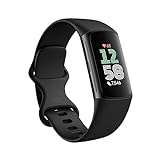
- Find your way seamlessly during runs or rides with turn-by-turn directions from Google Maps on Fitbit Charge 6[7, 8]; and when you need a snack break on the go, just tap to pay with Google Wallet[8, 9]
This tracker is also best suited to people who dislike subscriptions. Garmin’s entire health and fitness feature set is available without a monthly fee, including Body Battery, stress tracking, advanced sleep stages, Pulse Ox during sleep, and long-term trend data. You buy the device once, and that’s the end of the financial commitment.
If guided health insights and built-in GPS matter more than battery life
The Fitbit Charge 5 is designed for users who want deeper interpretation of their health data and more autonomy during workouts. Built-in GPS is the headline feature here, and it’s a meaningful one if you walk, run, or cycle outdoors and want pace, distance, and route maps without carrying your phone. Garmin simply cannot offer that experience on the Vivosmart 5.
Fitbit also leans heavily into translating raw data into easy-to-understand insights. Features like the Daily Readiness Score, Health Metrics dashboard, and stress management tools are especially appealing to beginners who want clear guidance rather than charts and trends they need to interpret themselves. The AMOLED display reinforces that approach, offering sharper visuals, clearer stats, and a more modern interface than Garmin’s simpler OLED screen.
The compromise is battery life and cost over time. With GPS enabled, real-world battery life drops to around 5 days or less, and many of Fitbit’s most compelling insights are gated behind the Fitbit Premium subscription. For users who value those features, the ongoing fee can feel justified, but it’s an important consideration.
If you care about training consistency versus motivation and accountability
Garmin tends to reward consistency. Metrics like Body Battery, stress tracking, and resting heart rate trends quietly build a picture of how your lifestyle affects your energy levels over weeks and months. There’s less hand-holding, but more emphasis on long-term patterns, which suits users who are already self-motivated or data-comfortable.
Fitbit, by contrast, excels at motivation and behavioral nudges. Reminders, goal celebrations, readiness scores, and wellness prompts are front and center in the app. For users who thrive on encouragement or are just starting to build fitness habits, this can make a real difference in staying engaged.
Neither approach is universally better, but they appeal to different mindsets. Garmin feels like a tool you learn to read over time, while Fitbit feels like a coach that actively talks back to you.
If ecosystem fit and phone compatibility influence your decision
Both trackers work well on iOS and Android, but the ecosystem experience differs. Garmin Connect is dense, data-rich, and highly customizable, which power users appreciate but beginners sometimes find overwhelming. Fitbit’s app is cleaner and more immediately approachable, especially when reviewing sleep, stress, and readiness at a glance.
Notification handling is similar on both, with basic call, text, and app alerts rather than full smartwatch interactions. Neither replaces a smartwatch, but the Charge 5’s brighter display makes quick glances slightly easier, while the Vivosmart 5’s physical button improves reliability during workouts and in wet conditions.
If value means long-term ownership versus feature density
The Vivosmart 5 makes the most sense for users who want a durable, no-nonsense health tracker that will still feel “complete” years from now without additional payments. Its value grows the longer you own it, especially if you prioritize sleep, stress, and overall wellness over mapped workouts.
The Charge 5 delivers more features upfront, particularly GPS and advanced health insights, and feels more capable on day one. Its value proposition is strongest for users who actively use those features and are comfortable with the idea of a subscription enhancing the experience over time.
Ultimately, the choice isn’t about which tracker is better on paper. It’s about whether you want a quiet, reliable companion that supports your health in the background, or a more expressive, guidance-driven device that plays an active role in how you train and recover.
Design, Comfort, and Wearability: Slim Band vs Bigger AMOLED Tracker
After weighing ecosystems, subscriptions, and long-term value, the physical experience of wearing each tracker becomes the deciding factor for many buyers. Design and comfort shape how consistently you’ll wear a device, which directly affects the quality of health and sleep data you get over time.
Overall form factor and wrist presence
The Garmin Vivosmart 5 sticks closely to the classic slim fitness band formula. It sits low on the wrist, has a narrow profile, and feels closer to a silicone bracelet than a watch, which makes it easy to forget you’re wearing it.
The Fitbit Charge 5 looks and feels more like a compact smartwatch. Its wider body and curved AMOLED display give it stronger visual presence, which some users prefer, but it is noticeably more substantial on smaller wrists.
Display size, visibility, and interaction
Garmin uses a small monochrome OLED display that prioritizes efficiency over flair. It’s readable indoors and outdoors, but you interact with it more as a reference screen than a visual centerpiece.
The Charge 5’s full-color AMOLED display is brighter, larger, and more expressive. Stats, animations, and clock faces are easier to read at a glance, especially during workouts or quick check-ins throughout the day.
Controls: physical button versus touch-only design
The Vivosmart 5 includes a physical button below the display, which proves surprisingly valuable in real-world use. It works reliably with sweaty hands, gloves, or rain, and makes starting or stopping activities more consistent during workouts.
Fitbit relies entirely on touch and swipe gestures, with no physical button at all. While the interface is intuitive, touch responsiveness can feel less reliable during intense sessions or in wet conditions.
Comfort during all-day wear and sleep tracking
Thanks to its slim casing and lightweight build, the Vivosmart 5 excels as a 24/7 wearable. It’s especially comfortable for sleep tracking, where the low profile minimizes pressure points and wrist awareness overnight.
The Charge 5 is still comfortable, but its wider body is more noticeable during sleep, particularly for side sleepers. Users sensitive to wrist bulk may need an adjustment period before it feels natural overnight.
Materials, durability, and skin contact
Both trackers use soft-touch silicone bands designed for long-term skin contact. Garmin’s band feels slightly more utilitarian, while Fitbit’s has a smoother finish that leans more toward lifestyle wear.
Neither device allows traditional strap swaps in the way watches do, but Fitbit offers more official accessory bands and styles. Garmin’s approach is simpler, with fewer aesthetic options but a more rugged, tool-like feel.
Water resistance and workout suitability
Each tracker is rated for swim use and handles showers, sweat, and rain without issue. The difference shows up in how they behave during activity rather than their water resistance rating.
Garmin’s physical button and slimmer body make it easier to use during structured workouts, strength training, or pool sessions. The Charge 5 feels more engaging visually during exercise, but its touch-only control can occasionally interrupt flow.
Discretion versus visual engagement
The Vivosmart 5 blends into daily life, whether worn at work, during sleep, or under long sleeves. It suits users who want health tracking to stay quietly in the background rather than announcing itself.
The Charge 5 is designed to be seen and interacted with frequently. Its vibrant screen invites check-ins, reminders, and visual feedback, reinforcing Fitbit’s more active, coach-like philosophy.
Who each design works best for
If your priority is comfort, subtlety, and wearing a tracker nonstop without thinking about it, Garmin’s slim band design has a clear advantage. It’s ideal for users who value sleep tracking, long battery life, and minimal wrist presence.
If you want your tracker to feel modern, visually rich, and more smartwatch-adjacent, the Charge 5 delivers a more engaging experience. It rewards users who enjoy interacting with their data frequently and don’t mind a slightly larger footprint on the wrist.
Display Technology and Everyday Interaction
After weighing comfort and visual presence, the day-to-day experience of each tracker comes down to how you interact with the screen itself. This is where the philosophical split between Garmin and Fitbit becomes most obvious, shaping everything from quick glances to mid-workout adjustments.
Screen type and visual clarity
The Fitbit Charge 5 uses a full-color AMOLED display with high contrast, deep blacks, and crisp text that remains legible in most lighting conditions. Outdoors, brightness scales aggressively, making stats easy to read during runs or walks without breaking stride.
Garmin’s Vivosmart 5 relies on a monochrome OLED panel that prioritizes efficiency over visual flair. It is sharp enough for numbers and icons but clearly utilitarian, designed for glances rather than immersion or visual motivation.
Size, resolution, and information density
The Charge 5’s larger display allows Fitbit to show more data at once, including heart rate graphs, zone indicators, and animated cues during workouts. This makes it easier to interpret trends in real time rather than waiting to review data in the app later.
The Vivosmart 5 shows one primary data field at a time, occasionally paired with small icons. That simplicity reduces cognitive load but also means more swiping if you want deeper context during an activity.
Touch versus hybrid controls
Fitbit leans fully into touch interaction, with swipe gestures and tap-based navigation controlling nearly everything. When dry and clean, the interface feels fluid and intuitive, especially for users accustomed to smartphones.
Garmin combines touch input with a physical side button, which proves more reliable during workouts, swimming, or when hands are sweaty or gloved. That single button anchors the experience, making it easier to start, pause, or exit activities without hunting through menus.
Rank #2

- Inspire 3 is the tracker that helps you find your energy, do what you love and feel your best. All you have to do is wear it.Operating temperature: 0° to 40°C
- Move more: Daily Readiness Score(1), Active Zone Minutes, all-day activity tracking and 24/7 heart rate, 20+ exercise modes, automatic exercise tracking and reminders to move
- Stress less: always-on wellness tracking, daily Stress Management Score, mindfulness sessions, relax breathing sessions, irregular heart rhythm notifications(2), SpO2(3), menstrual health tracking, resting heart rate and high/low heart rate notifications
- Sleep better: automatic sleep tracking, personalized Sleep Profile(1), daily detailed Sleep Score, smart wake vibrating alarm, sleep mode
- Comfortably connected day and night: calls, texts & smartphone app notifications(4), color touchscreen with customizable clock faces, super lightweight and water resistant to 50 meters, up to 10 day battery life(5)
Always-on behavior and wake responsiveness
The Charge 5 supports an optional always-on display mode, which keeps the screen visible at all times but shortens battery life noticeably. For users who value quick glances and clock-like behavior, this can be worth the trade-off.
The Vivosmart 5 uses a raise-to-wake approach only, but it is highly responsive and consistent. The screen activates predictably with wrist movement, reinforcing Garmin’s focus on efficiency and long battery endurance rather than constant visibility.
Daily notifications and glanceability
Both trackers handle smartphone notifications well, showing calls, texts, and app alerts from iOS or Android. Fitbit’s color screen allows for clearer differentiation between notification types, making messages easier to scan quickly.
Garmin’s text-only presentation is more restrained, often encouraging users to read and move on rather than linger. For people trying to reduce screen time while still staying informed, this minimalist approach can feel surprisingly intentional.
Menus, animations, and interface personality
Fitbit’s interface is animated, colorful, and more expressive, reinforcing its role as an active coach on your wrist. Transitions, goal celebrations, and progress rings all contribute to a more engaging, sometimes motivating experience.
Garmin’s interface is function-first, with minimal animation and a straightforward menu structure. It feels closer to a training instrument than a lifestyle device, emphasizing consistency and speed over visual polish.
Impact on battery life and long-term usability
The Charge 5’s AMOLED display is one of its biggest draws, but it directly influences charging frequency, especially if GPS and always-on display are used regularly. Visual richness comes at the cost of shorter intervals between charges.
The Vivosmart 5’s simpler display is a key reason it can last significantly longer on a single charge. For users who value uninterrupted tracking over visual engagement, the screen becomes a quiet enabler rather than a focal point.
Choosing based on interaction style
If you want a tracker that invites frequent interaction, visual feedback, and on-wrist interpretation of your data, the Charge 5’s display clearly elevates the experience. It feels modern, engaging, and closer to a compact smartwatch without fully crossing that line.
If you prefer a screen that stays out of the way and supports long-term wear with minimal maintenance, the Vivosmart 5 aligns better with that mindset. Its display is less about inspiration and more about reliability, reinforcing Garmin’s broader no-subscription, endurance-focused value proposition.
Health Tracking Depth: Heart Rate, Sleep, Stress, SpO2, and Wellness Insights
Once you move past screen style and interaction philosophy, the real differentiation between the Vivosmart 5 and Charge 5 shows up in how deeply each platform interprets your body data. Both aim to support everyday health awareness, but they do so with very different priorities and levels of interpretation.
24/7 heart rate tracking and real-world accuracy
Both trackers use optical heart rate sensors designed for continuous, all-day monitoring rather than peak athletic precision. In day-to-day wear, resting heart rate trends are generally reliable on both, especially during sleep and sedentary periods.
The Charge 5 tends to respond slightly faster to changes during light workouts, helped by Fitbit’s aggressive sampling and smoothing algorithms. Garmin’s Vivosmart 5 is a bit more conservative, prioritizing stable averages over rapid spikes, which works well for wellness tracking but can feel slower during interval-style movement.
For beginners and casual exercisers, the difference is unlikely to affect training decisions. For users who closely watch heart rate variability and recovery signals, Garmin’s steadier data feeds more directly into its broader wellness metrics.
Sleep tracking: depth, clarity, and coaching style
Sleep tracking is a strength for both devices, but the presentation and insight depth differ. Each tracks sleep duration, sleep stages, restlessness, and overnight heart rate, with automatic detection working reliably after a few nights of wear.
Fitbit excels at visual clarity and interpretation. The Charge 5 breaks sleep into clear stages, overlays breathing rate and SpO2 trends, and pairs the data with Sleep Scores and contextual tips that feel immediately actionable, especially for newer users.
Garmin’s sleep tracking is more understated but tightly integrated into its recovery model. Instead of coaching language, sleep feeds directly into Body Battery and stress metrics, making it easier to see how last night’s rest impacts your energy today rather than grading sleep as a standalone event.
Stress tracking and HRV-based insights
Garmin has long focused on stress as a continuous physiological signal, and the Vivosmart 5 reflects that philosophy. Stress levels are derived from heart rate variability throughout the day, creating a rolling picture of how your body is responding to work, activity, and rest.
Fitbit also tracks stress continuously but supplements it with more guided features. The Charge 5 includes EDA stress scans, where you actively measure small electrical changes in your skin during a brief session, adding a layer of emotional awareness that Garmin simply does not offer on this device.
The trade-off is passivity versus engagement. Garmin’s stress tracking works quietly in the background, while Fitbit encourages intentional check-ins and reflection.
SpO2 monitoring and overnight oxygen trends
Both devices measure blood oxygen saturation during sleep rather than on-demand. This approach conserves battery life and aligns with how SpO2 is most useful for spotting long-term patterns rather than momentary readings.
Fitbit presents SpO2 data more prominently, with nightly averages, trend graphs, and correlations to sleep quality. Garmin includes SpO2 as part of its broader health snapshot, but the data feels more secondary and less emphasized in daily use.
If you are specifically interested in monitoring breathing-related trends or altitude adaptation, Fitbit’s presentation is easier to interpret at a glance. Garmin’s value lies more in how SpO2 quietly supports its overall wellness picture.
Advanced health features and medical-adjacent tools
The Charge 5 pushes further into advanced health territory. It offers ECG readings for atrial fibrillation detection in supported regions, along with nightly skin temperature variation tracking that can help highlight illness or recovery trends.
The Vivosmart 5 intentionally avoids these features. Garmin’s approach is to keep the band focused on general wellness rather than medical-style data, reducing complexity but also limiting depth for users who want those insights.
This difference alone can be decisive for health-focused buyers who want the most data possible from a slim band.
Wellness summaries: Body Battery vs Daily Readiness
Garmin’s Body Battery is one of its most intuitive and useful features. It combines sleep quality, stress, and activity into a single energy score that rises with rest and drops with exertion, offering a simple, real-time sense of how hard to push yourself.
Fitbit’s equivalent, Daily Readiness, pulls from sleep, activity, and heart rate data to recommend training intensity. However, it sits behind Fitbit Premium, meaning some of the Charge 5’s most compelling wellness insights require an ongoing subscription.
For long-term ownership, this distinction matters. Garmin delivers its core wellness intelligence without paywalls, while Fitbit offers richer interpretation but ties it to recurring costs.
Comfort, wearability, and sensor reliability
Both trackers are light, flexible, and comfortable enough for 24/7 wear, which is critical for reliable health tracking. The Charge 5’s slightly wider body houses more sensors but remains unobtrusive on most wrists.
The Vivosmart 5 is slimmer and more understated, making it easier to forget you are wearing it, especially overnight. That comfort directly supports more consistent data collection, reinforcing Garmin’s emphasis on long-term trends rather than feature density.
In daily life, both succeed as true health trackers rather than wrist-bound gadgets, but they reward different kinds of users. Fitbit focuses on visibility and interpretation, while Garmin focuses on continuity and restraint.
Fitness and Activity Tracking: Workouts, GPS, and Training Support
Where the differences between the Vivosmart 5 and Charge 5 become most obvious is in how they approach exercise itself. Both are positioned as fitness bands rather than sports watches, but Fitbit clearly pushes closer to performance tracking, while Garmin stays anchored in everyday activity consistency.
This section matters most for buyers who plan to use their tracker actively during workouts rather than just as a passive health monitor.
Workout modes and activity recognition
The Garmin Vivosmart 5 supports a focused but limited set of activity profiles, including walking, running, cycling, strength training, yoga, cardio, and pool swimming. These can be started manually from the band, and Garmin’s Move IQ can automatically detect common activities, though it records them as events rather than full workouts unless you initiate them yourself.
Fitbit Charge 5 offers a broader list of exercise modes, with over 20 options available through the app and a core selection accessible directly on the band. Auto-recognition via SmartTrack is more aggressive and generally more reliable for casual workouts, particularly walks and runs, with less need for user intervention.
Rank #3

- 【BUILT-IN GPS SMART WATCH – GO FURTHER, FREER, SMARTER】No phone? No problem. This fitness watch for women, featuring the latest 2025 technology, includes an advanced professional-grade GPS chip that precisely tracks every route, distance, pace (real-time & average), and calorie burned—completely phone-free. Whether you're chasing new personal records or exploring off the beaten path, your full journey is automatically mapped and synced in the app. Train smarter. Move with purpose. Own your progress. Own your journey.
- 【BLUETOOTH 5.3 CALLS & SMART NOTIFICATIONS】Stay effortlessly connected with this smart watch for men and women, featuring dual Bluetooth modes (BT 3.0 + BLE 5.3) and a premium microphone for crystal-clear calls right from your wrist—perfect for driving, workouts, or busy days. Receive instant alerts for calls, texts, and popular social apps like WhatsApp and Facebook. Just raise your wrist to view notifications and never miss an important moment.
- 【100+ SPORT MODES & IP68 WATERPROOF & DUSTPROOF】This sport watch is a versatile activity and fitness tracker with 100+ modes including running, cycling, yoga, and more. It features quick-access buttons and automatic running/cycling detection to start workouts instantly. Accurately track heart rate, calories, distance, pace, and more. Set daily goals on your fitness tracker watch and stay motivated with achievement badges. With IP68 waterproof and dustproof rating, it resists rain and sweat for any challenge. Not suitable for showering, swimming, or sauna.
- 【24/7 HEALTH ASSISTANT & SMART REMINDERS】This health watch continuously monitors heart rate, blood oxygen, and stress levels for comprehensive wellness tracking. Sleep monitoring includes deep, light, REM sleep, and naps to give you a full picture of your rest. Stay on track with smart reminders for sedentary breaks, hydration, medication, and hand washing. Women can also monitor menstrual health. Includes guided breathing exercises to help you relax. Your ultimate health watch with event reminders for a healthier life.
- 【ULTRA HD DISPLAY, LIGHTWEIGHT & CUSTOMIZABLE DIALS】This stylish wrist watch features a 1.27-inch (32mm) 360×360 ultra HD color display with a 1.69-inch (43mm) dial, offering vivid details and responsive touch. Its minimalist design fits both business and casual looks. Switch freely among built-in designer dials or create your own DIY watch face using photos, colors, and styles to showcase your unique personality. Perfect as a cool digital watch and fashion wrist watch.
For beginners, Fitbit’s approach feels more forgiving and automated. Garmin’s system rewards users who are intentional about starting workouts, which improves data clarity but adds friction for spontaneous activity.
GPS: built-in vs phone-dependent tracking
This is the single biggest functional divider between the two trackers. The Fitbit Charge 5 includes built-in GPS, allowing it to record pace, distance, and route maps independently of your phone.
In real-world testing, the Charge 5’s GPS accuracy is solid for a band-sized device, typically within a few percent of dedicated running watches in open areas. Lock-on times are reasonable, though urban canyons and heavy tree cover can still cause mild track smoothing or corner-cutting.
The Vivosmart 5 does not have GPS and relies entirely on connected GPS via your smartphone. This works well if you always carry your phone, but it introduces dependency, potential signal interruptions, and increased phone battery drain.
For runners and walkers who care about route maps and pace consistency, the Charge 5 has a clear advantage. For gym workouts, classes, or casual activity, the lack of onboard GPS on the Garmin is less consequential.
Training metrics and post-workout data
Garmin emphasizes foundational metrics rather than advanced training analytics on the Vivosmart 5. You get duration, heart rate zones, calories burned, steps, and basic intensity minutes, all feeding into long-term trends inside Garmin Connect.
What you do not get are metrics like training load, VO2 max, recovery time, or performance condition. Those remain reserved for Garmin’s higher-end watches, reinforcing the Vivosmart 5’s role as a wellness-first device.
Fitbit Charge 5 provides more immediately actionable workout feedback. Post-exercise summaries include heart rate zones, active zone minutes, pace (for GPS activities), and workout intensity insights, presented in a visually accessible way.
Some of Fitbit’s deeper interpretations, such as long-term fitness trends and personalized coaching guidance, are tied to Fitbit Premium. Without the subscription, the raw workout data is still useful, but the context around it becomes thinner.
Guided workouts and coaching support
Garmin does not offer guided workouts directly on the Vivosmart 5. There are no animated routines or step-by-step sessions on the band, and while Garmin Connect includes training plans and workouts, they are not designed to sync meaningfully to this device.
Fitbit integrates tightly with its coaching ecosystem. The Charge 5 supports on-screen prompts during workouts, and the Fitbit app offers a large library of guided sessions, particularly for cardio, strength, and mobility.
Many of these guided programs sit behind Fitbit Premium, which can be valuable for users who want structure but adds ongoing cost. For self-directed exercisers, Garmin’s simpler approach avoids subscription pressure but also limits progression tools.
Heart rate tracking during exercise
Both devices use optical heart rate sensors that perform well for steady-state activities like walking, jogging, and indoor cardio. In consistent lighting and snug fit conditions, heart rate accuracy is comparable between the two.
During higher-intensity interval training or rapid heart rate changes, the Charge 5 tends to respond slightly faster, aided by more frequent sampling during workouts. The Vivosmart 5 can lag briefly during sharp spikes, which is typical for slim bands with smaller sensors.
For most users, these differences are minor. Neither device is intended to replace a chest strap, but both are accurate enough for zone-based training and calorie estimates.
Strength training and gym use
Strength training highlights the philosophical split between Garmin and Fitbit. The Vivosmart 5 records strength sessions primarily as time and heart rate data, with no rep counting, exercise detection, or set tracking.
Fitbit offers a more gym-friendly experience, with clearer workout categorization and better post-session breakdowns. It still does not match dedicated gym trackers or smartwatches, but it feels more intentional for resistance training.
If your routine revolves around free weights or classes, Fitbit provides more useful feedback. Garmin’s data is adequate for logging effort but less helpful for reviewing performance.
Battery life impact during workouts
Workout tracking affects battery life very differently on these two devices. The Vivosmart 5 can last up to seven days even with regular activity tracking, as long as connected GPS is used sparingly.
The Charge 5’s battery life drops significantly with GPS-enabled workouts. While it can still reach around five days with light use, frequent outdoor runs can push charging closer to every three days.
For users training daily outdoors, this becomes a practical consideration. Garmin’s endurance favors consistency, while Fitbit trades longevity for independence and richer workout data.
Who each tracker suits from a fitness perspective
The Fitbit Charge 5 is better suited to users who actively train outdoors, want GPS without carrying a phone, and value guided workouts and visual post-exercise feedback. It feels closer to a compact sports tracker disguised as a fitness band.
The Garmin Vivosmart 5 is designed for users who prioritize daily movement, gym sessions, and long-term activity consistency over performance metrics. Its fitness tracking is quieter and less demanding, but also less expansive.
Choosing between them ultimately comes down to how intentional your workouts are. Fitbit rewards structured training, while Garmin excels at supporting sustainable, everyday fitness habits without friction or subscriptions.
GPS and Outdoor Use: Why Built-In GPS Changes the Fitbit’s Role
Up to this point, the differences between the Vivosmart 5 and Charge 5 have been about philosophy and depth of tracking. GPS is where that philosophical split becomes immediately practical and, for some buyers, decisive.
The presence or absence of built-in GPS doesn’t just affect run maps. It changes how independent the tracker feels, how you train outdoors, and whether the band can replace your phone during workouts.
Built-in GPS vs connected GPS: independence matters
The Fitbit Charge 5 includes its own built-in GPS antenna, allowing it to track runs, walks, hikes, and bike rides without a phone nearby. Distance, pace, route maps, and elevation data are all captured directly on the band and synced later to the Fitbit app.
The Garmin Vivosmart 5 relies entirely on connected GPS, meaning it borrows location data from your phone during outdoor workouts. If you leave your phone behind, you still get time and heart rate, but distance and route tracking are unavailable.
This single difference fundamentally shifts how each device is used outdoors. Fitbit supports phone-free training, while Garmin assumes your phone is part of the setup.
Real-world GPS accuracy and mapping detail
In testing, the Charge 5’s GPS accuracy is solid for a slim fitness band. Routes generally align well with sidewalks and paths, pace data stabilizes quickly, and post-workout maps are detailed enough for meaningful review.
It is not flawless. Tree cover, dense urban areas, and sudden pace changes can introduce small inconsistencies, but for recreational runners and walkers, the data is reliable and repeatable.
The Vivosmart 5’s connected GPS accuracy is largely dependent on your phone’s GPS quality. With a modern smartphone, results are often just as accurate as Fitbit’s, but the experience feels less self-contained and more fragmented.
Outdoor training experience: glanceable vs immersive
On the Charge 5, outdoor workouts feel intentional. You can see pace, distance, heart rate zones, and elapsed time directly on the AMOLED display, with clear contrast even in daylight.
Haptic alerts for pace or heart rate zones add structure to runs without overwhelming the small screen. For a band-sized device, the outdoor workout interface is unusually complete.
The Vivosmart 5 keeps things minimal. During outdoor activities, the display focuses on basic metrics, and most analysis happens after the fact in Garmin Connect. This works well for casual activity logging but less so for performance-driven sessions.
Battery life trade-offs outdoors
GPS is one of the most power-hungry features on any wearable, and the Charge 5 pays for its independence. Continuous GPS workouts can drain the battery quickly, especially if paired with a bright display and frequent heart rate sampling.
Rank #4

- 24H Accurate Heart Rate Monitoring: Go beyond basic tracking. Our watch automatically monitors your heart rate, blood oxygen (SpO2), and sleep patterns throughout the day and night. Gain deep insights into your body's trends and make informed decisions for a healthier lifestyle.
- Practical Sports Modes & Smart Activity Tracking: From running and swimming to yoga and hiking, track a wide range of activities with precision. It automatically records your steps, distance, calories burned, and duration, helping you analyze your performance and crush your fitness goals.
- 1-Week Battery Life & All-Day Wear: Say goodbye to daily charging. With an incredible up to 7-10 days of battery life on a single charge, you can wear it day and night for uninterrupted sleep tracking and worry-free travel. Stay connected to your data without the hassle.
- Comfortable to Wear & IP68 Waterproof: The lightweight, skin-friendly band is crafted for all-day comfort, even while you sleep. With IP68 waterproof, it withstands rain, sweat, It is not suitable for swimming or showering.
- Ease of Use and Personalized Insights via Powerful App: The display is bright and easy to read, even outdoors. Unlock the full potential of your watch. Sync with our dedicated app to view detailed health reports, customize watch faces, set sedentary reminders, and manage your preferences with ease.
For users running or walking outdoors several times per week, charging every three to four days is realistic. Long GPS sessions, such as hikes, may require careful battery management.
The Vivosmart 5 avoids this problem by offloading GPS to the phone. As a result, it maintains its near-week-long battery life even with regular outdoor activity, assuming you already carry your phone.
Safety, convenience, and phone-free workouts
Built-in GPS also supports safety-oriented features on the Charge 5, such as route history and location-aware workout logs. For users who run alone or prefer minimal gear, leaving the phone behind can feel freeing.
However, the Charge 5 does not fully replace a smartwatch in safety terms. There is no speaker, no calling, and limited interaction during workouts, so it remains a fitness-first device rather than a true safety companion.
The Vivosmart 5, paired with a phone, can still support incident detection and live tracking features through Garmin’s ecosystem. It just assumes your phone is always present.
Who benefits most from GPS in this category
The Charge 5’s built-in GPS makes it a strong choice for runners, walkers, and hikers who want accurate distance and route data without carrying a phone. It transforms the band from a passive activity tracker into a self-sufficient outdoor training tool.
The Vivosmart 5 is better suited to users who already carry their phone, prioritize battery life, or treat outdoor workouts as part of a broader daily activity routine rather than structured training.
This is the point where Fitbit stops competing purely on health metrics and starts overlapping with entry-level sports trackers. Garmin, by contrast, stays firmly rooted in low-maintenance tracking, even outdoors.
Battery Life and Charging: Real-World Endurance Compared
Once GPS enters the equation, battery life becomes the clearest practical divider between these two trackers. The differences here are not about spec-sheet claims, but about how often you actually need to think about charging in daily life.
Rated battery life versus lived reality
Garmin rates the Vivosmart 5 for up to seven days of battery life, and in mixed real-world use that figure is generally believable. Continuous heart rate tracking, sleep monitoring, notifications, and several workouts per week rarely push it below five to six days unless vibration alerts are set aggressively.
The Fitbit Charge 5 is also rated for up to seven days, but that number assumes no GPS and restrained screen usage. In typical use with notifications, frequent screen wake-ups, sleep tracking, and one or two GPS workouts per week, most users will see closer to three to four days.
The GPS penalty and display impact
Built-in GPS is the single biggest drain on the Charge 5’s battery. Fitbit estimates around five hours of continuous GPS use, which aligns with real-world testing when heart rate and screen interactions are active.
Add in the bright AMOLED display, and endurance drops faster than many expect. Enabling the always-on display option, even intermittently, can reduce battery life to around two days, making charging part of the regular routine rather than a weekly task.
The Vivosmart 5 avoids this entirely by relying on connected GPS. Because location tracking is handled by the phone, battery drain during outdoor workouts is only marginally higher than indoor sessions.
Sleep tracking and 24/7 wearability
Both trackers are designed for continuous wear, including overnight sleep tracking with SpO2 and heart rate variability metrics. In practice, the Vivosmart 5’s slower battery drain makes it easier to wear around the clock without planning charging windows around sleep.
With the Charge 5, many users end up charging during showers or desk time every couple of days to avoid missing sleep data. That is manageable, but it requires more attention and habit-building than Garmin’s approach.
Charging speed, cables, and convenience
Neither tracker uses a standard charging cable, and both rely on proprietary clip-style chargers. The Vivosmart 5 typically takes around one to two hours to charge from near empty to full, depending on power source.
The Charge 5 is similar, usually charging fully in about two hours. Fitbit’s magnetic charger is easy to align, but because charging is more frequent, cable management becomes a more noticeable part of ownership.
Battery longevity and long-term ownership
Over months and years, fewer charge cycles generally translate to better long-term battery health. The Vivosmart 5’s longer endurance and lack of power-hungry features mean it is likely to feel consistent for longer before noticeable degradation.
The Charge 5’s heavier battery demands, especially for GPS-focused users, may lead to earlier reductions in usable capacity. This does not make it unreliable, but it does reinforce that it is a more performance-driven device with higher maintenance expectations.
Which tracker fits your charging tolerance
If you value low-maintenance ownership, long gaps between charges, and minimal interaction with charging cables, the Vivosmart 5 clearly fits that mindset. It is designed to fade into the background, even during active weeks.
The Charge 5 suits users who accept more frequent charging in exchange for phone-free workouts, onboard GPS, and a richer visual interface. The trade-off is not hidden, and understanding it upfront helps avoid frustration later.
Apps, Ecosystem, and Subscriptions: Garmin Connect vs Fitbit (and Fitbit Premium)
Battery life and charging habits shape how often you think about your tracker, but the companion app determines how useful all that collected data actually becomes. For both the Vivosmart 5 and Charge 5, the phone experience matters more than the hardware display, because nearly all meaningful insights live in the app.
This is where Garmin and Fitbit take very different philosophical approaches, and those differences often end up being more important than features like GPS or screen quality.
Garmin Connect: Data-Rich, No Paywall
Garmin Connect is the same platform used across Garmin’s entire lineup, from slim fitness bands to high-end multisport watches. That means Vivosmart 5 owners get access to a surprisingly deep set of metrics without being pushed toward an upgrade or subscription.
Daily dashboards focus on steps, heart rate, Body Battery, stress, respiration, and sleep, with clear trends shown over days, weeks, and months. The interface is dense rather than flashy, but everything is logically grouped and highly customizable once you spend time with it.
Sleep tracking is presented with sleep stages, duration, overnight SpO2, and HRV-based insights, all included at no extra cost. Garmin’s strength here is context, showing how sleep, stress, and activity influence each other rather than isolating metrics into separate silos.
Fitness Tracking and Training Guidance in Garmin Connect
For a tracker without GPS, Garmin Connect still does a strong job supporting structured activity tracking. You can log a wide range of workouts, review heart rate zones, and see intensity minutes that help quantify weekly effort in a simple, goal-oriented way.
Garmin Coach plans are included for supported activities, although the Vivosmart 5 is more about general fitness than race preparation. Even so, the app nudges users toward balanced habits through movement reminders, stress alerts, and recovery-focused metrics like Body Battery.
There is no subscription tier, no locked features, and no pressure to pay for deeper insights later. What you see on day one is what you continue to get long term, which aligns well with the Vivosmart 5’s low-maintenance philosophy.
Fitbit App: Polished, Visual, and More Guided
The Fitbit app takes a more curated and visually friendly approach, which can feel more immediately approachable for beginners. The home screen emphasizes daily scores, simplified summaries, and progress rings rather than raw charts.
Health metrics like heart rate, sleep, SpO2, and stress are presented in a way that is easy to understand at a glance. Fitbit’s strength lies in storytelling, translating sensor data into clear takeaways about how you slept or how active your day really was.
For Charge 5 users, onboard GPS integrates smoothly into the app, automatically mapping outdoor runs and walks. This phone-free tracking is one of the Charge 5’s defining advantages, and the app handles post-workout review cleanly and intuitively.
Fitbit Premium: What’s Free vs What’s Locked
Fitbit Premium is where the ecosystem becomes more complicated. Without a subscription, you still get core tracking, daily activity stats, basic sleep stages, and GPS workout maps.
Premium unlocks deeper sleep insights, detailed sleep scores, extended trends, stress management tools, readiness-style metrics, and a library of guided workouts and mindfulness sessions. These features are well executed, but many users feel they should be standard given the hardware price.
Most Charge 5 units include a trial period, which can make the experience feel richer at first. The drop-off after the trial ends is noticeable, especially for users who rely on sleep analysis and recovery guidance.
💰 Best Value

- 【Superb Visual Experience & Effortless Operation】Diving into the latest 1.58'' ultra high resolution display technology, every interaction on the fitness watch is a visual delight with vibrant colors and crisp clarity. Its always on display clock makes the time conveniently visible. Experience convenience like never before with the intuitive full touch controls and the side button, switch between apps, and customize settings with seamless precision.
- 【Comprehensive 24/7 Health Monitoring】The fitness watches for women and men packs 24/7 heart rate, 24/7 blood pressure and blood oxygen monitors. You could check those real-time health metrics anytime, anywhere on your wrist and view the data record in the App. The heart rate monitor watch also tracks different sleep stages for light and deep sleep,and the time when you wake up, helps you to get a better understanding of your sleep quality.
- 【120+ exercise modes & All-Day Activity Tracking】There are more than 120 exercise modes available in the activity trackers and smartwatches, covering almost all daily sports activities you can imagine, gives you new ways to train and advanced metrics for more information about your workout performance. The all-day activity tracking feature monitors your steps, distance, and calories burned all the day, so you can see how much progress you've made towards your fitness goals.
- 【Messages & Incoming Calls Notification】With this smart watch fitness trackers for iPhone and android phones, you can receive notifications for incoming calls and read messages directly from your wrist without taking out your phone. Never miss a beat, stay in touch with loved ones, and stay informed of important updates wherever you are.
- 【Essential Assistant for Daily Life】The fitness watches for women and men provide you with more features including drinking water and sedentary reminder, women's menstrual period reminder, breath training, real-time weather display, remote camera shooting, music control,timer, stopwatch, finding phone, alarm clock, making it a considerate life assistant. With the GPS connectivity, you could get a map of your workout route in the app for outdoor activity by connecting to your phone GPS.
Health Insights and Long-Term Trends
Garmin Connect excels at long-term data continuity. Metrics like resting heart rate, stress, and Body Battery are easy to compare across months or even years, making it appealing for users who care about gradual health changes.
Fitbit’s trend analysis is more polished visually but less accessible without Premium. Some historical comparisons and deeper insights are restricted, which can limit the sense of ownership over your own data if you stop subscribing.
Both platforms sync reliably on iOS and Android, though Garmin Connect offers slightly more control over data exports and third-party integrations. Fitbit remains more closed, favoring its own ecosystem over advanced user flexibility.
App Performance, Notifications, and Daily Usability
In daily use, both apps are stable and responsive, with few syncing issues when Bluetooth connections are maintained properly. Garmin Connect can feel overwhelming initially, while the Fitbit app prioritizes clarity and simplicity.
Smart notifications are handled similarly on both platforms, with message previews and call alerts mirrored from your phone. Neither tracker aims to replace a smartwatch, and both apps reflect that focus by keeping interactions brief and purposeful.
Over time, Garmin’s app tends to fade into the background as a reference tool, while Fitbit’s app encourages more frequent check-ins. Which approach feels better depends on whether you prefer passive data collection or active daily engagement.
Which Ecosystem Fits Your Priorities
If you value full access to your health data without ongoing costs, Garmin Connect pairs naturally with the Vivosmart 5. It rewards consistency, long-term tracking, and users who want insights without subscriptions or upsells.
The Fitbit app, especially with Premium, suits users who want more coaching, guided content, and visually driven motivation. With the Charge 5, the ecosystem feels more interactive, but it also carries higher long-term cost expectations.
Ultimately, this software divide reinforces the broader difference between these trackers. Garmin emphasizes ownership and endurance, while Fitbit focuses on guidance, polish, and ongoing engagement through its subscription model.
Platform Compatibility and Long-Term Usability (iOS and Android)
Viewed through a longer-term lens, the differences between Garmin and Fitbit become less about daily features and more about how each platform ages with you. Phone compatibility, software support, and ongoing costs all shape whether these slim trackers feel like good value after a year or two of use.
iOS and Android Support in Real-World Use
Both the Garmin Vivosmart 5 and Fitbit Charge 5 work reliably on iOS and Android, with no meaningful feature gaps based on phone platform. Setup is straightforward on both, and once paired, syncing is generally automatic and dependable as long as Bluetooth remains active.
On iPhone, Fitbit tends to feel slightly more native thanks to its cleaner app layout and stronger notification consistency. Garmin Connect on iOS is fully functional but denser, with more menus and configuration layers that can feel less intuitive for beginners.
On Android, the experience is closer to parity. Garmin benefits from slightly deeper background syncing control and fewer notification quirks, while Fitbit’s app maintains its simplicity and visual polish. In either case, neither tracker offers rich interaction from the band itself, keeping phone reliance largely the same across platforms.
Software Updates, Feature Longevity, and Ecosystem Stability
Garmin has a strong track record of keeping older devices functional for years, even if they don’t receive major new features. The Vivosmart 5 benefits from this philosophy, with core health metrics, syncing, and app compatibility remaining stable long after launch.
Fitbit’s update approach is more feature-driven but also more tightly controlled. The Charge 5 has received meaningful improvements since release, but feature rollouts are often linked to Premium and can feel incremental rather than transformative for free users.
Long-term, Garmin’s ecosystem feels more predictable. Fitbit’s direction is still evolving under Google ownership, which hasn’t harmed usability but does introduce more uncertainty around future app changes, data handling, and subscription emphasis.
Subscriptions, Data Access, and Ownership Over Time
This is where the long-term experience diverges most clearly. Garmin Connect provides full access to historical data, trends, and exports without requiring any paid plan, which makes the Vivosmart 5 easier to live with for years without feeling gated.
Fitbit’s core tracking works without Premium, but many of the Charge 5’s deeper insights lose value once the free trial ends. Sleep analysis, readiness-style insights, and trend breakdowns feel noticeably thinner without an ongoing subscription.
For users who plan to wear their tracker daily for multiple years, this cost difference compounds. Garmin’s upfront price is largely the total cost of ownership, while Fitbit’s value depends on whether you’re comfortable paying regularly to unlock its best software features.
Daily Wear, Device Longevity, and Upgrade Pressure
From a hardware perspective, both trackers are comfortable for all-day wear and unobtrusive enough for sleep tracking. The Vivosmart 5’s softer silicone band and lighter build make it easier to forget on the wrist, while the Charge 5 feels more solid but slightly more watch-like.
Battery life also affects long-term usability. Garmin’s longer runtime reduces charging friction over time, which matters more the longer you own the device. Fitbit’s shorter battery life is manageable, but frequent charging can become a subtle annoyance after months of use.
Upgrade pressure is where philosophy shows again. Garmin users tend to keep devices longer because functionality doesn’t diminish without subscriptions. Fitbit users may feel nudged toward newer models or Premium renewals to maintain the same level of insight, especially as health features become more subscription-centric.
In practical terms, iOS and Android users won’t struggle with compatibility on either platform. The real decision is whether you want a tracker that quietly collects data for years with minimal ongoing investment, or one that stays engaging through guided features and visual insights, even if that means committing to Fitbit’s ecosystem long term.
Final Verdict and Buying Advice: Which Tracker Should You Buy?
At this point, the choice between the Garmin Vivosmart 5 and Fitbit Charge 5 comes down to priorities rather than raw capability. Both are excellent slim fitness trackers, but they solve the problem of health and fitness tracking in very different ways. One emphasizes longevity, simplicity, and ownership, while the other leans into features, visuals, and guided engagement.
Choose the Garmin Vivosmart 5 if you want a low-maintenance health tracker that lasts
The Vivosmart 5 is best suited to users who value consistency over complexity. Its strength is in quietly collecting reliable health data day after day, with standout metrics like Body Battery, all-day stress tracking, HRV-based insights, and strong sleep detection that remain fully accessible without any subscription.
In real-world wear, the lighter build and softer silicone band make it exceptionally comfortable for 24/7 use, including sleep. The small monochrome display won’t impress visually, but it contributes to better battery life and fewer distractions, which many users come to appreciate over time.
This tracker makes the most sense for people focused on general wellness, recovery, and habit-building rather than mapped workouts or on-wrist coaching. If you walk, do gym sessions, follow routines off-device, or simply want to understand how your body responds to daily stress and sleep, the Vivosmart 5 delivers that insight with minimal friction.
It is also the better choice for long-term ownership. Garmin Connect’s full data access, trend history, and export tools are included from day one, and the device does not lose value over time due to paywalls. For users who plan to wear a tracker for several years, this matters more than it might seem at purchase.
Choose the Fitbit Charge 5 if GPS and guided insights matter more than battery life
The Charge 5 is the stronger option for users who want their fitness tracker to feel more like a compact training companion. Built-in GPS is the defining advantage, allowing runners and walkers to leave their phone behind while still recording routes, pace, and distance accurately.
Fitbit’s app experience is also more visually engaging and beginner-friendly, especially when paired with Premium. Sleep stages, readiness-style scores, stress management tools, and guided programs are presented in a way that feels approachable and motivating, particularly for users new to structured fitness or health tracking.
The color AMOLED display enhances daily usability for stats, notifications, and exercise screens, but it comes with trade-offs. Battery life is shorter than Garmin’s, and the device feels more substantial on the wrist, which some users may notice during sleep or extended wear.
Where buyers need to be honest with themselves is the subscription. Without Fitbit Premium, the Charge 5 still tracks core metrics well, but much of what makes it feel “smart” and insightful lives behind a monthly fee. If you are comfortable paying for ongoing guidance and enjoy Fitbit’s ecosystem, this won’t be a downside. If not, the value equation changes quickly.
Quick recommendations by user type
If your top priorities are long battery life, no subscription costs, and passive health tracking you can rely on for years, the Garmin Vivosmart 5 is the more practical and cost-effective choice.
If you want built-in GPS, a brighter screen, and structured health and fitness insights that actively guide your routine, the Fitbit Charge 5 is the better fit, provided you are open to using Fitbit Premium long term.
For iOS and Android users alike, neither device has major compatibility drawbacks. The decision is less about phone platform and more about whether you prefer Garmin’s data-first, ownership-focused approach or Fitbit’s more guided, subscription-driven experience.
Bottom line
The Garmin Vivosmart 5 excels as a durable, unobtrusive health tracker that fades into the background while delivering meaningful insights without ongoing costs. It is ideal for users who want to understand their body, manage energy and stress, and avoid upgrade or subscription pressure.
The Fitbit Charge 5 feels more dynamic and feature-rich, especially for outdoor workouts and users who benefit from coaching-style feedback. Its value is highest for those who actively engage with the app and are willing to invest in Fitbit’s ecosystem.
Neither is universally better, but one will clearly suit your lifestyle more than the other. Decide whether you want simplicity and long-term ownership, or features and guidance with added commitment, and the right choice becomes clear.