Choosing between Garmin and Fitbit is less about specs on a comparison chart and more about how each brand thinks about your body, your time, and your relationship with fitness. Both make competent, reliable wearables, but they are designed with very different assumptions about what the user wants to achieve day to day. Understanding that philosophical split is the fastest way to avoid buyer’s remorse.
At a high level, Garmin builds tools for people who train with intent, measure progress over months or years, and want their watch to function like a wrist-mounted instrument. Fitbit, by contrast, designs companions for everyday life that quietly encourage healthier habits, reduce friction, and make wellness feel approachable rather than overwhelming.
This section breaks down how those mindsets show up in hardware design, software priorities, battery strategy, and long-term user experience, so you can immediately tell which brand aligns with your goals before diving into specific models.
Garmin’s Philosophy: Training First, Lifestyle Second
Garmin’s DNA comes from GPS navigation, aviation, and endurance sports, and that heritage is still obvious the moment you start using one of its watches. The core assumption is that the user wants detailed performance data, granular control, and long-term trend analysis rather than simple daily encouragement. Comfort, durability, and battery life are prioritized so the device can stay on your wrist through long workouts, multi-day activities, and recovery periods.
🏆 #1 Best Overall
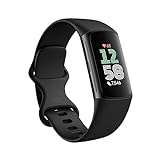
- Find your way seamlessly during runs or rides with turn-by-turn directions from Google Maps on Fitbit Charge 6[7, 8]; and when you need a snack break on the go, just tap to pay with Google Wallet[8, 9]
In practice, this means Garmin watches focus heavily on metrics like training load, VO2 max estimates, recovery time, heart rate variability trends, pace consistency, and sport-specific dynamics. The interface often presents more data on screen at once, and menus assume a willingness to learn how things work rather than hiding complexity. Physical buttons are common even on touchscreen models because they remain usable in rain, sweat, gloves, or cold conditions.
Garmin also treats battery life as a core performance feature rather than a convenience. Even mid-range models often last a week or more with active tracking, while higher-end devices can stretch into weeks depending on GPS usage. That longevity supports the brand’s philosophy of uninterrupted data collection, especially for endurance athletes, outdoor adventurers, and users who dislike frequent charging.
Fitbit’s Philosophy: Everyday Wellness and Behavior Change
Fitbit approaches wearables from a public health and lifestyle behavior perspective rather than a training science mindset. The goal is to make health tracking feel automatic, friendly, and motivating for people who may not identify as athletes. Simplicity, visual clarity, and ease of use consistently take priority over raw depth.
Fitbit’s metrics are framed around daily habits such as steps, active minutes, sleep duration, sleep quality, stress levels, and resting heart rate. While the underlying sensors are capable, the software intentionally abstracts complexity into scores, trends, and reminders that are easy to understand at a glance. The app experience is central, with most insights delivered through clean charts, weekly summaries, and nudges rather than on-watch analysis.
Design choices also reflect this philosophy. Fitbit devices are generally slimmer, lighter, and more discreet, making them comfortable for all-day and all-night wear, especially for sleep tracking. Battery life is solid but not extreme, typically ranging from several days to about a week, which fits the expectation of regular charging alongside a smartphone.
Target User Profiles: Who Each Brand Serves Best
Garmin tends to resonate most with runners, cyclists, triathletes, hikers, strength-focused users, and anyone following a structured training plan. These users often care about pace zones, interval precision, recovery guidance, and how today’s workout affects next week’s performance. They are usually willing to invest more upfront and spend time learning the platform in exchange for long-term insight and control.
Fitbit appeals strongly to beginners, casual exercisers, busy professionals, and users focused on weight management, sleep improvement, or stress reduction. The emphasis is on consistency rather than intensity, and success is measured in habits formed rather than performance peaks. Fitbit’s ecosystem is especially approachable for users upgrading from basic trackers or those who want health awareness without feeling like they are training for an event.
There is overlap between the two, particularly among users who want reliable health tracking with occasional workouts. However, the experience diverges quickly once training volume increases or data needs become more specific. Garmin rewards engagement and technical curiosity, while Fitbit rewards regular wear and lifestyle integration.
Ecosystem Priorities and Long-Term Experience
Garmin’s ecosystem is largely self-contained and hardware-driven, with no mandatory subscription for core features. The value proposition is front-loaded into the device itself, and older models continue to receive useful support for years. This appeals to users who prefer ownership and predictability over ongoing costs.
Fitbit’s ecosystem, now closely tied to Google’s services, leans more heavily on software and cloud-based insights. Many advanced wellness features are bundled into a premium subscription, which shifts some of the value from the device to the ongoing service. For users who like guided programs, evolving insights, and a smartphone-first experience, this trade-off can feel worthwhile.
Ultimately, Garmin and Fitbit are not competing to solve the same problem. One is focused on maximizing human performance through data and durability, while the other aims to improve everyday health through simplicity and habit formation. Recognizing which problem you want your wearable to solve is the most important step before comparing individual models.
Device Lineups Explained: Garmin Families vs. Fitbit Ranges
Understanding how each brand structures its product lineup makes the Garmin versus Fitbit decision far clearer. Rather than competing model-to-model, these brands organize their devices around fundamentally different use cases, with Garmin segmenting by sport and performance depth, and Fitbit segmenting by lifestyle needs and price accessibility.
Garmin’s Approach: Purpose-Built Families
Garmin organizes its lineup into clearly defined families, each designed around a specific training philosophy or activity profile. This makes it easier to choose a device based on how you move, train, and recover, rather than how much you want to spend alone.
Garmin Venu and Vivoactive: Lifestyle Meets Training
The Venu and Vivoactive lines sit at the most lifestyle-oriented end of Garmin’s range. These watches use AMOLED (Venu) or transflective MIP (Vivoactive) displays, balance sleek case profiles with lightweight polymer bodies, and prioritize comfort for all-day wear.
They offer strong health tracking, broad activity modes, onboard GPS, and Garmin’s core training metrics without overwhelming complexity. Battery life typically ranges from 5 to 14 days depending on display type and GPS usage, significantly outlasting most smartwatch-style competitors.
Garmin Forerunner: Running-Centric Performance Tools
The Forerunner family is built for runners first, expanding upward into multisport and endurance training. These watches are lighter than most smartwatches, with slim bezels, breathable silicone straps, and button-based controls that remain reliable during sweat or rain.
Higher-tier Forerunners add advanced metrics like training readiness, race predictions, HRV status, and power-based running analysis. Battery life often stretches from one to three weeks, making them well-suited for marathon blocks or daily GPS sessions without frequent charging.
Garmin Fenix and Epix: Flagship Multisport Instruments
Fenix and Epix models represent Garmin’s most capable and durable wearables. They feature metal cases, sapphire glass options, robust water resistance, and physical dimensions that prioritize legibility and endurance over minimalism.
Fenix uses a transflective display for maximum battery longevity, while Epix offers an AMOLED panel with richer visuals at the cost of shorter runtime. These watches are designed for users who train across multiple disciplines, travel frequently, or operate in demanding environments.
Garmin Instinct and Specialized Lines: Utility First
The Instinct line targets users who value ruggedness, simplicity, and extreme battery life. With reinforced polymer cases, monochrome displays, and military-inspired design cues, Instinct watches trade visual polish for resilience and reliability.
Garmin also offers niche lines like Enduro for ultra-endurance athletes, Descent for dive-focused users, and Tactix for tactical applications. These devices are highly specialized and rarely overlap with Fitbit’s audience.
Fitbit’s Approach: Streamlined Ranges for Everyday Health
Fitbit structures its lineup around ease of use and progressive feature access. Rather than distinct sport-specific families, Fitbit offers a small number of clearly tiered devices that scale in capability while maintaining a consistent software experience.
Fitbit Inspire and Ace: Entry-Level Habit Builders
The Inspire series represents Fitbit’s simplest and most affordable trackers. These slim, lightweight bands focus on steps, sleep, heart rate, and basic activity tracking, with minimal distractions and excellent comfort for 24/7 wear.
Battery life commonly reaches 7 to 10 days, and the narrow form factor makes them ideal for users who dislike wearing a traditional watch. These devices are designed to fade into the background while reinforcing daily health habits.
Fitbit Charge: The Most Balanced Fitbit Tracker
The Charge line sits at the center of Fitbit’s ecosystem. It combines a larger color display, built-in GPS, advanced sleep metrics, and stress tracking in a band-style design that remains discreet on the wrist.
Charge models appeal to users who want meaningful health insights and outdoor activity tracking without stepping up to a full smartwatch. Battery life typically remains around a week even with regular GPS use.
Fitbit Sense and Versa: Smartwatch-Style Wellness Devices
Sense and Versa models bring Fitbit closest to the smartwatch category. They feature larger cases, aluminum housings, touchscreens, voice assistants, and app support, while maintaining Fitbit’s emphasis on wellness metrics like stress, skin temperature, and mindfulness.
These watches are comfortable for all-day wear but prioritize touch interaction over physical buttons, which can be limiting during workouts. Battery life usually ranges from 5 to 6 days, shorter than Garmin’s but longer than most Wear OS or Apple Watch devices.
Design, Materials, and Real-World Wearability
Garmin devices tend to feel more tool-like, with thicker cases, reinforced lugs, and sport-focused strap designs that favor stability during movement. This can add bulk but improves durability and usability during intense training or outdoor use.
Fitbit devices emphasize slim profiles, softer edges, and understated aesthetics that blend into professional or casual settings. They are generally lighter and more comfortable for sleep tracking, especially for users sensitive to wrist bulk.
How Lineup Structure Reflects Brand Philosophy
Garmin’s extensive lineup can feel complex at first, but it allows users to select a watch that aligns precisely with their training depth and sport mix. As fitness goals evolve, users often move up within Garmin’s families without leaving the ecosystem.
Fitbit’s narrower range reduces decision fatigue and keeps the experience consistent across devices. Upgrading usually adds convenience and insight rather than a fundamentally different way of training or interacting with the data.
The difference is not about which lineup is larger or more advanced on paper. It is about whether you want your device to grow with your performance ambitions or quietly support healthier routines with minimal friction.
Fitness, Training & Sports Depth: GPS Accuracy, Metrics, and Coaching Tools
The philosophical split described above becomes most obvious once you start tracking structured workouts or outdoor sessions. Garmin approaches fitness as a performance system built around measurement, repeatability, and progression, while Fitbit treats exercise as one input within a broader wellness picture.
GPS Accuracy and Outdoor Tracking Reliability
Garmin’s advantage in GPS performance is rooted in hardware and antenna design rather than software polish alone. Many mid- to high-tier Garmin watches support multi-band GNSS and simultaneous satellite systems, which significantly improves track accuracy in cities, forests, and mountainous terrain.
In real-world testing, this translates to cleaner corners on runs, more stable pace data, and fewer distance errors during interval sessions. Physical buttons also matter here, as starting laps or pausing workouts remains reliable with gloves, sweat, or rain.
Fitbit devices include built-in GPS on most current models, and for casual runners or walkers, accuracy is generally acceptable in open environments. However, single-band GPS and touch-based controls can introduce inconsistencies, particularly during tempo changes or in dense urban areas.
Sport Profiles and Activity Coverage
Garmin offers a deep library of sport modes that go far beyond basic run, bike, and gym tracking. From trail running, open-water swimming, and indoor rowing to triathlon, gravel cycling, and multisport transitions, each activity has tailored data fields and recording logic.
These profiles are not cosmetic, as they affect how metrics are calculated and displayed during and after the activity. Advanced watches also allow per-sport customization of screens, alerts, power zones, and sensor pairings.
Fitbit keeps activity modes intentionally broad and simplified. This works well for users who want automatic recognition or minimal setup, but it limits sport-specific insight for activities that benefit from nuanced metrics or structured pacing.
Training Metrics and Performance Analytics
Garmin’s training ecosystem is built around load management and performance readiness. Metrics like VO2 max, training load, acute versus chronic workload, recovery time, and performance condition are designed to help athletes balance stress and adaptation.
On supported models, these metrics are integrated into daily recommendations, race widgets, and training calendars. The value is cumulative, becoming more accurate as the watch learns your baseline across weeks and months.
Fitbit focuses more on effort awareness than performance optimization. Active Zone Minutes, cardio fitness score, and workout intensity summaries are easy to understand, but they do not attempt to guide long-term training structure in the same way.
Coaching, Structured Workouts, and Daily Guidance
Garmin offers both static training plans and adaptive daily workouts, depending on the model. Features like Garmin Coach and Daily Suggested Workouts adjust intensity based on recent sleep, recovery, and training load, creating a semi-coached experience without subscriptions.
Rank #2

- Inspire 3 is the tracker that helps you find your energy, do what you love and feel your best. All you have to do is wear it.Operating temperature: 0° to 40°C
- Move more: Daily Readiness Score(1), Active Zone Minutes, all-day activity tracking and 24/7 heart rate, 20+ exercise modes, automatic exercise tracking and reminders to move
- Stress less: always-on wellness tracking, daily Stress Management Score, mindfulness sessions, relax breathing sessions, irregular heart rhythm notifications(2), SpO2(3), menstrual health tracking, resting heart rate and high/low heart rate notifications
- Sleep better: automatic sleep tracking, personalized Sleep Profile(1), daily detailed Sleep Score, smart wake vibrating alarm, sleep mode
- Comfortably connected day and night: calls, texts & smartphone app notifications(4), color touchscreen with customizable clock faces, super lightweight and water resistant to 50 meters, up to 10 day battery life(5)
Workouts sync cleanly to the watch, with step-by-step prompts, target ranges, and lap guidance displayed during the session. For athletes following a plan, this reduces reliance on external apps or constant phone interaction.
Fitbit provides guided workouts and challenges, but much of this experience is gated behind the Fitbit Premium subscription. The guidance leans motivational rather than prescriptive, encouraging consistency over performance tuning.
Heart Rate, Sensors, and Data Trustworthiness
Both brands use optical heart rate sensors, but Garmin’s algorithms are tuned with sport specificity in mind. During steady-state endurance efforts, Garmin watches tend to deliver stable heart rate traces, especially when paired with chest straps for higher-intensity sessions.
Garmin also supports a wide range of external sensors, including power meters, cadence sensors, running dynamics pods, and smart trainers. This extensibility matters for cyclists, runners, and indoor training enthusiasts who want a unified data hub.
Fitbit’s heart rate tracking excels during rest, sleep, and daily activity, where comfort and continuous wear take priority. During rapid intensity changes, accuracy can lag slightly, which is less noticeable for general fitness but relevant for interval-heavy training.
Mapping, Navigation, and Outdoor Confidence
Many Garmin watches include onboard maps, breadcrumb trails, and turn-by-turn navigation. These features are practical rather than flashy, helping runners and hikers stay oriented without pulling out a phone.
Battery life supports this use case, as multi-hour GPS sessions with navigation remain realistic on most Garmin models. This reinforces their positioning as tools you rely on rather than devices you manage.
Fitbit does not currently compete in mapping or navigation depth. GPS is primarily used for recording, not route planning or exploration, which aligns with Fitbit’s indoor and urban fitness focus.
Battery Life Under Training Load
Training depth only matters if the watch lasts long enough to support it. Garmin’s efficient operating system and transflective displays allow multi-day battery life even with frequent GPS use, reducing the need to plan charging around workouts.
Fitbit’s battery life is respectable for everyday use but shortens quickly with repeated GPS sessions. For users training daily outdoors, this can become a practical limitation rather than a spec-sheet difference.
Who Benefits Most From Each Approach
Garmin’s training and sports depth rewards users who enjoy data, structure, and measurable progression. The learning curve is higher, but the payoff is a system that evolves alongside your fitness ambitions.
Fitbit serves users who want exercise tracked accurately enough without turning training into a second job. The experience stays approachable, health-centric, and visually clean, even if it sacrifices depth for simplicity.
Health, Recovery & Lifestyle Tracking: Sleep, Stress, Heart Health, and Wellness Insights
After training and battery considerations, the day-to-day value of a wearable often comes down to how well it explains what your body is doing when you are not exercising. This is where philosophical differences between Garmin and Fitbit become even more pronounced, shifting from performance metrics to recovery, comfort, and long-term health awareness.
Sleep Tracking: Depth Versus Clarity
Fitbit has long set the benchmark for sleep tracking clarity. Its sleep stages, duration, consistency trends, and Sleep Score are easy to understand at a glance, making it especially effective for users trying to improve habits rather than analyze physiology.
Garmin’s sleep tracking is more data-rich, integrating sleep stages with overnight heart rate variability, respiration rate, blood oxygen, and recovery metrics. The information is powerful, but interpretation requires more engagement, especially on higher-end models where sleep feeds directly into training readiness and recovery status.
In practical use, Fitbit excels at explaining how you slept, while Garmin focuses on what that sleep means for tomorrow’s physical capacity. Neither approach is objectively better, but they serve very different mindsets.
Recovery Metrics and Daily Readiness
Garmin treats recovery as part of a continuous performance loop. Features like Body Battery, HRV Status, recovery time, and in some models Training Readiness, combine sleep quality, stress, and recent workload into guidance that favors restraint as much as effort.
Fitbit approaches recovery through accessibility. Daily Readiness scores, available with Fitbit Premium, summarize sleep, activity, and heart rate data into a single recommendation that encourages either rest or movement without overwhelming the user.
The distinction lies in intent. Garmin is designed to help you optimize output over time, while Fitbit is focused on preventing burnout and promoting consistency.
Stress Tracking and HRV Insights
Garmin’s stress tracking runs continuously in the background, using heart rate variability to estimate physiological load throughout the day. This feeds directly into Body Battery, making stress a tangible resource that depletes and recharges based on behavior.
Fitbit frames stress in a more lifestyle-oriented way. Devices like the Sense series include EDA sensors for guided stress scans, alongside daily stress summaries that emphasize awareness and mindfulness rather than performance impact.
For users who want stress quantified as a training limiter, Garmin feels more integrated. For those who see stress as a health and mental wellness factor, Fitbit’s presentation is often more approachable.
Heart Health Monitoring and Long-Term Trends
Both brands offer reliable 24/7 heart rate tracking, resting heart rate trends, and irregular rhythm notifications in supported regions. Garmin expands on this with features like HRV baselines, fitness age, and more granular long-term trend views inside Garmin Connect.
Fitbit’s strength lies in passive monitoring that requires minimal interaction. Resting heart rate trends, cardio fitness estimates, and heart rate variability summaries are surfaced in clean dashboards that favor interpretation over analysis.
Neither replaces medical-grade diagnostics, but both provide meaningful context for noticing changes over time. Garmin’s advantage is depth, while Fitbit prioritizes visibility and ease of understanding.
Wellness Features, Lifestyle Tracking, and Women’s Health
Fitbit leans heavily into holistic wellness. Guided breathing, mindfulness sessions, menstrual health tracking, skin temperature trends, and health reports are tightly woven into the app experience, especially for Premium subscribers.
Garmin includes many of the same features but frames them as supporting metrics rather than primary functions. Menstrual and pregnancy tracking, hydration, respiration, and Pulse Ox exist, but they feel secondary to training and recovery tools.
For users wearing a device primarily for health awareness, Fitbit’s ecosystem feels purpose-built. Garmin’s wellness tools are best appreciated as part of a larger performance-oriented system.
Comfort, Wearability, and Continuous Use
Health tracking only works if the device is worn consistently, including overnight. Fitbit devices tend to be lighter, slimmer, and more lifestyle-friendly, making them easier to forget on the wrist during sleep.
Garmin watches vary widely, from compact Venu and Vivoactive models to larger, heavier multisport designs. While build quality, materials, and durability are excellent, comfort during sleep can depend heavily on model choice and strap configuration.
If sleep and all-day wear are the priority, Fitbit holds a comfort advantage. Garmin rewards users willing to balance size and weight against capability.
Software Experience and Subscription Considerations
Garmin Connect provides nearly all health and recovery insights without a subscription. The tradeoff is complexity, as navigating dashboards and understanding relationships between metrics takes time.
Fitbit locks many advanced insights behind Fitbit Premium, but the presentation is polished and beginner-friendly. Users pay for interpretation and guidance rather than raw data access.
This difference matters long-term. Garmin appeals to users who want ownership of their data, while Fitbit suits those who prefer curated insights and a guided wellness experience.
Hardware, Design & Wearability: Display, Build Quality, Comfort, and Durability
All the software nuance discussed earlier only matters if the hardware supports consistent, comfortable wear. This is where Garmin and Fitbit diverge most clearly, not just in aesthetics, but in how each brand prioritizes visibility, toughness, and long-term usability on the wrist.
Display Technology and Readability
Fitbit favors AMOLED displays across much of its lineup, including the Charge, Sense, and Versa families. These screens are bright, high-contrast, and visually engaging, making stats, notifications, and guided sessions easy to read indoors and at a glance.
Garmin splits its approach. Lifestyle-focused models like Venu and Venu Sq use AMOLED panels similar in quality to Fitbit, while performance-oriented watches rely on memory-in-pixel (MIP) transflective displays designed for constant visibility and extreme efficiency.
In real-world use, Fitbit’s AMOLED screens look better in dim environments and feel more “smartwatch-like.” Garmin’s MIP displays excel outdoors, especially in direct sunlight, and remain readable without waking the screen, which matters during long workouts or races.
Case Materials, Finishing, and Overall Build Quality
Fitbit devices typically use aluminum cases with smooth, minimalist finishing. The design language is clean and consumer-friendly, prioritizing approachability over visual toughness.
Garmin’s range is broader and more utilitarian. Entry and mid-range models use reinforced polymer cases, while higher-end watches introduce stainless steel, titanium, sapphire crystal, and DLC coatings, borrowing cues from traditional tool watches.
From a durability standpoint, Garmin’s construction feels more purpose-built for impact, abrasion, and repeated outdoor exposure. Fitbit’s hardware is well-assembled but optimized for everyday wear rather than harsh environments.
Size, Weight, and Wrist Presence
Fitbit excels in compactness. Devices like the Inspire, Luxe, and Charge are slim, light, and unobtrusive, making them easy to wear continuously, including overnight and under tighter sleeves.
Garmin’s sizing varies dramatically. Smaller models like Lily, Vivoactive, and Venu Sq are competitive with Fitbit for comfort, but multisport watches such as Forerunner, Fenix, and Epix lines are noticeably larger and heavier.
This size difference directly affects wearability. Fitbit tends to disappear on the wrist, while Garmin often reminds you it is there, especially if you opt for advanced training features and extended battery capacity.
Rank #3

- 【BUILT-IN GPS SMART WATCH – GO FURTHER, FREER, SMARTER】No phone? No problem. This fitness watch for women, featuring the latest 2025 technology, includes an advanced professional-grade GPS chip that precisely tracks every route, distance, pace (real-time & average), and calorie burned—completely phone-free. Whether you're chasing new personal records or exploring off the beaten path, your full journey is automatically mapped and synced in the app. Train smarter. Move with purpose. Own your progress. Own your journey.
- 【BLUETOOTH 5.3 CALLS & SMART NOTIFICATIONS】Stay effortlessly connected with this smart watch for men and women, featuring dual Bluetooth modes (BT 3.0 + BLE 5.3) and a premium microphone for crystal-clear calls right from your wrist—perfect for driving, workouts, or busy days. Receive instant alerts for calls, texts, and popular social apps like WhatsApp and Facebook. Just raise your wrist to view notifications and never miss an important moment.
- 【100+ SPORT MODES & IP68 WATERPROOF & DUSTPROOF】This sport watch is a versatile activity and fitness tracker with 100+ modes including running, cycling, yoga, and more. It features quick-access buttons and automatic running/cycling detection to start workouts instantly. Accurately track heart rate, calories, distance, pace, and more. Set daily goals on your fitness tracker watch and stay motivated with achievement badges. With IP68 waterproof and dustproof rating, it resists rain and sweat for any challenge. Not suitable for showering, swimming, or sauna.
- 【24/7 HEALTH ASSISTANT & SMART REMINDERS】This health watch continuously monitors heart rate, blood oxygen, and stress levels for comprehensive wellness tracking. Sleep monitoring includes deep, light, REM sleep, and naps to give you a full picture of your rest. Stay on track with smart reminders for sedentary breaks, hydration, medication, and hand washing. Women can also monitor menstrual health. Includes guided breathing exercises to help you relax. Your ultimate health watch with event reminders for a healthier life.
- 【ULTRA HD DISPLAY, LIGHTWEIGHT & CUSTOMIZABLE DIALS】This stylish wrist watch features a 1.27-inch (32mm) 360×360 ultra HD color display with a 1.69-inch (43mm) dial, offering vivid details and responsive touch. Its minimalist design fits both business and casual looks. Switch freely among built-in designer dials or create your own DIY watch face using photos, colors, and styles to showcase your unique personality. Perfect as a cool digital watch and fashion wrist watch.
Straps, Ergonomics, and Long-Term Comfort
Fitbit uses soft, flexible silicone bands with a smooth underside that reduces pressure points during sleep. Attachment systems are generally proprietary but easy to swap, with a strong ecosystem of third-party fashion bands.
Garmin also relies on silicone for sport use but offers a wider variety of quick-release options, including nylon, leather, and metal. Many Garmin straps are designed for stability during high-movement activities rather than pure comfort.
During long training sessions, Garmin’s strap security is excellent. For 24/7 wear and sleep tracking, Fitbit’s lighter bands tend to feel more forgiving, particularly for smaller wrists.
Buttons, Touch Controls, and Everyday Usability
Fitbit leans heavily on touch interaction, supplemented by subtle haptic buttons or touch-sensitive edges. This keeps the design sleek but can be less reliable with sweat, rain, or gloves.
Garmin prioritizes physical buttons, often paired with touchscreens on newer models. This hybrid approach ensures full control during workouts, cold weather, or water-based activities.
For casual use, Fitbit’s interface feels intuitive and modern. For structured training and outdoor use, Garmin’s button-driven control is more dependable and less prone to accidental inputs.
Water Resistance and Environmental Durability
Most Fitbit devices are rated to 5 ATM, suitable for swimming, showers, and general water exposure. They are not designed for prolonged immersion, high-impact water sports, or extreme conditions.
Garmin watches frequently exceed these ratings, with many models supporting open-water swimming, diving, extreme temperatures, and sustained vibration. Military-standard testing is common on higher-end lines.
If your activities stay within gym sessions, walks, and casual swimming, Fitbit’s durability is sufficient. If your training includes trails, oceans, or unpredictable weather, Garmin’s hardware is built to endure it.
Battery Life & Charging Reality: How Long They Last in Real-World Use
Battery performance is where the philosophical split between Fitbit and Garmin becomes impossible to ignore. After discussing durability and controls, this is the next real-world constraint that shapes how often you interact with your device as a tool versus a lifestyle accessory.
Both brands publish optimistic battery estimates, but daily habits like GPS workouts, always-on displays, notifications, and sleep tracking tell a more honest story. In practice, Garmin designs for endurance first, while Fitbit optimizes for convenience and slim form factors.
Garmin’s Battery-First Design Philosophy
Garmin watches are engineered around long operational cycles, often treating battery life as a core performance metric rather than a compromise. Even mid-range models like the Forerunner or Venu lines regularly deliver 7 to 14 days of real-world use with notifications, sleep tracking, and multiple workouts per week.
Higher-end models push this further. Fenix, Epix, Enduro, and Instinct series watches can stretch into multi-week territory, especially with power management modes and memory-in-pixel displays that sip energy rather than consume it.
This approach directly supports Garmin’s training-first mindset. You are far less likely to skip a workout, long run, hike, or weekend trip because you forgot a charger.
Fitbit’s Slim Profile and Shorter Charge Cycles
Fitbit devices prioritize lightweight comfort and continuous health tracking, and battery life reflects those priorities. Most current Fitbit trackers and smartwatches last between 4 and 7 days in real-world use, depending on display type and feature usage.
Models with AMOLED displays, like the Sense or Versa series, lean toward the lower end of that range if always-on display is enabled. Simpler trackers like Charge or Inspire often exceed expectations by sacrificing screen size and processing power.
For many users, charging once or twice a week feels manageable. For others, especially those used to traditional watches, the frequent charging becomes a noticeable behavioral shift.
GPS, Workouts, and the Cost of Precision
GPS usage is the single biggest battery drain on any wearable, and this is where Garmin separates itself decisively. Garmin’s multi-band and multi-constellation GPS modes are power-hungry but efficient relative to their accuracy, often delivering 15 to 40 hours of active tracking depending on model and settings.
Fitbit’s GPS performance is competent for casual runners and walkers but less optimized for extended sessions. Long hikes, bike rides, or back-to-back GPS workouts can drain a Fitbit in a single day, especially on smartwatch-style models.
If your routine includes frequent outdoor training, Garmin’s ability to handle repeated GPS sessions without nightly charging becomes a tangible advantage rather than a spec-sheet brag.
Charging Speed, Cables, and Daily Friction
Fitbit compensates for shorter battery life with relatively fast charging. Many models can regain a full day’s worth of use in 10 to 15 minutes, making top-ups during showers or morning routines practical.
Garmin charging is slower, but less frequent. A full charge may take longer, yet it happens far less often, reducing long-term friction rather than optimizing short-term convenience.
Both brands rely on proprietary charging cables, which can be inconvenient when traveling. Garmin’s cables tend to be more standardized across generations, while Fitbit’s chargers vary more frequently by model.
Battery Aging and Long-Term Ownership
Over months and years of use, battery degradation becomes part of the ownership experience. Fitbit’s smaller batteries and frequent charging cycles mean capacity loss is more noticeable after two to three years, particularly for heavy users.
Garmin’s larger batteries and longer charge intervals tend to age more gracefully. It is common for older Garmin watches to still deliver acceptable multi-day performance well into their lifespan.
This difference matters if you view your wearable as a long-term training companion rather than a short upgrade cycle accessory. Battery longevity quietly influences resale value, reliability, and trust during critical activities.
What Battery Life Says About Each Brand
Fitbit treats battery life as something to manage around daily wellness habits. Charging becomes part of a routine, much like plugging in a phone, with the benefit of lighter hardware and sleek designs.
Garmin treats battery life as an enabler of independence. The watch adapts to your schedule rather than the other way around, especially when training volume, travel, or outdoor activities increase.
Understanding this distinction helps frame expectations. Battery life is not just about days between charges, but about how much mental space your device occupies once it’s on your wrist.
Software Experience & Ecosystem: Garmin Connect vs. Fitbit App
Battery behavior sets expectations, but software defines the day-to-day relationship you have with a wearable. This is where Garmin and Fitbit diverge most clearly, not just in features, but in philosophy, data ownership, and how much control the user is given.
Both ecosystems live primarily on your phone, yet they shape how the watch feels on your wrist long after the hardware disappears into the background.
Interface Philosophy and Learning Curve
Garmin Connect is unapologetically dense. The app presents a dashboard packed with charts, metrics, and customizable data fields that reward curiosity but demand time.
New users often feel overwhelmed at first, especially those upgrading from basic trackers. With regular use, however, the logic becomes clear: nearly every metric can be surfaced, hidden, or reorganized to match personal priorities.
Fitbit’s app takes the opposite approach. The interface is clean, friendly, and immediately legible, with daily readiness-style summaries front and center.
Most users understand their health snapshot within minutes, with minimal configuration required. The trade-off is depth; advanced users may eventually feel constrained by what Fitbit chooses to surface.
Health Data Presentation and Context
Fitbit excels at translating raw health signals into intuitive insights. Metrics like sleep score, stress management, and readiness-style indicators are framed in plain language, making trends easy to interpret without technical knowledge.
This framing works well for users focused on consistency, recovery, and general wellness. It reduces anxiety around numbers while still encouraging healthier habits.
Garmin presents health data as part of a larger physiological system. Sleep, HRV, resting heart rate, and training load are interconnected, often shown in layered graphs rather than simplified scores.
For data-driven users, this creates stronger context. You are not told how you feel; you are shown why your body is responding a certain way, with the expectation that you will interpret and act on it.
Training Analysis and Performance Tools
This is where Garmin’s ecosystem clearly pulls ahead. Garmin Connect offers advanced training metrics such as training load, acute versus chronic load, VO2 max trends, race predictors, recovery time, and daily suggested workouts.
These tools are deeply integrated into compatible watches and adapt based on recent effort, sleep, and stress. For runners, cyclists, and endurance athletes, the software becomes an active training partner rather than a passive logbook.
Fitbit supports structured workouts and basic performance tracking, but the emphasis remains on activity completion rather than optimization. Metrics like pace and heart rate are present, yet the system offers limited guidance on how to adjust training over time.
For casual exercisers, this is often enough. For athletes chasing performance gains, it quickly feels shallow.
Customization, Control, and Data Ownership
Garmin Connect gives users granular control over nearly everything. Data fields, activity profiles, alerts, device settings, and watch faces can all be customized without restriction or paywalls.
Rank #4

- 24H Accurate Heart Rate Monitoring: Go beyond basic tracking. Our watch automatically monitors your heart rate, blood oxygen (SpO2), and sleep patterns throughout the day and night. Gain deep insights into your body's trends and make informed decisions for a healthier lifestyle.
- Practical Sports Modes & Smart Activity Tracking: From running and swimming to yoga and hiking, track a wide range of activities with precision. It automatically records your steps, distance, calories burned, and duration, helping you analyze your performance and crush your fitness goals.
- 1-Week Battery Life & All-Day Wear: Say goodbye to daily charging. With an incredible up to 7-10 days of battery life on a single charge, you can wear it day and night for uninterrupted sleep tracking and worry-free travel. Stay connected to your data without the hassle.
- Comfortable to Wear & IP68 Waterproof: The lightweight, skin-friendly band is crafted for all-day comfort, even while you sleep. With IP68 waterproof, it withstands rain, sweat, It is not suitable for swimming or showering.
- Ease of Use and Personalized Insights via Powerful App: The display is bright and easy to read, even outdoors. Unlock the full potential of your watch. Sync with our dedicated app to view detailed health reports, customize watch faces, set sedentary reminders, and manage your preferences with ease.
Exporting data is straightforward, and Garmin plays well with third-party platforms like TrainingPeaks, Strava, and Zwift. The ecosystem assumes you may want to take your data elsewhere.
Fitbit’s ecosystem is more controlled. Customization is limited, and some deeper insights are gated behind Fitbit Premium, which adds an ongoing cost to ownership.
Data export is possible but less emphasized, and integrations tend to prioritize Google’s ecosystem. For users comfortable staying inside a single platform, this is rarely an issue.
Subscriptions, Premium Features, and Long-Term Cost
Garmin does not require a subscription for core functionality. Once you buy the watch, all training and health insights included at launch remain accessible.
This model appeals to users who view their wearable as equipment rather than a service. The value proposition improves over time as firmware updates expand features without added cost.
Fitbit relies more heavily on its Premium tier. While the device functions without it, advanced sleep insights, readiness scores, and guided programs are often locked behind the subscription.
For some users, Premium adds structure and motivation. For others, it feels like paying to fully unlock hardware they already own.
Device Integration and Cross-Platform Experience
Garmin’s ecosystem extends beyond watches. Bike computers, power meters, heart rate straps, scales, and even aviation and marine devices feed into the same Connect account.
This makes Garmin especially compelling for multi-sport users who want a single training hub. The experience feels cohesive, even if the interface remains utilitarian.
Fitbit’s ecosystem is narrower but more lifestyle-oriented. Smart scales, sleep tracking, and phone-based health data integrate smoothly, particularly for users already invested in Google services.
The experience prioritizes convenience and habit formation over performance expansion.
Notifications, Smart Features, and Daily Usability
Both platforms handle notifications reliably, but neither replaces a true smartwatch ecosystem like watchOS. Garmin emphasizes control, allowing fine-grained filtering of alerts by app and activity state.
Music controls, offline playlists on supported models, and safety features like incident detection are tightly integrated into the software. These features are practical rather than flashy.
Fitbit leans into simplicity. Notifications are easy to manage, voice assistants are more prominent on certain models, and the app keeps interaction friction low.
For users who want their watch to quietly support daily life without demanding attention, Fitbit’s approach feels lighter.
Software Updates and Platform Stability
Garmin’s software evolves slowly but predictably. Updates focus on adding metrics, refining algorithms, and expanding device compatibility rather than redesigning the interface.
This stability is reassuring for long-term users. What you learn today will largely remain relevant years from now.
Fitbit updates tend to emphasize UI changes and feature refinements, sometimes reshaping how data is presented. While this keeps the app feeling modern, it can occasionally disrupt established routines.
The difference mirrors each brand’s priorities: Garmin builds tools meant to endure, while Fitbit iterates to stay approachable and current.
Which Ecosystem Fits Which User
Garmin Connect is best suited for users who enjoy engaging with data, planning training, and understanding performance at a granular level. It rewards patience and grows with you as goals become more ambitious.
Fitbit’s app is designed for users who value clarity, motivation, and low-friction health tracking. It excels at making wellness feel manageable rather than technical.
The choice is less about which app is better, and more about how much responsibility you want in interpreting your own data.
Smartwatch Features & Connectivity: Notifications, Music, Payments, and Apps
As the ecosystem differences become clearer, the day-to-day smartwatch features reveal how Garmin and Fitbit diverge in philosophy. Both handle the essentials well, but they prioritize very different definitions of “smart.”
Notifications and Phone Integration
Garmin and Fitbit both deliver reliable notifications from a paired smartphone, but the depth of interaction varies significantly by platform and phone type. On Android, both allow quick replies to messages, while iPhone users are limited by Apple’s notification restrictions.
Garmin’s strength lies in control rather than convenience. You can fine-tune which apps push alerts, suppress notifications during activities or sleep, and manage everything directly from the watch or Garmin Connect.
Fitbit takes a lighter approach. Notifications are easy to enable, visually clean, and require less setup, making them better suited to users who want awareness without micromanagement.
Music Playback and Offline Audio
Music support is one of the clearer dividing lines between lifestyle-focused and performance-oriented devices. Garmin supports offline music storage on many midrange and premium models, including Venu, Forerunner Music editions, and Fenix/Epix watches.
Spotify, Amazon Music, and Deezer playlists can sync directly to the watch over Wi‑Fi, making Garmin particularly appealing for phone-free runs and workouts. Storage capacity varies by model, but real-world use is reliable once set up.
Fitbit offers offline music only on select models, historically limited to devices like the Sense and Versa lines. Setup is simpler, but platform support has narrowed over time, and music features feel less central to the experience.
Contactless Payments and Wallet Features
Garmin Pay is available on most midrange and higher-end watches, and works independently of phone type. It supports a growing list of banks, though coverage still varies by region and institution.
In practice, Garmin Pay is dependable for quick purchases, especially during workouts or travel. Authentication via passcode and wrist detection balances convenience and security.
Fitbit Pay is similarly easy to use and integrates cleanly with the Fitbit app. However, bank compatibility is more limited in some regions, and payments feel more like a convenience add-on than a core feature.
App Ecosystem and Third-Party Support
Garmin’s Connect IQ store offers a wide range of apps, data fields, and watch faces, many of them deeply sports-focused. Training tools, navigation enhancements, and sensor integrations dominate the ecosystem.
While the interface is less polished than mainstream app stores, Connect IQ excels for athletes who want customization tied directly to performance metrics. The trade-off is a steeper learning curve and more manual setup.
Fitbit’s app ecosystem is intentionally smaller. Watch apps are limited, and customization focuses more on watch faces and light utility rather than extending functionality.
For most users, this is by design. Fitbit emphasizes consistency and simplicity over extensibility, reducing the risk of feature overload or instability.
Connectivity, Sensors, and Everyday Reliability
Both brands rely on Bluetooth for phone pairing and accessory support, but Garmin extends connectivity further. ANT+ compatibility allows seamless pairing with chest straps, cycling sensors, power meters, and smart trainers.
Wi‑Fi is standard on many Garmin models, enabling faster syncs, music downloads, and software updates without a phone nearby. This is particularly valuable for heavy training users.
Fitbit focuses on Bluetooth simplicity and background syncing. While accessory support is limited, everyday reliability is strong, and the connection experience feels more consumer-friendly.
Smartwatch Experience vs. Smart Support Tool
Neither Garmin nor Fitbit aims to replace a full smartwatch ecosystem like Apple Watch or Wear OS. Instead, they position smart features as support systems around health and fitness.
Garmin treats smartwatch functions as tools that serve training, navigation, and long battery life. Fitbit frames them as conveniences that enhance awareness and motivation without becoming distracting.
The better choice depends on whether you want your watch to behave like a compact performance instrument or a subtle extension of your phone that prioritizes ease of use.
Pricing, Subscriptions & Long-Term Value: Upfront Cost vs. Ongoing Investment
The differences between Garmin and Fitbit become especially clear once you look beyond the sticker price. Their hardware costs, subscription models, and expected lifespan reflect two very different philosophies about how value is delivered over time.
Understanding these trade-offs is essential, because the true cost of ownership is shaped as much by software access and longevity as it is by the device you buy on day one.
💰 Best Value

- 【Superb Visual Experience & Effortless Operation】Diving into the latest 1.58'' ultra high resolution display technology, every interaction on the fitness watch is a visual delight with vibrant colors and crisp clarity. Its always on display clock makes the time conveniently visible. Experience convenience like never before with the intuitive full touch controls and the side button, switch between apps, and customize settings with seamless precision.
- 【Comprehensive 24/7 Health Monitoring】The fitness watches for women and men packs 24/7 heart rate, 24/7 blood pressure and blood oxygen monitors. You could check those real-time health metrics anytime, anywhere on your wrist and view the data record in the App. The heart rate monitor watch also tracks different sleep stages for light and deep sleep,and the time when you wake up, helps you to get a better understanding of your sleep quality.
- 【120+ exercise modes & All-Day Activity Tracking】There are more than 120 exercise modes available in the activity trackers and smartwatches, covering almost all daily sports activities you can imagine, gives you new ways to train and advanced metrics for more information about your workout performance. The all-day activity tracking feature monitors your steps, distance, and calories burned all the day, so you can see how much progress you've made towards your fitness goals.
- 【Messages & Incoming Calls Notification】With this smart watch fitness trackers for iPhone and android phones, you can receive notifications for incoming calls and read messages directly from your wrist without taking out your phone. Never miss a beat, stay in touch with loved ones, and stay informed of important updates wherever you are.
- 【Essential Assistant for Daily Life】The fitness watches for women and men provide you with more features including drinking water and sedentary reminder, women's menstrual period reminder, breath training, real-time weather display, remote camera shooting, music control,timer, stopwatch, finding phone, alarm clock, making it a considerate life assistant. With the GPS connectivity, you could get a map of your workout route in the app for outdoor activity by connecting to your phone GPS.
Upfront Pricing: Broad Overlap, Different Priorities
At first glance, Garmin and Fitbit occupy many of the same price brackets. Entry-level devices from both brands typically start in the low-to-mid $100 range, while advanced models climb into the $400–$700 tier.
Fitbit’s lineup is tightly clustered around lifestyle-oriented devices. Models like the Inspire, Charge, and Versa aim to deliver maximum health features per dollar, with lightweight cases, AMOLED displays, and slim profiles that feel comfortable all day and night.
Garmin’s pricing is more stratified by sport and use case. Affordable models like the Vivosmart or Forerunner 55 coexist alongside premium watches such as the Forerunner 965, Fenix, Epix, and Enduro, where materials, sensors, battery life, and training depth justify significantly higher upfront costs.
Materials, Build Quality, and Wear Longevity
Fitbit devices generally prioritize comfort and approachability over ruggedness. Polymer cases, integrated silicone bands, and thinner designs make them easy to wear continuously, but they can feel less substantial over multiple years of use.
Garmin watches tend to be physically larger and heavier, especially in mid-to-high-end models. Fiber-reinforced polymer cases, stainless steel or titanium bezels, sapphire crystal options, and standard quick-release straps contribute to a more traditional watch-like presence and greater long-term durability.
For users who plan to wear the same device for several years, Garmin’s hardware often shows less cosmetic wear and feels better suited to harsh environments, frequent workouts, and outdoor use.
Subscription Models: Free Depth vs. Paid Insights
This is where the long-term cost gap widens dramatically.
Garmin does not charge a subscription fee for access to its core features. Training load, recovery time, VO2 max estimates, body battery, advanced sleep tracking, stress monitoring, and detailed performance analytics are all included with the device purchase.
Fitbit, by contrast, places many of its deeper insights behind Fitbit Premium. While basic tracking works without a subscription, features like advanced sleep analysis, detailed readiness scores, long-term trends, guided programs, and certain health reports require a monthly or annual fee.
Over the course of two to three years, Fitbit Premium can add hundreds of dollars to the total cost of ownership, potentially surpassing the price difference between a Fitbit device and a more expensive Garmin.
Software Access Over Time
Garmin’s value proposition is front-loaded. You pay more upfront, but the software experience remains largely intact regardless of how long you own the watch. Firmware updates often add features years after launch, particularly for higher-end models.
Fitbit’s model emphasizes ongoing engagement. The device remains functional without Premium, but its full potential is deliberately gated, encouraging continued subscription to maintain the richest experience.
For users who prefer predictable costs and dislike recurring fees, Garmin’s approach feels more transparent. For those who value guided content, behavioral coaching, and structured wellness programs, Fitbit Premium may feel worth the ongoing investment.
Battery Life and Replacement Cycles
Battery longevity plays an indirect but important role in long-term value.
Most Fitbit devices offer battery life measured in days rather than weeks, especially with always-on displays enabled. Over time, daily or near-daily charging can accelerate battery wear, and sealed designs mean replacement often requires buying a new device.
Garmin’s longer battery life, often ranging from 7 to 21 days depending on model and usage, reduces charging frequency and tends to preserve battery health longer. Solar-assisted models extend this advantage even further for outdoor-focused users.
This difference can significantly affect how long a watch remains practical before replacement becomes necessary.
Ecosystem Lock-In and Upgrade Incentives
Fitbit’s ecosystem is tightly integrated and easy to understand, but upgrades often feel incremental. New models refine displays, sensors, and form factor, while the overall experience remains similar across generations.
Garmin’s ecosystem encourages gradual progression. As users advance in their training or explore new sports, upgrading unlocks entirely new layers of metrics, navigation tools, and hardware capabilities without changing the underlying platform or requiring new subscriptions.
For beginners, Fitbit’s lower upfront cost can feel safer. For long-term fitness enthusiasts, Garmin’s higher initial investment often delivers greater cumulative value as needs evolve.
Who Each Pricing Strategy Favors
Fitbit’s pricing and subscription structure favors users who want a lower entry cost, polished health insights, and are comfortable paying for ongoing guidance and interpretation. It works well for users who value motivation, simplicity, and a hands-off experience.
Garmin’s model favors users who want ownership over their data, deeper performance analytics, and a device that grows with their training without additional fees. The higher upfront price is offset by durability, battery life, and unrestricted software access.
Ultimately, the better value is not about which brand is cheaper, but which cost structure aligns with how long you plan to use the device and how deeply you intend to engage with your fitness data.
Which Brand Is Right for You? Clear Buyer Profiles and Final Recommendations
With the differences in battery life, pricing models, and ecosystem philosophy in mind, the choice between Garmin and Fitbit ultimately comes down to how you live, train, and interact with your data. Both brands deliver reliable health tracking, but they serve fundamentally different types of users once you look beyond step counts and heart rate graphs.
Rather than a simple winner, the decision becomes clearer when framed around specific buyer profiles. Below are the most common scenarios where one brand consistently fits better than the other.
If You Want Simple Health Tracking and Daily Motivation
Fitbit is the better fit if your primary goal is staying active, sleeping better, and maintaining general wellness without managing complex metrics. The interface prioritizes clarity, using scores, trends, and reminders that translate raw data into easy-to-understand guidance.
Devices are typically lighter and slimmer, making them comfortable for all-day and overnight wear. Soft silicone bands, curved cases, and minimal button interaction reduce friction, especially for users new to wearables or sensitive to bulk on the wrist.
Battery life usually spans four to seven days, which aligns well with a routine that already includes regular charging. If you are comfortable plugging in every few days and value a polished app that interprets your data for you, Fitbit’s approach feels reassuring rather than limiting.
If You Are Training for Performance or Structured Fitness Goals
Garmin is the clear choice for users who follow training plans, chase personal records, or participate in endurance sports. Metrics like VO2 max, training readiness, load focus, recovery time, and advanced running or cycling dynamics provide actionable insight without requiring a subscription.
Hardware plays a major role here. Larger cases, physical buttons, reinforced polymers, sapphire glass, and metal bezels prioritize durability and usability in rain, sweat, or gloves, even if they feel less sleek than Fitbit’s designs.
Battery life becomes a functional advantage rather than a convenience. Multi-day GPS tracking, week-long smartwatch use, and solar-assisted models allow training blocks, races, and outdoor trips without planning around chargers.
If You Want a Lifestyle Watch First, Fitness Tracker Second
Fitbit works better for users who see their wearable as an extension of their phone and daily routine. Notifications, stress tracking, guided breathing, and health trends integrate smoothly into workdays and social settings.
Display quality is often a highlight. Bright AMOLED panels, slimmer bezels, and smaller case dimensions wear more like a modern smartwatch than a sports instrument, especially on smaller wrists.
While exercise tracking is accurate for common activities like walking, running, and gym workouts, the experience remains streamlined. For many users, that simplicity is the point, not a compromise.
If You Want One Device to Grow With Your Fitness Over Time
Garmin excels for users whose needs are likely to evolve. A beginner runner can start with basic pace and distance tracking, then later unlock advanced metrics, navigation, and multisport modes without switching platforms or paying more for software access.
The ecosystem rewards long-term ownership. Watches often remain useful for many years thanks to firmware updates, strong battery longevity, and durable materials that hold up to heavy use.
This makes Garmin particularly appealing if you view a smartwatch as equipment rather than an accessory. The upfront cost is higher, but the long-term value compounds as your training deepens.
If Budget and Upfront Cost Matter Most
Fitbit generally offers a lower barrier to entry, especially for users coming from basic trackers or looking for their first smartwatch. Initial pricing is accessible, and the experience feels complete even without engaging deeply in performance analytics.
The tradeoff is the ongoing subscription for advanced insights and a shorter overall device lifespan due to battery wear and sealed designs. For users who upgrade every few years anyway, this may not be a meaningful drawback.
Garmin’s higher upfront pricing makes more sense when spread over long-term use. Without subscription fees and with stronger hardware durability, the total cost of ownership can balance out over time.
Final Recommendations
Choose Fitbit if you want an approachable, visually polished wearable that focuses on health trends, motivation, and everyday comfort. It is best suited to users who value simplicity, guided insights, and a lifestyle-first experience.
Choose Garmin if you want depth, durability, and control over your fitness data. It is the better option for athletes, outdoor enthusiasts, and anyone who expects their watch to support structured training and long-term progression.
Neither brand is universally better. The right choice depends on whether you want your wearable to quietly support your wellness in the background or actively guide and challenge your performance. Once you understand that philosophical divide, the buying decision becomes far more straightforward.