Hydration has always been one of the least visible performance variables. You feel the consequences only when it’s already gone wrong, and most athletes are still guessing based on thirst, body weight swings, or generic electrolyte advice that ignores how differently individuals sweat.
The Gatorade GX Sweat Patch is Gatorade’s attempt to turn hydration from an estimate into a measurable signal. It’s a single-use, adhesive smart patch designed to analyze sweat composition during exercise, then translate that data into personalized hydration and electrolyte recommendations inside Gatorade’s digital ecosystem.
This matters because Gatorade isn’t positioning the GX Sweat Patch as a novelty sensor or lab curiosity. It’s betting that sweat analytics, once too expensive and complex for consumers, can finally become practical enough to guide real-world training, fueling, and recovery decisions for everyday athletes.
What the GX Sweat Patch actually is
At its core, the GX Sweat Patch is a lightweight, flexible adhesive patch worn on the skin, typically on the forearm or upper arm during exercise. It contains a microfluidic sweat channel and chemical sensors that react to specific biomarkers in sweat as you train.
🏆 #1 Best Overall
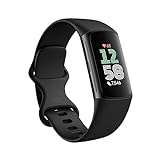
- Find your way seamlessly during runs or rides with turn-by-turn directions from Google Maps on Fitbit Charge 6[7, 8]; and when you need a snack break on the go, just tap to pay with Google Wallet[8, 9]
Unlike continuous electronic wearables, the patch itself has no battery, no Bluetooth, and no onboard processing. Instead, it passively collects and analyzes sweat during a workout, then relies on a smartphone camera to scan the patch post-exercise and extract the data.
That design choice keeps the patch thin, comfortable, and unobtrusive, closer to kinesiology tape than a traditional wearable. You wear it, train as usual, peel it off, scan it, and discard it.
What data the sweat patch measures
The primary signal Gatorade is focused on is sweat sodium concentration. Sodium loss is one of the most important and variable factors in hydration strategy, influencing cramping risk, fluid retention, and overall performance, especially in endurance and heat-heavy training.
The patch also estimates sweat rate by analyzing how quickly sweat fills the microfluidic channels. By combining sweat rate and sodium concentration, Gatorade can calculate total sodium loss per hour and approximate fluid loss during the session.
What it does not measure is equally important. The GX Sweat Patch doesn’t track hydration status in real time, blood biomarkers, glucose, lactate, or heart rate. It’s a post-workout analytical tool, not a live feedback device.
How the scanning and software experience works
After your workout, you open the Gatorade GX app and use your phone’s camera to scan the used patch. The app reads the colorimetric changes in the patch’s sensor channels, converts them into numerical values, and feeds that data into Gatorade’s hydration algorithms.
From there, the app generates personalized recommendations for fluid intake and electrolyte replacement, often expressed in terms of how much to drink per hour and how to mix or choose electrolyte products. The experience is designed to be simple and visual, prioritizing clarity over raw data overload.
Compatibility is smartphone-based rather than watch-based. There’s no direct integration with Apple Watch, Garmin, or other fitness platforms for live data, though the results can be used alongside training metrics from those ecosystems.
Why Gatorade sees smart hydration as a growth category
For decades, Gatorade’s business was built on population averages. The GX Sweat Patch signals a shift toward individualized fueling, where hydration advice adapts to the athlete rather than the sport.
Sweat testing has existed for years in elite sports labs, but it was expensive, time-consuming, and inaccessible. Gatorade is betting that consumer athletes are now ready for simplified, actionable sweat analytics that sit between guesswork and medical testing.
It also fits neatly into the broader wearable trend: athletes already track heart rate, pace, sleep, and recovery. Hydration has been the missing input, and sweat is one of the few non-invasive ways to approach it.
Is this a meaningful advancement or a niche tool?
The GX Sweat Patch represents a meaningful step forward for athletes who train long, hard, or in the heat, especially endurance runners, cyclists, triathletes, and team-sport athletes with heavy sweat loss. For these users, understanding personal sodium loss can materially change hydration strategy and reduce performance fade.
For casual gym-goers or short-duration workouts, the value is less clear. The patch isn’t designed for daily use, real-time alerts, or casual wellness tracking, and the cost-per-use makes it impractical as a general-purpose wearable.
Where it succeeds is in translating complex physiology into something usable without turning the athlete into a scientist. Where it falls short is in scope: it’s a focused tool for hydration planning, not a comprehensive health sensor.
Who should care about the GX Sweat Patch
If you already use a smartwatch or bike computer and have wondered why hydration advice still feels generic, the GX Sweat Patch fills that gap. It complements existing wearables rather than competing with them, adding a data layer they can’t capture.
If you’re looking for live alerts, continuous monitoring, or a device you wear all day, this isn’t that product. The GX Sweat Patch is about learning how your body behaves under stress, then applying that knowledge to future training and racing decisions.
That distinction explains why Gatorade is betting on it. Smart hydration isn’t about replacing bottles or watches; it’s about finally giving athletes a personalized baseline instead of another one-size-fits-all formula.
How the GX Sweat Patch Sensor Actually Works: Sweat Chemistry, Sodium Loss, and Fluid Estimation
To understand why the GX Sweat Patch exists, it helps to reset expectations. This isn’t a miniature lab-on-the-arm streaming live data like a smartwatch. It’s a single-session biochemical sensor designed to capture how your body loses fluid and electrolytes under real training stress, then translate that into actionable hydration guidance.
At its core, the patch is about sweat composition, not sweat rate alone. Gatorade’s bet is that sodium loss, when paired with estimated fluid loss, is the most practical hydration variable athletes can personalize without crossing into clinical testing.
What the Patch Is Physically Measuring
The GX Sweat Patch uses a microfluidic paper-based sensor embedded inside a disposable adhesive patch. As you sweat, fluid is passively wicked through tiny channels that guide sweat toward a sodium-sensitive chemical reagent.
This reagent reacts with sodium ions in your sweat, producing a color change. The intensity and distribution of that color are proportional to sodium concentration, not total sweat volume.
Importantly, the patch does not measure potassium, magnesium, or chloride. Sodium is the primary electrolyte Gatorade focuses on because it is the dominant driver of hydration balance, muscle function, and cramping risk during prolonged exercise.
Why Sodium Concentration Matters More Than You Think
Two athletes can finish the same run equally drenched yet have dramatically different sodium losses. One might be a low-sodium sweater losing 300 mg per liter, while another might exceed 1,500 mg per liter.
Generic hydration advice assumes averages. The GX system exists to identify where you fall on that spectrum, because sodium concentration determines whether water alone, standard sports drink, or higher-electrolyte fueling is appropriate.
This is also why the patch is session-specific. Sodium concentration tends to be consistent within an individual but varies across people, making a one-time or occasional test meaningful for long-term hydration planning.
How Fluid Loss Is Estimated Without Measuring Sweat Rate Directly
The patch itself does not measure sweat volume. Instead, fluid loss is estimated using a model that combines workout duration, activity type, environmental conditions, and body metrics entered into the Gatorade app.
This is a critical distinction. The GX system is not claiming laboratory-grade sweat rate precision. It’s using well-established exercise physiology relationships to contextualize sodium concentration into an estimated total sodium loss.
In practice, this means the sodium number you see is the anchor, while fluid loss is a calculated layer built on top of that chemistry.
From Patch to Phone: How the Data Is Captured
After your workout, you remove the patch and scan it using your smartphone camera inside the Gatorade GX app. Computer vision algorithms analyze the color pattern and intensity of the sodium reaction zones.
This approach keeps the patch battery-free and ultra-thin. There’s no Bluetooth radio, no onboard processing, and nothing to recharge.
The tradeoff is that results are post-workout only. There are no live alerts, no mid-session hydration prompts, and no real-time integration with a smartwatch or bike computer.
What the App Actually Calculates and Reports
Once scanned, the app outputs three primary insights: your sweat sodium concentration, estimated total sodium lost during the session, and recommended fluid and electrolyte replacement amounts.
These recommendations are framed around Gatorade’s fueling ecosystem, but the underlying numbers are brand-agnostic. You can apply them using any hydration strategy once you understand your baseline.
The app also stores historical tests, allowing athletes to confirm consistency across conditions or identify how heat and intensity affect their losses.
Accuracy, Limitations, and Real-World Context
The GX Sweat Patch is directionally accurate rather than clinically diagnostic. It is designed to inform hydration decisions, not replace lab sweat testing used by elite teams and research institutions.
Placement matters. The patch is typically worn on the forearm, which may not perfectly represent whole-body sweat composition, though research suggests regional sodium concentration is reasonably correlated for practical use.
It’s also not meant for frequent use. Gatorade positions it as an occasional calibration tool, something you use a few times per season to dial in hydration strategy rather than a weekly metric.
How This Fits Into the Broader Wearable Ecosystem
Unlike watches or rings, the GX Sweat Patch doesn’t track effort, recovery, or readiness. It fills a narrow but important data gap that mainstream wearables still can’t address non-invasively.
Used alongside heart rate, pace, power, and temperature data from existing devices, it adds context to why performance fades, cramps appear, or post-workout recovery feels harder than expected.
That focus is intentional. The GX Sweat Patch isn’t trying to be another wearable you manage daily. It’s a diagnostic tool for hydration behavior, designed to quietly inform everything else you already use.
What Data the GX Patch Measures (and What It Doesn’t): Hydration Insights Explained
To understand where the GX Sweat Patch fits, it helps to be very precise about what it is sensing versus what the app is ultimately estimating. This is not a continuous biometric tracker like a watch or ring, but a single-session biochemical sampler designed to calibrate hydration strategy.
What the Patch Directly Measures: Sweat Sodium Concentration
At the hardware level, the GX Patch measures one core variable: sodium concentration in sweat. As you exercise, sweat is wicked through a microfluidic channel where a colorimetric reaction occurs, changing based on sodium levels.
Rank #2

- Inspire 3 is the tracker that helps you find your energy, do what you love and feel your best. All you have to do is wear it.Operating temperature: 0° to 40°C
- Move more: Daily Readiness Score(1), Active Zone Minutes, all-day activity tracking and 24/7 heart rate, 20+ exercise modes, automatic exercise tracking and reminders to move
- Stress less: always-on wellness tracking, daily Stress Management Score, mindfulness sessions, relax breathing sessions, irregular heart rhythm notifications(2), SpO2(3), menstrual health tracking, resting heart rate and high/low heart rate notifications
- Sleep better: automatic sleep tracking, personalized Sleep Profile(1), daily detailed Sleep Score, smart wake vibrating alarm, sleep mode
- Comfortably connected day and night: calls, texts & smartphone app notifications(4), color touchscreen with customizable clock faces, super lightweight and water resistant to 50 meters, up to 10 day battery life(5)
That color pattern is what the smartphone camera reads during the scan. The patch itself contains no battery, no Bluetooth, and no onboard memory, which is why all intelligence lives in the app rather than the sensor.
Importantly, this is concentration, not total loss. It tells you how salty your sweat is, not how much fluid you lost overall.
What the App Estimates: Total Sodium Loss
Once sweat sodium concentration is known, the app combines it with session details you input manually. Duration, perceived intensity, and environmental conditions are used to estimate sweat rate and, from there, total sodium loss.
This is where modeling enters the picture. The number is not directly measured but inferred using population-level physiology data layered onto your personal sweat chemistry.
In practice, this is still extremely useful. For most athletes, knowing whether you lose 500 mg or 1,500+ mg of sodium per hour is the difference between guessing and executing a repeatable fueling plan.
Fluid Replacement Guidance, Not Dehydration Status
The GX ecosystem provides fluid intake recommendations tied to your estimated losses. These are expressed as how much to drink per hour and how much sodium to include, often framed through Gatorade products but easily translated to other mixes.
What it does not tell you is your real-time hydration status. There is no measurement of body water percentage, plasma osmolality, or cellular hydration.
This distinction matters. The patch helps you plan what to drink, not diagnose whether you are currently dehydrated during or after a workout.
What It Doesn’t Measure: Sweat Rate, Calories, or Performance Metrics
Despite common assumptions, the GX Patch does not directly measure sweat volume. Sweat rate is estimated, not sensed, and depends on the accuracy of your input and the model’s assumptions.
It also does not track calories burned, carbohydrate utilization, heart rate, temperature, or fatigue. There is no connection to GPS, power meters, or pace data unless you manually contextualize it alongside your other wearables.
Think of it as biochemical context layered on top of performance data, not a replacement for any existing fitness tracker.
Electrolytes Beyond Sodium: What’s Missing
Sodium is the primary electrolyte lost in sweat, which is why Gatorade focuses here. However, the patch does not measure potassium, chloride, magnesium, or calcium losses.
For most endurance athletes, sodium dominates hydration strategy, making this omission reasonable. Still, athletes with cramping issues or those experimenting with more nuanced electrolyte blends should recognize the limits.
This is a sodium-first tool, not a full electrolyte panel.
Single-Session Insight, Not Long-Term Continuous Tracking
Another key limitation is temporal. The GX Patch captures data from one workout under specific conditions, not day-to-day variability across weeks.
That makes it excellent for establishing a baseline or testing differences between cool and hot environments. It is less useful for tracking gradual physiological changes like heat acclimation unless you repeat tests intentionally.
Gatorade’s own guidance reflects this. The patch is meant to be used occasionally, then relied on indirectly through adjusted hydration habits.
Why This Data Still Matters in the Wearable Landscape
Most consumer wearables estimate hydration indirectly through proxies like heart rate drift, weight change, or subjective readiness scores. None can non-invasively measure sweat chemistry during exercise.
The GX Patch fills that gap with a narrow but meaningful data point. When combined with smartwatch metrics like pace fade, rising heart rate, or power drop-offs, sweat sodium data often explains patterns athletes previously blamed on fitness or fueling guesswork.
It doesn’t promise a complete picture of your physiology. What it offers is clarity on one of endurance sport’s most stubborn unknowns: how much salt you actually lose when it matters.
Using the GX Sweat Patch in the Real World: Application, Wear Time, and Post-Workout Analysis
Once you understand what the GX Sweat Patch measures and, just as importantly, what it doesn’t, the real question becomes how it actually fits into a training day. Gatorade has deliberately designed this to be a low-friction, low-commitment tool rather than something that competes with your watch or chest strap.
In practice, using the patch feels closer to running a field test than adopting a new wearable category.
Applying the Patch: Placement, Prep, and Practicality
The GX Sweat Patch is single-use and adhesive, designed to be applied directly to clean, dry skin before your workout. Gatorade recommends placing it on the outer forearm, where sweat rate is relatively consistent and less likely to be disturbed by clothing or excessive movement.
Skin prep matters more than you might expect. Sunscreen, lotion, or residual sweat can interfere with adhesion and fluid flow, so a quick wipe-down before application improves both comfort and data reliability.
Once applied, the patch is thin and flexible enough that it quickly disappears from awareness. It doesn’t tug at arm hair aggressively, and during steady-state or high-intensity efforts, it’s easy to forget it’s there.
Wear Time and Workout Conditions That Matter
The GX Sweat Patch is worn only during the workout itself, with no electronics, battery, or live connection to your phone. Sweat is passively drawn into microchannels as you exercise, meaning the quality of the data depends on actually sweating enough to fill the patch.
Most users will need at least 30 to 45 minutes of moderate to hard effort, especially in cooler conditions. Short gym sessions, strength training, or low-sweat yoga classes are unlikely to generate usable results.
Heat, humidity, and intensity all influence outcomes. That’s not a flaw so much as a reminder that this is a contextual tool, best used during workouts that resemble your key races or hardest training days.
Comfort, Durability, and Interference With Other Gear
From a wearability standpoint, the patch plays nicely with most setups. It doesn’t interfere with GPS watches, chest straps, arm sleeves, or hydration packs, provided it’s not placed under compression fabric.
Sweat and rain aren’t an issue, as the patch is designed to operate in exactly those conditions. However, heavy friction from tight sleeves or aggressive arm swing in trail running can occasionally loosen the adhesive late in a session.
Because it’s disposable, there’s no need to worry about cleaning or long-term durability. Once the workout is done, the patch has served its purpose.
Post-Workout Removal and Smartphone Scanning
After finishing your session, the patch is peeled off and scanned using the GX app on your smartphone. This is where the technology quietly shifts from sports gear to consumer tech, relying on your phone’s camera rather than embedded electronics.
The scan process reads color changes within the patch’s microfluidic channels, translating them into an estimated sweat sodium concentration and total sodium loss. Good lighting and a steady hand make a noticeable difference in scan quality.
The entire process takes under a minute, and because it’s done post-workout, there’s no distraction during training. That design choice reinforces the idea that this is about reflection and planning, not in-the-moment feedback.
Interpreting the Results Without Overthinking Them
The app presents your sweat sodium loss alongside contextual guidance, typically translating raw numbers into hydration and fueling suggestions. Rather than overwhelming you with lab-style data, it frames results in practical terms like how much sodium you might need per hour.
This is where pairing the patch with your existing wearables pays off. Looking at sweat sodium alongside heart rate drift, power fade, or perceived exertion often reveals patterns that felt mysterious during the workout itself.
It’s best treated as directional, not diagnostic. The value comes from repeatable insights across similar conditions, not obsessing over single-session precision.
How Often It Makes Sense to Use the Patch
Gatorade doesn’t position the GX Sweat Patch as something you wear every week, and that restraint is refreshing. Most athletes will get the most value from using it a handful of times: different seasons, different intensities, or before an important race block.
Once you understand whether you’re a light, moderate, or heavy sodium sweater, day-to-day hydration becomes simpler. At that point, the patch becomes a validation tool rather than a constant dependency.
For athletes who enjoy experimenting with fueling strategies or dialing in race-day plans, this occasional, intentional use model fits naturally into an already data-driven training mindset.
GX App Ecosystem and Compatibility: Phones, Wearables, and How the Data Fits Into Your Training Stack
Once you’ve established that the GX Sweat Patch is best used periodically rather than constantly, the next question becomes where its data actually lives and how easily it blends into the tools you already trust. Gatorade’s approach here is intentionally phone-first, with the GX app acting as the central hub rather than trying to turn the patch into yet another live-tracking wearable.
This choice shapes everything from compatibility to how actionable the insights feel after the workout is done.
Rank #3

- 【BUILT-IN GPS SMART WATCH – GO FURTHER, FREER, SMARTER】No phone? No problem. This fitness watch for women, featuring the latest 2025 technology, includes an advanced professional-grade GPS chip that precisely tracks every route, distance, pace (real-time & average), and calorie burned—completely phone-free. Whether you're chasing new personal records or exploring off the beaten path, your full journey is automatically mapped and synced in the app. Train smarter. Move with purpose. Own your progress. Own your journey.
- 【BLUETOOTH 5.3 CALLS & SMART NOTIFICATIONS】Stay effortlessly connected with this smart watch for men and women, featuring dual Bluetooth modes (BT 3.0 + BLE 5.3) and a premium microphone for crystal-clear calls right from your wrist—perfect for driving, workouts, or busy days. Receive instant alerts for calls, texts, and popular social apps like WhatsApp and Facebook. Just raise your wrist to view notifications and never miss an important moment.
- 【100+ SPORT MODES & IP68 WATERPROOF & DUSTPROOF】This sport watch is a versatile activity and fitness tracker with 100+ modes including running, cycling, yoga, and more. It features quick-access buttons and automatic running/cycling detection to start workouts instantly. Accurately track heart rate, calories, distance, pace, and more. Set daily goals on your fitness tracker watch and stay motivated with achievement badges. With IP68 waterproof and dustproof rating, it resists rain and sweat for any challenge. Not suitable for showering, swimming, or sauna.
- 【24/7 HEALTH ASSISTANT & SMART REMINDERS】This health watch continuously monitors heart rate, blood oxygen, and stress levels for comprehensive wellness tracking. Sleep monitoring includes deep, light, REM sleep, and naps to give you a full picture of your rest. Stay on track with smart reminders for sedentary breaks, hydration, medication, and hand washing. Women can also monitor menstrual health. Includes guided breathing exercises to help you relax. Your ultimate health watch with event reminders for a healthier life.
- 【ULTRA HD DISPLAY, LIGHTWEIGHT & CUSTOMIZABLE DIALS】This stylish wrist watch features a 1.27-inch (32mm) 360×360 ultra HD color display with a 1.69-inch (43mm) dial, offering vivid details and responsive touch. Its minimalist design fits both business and casual looks. Switch freely among built-in designer dials or create your own DIY watch face using photos, colors, and styles to showcase your unique personality. Perfect as a cool digital watch and fashion wrist watch.
Phone Compatibility and the Camera-First Design
The GX app is available on both iOS and Android, and the phone’s camera is effectively the most important “sensor” in the system. Because the patch has no battery, Bluetooth radio, or onboard memory, scan quality depends heavily on camera resolution, lighting conditions, and how steady you are during the capture process.
Modern smartphones from the last few years generally handle this well, but older devices or low-light environments can introduce inconsistencies. It’s a reminder that while the patch itself is simple and lightweight on the body, the real hardware dependency lives in your pocket.
From a durability and comfort standpoint, this trade-off works in the patch’s favor. There’s no added thickness, no rigid electronics, and nothing that changes how it feels under a jersey or base layer during longer sessions.
Wearable Integration: Indirect, but Surprisingly Useful
The GX Sweat Patch doesn’t connect directly to smartwatches, bike computers, or heart rate straps, and that may initially feel like a missed opportunity. There’s no ANT+, no Bluetooth sync, and no real-time hydration alerts buzzing your wrist mid-interval.
Instead, the integration happens after the fact. You use your Garmin, Apple Watch, COROS, Polar, or Whoop as you normally would, then layer GX sweat data on top during analysis.
In practice, this often leads to more meaningful insights. Comparing sodium loss against heart rate drift, pace decay, or power output during similar workouts can explain why certain sessions feel disproportionately hard, even when the numbers look fine on your watch.
Exporting Data and Playing Nicely With Training Platforms
At launch, the GX app keeps most sweat data within its own ecosystem, focusing on visual summaries and hydration recommendations rather than raw data exports. There’s no native one-tap sync into TrainingPeaks, Strava, or Apple Health that embeds sodium loss directly into your workout file.
That limitation will matter to athletes who want everything consolidated in a single dashboard. For now, GX works more like a reference layer: you note your sweat profile, then manually apply those learnings when planning bottles, gels, or electrolyte mixes for future sessions.
For many endurance athletes, that’s still enough. Hydration strategies don’t need daily recalculation, and once you’ve established a reliable per-hour sodium range, the lack of continuous syncing becomes less frustrating.
How the GX App Frames the Data for Real-World Use
Where Gatorade shows its consumer-tech instincts is in how the app translates numbers into decisions. Instead of emphasizing millimoles or lab-style thresholds, it focuses on estimated sodium loss per hour and how that maps to familiar fueling products.
This makes the app approachable without dumbing it down. You’re still seeing personalized data, but it’s contextualized in a way that fits how athletes actually prepare for training and races.
The interface also encourages comparisons across sessions, helping you identify patterns tied to heat, intensity, or duration. Over time, the app becomes less about the individual scan and more about building confidence in your hydration plan.
Where It Sits in a Modern Training Stack
The GX Sweat Patch is best thought of as a calibration tool rather than a daily tracker. It complements watches, chest straps, and power meters by answering a question they can’t: how much sodium you personally lose under specific conditions.
For athletes already deep into data-driven training, that missing variable can be the difference between guessing and planning. For more casual users, the setup and interpretation may feel like extra work with limited payoff.
Crucially, GX doesn’t try to replace your existing wearables or become a new always-on device. It slots into the gaps between sessions, informing decisions without adding another screen, battery, or charging cable to your routine.
Compatibility Today, and What to Watch for Next
Right now, compatibility is broad at the phone level and intentionally narrow elsewhere. Any reasonably modern smartphone can support the system, but deeper integrations with watch platforms or training software remain an open question.
If Gatorade expands data sharing into Apple Health, Google Health Connect, or popular coaching platforms, GX could become a more seamless part of long-term athlete monitoring. Until then, it remains a smart, lightweight addition rather than a fully embedded node in your wearable ecosystem.
For athletes who value insight over immediacy, and planning over live feedback, that positioning makes sense. It’s not about more data during the workout, but better decisions before the next one.
How GX Compares to Other Hydration and Sweat-Sensing Wearables: Nix, Epicore, and Lab Testing
Placed in context, GX isn’t entering an empty category. Sweat analysis has quietly evolved over the past decade, split between consumer-facing hydration tools, research-grade biosensors, and traditional lab testing that still anchors elite sport science.
Understanding where GX fits requires looking at what each approach prioritizes: immediacy versus accuracy, convenience versus control, and guidance versus raw data.
GX vs Nix: Planning Tool vs Live Feedback
The most obvious comparison is Nix Hydration Biosensor, currently the most visible consumer sweat-sensing wearable. Like GX, Nix measures sweat rate and sodium concentration, but it does so continuously during exercise and delivers real-time hydration prompts.
That live feedback changes the experience entirely. Nix is designed to be worn on the arm during training, connected to a smartphone, with an emphasis on in-session adjustments rather than post-workout analysis.
GX takes almost the opposite stance. It’s applied for a defined session, scanned afterward, and used to inform future hydration strategies rather than guide behavior mid-workout.
From a wearability standpoint, GX is lighter and less intrusive. There’s no electronics, no battery, no Bluetooth connection, and nothing to strap on beyond the adhesive patch itself.
Nix, by contrast, is a true wearable device with a rechargeable module, a reusable housing, and ongoing maintenance considerations. That adds complexity but also unlocks live insights that GX intentionally avoids.
For athletes who want prompts like “drink now” or “add sodium” while running or cycling, Nix clearly wins. For those focused on building a repeatable plan for race day or long training blocks, GX’s snapshot-style data may actually be more actionable.
GX vs Epicore: Consumer Product vs Research-Grade Sensor
Epicore’s sweat patch, developed out of Northwestern University research, sits at the opposite end of the spectrum. It’s a soft, microfluidic patch capable of measuring sweat rate, sodium, chloride, glucose, and temperature with high spatial resolution.
But Epicore is not a consumer product in the same sense. It’s primarily used in research settings, occupational safety trials, and military or industrial monitoring, often paired with custom software and controlled protocols.
GX borrows some of the same microfluidic principles but simplifies them dramatically. It focuses narrowly on sweat sodium concentration and total fluid loss, leaving out broader biomarker tracking in favor of reliability and interpretability.
That tradeoff matters. Epicore can generate richer datasets, but those datasets require expertise to analyze and rarely translate directly into “what should I drink” answers without additional modeling.
GX’s strength is that it collapses complex physiology into a practical outcome. You’re not handed raw sodium values in isolation; you’re given a hydration and fueling recommendation tied directly to Gatorade’s product ecosystem.
For self-coached athletes, that approach is far more usable, even if it lacks the scientific breadth of a research-grade patch.
GX vs Traditional Sweat Testing Labs
Lab-based sweat testing remains the gold standard for accuracy. These tests typically involve controlled exercise, absorbent patches, precision scales, and chemical analysis to determine sweat rate and electrolyte loss.
The downside is accessibility. Lab tests are expensive, time-consuming, and often divorced from real-world conditions like race heat, terrain, or pacing variability.
GX doesn’t replace lab testing, but it does challenge its exclusivity. By allowing athletes to test during their actual training sessions, GX captures data in environments that matter most.
Accuracy will never fully match a controlled lab setup, but relevance often improves. A slightly less precise measurement taken during a hot long run may be more useful than a perfect one collected indoors at a fixed intensity.
For many athletes, GX becomes a practical alternative rather than a compromise. It offers enough fidelity to guide hydration planning without the logistical friction of formal testing.
What This Comparison Reveals About GX’s Real Value
Looking across these options, GX’s positioning becomes clearer. It’s not a real-time hydration coach, and it’s not a scientific instrument designed for biomarker discovery.
Instead, it sits in a middle ground that prioritizes decision-making over data collection. It tells you how you personally sweat, under conditions you actually train in, and translates that into actionable guidance without ongoing hardware commitments.
That makes GX especially compelling for endurance athletes who already track pace, power, heart rate, and temperature but lack confidence in their hydration strategy.
It’s less compelling for athletes who want constant feedback or for those who thrive on deep physiological metrics without interpretation.
In the broader hydration and sweat-sensing ecosystem, GX doesn’t aim to be the most advanced sensor. It aims to be the most useful one for planning, and that distinction is what ultimately separates it from both wearables and labs.
Rank #4

- 24H Accurate Heart Rate Monitoring: Go beyond basic tracking. Our watch automatically monitors your heart rate, blood oxygen (SpO2), and sleep patterns throughout the day and night. Gain deep insights into your body's trends and make informed decisions for a healthier lifestyle.
- Practical Sports Modes & Smart Activity Tracking: From running and swimming to yoga and hiking, track a wide range of activities with precision. It automatically records your steps, distance, calories burned, and duration, helping you analyze your performance and crush your fitness goals.
- 1-Week Battery Life & All-Day Wear: Say goodbye to daily charging. With an incredible up to 7-10 days of battery life on a single charge, you can wear it day and night for uninterrupted sleep tracking and worry-free travel. Stay connected to your data without the hassle.
- Comfortable to Wear & IP68 Waterproof: The lightweight, skin-friendly band is crafted for all-day comfort, even while you sleep. With IP68 waterproof, it withstands rain, sweat, It is not suitable for swimming or showering.
- Ease of Use and Personalized Insights via Powerful App: The display is bright and easy to read, even outdoors. Unlock the full potential of your watch. Sync with our dedicated app to view detailed health reports, customize watch faces, set sedentary reminders, and manage your preferences with ease.
Accuracy, Validation, and Limitations: What the Science Supports vs Marketing Claims
That usefulness-first positioning inevitably raises a harder question: how accurate is GX, and where does Gatorade’s science end and marketing begin.
Sweat sensing sits at an awkward intersection of physiology, chemistry, and real-world variability. GX doesn’t escape those constraints, but it also doesn’t ignore them.
What GX Actually Measures, and What It Infers
The GX Sweat Patch directly measures sweat sodium concentration and total sweat loss during a single session. Sodium is quantified via a colorimetric reaction inside the patch, while sweat rate is calculated from patch saturation and surface area.
Everything else, including recommended fluid intake and sodium replacement, is inferred. Those recommendations are algorithmic outputs layered on top of the raw measurements rather than new physiological signals.
This distinction matters because GX’s accuracy is strongest at the sensor level and weaker as the system moves toward prescription. The patch is measuring chemistry, not predicting performance outcomes.
Validation Against Lab-Based Sweat Testing
Gatorade has published internal validation data comparing GX readings against standard absorbent patch and lab analysis methods. Across controlled tests, sodium concentration typically falls within a reasonable error margin for consumer use, often cited in the ±10–15 percent range.
That level of variance aligns with much of the academic literature on field-based sweat sensors. Even traditional lab methods show meaningful inter-test variability depending on patch placement, exercise intensity, and environmental conditions.
GX does not outperform lab testing, but it generally tracks directionally correctly. Athletes with high sodium losses still show up as high sodium sweaters, and low sodium sweaters remain low across repeated tests.
Single-Session Data vs Long-Term Reliability
Where GX becomes more nuanced is repeatability. Sweat rate and sodium concentration are not fixed traits, even within the same athlete.
Heat acclimation, fitness changes, clothing, pacing, and humidity all influence sweat chemistry. GX captures a snapshot, not a permanent profile.
Gatorade positions GX as something you should test multiple times across different conditions. That advice is scientifically sound, but it also means one patch should never be treated as definitive.
Why Real-World Accuracy Is Both Better and Worse Than the Lab
In controlled environments, lab testing wins on precision. Variables are standardized, and measurements are tightly controlled.
In real training, GX often wins on relevance. Data collected during an actual long run, ride, or race simulation reflects the thermal load, stress, and behavioral patterns that matter most.
The tradeoff is noise. Outdoor wind, uneven sweat distribution, and movement artifacts all introduce error, but they also mirror how athletes actually perform.
Limitations Gatorade Is Quiet About
GX only measures local sweat at the patch site, typically the forearm. Sweat composition varies across the body, and forearm sodium is not always representative of whole-body averages.
The system also assumes consistent patch adhesion and full saturation. Poor skin contact, early session removal, or under-sweating can compromise results without always making that obvious to the user.
GX is also blind to potassium, magnesium, and other electrolytes that play secondary but meaningful roles in hydration. Sodium dominates sweat loss, but it isn’t the entire story.
Not Real-Time, Not Continuous, and Not Medical
Despite its sensor pedigree, GX is not a live feedback tool. Data is only available after the session once the patch is scanned.
This design avoids battery life constraints and connectivity issues, but it also limits in-session decision-making. Athletes looking for alerts or adaptive hydration prompts won’t find them here.
GX is also not regulated as a medical device. It’s designed for performance planning, not diagnosis or clinical hydration management.
Marketing Claims vs Practical Reality
Gatorade’s messaging emphasizes personalization, which GX delivers within boundaries. It personalizes hydration planning, not physiology itself.
The patch won’t tell you when you’re dehydrated, prevent cramps, or optimize race-day performance on its own. Those outcomes depend on execution, training, and broader fueling strategy.
Where the marketing aligns with reality is in confidence-building. GX reduces guesswork around sweat loss, which is often the weakest link in endurance hydration planning.
Who Accuracy Is “Good Enough” For, and Who It Isn’t
For endurance athletes making coarse decisions like how much to drink per hour or how salty their bottle should be, GX accuracy is sufficient and often transformative.
For researchers, elite teams seeking marginal gains, or athletes managing medical hydration conditions, it won’t replace lab testing or clinical oversight.
GX lives comfortably in the middle ground it was designed for. It offers scientifically grounded insight with consumer-grade constraints, and its value depends entirely on whether that balance matches the athlete’s expectations.
Who the Gatorade GX Sweat Patch Is For — and Who Should Probably Skip It
Taken together, the constraints outlined above shape a fairly clear picture of who GX genuinely helps. This is not a universal hydration wearable, and it’s not trying to be.
GX works best when it’s treated as a planning tool rather than a live performance aid. If you understand that distinction going in, its value becomes much easier to judge.
Endurance Athletes Who Sweat a Lot — and Know It
GX is most compelling for runners, cyclists, triathletes, and long-session gym athletes who already suspect they’re heavy or salty sweaters. These are the users who finish sessions crusted in salt, burn through bottles faster than peers, or routinely struggle with late-session fade despite adequate calories.
For this group, post-workout sweat loss and sodium estimates translate directly into actionable changes. Knowing whether you lose 600 mg or 1,400 mg of sodium per liter can meaningfully alter how you mix bottles, choose on-course nutrition, or plan aid station strategy.
It’s especially useful for athletes training in heat or humidity, where intuition often fails and hydration errors compound quickly.
Data-Literate Athletes Who Like Post-Session Analysis
GX pairs naturally with athletes who already review workout files, heart rate trends, and training load metrics after the fact. The scan-and-review workflow fits neatly alongside platforms like Garmin Connect, TrainingPeaks, or Strava, even if direct integrations are limited.
Because the patch is single-use and session-based, it encourages periodic sampling rather than constant monitoring. That makes it appealing to athletes who want to establish personal baselines and then apply those insights broadly, rather than track every workout.
If you enjoy turning one or two well-measured sessions into smarter long-term decisions, GX fits that mindset well.
Teams, Coaches, and Structured Training Environments
GX also makes sense in team settings where sweat testing logistics are otherwise a barrier. Coaches working with small squads can use patches to identify outliers and tailor hydration recommendations without lab visits or invasive testing.
The simplicity of application, zero charging, and phone-based scanning lowers friction significantly compared to traditional sweat analysis tools. For youth, collegiate, or sub-elite programs, that practicality matters more than absolute precision.
It’s not replacing laboratory-grade sweat testing, but it narrows the gap enough to inform real-world coaching decisions.
Biohacking-Curious Users With Real Athletic Demand
There’s a subset of tech-forward users who don’t race but train hard and want physiological context for how their body responds to stress. GX can satisfy that curiosity if workouts are long enough and sweaty enough to generate usable data.
This group should be honest about usage, though. Short indoor sessions, strength training with long rest periods, or cool-climate workouts often won’t produce reliable readings.
GX rewards sustained effort. If your training rarely crosses that threshold, the patch may feel underwhelming.
Who Will Likely Be Disappointed
Casual exercisers and smartwatch-first users expecting live alerts should probably skip GX. There’s no real-time feedback, no haptic prompts, and no dynamic guidance during a workout.
Athletes who already manage hydration well through experience may also see diminishing returns. If your fueling plan is dialed, race-tested, and consistently successful, GX may confirm what you already know rather than change behavior.
💰 Best Value

- 【Superb Visual Experience & Effortless Operation】Diving into the latest 1.58'' ultra high resolution display technology, every interaction on the fitness watch is a visual delight with vibrant colors and crisp clarity. Its always on display clock makes the time conveniently visible. Experience convenience like never before with the intuitive full touch controls and the side button, switch between apps, and customize settings with seamless precision.
- 【Comprehensive 24/7 Health Monitoring】The fitness watches for women and men packs 24/7 heart rate, 24/7 blood pressure and blood oxygen monitors. You could check those real-time health metrics anytime, anywhere on your wrist and view the data record in the App. The heart rate monitor watch also tracks different sleep stages for light and deep sleep,and the time when you wake up, helps you to get a better understanding of your sleep quality.
- 【120+ exercise modes & All-Day Activity Tracking】There are more than 120 exercise modes available in the activity trackers and smartwatches, covering almost all daily sports activities you can imagine, gives you new ways to train and advanced metrics for more information about your workout performance. The all-day activity tracking feature monitors your steps, distance, and calories burned all the day, so you can see how much progress you've made towards your fitness goals.
- 【Messages & Incoming Calls Notification】With this smart watch fitness trackers for iPhone and android phones, you can receive notifications for incoming calls and read messages directly from your wrist without taking out your phone. Never miss a beat, stay in touch with loved ones, and stay informed of important updates wherever you are.
- 【Essential Assistant for Daily Life】The fitness watches for women and men provide you with more features including drinking water and sedentary reminder, women's menstrual period reminder, breath training, real-time weather display, remote camera shooting, music control,timer, stopwatch, finding phone, alarm clock, making it a considerate life assistant. With the GPS connectivity, you could get a map of your workout route in the app for outdoor activity by connecting to your phone GPS.
And for those seeking medical-grade insight, electrolyte balance diagnostics, or cramp prevention guarantees, GX is simply the wrong category of product.
Budget- and Convenience-Sensitive Users
Because GX patches are consumables, ongoing cost matters. This isn’t a one-time hardware purchase like a watch or strap; it’s a recurring expense tied to how often you test.
Users who want frictionless, always-on tracking may also chafe at the adhesive patch format. Placement, skin prep, and post-session scanning add steps that don’t exist with wrist-based wearables.
If you value convenience over depth, GX may feel like work rather than insight.
Who Should Think Hard Before Buying
GX sits in a narrow but intentional lane. It’s for athletes who train long enough, sweat enough, and think critically enough about hydration to turn occasional data into lasting changes.
If that sounds like you, GX can be quietly transformative. If not, it’s better viewed as a niche performance tool rather than a must-have wearable.
Pricing, Availability, and Consumable Economics: Is a Single-Use Smart Patch Sustainable?
All of the above makes one thing unavoidable: GX isn’t just a product decision, it’s a usage decision. Because the sensor is single-use, the value equation looks very different from a watch, strap, or ring that quietly amortizes itself over years.
Understanding GX means understanding how often you’ll realistically deploy it, what each test costs, and whether the insights justify a consumable model.
Launch Pricing and What You Actually Pay per Session
At launch, Gatorade positioned the GX Sweat Patch as an accessible but premium consumable, typically sold in multi-packs rather than individually. In most regions where it debuted, pricing landed roughly in the $20–$25 range for a two‑patch pack, putting each session at about $10–$12 before tax.
That per‑use cost is the number that matters. Unlike a smartwatch upgrade cycle measured in years, GX asks you to decide whether a single workout’s data is worth the price of a café lunch.
There’s no subscription fee layered on top, which is important. Once you’ve bought the patches, the Gatorade GX app experience is fully unlocked without ongoing software charges.
Availability and Platform Lock-In
GX availability has been regionally staggered, with initial focus on the U.S. market and select endurance-heavy retail channels. It’s not something you’ll find in every sporting goods store, and international access has historically lagged behind North America.
From a compatibility standpoint, GX is phone-first rather than wearable-first. The patch is applied to the skin during exercise, then scanned post‑workout using the GX mobile app, relying on optical analysis rather than Bluetooth streaming or onboard battery power.
That design keeps the patch thin, flexible, and battery-free, but it also means GX doesn’t integrate directly with watches or bike computers. It lives alongside your Garmin, Apple Watch, or COROS data, not inside it.
Consumable Economics for Real-World Training
For most athletes, GX is not meant to be worn every session. Gatorade’s own framing leans toward periodic testing: key long runs, race simulations, hot-weather sessions, or early-season baselining.
Used that way, the economics soften. Testing once every two to four weeks during a training block can spread cost across meaningful decision points rather than daily noise.
If you try to treat GX like continuous monitoring, the numbers escalate quickly. Three tests per week pushes monthly spend into territory where even data-hungry athletes start asking harder questions.
How GX Compares to Reusable Wearables on Value
The value proposition here is fundamentally different from a watch sensor upgrade or a chest strap. GX is closer to lab testing, compressed into a disposable format, rather than a passive tracker.
Wrist-based wearables give trends and estimates over time, but they can’t directly measure sweat composition. GX delivers a narrow but specific data point that reusable hardware simply doesn’t capture yet.
Whether that’s worth the trade-off depends on your training maturity. For newer athletes, generalized hydration advice may be sufficient. For experienced endurance athletes, one well-timed GX test can recalibrate fueling strategy for an entire season.
Environmental and Sustainability Considerations
Single-use sensors inevitably raise sustainability questions. Each GX patch combines adhesives, microfluidic channels, and printed sensor elements that aren’t designed for reuse or recycling.
Gatorade has emphasized minimal material use and battery-free design, but it’s still disposable tech. Compared to charging a watch nightly, GX asks you to accept physical waste in exchange for biochemical insight.
For environmentally conscious users, that trade-off may limit use to occasional diagnostics rather than routine testing.
Who the Economics Make Sense For
GX pricing makes the most sense for athletes who treat data as a calibration tool, not a constant feed. If you’re using it to validate sweat rate assumptions, dial in sodium intake for race conditions, or confirm how heat impacts your hydration needs, the cost per insight can be reasonable.
If you’re looking for always-on guidance, live alerts, or daily feedback loops, the consumable model will feel restrictive and expensive.
GX isn’t trying to replace your watch. It’s asking whether one precise answer, a few times per year, is worth more than hundreds of estimated ones.
Big Picture Verdict: Is the GX Sweat Patch a Breakthrough in Consumer Sports Science or a Niche Performance Tool?
Seen in context, the GX Sweat Patch lands somewhere between a genuine consumer science milestone and a deliberately narrow performance instrument. It doesn’t try to be a wearable you live with; it’s a measurement you consult, interpret, and then move on from.
That framing matters, because GX succeeds or fails based on expectations. Judged as a smartwatch replacement or a daily hydration coach, it falls short. Judged as an accessible way to bring lab-grade sweat analysis into the real world, it’s quietly ambitious.
Why GX Actually Is a Breakthrough
From a technology standpoint, GX represents one of the first times sweat composition data has been productized for mainstream athletes without clinical friction. The microfluidic channels, colorimetric sodium analysis, and battery-free NFC readout are not novel individually, but integrating them into a peel-and-use consumer product is a meaningful step forward.
Unlike optical sensors estimating hydration indirectly, GX measures what leaves your body under real training conditions. That distinction puts it closer to blood lactate strips or VO2 testing than to wrist-based wellness metrics.
The real breakthrough isn’t the patch itself, but the translation layer. Gatorade’s software doesn’t just surface raw sodium loss; it converts it into intake guidance that athletes can actually apply without a physiology degree.
Where GX Is Clearly a Niche Tool
GX’s precision comes at the cost of continuity. It captures a snapshot, not a trend, and that makes it unsuitable for users who expect ongoing feedback, adaptive alerts, or integration into daily training dashboards.
The disposable format also limits how often most people will realistically use it. This is not something you slap on for every run, ride, or gym session, both for cost and sustainability reasons.
And while compatibility with modern smartphones is straightforward, GX lives largely outside the existing wearable ecosystem. It doesn’t sync to your watch, doesn’t influence training load metrics, and doesn’t close the loop in real time.
How It Fits Into the Broader Wearable Landscape
GX doesn’t compete with smartwatches, chest straps, or rings; it complements them. Think of it as a calibration tool that informs how you interpret the data your other wearables already collect.
Once you understand your sweat sodium profile, heart rate zones, pace data, and perceived exertion suddenly make more sense in hot or prolonged efforts. In that way, GX operates upstream of your existing tech stack.
It’s also a signal of where wearables may be heading. If sweat chemistry can be measured this cleanly in a disposable patch today, it’s not hard to imagine future watches or garments integrating similar sensing more seamlessly.
Who Should Care, and Who Can Safely Ignore It
Endurance athletes training for long events, heavy sweaters struggling with cramps or performance drop-offs, and data-driven competitors refining race-day fueling stand to benefit the most. For them, one or two GX tests can meaningfully change how they hydrate for months.
Biohackers and tech-forward users curious about physiology will also find value, if they’re comfortable treating GX as an experiment rather than a lifestyle gadget.
Casual exercisers, short-duration athletes, or anyone satisfied with general hydration advice can skip it without missing out. GX doesn’t make you fitter on its own; it only sharpens decisions you’re already serious about.
Final Take
The Gatorade GX Sweat Patch is both a breakthrough and a niche tool, depending on how you define progress. It doesn’t expand what wearables track day to day, but it deepens what athletes can know when it matters.
As a consumer product, it’s refreshingly honest about its limitations. GX isn’t trying to be everything; it’s trying to answer one hard question well.
If you view it as a targeted diagnostic rather than a wearable companion, GX feels like an early glimpse of a more biologically informed future for sports tech.