Blood glucose sits at the intersection of medicine, metabolism, and everyday behavior in a way no other biometric does. It responds minute by minute to food, sleep, stress, illness, exercise, and hormones, turning invisible lifestyle choices into hard physiological data. For millions living with diabetes—and hundreds of millions more drifting toward metabolic disease—knowing glucose trends is not just informative, it can be life-altering.
Consumer tech companies see something even bigger: the last major vital sign not yet unlocked by the wrist. Heart rate, blood oxygen, skin temperature, ECG, sleep staging, and even blood pressure estimates have all made their way into watches that last days on a charge and disappear comfortably under a cuff. Glucose remains the outlier, a metric with enormous medical value and equally massive commercial potential.
Understanding why glucose monitoring is considered the “holy grail” requires unpacking both sides of that equation. It means looking at how glucose is measured today, why doing it non-invasively is so hard, and why companies like Apple, Google, Samsung, and a wave of startups are willing to spend billions chasing a problem that may take a decade—or longer—to solve.
The medical weight of a single number
Blood glucose is unique because it is both a diagnostic marker and a real-time control variable. Unlike heart rate or step count, glucose directly guides medical decisions: insulin dosing, medication timing, dietary interventions, and emergency care. Sustained elevations drive complications across the body, from cardiovascular disease and kidney failure to nerve damage and vision loss.
🏆 #1 Best Overall
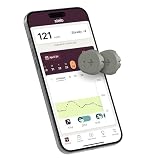
- ✅ For people NOT using insulin, ages 18 years and older
- ❌ Don’t use if: On insulin, on dialysis, or have problematic hypoglycemia
- YOUR SUCCESS, OUR COMMITMENT: If your biosensor fails before the 15-day wear time is up,[2] we will replace it for free. [3]
- PRODUCT SUPPORT: Provided by Stelo through SteloBot, which can be accessed via the Stelo app by going to Settings > Contact. SteloBot virtual support assistant is available 24/7, and live agent support available during regular business hours
- PERSONALIZED INSIGHTS: Understand your glucose patterns and how your glucose reacts to food, activity, and sleep
What makes glucose especially powerful is trend data rather than single readings. Post-meal spikes, overnight lows, and dawn phenomenon patterns tell clinicians far more than an occasional fingerstick ever could. Continuous data turns diabetes management from reactive correction into proactive prevention.
Why current CGMs work—and why they’re not consumer tech
Today’s continuous glucose monitors succeed by accepting a fundamental trade-off: they breach the skin. Devices from Dexcom, Abbott, and Medtronic use tiny filament sensors inserted into the interstitial fluid, measuring glucose electrochemically every few minutes. Accuracy is high enough for insulin dosing, and regulatory approval reflects that clinical reliability.
But these systems come with friction that limits mass-market appeal. Sensors are disposable, require regular replacement, involve adhesives and skin irritation, and cost hundreds to thousands per year depending on insurance. They are medical devices first, lifestyle wearables second.
The consumer ambition: glucose without breaking skin
For smartwatch makers, the dream is glucose sensing that feels no different than wearing an Apple Watch or Galaxy Watch today. No needles, no consumables, no prescription, and battery life measured in days rather than hours. If achieved, glucose could become as casually checked as heart rate during a walk.
The payoff would extend far beyond diagnosed diabetics. Pre-diabetes, metabolic syndrome, athletic fueling, weight management, and general wellness all sit downstream of glucose awareness. That breadth is exactly why consumer tech giants are so motivated—and why expectations must be tempered.
Why the wrist is a hostile place for glucose sensing
Glucose does not emit an easily detectable signal at the skin surface. Unlike oxygen saturation, which benefits from strong optical absorption differences, glucose’s spectral signatures are weak, overlapping, and easily drowned out by water, fat, and motion artifacts. Sweat, temperature changes, and skin tone further complicate measurements.
Wrist-worn devices add additional constraints: limited sensor power, tight battery budgets, variable fit, and constant movement. A watch must work across millions of wrists, not a controlled lab population, and still deliver medically meaningful accuracy. That gap between lab promise and real-world performance is where most non-invasive glucose claims collapse.
Why regulation raises the bar even higher
Any wearable that claims to measure glucose crosses from wellness into regulated medical territory almost immediately. The FDA and other regulators require rigorous accuracy standards, consistency across populations, and proof that readings do not cause harm through misinterpretation or false confidence. A “close enough” estimate is not good enough when treatment decisions may follow.
This regulatory reality is why many companies talk about glucose trends or insights rather than raw values. It is also why timelines slip quietly and demos stay private. The science may advance incrementally, but approval depends on reliability at scale.
The gap between hype and realistic expectations
Non-invasive glucose monitoring is not impossible, but it is profoundly hard. Breakthroughs are more likely to arrive first as adjunctive tools—pattern detection, risk signals, or metabolic coaching—rather than fingerstick replacements. Early versions may prioritize comfort and daily usability over clinical authority.
For consumers, the key is understanding what a wrist-based glucose feature would realistically mean in its first generations. It would not eliminate CGMs overnight, but it could redefine how millions engage with metabolic health long before it reaches medical-grade status.
How Today’s Continuous Glucose Monitors Actually Work (and Why They Still Pierce the Skin)
After all the speculation about light-based sensing and wrist-bound breakthroughs, it helps to ground the discussion in what actually works today. Continuous glucose monitors, or CGMs, are not speculative science projects. They are clinically validated, FDA-cleared medical devices used by tens of millions of people worldwide, and every one of them still crosses the skin barrier on purpose.
That design choice is not a failure of imagination. It is a direct consequence of where reliable glucose information actually lives in the human body.
The basic architecture of a modern CGM
A current-generation CGM consists of three core components: a tiny disposable sensor inserted just under the skin, a reusable or semi-disposable transmitter, and a software layer that turns raw electrochemical signals into actionable glucose data. The sensor filament is typically 5–10 mm long, thinner than a hair, and sits in the interstitial fluid rather than directly in the bloodstream.
This placement matters. Interstitial fluid surrounds cells and equilibrates with blood glucose over time, providing a stable environment that is far easier to sample continuously than blood itself. The tradeoff is a physiological lag, usually around 5 to 10 minutes, between blood glucose changes and what the sensor detects.
From a daily usability perspective, this architecture balances accuracy, comfort, and practicality. Sensors last anywhere from 7 to 14 days for most systems, with Eversense extending that to several months via an implanted sensor, while transmitters relay data to smartphones, dedicated receivers, or increasingly to smartwatches.
The chemistry doing the real work
At the heart of nearly every commercial CGM is an electrochemical reaction driven by an enzyme, most commonly glucose oxidase. When glucose in the interstitial fluid contacts the enzyme-coated sensor, it triggers a reaction that produces an electrical current proportional to glucose concentration.
That current is extremely small and noisy. Turning it into a usable glucose value requires temperature compensation, signal filtering, calibration models, and error detection algorithms trained on enormous clinical datasets. This is where companies like Dexcom and Abbott have invested decades of iteration, not just in sensors, but in software.
The key point is that this method directly measures glucose molecules through chemistry, not inference. There is no guesswork about what signal corresponds to glucose because the reaction itself is glucose-specific.
Why CGMs still have to break the skin
The reason CGMs pierce the skin is not inertia or regulatory conservatism. It is because glucose concentrations outside the vascular and interstitial compartments are vanishingly small and extremely difficult to isolate.
Once you stay above the skin barrier, you are no longer measuring glucose directly. You are attempting to infer it from secondary effects: optical absorption, electrical impedance, thermal changes, or metabolic byproducts. Each layer of inference compounds error, especially in uncontrolled environments like daily life.
By placing the sensor just beneath the skin, CGMs bypass nearly all of the confounding variables that plague non-invasive approaches. Skin tone, sweat, ambient temperature, motion, and strap tightness largely fall out of the equation. What remains is a chemically specific signal in a stable fluid environment.
Accuracy standards that leave little room for compromise
Modern CGMs routinely achieve mean absolute relative difference values in the 8–10 percent range, with some approaching fingerstick parity under stable conditions. These numbers are not marketing claims; they are measured against laboratory-grade blood glucose references across diverse populations.
This level of accuracy is what enables insulin dosing decisions, automated insulin delivery systems, and closed-loop “artificial pancreas” platforms. A sensor that drifts, misreads during exercise, or fails under dehydration is not just inconvenient. It can be dangerous.
That is why regulators scrutinize CGMs so heavily and why companies are cautious about expanding claims. Even small systematic errors can translate into hypoglycemia or sustained hyperglycemia at scale.
The real-world wearability tradeoffs
Despite the needle, CGMs have become dramatically more wearable over the past decade. Sensors are flatter, insertion is automated and nearly painless, and adhesive materials have improved to survive sweat, showers, and multi-day wear. Battery life is optimized around low-power Bluetooth transmission rather than continuous radio use.
Still, they are not watches. Placement is limited to approved body sites, comfort varies by body composition, and adhesion failures remain a common frustration. For many users, especially non-diabetics or those with early metabolic concerns, these frictions are enough to keep CGMs from being an everyday tool.
This usability gap is precisely what makes non-invasive glucose monitoring so alluring, even if the underlying science is far less mature.
Who dominates the CGM landscape today
Abbott’s FreeStyle Libre and Dexcom’s G6 and G7 systems define the mainstream CGM market, with Medtronic and Senseonics occupying more specialized niches. These companies are not standing still; each new generation improves warm-up time, sensor longevity, factory calibration, and smartwatch integration.
Notably, Apple Watch and Wear OS compatibility has become a strategic priority, but always as a display and alert surface, not the sensing engine itself. The glucose data still originates from a subcutaneous sensor, not from the wrist.
That distinction underscores a critical reality. Even the most advanced consumer electronics companies rely on invasive sensors when glucose accuracy actually matters.
Why this matters for the “impossible” everyone is chasing
Understanding how CGMs work clarifies why replacing them is so hard. They succeed because they measure glucose directly, in the right fluid, with chemistry designed for specificity, and with regulatory-grade validation.
Any wrist-based alternative must either replicate that specificity without crossing the skin or convincingly demonstrate that indirect signals can match the reliability of a proven invasive method. So far, no commercial system has crossed that threshold.
The persistence of the needle is not a lack of ambition. It is evidence of just how unforgiving glucose biology is, and why the last millimeter beneath the skin remains the most valuable real estate in metabolic sensing.
Why the Wrist Is Such a Hostile Place for Glucose Sensing: Physics, Biology, and Signal Noise
If replacing a filament under the skin were simply a matter of better optics or smarter algorithms, it would have happened by now. The wrist, despite being prime smartwatch real estate, is one of the worst anatomical locations imaginable for extracting clean glucose signals without breaking the skin.
What makes this challenge so stubborn is not one single obstacle, but the compounding effect of physics, human biology, and the brutal signal-to-noise realities of real-world wear.
Glucose Is Rare, Chemically Quiet, and Buried
Glucose is not an abundant or optically dominant molecule. In blood, its concentration is orders of magnitude lower than water, proteins, lipids, and electrolytes, all of which interact far more strongly with light, electrical fields, and radio waves.
At the wrist, glucose is not even present in the fluid you would ideally want to measure. CGMs work because they sit in interstitial fluid, a compartment that closely tracks blood glucose with a known time lag and relatively stable chemistry.
Non-invasive wrist approaches must either infer glucose indirectly or attempt to detect it through layers of skin, fat, connective tissue, and blood vessels where glucose’s signal is both diluted and obscured.
Skin Is an Optical Nightmare, Not a Window
From an engineering perspective, human skin is wildly inconsistent. Thickness varies not just between people, but across the same wrist, and changes with hydration, temperature, age, and even time of day.
Melanin absorbs light. Hemoglobin scatters it. Sweat alters refractive properties. Hair follicles create micro-shadows. Even the curvature of the wrist changes how photons behave once they enter tissue.
This is why optical glucose sensing methods like near-infrared spectroscopy or Raman scattering look promising in lab setups, but collapse under the uncontrolled conditions of daily wear.
The Wrist Is a Moving Target, Literally
Unlike a chest strap or an implanted sensor, a smartwatch lives on one of the most mechanically active parts of the body. Every flex of the wrist introduces micro-movements that shift sensor alignment, pressure, and skin contact.
That motion translates directly into signal artifacts. Optical sensors see fluctuating path lengths. Electrical sensors experience impedance changes. Thermal sensors struggle to distinguish metabolic heat from environmental noise.
When you add daily activities like typing, lifting, sleeping on the device, or wearing it loosely for comfort, the wrist becomes a chaos generator for sensitive measurements.
Blood Flow at the Wrist Is Inconsistent by Design
Peripheral circulation is not stable. The body actively constricts and dilates blood vessels in the wrist to regulate temperature, conserve heat, or respond to stress.
For glucose sensing, this matters enormously. Changes in perfusion alter how much glucose-carrying fluid is even present near the sensor, independent of actual metabolic changes.
Cold weather, exercise recovery, caffeine, and anxiety can all shift wrist blood flow enough to swamp any subtle glucose-related signal a sensor is trying to isolate.
Sweat, Pressure, and Strap Fit Add Another Layer of Noise
Smartwatches must balance comfort with sensor contact. A strap that is too loose compromises optical coupling. One that is too tight affects blood flow and causes pressure artifacts.
Rank #2

- HSA/FSA eligible. No prescription needed.
- 24/7 GLUCOSE TRACKING. See your glucose response to food, exercise, sleep, and other lifestyle factors via the Lingo app.
- OPTIMIZE YOUR NUTRITION. Discover which foods work for you and those that don't. The Lingo app shows you how specific meals and other factors impact your glucose, so you can learn from your insights and build healthier habits.
- NAVIGATE PREDIABETES WITH A NEW VIEW OF YOU. More time in healthy glucose range is linked to lower diabetes risk. Three out of four users with prediabetes say Lingo was effective in helping to achieve their health goals¹.
- HEALTHY GLUCOSE SUPPORTS HEART HEALTH. What you eat matters to your glucose and your heart. Keeping your glucose in a healthy range (70–140 mg/dL) more often can help protect your heart from heart disease²⁻⁴.
Sweat introduces yet another variable. Electrochemical properties at the skin surface change as sweat accumulates, dries, or mixes with lotions and soaps.
Unlike a disposable CGM patch designed to stay fixed for days, a watch is taken off, rotated, charged, and re-worn, constantly resetting its sensing environment.
Indirect Signals Are Not Glucose, No Matter the Marketing
Many wrist-based approaches do not measure glucose at all. Instead, they track correlates like heart rate variability, skin temperature, electrodermal activity, or optical changes and attempt to infer glucose through models.
The problem is that glucose does not have a unique physiological fingerprint. Stress, illness, dehydration, and poor sleep can produce signal patterns that look metabolically meaningful but have nothing to do with blood sugar.
Without direct chemical specificity, models risk becoming brittle, population-dependent, and dangerously misleading when applied to individuals.
Why Algorithms Cannot Simply “Fix” Bad Physics
Machine learning is powerful, but it cannot conjure signal where none exists. If glucose-related information is buried below noise thresholds, no amount of training data can reliably extract it across diverse users.
Worse, overfitted models may appear accurate in controlled trials, only to fail catastrophically when exposed to new skin tones, body types, climates, or lifestyles.
Regulators understand this distinction. The FDA does not evaluate cleverness; it evaluates repeatability, traceability, and risk under worst-case conditions.
Why the Wrist Still Tempts Engineers Anyway
Despite all this, the wrist remains irresistible. It is socially accepted, always worn, and already packed with power, processors, radios, and health sensors.
A watch-sized device can deliver continuous monitoring, seamless software integration, and vastly better adherence than any patch or implant ever could.
That upside explains why Apple, Google, Samsung, and dozens of startups continue to invest quietly, publish patents, and refine sensing stacks, even as public timelines slip.
The Uncomfortable Truth Behind the “Holy Grail”
The difficulty of wrist-based glucose sensing is not a temporary technological gap. It reflects fundamental constraints imposed by biology and physics.
Every successful CGM on the market works because it avoids these constraints by going under the skin. Every non-invasive wrist concept must fight them simultaneously, in real time, on millions of different bodies.
That is why progress is slow, claims are cautious, and silence often speaks louder than product launches.
The Non‑Invasive Playbook: Optical Spectroscopy, RF, Ultrasound, Sweat, and Hybrid Sensor Stacks
If the wrist is going to work at all, it will not be through a single magical sensor. What has emerged instead is a playbook of partially overlapping techniques, each trying to extract a weak glucose-correlated signal while compensating for the others’ blind spots.
None of these methods are new in isolation. What is new is the attempt to miniaturize them, stabilize them on a moving wrist, power them within a smartwatch battery budget, and convince regulators that their combined output is clinically meaningful.
Optical Spectroscopy: The Most Public, and Most Misunderstood, Approach
Optical spectroscopy is where most non-invasive glucose headlines begin, largely because it feels intuitive. Shine light into the skin, analyze what comes back, and infer glucose concentration based on how it absorbs or scatters specific wavelengths.
In practice, glucose is a weak optical absorber compared to water, hemoglobin, melanin, and lipids. Its signal is not only small but heavily masked, especially in the near-infrared bands that can safely penetrate skin from a wrist-sized device.
Companies exploring this path include Apple, Samsung, and multiple startups working with near-infrared (NIR) and short-wave infrared (SWIR) spectroscopy. Apple’s patents repeatedly reference multi-wavelength emitters and photodiodes integrated into a watch back, paired with temperature and motion compensation.
The engineering challenge is brutal. Optical path length varies with wrist anatomy and strap tightness, skin tone changes baseline absorption, and sweat alters surface scattering in real time. Even laboratory-grade spectrometers struggle with these variables under controlled conditions.
That is why no serious player relies on optical data alone anymore. Spectroscopy has become a contributor, not a cornerstone.
Radio Frequency and Microwave Sensing: Reading Dielectric Changes
RF and microwave glucose sensing approaches measure how electromagnetic waves interact with tissue. Because glucose slightly alters the dielectric properties of interstitial fluid, changes in signal phase or attenuation can, in theory, correlate with glucose concentration.
This method appeals to engineers because RF can penetrate deeper than light and is less sensitive to skin pigmentation. Google’s research arm and several academic groups have published work in this space, often using antenna arrays or resonant circuits embedded in wearables.
The downside is specificity. Dielectric properties also change with hydration, electrolyte balance, tissue compression, and temperature. On the wrist, even subtle swelling from heat or exercise can overwhelm the glucose-related component.
From a smartwatch perspective, RF sensing also competes with antennas for Bluetooth, Wi-Fi, and cellular radios. Managing interference, regulatory emissions limits, and battery drain turns an already noisy signal into an even harder one to trust.
Ultrasound and Acoustic Methods: Promising Physics, Difficult Packaging
Ultrasound-based glucose sensing looks attractive on paper because acoustic waves interact with tissue differently than light or RF. Some approaches attempt to measure glucose-related changes in acoustic velocity or impedance within interstitial fluid.
A handful of startups have explored low-power ultrasonic transducers small enough for wearables, often paired with temperature and pressure sensors. The hope is that mechanical properties might offer an orthogonal signal to optical and RF methods.
The problem is mechanical stability. Ultrasound requires consistent coupling between transducer and skin, something that is hard to maintain on a bony, mobile wrist over hours or days. Small shifts in position or strap tension can dwarf any metabolic signal.
There is also the question of comfort and durability. Continuous acoustic excitation, even at low power, raises questions about long-term wearability and regulatory scrutiny.
Sweat and Transdermal Fluid: Chemistry Without Blood
Sweat-based glucose sensing attempts to sidestep optical and electromagnetic noise by measuring glucose molecules directly, just not from blood. Electrochemical sensors embedded in patches or watch backs analyze sweat composition through microfluidic channels.
The appeal is obvious: chemical specificity without needles. The reality is that sweat glucose correlates poorly and inconsistently with blood glucose, especially at rest when sweat rates are low.
Sweat composition also lags blood glucose changes, varies wildly between individuals, and is affected by hydration, heat, and skin microbiome. On a wrist, maintaining reliable sweat contact without occlusion or irritation is a constant battle.
As a result, sweat sensing has increasingly been relegated to contextual input rather than primary measurement, useful for trend modeling but not dosing decisions.
Hybrid Sensor Stacks: Where Serious Efforts Are Converging
The most credible non-invasive programs now combine several of these techniques into hybrid sensor stacks. Optical, RF, temperature, accelerometry, skin impedance, and sometimes sweat sensors feed into a shared model designed to filter confounders rather than chase a single signal.
This is where companies like Apple, Samsung, and select medical-device startups diverge from vaporware. Their focus is less on announcing “non-invasive glucose” and more on quietly improving signal stability, calibration longevity, and failure detection.
From a watch design perspective, this approach has consequences. Thicker sensor arrays, ceramic or sapphire backs for optical clarity, tighter strap integration for consistent contact, and higher compute loads all affect comfort, battery life, and thermal management.
It also changes the software experience. Rather than showing precise glucose values, early implementations are far more likely to deliver risk bands, trend alerts, or metabolic context layered into existing health dashboards.
Why None of This Has Cleared the FDA Yet
Hybrid stacks improve robustness, but they do not eliminate the core problem: indirect inference. Regulators demand traceable causality between measurement and physiological variable, not just statistical correlation.
For glucose, the bar is especially high because incorrect readings can lead to immediate harm. False lows or highs are not fitness errors; they are medical risks.
That is why timelines remain vague, clinical trials are quiet, and consumer-facing claims are carefully worded. When companies talk about “metabolic insights” or “glucose trends” rather than glucose readings, this is not marketing fluff. It is regulatory reality.
The non-invasive playbook is real, sophisticated, and advancing. But every method in it is fighting physics, biology, and the unforgiving expectations of medicine at the same time.
The Big Tech Race: Apple, Google, Samsung, and the Long Game Inside Smartwatches
If hybrid sensor stacks are the credible path forward, then Big Tech is uniquely positioned to walk it. Not because they have secret physics, but because they can afford decade-long iteration cycles, custom silicon, clinical partnerships, and the slow burn of regulatory alignment without needing a headline-ready product.
What follows is less a sprint to “first glucose watch” and more an arms race in sensors, algorithms, and patience, all hidden inside devices people already wear every day.
Apple: Custom Silicon, Optical Obsession, and Regulatory Discipline
Apple’s effort is the most mature and the most opaque, which is exactly what you would expect given its health strategy over the past decade. Publicly, Apple never claims glucose measurement; privately, it has built one of the deepest sensor R&D programs in consumer electronics.
Patents and reporting point to a mix of optical spectroscopy, silicon photonics, and shortwave infrared approaches, paired with machine learning models trained on large internal datasets. Crucially, Apple designs its own sensor packages, emitters, photodiodes, and signal processors, allowing tight control over noise, power draw, and thermal behavior.
This has direct implications for Apple Watch hardware. The ceramic and sapphire sensor back, the gradual thickening of the watch body, and the push toward custom health-focused silicon all support higher optical power budgets and more stable skin contact without destroying battery life.
From a wearability perspective, Apple’s advantage is consistency. A predictable case shape, controlled strap ecosystem, and tight integration between watchOS, HealthKit, and iPhone allow long-term trend modeling rather than spot measurements.
Regulatorily, Apple plays the longest game of all. Its history with ECG, AFib detection, and blood oxygen shows a pattern: ship non-diagnostic features first, gather real-world data, then pursue FDA clearance when accuracy and failure modes are well understood.
For glucose, that likely means years of metabolic trend indicators, insulin sensitivity proxies, or “elevated risk” notifications before any numeric values appear. Apple is not trying to replace CGMs; it is trying to redefine how early metabolic dysfunction is detected at scale.
Rank #3

- HSA/FSA eligible. No prescription needed.
- 24/7 GLUCOSE TRACKING. See your glucose response to food, exercise, sleep, and other lifestyle factors via the Lingo app.
- OPTIMIZE YOUR NUTRITION. Discover which foods work for you and those that don't. The Lingo app shows you how specific meals and other factors impact your glucose, so you can learn from your insights and build healthier habits
- NAVIGATE PREDIABETES WITH A NEW VIEW OF YOU. More time in healthy glucose range is linked to lower diabetes risk. Three out of four users with prediabetes say Lingo was effective in helping to achieve their health goals¹.
- HEALTHY GLUCOSE SUPPORTS HEART HEALTH. What you eat matters to your glucose and your heart. Keeping your glucose in a healthy range (70–140 mg/dL) more often can help protect your heart from heart disease²⁻⁴.
Google and Fitbit: Data Science First, Hardware Second
Google’s glucose ambitions sit at the intersection of Fitbit’s sensor platform and Google’s strength in large-scale data modeling. Unlike Apple, Google has historically been more experimental in hardware, but more aggressive in algorithmic interpretation.
Fitbit devices already collect continuous heart rate, skin temperature variation, sleep staging, activity context, and SpO2 trends across a massive user base. That data is ideal for metabolic modeling, even if it cannot directly measure glucose.
Earlier Google X efforts, including smart contact lenses and other abandoned moonshots, illustrate why the company has shifted strategy. Instead of chasing a single breakthrough sensor, Google now focuses on correlating multi-sensor patterns with known glucose dynamics from partnered clinical datasets.
In smartwatch terms, this favors lighter devices with longer battery life rather than power-hungry emitters. Fitbit’s use of AMOLED displays, polymer cases, and multi-day endurance supports continuous background sensing without user fatigue.
The tradeoff is regulatory posture. Fitbit’s health features tend to remain wellness-oriented, and Google has been cautious about crossing into FDA-regulated claims unless the benefit is clear and defensible.
If Google delivers glucose-related insights, expect them to appear first as population-level risk scoring, lifestyle feedback, or integration with existing CGM platforms rather than as standalone wrist-based measurements.
Samsung: Hardware Breadth and Aggressive Sensor Experimentation
Samsung occupies a middle ground between Apple’s restraint and Google’s data-first approach. It ships globally, iterates quickly, and is willing to test new sensor modalities earlier, sometimes before the science is fully settled.
Samsung has publicly acknowledged research into optical glucose monitoring, often framed around spectroscopy and AI-driven signal extraction. Its semiconductor arm gives it access to advanced photonics and RF components, while its consumer division can trial those components at scale.
Galaxy Watch hardware reflects this ambition. Large casebacks, high-brightness displays, sapphire glass, and robust sealing allow for denser sensor arrays, though often at the cost of thicker profiles and shorter battery life compared to fitness-focused wearables.
Samsung’s health software already emphasizes holistic metrics like body composition, vascular load, and energy scores. Glucose-related features would likely slot into this ecosystem as another probabilistic input rather than a standalone medical readout.
Regulatory navigation remains the challenge. Samsung has achieved regional approvals for blood pressure and ECG through calibration-based models, but glucose presents a far higher risk threshold. Any misstep here would carry global consequences.
Still, Samsung’s willingness to iterate publicly may make it the first to show something tangible, even if it is not yet clinically actionable.
Why None of Them Are Promising Timelines
Despite their resources, none of these companies attach dates to non-invasive glucose monitoring, and that silence is intentional. The remaining obstacles are not incremental engineering problems; they are questions of biological variability, signal confounding, and clinical liability.
Wrist-based systems must work across skin tones, hydration states, temperatures, motion profiles, and disease states, all while maintaining comfort, durability, and all-day battery life. A watch that only works under ideal conditions is not a medical device.
There is also a strategic reality. Even a partially working glucose feature could cannibalize trust if it fails visibly, and trust is the currency that allows Big Tech to operate in healthcare at all.
For now, the long game continues inside smartwatches people already wear. Each generation quietly improves sensors, contact stability, and models, inching closer to metabolic insight without crossing the line into false precision.
The Medical Specialists and Startups: Abbott, Dexcom, Know Labs, Rockley, and the Rest
If Big Tech is inching toward glucose sensing from the outside in, the medical specialists have been approaching it from the inside out for decades. These companies already live with the biological messiness, regulatory scrutiny, and clinical accountability that consumer electronics firms are still learning to navigate.
The key difference is philosophical as much as technical. For medical players, glucose data is not a lifestyle signal or a trendline; it is a dosing input with real consequences, which fundamentally shapes how ambitious they can afford to be.
Abbott and Dexcom: The Gold Standard That Watches Are Measured Against
Abbott and Dexcom define what “working” glucose monitoring looks like today. Their continuous glucose monitors use a thin filament inserted just under the skin to measure interstitial glucose every few minutes, producing time-in-range metrics that clinicians actually trust.
Abbott’s FreeStyle Libre series prioritizes affordability, long wear time, and minimal calibration. Dexcom’s G6 and G7 focus on accuracy, real-time alerts, and deep integration with insulin pumps and digital health platforms.
From a wearables perspective, these systems already solve many problems smartwatches struggle with. They offer multi-day battery life, strong adhesion to the body, stable sensor contact, and signal isolation from motion artifacts, all because they are purpose-built for a single job.
What they do not offer is convenience in the smartwatch sense. Sensors are disposable, require skin penetration, and live alongside watches rather than inside them, which is why both companies pay close attention to wrist-based research without publicly committing to it.
Abbott has openly discussed optical and non-invasive approaches in research settings, but its commercial focus remains firmly on improving filament-based sensors. Dexcom has been even more conservative, emphasizing that current non-invasive methods do not yet meet the accuracy thresholds required for dosing decisions.
That caution speaks volumes. If the companies with the most glucose data in the world are not rushing to put readings on the wrist, it suggests how high the remaining bar truly is.
Know Labs: Betting Everything on Radio Waves
Know Labs represents the most explicit attempt to leapfrog invasive sensors entirely. Its approach uses radio-frequency spectroscopy, sending low-energy electromagnetic waves into the body and analyzing how different molecules absorb and reflect them.
In theory, glucose has a distinct electromagnetic signature. In practice, that signature is small, easily drowned out by water, fat, muscle, and temperature changes, all of which vary continuously at the wrist.
Know Labs has demonstrated prototype devices and published early-stage data, but it remains pre-commercial and pre-regulatory. Its challenge is not just proving correlation, but showing consistent accuracy across populations, wear conditions, and time.
Unlike smartwatch makers, Know Labs does not need to worry about display brightness, app ecosystems, or industrial design. But it also lacks the luxury of shipping “wellness-only” features; its technology must stand on clinical merit alone.
If it succeeds, it would be transformative. If it fails, it will likely do so quietly, a reminder of how many promising non-invasive glucose concepts never survive controlled trials.
Rockley Photonics and the Collapse of the Component Dream
Rockley Photonics once looked like the bridge between medical science and consumer wearables. Its silicon photonics platform promised multi-wavelength infrared spectroscopy capable of measuring glucose, hydration, alcohol, and blood pressure from the wrist.
The pitch was elegant: embed a powerful optical lab into a smartwatch-sized module and let Big Tech handle the rest. For a time, it worked, with public partnerships and heavy investment suggesting imminent breakthroughs.
Reality proved harsher. Rockley struggled to translate lab-grade measurements into robust consumer-ready performance, and the company ultimately collapsed before shipping a glucose-capable product.
Its downfall matters because it highlights a recurring pattern. Sensor sensitivity alone is not enough; what matters is long-term stability, calibration drift, motion tolerance, and manufacturability at scale, all under the constraints of battery life and comfort.
Smartwatches cannot tolerate fragile optics, high power draw, or millimeter-level positioning sensitivity. Rockley’s story underscores how unforgiving the wrist really is.
The Long Tail: University Spinouts, Stealth Startups, and Quiet Failures
Beyond the recognizable names lies a crowded field of startups exploring everything from Raman spectroscopy and mid-infrared absorption to sweat analysis and ultrasound. Most never progress beyond pilot studies or small validation cohorts.
Some approaches rely on auxiliary fluids like sweat or tears, which introduce lag, contamination, and individual variability. Others depend on machine learning models trained on narrow datasets that collapse when exposed to real-world diversity.
A few companies partner quietly with watchmakers or smartphone brands, contributing algorithms or sensor modules without public branding. These efforts rarely make headlines, but they feed the slow, cumulative progress happening behind the scenes.
What unites this long tail is attrition. For every promising press release, there are dozens of abandoned prototypes that failed to meet accuracy, usability, or regulatory requirements simultaneously.
Why Medical Expertise Does Not Automatically Translate to the Wrist
It is tempting to assume that medical device companies should lead the wrist-based glucose race. In reality, their strengths can become constraints.
Clinical-grade sensors are allowed to be single-purpose, adhesive-heavy, and replaced every two weeks. Smartwatches must be comfortable on dry skin, survive sweat and showers, and operate continuously without irritating the wearer.
There is also a regulatory mismatch. A CGM cleared for dosing has a clear risk-benefit profile. A probabilistic glucose estimate on a watch lives in a gray zone that medical companies are understandably hesitant to enter.
For now, the specialists continue to perfect what already works while watching the wrist evolve from a distance. Their restraint, more than any marketing claim, may be the clearest signal of how far the “impossible” still is from becoming routine.
From Lab Bench to Wrist: Accuracy, Calibration, Skin Tone, Motion, and Real‑World Wearability
That restraint from medical incumbents sets the stage for the hardest part of the problem. Translating fragile optical or electromagnetic signals into a reliable glucose estimate is already difficult in a lab. Doing it on a moving, sweating, sun‑exposed wrist turns theoretical feasibility into a brutal systems‑engineering challenge.
What “Accuracy” Really Means Outside the Lab
In glucose sensing, accuracy is not a vague promise but a quantified metric, most commonly mean absolute relative difference, or MARD. Commercial continuous glucose monitors approved for insulin dosing typically operate below 10 percent MARD in controlled conditions.
Wrist‑based approaches are often an order of magnitude noisier before correction. Even a smartwatch claiming trend awareness rather than dosing guidance must still avoid false confidence, because a consistent 15 to 20 percent error can push users toward dangerous behavioral decisions.
Calibration: The Achilles’ Heel of Non‑Invasive Systems
Most non‑invasive glucose prototypes still rely on calibration against fingerstick or CGM data. That calibration is not a one‑time factory step but a dynamic process sensitive to hydration, temperature, stress, and circadian changes.
From a user perspective, frequent calibration defeats the entire point of non‑invasive monitoring. From a regulatory perspective, a system that quietly drifts without recalibration becomes nearly impossible to validate across months of real‑world use.
Skin Tone, Tissue Optics, and the Physics Nobody Can Ignore
Skin is not a neutral optical window. Melanin absorbs and scatters light differently across wavelengths, directly affecting near‑infrared, Raman, and mid‑infrared sensing approaches.
This is not a cosmetic edge case but a population‑level challenge. Models trained predominantly on lighter skin tones often degrade sharply when deployed across broader demographics, forcing companies to confront dataset diversity, sensor placement, and wavelength selection simultaneously.
Rank #4

- [Complete Starter Kit] - CareSens N Diabetes Testing Kit includes 1 blood glucose meter, 100 blood sugar test trips, 1 lancing device, 100 lancets, and a traveling case to provide you with the most affordable and convenient way for blood sugar testing. Our blood sugar test kit saves up to 250 tests and has a battery life of 1000 tests.
- [Small Sample Size] - CareSens N Plus Blood Sugar Monitor requires only a small blood sample size of 0.5 μL, making finger pricking easy and painless. CareSens N Diabetes Test Strip is auto coded and automatically recognizes the batch code encrypted on CareSens N Blood Glucose Test Strip.
- [Fast Results] - CareSens N Blood Glucose Meter provides fast results in just 5 seconds, making blood sugar testing fast and convenient. Our Glucometer Kit comes with a handy traveling case that can hold all your diabetes testing kit so that you can measure your blood sugar at the comfort of your home or anywhere else.
- [Easy to use] – CareSens N Blood Glucose Monitor kit is very simple and easy-to-use, making blood sugar testing easy for all. Our lightweight Blood Sugar Monitor has a simple design to make diabetes testing easy-to-understand and hassle-free.
- [Customer Service] - CareSens N Diabetes Testing Kit has a dedicated customer service team to provide you the best service to any issues or problems you're having! Our goal is to help you Sense Ahead of your Diabetes and Care for those you love. Your satisfaction is our number one priority. If you have any questions or concerns about your glucometer with strips and lancets – please contact us at any time.
Motion Artifacts and the Reality of the Wrist
The wrist is one of the most hostile measurement sites on the body. Tendons slide, blood volume shifts, and micro‑movements introduce signal fluctuations that can dwarf glucose‑related changes.
Laboratory rigs clamp sensors in place with controlled pressure. Smartwatches rely on a strap, variable tightness, and user comfort, all of which introduce motion artifacts that software must continuously disentangle without draining the battery.
Thermal Drift, Sweat, and Environmental Noise
Glucose‑related signals are subtle, often buried beneath thermal noise. A wrist exposed to cold air, sunlight, or exercise can swing several degrees within minutes, altering sensor baselines.
Sweat adds another layer of complexity. It changes optical coupling, introduces salts, and can temporarily improve or degrade signal quality in ways that are difficult to predict or model consistently.
From Signal Processing to Machine Learning Dependence
Because raw signals are weak, most wrist‑based glucose efforts lean heavily on machine learning. Models attempt to infer glucose indirectly from correlated physiological signals like heart rate variability, skin temperature, and optical absorption patterns.
This works impressively in constrained datasets and collapses under real‑world diversity. When users age, gain weight, change medication, or simply wear the watch differently, the model’s assumptions can quietly fail.
Comfort, Materials, and Why Watch Design Matters
Unlike adhesive CGMs, smartwatches must balance sensor contact with comfort. Caseback curvature, sapphire or ceramic materials, strap flexibility, and weight distribution all affect optical coupling and pressure stability.
A beautifully finished case or premium bracelet means little if the sensor floats during motion or presses too hard during sleep. This is why even companies with elite industrial design teams struggle to reconcile wearability with signal fidelity.
Battery Life Versus Continuous Measurement
Non‑invasive glucose sensing is computationally expensive. Active illumination, high‑frequency sampling, and on‑device inference all compete with battery life, a constraint smartwatch users notice immediately.
Dialing back measurement frequency improves endurance but erodes clinical relevance. Pushing continuous sensing shortens battery life to levels that undermine daily usability, especially on smaller wrists and slimmer cases.
Regulatory Reality Meets Human Behavior
Even if a wrist‑based system performs acceptably in trials, regulators will scrutinize how people actually use it. Missed wear time, loose straps, firmware updates, and algorithm changes all complicate validation.
This is where many promising systems stall. The technology may work often enough to impress engineers, but not reliably enough to earn trust when worn by millions of imperfect, unpredictable humans.
FDA Reality Check: What ‘Glucose Monitoring’ Means in Regulatory Terms vs Marketing Claims
By the time wrist‑based glucose sensing collides with human behavior, it also runs headlong into regulation. This is where ambitious demos, carefully worded press releases, and real medical claims part ways.
To understand why no smartwatch today can truthfully say it “measures blood glucose,” you have to understand how the FDA defines that phrase, and how narrowly companies must speak to avoid crossing it.
What the FDA Actually Regulates When It Regulates Glucose
In FDA terms, glucose monitoring is not a wellness feature. It is a medical function intended to inform diagnosis, treatment decisions, or medication dosing.
Any device that reports a numerical glucose value, trends glycemia over time, or claims relevance to diabetes management is regulated as a medical device. That applies whether the sensor is invasive, minimally invasive, or theoretically non‑invasive.
Today’s FDA‑cleared continuous glucose monitors from Abbott, Dexcom, and Medtronic are typically Class II devices cleared via the 510(k) pathway. They rely on interstitial fluid measurements, not blood directly, but they are calibrated, validated, and labeled for clinical decision‑making.
Why “Non‑Invasive” Doesn’t Change the Regulatory Bar
There is a common misconception that non‑invasive sensing faces an easier regulatory path. In reality, the opposite is often true.
Because non‑invasive systems infer glucose indirectly, the FDA demands especially strong evidence that the inference remains accurate across skin tones, ages, body composition, hydration levels, motion states, and environmental conditions. The agency has decades of institutional memory from failed optical glucose efforts dating back to the 1990s.
If a wrist‑based device claims equivalence to CGMs without piercing the skin, the evidentiary bar is not lower. It is higher.
Why Smartwatches Talk About “Insights” Instead of Numbers
This is why consumer wearables use language like glucose trends, metabolic insights, or blood sugar awareness. These phrases are not accidental, and they are not merely marketing fluff.
By avoiding numerical glucose values or explicit medical framing, companies keep features in the FDA’s “general wellness” category. That category allows devices to discuss lifestyle correlations without implying diagnostic or therapeutic intent.
Once a smartwatch displays a mg/dL value, alerts for hypoglycemia, or claims usefulness for insulin dosing, it instantly exits the wellness sandbox and enters medical device territory.
The Thin Line Between Correlation and Measurement
Many wrist‑based systems are attempting something closer to metabolic pattern recognition than glucose measurement. They correlate optical, thermal, and cardiovascular signals with known glucose dynamics.
From a regulatory standpoint, correlation is not measurement. A model that tracks when your glucose tends to rise after meals is fundamentally different from one that tells you what your glucose is right now.
This distinction matters because correlation can tolerate occasional failure. Measurement cannot.
Accuracy Metrics That Break Most Non‑Invasive Claims
FDA‑cleared CGMs are evaluated using metrics like Mean Absolute Relative Difference (MARD). Modern CGMs routinely achieve MARD values around 8–10 percent in real‑world use.
For wrist‑based systems, maintaining that level of accuracy across diverse populations has proven elusive. Optical signals degrade with motion, sweat, ambient temperature shifts, and subtle strap changes that are inevitable in daily wear.
A smartwatch worn loosely for comfort during sleep or tightly during a workout is a nightmare scenario for regulatory validation.
Why Algorithms Complicate Approval, Not Simplify It
Machine learning is often presented as the solution to non‑invasive glucose sensing. From the FDA’s perspective, it is also a liability.
If a model adapts over time, learns from user behavior, or updates through firmware, the agency must evaluate not just the algorithm, but how changes are controlled. This creates challenges around software as a medical device, post‑market surveillance, and version locking.
An algorithm that improves after launch is appealing to engineers. Regulators want to know what happens when it gets worse.
Wellness Claims Are Not a Stepping Stone to Medical Approval
Some companies imply that starting with wellness features is a gradual path toward full glucose monitoring. In practice, the FDA treats these as separate worlds.
A wellness feature does not generate the clinical data needed for medical clearance. Worse, user behavior in a wellness context is often sloppier than in trials, producing data that regulators cannot rely on.
When companies pivot toward medical claims, they usually have to start validation from scratch.
Why No Major Tech Company Has Crossed the Line Yet
Apple, Samsung, Google‑aligned partners, and Chinese OEMs all understand the regulatory line intimately. That is why rumored glucose features keep slipping product cycles.
A failed wellness feature disappoints reviewers. A failed medical feature risks recalls, warning letters, and class‑action lawsuits, especially if users make health decisions based on it.
For companies that ship tens of millions of devices annually, regulatory risk scales brutally.
How Marketing Language Stays Just Inside the Guardrails
Watch product pages are reviewed by regulatory counsel as closely as by designers. Phrases like “help understand how your body responds to food” are chosen because they imply education, not diagnosis.
Even subtle wording matters. “Track glucose” is very different from “track glucose levels,” which is different again from “measure blood glucose.”
This is why announcements often sound evasive. They are written to survive an FDA audit, not a keynote applause line.
The Consumer Confusion This Creates
For users, the result is understandable frustration. A watch that claims metabolic insight but cannot tell you whether you are at 85 or 185 mg/dL feels like a tease.
For diabetics, this distinction is critical. A feature that looks medical but is not regulated as such can be dangerous if misunderstood.
The FDA’s caution is not theoretical. It is rooted in decades of harm caused by inaccurate glucose information.
What Would Actually Trigger a Regulatory Breakthrough
A true shift would require peer‑reviewed clinical data showing wrist‑based systems maintaining CGM‑level accuracy across thousands of users, over months, in uncontrolled conditions.
It would also require stable hardware, consistent wear mechanics, and algorithms that regulators can lock down and audit. Battery life, comfort, and industrial design would need to support that stability, not undermine it.
Until those pieces align, marketing will keep dancing around the word “glucose.”
Why This Reality Check Matters Now
As the technology inches closer, the language gap between what devices suggest and what they can legally claim will widen. That gap is where hype thrives and trust erodes.
Understanding the FDA’s definitions is not about dampening excitement. It is about recognizing why the “impossible” remains unsolved, even as prototypes improve.
The wrist may eventually become a window into glucose metabolism. Regulation ensures that when it does, it will be because it works when it matters, not just when it demos well.
Timelines, Leaks, and Signals to Watch: What Progress Actually Looks Like (and What to Ignore)
If regulation explains why language stays vague, timelines explain why promises keep slipping. Non‑invasive glucose sensing is not stalled because companies lack motivation, but because progress happens in ways that do not map cleanly to annual product cycles.
The most important advances are quiet, incremental, and often invisible to consumers. The loudest signals, by contrast, are usually the least meaningful.
Why Public Timelines Are Almost Always Misleading
When executives say a feature is “years away,” that is not a countdown. It is legal and strategic shorthand for “not something we can responsibly commit to.”
Apple, Samsung, Google, and others plan hardware three to five years ahead, but medical validation stretches longer. A sensor that works in a lab or on internal test wrists does not automatically survive real‑world wear, inconsistent strap tension, sweat, motion artifacts, and skin diversity.
This is why rumored launch windows keep resetting. The technology is advancing, but the last ten percent required for regulatory confidence is where timelines collapse.
What Leaks Actually Tell Us (and What They Don’t)
Patents are often misread as product roadmaps. In reality, they are defensive documents designed to preserve optionality, not to announce readiness.
Apple’s repeated filings around optical spectroscopy, tunable lasers, and silicon photonics show sustained investment. They do not indicate a shipping feature, nor do they imply FDA submission is imminent.
Component leaks, like unusual photodiode arrays or added optical windows, are more interesting but still inconclusive. Many of these components support multiple sensing goals, from hydration to blood pressure estimation, without guaranteeing glucose viability.
The Internal Prototypes That Matter More Than Launch Rumors
The strongest signals are not consumer leaks but hiring patterns, clinical trial registrations, and regulatory filings. These are expensive, slow, and hard to fake.
Reports of Apple running large internal metabolic studies, or Samsung expanding health algorithm teams with clinical validation backgrounds, suggest seriousness. What matters is not whether a prototype exists, but whether it survives months of continuous wear without recalibration.
Battery life and comfort are critical here. A sensor that requires frequent recharging, rigid strap pressure, or exact positioning will fail long before regulators weigh in.
Why “Demo‑Ready” Is Not “Deployable”
Many non‑invasive glucose systems can demonstrate correlation under controlled conditions. A subject sits still, lighting is fixed, temperature is stable, and meals are known.
Daily life destroys those assumptions. Motion noise from walking, variations in skin hydration, ambient temperature shifts, and inconsistent wear position all degrade signal quality.
This is where most projects stall. Algorithms must work not just when the watch is worn perfectly, but when it is worn like a watch, loose on some days, tight on others, during sleep, workouts, and stress.
The Difference Between Metabolic Trends and Medical Readings
One major source of confusion is the gap between trend insight and numeric accuracy. A system that detects glucose excursions or relative changes may still be valuable without ever showing mg/dL values.
This is likely the first consumer‑safe outcome. Watches may flag when your body shows post‑meal spikes or prolonged elevation patterns, framed as metabolic responses rather than measurements.
These features can live comfortably within wellness claims, avoid FDA medical classification, and still offer meaningful behavior feedback.
Signals That Would Indicate a True Breakthrough Is Near
The most credible sign would be a registered, multi‑site clinical trial explicitly comparing wrist‑based readings to approved CGMs across diverse populations. That kind of study is costly and only justified when companies believe failure is unlikely.
Another signal would be hardware convergence. Fewer experimental sensors, longer battery life, and thinner cases suggest confidence, not exploration.
Software stability matters too. Locked‑down algorithms, infrequent model updates, and conservative release notes are signs of regulatory readiness, even if they look boring to consumers.
What to Ignore Completely
Any product claiming non‑invasive glucose “measurement” without FDA clearance should be treated with skepticism. If it avoids explaining how accuracy was validated, assume it was not.
Celebrity endorsements, flashy charts, and AI‑heavy language often mask weak sensor fundamentals. No amount of machine learning can recover signal that is not physically there.
Finally, ignore countdown clocks. This technology will not arrive on schedule, but it will arrive suddenly, after years of silence, when companies are confident enough to stop hinting and start submitting paperwork.
Setting Realistic Expectations as a Consumer
In the near term, expect watches to get better at contextual health insights, not medical glucose readings. Battery life will improve, optical stacks will grow more complex, and comfort will remain non‑negotiable.
For diabetics, CGMs will remain essential for the foreseeable future. For everyone else, the wrist may soon offer early metabolic awareness, framed carefully and responsibly.
The “impossible” is not impossible forever. It is just incompatible with hype‑driven timelines, and progress looks nothing like a keynote slide when regulation, physics, and human biology are all in the loop.
What Consumers Should Expect Next: Wellness Estimates First, Medical Breakthrough Much Later
If the signals above suggest anything, it is that the industry is quietly narrowing its ambitions before expanding them again. The next phase of glucose-related wearables will not look like a medical revolution, even if it represents meaningful progress.
For consumers, the shift will be subtle but important: from impossible promises of “blood sugar on your wrist” to carefully framed metabolic context that sits firmly in the wellness category.
Phase One: Metabolic Awareness, Not Measurement
The first broadly available outputs will look more like trends, scores, or likelihood estimates than numbers in mg/dL. Think of them as companions to activity, sleep, and heart rate data rather than replacements for medical devices.
These systems will likely correlate optical signals, skin temperature, heart rate variability, and motion with known glucose dynamics after meals, exercise, stress, and sleep disruption. The insight is directional, not diagnostic.
In practice, that may show up as prompts about how your body typically responds to late-night eating, alcohol, or high-intensity workouts. It will feel closer to recovery scores or training load than anything a clinician would chart.
Why This Still Matters for Everyday Wearers
For non-diabetics and pre-diabetics, this kind of feedback can still be powerful. Most people have never seen how variable their metabolic responses are, even when eating the same foods or following similar routines.
Delivered responsibly, these insights could encourage better timing of meals, improved sleep consistency, or more strategic exercise. That is a meaningful step forward for health wearables, even without clinical claims.
Importantly, this approach fits within today’s smartwatch constraints. Battery life remains acceptable, devices stay thin enough for 24/7 comfort, and optical sensor stacks can evolve without turning watches into wrist-bound lab equipment.
What This Means for Apple, Google, Samsung, and Others
Platform companies are well positioned for this intermediate phase because they control hardware, software, and user experience. They can introduce metabolic features gradually, refine them across millions of wrists, and avoid regulatory overreach.
Expect these insights to arrive as opt-in features, buried in health dashboards rather than headlining keynote demos. Compatibility will matter, with tight integration into existing health ecosystems rather than standalone glucose apps.
This is also where software experience becomes critical. Clear language, conservative confidence intervals, and explicit disclaimers will determine whether users trust the data or ignore it entirely.
Phase Two: The Long Road to Medical Legitimacy
True non-invasive glucose monitoring, the kind that could challenge CGMs, remains a much longer-term prospect. It requires not just better sensors, but repeatable accuracy across skin tones, body types, hydration states, and real-world motion.
Regulatory clearance will demand years of comparative data, not just algorithmic improvements. That process does not accelerate simply because a company is large or well-funded.
When it does arrive, it is unlikely to debut quietly inside a consumer smartwatch. It will probably emerge through a separate, tightly controlled product category with conservative claims and very specific use cases.
Why Diabetics Should Remain Cautious
For anyone managing diabetes today, nothing on the wrist is close to replacing a CGM. Interstitial fluid sensing remains the only proven way to track glucose with the accuracy required for treatment decisions.
Any wearable suggesting otherwise without regulatory approval should be treated as informational at best, misleading at worst. The risk of false reassurance or unnecessary anxiety is simply too high.
That does not mean this research is irrelevant to diabetics. Over time, it may complement existing tools or improve early detection, but it should never be positioned as a substitute until regulators say otherwise.
The Likely Timeline, Minus the Hype
Over the next few product cycles, expect incremental improvements rather than breakthroughs. Better optical components, smarter fusion of existing sensors, and more refined models will slowly expand what wellness insights can offer.
The medical milestone will not come with teasers or countdowns. It will arrive via regulatory filings, peer-reviewed data, and cautious language that sounds almost underwhelming compared to today’s marketing.
That is how real progress looks in regulated health technology: quiet, slow, and suddenly undeniable once it is ready.
Where That Leaves Consumers Today
The smart move is to view glucose-related wearable features as context, not conclusions. Used thoughtfully, they can support healthier habits without pretending to be medical instruments.
For enthusiasts and informed readers, this is still one of the most fascinating frontiers in wearables. It sits at the intersection of sensor physics, human biology, and regulatory reality, where ambition is constantly checked by evidence.
The “impossible” is being approached asymptotically, not conquered outright. Wellness estimates will come first, and they will matter more than many expect. The medical breakthrough will come much later, and when it does, it will earn its credibility the hard way.