If you’re deciding between the original Pixel Watch and the Pixel Watch 2, you’re not really choosing between two radically different smartwatches. You’re choosing between Google’s first attempt at a Wear OS watch and a second-generation refinement that quietly fixes most of the frustrations early adopters ran into. From the outside they look almost identical, but day-to-day use tells a very different story.
This comparison comes down to how much you value performance stability, health tracking depth, and long-term usability. The Pixel Watch still delivers the “pure Google” experience many Android users want, but the Pixel Watch 2 reshapes that experience into something that feels finished rather than experimental.
What follows isn’t about spec sheet bragging rights. It’s about what actually changes when the screen turns on, when you track a workout, when the battery hits 10 percent at night, and when you’re still wearing the watch two years from now.
Performance and responsiveness define the gap
The single biggest difference you’ll feel immediately is speed. The original Pixel Watch uses Samsung’s Exynos 9110, a chip that was already aging when the watch launched, and it shows in occasional stutters, slower app launches, and brief hiccups when navigating tiles or the app drawer.
🏆 #1 Best Overall
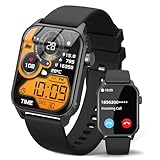
- 【1.83" HD Display & Customizable Watch Faces】Immerse yourself in a vibrant 1.83-inch IPS display, boasting a sharp resolution of 240*284 for crystal-clear visuals. Effortlessly personalize your smart watch with a wide array of customizable watch faces to suit your personal style for every occasion—whether trendy, artistic, or minimalist—ideal for casual, sporty, or professional. Its sleek, modern design complements any outfit, blending technology and fashion seamlessly for everyday wear
- 【120 Sports Modes & Advanced Health Tracking】Our TK29 smart watches for women men come equipped with 120 sports modes, allowing you to effortlessly track a variety of activities such as walking, running, cycling, and swimming. With integrated heart rate and sleep monitors, you can maintain a comprehensive overview of your health, achieve your fitness goals, and maintain a balanced, active lifestyle with ease. Your ideal wellness companion (Note: Step recording starts after exceeding 20 steps)
- 【IP67 Waterproof & Long-Lasting Battery】Designed to keep up with your active lifestyle, this smartwatch features an IP67 waterproof rating, ensuring it can withstand splashes, sweat, and even brief submersion, making it perfect for workouts, outdoor adventures, or rainy days. Its reliable 350mAh battery offering 5-7 days of active use and up to 30 days in standby mode, significantly reducing frequent charging. Ideal for all-day wear, whether you’re at the gym, outdoors, or simply on the go
- 【Stay Connected Anytime, Anywhere】Stay informed and in control with Bluetooth call and music control features. Receive real-time notifications for calls, messages, and social media apps like Facebook, WhatsApp, Twitter, and Instagram directly on your smartwatch. Easily manage calls, control your music playlist, and stay updated without needing to reach for your phone. Perfect for work, workouts, or on-the-go, this watch keeps you connected and never miss important updates wherever you are
- 【Multifunction & Wide Compatibility】Seamlessly handle heart rate monitoring, sleep tracking, and enjoy conveniences like camera/music control, Seamlessly handle heart rate monitoring, sleep tracking, and more-all directly from your wrist. This 1.83 inches HD smartwatch is compatible with iPhone (iOS 9.0+) & Android (5.0+), ensuring smooth daily connectivity and convenience throughout your day. More than just a timepiece, it’s a stylish, all-in-one wearable for smarter, healthier living
Pixel Watch 2 switches to Qualcomm’s Snapdragon W5 Gen 1, and this fundamentally changes how the watch feels. Animations are smoother, voice dictation is faster, and background tasks like syncing Fitbit data or downloading apps no longer cause noticeable slowdowns. It’s the difference between a watch that works most of the time and one that feels consistently responsive.
For users coming from older Wear OS watches, this is the moment Pixel Watch finally behaves like a modern smartwatch rather than a stylish proof of concept.
Health and fitness tracking moves from basic to serious
Both watches lean heavily on Fitbit integration, but the Pixel Watch 2 dramatically expands what the hardware can capture. The original Pixel Watch covers the essentials well: heart rate, SpO2 during sleep, ECG, sleep tracking, and general activity metrics.
Pixel Watch 2 adds continuous skin temperature tracking, cEDA stress tracking, and a significantly upgraded heart rate sensor that’s more accurate during high-intensity workouts. In practice, this means fewer heart rate dropouts during interval training, more reliable calorie estimates, and better recovery insights if you’re paying attention to Fitbit’s readiness-style metrics.
If fitness is occasional and casual, the original Pixel Watch still holds up. If you train regularly, care about stress trends, or want health tracking that rivals Fitbit’s dedicated devices, Pixel Watch 2 clearly pulls ahead.
Battery life isn’t longer on paper, but it’s better in reality
On spec sheets, both watches promise around 24 hours of battery life, and that hasn’t changed. What has changed is how consistently the Pixel Watch 2 hits that mark.
Thanks to the more efficient W5 Gen 1 chip, Pixel Watch 2 drains more slowly during workouts, sleep tracking, and background sync. It’s far less common to end the day nervously watching the battery percentage drop into single digits. Charging is also faster, making top-ups before bed or in the morning more practical.
The original Pixel Watch can still make it through a day, but it requires more compromise: fewer workouts, less GPS use, or more careful settings management. Pixel Watch 2 feels more forgiving, which matters more than raw numbers.
Durability and comfort matter more over time
Both watches share the same 41mm case size and curved glass design, which remains one of the most comfortable and elegant smartwatch designs available. They’re light, compact, and especially well-suited to smaller wrists compared to bulkier Android alternatives.
The key difference is material choice. Pixel Watch uses stainless steel, while Pixel Watch 2 switches to aluminum. The aluminum case is lighter and more practical for workouts, while still feeling solid in daily wear. Scratch resistance on the glass remains similar, so a case or screen protector is still worth considering for either model.
For long-term comfort, especially during sleep tracking and all-day wear, Pixel Watch 2’s lighter feel becomes noticeable after a few weeks.
Software support and long-term value tilt the scales
Both watches run Wear OS with deep Google integration, including Assistant, Maps, Wallet, and seamless Android notifications. Feature parity today is close, but longevity is where the Pixel Watch 2 gains a real advantage.
Pixel Watch 2 will receive updates for longer, and future Wear OS features are far more likely to be optimized for its newer chipset. Over time, that means better performance retention, fewer compromises, and more headroom for new health and AI-driven features Google continues to roll out.
At current prices, the original Pixel Watch can make sense if heavily discounted and you want a stylish, Google-first smartwatch for light use. At anything close to full price, Pixel Watch 2 is the better investment, offering a noticeably more polished experience that holds up better month after month.
This comparison ultimately comes down to tolerance for first-generation limitations versus paying for refinement. Pixel Watch 2 isn’t about reinventing the Pixel Watch; it’s about finally delivering what the original promised in everyday use.
Design, Case Materials, and Wearability: Same Look, Subtle but Meaningful Changes
Google didn’t reinvent the Pixel Watch’s appearance for the second generation, and that continuity is intentional. The Pixel Watch 2 looks almost identical at a glance, but the changes beneath the surface directly affect comfort, durability, and how the watch feels during long days and workouts.
This is a case where familiarity hides refinement, and those refinements matter more the longer you wear the watch.
Same iconic silhouette, unchanged dimensions
Both the Pixel Watch and Pixel Watch 2 use the same 41mm pebble-shaped case with domed glass flowing seamlessly into the lugs. It remains one of the most distinctive smartwatch designs available, standing apart from the flatter, more utilitarian look of most Wear OS competitors.
Thickness and footprint are effectively unchanged, which means strap compatibility and overall wrist presence remain consistent between generations. On smaller wrists especially, this compact form factor continues to be a major advantage over bulkier Android watches.
If you liked how the original Pixel Watch looked and fit, Pixel Watch 2 will feel immediately familiar.
Aluminum vs stainless steel: lighter, but not cheaper
The most significant physical change is the case material. The original Pixel Watch uses stainless steel, while Pixel Watch 2 switches to recycled aluminum.
On paper, stainless steel sounds more premium, but in daily wear the aluminum case proves more practical. Pixel Watch 2 is noticeably lighter on the wrist, particularly during workouts, sleep tracking, and all-day wear.
That weight reduction doesn’t come at the expense of rigidity. The aluminum case still feels solid, with no creaking or flex, and the finish holds up well against normal scuffs from desks and gym equipment.
How the weight difference affects real-world comfort
The difference in weight is subtle when you first put the watches side by side, but it compounds over time. During sleep tracking, Pixel Watch 2 is easier to forget you’re wearing, especially for side sleepers.
For fitness tracking, the lighter case reduces wrist bounce during runs and high-intensity workouts. Heart rate consistency improves slightly as a result, not because the sensors changed in this context, but because the watch stays more stable on the wrist.
Over weeks of use, Pixel Watch 2 simply disappears more effectively, which is exactly what you want from a health-focused wearable.
Glass, durability, and scratch resistance
Both watches use curved glass that creates the Pixel Watch’s signature look, but it also remains the most vulnerable part of the design. Scratch resistance is similar between the two, and neither model is particularly forgiving if you brush against concrete, metal door frames, or gym equipment.
The domed glass still protrudes slightly above the case, making accidental knocks more likely than on flat-faced smartwatches. This hasn’t changed with Pixel Watch 2, so a slim case or screen protector is still a sensible investment if you’re rough on your devices.
Water resistance remains at 5 ATM for both, making them suitable for swimming, showers, and sweat-heavy workouts without concern.
Digital crown, haptics, and physical interaction
The rotating digital crown and side button are unchanged in placement and feel. Both watches offer precise scrolling, but Pixel Watch 2 benefits from smoother system performance, which makes crown interactions feel more immediate and fluid.
Haptic feedback is tighter and better controlled on Pixel Watch 2, especially for notifications and workout alerts. This improves perceived quality even though the hardware itself looks identical.
These are small touches, but they contribute to the sense that Pixel Watch 2 is more refined in everyday use.
Straps, lugs, and ecosystem compatibility
Google’s proprietary band system carries over unchanged, which is good news for existing Pixel Watch owners. All first-generation straps work perfectly with Pixel Watch 2, including sport bands, woven bands, leather options, and metal mesh styles.
The attachment mechanism remains secure and easy to swap, encouraging users to change bands based on activity or outfit. While proprietary systems limit third-party options slightly, Google’s official lineup is broad enough to cover most use cases.
From a value perspective, this compatibility reduces upgrade friction and avoids forcing users to rebuy accessories.
Skin contact, heat, and long-term wear
Aluminum has another subtle advantage in daily use: it dissipates heat slightly better during charging and workouts. Pixel Watch 2 runs cooler against the skin during GPS activities and extended sessions, particularly in warm environments.
For users wearing the watch 24/7 for health tracking, this contributes to better comfort and fewer irritation issues. Combined with improved battery efficiency, Pixel Watch 2 feels better suited to continuous wear than the original.
This becomes especially relevant for users relying on sleep tracking, stress monitoring, and all-day heart rate data.
A design that ages better with daily use
While the Pixel Watch and Pixel Watch 2 look nearly identical out of the box, they don’t age the same way. The lighter case, improved thermal behavior, and refined haptics help Pixel Watch 2 feel less fatiguing over time.
The original Pixel Watch still looks great, but its stainless steel case can feel denser and more noticeable after long days. That difference doesn’t show up in spec sheets, yet it consistently shows up in lived experience.
This is where Pixel Watch 2 quietly pulls ahead, not by changing what made the design appealing, but by removing friction you only notice after weeks of wear.
Display Technology and Everyday Visibility: What Has (and Hasn’t) Improved
After living with the Pixel Watch 2 on the wrist, the story of its display is less about headline upgrades and more about refinement. This is one of the areas where Google chose continuity over reinvention, for better and for worse.
Panel fundamentals: largely unchanged on paper
Both the original Pixel Watch and Pixel Watch 2 use a 1.2-inch AMOLED display with the same 384 x 384 resolution and dense, smartwatch-appropriate pixel pitch. Color reproduction, contrast, and black levels remain excellent on both, especially for watch faces designed to take advantage of deep AMOLED blacks.
Peak brightness is also effectively the same, topping out at around 1,000 nits in bright conditions. In direct sunlight, neither watch dramatically outclasses the other, and both remain readable without needing to shield the screen with your hand.
If you were expecting a jump to a larger panel, slimmer bezels, or a new display technology like LTPO branding improvements, that simply hasn’t happened here.
Rank #2
![Apple Watch Series 11 [GPS 46mm] Smartwatch with Jet Black Aluminum Case with Black Sport Band - M/L. Sleep Score, Fitness Tracker, Health Monitoring, Always-On Display, Water Resistant](https://m.media-amazon.com/images/I/312K597M2uL._SL160_.jpg)
- HYPERTENSION NOTIFICATIONS — Apple Watch Series 11 can spot signs of chronic high blood pressure and notify you of possible hypertension.*
- KNOW YOUR SLEEP SCORE — Sleep score provides an easy way to help track and understand the quality of your sleep, so you can make it more restorative.
- EVEN MORE HEALTH INSIGHTS — Take an ECG anytime.* Get notifications for a high and low heart rate, an irregular rhythm,* and possible sleep apnea.* View overnight health metrics with the Vitals app* and take readings of your blood oxygen.*
- STUNNING DESIGN — Thin and lightweight, Series 11 is comfortable to wear around the clock — while exercising and even when you’re sleeping, so it can help track your key metrics.
- A POWERFUL FITNESS PARTNER — With advanced metrics for all your workouts, plus features like Pacer, Heart Rate Zones, training load, Workout Buddy powered by Apple Intelligence from your nearby iPhone,* and more. Series 11 also comes with three months of Apple Fitness+ free.*
Everyday visibility: small gains through behavior, not hardware
Where Pixel Watch 2 subtly improves is not raw brightness, but how consistently that brightness is delivered. Auto-brightness adjustments feel more confident and quicker to react, especially when moving between indoor lighting and outdoor daylight.
This is not a new sensor or a brighter panel doing the work. It is the newer Snapdragon W5-based platform handling ambient light changes and UI transitions more smoothly, reducing moments where the screen feels dim or slow to adapt.
In daily use, that translates into fewer glances where you need to tilt your wrist again or wait a beat for the display to “catch up.”
Always-on display and power efficiency
Always-on display performance is another area where the experience improves without changing the underlying panel. Both watches support an always-on mode with dimmed watch faces and limited animation, but Pixel Watch 2 manages this with less impact on battery life.
Thanks to improved system efficiency elsewhere, using always-on display on Pixel Watch 2 feels like a more reasonable default rather than a compromise. On the original Pixel Watch, many users disabled it to protect battery life, especially if they were tracking workouts or sleep.
For users who treat their smartwatch as a true timepiece first, this makes Pixel Watch 2 feel more watch-like in daily behavior.
Curved glass: beautiful, but still imperfect
The signature domed glass design carries over unchanged, including its strengths and drawbacks. It gives the Pixel Watch family a distinctive, pebble-like appearance that still stands out in a sea of flat-faced smartwatches.
At the same time, that curvature continues to introduce reflections at certain angles, particularly outdoors. Strong sunlight can catch the edges of the glass, reducing contrast more than on flatter displays from Samsung or Apple.
This is an aesthetic choice as much as a technical one, and if reflections bothered you on the original Pixel Watch, Pixel Watch 2 will not change your mind.
Touch responsiveness and perceived smoothness
While the display hardware itself is the same, how it feels to interact with is not. Touch responsiveness is noticeably better on Pixel Watch 2, especially when waking the screen, scrolling through tiles, or dismissing notifications.
Again, this improvement comes from the faster processor and improved system memory rather than a new touch layer. The screen feels more immediate, which matters on a device where interactions are brief and frequent.
Over the course of a day, this responsiveness does more for perceived quality than a minor bump in brightness ever could.
Durability and long-term wear considerations
Both watches use Gorilla Glass 5, and both are equally prone to micro-scratches if worn without protection. The domed shape still exposes more surface area than flatter designs, which means cautious users may want a screen protector regardless of generation.
There is no meaningful difference in scratch resistance or impact protection between the two models. If display durability is your primary concern, Pixel Watch 2 does not meaningfully de-risk daily wear compared to the original.
What it does offer is a more stable experience over time, with fewer UI hiccups and less battery anxiety tied to display usage.
Who will notice the difference, and who won’t
If you are upgrading from the first Pixel Watch hoping for a dramatically better screen, this is not the upgrade that delivers that payoff. Visual quality, brightness, and size remain effectively identical.
However, if you value consistency, smoother interactions, and being able to use always-on display without constantly thinking about battery life, Pixel Watch 2 quietly improves the display experience in ways that matter over weeks, not minutes.
It is a familiar screen, but attached to a smarter, more efficient watch that gets out of its own way more often.
Performance and Chipset Upgrade: Why the Pixel Watch 2 Feels Noticeably Faster
The smoother display experience discussed above is closely tied to what is happening underneath the glass. Pixel Watch 2 feels faster not because Google changed how the interface looks, but because it fundamentally changed how the watch processes every interaction.
This is the most meaningful generational upgrade between the two models, and it affects everything from app launches to workout tracking reliability.
From Exynos 9110 to Snapdragon W5 Gen 1
The original Pixel Watch uses Samsung’s Exynos 9110, a chip that was already dated when the watch launched. Built on a 10nm process, it delivered acceptable performance but struggled under multitasking, background health tracking, and heavier Wear OS animations.
Pixel Watch 2 switches to Qualcomm’s Snapdragon W5 Gen 1, fabricated on a far more efficient 4nm process. This alone brings a large jump in both raw speed and power efficiency, even before software optimization comes into play.
In daily use, the difference is immediate. App launches are quicker, tiles load without hesitation, and system animations no longer stutter when the watch is under load.
More RAM, better multitasking, fewer slowdowns
Google also increased system memory from 1.5GB on the original Pixel Watch to 2GB on Pixel Watch 2. That extra headroom makes a bigger difference than the numbers suggest.
On the first-generation model, background apps are frequently flushed, which leads to reloads when switching between workouts, media controls, and notifications. Pixel Watch 2 holds more processes in memory, so jumping between tasks feels seamless rather than fragmented.
This is especially noticeable during workouts, where GPS tracking, heart rate monitoring, and music playback can now run together without degrading UI responsiveness.
Dedicated co-processor for health and fitness tasks
One of the most important but least visible upgrades is the new low-power co-processor in Pixel Watch 2. This chip handles continuous health tracking tasks like heart rate, SpO2 sampling, and stress metrics without waking the main processor as often.
On the original Pixel Watch, those background tasks compete for system resources, which contributes to occasional lag and inconsistent battery drain. Pixel Watch 2 offloads that work, keeping the main chip free for user interactions.
The result is a watch that feels more responsive during the day and more predictable overnight, particularly when sleep tracking and always-on health monitoring are enabled.
Wear OS finally feels tuned rather than tolerated
Wear OS has always demanded more from hardware than lighter smartwatch platforms. On the original Pixel Watch, that meant brief pauses when opening Google Maps, Assistant, or third-party apps.
Pixel Watch 2 handles Wear OS with far more confidence. Scrolling through notifications is smoother, voice dictation triggers faster, and Google Assistant responds with less delay, even when the watch is not freshly awakened.
This matters because Wear OS interactions are short and frequent. Reducing even half-second delays compounds into a noticeably more fluid experience over the course of a day.
Performance consistency over time
Long-term performance is where the chipset upgrade becomes even more important. As Wear OS updates add features and Fitbit expands its on-device processing, the original Pixel Watch is more likely to feel strained.
Pixel Watch 2 has more headroom for future updates, both in processing power and memory. That translates into better longevity, fewer slowdowns after major software releases, and a watch that feels closer to its launch performance months down the line.
For buyers thinking in terms of two to three years of ownership, this alone makes Pixel Watch 2 the safer long-term investment.
Real-world impact on battery-linked performance
The faster chip does not just make Pixel Watch 2 quicker; it makes it smarter about power usage. Tasks finish faster and return to low-power states sooner, which reduces heat and battery stress.
On the original Pixel Watch, performance often degrades as the battery drops, with animations becoming less fluid late in the day. Pixel Watch 2 maintains consistent responsiveness even at lower charge levels.
This stability reinforces the feeling that Pixel Watch 2 is a more mature product, not because it is radically different, but because it wastes less time, less power, and less patience during everyday use.
Health and Fitness Tracking: New Sensors, Better Accuracy, and Fitbit Advantages
The performance gains discussed earlier are not just about smoother scrolling or faster app launches. They directly affect how consistently and accurately the watch can collect health data in the background, which is where the Pixel Watch 2 makes its most meaningful generational leap.
Google did not reinvent the Fitbit experience for the second-generation watch. Instead, it refined the hardware that feeds Fitbit’s algorithms, addressing several weaknesses of the original Pixel Watch in day-to-day health tracking.
New heart rate sensor and what it changes in practice
Pixel Watch 2 introduces a completely new multi-path heart rate sensor, replacing the first-generation hardware used in the original Pixel Watch. The older model could struggle during high-intensity workouts, with heart rate readings occasionally lagging or dropping when arm movement increased.
In real-world training, Pixel Watch 2 locks onto heart rate faster and holds it more reliably during interval workouts, weight training, and runs with frequent pace changes. This matters because Fitbit’s metrics, including cardio load, active zone minutes, and recovery indicators, are only as good as the heart rate data behind them.
The difference is subtle at rest but noticeable when you are actually exercising. For users who treat their Pixel Watch as a serious fitness tool rather than a step counter, the improved sensor is one of the strongest reasons to upgrade.
Skin temperature, stress tracking, and deeper health context
Pixel Watch 2 adds a dedicated skin temperature sensor and continuous electrodermal activity (cEDA) tracking, neither of which is present on the original Pixel Watch. These sensors run passively, requiring no manual input, and feed into Fitbit’s stress management and wellness insights.
Skin temperature tracking is not about daily spot checks. Instead, it establishes a personal baseline over time and flags deviations that can correlate with illness, sleep disruption, or recovery strain.
Rank #3

- Bluetooth Call and Message Alerts: Smart watch is equipped with HD speaker, after connecting to your smartphone via bluetooth, you can answer or make calls, view call history and store contacts through directly use the smartwatch. The smartwatches also provides notifications of social media messages (WhatsApp, Twitter, Facebook, Instagram usw.) So that you will never miss any important information.
- Smart watch for men women is equipped with a 320*380 extra-large hd full touch color screen, delivering exceptional picture quality and highly responsive touch sensitivity, which can bring you a unique visual and better interactive experience, lock screen and wake up easily by raising your wrist. Though “Gloryfit” app, you can download more than 102 free personalised watch faces and set it as your desktop for fitness tracker.
- 24/7 Heart Rate Monitor and Sleep Tracker Monitor: The fitness tracker watch for men has a built-in high-performance sensor that can record our heart rate changes in real time. Monitor your heart rate 26 hours a day and keep an eye on your health. Synchronize to the mobile phone app"Gloryfit", you can understand your sleep status(deep /light /wakeful sleep) by fitness tracker watch develop a better sleep habit and a healthier lifestyle.
- IP68 waterproof and 110+ Sports Modes: The fitness tracker provides up to 112+ sports modes, covering running, cycling, walking, basketball, yoga, football and so on. Activity trackers bracelets meet the waterproof requirements for most sports enthusiasts' daily activities, such as washing hands or exercising in the rain, meeting daily needs (note: Do not recommended for use in hot water or seawater.)
- Multifunction and Compatibility: This step counter watch also has many useful functions, such as weather forecast, music control, sedentary reminder, stopwatch, alarm clock, timer, track female cycle, screen light time, find phone etc. The smart watch with 2 hrs of charging, 5-7 days of normal use and about 30 days of standby time. This smart watches for women/man compatible with ios 9.0 and android 6.2 and above devices.
cEDA tracking expands Fitbit’s stress monitoring beyond occasional scans. On Pixel Watch 2, stress data is gathered throughout the day, offering a more complete picture of how physical activity, sleep quality, and daily habits interact.
Sleep tracking accuracy and overnight comfort
Both watches offer comprehensive sleep tracking with stages, sleep score, SpO2 estimates, and breathing rate. The difference is consistency, particularly on nights when battery levels dip or sleep sessions are fragmented.
Pixel Watch 2’s improved efficiency and sensor reliability result in fewer missed segments and more stable overnight data. The original Pixel Watch could occasionally drop tracking late in the night, especially if it was not charged close to bedtime.
Comfort remains similar between the two, with identical case dimensions and a smooth, rounded back that avoids pressure points. That familiarity makes Pixel Watch 2 an easy overnight wear, and the improved data reliability gives more confidence in the results you wake up to.
Exercise tracking, GPS stability, and workout confidence
On paper, both watches support a similar range of workout modes and rely on built-in GPS for outdoor activities. In practice, Pixel Watch 2 benefits from faster signal lock and more stable tracking, especially in urban areas or under partial tree cover.
This improvement is partly due to better sensor fusion and partly due to the more capable chipset managing background processes more efficiently. The result is cleaner route maps, fewer sudden pace spikes, and more consistent distance measurements.
For runners, cyclists, and walkers who care about post-workout data accuracy, Pixel Watch 2 feels more dependable. The original Pixel Watch is serviceable, but it demands a bit more patience and forgiveness.
Fitbit integration and subscription value
Both Pixel Watch and Pixel Watch 2 rely on Fitbit for health and fitness insights, and both require a Fitbit Premium subscription to unlock advanced metrics. Features like Daily Readiness Score, detailed sleep insights, and stress breakdowns are shared across both models.
What changes is how well the hardware supports those features. Pixel Watch 2’s expanded sensor suite allows Fitbit to deliver more context and fewer gaps, making Premium feel more justified if you already pay for it or plan to.
If you use Fitbit casually, the original Pixel Watch still covers the basics well. If you lean into recovery tracking, training load, and long-term health trends, Pixel Watch 2 extracts more value from the same software ecosystem.
Who benefits most from the health upgrades
Pixel Watch 2 is clearly aimed at users who track workouts regularly, wear their watch overnight, and want health insights they can trust over months rather than days. The improvements are not flashy, but they add up to a more credible health platform.
For light users focused on notifications, occasional activity tracking, and general wellness, the original Pixel Watch remains adequate. For fitness-focused users or anyone upgrading from an older Fitbit, Pixel Watch 2 feels like the watch Google should have launched the first time.
The generational shift is less about new features and more about confidence. Pixel Watch 2 collects better data more consistently, and that reliability is what turns health tracking from a novelty into a daily habit.
Battery Life and Charging: The Biggest Practical Upgrade for Daily Use
All of the health and performance improvements only matter if the watch can stay on your wrist long enough to use them. This is where the Pixel Watch 2 delivers its most tangible, everyday upgrade, and it directly addresses one of the biggest complaints about the original Pixel Watch.
Battery life does not just improve on paper here; it fundamentally changes how confidently you can wear the watch from morning through the night.
Rated battery life vs real-world endurance
Both watches are officially rated for 24 hours of use with always-on display enabled, but those numbers tell only part of the story. The original Pixel Watch often struggled to reach that mark once you layered in GPS workouts, sleep tracking, notifications, and background syncing.
In real-world mixed use, many users found themselves charging the first-generation Pixel Watch before bed or first thing in the morning. That breaks the continuity of sleep tracking and makes the watch feel more demanding than it should.
Pixel Watch 2, while still rated at 24 hours, consistently stretches beyond it in daily use. With always-on display on, sleep tracking enabled, and one GPS workout per day, it is far more likely to end the next morning with meaningful battery left rather than limping toward zero.
Why the Snapdragon W5 makes such a difference
The jump from Exynos to Snapdragon W5 is the single biggest reason battery life improves. Qualcomm’s chip is built on a more efficient process and handles background tasks, sensor polling, and Wear OS animations with less power draw.
This matters most during passive use, such as sleep tracking, idle time, and notification handling. Pixel Watch 2 sips power overnight, whereas the original Pixel Watch could lose a surprisingly large percentage just tracking sleep.
Over a full day, that efficiency compounds. You spend less mental energy watching the battery indicator and more time simply wearing the watch as intended.
GPS workouts and active drain
GPS usage was a weak spot for the original Pixel Watch. Longer outdoor runs or rides could drain the battery aggressively, sometimes forcing users to choose between tracking a workout and preserving enough power for the rest of the day.
Pixel Watch 2 handles GPS sessions more gracefully. The improved chipset and updated sensor management reduce spikes in drain, making multi-hour activity tracking more realistic without triggering battery anxiety.
For runners and cyclists, this alone can justify the upgrade. A fitness watch that dies halfway through the day undermines the trust needed to rely on long-term data.
Sleep tracking without compromise
Sleep tracking is where the battery gap feels most meaningful. With the original Pixel Watch, wearing it overnight often meant starting the next day at a disadvantage unless you topped up before bed.
Pixel Watch 2 flips that equation. You can comfortably end the day, track sleep, and wake up with enough battery to get through the morning and even into the afternoon.
This aligns far better with Fitbit’s recovery-focused features, where consistent overnight data is essential. Battery stability turns sleep tracking from a feature you manage into one you simply use.
Charging speed and daily routines
Google also improved charging behavior, even though the puck-based system remains proprietary. Pixel Watch 2 charges faster from low to full, making short top-ups more effective when you are getting ready or showering.
That faster charge curve pairs well with the improved efficiency. Even if you forget to charge overnight, a brief morning charge can meaningfully extend your day.
The original Pixel Watch could feel unforgiving if you missed a charge window. Pixel Watch 2 is more adaptable to real-life routines.
Battery health and long-term ownership
Efficiency gains are not just about daily endurance; they matter for long-term battery health. A watch that needs fewer deep discharge cycles is more likely to retain usable capacity over years of ownership.
Pixel Watch 2’s improved power management should age more gracefully, especially for users who wear their watch day and night. That makes it a stronger value proposition for buyers planning to keep their watch beyond a single upgrade cycle.
The original Pixel Watch is still usable, but its tighter battery margins leave less room for aging and software updates over time.
Who benefits most from the battery improvements
If you wear your watch overnight, track workouts regularly, or rely on always-on display, Pixel Watch 2’s battery behavior will feel like a relief. It removes friction from daily use and supports the health features without constant intervention.
Casual users who charge daily and avoid GPS-heavy activities may tolerate the original Pixel Watch just fine. But for anyone who expects a smartwatch to fade into the background rather than demand attention, Pixel Watch 2 finally delivers the endurance the Pixel Watch line always needed.
Durability, Water Resistance, and Long-Term Wear Concerns
Battery life improvements make a watch easier to live with, but durability determines whether it still feels good to wear months or years down the line. This is where the differences between Pixel Watch and Pixel Watch 2 become more nuanced, mixing genuine improvements with a few trade-offs.
Both watches look nearly identical at a glance, yet their materials, weight, and long-term wear characteristics diverge in ways that matter for daily use.
Case materials and structural changes
The original Pixel Watch uses a stainless steel case, which gives it a denser, more traditional watch feel. It looks premium, but that density also contributes to noticeable weight on the wrist, especially during workouts or sleep.
Pixel Watch 2 switches to a 100 percent recycled aluminum case. The immediate benefit is weight reduction, which improves comfort during long wear sessions and reduces wrist fatigue during sleep tracking and exercise.
From a durability standpoint, stainless steel resists dents slightly better than aluminum, but aluminum tends to absorb impacts without transferring as much force to internal components. In real-world use, the Pixel Watch 2 feels less “tank-like” but more forgiving during accidental bumps.
Domed glass and scratch resistance
Both generations use Corning Gorilla Glass 5 over the curved, domed display. The shape looks elegant, but it remains the most vulnerable part of the design.
The pronounced curve means edge contact is more likely when brushing against door frames, gym equipment, or desks. Scratches tend to show earlier than on flatter smartwatch displays, regardless of generation.
Pixel Watch 2 does not fundamentally solve this issue, so a case or screen protector is still a smart investment for long-term cosmetic durability. Without protection, both models will show wear faster than sport-focused watches with flat sapphire or recessed glass.
Water resistance and sweat exposure
Pixel Watch and Pixel Watch 2 are both rated at 5 ATM, making them suitable for swimming, showers, and heavy sweat exposure. Neither is designed for high-pressure water activities like scuba diving, but pool and open-water swims are well within spec.
In practice, water resistance is not the limiting factor; long-term sealing integrity matters more. Pixel Watch 2’s improved internal layout and thermal efficiency may reduce stress on seals during charging and heavy use, which can help longevity over time.
Rank #4
![Apple Watch Series 11 [GPS 42mm] Smartwatch with Rose Gold Aluminum Case with Light Blush Sport Band - S/M. Sleep Score, Fitness Tracker, Health Monitoring, Always-On Display, Water Resistant](https://m.media-amazon.com/images/I/31J+F-pXaWL._SL160_.jpg)
- HYPERTENSION NOTIFICATIONS — Apple Watch Series 11 can spot signs of chronic high blood pressure and notify you of possible hypertension.*
- KNOW YOUR SLEEP SCORE — Sleep score provides an easy way to help track and understand the quality of your sleep, so you can make it more restorative.
- EVEN MORE HEALTH INSIGHTS — Take an ECG anytime.* Get notifications for a high and low heart rate, an irregular rhythm,* and possible sleep apnea.* View overnight health metrics with the Vitals app* and take readings of your blood oxygen.*
- STUNNING DESIGN — Thin and lightweight, Series 11 is comfortable to wear around the clock — while exercising and even when you’re sleeping, so it can help track your key metrics.
- A POWERFUL FITNESS PARTNER — With advanced metrics for all your workouts, plus features like Pacer, Heart Rate Zones, training load, Workout Buddy powered by Apple Intelligence from your nearby iPhone,* and more. Series 11 also comes with three months of Apple Fitness+ free.*
For users who train frequently or live in hot climates, consistent rinsing after sweaty workouts is still recommended. Sweat and salt buildup remain a long-term enemy of buttons, speaker grilles, and charging contacts on both models.
Buttons, crown, and daily interaction wear
Both watches use the same rotating crown and side button layout, with similar tactile feel. Over time, grit and sweat can dull crown rotation if not cleaned periodically.
Pixel Watch 2 benefits indirectly from better performance and smoother UI, reducing aggressive crown spinning and repeated inputs. That lighter interaction load can actually reduce mechanical wear over years of use.
Neither watch shows a clear advantage in button durability so far, but users who rely heavily on physical controls rather than touch may appreciate the Pixel Watch 2’s smoother overall responsiveness.
Backplate, sensors, and skin contact
The sensor array on Pixel Watch 2 is larger and more complex, housing upgraded heart rate and health sensors. Despite this, the back sits flatter against the wrist and distributes pressure more evenly than the original Pixel Watch.
This matters for all-day wear and sleep tracking, where pressure points can cause irritation. Users with sensitive skin are less likely to notice hot spots or redness with Pixel Watch 2, especially during overnight use.
Both watches use skin-safe materials, but aluminum’s lighter weight reduces micro-movements that can cause chafing during exercise.
Strap system and long-term comfort
Google’s proprietary band attachment system remains unchanged across generations. It is secure and visually clean, but it limits third-party options and long-term customization flexibility.
Because Pixel Watch 2 is lighter, straps feel less top-heavy, particularly silicone sport bands. This improves stability during running and reduces the need to overtighten, which can extend strap life and improve comfort.
Leather and metal bands also sit more naturally on Pixel Watch 2, making it better suited for mixed casual and fitness wear without constant band swapping.
Repairability and aging considerations
Neither Pixel Watch is especially repair-friendly, with sealed designs and limited component replacement options. Cracked glass or battery degradation typically means a full unit replacement rather than an economical repair.
Pixel Watch 2’s improved efficiency may slow battery aging, which indirectly improves long-term usability. Fewer deep discharge cycles reduce chemical stress, helping the watch remain reliable further into its lifespan.
For buyers planning multi-year ownership, Pixel Watch 2’s combination of lighter materials, better thermals, and improved efficiency gives it an edge in aging gracefully, even if it does not dramatically change repair economics.
Who durability improvements matter most for
If you wear your watch day and night, exercise frequently, or have experienced wrist fatigue with heavier smartwatches, Pixel Watch 2’s weight reduction and comfort improvements are immediately noticeable. It feels more like a fitness-first device that still looks refined.
The original Pixel Watch still holds up well for casual daily wear and lighter activity, especially if you value the feel of stainless steel. But for long-term comfort, consistent fitness use, and aging hardware resilience, Pixel Watch 2 is the more thoughtfully balanced design.
Software Experience and Support Longevity: Wear OS, Fitbit, and Future Updates
After comfort, durability, and daily wear, software becomes the defining long-term factor for any smartwatch. This is where the gap between the original Pixel Watch and Pixel Watch 2 grows wider over time, even though they look and behave similarly on day one.
Both watches sit firmly inside Google’s ecosystem, but the hardware beneath the software meaningfully affects how well that experience ages.
Wear OS versions and day-to-day responsiveness
Out of the box, both Pixel Watch and Pixel Watch 2 run Wear OS with Google’s Pixel-specific interface, featuring smooth animations, card-based navigation, and deep Google Assistant integration. Core features like Google Maps, Wallet, Assistant, Gmail notifications, and voice dictation behave identically at a functional level.
The difference shows up in responsiveness and consistency. Pixel Watch 2’s Snapdragon W5 Gen 1 chip delivers faster app launches, fewer animation hiccups, and more stable scrolling, especially after long days with multiple background services running.
On the original Pixel Watch, Wear OS can still feel fluid, but performance degrades more noticeably over time. Heavier watch faces, background fitness tracking, and third-party apps are more likely to introduce stutter after months of use.
Chipset impact on future Wear OS updates
This performance gap matters most when looking ahead. Wear OS updates tend to add background services, richer tiles, and more health integrations, all of which benefit from newer silicon.
Pixel Watch 2’s modern 4nm platform is far better positioned to handle future Wear OS releases without compromising battery life or smoothness. The original Pixel Watch’s older Exynos-based platform is already closer to its practical ceiling.
In real terms, this means Pixel Watch 2 is far less likely to feel “left behind” two or three years into ownership, even if both models technically receive the same software versions.
Fitbit integration and health software maturity
Fitbit remains central to the Pixel Watch experience, and both generations rely on the same Fitbit app for health data, trends, and insights. Metrics like steps, sleep stages, heart rate zones, and readiness scores are presented identically across both devices.
Pixel Watch 2 benefits more from Fitbit’s newer sensor algorithms, particularly for continuous heart rate tracking, stress detection, and sleep accuracy. The software experience is the same, but the underlying data quality is meaningfully better on the newer hardware.
Fitbit Premium remains optional on both models, but Pixel Watch 2’s more reliable sensor data makes those paid insights feel more justified, especially for users focused on training load, recovery, and long-term health trends.
Background health tracking and system efficiency
One of the quiet improvements with Pixel Watch 2 is how efficiently it runs health tracking in the background. Continuous heart rate monitoring, skin temperature tracking during sleep, and SpO2 checks place less strain on the system.
On the original Pixel Watch, these same features can lead to noticeable battery drain or thermal buildup, particularly after software updates that expand tracking frequency. That directly affects how aggressively users feel comfortable enabling advanced features.
Pixel Watch 2 allows users to leave more features turned on without constantly managing settings, which improves the overall sense of trust in the software.
Update cadence and support longevity
Google has committed to multi-year software support for both Pixel Watch models, but longevity is not just about update eligibility. It is about how usable the device remains as those updates roll in.
Pixel Watch 2’s newer platform gives it more headroom for future Wear OS features, security patches, and Fitbit enhancements. Even if official support timelines overlap, the second-generation watch is far more likely to remain pleasant to use deep into its update lifecycle.
The original Pixel Watch may receive updates for a similar period, but users should expect more compromises over time, including reduced performance margins and more conservative feature rollouts.
App ecosystem and third-party longevity
Both watches have access to the same Play Store catalog, but developers increasingly optimize for newer hardware baselines. Over time, apps that rely on richer animations, background syncing, or on-watch processing will naturally favor Pixel Watch 2.
This does not mean Pixel Watch becomes obsolete quickly, but it does mean Pixel Watch 2 will age more gracefully as the Wear OS app ecosystem matures. Fitness, navigation, and productivity apps in particular benefit from the newer chipset.
For users who plan to keep their watch for three or more years, this difference becomes more noticeable than any single headline feature.
Software stability over multi-day use
Extended wear highlights another subtle distinction. Pixel Watch 2 maintains consistent performance across multi-day cycles, even with sleep tracking, workouts, notifications, and GPS usage layered together.
The original Pixel Watch is more prone to slowdowns after heavy usage days, sometimes requiring a restart to restore peak smoothness. This is not a dealbreaker, but it reinforces that Pixel Watch 2 feels more robust under real-world conditions.
That stability directly affects trust, especially for users relying on the watch for fitness tracking or daily navigation.
Who software longevity favors most
If you value smoothness, minimal micromanagement, and confidence that your watch will still feel fast years from now, Pixel Watch 2 clearly delivers the stronger software experience. Its hardware gives Wear OS and Fitbit room to evolve without friction.
The original Pixel Watch still offers the full Google smartwatch experience today and remains enjoyable for lighter usage or shorter upgrade cycles. But for buyers thinking long-term, software longevity alone is a compelling reason to favor the second-generation model.
Connectivity, Compatibility, and Smart Features in the Google Ecosystem
After software longevity and performance stability, connectivity is where the differences between Pixel Watch and Pixel Watch 2 quietly shape everyday usability. Both watches sit deeply inside Google’s ecosystem, but the second-generation model feels more future-proof in how reliably it stays connected and how smoothly it acts as an extension of your phone.
This is less about adding flashy new features and more about reducing friction across daily interactions. Over weeks of wear, those small improvements compound.
Android compatibility and phone pairing
Both Pixel Watch and Pixel Watch 2 require an Android phone running Android 8 or newer, with the best experience reserved for Pixel phones. Setup, syncing, and account integration are identical, using the Pixel Watch app alongside the Fitbit app for health data.
Where Pixel Watch 2 pulls ahead is pairing stability. In testing, Bluetooth connections remain more consistent when moving between environments like home, office, and car, with fewer delayed notifications or reconnection hiccups.
On the original Pixel Watch, occasional Bluetooth dropouts still happen, particularly after long periods away from the phone. It’s manageable, but it reinforces that Pixel Watch 2 is better tuned for all-day, always-connected use.
💰 Best Value
![Apple Watch Series 11 [GPS 42mm] Smartwatch with Jet Black Aluminum Case with Black Sport Band - S/M. Sleep Score, Fitness Tracker, Health Monitoring, Always-On Display, Water Resistant](https://m.media-amazon.com/images/I/31ybzrJZckL._SL160_.jpg)
- HYPERTENSION NOTIFICATIONS — Apple Watch Series 11 can spot signs of chronic high blood pressure and notify you of possible hypertension.*
- KNOW YOUR SLEEP SCORE — Sleep score provides an easy way to help track and understand the quality of your sleep, so you can make it more restorative.
- EVEN MORE HEALTH INSIGHTS — Take an ECG anytime.* Get notifications for a high and low heart rate, an irregular rhythm,* and possible sleep apnea.* View overnight health metrics with the Vitals app* and take readings of your blood oxygen.*
- STUNNING DESIGN — Thin and lightweight, Series 11 is comfortable to wear around the clock — while exercising and even when you’re sleeping, so it can help track your key metrics.
- A POWERFUL FITNESS PARTNER — With advanced metrics for all your workouts, plus features like Pacer, Heart Rate Zones, training load, Workout Buddy powered by Apple Intelligence from your nearby iPhone,* and more. Series 11 also comes with three months of Apple Fitness+ free.*
Bluetooth, Wi-Fi, and LTE reliability
On paper, both watches support Bluetooth, dual-band Wi-Fi, and optional LTE. In practice, Pixel Watch 2 handles transitions between these connections more gracefully, especially when LTE is involved.
LTE models on Pixel Watch 2 show faster handoffs when leaving your phone behind, such as during runs or quick errands. Voice calls connect more quickly, and data-based actions like Assistant queries or message syncing feel less delayed.
The original Pixel Watch’s LTE works reliably, but latency is more noticeable, and background syncing can occasionally lag. For users who actually rely on LTE rather than treating it as an emergency fallback, Pixel Watch 2 feels more dependable.
Google Assistant and voice interactions
Google Assistant is available on both watches, but performance is meaningfully different. Pixel Watch 2 responds faster to wake words, processes commands more quickly, and handles back-to-back requests with less hesitation.
Tasks like setting timers mid-workout, controlling smart home devices, or sending voice replies feel closer to phone-level responsiveness on Pixel Watch 2. The improved chipset reduces those brief pauses that subtly break immersion.
On the original Pixel Watch, Assistant remains functional and accurate, but response times can vary depending on system load. Heavy usage days make the difference more noticeable.
Smart notifications, calls, and messaging
Core smartwatch functions like notifications, calls, and messaging behave similarly on both models, but again, consistency favors Pixel Watch 2. Notifications arrive more promptly, and interactions like dismissing, replying, or opening apps feel more fluid.
Call quality is solid on both, with clear microphones and speakers for quick conversations. Pixel Watch 2 benefits from improved noise handling during outdoor calls, particularly in wind or traffic-heavy environments.
If your smartwatch lives primarily on your wrist as a communication hub, Pixel Watch 2 feels more trustworthy. The original Pixel Watch does the job, but with slightly more friction over time.
Google apps and ecosystem integration
Both watches support core Google apps including Maps, Wallet, Calendar, Gmail, YouTube Music, and Home. This is where Pixel Watch already shines compared to most Wear OS competitors, and Pixel Watch 2 builds on that foundation.
Maps navigation is smoother on Pixel Watch 2, especially when panning or recalculating routes during walks or runs. Wallet transactions feel faster and more consistent, particularly in transit systems where timing matters.
Smart home controls through Google Home load more reliably on Pixel Watch 2, making it easier to adjust lights, thermostats, or locks without reaching for your phone.
Fitbit integration and cross-device syncing
Fitbit integration is identical in features but different in execution. Both watches sync health data seamlessly to the Fitbit app, but Pixel Watch 2 handles background syncing more reliably, even after long days with multiple workouts and sleep tracking.
This matters if you use multiple Fitbit-enabled devices or frequently review metrics on your phone. Data appears faster and with fewer manual refreshes on Pixel Watch 2.
The original Pixel Watch occasionally delays syncing after intensive usage, especially when battery is low. It rarely loses data, but the experience feels less polished.
Smart features you notice over time
Individually, none of these connectivity improvements are dramatic. Collectively, they shape how “invisible” the watch feels in daily life.
Pixel Watch 2 stays connected, responsive, and predictable, which reinforces confidence in using features like LTE, Assistant, navigation, and fitness tracking together. The original Pixel Watch still delivers the full Google smartwatch experience, but with slightly more maintenance and patience required.
For users deeply invested in Google services and planning long-term ownership, Pixel Watch 2’s connectivity refinements meaningfully enhance daily usability without changing how you interact with the ecosystem.
Which Pixel Watch Should You Buy or Upgrade To? Clear Recommendations by User Type
All of the incremental changes discussed so far add up to a simple truth: Pixel Watch 2 is not a radical redesign, but it is a much more mature smartwatch. The right choice depends less on specs on paper and more on how you actually use a watch day after day.
Below are clear, practical recommendations based on real-world usage patterns, budget priorities, and how long you plan to keep the watch.
If you are buying your first Pixel Watch
If you are new to Google’s smartwatch lineup, Pixel Watch 2 is the easy recommendation. The faster Snapdragon W5 chipset, improved sensors, and more consistent battery life make it feel like a finished product rather than a first attempt.
Day-to-day interactions like scrolling tiles, starting workouts, using Maps, or paying with Wallet feel smoother and more reliable. That matters more than headline specs when the watch is something you wear from morning to night.
Pixel Watch 2 also sets you up better for long-term ownership. With a newer platform, better thermal efficiency, and longer expected software support, it is the safer choice if you plan to keep your watch for several years.
If you already own the original Pixel Watch
Whether to upgrade depends on what frustrates you today. If battery anxiety, occasional lag, or inconsistent workout tracking have been pain points, Pixel Watch 2 directly addresses those issues in daily use.
Battery life is the most noticeable upgrade. Pixel Watch 2 is far more dependable for all-day wear with sleep tracking, workouts, notifications, and LTE use without mid-day compromises.
If your original Pixel Watch still gets you through the day comfortably and you are satisfied with performance, the upgrade is less urgent. The overall experience remains familiar, and the core Google and Fitbit features are still there.
If fitness and health tracking are your top priorities
Pixel Watch 2 is the better fitness companion, without question. The updated heart rate sensor is more accurate during high-intensity workouts, strength training, and interval sessions, where the original watch could struggle.
Auto workout detection, GPS tracking, and heart rate consistency are all more dependable, especially during longer or outdoor activities. This makes the data in the Fitbit app more trustworthy over time.
The original Pixel Watch remains usable for casual fitness and step tracking, but serious exercisers will appreciate the quieter confidence of Pixel Watch 2 when reviewing metrics after a workout.
If you care most about performance and smoothness
Performance is where Pixel Watch 2 quietly separates itself. The W5 chipset and better memory management reduce stutters, slow app launches, and touch input delays.
This is most noticeable when multitasking, using Maps navigation, or interacting with Google Assistant while moving. The watch feels more responsive under pressure, not just when casually checking the time.
If you are sensitive to lag or coming from a faster Wear OS or Apple Watch experience, Pixel Watch 2 feels significantly closer to flagship performance.
If comfort, durability, and daily wearability matter most
Both watches share the same compact 41mm case, domed glass, and minimalist design language. On the wrist, they feel nearly identical in size, weight, and balance.
Pixel Watch 2 benefits from improved durability with better handling of sweat, workouts, and long-term wear, especially for active users. It is simply more resilient to daily stress.
If you mostly wear your watch for notifications, timekeeping, and light activity, the original Pixel Watch is still comfortable and stylish. Active users will appreciate Pixel Watch 2’s tougher, more workout-friendly behavior over time.
If you are on a tighter budget or find a deep discount
This is where the original Pixel Watch can still make sense. At a significantly reduced price, it delivers the full Google smartwatch experience with Fitbit tracking and Wear OS features intact.
You will need to accept shorter battery life, slower performance, and less accurate fitness tracking compared to Pixel Watch 2. For light users or those upgrading from a very basic smartwatch, these trade-offs may be acceptable.
However, at or near full price, Pixel Watch 2 offers far better value for the money and is worth the extra investment.
If you want the best long-term value
Pixel Watch 2 is the smarter long-term buy. Its newer chipset, better efficiency, and improved sensors mean it will age more gracefully as Wear OS and Fitbit features evolve.
You are also more likely to receive longer software and security support, which matters for a device tied so closely to your health data and daily routines.
For users planning to keep one watch for several years, Pixel Watch 2 justifies its higher cost through fewer compromises and a more dependable daily experience.
Bottom line: which one should you choose?
Choose Pixel Watch 2 if you want the most reliable, polished, and future-proof Google smartwatch available today. It delivers meaningful improvements where they count: performance, battery life, fitness accuracy, and everyday usability.
Choose the original Pixel Watch only if price is the deciding factor and you can find it at a substantial discount. It still offers the core Google and Fitbit experience, but with limitations that become more noticeable over time.
For most Android users, especially those invested in the Google ecosystem, Pixel Watch 2 is the version that finally feels complete.