If you’re tracking the Pixel Watch 3 early, you’re probably trying to separate signal from noise. Google’s smartwatch roadmap leaks differently from its phones, with fewer official hints and a lot of inference based on supply chain chatter, Wear OS updates, and Google’s own design habits.
This section is meant to anchor expectations. What follows clearly divides what’s effectively locked in based on credible reporting and Google’s historical behavior, versus what remains speculative, incomplete, or dependent on last‑minute strategy shifts. Think of this as the baseline reality check before diving deeper into individual features, models, and sizing.
What’s Effectively Confirmed or Highly Reliable
Google is expected to launch Pixel Watch 3 alongside the Pixel 9 series, following the same late‑summer cadence used for Pixel Watch (2022) and Pixel Watch 2 (2023). A reveal window in August or early September is the safest assumption, with retail availability shortly after, barring supply issues.
Wear OS remains central, and Pixel Watch 3 will almost certainly debut with the latest Wear OS version available at launch, plus Pixel‑exclusive software features. Fitbit integration is not optional at this point; it’s foundational to Google’s wearable strategy, meaning health tracking, readiness-style metrics, and Fitbit Premium upsell will continue unchanged in philosophy, even if individual metrics evolve.
🏆 #1 Best Overall
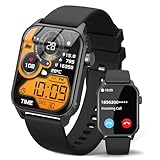
- 【1.83" HD Display & Customizable Watch Faces】Immerse yourself in a vibrant 1.83-inch IPS display, boasting a sharp resolution of 240*284 for crystal-clear visuals. Effortlessly personalize your smart watch with a wide array of customizable watch faces to suit your personal style for every occasion—whether trendy, artistic, or minimalist—ideal for casual, sporty, or professional. Its sleek, modern design complements any outfit, blending technology and fashion seamlessly for everyday wear
- 【120 Sports Modes & Advanced Health Tracking】Our TK29 smart watches for women men come equipped with 120 sports modes, allowing you to effortlessly track a variety of activities such as walking, running, cycling, and swimming. With integrated heart rate and sleep monitors, you can maintain a comprehensive overview of your health, achieve your fitness goals, and maintain a balanced, active lifestyle with ease. Your ideal wellness companion (Note: Step recording starts after exceeding 20 steps)
- 【IP67 Waterproof & Long-Lasting Battery】Designed to keep up with your active lifestyle, this smartwatch features an IP67 waterproof rating, ensuring it can withstand splashes, sweat, and even brief submersion, making it perfect for workouts, outdoor adventures, or rainy days. Its reliable 350mAh battery offering 5-7 days of active use and up to 30 days in standby mode, significantly reducing frequent charging. Ideal for all-day wear, whether you’re at the gym, outdoors, or simply on the go
- 【Stay Connected Anytime, Anywhere】Stay informed and in control with Bluetooth call and music control features. Receive real-time notifications for calls, messages, and social media apps like Facebook, WhatsApp, Twitter, and Instagram directly on your smartwatch. Easily manage calls, control your music playlist, and stay updated without needing to reach for your phone. Perfect for work, workouts, or on-the-go, this watch keeps you connected and never miss important updates wherever you are
- 【Multifunction & Wide Compatibility】Seamlessly handle heart rate monitoring, sleep tracking, and enjoy conveniences like camera/music control, Seamlessly handle heart rate monitoring, sleep tracking, and more-all directly from your wrist. This 1.83 inches HD smartwatch is compatible with iPhone (iOS 9.0+) & Android (5.0+), ensuring smooth daily connectivity and convenience throughout your day. More than just a timepiece, it’s a stylish, all-in-one wearable for smarter, healthier living
Design continuity is also close to locked in. Expect the same circular, domed-glass aesthetic with a crown and side button, using aluminum case materials rather than stainless steel. Google has invested too much in accessory compatibility and brand recognition to pivot away from this design language in a single generation.
Likely but Not Fully Locked
A multi-size lineup is strongly indicated but not yet officially confirmed. Multiple supply-chain references and accessory leaks point to Google finally offering two case sizes, addressing one of the biggest criticisms of the first two Pixel Watch generations. This is where the rumored Pixel Watch 3 XL enters the conversation, though the naming itself is still unverified.
Battery life improvements are expected but should be approached cautiously. Google made a meaningful jump from Pixel Watch to Pixel Watch 2 by changing chipsets, and another modest gain is likely through efficiency tweaks rather than sheer capacity alone. A larger case variant would logically allow a bigger battery, but expectations should stay in the 24–36 hour realistic use range, not multi-day endurance.
Sensor hardware refinements are probable rather than revolutionary. Incremental upgrades to heart rate accuracy, skin temperature tracking, and possibly sleep-related metrics are expected, but no credible leaks suggest entirely new health categories like blood pressure or glucose tracking at launch.
What’s Still Squarely in Rumor Territory
The Pixel Watch 3 XL itself is not officially acknowledged, and details around its dimensions remain speculative. Most expectations place it somewhere around 45mm, which would materially improve wrist presence, on-screen readability, and battery headroom for users who found the original Pixel Watch too compact.
Pricing structure is another open question. Google could maintain parity with the current Pixel Watch 2 pricing for the smaller model while charging a premium for the larger size, similar to Apple and Samsung strategies. However, aggressive pricing remains possible if Google wants to expand Wear OS market share rather than maximize margin.
Material upgrades, such as stainless steel or sapphire glass, remain unlikely but not impossible. There’s no strong evidence pointing to a luxury-tier Pixel Watch this generation, making it far more probable that Google sticks with aluminum cases and Gorilla Glass for cost, weight, and signal transparency reasons.
Why This Distinction Matters Right Now
Understanding what’s firm versus fluid helps set realistic expectations. Pixel Watch 3 is shaping up to be a refinement-focused update, not a reinvention, with its biggest potential impact coming from size options and battery life rather than headline-grabbing new sensors.
For current Pixel Watch owners, this clarity helps decide whether to wait or upgrade. For first-time buyers, it frames whether Pixel Watch 3 is likely to address past pain points like sizing, comfort, and endurance, or whether those compromises remain part of Google’s wearable philosophy.
Release Date Predictions: Reading Google’s Hardware Cadence and Pixel Event History
With the hardware picture now framed as evolutionary rather than disruptive, timing becomes the next practical question. Google’s launch rhythm over the past three Pixel Watch generations provides a surprisingly tight window, even when accounting for the company’s occasional scheduling curveballs.
How Google Has Timed Pixel Watch Launches So Far
Google introduced the original Pixel Watch alongside the Pixel 7 family in October 2022, anchoring it firmly to the flagship phone event. Pixel Watch 2 followed the same playbook in October 2023, launching in lockstep with Pixel 8 and immediately reinforcing a predictable annual cadence.
This consistency matters because Google tends to bundle ecosystem announcements to maximize platform narrative. Pixel phones, Pixel Watch, and Pixel Buds have increasingly been positioned as a single hardware story rather than standalone launches.
Why October Remains the Safest Bet
Based on historical patterns, an October 2026 Pixel hardware event remains the most probable launch window for Pixel Watch 3. That timing aligns not just with phones, but also with Wear OS version readiness, Fitbit backend updates, and carrier certification cycles.
A September announcement is unlikely unless Google shifts strategy to preempt Apple Watch announcements, something it has historically avoided. Likewise, a delayed November launch would risk compressing holiday availability, which runs counter to Google’s retail expansion goals.
Could Google Break the Pattern With an Earlier Reveal?
There is a slim possibility of an early preview at Google I/O, especially if a larger Pixel Watch 3 XL is real and Google wants to signal a sizing correction ahead of time. That said, I/O has traditionally been software-first, with hardware teases rather than full availability.
Even if a Pixel Watch 3 or XL makes an I/O cameo, it would almost certainly be a controlled preview rather than a full launch. Retail availability would still likely land several months later, maintaining the October on-sale window.
Pixel Watch 3 XL Timing: Same Day or Staggered?
If Pixel Watch 3 XL exists, the most realistic scenario is a simultaneous launch with the standard model. Google has little incentive to stagger releases when Apple and Samsung both normalize multiple sizes at launch.
A staggered rollout would complicate marketing, accessory compatibility, and carrier partnerships. From a supply chain perspective, launching both sizes together also allows Google to position the XL as a direct response to longstanding complaints about battery life and wrist presence.
What Regulatory Filings and Supply Signals Usually Tell Us
Historically, FCC filings, Bluetooth SIG listings, and carrier database leaks for Pixel Watch models have appeared six to ten weeks before announcement. If Pixel Watch 3 follows this pattern, credible paperwork should surface by late summer, offering the first hard confirmation of model counts and connectivity options.
The presence of two distinct case sizes in filings would effectively confirm the XL variant before Google ever says its name. Until then, the absence of filings doesn’t contradict an October launch, it simply means the clock hasn’t started yet.
Most Likely Release Window Scenarios
Based on cadence, logistics, and Google’s ecosystem strategy, three timing scenarios stand out as the most plausible:
– Announcement: Early to mid‑October, alongside Pixel 10 series phones
– Preorders: Same day as announcement
– Retail availability: Late October, ahead of peak holiday demand
A secondary but less likely scenario would involve an October announcement with limited initial availability for the XL size, especially if yields on a larger curved display prove challenging.
Why Timing Matters More This Generation
Release timing directly impacts how Pixel Watch 3 is perceived relative to competitors. Launching too late would leave it compared against Apple Watch and Galaxy Watch models that have already established real‑world battery data, health accuracy benchmarks, and third‑party accessory ecosystems.
Launching on time, with both sizes available, allows Google to frame Pixel Watch 3 as a considered response to past criticism rather than a reactive mid-cycle adjustment. That distinction matters for buyers deciding whether Google’s wearable platform has truly matured.
Pixel Watch 3 vs Pixel Watch 2: Expected Design Continuity, Refinements, and Pain Points Google Needs to Fix
With release timing likely locked to Google’s fall hardware window, the more meaningful question becomes not whether Pixel Watch 3 will look familiar, but how much Google is willing to refine a design language that has drawn both praise and persistent criticism. Pixel Watch 2 was a maturation of the original concept rather than a rethink, and all signs point to Pixel Watch 3 continuing that trajectory rather than starting over.
The stakes are higher this year because a second case size changes expectations. A Pixel Watch 3 XL cannot simply scale up the existing formula without addressing the ergonomic and functional tradeoffs that came with Pixel Watch 2.
Overall Design Language: Familiar, Purposefully Conservative
Credible leaks and supply chatter suggest Pixel Watch 3 will retain the signature domed glass “pebble” aesthetic introduced with the first generation. Google appears committed to this visual identity as a differentiator against flatter Galaxy Watch designs and Apple’s squared-off approach.
Expect the circular case, curved OLED display, and integrated lugs to remain essentially unchanged in silhouette. This is less about a lack of ambition and more about Google treating the Pixel Watch as a long-term design platform rather than a yearly style experiment.
From a branding standpoint, continuity makes sense. From a usability standpoint, it puts pressure on Google to fix the pain points that the domed design has historically introduced.
Case Sizes, Dimensions, and the Implications of an XL Model
Pixel Watch 2 shipped in a single 41mm case, which immediately limited its appeal for users with larger wrists and those prioritizing battery life. Pixel Watch 3 is widely expected to introduce a second, larger size, often referred to as Pixel Watch 3 XL in leaks, though Google may brand it differently.
Based on supply chain norms and display sourcing realities, the XL model is likely to land in the 44–45mm range rather than pushing into ultra-large territory. That would align it more closely with the Galaxy Watch 6 44mm and Apple Watch Series 9 45mm, both of which have proven broadly wearable.
The critical factor will be thickness and mass. Pixel Watch 2 was compact but relatively dense, and scaling the same construction up without reducing weight could hurt comfort, especially for sleep tracking, which Google heavily emphasizes through Fitbit.
Materials and Finishing: Incremental, Not Transformational
Pixel Watch 2 moved to an aluminum case for weight and cost control, abandoning the stainless steel approach of the original Pixel Watch. There is no strong evidence that Pixel Watch 3 reverses this decision.
Aluminum remains the most likely material across both sizes, potentially with improved coatings or subtle finishing tweaks to better resist scratches and edge wear. Google has historically favored soft-touch finishes that feel premium out of the box but can show wear faster than brushed steel.
One open question is whether the XL model will introduce a higher-end material tier to justify a price premium. At this stage, that remains speculative, and Google’s pricing history suggests consistency across sizes rather than luxury segmentation.
Rank #2
![Apple Watch Series 11 [GPS 46mm] Smartwatch with Jet Black Aluminum Case with Black Sport Band - M/L. Sleep Score, Fitness Tracker, Health Monitoring, Always-On Display, Water Resistant](https://m.media-amazon.com/images/I/312K597M2uL._SL160_.jpg)
- HYPERTENSION NOTIFICATIONS — Apple Watch Series 11 can spot signs of chronic high blood pressure and notify you of possible hypertension.*
- KNOW YOUR SLEEP SCORE — Sleep score provides an easy way to help track and understand the quality of your sleep, so you can make it more restorative.
- EVEN MORE HEALTH INSIGHTS — Take an ECG anytime.* Get notifications for a high and low heart rate, an irregular rhythm,* and possible sleep apnea.* View overnight health metrics with the Vitals app* and take readings of your blood oxygen.*
- STUNNING DESIGN — Thin and lightweight, Series 11 is comfortable to wear around the clock — while exercising and even when you’re sleeping, so it can help track your key metrics.
- A POWERFUL FITNESS PARTNER — With advanced metrics for all your workouts, plus features like Pacer, Heart Rate Zones, training load, Workout Buddy powered by Apple Intelligence from your nearby iPhone,* and more. Series 11 also comes with three months of Apple Fitness+ free.*
Display Technology: Brighter, More Efficient, Same Visual Tradeoffs
Pixel Watch 2’s OLED panel was a major step forward in brightness and outdoor legibility, but the curved glass still introduced edge distortion and made screen protectors awkward. Pixel Watch 3 is expected to use a newer generation OLED panel, likely with incremental efficiency gains rather than a radical shift.
A modest bump in peak brightness, particularly in direct sunlight, is plausible and would align with year-over-year panel improvements seen across the industry. Any efficiency gains would be especially meaningful on the XL model, where Google has an opportunity to combine a larger battery with smarter power management.
What likely won’t change is the curved edge philosophy. It remains visually striking but functionally compromises usable display area and long-term durability, especially for active users.
Straps, Lugs, and Real-World Wearability
Google’s proprietary band attachment system is expected to remain unchanged, preserving backward compatibility with existing Pixel Watch bands. This is good news for current owners but complicates the XL story.
If Google scales the lugs proportionally, smaller bands may look visually undersized on the larger case, which could force users into buying new straps anyway. The comfort of the integrated lug design will matter more on the XL, where leverage and wrist movement amplify poor ergonomics.
Expect Google to introduce new band sizes and possibly wider sport and stretch options to better balance the larger case, especially for fitness and sleep tracking use cases.
Battery Life: The Single Biggest Design Constraint
Pixel Watch 2 delivered acceptable but unremarkable battery life, reliably hitting a day with always-on display disabled, and often falling short with it enabled. This has been the most consistent criticism across reviews and long-term user feedback.
Pixel Watch 3 XL exists largely because of this limitation. A larger case allows for a meaningfully larger battery, and even conservative estimates suggest the XL could push toward 36 hours of mixed use without aggressive compromises.
The smaller Pixel Watch 3 will need efficiency improvements to remain competitive. If battery life remains flat year over year in the standard size, the XL risks becoming the default recommendation rather than an optional upgrade.
Durability and Repairability: Quiet Areas for Improvement
Despite its premium feel, Pixel Watch 2 was not particularly forgiving when it came to impacts or glass damage. The domed display remains vulnerable to edge strikes, and repair options have been limited and costly.
Pixel Watch 3 could quietly improve here through stronger glass formulations or internal structural tweaks, even if Google never highlights them on stage. Any gains in scratch resistance or impact tolerance would materially improve daily usability, especially for fitness-focused buyers.
Repairability remains a weak point across most smartwatches, but as pricing creeps upward, expectations around longevity and serviceability are rising.
What Google Needs to Fix, Not Just Polish
Design continuity is not the problem. The Pixel Watch aesthetic is now recognizable and distinct.
The issues Google needs to address are practical: battery life that feels competitive in real-world use, sizing that respects different wrists, durability that matches an active lifestyle, and comfort that doesn’t disappear the moment the watch is worn overnight.
Pixel Watch 3 does not need to look radically different from Pixel Watch 2. It needs to feel meaningfully better to live with, especially for users deciding whether this is finally the generation where Google’s smartwatch hardware catches up to its software ambitions.
Pixel Watch 3 XL Explained: Case Size, Wearability, and Who the Larger Model Is Really For
If Pixel Watch 3 represents refinement, Pixel Watch 3 XL represents a structural rethink driven by real-world complaints rather than aesthetics. The move toward a larger case is less about trend-chasing and more about solving the two issues Google has struggled with most: battery life and fit for larger wrists.
The XL model is best understood not as a niche variant, but as Google acknowledging that one size never truly fit all. In practice, this could be the most important Pixel Watch addition since the line debuted.
Expected Case Size: Bigger, but Still Very “Pixel”
Based on supply-chain chatter and early leaks, Pixel Watch 3 XL is expected to land around 45mm, compared to the roughly 41mm case of Pixel Watch 2. That would put it closer to the Apple Watch Series 9 45mm and Samsung Galaxy Watch 6 Classic 47mm in overall wrist presence.
Crucially, Google is unlikely to abandon the circular, domed design language that defines the Pixel Watch. Instead, the XL should scale proportionally, preserving the pebble-like curvature while offering more internal volume.
Thickness is the variable to watch. If Google can keep case height under control, likely around 12.5 to 13mm, the XL could feel substantial without crossing into top-heavy territory.
Wearability on Real Wrists, Not Spec Sheets
The standard Pixel Watch has always worn smaller than its diameter suggests, thanks to aggressive curvature and integrated lugs. For users with wrists above roughly 175mm, that has often translated into a watch that looks elegant but undersized.
Pixel Watch 3 XL should finally correct that imbalance. A wider lug span and flatter underside would distribute weight more evenly, improving stability during workouts and reducing the “floating dome” sensation some users report.
This matters not just visually, but functionally. A more stable fit improves heart rate accuracy, sleep tracking consistency, and comfort during longer wear sessions.
Battery Capacity Is the Real Reason the XL Exists
Everything about the XL points back to battery constraints in the smaller model. A larger case allows Google to step up battery capacity meaningfully, not just incrementally.
While nothing is confirmed, credible estimates suggest the XL could approach or slightly exceed 36 hours of mixed use with always-on display enabled. That would finally put Pixel Watch into the realm of reliable overnight tracking without daytime anxiety.
Just as important, the larger battery creates thermal and power headroom. That means fewer aggressive background limits, smoother performance during GPS workouts, and less reliance on extreme power-saving modes.
Display Size and Daily Usability Gains
A larger case naturally brings a larger display, likely pushing closer to 1.4 inches usable diameter. For Wear OS, this is not a trivial upgrade.
More screen real estate improves glanceability, reduces cramped UI elements, and makes Google’s card-based interactions feel less constrained. Navigation, notifications, and workout metrics all benefit in subtle but cumulative ways.
For users coming from Galaxy Watch or Apple Watch Ultra-sized devices, the XL should feel immediately more familiar and less like a design compromise.
Materials, Straps, and Balance Considerations
Google is expected to keep the same aluminum construction for the XL, at least at launch, paired with the familiar soft-touch fluoroelastomer band. Weight will increase, but not dramatically if materials remain unchanged.
The more important factor is balance. A larger case paired with thin, flexible straps can feel unstable, so Google may quietly reinforce strap attachment points or introduce wider band options tuned specifically for the XL.
Compatibility with existing Pixel Watch bands remains uncertain. If lug geometry changes, XL owners may be starting a new strap ecosystem, something buyers should factor into long-term value.
Who the Pixel Watch 3 XL Is Actually For
The XL is not aimed at everyone, and that is precisely the point. It is designed for users who found the original Pixel Watch visually appealing but functionally limiting.
If you prioritize battery life, larger displays, workout stability, or simply want a watch that looks proportionate on a bigger wrist, the XL is likely the better choice. It may also appeal to power users who want fewer compromises from Wear OS features.
Conversely, users with smaller wrists, minimal notification needs, or a preference for discreet wear may still find the standard Pixel Watch 3 more comfortable. The existence of the XL finally makes that a genuine choice rather than a forced one.
Battery Life Expectations: Will Pixel Watch 3 (and XL) Finally Break the One‑Day Barrier?
Battery life is the single most persistent criticism of the Pixel Watch line, and it sits directly at the intersection of everything discussed above. A larger case and display only matter if they enable longer, more flexible daily use without anxiety about making it to bedtime.
Rank #3

- Bluetooth Call and Message Alerts: Smart watch is equipped with HD speaker, after connecting to your smartphone via bluetooth, you can answer or make calls, view call history and store contacts through directly use the smartwatch. The smartwatches also provides notifications of social media messages (WhatsApp, Twitter, Facebook, Instagram usw.) So that you will never miss any important information.
- Smart watch for men women is equipped with a 320*380 extra-large hd full touch color screen, delivering exceptional picture quality and highly responsive touch sensitivity, which can bring you a unique visual and better interactive experience, lock screen and wake up easily by raising your wrist. Though “Gloryfit” app, you can download more than 102 free personalised watch faces and set it as your desktop for fitness tracker.
- 24/7 Heart Rate Monitor and Sleep Tracker Monitor: The fitness tracker watch for men has a built-in high-performance sensor that can record our heart rate changes in real time. Monitor your heart rate 26 hours a day and keep an eye on your health. Synchronize to the mobile phone app"Gloryfit", you can understand your sleep status(deep /light /wakeful sleep) by fitness tracker watch develop a better sleep habit and a healthier lifestyle.
- IP68 waterproof and 110+ Sports Modes: The fitness tracker provides up to 112+ sports modes, covering running, cycling, walking, basketball, yoga, football and so on. Activity trackers bracelets meet the waterproof requirements for most sports enthusiasts' daily activities, such as washing hands or exercising in the rain, meeting daily needs (note: Do not recommended for use in hot water or seawater.)
- Multifunction and Compatibility: This step counter watch also has many useful functions, such as weather forecast, music control, sedentary reminder, stopwatch, alarm clock, timer, track female cycle, screen light time, find phone etc. The smart watch with 2 hrs of charging, 5-7 days of normal use and about 30 days of standby time. This smart watches for women/man compatible with ios 9.0 and android 6.2 and above devices.
For many potential Pixel Watch 3 buyers, especially those considering the XL, battery endurance is not a nice-to-have upgrade. It is the deciding factor.
Where Pixel Watch 2 Actually Lands in Real‑World Use
Officially, the Pixel Watch 2 is rated for 24 hours with always-on display enabled, but real-world usage tells a more nuanced story. With notifications flowing, background health tracking active, and one GPS workout per day, most users end the day hovering uncomfortably close to single-digit percentages.
Turn off always-on display or limit GPS sessions and the experience improves, but that undermines the promise of a premium smartwatch. Sleep tracking, one of Fitbit’s biggest strengths, becomes a nightly negotiation rather than a default behavior.
This context matters, because Pixel Watch 3 does not need to be class-leading. It simply needs to be reliably stress-free.
Battery Capacity: What Size Alone Can (and Can’t) Fix
Credible leaks so far have not confirmed exact battery capacities for either Pixel Watch 3 model. However, the introduction of an XL strongly suggests Google is finally willing to scale battery size alongside case dimensions.
A modest increase of even 10–15 percent in the standard model would help smooth daily variability. The XL, by contrast, could realistically support a significantly larger cell simply due to internal volume, especially if bezel reductions free up additional space.
That said, size alone does not guarantee a breakthrough. Wear OS remains more power-hungry than competing platforms, and Google’s challenge is balancing endurance without compromising responsiveness or display quality.
Chipset Efficiency: The Quiet Make‑or‑Break Factor
The Pixel Watch 2’s move to Qualcomm’s Snapdragon W5 platform delivered meaningful efficiency gains over the original Exynos-based Pixel Watch. The question now is whether Pixel Watch 3 iterates further on that foundation or sticks with a refined W5 variant.
If Google remains on the same silicon, any battery improvements will likely be incremental rather than transformative. A newer, more efficient co-processor or improved low-power display handling could still yield tangible gains, but expectations should be calibrated.
For the XL in particular, pairing a larger battery with even marginal efficiency improvements could finally push real-world usage into the 36-hour range for non-heavy users. That threshold matters more than marketing claims.
Always‑On Display and Sleep Tracking: The True Stress Tests
Always-on display is where Pixel Watches traditionally struggle, and it is also where Google has the most room to improve. Better adaptive brightness, smarter refresh behavior, and more aggressive low-power states during inactivity could significantly reduce overnight drain.
Sleep tracking is another silent battery consumer. Fitbit’s algorithms are robust, but they run continuously, and the watch must retain enough charge to make it through the night and into the next day.
If Pixel Watch 3 can reliably handle always-on display plus sleep tracking without requiring a pre-bed top-up, that alone would feel like a generational leap, even if total rated battery life remains conservative.
How the XL Changes the Battery Conversation
The Pixel Watch 3 XL fundamentally reframes expectations. Buyers drawn to a larger case are often the same users who expect fewer compromises around battery life, GPS stability, and workout duration.
With more internal volume, Google can afford less aggressive power management and still deliver longer endurance. That could translate into more consistent GPS tracking, better thermal behavior during workouts, and less throttling under load.
If the XL lands comfortably at one-and-a-half to two days for moderate users, it would instantly become the most compelling Pixel Watch to date, even if the standard model remains closer to a single-day profile.
What “Breaking the One‑Day Barrier” Realistically Means
It is important to define expectations clearly. Breaking the one-day barrier does not mean three or four days of battery life, and it does not turn the Pixel Watch into a Garmin-style endurance device.
What users want is flexibility. The ability to wake up, wear the watch all day, track a workout, sleep with it on, and still have enough charge to get through the next morning without panic.
Based on everything currently known and reasonably inferred, the Pixel Watch 3 is likely to improve battery confidence rather than rewrite endurance norms. The XL, however, has the potential to be the first Pixel Watch that feels genuinely unconstrained by its charger.
Display, Materials, and Durability Rumors: Bezels, Brightness, Glass, and Case Finishing
Battery confidence only matters if the screen itself does not become the next bottleneck. Display efficiency, materials, and physical durability are tightly linked on a smartwatch, and Pixel Watch 3 is widely expected to address all three areas together rather than in isolation.
Google’s design language is unlikely to abandon the circular, domed aesthetic that defines the Pixel Watch line. The rumors instead point toward refinement: less visual compromise, better outdoor usability, and a case that feels more resilient in everyday wear.
Display Technology and Brightness Expectations
Multiple supply-chain reports suggest Pixel Watch 3 will continue using an AMOLED panel, but with a newer generation substrate that allows higher peak brightness without a proportional hit to power consumption. Peak brightness figures between 2,000 and 2,500 nits are being floated, which would put it closer to Apple Watch Series 9 and well ahead of Pixel Watch 2 in direct sunlight.
This matters less for headline specs and more for real-world legibility during outdoor workouts and navigation. If Google pairs higher brightness with smarter ambient light scaling, always-on display usability could improve dramatically without accelerating overnight drain.
There is also speculation that Google may further optimize variable refresh behavior, especially on the XL model. A more aggressive drop to low refresh rates during static watch faces could help balance the larger display area without negating the battery gains discussed earlier.
Bezels: Thinner by Design, Not Disappearing
The most consistent visual rumor is a modest but noticeable reduction in bezel thickness. Google appears to be chasing better screen-to-body ratio rather than an edge-to-edge illusion, which aligns with the Pixel Watch’s curved glass philosophy.
Expect the bezels to remain visible, especially at extreme viewing angles where the domed glass naturally distorts the edges. The difference is likely to be felt more than immediately seen, particularly when scrolling tiles or viewing dense Fitbit workout data.
On the Pixel Watch 3 XL, thinner bezels would have a disproportionate impact. A larger canvas combined with reduced visual framing could make the XL feel significantly more modern and less like a scaled-up version of the same watch.
Glass: Durability Versus Distortion
One of the most debated rumors surrounds the cover glass. Google is expected to stick with a curved Gorilla Glass variant, potentially Gorilla Glass Victus 2 or a custom-tuned equivalent, rather than switching to sapphire.
This is a pragmatic choice. Curved sapphire is expensive, heavy, and prone to shattering under edge impacts, whereas reinforced glass offers better drop resistance, which matters more for a fitness-focused smartwatch.
That said, users hoping for reduced edge glare and distortion may be disappointed. The dome will almost certainly remain, though subtle tweaks to curvature could reduce accidental touch issues and make UI elements feel less compressed near the perimeter.
Case Materials and Finishing Refinements
Aluminum is expected to remain the primary case material across both sizes, keeping weight low and comfort high for 24-hour wear. There is no credible evidence of a stainless steel or titanium Pixel Watch 3 variant at launch, despite ongoing enthusiast demand.
What may change is the surface treatment. Rumors point toward a slightly more matte anodization process that resists fingerprints and micro-scratches better than the glossier finishes of earlier models.
On the XL, case thickness will be closely watched. Even a half-millimeter reduction, combined with a broader footprint, could improve wrist balance and reduce the top-heavy feel that larger smartwatches sometimes suffer from during workouts.
Durability, Water Resistance, and Real-World Wear
Water resistance is expected to remain at 5ATM, which is sufficient for swimming, showers, and heavy sweat exposure. There is no indication that Google is pushing toward dive-watch territory, and that aligns with the Pixel Watch’s lifestyle-first positioning.
Improved sealing and internal gasket design are rumored, not to increase the rating, but to improve long-term reliability. This is particularly relevant for users who train frequently and expose the watch to repeated thermal and moisture cycles.
Taken together, the Pixel Watch 3’s display and materials story appears to be about quiet maturation. Fewer compromises, better legibility, and a case that feels more robust day after day, even if the headline design remains instantly recognizable as a Pixel Watch.
Rank #4
![Apple Watch Series 11 [GPS 42mm] Smartwatch with Rose Gold Aluminum Case with Light Blush Sport Band - S/M. Sleep Score, Fitness Tracker, Health Monitoring, Always-On Display, Water Resistant](https://m.media-amazon.com/images/I/31J+F-pXaWL._SL160_.jpg)
- HYPERTENSION NOTIFICATIONS — Apple Watch Series 11 can spot signs of chronic high blood pressure and notify you of possible hypertension.*
- KNOW YOUR SLEEP SCORE — Sleep score provides an easy way to help track and understand the quality of your sleep, so you can make it more restorative.
- EVEN MORE HEALTH INSIGHTS — Take an ECG anytime.* Get notifications for a high and low heart rate, an irregular rhythm,* and possible sleep apnea.* View overnight health metrics with the Vitals app* and take readings of your blood oxygen.*
- STUNNING DESIGN — Thin and lightweight, Series 11 is comfortable to wear around the clock — while exercising and even when you’re sleeping, so it can help track your key metrics.
- A POWERFUL FITNESS PARTNER — With advanced metrics for all your workouts, plus features like Pacer, Heart Rate Zones, training load, Workout Buddy powered by Apple Intelligence from your nearby iPhone,* and more. Series 11 also comes with three months of Apple Fitness+ free.*
Performance and Internals: Chipset Upgrades, RAM, Storage, and Wear OS Responsiveness
With the external hardware story leaning toward refinement rather than reinvention, attention naturally shifts inward. Performance has been a quiet pain point for earlier Pixel Watches, not in raw speed, but in consistency, heat management, and long-term Wear OS smoothness.
Chipset: Incremental, Not Revolutionary
All credible leaks point toward Google sticking with Qualcomm’s wearable platform rather than introducing a fully custom Tensor-based watch SoC this generation. The most likely candidate is a newer revision of the Snapdragon W5 series, potentially the W5 Gen 2 or a lightly customized variant tuned for Google’s thermal and power targets.
This would represent a meaningful step up from the Exynos-based approach used in the first two Pixel Watches. Even modest gains in CPU efficiency and GPU responsiveness would have outsized real-world impact on app launch times, scrolling fluidity, and background task handling.
Importantly, expectations should be calibrated. This is not a leap comparable to phone-class silicon upgrades, but rather a polishing move aimed at stability, predictability, and better sustained performance under fitness and navigation workloads.
RAM and Storage: Finally Catching Up to Wear OS Reality
RAM is widely expected to increase from 2GB to 3GB, aligning the Pixel Watch 3 more closely with Samsung’s Galaxy Watch lineup. This upgrade matters less for peak speed and more for multitasking, particularly when juggling Google Maps, media playback, background fitness tracking, and Assistant interactions.
Storage is rumored to remain at 32GB, which is already generous for a Wear OS device. That capacity comfortably supports offline music, podcasts, maps, and several years of app accumulation without forcing users into constant cleanup.
For Pixel Watch 3 XL, there is no indication of differentiated memory configurations. Google appears committed to feature parity across sizes, avoiding the fragmentation that has frustrated buyers of large-format wearables in the past.
Health and Sensor Coprocessors: Fitbit’s Quiet Advantage
Beyond the main SoC, Google is expected to continue using dedicated low-power coprocessors for health and activity tracking. These offload continuous heart rate monitoring, SpO2 sampling, and sleep analysis without waking the primary processor.
This architecture is one reason Pixel Watches have historically delivered reliable overnight tracking despite middling battery sizes. Any efficiency gains in these secondary chips could translate directly into longer endurance, especially on the larger XL model.
While not flashy, this subsystem is central to real-world usability. Consistent, low-draw background tracking is what allows a smartwatch to feel invisible rather than intrusive during 24-hour wear.
Wear OS Responsiveness and Thermal Behavior
Wear OS 5, expected to ship on the Pixel Watch 3, is optimized around smoother animations and better task prioritization rather than visual overhauls. Combined with updated silicon and more RAM, everyday interactions should feel more immediate, especially when waking the display or switching between tiles.
Thermal management is an under-discussed factor here. Earlier Pixel Watches could feel warm during GPS-heavy workouts or long navigation sessions, which subtly degraded responsiveness over time.
Rumors suggest internal layout changes and improved heat spreading materials, particularly relevant for the XL’s larger internal volume. Better thermals would not only improve comfort against the skin but also prevent performance throttling during extended activity tracking.
What This Means for Daily Use
Taken together, the Pixel Watch 3’s internals appear designed to remove friction rather than chase benchmark wins. Faster wake-ups, fewer dropped frames, and more reliable multitasking are the kinds of improvements that make a smartwatch feel premium months after purchase, not just on day one.
For Pixel phone owners deeply invested in Google services, this generation could finally deliver the fluid, dependable Wear OS experience that the hardware design has long promised. The changes may be subtle on paper, but in daily wrist time, they could be the most meaningful upgrades of all.
Health, Fitness, and Fitbit Integration: New Sensors, AI Health Features, and Subscription Implications
If the Pixel Watch 3’s internal upgrades are about making Wear OS feel invisible, the health stack is where Google is expected to make the experience feel indispensable. This is also the area where Pixel Watches quietly compete with Apple Watch and Garmin, not on sheer sensor count, but on how intelligently data is processed in the background.
Google’s challenge is no longer collecting health data. It is extracting meaning from it without draining the battery, overwhelming the user, or hiding the most useful insights behind a paywall.
Sensor Hardware: Refinement Over Reinvention
Credible leaks do not point to a radical overhaul of the Pixel Watch sensor array, but incremental improvements appear likely. Expect the familiar Fitbit-backed setup to return: continuous heart rate tracking, SpO2, skin temperature variation, ECG, and EDA for stress tracking, all driven by the low-power coprocessor referenced earlier.
What may change is sensor accuracy rather than sensor count. Industry chatter suggests improved optical heart rate hardware with better signal quality during high-motion activities like interval training and outdoor running, historically a weak spot compared to Garmin and Apple.
There is also speculation around improved skin temperature resolution. Rather than adding new metrics, Google may increase sampling fidelity, which would make trend-based features like illness detection and recovery insights more reliable over time.
Fitness Tracking and GPS Reliability
Pixel Watch 2 made real progress in GPS stability, but it still lagged behind dedicated fitness watches during dense urban runs or wooded trails. Rumors point to refined antenna design and better sensor fusion, especially on the larger Pixel Watch 3 XL where internal spacing allows for cleaner signal paths.
For everyday athletes, this matters more than headline specs. More consistent pace data, fewer dropped GPS points, and cleaner elevation profiles directly affect training confidence, especially for runners who rely on post-workout analysis.
Fitbit’s exercise detection is expected to remain central, automatically recognizing walks, runs, cycling, and workouts without manual input. The real upgrade may be faster lock-on times and fewer mid-workout hiccups, rather than new sport modes.
AI-Driven Health Insights: Where Google Has an Edge
This generation is widely expected to lean harder into AI-assisted health interpretation rather than raw tracking. Google has already begun this shift inside Fitbit, and Pixel Watch 3 is the natural hardware platform to showcase it.
Sleep analysis is the most obvious beneficiary. Expect deeper correlations between sleep stages, overnight heart rate variability, skin temperature shifts, and daytime readiness, delivered as plain-language insights rather than charts. This aligns closely with Google’s broader AI strategy across Pixel phones.
There is also credible speculation around more proactive health alerts. Instead of retrospective weekly summaries, Pixel Watch 3 could surface early warnings about abnormal trends, such as elevated resting heart rate combined with sleep disruption, framed as suggestions rather than diagnoses.
Stress, Recovery, and the Role of Continuous Tracking
EDA-based stress tracking is likely to remain a differentiator, particularly for users who wear their watch 24/7. The combination of stress, sleep, and activity data allows Fitbit to generate recovery-focused insights that feel more holistic than step-count-driven platforms.
The low-power architecture discussed earlier is critical here. Continuous background tracking only works if the watch disappears on the wrist, and any efficiency gains could allow Google to increase sampling frequency without compromising overnight battery life.
On the XL model, this could translate into more aggressive health monitoring profiles, taking advantage of the larger battery to deliver richer data with fewer compromises.
Fitbit Premium: What’s Free, What’s Not
Subscription friction remains one of the most sensitive topics around Pixel Watches. While core health metrics are expected to remain free, advanced insights like long-term trends, detailed readiness scores, and guided programs will almost certainly continue to sit behind Fitbit Premium.
There is ongoing speculation that Google may bundle extended Premium trials with Pixel Watch 3, particularly for Pixel phone buyers. However, no credible evidence suggests Google is abandoning the subscription model entirely.
For prospective buyers, the real question is value. If Pixel Watch 3 delivers clearer, more actionable insights that genuinely influence daily habits, the subscription becomes easier to justify. If not, it risks feeling like an artificial gate on hardware you already own.
Comfort, Wearability, and 24-Hour Health Tracking
Health tracking only works if the watch is comfortable enough to forget. Pixel Watch’s domed design and soft fluoroelastomer bands have generally excelled here, especially during sleep.
The rumored Pixel Watch 3 XL introduces an interesting trade-off. A larger case improves battery life and sensor stability, but it must maintain balanced weight distribution to avoid becoming intrusive overnight. Early whispers suggest Google is paying close attention to thickness and curvature to preserve sleep comfort.
If executed well, the XL could become the better health-tracking device, not just the bigger one, particularly for users who prioritize recovery and long-term trends over minimal wrist presence.
Who This Health Stack Is Really For
Pixel Watch 3 is unlikely to dethrone Garmin for endurance athletes or Apple Watch for third-party health apps. Its strength lies in integrated, low-friction wellness tracking that fits naturally into daily life.
💰 Best Value
![Apple Watch Series 11 [GPS 42mm] Smartwatch with Jet Black Aluminum Case with Black Sport Band - S/M. Sleep Score, Fitness Tracker, Health Monitoring, Always-On Display, Water Resistant](https://m.media-amazon.com/images/I/31ybzrJZckL._SL160_.jpg)
- HYPERTENSION NOTIFICATIONS — Apple Watch Series 11 can spot signs of chronic high blood pressure and notify you of possible hypertension.*
- KNOW YOUR SLEEP SCORE — Sleep score provides an easy way to help track and understand the quality of your sleep, so you can make it more restorative.
- EVEN MORE HEALTH INSIGHTS — Take an ECG anytime.* Get notifications for a high and low heart rate, an irregular rhythm,* and possible sleep apnea.* View overnight health metrics with the Vitals app* and take readings of your blood oxygen.*
- STUNNING DESIGN — Thin and lightweight, Series 11 is comfortable to wear around the clock — while exercising and even when you’re sleeping, so it can help track your key metrics.
- A POWERFUL FITNESS PARTNER — With advanced metrics for all your workouts, plus features like Pacer, Heart Rate Zones, training load, Workout Buddy powered by Apple Intelligence from your nearby iPhone,* and more. Series 11 also comes with three months of Apple Fitness+ free.*
For Pixel phone owners already living inside Google services, the combination of refined sensors, smarter AI interpretation, and Fitbit’s mature health platform could make this the most cohesive health-focused Wear OS watch yet. Whether that cohesion is worth the ongoing subscription cost will be one of the defining questions at launch.
Software Outlook: Wear OS Version, Pixel‑Exclusive Features, and Long‑Term Update Support
After health tracking, software is where Pixel Watch either justifies its premium positioning or quietly falls behind rivals. Pixel Watch 3 will not be judged on raw specs alone, but on how seamlessly Google layers intelligence, longevity, and Pixel-only advantages into everyday wear.
This is also the area where Google’s hardware-software integration strategy matters most, especially as Wear OS matures into something less experimental and more platform-stable.
Expected Wear OS Version at Launch
Based on Google’s release cadence, Pixel Watch 3 is widely expected to launch with the next major version of Wear OS, likely Wear OS 5. Pixel Watch 2 debuted with Wear OS 4, and Google has historically used Pixel hardware launches to showcase the newest platform features first.
Wear OS 5 is expected to continue Google’s pivot toward efficiency rather than visual reinvention. Early platform signals point to better background task management, lower sensor polling overhead, and tighter integration with Android system services, all of which directly impact battery life and long-term performance.
If Pixel Watch 3 XL ships alongside the standard model, the larger battery could allow Google to enable more aggressive always-on features without compromising daily usability, effectively turning software efficiency into a tangible benefit rather than a spec-sheet promise.
Pixel‑Exclusive Software Features
Pixel Watch has always differentiated itself less through app exclusivity and more through experience exclusivity. Features like deeper Google Assistant integration, first-access to safety tools, and tighter Pixel phone handoff have quietly set it apart from other Wear OS devices.
With Pixel Watch 3, credible speculation points toward expanded AI-driven features that remain exclusive to Pixel hardware. This could include smarter notification prioritization, contextual reminders based on location and routine, and more natural voice interactions that blur the line between Assistant and on-device intelligence.
There is also growing expectation that Pixel Watch 3 will further integrate with Pixel phone features such as Call Screen, Recorder summaries, and potentially Gemini-powered insights. None of this is confirmed, but Google has consistently used Pixel Watch to extend the Pixel ecosystem rather than treat it as a standalone product.
Fitbit Software Layer and Feature Gating
Fitbit remains the foundation of Pixel Watch’s health experience, and that is unlikely to change with Pixel Watch 3. Daily Readiness, Sleep Profiles, stress trends, and long-term insights are expected to remain intact, with incremental refinements rather than sweeping overhauls.
The more interesting question is how much intelligence gets layered on top. Rumors suggest Google is exploring more proactive coaching and pattern recognition, potentially using longer-term data to surface insights automatically rather than requiring manual exploration.
As before, many of these advanced features will almost certainly remain gated behind Fitbit Premium. Pixel Watch 3 may soften that friction with longer bundled trials, but the subscription model itself appears firmly entrenched.
Software Experience on the Pixel Watch 3 XL
A larger display does more than improve readability. It allows software to breathe. Multi-line notifications, denser tiles, and clearer health charts all benefit from additional screen real estate.
If Google adapts layouts specifically for the XL rather than simply scaling them up, the larger model could feel meaningfully more usable for health review, navigation, and on-watch interactions. This would be especially relevant for users who want to rely less on their phone throughout the day.
The XL’s rumored battery advantage may also allow Google to enable richer background processing, smoother animations, and more frequent sensor updates without the constant trade-off anxiety that smaller Wear OS watches often impose.
Long‑Term Update Support and Platform Longevity
Google has steadily improved its update commitments for Pixel Watch, and Pixel Watch 3 is expected to continue that trend. While exact guarantees are not yet confirmed, a minimum of three major Wear OS updates is a realistic baseline expectation.
Security updates are likely to extend beyond that, aligning Pixel Watch more closely with Pixel phone support timelines. This matters more than ever as smartwatches become repositories of sensitive health and location data.
For buyers weighing long-term value, especially at premium pricing, software longevity may be one of Pixel Watch 3’s quiet strengths. If Google delivers consistent updates, feature drops, and platform stability over several years, Pixel Watch 3 could age far more gracefully than earlier Wear OS generations.
Pricing Forecast and Model Lineup Strategy: Standard vs XL, LTE Options, and Market Positioning
All of the long‑term software and platform promises only fully land if Pixel Watch 3 is positioned sensibly at checkout. That makes pricing and lineup strategy one of the most consequential, and revealing, parts of Google’s 2024 wearable play.
Based on Google’s prior launches, supply chain signals, and how competitors are segmenting screen size and connectivity, Pixel Watch 3 looks set to move from a single‑shape product into a more deliberate, tiered family.
Expected Model Breakdown: Standard and Pixel Watch 3 XL
The clearest shift this generation is the rumored addition of a larger Pixel Watch 3 XL, which would sit alongside a familiar standard model rather than replacing it. This mirrors Apple’s long‑standing small‑and‑large strategy and reflects growing demand for better battery life and on‑watch usability.
The standard Pixel Watch 3 is expected to retain roughly the same case diameter as Pixel Watch 2, prioritizing comfort, lighter weight, and wrist compatibility for smaller wrists. Materials and finishing are unlikely to change dramatically, with polished aluminum remaining the default to keep weight down and preserve Google’s minimalist industrial design language.
The XL model, by contrast, is expected to stretch the case size and thickness modestly to accommodate a larger display and battery. If leaks around improved endurance hold true, this larger case may be less about visual presence and more about enabling all‑day and overnight wear without the tight charging windows that defined earlier Pixel Watch generations.
LTE vs Bluetooth: Connectivity Tiers Remain Central
Google is almost certain to continue offering both Bluetooth/Wi‑Fi and LTE variants across the lineup. LTE has been a consistent upsell lever for Pixel Watch, and there is little incentive for Google to change that structure now.
Expect LTE to carry the usual premium of roughly $50 to $70 over Bluetooth models, depending on region. The value proposition remains unchanged: true phone‑free workouts, independent navigation, emergency calling, and better resilience when your phone battery or signal drops.
What may change is perceived necessity. If Pixel Watch 3 XL delivers meaningfully longer battery life, LTE becomes more viable for full‑day standalone use rather than a niche feature. On the smaller model, LTE will likely remain a convenience rather than a must‑have for most users.
Pricing Forecast: Where Pixel Watch 3 Is Likely to Land
Looking at Pixel Watch and Pixel Watch 2 pricing history, Google has shown a strong preference for stability. That trend suggests Pixel Watch 3 will not dramatically undercut or leapfrog its predecessor unless hardware costs force its hand.
A realistic forecast places the standard Pixel Watch 3 around the same entry point as Pixel Watch 2 at launch, likely in the mid‑$300 range for Bluetooth, with LTE pushing closer to $400. This keeps it aligned with Samsung’s Galaxy Watch pricing while remaining notably below Apple Watch stainless steel tiers.
The XL model is where pricing tension appears. Expect a premium of $30 to $50 over the standard size, reflecting the larger OLED panel, increased battery capacity, and higher material costs. That would position Pixel Watch 3 XL Bluetooth just under or around the psychological $400 mark, with LTE versions potentially crossing it.
Fitbit Premium Bundling and Perceived Value
Pricing cannot be separated from Fitbit Premium, which continues to shape Pixel Watch’s real cost of ownership. Historically, Google has bundled six months of Premium, and Pixel Watch 3 may extend that trial further to soften higher upfront pricing, especially for the XL model.
From a buyer’s perspective, the watch’s hardware value is strongest during that bundled period. Once Premium billing begins, Pixel Watch 3 competes not just on hardware and software polish, but on whether Fitbit’s coaching, readiness scores, and long‑term insights feel indispensable.
This is particularly relevant for the XL model. Users paying more for size and battery are likely the same users who care deeply about longitudinal health data, making Premium both more valuable and more controversial.
Market Positioning: Who Each Model Is Really For
Taken together, the lineup suggests Google is finally acknowledging that one size never fit all. The standard Pixel Watch 3 remains the design‑forward, comfort‑first option for daily wear, sleep tracking, and lighter wrists, where aesthetics and balance matter as much as specs.
Pixel Watch 3 XL, however, appears aimed at power users: people who want better endurance, more readable metrics, richer on‑watch interaction, and fewer compromises when using LTE or navigation. It is less about fashion minimalism and more about functional confidence.
If Google prices these tiers carefully, Pixel Watch 3 could sit comfortably between Samsung’s feature‑dense Galaxy Watch line and Apple’s increasingly segmented Watch portfolio. The risk is overreaching on XL pricing without delivering a clear battery or usability advantage.
Ultimately, Pixel Watch 3’s pricing and lineup strategy will reveal how serious Google is about competing beyond its core Pixel fanbase. If the balance is right, this could be the first Pixel Watch generation that feels intentionally designed for different wrists, different priorities, and different expectations, rather than a single vision stretched thin.