If you have been postponing the switch from a legacy Fitbit account to a Google account, Google has just removed the ambiguity around how much time you really have left. After years of soft nudges, extensions, and mixed messaging, the company has now confirmed a firm cutoff date that applies to almost all remaining Fitbit users.
This announcement matters whether you wear a basic Inspire tracker a few times a week or rely on years of sleep, heart rate, and activity trends to manage your health. What follows is a clear explanation of the new deadline, why Google is enforcing it now, and what will actually change for you once the clock runs out.
The newly confirmed deadline, in plain terms
Google has announced that Fitbit users must migrate to a Google account by February 2, 2026. After that date, standalone Fitbit accounts will no longer be supported for signing in, syncing devices, or accessing the Fitbit app.
This is no longer a “recommended” move or something that only applies to new devices. If you want to keep using Fitbit services as you do today, migration becomes mandatory before that deadline.
🏆 #1 Best Overall
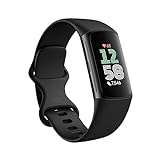
- Find your way seamlessly during runs or rides with turn-by-turn directions from Google Maps on Fitbit Charge 6[7, 8]; and when you need a snack break on the go, just tap to pay with Google Wallet[8, 9]
Why Google is enforcing migration now
Since acquiring Fitbit, Google has been steadily consolidating its hardware and health services under a single account system. Maintaining parallel login infrastructures for Fitbit and Google is costly, fragmented, and limits how deeply Fitbit features can integrate with Android, Google Health Connect, and future Pixel wearables.
From Google’s perspective, this is about unifying identity, security, and permissions. From a user perspective, it is about future-proofing Fitbit devices so they continue to receive software updates, cloud sync, and access to health data dashboards.
Which Fitbit users are affected
If you created your Fitbit account before Google account sign-in became standard, and you have not yet completed migration, this applies to you. It does not matter whether your device is old or new, or whether you use Android, iPhone, or a tablet.
Newer Fitbit users who signed up using a Google account from the start are already compliant and do not need to take any action. Everyone else will eventually be blocked from signing in until migration is completed.
What you must do before the deadline
The migration process itself is handled inside the Fitbit app and typically takes only a few minutes. You will be prompted to link your existing Fitbit account to a Google account, confirm permissions, and choose how your health data is managed under Google’s systems.
Crucially, this must be done while you can still access your Fitbit account. Waiting until after the deadline risks temporary loss of access or complications recovering historical data.
What happens to your health and fitness data
Google states that your existing Fitbit data, including long-term activity history, sleep records, heart rate trends, and logged workouts, remains intact after migration. The data does not reset, and your device does not need to be re-paired from scratch.
However, once migrated, your Fitbit data becomes governed by Google’s account and privacy framework. This also enables optional features like deeper Health Connect integration and smoother syncing across Android devices.
Privacy implications users should understand
Google has reiterated that Fitbit health and wellness data is not used for Google ads, and that migration does not change that policy. You will still have granular controls over what data is stored, shared, or deleted.
That said, your Fitbit data now lives under a Google account identity, which may feel like a meaningful shift for users who deliberately kept those ecosystems separate. Reviewing privacy settings after migration is strongly recommended.
What happens if you do nothing
If you do not migrate by February 2, 2026, you will lose the ability to sign in to the Fitbit app with your old account. Device syncing, dashboard access, and cloud-based features will stop working until migration is completed.
Your device will not suddenly break, but without account access, it effectively becomes disconnected from the services that make a Fitbit useful day to day. For users who value long-term health tracking, that interruption alone is reason enough not to delay.
Why Fitbit Is Ending Standalone Accounts and Moving Everyone to Google
For users who have kept their Fitbit account separate for years, the forced migration can feel abrupt. In reality, this shift has been unfolding since Google acquired Fitbit in early 2021, and the newly confirmed deadline is the final step in a multi-year platform consolidation.
Understanding why Google is doing this helps clarify what changes, what does not, and why migration is no longer optional for most Fitbit owners.
Fitbit is no longer a standalone platform inside Google
When Google bought Fitbit, it did not just acquire hardware designs or a fitness app. It absorbed an entire health data platform, including user accounts, cloud infrastructure, and long-term analytics systems that were originally built before Google’s ecosystem existed in its current form.
Maintaining two parallel account systems, one Fitbit-owned and one Google-owned, creates duplicated security work, fragmented privacy controls, and slower feature development. From Google’s perspective, folding Fitbit accounts into Google accounts simplifies identity management and allows Fitbit to operate like other Google services rather than as a semi-independent product.
Google wants a single identity across devices and services
A Google account already acts as the backbone for Android phones, Wear OS watches, Google Health Connect, Google Assistant, and cloud backups. By requiring Fitbit to use the same identity system, Google ensures that your fitness data can move more reliably between devices, apps, and future health features.
This matters for users who switch phones, upgrade watches, or use multiple devices daily. A single Google account reduces login failures, syncing errors, and the risk of losing access when changing hardware, which has historically been a pain point for long-time Fitbit users.
Health data governance is easier under one privacy framework
From a regulatory standpoint, managing health data under one clearly defined privacy system is significantly cleaner than supporting multiple legacy policies. Google has repeatedly emphasized that Fitbit health and wellness data remains siloed from advertising systems, but enforcing that separation is more transparent when everything lives under one account structure.
For users, this means fewer conflicting consent screens and more centralized controls for exporting, deleting, or restricting health data. While the idea of Google holding Fitbit data can feel uncomfortable to some, the alternative would likely involve weaker oversight and slower responses to evolving privacy laws.
Future Fitbit features depend on Google-level infrastructure
Many newer Fitbit capabilities already rely on Google services behind the scenes. Features like cross-app syncing through Health Connect, deeper Android integration, cloud-based readiness scores, and long-term trend analysis require scalable backend systems that Fitbit’s original account model was never designed to support alone.
As Fitbit devices add more continuous tracking, including 24/7 heart rate monitoring, advanced sleep metrics, and stress data, the volume and sensitivity of data increases. Google’s infrastructure allows that data to be processed, secured, and synced more reliably across regions and devices.
Supporting legacy Fitbit accounts slows development for everyone
Every additional account system increases testing complexity, customer support load, and the risk of bugs that only affect a subset of users. By setting a firm migration deadline, Google can stop building workarounds for legacy accounts and focus on improving the Fitbit app itself.
For everyday users, this translates into faster app updates, more consistent device syncing, and fewer edge-case failures after phone OS updates. While the migration feels disruptive now, it removes a long-standing technical bottleneck.
Why Google is enforcing a hard deadline instead of keeping it optional
Optional migrations tend to linger indefinitely, leaving platforms stuck supporting outdated systems far longer than intended. Google has learned this lesson across multiple products, and the February 2, 2026 cutoff reflects a decision to fully retire Fitbit’s old identity layer rather than let it decay slowly.
Once that backend is turned off, standalone Fitbit accounts simply cannot authenticate or sync anymore. Enforcing a clear deadline gives users time to prepare, migrate their data safely, and avoid waking up to a non-functional app with no advance warning.
What this means for users who only use basic Fitbit features
Even if you use your Fitbit purely for step counting, sleep tracking, or casual activity logging, cloud syncing is still essential. Your daily stats, weekly trends, and long-term history all rely on account-based storage, not just what lives on the device itself.
Without migrating to a Google account, those features stop updating, and your Fitbit becomes a disconnected tracker with limited value. Google’s decision applies equally to casual users and power users because the underlying account dependency is the same for everyone.
Who Needs to Migrate — and Who Might Already Be Done
With the deadline now firmly set, the next practical question is whether this change actually applies to you. Fitbit’s user base spans more than a decade of devices, apps, and account setups, and not everyone is in the same position.
Some users still need to take action before February 2, 2026, while others may have already crossed the finish line without realizing it. The difference comes down to how and when your Fitbit account was created, and how you sign in today.
Users still on classic Fitbit accounts must migrate
If you created your Fitbit account years ago using only an email address and password, and you still sign in that way today, you are squarely in the group that needs to migrate. These standalone Fitbit accounts are the ones being retired when Google shuts down the old backend.
This applies whether you use a Charge, Inspire, Luxe, Sense, or Versa, and regardless of how basic your usage is. Device type, battery life, materials, or tracking features do not change the requirement because the account system sits above all hardware.
If your Fitbit app does not explicitly say that your account is managed by Google, assume migration is still pending. Waiting until the cutoff risks losing syncing access and cloud-based history.
Many newer Fitbit owners are already migrated by default
If you bought a Fitbit in recent years and signed in using a Google account from day one, you are likely already done. Google made Google Account login the default for new Fitbit users starting in 2023, especially on Android phones.
In this case, your health data, device syncing, and subscription status already live on Google’s identity system. There is no second step required, and the February 2026 deadline does not change how you use your device day to day.
This is common among users of newer models like the Charge 6 or Pixel Watch-connected Fitbit profiles, where Google account integration is part of the initial setup flow.
If you ever linked Fitbit to Google services, check carefully
Some users fall into a gray area because they linked Fitbit to Google Fit, Google Assistant, or other Google services in the past. Linking services does not automatically mean your Fitbit account itself was migrated.
Rank #2

- Enduring Battery Life: Keep moving with a 7-day battery life and water resistance for all your activities, rain or shine.
You may still be authenticating through the old Fitbit system even if data flows into Google apps. The only way to confirm is inside the Fitbit app’s account settings, where Google-managed accounts are clearly labeled.
This distinction matters because partial integration does not protect you from the cutoff. Authentication, not data sharing, is what determines whether your account will keep working.
iPhone users are just as affected as Android users
Using an iPhone does not exempt you from migration, even if you have never touched Google services elsewhere. The Fitbit app on iOS still relies on the same cloud infrastructure and account authentication.
If you are on iOS and still logging in with a classic Fitbit account, the requirement is exactly the same. Without migration, syncing sleep, steps, heart rate trends, and historical data will stop once the backend is disabled.
Google accounts are platform-agnostic, and the migration applies equally across Android and iOS devices.
Family, child, and shared devices need extra attention
Households using Fitbit family accounts, child profiles, or shared devices should review each profile individually. Adult accounts must migrate first, after which child accounts are typically managed under the same Google umbrella.
This is especially important for parents tracking activity or sleep on smaller wrist-worn trackers designed for kids, where long-term data continuity matters. Ignoring migration at the primary account level can disrupt access across all linked profiles.
Google has stated that these accounts are supported post-migration, but only if the main account holder completes the process in time.
Corporate wellness and insurer-linked accounts may have separate timelines
If your Fitbit is tied to an employer wellness program or insurance incentive, migration may be guided or required by that organization. Some programs are already enforcing Google account sign-ins ahead of the public deadline.
However, the underlying rule is the same: classic Fitbit accounts will not survive past February 2, 2026. If your employer manages enrollment, it is still worth confirming that your personal login has been migrated.
Relying on a third party to handle it without verification is risky, especially when access to rewards or historical health metrics is involved.
How to tell in under a minute whether you’re done
Open the Fitbit app, go to account or profile settings, and look for any mention of Google Account management. If your login is listed as a Google account, no further action is required.
If you see only an email and password with no Google reference, migration is still pending. That is the group Google is targeting with the newly announced deadline.
Knowing where you stand now removes uncertainty and gives you control over when and how you move, rather than being forced to react when syncing suddenly stops.
What Happens If You Don’t Migrate by the Deadline
By now, it should be clear whether your account is already under Google management. If it is not, the consequences of missing the February 2, 2026 deadline are not theoretical or gradual; they are immediate and largely irreversible from a consumer standpoint.
This is not a soft transition where features slowly degrade. Google is drawing a firm line between legacy Fitbit accounts and the future of the platform.
Your Fitbit account will stop working altogether
If you do not migrate by the deadline, your existing Fitbit login will be disabled. You will no longer be able to sign into the Fitbit app using your old email-and-password credentials.
This means the app will fail at the login screen, even if your tracker or smartwatch is fully charged and otherwise functional. From a daily usability perspective, it will feel like your device has suddenly become disconnected from its brain.
Historical health and fitness data will be lost
The most significant impact is what happens to your data. Google has stated that un-migrated Fitbit accounts will have their associated data deleted after the cutoff.
This includes years of step counts, sleep trends, heart rate history, SpO2 estimates, exercise logs, weight records, and any manually entered health notes. For users who rely on long-term trends rather than daily numbers, this loss is permanent and cannot be restored later.
Your device will still turn on, but it won’t be useful
Physically, your Fitbit will not brick itself. The screen will still light up, the battery will still hold a charge, and basic timekeeping may remain.
However, syncing stops. That means no updated stats in the app, no firmware updates, no clock face changes, no exercise summaries, and no cloud-based health analysis. Even premium hardware like the Sense or Versa lines lose much of their value without backend support.
Fitbit Premium access ends automatically
If you subscribe to Fitbit Premium through a legacy account and fail to migrate, your Premium access will be canceled. This applies whether you pay monthly or annually.
You will lose access to guided programs, advanced sleep analytics, readiness-style insights, and deeper health reports. Re-subscribing later requires a Google-linked account, and any continuity in recommendations or historical context is gone.
You cannot “fix it later” after deletion
One of the most misunderstood points is the idea that you can migrate after the deadline and pick up where you left off. That is not how this process works.
Once Google removes a legacy Fitbit account and its data, creating a new Google-based Fitbit profile starts you from zero. There is no retroactive merge, no recovery window, and no customer support override for missed migrations.
Family and child profiles are affected indirectly but decisively
Even if a child or dependent profile appears separate, it ultimately depends on the primary adult account. If that main account is not migrated in time, all linked profiles lose access as well.
For families using Ace trackers or shared household devices, this can mean losing years of growth, sleep, and activity history that parents actively monitor. The impact extends beyond a single wrist and into the entire account structure.
Privacy controls default to Google’s framework, not Fitbit’s legacy model
Some users delay migration due to privacy concerns, but not migrating does not preserve the status quo. Instead, it results in account termination.
Migration moves your data under Google’s health data policies, which include separation from advertising systems and clearer controls within your Google Account dashboard. Choosing not to migrate removes your ability to manage those settings at all.
The deadline applies regardless of phone type or device age
There are no exceptions for older trackers, iPhones, Android phones, or discontinued Fitbit models. If the device still relies on the Fitbit app for syncing, the rule applies.
Whether you wear a lightweight Inspire for comfort and battery life, or a larger Sense with advanced sensors and stainless-steel finishing, the account requirement is the same. The software experience, not the hardware, is what determines survivability after the deadline.
Google will not extend the timeline again
This newly announced date is the final extension after multiple years of warnings. Google has been explicit that legacy Fitbit accounts will not exist beyond early 2026.
Waiting until the last minute risks login issues, verification delays, or app errors when migration traffic spikes. At that point, the difference between acting and missing the window could be the difference between keeping your health history and losing it entirely.
How to Migrate Your Fitbit Account to Google: Step-by-Step for Non-Technical Users
If the deadline feels intimidating, the actual migration process is far simpler than the policy language surrounding it. Google has designed this to be completed inside the Fitbit app you already use, with no separate downloads or technical setup required.
The key thing to understand before starting is that this is an account change, not a device reset. Your tracker, watch, comfort, battery life, sensors, and daily wear experience remain the same once migration is complete.
Before you start: what you need ready
You need access to the email address currently associated with your Fitbit account. This is where verification codes and confirmation messages will be sent.
Rank #3

- Fitbit Charge 6 tracks key metrics from calories and Active Zone Minutes to Daily Readiness and sleep[4]; move more with 40+ exercise modes, built-in GPS, all-day activity tracking, 24/7 heart rate, automatic exercising tracking, and more
- See your heart rate in real time when you link your Charge 6 to compatible exercise machines, like treadmills, ellipticals, and more[5]; and stay connected with YouTube Music controls[6]
- Explore advanced health insights with Fitbit Charge 6; track your response to stress with a stress management score; learn about the quality of your sleep with a personalized nightly Sleep Score; and wake up more naturally with the Smart Wake alarm
- Find your way seamlessly during runs or rides with turn-by-turn directions from Google Maps on Fitbit Charge 6[7,8]; and when you need a snack break on the go, just tap to pay with Google Wallet[8,9]
- Please refer to the “Legal” section below for all applicable legal disclaimers denoted by the bracketed numbers in the preceding bullet points (e.g., [1], [2], etc
You also need a Google account. If you already use Gmail, YouTube, Google Maps, or Android, you already have one and can use it immediately.
Make sure your Fitbit app is updated to the latest version on your phone. Older app versions may not display the migration prompt correctly, especially on older iPhones or Android devices.
Step 1: Open the Fitbit app and sign in
Launch the Fitbit app on your phone as you normally would to check steps, sleep, or heart rate. If you are already signed in, you may see a banner or pop-up prompting you to move to a Google account.
If you are logged out, sign in using your existing Fitbit email and password first. The migration option only appears after a successful Fitbit login.
Step 2: Select “Move to Google” when prompted
Tap the option that says “Move to Google” or “Continue with Google,” depending on your app version. This begins the guided migration process.
At this point, nothing changes yet. You are not deleting data, disconnecting your device, or losing access to features.
Step 3: Choose the Google account you want to use
If your phone already has Google accounts signed in, you will see a list to choose from. Select the account you want permanently linked to your Fitbit data.
For users with family profiles or child trackers, this should be the primary adult Google account that manages household settings. This choice matters long-term and cannot be easily undone later.
Step 4: Review what data is being moved
You will be shown a clear explanation of what transfers to Google. This includes your historical activity, sleep records, heart rate trends, workouts, and device settings.
Nothing about your daily wear experience changes. Your Inspire, Charge, Versa, or Sense continues syncing the same way, with the same comfort, materials, sensors, and battery behavior you are used to.
Step 5: Accept Google’s Fitbit data terms
You will be asked to agree to Google’s health data terms, which are specific to Fitbit and separated from advertising data. This step is mandatory to continue.
These controls later appear inside your Google Account dashboard, where you can review permissions, connected apps, and data-sharing options in plain language.
Step 6: Verify your identity
Google may send a verification code to your email or ask you to confirm on your phone. This step prevents unauthorized account transfers and protects long-term health history.
Once verified, the migration completes automatically. There is no waiting period and no background process you need to monitor.
Step 7: Confirm migration was successful
After completion, the Fitbit app will log you in using your Google account. Your dashboard, goals, badges, and historical charts should appear exactly as before.
If you wear your device daily for sleep tracking, workouts, or all-day comfort, syncing should continue immediately without re-pairing. Battery life, firmware, and sensor behavior are unchanged.
What to do if you do not see the migration option
If the prompt does not appear, first update the Fitbit app and restart your phone. This resolves most cases, especially on older devices.
If it still does not show, go to Account settings inside the Fitbit app and look for an option labeled Google Account or Account Migration. If that fails, Fitbit support can manually trigger the prompt, but only while migration is still allowed.
What happens after migration day-to-day
You will now sign into Fitbit using your Google account credentials. This means fewer passwords to manage and easier recovery if you change phones.
All tracking features continue as before, including long battery endurance on smaller trackers and advanced health metrics on larger models with stainless steel cases and richer displays. The change is administrative, not experiential.
What happens if you skip migration entirely
If you do nothing before the deadline, your Fitbit account will stop working. Syncing ends, app access is removed, and historical data becomes unrecoverable.
Even if your tracker still powers on and feels fine on the wrist, it becomes functionally isolated. Migration is not an upgrade option anymore; it is the only way to keep using Fitbit as a living health platform.
What Happens to Your Health and Fitness Data After Migration
Once you migrate, the most important thing to understand is that your existing Fitbit health history does not reset, split, or start over. Your data moves with you, staying intact inside the same Fitbit app you already use, now authenticated through your Google account.
This section breaks down what is preserved, what changes behind the scenes, and how Google handles sensitive health information going forward.
Your historical data stays fully intact
All previously recorded data remains available after migration, including steps, heart rate trends, sleep stages, workouts, Active Zone Minutes, stress metrics, and long-term charts. If you have years of daily wear data from a Charge, Versa, Inspire, or Sense, that history continues seamlessly.
This also includes badges, goals, personal records, and training history. Nothing is compressed, summarized, or truncated due to the account switch.
Daily tracking continues without interruption
After migration, your device continues to sync exactly as before. Sleep tracking overnight, workouts logged during the day, and passive health monitoring all continue without re-pairing or recalibration.
Battery life, sensor accuracy, and comfort on the wrist are unaffected because the firmware and hardware do not change. Whether you rely on a lightweight tracker for multi-day wear or a heavier smartwatch with a stainless steel case and bright display, the experience remains the same.
How your data is stored under a Google account
Post-migration, your Fitbit data is associated with your Google account but remains logically separated from other Google services. Google does not automatically merge Fitbit health data with Gmail, Google Ads, or search activity.
Fitbit health data is still governed by Fitbit’s health privacy commitments, including restrictions on ad targeting. Google states that Fitbit health and wellness data is not used for ads, and this policy remains in place after migration.
What Google can and cannot see
Google manages the account identity and security layer, such as login protection and account recovery. Fitbit continues to manage health data processing, analysis, and presentation inside the Fitbit app.
You retain control over permissions like data sharing with third-party apps, research programs, or wellness integrations. Nothing new is shared by default simply because you migrated.
Accessing and exporting your data after migration
You can still view your full health history inside the Fitbit app, including multi-year trend views that are especially valuable for long-term sleep quality, resting heart rate, and cardio fitness tracking.
If you want a local copy, Fitbit continues to offer data export tools, allowing you to download your records for personal archiving or use with other health platforms. Migration does not reduce export access or limit historical depth.
What happens if you use multiple devices
If you have upgraded across generations, such as moving from a slim tracker to a larger smartwatch, all data from older and current devices remains unified in one timeline. Migration does not create device-specific silos.
This is particularly important for users who care about consistency in metrics like resting heart rate or sleep duration across years of different hardware designs, materials, and form factors.
Impact on Fitbit Premium data and insights
If you subscribe to Fitbit Premium, all premium insights, readiness-style scores, advanced sleep breakdowns, and guided programs remain available. Your subscription continues under the migrated account without needing to resubscribe.
Rank #4

- Fitbit Charge 6 tracks key metrics from calories and Active Zone Minutes to Daily Readiness and sleep[4]; move more with 40+ exercise modes, built-in GPS, all-day activity tracking, 24/7 heart rate, automatic exercising tracking, and more
- See your heart rate in real time when you link your Charge 6 to compatible exercise machines, like treadmills, ellipticals, and more[5]; and stay connected with YouTube Music controls[6]
- Explore advanced health insights with Fitbit Charge 6; track your response to stress with a stress management score; learn about the quality of your sleep with a personalized nightly Sleep Score; and wake up more naturally with the Smart Wake alarm
- Find your way seamlessly during runs or rides with turn-by-turn directions from Google Maps on Fitbit Charge 6[7,8]; and when you need a snack break on the go, just tap to pay with Google Wallet[8,9]
- Please refer to the “Legal” section below for all applicable legal disclaimers denoted by the bracketed numbers in the preceding bullet points (e.g., [1], [2], etc
Historical premium-only insights tied to past data also remain visible, preserving context for long-term training or recovery patterns.
What you lose if you do not migrate
If migration is not completed by the new deadline, access to all stored Fitbit data is cut off. This includes historical charts, daily metrics, and any premium insights linked to your account.
Even if the device itself still fits comfortably, holds charge, and tracks locally, the data cannot sync, view, or be recovered later. Migration is the gate that keeps your health history alive and usable.
Why this matters for long-term users
For users who have worn a Fitbit daily for years, the value is not just today’s step count but the long arc of health trends. Sleep consistency, cardiovascular changes, and activity habits only become meaningful when viewed over time.
Migration ensures that continuity remains intact. It is not just an account requirement, but the mechanism that protects the health story your device has been quietly recording every day.
Privacy, Permissions, and Google’s Promises Around Fitbit Health Data
With migration now unavoidable, privacy is the part of this transition that makes many long-time Fitbit users hesitate. Google anticipated that concern early, and much of the account migration framework is designed specifically to separate Fitbit health data from Google’s advertising systems.
Understanding what actually changes, what does not, and where you retain control is essential before hitting the migrate button.
How Google treats Fitbit health data after migration
Once you migrate, your Fitbit account becomes a Google-managed account, but Fitbit health data is still governed by a distinct health data policy. Google states that Fitbit health and wellness data is not used for Google ads, and this restriction applies regardless of whether you use Gmail, Search, Maps, or YouTube under the same Google account.
This separation is structural, not just a preference toggle. Health metrics like heart rate trends, sleep stages, SpO₂ estimates, menstrual health logs, and activity history are walled off from ad personalization systems.
What permissions actually change during migration
During migration, you will be prompted to review a permissions screen that explains what data is associated with your Google account. This does not mean new data is suddenly shared, but it does mean account-level identity replaces your old Fitbit login.
You still control which optional health features are enabled, such as location-based activity tracking, menstrual health predictions, or oxygen saturation trends. These can be turned on or off at any time within the Fitbit app, just as before.
Data access, deletion, and export rights remain intact
One of the most important reassurances for long-term users is that migration does not weaken your rights over your data. You can still download your full Fitbit history, delete specific data types, or request full account deletion if you ever choose to leave the platform.
Google has committed to maintaining Fitbit’s existing data export tools, including granular CSV and JSON downloads that cover years of activity, sleep, and heart metrics. This is especially valuable for users who compare Fitbit data with other health platforms or keep personal archives.
How this affects Google Health and future integrations
While Fitbit data is not used for advertising, it can be used to power health-focused Google features if you explicitly opt in. Examples include syncing Fitbit data with Google Health Connect on Android, allowing controlled sharing with other fitness or medical apps.
This opt-in model matters. Data does not flow automatically into other Google services unless you authorize it, and revoking access stops future sharing without deleting your Fitbit history.
What does not change about daily Fitbit use
From a daily usability perspective, migration does not alter how your device feels or functions. Battery life, comfort, water resistance, and sensor behavior remain tied to the hardware, whether you are wearing a lightweight tracker or a heavier smartwatch with a metal case and AMOLED display.
Sync behavior, background data uploads, and app performance remain the same. The difference is entirely account-level, not something that affects step accuracy, sleep detection, or how your device fits into your routine.
Why Google is enforcing migration now
Google’s push to complete migration is driven by long-term platform consolidation. Maintaining parallel account systems limits security updates, privacy controls, and future feature development across Fitbit devices.
By moving everyone onto Google accounts, Fitbit can deliver unified security standards, clearer permission controls, and deeper OS-level integrations, especially for newer Wear OS-based watches. From Google’s perspective, this is about maintainability and compliance, not monetizing health data.
What users should realistically watch out for
The biggest risk is not privacy misuse, but inaction. If you miss the migration deadline, your data becomes inaccessible regardless of how carefully it was protected.
For users who value years of trends across multiple devices, materials, and form factors, migrating is the step that keeps that history both private and usable. The safeguards only apply if your data remains inside the system.
How Migration Affects Fitbit Devices, Features, and App Functionality
Once migration becomes mandatory, the most important thing to understand is that it does not turn your Fitbit into a different product overnight. The hardware on your wrist, whether it is a slim Inspire tracker or a larger Sense or Versa smartwatch, behaves exactly as it did before.
What changes lives above the device, at the account and service layer. That layer controls how your data is stored, how features unlock, and how Fitbit fits into the wider Google ecosystem going forward.
What stays the same on your wrist
Your Fitbit device does not gain or lose sensors because of migration. Heart rate tracking, sleep stages, SpO2, GPS workouts, water resistance, vibration alerts, and display behavior are unchanged because they are governed by the device’s hardware and firmware.
Comfort, size, materials, and real-world wearability also remain identical. A lightweight plastic tracker still disappears on the wrist, while a heavier aluminum or stainless-steel smartwatch still feels like a watch, not a band.
Battery life is unaffected. A device rated for five, seven, or ten days between charges will continue to deliver the same endurance because account migration does not change power management or background sync behavior.
How the Fitbit app experience changes
The Fitbit app remains the central hub for viewing stats, managing devices, and starting workouts. After migration, you simply sign in using your Google account instead of a standalone Fitbit login.
Your dashboards, daily readiness scores, sleep trends, and long-term charts carry over intact. Historical data does not reset, and multi-year trends across different devices remain visible as long as migration is completed before the deadline.
Behind the scenes, permissions and security controls move to Google’s account framework. This is what enables clearer visibility into which apps or services can access your health data, and it allows you to revoke access without deleting your Fitbit history.
Premium features and subscriptions after migration
Fitbit Premium subscriptions are not canceled or downgraded by migration. If you are paying monthly or annually, your membership continues as-is and remains tied to your account after it becomes a Google login.
Guided workouts, advanced sleep insights, stress management tools, and wellness reports remain accessible on supported devices. Migration does not unlock new Premium features, but it does not remove existing ones either.
Billing management may shift to Google’s payment infrastructure depending on your region. For most users, this simply means subscription details appear under Google account settings rather than a separate Fitbit portal.
Impact on Wear OS smartwatches versus classic Fitbit trackers
For Fitbit smartwatches running Wear OS, such as newer Sense and Versa models, migration is more consequential long term. These devices already rely heavily on Google services, and a Google account is required for updates, app installs, and deeper system integrations.
Classic Fitbit trackers and non-Wear OS watches continue to function normally after migration. They do not suddenly gain Google apps or lose Fitbit-specific simplicity, and the app experience remains familiar.
The difference is future-facing. Google account migration is the foundation that allows Fitbit features to coexist with Android-level services like Health Connect, without forcing users to share data unless they explicitly opt in.
Data syncing, exports, and third-party apps
Data syncing frequency and reliability do not change after migration. Steps, workouts, sleep, and health metrics still upload in the background when your phone is nearby, just as before.
What does change is control. Google account permissions give you clearer toggles for whether Fitbit data can be shared with third-party fitness apps, medical platforms, or research tools.
💰 Best Value

- Inspire 3 is the tracker that helps you find your energy, do what you love and feel your best. All you have to do is wear it.Operating temperature: 0° to 40°C
- Move more: Daily Readiness Score(1), Active Zone Minutes, all-day activity tracking and 24/7 heart rate, 20+ exercise modes, automatic exercise tracking and reminders to move
- Stress less: always-on wellness tracking, daily Stress Management Score, mindfulness sessions, relax breathing sessions, irregular heart rhythm notifications(2), SpO2(3), menstrual health tracking, resting heart rate and high/low heart rate notifications
- Sleep better: automatic sleep tracking, personalized Sleep Profile(1), daily detailed Sleep Score, smart wake vibrating alarm, sleep mode
- Comfortably connected day and night: calls, texts & smartphone app notifications(4), color touchscreen with customizable clock faces, super lightweight and water resistant to 50 meters, up to 10 day battery life(5)
If you use exports or integrations, those continue to work provided you reauthorize them under your Google account. Migration does not lock your data in, but it does require confirmation that sharing is intentional.
What happens if you do not migrate by the deadline
This is where the impact becomes absolute. If you do not migrate by Google’s newly announced cutoff date, you lose access to your Fitbit account entirely.
Your device may still power on, but syncing stops, the app becomes inaccessible, and historical data cannot be retrieved. Years of sleep trends, heart rate baselines, and workout history effectively disappear from your reach.
Migration is not optional if you want to keep using Fitbit as more than a basic, offline step counter. Completing it is what preserves both functionality and continuity across devices you may already own or plan to upgrade to later.
Special Cases: Kids Accounts, Family Sharing, and Multiple Fitbit Devices
For most adult users with a single tracker, migration is a one-time decision with clear steps. Where things get more nuanced is when a Fitbit account sits at the center of a family setup, a child’s device, or several wearables tied to years of overlapping data.
These scenarios are still supported after the deadline, but they require a bit more attention before you tap “migrate,” especially if more than one person depends on the same Fitbit ecosystem.
Fitbit Kids Accounts and parental controls
Fitbit Ace devices and child profiles are handled differently from standard adult accounts, and that distinction continues under Google account migration. Kids do not get their own Google accounts through Fitbit, and they cannot migrate independently.
Instead, a parent or guardian migrates their own Fitbit account to a Google account first. Once that is complete, any linked child profiles remain under the parent’s control through Google Family Link-style management inside the Fitbit app.
From a day-to-day perspective, nothing changes for the child wearing the device. Step counts, activity minutes, sleep tracking, and battery life remain the same, and the lightweight design and durable materials of Ace trackers continue to suit smaller wrists and rougher wear.
What does change is backend account ownership. If a parent fails to migrate by the deadline, not only does the adult account lose access, but the child’s data and device management tools disappear with it. There is no separate grace period for kids profiles.
Family sharing, challenges, and social features
If you use Fitbit with a partner or household members for step challenges, shared stats, or family leaderboards, migration does not break those connections. Friends lists, community features, and historical challenge data carry over once all participating accounts have migrated.
The key requirement is that each adult user must complete their own migration. A migrated account can still interact with non-migrated accounts for now, but once the deadline passes, any account that has not moved to Google will simply drop out of shared features.
This is especially important for long-running family challenges or accountability groups built around daily step goals. The hardware experience on devices like Charge, Inspire, Versa, or Sense does not change, but social continuity depends entirely on everyone staying active on the platform.
Using multiple Fitbit devices on one account
Many long-term Fitbit users have owned several devices over the years, or actively rotate between models. Migration does not reset this history or force you to choose a single tracker.
After migrating, all devices previously linked to your Fitbit account remain available. You can still switch between a lightweight tracker for sleep, a larger smartwatch for workouts, or an older device kept as a backup without losing data continuity.
This is particularly relevant for users who mix form factors. A slim Inspire worn 24/7 for comfort and battery life can coexist with a heavier Sense or Versa used for GPS workouts, notifications, and app support, with all metrics merging into the same health timeline.
What migration does not do is merge multiple Fitbit accounts. If you created separate accounts years ago for different devices, those accounts remain separate, and only the one you migrate retains access after the cutoff. Any secondary, unused accounts should be reviewed before the deadline to avoid losing data you may still want to export.
One Google account, one Fitbit identity
Once migrated, your Fitbit account becomes permanently linked to a single Google account. You cannot later detach it and move it to a different Google login without contacting support, and in some cases, that transfer may not be possible at all.
For households sharing devices or phones, this matters. The Google account you choose should belong to the person who owns the health data long term, not a shared family email or a temporary login tied to an old phone.
This linkage is what allows Fitbit data to coexist with Google services like Health Connect while keeping sharing opt-in. It also means account choice is no longer cosmetic; it defines who controls years of health history, device access, and future upgrades across the Fitbit and Google ecosystem.
Should You Migrate Now or Wait? Key Advice for Long-Term Fitbit Users
With your Fitbit identity now permanently tied to a single Google account, the timing of migration matters just as much as the act itself. Google has confirmed a firm deadline, after which non‑migrated Fitbit accounts will lose access, but that does not automatically mean every user should migrate immediately.
The right decision depends on how you use Fitbit today, how valuable your historical data is, and whether your Google account setup is already settled for the long term.
Why migrating sooner makes sense for most users
If Fitbit remains part of your daily routine, migrating sooner rather than later is the safest path. Once migrated, your devices continue working as expected, your historical health data stays intact, and you avoid any last‑minute issues close to the cutoff date.
Early migration also reduces risk around data access. Waiting until the final weeks leaves little room to resolve account conflicts, forgotten passwords, or edge cases like multiple legacy Fitbit accounts tied to old email addresses.
There is no functional advantage to delaying if you already know which Google account you want to use. The software experience, battery life, tracking accuracy, and daily usability of your tracker or smartwatch remain unchanged after migration.
When waiting may still be reasonable
If you are actively reorganizing your digital life, waiting can be sensible. This includes users who plan to close an old Google account, switch phones across ecosystems, or consolidate family devices under clearer ownership.
Long‑term Fitbit users with multiple historical accounts should also pause until they have exported or reviewed data stored outside their primary account. Migration does not merge accounts, and once the deadline passes, un‑migrated accounts effectively become locked out.
Waiting does not mean ignoring the change. It means using the remaining window deliberately, with a clear plan for which account becomes your permanent Fitbit home.
What happens if you do not migrate by the deadline
Google has been explicit that migration is mandatory to continue using Fitbit services. If you do not migrate by the announced date, you will lose access to your Fitbit account, including historical health data, device syncing, and app features.
Your tracker or smartwatch will not suddenly break, but it will no longer function as a connected health device. Syncing, cloud backups, insights, and any premium features tied to your account will stop working.
For users who rely on long‑term trends like resting heart rate, sleep consistency, or activity history, this is effectively a permanent data cutoff. Once access is lost, recovery options are extremely limited.
Privacy and data control considerations
Some users hesitate because of privacy concerns, but migration does not automatically share Fitbit data across Google services. Health data remains siloed, with sharing controls handled through opt‑in systems like Health Connect.
What does change is account authority. The Google account you choose becomes the single gatekeeper for your Fitbit data, devices, subscriptions, and future upgrades.
From a long‑term perspective, this simplifies ownership. It reduces ambiguity about who controls your data and aligns Fitbit with Google’s broader platform support going forward.
Practical recommendation for long‑term Fitbit owners
If Fitbit is still part of your daily life and you value your historical data, migrating is not optional and delaying carries more risk than benefit. Choose your Google account carefully, verify it is secure, and migrate on your own schedule rather than under deadline pressure.
If you are unsure, take time now to review accounts, export any secondary data, and decide which email identity truly represents you long term. Once that decision is made, migration is straightforward and largely invisible in day‑to‑day use.
The key takeaway is control. Migrating intentionally ensures that years of health data, device flexibility, and future Fitbit support remain firmly in your hands rather than lost to inaction.