Strava doesn’t measure heart rate by itself; it acts as a data hub that displays whatever your recording device captures during the workout. Understanding how that data gets into Strava is critical, because it determines accuracy, reliability, and whether features like training load, zones, and segment analysis behave as expected.
Most confusion comes from the assumption that any heart rate monitor can “connect” to Strava directly. In practice, Strava either receives heart rate in real time from a limited set of devices, or it imports heart rate later as part of a completed activity file uploaded by a watch, bike computer, or app.
Once you understand the difference between direct sync and device-based uploads, choosing the right chest strap, armband, or smartwatch becomes much simpler, especially if you train across multiple sports.
Direct heart rate sync with the Strava mobile app
Direct sync means the heart rate sensor connects straight to the Strava app on your phone using Bluetooth. The app records your workout and embeds heart rate data into the activity file before it’s uploaded to your Strava account.
🏆 #1 Best Overall
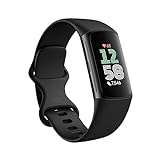
- Find your way seamlessly during runs or rides with turn-by-turn directions from Google Maps on Fitbit Charge 6[7, 8]; and when you need a snack break on the go, just tap to pay with Google Wallet[8, 9]
This setup works only with Bluetooth-enabled sensors and only during activities recorded in the Strava app itself. ANT+ sensors, which are still common with chest straps and bike computers, cannot connect directly to a phone without a bridge device.
In real-world use, direct sync is most common for runners and gym users who carry their phone and want a simple setup. Battery drain on the phone is higher, and data stability depends on Bluetooth signal quality and how aggressively your phone manages background apps.
Device-based uploads from watches and bike computers
The most common and reliable way heart rate reaches Strava is through a recording device that later syncs the activity. This includes GPS watches, cycling computers, and fitness trackers that pair with a heart rate monitor and then upload to Strava automatically.
In this workflow, the heart rate sensor connects to the watch or bike computer via Bluetooth or ANT+, not to Strava itself. Strava simply reads the heart rate data embedded in the completed activity file once it’s uploaded.
This approach offers better signal stability, longer battery life, and fewer dropouts, especially for cycling and longer endurance sessions. It also enables more advanced metrics like lap-based heart rate, time-in-zone accuracy, and cleaner training load calculations.
Why chest straps never upload to Strava on their own
Chest straps and armbands are sensors, not recording devices. They measure heart rate but have no screen, GPS, or native way to create a workout file for Strava.
Unless the strap has internal memory and a companion app that syncs to Strava, it must be paired to something else, such as a watch, bike computer, or phone app. The recording device is what Strava recognizes, not the sensor itself.
This distinction matters when shopping, because “Strava compatible” often really means “compatible with a device that syncs to Strava.” Knowing the difference prevents pairing frustrations later.
Bluetooth vs ANT+ and how Strava treats each
Strava itself only works with Bluetooth connections when recording directly on a phone. ANT+ signals are invisible to the Strava app unless another device translates them.
Watches and bike computers, however, frequently support both Bluetooth and ANT+. In those cases, the protocol choice affects battery life and connection robustness, but Strava doesn’t care which one was used once the file is uploaded.
For cyclists in particular, ANT+ remains more stable when multiple sensors are in use, such as power meters and cadence sensors alongside heart rate.
What happens to heart rate data once it’s on Strava
After upload, Strava analyzes heart rate independently of the device brand. It calculates average heart rate, max heart rate, zone distribution, and relative effort using your profile settings.
If heart rate data is missing or inconsistent, Strava cannot retroactively fix it. Dropouts, cadence lock, or optical errors are baked into the activity and affect downstream metrics.
This is why sensor choice and connection method matter just as much as Strava compatibility. The platform rewards clean data, but it can’t compensate for unreliable hardware or poor pairing choices.
Understanding Compatibility: Bluetooth, ANT+, and Why It Matters for Strava Users
Once you understand that Strava only sees recorded workout files, the next piece is how heart rate data actually travels from your body to that file. Compatibility is not just about whether a sensor “works with Strava,” but whether it can reliably talk to the device doing the recording.
This is where Bluetooth and ANT+ quietly shape your experience, from pairing headaches to clean heart rate graphs after the upload.
Bluetooth Low Energy: the Strava app’s native language
If you record directly in the Strava mobile app, Bluetooth Low Energy is mandatory. The app cannot see ANT+ sensors at all, even if your phone hardware technically supports ANT+.
Most modern chest straps and armbands include Bluetooth specifically for this reason. When paired to the Strava app, heart rate is recorded alongside GPS and uploaded as a single activity file.
The trade-off is connection fragility. Bluetooth is point-to-point, meaning one sensor talking to one device, and phone battery management can interrupt that link mid-workout.
ANT+: why watches and bike computers still rely on it
ANT+ remains the backbone of dedicated sports devices. Garmin, Wahoo, COROS, Polar, and Suunto watches and head units all use ANT+ for its low power draw and ability to connect multiple sensors at once.
For cyclists running heart rate, power, cadence, and speed simultaneously, ANT+ is significantly more stable. Dropouts are rarer, especially in races or group rides where Bluetooth congestion becomes a real issue.
From Strava’s perspective, none of this matters after the fact. Once the workout file is synced, Strava treats ANT+ and Bluetooth heart rate data exactly the same.
Dual-protocol sensors: the safest buying choice
Most recommended chest straps today support both Bluetooth and ANT+. This flexibility is not a marketing extra; it is practical insurance.
Dual-protocol sensors let you pair to a watch via ANT+ while simultaneously broadcasting Bluetooth to a phone or gym equipment. This is useful for treadmill runs, indoor bikes, or Zwift sessions where multiple platforms are involved.
It also future-proofs your setup. You can switch recording devices later without replacing the heart rate monitor.
Why pairing behavior affects data quality on Strava
The protocol you use does not change Strava’s analysis, but it can change the quality of the data uploaded. Bluetooth dropouts show up as flat lines or sudden spikes that skew average heart rate and time-in-zone metrics.
ANT+ connections, while not immune to interference, tend to produce cleaner files during long endurance sessions. This directly impacts training load, relative effort, and heart rate trend analysis inside Strava.
If you care about long-term data consistency, stable pairing matters more than headline accuracy claims.
Internal memory sensors and indirect Strava syncing
Some higher-end heart rate monitors include onboard memory and a companion app. These devices record heart rate independently and later sync to their own platform, which then pushes the activity to Strava.
This approach bypasses live connectivity issues, making it useful for swimming or contact sports. The downside is a slower workflow and less control over how the activity is labeled and merged with GPS data.
It works, but it is not the cleanest solution for runners and cyclists who want everything in one file immediately.
Smartwatches: compatibility is about software, not sensors
With smartwatches, heart rate compatibility is rarely the limiting factor. Nearly all modern watches can record heart rate internally and upload to Strava.
The real differences lie in sensor quality, sampling rate, and how aggressively the watch filters data. Optical sensors vary widely in performance depending on fit, strap material, wrist size, and movement type.
A watch with strong Bluetooth and ANT+ support also allows you to bypass the optical sensor entirely and use a chest strap when accuracy matters most.
Choosing the right connection for your training style
Casual runners using the Strava app on a phone should prioritize Bluetooth reliability and comfort. A lightweight strap or armband with strong Bluetooth performance will deliver the simplest experience.
Cyclists and structured trainers benefit from ANT+ stability and multi-sensor support through a bike computer or watch. In these setups, Strava becomes the analysis layer, not the recording hub.
Understanding how Bluetooth and ANT+ shape your data path helps you choose hardware that works with Strava smoothly, rather than fighting it every workout.
Rank #2

- Inspire 3 is the tracker that helps you find your energy, do what you love and feel your best. All you have to do is wear it.Operating temperature: 0° to 40°C
- Move more: Daily Readiness Score(1), Active Zone Minutes, all-day activity tracking and 24/7 heart rate, 20+ exercise modes, automatic exercise tracking and reminders to move
- Stress less: always-on wellness tracking, daily Stress Management Score, mindfulness sessions, relax breathing sessions, irregular heart rhythm notifications(2), SpO2(3), menstrual health tracking, resting heart rate and high/low heart rate notifications
- Sleep better: automatic sleep tracking, personalized Sleep Profile(1), daily detailed Sleep Score, smart wake vibrating alarm, sleep mode
- Comfortably connected day and night: calls, texts & smartphone app notifications(4), color touchscreen with customizable clock faces, super lightweight and water resistant to 50 meters, up to 10 day battery life(5)
Chest Strap Heart Rate Monitors: Accuracy Kings for Running, Cycling, and Intervals
Once you understand how Bluetooth and ANT+ shape your data path, chest straps emerge as the cleanest solution for athletes who want Strava files that reflect what actually happened in the workout. They remove wrist movement, skin tone variability, and optical lag from the equation.
For steady endurance sessions, hard intervals, and indoor training, chest straps still set the benchmark for heart rate accuracy. They capture the electrical signal of each heartbeat directly, which is why coaches and sports scientists continue to rely on them despite the rise of optical sensors.
Why chest straps still outperform optical sensors
Chest straps measure heart rate using electrodes that sit flat against the sternum, where the cardiac signal is strongest and least affected by motion. This leads to faster response during surges, sprints, and short recovery intervals.
In Strava, this translates into cleaner heart rate curves, more realistic max heart rate detection, and better alignment between effort and pace or power. Relative Effort and training load calculations benefit directly from this stability, especially in workouts with frequent intensity changes.
They also perform consistently across seasons. Cold weather, sweat rate, arm swing, and grip tension barely affect a properly fitted chest strap, while optical sensors can struggle in all of those conditions.
Strava compatibility: Bluetooth first, ANT+ as a bonus
Chest straps do not connect to Strava directly. They pair to a recording device, typically a phone, smartwatch, or bike computer, which then uploads the activity to Strava as a single file.
For athletes using the Strava mobile app, Bluetooth Low Energy is mandatory. Models like the Polar H10, Garmin HRM-Dual, Wahoo TICKR, and Coospo H9Z all offer reliable Bluetooth connections and pair quickly with iOS and Android.
ANT+ becomes important when you use a watch or bike computer as the hub. It allows one-to-many broadcasting, so the same strap can feed heart rate to a head unit, a smartwatch, and a gym display simultaneously, while Strava remains the analysis layer afterward.
Running performance: interval accuracy and cadence stability
Runners see the biggest gains from chest straps during interval sessions, tempo runs, and races. Heart rate ramps immediately when you surge, rather than drifting upward 20 to 40 seconds later as many wrist sensors do.
This responsiveness makes post-run analysis inside Strava more meaningful. You can clearly see how quickly you recover between reps and whether heart rate aligns with perceived effort on hills or fatigued legs.
Comfort matters here. Modern straps use soft fabric bands with slim transmitter pods, typically weighing under 60 grams total. When fitted correctly, they disappear after the warm-up and rarely cause chafing, even in marathon-distance runs.
Cycling and indoor training: the natural home of chest straps
On the bike, chest straps face almost no movement interference, which is why they remain the gold standard for cycling heart rate data. They pair effortlessly with head units from Garmin, Wahoo, Hammerhead, and Bryton, all of which sync cleanly to Strava.
Indoor training amplifies the advantage. ERG mode workouts, Zwift races, and structured intervals demand second-by-second accuracy, and chest straps deliver consistent data even when sweat levels are high and arm movement is minimal.
Battery life is another win. Most chest straps use coin cells that last six months to a year, avoiding the charging routines that come with optical armbands and watches.
Advanced features: memory, running dynamics, and dual-band support
Some premium chest straps add onboard memory, allowing you to record heart rate without a live connection. This is useful for swimming or contact sports, but for Strava users it introduces an extra sync step and less control over activity merging.
Others integrate motion sensors for running dynamics such as cadence, ground contact time, and vertical oscillation. These metrics appear in compatible ecosystems and can enrich Strava files when recorded through a supported watch.
Dual Bluetooth support is increasingly common and worth prioritizing. It allows simultaneous pairing to a watch and a phone, or to a training app and a bike computer, reducing friction in mixed-device setups.
Comfort, durability, and long-term usability
A good chest strap should prioritize strap quality as much as sensor accuracy. Look for replaceable elastic bands, secure snap connectors, and water resistance rated for heavy sweat and rain.
Maintenance is simple but important. Rinsing the strap after workouts and replacing the elastic band every year or two preserves signal quality and comfort, making chest straps a long-term investment rather than a disposable accessory.
For athletes focused on clean Strava data, chest straps offer the most reliable foundation. They integrate smoothly into nearly any recording setup and remove variables that compromise heart rate accuracy when training intensity matters most.
Optical Armband Heart Rate Monitors: A Middle Ground Between Comfort and Precision
For athletes who appreciate the accuracy of chest straps but struggle with their feel during longer sessions, optical armbands occupy a practical middle ground. They move the sensor away from the wrist, where optical readings are most vulnerable, and place it on the upper or lower arm where blood flow is more stable. The result is data that is usually closer to chest-strap quality than a smartwatch, without the constriction across the torso.
Armbands make the most sense when comfort and consistency matter more than laboratory-level precision. They are especially popular with runners who dislike chest pressure, gym users who want reliable heart rate during strength circuits, and cyclists who prefer a clean cockpit without another strap layered under a jersey.
How optical armbands compare to chest straps and watches
Optical armbands still rely on photoplethysmography, but sensor placement dramatically changes performance. The upper arm experiences less vibration and fewer abrupt tendon movements than the wrist, reducing cadence lock and dropouts during tempo runs or steady rides. In real-world testing, armbands tend to lag chest straps by a second or two during sharp intervals but remain far more stable than most watch-based sensors.
They do fall short during explosive efforts. Sprint intervals, CrossFit-style workouts, and rapid heart rate spikes can expose the limitations of optical sensing, particularly if the band is worn too loosely. For steady-state endurance training and long aerobic sessions, however, the gap narrows enough that many Strava users find the trade-off worthwhile.
Strava compatibility and connectivity essentials
From a compatibility standpoint, optical armbands are refreshingly simple. Most current models broadcast heart rate over Bluetooth Smart, with many also supporting ANT+, making them easy to pair with Garmin, COROS, Polar, and Suunto watches, as well as bike computers from Wahoo, Hammerhead, and Bryton. Once paired to the recording device, heart rate data flows into Strava automatically with no additional steps.
Direct recording to Strava via the mobile app is also common. Dual Bluetooth channels allow simultaneous connections to a phone and a watch or head unit, which is useful if you want live heart rate on multiple screens during a workout. This flexibility mirrors chest straps more closely than smartwatches, which typically lock heart rate data inside their own ecosystem.
Comfort, fit, and day-to-day wearability
Comfort is the primary reason athletes choose an armband, and fit quality matters more here than with any other heart rate sensor. A wide, soft elastic band distributes pressure evenly and reduces the need to overtighten, which can restrict blood flow and degrade readings. Silicone grippers and breathable fabrics help keep the sensor stable during sweaty summer sessions.
Placement is equally important. Most manufacturers recommend the upper arm, midway between shoulder and elbow, where muscle movement is predictable and skin contact is consistent. Forearm placement can work for gym training but tends to be less reliable for running due to higher muscle engagement.
Battery life, charging, and durability
Unlike chest straps with coin cells, optical armbands are rechargeable devices. Battery life typically ranges from 20 to 30 hours of active use, which translates to one to two weeks for most athletes. Charging is usually via USB clips or magnetic connectors, adding a routine that some users will love and others will forget.
Durability is generally strong. Most armbands are sweatproof and rain-resistant, and many are rated for pool swimming, though Strava swimmers should confirm whether heart rate is stored onboard or only broadcast live. The sensor pods are usually solid plastic with sealed buttons, designed to handle daily training abuse without delicate maintenance.
Notable optical armband options for Strava users
Polar’s Verity Sense stands out for its onboard memory and broad compatibility. It can record heart rate independently and sync later, or broadcast live over Bluetooth and ANT+, making it versatile for both watch-based and phone-based Strava recording. Accuracy during steady efforts is excellent, and the removable sensor pod simplifies washing the band.
The Scosche Rhythm series prioritizes simplicity and value. These armbands are lightweight, comfortable, and easy to pair, making them a strong choice for runners upgrading from wrist-only tracking without jumping to a chest strap. Battery life is solid, though advanced features are minimal.
Wahoo’s TICKR FIT and COROS’ optical armband options focus on seamless integration with their respective ecosystems while remaining broadly compatible. They excel when paired with matching watches or bike computers but still play well with third-party devices that feed data into Strava.
Who should choose an optical armband
Optical armbands are ideal for athletes who train frequently but prioritize comfort over absolute precision. They suit runners logging daily miles, cyclists doing long indoor sessions, and gym users who want heart rate data that responds predictably across varied movements.
For Strava-focused users, the appeal lies in frictionless compatibility. You get cleaner data than wrist-based sensors, fewer discomfort issues than chest straps, and a setup that integrates smoothly with the devices you already use to record and upload workouts.
Smartwatches and Sports Watches with Strava Heart Rate Sync
For athletes who want an all-in-one solution, smartwatches and dedicated sports watches sit at the center of the Strava ecosystem. They record heart rate directly at the wrist, pair with external sensors if needed, and sync complete workouts to Strava with minimal friction.
Compared to optical armbands, watches trade a bit of raw sensor consistency for convenience and context. You get heart rate alongside pace, power, GPS, elevation, and training load, all wrapped into a single device that works whether you are running outside, riding indoors, or lifting at the gym.
Rank #3

- 【BUILT-IN GPS SMART WATCH – GO FURTHER, FREER, SMARTER】No phone? No problem. This fitness watch for women, featuring the latest 2025 technology, includes an advanced professional-grade GPS chip that precisely tracks every route, distance, pace (real-time & average), and calorie burned—completely phone-free. Whether you're chasing new personal records or exploring off the beaten path, your full journey is automatically mapped and synced in the app. Train smarter. Move with purpose. Own your progress. Own your journey.
- 【BLUETOOTH 5.3 CALLS & SMART NOTIFICATIONS】Stay effortlessly connected with this smart watch for men and women, featuring dual Bluetooth modes (BT 3.0 + BLE 5.3) and a premium microphone for crystal-clear calls right from your wrist—perfect for driving, workouts, or busy days. Receive instant alerts for calls, texts, and popular social apps like WhatsApp and Facebook. Just raise your wrist to view notifications and never miss an important moment.
- 【100+ SPORT MODES & IP68 WATERPROOF & DUSTPROOF】This sport watch is a versatile activity and fitness tracker with 100+ modes including running, cycling, yoga, and more. It features quick-access buttons and automatic running/cycling detection to start workouts instantly. Accurately track heart rate, calories, distance, pace, and more. Set daily goals on your fitness tracker watch and stay motivated with achievement badges. With IP68 waterproof and dustproof rating, it resists rain and sweat for any challenge. Not suitable for showering, swimming, or sauna.
- 【24/7 HEALTH ASSISTANT & SMART REMINDERS】This health watch continuously monitors heart rate, blood oxygen, and stress levels for comprehensive wellness tracking. Sleep monitoring includes deep, light, REM sleep, and naps to give you a full picture of your rest. Stay on track with smart reminders for sedentary breaks, hydration, medication, and hand washing. Women can also monitor menstrual health. Includes guided breathing exercises to help you relax. Your ultimate health watch with event reminders for a healthier life.
- 【ULTRA HD DISPLAY, LIGHTWEIGHT & CUSTOMIZABLE DIALS】This stylish wrist watch features a 1.27-inch (32mm) 360×360 ultra HD color display with a 1.69-inch (43mm) dial, offering vivid details and responsive touch. Its minimalist design fits both business and casual looks. Switch freely among built-in designer dials or create your own DIY watch face using photos, colors, and styles to showcase your unique personality. Perfect as a cool digital watch and fashion wrist watch.
How smartwatch heart rate reaches Strava
Most watches sync heart rate to Strava indirectly through the brand’s own platform. Garmin Connect, Apple Health, COROS Training Hub, Polar Flow, and Suunto App all act as intermediaries, pushing full workout files including heart rate once the activity is saved.
Direct recording to Strava from the watch itself is rare and usually limited in features. In practice, using the native workout app on the watch delivers the most reliable heart rate graphs, cleaner splits, and better consistency across updates.
Garmin: the most flexible Strava-first ecosystem
Garmin remains the safest choice for Strava users who care deeply about data completeness and sensor compatibility. Even entry-level models like the Forerunner 55 or Venu Sq sync heart rate cleanly, while higher-end watches such as the Forerunner 265, 965, Fenix, and Epix lines add advanced metrics that Strava reads without issue.
Optical heart rate accuracy is strong for steady endurance work, especially with Garmin’s latest Elevate sensors. The real advantage is flexibility: Garmin watches support both Bluetooth and ANT+, making it easy to pair chest straps or armbands for sessions where wrist accuracy drops.
Battery life ranges from several days on AMOLED models to weeks on solar-equipped Fenix variants. Comfort is excellent thanks to lightweight polymer cases, well-shaped lugs, and breathable silicone straps designed for long training blocks.
Apple Watch: seamless sync, best for iPhone-based Strava users
Apple Watch offers one of the most refined wrist-based heart rate experiences, especially for runners and gym users. Using either Apple’s Workout app or the native Strava app, heart rate sync is automatic and visually clean once activities appear in Strava.
Accuracy during steady runs and indoor workouts is excellent, aided by tight sensor-to-skin contact and advanced optical algorithms. During cycling or interval-heavy sessions, pairing a Bluetooth chest strap can significantly improve responsiveness.
Battery life remains the main constraint. Most models require daily charging, which can frustrate high-volume athletes, but comfort, materials, and finishing are best-in-class, particularly on aluminum and stainless steel cases with soft fluoroelastomer straps.
COROS: long battery life and Strava-friendly simplicity
COROS watches appeal to athletes who want minimal fuss and maximum endurance. Models like the Pace 3, Apex 2, and Vertix 2S deliver excellent battery life and straightforward Strava syncing through the COROS app.
Wrist-based heart rate is solid for running and steady cycling, though slightly less responsive during rapid intensity changes. COROS supports external heart rate sensors over Bluetooth, which many interval-focused athletes use to tighten up Strava data quality.
The lightweight cases, muted finishing, and no-nonsense interface make COROS watches easy to wear daily. For runners and triathletes logging long hours, the combination of battery life and clean Strava uploads is a major advantage.
Polar: heart rate heritage with clean Strava integration
Polar’s strength has always been heart rate science, and that translates well to Strava when workouts sync through Polar Flow. Watches like the Pacer Pro, Vantage series, and Grit X models deliver reliable wrist heart rate for endurance sessions.
Optical accuracy is strongest during steady efforts, with some lag during sharp intervals unless paired with a chest strap. Polar supports Bluetooth sensors, and many users combine Polar watches with Polar H10 straps for near-clinical accuracy that Strava fully recognizes.
Build quality leans functional rather than flashy. Polymer cases, textured buttons, and secure straps prioritize comfort and durability over luxury, which suits athletes focused on training consistency rather than smartwatch features.
Suunto: robust design and dependable Strava syncing
Suunto watches integrate smoothly with Strava through the Suunto app, delivering complete workout files with heart rate intact. The Suunto 9 Peak Pro, Vertical, and Race models balance solid optical heart rate with excellent GPS reliability.
Heart rate performance is best during running and hiking, with occasional smoothing during short intervals. Bluetooth chest strap support is standard, making it easy to tighten accuracy when needed.
Suunto’s design language emphasizes slim profiles, sapphire glass on higher-end models, and excellent wearability for 24/7 use. Battery life is competitive, especially in endurance-focused GPS modes, making these watches attractive for long outdoor sessions.
Fitbit and lifestyle-focused smartwatches
Fitbit devices can sync heart rate to Strava, but the experience is more limited compared to sports-first watches. While models like the Charge and Sense track heart rate well for general fitness, Strava data fields and workout control are less granular.
These devices suit casual Strava users who prioritize health tracking, sleep metrics, and comfort over deep training analysis. For athletes pushing structured workouts or multi-sport blocks, the limitations become noticeable quickly.
Who should rely on a watch for Strava heart rate
Smartwatches and sports watches work best for athletes who value simplicity and context. If you want heart rate automatically captured alongside pace, distance, and GPS without managing multiple devices, a watch-based setup makes sense.
For Strava-focused users, the key decision is flexibility. Watches that support external sensors and offer stable app-based syncing provide a clear upgrade path as training intensity and accuracy demands increase.
Sport-by-Sport Recommendations: Best HR Monitors for Running, Cycling, Gym, and Multisport
With the strengths and limits of watches, chest straps, and optical armbands in mind, the smartest way to choose a heart rate monitor for Strava is to start with how you actually train. Different sports stress sensors in different ways, and what feels flawless on an easy run can fall apart during intervals, indoor rides, or heavy lifting.
Below, each sport-specific recommendation focuses on accuracy under load, comfort over typical session lengths, and how cleanly the data flows into Strava via Bluetooth or ANT+.
Running: consistency, cadence handling, and comfort
For runners, heart rate accuracy during changes in pace is the deciding factor. Optical sensors on watches perform well during steady runs, but chest straps still deliver the most reliable data once intervals, hills, or tempo efforts enter the picture.
The Polar H10 remains the reference standard for running-focused athletes. Its ECG-based readings lock quickly, track rapid heart rate shifts cleanly, and broadcast simultaneously over Bluetooth and ANT+, making it easy to pair with a watch, phone, or treadmill while still syncing perfectly to Strava. The soft textile strap sits flat under a singlet and avoids bounce, even during faster sessions.
For runners who dislike chest straps, optical armbands offer a strong compromise. The Polar Verity Sense and Scosche Rhythm24 sit higher on the arm, where blood flow is more stable than the wrist. During testing, both deliver smoother interval data than watch-based sensors and sync to Strava without dropouts when paired to a phone or GPS watch.
Watch-only runners are best served by sports-first models with proven optical sensors and external sensor support. Garmin Forerunner, COROS Pace, and Suunto Race watches handle easy and moderate runs well, while still allowing a chest strap to be added later as training becomes more structured.
Cycling: stability under vibration and indoor accuracy
Cycling is the most demanding environment for heart rate sensors. Road vibration, tight grip positions, and cold weather all degrade wrist-based readings, especially outdoors.
A chest strap is strongly recommended for cyclists who care about heart rate zones, training load, or power correlation. The Wahoo TICKR X and Garmin HRM-Pro Plus are excellent choices, pairing instantly with head units, smart trainers, and phones. Both record stable data during hard efforts and sync cleanly to Strava through your bike computer or training app.
Indoor cyclists benefit even more from chest straps, where sweat and static arm positions can confuse optical sensors. The Polar H10 remains the most consistent for smart trainer sessions, especially when ERG mode forces abrupt heart rate changes.
Armbands can work for casual cycling, particularly indoors, but placement becomes critical. If the band shifts during standing climbs or sprints, data quality drops. For serious cyclists, chest straps remain the most dependable option by a wide margin.
Gym and strength training: durability and resistance to movement noise
Gym sessions introduce a different challenge: repeated arm flexion, gripping, and pressure against equipment. Wrist-based optical sensors often struggle here, producing spikes or dropouts during lifting.
Chest straps handle strength training better than watches, provided the strap fits snugly and stays in place. The Garmin HRM-Pro Plus is especially useful for gym-focused athletes, as it can record heart rate internally and sync later, ensuring Strava still receives complete data even if your phone is across the room.
Optical armbands shine in the gym environment. The Polar Verity Sense is particularly effective during circuits, functional training, and CrossFit-style workouts. It avoids wrist compression, resists sweat saturation, and stays comfortable during long sessions. Data syncs to Strava via the Polar Flow app with minimal cleanup needed.
Smartwatches remain convenient for mixed gym sessions that include cardio machines, but accuracy varies heavily depending on exercise selection. For lifters who want clean heart rate curves rather than rough averages, external sensors are a clear upgrade.
Multisport and triathlon: flexibility and sensor pairing
Multisport athletes need heart rate monitors that adapt across disciplines without constant reconfiguration. Compatibility with both Bluetooth and ANT+ is essential, as is stable pairing with watches that handle sport transitions cleanly.
The Garmin HRM-Pro Plus stands out for triathletes and multisport users. It pairs seamlessly with Garmin watches, broadcasts to bike computers, stores data during swims, and syncs complete files into Strava post-workout. The strap design is robust, chlorine-resistant, and comfortable enough for long training days.
Rank #4

- 24H Accurate Heart Rate Monitoring: Go beyond basic tracking. Our watch automatically monitors your heart rate, blood oxygen (SpO2), and sleep patterns throughout the day and night. Gain deep insights into your body's trends and make informed decisions for a healthier lifestyle.
- Practical Sports Modes & Smart Activity Tracking: From running and swimming to yoga and hiking, track a wide range of activities with precision. It automatically records your steps, distance, calories burned, and duration, helping you analyze your performance and crush your fitness goals.
- 1-Week Battery Life & All-Day Wear: Say goodbye to daily charging. With an incredible up to 7-10 days of battery life on a single charge, you can wear it day and night for uninterrupted sleep tracking and worry-free travel. Stay connected to your data without the hassle.
- Comfortable to Wear & IP68 Waterproof: The lightweight, skin-friendly band is crafted for all-day comfort, even while you sleep. With IP68 waterproof, it withstands rain, sweat, It is not suitable for swimming or showering.
- Ease of Use and Personalized Insights via Powerful App: The display is bright and easy to read, even outdoors. Unlock the full potential of your watch. Sync with our dedicated app to view detailed health reports, customize watch faces, set sedentary reminders, and manage your preferences with ease.
The Polar H10 is equally strong for athletes using multiple platforms. Its dual Bluetooth channels make it easy to pair with a watch and a phone simultaneously, while ANT+ support keeps it compatible with bike computers and gym equipment. For athletes who rotate between ecosystems, this flexibility is hard to beat.
For those prioritizing simplicity, a high-end multisport watch paired with an optional chest strap offers the best balance. Use optical heart rate for easy runs and recovery sessions, then add the strap for races, brick workouts, or high-intensity days. This approach keeps Strava data consistent without forcing you into a single sensor type year-round.
Choosing based on training intensity, not just sport
Across all sports, the common thread is intensity. The harder and more structured the workout, the more external heart rate sensors outperform wrist-based tracking. Easy sessions tolerate optical smoothing; threshold work does not.
Strava rewards clean, consistent data. Choosing a heart rate monitor that matches your training stress, rather than just your sport, ensures your uploads reflect effort accurately and remain useful for long-term performance tracking.
Accuracy, Lag, and Real-World Performance: Chest vs Optical Sensors Explained
Once training intensity becomes the deciding factor, accuracy is no longer abstract—it shows up directly in your Strava graphs. Clean heart rate traces reveal pacing discipline, recovery trends, and how well sessions hit their intended zones. This is where the differences between chest-based electrical sensors and optical sensors become impossible to ignore.
Why chest straps still set the accuracy benchmark
Chest straps measure the heart’s electrical signal directly, the same fundamental method used in clinical ECG systems. This allows them to detect each heartbeat in real time, even when effort changes abruptly. During intervals, hill repeats, or surges in group rides, the heart rate response recorded is immediate rather than inferred.
In Strava, this translates to sharp transitions between work and recovery rather than flattened or delayed curves. Lactate threshold efforts look like plateaus instead of rolling hills, making post-workout analysis far more useful. For athletes using heart rate zones to guide training load, chest straps consistently produce the cleanest data.
Fit and placement matter, but once dialed in, performance is remarkably stable. Modern straps like the Polar H10 or Garmin HRM-Pro Plus use soft fabric electrodes, secure snaps, and lightweight pods that disappear under a jersey or base layer. Battery life is measured in months rather than hours, and there is no need to remove the device between sessions unless you are laundering the strap.
Optical heart rate sensors: convenience with trade-offs
Optical sensors rely on photoplethysmography, shining light into the skin and interpreting blood flow changes. This approach works well at steady intensities, especially for easy runs, endurance rides, or long aerobic sessions where heart rate changes gradually. For many athletes, wrist-based optical tracking is accurate enough for daily volume and recovery work.
The issue is lag. Optical sensors often take several seconds longer to reflect changes in effort, which becomes obvious during intervals or tempo transitions. On Strava, this appears as delayed ramp-ups, softened peaks, and heart rate staying elevated into recovery even when power or pace has dropped.
Environmental and anatomical factors amplify these limitations. Cold weather reduces peripheral blood flow, arm swing introduces motion artifacts while running, and factors like tattoos, darker skin tones, or loose watch fit can degrade signal quality. Even high-end smartwatch sensors cannot fully eliminate these variables.
Armband optical sensors: the middle ground
Upper-arm optical sensors such as the Polar Verity Sense or Wahoo TICKR FIT improve accuracy by relocating the sensor to a fleshier, more stable area. Reduced bone interference and less motion lead to cleaner readings than wrist-based systems, particularly for running and gym work. Lag still exists compared to chest straps, but it is noticeably reduced.
For Strava users who want external sensor accuracy without wearing a chest strap, armbands are a compelling compromise. They pair easily over Bluetooth, broadcast reliably to watches and phones, and maintain consistent performance across indoor and outdoor workouts. Battery life is typically measured in weeks, with simple USB charging.
Comfort is a strong selling point. Armbands avoid chest compression, layering issues, and skin irritation during long sessions. For cyclists who already wear multiple layers or runners sensitive to chest straps, this can be the difference between wearing a sensor consistently or leaving it at home.
Lag, smoothing, and how Strava displays your data
Strava does not aggressively correct heart rate data; it largely reflects what the sensor provides. This means sensor lag and smoothing are preserved in uploaded files, affecting how workouts are interpreted after the fact. A delayed heart rate response can make intervals appear less effective or inflate perceived recovery heart rates.
Chest straps produce sharper inflection points that align closely with pace, power, or cadence data. This alignment is crucial when comparing efforts across weeks or analyzing race files. Optical sensors, particularly wrist-based, often look acceptable in isolation but reveal inconsistencies when overlaid with power or speed.
For athletes tracking trends rather than single workouts, these small discrepancies accumulate. Over months of training, cleaner heart rate data improves confidence in resting heart rate trends, aerobic decoupling analysis, and fatigue monitoring within Strava’s ecosystem.
Which sensor type matches your training reality
If your training includes structured intervals, racing, or performance-driven analysis, chest straps remain the most reliable choice. They minimize lag, resist environmental interference, and integrate seamlessly with Strava via watches, bike computers, and phones using ANT+ or Bluetooth.
Optical sensors shine when convenience outweighs precision. Easy mileage, travel workouts, and casual training sessions benefit from not having to manage extra hardware. Armband sensors narrow the gap significantly and suit athletes who want better accuracy without committing to a chest strap.
Understanding these trade-offs allows you to choose deliberately rather than defaulting to whatever sensor came with your watch. The goal is not perfect data in theory, but reliable, repeatable data that reflects effort honestly every time you upload to Strava.
Battery Life, Durability, and Comfort: What Actually Matters Day to Day
Accuracy gets you clean files in Strava, but battery life, durability, and comfort decide whether you actually record those files consistently. These factors don’t show up in graphs, yet they quietly determine how often a sensor is charged, worn, and trusted during real training weeks.
Battery life isn’t just a number on the box
For chest straps, the biggest split is between coin-cell models and rechargeable designs. Coin-cell straps often last six to twelve months of regular training, making them nearly invisible in day-to-day use and ideal for athletes who hate charging cycles. Rechargeable straps trade longevity for slimmer housings and sealed designs, but require more frequent attention, especially if you train daily.
Armband optical sensors usually land in the 20–35 hour range per charge. That’s enough for several long workouts, but it does require a weekly charging habit if you’re uploading to Strava five or six times per week. Forgetting to top up before a long ride or race is one of the most common real-world failure points.
Smartwatches are the most variable. In GPS training modes with heart rate broadcasting or recording enabled, battery life can drop sharply, especially on older models. If your watch dies mid-session, Strava won’t recover that data later, no matter how good the sensor itself is.
Charging friction affects consistency more than you think
Devices that charge via proprietary cables add mental overhead. Lose the cable or forget it on a trip, and your heart rate data disappears from Strava for days. Coin-cell straps avoid this entirely, while USB-C–based charging has made newer optical sensors and watches easier to manage alongside other devices.
Another overlooked detail is charging speed. A strap or armband that gains several hours of runtime from a short top-up fits better into busy training schedules than one that needs a full overnight charge. Over months of use, this difference directly affects how often sessions are recorded with heart rate.
Durability under sweat, rain, and repeated use
Heart rate monitors live in harsh conditions. Sweat is corrosive, rain is unavoidable, and repeated flexing during movement stresses housings and seals. Chest straps with removable transmitter pods tend to last longer because the electronics can be detached and rinsed, while fully sealed units rely heavily on gasket quality and charging port protection.
Water resistance matters even if you never swim. A monitor rated for open-water use generally survives years of heavy sweating and wet-weather training without data dropouts or corrosion. For Strava users who log everything from treadmill runs to winter base rides, this durability translates into fewer failed uploads and sensor disconnects.
Comfort determines whether the “best” sensor gets used
Chest straps vary more in comfort than many expect. Strap width, elasticity, and edge finishing all influence whether pressure points develop during long sessions. A technically superior strap that chafes at mile eight will eventually be left at home, no matter how clean the data looks in Strava.
Armband sensors often win on comfort for runners and gym users. Positioned on the upper arm or forearm, they avoid chest compression and breathing interference while remaining stable during movement. For many athletes, this balance of comfort and improved optical accuracy makes armbands a sustainable long-term choice.
Smartwatches are the least intrusive option, but comfort is closely tied to fit and case size. A watch that’s too large or worn loosely can shift during intervals, degrading heart rate accuracy and creating irritation over long runs. Strap material also matters, with softer silicone or nylon bands reducing hot spots during sweaty sessions.
Fit, adjustment, and repeatability
Consistent placement leads to consistent data. Chest straps should sit at the same height and tension every session, while armband sensors need firm but not restrictive positioning to maintain signal quality. Inconsistent fit introduces variability that shows up in Strava as unexplained heart rate drift or sudden spikes.
Ease of adjustment plays a role here. Straps and bands that are quick to fine-tune encourage better habits, especially when switching between indoor and outdoor training or layering in cold weather. Over time, these small usability details matter as much as sensor technology itself.
What this means for everyday Strava users
If your goal is uninterrupted data across months of training, long battery life and low charging friction often outweigh marginal accuracy gains. If comfort is poor, the sensor won’t be worn consistently, and Strava trends lose their value. The most practical heart rate monitor is the one that survives daily use, feels forgettable during workouts, and is always ready when you hit record.
Top Strava-Compatible Heart Rate Monitors by Budget and Experience Level
With comfort, repeatability, and long-term usability in mind, the next step is choosing a device that matches both your training depth and your tolerance for complexity. Strava itself is sensor-agnostic, but the quality of what shows up in your activity feed depends heavily on how the monitor connects, how consistently it’s worn, and how well it suits your sport.
The recommendations below are grouped by budget and experience level rather than by brand loyalty. Each option connects cleanly to Strava either directly via Bluetooth or indirectly through a watch or bike computer using ANT+, and each has been proven reliable across running, cycling, and gym sessions.
Entry-Level and Budget-Friendly Options
These devices are ideal for newer Strava users or athletes upgrading from wrist-only tracking who want better heart rate accuracy without overthinking setup or maintenance.
💰 Best Value

- 【Superb Visual Experience & Effortless Operation】Diving into the latest 1.58'' ultra high resolution display technology, every interaction on the fitness watch is a visual delight with vibrant colors and crisp clarity. Its always on display clock makes the time conveniently visible. Experience convenience like never before with the intuitive full touch controls and the side button, switch between apps, and customize settings with seamless precision.
- 【Comprehensive 24/7 Health Monitoring】The fitness watches for women and men packs 24/7 heart rate, 24/7 blood pressure and blood oxygen monitors. You could check those real-time health metrics anytime, anywhere on your wrist and view the data record in the App. The heart rate monitor watch also tracks different sleep stages for light and deep sleep,and the time when you wake up, helps you to get a better understanding of your sleep quality.
- 【120+ exercise modes & All-Day Activity Tracking】There are more than 120 exercise modes available in the activity trackers and smartwatches, covering almost all daily sports activities you can imagine, gives you new ways to train and advanced metrics for more information about your workout performance. The all-day activity tracking feature monitors your steps, distance, and calories burned all the day, so you can see how much progress you've made towards your fitness goals.
- 【Messages & Incoming Calls Notification】With this smart watch fitness trackers for iPhone and android phones, you can receive notifications for incoming calls and read messages directly from your wrist without taking out your phone. Never miss a beat, stay in touch with loved ones, and stay informed of important updates wherever you are.
- 【Essential Assistant for Daily Life】The fitness watches for women and men provide you with more features including drinking water and sedentary reminder, women's menstrual period reminder, breath training, real-time weather display, remote camera shooting, music control,timer, stopwatch, finding phone, alarm clock, making it a considerate life assistant. With the GPS connectivity, you could get a map of your workout route in the app for outdoor activity by connecting to your phone GPS.
The Polar H9 chest strap remains one of the best-value entry points into ECG-based heart rate tracking. It uses Bluetooth and ANT+, pairs instantly with phones, watches, and bike computers, and records clean data for steady runs, indoor cycling, and strength training. The strap is soft, elastic, and easy to adjust, though it lacks onboard memory, meaning your phone or watch must be present for every workout.
For those who prefer avoiding the chest entirely, the Wahoo TICKR Fit armband offers a comfortable optical alternative. Worn on the upper arm, it stays stable during runs and circuits, connects over Bluetooth and ANT+, and integrates seamlessly with Strava through the Wahoo app or a compatible watch. Battery life typically stretches to around 30 hours per charge, which keeps charging friction low for casual but consistent users.
If a smartwatch feels more approachable, the Amazfit Bip series and older Garmin Forerunner models like the 55 deliver basic optical heart rate tracking with direct Strava sync. Accuracy is acceptable for steady efforts, and battery life is excellent for the price, but interval-heavy workouts will still show some lag compared to dedicated sensors.
Mid-Range Options for Regular Training
Athletes training several times per week benefit from devices that balance accuracy, comfort, and minimal fuss across different workout types.
The Polar H10 chest strap sits at the sweet spot for most runners and cyclists. It adds onboard memory for standalone recording, improved electrode quality for cleaner interval data, and rock-solid Bluetooth and ANT+ connectivity. Comfort is excellent for long sessions, and once paired, it becomes effectively invisible in daily use while delivering data Strava can trust.
Garmin’s HRM-Dual offers a simpler alternative for users already in the Garmin ecosystem. It lacks memory and advanced running dynamics, but pairing is effortless, the strap is lightweight and breathable, and battery life stretches well beyond a year. For athletes syncing to Strava via a Garmin watch or head unit, it just works without drama.
Among armbands, the Polar Verity Sense stands out for multi-sport versatility. It can stream heart rate live or store sessions internally, making it especially useful for gym workouts, swimming, or team sports. Optical accuracy is among the best in its category, and comfort over long sessions is excellent due to its wide, soft strap and low-profile sensor housing.
Advanced Options for Performance-Focused Athletes
For experienced athletes chasing precision, durability, and deeper insight, these devices prioritize data integrity over simplicity.
The Garmin HRM-Pro Plus is a top-tier chest strap designed for runners and triathletes. Beyond heart rate, it captures running dynamics and transmits seamlessly via ANT+ and Bluetooth. When paired with a Garmin watch, data flows automatically into Strava with no extra steps, and the redesigned strap improves comfort and durability for daily use.
Wahoo’s TICKR X targets athletes who want flexibility across training environments. It offers onboard memory, dual-band connectivity, and reliable performance during high-intensity intervals and indoor workouts. While its motion metrics are secondary for Strava users, heart rate accuracy remains consistently strong across sports.
At the smartwatch level, the Garmin Forerunner 255 and Coros Pace 3 deliver some of the best wrist-based heart rate tracking currently available. Lightweight cases, secure strap designs, and refined optical sensors reduce motion artifacts during intervals. While still not equal to chest straps for sprint accuracy, they provide a compelling all-in-one solution with direct Strava sync and multi-day battery life.
How to Choose Based on Your Training Reality
If you train casually or value simplicity, a budget chest strap or armband paired with your phone offers the biggest accuracy jump for the least money. Regular runners and cyclists will benefit most from mid-range chest straps or high-quality armbands that balance comfort with dependable data across months of training.
Performance-focused athletes should prioritize consistency and integration over novelty. A sensor that pairs instantly, survives sweat and weather, and disappears during workouts will ultimately produce the most meaningful Strava trends, regardless of whether it’s worn on your chest, arm, or wrist.
Common Strava Heart Rate Issues and How to Fix Them (Dropouts, Pairing, Data Gaps)
Even with the right heart rate monitor, Strava data issues can still creep in. Most problems aren’t hardware failures but small compatibility, setup, or usage mismatches that disrupt otherwise solid sensors.
Understanding where the breakdown happens, between the sensor, the recording device, and Strava itself, is the fastest way to restore clean, reliable heart rate graphs.
Heart Rate Dropouts During Workouts
Sudden zero readings or flat lines mid-activity are the most common complaint, especially with chest straps. In real-world testing, this is usually caused by poor skin contact rather than signal failure.
Before blaming Strava, check strap tension and placement. Chest straps should sit snugly just below the sternum, and the electrodes need moisture to conduct properly, especially in cold or dry conditions.
Low batteries are another frequent culprit. Many chest straps continue to pair even when battery voltage drops, but transmission becomes unstable under sweat and movement, leading to intermittent data loss.
Bluetooth vs ANT+ Conflicts
Modern heart rate monitors often broadcast both Bluetooth and ANT+ simultaneously, which can confuse recording devices. If your strap is connected to multiple apps or devices at once, signal priority can bounce unpredictably.
For phone-based Strava recording, pair the sensor directly inside the Strava app and disconnect it from other fitness apps running in the background. On watches and bike computers, let the primary device manage the connection and avoid parallel Bluetooth links.
ANT+ users on Garmin or Wahoo head units typically see fewer dropouts, but only if the strap isn’t also fighting for a Bluetooth connection with a nearby phone.
Pairing Issues and Sensors Not Showing Up
If Strava can’t find your heart rate monitor, the issue is often timing rather than compatibility. Most chest straps only wake up when worn, so trying to pair them dry and off-body usually fails.
Wear the strap, moisten the electrodes, then open Strava’s sensor menu. If the device still doesn’t appear, remove it from your phone’s Bluetooth settings entirely and re-pair from within Strava rather than the system menu.
Smartwatches rarely have pairing issues, but problems can arise if heart rate permissions are disabled in Strava. Always confirm that Strava has access to heart rate data in the watch’s app settings.
Data Gaps After Syncing to Strava
Sometimes heart rate looks fine on your watch or head unit but appears incomplete once uploaded. This usually points to a sync-layer issue rather than sensor accuracy.
If you record on a Garmin, Coros, or Apple Watch, ensure the workout is fully synced to the manufacturer’s app before pushing to Strava. Partial uploads can strip heart rate streams even when distance and pace appear intact.
For Wahoo and other bike computers, confirm that heart rate recording is enabled for the activity profile. Indoor workouts are especially prone to missing data if profiles are misconfigured.
Cadence Lock and Optical Sensor Errors
Wrist-based optical sensors can occasionally lock onto cadence rather than pulse, producing unrealistically smooth heart rate lines. This happens most often during steady runs or high-cadence cycling.
Tightening the watch slightly and wearing it higher on the forearm reduces motion artifacts. Lightweight watches with smaller cases tend to perform better here, as excess movement amplifies optical errors.
If accuracy during intervals or races matters, this is where chest straps still justify their place. Optical sensors have improved, but physics hasn’t changed.
Indoor Training and Gym-Specific Problems
Indoor workouts introduce interference from fans, trainers, and nearby devices. Bluetooth congestion in gyms is real, and heart rate signals can drop briefly without fully disconnecting.
Using ANT+ on compatible watches or head units improves reliability indoors. For phone-based recording, airplane mode with Bluetooth enabled can reduce background interference and stabilize data streams.
Strength training also exposes a limitation of wrist sensors, as gripping bars and flexing forearms compress blood flow. Armbands or chest straps consistently outperform watches in the weight room.
When It’s a Strava App Limitation
Strava records heart rate, but it isn’t a sensor-management platform. It doesn’t offer advanced smoothing, fallback data recovery, or detailed diagnostics if something goes wrong mid-workout.
If reliability is critical, record with a dedicated watch or bike computer and let Strava handle analysis rather than data capture. This single change eliminates most dropouts and missing data issues in long-term use.
Keeping Your Strava Heart Rate Data Clean Long-Term
Consistency matters more than perfection. Using the same sensor, placement, and recording method week after week produces more meaningful trends than chasing flawless single activities.
A well-fitted chest strap with a fresh battery, or a properly worn modern smartwatch, paired cleanly to one primary device, is enough for dependable Strava heart rate tracking. Once the setup is stable, the data quietly does its job, letting you focus on training rather than troubleshooting.