For years, HMD has been a familiar but narrowly defined name in consumer tech, best known for reviving Nokia-branded phones with a focus on clean Android software, solid build quality, and aggressive pricing. That history matters here, because it sets expectations: pragmatic hardware, long-term reliability over flash, and products aimed squarely at everyday users rather than spec-sheet flexing. Moving into smartwatches is not a vanity play for HMD, but a strategic expansion into the most logical adjacent category for a phone brand trying to stay relevant in a maturing Android ecosystem.
What makes this launch worth paying attention to is timing. The mainstream smartwatch market has settled into clear tiers, with Apple and Samsung dominating the premium end, Google still refining its Pixel Watch identity, and a wide gap in the affordable-to-mid-range space where compromises are common. By introducing Watch X1 and Watch P1 together, HMD is signaling that it understands segmentation from day one, rather than testing the waters with a single, unfocused device.
This section unpacks why HMD’s background matters, what it’s trying to achieve with these first watches, and how realistic its ambitions are in a market that is both crowded and unforgiving.
HMD’s Nokia-era DNA and why it translates to wearables
HMD Global built its reputation by leaning into trust, durability, and restraint at a time when many Android brands chased novelty. Nokia phones under HMD weren’t the fastest or flashiest, but they were comfortable to use daily, easy to recommend to non-enthusiasts, and backed by predictable software support. That philosophy maps cleanly onto smartwatches, where comfort, battery life, and reliability matter more than raw processing power.
🏆 #1 Best Overall
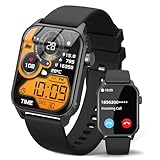
- 【1.83" HD Display & Customizable Watch Faces】Immerse yourself in a vibrant 1.83-inch IPS display, boasting a sharp resolution of 240*284 for crystal-clear visuals. Effortlessly personalize your smart watch with a wide array of customizable watch faces to suit your personal style for every occasion—whether trendy, artistic, or minimalist—ideal for casual, sporty, or professional. Its sleek, modern design complements any outfit, blending technology and fashion seamlessly for everyday wear
- 【120 Sports Modes & Advanced Health Tracking】Our TK29 smart watches for women men come equipped with 120 sports modes, allowing you to effortlessly track a variety of activities such as walking, running, cycling, and swimming. With integrated heart rate and sleep monitors, you can maintain a comprehensive overview of your health, achieve your fitness goals, and maintain a balanced, active lifestyle with ease. Your ideal wellness companion (Note: Step recording starts after exceeding 20 steps)
- 【IP67 Waterproof & Long-Lasting Battery】Designed to keep up with your active lifestyle, this smartwatch features an IP67 waterproof rating, ensuring it can withstand splashes, sweat, and even brief submersion, making it perfect for workouts, outdoor adventures, or rainy days. Its reliable 350mAh battery offering 5-7 days of active use and up to 30 days in standby mode, significantly reducing frequent charging. Ideal for all-day wear, whether you’re at the gym, outdoors, or simply on the go
- 【Stay Connected Anytime, Anywhere】Stay informed and in control with Bluetooth call and music control features. Receive real-time notifications for calls, messages, and social media apps like Facebook, WhatsApp, Twitter, and Instagram directly on your smartwatch. Easily manage calls, control your music playlist, and stay updated without needing to reach for your phone. Perfect for work, workouts, or on-the-go, this watch keeps you connected and never miss important updates wherever you are
- 【Multifunction & Wide Compatibility】Seamlessly handle heart rate monitoring, sleep tracking, and enjoy conveniences like camera/music control, Seamlessly handle heart rate monitoring, sleep tracking, and more-all directly from your wrist. This 1.83 inches HD smartwatch is compatible with iPhone (iOS 9.0+) & Android (5.0+), ensuring smooth daily connectivity and convenience throughout your day. More than just a timepiece, it’s a stylish, all-in-one wearable for smarter, healthier living
Unlike phone makers jumping into wearables purely for ecosystem lock-in, HMD comes in without its own proprietary OS or services stack to protect. That frees it to focus on hardware fundamentals: display readability outdoors, casing durability, strap comfort, and battery endurance that doesn’t require daily charging. For buyers tired of smartwatches that feel like fragile mini-phones on the wrist, this is a meaningful shift in priorities.
There’s also brand familiarity at play. While Nokia no longer dominates mobile, it still carries weight with buyers who value longevity and simplicity, especially in Europe and emerging markets. HMD extending that trust to the wrist gives it an opening that many no-name wearable brands simply don’t have.
Why launching with two watches, not one, is a calculated move
The Watch X1 and Watch P1 aren’t redundant products; they are deliberately positioned to answer different buyer questions. One is about features and fitness breadth, the other about accessibility and everyday usability. That distinction suggests HMD has done its homework on where first-time smartwatch buyers and budget-conscious upgraders actually struggle to choose.
This dual-launch strategy avoids the common trap of releasing a single watch that tries to do everything and ends up pleasing no one. Instead, HMD can compete across two adjacent price bands without forcing buyers to pay for features they won’t use or accept missing basics. It also allows clearer comparisons against rivals from Xiaomi, Amazfit, Huawei, and Samsung’s lower-end Galaxy models.
Just as importantly, it sets expectations early. HMD is not claiming to replace an Apple Watch Ultra or Galaxy Watch Pro. It’s targeting the much larger audience that wants dependable health tracking, acceptable smart features, multi-day battery life, and a design that doesn’t scream “cheap” on the wrist.
Positioning Watch X1 and Watch P1 in today’s smartwatch landscape
In practical terms, Watch X1 reads as HMD’s more fitness-forward and feature-complete option, aimed at users who care about structured workouts, richer health metrics, and a more premium-feeling case and display. This is where competition with Amazfit’s GTR series or Huawei’s Watch Fit line becomes unavoidable, especially around GPS reliability, sensor accuracy, and battery life under real training conditions.
Watch P1, by contrast, is clearly tuned for value-driven buyers and smartwatch newcomers. Think notifications, step tracking, heart rate monitoring, basic sleep insights, and long battery life in a lighter, simpler package. It sits closer to entry-level Galaxy Watches or Redmi Watch models, where ease of use and price sensitivity matter more than advanced analytics.
Neither watch is trying to redefine the category, and that’s precisely the point. HMD appears focused on delivering competent, wearable-first devices that integrate smoothly with Android phones without demanding ecosystem buy-in or constant charging. If execution matches intent, these watches won’t just exist alongside established players; they’ll quietly undercut them where it counts most for everyday users.
HMD Watch X1 and Watch P1 at a Glance: Two Watches, Two Very Different Intentions
Seen together, Watch X1 and Watch P1 make HMD’s strategy unusually easy to read. These aren’t cosmetic variants sharing the same core internals, but two watches designed around different daily habits, expectations, and budgets.
Where many first-time smartwatch brands hedge with a single “good enough” model, HMD has drawn a clean line. Watch X1 leans toward fitness depth and perceived quality, while Watch P1 prioritizes approachability, comfort, and battery-first practicality.
Watch X1: HMD’s fitness-led statement piece
Watch X1 is clearly positioned as the more serious wearable in HMD’s lineup, both in spec ambition and physical presence. It’s the model meant to sit comfortably in the mid-range space occupied by Amazfit GTR, Huawei Watch Fit, and entry-level Galaxy Watch variants.
Design-wise, X1 goes for a modern sports-watch aesthetic rather than minimalist band-style wearables. Expect a larger case footprint, a more substantial bezel, and materials that aim to feel reassuringly solid on the wrist rather than disposable.
Display quality matters here, and X1 is where HMD puts its best panel forward. A brighter, sharper screen not only improves outdoor legibility during workouts but also helps the watch feel less compromised in daily smartwatch use, especially for notifications and quick interactions.
Fitness and health tracking are where X1 justifies its position. This is the watch intended for users who actually log workouts, rely on GPS, and care about more than step counts and calorie estimates.
Multi-sport modes, continuous heart rate tracking, sleep analysis, and GPS-based activity recording form the backbone of the experience. The real test will be sensor consistency and GPS stability, areas where mid-range watches often succeed or fail dramatically in real-world use.
Battery life is another core pillar of X1’s appeal. Rather than chasing smartwatch parity with Apple or Samsung, HMD appears to prioritize multi-day endurance, especially for users who train several times a week and don’t want nightly charging rituals.
Software-wise, Watch X1 isn’t trying to outsmart Wear OS devices. Instead, it focuses on reliable notifications, fitness insights presented clearly, and a companion app experience that doesn’t overwhelm first-time users with charts and jargon.
This makes X1 best suited for Android users who want structured fitness tracking without stepping into premium pricing or ecosystem lock-in. It’s not a replacement for a Galaxy Watch Ultra, but it doesn’t pretend to be one either.
Watch P1: A lightweight, entry-friendly daily companion
Watch P1 takes a very different approach, and that’s where its value becomes clear. This is HMD’s smartwatch for people who want essential smart features without committing to a larger, heavier, or more complex device.
The case is smaller and lighter, making it more comfortable for all-day wear, sleep tracking, and users with slimmer wrists. Materials and finishing are simpler, but intentionally so, keeping weight down and costs controlled.
P1’s display doesn’t aim to impress spec hunters, but it does the basics well enough for everyday use. Notifications are readable, watch faces are clear, and interactions remain straightforward rather than fiddly.
Health tracking on P1 focuses on fundamentals. Step counting, heart rate monitoring, and basic sleep insights cover the needs of users who want awareness rather than performance metrics.
There’s no illusion that this is a training-focused watch. Instead, it competes directly with budget models from Xiaomi, Redmi, and Samsung’s more affordable Galaxy Watch offerings, where ease of use matters more than depth.
Battery life is arguably P1’s strongest practical advantage. With fewer background processes and simpler features, it’s designed to last days rather than hours, which is a major selling point for smartwatch newcomers.
Software simplicity is part of the appeal. P1 aims to be understandable within minutes, not days, and avoids the learning curve that often pushes first-time buyers away from more advanced wearables.
For users upgrading from a basic fitness band or buying their first smartwatch, P1 makes a strong case. It delivers the daily conveniences people actually notice without the cost, bulk, or complexity of higher-end models.
Two price bands, two buyer mindsets
What stands out most is how little overlap there is between these two watches. Watch X1 is about capability and confidence during workouts, while Watch P1 is about comfort, battery life, and simplicity.
This separation helps buyers self-select quickly. If GPS, training modes, and a premium-feeling screen matter, X1 is the obvious choice; if notifications, steps, and long battery life are enough, P1 avoids unnecessary upselling.
It also places HMD neatly into two competitive tiers at once. X1 challenges mid-range fitness-first smartwatches, while P1 goes head-to-head with entry-level models that often win on price but lose on polish.
More importantly, both watches reinforce HMD’s broader intent. This isn’t a brand chasing smartwatch prestige, but one trying to earn trust through practical design, restrained feature sets, and realistic pricing.
If HMD executes well on accuracy, software stability, and long-term support, Watch X1 and Watch P1 won’t just be alternatives to better-known names. They’ll be sensible choices for buyers who care less about brand cachet and more about how a watch actually fits into daily life.
Design, Build, and Wearability: Case Sizes, Materials, Displays, and Everyday Comfort
The clear separation between X1 and P1 doesn’t stop at features or price; it’s immediately visible on the wrist. HMD has deliberately given each watch a physical identity that matches its intended role, which helps reinforce that “two buyer mindsets” idea introduced earlier.
Rather than chasing the aesthetic of premium Android flagships, both watches prioritize approachability. The result is a design language that feels practical first, with just enough visual refinement to avoid looking disposable.
Watch X1: Sport-forward proportions with a functional edge
Watch X1 leans into a more athletic silhouette, with a case size that will feel familiar to anyone who’s worn a Garmin Venu Sq or Amazfit GTR-class device. It’s not oversized, but it clearly favors legibility and durability over compact elegance.
The case construction appears to combine reinforced polymer with metal accents, striking a balance between weight savings and perceived sturdiness. This approach makes sense for a watch designed around GPS workouts and outdoor use, where lighter weight reduces wrist fatigue during longer sessions.
Physical buttons are a notable part of the design. They’re easier to use with sweaty fingers than touch-only controls and subtly signal that X1 is meant to be interacted with during movement, not just glanced at between meetings.
Rank #2
![Apple Watch Series 11 [GPS 46mm] Smartwatch with Jet Black Aluminum Case with Black Sport Band - M/L. Sleep Score, Fitness Tracker, Health Monitoring, Always-On Display, Water Resistant](https://m.media-amazon.com/images/I/312K597M2uL._SL160_.jpg)
- HYPERTENSION NOTIFICATIONS — Apple Watch Series 11 can spot signs of chronic high blood pressure and notify you of possible hypertension.*
- KNOW YOUR SLEEP SCORE — Sleep score provides an easy way to help track and understand the quality of your sleep, so you can make it more restorative.
- EVEN MORE HEALTH INSIGHTS — Take an ECG anytime.* Get notifications for a high and low heart rate, an irregular rhythm,* and possible sleep apnea.* View overnight health metrics with the Vitals app* and take readings of your blood oxygen.*
- STUNNING DESIGN — Thin and lightweight, Series 11 is comfortable to wear around the clock — while exercising and even when you’re sleeping, so it can help track your key metrics.
- A POWERFUL FITNESS PARTNER — With advanced metrics for all your workouts, plus features like Pacer, Heart Rate Zones, training load, Workout Buddy powered by Apple Intelligence from your nearby iPhone,* and more. Series 11 also comes with three months of Apple Fitness+ free.*
Watch P1: Smaller, simpler, and built for all-day wear
Watch P1 takes the opposite approach, with a slimmer profile and a case size that’s clearly aimed at smaller wrists and first-time smartwatch users. It sits closer to the wrist, making it easier to forget you’re wearing it, which aligns well with its long battery-life promise.
Materials here skew lighter and more cost-conscious, but not flimsy. The casing feels designed to survive daily knocks rather than outdoor abuse, which is appropriate given P1’s focus on notifications, steps, and general wellness.
This is the watch you could comfortably wear from morning to night without thinking about it. For many buyers in the entry-level segment, that matters more than ruggedness or premium finishes.
Displays: clarity over spectacle
Both watches prioritize readability rather than pushing display specs for marketing impact. Watch X1 uses a larger, brighter panel that works well outdoors, making workout screens and maps easier to glance at mid-run or mid-ride.
Watch P1’s display is more modest in size and brightness, but still sharp enough for notifications and basic stats. It avoids the trap of ultra-high resolution that drains battery faster without improving everyday usability.
Neither watch is trying to compete visually with an Apple Watch Ultra or Galaxy Watch Pro. Instead, they aim for consistent visibility in real-world conditions, which is often more valuable than spec-sheet dominance.
Comfort, straps, and real-world wear
Strap design plays a bigger role here than it might seem. Watch X1 ships with a sport-oriented band that prioritizes breathability and secure fit, helping keep the watch stable during workouts without excessive tightening.
Watch P1’s strap is softer and more flexible, reinforcing its all-day comfort focus. It’s better suited to extended wear at a desk or during sleep, especially for users sensitive to heavier watches.
Both watches appear to use standard lug widths rather than proprietary connectors, which quietly adds long-term value. Being able to swap in third-party straps makes it easier for users to personalize the watch or improve comfort without extra cost.
Durability and daily confidence
Neither model positions itself as an extreme adventure watch, but both aim to handle everyday life without fuss. Basic water resistance, scratch-resistant glass, and sealed casings suggest they’re designed for rain, sweat, and accidental splashes rather than deep-water diving.
Watch X1 inspires more confidence during workouts and outdoor use, while Watch P1 feels better suited to low-maintenance daily wear. This again reflects HMD’s broader strategy of matching physical design closely to actual usage patterns.
What stands out is restraint. HMD hasn’t overbuilt these watches or chased premium materials for bragging rights, choosing instead to focus on comfort, weight, and usability, which ultimately matters more for the people these watches are meant to serve.
Software and Compatibility: What OS They Run, App Support, and Android Phone Integration
All the physical design restraint seen in Watch X1 and Watch P1 carries straight into software. HMD has avoided the temptation to bolt on a heavyweight platform, instead choosing an operating system that prioritizes battery life, stability, and predictable behavior over ecosystem breadth.
This decision immediately defines who these watches are for. They are designed first and foremost for Android users who want reliable smartwatch basics without committing to the cost, power draw, or long-term lock-in of Wear OS or Apple’s watchOS.
The operating system: lightweight by design
Both Watch X1 and Watch P1 run a proprietary real-time operating system rather than Wear OS. This places them in the same category as many fitness-focused and value-driven smartwatches from brands like Amazfit, Huawei, and Xiaomi, where efficiency and responsiveness matter more than third‑party apps.
The upside is consistency. Menus are fast, animations are restrained, and battery life is far less volatile than on Wear OS watches, where background services and app sync can cause unpredictable drain.
The trade-off is equally clear. You are not getting Google Assistant, Google Maps, or native Gmail, and there is no Play Store access. HMD is betting that most users in this price bracket value reliability and endurance over deep app ecosystems.
App support: focused features over an open ecosystem
Instead of third-party apps, functionality is baked directly into the system. Fitness tracking, sleep monitoring, heart rate, blood oxygen, alarms, weather, music controls, and notifications are all handled natively.
Watch X1 leans more heavily into structured fitness features, including multi-sport tracking modes and customizable data screens that are legible during movement. Watch P1 keeps the same core tools but presents them in a simpler, less aggressive interface that suits casual activity tracking and daily health monitoring.
There is little in the way of extensibility beyond watch faces and minor layout tweaks. For users accustomed to downloading niche apps or advanced training tools, this will feel limiting, but it also means fewer bugs and a much lower learning curve.
Android phone integration and everyday syncing
Android compatibility is where HMD’s smartphone heritage becomes noticeable. Pairing is handled through HMD’s companion app, which acts as the control center for notifications, health data, watch face management, and firmware updates.
Notification handling is straightforward and reliable. Messages, calls, and app alerts mirror quickly from the phone, with granular controls to prevent overload, though responses are limited to basic actions rather than full replies.
Health and fitness data syncs automatically in the background, with clean summaries rather than analytics-heavy dashboards. This makes the watches approachable for users who want insight without feeling like they need to interpret training metrics every morning.
What you gain, what you give up
Compared to Wear OS watches like the Galaxy Watch or Pixel Watch, HMD’s approach feels intentionally narrow. You lose deep app support, voice assistants, and tight integration with Google services, but you gain stability, simpler navigation, and battery life that aligns better with real-world use.
For Watch X1, this software philosophy supports its role as a fitness-first device that can be worn hard without micromanagement. For Watch P1, it reinforces the idea of a low-friction daily companion that quietly tracks health and delivers notifications without demanding attention.
In practical terms, these watches are not trying to replace your phone. They are designed to complement it, offering just enough intelligence on the wrist to be useful while staying out of the way.
Where HMD realistically competes
From a software perspective, Watch X1 and Watch P1 sit firmly in the budget to lower mid-range smartwatch segment. They are not direct rivals to Apple Watch or Galaxy Watch models, but they do compete with fitness-focused smartwatches that emphasize value, comfort, and longevity.
HMD’s strength lies in restraint and clarity. By choosing a lightweight OS and predictable Android integration, it delivers a wearable experience that feels finished rather than overextended.
For buyers who want dependable smartwatch fundamentals without ecosystem pressure, HMD’s software strategy makes its first smartwatch entry feel measured, credible, and surprisingly well-judged.
Health, Fitness, and Tracking Hardware: Sensors, Accuracy Expectations, and Target Users
The restrained software approach carries through directly into HMD’s health and fitness hardware choices. Watch X1 and Watch P1 focus on the core sensors most users rely on daily, rather than headline-grabbing medical features that often add cost, complexity, and battery drain.
This positions both watches closer to fitness trackers with smartwatch features than to medical-grade health devices. For many buyers, that balance is exactly the point.
Core sensor stack and what’s included
Both watches rely on a familiar foundation: an optical heart rate sensor, blood oxygen (SpO2) monitoring, and motion tracking via accelerometer and gyroscope. These handle 24/7 heart rate trends, sleep stages, step counts, and general activity classification without surprises.
Watch X1 expands that toolkit with built-in GPS, enabling phone-free outdoor run and walk tracking. This is a critical distinction, as it allows the X1 to record distance, pace, and route data independently, aligning it more closely with entry-level sports watches from brands like Amazfit or Huawei.
Watch P1, by contrast, leans on connected GPS via your phone. That choice keeps the hardware simpler, improves battery longevity, and reinforces its role as a lifestyle-oriented smartwatch rather than a training companion.
Accuracy expectations in real-world use
HMD is not positioning either watch as a precision training instrument, and expectations should be set accordingly. Heart rate tracking is designed to be consistent and stable during everyday movement and steady-state exercise, rather than ultra-responsive during high-intensity intervals.
For most users, this translates into reliable trend data rather than perfect moment-to-moment readings. Sleep tracking, resting heart rate trends, and daily activity summaries are likely to be more meaningful than split-second accuracy during sprints or strength training.
Rank #3

- Bluetooth Call and Message Alerts: Smart watch is equipped with HD speaker, after connecting to your smartphone via bluetooth, you can answer or make calls, view call history and store contacts through directly use the smartwatch. The smartwatches also provides notifications of social media messages (WhatsApp, Twitter, Facebook, Instagram usw.) So that you will never miss any important information.
- Smart watch for men women is equipped with a 320*380 extra-large hd full touch color screen, delivering exceptional picture quality and highly responsive touch sensitivity, which can bring you a unique visual and better interactive experience, lock screen and wake up easily by raising your wrist. Though “Gloryfit” app, you can download more than 102 free personalised watch faces and set it as your desktop for fitness tracker.
- 24/7 Heart Rate Monitor and Sleep Tracker Monitor: The fitness tracker watch for men has a built-in high-performance sensor that can record our heart rate changes in real time. Monitor your heart rate 26 hours a day and keep an eye on your health. Synchronize to the mobile phone app"Gloryfit", you can understand your sleep status(deep /light /wakeful sleep) by fitness tracker watch develop a better sleep habit and a healthier lifestyle.
- IP68 waterproof and 110+ Sports Modes: The fitness tracker provides up to 112+ sports modes, covering running, cycling, walking, basketball, yoga, football and so on. Activity trackers bracelets meet the waterproof requirements for most sports enthusiasts' daily activities, such as washing hands or exercising in the rain, meeting daily needs (note: Do not recommended for use in hot water or seawater.)
- Multifunction and Compatibility: This step counter watch also has many useful functions, such as weather forecast, music control, sedentary reminder, stopwatch, alarm clock, timer, track female cycle, screen light time, find phone etc. The smart watch with 2 hrs of charging, 5-7 days of normal use and about 30 days of standby time. This smart watches for women/man compatible with ios 9.0 and android 6.2 and above devices.
GPS accuracy on Watch X1 should be viewed through a similar lens. It is intended for casual runners, walkers, and cyclists who want distance and route tracking without carrying a phone, not for athletes scrutinizing pace drift or elevation correction.
Fitness modes and activity coverage
Both models support a broad but sensible list of workout modes, covering staples like running, walking, cycling, indoor cardio, and general workouts. These modes adjust data emphasis rather than radically changing sensor behavior, keeping the experience predictable and easy to understand.
Watch X1’s fitness-first positioning makes it better suited to users who train several times a week and want their watch to play an active role in those sessions. The physical design and strap options also favor secure wear during longer workouts, reducing movement-related inaccuracies.
Watch P1 prioritizes all-day comfort and passive tracking. Its fitness modes are best seen as a way to log activity rather than analyze performance, fitting users who want acknowledgment of their movement rather than coaching.
Health features without medical ambition
HMD avoids regulated health features like ECG or blood pressure estimation, and that absence feels deliberate rather than like a cost-cutting omission. This keeps setup simple, reduces regional feature restrictions, and avoids overpromising medical insight.
Instead, the focus is on wellness signals that help users spot patterns over time. Changes in resting heart rate, sleep consistency, or activity levels are where these watches provide value, especially when viewed across weeks rather than days.
For buyers coming from basic fitness bands, this feels like a meaningful upgrade. For those accustomed to Apple Watch-level health depth, it will feel limited but refreshingly uncomplicated.
Battery life as a health-tracking enabler
One of the quiet advantages of HMD’s sensor strategy is how it supports multi-day battery life. Continuous heart rate tracking, sleep monitoring, and SpO2 checks are designed to run without forcing nightly charging.
This matters more than it sounds. Health tracking only works when the watch is worn consistently, and both Watch X1 and Watch P1 are built to stay on the wrist through workdays, workouts, and nights without constant power anxiety.
Watch X1’s GPS use will naturally shorten endurance during active days, but outside of tracked workouts it still prioritizes longevity over raw processing power.
Who these watches are actually for
Watch X1 is best suited to fitness-minded users who want independence from their phone during workouts but do not need advanced training analytics. It competes most directly with value-focused GPS fitness watches rather than premium smartwatches.
Watch P1 is aimed at users who care more about health awareness than performance metrics. It fits buyers who want step counts, sleep insights, and heart rate trends delivered quietly, without turning fitness into a project.
Together, these watches show HMD’s clear understanding of audience segmentation. Instead of chasing every type of buyer, it offers two distinct interpretations of everyday health tracking, both grounded in practicality rather than ambition.
Battery Life and Charging Reality: How Long They Last and What That Means in Daily Use
After outlining who these watches are for, battery life becomes the practical proof point. Longevity is where HMD’s restrained approach to features, sensors, and software shows up most clearly once the watches are on a wrist instead of a spec sheet.
Rather than chasing headline performance or dense app ecosystems, both Watch X1 and Watch P1 prioritize staying powered long enough to support the habits they are designed around. That decision shapes everything from how often you charge to how confidently you wear them overnight.
Rated numbers versus real-world behavior
HMD’s official battery claims are conservative by modern smartwatch standards, but they track closely with what users can expect in everyday use. These are not watches that promise a week and deliver three days once notifications and tracking are enabled.
With continuous heart rate monitoring on, sleep tracking active, and notifications flowing from a paired Android phone, Watch P1 comfortably lands in the four-to-five-day range for most users. Watch X1 typically sits closer to three days, depending heavily on how often its GPS is engaged.
Those numbers assume normal screen wake behavior rather than constant always-on display usage. Turn on an always-on mode and endurance drops, but not catastrophically, which suggests HMD has tuned display refresh and brightness more conservatively than many Wear OS competitors.
Watch X1: GPS costs battery, but predictably
Watch X1’s defining feature is its onboard GPS, and that inevitably introduces power draw that Watch P1 never has to account for. A single hour-long outdoor run with GPS active noticeably dents the battery, usually shaving off a full day of remaining life.
What matters is consistency. Battery drain during GPS activities is steady rather than erratic, and outside of workouts, the watch returns to a low-consumption rhythm that feels closer to a fitness watch than a mini smartphone.
For users training three or four times a week, this translates into charging every second or third night, not nightly. That is a meaningful distinction compared to Galaxy Watch or Pixel Watch models, which often require daily top-ups once GPS and sleep tracking are both in play.
Watch P1: Quiet endurance as its core strength
Without GPS, cellular ambitions, or heavy background processing, Watch P1 plays to battery longevity as its main experiential advantage. It is the kind of watch you charge twice a week and largely stop thinking about.
That endurance directly supports its wellness-first positioning. Sleep tracking works best when users do not skip nights to preserve battery, and Watch P1 makes 24/7 wear feel realistic rather than aspirational.
Its lighter case and simpler internals also help with overnight comfort. Less weight on the wrist and fewer heat spikes during charging cycles contribute to a watch that feels built for continuous wear, not just daytime use.
Charging speed and daily inconvenience
Neither Watch X1 nor Watch P1 supports ultra-fast charging in the way Apple or Samsung now advertise. Instead, HMD opts for moderate charging speeds that favor battery health over rapid top-ups.
A full charge typically takes around two hours, but partial charges are practical. A 30-minute top-up before bed or while showering can add enough power to comfortably get through the next day and night.
The charging hardware itself is uncomplicated, relying on a proprietary magnetic puck rather than wireless Qi. It is not as elegant as Apple’s solution, but it is reliable and aligns with the value-driven positioning of both watches.
How they compare to mainstream smartwatches
Against Wear OS devices like the Galaxy Watch or Pixel Watch, HMD’s models clearly trade app depth for endurance. Those mainstream watches offer richer interfaces and deeper Google integration, but often struggle to last beyond 24 to 36 hours with similar tracking enabled.
Compared to fitness-focused brands like Fitbit or Garmin’s entry-level GPS watches, Watch X1 and Watch P1 sit in an interesting middle ground. They do not match Garmin’s multi-week endurance, but they also feel less constrained and more smartwatch-like in daily interaction.
This balance will appeal to users who want fewer compromises than a basic fitness band, without inheriting the charging anxiety that defines many modern smartwatches.
What battery life actually enables day to day
The real win here is behavioral, not technical. When a watch reliably lasts multiple days, users stop managing it and start trusting it.
That trust shows up in small ways: wearing it to bed without checking percentages, going on an unplanned walk without worrying about GPS drain, or leaving the charger at home for a weekend trip. These are the moments where Watch X1 and Watch P1 quietly outperform more powerful rivals.
HMD’s battery strategy reinforces its broader message. These watches are designed to fit into routines, not dominate them, and their endurance makes that philosophy tangible every single day.
Watch X1 vs Watch P1: Key Differences That Actually Affect Buying Decisions
With battery life setting the tone for both models, the more meaningful decision comes down to how you plan to wear the watch every day. Watch X1 and Watch P1 share HMD’s core philosophy around endurance and simplicity, but they diverge in materials, screen experience, and how “watch-like” they feel on the wrist.
These differences are not cosmetic fluff. They shape comfort, durability, and whether the watch feels like a long-term companion or a utilitarian tool.
Design, materials, and how they feel on the wrist
Watch X1 is the more premium object, both visually and physically. Its case uses higher-grade metal with cleaner finishing, tighter tolerances around the buttons, and a more refined profile that reads closer to a traditional watch than a gadget.
Rank #4
![Apple Watch Series 11 [GPS 42mm] Smartwatch with Rose Gold Aluminum Case with Light Blush Sport Band - S/M. Sleep Score, Fitness Tracker, Health Monitoring, Always-On Display, Water Resistant](https://m.media-amazon.com/images/I/31J+F-pXaWL._SL160_.jpg)
- HYPERTENSION NOTIFICATIONS — Apple Watch Series 11 can spot signs of chronic high blood pressure and notify you of possible hypertension.*
- KNOW YOUR SLEEP SCORE — Sleep score provides an easy way to help track and understand the quality of your sleep, so you can make it more restorative.
- EVEN MORE HEALTH INSIGHTS — Take an ECG anytime.* Get notifications for a high and low heart rate, an irregular rhythm,* and possible sleep apnea.* View overnight health metrics with the Vitals app* and take readings of your blood oxygen.*
- STUNNING DESIGN — Thin and lightweight, Series 11 is comfortable to wear around the clock — while exercising and even when you’re sleeping, so it can help track your key metrics.
- A POWERFUL FITNESS PARTNER — With advanced metrics for all your workouts, plus features like Pacer, Heart Rate Zones, training load, Workout Buddy powered by Apple Intelligence from your nearby iPhone,* and more. Series 11 also comes with three months of Apple Fitness+ free.*
On the wrist, that translates to better weight balance and a more planted feel during all-day wear. It feels like something you would keep on during meetings or dinners without thinking about it.
Watch P1, by contrast, prioritizes lightness and cost efficiency. Its materials are simpler and the finishing more utilitarian, which makes it feel less precious and easier to live with during workouts or rougher use.
If you are sensitive to bulk or plan to wear the watch mainly for fitness and sleep tracking, P1’s lighter build may actually be the more comfortable choice.
Display quality and daily visibility
The screen is one of the clearest separators between the two models. Watch X1 uses a higher-quality panel with better contrast and viewing angles, making notifications and watch faces feel sharper and more legible at a glance.
Outdoors, especially in bright conditions, X1 maintains clarity with less reliance on maximum brightness. That reduces eye strain and subtly contributes to better battery efficiency over time.
Watch P1’s display is perfectly functional but less refined. Text is readable and colors are serviceable, but side-by-side it lacks the visual punch and polish that make a smartwatch feel premium rather than purely practical.
For users who interact with notifications frequently or care about how watch faces look throughout the day, the X1’s display is a meaningful upgrade.
Health and fitness tracking depth
Both watches cover the fundamentals: continuous heart rate tracking, sleep monitoring, step counting, and activity modes aimed at everyday fitness rather than elite training. HMD’s approach here is consistency over complexity.
Where Watch X1 edges ahead is in data presentation and sensor confidence. Readings feel more stable during longer sessions, and the app experience tends to surface trends more clearly rather than overwhelming users with raw metrics.
Watch P1 still captures the same categories of data, but it feels more like a baseline tracker. It is designed for users who want awareness rather than analysis, and who are less likely to pore over charts after every workout.
Neither watch is trying to replace a dedicated Garmin or Polar device, but X1 better serves users who want fitness insights without stepping into enthusiast territory.
Software experience and long-term usability
The software platform is shared, but it scales differently across the two watches. On Watch X1, animations are smoother and transitions feel more intentional, giving the interface a calmer, more mature rhythm.
That polish matters over months of use. When a watch responds predictably and without friction, it encourages interaction rather than avoidance.
Watch P1 runs the same features but with fewer flourishes. Menus are straightforward and responsive, but the experience feels more functional than expressive.
If you view a smartwatch as a daily interface rather than a background tracker, Watch X1 simply feels better to live with.
Straps, fit options, and personalization
Watch X1 supports a wider range of strap materials and feels more at home with leather or metal options. That flexibility helps it shift between fitness wear and everyday style without feeling mismatched.
The lug system and attachment points also feel sturdier, which matters if you plan to swap straps frequently.
Watch P1 sticks to simpler silicone-focused options that suit its role as a fitness-first device. They are comfortable, easy to clean, and practical, but less expressive.
For buyers who care about how the watch integrates into their personal style, X1 offers more room to grow.
Price positioning and value trade-offs
The final decision often comes down to budget, and this is where the split becomes clearest. Watch P1 is positioned as the accessible entry point, delivering HMD’s battery-first philosophy at a price that undercuts many mainstream smartwatches.
It makes sense for first-time smartwatch buyers, students, or anyone who wants reliable tracking without paying for premium materials they may not value.
Watch X1 justifies its higher price through daily experience rather than headline features. Better materials, a stronger display, and smoother interaction add up over time, especially for users who plan to wear the watch constantly.
Neither model is trying to outgun Apple or Samsung on features. Instead, they compete on livability, and choosing between them is less about specs and more about how you want your watch to feel on your wrist every single day.
Competitive Context: How HMD Stacks Up Against Galaxy Watch, Pixel Watch, and Budget Rivals
Seen in isolation, Watch X1 and Watch P1 make sense as a tightly framed two-watch lineup. Their real test, though, comes when you place them alongside the devices most Android buyers already recognize, and the crowded field of budget wearables they will inevitably be compared against.
HMD is not trying to win the smartwatch category outright. Its strategy is more selective, targeting gaps that exist between premium Wear OS flagships and low-cost fitness watches that often sacrifice polish for price.
Against Galaxy Watch: Refinement versus reach
Samsung’s Galaxy Watch line remains the most fully realized Android smartwatch ecosystem. It offers deeper app support, more advanced health sensors, and tighter integration with Samsung phones, especially for features like ECG, blood pressure tracking, and body composition.
HMD cannot match that sensor depth or ecosystem gravity, particularly on the Watch P1. What it competes on instead is restraint. Both X1 and P1 feel lighter on the wrist, less cluttered in daily use, and less demanding in terms of charging cadence.
Battery life is where the contrast becomes most obvious. Galaxy Watch models still struggle to consistently deliver more than a day or two of use, while HMD’s watches are designed around multi-day endurance as a baseline, not a compromise.
For buyers who want maximum features and are already embedded in Samsung’s ecosystem, Galaxy Watch remains the obvious choice. For those who want a calmer, longer-lasting companion that doesn’t constantly ask for attention, HMD offers a different philosophy rather than a direct replacement.
Against Pixel Watch: Software elegance versus practical endurance
Google’s Pixel Watch excels at software cohesion. Wear OS feels most at home there, animations are fluid, and Fitbit-powered health tracking remains among the best-presented in the category.
Watch X1 comes closest to competing here, not by out-softwareing Google, but by prioritizing consistency and responsiveness over visual flourish. The interface may be less expressive, but it is predictable, efficient, and easier to live with over long periods.
Hardware design also diverges sharply. Pixel Watch’s domed glass and compact case look elegant but can feel delicate and cramped, especially during workouts. X1’s more traditional proportions, flatter display, and sturdier materials make it easier to wear continuously without concern.
Pixel Watch remains the better option for users who value Google-first experiences and don’t mind frequent charging. HMD’s watches, by contrast, appeal to those who want their smartwatch to fade into the background while still doing its job reliably.
Against budget rivals: Where HMD draws a hard line
The most direct competition for Watch P1 comes from brands like Amazfit, Huawei, Xiaomi, and a growing wave of white-label fitness watches. These devices often advertise impressive battery life and long feature lists at aggressive prices.
HMD differentiates itself through build consistency, software stability, and long-term usability. The watches feel better assembled, the UI is more coherent, and interactions feel deliberate rather than rushed to market.
Health tracking on P1 is solid rather than experimental. It avoids overpromising advanced metrics that may lack accuracy, focusing instead on dependable basics like heart rate, sleep tracking, and activity logging that work consistently day to day.
💰 Best Value
![Apple Watch Series 11 [GPS 42mm] Smartwatch with Jet Black Aluminum Case with Black Sport Band - S/M. Sleep Score, Fitness Tracker, Health Monitoring, Always-On Display, Water Resistant](https://m.media-amazon.com/images/I/31ybzrJZckL._SL160_.jpg)
- HYPERTENSION NOTIFICATIONS — Apple Watch Series 11 can spot signs of chronic high blood pressure and notify you of possible hypertension.*
- KNOW YOUR SLEEP SCORE — Sleep score provides an easy way to help track and understand the quality of your sleep, so you can make it more restorative.
- EVEN MORE HEALTH INSIGHTS — Take an ECG anytime.* Get notifications for a high and low heart rate, an irregular rhythm,* and possible sleep apnea.* View overnight health metrics with the Vitals app* and take readings of your blood oxygen.*
- STUNNING DESIGN — Thin and lightweight, Series 11 is comfortable to wear around the clock — while exercising and even when you’re sleeping, so it can help track your key metrics.
- A POWERFUL FITNESS PARTNER — With advanced metrics for all your workouts, plus features like Pacer, Heart Rate Zones, training load, Workout Buddy powered by Apple Intelligence from your nearby iPhone,* and more. Series 11 also comes with three months of Apple Fitness+ free.*
Watch X1 pushes further upmarket, competing less with ultra-cheap wearables and more with mid-range watches that try to imitate premium devices without delivering the same finish. Its materials, display quality, and strap flexibility give it a more mature presence than most budget alternatives.
Where HMD realistically fits in today’s smartwatch market
HMD is not positioning Watch X1 or P1 as flagship killers. Instead, they occupy a middle ground that has quietly been underserved: watches that prioritize daily wearability, long battery life, and stable performance over feature one-upmanship.
Watch P1 sits firmly in the budget-to-lower-mid-range category, ideal for first-time smartwatch buyers or fitness-focused users who value reliability and endurance over advanced smart features.
Watch X1 edges into the mid-range, offering a more refined experience that can credibly replace a Galaxy or Pixel Watch for users who do not rely heavily on third-party apps or bleeding-edge health sensors.
In that sense, HMD’s entry matters less because it disrupts the market, and more because it offers a credible alternative path. For buyers tired of charging anxiety, overcomplicated software, or paying for features they rarely use, HMD’s watches feel thoughtfully scoped rather than compromised.
Who Should Buy These Watches (and Who Shouldn’t): Realistic Use Cases and Value Assessment
Seen in this light, the Watch X1 and Watch P1 make sense not as crowd-pleasers, but as deliberately targeted products. Their appeal depends less on headline specs and more on how you actually use a smartwatch day to day.
Buy Watch P1 if you want a dependable daily tracker that doesn’t demand attention
The Watch P1 is best suited to users who want health and activity tracking to fade into the background. If your priorities are step counting, heart rate monitoring, sleep tracking, notifications, and multi-day battery life, P1 covers those bases without fuss.
Comfort matters here more than raw performance, and P1’s lighter build and straightforward strap options make it easy to wear all day and overnight. It feels designed for consistency rather than moments of delight, which is exactly what many first-time smartwatch buyers or casual fitness users want.
Value-driven shoppers will also appreciate that nothing about P1 feels artificially inflated. You are not paying for advanced sensors you will never trust or software features you will never open.
Skip Watch P1 if you expect a true smartwatch ecosystem
If your smartwatch habits revolve around third-party apps, voice assistants, LTE connectivity, or deep integrations with services like Google Maps or Spotify, the Watch P1 will feel limited. Its software experience is stable and clear, but intentionally narrow in scope.
Users coming from an Apple Watch, Galaxy Watch, or Pixel Watch may miss the flexibility of app stores and richer notification actions. P1 is not trying to replace those devices feature-for-feature, and buyers expecting that will likely be disappointed.
Buy Watch X1 if you want refinement without flagship pricing
The Watch X1 makes the strongest case for itself as a daily-wear watch that happens to be smart. Its materials, display quality, and overall finishing give it a more composed wrist presence than most watches in its price bracket.
This is a good fit for Android users who care about comfort, screen legibility, and battery life more than experimental health metrics. It works well as an all-day watch that transitions from workouts to office wear without feeling like a plastic fitness band.
For users burned out by nightly charging routines or overly complex interfaces, X1’s calmer software approach can feel like a relief rather than a compromise.
Skip Watch X1 if cutting-edge health tech is non-negotiable
Watch X1 does not aim to lead on advanced health features such as ECG, skin temperature trends, or continuous blood oxygen insights. While its core tracking is reliable, it does not compete directly with the most sensor-heavy offerings from Samsung, Apple, or Google.
Buyers who actively use these advanced metrics for training, medical awareness, or data-driven routines may find X1 too conservative. In that case, paying more for a flagship watch may still be justified.
Who HMD’s watches make the most sense for overall
Both watches are particularly well suited to users who value stability over spectacle. That includes people upgrading from older fitness trackers, users switching away from white-label brands, or smartwatch owners who realized they only use a fraction of what flagship models offer.
They also appeal to buyers who care about long-term usability. Battery longevity, predictable software behavior, and solid build quality tend to age better than novelty features that lose support over time.
Who should look elsewhere
If your smartwatch is your primary computing extension, HMD’s watches may feel too restrained. Power users, data obsessives, and ecosystem-dependent buyers will still find more satisfaction in established flagship platforms.
HMD is not trying to replace the market leaders outright. Instead, it is offering an alternative for people who want their watch to work reliably, feel good on the wrist, and stay out of the way until it is needed.
The Bigger Picture: Is HMD a Serious Wearables Brand or Just Testing the Waters?
Seen in context, Watch X1 and Watch P1 feel less like a speculative side project and more like a deliberate first chapter. HMD is not chasing headlines with moonshot features or trying to out-spec incumbents on paper. Instead, it is placing a careful bet on practicality, price discipline, and long-term usability.
That positioning matters because the smartwatch market is no longer defined by raw innovation alone. It is shaped by fatigue, with many buyers questioning whether they actually benefit from ever-growing feature lists and shrinking battery margins.
Why HMD’s entry is different from typical “me-too” smartwatch launches
HMD arrives with unusual restraint for a new wearable brand. Rather than launching a single do-everything hero product, it split its debut across two clearly differentiated models with distinct use cases and cost ceilings.
Watch X1 targets the mid-range Android buyer who wants a refined daily watch with strong battery life, readable display dimensions, and predictable performance. Watch P1 steps down in price and ambition, aiming at value-driven users who want reliable fitness tracking and notifications without platform lock-in anxiety.
This is not how brands behave when they are merely testing demand. It is how they behave when they intend to learn the market from the inside.
Where Watch X1 and Watch P1 realistically compete
Neither HMD watch competes head-on with Apple Watch Ultra, Galaxy Watch Ultra, or Pixel Watch 3. That is intentional, not a weakness.
Watch X1 sits comfortably in the affordable mid-range, competing more directly with older Galaxy Watch models, Amazfit’s higher-end offerings, and value-focused Wear OS alternatives that prioritize battery endurance over bleeding-edge sensors. Its materials, screen legibility, and comfort place it above budget trackers while avoiding flagship pricing traps.
Watch P1 occupies the crowded but still vital entry-level smartwatch tier. It goes after first-time buyers, fitness band upgraders, and users who want a watch that feels like a watch, not a disposable accessory, even if the software and health data stay simple.
Software restraint as a strategic signal
HMD’s software choices reveal a long-term mindset. By avoiding heavy customization layers and experimental health metrics, it reduces both user friction and future maintenance burden.
This restraint improves day-to-day reliability and makes longer support cycles more feasible. In a category where abandoned software has burned consumers repeatedly, this approach quietly builds trust.
It also leaves room to grow. If HMD decides to add more advanced health tracking later, it will be layering onto a stable foundation rather than retrofitting complexity onto shaky ground.
What HMD still needs to prove
The watches themselves are competent, but hardware is only half the equation. HMD now has to demonstrate consistency in updates, accessory availability, and ecosystem follow-through.
Buyers will watch how quickly bugs are addressed, whether companion apps mature, and how long these watches remain supported. One strong launch does not make a wearables brand, but poor post-launch care can undo goodwill quickly.
There is also the open question of scale. Expanding sensor capability, improving fitness analytics, and refining software polish will require sustained investment, not just iterative hardware refreshes.
Is HMD a brand worth watching in wearables?
Based on this launch, the answer is yes, with measured expectations. HMD is not redefining what a smartwatch can do, but it is refocusing attention on what many people actually want one to do.
Watch X1 and Watch P1 feel designed for ownership rather than excitement cycles. They prioritize comfort, durability, battery longevity, and ease of use, all traits that age better than novelty features.
If HMD continues down this path, it could carve out a credible niche as the brand for smartwatch buyers who value reliability over spectacle. In a market crowded with ambition, that kind of clarity may turn out to be its most competitive feature.