If you’ve ever glanced at your Garmin app and seen your stress score spike during a normal workday, you’re not alone. Many users assume it’s a judgment on their mental state, or worse, a sign something is wrong with their health. In reality, Garmin’s stress metric is measuring something far more specific, and far more useful, than emotional stress alone.
Understanding what Garmin is actually tracking helps you stop reacting to the number and start using it. Once you know how the score is generated, what influences it, and where its blind spots are, it becomes a powerful signal for recovery, sleep quality, and daily load management rather than a vague wellness score.
This section breaks down the physiology behind Garmin stress tracking, how your watch turns raw heart data into a 0–100 score, and why high stress isn’t automatically a bad thing. From there, it naturally connects to Body Battery, recovery, and how to interpret stress trends in real life.
Garmin stress is based on heart rate variability, not your mood
Garmin’s stress score is primarily driven by heart rate variability, or HRV. HRV measures the tiny variations in time between consecutive heartbeats, which are controlled by your autonomic nervous system.
🏆 #1 Best Overall
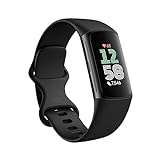
- Find your way seamlessly during runs or rides with turn-by-turn directions from Google Maps on Fitbit Charge 6[7, 8]; and when you need a snack break on the go, just tap to pay with Google Wallet[8, 9]
When your body is relaxed and recovering, HRV tends to be higher and more variable. When your body is under strain, whether from exercise, poor sleep, illness, caffeine, or psychological pressure, HRV drops and becomes more uniform.
Garmin uses its optical heart-rate sensor to continuously collect beat-to-beat timing data throughout the day. This data is processed through Firstbeat algorithms that estimate how much your sympathetic nervous system, the “fight or flight” side, is dominating at that moment.
The result is a stress score from 0 to 100. Lower numbers reflect parasympathetic dominance and recovery, while higher numbers reflect physiological strain.
What the 0–100 stress score actually represents
A Garmin stress score is best thought of as a snapshot of how hard your body is working internally, not how stressed you feel emotionally. Scores from 0 to 25 typically indicate rest or recovery. Scores from 26 to 50 suggest low to moderate strain, which is normal during daily activity. Scores above 50 reflect high physiological load.
Importantly, Garmin measures stress only when you are relatively still. During workouts, stress tracking pauses because exercise elevates heart rate in a predictable way that makes HRV-based stress less meaningful in real time.
This means your stress score is capturing what’s happening between workouts, meetings, meals, and sleep. That’s exactly where recovery either happens or fails to happen.
Why physical stress and mental stress look the same to your watch
From a physiological standpoint, your body reacts similarly to many different stressors. A hard interval session, a poor night of sleep, dehydration, an argument, or a looming deadline can all suppress HRV.
Your Garmin cannot distinguish between emotional stress and physical stress. It only sees the nervous system response. That’s why a calm day with bad sleep can produce higher stress than a busy but well-rested one.
This is also why stress scores often spike after meals, especially large or carb-heavy ones. Digestion increases heart rate and shifts autonomic balance, which your watch interprets as strain.
What Garmin stress does not measure
Garmin stress tracking does not measure anxiety, cortisol levels, or mental health conditions. It is not a diagnostic tool and should never be treated as one.
It also does not capture acute emotional moments perfectly. Short bursts of frustration or excitement may not register unless they cause a sustained physiological response.
Finally, stress scores are not comparable between users. Your baseline HRV is individual, shaped by genetics, training history, age, and health status. A score of 40 for one person may reflect excellent balance, while the same score for another could indicate overload.
How accuracy depends on hardware and wear habits
Garmin’s stress tracking relies on the same optical sensor used for heart rate, which means fit and placement matter. A snug fit above the wrist bone improves signal quality, especially during low movement periods when HRV is assessed.
Newer Garmin watches with updated Elevate sensors and better optical filtering tend to produce more stable stress readings. Battery life also plays a role, as devices that track stress continuously without aggressive power saving offer more complete daily profiles.
Cold skin, tattoos, and excessive wrist movement can all introduce noise. When the signal quality drops, Garmin may discard data rather than guess, which is why gaps in stress charts are common and normal.
How stress connects directly to Body Battery and recovery
Garmin’s Body Battery is built on the same physiological foundation as stress tracking. Low stress and quality sleep recharge Body Battery, while sustained stress drains it.
If your stress score stays elevated throughout the day, you’ll notice Body Battery failing to rebound even after a full night in bed. This is often the earliest sign of under-recovery, illness, or excessive training load.
Seen together, stress and Body Battery form a feedback loop. Stress explains why Body Battery is draining or not recharging, and Body Battery shows the cumulative impact of that stress on your readiness to perform.
Why high stress is not automatically bad
A high stress score during parts of the day is not a problem by itself. Productive work, social engagement, and physical activity all elevate physiological stress temporarily.
The red flag is duration, not peaks. Long, uninterrupted periods of high stress without recovery are what correlate with fatigue, poor sleep, and declining performance.
This is why Garmin emphasizes trends over single readings. A watch that shows regular dips into low stress during breaks, evenings, or sleep is doing its job, even if daytime scores are elevated.
How to interpret your own stress data realistically
The most useful way to read Garmin stress is in context. Look at how stress aligns with sleep, training days, rest days, and lifestyle habits.
If stress stays high overnight, sleep quality or illness is often the cause. If stress spikes after workouts and stays elevated all evening, recovery strategies may be insufficient.
Over time, your goal isn’t to chase low numbers all day. It’s to create daily rhythms where stress rises when it should and falls when recovery is needed.
The Physiology Behind Garmin Stress Tracking: Heart Rate Variability Explained in Plain English
To make sense of your stress trends and Body Battery patterns, it helps to understand the physiological signal Garmin is actually reading underneath the graphs. That signal is heart rate variability, or HRV, and it’s one of the most useful windows into how your body is coping with daily demands.
What heart rate variability really is (and what it isn’t)
Heart rate variability does not mean your heart rate going up and down during exercise. It refers to the tiny differences in time between each heartbeat, measured in milliseconds, even when your pulse seems steady.
A healthy, well-recovered nervous system produces more variation between beats. When your body is under stress, those intervals become more uniform and tightly spaced.
This is why a lower, steadier heart rate does not automatically mean you’re relaxed. You can be sitting still with a low pulse and still show high physiological stress if your nervous system is tense.
The nervous system tug-of-war behind stress
HRV reflects the balance between two branches of your autonomic nervous system. The sympathetic system drives alertness, effort, and fight-or-flight responses, while the parasympathetic system supports rest, digestion, and recovery.
When parasympathetic activity is dominant, HRV rises and Garmin interprets this as low stress. When sympathetic drive takes over, HRV drops and your stress score increases.
Everyday life constantly shifts this balance. Exercise, deadlines, caffeine, emotional conversations, poor sleep, and illness all tilt the system toward sympathetic dominance, even if you don’t consciously feel stressed.
How Garmin measures HRV from your wrist
Garmin watches estimate HRV using optical heart-rate sensors that shine light into the skin and detect blood flow changes with each heartbeat. This method, called photoplethysmography, works best when you’re still and the watch has good skin contact.
Garmin primarily analyzes short-term HRV patterns during periods of rest and low movement, such as sitting quietly or sleeping. This is why stress tracking pauses during workouts and why overnight data is often the cleanest and most informative.
If the sensor detects motion, poor contact, or irregular signals, Garmin may discard that data rather than calculate stress from unreliable input. Those gaps in your chart are a feature, not a failure.
Why Garmin uses HRV to represent stress instead of heart rate
Heart rate alone is a blunt tool. It responds to movement, posture, temperature, and fitness level, making it a poor standalone marker of mental or physiological strain.
HRV, by contrast, responds quickly to changes in nervous system load. A difficult meeting, a late meal, or alcohol in the evening can all suppress HRV without dramatically raising heart rate.
By focusing on HRV, Garmin can capture stress that feels invisible on the surface but still affects recovery, sleep quality, and next-day performance.
What Garmin’s stress score actually represents
Garmin converts HRV patterns into a stress score ranging from low to high, displayed on a 0–100 scale. This score is relative to your own baseline, not a universal measure you can compare directly with other users.
A higher score means your HRV is suppressed compared to your normal rested state. It does not diagnose anxiety, mental health conditions, or emotional stress in isolation.
Think of it as a measure of total load on your system. Physical strain, mental pressure, poor sleep, dehydration, and illness all show up through the same physiological lens.
Why stress is tracked continuously, not as a single HRV number
Clinical HRV tests often rely on one snapshot taken under controlled conditions. Garmin takes a different approach by monitoring trends across the entire day and night.
This continuous view reveals patterns that single readings miss. You can see whether stress resolves in the evening, lingers overnight, or spikes after specific habits or workouts.
Over time, these patterns are far more actionable than chasing a single “good” HRV value. The goal is rhythm and recovery, not perfection.
Why overnight stress matters more than daytime spikes
During sleep, your body should naturally shift toward parasympathetic dominance. HRV rises, stress drops, and recovery processes accelerate.
If Garmin shows elevated stress throughout the night, it often points to issues like late meals, alcohol, illness, overheating, or insufficient recovery from training. This is one of the strongest predictors of next-day fatigue and low Body Battery recharge.
Daytime stress is normal and often productive. Nighttime stress is where the real warning signs live.
How breathing and stillness directly influence HRV
Slow, controlled breathing stimulates the vagus nerve, a key driver of parasympathetic activity. This increases HRV within minutes, which is why Garmin’s guided breathing exercises reliably lower stress scores in real time.
Stillness matters too. Sitting quietly, lying down, or taking short mental breaks gives your nervous system space to shift gears, even if the rest of your day is busy.
These are not placebo effects. They are direct physiological interventions that your watch can measure as they happen.
The limitations of wrist-based HRV you should understand
Optical sensors are remarkably capable, but they are not perfect. Skin tone, tattoos, wrist hair, temperature, strap tightness, and even watch case size can affect signal quality.
That’s why Garmin avoids calculating stress during intense movement and prioritizes sleep and rest periods. Chest straps remain the gold standard for raw HRV accuracy, but they are impractical for all-day wear.
For daily stress tracking and recovery insights, Garmin’s approach favors consistency and trend reliability over clinical precision, which is exactly what most users need.
Why your stress baseline evolves over time
As your fitness improves, sleep quality stabilizes, or lifestyle habits change, your nervous system adapts. Garmin’s algorithms gradually adjust to your new normal rather than locking you into a static baseline.
Rank #2

- Inspire 3 is the tracker that helps you find your energy, do what you love and feel your best. All you have to do is wear it.Operating temperature: 0° to 40°C
- Move more: Daily Readiness Score(1), Active Zone Minutes, all-day activity tracking and 24/7 heart rate, 20+ exercise modes, automatic exercise tracking and reminders to move
- Stress less: always-on wellness tracking, daily Stress Management Score, mindfulness sessions, relax breathing sessions, irregular heart rhythm notifications(2), SpO2(3), menstrual health tracking, resting heart rate and high/low heart rate notifications
- Sleep better: automatic sleep tracking, personalized Sleep Profile(1), daily detailed Sleep Score, smart wake vibrating alarm, sleep mode
- Comfortably connected day and night: calls, texts & smartphone app notifications(4), color touchscreen with customizable clock faces, super lightweight and water resistant to 50 meters, up to 10 day battery life(5)
This is why stress tracking becomes more accurate after a few weeks of regular wear. It’s learning what relaxed and strained feel like for your body, not someone else’s.
Understanding this makes it easier to trust long-term trends while ignoring short-term noise.
How Garmin Measures Stress: Optical Heart Rate Sensors, All-Day Sampling, and Algorithms
All of Garmin’s stress tracking flows from one physiological signal: heart rate variability, or HRV. What makes Garmin different is not that it measures HRV, but how continuously, conservatively, and contextually it does so throughout the day and night.
To understand what your stress score really represents, it helps to break the system into three layers: the optical sensor on your wrist, the way Garmin samples data across your day, and the algorithms that turn tiny heartbeat fluctuations into a simple 0–100 number.
The optical heart rate sensor: reading stress through blood flow
Garmin watches use an optical heart rate sensor on the caseback that shines green LEDs into the skin and measures how light reflects back as blood volume changes with each heartbeat. This method, called photoplethysmography, allows the watch to detect not just how fast your heart is beating, but the subtle timing differences between beats.
Those beat-to-beat differences are HRV. When your nervous system is relaxed and adaptive, the timing between heartbeats varies more. When you are under physical or psychological strain, the rhythm becomes more rigid and predictable.
Sensor quality matters here. Newer Garmin Elevate sensor generations use more LEDs, improved photodiodes, and better ambient light filtering, which increases signal stability during rest and sleep. Case size, fit, strap material, and even wrist shape influence how clean that signal is in real-world wear.
This is why comfort and fit are not cosmetic details. A watch that sits flat, stays still, and maintains gentle pressure against the skin will produce better stress data than one that shifts or rides loosely, especially overnight.
Why Garmin measures stress all day, but not all the time
Garmin does not calculate stress continuously during movement. Instead, it prioritizes periods of stillness, low-intensity activity, and sleep, when HRV can be interpreted meaningfully.
During walking, workouts, or manual labor, heart rate is driven primarily by mechanical demand rather than nervous system balance. In those moments, HRV becomes noisy and misleading, so Garmin simply labels the time as “active” instead of forcing a stress score.
This conservative approach is intentional. It reduces false spikes and keeps stress data anchored to physiological recovery, not motion artifacts. You will often see gaps or flat sections in your stress chart during busy daytime hours, and that is expected behavior, not missing data.
At night, sampling becomes far more consistent. Sleep provides long, stable windows where breathing slows, body temperature drops, and movement is minimal. This is where Garmin collects its most valuable stress information and where trends matter most.
From raw HRV to a 0–100 stress score
Garmin does not display HRV itself in the stress widget. Instead, it runs HRV data through proprietary algorithms that account for your personal baseline, time of day, recent activity, and sleep history.
The result is a stress score scaled from 0 to 100. Lower numbers reflect higher parasympathetic activity and better recovery capacity. Higher numbers indicate sympathetic dominance, meaning your body is in a more alert, strained, or defensive state.
This score is not an emotion detector. It cannot tell whether stress comes from a hard workout, poor sleep, illness, dehydration, alcohol, or work pressure. It simply reflects how taxed your nervous system is at that moment.
Because the algorithm is personalized, a stress score of 40 for one person may feel very different for another. What matters is how your own scores rise, fall, and cluster over time, especially overnight.
The role of baselines and adaptive learning
Garmin stress tracking improves with wear time because the system continuously refines your baseline. Early on, the watch relies on population-level assumptions. Over weeks, it learns what low stress, moderate stress, and high stress look like for your physiology.
This adaptive learning is why consistency matters more than perfection. Wearing your watch daily, sleeping with it on, and keeping strap fit consistent allows the algorithms to separate signal from noise.
Major lifestyle changes, such as improved fitness, better sleep hygiene, or increased training volume, will gradually shift your baseline. Garmin does not overreact to single days. It waits for patterns.
This is also why stress tracking is best used for trend awareness rather than moment-to-moment judgment. The system is designed to recognize sustained strain, not micromanage your afternoon coffee response.
How stress data feeds Body Battery and recovery metrics
Stress tracking does not live in isolation. It is a primary input for Body Battery, which models how much energy you gain during rest and lose during strain.
Low overnight stress allows Body Battery to recharge efficiently, even if sleep duration is not perfect. Elevated nighttime stress blunts recharge, regardless of how long you were in bed.
Daytime stress accelerates Body Battery drain, especially when layered on top of training load. This is why two workouts of identical intensity can feel completely different depending on sleep and stress context.
Understanding this connection helps reframe stress as a recovery signal, not a productivity score. The watch is showing you how hard your body is working to maintain balance, not how well you are coping mentally.
What Garmin stress tracking does and does not measure
Garmin stress tracking measures autonomic nervous system load inferred from HRV. It does not measure cortisol, anxiety, happiness, or mental resilience directly.
It is sensitive to illness, alcohol, dehydration, overheating, poor sleep, and accumulated training fatigue. It is less reliable during heavy movement, strength training, or situations where wrist contact is compromised.
Used correctly, it excels at highlighting when your body is not recovering as expected. Used incorrectly, it can be misread as a judgment of mood or motivation.
Once you understand what the system is actually measuring, the stress score becomes a practical tool rather than a source of confusion.
Understanding the Garmin Stress Scale (0–100): Daily Patterns, Thresholds, and Real-World Examples
Once you know that Garmin stress is derived from heart rate variability rather than emotions, the 0–100 scale becomes much easier to interpret. Think of it as a continuous readout of how hard your autonomic nervous system is working to keep you stable, moment by moment, across the day.
The score is not linear in a psychological sense. A jump from 20 to 40 is not “twice as stressed” mentally; it reflects a shift from parasympathetic dominance toward sympathetic activation, often driven by physical, metabolic, or environmental load.
What the numbers actually represent
Garmin divides the scale into broad zones that are consistent across most modern devices, from the Venu and Forerunner lines to the fenix and Epix series. The exact algorithm may vary slightly by generation, but the interpretation remains stable.
A score from 0–25 is classified as rest. This is where HRV is high and stable, typically seen during deep sleep, relaxed sitting, gentle mobility work, or quiet desk work when well recovered.
Scores from 26–50 indicate low stress. This is normal daytime functioning: walking around, light household tasks, casual conversation, or focused work without time pressure. Spending large portions of the day here is a sign your recovery and training load are well balanced.
The 51–75 range reflects moderate stress. Garmin usually flags this during mentally demanding work, long periods of standing, heat exposure, dehydration, or the hours following a hard workout. It is not inherently bad, but prolonged time here limits Body Battery recharge.
Anything above 75 is considered high stress. This is where HRV is suppressed and heart rate patterns become more rigid, often due to intense exercise, illness, alcohol, poor sleep, or cumulative fatigue. Frequent spikes are normal; sustained blocks are not.
Why daily stress patterns matter more than single spikes
Garmin stress is most valuable when viewed as a daily rhythm rather than a live warning light. Nearly everyone will see sharp spikes during workouts, stressful meetings, or busy commutes, and the system expects that.
What matters is how quickly your stress returns to lower zones afterward. A well-recovered body will drop back into low stress within minutes to an hour once the demand passes.
If moderate or high stress persists for hours after relatively minor demands, that usually signals insufficient recovery. Common causes include short sleep, accumulated training load, underfueling, or lingering illness.
This is why Garmin emphasizes all-day stress charts in Garmin Connect rather than pushing constant alerts on the watch. The shape of the curve tells the story, not any single number.
How stress typically looks across a normal day
On a good day, stress is lowest overnight, with long stretches in the 0–25 range if sleep quality is solid. Even brief awakenings often remain low stress unless alcohol, illness, or anxiety are involved.
Morning routines usually produce a gradual rise into the low stress zone as you wake, move, and eat. A sharp spike immediately upon waking can indicate poor sleep or a high sympathetic baseline.
Work hours often show a sawtooth pattern: low stress during focused or calm periods, moderate spikes during meetings, deadlines, or physical movement. The key is that stress should dip again during breaks.
Evenings ideally trend downward. If stress remains elevated late into the night, screen exposure, late training sessions, heavy meals, or unresolved fatigue are common contributors.
Real-world examples from everyday Garmin users
Consider two runners completing identical 45-minute aerobic runs. Runner A slept well, hydrated properly, and stayed mostly in low stress the rest of the day. Their post-run stress drops quickly, and Body Battery stabilizes.
Runner B slept poorly and trained hard all week. Their stress remains in the 60–70 range for hours after the run, even while sitting still. Garmin is not saying the workout was harder; it is showing reduced recovery capacity.
Another common example is alcohol. One or two drinks in the evening often produce high stress overnight despite normal sleep duration. Users frequently notice Body Battery barely recharges, even though they “slept” seven or eight hours.
Desk workers are often surprised to see moderate stress during long, intense focus sessions with little movement. Cognitive load, posture, and shallow breathing can all suppress HRV, especially when layered on fatigue.
How thresholds should guide behavior, not create anxiety
It is tempting to treat certain numbers as good or bad, but Garmin stress works best as a decision aid rather than a scorecard. A day with extended moderate stress is not a failure; it is context.
High stress during training is expected and necessary for adaptation. High stress during sleep or passive recovery is where attention is warranted.
If you consistently see overnight stress above 25–30, that is a signal to look at sleep timing, alcohol intake, late meals, and training load rather than trying to “relax harder.”
Likewise, if daytime stress rarely drops below 40 even on rest days, it may be time to reduce volume, increase fueling, or schedule more deliberate low-arousal breaks.
Device factors that influence how the scale behaves
Garmin stress accuracy depends heavily on optical heart-rate signal quality. A snug but comfortable fit, especially on lighter watches like the Forerunner 255 or Venu Sq, improves HRV detection during rest.
Heavier devices such as the fenix or Epix benefit from slightly tighter wear during sleep to minimize micro-movements. Loose straps often inflate stress readings by degrading HRV data.
Rank #3

- 【BUILT-IN GPS SMART WATCH – GO FURTHER, FREER, SMARTER】No phone? No problem. This fitness watch for women, featuring the latest 2025 technology, includes an advanced professional-grade GPS chip that precisely tracks every route, distance, pace (real-time & average), and calorie burned—completely phone-free. Whether you're chasing new personal records or exploring off the beaten path, your full journey is automatically mapped and synced in the app. Train smarter. Move with purpose. Own your progress. Own your journey.
- 【BLUETOOTH 5.3 CALLS & SMART NOTIFICATIONS】Stay effortlessly connected with this smart watch for men and women, featuring dual Bluetooth modes (BT 3.0 + BLE 5.3) and a premium microphone for crystal-clear calls right from your wrist—perfect for driving, workouts, or busy days. Receive instant alerts for calls, texts, and popular social apps like WhatsApp and Facebook. Just raise your wrist to view notifications and never miss an important moment.
- 【100+ SPORT MODES & IP68 WATERPROOF & DUSTPROOF】This sport watch is a versatile activity and fitness tracker with 100+ modes including running, cycling, yoga, and more. It features quick-access buttons and automatic running/cycling detection to start workouts instantly. Accurately track heart rate, calories, distance, pace, and more. Set daily goals on your fitness tracker watch and stay motivated with achievement badges. With IP68 waterproof and dustproof rating, it resists rain and sweat for any challenge. Not suitable for showering, swimming, or sauna.
- 【24/7 HEALTH ASSISTANT & SMART REMINDERS】This health watch continuously monitors heart rate, blood oxygen, and stress levels for comprehensive wellness tracking. Sleep monitoring includes deep, light, REM sleep, and naps to give you a full picture of your rest. Stay on track with smart reminders for sedentary breaks, hydration, medication, and hand washing. Women can also monitor menstrual health. Includes guided breathing exercises to help you relax. Your ultimate health watch with event reminders for a healthier life.
- 【ULTRA HD DISPLAY, LIGHTWEIGHT & CUSTOMIZABLE DIALS】This stylish wrist watch features a 1.27-inch (32mm) 360×360 ultra HD color display with a 1.69-inch (43mm) dial, offering vivid details and responsive touch. Its minimalist design fits both business and casual looks. Switch freely among built-in designer dials or create your own DIY watch face using photos, colors, and styles to showcase your unique personality. Perfect as a cool digital watch and fashion wrist watch.
Battery life also plays a role in usability. Models with multi-day or multi-week endurance encourage continuous wear, which improves baseline accuracy. Sporadic charging gaps reduce context and make daily patterns harder to interpret.
Software consistency matters too. Stress trends become more meaningful after several weeks of continuous wear, as Garmin refines your personal baseline rather than relying on population averages.
Understanding these thresholds and patterns sets the stage for using stress proactively. Once you can recognize what normal looks like for your body, lowering stress becomes a matter of adjusting inputs rather than chasing numbers.
Accuracy and Limitations: When Garmin Stress Data Is Reliable—and When to Be Skeptical
By this point, you know what “normal” tends to look like for your body and device. The next step is understanding when Garmin’s stress metric is giving you a clean signal—and when the data deserves a raised eyebrow rather than a reaction.
Where Garmin stress tracking is most reliable
Garmin stress data is most trustworthy during low-movement periods, especially sleep, quiet sitting, and passive recovery. In these conditions, the optical heart-rate sensor can capture consistent beat-to-beat timing, which is essential for accurate HRV analysis.
Overnight stress is generally the gold standard. You are still, breathing patterns are stable, and external variables are limited, making elevated stress during sleep a strong indicator of alcohol intake, illness, late meals, insufficient recovery, or cumulative fatigue.
Short, intentional rest periods during the day also produce useful data. If you sit quietly for 10 to 20 minutes and see stress fall into the blue or low green range, that confirms your nervous system can downshift when given the opportunity.
Why movement breaks the stress model
Garmin’s stress algorithm is not designed to interpret HRV during meaningful physical movement. Walking, household chores, commuting, or fidgeting introduce motion artifacts that interfere with the optical sensor’s ability to detect subtle timing differences between heartbeats.
In these situations, Garmin often reports moderate-to-high stress even if you feel mentally fine. That is not psychological stress—it is a limitation of wrist-based HRV measurement during motion.
This is why stress charts often look “busy” during the day and calmer at night. The absence of low stress during active hours does not mean you are failing to relax; it usually means you are not still enough for clean HRV sampling.
Exercise stress is intentional and not a red flag
During workouts, elevated stress is expected and largely irrelevant. Intensity, rising heart rate, and sympathetic activation all suppress HRV by design, so Garmin will frequently show high stress during training sessions and shortly afterward.
This is not something to correct in real time. Training stress is the input that drives adaptation, and Garmin already accounts for it separately through metrics like Training Load, Training Effect, and Recovery Time.
The more useful signal is how quickly stress drops after exercise and whether it remains elevated later in the day or overnight. Prolonged post-workout stress often points to under-fueling, dehydration, excessive intensity, or insufficient aerobic conditioning.
Individual physiology can skew readings
Some users naturally have lower or more variable HRV due to genetics, age, or long-term training history. Endurance athletes, strength-focused athletes, and highly anxious individuals can all show stress patterns that look “abnormal” by population standards but are normal for them.
Garmin partially corrects for this by building a personal baseline over time, which is why stress data becomes more meaningful after several weeks of consistent wear. Early readings are more likely to overestimate stress until your normal range is established.
Caffeine sensitivity, menstrual cycle phase, and mild illness can also shift HRV without obvious symptoms. In these cases, stress spikes are often accurate reflections of internal load, even if you do not consciously feel stressed.
Sensor and wear issues that inflate stress
Optical heart-rate sensors are sensitive to fit, skin contact, and temperature. A loose strap, cold wrists, tattoos under the sensor, or excessive arm hair can all reduce signal quality and artificially elevate stress readings.
Heavier watches like the fenix and Epix are more prone to micro-movement during sleep if worn too loosely. A slightly tighter fit at night often results in lower, more stable overnight stress without any real change in physiology.
Wrist placement matters as well. Wearing the watch too close to the wrist bone reduces blood flow under the sensor and degrades HRV accuracy, especially during rest.
Why stress is not a mental health metric
Despite the name, Garmin stress does not measure emotions, anxiety, or psychological strain directly. It measures autonomic nervous system balance, which can be influenced by mental load but is equally affected by physical, metabolic, and environmental factors.
You can feel calm and focused while Garmin shows moderate stress, particularly during cognitively demanding tasks or prolonged sitting with shallow breathing. Conversely, you can feel emotionally tense while HRV remains relatively stable.
This is why stress should never be interpreted in isolation or used to self-diagnose burnout or anxiety. It is a physiological context signal, not a judgment of how you are coping.
How accuracy improves when stress is viewed alongside other metrics
Garmin stress becomes far more reliable when paired with Body Battery, sleep stages, resting heart rate, and training load. A single high-stress block means little, but a pattern of high stress plus declining Body Battery and poor sleep is meaningful.
Body Battery, in particular, acts as a sanity check. If stress is high but Body Battery is stable or recharging well overnight, recovery is likely adequate despite daily demands.
When stress, Body Battery, and sleep quality all trend in the wrong direction together, that is when the data deserves attention and adjustment rather than dismissal.
Situations where skepticism is healthy
Be cautious about interpreting stress during travel days, high-altitude exposure, or major schedule disruptions. Changes in posture, hydration, and circadian rhythm can distort HRV temporarily without reflecting true overload.
Likewise, short spikes or brief high-stress windows rarely matter. Garmin stress is most useful as a trend-based tool, not a moment-to-moment alarm.
If a reading contradicts how you feel and is not supported by sleep, recovery, or performance data, it is reasonable to trust the bigger picture rather than a single metric.
How Stress, Body Battery, and Recovery Are Linked in the Garmin Ecosystem
Once stress is understood as a physiological signal rather than a verdict, its role inside Garmin’s wider recovery system becomes much clearer. Stress, Body Battery, and recovery metrics are not separate features competing for attention; they are different views of the same underlying nervous system data, interpreted over different time horizons.
Think of stress as the moment-by-moment input, Body Battery as the running balance, and recovery as the long-term outcome. Each one only makes full sense when the others are taken into account.
Stress is the real-time signal that feeds everything else
Garmin stress is calculated continuously during the day and night using heart rate variability derived from the optical heart-rate sensor. When HRV drops and heart rate patterns become more uniform, the algorithm interprets this as sympathetic nervous system dominance, which Garmin labels as stress.
This real-time stress signal is what drives downstream metrics. High stress blocks increase Body Battery drain, slow recovery estimates, and often coincide with suppressed overnight recharge if they persist into the evening.
Importantly, stress is weighted by context. Physical activity, recorded workouts, and movement are handled differently than passive stress from sitting, work, or poor sleep.
Body Battery translates stress into usable energy
Body Battery is Garmin’s most intuitive metric because it turns complex physiology into a single number from 0 to 100. Under the hood, it is primarily driven by stress levels, sleep quality, and activity load.
When stress is low and parasympathetic activity dominates, Body Battery recharges. When stress is high, even during sedentary periods, Body Battery drains because the body is still working internally.
This is why a mentally demanding day with little movement can leave Body Battery surprisingly depleted. From a nervous system perspective, recovery has not occurred even if muscles were resting.
Why sleep is the hinge point between stress and recovery
Sleep is where stress, Body Battery, and recovery either realign or fall further apart. During high-quality sleep, HRV rises, stress readings drop into the lowest band, and Body Battery recharges at its fastest rate.
If stress remains elevated during sleep, which often happens with late alcohol intake, heavy evening meals, or insufficient wind-down time, Body Battery recharge is blunted. You wake up with less available energy regardless of how long you were in bed.
Garmin’s sleep score, sleep stages, and overnight stress graph together explain why two nights of the same duration can produce very different recovery outcomes.
Recovery is the cumulative result, not a single metric
Garmin does not present recovery as a standalone number in the same way it does stress or Body Battery. Instead, recovery emerges from trends across overnight HRV, resting heart rate, sleep consistency, and how quickly Body Battery rebounds.
On newer performance-focused watches, this feeds into metrics like Training Readiness or recovery time recommendations. Elevated baseline stress and poor Body Battery recharge push these metrics in a conservative direction, signaling the body is not prepared for additional load.
This is not punishment for stress; it is protection against stacking strain on top of incomplete recovery.
How training load interacts with stress and Body Battery
Recorded workouts are treated differently from background stress, but they still influence the same system. A hard session increases acute stress, drains Body Battery rapidly, and temporarily suppresses HRV.
The difference is intent and adaptation. If sleep is good and stress drops afterward, Body Battery rebounds and recovery metrics normalize, signaling positive training stress.
Problems arise when high training load is layered onto already elevated all-day stress. In that scenario, Garmin will often show slower recovery, persistently low Body Battery, and higher resting stress even on rest days.
Daily life stress matters as much as workouts
One of Garmin’s strengths is that it does not isolate fitness from life. Long meetings, travel days, dehydration, illness, and inconsistent schedules all show up as elevated stress and suppressed recovery signals.
This is why two identical training plans can produce different outcomes for different people. The watch is responding not just to what you did in training, but to everything else your nervous system is handling.
Over time, this helps explain plateaus and fatigue that training metrics alone might miss.
How to use the trio together in real-world decision making
The most effective way to use stress, Body Battery, and recovery is to look for alignment. Low stress, strong overnight recharge, and stable Body Battery trends suggest capacity for harder sessions or longer days.
High stress combined with poor sleep and declining Body Battery suggests the opposite, even if motivation feels high. In those moments, lighter training, extra recovery, or focused relaxation often produces better results than pushing through.
Garmin’s ecosystem works best when these metrics guide adjustment rather than dictate behavior, helping you respond earlier instead of reacting once fatigue is already entrenched.
Garmin-Specific Tools for Lowering Stress: Breathing Exercises, Relax Reminders, and Guided Sessions
Once you understand how stress, Body Battery, and recovery interact, the next step is intervention. Garmin does not just passively score stress in the background; it offers several built-in tools designed to actively nudge your nervous system back toward balance when stress stays elevated.
These features are not wellness add-ons in the abstract. They are directly tied to the same heart rate variability signals that drive your stress score, which means you can often see measurable changes in real time when you use them consistently.
Rank #4

- 24H Accurate Heart Rate Monitoring: Go beyond basic tracking. Our watch automatically monitors your heart rate, blood oxygen (SpO2), and sleep patterns throughout the day and night. Gain deep insights into your body's trends and make informed decisions for a healthier lifestyle.
- Practical Sports Modes & Smart Activity Tracking: From running and swimming to yoga and hiking, track a wide range of activities with precision. It automatically records your steps, distance, calories burned, and duration, helping you analyze your performance and crush your fitness goals.
- 1-Week Battery Life & All-Day Wear: Say goodbye to daily charging. With an incredible up to 7-10 days of battery life on a single charge, you can wear it day and night for uninterrupted sleep tracking and worry-free travel. Stay connected to your data without the hassle.
- Comfortable to Wear & IP68 Waterproof: The lightweight, skin-friendly band is crafted for all-day comfort, even while you sleep. With IP68 waterproof, it withstands rain, sweat, It is not suitable for swimming or showering.
- Ease of Use and Personalized Insights via Powerful App: The display is bright and easy to read, even outdoors. Unlock the full potential of your watch. Sync with our dedicated app to view detailed health reports, customize watch faces, set sedentary reminders, and manage your preferences with ease.
Breathing exercises: the fastest way to influence Garmin stress
Garmin’s breathing activities are the most direct lever you have for lowering measured stress on the watch. They work by slowing respiration, which increases parasympathetic nervous system activity and raises short-term HRV.
On most modern Garmin watches, including Venu, Vivoactive, Forerunner, Fenix, and Epix lines, you can start a Breathing activity directly from the activity menu. The watch uses gentle haptic pulses and on-screen animations to guide inhale, hold, and exhale phases.
Sessions typically range from 1 to 10 minutes, and even short sessions can meaningfully lower stress if your baseline is elevated. From a physiology standpoint, extending the exhale relative to the inhale is especially effective, and Garmin’s default patterns already bias toward this.
During the session, the optical heart-rate sensor continuously samples beat-to-beat variability. If the breathing cadence aligns well with your nervous system response, you will often see stress levels drop into the blue “rest” range before the session ends.
This is one of the few times Garmin gives you near real-time feedback on stress regulation. If stress does not fall during a breathing exercise, it usually indicates either significant mental load, caffeine, dehydration, or accumulated fatigue rather than a failure of the tool itself.
When and how to use breathing for real-world impact
The most effective timing for breathing exercises is not random. Brief sessions work best when stress is trending upward but has not yet stayed high for hours.
Examples include after long meetings, before bed when Body Battery is still draining, during travel days, or after emotionally charged situations. Using breathing reactively once stress has been high all day is still helpful, but the impact is smaller.
For athletes, breathing sessions after hard workouts can accelerate the post-exercise shift from sympathetic to parasympathetic dominance. This can reduce the duration of elevated stress and help Body Battery stabilize rather than continue falling into the evening.
From a practical standpoint, these sessions cost almost nothing in terms of time, battery life, or physical effort. On watches with AMOLED displays like Venu or Epix, screen-on time is minimal, and battery impact is negligible even with daily use.
Relax reminders: passive prompts that prevent stress accumulation
Relax reminders are Garmin’s quieter, often overlooked stress-management feature. Instead of asking you to actively check your data, the watch monitors sustained periods of elevated stress during inactivity and gently prompts you to take a moment to relax.
These reminders are based on background stress trends rather than momentary spikes. The algorithm looks for prolonged elevations while you are sedentary, which often reflects mental or emotional load rather than physical exertion.
When triggered, the watch suggests a short breathing session. You can accept, dismiss, or ignore the prompt, but the value lies in the interruption itself. Many users underestimate how long they remain in a stressed state while sitting, especially during workdays.
Over time, responding to relax reminders helps prevent the slow drain of Body Battery that occurs when stress stays moderately elevated for hours. Instead of trying to recover overnight from an entire day of tension, you are reducing the load as it happens.
Customizing relax reminders for better adherence
Relax reminders can be enabled or adjusted in the stress settings within Garmin Connect. Sensitivity varies slightly by device, but most allow you to toggle reminders on or off and manage notification behavior.
If you find reminders firing too often, it usually reflects consistently elevated stress rather than an overly aggressive algorithm. In those cases, reducing caffeine intake, improving hydration, or adjusting work posture can reduce false positives.
Comfort and fit matter here as well. A watch worn too loosely can misread HRV during sedentary periods, increasing unnecessary prompts. A snug but comfortable fit, especially on lightweight polymer or titanium-cased models, improves signal quality without sacrificing all-day wearability.
Guided meditation and mindfulness sessions in Garmin Connect
Beyond breathing, Garmin Connect offers guided meditation and mindfulness sessions that integrate with stress tracking. These are typically launched from the app and then run on the watch, combining audio guidance with HR and stress monitoring.
Unlike breathing exercises, these sessions are longer and more cognitive in nature. They aim to reduce mental load, not just respiratory rate, which can be useful when stress is driven by rumination rather than immediate pressure.
Stress changes during these sessions are not always immediate. It is common to see modest reductions during the activity and larger benefits later in the day, reflected in slower stress accumulation and improved overnight Body Battery recharge.
These sessions work best when used consistently rather than occasionally. From a data perspective, Garmin’s trend-based metrics reward regular nervous system downregulation more than sporadic, intense interventions.
How these tools influence Body Battery and recovery over time
Lowering stress in the moment has compounding effects. When stress drops earlier in the day, Body Battery declines more slowly and has more capacity to recharge during sleep.
This directly affects recovery metrics, especially on watches that track recovery time and training readiness. Reduced all-day stress allows HRV to normalize sooner, shortening recovery windows and improving readiness for subsequent workouts.
The key is alignment. Breathing exercises, relax reminders, and guided sessions work best when they complement good sleep, appropriate training load, and realistic daily expectations rather than trying to compensate for chronic overload.
Used this way, Garmin’s stress tools become less about chasing a low score and more about managing the total load on your system. That is where they provide the most meaningful, measurable value in daily life and long-term performance.
Training Load, Intensity, and Stress: How Workouts Raise or Lower Your Daily Stress Score
All of the relaxation tools discussed so far sit on one side of the equation. The other, often larger driver of daily stress on a Garmin watch is training itself.
Workouts are a form of intentional stress. Garmin’s stress metric is designed to reflect how well your nervous system handles that load, not to judge whether exercise is good or bad.
Why workouts often spike stress instead of lowering it
During and after exercise, your sympathetic nervous system is active. Heart rate rises, HRV drops, and Garmin’s algorithms interpret this as elevated stress, even if the workout is productive and planned.
This is why it is normal to see medium or high stress blocks after hard sessions. Interval training, tempo runs, strength workouts, and long endurance sessions all suppress HRV for hours, sometimes for the rest of the day.
From a physiological standpoint, this is expected. Training adaptations occur during recovery, not during the session itself, and Garmin’s stress score is sensitive to that recovery cost.
Low-intensity training can reduce stress instead of raising it
Not all workouts increase daily stress. Easy aerobic activity often lowers stress once the initial warm-up period passes.
Zone 1 and Zone 2 sessions improve parasympathetic tone over time. On Garmin watches, this can appear as stress dropping into the low range during steady walking, easy cycling, or relaxed runs.
This effect is more pronounced when the session is truly easy. If heart rate drifts upward due to fatigue, dehydration, heat, or poor sleep, Garmin may still classify the session as stressful even if the pace feels manageable.
Training load, not just intensity, drives all-day stress
Garmin does not evaluate workouts in isolation. Stress is influenced by cumulative load across the day and week.
Back-to-back hard days, high training volume, or large spikes in weekly load often lead to elevated all-day stress readings. This shows up as fewer blue or green stress periods between activities and slower Body Battery recovery.
This is where many users misinterpret the metric. A high stress day after training does not mean the workout was a mistake, but repeated high-stress days signal that recovery capacity may be exceeded.
How Garmin connects stress to training load and recovery metrics
On newer Garmin watches, stress feeds indirectly into Training Readiness, Recovery Time, and Body Battery. Suppressed HRV from training raises stress, which in turn slows Body Battery recharge and extends recovery estimates.
If stress remains elevated overnight, the watch assumes incomplete nervous system recovery. This often results in lower readiness scores, even if sleep duration was adequate.
This connection is intentional. Garmin’s ecosystem is designed to highlight the interaction between training stress and life stress rather than separating them into silos.
Strength training, HIIT, and stress: what to expect
Strength training and high-intensity interval workouts often generate disproportionately high stress readings. Rapid heart rate fluctuations, breath holding, and upper-body tension challenge optical heart-rate sensors and reduce HRV.
Garmin may show high stress during and after these sessions even if cardiovascular load was moderate. This is not a flaw so much as a reflection of how taxing these workouts are on the nervous system.
Over time, improved conditioning reduces this response. Experienced athletes often see stress return to baseline faster after similar sessions, which is one of the clearest signs of improved recovery capacity.
Timing workouts to manage daily stress accumulation
When you train matters almost as much as how you train. Hard workouts late in the day often elevate stress into the evening, reducing Body Battery recharge overnight.
Morning or early afternoon sessions allow more time for HRV to normalize. On Garmin graphs, this appears as stress tapering down later in the day rather than staying elevated until bedtime.
If evening training is unavoidable, shorter cooldowns, post-workout breathing exercises, and consistent sleep routines help blunt the impact on overnight recovery.
Using stress trends to adjust training before problems appear
Single-day stress spikes are rarely meaningful. The value comes from patterns.
If your watch shows rising average stress across multiple days, reduced low-stress periods, and slower Body Battery recharge, it may be time to reduce intensity or add an extra easy day.
This approach aligns closely with modern training theory. Managing autonomic load is often more effective than chasing perfect heart rate zones or rigid weekly mileage targets.
Practical ways to lower training-related stress without losing fitness
Replace one hard session per week with an easy aerobic workout. Many users see lower average stress within days, without a drop in performance.
Extend warm-ups and cooldowns. Gradual transitions reduce abrupt HRV suppression, which Garmin interprets as less physiological strain.
Fuel and hydrate consistently. Low energy availability and dehydration elevate heart rate variability suppression, artificially inflating stress scores.
Most importantly, respect recovery days. On Garmin watches, true recovery days often show long stretches of low stress, which is a strong indicator that your training plan is sustainable rather than merely ambitious.
Lifestyle Factors That Influence Garmin Stress Readings: Sleep, Caffeine, Alcohol, Illness, and Workdays
Training load explains only part of what your Garmin labels as stress. For most users, day-to-day lifestyle factors have an even bigger influence on HRV patterns and therefore on stress and Body Battery behavior.
Because Garmin measures stress continuously, often in the background while you are sitting, working, or sleeping, it is especially sensitive to habits that subtly shift your nervous system without feeling dramatic in the moment.
💰 Best Value

- 【Superb Visual Experience & Effortless Operation】Diving into the latest 1.58'' ultra high resolution display technology, every interaction on the fitness watch is a visual delight with vibrant colors and crisp clarity. Its always on display clock makes the time conveniently visible. Experience convenience like never before with the intuitive full touch controls and the side button, switch between apps, and customize settings with seamless precision.
- 【Comprehensive 24/7 Health Monitoring】The fitness watches for women and men packs 24/7 heart rate, 24/7 blood pressure and blood oxygen monitors. You could check those real-time health metrics anytime, anywhere on your wrist and view the data record in the App. The heart rate monitor watch also tracks different sleep stages for light and deep sleep,and the time when you wake up, helps you to get a better understanding of your sleep quality.
- 【120+ exercise modes & All-Day Activity Tracking】There are more than 120 exercise modes available in the activity trackers and smartwatches, covering almost all daily sports activities you can imagine, gives you new ways to train and advanced metrics for more information about your workout performance. The all-day activity tracking feature monitors your steps, distance, and calories burned all the day, so you can see how much progress you've made towards your fitness goals.
- 【Messages & Incoming Calls Notification】With this smart watch fitness trackers for iPhone and android phones, you can receive notifications for incoming calls and read messages directly from your wrist without taking out your phone. Never miss a beat, stay in touch with loved ones, and stay informed of important updates wherever you are.
- 【Essential Assistant for Daily Life】The fitness watches for women and men provide you with more features including drinking water and sedentary reminder, women's menstrual period reminder, breath training, real-time weather display, remote camera shooting, music control,timer, stopwatch, finding phone, alarm clock, making it a considerate life assistant. With the GPS connectivity, you could get a map of your workout route in the app for outdoor activity by connecting to your phone GPS.
Sleep quantity, sleep quality, and consistency
Sleep is the single biggest driver of low stress scores on Garmin watches. Deep, uninterrupted sleep allows parasympathetic activity to dominate, which raises HRV and shows up as extended low-stress periods overnight.
Short sleep or fragmented sleep has the opposite effect. Even if total hours look acceptable, frequent awakenings, late bedtimes, or irregular schedules often produce elevated overnight stress and poor Body Battery recharge.
Garmin’s stress metric is closely tied to how stable your heart rate is during sleep, not just how long you sleep. A calm, steady heart rhythm produces better stress readings than restless sleep with frequent heart rate spikes, even at the same duration.
Consistency matters as much as duration. Users who keep similar bed and wake times often see smoother overnight stress graphs and more predictable morning Body Battery levels, even when total sleep time varies slightly.
Caffeine and stimulants: timing matters more than dosage
Caffeine reliably elevates Garmin stress, even when you feel mentally alert rather than anxious. It increases sympathetic nervous system activity, suppresses HRV, and leads to higher stress readings for several hours after intake.
Morning caffeine typically has limited long-term impact. Stress may rise briefly, but it usually settles by midday, especially in habitual users.
Afternoon and evening caffeine is far more disruptive. Many users see elevated stress persist into the night, reducing Body Battery recharge despite adequate sleep duration.
This effect is highly individual. One practical approach is to compare stress graphs on days with late caffeine versus caffeine-free evenings. Garmin’s all-day view makes these patterns unusually easy to spot.
Alcohol: why “relaxing” drinks raise physiological stress
Alcohol is one of the clearest lifestyle stressors in Garmin data. Even one or two drinks often cause elevated heart rate and suppressed HRV for hours, producing high stress scores overnight.
The watch is not measuring psychological stress here. It is detecting the physiological workload placed on your body as it processes alcohol and manages disrupted sleep architecture.
Many users are surprised to see higher stress during sleep after drinking than during a hard training day. This is normal and reflects reduced parasympathetic recovery rather than poor fitness.
If your Body Battery routinely fails to recharge after social evenings, alcohol is a likely contributor. Earlier timing, lower volume, and hydration can reduce the effect, but it rarely disappears entirely.
Illness, inflammation, and early warning signals
Garmin stress often rises before you consciously feel sick. Elevated resting heart rate combined with suppressed HRV produces higher stress, sometimes one to three days before symptoms appear.
This makes stress and Body Battery trends useful early warning indicators. A sudden spike in all-day stress without a clear training or lifestyle cause is often the first sign that recovery resources are being diverted to immune function.
During illness, stress readings remain elevated even at rest. This is expected and does not mean you are failing to recover; it means your body is working harder internally.
In these periods, using stress data to justify rest rather than pushing through is one of the most practical applications of Garmin’s ecosystem.
Workdays, mental load, and posture-related stress
Garmin stress responds strongly to cognitive and emotional load, not just physical activity. Long meetings, deadlines, conflict, or sustained concentration often produce elevated stress despite minimal movement.
Desk posture also plays a role. Shallow breathing, static sitting, and screen-focused work subtly raise heart rate and reduce HRV, especially over long uninterrupted periods.
Many users notice higher average stress on workdays than on physically active weekends. This does not mean work is “bad” for health, but it highlights how mental load accumulates physiologically.
Short movement breaks, brief walks, and guided breathing sessions can produce visible drops in stress within minutes. On compatible Garmin watches, these changes are often immediately reflected in the stress graph.
Why these factors matter more than individual stress scores
Lifestyle-driven stress is cumulative. Poor sleep, caffeine timing, alcohol, work pressure, and low-grade illness often stack together, producing chronically elevated stress even when training volume is modest.
This is why Garmin places so much emphasis on trends rather than single readings. A week of higher average stress with fewer low-stress windows is more meaningful than any individual spike.
Understanding how your own habits shape these patterns turns stress tracking from a passive number into a feedback tool. Once you recognize which lifestyle factors move your stress the most, adjusting them often produces faster improvements than changing workouts alone.
How to Use Garmin Stress Data Day-to-Day: Practical Strategies for Better Recovery, Performance, and Wellbeing
Once you understand that Garmin’s stress score reflects nervous system load rather than “how stressed you feel,” it becomes a practical decision-making tool. The goal is not to chase zero stress, but to manage when stress rises, how long it stays elevated, and how often you return to low-stress states.
Used this way, stress tracking complements training metrics like Training Load and Recovery Time, and wellness tools like Body Battery. Together, they help you decide when to push, when to maintain, and when to back off.
Start with your daily stress pattern, not individual spikes
The most useful view is your all-day stress graph in Garmin Connect. Look for how early stress rises, how often it drops into low (blue) zones, and whether evenings actually unwind or stay elevated until bed.
Brief spikes during workouts, meetings, or busy moments are normal. What matters more is whether your stress comes back down afterward, signaling that your nervous system can recover.
If your graph shows long, uninterrupted blocks of medium-to-high stress, that is a cue to intervene even if you feel subjectively “fine.”
Use morning stress as a readiness check
Morning stress, especially in the first 60–90 minutes after waking, is a quiet indicator of recovery quality. Elevated stress before caffeine, emails, or training often reflects poor sleep, alcohol intake, illness, or accumulated fatigue.
On mornings like this, consider adjusting intensity rather than skipping activity entirely. Easy aerobic sessions, mobility work, or strength with longer rest intervals often lower stress instead of raising it.
This approach aligns well with Garmin’s Training Readiness and Body Battery features, which tend to dip on the same days morning stress is elevated.
Pair stress data with Body Battery for better pacing
Stress and Body Battery are tightly linked. Sustained stress drains Body Battery faster, while low-stress periods allow it to recharge, even during waking hours.
If your Body Battery falls sharply during non-training time, stress is usually the culprit rather than physical exertion. This is common during long workdays, travel, or emotionally demanding situations.
Planning short recovery breaks when you see this pattern can preserve energy for later workouts or family time, rather than arriving exhausted despite modest activity.
Actively lower stress using Garmin breathing tools
Guided breathing sessions are one of the fastest ways to influence Garmin’s stress metric. Slower breathing increases heart rate variability, which the watch interprets as reduced physiological stress.
Even a 2–5 minute breathing exercise can produce a visible drop in stress on compatible watches. This makes it a useful reset between meetings, after work, or before bed.
For best results, sit upright, relax your shoulders, and breathe into your diaphragm rather than your chest. Consistency matters more than duration.
Use stress feedback to manage training load, not avoid it
Hard training will raise stress, and that is expected. The key question is how long stress stays elevated after the session.
If stress remains high for the rest of the day or spikes overnight, it often means intensity, volume, or fueling needs adjustment. This is especially relevant during high-load training blocks or when stacking workouts close together.
On days when stress drops quickly after training, your recovery capacity is likely keeping pace, even if the workout itself felt demanding.
Protect low-stress windows in the evening
Evening stress has a disproportionate impact on sleep quality and overnight recovery. Late meals, alcohol, intense exercise, and screen-heavy activities commonly push stress higher during hours that should be winding down.
Garmin stress graphs make this visible. If your stress stays elevated until bedtime, your body enters sleep already taxed, reducing overnight Body Battery recharge.
Simple changes like earlier workouts, lighter dinners, and a short breathing session before bed often produce measurable improvements within days.
Understand how sleep and stress reinforce each other
Poor sleep raises next-day stress, and elevated stress makes quality sleep harder to achieve. Garmin’s ecosystem highlights this feedback loop clearly.
If you see high overnight stress or low sleep scores paired with elevated daytime stress, prioritize sleep hygiene before modifying training. Earlier bedtimes, consistent schedules, and reduced evening stimulation usually move stress more than any supplement or gadget.
Once sleep stabilizes, stress readings often normalize without further intervention.
Account for work, posture, and movement breaks
Stress from desk work is real and measurable. Long periods of sitting, shallow breathing, and mental focus suppress HRV even without physical effort.
Use stress data to justify short movement breaks rather than pushing through fatigue. Standing up, walking for five minutes, or doing light mobility often produces immediate reductions in stress readings.
Over time, these micro-breaks help preserve energy and reduce the background stress that accumulates across workdays.
Know when stress data should override motivation
There will be days when motivation says “train” but stress data suggests restraint. This is where Garmin stress tracking adds value beyond subjective feeling.
Persistently high stress across several days, especially paired with declining Body Battery and poor sleep, is a signal to reduce load proactively. Ignoring these signs often leads to stalled progress or illness.
Using stress data to justify recovery is not weakness; it is strategic consistency.
Focus on trends, not perfection
No one maintains low stress all day, every day. Life, training, and ambition naturally create physiological load.
The aim is to create balance: stress followed by recovery, effort followed by restoration. Garmin stress tracking gives you visibility into whether that balance is actually happening.
When used thoughtfully, it becomes less about numbers and more about awareness, helping you train smarter, recover deeper, and feel better across daily life.