If you’re looking at the Huawei Watch GT 4 and wondering whether “music playback” means full Spotify-on-the-wrist freedom or something more limited, you’re asking exactly the right question. On this watch, music is about independence during workouts and daily routines, not about replacing your phone entirely. Understanding what it actually does will save you frustration and help you set it up the right way from the start.
The GT 4 is built around offline playback, meaning you store music files directly on the watch and listen through Bluetooth headphones without carrying your phone. For runners, gym sessions, walks, or travel days, this can be genuinely liberating, especially given the watch’s strong battery life and lightweight, comfortable design. But there are clear boundaries to how Huawei implements music, and those boundaries matter.
Once you know where those lines are, the feature makes a lot more sense. The rest of this guide builds on that clarity, walking you through exactly how to add music, what formats work, and how to manage it day to day.
It plays music stored on the watch, not streamed from the internet
The Huawei Watch GT 4 does not stream music directly from services like Spotify, Apple Music, or YouTube Music. There is no native streaming app, no offline sync from those services, and no Wi‑Fi or LTE fallback for music playback. Everything you listen to must be manually transferred as audio files from your phone.
🏆 #1 Best Overall
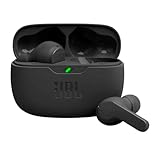
- JBL Deep Bass Sound: Get the most from your mixes with high-quality audio from secure, reliable earbuds with 8mm drivers featuring JBL Deep Bass Sound
- Comfortable fit: The ergonomic, stick-closed design of the JBL Vibe Beam fits so comfortably you may forget you're wearing them. The closed design excludes external sounds, enhancing the bass performance
- Up to 32 (8h + 24h) hours of battery life and speed charging: With 8 hours of battery life in the earbuds and 24 in the case, the JBL Vibe Beam provide all-day audio. When you need more power, you can speed charge an extra two hours in just 10 minutes.
- Hands-free calls with VoiceAware: When you're making hands-free stereo calls on the go, VoiceAware lets you balance how much of your own voice you hear while talking with others
- Water and dust resistant: From the beach to the bike trail, the IP54-certified earbuds and IPX2 charging case are water and dust resistant for all-day experiences
That may sound limiting, but it also explains why playback is so reliable once set up. There are no logins to break, no downloads failing mid-run, and no background data drain. What’s on the watch is always available, even in airplane mode.
The watch acts like a tiny MP3 player on your wrist
In practical terms, the GT 4 functions like a modern MP3 player integrated into a smartwatch. You load supported audio files, organize them into a music library, and control playback directly from the watch interface. Track skipping, volume control, and basic playback all work smoothly through HarmonyOS.
This approach pairs well with the watch’s physical comfort and stability during movement. The GT 4’s relatively slim case, curved lugs, and soft fluoroelastomer or leather strap options keep it secure during runs and workouts, so you’re not fighting the hardware while changing tracks mid-session.
Bluetooth headphones are required for phone-free listening
The Huawei Watch GT 4 does not have a built-in speaker suitable for music playback. To listen without your phone, you must connect Bluetooth headphones or earbuds directly to the watch. Once paired, the connection is stable, with minimal dropouts during outdoor activities.
This setup is ideal for sports-focused earbuds, and it keeps battery drain predictable. Huawei’s tuning favors efficiency over raw audio processing, which helps preserve the GT 4’s multi-day battery life even with regular music use during workouts.
Music storage is finite, but usually sufficient
There is limited internal storage available for music, and while Huawei does not market the exact usable capacity aggressively, it’s best thought of as space for a workout-focused library rather than your entire collection. Think playlists, albums, or podcasts you actually listen to, not thousands of tracks.
Because you’re managing files manually, you also control quality. Higher-bitrate files take more space, so most users strike a balance between sound quality and capacity. The transfer process via the Huawei Health app makes it easy to swap tracks in and out as needed.
Playback integrates tightly with workouts and daily use
One of the GT 4’s strengths is how music playback fits naturally into fitness tracking. You can start a workout, control music from the same screen flow, and glance at stats without juggling devices. This is especially useful for runners and cyclists who want fewer distractions.
Outside workouts, music control is still accessible and responsive, but the feature clearly prioritizes active use. Combined with the watch’s excellent comfort, lightweight feel, and long battery life, music playback becomes a practical tool rather than a novelty.
Phone compatibility affects setup, not playback
Whether you’re using Android or iPhone, the actual listening experience on the watch is the same once music is loaded. The difference lies in how you manage and transfer files using the Huawei Health app, which can be smoother on Android due to fewer platform restrictions.
This distinction matters during setup, but not once you’re out the door with just your watch and headphones. The GT 4 is designed to be self-sufficient during use, even if it still relies on your phone behind the scenes for management.
Understanding these realities sets the right expectations. From here, it becomes much easier to follow the step-by-step process of adding music, choosing compatible files, and making the most of offline playback on the Huawei Watch GT 4.
Before You Start: Compatibility, Storage Limits, and Supported Audio Formats
Now that you know what the Huawei Watch GT 4 is capable of once music is loaded, it’s worth pausing briefly to make sure everything on the setup side lines up. A few practical checks here will save time later and help avoid the most common frustrations new owners run into.
This watch is excellent for offline listening, but it plays by specific rules. Those rules revolve around phone compatibility, how much music you can realistically store, and which audio files the watch can actually read.
Phone compatibility: Android is smoother, iPhone still works
The Huawei Watch GT 4 works with both Android phones and iPhones, but the experience is not identical when it comes to managing music. The watch itself behaves the same during playback, workouts, and daily use regardless of phone type.
On Android, the Huawei Health app has deeper system access, making file transfers more reliable and flexible. Adding, removing, and reorganizing tracks tends to be faster and less prone to permission issues.
On iPhone, music transfer is still supported, but Apple’s tighter file management rules mean you may need to be more deliberate about where your audio files are stored. As long as the Huawei Health app can “see” the files, they can be transferred, but the process can feel more manual.
Once music is on the watch, these differences disappear. Playback controls, Bluetooth headphone pairing, and workout integration are identical whether you used Android or iOS to set things up.
Internal storage: enough for workouts, not a full library
Huawei does not publish a clearly labeled “music storage” figure for the Watch GT 4, and in real-world use that’s intentional. The internal storage is shared with the system, apps, and workout data, leaving a limited but usable portion for audio.
In practical terms, you should expect space for a few hundred songs rather than thousands. That translates well to several playlists, a handful of albums, or a rotation of podcasts and audiobooks tailored to your routines.
This design aligns with how the GT 4 is meant to be worn. With its lightweight case, slim profile, and excellent long-term comfort, it’s built for daily wear and extended workouts, not for carrying an entire music archive on your wrist.
If storage fills up, the Huawei Health app makes it easy to remove tracks and add new ones. Think of the watch as a rotating music locker rather than permanent storage.
Supported audio formats: keep it simple and DRM-free
The Huawei Watch GT 4 supports standard, widely used audio formats designed for efficiency and compatibility. MP3 is the safest and most universally reliable option, and AAC files also work well for most users.
High-resolution or lossless formats are not the focus here. Even if a file technically transfers, larger formats eat into storage quickly and offer minimal real-world benefit when listening through Bluetooth earbuds during workouts.
All files must be DRM-free. Music downloaded from streaming services like Spotify, Apple Music, YouTube Music, or Amazon Music cannot be transferred, even if you pay for offline downloads on your phone. Those files are locked to their apps and won’t be recognized by the watch.
For best results, use locally stored files you own outright, with reasonable bitrates that balance sound quality and space. This matches the GT 4’s strengths: stable Bluetooth playback, reliable controls mid-workout, and battery life that remains strong even with regular music use.
Bluetooth headphones and playback expectations
Music on the Watch GT 4 is designed for Bluetooth headphones only. There is no speaker playback for music, and pairing works best with standard Bluetooth audio profiles.
Connection stability is generally excellent, especially during runs and gym sessions, and the watch’s snug fit helps avoid dropouts caused by movement. This reinforces the idea that music playback is part of the GT 4’s overall fitness-first design rather than a standalone media device.
With compatibility, storage limits, and file formats clear, you’re ready to move into the actual process of adding music. Once you understand these boundaries, the step-by-step transfer process feels straightforward and predictable, exactly what you want when setting up a watch meant to disappear on your wrist and just work.
Understanding Huawei Health: The App You Must Use for Music Transfers
With file formats, storage limits, and Bluetooth playback expectations out of the way, everything now funnels through a single piece of software. No matter which phone you use or how simple your music library is, the Huawei Watch GT 4 relies entirely on the Huawei Health app to manage music transfers.
This is not optional or interchangeable. There is no drag-and-drop, no desktop sync tool, and no way to send music directly from a third‑party app to the watch.
Why Huawei Health is central to the GT 4 experience
Huawei Health is the control center for the Watch GT 4, handling everything from watch faces and firmware updates to workouts, sleep tracking, and battery optimization. Music management lives inside this same ecosystem, which keeps the experience consistent but also introduces a few hard boundaries.
The upside is reliability. Once the watch is paired and recognized inside Huawei Health, music transfers behave predictably and rarely fail mid-sync, even with larger playlists.
The trade-off is flexibility. You must follow Huawei’s structure exactly, which can feel restrictive if you’re used to open file systems or cloud-based syncing on other platforms.
Android vs iPhone: important differences before you start
Music transfer works best on Android phones. Huawei Health on Android has full access to local storage, which allows you to select MP3 or AAC files already stored on your device and push them directly to the watch.
On iPhone, things are more limited. While the Watch GT 4 itself works well with iOS for fitness tracking and notifications, music transfers are either restricted or unavailable depending on region and app version. iOS does not expose local music files in a way Huawei Health can reliably access.
If offline music playback is a priority for you, an Android phone is strongly recommended. Many iPhone users end up borrowing an Android device temporarily just to load music onto the watch.
Rank #2

- 【Sports Comfort & IPX7 Waterproof】Designed for extended workouts, the BX17 earbuds feature flexible ear hooks and three sizes of silicone tips for a secure, personalized fit. The IPX7 waterproof rating ensures protection against sweat, rain, and accidental submersion (up to 1 meter for 30 minutes), making them ideal for intense training, running, or outdoor adventures
- 【Immersive Sound & Noise Cancellation】Equipped with 14.3mm dynamic drivers and advanced acoustic tuning, these earbuds deliver powerful bass, crisp highs, and balanced mids. The ergonomic design enhances passive noise isolation, while the built-in microphone ensures clear voice pickup during calls—even in noisy environments
- 【Type-C Fast Charging & Tactile Controls】Recharge the case in 1.5 hours via USB-C and get back to your routine quickly. Intuitive physical buttons let you adjust volume, skip tracks, answer calls, and activate voice assistants without touching your phone—perfect for sweaty or gloved hands
- 【80-Hour Playtime & Real-Time LED Display】Enjoy up to 15 hours of playtime per charge (80 hours total with the portable charging case). The dual LED screens on the case display precise battery levels at a glance, so you’ll never run out of power mid-workout
- 【Auto-Pairing & Universal Compatibility】Hall switch technology enables instant pairing: simply open the case to auto-connect to your last-used device. Compatible with iOS, Android, tablets, and laptops (Bluetooth 5.3), these earbuds ensure stable connectivity up to 33 feet
Where music lives inside the Huawei Health app
Music management is tucked away inside the device-specific settings rather than the main Health dashboard. After pairing your Watch GT 4, you access music by selecting the watch from the Devices tab, then navigating into its music or storage-related options.
This design keeps music tied directly to the watch rather than your phone profile. It also prevents accidental syncing to multiple Huawei wearables if you own more than one.
Once you’re in the correct menu, Huawei Health acts as a gatekeeper. It scans your phone for compatible, DRM-free files and only shows tracks the watch can actually play.
How Huawei Health handles transfers behind the scenes
When you initiate a transfer, Huawei Health sends files over Bluetooth rather than Wi‑Fi. This is slower than a cable-based transfer but optimized to maintain a stable connection without overheating the watch or draining the battery aggressively.
Transfer speed depends on file size and how many tracks you’re sending at once. A small workout playlist moves over quickly, while a few hundred songs can take several minutes.
The watch remains usable during transfers, but it’s best to keep both devices nearby and avoid background app restrictions on your phone. Interruptions are usually recoverable, but a clean, uninterrupted sync is always faster.
What Huawei Health will and won’t recognize
Huawei Health is very literal about file eligibility. If a track does not appear in the selection list, it’s usually because it’s protected by DRM, stored inside another app’s sandbox, or saved in an unsupported format.
Streaming service downloads are invisible to Huawei Health. Even though they exist on your phone, those files are encrypted and locked to their respective apps.
Simple, locally stored files work best. Music you’ve ripped from CDs, purchased as downloads, or transferred manually to your phone’s storage is exactly what Huawei Health expects.
How this fits into daily use and workouts
Once music is on the watch, Huawei Health steps out of the way. Playback, track controls, and volume adjustments happen directly on the Watch GT 4, with no phone required.
This separation is intentional. Huawei positions the GT 4 as a fitness-first smartwatch with strong battery life and comfort, not a media hub that constantly syncs in the background.
Understanding Huawei Health’s role upfront removes most of the frustration users experience. If you treat the app as a deliberate transfer tool rather than a streaming bridge, the process becomes straightforward and dependable, exactly in line with how the Watch GT 4 is meant to be used day to day.
Step-by-Step: How to Add Music to the Huawei Watch GT 4 from Your Phone
With the groundwork out of the way, the actual transfer process is refreshingly direct. Huawei’s approach is old-school by modern streaming standards, but it’s also predictable and reliable once you know where each option lives.
Before you start, it’s important to understand one key limitation that affects the steps below.
Check phone compatibility first
Offline music transfer to the Watch GT 4 is supported on Android phones only. The Huawei Health app on iOS does not offer local music syncing, even though the watch itself can store and play music.
If you’re using an iPhone, you can still control music playback from your phone, but you cannot load tracks onto the watch for phone-free listening. For true offline workouts, an Android phone is required.
What you’ll need before starting
Make sure the Watch GT 4 is already paired with your phone in the Huawei Health app. Both devices should have at least 20 percent battery to avoid interruptions during transfer.
Your music must be stored locally on your phone’s internal storage. Files saved inside streaming apps, cloud folders, or protected system directories will not appear.
Supported audio formats and storage limits
The Watch GT 4 supports common formats such as MP3 and AAC. These cover most purchased downloads and ripped music libraries without conversion.
Total onboard storage is roughly 4 GB, but only part of that is available for music once system files are accounted for. In practical terms, expect room for several hundred songs, depending on file quality and length.
Open the music transfer menu in Huawei Health
Launch the Huawei Health app on your Android phone. Tap the Devices tab at the bottom, then select your Watch GT 4 from the list.
Scroll down and tap Music. This is the dedicated management area for everything related to onboard audio.
Select and add music from your phone
Tap Manage music, then choose Add songs. Huawei Health will scan your phone’s storage and present a list of compatible audio files.
Use the checkboxes to select individual tracks or entire albums. If a song doesn’t appear, it’s usually due to DRM protection or unsupported storage location.
Start the transfer and keep devices close
Once you confirm your selection, the transfer begins immediately over Bluetooth. Keep your phone and watch within a few feet of each other for the most stable connection.
You can continue using the watch during the transfer, but avoiding heavy background activity on your phone helps prevent slowdowns or pauses.
Monitor progress and handle large libraries
Small playlists typically finish in under a minute. Larger batches may take several minutes, especially if you’re filling most of the available storage.
If a transfer is interrupted, Huawei Health usually resumes where it left off. Restarting the app rarely requires starting from scratch.
Confirm music on the watch itself
On the Watch GT 4, press the crown to open the app list and select Music. Switch the source to Watch to view locally stored tracks.
You can browse by song or playlist directly on the watch, with smooth scrolling thanks to the responsive AMOLED display and lightweight HarmonyOS interface.
Pair Bluetooth headphones for playback
For phone-free listening, pair your Bluetooth earbuds directly with the watch. Go to Settings on the watch, select Bluetooth, and connect your headphones.
Once paired, playback controls, volume adjustment, and track skipping are handled entirely on the watch, making it ideal for runs, gym sessions, and outdoor workouts.
Managing and removing music later
To free up space or refresh your library, return to the Music section in Huawei Health. You can remove individual tracks or clear the entire music storage in a few taps.
Changes sync quickly, and the watch’s strong battery life means you can manage music without worrying about significant drain during everyday use.
Managing Music on the Watch: Playlists, Controls, and Bluetooth Headphones
Once your tracks are safely stored on the Watch GT 4, day-to-day music management happens directly on the watch. HarmonyOS keeps things intentionally simple, which works well on a compact wrist display during workouts or quick walks.
Browsing music and using playlists on the watch
Open the Music app on the Watch GT 4 and confirm the source is set to Watch rather than Phone. This switches playback to offline files stored locally on the watch.
You can browse music by song or by playlist, depending on how your library was transferred. Playlists created in Huawei Health appear exactly as named, which makes it easy to group workout mixes, podcasts, or longer listening sessions.
Rank #3
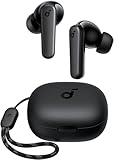
- Powerful Bass: soundcore P20i true wireless earbuds have oversized 10mm drivers that deliver powerful sound with boosted bass so you can lose yourself in your favorite songs.
- Personalized Listening Experience: Use the soundcore app to customize the controls and choose from 22 EQ presets. With "Find My Earbuds", a lost earbud can emit noise to help you locate it.
- Long Playtime, Fast Charging: Get 10 hours of battery life on a single charge with a case that extends it to 30 hours. If P20i true wireless earbuds are low on power, a quick 10-minute charge will give you 2 hours of playtime.
- Portable On-the-Go Design: soundcore P20i true wireless earbuds and the charging case are compact and lightweight with a lanyard attached. It's small enough to slip in your pocket, or clip on your bag or keys–so you never worry about space.
- AI-Enhanced Clear Calls: 2 built-in mics and an AI algorithm work together to pick up your voice so that you never have to shout over the phone.
Scrolling through lists feels smooth thanks to the GT 4’s responsive AMOLED display and rotating crown. The crown is especially useful when your hands are sweaty or you’re mid-run and don’t want to swipe repeatedly.
Playback controls and real-world usability
During playback, the Now Playing screen shows track title, basic artwork, and progress. Controls include play, pause, skip forward, skip back, and volume adjustment.
Volume can be changed using on-screen buttons or by rotating the crown, which is more precise than tapping while moving. This small detail makes a noticeable difference during workouts, especially when wearing gloves or running outdoors.
You can also control music from the workout screen itself. When tracking a run or gym session, a quick swipe gives access to playback controls without stopping the activity, preserving clean fitness data.
Using the watch as a standalone music player
The Watch GT 4 is designed to work fully phone-free once music is loaded. You don’t need your phone nearby to browse tracks, start playback, or change volume.
This is particularly useful for running, cycling, or gym sessions where carrying a phone feels bulky. Combined with the watch’s lightweight build, curved case, and comfortable strap options, it’s easy to forget you’re wearing a full-featured music player on your wrist.
Battery impact from local music playback is moderate. Even with Bluetooth headphones connected, most users can expect several workouts or hours of listening before needing to recharge, depending on volume and workout tracking usage.
Pairing and managing Bluetooth headphones
Bluetooth headphones must be paired directly to the watch for offline playback. On the Watch GT 4, go to Settings, open Bluetooth, and select your earbuds from the available device list.
Once paired, the connection is remembered and reconnects automatically when the headphones are powered on nearby. This makes daily use friction-free, especially if you use the same earbuds for regular workouts.
The watch supports standard Bluetooth audio codecs rather than advanced high-bitrate formats. In practice, sound quality is perfectly adequate for workouts, podcasts, and casual listening, even if audiophiles may notice limitations.
Switching between phone control and watch playback
The Music app on the Watch GT 4 can also act as a remote control for music playing on your phone. This is useful when your phone is nearby and you’re using streaming apps like Spotify or Apple Music.
To avoid confusion, always check the source selector at the top of the Music app. Watch means offline files stored locally, while Phone means you’re controlling audio played on the connected smartphone.
This separation is important because streaming apps do not run directly on the Watch GT 4. Offline playback only works with music files you’ve manually transferred through Huawei Health.
Managing playlists and clearing space over time
As your listening habits change, you may want to refresh playlists or remove tracks you no longer use. This is done from the Huawei Health app on your phone, not directly on the watch.
Open the Music section, select Manage Music, and remove individual songs or entire playlists. Changes sync quickly, and storage updates are reflected on the watch almost immediately.
With limited onboard storage, keeping a lean, purposeful music library helps transfers stay fast and ensures you always have the right tracks ready for phone-free listening.
Using the Watch for Phone-Free Workouts and Runs
Once your music is stored locally and your headphones are paired, the Watch GT 4 really comes into its own during phone-free training. This is where Huawei’s lightweight design, long battery life, and stable offline playback combine into a genuinely practical fitness companion.
You can leave your phone at home and still track workouts, listen to music, and review performance data later in Huawei Health. For runners, gym users, and outdoor walkers, this dramatically reduces bulk and distractions.
Starting a workout with offline music
To begin, put on your Bluetooth headphones and make sure they connect to the watch before you start moving. Open the Music app, confirm the source is set to Watch, and start playback from your stored tracks or playlists.
Next, press the lower physical button to open the Workout app and select your activity, such as Outdoor Run, Treadmill, or Strength Training. Music continues playing in the background while the workout screen takes priority.
Playback controls are still accessible with a swipe or via the shortcut card, so you can pause, skip tracks, or adjust volume without stopping your session. This works reliably even with sweaty hands, thanks to the GT 4’s responsive touchscreen and physical buttons.
GPS accuracy and music impact during runs
The Watch GT 4 uses dual-band GNSS on supported variants, which helps maintain accurate route tracking even in urban areas or under tree cover. Playing offline music has minimal impact on GPS performance, as audio playback is handled locally without data syncing.
Battery drain does increase slightly when GPS and Bluetooth audio are active together. In real-world use, you can expect several hours of continuous GPS tracking with music before needing a recharge, which is more than enough for long runs or extended training sessions.
The watch remains comfortable throughout, helped by its balanced weight, curved caseback, and soft fluoroelastomer or woven strap options. There’s no pressure point buildup, even during longer workouts.
Using controls mid-workout without breaking stride
During a run or gym session, you don’t need to exit the workout screen to control music. Swiping right brings up quick controls, while the rotating crown allows precise volume adjustments without hunting for tiny on-screen sliders.
This is particularly useful outdoors, where wind noise or changing pace may require frequent volume tweaks. The tactile feedback of the crown makes adjustments feel natural, even while moving.
You can also set up shortcut cards so music controls appear automatically during workouts. This small setup step improves usability dramatically over time.
Tracking metrics while staying completely offline
All core health and fitness metrics continue to work normally without a phone nearby. This includes heart rate, pace, distance, cadence, calories burned, and training load metrics.
Data is stored locally on the watch and syncs back to Huawei Health the next time your phone reconnects. Nothing is lost, even if you go several workouts without syncing.
This makes the GT 4 especially appealing for runners who prefer minimal gear or gym users who want music and tracking without managing pockets or armbands.
Battery considerations for music-heavy training
If you regularly train with music, it’s worth keeping an eye on battery levels before heading out. Offline music playback combined with Bluetooth headphones and GPS is one of the more demanding usage scenarios.
That said, the Watch GT 4 still outperforms many rivals in endurance, often lasting multiple workout sessions across several days. Charging is fast enough that a short top-up can easily cover your next run.
For longer events or back-to-back sessions, lowering screen brightness and disabling always-on display can extend runtime without affecting music playback.
When phone-free workouts make the most sense
Offline music is ideal for structured runs, gym routines, and outdoor walks where you already know what you want to listen to. Playlists with consistent tempo work particularly well, as you won’t be distracted by track changes or searching for new content.
If you rely heavily on streaming discovery or frequently change playlists mid-workout, you’ll still need your phone nearby. The Watch GT 4 is at its best when used intentionally, with music prepared in advance.
For users who value simplicity, comfort, and reliability over app ecosystems, phone-free workouts on the Watch GT 4 feel refined and purpose-driven rather than compromised.
Streaming Services Explained: Spotify, YouTube Music, and What Is (Not) Supported
If you’re coming from an Apple Watch or Wear OS device, this is the point where expectations often need a reset. The Huawei Watch GT 4 is excellent for offline music playback, but it does not behave like a miniature smartphone on your wrist.
Rank #4

- Powerful Deep Bass Sound: Kurdene true wireless earbuds have oversized 8mm drivers ,Get the most from your mixes with high quality audio from secure that deliver powerful sound with boosted bass so you can lose yourself in your favorite songs
- Ultra Light Weight ,Comfortable fit: The Ear Buds Making it as light as a feather and discreet in the ear. Ergonomic design provides a comfortable and secure fit that doesn’t protrude from your ears especially for sports, workout, gym
- Superior Clear Call Quality: The Clear Call noise cancelling earbuds enhanced by mics and an AI algorithm allow you to enjoy clear communication. lets you balance how much of your own voice you hear while talking with others
- Bluetooth 5.3 for Fast Pairing: The wireless earbuds utilize the latest Bluetooth 5.3 technology for faster transmission speeds, simply open the lid of the charging case, and both earphones will automatically connect. They are widely compatible with iOS and Android
- Friendly Service: We provide clear warranty terms for our products to ensure that customers enjoy the necessary protection after their purchase. Additionally, we offer 24hs customer service to address any questions or concerns, ensuring a smooth shopping experience for you
Understanding exactly how streaming services work—or don’t—on the GT 4 will save you frustration and help you set up music in the most reliable way for workouts and daily use.
Can the Huawei Watch GT 4 stream music directly?
The short answer is no. The Watch GT 4 does not support direct music streaming over Wi‑Fi or LTE, because it has neither cellular connectivity nor full streaming app support.
There are no native Spotify, YouTube Music, Apple Music, or Amazon Music apps available for the GT 4 that can stream or download music directly on the watch.
All music playback on the Watch GT 4 is based on locally stored audio files that you manually transfer to the watch through the Huawei Health app.
Spotify on the Huawei Watch GT 4: what actually works
Spotify does not offer an official HarmonyOS app for the Watch GT 4, and there is no way to log into Spotify directly on the watch.
What you can do is download your Spotify playlists on your phone or computer, convert them to standard audio files such as MP3, and then transfer those files to the watch. Once transferred, the music behaves like any other offline track and plays without your phone nearby.
This workaround is common among GT 4 owners, but it requires an extra step and does not sync dynamically. Any changes to playlists need to be re-exported and reloaded manually.
YouTube Music and other streaming platforms
YouTube Music follows the same limitation as Spotify. There is no native app, no streaming, and no official offline sync directly to the watch.
As with Spotify, the only way to use YouTube Music content is by downloading tracks as audio files on another device and transferring them manually to the GT 4. The watch itself has no awareness of streaming libraries, playlists, or recommendations.
This applies equally to Apple Music, Deezer, Tidal, SoundCloud, and similar services. None are supported natively on the Watch GT 4.
Why Huawei limits streaming support on the GT 4
The GT 4 runs HarmonyOS in a lightweight configuration designed around efficiency, long battery life, and fitness reliability rather than app density.
Unlike Wear OS or watchOS, HarmonyOS on the GT series prioritizes sensor accuracy, GPS stability, and multi-day endurance over background networking and third-party app ecosystems.
This design choice is a major reason the GT 4 can last days—even with GPS and music playback—while many streaming-capable watches struggle to last a single day under similar conditions.
What the Watch GT 4 does extremely well instead
While it lacks streaming apps, the Watch GT 4 excels at being a self-contained music player once content is loaded.
Playback is stable, Bluetooth headphone connections are reliable, and music controls are responsive even during intense workouts. The lightweight case, curved glass, and balanced strap options mean it stays comfortable during long runs or gym sessions without feeling bulky.
For users who prepare playlists in advance, the experience feels deliberate and distraction-free, aligning well with the GT 4’s broader fitness-first philosophy.
Phone compatibility and how it affects music features
Music transfer and management are handled entirely through the Huawei Health app, which works on both Android and iOS. However, Android users typically have a smoother experience due to fewer background restrictions and easier file handling.
On iPhone, music transfer still works, but you may encounter stricter file access permissions and slower transfers depending on iOS version. This does not affect playback once music is on the watch, only the setup process.
Regardless of phone type, once music is stored locally, the Watch GT 4 operates fully independently for playback during workouts or daily use.
Setting expectations: who the GT 4 music setup is best for
If you expect on-wrist streaming, real-time playlist updates, or music discovery mid-run, the Watch GT 4 will feel limited.
If, however, you value battery life, comfort, and reliable offline playback with zero phone dependency once set up, the GT 4 delivers a focused and dependable experience.
The key is treating the Watch GT 4 like a high-quality offline music player built into a fitness watch, rather than a streaming device. Once that mindset clicks, its music features feel intentional rather than restrictive.
Battery Life Impact: How Offline Music Affects Real-World Usage
Choosing offline music on the Watch GT 4 is closely tied to why many people buy this watch in the first place: long battery life without daily charging. Understanding how music playback changes real-world endurance helps you plan workouts and decide when phone-free listening makes sense.
Baseline battery life without music playback
In normal daily use without music, the Watch GT 4 easily stretches into multi-day territory. With notifications, health tracking, sleep monitoring, and occasional workouts, most users see around a week or more between charges depending on display size and settings.
The AMOLED display, lightweight case, and efficient HarmonyOS scheduling play a big role here. This strong baseline is what gives the GT 4 enough headroom to handle offline music without becoming a battery anxiety device.
Music playback on its own: what to expect
Playing stored music without GPS is relatively gentle on the battery. Listening through Bluetooth earbuds during a walk, commute, or gym session typically consumes only a small percentage per hour.
In practical terms, a few hours of music spread across the week barely dents overall battery life. This is where the Watch GT 4 feels more like a dedicated music player than a smartwatch struggling to keep up.
Music plus GPS: the most demanding scenario
The biggest impact comes when you combine offline music playback with GPS tracking during runs, hikes, or cycling sessions. GPS radio usage, continuous heart-rate monitoring, and Bluetooth audio all draw power at the same time.
In this scenario, expect noticeably faster battery drain, especially during long outdoor workouts. A one-hour run with GPS and music will consume a meaningful chunk of battery, but it remains far more efficient than many streaming-enabled watches under similar conditions.
How workout length changes battery planning
For short workouts, battery impact is largely negligible in day-to-day use. You can comfortably do several music-enabled training sessions across the week without changing your charging routine.
For longer sessions like half-marathon training runs or extended hikes, it’s worth starting with a higher charge. The GT 4 handles these sessions reliably, but planning ahead ensures you still have battery left for the rest of the day.
Headphones, volume, and real-world variables
Bluetooth headphone efficiency plays a role in battery usage. Newer earbuds with stable connections tend to draw less power than older or less optimized models.
Volume also matters, though less than many expect. Moderate listening levels strike the best balance between enjoyment and efficiency, especially during longer workouts.
Storage vs battery: what does not affect endurance
The amount of music stored on the watch does not directly affect battery life. Whether you load a few albums or fill most of the available storage, playback efficiency remains the same.
There is also no background drain from stored files when music is not actively playing. Once transferred, your playlists sit idle until you press play.
Charging habits that fit music-focused users
If offline music becomes a daily part of your routine, slightly more frequent top-ups make sense. Short charging sessions every few days are often enough, thanks to the GT 4’s fast charging behavior.
This flexible charging rhythm pairs well with the watch’s comfortable size, curved glass, and lightweight build. You never feel forced into overnight charging just to maintain music playback capability.
💰 Best Value

- 【Revolutionary Smart Touchscreen Case】 Our wireless earbuds feature a revolutionary charging case with a responsive touchscreen, integrating 10+ smart functions. Effortlessly skip tracks, adjust volume, locate misplaced earbuds, or control your phone's camera remotely—all from the case itself. It’s your ultimate, portable control hub designed for a smarter, more convenient lifestyle.
- 【Smart ANC Noise Control & Transparency】 Seamlessly adapt to your environment. With Hybrid Active Noise Cancellation (ANC), these Bluetooth earbuds block up to 40dB of ambient noise for immersive listening. Switch to Transparency Mode with a tap to let in important surroundings, keeping you aware and safe. These wireless ear buds intelligently blend you into your world.
- 【40-Hour Power & Fast Charging】 Conquer battery anxiety. These earbuds offer up to 8 hours of playtime, extending to a massive 40 hours with the compact charging case. A 10-minute quick charge delivers 2 hours of music. The battery percentage on the case keeps you perfectly informed of your power status, ensuring your music and your wireless ear buds always ready for the day.
- 【40-Hour Power & Fast Charging】 Conquer battery anxiety. These earbuds offer up to 8 hours of playtime, extending to a massive 40 hours with the compact charging case. A 10-minute quick charge delivers 2 hours of music. The battery percentage on the case keeps you perfectly informed of your power status, ensuring your music and your wireless ear buds always ready for the day.
- 【All-Day Comfort & Stable Connection】 Built for all-day wear and seamless connectivity. The ultra-lightweight earbuds provide a secure, comfortable fit that lasts for hours. With an IPX7 waterproof rating, they withstand intense workouts. Bluetooth 5.3 ensures a rock-solid wireless connection with ultra-low latency (55 ms), making these bluetooth headphones perfect for lag-free gaming and calls.
Why offline music still favors battery longevity
Compared to watches that rely on LTE or constant streaming, the GT 4’s offline approach is fundamentally more efficient. Once music is loaded, there is no background data usage, no signal searching, and no streaming instability.
This design choice reinforces the GT 4’s fitness-first philosophy. You trade instant access to new tracks for predictable battery life, reliable playback, and a watch that remains comfortable and dependable over long stretches of real-world use.
Common Problems and Fixes When Transferring Music to the GT 4
Once you start relying on offline music, small setup issues become more noticeable. Most transfer problems are easy to fix, but they often stem from file compatibility, app permissions, or connection stability rather than the watch itself.
The GT 4 is generally reliable during playback, so if something goes wrong, it almost always happens during the transfer stage. The sections below walk through the most common scenarios and how to resolve them without factory resets or unnecessary troubleshooting.
Music transfer option is missing in Huawei Health
If you do not see a Music or Manage Music option in the Huawei Health app, the issue is usually phone compatibility or app version. Music transfer to the GT 4 is fully supported on Android phones but limited or unavailable on iPhones due to iOS restrictions.
On Android, confirm that you are using the latest Huawei Health version and that it was installed via the Huawei AppGallery, not the Google Play Store. The AppGallery version includes the full device management features required for local music syncing.
Files will not transfer or fail midway
Interrupted transfers are commonly caused by unstable Bluetooth connections or aggressive battery optimization on the phone. Music files are larger than watch faces or data syncs, so they need a steady connection from start to finish.
Keep the phone screen on, stay close to the watch, and disable power-saving modes temporarily. On some Android phones, allowing Huawei Health to run without background restrictions dramatically improves transfer reliability.
Unsupported audio format errors
The GT 4 supports standard offline audio formats like MP3 and AAC. Files in formats such as FLAC, WAV, or protected streaming downloads will not transfer, even if they play fine on your phone.
If a file fails instantly, check the format and convert it using a basic audio converter before retrying. Keeping files at standard bitrates also helps reduce transfer time and storage strain.
Music appears transferred but does not show on the watch
Occasionally, tracks complete the transfer but do not appear in the watch’s music library right away. This is usually a library refresh issue rather than a failed transfer.
Restarting the watch forces a rescan of stored media and resolves the problem in most cases. If that does not work, removing one track and re-adding it often triggers the library to update correctly.
Not enough storage available
The GT 4 has limited internal storage allocated for music, and the available space varies slightly depending on system usage. When storage fills up, transfers may fail without a clear warning.
Delete older tracks or unused playlists directly from the Huawei Health app, then retry the transfer. Managing music in smaller batches makes it easier to keep track of available space and avoids silent failures.
Very slow transfer speeds
Bluetooth transfer speed is influenced by both phone performance and environmental interference. Transferring multiple albums at once can feel slow, especially if the phone is handling other background tasks.
For faster results, transfer music in smaller chunks and avoid using wireless earbuds or other Bluetooth accessories during syncing. Once music is on the watch, playback remains smooth regardless of how long the transfer took.
Music plays through the watch speaker instead of headphones
If music starts playing through the watch speaker, the headphones may not be properly connected. The GT 4 does not automatically switch outputs if the Bluetooth connection drops.
Open the watch’s Bluetooth settings, reconnect your headphones, and then start playback again. Pairing headphones directly from the watch rather than through the phone improves long-term connection stability.
Streaming service downloads will not transfer
Tracks downloaded from streaming services like Spotify, Apple Music, or YouTube Music are protected and cannot be transferred to the GT 4. Even if they appear as local files on your phone, they are encrypted for app-only playback.
To use music offline on the GT 4, you must own the files or use DRM-free audio. This limitation is part of the watch’s offline-first design and is not something that can be bypassed through settings or updates.
Music controls lag or skip during workouts
If playback stutters during intense workouts, the issue is often related to headphone stability rather than the music files themselves. Rapid arm movement can affect weaker Bluetooth connections.
Using well-fitting earbuds with stable Bluetooth performance minimizes this issue. Once paired correctly, the GT 4 maintains reliable playback even during long runs, thanks to its lightweight case, balanced ergonomics, and fitness-focused software tuning.
Is Offline Music on the Huawei Watch GT 4 Worth Using? Real-World Verdict
After dealing with transfers, Bluetooth quirks, and file limitations, the big question becomes whether offline music on the Huawei Watch GT 4 actually makes sense in daily use. The answer depends less on what the feature promises on paper and more on how you realistically use your watch.
When Offline Music on the GT 4 Truly Shines
Offline music works best when the GT 4 is used as a phone-free fitness companion. For running, gym sessions, outdoor walks, or short errands, having music stored locally on the watch is liberating.
Once tracks are transferred and headphones are paired directly to the watch, playback is stable and predictable. HarmonyOS prioritizes battery efficiency and connection reliability, which means long workouts play through without drops, stutters, or sudden pauses.
The GT 4’s lightweight case, curved lugs, and balanced weight distribution also matter here. Even during longer runs, the watch stays comfortable, and music controls remain easy to access without breaking stride.
Where the Experience Feels Dated
The lack of native streaming app downloads is the biggest compromise. If your music life revolves around Spotify, Apple Music, or YouTube Music playlists that update daily, managing MP3 or FLAC files can feel like a step back.
Transfer speeds over Bluetooth are functional but slow, especially compared to Wi‑Fi-enabled watches. Adding large libraries requires patience and some planning, rather than spontaneous syncing before heading out the door.
There is also no on-watch music management beyond basic playback. You cannot create playlists, reorder tracks, or browse by artist on the watch itself in any meaningful way.
Battery Life and Storage in Real Use
Playing music locally has a minimal impact on battery life compared to GPS workouts or continuous health tracking. Even with music playback during exercise, the GT 4 still delivers multi-day battery life, which is a major advantage over many Wear OS and Apple Watch models.
Storage is sufficient for workouts rather than full libraries. Realistically, most users will store a few albums or curated playlists, rotate them occasionally, and keep plenty of free space for smooth syncing and system performance.
Compatibility Reality Check
Offline music works equally well on Android and iOS once files are transferred, but Android users have an easier time managing local music libraries. iPhone users relying entirely on streaming services may find the extra steps inconvenient.
That said, once music is on the watch, phone platform no longer matters. Playback, controls, and Bluetooth headphone pairing behave the same regardless of which phone you used to set things up.
Final Verdict: Who Should Use It and Who Should Skip It
Offline music on the Huawei Watch GT 4 is worth using if your priority is reliable, phone-free playback during workouts, long walks, or travel. It excels at being predictable, battery-efficient, and distraction-free once everything is set up correctly.
It is less appealing if you expect a streaming-first smartwatch experience or want your music library to sync automatically without manual effort. In that case, the GT 4’s strength lies elsewhere, in fitness tracking, comfort, battery life, and overall daily usability.
If you treat offline music as a practical tool rather than a lifestyle hub, the GT 4 delivers exactly what it promises. Set it up once, manage your files intentionally, and it becomes a quietly dependable feature that complements the watch’s broader fitness-focused design rather than competing with it.