Heart rate is the backbone of almost everything Whoop does, but it’s easy to misunderstand what you’re actually seeing in the app if you’re coming from a smartwatch background. Whoop doesn’t treat heart rate as a simple “number on your wrist.” It treats it as a continuous physiological signal that feeds recovery, strain, sleep, and long-term health insights.
If you’ve ever wondered why Whoop doesn’t show a constantly glowing live heart rate screen, or why its heart rate graphs look more detailed than what you’re used to, this section is where it clicks. Understanding what Whoop measures, how often it measures it, and how it processes that data will make every heart rate metric in the app far more useful.
Whoop measures heart rate continuously, not just on demand
Whoop tracks your heart rate 24/7, sampling multiple times per second depending on activity and movement. This continuous approach is different from many smartwatches that prioritize battery life by checking heart rate at intervals when you’re at rest.
Because Whoop has no screen and is designed to be worn all day and night, it can dedicate its battery and processing power to background measurement. That’s why heart rate trends in Whoop look smooth and detailed rather than broken into occasional data points.
🏆 #1 Best Overall
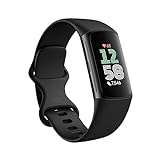
- Find your way seamlessly during runs or rides with turn-by-turn directions from Google Maps on Fitbit Charge 6[7, 8]; and when you need a snack break on the go, just tap to pay with Google Wallet[8, 9]
This continuous stream is what allows Whoop to calculate resting heart rate, heart rate variability, sleep stages, and strain without you needing to start or stop anything manually.
It uses optical heart rate, but with a different priority than most smartwatches
Like most wrist-based wearables, Whoop uses optical heart rate sensing, shining LEDs into your skin and detecting blood flow changes. The difference isn’t the presence of optical sensors, but how Whoop filters and interprets the signal.
Whoop is heavily optimized for long-duration accuracy rather than quick glances. It focuses on reducing motion artifacts over hours of wear, which is especially important during sleep, recovery, and endurance training.
Smartwatches often prioritize responsiveness for real-time display, while Whoop prioritizes clean data that holds up when averaged, analyzed, and compared day over day.
Heart rate is raw input, not the final metric
On a smartwatch, heart rate is often the headline feature. On Whoop, it’s more like raw material. Almost every major score in the app is derived from heart rate behavior over time.
Daily Strain is calculated by looking at how long your heart rate stays elevated relative to your personal baseline. Recovery uses resting heart rate and heart rate variability to assess how ready your body is to perform. Sleep analysis depends on how heart rate drops, stabilizes, and fluctuates across the night.
This is why Whoop sometimes feels less reactive in the moment but far more informative when you zoom out.
Why Whoop doesn’t emphasize constant live heart rate
If you’re used to glancing at your wrist mid-workout, Whoop can feel unintuitive at first. Live heart rate exists in the app, but it’s not the primary interface because Whoop isn’t designed to replace a sports watch display.
Instead, it assumes you care more about what your heart rate did over an entire workout, day, or sleep cycle than what it’s doing in a single second. That design choice allows for longer battery life, smaller hardware, and fewer distractions.
You can still check live heart rate in the app during an activity, but Whoop’s real value shows up when you review the session afterward.
Resting heart rate and trends matter more than peaks
Whoop puts heavy emphasis on resting heart rate rather than maximum heart rate spikes. Resting heart rate is measured during periods of minimal movement, especially during sleep, when readings are most stable.
This makes it a powerful indicator of recovery, illness, overtraining, or accumulated fatigue. A small upward trend over several days often tells you more than one hard workout where your heart rate briefly spiked.
Many smartwatches show resting heart rate too, but Whoop integrates it directly into recovery scoring, making it harder to ignore and easier to act on.
Sleep heart rate is where Whoop separates itself
Because Whoop is meant to be worn overnight without interruption, it captures heart rate throughout every sleep stage. This allows it to identify your lowest heart rate of the night, calculate heart rate variability, and detect subtle changes in recovery quality.
Smartwatches that are taken off to charge or worn inconsistently overnight often miss this context. Whoop’s charging system lets you keep it on, which is a small hardware detail that makes a big difference in data completeness.
If sleep quality, recovery, and long-term trends matter to you, this is one of Whoop’s biggest advantages.
Personal baselines change how heart rate is interpreted
Whoop doesn’t compare you to generic population averages. It builds a baseline based on your own historical heart rate data and adapts as your fitness changes.
This means a heart rate of 150 bpm could represent moderate strain for one person and high strain for another. Smartwatches often show zones, but Whoop recalibrates those zones continuously based on your physiology.
Over time, this makes the data feel more personalized and less judgmental, especially as your conditioning improves.
What this means for accuracy and trust
No wrist-based wearable is perfect, especially during activities with lots of wrist movement like weightlifting or cycling on rough terrain. Whoop mitigates this by smoothing data over time and focusing on trends rather than isolated readings.
The result is heart rate data that may not feel flashy in the moment, but becomes very reliable when you look at workouts, sleep, and recovery patterns together. If you approach Whoop expecting instant feedback like a smartwatch, you’ll miss its strength.
Once you understand what it’s measuring and why, it becomes much easier to trust the numbers and use them to guide training, rest, and long-term health decisions.
How to Check Your Live Heart Rate in the Whoop App (Real-Time Monitoring Explained)
Once you understand that Whoop prioritizes trends and context over constant on-screen numbers, checking your live heart rate starts to make more sense. It’s there when you need it, but it’s intentionally tucked into places where it’s most useful rather than always front and center like a smartwatch.
Real-time heart rate in Whoop is best thought of as situational feedback. It’s designed to help you understand what your body is doing during a workout, warm-up, or moment of exertion, not to replace chest-strap-style monitoring every second of the day.
Where to find your live heart rate in the Whoop app
To see your current heart rate, open the Whoop app and go to the Home screen. From there, tap into the Strain tab, which is where Whoop surfaces real-time physiological effort.
At the top of the Strain screen, you’ll see your current heart rate displayed in beats per minute. This number updates continuously as long as the strap is worn correctly and the app is actively open.
If you don’t see a live reading immediately, give it a few seconds. Whoop uses optical sensors and signal smoothing, so it may take a moment to lock onto a clean signal, especially if you just put the strap on or started moving.
Checking live heart rate during a workout
The most reliable way to view real-time heart rate is during an activity. Start a workout by tapping Start Activity, then select the type of exercise you’re doing.
Once the activity is running, your live heart rate is displayed prominently on the workout screen along with your current strain. This is where Whoop’s real-time data is most responsive and useful.
As intensity increases, you’ll see your heart rate climb in relation to your personalized strain model. Rather than showing fixed zones, Whoop contextualizes the number based on how hard your body is actually working relative to your baseline.
Understanding what the live heart rate number means
Your live heart rate is not meant to be interpreted in isolation. A reading of 140 or 160 bpm only becomes meaningful when paired with your strain level and how you feel physically.
Because Whoop adapts to your personal baseline, the same heart rate can represent very different levels of effort on different days. Fatigue, sleep quality, hydration, and stress all influence how hard your heart has to work.
This is why you may notice days where your heart rate spikes faster than usual. Whoop treats that as a signal, not an error, and uses it later to inform recovery and readiness.
Live heart rate outside of workouts
You can still check your current heart rate even when you’re not logging an activity. The Strain tab will continue to show a real-time reading while the app is open.
That said, Whoop does not constantly surface heart rate on the Home screen the way a smartwatch does. This is a deliberate software choice to reduce noise and keep focus on daily strain and recovery.
If you want quick spot checks, opening the app and navigating to Strain takes only a few seconds. For most users, that balance keeps the data useful without becoming distracting.
Why live heart rate may feel less instant than a smartwatch
Whoop’s hardware is optimized for comfort, battery life, and 24/7 wear rather than instant visual feedback. There’s no display on the strap itself, which means all live data lives inside the app.
The optical sensor prioritizes consistency over aggressive sampling. This can make the number feel slightly slower to react during sudden bursts of movement, but it also reduces false spikes caused by motion artifacts.
Over longer efforts like steady cardio, circuits, or endurance training, the live heart rate tends to stabilize and align closely with perceived exertion.
Tips for getting the most accurate live heart rate readings
Fit matters more than most people realize. The strap should be snug, sitting flat against the skin, with no gaps that allow light to leak under the sensor.
If you’re doing high-movement or grip-heavy workouts, consider wearing Whoop higher up the arm using the bicep band. Many users see noticeably cleaner heart rate data in these conditions.
Make sure the strap is clean and dry, especially after sweat-heavy sessions. Dirt, lotion, or moisture between the sensor and skin can interfere with optical readings.
How live heart rate fits into Whoop’s bigger picture
Real-time heart rate is only one layer of Whoop’s system. Its real value comes from how that data feeds into strain, recovery, and long-term trend analysis.
Rather than chasing a specific number mid-workout, Whoop encourages you to notice patterns. How quickly your heart rate rises, how long it stays elevated, and how it recovers afterward all matter more than the peak value itself.
Used this way, live heart rate becomes a tool for awareness rather than performance anxiety. It gives you just enough information in the moment, while the deeper insights come later when everything is viewed together.
Viewing Heart Rate During Workouts: Strain, Zones, and Activity Tracking
Once you move from passive monitoring into an actual workout, heart rate becomes the backbone of how Whoop interprets effort. Everything you see during and after an activity flows from how your heart responds over time, not just how high it spikes in a single moment.
This is where Whoop starts to feel less like a live dashboard and more like a physiological recorder. You’re still able to check heart rate during exercise, but it’s framed through strain, zones, and post-workout analysis rather than second-by-second numbers alone.
Starting an activity and accessing workout heart rate
To view heart rate during a workout, open the Whoop app and tap the plus icon or Start Activity button from the home screen. Choose the activity that most closely matches what you’re doing, such as running, cycling, strength training, or HIIT.
Rank #2

- Inspire 3 is the tracker that helps you find your energy, do what you love and feel your best. All you have to do is wear it.Operating temperature: 0° to 40°C
- Move more: Daily Readiness Score(1), Active Zone Minutes, all-day activity tracking and 24/7 heart rate, 20+ exercise modes, automatic exercise tracking and reminders to move
- Stress less: always-on wellness tracking, daily Stress Management Score, mindfulness sessions, relax breathing sessions, irregular heart rhythm notifications(2), SpO2(3), menstrual health tracking, resting heart rate and high/low heart rate notifications
- Sleep better: automatic sleep tracking, personalized Sleep Profile(1), daily detailed Sleep Score, smart wake vibrating alarm, sleep mode
- Comfortably connected day and night: calls, texts & smartphone app notifications(4), color touchscreen with customizable clock faces, super lightweight and water resistant to 50 meters, up to 10 day battery life(5)
Once the activity is running, the workout screen shows your current heart rate near the top. You’ll also see elapsed time and accumulating strain, which updates continuously as your cardiovascular load increases.
You can leave this screen open if you want live feedback, or lock your phone and let Whoop record in the background. The strap stores the data internally, so you won’t lose heart rate tracking if your phone isn’t nearby.
Understanding how strain reflects heart rate during workouts
Strain is Whoop’s primary way of translating heart rate into a single, comparable score. It’s calculated based on how long your heart rate stays elevated relative to your personal maximum.
Two workouts with the same peak heart rate can produce very different strain scores. A short sprint that briefly hits a high number may register modest strain, while a long steady effort at a slightly lower heart rate can drive strain much higher.
During the workout, you’ll see strain climb gradually rather than jump suddenly. This is intentional and helps prevent chasing intensity too early in a session before your body has fully warmed up.
Heart rate zones and what they tell you mid-workout
Whoop automatically assigns heart rate zones based on your estimated max heart rate. These zones range from low-intensity recovery work to near-maximal effort.
During a workout, you can scroll or tap into the zone view to see where your current heart rate sits. This is especially useful for endurance training, where staying in a specific zone matters more than pushing intensity.
If you notice your heart rate drifting higher at the same pace or power output, that can signal fatigue, dehydration, or insufficient recovery. Over time, these patterns become easier to spot when reviewing multiple workouts.
Post-workout heart rate breakdown and zone distribution
After you end an activity, Whoop automatically generates a detailed summary. This includes a heart rate graph showing how your pulse changed from start to finish.
Below the graph, you’ll see time spent in each heart rate zone. This is one of the most actionable views in the app, especially if you’re following polarized training or trying to limit high-intensity exposure on recovery days.
You can tap into the heart rate graph to zoom in on specific moments. This helps identify warm-up quality, intensity spikes, and how quickly your heart rate dropped once the workout ended.
Activity detection vs manually started workouts
If you forget to start a workout, Whoop can still detect elevated heart rate and log the activity automatically. These auto-detected sessions include heart rate data but may lack precise start and stop timing.
Manually starting an activity gives you cleaner heart rate curves and more accurate strain scoring. It also ensures the workout is categorized correctly, which matters for long-term trend analysis.
For strength training or stop-and-go sports, manual tracking is strongly recommended. Heart rate fluctuates rapidly in these activities, and clear timestamps help Whoop interpret the effort more accurately.
Why heart rate may look different across activity types
Heart rate behaves differently depending on the movement pattern and muscle groups involved. Steady-state cardio usually produces smooth curves, while lifting or interval work creates sharp rises and drops.
Whoop’s optical sensor handles sustained efforts especially well, where consistent blood flow makes readings more stable. During explosive movements or heavy gripping, brief lag or smoothing is normal and expected.
This is another scenario where strap placement matters. Wearing Whoop on the bicep often improves heart rate fidelity during strength training, CrossFit-style workouts, and racquet sports.
Using workout heart rate to guide training decisions
Instead of reacting to a single number mid-session, focus on how heart rate trends across the entire workout. Are you reaching the intended zones, or drifting higher than planned?
Over multiple sessions, compare similar workouts and look for changes in average heart rate and strain. Lower heart rate at the same workload often reflects improved fitness or better recovery.
When paired with recovery scores the next day, workout heart rate becomes a feedback loop. It helps you understand not just how hard you trained, but how well your body absorbed that effort.
Where to Find Resting Heart Rate (RHR) and What It Actually Tells You
After looking at heart rate during workouts, the next logical place to check is when your body is doing the opposite: fully at rest. Resting heart rate is one of Whoop’s most useful long-term health metrics, and it’s measured very differently from a quick spot check during the day.
Where to find Resting Heart Rate in the Whoop app
Open the Whoop app and start on the Home screen. Your daily Resting Heart Rate appears inside the Recovery tile, alongside HRV, respiratory rate, and sleep performance.
Tap into Recovery, then scroll down to see RHR displayed as a single number for that day, measured in beats per minute. Tapping the RHR card opens a trend view where you can zoom out to weeks or months to see how it’s changing over time.
You can also find RHR by going to the Health Monitor section and selecting Heart Rate. This view lets you compare resting heart rate against other heart metrics and see longer-term baselines rather than just daily fluctuations.
How Whoop calculates your resting heart rate
Whoop does not use a random low heart rate reading from the day to define RHR. Instead, it calculates resting heart rate primarily during sleep, when movement is minimal and your nervous system is least influenced by stress, caffeine, or posture.
The algorithm looks for your lowest stable heart rate during periods of deep, uninterrupted rest, typically in the latter half of the night. This approach makes Whoop’s RHR more consistent and less noisy than daytime measurements taken while sitting or lying down.
Because it’s sleep-based, strap fit and overnight wear really matter here. A loose strap or poor skin contact during sleep can slightly elevate readings or introduce variability night to night.
What a “good” resting heart rate actually means
For most adults, a typical resting heart rate falls somewhere between 50 and 70 bpm, but context matters more than the raw number. Endurance-trained athletes often sit lower, while beginners or highly stressed individuals may trend higher.
What matters most is your personal baseline. A resting heart rate of 62 bpm can be excellent if it’s stable for you, while a sudden jump from 52 to 58 over a few days is worth paying attention to.
Whoop is designed to track these deviations, not to rank you against population averages. Small changes of 2 to 5 bpm are often more meaningful than whether your number sounds “low” or “high.”
How resting heart rate connects to recovery and readiness
Resting heart rate is one of the core inputs in Whoop’s daily Recovery score. When your RHR is lower than or close to your baseline, it usually supports a higher recovery, assuming HRV and sleep also align.
An elevated resting heart rate often signals incomplete recovery, accumulated fatigue, illness, dehydration, alcohol intake, or psychological stress. This is why a tough workout, late night, or travel day often shows up the next morning as both higher RHR and lower recovery.
Reading RHR in isolation can be misleading. It’s most powerful when viewed alongside HRV, sleep duration, and how hard you trained the day before.
Why your resting heart rate can change day to day
Daily variation is normal, even with consistent training. Factors like sleep quality, room temperature, hydration status, and mental stress all influence overnight heart rate.
Training load plays a major role. After high-strain days or multi-day blocks, it’s common to see RHR creep upward before dropping back down once recovery improves.
Illness often shows up first as a rising resting heart rate before you feel symptoms. A sustained elevation across multiple nights is one of the clearest early warning signs Whoop provides.
Using RHR trends to guide training decisions
Instead of reacting to a single spike, look for patterns across several days. A one-night increase may be noise, but a three- to five-day upward trend usually means your body is under more strain than it can currently absorb.
When RHR is elevated and recovery scores are low, that’s a strong signal to reduce intensity, prioritize sleep, or choose active recovery instead of pushing volume. When RHR trends downward during a training block, it often reflects improved aerobic efficiency and adaptation.
Over months, resting heart rate becomes a quiet indicator of fitness progress. If your average RHR gradually drops while maintaining similar training loads, that’s one of the clearest signs your cardiovascular system is becoming more efficient.
Getting the most accurate resting heart rate readings
Wear Whoop consistently overnight, and aim for the same placement each night. Wrist wear is fine for most users, but the bicep band often produces more stable readings if you move a lot in your sleep.
Make sure the strap is snug but comfortable, with full sensor contact against the skin. Materials and comfort matter here, since poor overnight wear is one of the most common reasons for unreliable RHR data.
Finally, focus on long-term trends rather than chasing daily perfection. Resting heart rate works best as a background metric, quietly reflecting how your training, recovery, and lifestyle choices are shaping your physiology over time.
Checking Heart Rate During Sleep: Overnight Trends, Recovery, and Baselines
Once you understand resting heart rate trends, sleep is where Whoop really separates itself from most wearables. Overnight heart rate data isn’t just a single number, but a continuous, low-noise window into how your body recovers when external stress is stripped away.
Because you’re motionless and parasympathetic activity dominates, heart rate during sleep is where Whoop establishes baselines that drive recovery, strain recommendations, and long-term health insights.
Where to find your overnight heart rate in the Whoop app
Open the Whoop app and tap the Sleep tile on the Overview screen. This takes you into your most recent sleep session, where heart rate is tracked continuously from sleep onset to wake.
Scroll down to the Sleep Performance section and tap Heart Rate. Here you’ll see a graph showing your heart rate curve across the night, with clear rises and dips that align with sleep stages and brief awakenings.
For deeper context, tap into the Recovery screen the next morning. Your resting heart rate, heart rate variability, and respiratory rate are all calculated primarily from overnight data, making sleep the foundation of Whoop’s daily readiness scoring.
Understanding overnight heart rate patterns
A typical overnight heart rate curve gradually drops after you fall asleep, reaches its lowest point during deep sleep, then rises slightly toward morning as cortisol increases. This smooth U-shaped pattern is a sign your nervous system is shifting efficiently into recovery.
Rank #3

- 【BUILT-IN GPS SMART WATCH – GO FURTHER, FREER, SMARTER】No phone? No problem. This fitness watch for women, featuring the latest 2025 technology, includes an advanced professional-grade GPS chip that precisely tracks every route, distance, pace (real-time & average), and calorie burned—completely phone-free. Whether you're chasing new personal records or exploring off the beaten path, your full journey is automatically mapped and synced in the app. Train smarter. Move with purpose. Own your progress. Own your journey.
- 【BLUETOOTH 5.3 CALLS & SMART NOTIFICATIONS】Stay effortlessly connected with this smart watch for men and women, featuring dual Bluetooth modes (BT 3.0 + BLE 5.3) and a premium microphone for crystal-clear calls right from your wrist—perfect for driving, workouts, or busy days. Receive instant alerts for calls, texts, and popular social apps like WhatsApp and Facebook. Just raise your wrist to view notifications and never miss an important moment.
- 【100+ SPORT MODES & IP68 WATERPROOF & DUSTPROOF】This sport watch is a versatile activity and fitness tracker with 100+ modes including running, cycling, yoga, and more. It features quick-access buttons and automatic running/cycling detection to start workouts instantly. Accurately track heart rate, calories, distance, pace, and more. Set daily goals on your fitness tracker watch and stay motivated with achievement badges. With IP68 waterproof and dustproof rating, it resists rain and sweat for any challenge. Not suitable for showering, swimming, or sauna.
- 【24/7 HEALTH ASSISTANT & SMART REMINDERS】This health watch continuously monitors heart rate, blood oxygen, and stress levels for comprehensive wellness tracking. Sleep monitoring includes deep, light, REM sleep, and naps to give you a full picture of your rest. Stay on track with smart reminders for sedentary breaks, hydration, medication, and hand washing. Women can also monitor menstrual health. Includes guided breathing exercises to help you relax. Your ultimate health watch with event reminders for a healthier life.
- 【ULTRA HD DISPLAY, LIGHTWEIGHT & CUSTOMIZABLE DIALS】This stylish wrist watch features a 1.27-inch (32mm) 360×360 ultra HD color display with a 1.69-inch (43mm) dial, offering vivid details and responsive touch. Its minimalist design fits both business and casual looks. Switch freely among built-in designer dials or create your own DIY watch face using photos, colors, and styles to showcase your unique personality. Perfect as a cool digital watch and fashion wrist watch.
Frequent spikes or sustained elevations during the night often correlate with poor sleep quality, late meals, alcohol intake, dehydration, or accumulated training stress. Even if total sleep time looks adequate, these disruptions can suppress recovery.
If your overnight heart rate never fully settles or stays close to your daytime resting levels, it’s often a signal that your body is still under load. That’s where Whoop’s value lies, showing stress you might not consciously feel.
How Whoop uses sleep heart rate to calculate baselines
Whoop doesn’t rely on a single night to define what’s normal for you. Instead, it builds rolling baselines using weeks of overnight heart rate data, adjusting as your fitness, habits, and training load evolve.
Your displayed resting heart rate is typically derived from the lowest, most stable periods of sleep rather than a random snapshot. This makes it more resilient to noise than daytime readings influenced by posture, caffeine, or mental stress.
As your baseline improves, small deviations become more meaningful. A two- to four-beat increase overnight may not sound dramatic, but against a stable baseline it often precedes drops in recovery or rising fatigue.
Overnight heart rate and recovery scores
Each morning’s recovery score is heavily influenced by how your overnight heart rate compares to your personal baseline. A lower-than-average sleeping heart rate generally supports higher recovery, especially when paired with strong HRV.
When heart rate stays elevated overnight, recovery scores tend to fall even if sleep duration was long. This helps explain mornings where you feel unrefreshed despite “good” sleep on paper.
This relationship makes overnight heart rate one of the most actionable signals in Whoop. It ties your previous day’s strain, sleep behavior, and lifestyle choices directly to how prepared your body is today.
Identifying red flags in overnight heart rate trends
Short-term changes matter less than patterns. A single night of elevated heart rate may follow a hard workout or late dinner, but multiple consecutive nights usually indicate deeper fatigue or stress accumulation.
Illness often appears here before symptoms. A steadily rising overnight heart rate combined with suppressed HRV is one of the clearest early warning signs Whoop provides, often days before you feel sick.
Travel, altitude changes, and disrupted sleep schedules can also elevate overnight heart rate. Watching how quickly it returns to baseline helps you judge how well your body is adapting.
Improving overnight heart rate accuracy
Consistent wear is critical. Wear Whoop every night, ideally in the same position, to keep baselines clean and trends meaningful.
If you move frequently during sleep, the bicep band often delivers smoother overnight heart rate curves than wrist wear. The sensor sits more securely, reducing motion artifacts without sacrificing comfort.
Make sure the strap is snug but not restrictive, with full skin contact. Whoop’s lightweight design and fabric bands are built for overnight comfort, but loose fit remains one of the biggest causes of erratic sleep heart rate data.
Using sleep heart rate to guide behavior changes
Overnight heart rate responds quickly to lifestyle adjustments. Earlier bedtimes, improved hydration, cooler room temperatures, and limiting alcohol often produce measurable improvements within days.
For athletes, sleep heart rate is a quiet check on training balance. If it trends downward during a block, adaptation is likely occurring. If it trends upward despite adequate sleep, total strain may be too high.
Rather than chasing perfect numbers, use overnight heart rate as feedback. It reflects how your body actually responds, not how you hoped it would, and that honesty is what makes Whoop such a powerful long-term tool.
Understanding Heart Rate Metrics in Whoop: Average HR, Max HR, and Heart Rate Zones
Once you’re comfortable checking your heart rate in Whoop, the next step is understanding what the numbers actually represent. Whoop doesn’t just show heart rate as a single data point; it breaks it into meaningful metrics that change depending on whether you’re resting, sleeping, or training.
These metrics build directly on the overnight trends discussed earlier. Average heart rate, maximum heart rate, and heart rate zones give context to daily strain, recovery scores, and long-term adaptation, turning raw beats-per-minute into actionable insight.
Average heart rate: your baseline across time
Average heart rate in Whoop reflects the mean heart rate over a defined period, such as a workout, a full day, or your sleep window. You’ll see it most clearly inside individual activities and in the Sleep and Day Overview sections of the app.
To check it, open the Whoop app, tap an activity or your sleep session, and scroll down to the heart rate card. Average HR is listed alongside duration and strain, giving you immediate context for how hard your body was working overall.
This metric is especially useful for spotting efficiency. If you repeat similar workouts and see your average heart rate drop over time at the same pace or power, that’s a strong sign of cardiovascular adaptation. During sleep, a lower average heart rate generally signals improved recovery and parasympathetic dominance.
Maximum heart rate: understanding peak effort
Max heart rate in Whoop represents the highest recorded heart rate during a session or over a given day. You’ll find it in the same activity detail view as average HR, typically listed near peak strain moments on the heart rate graph.
Whoop automatically captures max HR without requiring a manual test, which is convenient but also means it’s context-dependent. A true max is most likely to appear during high-intensity intervals, sprints, competitive efforts, or steep climbs rather than steady endurance work.
It’s important not to chase max heart rate for its own sake. Instead, use it to confirm effort intensity and ensure your heart rate zones are calibrated correctly. If your recorded max HR seems unusually low or high, it may reflect sensor fit issues or simply that you haven’t recently performed a true all-out effort.
Heart rate zones: how Whoop categorizes intensity
Heart rate zones are where Whoop’s data becomes most practical for training decisions. Zones are calculated as percentages of your maximum heart rate and are displayed during and after workouts in the heart rate timeline.
To view them, tap into an activity and scroll to the heart rate zones breakdown. You’ll see how much time you spent in each zone, typically ranging from low-intensity recovery work to near-maximal exertion.
Lower zones reflect aerobic development and recovery-focused movement, while higher zones drive strain and cardiovascular stress. Whoop uses this zone distribution to help calculate your strain score, which feeds directly into recovery recommendations the following day.
How zones connect to strain and recovery
Time spent in higher heart rate zones contributes disproportionately to daily strain. A short session with sustained time near your max heart rate can generate more strain than a long, easy workout with a lower average HR.
This is why two workouts of equal duration can feel completely different in Whoop. The heart rate zones explain that difference, showing not just how long you trained, but how demanding it was internally.
On the recovery side, frequent high-zone exposure without adequate low-zone or rest days often shows up as elevated overnight heart rate and suppressed HRV. This connection reinforces why heart rate zones should guide weekly balance, not just individual workouts.
Live heart rate versus post-session analysis
Whoop continuously tracks heart rate, but how you access it changes based on context. Live heart rate can be viewed in real time during an activity if your Whoop is connected to the app and the activity is running.
For most users, post-session analysis is more reliable. Reviewing the heart rate graph afterward allows Whoop’s algorithms to clean up motion artifacts and provide smoother, more accurate zone distribution.
This is especially relevant for wrist wear during high-impact activities. If precision matters, such as interval training or rowing, the bicep band often delivers more consistent max HR and zone data thanks to reduced sensor movement.
Resting and non-activity heart rate in daily life
Outside of workouts and sleep, Whoop also tracks heart rate during everyday movement and rest. You can see this by tapping into the Day Overview and scrolling through the 24-hour heart rate graph.
These non-activity periods help contextualize stress, caffeine intake, hydration, and mental load. A higher-than-normal daytime heart rate, even without exercise, often aligns with poor recovery or external stressors.
This continuous background data is part of what separates Whoop from traditional fitness watches. It’s not about checking your pulse on demand, but about understanding how your heart behaves across the entire day.
Ensuring heart rate metrics stay accurate
Accuracy underpins everything discussed here. Consistent placement, snug fit, and clean sensor contact are essential for reliable average and max HR readings.
Battery life also plays a role. Whoop’s long-lasting battery and on-the-go charging system make continuous wear realistic, but letting the device die mid-day can skew daily averages and strain calculations.
Finally, interpret heart rate metrics in context. Whoop is most powerful when you compare your own trends over time rather than fixating on population norms. Average HR, max HR, and zones work together to tell a story, and that story becomes clearer the longer you wear the device consistently.
How Accurate Is Whoop Heart Rate Tracking? Fit, Placement, and Wear Tips
Once you know where to find your heart rate data and how Whoop presents it, the next question is whether you can trust those numbers. In practice, Whoop’s heart rate tracking is highly consistent when worn correctly, but accuracy is closely tied to fit, placement, and how you use it across different activities.
Whoop relies on optical heart rate sensors, using green LEDs to detect blood flow changes under the skin. Like all optical systems, it performs best when movement is controlled and sensor contact is stable.
How accurate is Whoop compared to chest straps?
In steady-state activities and at rest, Whoop’s heart rate readings generally align closely with chest strap data. Sleep, recovery, and low-to-moderate intensity cardio are where Whoop is strongest, which makes sense given its emphasis on 24/7 physiological tracking rather than spot checks.
During high-intensity or high-impact workouts, small discrepancies can appear, especially on the wrist. Rapid arm movement, gripping, or vibration can introduce brief spikes or dips that chest straps are less susceptible to.
This is why Whoop places more emphasis on post-processed data than raw live readings. After an activity ends, Whoop refines the heart rate curve to remove motion artifacts, which is why average HR, max HR, and zone time are more reliable after the fact.
Wrist placement: what most users get right and wrong
If you wear Whoop on your wrist, placement matters more than many expect. The band should sit about one finger’s width above the wrist bone, not directly on it, where uneven contact can interfere with readings.
The strap should be snug enough that the sensor does not shift during movement, but not so tight that it restricts blood flow or causes discomfort. A good test is that it stays in place during push-ups or running without needing adjustment.
Wearing Whoop too loose is the most common cause of inconsistent heart rate data. Micro-movements between the sensor and skin can exaggerate heart rate spikes, especially during intervals or strength training.
Rank #4

- 24H Accurate Heart Rate Monitoring: Go beyond basic tracking. Our watch automatically monitors your heart rate, blood oxygen (SpO2), and sleep patterns throughout the day and night. Gain deep insights into your body's trends and make informed decisions for a healthier lifestyle.
- Practical Sports Modes & Smart Activity Tracking: From running and swimming to yoga and hiking, track a wide range of activities with precision. It automatically records your steps, distance, calories burned, and duration, helping you analyze your performance and crush your fitness goals.
- 1-Week Battery Life & All-Day Wear: Say goodbye to daily charging. With an incredible up to 7-10 days of battery life on a single charge, you can wear it day and night for uninterrupted sleep tracking and worry-free travel. Stay connected to your data without the hassle.
- Comfortable to Wear & IP68 Waterproof: The lightweight, skin-friendly band is crafted for all-day comfort, even while you sleep. With IP68 waterproof, it withstands rain, sweat, It is not suitable for swimming or showering.
- Ease of Use and Personalized Insights via Powerful App: The display is bright and easy to read, even outdoors. Unlock the full potential of your watch. Sync with our dedicated app to view detailed health reports, customize watch faces, set sedentary reminders, and manage your preferences with ease.
The bicep band advantage for demanding workouts
For activities with heavy wrist involvement, the bicep band often delivers superior accuracy. Placing the sensor higher on the arm reduces motion noise and improves consistent skin contact, particularly during lifting, rowing, boxing, or functional training.
Many experienced users notice more stable max heart rate values and cleaner zone distribution when switching to the bicep band. This doesn’t change how you view heart rate in the app, but it does improve the quality of the underlying data.
Comfort is also a factor. Because Whoop is lightweight and screen-free, bicep wear tends to disappear once adjusted correctly, making it easy to forget you’re wearing it during longer sessions.
Skin contact, hygiene, and sensor maintenance
Clean sensor contact plays a quiet but important role in heart rate accuracy. Sweat, lotion, sunscreen, or dust buildup can reduce optical clarity and interfere with readings.
Rinse the sensor regularly with water and mild soap, especially after workouts. Let it dry fully before wearing it again to maintain consistent contact with the skin.
If you notice sudden drops in heart rate during intense effort or unusually flat graphs, checking the sensor for buildup is a good first step before assuming the data is wrong.
Activity type and why accuracy varies
Whoop performs best in activities with rhythmic movement, such as running, cycling, or steady cardio. Heart rate curves in these sessions tend to be smooth and closely aligned with perceived effort.
Strength training and mixed-modality workouts are more complex. Isometric holds, gripping, and explosive movements can temporarily confuse optical sensors, which is why reviewing the post-workout heart rate graph is more informative than watching live numbers.
This variability is normal and not unique to Whoop. Understanding which activities challenge wrist-based tracking helps you interpret the data realistically rather than dismissing it outright.
Sleep and resting heart rate accuracy
Sleep is where Whoop’s heart rate tracking truly shines. With minimal movement and long continuous sampling, overnight heart rate and resting heart rate trends are exceptionally consistent.
These values feed directly into recovery, HRV, and strain calculations, making accurate sleep wear non-negotiable. Wearing Whoop consistently at night, with the same placement and strap tension, improves trend reliability over time.
If your resting heart rate suddenly shifts without an obvious cause, it’s often an early signal of illness, accumulated fatigue, or poor recovery rather than a sensor error.
Battery life and uninterrupted data collection
Whoop’s multi-day battery life and slide-on charger are designed to support continuous heart rate tracking. Still, allowing the battery to drain completely can create gaps that affect daily averages and recovery calculations.
Charging while wearing the strap helps preserve uninterrupted data. Short, frequent top-ups are better than letting the device die and restarting mid-day.
Consistency matters more than perfection. The more complete your heart rate record is across sleep, workouts, and daily life, the more confident you can be in the trends Whoop surfaces.
How to think about accuracy in real-world use
Rather than fixating on single beats-per-minute differences, it’s more useful to look at patterns. Whoop excels at showing how your heart rate responds over time, across stress, training, and recovery.
Comparing today’s workout to last week’s, or tracking how quickly your heart rate settles after effort, provides more actionable insight than chasing lab-level precision. When worn correctly and interpreted in context, Whoop’s heart rate data is dependable enough to guide real training and lifestyle decisions.
Accuracy with Whoop is less about the sensor alone and more about how you wear it, where you place it, and how consistently you let it collect data in the background.
Troubleshooting Heart Rate Issues: Dropouts, Spikes, and Inconsistent Readings
Even with consistent wear and solid habits, there will be moments when your heart rate data doesn’t look quite right. Understanding why dropouts, spikes, or odd patterns happen with Whoop is key to knowing when to adjust your setup versus when to trust the trend and move on.
Most heart rate issues come down to signal quality, movement, or wear conditions rather than a faulty sensor. The good news is that nearly all of them are fixable with small, practical changes.
Heart rate dropouts during workouts or daily wear
Heart rate dropouts usually appear as flat lines or missing data during periods when you were clearly active. This is most common during high-movement or high-impact activities like strength training, CrossFit, racquet sports, or sprint intervals.
Optical heart rate sensors rely on consistent skin contact and blood flow. If the strap shifts, loosens, or briefly loses contact, Whoop may pause heart rate recording until a clean signal returns.
To reduce dropouts, tighten the strap slightly more than you would for all-day wear before training. The band should feel secure without cutting off circulation, and the sensor should sit flat against the skin with no visible gaps.
If you regularly see dropouts on the wrist, consider switching to the bicep band for workouts. The upper arm experiences less wrist flexion, sweat pooling, and muscle-tendon interference, which often results in cleaner heart rate traces during intense movement.
Sudden heart rate spikes that don’t match effort
Occasional heart rate spikes, especially at the start of a workout or during transitions, are usually artifacts rather than true physiological events. These can look like your heart rate jumping 20 to 40 beats per minute without a corresponding increase in effort or breathing.
This often happens when blood flow rapidly changes, such as standing up quickly, gripping weights tightly, or starting an interval before the sensor has fully stabilized. Cold skin at the beginning of a session can also confuse optical readings until circulation increases.
Giving Whoop a short warm-up period helps. Start moving at an easy pace for a few minutes before hard efforts so the sensor can lock onto a consistent signal.
If spikes are frequent, double-check strap placement and cleanliness. Sweat, sunscreen, or lotion residue on the sensor window can interfere with light transmission and create noisy data.
Inconsistent heart rate compared to other devices
It’s common for Whoop’s heart rate to differ slightly from a chest strap, gym equipment, or another wrist-based wearable. These differences don’t automatically mean Whoop is wrong.
Chest straps measure electrical signals directly from the heart, while Whoop uses optical sensing. During steady-state cardio, the numbers should be close, but during rapid intensity changes, optical sensors may lag by a few seconds.
Instead of comparing second-by-second values, look at average heart rate, time spent in zones, and overall trend consistency. If Whoop shows similar patterns session to session, the data is still reliable for training and recovery decisions.
If discrepancies are large and persistent, revisit placement. Wearing Whoop too close to the wrist bone or too loosely is one of the most common causes of inconsistent readings.
Sleep heart rate looks “wrong” or unusually high
Sleep heart rate data is typically the most stable, so noticeable changes can feel alarming. Before assuming an error, consider context.
Late meals, alcohol, dehydration, illness, travel, or poor sleep quality can all elevate overnight heart rate. Even stress or anxiety before bed can show up clearly in Whoop’s sleep metrics.
If the data looks erratic rather than simply elevated, check strap tightness overnight. Many users loosen the strap subconsciously during sleep, especially if they find it uncomfortable.
Maintaining the same sleep placement and tension night after night improves reliability. Consistency is what allows Whoop to spot meaningful changes rather than noise.
Missing heart rate data in the app
If heart rate data is missing entirely for certain periods, the issue is often related to syncing or battery interruptions. Whoop stores data on the device and uploads it when it reconnects to your phone.
Make sure Bluetooth is enabled and the app is opened regularly, especially after workouts. Long gaps without syncing can delay heart rate graphs and strain calculations.
Battery drain is another common culprit. While Whoop is designed for continuous wear, letting the battery hit zero creates a hard stop in data collection.
Charging while wearing the strap avoids this entirely. Keeping the battery topped up ensures heart rate tracking continues uninterrupted across sleep, workouts, and daily activity.
When to trust the data and when to adjust
Not every odd-looking data point needs fixing. A single spike, brief dropout, or strange moment doesn’t invalidate the bigger picture.
Focus on patterns across days and weeks. If your heart rate trends make sense in relation to training load, sleep quality, and recovery, Whoop is doing its job.
When issues repeat consistently, that’s your cue to adjust fit, placement, or wear habits. Small changes in how and where you wear Whoop often make a noticeable difference in heart rate quality.
Understanding these troubleshooting principles helps you stay confident in your data without overanalyzing every chart. Whoop works best when you treat heart rate as a long-term signal, not a moment-by-moment verdict.
Using Heart Rate Data to Guide Training, Recovery, and Daily Decisions
Once you trust the quality of your heart rate data, the real value of Whoop shows up in how you use it. Heart rate isn’t just a number on a chart here; it’s the backbone of strain, recovery, and many of the daily insights the platform is built around.
Instead of checking heart rate in isolation, think of it as context. Whoop constantly compares your current heart rate patterns to your personal baseline, which is what makes the guidance feel individualized rather than generic.
Using heart rate to guide workout intensity
During logged activities, Whoop uses live heart rate to calculate strain in real time. You can see this by opening an activity in progress or reviewing it afterward in the app, where the heart rate graph shows how hard your cardiovascular system was working minute by minute.
Sustained time at higher heart rates drives strain faster than short spikes. Long efforts near your upper zones accumulate far more load than brief surges, even if both feel “hard” in the moment.
💰 Best Value

- 【Superb Visual Experience & Effortless Operation】Diving into the latest 1.58'' ultra high resolution display technology, every interaction on the fitness watch is a visual delight with vibrant colors and crisp clarity. Its always on display clock makes the time conveniently visible. Experience convenience like never before with the intuitive full touch controls and the side button, switch between apps, and customize settings with seamless precision.
- 【Comprehensive 24/7 Health Monitoring】The fitness watches for women and men packs 24/7 heart rate, 24/7 blood pressure and blood oxygen monitors. You could check those real-time health metrics anytime, anywhere on your wrist and view the data record in the App. The heart rate monitor watch also tracks different sleep stages for light and deep sleep,and the time when you wake up, helps you to get a better understanding of your sleep quality.
- 【120+ exercise modes & All-Day Activity Tracking】There are more than 120 exercise modes available in the activity trackers and smartwatches, covering almost all daily sports activities you can imagine, gives you new ways to train and advanced metrics for more information about your workout performance. The all-day activity tracking feature monitors your steps, distance, and calories burned all the day, so you can see how much progress you've made towards your fitness goals.
- 【Messages & Incoming Calls Notification】With this smart watch fitness trackers for iPhone and android phones, you can receive notifications for incoming calls and read messages directly from your wrist without taking out your phone. Never miss a beat, stay in touch with loved ones, and stay informed of important updates wherever you are.
- 【Essential Assistant for Daily Life】The fitness watches for women and men provide you with more features including drinking water and sedentary reminder, women's menstrual period reminder, breath training, real-time weather display, remote camera shooting, music control,timer, stopwatch, finding phone, alarm clock, making it a considerate life assistant. With the GPS connectivity, you could get a map of your workout route in the app for outdoor activity by connecting to your phone GPS.
This is especially useful for endurance and mixed-modal training. If two workouts feel similar but one shows a consistently higher heart rate, that session likely carried a bigger physiological cost and should influence how you train the next day.
Interpreting heart rate zones on Whoop
Whoop automatically assigns heart rate zones based on your detected max heart rate. These zones are visible during workout reviews and help explain why certain sessions feel harder or easier than expected.
Lower zones reflect aerobic work and recovery-friendly movement. Higher zones indicate increasing stress on your cardiovascular and nervous systems, which drives strain but also demands more recovery.
If your zones don’t feel accurate, it’s often because your max heart rate estimate hasn’t been challenged recently. Hard intervals, races, or maximal efforts help Whoop refine this ceiling over time, improving zone accuracy without manual input.
Resting heart rate as a recovery signal
Your resting heart rate, measured during sleep, is one of the clearest recovery indicators Whoop tracks. You’ll find it in the Recovery screen each morning alongside HRV and respiratory rate.
A higher-than-normal resting heart rate often signals incomplete recovery. This can come from hard training, poor sleep, dehydration, illness, alcohol, or elevated stress.
What matters most is deviation from your own baseline. A resting heart rate of 55 bpm may be normal for one person and concerning for another, which is why consistency in wear and sleep habits is so important.
Using heart rate trends to adjust training volume
Looking at heart rate trends across multiple days helps prevent overreaching. If your resting heart rate is creeping up while your recovery scores drop, that’s often a sign your training load is outpacing recovery capacity.
This doesn’t always mean taking a full rest day. Sometimes the smarter move is reducing intensity, keeping heart rate in lower zones, or swapping a hard session for mobility or easy cardio.
Whoop’s value here is pattern recognition. One tough day won’t derail progress, but repeated elevated heart rate signals are your cue to adjust before fatigue turns into injury or burnout.
Heart rate during sleep and overnight stress
Sleep heart rate graphs reveal how well your body settles overnight. A smooth downward trend with a low average usually indicates good recovery and parasympathetic dominance.
Elevated or erratic heart rate during sleep often aligns with late meals, alcohol, dehydration, illness, or emotional stress. You can see this clearly by opening the Sleep activity and scrolling through the heart rate timeline.
Over time, this makes lifestyle experimentation more concrete. Small changes like earlier dinners or improved hydration often show up as lower overnight heart rate within a few days.
Using daytime heart rate for stress and pacing
Outside of workouts, Whoop tracks heart rate continuously to estimate daily strain. Elevated heart rate during low-movement periods can indicate psychological stress, poor recovery, or accumulated fatigue.
If you notice your heart rate staying higher than usual during routine tasks, it’s a signal to slow down. Short walks, breathing exercises, or simply stepping away from stimulation can help bring it back down.
This is where Whoop shines as a 24/7 wearable. The lightweight strap, soft materials, and lack of a screen make it comfortable enough to wear constantly, which is essential for capturing these subtle daytime patterns.
Making daily decisions with heart rate awareness
Heart rate data helps frame everyday choices. A higher resting heart rate in the morning might influence you to reduce caffeine, prioritize hydration, or skip an extra workout.
Conversely, consistently low resting heart rate and stable daytime patterns often signal readiness to push a bit harder. Over time, this feedback loop builds confidence in listening to your body rather than second-guessing it.
Whoop isn’t about chasing perfect numbers. It’s about using heart rate as a quiet, continuous signal that supports smarter training, better recovery, and more informed daily decisions.
Whoop Heart Rate FAQs: Common Questions From New and Prospective Users
As you start paying closer attention to heart rate patterns, a few practical questions tend to come up. These are the most common ones I hear from new users and long-time Whoop members alike, answered with real-world context rather than marketing claims.
How do I check my heart rate on Whoop right now?
Open the Whoop app and look at the Home screen. Your current heart rate appears near the top of the dashboard, updating in near real time as long as the strap is worn snugly and synced.
For a more detailed view, tap into the Health Monitor or start an Activity. During an activity, the app displays live heart rate along with zones and strain contribution.
Does Whoop show live heart rate during workouts?
Yes, but with a small caveat. Whoop prioritizes data quality over flashy real-time visuals, so there can be a slight delay compared to chest straps or screen-based watches.
During activities, you can see heart rate trends and zone distribution clearly. After the workout, the post-activity breakdown is where Whoop really shines, showing how long you spent at each intensity.
Where can I find resting heart rate in the app?
Resting heart rate is calculated automatically during sleep, not manually triggered. To find it, open the Sleep section and scroll to the metrics summary for that night.
This approach reduces noise from daily movement and stress. It also explains why Whoop’s resting heart rate may differ from devices that estimate it during quiet waking moments.
Why doesn’t Whoop have a screen to show heart rate on the wrist?
Whoop is designed as a background wearable, not a watch replacement. Removing the screen allows for better battery life, lighter weight, and improved comfort for 24/7 wear.
The tradeoff is intentional. By focusing on continuous collection rather than constant checking, Whoop captures more complete heart rate data across sleep, recovery, and daily life.
How accurate is Whoop’s heart rate tracking?
In steady-state activities like running, cycling, and sleep, Whoop’s optical sensor is generally very accurate. During rapid changes in intensity, such as sprint intervals or heavy lifting, you may see brief lag or smoothing.
Fit matters more than most people realize. A snug strap placed slightly higher on the wrist or on the bicep can significantly improve accuracy.
Is the bicep band better for heart rate accuracy?
For many users, yes. The bicep tends to have less wrist flexion and better blood flow consistency, which helps optical sensors read more cleanly.
If you do a lot of strength training, high-intensity intervals, or sports with gripping and wrist movement, the bicep band is often worth considering for more stable heart rate data.
Can I pair Whoop with a chest strap?
Whoop does not currently support pairing with external heart rate monitors. All heart rate data comes from the onboard optical sensor.
That said, many users find Whoop’s long-term trends and recovery insights more valuable than moment-to-moment precision, especially outside of lab-style training environments.
Why does my heart rate look higher or lower than expected?
Context matters. Hydration, caffeine, heat, stress, illness, and sleep quality can all shift heart rate noticeably without any change in fitness.
It’s also normal for Whoop to differ slightly from gym equipment or other wearables. Focus on consistency and trends rather than chasing identical numbers across devices.
How often does Whoop record heart rate?
Whoop tracks heart rate continuously, 24 hours a day. Sampling frequency increases during activities and sleep, where detailed resolution matters most.
This constant collection is why Whoop can map subtle patterns like overnight recovery quality and daytime stress responses.
Does Whoop track heart rate zones automatically?
Yes. Whoop calculates personalized heart rate zones based on your physiological data rather than generic age-based formulas.
You can see zone distribution after workouts and across the day, helping you understand whether your strain came from aerobic work, high intensity efforts, or accumulated stress.
Can tattoos or darker skin affect heart rate readings?
They can, but results vary. Dense tattoos directly under the sensor may interfere with optical readings, especially during movement.
In those cases, repositioning the strap, tightening the fit, or switching to a bicep placement often improves signal quality significantly.
Is Whoop heart rate data meant for medical use?
No. Whoop is a wellness and performance tool, not a medical device.
If you notice consistently abnormal heart rate patterns or symptoms like dizziness or chest pain, it’s important to consult a healthcare professional rather than relying solely on wearable data.
How can I get the most reliable heart rate data from Whoop?
Wear the strap snugly, about a finger’s width above the wrist bone, or use a bicep band if needed. Keep the sensor clean and make sure the strap doesn’t slide during movement.
Most importantly, wear it consistently. The value of Whoop’s heart rate data compounds over time, revealing patterns that single readings never could.
What’s the biggest mistake new users make with heart rate on Whoop?
Overreacting to single data points. Heart rate naturally fluctuates day to day, and Whoop is designed to highlight trends, not perfection.
Once you stop chasing numbers and start watching patterns, the data becomes calmer, more useful, and far easier to trust.
By this point in the journey, heart rate should feel less mysterious and more supportive. Whoop’s strength isn’t just showing you a number, but helping you understand how your body responds across training, rest, and everyday life. When used consistently and interpreted in context, heart rate becomes one of the most reliable signals you have for making smarter, more confident decisions about your health and fitness.