If you train for long races, multi-hour rides, or back-to-back endurance days, you’ve probably noticed that traditional metrics like VO2 Max don’t always reflect what you’re actually good at. You can feel stronger over long durations, recover better between big sessions, and perform deeper into events, yet your headline fitness number barely moves. Garmin Endurance Score exists specifically to capture that long-game fitness that endurance athletes care about most.
This metric is Garmin’s attempt to quantify your capacity to sustain work over extended periods, not just peak aerobic power. It rewards consistency, accumulated training stress, and the ability to handle volume over weeks and months. For runners building toward marathons or ultras, cyclists stacking long base miles, and triathletes managing multi-discipline load, Endurance Score often aligns more closely with real-world performance than flashier short-term stats.
In this section, you’ll learn exactly what Garmin Endurance Score measures, how it’s built from your training data, and why it matters if your goals extend beyond short races or single-session fitness. Understanding this sets the foundation for improving it intelligently, rather than chasing numbers blindly.
What Garmin Endurance Score actually measures
Garmin Endurance Score is a long-term composite metric designed to reflect your ability to sustain aerobic work over extended durations. Unlike VO2 Max, which focuses on maximal oxygen uptake and favors higher-intensity efforts, Endurance Score emphasizes training volume, duration, and how well your body adapts to repeated endurance stress over time.
🏆 #1 Best Overall

- Easy-to-use running smartwatch with built-in GPS for pace/distance and wrist-based heart rate; brilliant AMOLED touchscreen display with traditional button controls; lightweight design in 43 mm size
- Up to 11 days of battery life in smartwatch mode and up to 19 hours in GPS mode
- Reach your goals with personalized daily suggested workouts that adapt based on performance and recovery; use Garmin Coach and race adaptive training plans to get workout suggestions for specific events
- 25+ built-in activity profiles include running, cycling, HIIT, strength and more
- As soon as you wake up, get your morning report with an overview of your sleep, recovery and training outlook alongside weather and HRV status (data presented is intended to be a close estimation of metrics tracked)
At a practical level, the score answers a simple question: how prepared is your body to keep going for a long time, again and again. It accounts for how much low- and moderate-intensity work you accumulate, how consistently you train, and how your recent load compares to your historical baseline. This is why endurance-focused athletes often see Endurance Score move even when speed-based metrics stagnate.
The score is not discipline-specific, but it is endurance-specific. Long runs, extended rides, and sustained aerobic sessions contribute far more than short, high-intensity workouts. Strength training, sprints, or sporadic hard efforts may support overall fitness, but they play a minimal role here unless they complement a consistent endurance foundation.
How Garmin calculates Endurance Score in real-world terms
Garmin does not publish a single formula, but through testing and documentation, the building blocks are clear. Endurance Score is driven primarily by your accumulated Training Load over time, weighted heavily toward aerobic work and longer session durations. Think weeks and months, not days.
Your recent training is compared against your longer-term history, similar to how Garmin models fitness trends elsewhere in its ecosystem. Sustained periods of steady volume raise the score gradually, while long layoffs, inconsistent weeks, or abrupt drops in load cause it to stall or decline. One huge weekend won’t move the needle much, but eight consistent weeks absolutely will.
Recovery status also matters indirectly. Poor sleep, suppressed HRV, and chronic fatigue limit how much quality endurance work you can accumulate, which caps score growth. In practice, athletes who respect recovery and keep their load sustainable see more reliable Endurance Score progression than those who oscillate between overload and burnout.
Why Endurance Score matters more the longer your events get
For long-term athletes, performance is rarely limited by raw speed alone. It’s limited by durability, fatigue resistance, and how well you can maintain form and output deep into a session or race. Endurance Score is designed to reflect exactly that kind of durability.
Marathon runners often find that Endurance Score correlates with how well they handle long runs and back-to-back hard weeks. Cyclists see it align with their ability to complete long rides without late-session power collapse. Ultra athletes benefit most of all, because the score tracks the cumulative adaptations that allow you to keep moving when intensity is relatively low but duration is extreme.
This also makes Endurance Score valuable for long-term planning. It gives you a slow-moving signal that encourages patience and consistency, rather than rewarding short-term intensity spikes. For athletes building toward a big goal months away, that perspective is critical.
What Endurance Score is not
Endurance Score is not a readiness metric. It won’t tell you whether today is a good day to train hard, and it won’t spike after a breakthrough workout. For that, Garmin’s Training Readiness, HRV Status, and Acute Load are better tools.
It’s also not a performance predictor for short races. A high Endurance Score doesn’t guarantee a fast 5K or criterium result, just as a high VO2 Max doesn’t guarantee you’ll survive a six-hour event. Each metric serves a different purpose, and endurance athletes benefit most when they understand how these pieces fit together.
Finally, Endurance Score is not something you can hack quickly. There is no shortcut session or magic workout that will inflate it. That’s a feature, not a flaw, because it protects the metric from noise and rewards the behaviors that actually support long-term endurance development.
Who should care most about this metric
Endurance Score is most valuable for athletes whose training revolves around sustained aerobic work. Distance runners, road and gravel cyclists, triathletes, and ultra-distance athletes will see the clearest relationship between the score and how their training feels in the real world.
It’s also useful for experienced athletes who feel “fit but fragile,” where intensity is high but durability lags. Watching Endurance Score alongside Training Load can highlight whether your program truly supports long-term resilience or just short-term performance peaks.
If your goals involve being able to train consistently, handle big weeks without breaking down, and perform deep into long events, Endurance Score deserves a place alongside your core Garmin metrics.
How Garmin Endurance Score Is Calculated in the Real World (Data Inputs, Algorithms, and Limitations)
Understanding how Endurance Score is built helps explain why it behaves so differently from flashier metrics like VO2 Max or Training Readiness. Garmin designed it to reflect long-term aerobic durability, not short-term fitness or freshness, and that design choice shows up clearly in the data it uses and the way it responds to training.
The core idea behind Endurance Score
At its foundation, Endurance Score estimates how well your body is adapted to sustain aerobic work over long durations. Think of it as a durability and fatigue-resistance model rather than a speed or power model.
Garmin is not measuring endurance directly. Instead, it infers it by combining your historical training volume, intensity distribution, and physiological response over weeks and months, then smoothing that data heavily to reduce noise.
Primary data inputs Garmin uses
The single most important input is your long-term aerobic training load. This comes from recorded activities that generate reliable heart rate or power data, primarily running, cycling, indoor cycling, and other sustained endurance sports.
Garmin looks at how much work you do in lower and moderate intensity zones, especially efforts that sit below lactate threshold and can be repeated frequently. Long runs, steady rides, and extended Zone 2 work quietly drive this metric upward.
Activity duration matters more than peak intensity. A three-hour ride at a controlled aerobic pace contributes far more to Endurance Score than a short VO2 Max interval session, even if that session feels harder.
The role of heart rate, power, and pace
Heart rate data is central, especially for runners and athletes without power meters. Garmin uses it to estimate internal load and to confirm that sessions are truly aerobic rather than artificially easy due to fatigue or poor pacing.
For cyclists with power meters, power data improves precision. Sustained power outputs relative to your known thresholds help Garmin model how efficiently you can hold work over long durations.
Pace matters less directly, but it influences the context. As your aerobic efficiency improves, Garmin sees the same heart rate or power supporting faster speeds, reinforcing the endurance signal over time.
Why VO2 Max still matters indirectly
Endurance Score does not directly track VO2 Max, but it uses it as a scaling reference. A higher VO2 Max raises the ceiling of what “sustainable” looks like for your body.
Two athletes doing identical training volumes will not necessarily earn the same Endurance Score. The one with a higher VO2 Max and better aerobic efficiency can sustain a higher fraction of their capacity for longer, and the algorithm accounts for that.
This is why improving aerobic fitness and improving endurance durability are complementary, not competing goals.
Time weighting and long-term memory
Endurance Score is deliberately slow to change. Garmin applies heavy time weighting so that recent training nudges the score rather than redefining it.
Miss a week due to travel or illness and your Endurance Score barely flinches. Miss six weeks and it starts to decline, reflecting real-world detraining rather than day-to-day variability.
This long memory is also why sudden training spikes rarely move the score upward quickly. Garmin is looking for patterns, not hero weeks.
Sport specificity and cross-training effects
Not all activities contribute equally. Running and cycling carry the most weight because they provide consistent, well-validated endurance signals.
Swimming, hiking, and cardio sessions can contribute, but their impact is usually smaller and more variable, especially if heart rate data is noisy or inconsistent.
Strength training does not directly raise Endurance Score, even though it can support durability indirectly by reducing injury risk and improving movement economy.
Why recovery metrics don’t directly drive the score
Metrics like HRV Status, Body Battery, and sleep quality do not directly feed into Endurance Score. Garmin treats endurance capacity as something you build with work, not something that fluctuates based on readiness.
However, poor recovery limits your ability to accumulate the aerobic volume that Endurance Score rewards. In practice, recovery metrics act as gatekeepers rather than contributors.
If recovery is consistently poor, Endurance Score stagnates not because the algorithm penalizes you, but because your training volume inevitably drops or becomes inconsistent.
Device accuracy and sensor limitations
Endurance Score is only as good as the data feeding it. Wrist-based heart rate errors, especially during cold weather, interval-heavy sessions, or high vibration cycling, can blunt or distort contributions.
Using a chest strap or a reliable cycling power meter improves data quality significantly. More accurate inputs lead to a more believable and stable Endurance Score trend.
GPS accuracy matters less directly, but erratic distance and pace data can still influence load calculations, especially for runners training in dense urban or wooded environments.
Algorithm blind spots to be aware of
Garmin cannot see mental fatigue, life stress, or structural injury risk. An athlete can have a rising Endurance Score while quietly accumulating overload that doesn’t show up in heart rate or power data.
The metric also favors consistency over brilliance. Athletes with highly polarized training or block-periodized programs may see slower Endurance Score gains despite real-world improvements in race performance.
Altitude training can temporarily confuse the model. Elevated heart rates and suppressed power at altitude may look like reduced efficiency until acclimatization stabilizes.
Why Endurance Score should be read as a trend, not a target
Garmin did not design Endurance Score to be chased week to week. It is a background signal that reflects whether your training habits align with long-term endurance development.
When interpreted correctly, it becomes a quiet validator of good decisions. Steady aerobic volume, sensible progression, and consistent training across months are what move it upward.
When interpreted incorrectly, it can tempt athletes to add volume too aggressively. The algorithm may forgive that behavior in the short term, but your body often will not.
Endurance Score vs VO2 Max, Training Load, and Endurance Score — How These Metrics Actually Interact
If Endurance Score is read as a long-term signal, the next logical question is how it relates to Garmin’s more familiar metrics. VO2 Max, Training Load, Load Focus, and recovery metrics are not competing scores, but inputs and context layers that influence how Endurance Score evolves over time.
Understanding how these metrics talk to each other prevents two common mistakes. The first is overvaluing short-term spikes, and the second is assuming that a strong VO2 Max alone guarantees rising endurance capacity.
VO2 Max: Your engine size, not your fuel tank
Garmin’s VO2 Max estimate reflects your maximum aerobic power, essentially how large your aerobic engine is under optimal conditions. It responds fastest to higher-intensity efforts, steady improvements in pace at a given heart rate, and well-executed threshold or VO2-focused training blocks.
Endurance Score does not reward VO2 Max directly. A rising VO2 Max helps only if it is supported by sufficient aerobic volume and consistency to translate that engine size into durable performance.
Rank #2
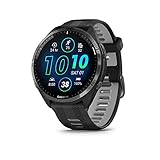
- Brilliant AMOLED touchscreen display with traditional button controls and lightweight titanium bezel
- Battery life: up to 23 days of battery life in smartwatch mode, up to 31 hours in GPS mode
- Confidently run any route using full-color, built-in maps and multi-band GPS
- Training readiness score is based on sleep quality, recovery, training load and HRV status to determine if you’re primed to go hard and reap the rewards (data presented is intended to be a close estimation of metrics tracked)
- Plan race strategy with personalized daily suggested workouts based on the race and course that you input into the Garmin Connect app and then view the race widget on your watch; daily suggested workouts adapt after every run to match performance and recovery
This is why athletes with high VO2 Max values but low weekly volume often see flat or declining Endurance Scores. The algorithm recognizes potential, but it measures realized endurance built through repeated submaximal work.
Training Load: The raw material Endurance Score is built from
Training Load represents the accumulated physiological stress from your recent sessions, calculated primarily through EPOC-based models tied to heart rate or power. Endurance Score draws heavily from this history, but it filters load differently than daily or weekly dashboards.
Short-term load spikes can raise Acute Load and even improve Training Status without meaningfully moving Endurance Score. The endurance model prioritizes sustained load accumulation across weeks and months, especially at intensities that can be repeated consistently.
This explains why aggressive training camps sometimes fail to boost Endurance Score as much as expected. Without follow-up consistency, the algorithm treats those spikes as transient stress rather than durable adaptation.
Load Focus and intensity balance: Why easy miles matter more than you think
Garmin’s Load Focus categories provide critical context for Endurance Score interpretation. Low Aerobic and High Aerobic work contribute far more reliably to Endurance Score growth than repeated anaerobic-heavy weeks.
Endurance Score is biased toward training that improves fatigue resistance, not peak power or speed. Long runs, steady endurance rides, and tempo work done below threshold accumulate the kind of load the model associates with long-duration performance.
When Load Focus skews heavily anaerobic, Training Load may look impressive while Endurance Score stagnates. This disconnect often surprises athletes coming from race-prep phases heavy on intervals.
Recovery metrics: The invisible governor on endurance gains
While Endurance Score does not directly factor Body Battery or HRV Status into its calculation, recovery metrics indirectly shape the data feeding it. Poor recovery leads to suppressed heart rate variability, elevated resting heart rate, and reduced training quality.
Sessions performed while under-recovered often register as higher stress for lower output. Over time, this erodes the efficiency signals that support endurance growth in the algorithm.
Athletes who protect sleep, manage life stress, and respect recovery windows tend to see smoother Endurance Score trends, even at similar training volumes.
Why Endurance Score lags behind fitness improvements
Unlike VO2 Max, which can respond within weeks, Endurance Score is intentionally slow-moving. It waits for confirmation through repeated training patterns before acknowledging improvement.
This lag is a feature, not a flaw. It reduces the influence of short-term anomalies like unusually good conditions, taper effects, or temporary motivation spikes.
For experienced endurance athletes, this often means Endurance Score improves after performance does. Race results, long-run durability, and subjective fatigue resistance frequently lead the metric by several weeks.
Putting the metrics together in real-world terms
Think of VO2 Max as your ceiling, Training Load as your daily currency, and Endurance Score as your long-term savings account. You can earn quickly, but withdrawals from inconsistency or overload happen just as fast.
The athletes who improve Endurance Score most reliably are not those chasing the highest numbers in isolation. They are the ones whose VO2 Max trends upward slowly, whose Training Load remains stable and repeatable, and whose recovery metrics stay within healthy ranges.
Reading these metrics together allows you to train with intent rather than reactively. Endurance Score becomes most useful when it confirms what your training habits already suggest, not when it is treated as a standalone goal.
Training Behaviors That Increase Endurance Score Over Time (Volume, Long Efforts, and Aerobic Density)
If Endurance Score reflects what your body can sustain repeatedly, then the behaviors that raise it are unsurprising but often misunderstood. Garmin’s algorithm is not impressed by occasional hero workouts or isolated breakthroughs.
It looks for durable patterns: how much work you can absorb, how often you repeat it, and how efficiently your cardiovascular system handles long durations at manageable stress.
Progressive volume is the primary driver
Endurance Score responds most strongly to total weekly training volume accumulated consistently over time. This includes running, cycling, swimming, and other endurance-tagged activities, weighted by duration and physiological cost rather than pace or power alone.
A steady increase in weekly hours, even at moderate intensity, sends a strong signal to the algorithm that your aerobic base is expanding. Sudden volume spikes may boost Training Load short term but rarely translate into Endurance Score gains unless they become repeatable.
For advanced athletes, this often means accepting that small volume increases sustained for months matter more than aggressive build phases followed by forced reductions. Garmin is effectively asking: can you live at this workload, not just visit it.
Long efforts teach the algorithm durability
Long runs, long rides, and extended aerobic sessions carry disproportionate weight in Endurance Score trends. These sessions demonstrate fatigue resistance, pacing control, and cardiovascular stability across time, which are central to endurance capacity.
From Garmin’s perspective, two hours at steady aerobic output is more informative than a sharp interval session of the same Training Load. Heart rate drift, decoupling, and efficiency during these long efforts influence how your endurance profile is interpreted.
This is why athletes often see Endurance Score rise during base phases or ultra-focused blocks, even when VO2 Max remains flat. The algorithm is detecting sustained output under low-to-moderate stress, not peak performance.
Aerobic density matters more than intensity spikes
Aerobic density refers to how much low-to-moderate intensity work you accumulate relative to high-intensity sessions. Endurance Score improves fastest when a large proportion of training occurs below your aerobic threshold, where heart rate remains controlled and recoverable.
High-intensity work still plays a role, especially for maintaining VO2 Max, but excessive anaerobic emphasis can suppress Endurance Score by inflating stress without increasing sustainable output. Garmin penalizes this imbalance indirectly through elevated heart rate responses and reduced efficiency.
Athletes training in polarized or pyramidal models tend to align well with this behavior, as long as the easy days are truly easy and frequent. The score rewards restraint as much as effort.
Consistency outweighs perfect weeks
Garmin’s Endurance Score algorithm values repeatability above all else. A solid, slightly imperfect week repeated ten times will move the score more than one flawless week followed by disruption.
Missed sessions, illness, travel, or abrupt training gaps introduce noise that slows recognition of progress. Even when performance rebounds quickly, Endurance Score waits for confirmation through resumed patterns.
This explains why endurance athletes returning from breaks often feel fit before the metric agrees. The algorithm needs to see that the behavior is back, not just the capability.
Efficiency signals come from controlled fatigue, not exhaustion
Sessions performed in a deeply fatigued state often look worse to Garmin than they feel to the athlete. Elevated heart rate for a given pace or power reduces efficiency markers that support Endurance Score growth.
This is where recovery behavior intersects with training behavior. Long efforts performed while reasonably fresh show cleaner cardiovascular responses and more favorable aerobic signals.
In practical terms, one high-quality long session supported by good sleep and fueling does more for Endurance Score than stacking long sessions while under-recovered.
Multi-sport volume builds endurance faster than single-discipline overload
For triathletes and cross-trained athletes, spreading volume across multiple endurance modalities can accelerate Endurance Score gains. Cycling and swimming add aerobic work with lower orthopedic cost, allowing higher total volume without excessive fatigue.
Garmin aggregates endurance stress across supported activities, so a long ride contributes meaningfully even if running volume stays stable. This is especially valuable for older athletes or those managing impact-related limitations.
The algorithm does not care how you accumulate aerobic time, only that your cardiovascular system is repeatedly challenged and adapts efficiently.
What athletes misinterpret when chasing Endurance Score
Trying to “game” Endurance Score by forcing longer sessions or ignoring recovery usually backfires. Elevated stress, poor sleep, and declining efficiency slow the metric even if raw volume increases.
Similarly, constantly changing training structure prevents the algorithm from confirming adaptation. Variety has value, but not at the expense of recognizable patterns.
Endurance Score improves when training becomes boring in the best sense: familiar routes, repeatable efforts, and workloads your body learns to handle with less strain over time.
How this should shape your training decisions
If your Endurance Score is stagnant, the solution is rarely more intensity. It is usually more time at manageable effort, distributed consistently across weeks.
Think in terms of adding density before adding difficulty. Extend long efforts slightly, add an extra aerobic session, or improve recovery so existing volume registers as lower stress.
When Endurance Score rises, it is Garmin confirming what experienced endurance athletes already know: endurance is built quietly, patiently, and through habits that hold up month after month.
Intensity Balance: Why Easy Miles Matter More Than You Think for Endurance Score Growth
All of the consistency and volume discussed so far only works if intensity is distributed correctly. This is where many well-trained Garmin users unintentionally stall their Endurance Score despite doing “enough” training on paper.
Garmin’s Endurance Score is heavily influenced by how efficiently you accumulate aerobic work over time. Intensity balance determines whether that work registers as sustainable adaptation or as repeated stress that never fully converts into durable endurance.
What Garmin actually sees when intensity is misbalanced
Garmin does not evaluate workouts emotionally or contextually. It looks at heart rate behavior, pace or power stability, recovery trends, and how your body responds to repeated sessions across weeks.
When too much training drifts into moderate or high intensity, heart rate variability declines, recovery time extends, and Training Load skews toward high aerobic or anaerobic stress. Endurance Score growth slows because the system detects strain without efficiency.
Easy sessions, when truly easy, show lower cardiac drift, faster recovery, and improving efficiency over time. These signals are exactly what the Endurance Score algorithm is designed to reward.
The quiet dominance of low-intensity volume
Low-intensity work forms the base of nearly every successful endurance training model for a reason. It maximizes mitochondrial development, capillary density, and fat oxidation while minimizing recovery cost.
Rank #3

- Our brightest AMOLED touchscreen display with button controls and an aluminum bezel in 42 mm size to fit smaller wrists
- Up to 10 days of battery life in smartwatch mode and up to 18 hours in GPS mode for a more complete picture of your training and recovery
- Train for an event, achieve a milestone, or improve your fitness with Garmin Coach training plans; these running and triathlon plans are personalized to you and adapt based on your performance and recovery
- Training readiness score is based on sleep quality, recovery, training load and HRV status to determine if you’re primed to go hard and get the most out of your workout (data presented is intended to be a close estimation of metrics tracked)
- Built-in microphone and speaker let you make and take phone calls from your wrist when your watch is paired to your smartphone — and you can even use your smartphone’s voice assistant to respond to text messages and more
From Garmin’s perspective, this kind of training accumulates a large amount of “useful” endurance stress without triggering compensatory fatigue. Over weeks, this creates the pattern of adaptation that drives Endurance Score upward.
If most sessions feel controlled and repeatable day after day, you are likely in the intensity zone where Endurance Score thrives. If every session feels like it requires motivation or recovery afterward, intensity is probably too high.
Why “moderate” effort is the most common Endurance Score killer
Many athletes think they are training easy when they are actually training moderately hard. Heart rate sits just below threshold, breathing is controlled but noticeable, and pace feels productive.
Garmin often classifies these sessions as high aerobic load, which adds stress quickly but does not scale well with volume. Stack too many of these efforts, and the algorithm sees chronic load without sufficient recovery.
This is why athletes can increase weekly hours yet see Endurance Score flatten. The volume is there, but the intensity distribution prevents long-term efficiency gains.
Easy means easier than most athletes think
For Endurance Score growth, easy sessions should feel almost underwhelming. Heart rate should remain comfortably below aerobic threshold, conversation should be effortless, and pace or power should feel intentionally restrained.
Garmin’s own zone models help here, but perceived exertion is equally important. If you finish an easy session feeling like you could repeat it immediately, you are likely in the right place.
These sessions are not about fitness expression. They are about fitness accumulation, which Garmin’s algorithms track exceptionally well over time.
Intensity balance and weekly structure
Most athletes see the best Endurance Score progression when 70 to 85 percent of total endurance time stays in low intensity zones. The remaining intensity is purposeful, limited, and placed strategically.
Garmin does not require a specific polarized or pyramidal model, but it clearly responds best when hard sessions are distinct and easy sessions remain truly easy. Blurring that line confuses both your physiology and the data.
A week with fewer intense sessions but more total aerobic time often produces a stronger Endurance Score response than a week packed with hard efforts.
How recovery amplifies the value of easy miles
Easy training only works if it is supported by recovery that allows adaptation to register. Sleep quality, HRV stability, and Body Battery trends all indirectly influence how Garmin interprets your endurance capacity.
When easy days are followed by good sleep and stable morning metrics, Garmin detects improving efficiency. That efficiency compounds across weeks and directly feeds Endurance Score growth.
If easy days still suppress recovery metrics, they are not easy enough. The watch is telling you that intensity balance needs adjustment.
Why experienced athletes benefit the most from slowing down
Advanced athletes often struggle with easy intensity because their baseline fitness is high. What feels slow can feel unproductive or even uncomfortable mentally.
Garmin’s Endurance Score can be a useful external validator here. When athletes deliberately slow down, they often see steadier upward trends despite fewer heroic workouts.
This is not regression. It is refinement, and Garmin’s long-term metrics are designed to recognize it.
Using Garmin feedback to dial in intensity precisely
Post-activity metrics like Training Effect, recovery time, and aerobic load distribution offer immediate clues. Over time, HRV trends and resting heart rate confirm whether intensity balance is working.
Endurance Score responds slowly by design, so patience matters. When easy miles dominate your training and recovery stabilizes, the score almost always follows.
If progress stalls, intensity is the first variable to audit, not volume, not equipment, and not motivation.
Consistency, Recovery, and HRV — How Poor Recovery Can Stall or Reverse Your Endurance Score
If intensity balance sets the direction of your Endurance Score, recovery determines whether that direction actually leads anywhere. Garmin’s long-term endurance modeling assumes that training stress only converts into usable fitness when recovery signals remain stable.
This is where many well-trained athletes plateau. They are doing enough work, often excellent work, but the physiological space needed for adaptation never fully opens.
Why Endurance Score is as much about recovery as training
Garmin’s Endurance Score is not a simple accumulation of miles or hours. It is a rolling estimate of how much sustained work your body can absorb and repeat without breaking down.
When recovery metrics deteriorate, Garmin interprets that as reduced durability, not increased toughness. Even if volume stays high, the model becomes more conservative when signs of strain persist.
This is why two athletes with identical training loads can see opposite Endurance Score trends. One is absorbing the work, the other is surviving it.
HRV stability is the silent gatekeeper of progress
Heart Rate Variability acts as Garmin’s primary lens into autonomic balance. Stable or gently rising overnight HRV suggests your nervous system is adapting rather than defending.
When HRV trends downward for several days, the algorithm assumes accumulated fatigue. Endurance Score growth often stalls here, even if workouts still feel manageable.
What frustrates athletes is that HRV does not respond instantly to rest days. It reflects recovery quality across sleep, stress, nutrition, and cumulative training decisions, not just yesterday’s effort.
Body Battery trends matter more than daily highs
Many users fixate on hitting 100 Body Battery after a rest day. Garmin cares far more about whether you are recharging consistently and starting sessions with adequate reserves.
Repeatedly training hard while beginning the day at 30 or 40 Body Battery signals chronic under-recovery. Over time, this erodes Garmin’s confidence in your sustainable endurance.
A healthy pattern is not perfection but predictability. Moderate depletion followed by reliable recharge tells the system your training rhythm is stable.
Sleep quality is the multiplier, not the accessory
Garmin’s sleep tracking feeds directly into HRV, resting heart rate, and recovery estimates. Poor sleep compresses recovery even when training volume is unchanged.
Athletes often underestimate how fragmented sleep affects Endurance Score trends. You can maintain weekly mileage and still lose ground if sleep efficiency drops.
Consistently good sleep does not just prevent regression. It amplifies the adaptive value of aerobic training that would otherwise plateau.
How inconsistency quietly erodes long-term endurance
Missed sessions are not inherently harmful. What Garmin penalizes is volatility, especially repeated cycles of overload followed by forced rest.
Endurance Score favors steady, repeatable exposure to aerobic work. Large spikes followed by gaps reduce the algorithm’s confidence in your endurance durability.
This is why modest but uninterrupted training blocks often outperform ambitious plans that are difficult to sustain. Consistency smooths the signal Garmin is trying to interpret.
Recognizing the early warning signs before the score drops
Endurance Score rarely collapses without advance notice. HRV suppression, elevated resting heart rate, longer suggested recovery times, and incomplete Body Battery recharge usually appear first.
When these signals cluster, Garmin is effectively warning that adaptation is at risk. Ignoring them does not make the data wrong, it just delays the consequence.
Athletes who respond early with reduced intensity or improved recovery habits often avoid score regression entirely.
Practical recovery strategies that actually move the needle
The most effective recovery interventions are boring and repeatable. Slightly earlier bedtimes, consistent wake times, and protecting easy days from intensity creep produce measurable changes in HRV.
Fueling matters as well, particularly carbohydrate availability on higher-volume days. Under-fueling elevates stress responses even when workouts feel controlled.
Stress outside training counts too. Garmin does not distinguish between work stress and training stress when modeling endurance capacity.
Why advanced athletes are more vulnerable to recovery errors
Highly trained athletes operate closer to their adaptive ceiling. Small recovery deficits have outsized effects compared to beginners.
Because fitness is high, warning signs are easier to dismiss. Performance may hold steady while underlying durability declines.
Garmin’s Endurance Score often detects this before race results do. When the score stagnates despite disciplined training, recovery is usually the missing variable.
Using Garmin’s ecosystem to protect long-term gains
Metrics like Training Readiness, HRV Status, and Recovery Time exist to contextualize effort, not restrict it. They help identify when consistency is becoming strain.
Endurance Score improves when these signals are respected over weeks, not overridden for single workouts. The algorithm rewards athletes who train with restraint as much as ambition.
Rank #4

- Easy-to-use running watch monitors heart rate (this is not a medical device) at the wrist and uses GPS to track how far, how fast and where you’ve run.Special Feature:Bluetooth.
- Battery life: up to 2 weeks in smartwatch mode; up to 20 hours in GPS mode
- Plan your race day strategy with the PacePro feature (not compatible with on-device courses), which offers GPS-based pace guidance for a selected course or distance
- Run your best with helpful training tools, including race time predictions and finish time estimates
- Track all the ways you move with built-in activity profiles for running, cycling, track run, virtual run, pool swim, Pilates, HIIT, breathwork and more
Recovery is not the opposite of progress. In Garmin’s model, it is the condition that allows endurance to compound rather than decay.
Common Mistakes That Suppress Endurance Score (Overtraining, Short-Only Sessions, and Device Gaps)
If recovery is the foundation of sustainable endurance, the mistakes below are the cracks that slowly undermine it. Most athletes who see a flat or declining Endurance Score are not under-training, they are training in ways the algorithm correctly interprets as fragile or incomplete adaptation.
These issues are subtle because they often coexist with strong motivation and high weekly activity. Garmin’s modeling punishes inconsistency and imbalance more than missed workouts.
Overtraining disguised as consistency
The most common suppressor of Endurance Score is chronic training load that exceeds recovery capacity. This usually does not show up as obvious burnout but as persistently elevated HRV stress, shortened sleep duration, and reduced parasympathetic rebound.
Garmin weights long-term durability, not heroic weeks. Stacking moderately hard sessions without true low-intensity days signals accumulating fatigue, even when volume looks reasonable on paper.
Many advanced athletes fall into the “always moderate” trap. Workouts feel controlled, but the lack of clear easy days prevents full recovery and blunts endurance adaptation.
Training Readiness and Recovery Time are often ignored here. When these metrics remain suppressed for multiple days, Endurance Score typically plateaus or regresses shortly after.
Too much intensity, not enough aerobic time
Endurance Score favors accumulated low- and moderate-intensity duration over short, high-intensity bursts. Athletes coming from interval-heavy programs often struggle to raise the score despite improving speed or power.
Short sessions under 30 minutes rarely contribute meaningfully unless they are stacked consistently across the week. Garmin’s algorithm looks for sustained cardiovascular stress that signals structural endurance, not just metabolic spikes.
This is especially visible in runners and cyclists who rely heavily on HIIT or race-pace efforts. VO2 Max may rise, but Endurance Score lags because aerobic durability is not being reinforced.
Long Zone 2 sessions, even when unglamorous, are disproportionately powerful. One to two extended low-intensity workouts per week often move the score more than adding another interval day.
The “busy athlete” problem: fragmented training
Inconsistent scheduling suppresses Endurance Score more than missed volume. Training three days hard and then disappearing for four days creates volatility the algorithm interprets as low durability.
Garmin rewards repeatability. Smaller, evenly spaced sessions accumulate endurance more effectively than sporadic long efforts separated by inactivity.
This is where lifestyle stress intersects with training. Work travel, irregular sleep, and shifting workout times disrupt recovery signals, even if total hours look adequate.
Body Battery trends often reveal this pattern before Endurance Score does. Frequent partial recharges indicate the system is never fully resetting.
Device gaps and incomplete data capture
Endurance Score is only as accurate as the data feeding it. Switching watches, training without a compatible device, or recording workouts inconsistently creates artificial stagnation.
Athletes who rotate between an older Garmin for daily wear and a newer model for workouts often miss background metrics like HRV Status, resting heart rate trends, and all-day stress. The algorithm sees incomplete context and responds conservatively.
Battery anxiety can also suppress scores indirectly. Shortened GPS usage, disabling sensors, or truncating long activities to preserve charge reduces recorded endurance stimulus.
This is where higher-end models quietly matter. Watches like the Forerunner 955, Forerunner 965, Fenix 7 series, and Epix (Gen 2) offer multi-day battery life with full sensor tracking, enabling consistent data capture without compromises.
Under-fueling and dehydration masking as “good discipline”
Garmin does not measure calories directly, but it detects physiological strain. Under-fueled sessions elevate heart rate and stress responses relative to output, signaling inefficiency rather than endurance.
Athletes chasing leanness often see Endurance Score stall despite increased volume. The algorithm interprets the elevated strain as reduced durability.
Hydration plays a similar role, particularly in long sessions. Dehydration amplifies cardiovascular drift, which Garmin reads as rising fatigue rather than productive load.
Consistent fueling improves not just performance but the data profile Garmin uses to model endurance. Stable heart rate responses over long durations are one of the strongest positive signals.
Ignoring early warning signals because performance feels fine
One of the most dangerous mistakes is trusting pace, power, or race results over physiological trends. Endurance Score often declines before performance does.
This lag creates false confidence. Athletes continue pushing because workouts still “work,” while durability erodes quietly underneath.
Garmin’s strength is detecting this gap. Declining HRV Status, rising Recovery Time, and flat Endurance Score together indicate risk even when PRs are still falling.
The athletes who improve their score most reliably are not the ones who train hardest. They are the ones who adjust earliest, while the data is still whispering rather than shouting.
How Long It Takes to See Endurance Score Improvements and What ‘Normal’ Progress Looks Like
After adjusting training habits earlier than performance forces you to, the next question is inevitable: how long before the Endurance Score actually moves.
This is where many athletes lose confidence in the metric. Endurance adaptations happen slowly, and Garmin is deliberately conservative about crediting them.
The baseline period: why the first 3–4 weeks often feel unresponsive
When Endurance Score is new, or after a long break, Garmin spends several weeks establishing what “normal” looks like for your physiology. During this phase, the score may barely move, even if training volume increases.
This is not a failure of effort. The algorithm needs repeated long-duration sessions, consistent heart rate behavior, and stable recovery patterns before it trusts that changes are structural rather than noise.
Expect the first meaningful trend to appear after roughly 21–30 days of consistent training with reliable sensor data. Sporadic long workouts do not shorten this window.
Early gains are modest by design
Once the baseline is established, improvements tend to come in small increments. For most trained runners and cyclists, normal progress looks like a gradual rise of 2–5 points over several weeks.
Garmin heavily discounts sudden jumps in volume or intensity. If you double your long ride duration one weekend, the score may barely respond until that workload repeats without excessive recovery cost.
This frustrates athletes used to seeing VO2 Max or FTP react faster. Endurance Score is modeling durability, not peak output.
What steady progress actually looks like on the graph
Healthy progression rarely appears as a smooth upward line. Instead, it looks like shallow climbs followed by plateaus.
A common pattern is a two- to three-week rise, a flat period while the body consolidates adaptations, then another small step up. This staircase effect is normal and desirable.
If the score is flat but not declining, while Recovery Time stays manageable and HRV Status remains balanced, endurance is still improving under the hood.
Why plateaus are not a signal to add more volume
Plateaus tempt athletes to push harder. In most cases, that is the wrong response.
Garmin already accounts for training load and intensity balance. Adding volume when the score is stable often increases strain faster than durability, which can stall progress or reverse it.
Plateaus usually resolve when consistency improves, not when sessions get longer. Cleaner fueling, better sleep, and fewer “almost recovered” workouts matter more than raw hours.
The role of long sessions and why frequency beats hero workouts
Endurance Score responds best to repeated exposure to long-duration efforts at sustainable intensity. One six-hour ride helps less than three steady three-hour rides spread across weeks.
The algorithm looks for stable heart rate and power relationships over time. When similar sessions show less drift and lower relative strain, the score begins to climb.
This is why athletes with disciplined weekly long runs often outscore those with occasional epic days followed by deep fatigue.
How illness, stress, and life interruptions show up
Endurance Score is slow to rise but quick to protect itself. Illness, poor sleep streaks, or elevated stress can halt progress within days.
Short interruptions usually result in flat lines rather than drops. Longer disruptions, especially with missed long sessions, can lead to gradual declines after two to three weeks.
This is not punishment. Garmin is removing confidence in your current durability until consistent signals return.
What a “good” annual improvement looks like for trained athletes
For intermediate endurance athletes, a 10–20 point improvement over a year is strong progress. Advanced athletes may see less, often 5–10 points, because they start closer to their ceiling.
💰 Best Value

- Brilliant AMOLED touchscreen display with traditional button controls; lightweight design in 46 mm size
- Up to 13 days of battery life in smartwatch mode and up to 20 hours in GPS mode
- As soon as you wake up, get your morning report with an overview of your sleep, recovery and training outlook alongside HRV status, training readiness and weather (data presented is intended to be a close estimation of metrics tracked)
- Plan race strategy with personalized daily suggested workouts based on the race and course that you input into the Garmin Connect app and then view the race widget on your watch; daily suggested workouts adapt after every run to match performance and recovery
- Training readiness score is based on sleep quality, recovery, training load and HRV status to determine if you’re primed to go hard and get the most out of your workout (data presented is intended to be a close estimation of metrics tracked)
Large jumps are more common when fixing foundational issues like under-fueling, excessive intensity, or inconsistent long sessions. Once those are resolved, progress naturally slows.
This tapering rate is a sign the metric is doing its job. True endurance is built layer by layer, not rewritten every training block.
Why higher-end watches make progress easier to see
Reliable timelines depend on reliable data. Watches with longer battery life and full sensor suites capture the long sessions that matter most.
Models like the Forerunner 955 and 965, Fenix 7 series, and Epix (Gen 2) allow multi-hour GPS activities with continuous heart rate, HRV, and Training Load tracking without compromise. Their comfort, lighter cases, and stable optical sensors reduce dropouts that can delay Endurance Score recognition.
In practice, athletes using these watches see cleaner trends and faster confirmation of real improvements, not because the algorithm changes, but because the data feeding it is complete.
When slow progress is actually the best sign
The athletes who improve Endurance Score most sustainably often feel underwhelmed by it. The changes are subtle, the feedback restrained, and the rewards delayed.
That restraint is the point. When the score finally moves, it usually reflects adaptations that last across seasons, not just weeks.
If your Endurance Score is inching upward while workouts feel repeatable and recovery is predictable, you are exactly where Garmin intends you to be.
Which Garmin Watches Support Endurance Score (2026 Updated List with Hardware Requirements)
If Endurance Score has felt slow or stubborn to move, the watch on your wrist matters more than many athletes realize. The algorithm itself is consistent across devices, but the quality, continuity, and depth of data feeding it varies significantly by model.
Garmin limits Endurance Score to watches that can sustain long-duration GPS tracking, continuous optical heart rate, advanced Training Load calculations, and recovery context like HRV status. That immediately narrows the field to mid- and high-tier performance models rather than lifestyle-focused wearables.
Core hardware and software requirements
At a minimum, a watch must support Training Load, VO2 Max, and long-term activity history with full heart rate capture. In practice, that means multi-hour GPS recording with stable wrist-based HR and no aggressive battery-saving shortcuts.
HRV Status is not strictly required to display Endurance Score, but it plays a major role in how confidently the score updates. Watches without overnight HRV tracking often show slower confirmation of improvements because recovery context is incomplete.
Battery life is the silent requirement. If your watch regularly forces you to shorten long runs, disable GPS, or skip ultra-distance rides, your Endurance Score will lag regardless of fitness.
Forerunner series that support Endurance Score
For runners and triathletes, the Forerunner line is the most accessible entry point into reliable Endurance Score tracking.
The Forerunner 255 and 265 support Endurance Score with full Training Load, HRV Status, and multi-constellation GPS. They are lightweight, plastic-bodied watches with excellent comfort for daily wear and sleep tracking, which matters for consistent HRV data. Battery life is strong enough for most marathon and Ironman training but not ideal for ultras without charging.
The Forerunner 955 and 965 remain the sweet spot for serious endurance athletes. They add longer battery life, onboard maps, and more robust activity memory, which helps preserve uninterrupted data across long sessions and training camps. The 965’s AMOLED display improves readability without sacrificing training metrics, while the 955’s MIP display favors extreme battery longevity.
Fenix 7 and Epix (Gen 2) families
The Fenix 7 series and Epix (Gen 2) are fully supported and arguably the most stable platforms for Endurance Score tracking. These watches are built for volume-heavy athletes who train year-round and frequently exceed four to six hours per session.
The Fenix 7 uses a transflective display and offers solar charging variants, making it particularly effective for multi-day endurance blocks and ultra-distance events. The Epix (Gen 2) trades some battery life for a high-resolution AMOLED screen, which many athletes prefer for daily usability and mapping clarity.
Both families feature metal cases, sapphire options, excellent button durability, and rock-solid optical heart rate performance during long steady-state efforts. That consistency translates directly into cleaner Endurance Score trends over months and years.
Enduro, Tactix, and expedition-grade models
The Enduro 2 is purpose-built for extreme endurance athletes. Its massive battery capacity, solar assist, and lightweight titanium construction allow uninterrupted tracking across ultra races and multi-day adventures without power anxiety. From an Endurance Score perspective, it captures the longest and most influential sessions with the least compromise.
Tactix 7 models share the same underlying platform as Fenix 7, including full Endurance Score support. While some tactical features are irrelevant to athletes, the hardware is identical in terms of sensors, durability, and training metrics.
These watches are overkill for many users, but for ultra runners, expedition racers, or athletes who train far from charging access, they remove the last barriers to complete endurance data.
MARQ (Gen 2) performance models
MARQ Gen 2 watches support Endurance Score, but they occupy a niche space. Internally, they share much of the Epix platform, including sensors and training algorithms, but with luxury materials, heavier cases, and premium pricing.
They are fully capable endurance tools, yet their weight, cost, and aesthetic focus make them less common among volume-driven athletes. If owned, they track Endurance Score accurately, but they are rarely the most practical choice for improving it.
Watches that do not support Endurance Score
Lifestyle-focused Garmin watches like Venu, Vivoactive, Lily, and most hybrid models do not support Endurance Score. These devices lack Training Load, long-term endurance modeling, or sustained GPS tracking needed for the metric.
Most Instinct models also do not display Endurance Score, despite excellent battery life, because they omit parts of Garmin’s advanced training framework. They are rugged and reliable but limited in algorithmic depth.
If Endurance Score is a priority, these watches will cap your visibility no matter how consistent your training becomes.
Choosing the right watch for long-term Endurance Score progress
The best watch for improving Endurance Score is not the most expensive one, but the one you can wear continuously and trust during long sessions. Comfort during sleep, reliable heart rate capture, and battery life that matches your longest workouts matter more than screen type or materials.
Athletes training up to marathon or half-Ironman distances will find the Forerunner 255 or 265 sufficient. Those building multi-year durability for ultras, Ironman, or high-volume cycling benefit from the Forerunner 955/965, Fenix 7, or Epix Gen 2.
Endurance Score rewards consistency, not heroics. The right watch simply removes friction, ensuring your hardest-earned adaptations are actually seen, measured, and preserved.
Choosing the Right Garmin Watch for Endurance Score Tracking (Battery Life, Multiband GPS, and Endurance Use Cases)
Once you understand how Endurance Score responds to training consistency, volume, and recovery, the watch choice becomes a practical question rather than a spec-sheet contest. The goal is to pick a device that can capture long sessions accurately, survive multi-day training blocks, and remain comfortable enough to wear around the clock.
Endurance Score is only as good as the data feeding it. Battery life, GPS reliability, and uninterrupted wear matter more here than display resolution or premium materials.
Why battery life matters more than you think
Endurance Score relies on weeks and months of uninterrupted training data, not isolated workouts. A watch that forces you to ration GPS usage or skip sleep tracking introduces gaps that slow score progression and reduce accuracy.
For runners training under 8–10 hours per week, mid-range battery performance is sufficient. For ultra runners, Ironman athletes, and high-volume cyclists, battery anxiety becomes a limiting factor in both training execution and data quality.
In real-world use, AMOLED models like the Forerunner 265 or Epix Gen 2 deliver excellent daily usability but shorter GPS runtime. MIP-based watches like the Forerunner 955 and Fenix 7 trade screen vibrancy for endurance that better matches long outdoor sessions.
Multiband GPS and endurance accuracy
Multiband GPS is not about prettier maps. It reduces pace drift, distance inflation, and elevation errors that compound over long sessions, especially in urban corridors, forests, and mountainous terrain.
When distance and pace accuracy degrade, Training Load calculations become less precise. Over time, that can subtly skew your Endurance Score trend, particularly if your training includes long steady-state efforts or back-to-back long days.
For athletes training in complex environments, watches like the Forerunner 955/965, Fenix 7 series, and Epix Gen 2 provide more trustworthy inputs. In open-road or track-heavy training, single-band GPS on models like the Forerunner 255 or 265 is usually sufficient.
Comfort, weight, and 24/7 wear compliance
Endurance Score depends heavily on recovery metrics, including sleep and heart rate trends. If a watch is uncomfortable enough that you remove it overnight, you lose half the picture.
Lighter polymer-cased watches such as the Forerunner line excel here. They sit flatter on the wrist, move less during sleep, and reduce wrist fatigue during long runs.
Metal-cased watches like Fenix and Epix models are more durable and premium-feeling, but their added mass can be noticeable during sleep for some users. This is not a deal-breaker, but it is a personal tolerance factor worth acknowledging.
Endurance use cases and the right Garmin family
For marathon-focused runners and time-crunched athletes, the Forerunner 255 and 265 deliver everything Endurance Score needs with minimal bulk. They are light, accurate, and easy to live with, making consistency easier.
For athletes training toward ultras, Ironman, or multi-sport volume weeks, the Forerunner 955 or 965 offer a sweet spot. You gain longer battery life, onboard maps, multiband GPS, and deeper training feedback without the weight of flagship adventure watches.
Fenix 7 and Epix Gen 2 models are best suited to athletes who blend endurance training with long hikes, backcountry navigation, or multi-day efforts. Their durability, solar options on select models, and massive battery reserves align with extreme use cases where missed data is not acceptable.
Materials, durability, and real-world value
Sapphire glass, titanium bezels, and reinforced cases matter if your training regularly involves crashes, rock strikes, or expedition-style wear. They do not directly improve Endurance Score, but they protect the tool that measures it.
From a value perspective, spending more only makes sense if it removes friction. A less expensive watch worn 24/7 will outperform a premium model left on the charger during sleep or long runs.
Strap comfort also matters. Silicone straps work well for most athletes, but swapping to a nylon or hook-and-loop strap can significantly improve comfort during long sessions and overnight wear.
Making the choice that supports long-term progress
Endurance Score is a long game. The best watch is the one that quietly supports your training year after year without demanding compromises.
If your longest sessions fit comfortably within the battery limits of a lighter watch, choose comfort and wearability. If your training regularly pushes into double-digit hours or spans multiple days, prioritize battery life and GPS stability.
Ultimately, the right Garmin watch does not raise your Endurance Score on its own. It simply ensures that every mile, every recovery night, and every training block is captured faithfully, allowing your real fitness to accumulate, register, and compound over time.