Most Whoop band frustrations come from not fully understanding how its three core parts interact. Unlike a traditional watch strap with fixed lugs and holes, the Whoop 4.0 band is a tension-based system designed to float, flex, and self-adjust around your wrist throughout the day. Once you understand that relationship, swapping bands becomes easy and accurate fit becomes repeatable instead of guesswork.
This matters because fit directly affects data quality. Heart rate, HRV, sleep, and strain accuracy all depend on stable sensor contact without excessive pressure, and the band system is designed specifically to balance comfort with consistency. In this section, you’ll learn how the clasp, slider, and sensor housing work together, why they’re built the way they are, and how to avoid the common mistakes that lead to loose readings, skin irritation, or damaged hardware.
The Sensor Housing: The Anchor of the System
The Whoop 4.0 sensor housing is not just the tracking module, it’s the structural anchor for the entire band. The fabric band threads through integrated channels on the sensor itself, meaning the sensor is always under tension from both sides of the strap. This is intentional and ensures the sensor stays centered and flush against your skin.
Because the sensor has no traditional lugs or spring bars, removal and installation rely entirely on sliding the band free rather than snapping anything open. Pulling or twisting the sensor aggressively is one of the most common causes of cracked housings or stretched bands. All adjustments should happen through the clasp and slider, never by forcing the sensor.
🏆 #1 Best Overall
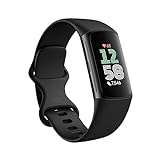
- Find your way seamlessly during runs or rides with turn-by-turn directions from Google Maps on Fitbit Charge 6[7, 8]; and when you need a snack break on the go, just tap to pay with Google Wallet[8, 9]
For accurate tracking, the sensor should sit about one finger-width above the wrist bone on the top of your arm. If it migrates toward the wrist joint or rotates underneath, that’s a fit issue, not a sensor problem.
The Clasp: Locking Tension Without Pressure Points
The Whoop clasp is a low-profile metal hook that locks the band into a closed loop. It’s designed to distribute tension evenly around the wrist rather than concentrating pressure at a buckle point like a watch clasp would. When closed correctly, it should lie flat and feel almost invisible.
The clasp is not meant to be forced open sideways. It disengages by lifting and sliding, and forcing it upward can bend the hook over time. If your clasp feels loose or pops open during workouts, it usually means the band tension isn’t set correctly at the slider, not that the clasp itself is faulty.
During band swaps, this is the best time to wipe the clasp down with a damp cloth or alcohol wipe. Sweat and skin oils accumulate here more than anywhere else, especially if you wear Whoop 24/7.
The Slider: Where Fit Is Actually Controlled
The slider is the most misunderstood part of the system and the key to a perfect fit. It controls how much fabric passes through the loop, effectively tightening or loosening the entire band while keeping tension evenly distributed. Once set correctly, you shouldn’t need to touch it often.
A properly adjusted slider allows the band to feel snug but flexible. You should be able to slide a fingertip under the band with mild resistance, and the sensor should not leave deep imprints or cause numbness. Over-tightening is a common mistake and often leads to inaccurate sleep and recovery data due to restricted blood flow.
Expect to re-adjust the slider for different activities. Many users benefit from a slightly tighter fit for training and a looser setting for sleep or all-day wear, especially if wrist size fluctuates with heat, hydration, or long sessions.
How All Three Work Together in Daily Wear
When set correctly, the sensor housing stays centered, the clasp locks tension without digging in, and the slider quietly maintains fit throughout movement. This is why Whoop feels different from a smartwatch, there’s no single rigid point, just controlled elasticity around the wrist.
If one part feels off, it usually affects the others. A drifting sensor often points to a loose slider. Clasp discomfort usually means uneven tension. Skin irritation can come from over-tightening or not cleaning the band during swaps.
Understanding this system now makes the next steps much easier. Once you know what each component is supposed to do, removing, swapping, and re-adjusting your Whoop 4.0 band becomes a controlled process instead of trial and error, and your data quality improves right along with comfort.
Before You Start: Prep Checks to Avoid Damaging the Clasp or Sensor Pod
Now that you understand how the sensor housing, clasp, and slider work together, the smartest move is to slow down before you touch anything. Most Whoop band damage doesn’t happen during workouts or daily wear, it happens during rushed band swaps when tension isn’t released or the pod is twisted the wrong way.
Taking thirty seconds to prep makes the entire process smoother and prevents stress on the clasp pins and sensor edges. This is especially important on the Whoop 4.0, where the hardware is lighter, thinner, and less forgiving than earlier generations.
Power and Sync Check: Start With a Stable Pod
You don’t need to turn the Whoop off, but you do want it in a calm state. Avoid swapping bands mid-workout or while the strap is under tension from movement, as this is when users instinctively pull harder than they should.
If your battery pack is attached, remove it first. The extra weight changes how the pod sits and increases the chance of twisting the sensor housing while you’re trying to release the band.
Fully Relax the Slider Before Touching the Clasp
This is the single most important prep step and the most common mistake. Before you even look at the clasp, slide the adjuster all the way open to remove tension from the fabric loop.
If the band is still snug on your wrist, take the Whoop off entirely rather than fighting it in place. Trying to pop the clasp while the band is tight puts lateral stress on the clasp pins and can permanently loosen their grip over time.
Check for Fabric Twist and Sensor Alignment
Lay the band flat in your hand and make sure the fabric isn’t twisted near the sensor housing. Twisted fabric creates uneven resistance and makes the clasp feel “stuck,” leading people to pry or force it open.
Confirm the sensor pod is sitting straight within the band channel. If it’s angled or partially lifted, gently straighten it before proceeding so the release motion stays smooth and controlled.
Clean and Dry Contact Points First
If the band is damp from sweat, showering, or swimming, dry it before removal. Wet fabric increases friction and can cause sudden slipping when the clasp releases, which is how pods get dropped onto hard floors.
This is also the ideal moment to wipe the sensor window and clasp interior with a soft cloth or alcohol wipe. Clean surfaces reduce resistance during removal and help ensure accurate skin contact when the new band goes on.
Use Your Hands, Not Your Fingernails or Tools
The Whoop 4.0 clasp is designed to release with finger pressure only. Fingernails, rings, or tools concentrate force in the wrong places and can chip the clasp edges or scratch the sensor housing.
Position your thumbs close to the clasp rather than pulling from the band fabric. Controlled pressure near the hardware keeps the release motion linear instead of twisting, which protects both the clasp and the pod.
Choose a Safe Surface Before You Release Anything
Always assume the sensor pod could slip free. Swap bands over a bed, towel, or tabletop rather than standing on tile or concrete.
The Whoop 4.0 sensor is durable for daily wear, but drops onto hard surfaces are a common cause of cosmetic damage and cracked sensor windows. A soft surface removes that risk entirely.
Know When to Stop and Reset
If the clasp doesn’t release easily, stop. Forcing it is never the solution and almost always means tension hasn’t been fully released or the fabric is misaligned.
Back up, open the slider further, straighten the band, and try again. When everything is properly prepped, the clasp should disengage with a smooth, deliberate motion, not a snap or jerk.
These prep checks set the tone for the entire swap process. When tension is removed, alignment is clean, and your hands are positioned correctly, removing and installing Whoop 4.0 bands becomes repeatable, safe, and stress-free, exactly how the system was designed to be used.
Step-by-Step: How to Remove a Whoop 4.0 Band Safely
With the prep work done, the actual removal is straightforward. The key is to follow the order Whoop designed into the clasp system rather than trying to improvise your own shortcut.
Step 1: Fully Open the Fast Link Slider
Start by sliding the Fast Link adjustment slider away from the sensor pod until it reaches its fully open position. You should feel resistance lessen as the fabric loosens and the band stops gripping the pod housing.
This step removes tension from the clasp mechanism. Trying to release the pod while the slider is still partially closed is the most common reason bands feel “stuck.”
Step 2: Lay the Band Flat and Straight
Place the band flat against your chosen soft surface with the sensor facing up. Make sure the fabric is not twisted or folded near the clasp.
Alignment matters more than force here. A straight band allows the clasp to disengage cleanly without stressing the plastic rails inside the pod.
Step 3: Locate the Clasp Release Points
On the underside of the sensor pod, you’ll see the two metal clasp arms seated into the band connector. These arms are spring-loaded and designed to release simultaneously.
Rest your thumbs on either side of the clasp area, close to the pod, rather than pulling from the fabric ends. This keeps pressure controlled and centered.
Step 4: Apply Even Pressure and Slide the Pod Out
Press gently inward on the clasp arms while sliding the sensor pod forward, away from the band. The motion should feel smooth and guided, not abrupt.
If the pod doesn’t move easily, stop and reset rather than pushing harder. A properly aligned clasp releases with steady pressure, not force.
Step 5: Support the Sensor as It Clears the Band
As the pod disengages, keep a finger underneath it so it doesn’t drop once free. The sensor is lightweight and easy to underestimate, especially if you’re used to traditional watch cases.
Set the pod aside with the sensor window facing up to avoid dust or oils transferring to the optics.
Step 6: Inspect the Clasp and Band Ends
Before installing a new band, take a moment to check the clasp arms and fabric channels. Look for lint, dried sweat, or fraying that could interfere with reinstallation.
Rank #2

- Inspire 3 is the tracker that helps you find your energy, do what you love and feel your best. All you have to do is wear it.Operating temperature: 0° to 40°C
- Move more: Daily Readiness Score(1), Active Zone Minutes, all-day activity tracking and 24/7 heart rate, 20+ exercise modes, automatic exercise tracking and reminders to move
- Stress less: always-on wellness tracking, daily Stress Management Score, mindfulness sessions, relax breathing sessions, irregular heart rhythm notifications(2), SpO2(3), menstrual health tracking, resting heart rate and high/low heart rate notifications
- Sleep better: automatic sleep tracking, personalized Sleep Profile(1), daily detailed Sleep Score, smart wake vibrating alarm, sleep mode
- Comfortably connected day and night: calls, texts & smartphone app notifications(4), color touchscreen with customizable clock faces, super lightweight and water resistant to 50 meters, up to 10 day battery life(5)
This quick inspection prevents fit issues later and helps maintain consistent skin contact, which directly affects heart rate accuracy and recovery tracking.
Common Removal Mistakes to Avoid
Do not pry the clasp arms outward or twist the pod sideways to “pop” it free. That motion stresses the internal rails and can permanently loosen the fit over time.
Avoid removing the band while wearing the device. Even experienced users drop pods this way, and it only takes one slip onto tile or concrete to cause damage.
When Removal Should Feel Easy
When tension is fully released, alignment is straight, and pressure is applied evenly, the pod should slide out with minimal effort. There should be no snapping sound and no visible bending of the clasp arms.
If removal feels difficult, that’s your cue to pause and reset, not to muscle through it. The Whoop 4.0 system is engineered for repeatable swaps, and when done correctly, it rewards patience with smooth, predictable movement.
Step-by-Step: How to Install a New Whoop 4.0 Band Correctly
With the sensor safely removed and inspected, installation is essentially the same process in reverse, but alignment and tension matter far more here. Taking an extra minute now prevents tracking gaps, skin irritation, and premature wear on the clasp.
Step 1: Identify the Correct Band Orientation
Lay the new band flat on a clean surface and note which side is meant to sit against your skin. The inner face is typically softer and less textured, designed to reduce friction during long wear and sleep.
Check the direction of the clasp rails. The sensor pod only slides in one way, and forcing it backward is one of the most common causes of loose or uneven seating.
Step 2: Clean the Sensor Pod Before Installation
Before sliding the pod into the new band, wipe the sensor window with a dry microfiber cloth. This removes skin oils or lint that may have transferred during removal.
If you’ve just finished a workout or swim, make sure the pod is fully dry. Moisture trapped between the sensor and band can affect comfort and long-term durability, especially with fabric straps.
Step 3: Align the Pod Squarely With the Band Rails
Hold the band steady and bring the pod straight into the clasp opening, keeping it level with the rails. The edges of the pod should line up evenly on both sides before you apply any pressure.
This alignment step is critical. If the pod is even slightly angled, it will resist sliding and may catch on one clasp arm before the other.
Step 4: Slide the Pod In Using Controlled, Even Pressure
Using your thumbs, press gently on the back of the pod and guide it forward into the band. The motion should feel smooth and consistent, with light resistance as the clasp arms engage.
You should not hear a snap or click. A properly installed Whoop 4.0 band secures through friction and rail tension, not forceful locking.
Step 5: Confirm the Pod Is Fully Seated
Once inserted, check that the pod sits flush with the band ends on both sides. There should be no visible gap, tilt, or ability to rock the pod side to side.
Run a finger along the clasp area. If you feel uneven edges or movement, slide the pod out and repeat the alignment rather than trying to adjust it in place.
Step 6: Put the Band On Before Final Tightening
Slip the band onto your wrist or bicep before adjusting tension. Whoop is designed to be fitted on-body, since tightening it flat on a table often leads to over-tightening once worn.
Position the sensor on the top of the wrist, slightly back from the wrist bone. This placement improves optical contact and reduces dropouts during movement.
Step 7: Adjust for a Secure but Comfortable Fit
Tighten the band until it feels snug, then back off slightly. The sensor should stay in place during arm movement without digging into the skin or leaving deep pressure marks.
As a rule of thumb, you should be able to slide one finger under the band with light resistance. Too loose causes data gaps; too tight can restrict blood flow and reduce signal quality.
Step 8: Lock the Clasp and Check for Slippage
Once adjusted, secure the clasp and rotate your wrist through a full range of motion. The pod should not slide, rotate excessively, or shift off-center.
If it moves during this check, tighten in small increments rather than pulling aggressively. Micro-adjustments preserve fabric integrity and keep the clasp tension balanced.
Step 9: Recheck Fit After 10–15 Minutes
Wear the band for a short period, then reassess fit. Skin temperature and circulation changes can slightly alter how the band sits, especially after a fresh install.
This is particularly important when switching between band materials. Knit, ProKnit, and HydroKnit bands all settle differently once warmed by the body.
Activity-Specific Fit Adjustments to Keep in Mind
For sleep and all-day wear, prioritize comfort with a slightly looser fit that maintains consistent contact. This reduces pressure buildup over long sessions and improves recovery tracking accuracy.
For high-intensity training or impact sports, tighten the band marginally to limit movement. Always loosen it again afterward to avoid unnecessary strain on the clasp and fabric.
Installation Mistakes That Cause Long-Term Issues
Avoid installing the pod while the band is twisted. Even a small twist can create uneven pressure points and lead to chafing or inconsistent heart rate readings.
Never force the pod if it stops halfway. Resistance means misalignment, not a tight tolerance, and pushing through it risks damaging the internal rails.
When Installation Is Done Correctly
A correctly installed Whoop 4.0 band feels secure without drawing attention to itself. The pod sits flat, the band lies smoothly against the skin, and you forget it’s there during normal wear.
That balance is what allows the sensor to do its job quietly in the background, collecting accurate data without sacrificing comfort or durability.
How to Adjust the Fit Properly for Accurate Health and Sleep Tracking
Once the band is installed correctly, fit becomes the single biggest factor influencing data quality. Whoop’s optical sensors rely on stable, consistent skin contact, and even small fit errors can skew heart rate, HRV, respiratory rate, and sleep staging.
The goal is not maximum tightness, but controlled contact. Think of the band as a precision mounting system for the sensor, not a compression strap.
What “Correct Fit” Actually Feels Like on the Wrist
A properly adjusted Whoop 4.0 band should feel secure but unrestrictive. You should be able to slide one finger between the band and your wrist with light resistance, without pinching or digging in.
The pod should sit flat against the skin, centered on the top of the wrist, roughly one finger-width above the wrist bone. If it’s riding on the bone itself, readings often become noisy during movement and sleep.
Why Too Loose Is Just as Problematic as Too Tight
A loose band allows micro-movements that break optical contact. This often shows up as gaps in heart rate data, sudden drops during workouts, or inaccurate sleep onset and wake times.
On the other hand, overtightening can restrict blood flow, especially overnight. This may artificially lower HRV or cause discomfort that disrupts sleep, which defeats the purpose of 24/7 tracking.
Fine-Tuning the Fit Using the Clasp, Not the Fabric
Always adjust fit using the sliding clasp rather than pulling the band fabric aggressively. The clasp is designed for micro-adjustments, while overstretching the fabric can permanently loosen knit or elastic materials.
Move the clasp in small increments, then re-seat the band flat against the wrist. This keeps tension evenly distributed and prevents one edge from digging in during long wear.
Checking Sensor Contact Before Trusting the Data
After adjusting, glance at the pod from the side. The entire sensor window should be in contact with skin, with no visible gaps along the edges.
Rank #3

- 【BUILT-IN GPS SMART WATCH – GO FURTHER, FREER, SMARTER】No phone? No problem. This fitness watch for women, featuring the latest 2025 technology, includes an advanced professional-grade GPS chip that precisely tracks every route, distance, pace (real-time & average), and calorie burned—completely phone-free. Whether you're chasing new personal records or exploring off the beaten path, your full journey is automatically mapped and synced in the app. Train smarter. Move with purpose. Own your progress. Own your journey.
- 【BLUETOOTH 5.3 CALLS & SMART NOTIFICATIONS】Stay effortlessly connected with this smart watch for men and women, featuring dual Bluetooth modes (BT 3.0 + BLE 5.3) and a premium microphone for crystal-clear calls right from your wrist—perfect for driving, workouts, or busy days. Receive instant alerts for calls, texts, and popular social apps like WhatsApp and Facebook. Just raise your wrist to view notifications and never miss an important moment.
- 【100+ SPORT MODES & IP68 WATERPROOF & DUSTPROOF】This sport watch is a versatile activity and fitness tracker with 100+ modes including running, cycling, yoga, and more. It features quick-access buttons and automatic running/cycling detection to start workouts instantly. Accurately track heart rate, calories, distance, pace, and more. Set daily goals on your fitness tracker watch and stay motivated with achievement badges. With IP68 waterproof and dustproof rating, it resists rain and sweat for any challenge. Not suitable for showering, swimming, or sauna.
- 【24/7 HEALTH ASSISTANT & SMART REMINDERS】This health watch continuously monitors heart rate, blood oxygen, and stress levels for comprehensive wellness tracking. Sleep monitoring includes deep, light, REM sleep, and naps to give you a full picture of your rest. Stay on track with smart reminders for sedentary breaks, hydration, medication, and hand washing. Women can also monitor menstrual health. Includes guided breathing exercises to help you relax. Your ultimate health watch with event reminders for a healthier life.
- 【ULTRA HD DISPLAY, LIGHTWEIGHT & CUSTOMIZABLE DIALS】This stylish wrist watch features a 1.27-inch (32mm) 360×360 ultra HD color display with a 1.69-inch (43mm) dial, offering vivid details and responsive touch. Its minimalist design fits both business and casual looks. Switch freely among built-in designer dials or create your own DIY watch face using photos, colors, and styles to showcase your unique personality. Perfect as a cool digital watch and fashion wrist watch.
If you see light peeking under one side or feel the pod rocking when you press gently, the band needs further adjustment. Stable contact is especially important during sleep, when arm position changes frequently.
Adjusting for Sleep Tracking Comfort Without Sacrificing Accuracy
For overnight wear, err slightly on the side of looser rather than tighter. The band should stay in place when you roll your wrist, but never feel constrictive as your arm relaxes during sleep.
Many users find that loosening the band by a few millimeters before bed improves comfort without harming data quality. This small change can significantly reduce pressure marks and nighttime irritation.
Fit Adjustments for Training and High-Movement Activities
During running, strength training, or contact sports, tighten the band slightly to minimize sensor bounce. This helps maintain consistent heart rate tracking during rapid arm movement or impact.
Once the session ends, loosen the band back to your all-day setting. Leaving it tight for hours after training accelerates fabric wear and can cause unnecessary skin sensitivity.
How Band Material Changes the Way Fit Feels
Different Whoop band materials settle differently over time. Knit and ProKnit bands tend to relax slightly as they warm up, while HydroKnit maintains a firmer feel, especially when wet.
After swapping materials, always recheck fit 10–15 minutes into wear. What feels correct at install can change once the band conforms to your wrist temperature and movement patterns.
Common Fit Mistakes That Quietly Undermine Tracking
Wearing the band too close to the hand is a frequent error. The wrist bone interferes with sensor contact, particularly during sleep when the wrist bends repeatedly.
Another mistake is uneven tension, where one side of the band is tighter than the other. This causes the pod to tilt, reducing optical accuracy even if the band feels “tight enough.”
When to Re-Adjust Fit Over Time
Revisit your fit after washing the band, switching wrists, or changing daily routines. Swelling from heat, travel, hydration changes, or long workouts can all affect how the band sits.
If you notice new gaps in data, discomfort, or visible shifting during the day, it’s usually a fit issue rather than a sensor problem. A quick clasp adjustment is often all it takes to restore accurate tracking.
Common Fit Mistakes That Hurt Data Accuracy (Too Loose, Too Tight, Wrong Placement)
Even after dialing in a comfortable fit, a few subtle mistakes can quietly degrade your data. These issues rarely trigger error messages, but they show up as gaps in heart rate, odd recovery scores, or inconsistent sleep staging.
Understanding what these mistakes feel like in daily wear is the fastest way to fix them.
Wearing the Band Too Loose
A loose Whoop band is the most common cause of choppy heart rate data. If the pod can slide when you shake your wrist or rotate during normal arm movement, the optical sensor is losing consistent skin contact.
This often shows up during workouts as flat heart rate lines or delayed spikes. During sleep, a loose band can shift when you roll over, leading to missing data blocks without you noticing.
The correct feel is secure but relaxed. You should be able to slip a fingertip under the band, but the pod should not lift away from your skin when you flex your wrist.
Overtightening the Band
Going too tight is just as damaging, especially for overnight tracking. Excess pressure restricts blood flow at the skin’s surface, which can confuse the optical sensor and reduce signal quality.
Overtightening also increases the chance of pressure marks, numbness, or skin irritation, which often causes users to subconsciously adjust or remove the band during sleep. That interruption alone can skew recovery and sleep consistency.
If you see deep strap impressions that linger for more than a few minutes after removal, the band is too tight. Back it off slightly and recheck after 10 minutes of normal movement.
Incorrect Wrist Placement
Whoop works best when worn slightly above the wrist bone, not directly on it. Placing the pod too close to the hand exposes it to constant bending and bone interference, especially during typing, lifting, or sleeping.
This mistake often feels comfortable at first but leads to erratic readings during movement-heavy parts of the day. Sleep tracking is particularly sensitive to this placement error.
Slide the band about one finger’s width up your forearm from the wrist crease. The pod should sit on flatter tissue where it can maintain full sensor contact.
Uneven Tension Around the Pod
Uneven tightening is easy to miss, especially after a band swap. If one side of the band is tighter than the other, the pod can tilt slightly instead of sitting flush.
A tilted pod may still feel snug, but it reduces the surface area of the sensor against your skin. This can cause intermittent drops in heart rate accuracy during movement or changes in arm position.
After adjusting the clasp, check that the pod sits flat and centered. A quick visual check in the mirror can reveal tilt that your wrist doesn’t feel.
Clasp Orientation and Sensor Alignment Errors
Installing the band backward or misaligning the clasp can subtly affect how tension distributes across the pod. This is more common when swapping bands quickly or changing materials.
If the clasp sits at an awkward angle, the band may feel tight while still allowing micro-movement at the sensor. That combination is especially harmful during workouts.
After every band change, confirm the pod is locked fully into the band track and the clasp lays flat. A clean, straight alignment improves both comfort and data stability.
Ignoring Placement Rules for Alternative Wear Positions
For users switching between wrist and bicep wear, applying wrist fit logic to the arm is a frequent mistake. The bicep requires firmer tension and precise placement on the upper arm’s fleshy area.
Wearing it too low or too loose on the arm leads to dramatic heart rate inaccuracies, especially during strength training. It may feel secure but still float during muscle contraction.
Always re-adjust from scratch when changing wear positions. Never assume your wrist setting will translate to another location.
Failing to Recheck Fit After Band Swaps or Cleaning
Freshly washed bands often feel tighter once dry, while worn-in fabrics can loosen more than expected. Skipping a post-cleaning fit check is a hidden source of long-term accuracy drift.
Material changes also affect how the band grips skin, especially between knit, ProKnit, and HydroKnit options. What worked yesterday may not work today.
After every swap or wash, wear the band for 10–15 minutes, then re-adjust. That short check prevents weeks of compromised tracking without you realizing it.
Re-Adjusting Your Whoop Band for Different Activities (Training, Sleep, Daily Wear)
Once you understand how small fit changes affect sensor contact, the next step is learning how to re-adjust the band intentionally for different parts of your day. A Whoop band that works perfectly at a desk can struggle during a workout or feel distracting at night.
The goal is not one “set it and forget it” fit. Instead, you’re making small, controlled adjustments that match movement level, circulation changes, and comfort needs without disturbing sensor alignment.
Daily Wear: Balanced Tension for Long-Term Comfort
For everyday wear, the band should feel secure but almost forgettable. You want even pressure across the strap, with the pod sitting flat and centered on the wrist without any edge lift.
A good daily-fit test is sliding a fingertip under the band near the clasp. It should fit with mild resistance, not easily slip through and not dig into the skin. If you see skin bulging sharply around the band, it’s too tight for extended wear.
This is the fit you should default to after band swaps, cleaning, or charging. It provides stable heart rate and skin temperature data while minimizing irritation during long hours.
Rank #4

- 24H Accurate Heart Rate Monitoring: Go beyond basic tracking. Our watch automatically monitors your heart rate, blood oxygen (SpO2), and sleep patterns throughout the day and night. Gain deep insights into your body's trends and make informed decisions for a healthier lifestyle.
- Practical Sports Modes & Smart Activity Tracking: From running and swimming to yoga and hiking, track a wide range of activities with precision. It automatically records your steps, distance, calories burned, and duration, helping you analyze your performance and crush your fitness goals.
- 1-Week Battery Life & All-Day Wear: Say goodbye to daily charging. With an incredible up to 7-10 days of battery life on a single charge, you can wear it day and night for uninterrupted sleep tracking and worry-free travel. Stay connected to your data without the hassle.
- Comfortable to Wear & IP68 Waterproof: The lightweight, skin-friendly band is crafted for all-day comfort, even while you sleep. With IP68 waterproof, it withstands rain, sweat, It is not suitable for swimming or showering.
- Ease of Use and Personalized Insights via Powerful App: The display is bright and easy to read, even outdoors. Unlock the full potential of your watch. Sync with our dedicated app to view detailed health reports, customize watch faces, set sedentary reminders, and manage your preferences with ease.
Training Adjustments: Tighter, but Only Slightly
During workouts, especially cardio, interval training, or CrossFit-style sessions, arm motion and sweat increase the chance of micro-movement. To counter this, tighten the band one small increment before training.
Avoid over-tightening. Crushing the wrist can restrict blood flow and actually reduce heart rate accuracy, particularly during high-intensity efforts when circulation changes rapidly.
After tightening, rotate your wrist and clench your fist a few times. The pod should not shift or lift at the edges, but your hand should still feel normal within 30 seconds.
Strength Training: Managing Muscle Expansion
Lifting introduces a different challenge: muscle expansion under load. As forearm muscles swell during sets, a band that’s too tight can feel uncomfortable fast, while a loose band will float between reps.
For wrist wear during lifting, aim for a firm daily fit rather than an aggressively tight one. If you notice repeated data dropouts, this is where a bicep band often performs better due to reduced wrist flexion.
If you stay on the wrist, recheck the band mid-workout. A quick micro-loosen between sets can restore comfort without sacrificing sensor contact.
Sleep Fit: Looser, Still Stable
Sleep tracking benefits from consistency, not pressure. At night, your circulation changes and your wrist may subtly swell, making a daytime-tight band feel intrusive.
Before bed, loosen the band slightly so it rests gently against the skin while remaining flush. The pod should not wobble when you roll your wrist, but it should feel noticeably less restrictive than your training fit.
If you wake up with imprints, numbness, or irritation, that’s a sign the band was too tight. Sleep data quality rarely improves with extra tension.
Adjusting for Heat, Sweat, and Water Exposure
Hot weather, sauna use, and water exposure all change how the band behaves. Wet bands can feel tighter initially, then loosen as the material shifts or dries.
After swimming or showering, remove the band briefly, rinse it if needed, and dry both your skin and the pod area. Re-seat the pod and re-adjust once everything is dry to avoid slow loosening throughout the day.
Ignoring this step often leads to a “mystery” drop in accuracy hours later when the band finally settles.
Quick Reset When Switching Between Wrist and Bicep
Any time you change wear location, start from a fully loosened band. Sliding it into place while partially tightened almost guarantees uneven tension.
On the bicep, the band should be snug enough that gravity alone cannot pull it down, but not so tight that it pinches during flexion. Position it on the fleshy part of the upper arm, away from the shoulder and elbow.
Once placed, lock the clasp flat and rotate the arm slowly. If the pod stays planted through the full range of motion, you’ve found the correct tension.
When to Re-Adjust During the Day
Your wrist size changes more than you think. Hydration, temperature, and activity level all influence how the band feels and performs.
If you notice tingling, shifting, or repeated gaps in heart rate data, pause and re-adjust rather than forcing yourself to “power through.” It takes less than 10 seconds and can salvage an entire day of tracking.
The best Whoop users don’t touch the app constantly. They simply stay aware of fit and make small, confident adjustments when their body tells them something has changed.
Cleaning and Caring for Your Whoop Band During Swaps
Band swaps are the ideal moment to reset hygiene and prevent long-term wear issues. A clean band sits more consistently on the skin, maintains sensor contact, and avoids the slow buildup that causes slipping or irritation over time.
Treat cleaning as part of the adjustment process, not a separate chore. It takes a minute, but it directly affects comfort, accuracy, and band longevity.
Why Cleaning Matters More Than Most Users Realize
Sweat, oils, sunscreen, and dead skin accumulate fastest around the pod edges and inner band surface. Even when the band looks clean, residue can harden the fabric and subtly change how tightly it sits on your wrist.
That buildup often leads to over-tightening to compensate, which reduces comfort without improving data quality. Cleaning restores the band’s original flexibility so adjustments behave predictably again.
How to Clean Knit, SuperKnit, and Performance Bands
During a swap, remove the pod completely and set it aside somewhere dry. Rinse the band under lukewarm water, then gently work in a small amount of mild soap using your fingers.
Avoid scrubbing aggressively or twisting the fabric, which can stretch the knit and affect long-term fit. Rinse thoroughly until no soap residue remains, then squeeze out excess water without wringing.
Drying the Band the Right Way
Lay the band flat on a towel or hang it in a well-ventilated area. Air drying preserves elasticity and prevents warping around the clasp and pod channel.
Never use a dryer, radiator, or direct sunlight. Heat can stiffen the fibers and cause the band to feel tighter or uneven once reinstalled.
Cleaning the Pod and Sensor Area During a Swap
With the band off, wipe the pod gently using a slightly damp microfiber cloth. Pay attention to the sensor window and the edges where sweat can dry and cloud readings.
Do not use alcohol wipes, disinfectant sprays, or abrasive cloths. These can damage the sensor coating and reduce optical clarity over time.
What to Do After Swimming, Sauna, or Heavy Sweat Sessions
If you are swapping bands after water exposure, always rinse the band first, even if it’s going back on. Salt, chlorine, and sweat residue dry stiff and can cause gradual loosening later in the day.
Dry both your skin and the band fully before re-installing the pod. Re-adjust once everything is dry so the tension you set remains stable through the next activity.
Common Cleaning Mistakes That Affect Fit and Data
The most common mistake is reinstalling the pod while the band is still damp. This leads to a fit that feels fine initially, then loosens as the fabric dries.
Another issue is leaving soap residue in the band, which causes stiffness and skin irritation. If the band feels slick or squeaky when dry, it needs another rinse.
How Often You Should Clean Based on Use
For daily wear with workouts, a quick rinse every few days and a proper wash once a week keeps the band performing consistently. If you train outdoors, sweat heavily, or wear sunscreen regularly, clean it more often.
Sleep-only or bicep-only bands still need attention. Oils and heat build up overnight, even without visible sweat.
Inspecting the Band and Clasp During Every Swap
Before installing a clean band, check the clasp teeth and pod channel for fraying or deformation. A worn clasp can slip under tension, leading users to over-tighten unnecessarily.
Catching wear early lets you replace a band before it compromises comfort or tracking accuracy. A clean, intact band should lock flat and hold tension without constant re-adjustment.
Reinstalling the Pod After Cleaning
Once everything is fully dry, slide the pod back into the band until it sits flush and centered. There should be no twisting or resistance, and the pod should not rock once seated.
After installation, do a quick fit check before locking the clasp. Cleaning can slightly change how the band settles, so always treat the next adjustment as a fresh start rather than relying on memory.
When and Why You Should Swap Bands: Comfort, Hygiene, Skin Health, and Style
Once you’re in the habit of cleaning and inspecting your band, knowing when to actually swap it becomes the next quality-of-life upgrade. Band changes aren’t just cosmetic with Whoop 4.0; they directly affect comfort, skin health, and how consistently accurate your data stays day to day.
💰 Best Value

- 【Superb Visual Experience & Effortless Operation】Diving into the latest 1.58'' ultra high resolution display technology, every interaction on the fitness watch is a visual delight with vibrant colors and crisp clarity. Its always on display clock makes the time conveniently visible. Experience convenience like never before with the intuitive full touch controls and the side button, switch between apps, and customize settings with seamless precision.
- 【Comprehensive 24/7 Health Monitoring】The fitness watches for women and men packs 24/7 heart rate, 24/7 blood pressure and blood oxygen monitors. You could check those real-time health metrics anytime, anywhere on your wrist and view the data record in the App. The heart rate monitor watch also tracks different sleep stages for light and deep sleep,and the time when you wake up, helps you to get a better understanding of your sleep quality.
- 【120+ exercise modes & All-Day Activity Tracking】There are more than 120 exercise modes available in the activity trackers and smartwatches, covering almost all daily sports activities you can imagine, gives you new ways to train and advanced metrics for more information about your workout performance. The all-day activity tracking feature monitors your steps, distance, and calories burned all the day, so you can see how much progress you've made towards your fitness goals.
- 【Messages & Incoming Calls Notification】With this smart watch fitness trackers for iPhone and android phones, you can receive notifications for incoming calls and read messages directly from your wrist without taking out your phone. Never miss a beat, stay in touch with loved ones, and stay informed of important updates wherever you are.
- 【Essential Assistant for Daily Life】The fitness watches for women and men provide you with more features including drinking water and sedentary reminder, women's menstrual period reminder, breath training, real-time weather display, remote camera shooting, music control,timer, stopwatch, finding phone, alarm clock, making it a considerate life assistant. With the GPS connectivity, you could get a map of your workout route in the app for outdoor activity by connecting to your phone GPS.
A fresh band also gives you a clean reset on fit. Over time, fabric relaxes, oils build up, and small adjustments creep in without you noticing, especially if you wear Whoop 24/7.
Swapping for Comfort During Different Activities
Not every activity wants the same band tension or material. A snug, secure fit that works for interval training or weightlifting can feel restrictive during sleep or all-day desk wear.
Many experienced users rotate bands based on the day’s workload. A slightly looser, softer band for recovery and sleep reduces pressure points, while a firmer setup during training helps keep the sensor stable against the skin.
If you find yourself constantly fidgeting with the clasp, that’s a sign the band has stopped matching your use case. Swapping bands is often more effective than endlessly re-adjusting the same one.
Hygiene and Sweat Management
Even with regular cleaning, heavily used bands eventually hold onto sweat residue and odor. This is especially true if you train outdoors, use sunscreen, or sweat heavily during high-intensity sessions.
Rotating between two or more bands lets each one fully dry and recover between wears. This reduces stiffness in the fabric and keeps the band feeling pliable instead of crusty or overly stretched.
For athletes training daily, band rotation is one of the easiest ways to extend band life while keeping your wrist cleaner and more comfortable.
Protecting Skin Health and Preventing Irritation
Redness, itching, or pressure marks are usually fit or hygiene issues, not sensor problems. A band that has absorbed oils and soap residue can create friction, especially when worn tight for long stretches.
Swapping to a clean, dry band gives your skin a break and restores even pressure across the sensor area. This is particularly important if you wear Whoop during sleep, when heat and moisture build up unnoticed.
If irritation keeps returning in the same spot, switching band materials or alternating wrists for a day or two can help reset your skin without interrupting tracking.
Seasonal Changes and Environmental Factors
Your wrist size subtly changes with temperature, hydration, and training volume. In hot weather, bands often feel tighter as swelling increases, while colder conditions can make the same setup feel loose.
Having an alternate band ready lets you adjust without forcing the clasp tighter or leaving the sensor unstable. This keeps readings consistent without sacrificing circulation or comfort.
Water exposure also plays a role. Bands used frequently in saltwater or chlorinated pools tend to stiffen faster, making rotation especially useful in summer months.
Maintaining Accurate Tracking Through Better Fit
Whoop’s optical sensor relies on steady skin contact, not pressure. Bands that are worn out, stretched, or unevenly tensioned can cause subtle movement that affects heart rate and recovery data.
Swapping to a newer or less-used band restores the original tension profile. This often improves consistency overnight, when small shifts add up across hours of sleep tracking.
If your data suddenly looks erratic after months of stable use, the band itself is worth questioning before blaming the sensor or software.
Style, Situations, and Everyday Wearability
Whoop is worn constantly, so aesthetics matter more than most fitness trackers. A band that works at the gym might not suit work, travel, or formal settings.
Swapping bands lets you adapt Whoop to your day without removing it. A cleaner, lower-profile look can make all-day wear feel intentional rather than purely functional.
This flexibility is part of the system’s value. Treating bands as interchangeable tools, not permanent fixtures, helps Whoop fit seamlessly into real life instead of dictating how you wear it.
Troubleshooting Band Issues: Slipping, Skin Irritation, Inaccurate Readings, and Wear Over Time
Even with the right band and a careful swap, small issues can show up once Whoop is back in daily rotation. Most problems come down to fit, placement, or band condition rather than the sensor itself, and they’re usually easy to correct once you know what to look for.
This section walks through the most common band-related problems and how to fix them without over-tightening, damaging the clasp, or compromising tracking accuracy.
Band Slipping or Rotating on the Wrist
If your Whoop slowly rotates or slides during the day, the band is usually too loose or unevenly tensioned. The sensor should stay centered on the top of your wrist, sitting just behind the wrist bone rather than on it.
Start by loosening the band completely, reseating the sensor flat against your skin, and tightening gradually while keeping the clasp straight. The band should feel secure but still allow one finger to slide underneath without resistance.
Slipping during workouts often means the band is fine for daily wear but not for training. A slightly firmer adjustment for exercise, then loosening again afterward, keeps the sensor stable without cutting off circulation all day.
Skin Irritation, Red Marks, or Chafing
Skin irritation usually comes from trapped moisture, friction, or wearing the band tighter than necessary. This is especially common during sleep or long training blocks when sweat and heat build up unnoticed.
Removing the band briefly during showers, drying both your skin and the band fully, and cleaning the sensor area during swaps can make a noticeable difference. A clean band is just as important as a clean sensor for long-term comfort.
If irritation keeps returning, switch to a different band material or rotate wrists for a day or two. Persistent redness is a signal to adjust fit or give your skin a short break, not to push through discomfort.
Inaccurate or Inconsistent Readings
Erratic heart rate, recovery, or sleep data is often linked to micro-movement rather than software issues. Bands that are stretched, worn, or unevenly adjusted allow the sensor to shift slightly, especially overnight.
Check that the sensor is lying completely flat with no edge lifting during movement. Even a small tilt can let light leak in and interfere with optical readings.
If your data suddenly changes after months of consistency, try swapping to a newer band or re-adjusting tension from scratch. Many users are surprised how often a fresh, properly fitted band restores normal tracking without any app changes.
Clasp Issues and Improper Adjustments
The Whoop 4.0 clasp is designed to slide, not snap or force into place. If it feels stiff or uneven, stop and reset the band rather than pushing harder, which can damage the internal teeth over time.
When adjusting, always support the sensor with one hand and move the clasp with the other. Pulling the band without stabilizing the sensor can stress the connection points and lead to premature wear.
If the clasp won’t hold tension anymore, the band has likely reached the end of its lifespan. At that point, no amount of tightening will keep the fit consistent.
Wear Over Time and When to Replace a Band
Bands slowly stretch and soften with daily wear, workouts, and repeated exposure to water and sweat. This change is gradual, which is why fit issues often creep in rather than appearing suddenly.
Signs of wear include needing to tighten the band more often, uneven tension on one side of the sensor, or visible fraying near the clasp area. These changes affect comfort first, then data accuracy.
Rotating between two bands extends their lifespan and keeps fit more consistent. If a band no longer holds its original shape or tension, replacement is the simplest way to restore reliable tracking.
Final Checks for Long-Term Comfort and Accuracy
Any time you swap bands, take an extra minute to reassess fit rather than matching your old setting out of habit. Wrist size, activity level, and even time of day can change how the band feels.
A properly adjusted Whoop band should disappear on your wrist while still keeping the sensor stable. Comfort and accuracy aren’t opposing goals with Whoop, they depend on each other.
Treat band adjustments as routine maintenance, not a one-time setup. Doing so keeps your data trustworthy, your skin healthy, and your Whoop comfortable enough to wear the way it’s designed to be worn: all day, every day.