Hydration should be one of the easiest variables for endurance athletes to control, yet it remains one of the most consistently mismanaged. Despite decades of research linking fluid balance to cardiovascular strain, thermoregulation, neuromuscular function, and cognitive performance, most athletes are still guessing when and how much to drink. The result is a performance lever that is both critical and chronically under-optimized.
The problem isn’t a lack of motivation or discipline. It’s that hydration has historically been measured with blunt tools: thirst, urine color charts, pre- and post-session body weight, or generic “drink X ml per hour” rules that ignore individual physiology. In a sport culture now obsessed with watt-level precision and millisecond splits, hydration has lagged behind as a low-resolution variable in a high-resolution performance world.
What’s changed is not the importance of hydration, but our ability to measure it dynamically. Sweat-tracking wearables are emerging precisely because they address the root causes of this mismanagement: individual variability, environmental context, and the disconnect between lab-grade physiology and real-world training.
Hydration Errors Are Usually Individual, Not Educational
Most endurance athletes understand that dehydration hurts performance. The issue is that sweat rate can vary by more than 2–3x between athletes of similar size and fitness, and even within the same athlete across conditions. Temperature, humidity, solar load, clothing, pace, and acclimation status all meaningfully alter fluid and electrolyte loss.
🏆 #1 Best Overall
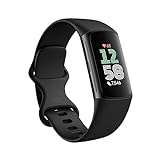
- Find your way seamlessly during runs or rides with turn-by-turn directions from Google Maps on Fitbit Charge 6[7, 8]; and when you need a snack break on the go, just tap to pay with Google Wallet[8, 9]
Generic hydration advice collapses this complexity into averages. An athlete following a standard 500–750 ml per hour guideline may still finish a long run with a 3–4 percent body mass loss, while another might overconsume fluid and dilute plasma sodium. Both scenarios degrade performance, but neither athlete has feedback during the session to know it’s happening.
This is why hydration errors persist even among experienced competitors. Knowledge without individualized measurement still leads to guesswork.
Electrolyte Loss Is the Invisible Half of the Problem
Fluid loss gets most of the attention, but electrolyte depletion, particularly sodium, is often the limiting factor in endurance performance. Sweat sodium concentration can range from under 300 mg/L to over 1,800 mg/L between athletes. Two runners losing the same volume of sweat may be experiencing vastly different physiological stress.
Traditional approaches rely on post-hoc sweat testing or trial-and-error nutrition strategies. These are useful, but static. They don’t account for how sweat composition shifts with intensity, heat acclimation, or fatigue over a multi-hour session.
Without real-time insight, athletes frequently under-replace sodium, leading to declining plasma volume, increased heart rate drift, impaired thermoregulation, and a higher risk of cramping or GI distress. Over-replacement, on the other hand, adds unnecessary gut load and can negatively affect comfort and pacing.
Thirst Is a Lagging Indicator Under Load
Thirst is a survival mechanism, not a performance optimization tool. During high-intensity or competitive efforts, sympathetic nervous system activation suppresses thirst perception. By the time an athlete feels strongly thirsty, meaningful dehydration may already be present.
This lag is amplified in cooler conditions, where sweat loss can be substantial without obvious discomfort. Many athletes finish cold-weather sessions significantly dehydrated, assuming hydration was adequate because thirst was minimal.
Wearable sweat sensors aim to move hydration feedback upstream, identifying fluid and electrolyte loss trends before they manifest as performance decline or subjective discomfort.
Environmental Stress Breaks One-Size-Fits-All Models
Heat and humidity dramatically increase sweat rate, but most hydration plans are not recalibrated session by session. An athlete may train with precision fueling indoors or in mild weather, then apply the same strategy during a hot race with disastrous results.
Environmental data is now standard on modern smartwatches, yet hydration guidance has remained largely disconnected from it. Sweat-tracking wearables bridge this gap by contextualizing physiological loss against ambient conditions, offering a more adaptive model of hydration needs.
This is especially relevant for athletes training across seasons, traveling for races, or competing in events with large temperature swings between start and finish.
The Cost of Getting It Wrong Is Higher Than Most Athletes Realize
Even a 2 percent loss in body mass from dehydration is associated with measurable declines in endurance performance, increased perceived exertion, and reduced cognitive function. At higher levels of dehydration, injury risk, heat illness, and recovery time all increase.
What makes hydration uniquely problematic is that its negative effects often masquerade as other issues: poor fitness, inadequate fueling, bad pacing, or lack of mental toughness. Without data, athletes adjust the wrong variables.
This is the gap sweat-tracking technology is trying to close. By quantifying sweat rate and electrolyte loss in real-world conditions, these wearables promise to turn hydration from a reactive habit into a measurable, trainable performance variable.
From Skin to Signal: How Wearable Sweat-Tracking Sensors Actually Work
To close the hydration gap outlined earlier, sweat-tracking wearables have to solve a deceptively complex problem: capturing meaningful biochemical data from a fluid the body releases intermittently, unevenly, and in response to constantly changing conditions.
Unlike heart rate or motion, sweat is not a continuous signal by default. Turning it into actionable data requires careful sensor placement, microfluid engineering, and algorithms that can separate physiology from noise in real-world training environments.
Why Sweat Is a Valuable but Difficult Signal
Sweat carries far more information than just water loss. It contains electrolytes like sodium and chloride, trace metabolites, and temporal patterns that reflect thermoregulation, exercise intensity, and acclimation status.
The challenge is that sweat composition varies by body region, genetics, heat adaptation, diet, and even time of day. A wrist-mounted device is sampling a small, localized signal and must infer whole-body trends without direct access to total fluid loss.
This is why modern sweat trackers focus on trends and rates rather than absolute lab-grade values. For athletes, understanding directionality and magnitude is often more useful than chasing perfect precision.
The Hardware Layer: Microfluidics on the Skin
Most wearable sweat sensors rely on microfluidic channels embedded in a patch, strap, or module that sits flush against the skin. These channels wick sweat away from the skin surface, guiding it through tiny pathways where it can be analyzed in real time or stored for post-session interpretation.
Capillary action does the work, meaning no pumps or moving parts are required. This keeps the hardware thin, lightweight, and compatible with long training sessions without compromising comfort or range of motion.
In practice, these components are often integrated into soft polymer patches, textile bands, or watch-adjacent modules designed to flex with the wrist or forearm. Comfort and adhesion matter here; inconsistent skin contact leads to inconsistent data.
Electrochemical Sensors: Translating Sweat into Data
Once sweat enters the microfluidic system, electrochemical sensors measure its properties. The most common target is sodium concentration, as sodium loss is the primary driver of hydration-related performance decline and cramping risk.
These sensors use ion-selective electrodes that generate a small electrical signal when sodium ions interact with the sensing surface. The magnitude of that signal correlates with concentration, allowing the device to estimate electrolyte loss over time.
Some systems also estimate sweat rate by tracking how quickly sweat fills the microchannels. Combined, sweat rate and sodium concentration allow algorithms to approximate total sodium loss per hour, a metric athletes can actually use.
From Local Measurement to Whole-Body Insight
A wrist or forearm sensor only captures sweat from a few square centimeters of skin. To make that data meaningful, wearable platforms apply correction models based on exercise intensity, skin temperature, ambient conditions, and known regional sweat differences.
This is where integration with a smartwatch becomes critical. Heart rate, pace, power, GPS-derived speed, and environmental sensors provide the context needed to scale local sweat measurements to whole-body estimates.
For example, a rising sweat sodium concentration at a steady power output may indicate progressive dehydration or insufficient electrolyte intake, even if heart rate remains stable. These layered signals are what allow hydration insights to move beyond guesswork.
Timing Matters: When Sweat Sensors Actually Start Working
Sweat sensors are only active once sweating begins, which introduces an important limitation. Early-session data is often sparse, especially in cool conditions or during low-intensity warm-ups.
Advanced systems compensate by modeling sweat onset thresholds using skin temperature trends and workload data. Once sweating stabilizes, the data becomes more reliable, particularly during sustained endurance efforts.
For athletes, this means sweat tracking is most valuable during steady-state training, long intervals, races, and heat-exposed sessions. It is less informative for short, explosive workouts where hydration loss is minimal.
Software Is Where Insight Emerges
Raw sweat data is meaningless without interpretation. The most effective platforms translate sensor output into simple, session-relevant metrics such as estimated fluid loss per hour, sodium loss per liter, and recommended intake ranges.
These insights are typically delivered post-session rather than live, both to conserve battery life and because hydration decisions are better informed by accumulated trends. Some systems now provide mid-session alerts during extreme conditions, but this remains an emerging feature.
Battery demands are modest compared to optical heart rate or GPS, allowing sweat-sensing modules to last multiple sessions or days depending on design. Seamless syncing with iOS and Android training platforms is increasingly standard, reducing friction in daily use.
Accuracy, Variability, and What Athletes Should Not Expect
No wearable sweat tracker can yet match laboratory sweat testing under controlled conditions. Factors like sensor placement, skin contamination, and individual variability introduce error that cannot be fully eliminated.
However, expecting lab-level accuracy misses the point. The real value lies in identifying personal sweat patterns across environments, intensities, and seasons, something most athletes have never quantified before.
When viewed as a trend-based tool rather than a diagnostic device, sweat-tracking wearables offer a level of hydration awareness that was previously inaccessible outside elite sport settings.
Key Sweat Biomarkers Explained: Sweat Rate, Sodium Loss, and Electrolyte Profiles
With the limitations and strengths of sweat tracking established, the next step is understanding what these sensors are actually measuring. Modern sweat wearables focus on a small set of biomarkers that have outsized relevance for endurance performance and hydration strategy. Among these, sweat rate and sodium concentration form the foundation, while broader electrolyte profiling is beginning to add context rather than precision.
Sweat Rate: Quantifying Fluid Loss Over Time
Sweat rate represents the volume of fluid lost per hour during exercise, typically expressed in liters per hour. For athletes, this is the most actionable sweat-derived metric because it directly informs how much fluid needs to be replaced to avoid progressive dehydration.
Wearable sweat trackers estimate sweat rate by measuring local sweat accumulation and extrapolating it across body surface area using biomechanical and thermoregulatory models. This approach does not assume uniform sweating across the body, but it does rely on population-based correction factors refined through large datasets.
Rank #2

- Inspire 3 is the tracker that helps you find your energy, do what you love and feel your best. All you have to do is wear it.Operating temperature: 0° to 40°C
- Move more: Daily Readiness Score(1), Active Zone Minutes, all-day activity tracking and 24/7 heart rate, 20+ exercise modes, automatic exercise tracking and reminders to move
- Stress less: always-on wellness tracking, daily Stress Management Score, mindfulness sessions, relax breathing sessions, irregular heart rhythm notifications(2), SpO2(3), menstrual health tracking, resting heart rate and high/low heart rate notifications
- Sleep better: automatic sleep tracking, personalized Sleep Profile(1), daily detailed Sleep Score, smart wake vibrating alarm, sleep mode
- Comfortably connected day and night: calls, texts & smartphone app notifications(4), color touchscreen with customizable clock faces, super lightweight and water resistant to 50 meters, up to 10 day battery life(5)
In practical terms, sweat rate explains why two athletes training side by side can finish equally fatigued yet differ dramatically in post-session body mass loss. One runner losing 0.6 liters per hour may need only opportunistic drinking, while another losing 1.5 liters per hour risks meaningful dehydration within a single long interval session.
Sweat rate also varies more than most athletes expect. Environmental heat, humidity, clothing choice, acclimation status, and intensity shifts can all change sweat output within the same week. Wearables excel here by revealing patterns across sessions rather than relying on a single weigh-in test.
Sodium Loss: The Performance-Critical Electrolyte
If sweat rate answers how much fluid is lost, sodium concentration explains what is lost within that fluid. Sodium is the dominant electrolyte in sweat and plays a central role in nerve conduction, muscle contraction, and fluid balance.
Sweat sodium concentration is typically measured in milligrams per liter, and the inter-individual range is wide. Some athletes lose under 500 mg per liter, while others exceed 1,500 mg per liter under similar conditions.
Wearable sweat sensors assess sodium loss using electrochemical sensing elements that react to sodium ions in sweat. While absolute accuracy varies, repeated measurements establish a personal sodium-loss profile that is far more useful than generic recommendations.
This is where hydration strategy shifts from guesswork to planning. An athlete losing one liter of sweat per hour at 1,200 mg of sodium per liter faces a very different fueling problem than someone losing the same fluid volume at half that concentration. Without sodium replacement, aggressive water intake alone can dilute blood sodium levels and impair performance.
In real-world use, this data helps endurance athletes decide when plain water is sufficient and when electrolyte supplementation becomes essential. It also explains why some athletes cramp or fade late in races despite drinking consistently.
Electrolyte Profiles: Context Over Precision
Beyond sodium, some advanced sweat wearables attempt to estimate potassium, chloride, or overall electrolyte balance. These measurements are best viewed as contextual signals rather than precise targets.
Potassium loss in sweat is relatively small compared to sodium, and day-to-day variability makes it difficult to translate into specific intake recommendations. Chloride typically mirrors sodium loss closely, adding little independent value for most athletes.
Where broader electrolyte profiling can help is in identifying outliers or trends. For example, an athlete consistently showing unusually high electrolyte concentrations may benefit from earlier supplementation or modified heat acclimation strategies.
Current wearables are not yet capable of delivering lab-grade electrolyte panels, and they do not need to be. Their role is to flag patterns that prompt smarter fueling decisions, not to micromanage mineral intake mid-session.
How These Biomarkers Translate Into Actionable Guidance
The real power of sweat biomarkers emerges when sweat rate and sodium loss are combined. Together, they allow software platforms to estimate hourly fluid needs and sodium replacement ranges tailored to the individual athlete.
Instead of generic advice like “drink to thirst” or “add electrolytes,” athletes receive guidance grounded in their physiology and training context. Over time, this supports more consistent pacing, reduced gastrointestinal distress, and better late-session resilience.
Importantly, these insights are most valuable when reviewed alongside environmental data, training load, and subjective feedback. Sweat biomarkers do not replace experience or coaching judgment, but they add a layer of physiological clarity that was previously unavailable outside elite performance labs.
As wearable ecosystems mature, these metrics increasingly integrate with training logs, recovery analytics, and race planning tools. For serious athletes, sweat biomarkers are becoming less of a novelty and more of a foundational input into long-term hydration strategy.
Turning Raw Sweat Data Into Actionable Hydration Strategies for Training and Racing
Once sweat rate and sodium loss are estimated with reasonable consistency, the question shifts from what the sensors can measure to how athletes should actually use the data. This is where sweat-tracking wearables move from passive monitoring to active performance tools.
The goal is not perfect precision, but repeatable decision-making under real training and racing conditions. When interpreted correctly, even imperfect sweat data can meaningfully reduce hydration guesswork.
From Sensor Estimates to Personalized Fluid Targets
The most direct application of sweat data is establishing an athlete’s hourly fluid loss range. By combining sweat rate with session duration, athletes can estimate how much body mass they are likely to lose across different intensities and temperatures.
Rather than chasing 100 percent fluid replacement, most endurance athletes perform best when replacing roughly 60 to 80 percent of sweat losses. Wearable-derived sweat rates help narrow this range, reducing the risk of both dehydration and overhydration.
This is particularly valuable for athletes who train across seasons or travel frequently. A smartwatch or patch that adjusts sweat estimates based on ambient temperature, humidity, and pace allows hydration plans to adapt without starting from scratch each time.
Translating Sodium Loss Into Practical Intake Ranges
Sodium data is most useful when treated as a band, not a single target. Wearables typically estimate sodium concentration in sweat, which can then be multiplied by sweat rate to produce an hourly sodium loss estimate.
For example, an athlete losing 1.2 liters per hour with a sodium concentration of 900 milligrams per liter can expect to lose just over 1,000 milligrams of sodium per hour. That does not mean consuming exactly that amount, but it does inform whether plain water is sufficient or whether electrolyte supplementation becomes necessary.
Over multiple sessions, patterns emerge. Athletes who consistently show high sodium loss may benefit from higher-sodium drinks or earlier supplementation, especially during long or hot sessions where dilution effects become a concern.
Training Phase Applications: Building the Hydration Baseline
During training blocks, sweat tracking is most valuable for experimentation. Athletes can trial different fluid volumes, sodium concentrations, and drinking frequencies while observing how these choices affect perceived exertion, heart rate drift, and gastrointestinal comfort.
Because wearables log sweat data alongside pace, power, and environmental conditions, athletes can identify where hydration breakdowns tend to occur. This often reveals that issues attributed to fitness or fueling are actually hydration-related.
Over time, this creates a stable hydration baseline. By the time race season arrives, athletes are no longer guessing what works, they are refining what already has evidence behind it.
Race-Day Execution Without Cognitive Overload
On race day, hydration strategies need to be simple and resilient. Sweat-tracking wearables contribute most in the planning phase, allowing athletes to pre-calculate bottle volumes, aid station spacing, and electrolyte concentrations.
Rather than reacting emotionally to thirst or fatigue, athletes can rely on a plan grounded in their own sweat data. This reduces the likelihood of panic drinking late in races, which is a common contributor to bloating and cramping.
Some ecosystems now allow athletes to build race-specific hydration plans directly into their training platforms, with prompts or reminders aligned to distance or time rather than physiological alerts mid-effort. This preserves focus while still leveraging the data.
Integrating Sweat Insights With the Broader Wearable Ecosystem
Sweat metrics gain context when layered with heart rate variability, skin temperature, power output, and training load. A rising heart rate at a constant pace combined with high sweat loss often signals fluid deficits before thirst becomes obvious.
Modern smartwatches with multi-day battery life and lightweight polymer or titanium cases make this data collection practical across long sessions without compromising comfort. Soft, breathable straps and low-profile sensor housings matter here, as poor wearability undermines data quality during heavy sweating.
Platform integration is equally important. Athletes benefit most when sweat data feeds directly into the same dashboards used for recovery tracking, session analysis, and long-term progression rather than living in a separate app silo.
Applied Use Cases Across Different Athlete Profiles
For marathon runners, sweat tracking helps fine-tune aid station strategies, especially in warm urban races where radiant heat elevates sweat rates beyond training norms. Knowing whether to grab water, sports drink, or both becomes a calculated choice rather than a reflex.
Cyclists benefit from the ability to correlate sweat loss with power output and airflow. High-speed descents and indoor training sessions often produce very different sweat responses, even at similar workloads, and wearables help expose those differences.
In team sports and interval-based training, sweat data can identify athletes who need more aggressive hydration between bouts. This is particularly relevant during pre-season camps where cumulative dehydration can quietly erode performance and recovery over consecutive days.
Real-World Athlete Use Cases: Runners, Cyclists, Triathletes, and Team-Sport Demands
Building on integrated dashboards and race-specific planning, sweat tracking becomes most valuable when it influences decisions athletes actually make in training and competition. The same underlying biomarkers, sweat rate and electrolyte concentration, manifest very differently depending on movement patterns, environmental exposure, and access to fluids.
Distance Runners: Precision at Pace, Not Guesswork
For runners, sweat trackers help quantify what has traditionally been estimated through post-run bodyweight changes or generic hydration tables. A wearable that captures sweat rate across varying temperatures and intensities allows runners to adjust fluid intake per kilometer rather than relying on one-size-fits-all guidance.
This becomes especially useful during long tempo runs or marathon-pace efforts where gastrointestinal tolerance is limited. Knowing that your sweat sodium loss is moderate but total fluid loss is high supports a strategy of frequent small sips of low-concentration electrolyte rather than concentrated sports drink boluses.
From a hardware perspective, comfort and stability matter more than raw sensor density. Lightweight polymer cases, low-profile sensor pods, and breathable nylon or perforated silicone straps reduce motion artefact and skin irritation during repetitive arm swing and heavy sweating.
Battery life also plays a role. Runners training for ultras or back-to-back long runs benefit from wearables that can collect sweat data alongside GPS and heart rate for 10 to 20 hours without forcing mid-block recharging.
Rank #3

- 【BUILT-IN GPS SMART WATCH – GO FURTHER, FREER, SMARTER】No phone? No problem. This fitness watch for women, featuring the latest 2025 technology, includes an advanced professional-grade GPS chip that precisely tracks every route, distance, pace (real-time & average), and calorie burned—completely phone-free. Whether you're chasing new personal records or exploring off the beaten path, your full journey is automatically mapped and synced in the app. Train smarter. Move with purpose. Own your progress. Own your journey.
- 【BLUETOOTH 5.3 CALLS & SMART NOTIFICATIONS】Stay effortlessly connected with this smart watch for men and women, featuring dual Bluetooth modes (BT 3.0 + BLE 5.3) and a premium microphone for crystal-clear calls right from your wrist—perfect for driving, workouts, or busy days. Receive instant alerts for calls, texts, and popular social apps like WhatsApp and Facebook. Just raise your wrist to view notifications and never miss an important moment.
- 【100+ SPORT MODES & IP68 WATERPROOF & DUSTPROOF】This sport watch is a versatile activity and fitness tracker with 100+ modes including running, cycling, yoga, and more. It features quick-access buttons and automatic running/cycling detection to start workouts instantly. Accurately track heart rate, calories, distance, pace, and more. Set daily goals on your fitness tracker watch and stay motivated with achievement badges. With IP68 waterproof and dustproof rating, it resists rain and sweat for any challenge. Not suitable for showering, swimming, or sauna.
- 【24/7 HEALTH ASSISTANT & SMART REMINDERS】This health watch continuously monitors heart rate, blood oxygen, and stress levels for comprehensive wellness tracking. Sleep monitoring includes deep, light, REM sleep, and naps to give you a full picture of your rest. Stay on track with smart reminders for sedentary breaks, hydration, medication, and hand washing. Women can also monitor menstrual health. Includes guided breathing exercises to help you relax. Your ultimate health watch with event reminders for a healthier life.
- 【ULTRA HD DISPLAY, LIGHTWEIGHT & CUSTOMIZABLE DIALS】This stylish wrist watch features a 1.27-inch (32mm) 360×360 ultra HD color display with a 1.69-inch (43mm) dial, offering vivid details and responsive touch. Its minimalist design fits both business and casual looks. Switch freely among built-in designer dials or create your own DIY watch face using photos, colors, and styles to showcase your unique personality. Perfect as a cool digital watch and fashion wrist watch.
Cyclists: Linking Sweat Loss to Power and Cooling
Cyclists experience some of the widest variability in sweat response, even at identical power outputs. Outdoor airflow can suppress perceived sweating while still driving high fluid loss, whereas indoor trainer sessions often produce extreme sweat rates at lower absolute power.
Sweat-tracking wearables help expose this mismatch by anchoring hydration needs to physiological output rather than subjective feel. When paired with power meters, athletes can see how rising sweat loss coincides with decoupling between heart rate and watts, a common early sign of dehydration-induced cardiovascular strain.
Mounting position and durability become more relevant on the bike. Devices must tolerate vibration, repeated wrist flexion, and constant exposure to salt without corrosion. Titanium or reinforced polymer cases with sealed sensor housings tend to fare better over multi-season use.
Cyclists also benefit from post-ride analysis. Reviewing sweat loss alongside carbohydrate intake helps refine bottle concentration and feeding intervals for race simulations, particularly in long fondos or stage racing where cumulative dehydration compounds over days.
Triathletes: Managing Transitions and Compound Stress
Triathletes present a unique challenge because sweat dynamics change across disciplines and transitions. A sweat rate measured on the bike does not automatically translate to the run, especially after prior dehydration and rising core temperature.
Wearable sweat trackers help triathletes model these shifts across brick sessions. By comparing sweat loss during bike-run combinations, athletes can identify whether they need to front-load fluids on the bike to protect run performance rather than attempting to catch up late.
This is where ecosystem integration becomes critical. Sweat data layered with skin temperature, pace, and power inside a single platform allows triathletes to rehearse race-day hydration without juggling multiple apps or spreadsheets.
Practical usability also matters. Quick-drying straps, secure clasps, and sensors that tolerate repeated wet-dry cycles from swim-to-bike transitions ensure data continuity without sacrificing comfort or reliability.
Team Sports and High-Intensity Intervals: Managing Variability Across Athletes
In team sports, the value of sweat tracking lies less in single-session optimization and more in managing inter-athlete variability. Two players covering the same distance can lose dramatically different amounts of fluid and sodium, leading to unequal recovery and injury risk over congested schedules.
Wearables that passively collect sweat data during training allow performance staff to identify high-risk athletes early. Those with consistently high sweat sodium losses may require targeted electrolyte replacement between sessions rather than generic team-wide hydration protocols.
For the athletes themselves, actionable simplicity is key. Short battery charging windows, rugged cases, and intuitive dashboards matter more than exhaustive metrics, especially during pre-season camps or tournament play where cognitive load is already high.
Over time, sweat tracking supports smarter rotation and recovery decisions. When cumulative sweat loss aligns with declining heart rate variability or rising perceived exertion, coaches gain objective evidence to adjust workloads before performance drops or soft-tissue injuries emerge.
Hardware Matters: Sensor Placement, Skin Contact, Comfort, and Durability in Sweat Trackers
As sweat tracking moves from lab patches into everyday training, hardware design becomes the limiting factor between clean physiological signal and unusable noise. The same athlete producing consistent sweat chemistry can see wildly different readings depending on where and how a sensor interfaces with the skin.
Unlike heart rate or GPS, sweat metrics are unforgiving of poor physical execution. Sensor placement, materials, and mechanical stability directly determine whether hydration insights are actionable or misleading.
Sensor Placement: Where Sweat Tells the Truth
Sweat composition varies significantly across the body, which makes placement a physiological decision rather than a cosmetic one. Forearms, upper arms, and the torso produce different sweat rates and electrolyte concentrations, even at identical workloads.
Most wrist-based wearables sample sweat indirectly through microfluidic channels embedded near the caseback or strap. This location is convenient but imperfect, as wrist sweat rates are lower and more variable than those at the chest or back.
Advanced systems compensate by modeling sweat rate relative to skin temperature, movement, and historical data. For endurance athletes, consistency matters more than anatomical perfection; using the same placement across sessions allows trends to emerge even if absolute values are conservative.
Emerging hybrid designs place sensors within extended strap segments rather than the watch body itself. This increases surface contact and sweat exposure without compromising the ergonomics of a traditional smartwatch case.
Skin Contact Quality: Pressure, Motion, and Microfluidics
Sweat tracking requires continuous skin contact under dynamic conditions. Too loose, and sweat evaporates before it can be sampled; too tight, and blood flow restriction or discomfort alters natural sweating behavior.
Microfluidic sweat sensors rely on capillary action to pull sweat into narrow channels where sodium, chloride, or conductivity can be measured. Any interruption in contact pressure introduces air gaps that break the flow and corrupt readings.
This is where strap design becomes as critical as sensor accuracy. Elasticated sports bands, textured silicone, or fabric-backed straps outperform rigid or fashion-oriented options during long sessions.
Athletes transitioning between disciplines, such as swim-to-bike in triathlon, stress this interface the most. Sensors must re-establish reliable contact quickly after immersion without requiring manual adjustment mid-race.
Comfort Over Hours, Not Minutes
Sweat tracking only delivers value when devices are worn consistently across high-volume training weeks. A sensor that feels acceptable for a 45-minute run may become intolerable during a four-hour ride or double-session day.
Case thickness, edge finishing, and weight distribution all influence whether athletes subconsciously adjust or remove a device. Rounded casebacks and tapered lugs reduce pressure points when sweat causes straps to swell or shift.
Material choice also affects thermal comfort. Breathable strap materials reduce localized heat buildup that can artificially inflate sweat rate readings, while also minimizing skin irritation during multi-day use.
For team sports and camps, comfort translates into compliance. Devices that disappear on the wrist are more likely to generate complete datasets across an entire squad rather than fragmented individual samples.
Durability in Real Training Environments
Sweat is corrosive, especially when sensors are exposed repeatedly to sodium-rich fluid, sunscreen, dirt, and chlorinated water. Long-term reliability depends on robust sealing, corrosion-resistant electrodes, and materials that tolerate constant wet-dry cycling.
Water resistance ratings alone are insufficient indicators. Sweat trackers must survive not just immersion, but repeated mechanical stress from flexing straps and micro-movements against the skin.
Battery life intersects directly with durability. Devices that require frequent charging increase handling, connector wear, and opportunities for water ingress. Multi-day battery life supports uninterrupted data collection during heavy training blocks.
For athletes training outdoors year-round, temperature resilience matters as much as impact resistance. Sensors must maintain calibration across cold mornings, hot track sessions, and everything in between without drift.
Design Tradeoffs and What Athletes Should Prioritize
No current sweat tracker hardware is perfect. Wrist-based systems trade anatomical accuracy for convenience, while patch-based sensors offer cleaner data at the cost of comfort and reusability.
Performance-focused athletes should prioritize repeatability over novelty. A device that delivers consistent sweat rate trends week after week is more valuable than one promising lab-grade precision but failing under real training conditions.
Comfort, strap stability, and durability are not secondary considerations; they are foundational to whether sweat data can meaningfully inform hydration strategy. Hardware decisions ultimately shape how confidently athletes can act on the physiological insights these wearables claim to provide.
Software, Apps, and Ecosystems: How Sweat Data Integrates With Smartwatches and Training Platforms
If hardware determines whether sweat data can be captured reliably, software determines whether it becomes actionable. For athletes, the real value of sweat tracking emerges only when raw sensor outputs are translated into insights that fit naturally alongside heart rate, power, pace, and training load.
Modern sweat-tracking systems increasingly live within broader smartwatch and training ecosystems rather than as standalone curiosities. This integration shapes everything from usability during a session to how hydration decisions influence long-term performance planning.
From Raw Sweat Signals to Athlete-Readable Metrics
Sweat sensors typically collect a combination of sweat rate, total fluid loss, and electrolyte concentration, most commonly sodium. On their own, these values are noisy and context-dependent, influenced by temperature, airflow, clothing, and exercise intensity.
Software layers smooth this data using algorithms that account for environmental conditions, body mass, and exercise duration. The goal is not absolute biochemical accuracy, but repeatable estimates that allow athletes to recognize personal sweat profiles over time.
In practical terms, apps convert microfluidic or electrochemical readings into metrics such as estimated fluid loss per hour, sodium loss per liter, and projected hydration needs for the remainder of a session. This translation step is where most platforms differentiate themselves.
Smartwatch Integration and On-Device Feedback
The most athlete-friendly sweat trackers now pair directly with mainstream smartwatches rather than requiring separate displays. Apple Watch, Garmin, and select Wear OS devices increasingly serve as the interface, leveraging their processors, displays, and haptic feedback.
On-device alerts are especially valuable during long or hot sessions. Subtle vibration cues signaling elevated sweat rate or projected dehydration allow athletes to respond without breaking rhythm or constantly checking a screen.
Rank #4

- 24H Accurate Heart Rate Monitoring: Go beyond basic tracking. Our watch automatically monitors your heart rate, blood oxygen (SpO2), and sleep patterns throughout the day and night. Gain deep insights into your body's trends and make informed decisions for a healthier lifestyle.
- Practical Sports Modes & Smart Activity Tracking: From running and swimming to yoga and hiking, track a wide range of activities with precision. It automatically records your steps, distance, calories burned, and duration, helping you analyze your performance and crush your fitness goals.
- 1-Week Battery Life & All-Day Wear: Say goodbye to daily charging. With an incredible up to 7-10 days of battery life on a single charge, you can wear it day and night for uninterrupted sleep tracking and worry-free travel. Stay connected to your data without the hassle.
- Comfortable to Wear & IP68 Waterproof: The lightweight, skin-friendly band is crafted for all-day comfort, even while you sleep. With IP68 waterproof, it withstands rain, sweat, It is not suitable for swimming or showering.
- Ease of Use and Personalized Insights via Powerful App: The display is bright and easy to read, even outdoors. Unlock the full potential of your watch. Sync with our dedicated app to view detailed health reports, customize watch faces, set sedentary reminders, and manage your preferences with ease.
Battery life and processing limitations shape how much analysis happens locally versus in the cloud. Most current systems perform lightweight calculations on the watch, with deeper analysis deferred until post-workout syncing to a companion app.
Companion Apps as the Real Control Center
The smartphone app is where sweat data gains context. Here, hydration metrics are overlaid with heart rate drift, power output, pace variability, and perceived exertion logged by the athlete.
Well-designed apps allow users to tag sessions by conditions such as heat, altitude, or competition versus training. Over time, this builds a personalized hydration fingerprint that is far more useful than population averages.
For serious athletes, data export matters. Platforms that allow CSV or API-level access enable coaches, sports scientists, and third-party analytics tools to incorporate sweat metrics into broader performance models.
Integration With Training Platforms and Coaching Tools
Sweat data becomes most powerful when it flows into established training ecosystems. Integration with platforms like TrainingPeaks, Final Surge, or proprietary team dashboards allows hydration trends to be reviewed alongside training load and recovery metrics.
For endurance athletes, this means correlating sweat rate with decoupling metrics, late-session power fade, or post-session body mass changes. Over weeks and months, patterns emerge that inform race-day hydration strategies with far greater confidence.
Team sport environments benefit even more. Aggregated sweat loss estimates across a squad can guide individualized hydration protocols without requiring invasive testing or constant weigh-ins.
Personalization Algorithms and Adaptive Recommendations
One of the most promising developments in sweat-tracking software is adaptive modeling. Instead of static recommendations, algorithms adjust hydration guidance based on historical responses, recent training load, and current environmental stress.
For example, an athlete whose heart rate rises disproportionately during sessions with high sodium loss may receive more aggressive electrolyte recommendations over time. These systems effectively learn how each body responds to fluid and electrolyte deficits.
However, transparency matters. Athletes should be able to see how recommendations are generated, rather than blindly trusting black-box outputs that may not reflect individual physiology.
Limitations of Current Software Ecosystems
Despite rapid progress, sweat-tracking software still faces important constraints. Environmental confounders such as wind and evaporative cooling can distort sweat rate estimates, and most platforms rely on modeled corrections rather than direct measurement.
Interoperability remains inconsistent. Some sweat sensors integrate seamlessly with major smartwatch brands but remain siloed from popular training platforms, limiting their usefulness for coached athletes.
There is also the risk of overinterpretation. Sweat composition varies day to day, and software that presents overly precise numbers may encourage athletes to chase false certainty rather than focusing on robust trends.
Daily Usability, Compliance, and Long-Term Adoption
From a usability standpoint, the best sweat-tracking ecosystems minimize friction. Automatic session detection, background syncing, and intuitive dashboards increase the likelihood that athletes will consistently review and act on the data.
Comfort and wearability feed directly into software success. If a device integrates cleanly with a familiar smartwatch interface, athletes are far more likely to trust and engage with its insights.
Ultimately, software determines whether sweat tracking becomes a training habit or a novelty. Platforms that respect athlete intelligence, emphasize trends over absolutes, and integrate smoothly into existing workflows are the ones most likely to shape how hydration strategy evolves in the years ahead.
Accuracy, Validation, and Current Limitations of Sweat-Tracking Wearables
As sweat-tracking platforms mature, accuracy becomes the dividing line between novelty data and performance-relevant insight. This is where the gap between laboratory validation and real-world athletic use still matters, especially for athletes making hydration decisions under fatigue and environmental stress.
What “Accuracy” Actually Means in Sweat Tracking
Accuracy in sweat wearables is not a single metric. It spans sweat rate estimation, electrolyte concentration measurement, and the translation of localized skin data into whole-body loss models.
Most devices are reasonably consistent within an individual under similar conditions, which makes trend tracking more reliable than absolute values. This distinction is critical, because day-to-day decision-making depends more on relative change than on hitting a perfectly precise sodium number.
Laboratory Validation Versus Field Reality
In controlled lab settings, leading sweat sensors show moderate-to-strong correlations with gold-standard methods like gravimetric sweat loss and lab-analyzed sweat patches. These validations typically occur under steady-state cycling or treadmill protocols with controlled temperature, airflow, and intensity.
Field conditions introduce far more noise. Variable pacing, changing wind exposure, intermittent sweating, and sensor movement all reduce signal stability, which means accuracy inevitably degrades outside the lab.
Localized Measurement and Whole-Body Assumptions
All current sweat wearables sample sweat at a single anatomical site, usually the forearm or upper arm. Sweat sodium concentration can vary significantly across the body, particularly between limbs and the torso.
To compensate, devices rely on population-based correction models layered on top of individual calibration. This approach works directionally but remains an estimate, not a direct measurement of total electrolyte loss.
Electrolyte Sensing Constraints
Sodium is the most robust electrolyte measured by current wearables, largely because it exists in sweat at higher concentrations and is easier to detect reliably. Potassium, chloride, and other analytes are far more sensitive to sensor drift and contamination.
Even sodium readings can be influenced by sweat rate itself. High sweat flow can dilute concentrations at the skin surface, while low flow can exaggerate them, forcing algorithms to make assumptions that are not always visible to the athlete.
Sensor Drift, Calibration, and Lifespan
Electrochemical sensors degrade over time. Exposure to sweat residue, heat, and mechanical stress gradually alters sensor response, which is why many systems specify limited-use patches or periodic recalibration.
This has practical implications for cost, sustainability, and consistency. Athletes who reuse sensors beyond their intended lifespan may see declining data quality without obvious warning signals in the app.
Environmental and Skin-Level Confounders
Ambient temperature, humidity, and airflow influence how sweat evaporates before it reaches the sensor. Sunscreen, lotions, and even residual detergent on skin can interfere with ion-selective membranes.
Skin health also matters. Callused, damaged, or highly hydrated skin alters sweat diffusion patterns, introducing individual-specific artifacts that are difficult to correct algorithmically.
Impact of Fit, Placement, and Movement
Unlike heart rate sensors that tolerate slight misalignment, sweat sensors require consistent skin contact and stable microfluidic flow. Strap tension, arm swing, and garment friction all influence whether sweat is captured or lost.
For athletes, this ties accuracy directly to wearability. Devices that integrate cleanly with existing watches or arm bands tend to perform better simply because they are worn correctly and consistently.
Battery, Thermal Load, and Data Sampling Tradeoffs
Continuous sweat analysis consumes more power than passive metrics like accelerometry. To preserve battery life, many devices sample intermittently or smooth data aggressively.
This improves usability but reduces temporal resolution. Short, high-intensity efforts or rapid hydration changes may be underrepresented in the final dataset.
Regulatory Status and What It Signals
Most sweat-tracking wearables are positioned as performance or wellness tools rather than medical devices. This allows faster iteration but also means they are not held to clinical diagnostic standards.
For athletes, the implication is clear. These tools are best used to inform strategy and pattern recognition, not to replace formal hydration testing or medical evaluation.
Where Accuracy Is Already “Good Enough” for Athletes
Despite these limitations, current sweat wearables are sufficiently accurate to guide personalized hydration planning over time. Identifying whether an athlete is a high, moderate, or low sodium loser, and how that shifts with conditions, is well within reach.
When paired with training logs, body mass trends, and subjective feedback, sweat data adds a valuable physiological layer. The key is using it as part of a system, not as a standalone truth engine.
Battery Life, Practical Usability, and Why Sweat Trackers Aren’t ‘Set-and-Forget’ Devices Yet
The accuracy discussion naturally leads to a more practical constraint: even when sweat data is good enough physiologically, it is still hard-earned from a usability standpoint. Unlike heart rate or GPS, sweat tracking asks more of the hardware, the battery, and the athlete’s patience.
This is where many otherwise promising sweat-sensing platforms reveal why they remain adjunct tools rather than always-on metrics baked invisibly into daily training.
Why Sweat Sensing Is So Power-Hungry
At a hardware level, sweat tracking is active chemistry, not passive sensing. Microfluidic pumps, electrochemical sensors, temperature compensation circuits, and onboard signal processing all draw significantly more power than optical heart rate LEDs or inertial sensors.
💰 Best Value

- 【Superb Visual Experience & Effortless Operation】Diving into the latest 1.58'' ultra high resolution display technology, every interaction on the fitness watch is a visual delight with vibrant colors and crisp clarity. Its always on display clock makes the time conveniently visible. Experience convenience like never before with the intuitive full touch controls and the side button, switch between apps, and customize settings with seamless precision.
- 【Comprehensive 24/7 Health Monitoring】The fitness watches for women and men packs 24/7 heart rate, 24/7 blood pressure and blood oxygen monitors. You could check those real-time health metrics anytime, anywhere on your wrist and view the data record in the App. The heart rate monitor watch also tracks different sleep stages for light and deep sleep,and the time when you wake up, helps you to get a better understanding of your sleep quality.
- 【120+ exercise modes & All-Day Activity Tracking】There are more than 120 exercise modes available in the activity trackers and smartwatches, covering almost all daily sports activities you can imagine, gives you new ways to train and advanced metrics for more information about your workout performance. The all-day activity tracking feature monitors your steps, distance, and calories burned all the day, so you can see how much progress you've made towards your fitness goals.
- 【Messages & Incoming Calls Notification】With this smart watch fitness trackers for iPhone and android phones, you can receive notifications for incoming calls and read messages directly from your wrist without taking out your phone. Never miss a beat, stay in touch with loved ones, and stay informed of important updates wherever you are.
- 【Essential Assistant for Daily Life】The fitness watches for women and men provide you with more features including drinking water and sedentary reminder, women's menstrual period reminder, breath training, real-time weather display, remote camera shooting, music control,timer, stopwatch, finding phone, alarm clock, making it a considerate life assistant. With the GPS connectivity, you could get a map of your workout route in the app for outdoor activity by connecting to your phone GPS.
As a result, most sweat trackers operate on batteries measured in hours or a few sessions, not days. Patch-based systems often require recharging after every long workout, while strap-integrated modules may last a week only if sampling is limited to selected sessions.
This creates an unavoidable tradeoff. Either the device captures rich, high-resolution sweat data during specific workouts, or it preserves battery life by being selective about when it turns on.
Session-Based Tracking vs Always-On Wearables
Current sweat trackers behave more like lab tools than traditional wearables. They are designed to be activated intentionally for key training sessions, races, or heat-acclimation blocks rather than worn 24/7.
For endurance athletes, this can be perfectly acceptable. Long runs, brick sessions, and race simulations are precisely when sweat rate and sodium loss matter most, and these sessions are planned in advance.
The downside is that sweat data rarely integrates seamlessly into the background fabric of daily metrics. You cannot forget to charge it, forget to activate it, or expect meaningful data from a casual recovery jog unless the system is explicitly designed for that use.
Charging Friction and Real-World Training Schedules
In practice, battery anxiety changes behavior. Athletes may skip sweat tracking on double-session days, travel workouts, or early-morning starts simply because the device was not charged or dried properly overnight.
Unlike a smartwatch with a sealed case, sweat trackers often need post-session cleaning, drying, and inspection to prevent salt buildup from degrading sensor performance. This adds a small but persistent maintenance burden.
Over a long season, even highly motivated athletes tend to reserve sweat tracking for “important” sessions, which limits data density and slows longitudinal insight.
Integration Challenges With Existing Watches and Straps
Another usability friction point is ecosystem integration. Many sweat trackers operate as secondary devices, either as arm patches, clip-on modules, or proprietary straps that sit alongside a primary GPS watch.
This creates redundancy in fit and hardware. Athletes already managing a watch, chest strap, headphones, and sometimes cooling garments may resist adding another device unless the value is clear and immediate.
Systems that integrate cleanly with existing watch straps or use low-profile, flexible materials tend to see better compliance. Comfort matters here as much as sensor accuracy, especially during long, hot sessions where skin sensitivity increases.
Data Latency and Post-Workout Interpretation
Sweat data is rarely actionable in real time. Most systems process electrolyte loss and sweat rate after the session, once sufficient fluid has passed through the sensor.
From a coaching and performance perspective, this is not necessarily a flaw. Hydration strategies are usually refined between sessions, not adjusted minute-by-minute during a race.
However, it reinforces the idea that sweat trackers are analytical tools rather than live feedback devices. Athletes must be willing to review data post-workout, compare it against body mass changes and perceived exertion, and then adjust future intake accordingly.
Environmental Sensitivity and Battery Drain Under Heat Stress
Ironically, the conditions where sweat data is most valuable are also the harshest on battery life. High ambient temperatures accelerate chemical reactions within sensors and increase processor load for temperature correction.
Long summer runs or heat-acclimation protocols can drain batteries faster than anticipated, sometimes cutting sessions short from a data perspective. This is especially relevant for ultra-endurance athletes training in exposed environments.
Durability also matters. Devices must tolerate repeated thermal cycling, salt exposure, and mechanical flex without degrading battery performance or sensor stability.
Why Sweat Trackers Still Require Athlete Intentionality
Taken together, these constraints explain why sweat trackers are not yet invisible, frictionless tools. They demand intentional use, careful charging habits, thoughtful placement, and selective deployment.
For disciplined athletes, this is not a deal-breaker. In fact, the act of choosing when to measure sweat often aligns with smarter training design and hydration experimentation.
But it does mean sweat tracking currently rewards engaged users rather than casual ones. Until battery density improves, sensor chemistry becomes more energy-efficient, and integration with mainstream smartwatches deepens, sweat trackers will remain powerful but deliberate instruments rather than background metrics that simply “run in the background.”
The Future of Sweat Sensing: Continuous Electrolyte Monitoring and Personalized Hydration AI
If today’s sweat trackers reward intentional, session-based use, the next generation is clearly aimed at reducing that friction. The trajectory is toward systems that monitor sweat chemistry more continuously, interpret it in real time, and translate raw electrolyte data into practical hydration guidance that adapts to the individual athlete.
This shift is not about turning sweat sensing into another flashy live metric. It is about closing the loop between measurement, interpretation, and decision-making so that athletes no longer have to manually reconcile sweat data with training logs, scale weight, and gut feel.
From Snapshot Testing to Continuous Electrolyte Sensing
Most current sweat wearables rely on single-use patches or short-duration sensing windows, capturing an averaged electrolyte profile over a workout. This is enough to identify heavy sodium loss or unusually high sweat rates, but it misses how sweat composition can drift across intensity zones, fatigue states, or changing environmental conditions.
Emerging sensor designs aim to monitor sodium, chloride, and potassium concentrations continuously as sweat emerges at the skin surface. Advances in microfluidic channels and ion-selective electrodes allow sweat to be sampled sequentially rather than pooled, preserving time resolution without dramatically increasing power consumption.
For endurance athletes, this matters. Sodium concentration often rises late in long sessions as plasma volume shifts and sweat glands fatigue. Capturing that inflection point could help explain late-race cramping, gastrointestinal distress from over-drinking, or the sudden collapse in pace many athletes experience in hot conditions.
Electrolytes as a Dynamic, Not Static, Athlete Trait
One of the biggest conceptual shifts enabled by continuous sensing is the recognition that sweat composition is not a fixed personal constant. It changes with heat acclimation, fitness level, hormonal state, and even training phase.
An athlete early in a heat block may lose significantly more sodium per liter than they do three weeks later, even at identical power output. Current hydration plans often lag behind these adaptations, relying on outdated lab tests or historical assumptions.
Future sweat trackers will be able to model these trends longitudinally. Instead of telling an athlete “you are a salty sweater,” the system can say “your sodium losses are trending down as acclimation improves, and your fueling strategy should adjust accordingly.”
Hydration AI: Turning Chemistry Into Decisions
Raw electrolyte numbers are not inherently actionable, which is where personalized hydration AI becomes the real differentiator. The value lies in software that can fuse sweat chemistry with pace, power, heart rate, ambient temperature, and historical response to hydration strategies.
Rather than issuing generic alerts, these systems can generate scenario-specific recommendations. A long run at moderate intensity in cool weather may require far less sodium per hour than a shorter, harder session in the heat, even if total sweat loss ends up similar.
Over time, the AI can learn how an individual athlete responds to different hydration patterns. Did higher sodium intake stabilize heart rate drift? Did reduced fluid volume improve gastrointestinal comfort without increasing perceived exertion? These feedback loops are where sweat data becomes performance intelligence rather than novelty.
Integration Into Smartwatches and Training Ecosystems
For sweat sensing to move from niche tool to mainstream performance metric, deeper integration with smartwatches is essential. The future likely involves modular sensors embedded into watch backs, straps, or thin skin-contact patches that pair seamlessly with existing training hardware.
From a wearability perspective, this demands careful attention to materials, comfort, and durability. Sensors must tolerate constant flex, salt exposure, and repeated wash cycles without compromising skin feel or causing irritation during multi-hour sessions.
Battery life remains a constraint, but smarter duty-cycling and on-sensor preprocessing can limit power draw. The goal is not all-day sweat monitoring, but intelligent activation during workouts or heat exposure, preserving battery life while still capturing meaningful data.
Coaching, Compliance, and the End of Guesswork
Perhaps the most underappreciated benefit of future sweat sensing is its impact on athlete compliance. Hydration plans fail not because athletes lack discipline, but because recommendations often feel abstract or disconnected from lived experience.
When an athlete can see that missed sodium intake correlates with late-session power fade, or that over-drinking increases bathroom stops without performance gain, behavior changes naturally. Coaches gain objective data to support adjustments, reducing reliance on anecdote or trial-and-error.
At scale, this could standardize hydration education in endurance sports, replacing folklore with individualized evidence while still respecting the variability between athletes.
What This Means for the Next Decade of Wearables
Sweat sensing is unlikely to replace core metrics like heart rate or power, but it is poised to become a powerful contextual layer that explains why performance fluctuates under stress. As sensors become smaller, smarter, and more integrated, sweat data will shift from being a special test to an ongoing input into training strategy.
For performance-focused athletes willing to engage with their data, the payoff is clarity. Not just how hard you worked, but how your body responded chemically, and how to fuel and hydrate smarter next time.
That is the real future of sweat sensing: not more numbers on a dashboard, but fewer unanswered questions when performance is on the line.