If you are looking at the Huawei Band 10, chances are you are not chasing smartwatch theatrics. You are here because sleep quality, recovery, stress, and battery life matter more than apps, LTE, or wrist-based distractions. This generation makes that priority clear from the outset, positioning the Band 10 as a refinement of Huawei’s health-first philosophy rather than a cosmetic refresh.
What Huawei is really doing with the Band 10 is tightening the feedback loop between nightly sleep data, daytime wellbeing signals, and actionable guidance. Instead of piling on new sport modes or display tricks, the emphasis is on making the data you already care about more coherent, more personalized, and easier to trust over weeks of wear. For existing Band users, this is about depth rather than novelty; for newcomers, it is about a low-friction entry into meaningful health tracking.
This section breaks down what the Band 10 represents as a product generation, what has genuinely changed beneath the surface, and who will feel those changes most in everyday use before we dive deeper into the specifics.
A Health Band Doubling Down on Sleep and Recovery
The Band 10’s headline focus is sleep, but not just in terms of more charts or longer reports. Huawei’s updated sleep tracking leans further into longitudinal analysis, using nightly heart rate patterns, breathing regularity, and movement data to better distinguish between light sleep, deep sleep, REM, and fragmented rest. In practical terms, this aims to reduce the “everything looks fine” problem that plagues cheaper bands when your sleep clearly does not feel fine.
🏆 #1 Best Overall
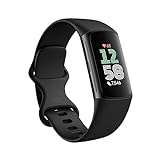
- Find your way seamlessly during runs or rides with turn-by-turn directions from Google Maps on Fitbit Charge 6[7, 8]; and when you need a snack break on the go, just tap to pay with Google Wallet[8, 9]
Where this becomes more meaningful is in how sleep data feeds into daytime wellbeing insights. The Band 10 treats sleep as the anchor metric, influencing stress tracking, recovery cues, and prompts to adjust habits rather than as an isolated score you glance at once in the morning. For users who wear a band 24/7, this tighter integration is arguably the most important evolution over previous generations.
The Wellbeing Assistant Moves From Passive to Proactive
Huawei’s wellbeing assistant on the Band 10 is less about virtual coaching and more about contextual nudges. Instead of generic reminders, it uses patterns in sleep debt, resting heart rate trends, and stress indicators to suggest when to prioritize rest, breathing exercises, or lighter activity days. The goal is not to gamify health, but to gently course-correct before fatigue or stress compounds.
This approach will resonate with users who want guidance without pressure. The Band 10 does not assume you are training for an event or chasing personal bests; it assumes you are trying to feel better week to week. Compared to rivals that emphasize readiness scores or training load, Huawei’s assistant feels more lifestyle-oriented, especially for users balancing work stress, inconsistent sleep schedules, and casual fitness.
Refinement Over Reinvention in Hardware and Wearability
Physically, the Band 10 stays true to the slim, lightweight formula that has made Huawei’s bands easy to live with. The narrow profile and soft strap options prioritize overnight comfort, which is essential when sleep tracking is the core selling point. This is a band designed to disappear on the wrist, not to signal tech presence.
Materials and finishing remain practical rather than premium, but durability and water resistance are clearly tuned for constant wear, including workouts and showers. Battery life continues to be a strong point, with real-world usage expected to stretch close to two weeks for most users, even with continuous heart rate and sleep tracking enabled. That longevity is not flashy, but it underpins the entire wellbeing promise by removing charging anxiety.
Software Ecosystem and Compatibility Realities
The Band 10 lives and dies by the Huawei Health app, and this generation leans harder into software-led value. Data presentation is clearer, trends are easier to interpret over time, and sleep insights are less buried than before. Android users will get the most seamless experience, but iOS compatibility remains solid for core health tracking, even if deeper integrations are limited by platform restrictions.
What is important to understand at a glance is that the Band 10 is not trying to compete with full-featured smartwatches. Notifications are functional, not expansive, and app interactions stay minimal. This is a deliberate trade-off that allows Huawei to focus processing power and battery resources on health metrics that benefit from consistency rather than constant interaction.
Who the Band 10 Is Really For
At a generational level, the Huawei Band 10 makes the most sense for people who care about how they sleep, how they recover, and how their daily habits add up over time. Existing Huawei Band users will notice the biggest gains if sleep tracking accuracy and wellbeing guidance matter more to them than new sport profiles. For Android users who want a reliable, unobtrusive health companion without stepping into smartwatch complexity, the Band 10 positions itself as a thoughtful, mature option rather than a trendy one.
What’s New vs Huawei Band 9: The Meaningful Upgrades Explained
Seen in context, the Huawei Band 10 is less about reinventing the band formula and more about tightening the feedback loop between data, interpretation, and daily guidance. If the Band 9 focused on collecting solid baseline health metrics, the Band 10 shifts the emphasis toward making that data easier to act on, especially around sleep and recovery.
Refined Sleep Tracking That Focuses on Patterns, Not Just Scores
The headline upgrade over the Band 9 is the evolution of Huawei’s sleep tracking algorithm, which now places more weight on consistency and longitudinal trends rather than nightly snapshots. Sleep stages, breathing quality, and overnight heart rate are still familiar metrics, but how they are contextualised has changed.
Compared to the Band 9, the Band 10 does a better job of flagging gradual sleep debt, irregular bedtimes, and recovery plateaus across the week. In practical terms, this means fewer overreactions to a single bad night and more emphasis on whether your sleep habits are actually improving or stagnating.
Detection sensitivity also appears slightly improved, particularly for light sleepers and those who move frequently at night. The band is better at recognising wake periods without inflating them, which helps reduce the common issue of exaggerated “restlessness” scores seen on earlier generations.
Wellbeing Assistant: From Passive Data to Guided Insight
The most noticeable new layer over the Band 9 is the wellbeing assistant, which sits above raw health metrics and nudges users toward small behavioural changes. Rather than simply presenting numbers, the Band 10 offers prompts tied to sleep regularity, stress patterns, and recovery indicators.
These suggestions remain conservative and non-intrusive, avoiding the aggressive coaching style found on some rival platforms. For users who found the Band 9 informative but passive, this added guidance makes the Band 10 feel more like a daily health companion than a silent tracker.
Importantly, the assistant adapts based on usage history. Advice becomes more relevant over time, which reinforces the idea that the Band 10 rewards consistent wear rather than sporadic check-ins.
Improved Recovery Context Using Familiar Sensors
Hardware-wise, the Band 10 does not radically change its sensor array, but it extracts more value from what is already there. Heart rate variability trends, overnight heart rate, and sleep quality are now interpreted together more cohesively than on the Band 9.
Instead of treating stress, sleep, and activity as separate silos, the Band 10 links them into a broader recovery picture. For users who train casually or exercise a few times a week, this provides clearer insight into when pushing harder makes sense and when rest would be more productive.
This is not elite-level training analytics, but it is a meaningful step up in clarity from the Band 9, especially for users who care more about feeling better day to day than chasing performance metrics.
Software Polish and Daily Usability Tweaks
While the overall Huawei Health app experience remains familiar, navigation and data surfacing feel more intentional on the Band 10. Sleep insights, trend summaries, and wellbeing prompts are easier to find without digging through sub-menus, which addresses one of the quieter frustrations of the Band 9.
On-device interactions are also slightly smoother, with clearer animations and more legible health summaries on the band itself. These are subtle refinements, but they contribute to the sense that the Band 10 is designed to be checked briefly and frequently rather than studied in long sessions.
Notification handling, workout tracking, and basic smart features remain largely unchanged, reinforcing that Huawei’s priorities lie firmly with health consistency rather than smartwatch expansion.
What Hasn’t Changed—and Why That Matters
From a physical standpoint, Band 9 users will feel immediately at home. The form factor, lightweight comfort, water resistance, and strap system remain familiar, which supports the idea of uninterrupted 24/7 wear.
Battery life is similarly steady, with the Band 10 maintaining the same long endurance profile that made the Band 9 appealing for sleep-focused users. There is no push toward brighter displays or power-hungry features that would compromise overnight tracking reliability.
For existing Band 9 owners, the upgrade question comes down to priorities. If sleep accuracy, recovery insight, and guided wellbeing matter more than new hardware or flashy features, the Band 10 delivers its improvements exactly where they count most.
Inside Huawei’s Improved Sleep Tracking: Sensors, Algorithms, and Accuracy
Seen in the context of unchanged hardware and steady battery life, Huawei’s improvements to sleep tracking on the Band 10 are driven far more by sensing refinement and algorithmic interpretation than by headline-grabbing specs. This is a continuation of Huawei’s strategy with recent bands: prioritize overnight reliability, data continuity, and comfort over experimental features that risk disrupting sleep capture.
What changes here is how confidently the Band 10 interprets what your body is doing while you sleep, and how clearly that information is translated into something actionable the next day.
Refined Optical Sensors and Signal Stability
At a hardware level, the Band 10 continues to rely on Huawei’s multi-channel optical heart rate sensor paired with SpO2 monitoring and accelerometer-based movement detection. While the sensor layout itself is familiar, Huawei has refined how the LEDs and photodiodes are used during low-motion, low-light conditions typical of sleep.
The result is a cleaner heart rate signal overnight, with fewer dropouts during position changes or lighter sleep stages. In practical terms, this improves consistency rather than raw capability, ensuring the band maintains accurate tracking even for restless sleepers or side sleepers with looser strap tension.
Temperature is not measured directly on the wrist as a clinical metric, but the Band 10 does appear to better account for peripheral circulation changes that can previously confuse heart rate variability readings during deep sleep.
Updated Sleep Algorithms and Stage Classification
The most meaningful upgrade sits in Huawei’s sleep-stage algorithm, which has been retrained using a larger dataset that blends heart rate trends, variability, blood oxygen changes, and micro-movements. The Band 10 now shows smoother transitions between light, deep, and REM sleep, avoiding the abrupt stage jumps that occasionally appeared on the Band 9.
This refinement makes overnight graphs feel more believable when matched against how rested or foggy you actually feel in the morning. Deep sleep blocks tend to align better with perceived physical recovery, while REM periods more accurately reflect nights with vivid dreaming or mental fatigue.
Rank #2

- Inspire 3 is the tracker that helps you find your energy, do what you love and feel your best. All you have to do is wear it.Operating temperature: 0° to 40°C
- Move more: Daily Readiness Score(1), Active Zone Minutes, all-day activity tracking and 24/7 heart rate, 20+ exercise modes, automatic exercise tracking and reminders to move
- Stress less: always-on wellness tracking, daily Stress Management Score, mindfulness sessions, relax breathing sessions, irregular heart rhythm notifications(2), SpO2(3), menstrual health tracking, resting heart rate and high/low heart rate notifications
- Sleep better: automatic sleep tracking, personalized Sleep Profile(1), daily detailed Sleep Score, smart wake vibrating alarm, sleep mode
- Comfortably connected day and night: calls, texts & smartphone app notifications(4), color touchscreen with customizable clock faces, super lightweight and water resistant to 50 meters, up to 10 day battery life(5)
Awake time detection is also more conservative, reducing false wake events during brief movements that do not fully interrupt sleep. This is particularly noticeable for users who toss and turn but do not consciously wake up.
Heart Rate Variability and Recovery Context
Huawei places growing emphasis on heart rate variability as a recovery indicator, and the Band 10 benefits from improved overnight HRV baselining. Instead of presenting raw fluctuations, the system now contextualizes nightly values against your personal trend rather than a generic population average.
This makes nightly deviations easier to interpret, especially when tied to stress, late workouts, alcohol consumption, or irregular bedtimes. While not positioned as a medical-grade metric, HRV on the Band 10 feels more stable and less reactive to minor disturbances.
For everyday users, this translates into recovery insights that are less alarmist and more directional, encouraging consistency rather than optimization.
Breathing, SpO2, and Sleep Disruption Detection
SpO2 monitoring during sleep remains optional to preserve battery life, but when enabled, the Band 10 appears more selective in flagging meaningful drops. Instead of highlighting every brief dip, the algorithm looks for patterns that align with breathing irregularities or sustained desaturation.
Breathing rate tracking is similarly more restrained, focusing on overnight averages and deviations rather than minute-by-minute noise. This reduces the likelihood of false concern while still providing useful context for users who snore, experience congestion, or suspect sleep-disordered breathing.
It is important to note that this is not sleep apnea diagnosis, but it does provide clearer trend data than earlier generations for users monitoring respiratory wellbeing.
Accuracy Compared to Band 9 and Key Rivals
Compared directly to the Band 9, the Band 10 delivers better internal consistency night to night rather than dramatically different sleep totals. Total sleep time may look similar, but stage breakdowns feel more credible and recovery scores fluctuate less erratically.
Against rivals like Xiaomi’s Smart Band series or entry-level Fitbit trackers, Huawei’s strength lies in overnight stability and long-term trend analysis rather than lifestyle coaching volume. Fitbit still leads in ecosystem depth and sleep coaching narratives, while Huawei counters with stronger battery life and fewer gaps in overnight data capture.
For Android users who value uninterrupted sleep tracking over app-heavy engagement, the Band 10 sits comfortably near the top of the smart band category.
What This Means in Real-World Use
The cumulative effect of these improvements is subtle but meaningful if you wear the band every night. Sleep reports feel more aligned with physical sensations like stiffness, mental clarity, or fatigue, which builds trust in the data over time.
Because the Band 10 avoids aggressive scoring swings, it works best as a long-term health companion rather than a nightly judgment tool. Users focused on better sleep habits, recovery awareness, and gentle wellbeing nudges will benefit most from Huawei’s approach here.
Crucially, these gains come without sacrificing comfort or battery life, reinforcing why Huawei has chosen to refine rather than reinvent its sleep tracking foundation.
Sleep Stages, Sleep Score, and Trends: How Actionable Is the Data?
Building on that sense of trust, the Band 10’s real value shows up once you start interacting with the sleep breakdowns themselves. Huawei hasn’t radically changed what it measures, but it has refined how those measurements are presented and interpreted, which matters far more in day-to-day use.
Sleep Stages: Clearer Signals, Less Guesswork
The Band 10 continues to track light, deep, and REM sleep, alongside awake time, using heart rate variability, motion data, and blood oxygen trends. What’s improved is how confidently the band assigns those stages, with fewer abrupt jumps between deep and awake that plagued earlier generations.
In practice, this means nights feel easier to interpret at a glance. If you wake up feeling groggy, the data usually reflects extended light sleep or reduced REM rather than a confusing scatter of stages that don’t match your experience.
Huawei still avoids hyper-granular timelines, and that’s intentional. By smoothing the stage graph slightly, the Band 10 prioritizes pattern recognition over false precision, which is more useful for non-expert users trying to improve habits rather than diagnose issues.
Sleep Score: Conservative, but Consistent
Huawei’s sleep score remains a single composite number, typically landing between the high 60s and low 90s for most users. What’s changed with Band 10 is not the scoring scale itself, but the stability of how that score moves from night to night.
You’re less likely to see a dramatic drop from one restless evening or a late bedtime. Instead, scores respond to accumulated patterns like shortened sleep duration over several days or repeated dips in deep sleep, which makes the feedback feel fair rather than reactive.
This conservative approach won’t appeal to users who want strong motivational pushes or dramatic daily coaching. For those who prefer a calm, long-view assessment of recovery and rest quality, the Band 10’s sleep score feels grounded and easier to trust.
Trends and Long-Term Insights: Where the Band 10 Shines
Zooming out to weekly and monthly views is where the Band 10 clearly separates itself from cheaper fitness bands. Trends around sleep duration, stage balance, and bedtime consistency are cleanly visualized in Huawei Health without overwhelming charts or excessive annotations.
The app highlights deviations from your personal baseline rather than population averages, which makes the insights feel more relevant. If your REM sleep gradually declines over a month, or bedtime creeps later during a stressful period, those changes are surfaced without alarmist language.
For users focused on sustainable wellbeing, this trend-first philosophy is more actionable than nightly micro-analysis. It encourages small, realistic adjustments like earlier wind-down routines or more consistent wake times, rather than chasing perfect scores.
How the Data Translates Into Real Actions
Actionability ultimately comes down to whether the data changes behavior, and the Band 10 is designed for subtle nudges rather than prescriptive rules. Sleep insights are often paired with short, context-aware suggestions, such as highlighting irregular bedtimes or frequent awakenings without implying fault.
There’s no rigid sleep coaching program here, and no push notifications demanding compliance. Instead, the Band 10 works best for users who already care about sleep and want reliable feedback to confirm whether their habits are helping or hurting.
This makes the experience feel calmer than Fitbit’s coaching-heavy approach and more informative than Xiaomi’s lighter-touch summaries. For many Android users, especially those upgrading from older Huawei bands, that balance strikes a sweet spot between data depth and mental load.
Who Will Find This Data Most Useful
The Band 10’s sleep metrics are best suited to consistent wearers who value long-term insight over nightly judgment. If you wear the band every night, keep it snug but comfortable, and check trends weekly rather than obsessing daily, the data becomes genuinely meaningful.
Casual users who only glance at sleep stats occasionally may miss some of its strengths. But for anyone prioritizing recovery, energy levels, and gentle wellbeing awareness, the Band 10 delivers sleep data that feels less like noise and more like guidance.
The New Wellbeing Assistant: Stress, Recovery, and Daily Guidance in Practice
Building on the Band 10’s trend-first approach to sleep, Huawei extends that same philosophy into a broader wellbeing assistant that quietly tracks stress, recovery, and daily readiness in the background. Rather than introducing a flashy new score or demanding daily check-ins, the system works as a layer that connects sleep quality, heart rate variability patterns, and daytime stress signals into a more cohesive picture.
In day-to-day use, this feels less like a separate feature and more like an evolution of how the Band interprets your data. The emphasis is on continuity, looking at how last night’s sleep affects today’s energy, and how today’s stress patterns may influence tonight’s recovery.
Stress Tracking That Avoids Constant Alarm Bells
Stress monitoring on the Band 10 relies on continuous heart rate patterns and variability, similar in principle to previous Huawei bands, but with more context-aware interpretation. Instead of frequent alerts or sudden spikes triggering warnings, the assistant looks for sustained periods of elevated stress across the day.
Rank #3

- 【BUILT-IN GPS SMART WATCH – GO FURTHER, FREER, SMARTER】No phone? No problem. This fitness watch for women, featuring the latest 2025 technology, includes an advanced professional-grade GPS chip that precisely tracks every route, distance, pace (real-time & average), and calorie burned—completely phone-free. Whether you're chasing new personal records or exploring off the beaten path, your full journey is automatically mapped and synced in the app. Train smarter. Move with purpose. Own your progress. Own your journey.
- 【BLUETOOTH 5.3 CALLS & SMART NOTIFICATIONS】Stay effortlessly connected with this smart watch for men and women, featuring dual Bluetooth modes (BT 3.0 + BLE 5.3) and a premium microphone for crystal-clear calls right from your wrist—perfect for driving, workouts, or busy days. Receive instant alerts for calls, texts, and popular social apps like WhatsApp and Facebook. Just raise your wrist to view notifications and never miss an important moment.
- 【100+ SPORT MODES & IP68 WATERPROOF & DUSTPROOF】This sport watch is a versatile activity and fitness tracker with 100+ modes including running, cycling, yoga, and more. It features quick-access buttons and automatic running/cycling detection to start workouts instantly. Accurately track heart rate, calories, distance, pace, and more. Set daily goals on your fitness tracker watch and stay motivated with achievement badges. With IP68 waterproof and dustproof rating, it resists rain and sweat for any challenge. Not suitable for showering, swimming, or sauna.
- 【24/7 HEALTH ASSISTANT & SMART REMINDERS】This health watch continuously monitors heart rate, blood oxygen, and stress levels for comprehensive wellness tracking. Sleep monitoring includes deep, light, REM sleep, and naps to give you a full picture of your rest. Stay on track with smart reminders for sedentary breaks, hydration, medication, and hand washing. Women can also monitor menstrual health. Includes guided breathing exercises to help you relax. Your ultimate health watch with event reminders for a healthier life.
- 【ULTRA HD DISPLAY, LIGHTWEIGHT & CUSTOMIZABLE DIALS】This stylish wrist watch features a 1.27-inch (32mm) 360×360 ultra HD color display with a 1.69-inch (43mm) dial, offering vivid details and responsive touch. Its minimalist design fits both business and casual looks. Switch freely among built-in designer dials or create your own DIY watch face using photos, colors, and styles to showcase your unique personality. Perfect as a cool digital watch and fashion wrist watch.
When stress levels trend higher than your usual baseline, the feedback is understated. You’re more likely to see a gentle prompt in the Huawei Health app suggesting a short break, breathing exercise, or lighter evening activity, rather than a real-time interruption on your wrist.
This approach will appeal to users who find constant stress notifications counterproductive. Compared to Fitbit’s more reactive alerts or Garmin’s body battery-style metrics, Huawei’s implementation feels intentionally calmer and better suited to everyday life rather than performance optimization.
Recovery Awareness Without a Single “Readiness” Score
One notable choice is Huawei’s continued avoidance of a single daily readiness or recovery number. Instead, recovery is inferred through a combination of sleep trends, resting heart rate behavior, and daytime fatigue signals, all presented as contextual insights.
In practice, this means the Band 10 might highlight patterns like poor deep sleep combined with elevated resting heart rate, then suggest taking it easier with workouts or prioritizing earlier rest. There’s no hard stop on activity, and no red or green light telling you what you can or cannot do.
For users coming from platforms like Garmin or Whoop, this may feel less structured. For more casual fitness enthusiasts, it reduces the pressure to “optimize” every day and keeps the focus on sustainable habits rather than performance targets.
Daily Guidance That Learns Your Routines
What’s genuinely improved on the Band 10 is how daily guidance adapts over time. As the assistant learns your typical sleep window, activity patterns, and stress rhythms, its suggestions become more personalized and less generic.
If you consistently sleep well but show rising stress during workdays, guidance may focus on brief midday decompression. If sleep timing is irregular, the nudges shift toward evening routines and wind-down consistency rather than exercise volume or step goals.
These suggestions live primarily in the app rather than as persistent notifications, which keeps the band itself feeling lightweight and unobtrusive. It reinforces the idea that the Band 10 is designed to be worn comfortably all day and night, with insights reviewed intentionally rather than pushed constantly.
How It Fits Into Real-World Wearability
From a hardware perspective, the Band 10’s slim profile and lightweight build play an important role in making the wellbeing assistant effective. Continuous stress and recovery tracking only works if the band is worn consistently, and the soft strap and low-profile case make overnight wear largely frictionless.
Battery life also supports this long-term approach. With multi-day endurance even with continuous heart rate and sleep tracking enabled, users are less likely to skip nights or disable features to conserve power, which improves the reliability of trend-based insights.
This is where Huawei’s ecosystem shows its strength. While the wellbeing assistant may not be as feature-dense as premium smartwatches, the combination of comfort, battery life, and restrained software design makes it easier to actually live with.
Who the Wellbeing Assistant Is Really For
The Band 10’s wellbeing assistant is best suited to users who want awareness rather than instruction. If you’re looking for a strict recovery score, daily training limits, or highly gamified stress management, other platforms may feel more satisfying.
For Android users, existing Huawei Band owners, or anyone prioritizing sleep, mental balance, and long-term energy levels, this system strikes a thoughtful balance. It doesn’t try to replace intuition, but it does offer a clearer mirror of how your habits are affecting your body over time.
As part of the Band 10’s broader health upgrade, the wellbeing assistant feels less like a headline feature and more like the connective tissue tying sleep, stress, and daily behavior into something quietly useful.
24/7 Health Monitoring Beyond Sleep: Heart Rate, SpO₂, and Stress Tracking
The wellbeing assistant only works because it’s fed by a constant stream of background data, and that’s where the Band 10’s always-on health monitoring comes into focus. Beyond sleep, Huawei has refined how heart rate, blood oxygen, and stress tracking operate quietly in the background, with an emphasis on consistency rather than constant alerts.
This approach mirrors the Band 10’s broader philosophy. Instead of treating each metric as a standalone feature, Huawei frames them as long-term signals that gain value when worn all day, every day.
Continuous Heart Rate Tracking and Daily Baselines
Heart rate monitoring remains the foundation of the Band 10’s health tracking, and Huawei continues to prioritize continuous sampling rather than spot checks. Resting heart rate trends are surfaced clearly in the Health app, making it easier to notice gradual changes tied to sleep quality, stress, or illness rather than day-to-day fluctuations.
During everyday wear, the band tracks heart rate seamlessly without feeling intrusive. The slim casing and soft strap help maintain consistent skin contact, which is critical for optical sensors to perform reliably, especially during sleep and low-intensity movement.
For casual fitness users, workout heart rate accuracy is solid for steady-state activities like walking, cycling, or gym sessions. It’s not positioned as a training-grade tool, but for health awareness and habit tracking, the data feels stable and trustworthy.
SpO₂ Tracking That Prioritizes Trends Over Spot Readings
SpO₂ monitoring on the Band 10 is designed primarily as an overnight and passive health indicator rather than an on-demand medical tool. Automatic blood oxygen tracking runs in the background, with a focus on identifying recurring dips or unusual patterns rather than encouraging constant manual checks.
This makes particular sense when paired with the improved sleep tracking. Overnight SpO₂ data can help contextualize restless sleep, breathing irregularities, or periods of poor recovery, especially for users who already pay close attention to their sleep health.
Importantly, Huawei avoids overstating this feature. Readings are presented with clear context in the app, reinforcing that SpO₂ trends are about awareness and correlation, not diagnosis.
Stress Tracking and the Role of Heart Rate Variability
Stress tracking on the Band 10 relies on heart rate variability and activity context, building a picture of how your body responds throughout the day. Rather than issuing frequent stress alerts, the system logs elevated periods quietly and folds them into the wellbeing assistant’s broader insights.
This restraint works in the band’s favor. Stress data feels less like a judgment and more like a reflective tool, particularly when viewed alongside sleep quality and recovery indicators over multiple days.
Guided breathing exercises are available when stress levels rise, but they remain optional and easy to ignore. The Band 10 never feels like it’s demanding intervention, which aligns well with its low-friction, all-day wearability.
Accuracy, Comfort, and Why They Matter for 24/7 Tracking
All-day health monitoring only has value if the band is comfortable enough to forget you’re wearing it. Huawei’s lightweight build, smooth underside, and flexible strap help minimize pressure points, reducing the temptation to remove it during sleep or desk work.
Sensor accuracy benefits directly from this comfort. Consistent wear leads to cleaner data, especially for resting heart rate, stress trends, and overnight SpO₂, where gaps can undermine long-term insights.
The Band 10 doesn’t chase aggressive sampling rates that drain the battery. Instead, it balances measurement frequency with efficiency, which supports several days of use even with continuous health tracking enabled.
How It Compares to Other Fitness Bands
Compared to rivals like Xiaomi’s Smart Band series or entry-level Fitbit models, Huawei’s strength lies in how cohesively these metrics are presented. Rather than isolating heart rate, SpO₂, and stress into separate dashboards, the Health app encourages users to view them as interconnected signals.
Fitbit still leads in guided stress and readiness-style scoring, while Xiaomi often emphasizes raw data density. Huawei’s approach sits in between, prioritizing clarity, comfort, and long-term habit awareness over daily performance scores.
For users who value battery life, unobtrusive wear, and health insights that reward patience rather than constant checking, the Band 10’s 24/7 monitoring feels thoughtfully tuned rather than merely iterative.
Rank #4

- 24H Accurate Heart Rate Monitoring: Go beyond basic tracking. Our watch automatically monitors your heart rate, blood oxygen (SpO2), and sleep patterns throughout the day and night. Gain deep insights into your body's trends and make informed decisions for a healthier lifestyle.
- Practical Sports Modes & Smart Activity Tracking: From running and swimming to yoga and hiking, track a wide range of activities with precision. It automatically records your steps, distance, calories burned, and duration, helping you analyze your performance and crush your fitness goals.
- 1-Week Battery Life & All-Day Wear: Say goodbye to daily charging. With an incredible up to 7-10 days of battery life on a single charge, you can wear it day and night for uninterrupted sleep tracking and worry-free travel. Stay connected to your data without the hassle.
- Comfortable to Wear & IP68 Waterproof: The lightweight, skin-friendly band is crafted for all-day comfort, even while you sleep. With IP68 waterproof, it withstands rain, sweat, It is not suitable for swimming or showering.
- Ease of Use and Personalized Insights via Powerful App: The display is bright and easy to read, even outdoors. Unlock the full potential of your watch. Sync with our dedicated app to view detailed health reports, customize watch faces, set sedentary reminders, and manage your preferences with ease.
Battery Life, Display, and Comfort: How It Fits Into Everyday Wear
All of Huawei’s health and sleep refinements would mean little if the Band 10 didn’t disappear into daily life. Battery endurance, screen usability, and physical comfort are what allow those background wellbeing features to work quietly and consistently, especially for users who want round-the-clock sleep and stress tracking without constant charging reminders.
Battery Life That Encourages Consistent Wear
Huawei continues to treat battery life as a core feature rather than a trade-off. In real-world mixed use with continuous heart rate tracking, sleep monitoring, and stress analysis enabled, the Band 10 comfortably stretches into the multi-day range, with lighter users pushing well beyond a week between charges.
That longevity matters more than headline numbers suggest. Sleep tracking accuracy improves when users don’t skip nights due to charging, and the Band 10’s efficiency-focused sampling strategy aligns well with its wellbeing-first philosophy rather than chasing aggressive, battery-draining refresh cycles.
Fast top-ups also soften the edges of ownership. Even short charging sessions are usually enough to get through several days, which reduces the friction of keeping the band ready for overnight wear.
Display Quality and Practical Visibility
The Band 10 uses a compact AMOLED display that prioritizes clarity over spectacle. Brightness is sufficient for outdoor visibility during walks or workouts, while indoor readability remains comfortable without pushing excessive glare, particularly during evening use.
Huawei’s UI design leans toward legibility, with clean typography and restrained animations. Sleep summaries, stress trends, and nightly insights are easy to glance at without feeling compressed, even on the smaller band-style screen.
An always-on display option is available for users who want time visibility without wrist gestures, though enabling it predictably trims battery life. For most users focused on health tracking rather than watch-like interaction, leaving it off reinforces the Band 10’s low-maintenance appeal.
Comfort, Materials, and 24/7 Wearability
Comfort remains one of the Band 10’s quiet strengths. The lightweight housing, gently curved underside, and soft-touch strap make it easy to forget during both sleep and sedentary workdays, which is exactly what long-term health tracking demands.
The band’s slim profile avoids wrist interference during typing or exercise, and the materials feel skin-friendly during extended wear. Breathability is good enough to minimize irritation overnight, even for users sensitive to bulkier smartwatches.
This physical unobtrusiveness directly supports the improved sleep tracking system. Consistent overnight wear leads to cleaner sleep stage detection, fewer gaps in SpO₂ trends, and more reliable recovery insights over time.
Durability and Day-to-Day Practicality
While the Band 10 isn’t positioned as a rugged adventure device, it’s clearly built for everyday resilience. Water resistance supports showering and casual swimming, and the screen holds up well against minor knocks encountered during daily routines.
The strap system remains simple and secure, favoring reliability over fashion experimentation. Replacement bands are easy to source, which adds long-term value for users planning to wear the device continuously rather than rotate it with other watches.
For users who see sleep tracking and wellbeing insights as habits rather than occasional check-ins, the Band 10’s blend of battery life, readable display, and all-day comfort reinforces Huawei’s core strength. It’s a device designed not to demand attention, but to quietly earn it through consistency.
Huawei Health App Experience: Insights, Coaching, and Ecosystem Strengths
That unobtrusive, always-on comfort would matter far less if the data it collected felt shallow or hard to interpret. This is where the Huawei Health app becomes the other half of the Band 10 experience, turning passive overnight tracking into something closer to an ongoing wellbeing dialogue rather than a static dashboard.
Huawei has clearly tuned the app to support long-term habits. Instead of pushing constant notifications, it encourages periodic check-ins that align with how most people actually think about sleep, stress, and recovery.
Sleep Insights That Go Beyond Charts
The most noticeable improvement tied to the Band 10 shows up in how sleep data is presented and contextualized. Sleep stages, breathing rate, heart rate variability trends, and SpO₂ are no longer siloed metrics, but grouped into nightly summaries that explain why a night was rated good, fair, or poor.
Huawei’s updated sleep analysis leans heavily on patterns over time rather than single-night judgments. After several nights of consistent wear, the app starts highlighting recurring issues such as shortened deep sleep windows, elevated overnight heart rate, or irregular sleep timing, which feels far more useful than generic sleep scores.
The explanations remain consumer-friendly without being simplistic. Terms like REM sleep and recovery are accompanied by short descriptions that translate physiology into actionable ideas, such as adjusting bedtime consistency or reducing late-evening stimulation.
Wellbeing Assistant and Gentle Coaching
The Band 10’s wellbeing assistant is not a virtual coach barking instructions, but a subtle nudge system embedded into the app’s daily flow. Recommendations are triggered by trends rather than one-off anomalies, which helps avoid alert fatigue.
If sleep debt accumulates over several days, the app may suggest earlier wind-down routines or short restorative naps. When stress indicators remain elevated, breathing exercises or low-intensity activity prompts appear, framed as optional tools rather than obligations.
This coaching style suits the Band 10’s target audience well. Casual fitness users and sleep-focused buyers are more likely to respond to encouragement that fits around their routine, rather than rigid plans that demand lifestyle overhauls.
Stress, Recovery, and Daily Readiness Context
Beyond sleep, the Huawei Health app ties together stress tracking, resting heart rate, and activity load to create a broader sense of daily readiness. While it doesn’t label this as a single readiness score, the interplay between metrics becomes intuitive after a few days of use.
On mornings following poor sleep or elevated stress, activity goals subtly adjust, reinforcing recovery rather than pushing intensity. This adaptive approach feels closer to how people actually train and rest, especially those balancing work, family, and fitness.
Compared to rivals in the same price bracket, Huawei’s strength lies in making recovery visible without overwhelming the user. You’re not asked to interpret raw HRV graphs unless you want to; the app does the heavy lifting in the background.
Clarity, Navigation, and Data Trust
Huawei Health’s interface remains clean and logically structured, which matters when reviewing weeks or months of health data. Key sections like sleep, heart health, activity, and stress are clearly separated, yet cross-linked where insights overlap.
Graphs load quickly, historical data is easy to scroll through, and trends are highlighted without clutter. This makes it far more likely that users will actually revisit their data rather than checking it once and forgetting it exists.
There is also a growing sense of data confidence. The improved sleep tracking on the Band 10 feels consistent night to night, reinforcing trust in the app’s feedback and making long-term insights feel earned rather than guessed.
Android Compatibility and Huawei’s Wider Ecosystem
For Android users in particular, the Huawei Health app remains one of the strongest non-Google, non-Samsung health platforms available. Pairing is stable, background syncing is reliable, and battery drain on the phone side is minimal.
While iOS support exists, the experience is clearly optimized for Android, where deeper permissions allow more seamless data syncing and fewer restrictions. Existing Huawei wearable users will find that sleep, activity, and health data continues smoothly across devices, strengthening the ecosystem appeal.
The Band 10 fits neatly into this broader strategy. It doesn’t try to replace a smartwatch or a sports watch, but acts as a low-effort, high-consistency health companion that feeds into Huawei Health’s growing library of wellbeing insights.
Who Benefits Most from the App Experience
Users upgrading from older Huawei bands will notice the most immediate gains in sleep clarity and coaching relevance. The improvements are iterative rather than radical, but meaningful for anyone who tracks sleep nightly and cares about recovery trends.
💰 Best Value

- 【Superb Visual Experience & Effortless Operation】Diving into the latest 1.58'' ultra high resolution display technology, every interaction on the fitness watch is a visual delight with vibrant colors and crisp clarity. Its always on display clock makes the time conveniently visible. Experience convenience like never before with the intuitive full touch controls and the side button, switch between apps, and customize settings with seamless precision.
- 【Comprehensive 24/7 Health Monitoring】The fitness watches for women and men packs 24/7 heart rate, 24/7 blood pressure and blood oxygen monitors. You could check those real-time health metrics anytime, anywhere on your wrist and view the data record in the App. The heart rate monitor watch also tracks different sleep stages for light and deep sleep,and the time when you wake up, helps you to get a better understanding of your sleep quality.
- 【120+ exercise modes & All-Day Activity Tracking】There are more than 120 exercise modes available in the activity trackers and smartwatches, covering almost all daily sports activities you can imagine, gives you new ways to train and advanced metrics for more information about your workout performance. The all-day activity tracking feature monitors your steps, distance, and calories burned all the day, so you can see how much progress you've made towards your fitness goals.
- 【Messages & Incoming Calls Notification】With this smart watch fitness trackers for iPhone and android phones, you can receive notifications for incoming calls and read messages directly from your wrist without taking out your phone. Never miss a beat, stay in touch with loved ones, and stay informed of important updates wherever you are.
- 【Essential Assistant for Daily Life】The fitness watches for women and men provide you with more features including drinking water and sedentary reminder, women's menstrual period reminder, breath training, real-time weather display, remote camera shooting, music control,timer, stopwatch, finding phone, alarm clock, making it a considerate life assistant. With the GPS connectivity, you could get a map of your workout route in the app for outdoor activity by connecting to your phone GPS.
For first-time buyers choosing between budget fitness bands, Huawei Health’s depth gives the Band 10 an edge over simpler companion apps that stop at basic metrics. It rewards consistency without demanding technical knowledge, which aligns perfectly with the Band 10’s comfortable, always-wear design.
Taken together, the hardware’s unobtrusive nature and the app’s quietly confident guidance form a cohesive experience. The Band 10 doesn’t shout about wellbeing, but the Huawei Health app ensures that the data it collects genuinely informs better daily decisions.
How Huawei Band 10 Compares to Rival Fitness Bands (Xiaomi, Fitbit, Amazfit)
Viewed against its closest rivals, the Huawei Band 10 feels less like a spec-chasing update and more like a refinement of philosophy. Where competitors often lead with screen size, app count, or headline sensors, Huawei’s focus remains on passive, always-on health tracking that fades into daily life and rewards long-term use.
That approach becomes clearest when comparing sleep tracking depth, wellbeing interpretation, and how much effort is required from the wearer to get meaningful insights.
Huawei Band 10 vs Xiaomi Smart Band Series
Xiaomi’s Smart Band lineup continues to offer exceptional value, with sharp AMOLED displays, long battery life, and an aggressive price point. On-paper sleep metrics between the two look similar at first glance, covering sleep stages, duration, and basic breathing analysis.
In practice, Huawei’s edge lies in how sleep data is contextualized over time. The Band 10’s improved sleep algorithms emphasize consistency, nightly confidence scoring, and trend-based coaching, whereas Xiaomi’s Mi Fitness app still leans more toward raw data presentation with lighter interpretation.
Comfort and wearability are broadly comparable, but Huawei’s softer strap material and lighter vibration patterns make it easier to forget overnight. For users who care less about customizing watch faces and more about understanding why they feel tired or recovered, Huawei Health feels more purpose-built.
Huawei Band 10 vs Fitbit Charge and Inspire Lines
Fitbit remains the benchmark for mainstream sleep tracking, particularly in sleep stage accuracy and longitudinal health trends. Fitbit’s readiness and sleep scores are still among the easiest to understand at a glance, especially for beginners.
Where Huawei pushes back is value and ownership. The Band 10 offers advanced sleep insights and wellbeing nudges without locking key features behind a subscription, and battery life remains comfortably longer than most Fitbit bands once always-on features are enabled.
Fitbit’s ecosystem benefits from tighter integration with third-party apps and a more mature cloud platform, but Huawei’s on-device efficiency and low-maintenance experience appeal to users who want insights without frequent charging or ongoing costs.
Huawei Band 10 vs Amazfit Bands and Entry Watches
Amazfit devices often blur the line between fitness band and lightweight smartwatch, offering GPS on some models, larger cases, and broader sport profiles. That added versatility comes at the cost of simplicity and, in some cases, consistency in sleep tracking across models.
Huawei’s Band 10 stays firmly in the band category, prioritizing slim dimensions, low weight, and all-night comfort. Its sleep tracking feels more unified and less dependent on user configuration, which suits people who wear the device continuously rather than selectively.
Amazfit’s Zepp app provides extensive metrics for enthusiasts, but Huawei Health’s calmer presentation and clearer recovery-focused messaging make the Band 10 feel more approachable for users focused on wellbeing rather than performance analytics.
Battery Life, Ecosystem, and Daily Usability
Battery life remains a shared strength across all three brands, but Huawei’s efficiency stands out when continuous sleep tracking and heart rate monitoring are enabled. The Band 10 comfortably supports multi-day use without forcing compromises on core health features.
Ecosystem maturity also plays a role. Huawei Health feels cohesive across devices, making the Band 10 a natural extension for existing users, while still remaining accessible to newcomers who want guidance without technical friction.
Taken as a whole, the Huawei Band 10 doesn’t try to outgun Xiaomi on price, Fitbit on brand recognition, or Amazfit on feature breadth. Instead, it positions itself as the most quietly dependable option for people who care deeply about sleep quality, recovery trends, and a wellbeing assistant that works in the background rather than demanding attention.
Who the Huawei Band 10 Is For—and Who Should Look Elsewhere
After weighing how the Band 10 prioritizes sleep quality, recovery cues, and low-friction daily use, the deciding factor becomes less about raw features and more about lifestyle fit. Huawei has tuned this band for people who want consistent insights without managing a miniature computer on their wrist.
This Is the Right Band for Sleep-First Wearers
If sleep tracking is the primary reason you wear a fitness band, the Huawei Band 10 makes a compelling case. Its improved sleep staging, breathing awareness, and nightly recovery cues work best when the device is worn continuously, and the slim, lightweight design makes that realistic rather than aspirational.
The wellbeing assistant’s strength is not novelty but continuity. Over time, it builds a picture of how sleep quality, stress patterns, and activity levels interact, then feeds that back in plain language rather than charts that require interpretation.
Ideal for Users Who Value Battery Life and Simplicity
The Band 10 is well suited to people who dislike frequent charging or constant interaction. With multi-day battery life even when sleep tracking, heart rate, and SpO₂ monitoring are active, it supports a “set it and forget it” rhythm that many competitors struggle to maintain.
This also benefits users upgrading from older Huawei Bands. The experience feels familiar but more refined, with smoother software behavior, clearer insights, and fewer moments where the band feels like it needs babysitting.
A Strong Match for Android Users Outside the Smartwatch Ecosystem
Android users who want health insights without committing to a full smartwatch will find the Band 10 appealing. Notifications, basic controls, and health data sync reliably, while Huawei Health provides enough structure to guide habits without overwhelming new users.
It is also a sensible option for people who prefer a neutral, understated design. The narrow profile, soft strap materials, and low overall weight prioritize comfort over visual presence, which matters when a device is worn overnight.
Less Suitable for Performance Athletes and Data Maximalists
If your training revolves around GPS routes, advanced running dynamics, or deep post-workout analytics, the Band 10 will feel limited. There is no onboard GPS, and sport modes focus more on general activity tracking than performance optimization.
Users who enjoy exporting data to multiple platforms or fine-tuning metrics may also find Huawei Health restrictive. The ecosystem favors coherence and clarity over openness, which is a deliberate choice but not universally appealing.
Not the Best Choice for Smartwatch Features or iPhone Power Users
Those expecting app stores, voice assistants, contactless payments, or rich third-party integrations should look elsewhere. The Band 10 is a fitness band in the traditional sense, not a smartwatch replacement.
iPhone users can still use the Band 10, but the experience is more limited compared to Android. Notifications and health tracking work, yet deeper system integration and feature parity are not Huawei’s priority on iOS.
The Bottom Line
The Huawei Band 10 is best for people who care deeply about sleep quality, recovery trends, and gentle wellbeing guidance, and who value long battery life over feature sprawl. It represents a meaningful refinement rather than a radical shift, with improvements that show up most clearly after weeks of wear.
If that aligns with how you actually use a wearable, the Band 10 feels quietly confident and purpose-built. If you want your wrist to double as a training computer or a smartwatch hub, there are better tools for the job.