Huawei didn’t make much noise when the Band 9 quietly appeared, and that low-key rollout tells you almost everything you need to know about what kind of update this is. If you’re coming from a Band 7 or Band 8, the immediate sense is déjà vu: same silhouette, same screen size, same general promise of long battery life and broad health tracking at a budget price.
That’s not necessarily a bad thing, but it does frame the question this launch forces you to ask. Is the Band 9 meaningfully better in daily use, or is it simply Huawei keeping the product line fresh while changing as little as possible under the hood?
This section breaks down what Huawei actually added, what stayed stubbornly the same, and why this feels more like a maintenance release than a true upgrade moment for existing Band owners.
Design and Hardware: Familiar to a Fault
At first glance, the Huawei Band 9 is almost indistinguishable from the Band 8. You’re still looking at a slim, lightweight tracker with a rectangular AMOLED display, soft rounded edges, and a plastic chassis that prioritizes comfort over premium materials.
🏆 #1 Best Overall
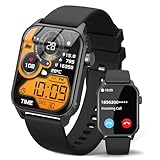
- 【1.83" HD Display & Customizable Watch Faces】Immerse yourself in a vibrant 1.83-inch IPS display, boasting a sharp resolution of 240*284 for crystal-clear visuals. Effortlessly personalize your smart watch with a wide array of customizable watch faces to suit your personal style for every occasion—whether trendy, artistic, or minimalist—ideal for casual, sporty, or professional. Its sleek, modern design complements any outfit, blending technology and fashion seamlessly for everyday wear
- 【120 Sports Modes & Advanced Health Tracking】Our TK29 smart watches for women men come equipped with 120 sports modes, allowing you to effortlessly track a variety of activities such as walking, running, cycling, and swimming. With integrated heart rate and sleep monitors, you can maintain a comprehensive overview of your health, achieve your fitness goals, and maintain a balanced, active lifestyle with ease. Your ideal wellness companion (Note: Step recording starts after exceeding 20 steps)
- 【IP67 Waterproof & Long-Lasting Battery】Designed to keep up with your active lifestyle, this smartwatch features an IP67 waterproof rating, ensuring it can withstand splashes, sweat, and even brief submersion, making it perfect for workouts, outdoor adventures, or rainy days. Its reliable 350mAh battery offering 5-7 days of active use and up to 30 days in standby mode, significantly reducing frequent charging. Ideal for all-day wear, whether you’re at the gym, outdoors, or simply on the go
- 【Stay Connected Anytime, Anywhere】Stay informed and in control with Bluetooth call and music control features. Receive real-time notifications for calls, messages, and social media apps like Facebook, WhatsApp, Twitter, and Instagram directly on your smartwatch. Easily manage calls, control your music playlist, and stay updated without needing to reach for your phone. Perfect for work, workouts, or on-the-go, this watch keeps you connected and never miss important updates wherever you are
- 【Multifunction & Wide Compatibility】Seamlessly handle heart rate monitoring, sleep tracking, and enjoy conveniences like camera/music control, Seamlessly handle heart rate monitoring, sleep tracking, and more-all directly from your wrist. This 1.83 inches HD smartwatch is compatible with iPhone (iOS 9.0+) & Android (5.0+), ensuring smooth daily connectivity and convenience throughout your day. More than just a timepiece, it’s a stylish, all-in-one wearable for smarter, healthier living
The dimensions and weight remain in the same ultra-light category, which is great for sleep tracking and all-day wear, but anyone hoping for a refined look, metal accents, or a more watch-like presence won’t find it here. Strap compatibility also remains unchanged, so existing Band 8 straps will feel instantly familiar, for better or worse.
Huawei’s color options are refreshed, but that’s largely cosmetic. There’s no meaningful improvement in screen resolution, brightness behavior outdoors, or tactile interaction that would justify upgrading based on hardware alone.
Health Tracking: Small Tweaks, Same Foundation
Huawei positions the Band 9 as having improved health monitoring accuracy, particularly around heart rate and sleep. In practice, this is more about algorithm tuning than new sensors, as the underlying hardware appears unchanged from the Band 8.
Sleep tracking still leans on Huawei’s TruSleep platform, offering detailed breakdowns of sleep stages, breathing quality, and overnight heart rate trends. These insights remain strong for the price, but if you already trust your Band 7 or 8 for sleep data, the Band 9 won’t radically change your understanding of your nightly recovery.
Heart rate and SpO₂ tracking continue to be available 24/7, but there’s no new health metric that fundamentally shifts the experience. There’s no skin temperature tracking, no ECG, and no meaningful expansion into stress or recovery scoring beyond what Huawei already offered.
Fitness and Sports Modes: Incremental Polish Only
On the fitness side, Huawei once again emphasizes breadth rather than depth. The Band 9 supports a wide range of workout modes, including running, cycling, swimming, and indoor activities, with automatic detection still playing a role in everyday workouts.
What’s new here is subtle refinement in motion recognition and post-workout analysis, not new training tools. GPS remains absent, as expected at this price point, meaning outdoor runners still rely on their phone for route tracking.
For casual fitness users, this is perfectly adequate. For anyone hoping the Band 9 would bridge the gap toward more serious training features, the experience remains firmly entry-level.
Software Experience: Stable, but Not Smarter
Huawei Health continues to be the backbone of the Band 9 experience, and compatibility remains strong across Android and iOS, albeit with a smoother experience on Android. The app is polished, data-rich, and generally easy to navigate, but it hasn’t evolved in ways that materially change how you use the Band day to day.
Smart features like notifications, music control, and basic watch faces are all present, yet unchanged. There’s still no app ecosystem, no voice assistant, and limited customization beyond faces and widgets.
For long-time Huawei Band users, the learning curve is effectively zero. Unfortunately, so is the sense of discovery.
Battery Life: Still a Strength, Not a Leap Forward
Battery life remains one of the Band 9’s strongest selling points, with Huawei again promising up to two weeks of use under ideal conditions. Real-world usage will vary depending on screen brightness, sleep tracking, and continuous heart rate monitoring, but expectations should align closely with the Band 8.
Charging is quick and painless, but there’s no improvement in charging speed or efficiency that would change your habits. If you were already happy charging your Band every 10 to 14 days, the Band 9 behaves exactly as expected.
Why the Launch Feels So Quiet
The muted launch isn’t accidental. Huawei hasn’t introduced a headline feature that demands attention, nor has it repositioned the Band 9 as anything other than a safe, affordable fitness tracker.
This feels like a model designed to replace the Band 8 on store shelves rather than tempt existing owners to upgrade. For new buyers, it’s a solid, refined option. For current users, especially those on the Band 7 or Band 8, the lack of visible progress is hard to ignore.
That context is critical when deciding whether the Band 9 deserves your money or whether sticking with what you already have makes more sense.
Design, Display, and Comfort: Familiar Hardware With One Subtle Improvement
After a launch that feels deliberately understated, it’s no surprise that the Band 9’s physical design continues the same conservative theme. If you’re coming from a Band 7 or Band 8, the hardware will feel instantly recognizable on the wrist, right down to the proportions and overall silhouette.
Nearly Identical Form Factor, by Design
Huawei hasn’t meaningfully altered the Band formula here. You’re still looking at a slim, pill-shaped tracker with a polymer body, curved edges, and a single touchscreen interface with no physical buttons.
Dimensions and weight are effectively unchanged, which means the Band 9 remains one of the more discreet fitness trackers you can wear 24/7. That’s good news for sleep tracking and all-day comfort, but it also reinforces the sense that this is a continuation model rather than a rethink.
For Band 8 owners in particular, there’s no visual cue that you’re wearing something newer. Even side-by-side, the differences are hard to spot.
AMOLED Display: Crisp, Bright, and Still the Same Size
The AMOLED display returns unchanged in size and resolution, and that’s not necessarily a criticism. It remains sharp, colorful, and more than adequate for stats, notifications, and watch faces at this price point.
Huawei claims improvements to brightness management and visibility, especially outdoors. In practice, this translates to slightly better legibility under direct sunlight, but it’s a refinement rather than a leap.
If you were already satisfied with the Band 8’s screen, nothing here will surprise you. If you found it lacking, the Band 9 doesn’t fundamentally solve that either.
The One Real Hardware Tweak: Improved Strap Comfort
The most noticeable physical change comes not from the core device, but from what holds it on your wrist. Huawei has subtly revised the strap material, making it softer and more flexible than before.
This matters more than it sounds. During sleep, long workouts, or all-day wear, the Band 9 feels slightly less prone to pressure points and skin irritation, especially for users with smaller wrists or sensitive skin.
It’s a quality-of-life upgrade rather than a spec-sheet feature, but it’s also the clearest example of Huawei refining the experience instead of reinventing it.
Durability and Daily Wearability Remain Predictable
Water resistance, scratch resistance, and general durability are unchanged. The Band 9 is still designed to handle sweat, rain, showers, and pool sessions without complaint, but it doesn’t move the needle in terms of ruggedness.
The lightweight build continues to be one of its biggest strengths. You forget you’re wearing it, which is exactly what most people want from a fitness band rather than a smartwatch.
That said, there’s nothing here that would justify upgrading purely on physical design if your current Band is still in good condition.
Who the Design Changes Actually Benefit
For first-time buyers, the Band 9’s design remains clean, modern, and easy to live with. It looks and feels like a mature product, not a cost-cutting compromise.
For existing Band 7 or Band 8 owners, the reality is less compelling. Outside of the more comfortable strap and marginal screen refinements, the wearing experience is effectively identical.
This section alone sums up the Band 9’s broader story: thoughtful polish, no bold moves, and very little reason to upgrade unless your current band is worn out or uncomfortable.
Health Tracking Changes That Matter in Daily Use (Sleep, HR, Stress)
Once you move past the physical refinements, the real question for most existing Huawei Band owners is whether the Band 9 actually tracks your body any better. Huawei’s marketing leans heavily on health algorithms and “smarter” insights, but the day-to-day reality is more nuanced.
This is where expectations need to be reset. The Band 9 refines how data is interpreted and presented, rather than introducing new sensors or fundamentally different tracking capabilities.
Sleep Tracking: Incremental Accuracy, Not a New Experience
Sleep remains one of Huawei’s strongest areas at this price point, and the Band 9 continues that trend. You still get automatic sleep detection, sleep stages, breathing quality, and overnight SpO2 tracking, all running quietly in the background with no manual input required.
What’s changed is mostly behind the scenes. Huawei says its updated sleep algorithms are better at distinguishing light sleep from awake time, particularly for people who toss, turn, or wake briefly during the night.
In practice, this translates to fewer obviously incorrect wake periods in the morning report. Band 7 and Band 8 users who noticed exaggerated “awake” time may see slightly cleaner data, but the overall sleep story and metrics look very familiar.
Rank #2
![Apple Watch Series 11 [GPS 46mm] Smartwatch with Jet Black Aluminum Case with Black Sport Band - M/L. Sleep Score, Fitness Tracker, Health Monitoring, Always-On Display, Water Resistant](https://m.media-amazon.com/images/I/312K597M2uL._SL160_.jpg)
- HYPERTENSION NOTIFICATIONS — Apple Watch Series 11 can spot signs of chronic high blood pressure and notify you of possible hypertension.*
- KNOW YOUR SLEEP SCORE — Sleep score provides an easy way to help track and understand the quality of your sleep, so you can make it more restorative.
- EVEN MORE HEALTH INSIGHTS — Take an ECG anytime.* Get notifications for a high and low heart rate, an irregular rhythm,* and possible sleep apnea.* View overnight health metrics with the Vitals app* and take readings of your blood oxygen.*
- STUNNING DESIGN — Thin and lightweight, Series 11 is comfortable to wear around the clock — while exercising and even when you’re sleeping, so it can help track your key metrics.
- A POWERFUL FITNESS PARTNER — With advanced metrics for all your workouts, plus features like Pacer, Heart Rate Zones, training load, Workout Buddy powered by Apple Intelligence from your nearby iPhone,* and more. Series 11 also comes with three months of Apple Fitness+ free.*
The comfort tweak from the new strap also plays an indirect role here. Better strap flexibility improves overnight sensor contact, which can help consistency, but it’s not a night-and-day leap in sleep accuracy.
If you’re already happy with sleep tracking on the Band 8, the Band 9 doesn’t add new insights that will change your habits or routines.
Heart Rate Tracking: More Stable Readings, Same Limits
Continuous heart rate monitoring remains 24/7, with configurable intervals and alerts for unusually high or low readings. The sensor hardware itself appears unchanged, which is important context when weighing an upgrade.
Where the Band 9 does feel marginally better is during low-intensity, all-day tracking. Resting heart rate trends and casual movement readings feel slightly smoother, with fewer sudden spikes when sitting still or typing.
During workouts, the limitations are still visible. Like previous Huawei Bands, it performs well for steady-state cardio such as walking, jogging, or cycling, but struggles to match chest straps or higher-end watches during interval-heavy or strength sessions.
For Band 7 and Band 8 owners, this won’t feel like a meaningful leap. The data is a touch more stable, not more advanced, and the overall reliability profile remains the same.
Stress Tracking: Polished Presentation, Familiar Data
Huawei’s stress tracking continues to rely on heart rate variability trends rather than direct measurement. The Band 9 maintains continuous background monitoring, with prompts for breathing exercises when elevated stress is detected.
The biggest change here is how the information is presented inside Huawei Health. Stress trends are easier to understand at a glance, and daily fluctuations are explained with slightly more context than before.
However, the usefulness of stress tracking still depends heavily on how engaged you are with the app. Passive users may barely notice the difference, while active users will appreciate the cleaner visualization more than the data itself.
There’s no new type of stress insight that wasn’t already present on the Band 8. It’s refinement, not reinvention.
SpO2 and Wellness Metrics: Reliable, but Unchanged
Blood oxygen tracking continues to run automatically during sleep or on-demand during the day. Results remain consistent with previous generations, offering trend-level awareness rather than medical-grade precision.
There’s no expansion into new wellness metrics, nor any added sensor depth. Temperature tracking, ECG, and advanced recovery metrics remain absent, keeping the Band firmly in the budget fitness category.
For most users, that’s an acceptable trade-off at this price. But it also reinforces why Band 7 and Band 8 owners won’t feel shortchanged by skipping this update.
What This Means for Upgrading
If your current Band struggles with inconsistent sleep detection or messy heart rate graphs, the Band 9 may feel slightly more polished. The improvements are subtle but real, especially for users who wear the band 24/7 and care about clean long-term trends.
For everyone else, the experience is largely unchanged. The Band 9 doesn’t track more things, it simply tracks the same things a bit more gracefully.
That makes it a sensible choice for first-time buyers or those coming from much older Huawei Bands. For recent upgraders, the health tracking alone is unlikely to justify the cost.
Fitness Features and Sports Tracking: Essentially the Same Playbook
Once you move beyond general health monitoring, the story stays familiar. Huawei hasn’t tried to reinvent its fitness tracking formula with the Band 9, and that’s both its strength and its biggest limitation.
For anyone coming from a Band 7 or Band 8, the workout experience will feel instantly recognizable. The menus, metrics, and post-workout summaries follow the same logic, with only small refinements in how data is displayed inside Huawei Health.
Workout Modes: More Than Enough, but Not Meaningfully Different
Huawei continues to advertise a long list of supported workout modes, comfortably exceeding 100 activities on paper. In practice, most of these still map back to the same core tracking profiles, with differences mainly in labeling rather than sensor behavior.
Running, walking, cycling, rowing, elliptical, and general indoor workouts are tracked using the same heart rate, motion, and duration data you’ve seen before. Metrics like calories burned, average heart rate, heart rate zones, and training duration are unchanged in both depth and presentation.
If you were hoping for new sport-specific insights or expanded metrics for strength training, nothing new has been added. Rep counting and exercise recognition remain basic, and the Band 9 doesn’t offer the kind of workout structure or post-session analysis you’d find on more advanced fitness watches.
Outdoor Tracking Without GPS: The Same Compromise
As with previous Huawei Bands, there’s no built-in GPS. Outdoor runs and walks rely entirely on your phone’s GPS if you want route maps, pace accuracy, and distance consistency.
That’s fine if you already carry your phone during workouts, but it’s an important limitation to remember. Competing budget trackers are increasingly adding standalone GPS, and Huawei has chosen not to move in that direction here.
Distance estimation without GPS remains serviceable for casual tracking, but serious runners won’t see improved accuracy over the Band 8. The Band 9 simply doesn’t change the equation for phone-free training.
Heart Rate Accuracy: Stable, Not Sharper
Heart rate tracking during workouts remains one of Huawei’s stronger points in the budget segment. During steady-state activities like walking, jogging, and cycling, readings stay consistent and believable, with minimal erratic spikes.
However, this is not a leap forward from the Band 8. Interval training, rapid intensity changes, and strength workouts still expose the limitations of an optical sensor in a slim, lightweight band.
The Band 9 doesn’t introduce a new heart rate sensor or improved sampling logic that materially changes workout accuracy. It’s reliable enough for general fitness, but it doesn’t suddenly become a training-grade tool.
Training Load, Recovery, and Coaching: Still Entry-Level
Huawei continues to position the Band series as a lifestyle fitness tracker rather than a performance-focused training device. As a result, advanced features like training load, recovery readiness, or adaptive coaching remain either very basic or absent altogether.
You’ll still see familiar indicators like activity rings, workout frequency, and weekly summaries. There’s no meaningful expansion into fatigue tracking or long-term performance guidance.
For casual users, that’s perfectly acceptable and easy to live with. For anyone trying to follow a structured training plan, the Band 9 doesn’t move the needle beyond what the Band 7 and Band 8 already offered.
Comfort and Wearability During Workouts: A Known Strength
Where the Band 9 continues to shine is comfort. Its slim profile, lightweight build, and soft silicone strap make it easy to wear for long sessions without distraction, whether you’re running outdoors or sleeping overnight.
The band doesn’t shift excessively during workouts, which helps maintain stable heart rate readings. This was already a strength of previous generations, and Huawei has wisely left the physical formula largely untouched.
There’s no change in materials or fastening system that dramatically alters the experience. It’s familiar, comfortable, and reliable, but not newly impressive.
What This Means for Fitness-Focused Buyers
If your current Huawei Band tracks workouts accurately and you’re happy with how Huawei Health presents your data, the Band 9 won’t feel like a meaningful upgrade. It tracks the same workouts, with the same limitations, and delivers largely the same post-exercise insights.
First-time buyers or users coming from much older bands will still find a capable, approachable fitness tracker at a reasonable price. But for Band 7 and Band 8 owners, the fitness features alone don’t offer a compelling reason to upgrade.
This is a continuation, not a progression. Huawei has refined the experience without expanding it, and that makes the Band 9 easy to recommend to newcomers, but easy to skip for recent upgraders focused on fitness tracking gains.
Software, Huawei Health App, and Platform Lock-In Reality
If the Band 9 feels familiar on your wrist, it feels even more familiar once you open the Huawei Health app. This is where the upgrade case becomes hardest to justify for existing users, because the software experience is almost entirely unchanged.
Rank #3

- Bluetooth Call and Message Alerts: Smart watch is equipped with HD speaker, after connecting to your smartphone via bluetooth, you can answer or make calls, view call history and store contacts through directly use the smartwatch. The smartwatches also provides notifications of social media messages (WhatsApp, Twitter, Facebook, Instagram usw.) So that you will never miss any important information.
- Smart watch for men women is equipped with a 320*380 extra-large hd full touch color screen, delivering exceptional picture quality and highly responsive touch sensitivity, which can bring you a unique visual and better interactive experience, lock screen and wake up easily by raising your wrist. Though “Gloryfit” app, you can download more than 102 free personalised watch faces and set it as your desktop for fitness tracker.
- 24/7 Heart Rate Monitor and Sleep Tracker Monitor: The fitness tracker watch for men has a built-in high-performance sensor that can record our heart rate changes in real time. Monitor your heart rate 26 hours a day and keep an eye on your health. Synchronize to the mobile phone app"Gloryfit", you can understand your sleep status(deep /light /wakeful sleep) by fitness tracker watch develop a better sleep habit and a healthier lifestyle.
- IP68 waterproof and 110+ Sports Modes: The fitness tracker provides up to 112+ sports modes, covering running, cycling, walking, basketball, yoga, football and so on. Activity trackers bracelets meet the waterproof requirements for most sports enthusiasts' daily activities, such as washing hands or exercising in the rain, meeting daily needs (note: Do not recommended for use in hot water or seawater.)
- Multifunction and Compatibility: This step counter watch also has many useful functions, such as weather forecast, music control, sedentary reminder, stopwatch, alarm clock, timer, track female cycle, screen light time, find phone etc. The smart watch with 2 hrs of charging, 5-7 days of normal use and about 30 days of standby time. This smart watches for women/man compatible with ios 9.0 and android 6.2 and above devices.
Huawei’s approach prioritizes stability and simplicity over rapid feature expansion. That’s not inherently a problem, but it does mean Band 9 owners aren’t getting a meaningfully new digital experience to match the new hardware generation.
Huawei Health: Polished, Predictable, and Largely Static
Huawei Health remains one of the cleaner fitness apps in the budget wearable space. Navigation is logical, daily metrics are easy to read, and syncing is generally reliable on both Android and iOS.
Activity tracking, sleep scores, SpO₂ trends, and heart rate data are presented in the same layouts Band 7 and Band 8 users already know. Weekly reports look almost identical, and long-term trend analysis hasn’t evolved in any meaningful way.
What’s missing is forward momentum. There’s still no deeper interpretation of your data, no contextual coaching, and no attempt to connect sleep, stress, and training into a single actionable picture.
New Band, Same Features: No Software-Led Reason to Upgrade
Crucially, the Band 9 doesn’t unlock exclusive software features inside Huawei Health. Any minor algorithm refinements appear to apply across recent devices, meaning Band 8 users are not locked out of new insights by sticking with older hardware.
There are no Band 9-only dashboards, no new training metrics, and no expanded health analytics that suddenly justify switching. From a software perspective, Huawei treats the Band line as a single ecosystem rather than distinct generations.
For upgraders, this flattens the value proposition. If the app looks and behaves the same, the day-to-day experience doesn’t feel new, even if the sensor hardware has been slightly refined behind the scenes.
Platform Lock-In: Huawei’s Quiet Dealbreaker
Huawei Health works best when you fully commit to it, and that’s where platform lock-in becomes a reality rather than a theory. Integration with third-party services like Google Fit, Strava, or MyFitnessPal remains limited or nonexistent depending on region.
Exporting raw data is still more cumbersome than it should be, and syncing across ecosystems is not seamless. If you’re hoping to use the Band 9 as part of a broader fitness tech stack, Huawei’s closed approach can feel restrictive.
For Android users already comfortable inside Huawei Health, this may not matter. For anyone who likes to mix platforms or switch devices regularly, it’s a constraint that hasn’t improved with the Band 9.
iOS Compatibility: Functional, but Clearly Second-Tier
The Band 9 works with iPhones, but the experience is pared back. Notification handling is basic, background syncing can be inconsistent, and system-level integrations are limited by Apple’s restrictions and Huawei’s own priorities.
You still get core health metrics and workout tracking, but it feels transactional rather than deeply integrated. Compared to how the Band behaves on Android, iOS support remains serviceable rather than compelling.
This hasn’t changed from previous generations, and Band 9 does nothing to close that gap. If you’re an iPhone user considering an upgrade, software alone won’t tip the scales in Huawei’s favor.
Long-Term Software Support: Stable, Not Ambitious
Huawei has a decent track record of maintaining its fitness bands with bug fixes and minor optimizations. What it doesn’t do is dramatically expand capabilities over time through software updates.
Band 7 and Band 8 owners have already seen how this plays out. The core experience stays consistent, but it doesn’t grow in ways that change how you train or recover.
That history matters when considering Band 9. If you’re buying it hoping future updates will unlock deeper insights or smarter coaching, past behavior suggests that’s unlikely.
What This Means for Existing and Prospective Buyers
For current Huawei Band users, especially those on Band 7 or Band 8, the software experience alone gives you little reason to upgrade. You’re getting the same app, the same metrics, and the same limitations you already live with.
For first-time buyers, Huawei Health remains a friendly, approachable entry point into fitness tracking. Just go in knowing that you’re buying into a closed ecosystem that values consistency over innovation.
The Band 9 fits neatly into Huawei’s existing software philosophy. If you already accept that philosophy, it’s easy to live with. If you were hoping this generation would finally expand beyond it, this isn’t the upgrade that does it.
Battery Life and Charging: No Breakthroughs, Just Steady Reliability
After talking about software limitations and long-term support, battery life is where Huawei’s conservative approach actually works in its favor. The Band line has always prioritized endurance over flashier features, and Band 9 sticks closely to that formula rather than trying to reinvent it.
If you were hoping for a surprise jump in longevity or faster charging tech, this generation doesn’t deliver that. What it does offer is predictability, and for many budget-focused users, that still matters more than marginal gains.
Real-World Endurance: Essentially Unchanged
Huawei continues to quote up to two weeks of battery life under light use, with closer to 7–9 days if you enable continuous heart rate tracking, sleep monitoring, stress tracking, and a reasonable amount of workouts. In everyday use, that lines up closely with what Band 8 already delivers.
Band 7 owners will feel the same sense of déjà vu. Even with always-on display disabled and GPS-free workouts, there’s no noticeable extension in runtime that would make Band 9 feel meaningfully more efficient.
This consistency isn’t a flaw, but it’s also not an upgrade. If your current Band comfortably lasts a week or more, Band 9 won’t change your charging habits at all.
Always-On Display Still Comes at a Cost
The optional always-on display remains one of the biggest battery drains, just as it was on the previous generation. With AOD enabled, expect battery life to drop closer to 3–4 days, depending on brightness and how often you interact with the screen.
Huawei hasn’t introduced smarter AOD scheduling or adaptive refresh tricks to soften that impact. It’s usable, but still very much a trade-off between convenience and endurance.
For Band 8 users already accustomed to toggling AOD on and off for specific days, nothing changes here. Band 9 doesn’t make always-on feel more practical or efficient than before.
Charging Speed and Convenience: Familiar, Functional
Charging remains quick and painless, using the same magnetic charger design Huawei has relied on for years. A short top-up can comfortably get you through a few days, while a full charge typically takes under an hour.
There’s no move to faster charging, wireless charging, or a more universal connector. It works, it’s reliable, and it’s easy to live with, but it’s also unchanged from Band 7 and Band 8.
If you already have Huawei’s charger at home or in a travel bag, Band 9 doesn’t add or remove any friction. It simply fits into the same routine you’re already used to.
What Battery Life Means for Upgrade Decisions
For existing Band 7 or Band 8 owners, battery performance alone offers no incentive to upgrade. You won’t gain extra days, smarter power management, or new charging convenience that materially improves daily use.
For first-time buyers, the Band 9’s battery life remains one of its strongest practical advantages over many budget rivals. Long stretches between charges make it easy to wear continuously, which directly benefits sleep tracking, recovery metrics, and overall data consistency.
In other words, the Band 9 maintains Huawei’s reputation for dependable endurance, but it doesn’t advance it. If your current Band already lasts as long as you need, this is another area where staying put makes just as much sense as upgrading.
What Hasn’t Changed at All Since Band 8 (And Even Band 7)
If the battery story feels familiar, that’s because much of the Band 9 experience continues in the same vein. Once you look past the headline tweaks, large parts of the hardware, sensors, and daily usability remain effectively frozen in place.
For long-time Huawei Band users, this section will likely read less like a spec rundown and more like confirmation of what your wrist already knows.
Same Display, Same Size, Same Wearability
The Band 9 uses the same 1.47-inch AMOLED display with a 194 × 368 resolution, identical brightness characteristics, and the same elongated rectangular shape introduced with Band 7. There’s no jump in pixel density, no higher peak brightness, and no meaningful improvement in outdoor readability under harsh sunlight.
Physical dimensions and weight are unchanged too, which means comfort remains a strong point, but not a new one. If Band 8 already felt invisible on your wrist during sleep or all-day wear, Band 9 will feel exactly the same.
Rank #4
![Apple Watch Series 11 [GPS 42mm] Smartwatch with Rose Gold Aluminum Case with Light Blush Sport Band - S/M. Sleep Score, Fitness Tracker, Health Monitoring, Always-On Display, Water Resistant](https://m.media-amazon.com/images/I/31J+F-pXaWL._SL160_.jpg)
- HYPERTENSION NOTIFICATIONS — Apple Watch Series 11 can spot signs of chronic high blood pressure and notify you of possible hypertension.*
- KNOW YOUR SLEEP SCORE — Sleep score provides an easy way to help track and understand the quality of your sleep, so you can make it more restorative.
- EVEN MORE HEALTH INSIGHTS — Take an ECG anytime.* Get notifications for a high and low heart rate, an irregular rhythm,* and possible sleep apnea.* View overnight health metrics with the Vitals app* and take readings of your blood oxygen.*
- STUNNING DESIGN — Thin and lightweight, Series 11 is comfortable to wear around the clock — while exercising and even when you’re sleeping, so it can help track your key metrics.
- A POWERFUL FITNESS PARTNER — With advanced metrics for all your workouts, plus features like Pacer, Heart Rate Zones, training load, Workout Buddy powered by Apple Intelligence from your nearby iPhone,* and more. Series 11 also comes with three months of Apple Fitness+ free.*
Materials and Build: Familiar, Functional, Unchanged
Huawei sticks with the same polymer case construction and silicone strap setup. There’s no shift to metal framing, upgraded glass protection, or more premium finishing that might justify an upgrade on tactile appeal alone.
Water resistance remains at 5ATM, suitable for swimming and daily exposure but unchanged since Band 7. Durability is fine for the price, but Band 9 does not raise the bar or address long-term scratch resistance concerns.
Health Sensors: No New Hardware, No New Baseline Accuracy
Under the hood, the optical heart rate sensor array is effectively the same generation used on Band 8. There’s no new sensor hardware for SpO₂, heart rate variability, or sleep tracking, just refinements in how data is interpreted.
In real-world use, this means core metrics perform as reliably as before, but not more accurately. If you were hoping for a noticeable leap in heart rate stability during interval workouts or improved SpO₂ consistency overnight, Band 9 doesn’t deliver that through hardware changes.
Sleep, Stress, and Recovery Metrics Feel Identical
Huawei’s TruSleep and stress tracking features behave much the same as they did on Band 8. Sleep stages, breathing awareness, and nightly scores follow the same patterns, with similar sensitivity and occasional overconfidence in recovery estimates.
There’s still no deeper physiological insight that would meaningfully challenge more advanced platforms. For casual health awareness it works well, but Band 9 doesn’t expand what you can actually learn about your body compared to previous generations.
No GPS, No Offline Music, No New Core Features
As before, there’s no built-in GPS, meaning all outdoor tracking relies on your phone. That limitation remains one of the biggest differentiators between Huawei’s bands and entry-level watches, and Band 9 does nothing to close that gap.
Music control stays limited to playback management on your phone, with no storage or offline support. NFC and voice assistant features remain region-dependent and unchanged, offering no new flexibility for global users.
Sports Modes: Expanded List, Same Experience
While Huawei continues to advertise a growing number of workout modes, the underlying tracking experience hasn’t evolved. Most modes still rely on the same motion sensors and heart rate data, with limited sport-specific depth.
For runners, cyclists, and gym users, Band 9 tracks duration and effort much like Band 7 and Band 8 did. There’s no new training load logic or performance guidance that would materially change how you train.
Notifications and Smart Features Remain Basic
Notification handling is unchanged, showing alerts clearly but without interaction depth. You still can’t respond to messages directly from the band, and emoji or app-specific formatting remains hit-or-miss depending on your phone.
Vibration strength and haptics feel the same as before, which is adequate but not especially refined. It gets your attention, but it doesn’t feel more polished or customizable than previous models.
Huawei Health App: Stable, Familiar, Still Closed
The Band 9 continues to rely entirely on the Huawei Health app, with the same strengths and limitations. Data presentation is clean and approachable, but deeper analysis and third-party integration remain limited compared to Fitbit or Garmin ecosystems.
Android users outside Huawei’s own ecosystem still need to sideload updates in some regions, and iOS users get a more restricted experience. None of that changes with Band 9, which may matter more than any hardware tweak for long-term satisfaction.
Compatibility and Daily Use: No Friction Added, None Removed
Phone compatibility remains broad, but not frictionless. Core features work across Android and iOS, yet advanced syncing and firmware updates still favor Huawei-friendly setups.
Day-to-day usability feels identical, from swipe gestures to menu structure. If you’ve memorized how to navigate a Band 7 or Band 8, there’s nothing new to learn here.
Huawei Band 9 vs Band 8 vs Band 7: The Real-World Differences That Decide Upgrades
Once you strip away the marketing language, the Band 9 vs Band 8 vs Band 7 comparison comes down to how much Huawei has actually changed the daily experience. Not what’s new on a slide, but what feels different on your wrist after a week.
For most existing Band users, the honest answer is that the differences are narrower than the product cycle suggests.
Design, Comfort, and Build: Marginal Tweaks, Same Wearing Experience
At a glance, all three bands are nearly indistinguishable. The screen size, shape, and general proportions remain effectively the same, with a slim rectangular AMOLED panel that prioritizes lightness over visual drama.
Band 9 continues Huawei’s push toward slightly softer edges and improved strap materials, but this is refinement, not reinvention. If Band 8 already felt comfortable during sleep and all-day wear, Band 9 doesn’t meaningfully change that equation.
Band 7 owners will notice the jump to a brighter, more modern-looking display when moving to either Band 8 or Band 9. Band 8 to Band 9, however, feels more like a minor finishing update than a comfort breakthrough.
Display and Watch Faces: Familiar Hardware, Incremental Polish
Huawei sticks with AMOLED across all three generations, and while Band 9 benefits from subtle improvements in brightness tuning and animations, the panel itself doesn’t feel new. Outdoor readability is good, but not meaningfully better than Band 8 in real-world use.
Watch face performance is slightly smoother on Band 9, especially with more animated designs, but the core limitations remain. You’re still working with a narrow screen that favors glanceable data over rich visuals.
If you’re coming from Band 7, the jump to Band 9 feels noticeable due to smoother scrolling and better contrast. From Band 8, the difference is something you only notice if you’re actively looking for it.
Health Tracking: New Algorithms, Familiar Results
Huawei promotes Band 9 as having improved sleep tracking and heart rate accuracy, and technically that’s true. The updated TruSleep algorithms add more context around sleep stages and recovery, but the nightly insights remain broadly similar to what Band 8 already provided.
Heart rate tracking remains consistent and reliable for steady-state activities like walking and treadmill workouts. During interval training or strength sessions, performance mirrors Band 7 and Band 8, with the same lag and smoothing behavior.
There’s no new sensor hardware leap here. For users hoping Band 9 would close the gap with more advanced fitness trackers in training analysis or recovery metrics, the reality is that Huawei is still iterating within the same capability ceiling.
Fitness and Sports Tracking: Same Depth, Wider Net
While Huawei continues to add sports modes across generations, the actual data collected doesn’t meaningfully change. Whether you select one of 100 modes or 20, the metrics are still built on duration, heart rate, and basic movement data.
Band 9 doesn’t introduce new coaching features, adaptive training plans, or performance readiness tools. Compared to Band 7 and Band 8, your post-workout summaries look almost identical.
For casual users, that consistency is a strength. For anyone upgrading in hopes of unlocking deeper fitness insight, Band 9 doesn’t justify the spend if Band 8 is already doing the job.
Battery Life: Stable, Predictable, Unchanged in Practice
Huawei continues to claim long battery life, and all three bands largely deliver. In real-world use, Band 7, Band 8, and Band 9 all hover around a similar range depending on brightness, notifications, and health tracking intensity.
Band 9 doesn’t noticeably outlast Band 8, nor does it charge faster in a way that impacts daily habits. You’re still charging roughly once every week to ten days under typical use.
For Band 7 users, battery efficiency is comparable enough that upgrading solely for endurance makes little sense unless your older band is already degraded.
Software Experience: Same Ecosystem, Same Trade-Offs
All three bands live and die by the Huawei Health app, and Band 9 does nothing to change that relationship. The interface remains clean and approachable, but power users will still feel boxed in by limited data export and integrations.
There are no new smart features that materially change daily use. Timers, alarms, weather, and notifications behave the same across generations, with the same restrictions on replies and app interaction.
If you’re already comfortable navigating Huawei Health on Band 7 or Band 8, Band 9 feels immediately familiar. Comforting, yes, but not compelling as an upgrade driver.
Price-to-Performance: Where the Upgrade Logic Breaks
This is where the generational comparison becomes most important. Band 9 enters the market at a price point that overlaps heavily with discounted Band 8 models, and sometimes even undercuts premium competitors only slightly.
💰 Best Value
![Apple Watch Series 11 [GPS 42mm] Smartwatch with Jet Black Aluminum Case with Black Sport Band - S/M. Sleep Score, Fitness Tracker, Health Monitoring, Always-On Display, Water Resistant](https://m.media-amazon.com/images/I/31ybzrJZckL._SL160_.jpg)
- HYPERTENSION NOTIFICATIONS — Apple Watch Series 11 can spot signs of chronic high blood pressure and notify you of possible hypertension.*
- KNOW YOUR SLEEP SCORE — Sleep score provides an easy way to help track and understand the quality of your sleep, so you can make it more restorative.
- EVEN MORE HEALTH INSIGHTS — Take an ECG anytime.* Get notifications for a high and low heart rate, an irregular rhythm,* and possible sleep apnea.* View overnight health metrics with the Vitals app* and take readings of your blood oxygen.*
- STUNNING DESIGN — Thin and lightweight, Series 11 is comfortable to wear around the clock — while exercising and even when you’re sleeping, so it can help track your key metrics.
- A POWERFUL FITNESS PARTNER — With advanced metrics for all your workouts, plus features like Pacer, Heart Rate Zones, training load, Workout Buddy powered by Apple Intelligence from your nearby iPhone,* and more. Series 11 also comes with three months of Apple Fitness+ free.*
For Band 7 owners, Band 9 can make sense if the price gap is small and you value incremental improvements in display smoothness and sleep tracking. For Band 8 owners, the math is far less convincing.
Unless Band 9 drops quickly in price or your Band 8 is failing, the real-world gains are too subtle to justify replacing a perfectly functional tracker. In many cases, staying put delivers better value than chasing the newest number on the box.
Who Should Upgrade to Huawei Band 9 (And Who Definitely Shouldn’t)
With the price-to-performance picture now clear, the upgrade decision comes down to context rather than specs. Huawei Band 9 is not a bad tracker, but it is a very specific one, aimed at first-time buyers and users coming from much older hardware.
If you know where you sit in that spectrum, the choice becomes surprisingly straightforward.
You Should Upgrade if You’re Coming from Band 6 or Earlier
If you’re using a Huawei Band 6 or anything older, Band 9 represents a meaningful generational jump. You get a brighter, smoother AMOLED display, better overall responsiveness, and more refined health algorithms than early-generation Huawei bands ever offered.
Sleep tracking in particular feels more polished than on older models, with more stable overnight heart rate readings and fewer gaps in data. Combined with improved comfort and a lighter feel on the wrist, Band 9 is a solid refresh for long-term users whose devices are starting to feel dated.
In this scenario, Band 9 feels like a proper upgrade rather than a lateral move.
You Might Upgrade from Band 7 if Price Is Right
Band 7 owners sit in a gray area. Band 9 does bring subtle improvements in display smoothness, sleep tracking consistency, and general polish, but none of these are transformative on their own.
If your Band 7 battery has degraded, the screen has picked up scratches, or you simply want a cleaner, more refined daily experience, Band 9 can make sense, especially if discounted. Comfort improvements and slightly better sensor stability during sleep are the main tangible gains you’ll notice day to day.
If your Band 7 is still working well, though, the incentive is modest rather than urgent.
You Should Not Upgrade from Band 8
For Band 8 owners, Huawei Band 9 offers too little to justify replacement. The core experience, from health tracking to software behavior and battery life, remains effectively the same.
Any improvements in sleep tracking or responsiveness are incremental enough that most users won’t notice them without side-by-side comparison. Daily usability, workout tracking, notifications, and Huawei Health integration all feel nearly identical.
Unless your Band 8 is damaged or you find Band 9 at an unusually low price, upgrading here is more about novelty than value.
You Should Upgrade if You’re a First-Time Fitness Band Buyer
If you’re entering the fitness tracker space for the first time, Band 9 is one of Huawei’s most refined entry points. It delivers reliable health tracking, long battery life, a comfortable design, and a clean software experience without overwhelming beginners.
The slim form factor works well for sleep tracking, the strap materials are comfortable for all-day wear, and the interface is easy to understand even if you’ve never used a wearable before. As a daily wellness companion rather than a hardcore training tool, it hits the right balance.
For budget-conscious buyers who want something modern without paying smartwatch prices, Band 9 fits neatly.
You Shouldn’t Upgrade if You Want Smarter Features or Ecosystem Freedom
Band 9 does nothing to expand Huawei’s software limitations. Notification handling remains basic, third-party app support is minimal, and data portability is still restricted compared to Fitbit or Garmin ecosystems.
If you’re hoping for better smart features, richer workout analytics, or deeper platform integrations, Band 9 will feel just as constrained as previous generations. This is still a fitness-first band, not a smartwatch replacement.
In that case, switching brands makes more sense than upgrading within Huawei’s lineup.
You Should Skip It if Value Is Your Top Priority
Because Band 8 is frequently discounted and delivers nearly the same experience, it often represents better value for money. Band 7 can also remain a smart buy at the right price for users who don’t care about minor refinements.
Band 9 only makes financial sense when priced close to its predecessors or when older models are unavailable. Paying a premium for it at launch pricing undermines its strongest advantage, affordability.
If stretching your budget matters more than having the latest model number, staying one generation back is often the smarter move.
Final Verdict: Is Huawei Band 9 Good Value — or a Safe Skip for Most Users?
Viewed in isolation, Huawei Band 9 is a competent, polished fitness band that does very little wrong. It’s comfortable on the wrist, lasts well over a week between charges in real-world use, and delivers consistent health tracking for steps, heart rate, sleep, and basic workouts without fuss.
The problem is not what Band 9 does — it’s what it doesn’t meaningfully improve.
What Band 9 Gets Right
Huawei has refined the fundamentals rather than reinventing them. The lightweight polymer body sits flat on the wrist, the curved AMOLED display remains bright and easy to read outdoors, and the softer strap materials make it one of the more sleep-friendly bands in this price bracket.
Health tracking reliability remains the Band 9’s strongest asset. Heart rate trends, sleep staging, and daily activity metrics feel steady and predictable, which matters more for long-term wellness tracking than flashy new sensors that don’t change outcomes.
Battery life is still excellent. With notifications, continuous heart rate tracking, and sleep monitoring enabled, most users will comfortably see 8–10 days, which continues to be a major advantage over many budget smartwatches.
What Hasn’t Changed Enough
For existing Band 7 or Band 8 owners, Band 9 will feel immediately familiar — almost to a fault. The interface, navigation, workout modes, and Huawei Health app experience are virtually unchanged, and day-to-day usage does not feel meaningfully different.
There’s no meaningful leap in smart features. Notifications remain read-only, music controls are basic, and there’s no expansion of third-party app support or deeper platform integration. If you’ve ever hit the ceiling of what a Huawei Band can do, Band 9 doesn’t raise it.
Even the health upgrades are evolutionary rather than transformative. Any sensor or algorithm tweaks improve consistency at the margins, not capability in a way most users will notice without side-by-side comparisons.
Who Actually Should Buy the Band 9
Band 9 makes the most sense for first-time buyers who want a modern, reliable fitness band without stepping into smartwatch pricing. It’s also a sensible replacement if you’re coming from much older models like Band 4, Band 5, or a no-name budget tracker with poor software support.
It also works well if you already live comfortably inside Huawei Health and value battery life, comfort, and clean presentation over smart features. In that context, Band 9 is a safe, low-friction choice that does exactly what it promises.
At the right price, it’s still one of the better entry-level fitness trackers on the market.
Who Should Confidently Skip It
If you own Band 7 or Band 8, upgrading to Band 9 is hard to justify unless your current device is failing or you find an unusually good deal. The real-world experience is too similar to warrant paying a premium for a new model number.
If you care about richer training insights, smarter notifications, or long-term data portability across platforms, Band 9 won’t solve those frustrations. That’s not a Band 9 problem — it’s a limitation of Huawei’s band ecosystem as a whole.
In those cases, staying put or switching to a different brand entirely will deliver more value than a sideways upgrade.
The Bottom Line
Huawei Band 9 is good value in theory, but situational in practice. As a first fitness tracker, it’s easy to recommend; as an upgrade, it’s largely unnecessary.
Huawei has focused on refinement, comfort, and consistency — and succeeded — but has done little to move the experience forward. For most existing users, the smartest move is patience: wait for deeper changes, or buy last year’s model for less.
Band 9 isn’t a misstep. It’s simply a reminder that sometimes the best upgrade decision is no upgrade at all.