Blood glucose tracking has become the most consequential unresolved problem in consumer wearables, and Huawei’s claim instantly puts the Watch 4 into a different competitive category than routine heart rate or SpO₂ upgrades. For years, smartwatch buyers have watched brands hint at glucose breakthroughs while delivering only incremental wellness metrics, so any suggestion that this barrier is finally being approached triggers justified excitement and skepticism in equal measure.
What makes Huawei’s move matter is not just the feature itself, but the signal it sends about where mainstream smartwatches are heading. This section unpacks what Huawei is actually claiming, how it likely works under the hood, and why—even with strict limitations—it could meaningfully reshape expectations for health-focused wearables rather than replace medical devices.
Blood glucose is the hardest health metric consumer wearables have attempted
Unlike heart rate, skin temperature, or blood oxygen saturation, glucose does not have a clean optical signature that can be directly measured through the skin with LEDs and photodiodes. Clinically accurate glucose monitoring still relies on invasive or minimally invasive sensors that directly sample interstitial fluid or blood, which is why continuous glucose monitors require skin-inserted filaments and regulatory clearance as medical devices.
Every major smartwatch brand understands the commercial and health impact of cracking this problem, yet none have delivered true, non-invasive glucose measurement at consumer scale. Huawei’s claim matters because it suggests the Watch 4 is attempting to bridge that gap using estimation models rather than direct measurement, a fundamentally different promise with different expectations.
🏆 #1 Best Overall

- Advanced Glucometer Kit: metene TD-4116 diabetes testing kit is equipped with advanced technologies, brings more accurate and reliable results and better experience for your blood sugar control; a control solution is included for checking the glucometer and strips
- Easy to Use: The blood glucose monitor is with code-free design, ready for testing once insert the strip correctly; the quick guide inside the package lists the steps to do a test clearly, easy to follow; any problem about operation, we are here ready to answer and provide glucose monitoring system instructional videos
- 7 Seconds And 0.7µl Blood: This blood glucose meter kit just needs 0.7 microliter blood sample and 7 seconds to get you blood glucose value; Fast, minimizes wound and less painful
- More Clearly Glucose Trend: 4 modes to record your glucose value according to different time, shows your glucose trend more clearly; 450 blood sugar values storage, continuous 14/21/28/60/90 day average, which brings more convenient Diabetes management for you and your health provider
- User-friendly for The Aged: 4 reminder alarms could be set everyday to remind the aged to do a test in time, considerate; the display is larger than most glucose monitors, showing the results more clearly, easier to read for the aged
Huawei is signaling estimation, not medical-grade measurement
Based on available disclosures and Huawei’s existing health architecture, blood glucose tracking on the Watch 4 is best understood as non-invasive glucose trend estimation rather than a replacement for finger-prick testing or CGMs. This approach typically combines optical heart rate signals, vascular stiffness data, skin temperature, activity patterns, and metabolic proxies processed through machine learning models.
In practice, this means the watch is likely identifying glucose fluctuation patterns over time rather than delivering absolute mg/dL values with clinical accuracy. That distinction is critical, because it frames the feature as a wellness and risk-awareness tool, not a diagnostic instrument.
Why this goes beyond what Apple, Samsung, and Garmin currently offer
Most leading smartwatches stop short of glucose-specific insights, even though they already collect many of the underlying signals Huawei is likely leveraging. Apple and Samsung focus on cardiovascular health, sleep staging, and activity load, while Garmin prioritizes performance metrics like training readiness and body battery, all of which indirectly relate to metabolic health without naming glucose outright.
Huawei’s decision to explicitly surface glucose-related insights marks a shift toward more interpretive health analytics. It raises the bar by translating raw physiological data into a metric consumers already understand and care deeply about, especially those managing prediabetes or metabolic risk.
Regulatory boundaries shape what Huawei can realistically deliver
One reason this claim matters is because it carefully threads the needle between ambition and compliance. Without regulatory approval as a medical device, the Watch 4 cannot legally diagnose diabetes or guide insulin decisions, regardless of how sophisticated its algorithms become.
Huawei’s framing is therefore likely to emphasize trends, alerts, and long-term pattern awareness rather than moment-to-moment accuracy. For users, this means insights designed to prompt lifestyle adjustments or professional consultation, not to replace clinical testing or physician oversight.
The implications for everyday smartwatch users
If implemented responsibly, glucose trend tracking could become one of the most behavior-shaping features ever added to a smartwatch. Seeing how sleep quality, stress, diet timing, and exercise intensity correlate with estimated glucose changes can make abstract health advice tangible in daily life.
For the broader smartwatch market, Huawei’s move pressures competitors to accelerate their own metabolic health strategies. Even if accuracy remains limited, the Watch 4 reframes what users expect from a wrist-worn device, pushing smartwatches closer to continuous health companions rather than passive fitness trackers.
What Huawei Is Actually Promising: Blood Glucose Estimation vs True Measurement
To understand Huawei’s claim, it helps to be precise about language. What the Huawei Watch 4 is positioned to offer is not direct blood glucose measurement, but glucose estimation derived from multiple physiological signals already captured at the wrist.
That distinction is not semantic hair-splitting. It defines how the feature works, how accurate it can be, and how users should interpret what they see on the screen.
Estimation is not measurement, and Huawei is careful about that line
True blood glucose measurement requires either blood sampling or validated interstitial fluid sensing, which today still relies on minimally invasive continuous glucose monitors worn under the skin. No consumer smartwatch, including Huawei’s, can currently measure glucose concentration directly through intact skin with clinical reliability.
Huawei’s Watch 4 instead appears to estimate glucose trends using a fusion of indirect biomarkers. These likely include optical heart rate variability, blood oxygen dynamics, skin temperature shifts, sleep quality, stress indicators, and activity load, processed through machine-learning models trained against population-level glucose data.
How non-invasive glucose estimation is expected to work on the Watch 4
At a hardware level, the Watch 4 does not introduce a single “glucose sensor.” It builds on Huawei’s existing TruSeen optical heart rate system, SpO2 LEDs, temperature sensing, and motion data, all housed in a stainless steel case with a curved sapphire glass back for consistent skin contact.
The software layer is where glucose estimation emerges. By analyzing how these signals change together over time, particularly after meals, during sleep, or under stress, the watch can infer whether glucose levels are likely stable, trending upward, or trending downward.
Why this differs from finger-prick tests and medical CGMs
Finger-stick glucose meters and FDA-cleared CGMs provide absolute glucose values in mg/dL or mmol/L with defined accuracy margins. They are calibrated against blood chemistry and used to make real treatment decisions, including insulin dosing.
Huawei’s approach is fundamentally relative, not absolute. Users should expect trend indicators, risk bands, or deviation alerts rather than precise numerical readings suitable for medical decision-making.
How this compares to what other smartwatches already do quietly
Apple Watch, Samsung Galaxy Watch, and Garmin devices already collect many of the same physiological signals Huawei is using. The difference is that those brands stop short of labeling the output as glucose-related, instead surfacing stress scores, readiness metrics, or sleep recovery indicators.
Huawei is effectively naming the implication rather than inventing a new signal. This makes the insight more intuitive for users concerned about metabolic health, but it also raises expectations that the underlying data cannot fully satisfy.
Accuracy limits users need to understand upfront
Non-invasive glucose estimation is sensitive to confounding factors like hydration, skin perfusion, ambient temperature, and sensor placement. Even strap tightness or wrist anatomy can influence optical readings, especially during daily wear rather than controlled rest periods.
As a result, accuracy will vary between individuals and contexts. The Watch 4 is far better suited to showing long-term patterns and lifestyle correlations than capturing rapid glucose spikes after a specific meal.
Regulatory framing shapes the user experience
Because the Watch 4 is not regulated as a medical glucose device, Huawei must position the feature within wellness and health awareness. This is why users should expect language around risk assessment, trend monitoring, and early warning rather than diagnosis or treatment guidance.
In practice, this likely means dashboards, weekly reports, and prompts encouraging healthier behavior or professional consultation. The watch can suggest that something is off, but it cannot tell you exactly what your glucose level is at a given moment.
What Watch 4 owners should realistically expect day to day
In daily use, glucose estimation will probably feel more like an extension of Huawei’s existing Health Glance experience than a standalone medical tool. It fits into a broader picture alongside sleep, stress, activity, and cardiovascular metrics, rather than replacing any one of them.
For users already comfortable with interpreting trends rather than numbers, the feature could be genuinely useful. For anyone expecting a needle-free replacement for clinical glucose testing, the Watch 4 is not designed to meet that expectation.
How Non-Invasive Glucose Tracking Is Expected to Work on the Huawei Watch 4
Building on the limitations and expectations outlined earlier, it helps to unpack what Huawei is actually attempting at a technical level. The Watch 4 is not measuring blood glucose directly, but inferring metabolic state using indirect physiological signals already accessible from the wrist.
This distinction matters, because it shapes everything from sensor design to how often readings can be generated during real-world wear.
Indirect glucose estimation rather than direct measurement
The Watch 4 is expected to rely on non-invasive optical sensing rather than any form of biochemical sampling. Unlike continuous glucose monitors that read interstitial fluid via a filament under the skin, Huawei’s approach estimates glucose-related trends by analyzing how blood properties change under different metabolic conditions.
Glucose concentration subtly alters blood viscosity, tissue scattering, and microvascular behavior. These effects are too small to isolate as a single signal, which is why the system must combine multiple inputs rather than claim a standalone glucose measurement.
Multi-wavelength optical sensing as the foundation
At the hardware level, Huawei is expected to extend its existing TruSeen optical heart rate system using additional light wavelengths. Different wavelengths penetrate tissue to varying depths and interact differently with blood, skin, and underlying structures.
By comparing how reflected light behaves across green, red, and infrared channels, the watch can extract secondary markers related to circulation efficiency, oxygen transport, and vascular stiffness. These markers do not represent glucose themselves, but they correlate statistically with metabolic changes influenced by glucose levels.
Pattern recognition powered by on-device algorithms
Raw optical data alone is not meaningful without interpretation. The Watch 4 is expected to use machine learning models trained on large datasets linking optical patterns to known metabolic states measured in clinical or semi-clinical settings.
Rather than producing a number like “110 mg/dL,” the software looks for deviations from a user’s baseline over time. This is why the feature emphasizes risk trends, stability, or abnormal variation instead of point-in-time values.
Why baseline calibration matters so much
For any estimation model to work on the wrist, personalization is critical. The Watch 4 will likely establish a baseline during periods of rest, sleep, and consistent daily routines, gradually learning how an individual’s vascular signals behave.
Changes are then evaluated relative to that personal baseline rather than against a universal standard. This is also why new users should expect limited insight during the first days or weeks of wear.
Contextual sensors refine the glucose signal
Huawei’s strength has long been sensor fusion, and glucose estimation depends heavily on it. Heart rate variability, skin temperature, activity level, sleep quality, and stress indicators all provide context that helps explain why optical signals may be shifting.
For example, elevated heart rate and skin temperature during exercise would be interpreted differently than the same optical pattern during sedentary recovery. Without this context, glucose-related insights would be far more prone to false flags.
Why measurements favor rest and overnight periods
As with blood pressure and arterial stiffness features on the Watch 4, glucose-related estimation is most reliable during low-motion states. Overnight tracking and seated rest allow cleaner optical signals with fewer movement artifacts.
This is why users should not expect meaningful glucose insights immediately after meals, workouts, or during active commuting. The watch is optimized for longitudinal monitoring, not reactive spot checks.
Rank #2

- NOTE: After installing the batteries and while the screen is off, simply insert a test strip to wake the meter—no need to press any buttons.
- Accurate and Reliable Testing: LinkSun G-425-1 blood glucose meter adopts advanced detection and production technology to provide more accurate and reliable results. It has an accuracy of up to ±12%, complies with the ISO 15197:2015 standard, and has not had any market recalls in the past 20 years. A control solution is included for checking the glucometer and strips.
- Simple and Easy to Use: The blood glucose meter adopts a no-coding design and can be tested after inserting the test strip; a quick guide is included in the package, which clearly lists the test steps and is easy to follow; if you have any operational problems, we are always available to provide help and tutorials on the blood glucose monitoring system video.
- Quick Test Time: Ready out of the box, just 5 seconds countdown for daily testing. 5 levels of lancing strengths with 5 the deepest depth suits differnt types of finger skins.
- Control Solution Mode: Always switch to CTL Mode before using control solution. After inserting the test strip, press and hold the “M” button until the “CTL” icon appears in the upper right corner of the screen. Testing without CTL Mode may give incorrect results. Press and hold “M” again to return to blood measurement mode.
How this compares to other smartwatch health sensors
From a technical perspective, glucose estimation sits closer to stress and vascular health metrics than to heart rate or SpO₂. Heart rate and oxygen saturation rely on well-understood optical relationships, while glucose estimation depends on layered inference and probability.
This also explains why Huawei groups the feature within broader health assessments rather than presenting it as a standalone tile with continuous readouts. It is an interpretive signal, not a primary measurement.
Hardware comfort and wearability still affect accuracy
The Watch 4’s case design, sensor dome curvature, and strap materials play a practical role in data quality. Consistent skin contact without excessive pressure improves optical stability, especially during sleep tracking.
Huawei’s focus on smooth ceramic or polished steel backs, paired with flexible straps, is not just about comfort or finishing. It directly impacts how reliable long-term metabolic trends can be when the watch is worn day after day.
Battery life enables longer trend windows
Non-invasive glucose estimation benefits from continuous background monitoring rather than frequent active measurements. The Watch 4’s multi-day battery life allows it to collect lower-frequency data across longer periods without aggressive power cycling.
This extended window is essential for detecting slow shifts in metabolic health, which would be harder to identify on a device that prioritizes short bursts of high-resolution sampling.
What the system is designed to tell you, and what it is not
Taken together, the Watch 4’s approach is designed to answer questions like whether metabolic stability is improving, declining, or fluctuating unusually. It can flag patterns that warrant lifestyle changes or professional advice.
What it cannot do is replace finger-prick testing or medical-grade glucose sensors. The technology is about awareness and prevention, not diagnosis or treatment, and its value depends on understanding that boundary.
The Sensors and Hardware Foundation of the Huawei Watch 4
Understanding how Huawei approaches blood glucose tracking requires stepping back to the physical layer of the Watch 4 itself. The estimation model only works because the hardware stack is designed to capture multiple physiological signals simultaneously, with enough stability and precision to support long-term trend analysis rather than moment-to-moment readings.
This is not about a single breakthrough sensor. It is about how optical, electrical, and mechanical elements work together inside a consumer-friendly form factor.
The upgraded optical sensor array and light pathways
At the core of the Watch 4 is Huawei’s latest multi-channel optical sensor module, which builds on the company’s TruSeen platform. Multiple wavelengths of light are emitted and read simultaneously, allowing the watch to observe subtle changes in blood flow characteristics, tissue composition, and vascular behavior beneath the skin.
For glucose-related estimation, these optical signals are not looking for glucose directly. Instead, they track secondary indicators such as changes in blood volume pulse shape, microcirculation efficiency, and light absorption patterns that correlate statistically with metabolic states. This is fundamentally different from heart rate or SpO₂, where the optical relationship is more direct and immediate.
The sensor layout also matters. Huawei has refined the spacing and angle between emitters and photodiodes to reduce signal interference from motion and uneven skin contact. This improves signal-to-noise ratios during sleep and low-activity periods, which are particularly valuable for metabolic trend modeling.
Electrical sensors and physiological context beyond optics
Optical data alone is not sufficient for glucose estimation, which is why the Watch 4 continues to integrate ECG-capable electrodes and bioelectrical sensing pathways. These sensors provide timing, rhythm, and cardiovascular context that help anchor optical observations within a broader physiological framework.
Variability in heart rhythm, vascular stiffness indicators, and autonomic nervous system responses all feed into Huawei’s health algorithms. Glucose estimation benefits from this contextual layering, as metabolic instability often expresses itself indirectly through cardiovascular stress patterns rather than isolated chemical changes.
Importantly, these electrical sensors are used intermittently to conserve power, reinforcing the idea that glucose-related insights emerge from aggregated data rather than continuous raw measurement.
Caseback materials, sensor dome geometry, and skin coupling
The physical interface between the watch and the body is a quiet but critical part of the system. The Watch 4 uses a smooth ceramic or polished metal caseback with a subtly domed sensor window designed to maintain consistent skin contact without creating pressure hotspots.
This geometry reduces micro-gaps that can distort optical readings, especially overnight when wrist position changes frequently. For glucose estimation, where signal stability over hours matters more than instantaneous accuracy, this consistency is far more valuable than aggressive clamping force.
Strap compatibility also plays a role. Flexible fluoroelastomer and soft composite straps help maintain even tension across the wrist, improving optical coupling while preserving comfort. From a real-world wearability perspective, this encourages longer daily wear times, which directly improves data quality.
Motion sensors and activity awareness as filtering tools
The Watch 4’s accelerometer and gyroscope are not just fitness sensors; they act as filters for physiological data. Movement intensity, posture changes, and repetitive motion patterns help the system determine when optical and electrical readings are likely to be reliable or compromised.
For glucose-related estimation, this allows Huawei’s algorithms to downweight data collected during high-motion activities and emphasize periods of physiological calm. This selective trust in the data stream is one reason the watch avoids presenting glucose as a continuously updating number.
In practical terms, the hardware enables smarter data rejection, which is often more important than collecting more data points.
Battery capacity as an enabler of metabolic insight
Non-invasive glucose estimation is computationally intensive but temporally forgiving. It benefits from days of observation rather than minutes of sampling, making battery life a structural requirement rather than a convenience feature.
The Watch 4’s multi-day endurance allows sensors to operate in low-power background modes without frequent shutdowns. This continuity is essential for detecting slow metabolic drifts, circadian variations, and recovery patterns that would be invisible on a device constrained to daily charging cycles.
From a user perspective, fewer charging interruptions also mean fewer gaps in overnight data, which is where many metabolic signals are most pronounced.
Hardware limitations and why they matter
Despite its sophistication, the Watch 4’s hardware does not include any sensor capable of chemically measuring glucose. There is no spectroscopic glucose detector, no microneedle, and no interstitial fluid access, which places clear limits on what the system can claim.
All glucose-related outputs are derived from correlations observed across multiple hardware signals and refined through population-level modeling. This is why regulatory positioning remains firmly in the wellness category rather than medical diagnostics.
The hardware foundation of the Watch 4 makes glucose estimation plausible and potentially useful, but it also defines the ceiling of accuracy. Understanding that boundary is essential for interpreting what the watch can responsibly offer, and what it deliberately avoids promising.
Accuracy, Validation, and the Limits of Wrist-Based Glucose Monitoring
The boundary defined by the Watch 4’s hardware naturally leads to the harder question: how accurate can wrist-based glucose estimation realistically be, and how should users interpret what they see on screen. Huawei’s approach does not try to cross that boundary, but it does attempt to work as close to it as consumer technology currently allows.
Understanding accuracy here requires reframing expectations away from laboratory precision and toward probabilistic health modeling. The Watch 4 is not measuring glucose; it is inferring metabolic state through patterns that tend to move with glucose under specific conditions.
Estimation versus measurement: a critical distinction
Medical-grade glucose monitoring relies on chemical interaction, either through enzymatic reactions in blood or interstitial fluid. Continuous glucose monitors achieve this invasively, trading comfort and convenience for accuracy and regulatory approval.
The Watch 4, by contrast, operates entirely in the domain of indirect estimation. It analyzes cardiovascular signals, skin temperature trends, autonomic nervous system responses, and circadian patterns to infer whether glucose regulation is likely stable, strained, or trending in a concerning direction.
This distinction matters because estimation produces ranges, tendencies, and risk indicators rather than actionable numbers. A wrist-based system can suggest that glucose control may be worsening over weeks, but it cannot tell you that your blood glucose is 142 mg/dL at this moment.
What validation looks like for non-invasive glucose features
Because Huawei is not pursuing medical certification for glucose monitoring, validation does not follow the same pathway as regulated devices. Instead of clinical accuracy metrics like MARD, the company focuses on population-level correlation and longitudinal consistency.
This typically involves comparing watch-derived metabolic indicators against reference glucose data across large cohorts. The goal is not point accuracy, but whether changes in the watch’s outputs reliably track changes in real glucose dynamics over time.
If validation succeeds, the system becomes useful as an early warning tool rather than a diagnostic one. It can flag deviations from a user’s baseline that merit attention, lifestyle adjustment, or follow-up with medical testing.
Why wrist placement imposes hard accuracy ceilings
The wrist is one of the most challenging locations on the body for metabolic sensing. Blood vessels are smaller, tissue composition varies widely between individuals, and external factors like temperature, strap tightness, and skin hydration can dramatically alter signal quality.
Even with high-end photodiodes, refined optics, and careful sensor placement, wrist-based data is inherently noisy. Huawei’s decision to suppress readings during motion and emphasize calm physiological windows is an acknowledgment of this limitation rather than a flaw.
Rank #3

- CLINICALLY PROVEN ACCURACY: Track and manage your diabetes confidently with our reliable blood glucose monitoring system. Readings that are personalized, HI/LO target ranges, and easy-to-understand summaries of your blood sugar test results (1)
- BLUETOOTH CONNECTIVITY: Sync your glucose monitor kit and get readings automatically to a free app via Bluetooth for seamless tracking and data sharing with our blood sugar testing kit
- EASY TO USE: SmartLIGHT target range indicator (2) instantly shows if blood sugar levels are above, below, or within target range for quick, clear feedback
- SECOND-CHANCE SAMPLING (3): Apply additional blood to the same test strip within 60 seconds to help reduce strip waste, avoid unnecessary retesting, and save money over time with our blood sugar testing kit
- NO CODING REQUIRED: Get fast, accurate results without the hassle of manual coding, reducing the risk of user error and making testing simpler, quicker, and more reliable
From a wearability perspective, this also explains design trade-offs. The Watch 4’s case thickness, rear sensor dome shape, and strap materials are tuned to maintain consistent skin contact, prioritizing signal stability over ultra-slim aesthetics.
Algorithmic confidence bands instead of absolute values
One of the most important accuracy decisions Huawei appears to have made is avoiding real-time numeric glucose readouts. Instead, glucose-related insights are likely presented as status indicators, trend arrows, or risk bands.
This approach mirrors how early smartwatch ECG and blood oxygen features were introduced, emphasizing interpretation over precision. It reduces the risk of false reassurance or unnecessary alarm caused by spurious point estimates.
For users, this means the Watch 4 is better suited to answering questions like “Is my metabolic health improving?” rather than “What should I dose right now?” The former is within reach of current wrist-based technology; the latter is not.
Regulatory positioning and why it shapes accuracy claims
By keeping glucose tracking firmly in the wellness category, Huawei avoids the need to meet medical accuracy thresholds. This also constrains how aggressively the company can market or quantify the feature.
The upside is faster deployment and broader availability across regions. The downside is that accuracy claims must remain conservative, qualitative, and framed around lifestyle awareness rather than disease management.
For health-focused consumers, this positioning is not a loophole but a signal. It clarifies that the Watch 4’s glucose insights are designed to complement, not replace, traditional testing methods.
Real-world usability: consistency beats precision
In daily wear, the most meaningful accuracy metric is not how close the estimate is to a lab value, but whether it behaves consistently over time. A stable, repeatable signal allows users to correlate changes with sleep, diet, stress, and training load.
The Watch 4’s strong battery life supports this kind of consistency by reducing data gaps. Combined with Huawei’s emphasis on overnight monitoring, the system prioritizes slow-moving metabolic trends where estimation performs best.
For users willing to engage with the data thoughtfully, this consistency can be more valuable than sporadic high-precision readings. It turns the watch into a long-term metabolic companion rather than a moment-to-moment meter.
Regulatory Reality: Medical Device Approval vs Consumer Wellness Features
All of the technical nuance around consistency, trends, and estimation ultimately leads to a hard boundary: regulation. No matter how sophisticated the sensors or algorithms become, blood glucose tracking lives in a different regulatory universe than heart rate, sleep, or step counting.
This is where expectations must be reset, because what Huawei can ship globally in a consumer smartwatch is shaped less by engineering ambition and more by how regulators define medical risk.
Why glucose is treated differently by regulators
Blood glucose data directly informs clinical decisions, from insulin dosing to emergency interventions. Because of that, regulators classify glucose measurement as high-risk compared to metrics like heart rate variability or blood oxygen saturation.
In most regions, including the EU, US, and China, any device claiming to measure glucose for diagnosis or treatment must meet stringent medical device standards. That typically means invasive or minimally invasive reference testing, controlled clinical trials, and demonstrated accuracy across diverse populations.
A wrist-worn device that estimates glucose optically and algorithmically cannot currently meet those thresholds. The limitation is not unique to Huawei; it applies equally to Apple, Samsung, Garmin, and every other major wearable brand.
Wellness classification: what Huawei can and cannot say
By positioning glucose tracking as a consumer wellness feature, Huawei sidesteps medical device approval while still delivering useful context. This classification governs everything from the language used in the app to the absence of numerical mmol/L or mg/dL readouts.
You should expect phrasing around trends, stability, risk bands, or deviation from personal baselines rather than absolute glucose values. The watch is allowed to say “higher than your recent norm” but not “your glucose is 145 mg/dL.”
This also explains why alerts, if present, are likely to be framed as lifestyle prompts rather than medical warnings. The software experience is designed to inform behavior, not trigger treatment decisions.
How this mirrors earlier smartwatch health breakthroughs
The regulatory playbook here is familiar. Early smartwatch ECG features did not diagnose heart attacks, and SpO₂ sensors avoided claims about respiratory disease despite being physiologically meaningful.
In both cases, the technology matured under a wellness framework before some features earned limited medical clearances in specific markets. Glucose tracking is at a much earlier stage of that journey.
Huawei’s approach aligns with this pattern, prioritizing daily usability and scale over chasing premature medical validation. That makes the Watch 4 more relevant to a broad audience, even if it frustrates users hoping for clinical-grade answers.
Regional approval and feature availability nuances
Even within the wellness category, regulatory interpretation varies by region. Features may launch first in China or selected Asian markets, where Huawei has tighter ecosystem control and closer alignment with local health authorities.
In Europe, wellness glucose insights are more likely to appear with conservative defaults, extensive disclaimers, and opt-in onboarding flows. The US, should the Watch 4 expand there, would be the most restrictive environment for any glucose-adjacent claims.
This fragmentation also affects software updates. Algorithm improvements may roll out unevenly, not because of hardware limits, but because regulatory review cycles differ.
What this means for accuracy expectations in daily wear
Regulatory positioning directly caps how accuracy can be communicated. Even if internal testing shows strong correlation with reference sensors, Huawei cannot market that performance without medical certification.
For users, this means accuracy must be judged experientially rather than numerically. Does the watch respond to poor sleep, heavy training, or late-night eating in a way that feels directionally correct over weeks of wear?
In that context, the Watch 4’s comfortable case design, skin-friendly materials, and strong battery endurance matter more than lab-grade precision. A sensor that works continuously on the wrist is more useful than one that is theoretically accurate but impractical to wear.
Decision-making clarity for health-focused buyers
The regulatory reality does not make glucose tracking a gimmick, but it does define its role. This is a feature for awareness, pattern recognition, and long-term behavior tuning.
Anyone managing diabetes or prediabetes should view the Watch 4 as an adjunct, not an alternative, to finger-stick meters or continuous glucose monitors. The watch can highlight trends worth investigating, but it cannot validate or replace clinical data.
For everyone else, the absence of medical approval is not a drawback so much as an honest boundary. It sets realistic expectations and allows the technology to evolve without overpromising what wrist-based sensors cannot yet deliver.
How Huawei’s Approach Compares to Apple, Samsung, and Other Wearable Rivals
Placed against the broader smartwatch landscape, Huawei’s glucose-tracking strategy looks less like a moonshot and more like an incremental systems play. Rather than waiting for a single breakthrough sensor that clears medical certification, Huawei is building glucose estimation into an already dense health-sensing stack and positioning it explicitly as a wellness signal.
That framing matters, because it immediately separates Huawei’s Watch 4 from the promises, patents, and rumors that surround its biggest rivals.
Apple: Still Chasing the Breakthrough, Not Shipping the Feature
Apple has spent years researching non-invasive glucose monitoring, with public patents pointing to optical absorption spectroscopy and silicon photonics approaches. The difference is that Apple has not shipped anything consumer-facing that references glucose, even at a wellness level.
The Apple Watch’s current health sensors, including photoplethysmography, ECG electrodes, temperature sensing, and blood oxygen estimation, are already tightly regulated and deeply validated. Apple’s strategy has been to avoid introducing glucose-adjacent features until they can be framed with unusually high confidence, even if that means years of delay.
Huawei’s approach is more pragmatic. By labeling glucose as a trend-based insight derived from metabolic signals rather than a measurement, Huawei sidesteps the expectation that it must behave like a continuous glucose monitor. Apple, by contrast, risks having to leap directly from zero to near-medical-grade credibility when it eventually enters this space.
Samsung: Similar Research Signals, Slower Consumer Execution
Samsung has publicly acknowledged work on optical glucose estimation and AI-driven metabolic analysis, particularly within its Samsung Health ecosystem. As with Apple, however, those efforts have yet to surface as a usable feature on Galaxy Watch hardware.
Samsung’s sensor hardware is broadly comparable to Huawei’s in optical capability, but its software posture has been more conservative. Features like blood pressure and ECG already require calibration and regional approval, and glucose adds another layer of regulatory complexity.
Huawei’s advantage here is timing and willingness to ship a clearly bounded feature. The Watch 4 does not promise calibration against finger-stick readings or numeric glucose values. Instead, it offers relative changes and pattern alerts, which allows Huawei to move faster while still staying within wellness guidelines.
Rank #4
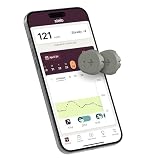
- ✅ For people NOT using insulin, ages 18 years and older
- ❌ Don’t use if: On insulin, on dialysis, or have problematic hypoglycemia
- YOUR SUCCESS, OUR COMMITMENT: If your biosensor fails before the 15-day wear time is up,[2] we will replace it for free. [3]
- PRODUCT SUPPORT: Provided by Stelo through SteloBot, which can be accessed via the Stelo app by going to Settings > Contact. SteloBot virtual support assistant is available 24/7, and live agent support available during regular business hours
- PERSONALIZED INSIGHTS: Understand your glucose patterns and how your glucose reacts to food, activity, and sleep
Fitbit and Google: Population Insights Over Individual Signals
Fitbit, now under Google, has focused heavily on population-scale metabolic research rather than individual glucose estimation. Programs that analyze trends across large datasets have informed features like readiness scores, sleep staging, and stress tracking, but glucose remains external, typically handled via integrations with third-party continuous glucose monitors.
The Pixel Watch inherits this philosophy. It excels at combining heart rate variability, activity load, and sleep quality into understandable daily guidance, but it does not attempt to infer glucose directly from the wrist.
Huawei diverges by targeting the individual user’s metabolic response, even if imperfectly. This makes the Watch 4 more proactive for users curious about how meals, workouts, or sleep disruptions affect them personally, without requiring additional hardware.
Garmin, Oura, and the Performance-Oriented Wearables
Garmin and Oura represent another branch of the wearable ecosystem, where metabolic health is inferred indirectly through metrics like HRV balance, body battery, training readiness, and sleep efficiency. These platforms are highly refined, especially for athletes, but they stop short of labeling anything as glucose-related.
Huawei’s glucose tracking overlaps conceptually with these readiness-style metrics, but it pushes the interpretation one step closer to metabolic causality. Instead of saying the body is strained, Huawei is attempting to suggest why, linking physiological stress to potential glycemic fluctuation.
This carries risk, but also clarity. For users who are not elite athletes, glucose framing can be more intuitive than abstract readiness scores, provided it is communicated carefully.
Hardware, Battery Life, and Daily Wear Implications
One reason Huawei can attempt continuous glucose-related insights is battery endurance. The Watch 4’s multi-day battery life allows frequent optical sampling without forcing aggressive power compromises, something that remains a challenge for watches that prioritize ultra-bright displays or app-heavy ecosystems.
Comfort also plays a role. A sensor that depends on long-term pattern recognition benefits from a case shape, materials, and strap system that encourage 24/7 wear. Huawei’s emphasis on rounded lugs, skin-friendly finishes, and balanced weight distribution is not cosmetic; it is foundational to making this type of health tracking usable.
Apple and Samsung still lead in third-party app ecosystems and smartwatch fluidity, but their daily battery constraints limit how aggressively sensors can operate in the background without user trade-offs.
What Huawei Gains, and What It Gives Up
By moving first with glucose estimation as a wellness feature, Huawei gains narrative leadership. It can shape how consumers understand non-invasive glucose tracking before it becomes medical-grade, setting expectations around trends, not diagnoses.
The trade-off is credibility among clinical users. Without numeric values or regulatory clearance, Huawei’s insights will always sit below certified CGMs in authority. Apple and Samsung, when they eventually ship, may arrive with stronger institutional trust, even if the underlying technology is similar.
For buyers deciding today, the difference is philosophical. Huawei is offering a window into metabolic behavior right now, imperfect but actionable over time. Its rivals are still building the window frame, waiting for glass that meets a much higher bar.
What Users Will See in Practice: Data, Trends, Alerts, and App Integration
What ultimately matters is not the sensor theory but how Huawei translates it into something a wearer can understand without misinterpreting it as a medical tool. In daily use, glucose tracking on the Watch 4 is designed to feel closer to stress or sleep analysis than to a finger-prick meter. The emphasis is on patterns, context, and directional change rather than raw biochemical values.
On-Watch Data: No Numbers, Only Direction
Users should not expect to see blood glucose values in mmol/L or mg/dL on the watch face or in the app. Instead, Huawei presents glucose-related status as ranges, trend arrows, or stability indicators that reflect estimated fluctuations relative to the user’s own baseline.
This approach mirrors how the Watch 4 already handles metrics like HRV and stress load. The watch may indicate that glucose levels are trending upward, stable, or experiencing higher-than-usual variability, without assigning a precise number that could be mistaken for a clinical reading.
From a usability standpoint, this keeps the interface clean and reduces the risk of false confidence. It also aligns with regulatory realities, since numeric glucose values would immediately place the feature under much stricter medical scrutiny in most regions.
Trend Analysis: Where the Feature Actually Becomes Useful
The real value appears over days and weeks, not minutes. Huawei’s Health app aggregates glucose-related signals alongside sleep, activity, heart rate variability, and stress, allowing users to see how meals, workouts, poor sleep, or illness correlate with metabolic stability.
For example, a user may notice that late dinners or high-intensity evening workouts consistently trigger higher glucose variability overnight. Over time, these trend visualizations can influence behavior changes in meal timing, training load, or recovery habits without ever framing the data as treatment guidance.
This longitudinal view is something traditional CGMs do very well, but Huawei’s version is deliberately abstracted. It is less about managing diabetes and more about revealing how lifestyle choices ripple through the body’s metabolic system.
Alerts and Nudges: Conservative by Design
Alerts are expected to be contextual and restrained rather than urgent. Instead of warning users that glucose is “too high” or “too low,” the Watch 4 may flag unusual fluctuations or deviations from personal norms, especially when paired with other stressors like poor sleep or elevated resting heart rate.
These nudges are designed to prompt reflection, not immediate action. A notification might suggest hydration, rest, or reviewing recent meals, similar in tone to Huawei’s existing fatigue or stress alerts.
Crucially, there is no indication that Huawei intends to support real-time intervention alerts comparable to medical CGMs. That boundary is intentional and necessary to prevent misuse by users with diagnosed metabolic conditions.
Huawei Health App Integration and Ecosystem Fit
All glucose-related insights live inside the Huawei Health app, where they are layered into existing dashboards rather than isolated as a standalone feature. This reinforces the idea that glucose estimation is one piece of a broader health picture, not a headline metric on its own.
Users can expect correlations with activity intensity, sleep stages, and recovery scores, presented through charts that prioritize visual clarity over data density. Huawei’s app is not as open or extensible as Apple Health or Google Health Connect, but its vertical integration allows tighter control over how sensitive data is framed.
Third-party app support is likely to remain limited, especially in Western markets. This means glucose insights will largely stay within Huawei’s ecosystem, which may frustrate power users but reduces the risk of misinterpretation by external apps not designed for non-invasive estimation data.
Daily Wear Reality: Comfort, Battery, and Consistency
Because glucose estimation relies on long-term pattern recognition, consistency matters more than spot checks. The Watch 4’s relatively lightweight case, curved back, and soft fluoroelastomer or leather strap options are not just comfort features; they enable overnight wear without pressure points that could degrade optical readings.
Battery life plays an equally important role. With multiple days of endurance, the watch can sample frequently in the background without users disabling features to conserve power, something that remains a practical limitation on many competitors.
In practice, users who treat the Watch 4 as a true 24/7 health companion will extract far more value from glucose trends than those who wear it only during workouts or work hours.
What This Means for Buyers Considering Glucose Tracking
For health-conscious users without diabetes, Huawei’s approach offers a rare glimpse into metabolic behavior that was previously invisible outside of clinical devices. It is educational rather than diagnostic, and its usefulness scales with curiosity and patience rather than urgency.
For users with known glucose disorders, the feature should be viewed strictly as supplementary context, not a replacement for approved monitoring tools. Huawei appears to be careful in drawing that line, both in interface design and in how insights are framed.
Ultimately, what users will see is not a glucose meter on their wrist, but a metabolic mirror. It reflects tendencies, not truths, and rewards those who understand the difference.
Who This Feature Is For—and Who Should Not Rely on It
The most important way to frame Huawei’s blood glucose tracking is not by asking how advanced it is, but by asking who actually benefits from non-invasive estimation. This feature sits squarely in the space between wellness insight and medical curiosity, and its value depends heavily on expectations and use cases.
Wellness-Focused Users Interested in Metabolic Awareness
This feature is best suited for health-conscious users who do not have diagnosed diabetes but want deeper visibility into how their body responds to food, sleep, stress, and exercise. For this group, glucose trend estimation becomes a learning tool rather than a decision-making instrument.
Worn consistently, the Watch 4 can help highlight patterns such as elevated glucose responses after poor sleep or late meals. Over weeks, that contextual feedback can reinforce better habits without requiring finger pricks or sensor insertions.
These users tend to appreciate Huawei’s holistic health dashboard, where glucose trends sit alongside heart rate variability, sleep staging, and activity load. The value emerges from correlation, not precision.
Data-Driven Lifestyle Optimizers and Athletes
Endurance athletes, weight trainers, and fitness enthusiasts who already track training load and recovery may also find this feature compelling. Estimated glucose trends can add another layer to understanding fueling strategies, especially around long sessions or fasted training.
Because the Watch 4 is comfortable enough for continuous wear and offers multi-day battery life, it supports the kind of uninterrupted data collection that this audience demands. Lightweight materials, a curved caseback, and breathable straps reduce the likelihood of removing the watch during sleep or rest days.
However, even for athletes, the insights remain directional. The data can suggest when energy availability may be trending low or high, but it cannot confirm acute hypoglycemia or optimal carbohydrate timing with medical certainty.
💰 Best Value

- [Complete Starter Kit] - CareSens N Diabetes Testing Kit includes 1 blood glucose meter, 100 blood sugar test trips, 1 lancing device, 100 lancets, and a traveling case to provide you with the most affordable and convenient way for blood sugar testing. Our blood sugar test kit saves up to 250 tests and has a battery life of 1000 tests.
- [Small Sample Size] - CareSens N Plus Blood Sugar Monitor requires only a small blood sample size of 0.5 μL, making finger pricking easy and painless. CareSens N Diabetes Test Strip is auto coded and automatically recognizes the batch code encrypted on CareSens N Blood Glucose Test Strip.
- [Fast Results] - CareSens N Blood Glucose Meter provides fast results in just 5 seconds, making blood sugar testing fast and convenient. Our Glucometer Kit comes with a handy traveling case that can hold all your diabetes testing kit so that you can measure your blood sugar at the comfort of your home or anywhere else.
- [Easy to use] – CareSens N Blood Glucose Monitor kit is very simple and easy-to-use, making blood sugar testing easy for all. Our lightweight Blood Sugar Monitor has a simple design to make diabetes testing easy-to-understand and hassle-free.
- [Customer Service] - CareSens N Diabetes Testing Kit has a dedicated customer service team to provide you the best service to any issues or problems you're having! Our goal is to help you Sense Ahead of your Diabetes and Care for those you love. Your satisfaction is our number one priority. If you have any questions or concerns about your glucometer with strips and lancets – please contact us at any time.
Users Curious About Preventive Health, Not Diagnosis
For users concerned about long-term metabolic health due to family history or lifestyle factors, Huawei’s approach offers early signals rather than alerts. It can prompt questions like “Why do my trends spike after certain meals?” rather than answer clinical ones.
This is where Huawei’s cautious framing matters. The Watch 4 does not present numbers as actionable thresholds, and that restraint reduces the risk of unnecessary anxiety or self-diagnosis.
In this context, glucose tracking complements annual checkups and lab work rather than competing with them.
Who Should Not Rely on It: People With Diabetes or Glucose Disorders
Anyone with Type 1 diabetes, insulin-dependent Type 2 diabetes, or other clinically managed glucose disorders should not rely on the Watch 4 for glucose management. Non-invasive optical estimation cannot match the accuracy, responsiveness, or regulatory approval of continuous glucose monitors or blood tests.
The Watch 4 cannot detect rapid glucose drops, provide real-time alerts for dangerous levels, or support insulin dosing decisions. Using it for those purposes would introduce real risk.
Huawei appears aware of this boundary, positioning the feature as informational rather than medical. Users who require precise, moment-to-moment data should continue using approved medical devices and view smartwatch insights, at most, as peripheral context.
Users Expecting Medical-Grade Numbers or App Flexibility
This feature will likely disappoint users who expect exact glucose values or broad third-party app integration. The insights are designed to stay within Huawei Health, with limited export or interoperability, especially outside China.
Power users who want raw data streams, custom analytics, or integration with specialized health platforms may find the experience restrictive. Huawei prioritizes controlled interpretation over openness, which improves safety but limits experimentation.
If your buying decision hinges on granular data ownership or regulatory clearance, this is not the right tool.
Practical Expectations Before You Decide
The Huawei Watch 4’s glucose tracking rewards patience, consistency, and context. It works best for users who wear the watch day and night, accept trend-based feedback, and understand that wellness signals are not diagnoses.
For everyone else, especially those managing a medical condition, it is better viewed as an interesting technological milestone than a dependable health instrument.
The Bigger Picture: What Huawei Watch 4 Signals About the Future of Health Wearables
Seen in context, the Huawei Watch 4’s glucose tracking is less about solving diabetes and more about redefining what consumers expect from a mainstream smartwatch. After setting clear boundaries around who should and should not use the feature, the larger story is how aggressively Huawei is pushing wearables toward preventive, physiology-aware computing rather than simple activity logging.
This is not a one-off experiment. It is a signal of where the entire health wearable category is heading over the next five years.
From Discrete Sensors to Physiological Models
Traditional smartwatch health features measure something directly: heart rate via photoplethysmography, SpO₂ via red and infrared light, skin temperature via thermistors. Huawei’s glucose feature represents a shift toward inferred biology, where multiple weak signals are fused into a probabilistic model of internal metabolic state.
In practice, this means optical data, vascular elasticity, heart rate variability, sleep stages, and possibly historical trends are combined to estimate whether glucose regulation is stable or trending poorly. The Watch 4 is not measuring glucose molecules; it is modeling how the body behaves when glucose control changes.
This approach mirrors what is already happening with stress scores, recovery metrics, and cardiovascular risk estimates across the industry. Glucose is simply the most ambitious and controversial application of that philosophy so far.
Why Huawei Can Move Faster Than Western Rivals
Huawei’s willingness to deploy glucose-related insights before competitors like Apple or Samsung is not accidental. Regulatory environments in China allow broader wellness claims as long as they stop short of diagnosis or treatment, giving Huawei more room to iterate publicly.
That flexibility lets Huawei test large-scale population models, refine algorithms with massive datasets, and normalize advanced health concepts for everyday users. Western brands are still constrained by FDA and CE pathways that require clinical validation before even suggestive claims can be made.
The result is an asymmetry: Huawei can ship early, learn fast, and educate users, while others wait for near-medical certainty. The Watch 4 benefits directly from that strategic difference.
What This Means for Accuracy Expectations
The downside of this model-driven approach is that accuracy will always be contextual rather than absolute. Unlike heart rate or blood oxygen, there is no simple ground truth being sampled continuously at the wrist.
For users, this demands a mindset shift. The value is not in a single reading but in longitudinal patterns: whether your metabolic signals are trending toward resilience or volatility over weeks and months.
This also explains why Huawei emphasizes consistent wear, sleep tracking, and ecosystem lock-in. The better the baseline, the more meaningful the deviations become, even if the underlying estimate is imperfect.
The Role of Hardware Still Matters
While much of the innovation is software-driven, the Watch 4’s hardware foundation cannot be ignored. Its sensor array, optical path design, and tighter skin contact enabled by case curvature and strap ergonomics all contribute to signal quality.
Comfort and wearability are critical here. A watch that is too heavy, poorly balanced, or uncomfortable at night will undermine the very data continuity these models depend on. Huawei’s focus on polished cases, lightweight materials, and flexible straps is not cosmetic; it is functional.
Battery life also plays an outsized role. Multi-day endurance ensures fewer gaps in data, which directly improves model reliability compared to devices that require daily charging.
A Preview of Health Features to Come
If glucose trends can be modeled, so can other hard-to-measure states. Expect future wearables to push deeper into areas like insulin sensitivity risk, early hypertension indicators, inflammatory load, and even hormonal cycle irregularities.
None of these will arrive as medical tools at first. They will appear as wellness narratives, nudges, and risk flags, carefully worded to avoid clinical claims while still influencing behavior.
The Huawei Watch 4 shows how that transition begins: cautiously, indirectly, and framed as self-awareness rather than diagnosis.
The Consumer Trade-Off: Insight Versus Authority
What users gain from this approach is earlier awareness and broader context. What they give up is certainty and clinical authority.
For many health-focused consumers, that trade-off is acceptable. Knowing that your metabolic signals are drifting in the wrong direction can prompt lifestyle changes long before a lab test would ever be ordered.
For others, especially those managing disease, the lack of actionable precision is a dealbreaker. The Watch 4 does not replace medical tools, and it is not trying to.
Why the Huawei Watch 4 Matters Even If You Never Use Glucose Tracking
Even users who ignore the glucose feature entirely are seeing the future arrive on their wrist. The Watch 4 represents a broader evolution toward watches that interpret the body rather than just recording it.
That philosophy will influence how health dashboards are designed, how recommendations are delivered, and how consumers think about their own data. It also raises important questions about transparency, data ownership, and how much interpretation we should trust from proprietary algorithms.
Those debates are only beginning.
A Measured Step, Not a Medical Revolution
Ultimately, the Huawei Watch 4’s glucose tracking is best understood as a milestone, not a breakthrough cure or clinical alternative. It demonstrates what is technically possible today, what is commercially viable, and where regulatory lines are currently drawn.
For tech-savvy, health-curious users, it offers a glimpse into metabolic health that was previously inaccessible without needles or lab visits. For the industry, it sets a benchmark that competitors will be forced to respond to, whether publicly or quietly.
The future of health wearables will not be defined by a single sensor or headline feature. It will be shaped by how responsibly companies balance insight, limitation, and user trust. In that sense, the Huawei Watch 4 is not the destination, but a very clear signpost pointing to what comes next.