Garmin’s December update isn’t just a routine bug-squashing release or a handful of cosmetic tweaks. It’s a platform-level software drop that meaningfully reshapes how recent Fenix and Forerunner watches behave in daily use, during training, and across long-term performance analysis. For many owners, it effectively delivers a new generation of features without buying new hardware.
What makes this update stand out is its scope and intent. Garmin has bundled together major training intelligence refinements, expanded health tracking logic, interface changes, and outdoor-focused quality-of-life upgrades into a single firmware cycle, rather than spreading them out over months. That approach matters, because it signals a shift toward longer-term support and feature parity across high-end models, especially for watches released over the past two to three years.
This update is also unusually athlete-facing. Instead of background improvements that only show up in edge cases, most of the changes directly affect how you plan sessions, interpret readiness, manage fatigue, and interact with the watch day to day. Whether you’re running structured workouts, navigating multi-day adventures, or simply trying to make sense of recovery metrics, the December update changes the experience in ways you’ll notice immediately.
More Than Maintenance: A True Feature Expansion
Typical Garmin firmware updates focus on stability, sensor calibration, or incremental tweaks to existing metrics. December’s update goes further by introducing entirely new data layers, expanding previously model-locked features, and refining algorithms that sit at the core of Garmin’s training ecosystem. In practical terms, this means more actionable insight from the same hardware.
🏆 #1 Best Overall

- Easy-to-use running watch monitors heart rate (this is not a medical device) at the wrist and uses GPS to track how far, how fast and where you’ve run.Special Feature:Bluetooth.
- Battery life: up to 2 weeks in smartwatch mode; up to 20 hours in GPS mode
- Plan your race day strategy with the PacePro feature (not compatible with on-device courses), which offers GPS-based pace guidance for a selected course or distance
- Run your best with helpful training tools, including race time predictions and finish time estimates
- Track all the ways you move with built-in activity profiles for running, cycling, track run, virtual run, pool swim, Pilates, HIIT, breathwork and more
Several of the headline features rely on deeper integration between training load, recovery status, and health metrics like HRV and sleep quality. Garmin hasn’t just added new screens; it has reworked how the watch interprets stress, adaptation, and readiness across multiple days. For athletes who train frequently, that translates into clearer guidance on when to push and when to back off, rather than raw numbers that require guesswork.
There’s also a noticeable emphasis on consistency across sports profiles. Runners, cyclists, and outdoor athletes benefit from tighter alignment between daily suggested workouts, performance condition tracking, and long-term progress metrics. This helps reduce the fragmentation that previously existed between run-focused and multisport-focused Garmin models.
Why This Update Changes the Value of Your Watch
One of the most important implications of the December update is longevity. Features that many users assumed would be reserved for newer hardware have arrived on existing Fenix and Forerunner models, extending their relevance well beyond the typical upgrade cycle. If you invested in a premium Garmin in the last few years, this update materially improves its return on investment.
Battery life and performance haven’t been ignored either. Garmin has paired feature expansion with background efficiency improvements, particularly around sensor polling and activity recording. In real-world use, that helps ensure new capabilities don’t come at the cost of endurance, which remains a core reason people choose Fenix and higher-end Forerunner watches in the first place.
From a daily usability standpoint, interface refinements make the watches feel faster and more intuitive. Menus are easier to navigate mid-activity, data fields are clearer, and some of the friction around accessing training insights has been reduced. These aren’t flashy changes, but they add up when you’re interacting with the watch multiple times a day.
A Strategic Update for Garmin’s Ecosystem
Zooming out, this update reveals a broader strategy from Garmin. By delivering substantial features through software, Garmin is reinforcing its ecosystem advantage over competitors that rely more heavily on annual hardware refreshes. Training history, device familiarity, and data continuity become stronger reasons to stay within the platform.
It also sets expectations for future updates. December’s release establishes that Garmin is willing to push meaningful innovation mid-cycle, rather than reserving it exclusively for new launches. For prospective buyers weighing whether to purchase now or wait for the next model, that’s a reassuring signal.
With that context in place, the real question becomes which features actually matter to you, and whether your specific Fenix or Forerunner model receives them. That’s where the details start to matter, and where this update becomes either a game-changer or a nice-to-have, depending on the watch on your wrist.
Headline New Features Explained: What’s Actually New on Fenix and Forerunner
With the strategic context set, it’s time to get specific. Garmin’s December update isn’t a single headline addition but a bundle of interlinked features that affect training guidance, recovery insight, navigation, and day-to-day usability. Some are immediately visible, others quietly reshape how your watch supports long-term progression.
Smarter Training Guidance and Adaptive Planning
One of the most meaningful changes is how Garmin now adapts training guidance across supported Fenix and Forerunner models. Daily Suggested Workouts are no longer just reactive to your last session, but more closely tied to your broader training load, recovery status, and upcoming events.
For runners and cyclists using race entries in Garmin Connect, the watch now considers those goal events more intelligently. Workouts adjust as you move closer to race day, with tapering and intensity shifts that better resemble a structured coaching plan rather than a static algorithm.
This is most impactful on watches that already support Training Readiness and Acute Load, such as Fenix 7 series and Forerunner 955 and 965. On those models, suggested sessions feel less generic and more purpose-built, especially during multi-week build phases.
Training Readiness and Recovery Metrics Get More Context
Training Readiness itself hasn’t been reinvented, but it has been refined. Garmin has adjusted how contributing factors like sleep quality, HRV status, and recent intensity are weighted, reducing sudden swings that didn’t always align with how athletes actually felt.
Morning Report now does a better job of surfacing what matters. Instead of listing metrics passively, it highlights whether recovery or load is the limiting factor for the day, helping you decide whether to push, maintain, or back off before you even lace up.
These changes reward consistent wear. Users who sleep with their watch and log most activities will see clearer trends, while occasional wearers may notice less dramatic day-to-day guidance, which is arguably more honest.
Wrist-Based Running Power Becomes More Actionable
Garmin’s wrist-based running power has existed for a while, but this update improves how it’s presented and used. Power zones are easier to interpret mid-run, and post-activity analysis now ties power output more clearly to terrain and pacing decisions.
For trail and ultra runners using Fenix models, this is particularly valuable. On undulating terrain where pace becomes meaningless, power offers a steadier effort reference without needing an external sensor.
Compatibility here is strongest on newer multi-band GPS watches, where positional accuracy supports more stable power calculations. Older models may still receive UI improvements, but the cleanest data comes from Fenix 7 Pro and recent Forerunners.
Navigation and Mapping Refinements for Real-World Use
Garmin hasn’t added entirely new mapping modes, but it has made navigation feel less cluttered and more responsive. Map layers are easier to toggle, course lines stand out more clearly, and turn prompts are better timed at running and riding speeds.
On larger-screen watches like the Fenix 7X and Forerunner 965, the benefits are immediately obvious. Glances at the map require less zooming and fewer button presses, which matters when you’re fatigued or wearing gloves.
Battery efficiency during navigation has also improved slightly. Long-course users should see less drain during extended GPS sessions, reinforcing Garmin’s reputation for endurance rather than undermining it with software bloat.
Health Tracking Gains Subtle but Meaningful Depth
Health features didn’t get splashy additions, but accuracy and interpretation have improved. Sleep tracking shows more stable stage classification, while overnight HRV trends are less prone to outliers caused by late meals or alcohol.
Nap detection, where supported, now integrates more cleanly into Body Battery calculations. Short daytime recovery periods actually register as meaningful replenishment, rather than being ignored or overstated.
These tweaks won’t change how often you look at the data, but they do improve trust. Over time, that consistency is what makes Garmin’s health metrics useful rather than just interesting.
User Interface Tweaks That Reduce Friction
Perhaps the most underrated part of the update is how the watches feel. Menu transitions are slightly quicker, data fields are more legible during activities, and customization options are easier to reach without diving through layers of settings.
Button-based navigation remains central, which long-time Garmin users will appreciate. There’s no attempt to mimic touchscreen-first smartwatches, and that restraint preserves usability in rain, cold, and high-intensity sessions.
Across Fenix and higher-end Forerunners, the watches feel more polished without changing their identity. That’s exactly what a mid-cycle software update should do.
Why These Features Matter More Together Than Alone
Individually, none of these changes completely redefine what a Fenix or Forerunner can do. Taken together, they significantly extend how current-generation models remain competitive with newer releases.
Training feels more personalized, recovery insights are easier to trust, and daily interactions are smoother. For owners, that means less temptation to upgrade purely for software features, and for buyers, it strengthens the case for investing in a premium Garmin even late in its lifecycle.
Training and Performance Upgrades: How the Update Changes Daily Workouts, Plans, and Recovery
The real substance of Garmin’s December update shows up once you start training day after day. This is where the earlier health refinements and UI polish translate into clearer guidance, more adaptive plans, and recovery metrics that feel grounded in what your body actually did, not just what the algorithm expected.
Across supported Fenix and Forerunner models, Garmin has focused on tightening the feedback loop between workload, readiness, and what your watch tells you to do next.
Daily Suggested Workouts Become More Context-Aware
Daily Suggested Workouts now respond more cleanly to short-term disruptions like poor sleep, unexpected intensity spikes, or missed sessions. Instead of stubbornly pushing threshold or VO2 max work, the system is quicker to substitute aerobic base or recovery runs when your readiness dips.
On Forerunner 255, 265, 955, and 965, as well as Fenix 7 and Epix (Gen 2) families, this change is most noticeable after back-to-back hard days. The watch no longer treats yesterday’s effort in isolation, which makes the guidance feel less prescriptive and more coach-like.
For athletes following Garmin Coach or race-adaptive plans, the suggestions now align better with scheduled workouts. You’re less likely to see conflicting advice between a plan session and the daily suggestion screen, reducing decision fatigue before you even lace up.
Training Readiness and Load Balance Get Smarter at the Edges
Training Readiness hasn’t been reinvented, but its behavior at the margins has improved. Low readiness scores are now more clearly tied to specific factors like acute load spikes or suppressed HRV, rather than feeling like a vague warning light.
Load focus and acute-to-chronic load balance have also been smoothed. On higher-end models like Fenix 7 Pro and Forerunner 965, anaerobic and high-aerobic contributions register more accurately during mixed-intensity sessions, especially intervals with short recoveries.
This matters for athletes who train by feel but review data later. The post-workout story now matches what the session actually felt like, making long-term load management more reliable.
Rank #2

- Easy-to-use running smartwatch with built-in GPS for pace/distance and wrist-based heart rate; brilliant AMOLED touchscreen display with traditional button controls; lightweight design in 43 mm size
- Up to 11 days of battery life in smartwatch mode and up to 19 hours in GPS mode
- Reach your goals with personalized daily suggested workouts that adapt based on performance and recovery; use Garmin Coach and race adaptive training plans to get workout suggestions for specific events
- 25+ built-in activity profiles include running, cycling, HIIT, strength and more
- As soon as you wake up, get your morning report with an overview of your sleep, recovery and training outlook alongside weather and HRV status (data presented is intended to be a close estimation of metrics tracked)
Recovery Time Feels Less Punitive, More Practical
Recovery Time calculations have been subtly recalibrated to avoid over-penalizing quality workouts. Hard sessions still demand respect, but the countdown no longer balloons unnecessarily after controlled threshold or tempo efforts.
Sleep quality and overnight HRV now play a stronger role in shortening recovery windows when you genuinely bounce back well. For endurance athletes training five to seven days per week, this prevents the watch from constantly telling you to rest when your body is ready to move.
This change is consistent across Fenix 6 (select features), Fenix 7, Epix, and Forerunner 255 and above, though the most nuanced behavior appears on models with newer sensors and multi-band GPS.
Strength, Cross-Training, and Multisport Sessions Get Better Credit
Garmin has quietly improved how non-running activities feed into overall training status. Strength sessions, indoor cycling, and structured cardio workouts now contribute more predictably to load and recovery calculations.
For triathletes and hybrid athletes using Fenix or Forerunner 955/965, multisport days feel more accurately represented. A hard bike session followed by an easy run no longer skews readiness as if only one activity mattered.
This makes Garmin’s ecosystem more viable for athletes who don’t live in a single sport, reinforcing the Fenix line’s appeal as an all-discipline tool watch rather than a run-first device with extras.
Race Widgets and Event Targets Feel More Grounded
Race Widget behavior has been refined to better reflect real-world preparation. Countdown timelines adapt more sensibly when you miss sessions or substitute workouts, rather than rigidly assuming perfect compliance.
Predicted race times haven’t dramatically changed, but they update more conservatively. That’s good news for experienced runners who prefer realistic pacing guidance over optimistic projections that fall apart mid-race.
These updates are available on Forerunner 255, 265, 955, 965, and Fenix 7 series models, reinforcing Garmin’s push to keep race-focused tools consistent across both performance and adventure lines.
Battery and Performance Efficiency During Training
While not marketed as a training feature, improved background efficiency affects how confidently you use advanced metrics. Multi-band GPS sessions with training metrics enabled draw slightly less power, particularly on Fenix 7 Solar and Enduro-derived variants.
That efficiency matters during long runs, ultras, and back-to-back training days. You’re less tempted to disable features just to preserve battery, which keeps your data intact and your training analysis complete.
Over time, this helps preserve the value of existing hardware. A watch that lasts longer between charges and maintains performance under heavy training loads stays relevant far deeper into its lifecycle.
Health, Sleep, and Wellness Improvements: Subtle Tweaks That Add Up Over Time
Alongside the headline training changes, Garmin’s December update quietly reshapes how Fenix and Forerunner watches interpret day-to-day health. These aren’t flashy additions, but they directly influence how trustworthy metrics like readiness, recovery, and Body Battery feel when you live with the watch 24/7.
For athletes who wear their Garmin as a constant companion rather than a workout-only tool, these refinements matter just as much as any new training screen.
Sleep Tracking Feels More Stable and Less Reactionary
Sleep staging itself hasn’t changed dramatically, but the update smooths how nightly data feeds into Sleep Score and recovery metrics. Short wake periods and restless sleep no longer swing scores as aggressively, particularly on nights where total duration is still solid.
In practice, this reduces the “why was my sleep score so bad?” moments after otherwise decent nights. Over weeks of use, trends feel more believable, which is crucial if you actually adjust training based on sleep feedback.
These refinements are present on Fenix 7 series, Epix (Gen 2), and Forerunner 255, 265, 955, and 965 models, with older hardware continuing to rely on earlier sleep logic.
Body Battery and Stress Tracking Are Better Aligned
Garmin has subtly rebalanced how stress, sleep, and daytime activity influence Body Battery. Post-workout depletion now recovers more gradually, particularly after high-intensity or late-day sessions, instead of snapping back unrealistically after a single calm period.
This is especially noticeable for endurance athletes stacking sessions across a week. Body Battery behaves less like a novelty number and more like a conservative fatigue signal you can sanity-check against how you actually feel.
All current-generation Fenix 7 variants and mid-to-high-end Forerunners receive these changes, including the AMOLED-based Forerunner 265 and 965, where daily wear comfort encourages longer-term wellness tracking.
HRV Status Becomes More Context-Aware
Heart Rate Variability remains one of Garmin’s most useful long-term health metrics, and December’s update focuses on interpretation rather than raw measurement. Night-to-night fluctuations are weighted more cautiously, reducing the chance that a single poor reading triggers an extended “unbalanced” status.
For athletes training hard, this prevents overcorrection. You’re less likely to dial back unnecessarily after one off night, while still getting early warning signals when trends genuinely shift.
This improved HRV logic is limited to watches that already support HRV Status, including Fenix 7 series, Epix (Gen 2), Enduro 2, and Forerunner 955 and 965.
Nap Detection and Daytime Recovery Feel More Integrated
Garmin’s nap tracking hasn’t gained new interface elements, but its impact behind the scenes is more meaningful. Short naps now contribute more consistently to Body Battery recovery without artificially inflating readiness or sleep metrics.
This strikes a better balance for shift workers, new parents, or athletes training twice daily. A 20-minute reset helps, but it doesn’t erase accumulated fatigue, which keeps guidance grounded in reality.
Nap handling improvements apply across recent Fenix and Forerunner models that already support naps, reinforcing Garmin’s emphasis on whole-day recovery rather than overnight metrics alone.
Morning Report and Wellness Glances Feel More Purposeful
The Morning Report hasn’t been redesigned, but the order and weighting of information feels more intentional. Sleep, HRV status, and recovery cues surface more clearly before secondary lifestyle data, particularly after harder training days.
On AMOLED models like the Forerunner 965 and Epix, this also improves glance readability. You get a quick, meaningful snapshot without digging through menus, which encourages daily engagement rather than metric fatigue.
Comfort, Wearability, and Why These Changes Stick
None of these wellness improvements require new sensors or heavier processing loads, which helps preserve battery life and keeps all-day wear realistic. That’s important on larger, heavier watches like the Fenix 7X, where comfort and trust in passive data go hand in hand.
Over months of use, these tweaks compound. Sleep feels less judgmental, recovery feels less erratic, and health metrics better reflect the realities of training, stress, and normal life.
For existing owners, this update meaningfully extends the usefulness of current hardware. For buyers choosing between Fenix and Forerunner models, it reinforces that Garmin’s ecosystem rewards long-term wear, not just workouts.
Navigation, Mapping, and Outdoor Features: What Trail Runners and Adventurers Gain
That same philosophy of subtle but compounding improvements carries directly into navigation and outdoor use. Garmin hasn’t reinvented mapping in December, but it has smoothed out many of the friction points that show up when you’re tired, off-plan, or deep into a long day on the trails.
For trail runners, hikers, and mountain athletes, these changes quietly improve confidence. The watch feels less like a device you manage and more like a tool that stays out of the way until you actually need it.
Course Following Feels More Predictable and Less Distracting
One of the most noticeable refinements is how courses behave once loaded. Turn prompts, course alerts, and off-course warnings are better timed, reducing the late or stacked alerts that could previously appear in technical terrain or tight switchbacks.
On watches with full-color mapping like the Fenix 7 series, Epix, Forerunner 955, and Forerunner 965, this results in a calmer screen experience. You glance, confirm direction, and keep moving, rather than second-guessing whether the alert arrived too late to act on.
Breadcrumb-only models such as the Forerunner 255 still benefit from cleaner alert logic, even without full maps. The improvement is less visual, but it reduces unnecessary vibrations and mental load during long sessions.
ClimbPro Gets More Useful Beyond the Climb Itself
ClimbPro has long been a Garmin strength, but December’s update makes it more relevant across an entire route. Grade, remaining distance, and elevation change now feel better contextualized, particularly when courses include rolling terrain rather than clean, uninterrupted climbs.
Rank #3

- Nautical smartwatch features a 1.4" stunning AMOLED display with a titanium bezel and built-in LED flashlight
- Built-in inReach technology for two-way satellite and LTE connectivity (active subscription required; coverage limitations may apply, e.g., satellite coverage up to 50 miles offshore; some jurisdictions regulate or prohibit the use of satellite communication devices)
- Boat mode brings your vessel-connected apps to the forefront that let you control your autopilot and give you access to trolling motor and other boat data — so you can easily take command from your smartwatch
- Keep your focus on the water, and control your compatible chartplotter via Bluetooth connectivity with voice commands
- Enjoy comprehensive connectivity and remote control capabilities with select compatible Garmin chartplotters, autopilots, Force trolling motors, Fusion stereos and more
For trail runners, this matters because effort rarely matches elevation perfectly. Knowing whether a short, steep pitch is the last real climb of the day or just one of many helps pace decisions without stopping to interrogate the map.
Full ClimbPro mapping remains limited to watches with onboard maps, which includes the Fenix 7 and Epix families, plus the Forerunner 955 and 965. Older or lighter Forerunner models still display elevation profiles, but without the same predictive clarity.
Map Layer Handling Is Quicker When Conditions Change
Garmin hasn’t added flashy new overlays, but switching between map layers and visibility settings is faster and more reliable. This becomes especially valuable in poor weather, where gloved hands and reduced visibility make menu depth matter more than features on paper.
On AMOLED watches like the Epix and Forerunner 965, contrast adjustments and trail visibility feel more dialed in. The display advantage isn’t just about looks; it’s about parsing trail lines, junctions, and contours at a glance when fatigue sets in.
These refinements are exclusive to map-equipped models, reinforcing the practical gap between the Forerunner 255 and higher-tier devices. If navigation is a core use case, the difference remains meaningful.
Round-Trip Routing and Re-Routing Feel More Trustworthy
Garmin’s round-trip routing continues to improve incrementally, and December’s update focuses on reliability rather than creativity. Route suggestions lock in faster and are less likely to produce awkward out-and-back connectors, particularly in dense trail networks.
Re-routing after a missed turn is also calmer. Instead of rapid-fire recalculations, the watch now settles on a clearer correction, which reduces decision fatigue when you’re already mentally taxed.
These benefits are most obvious on the Fenix 7 and Epix lines, where processing headroom and battery capacity support longer navigational sessions. Forerunner 955 and 965 users still get strong performance, though battery drain increases slightly with heavy on-device routing.
GNSS Stability and Battery Confidence Improve Together
Underpinning all of this is improved GNSS behavior, particularly on multi-band capable models. SatIQ transitions between accuracy modes more smoothly, helping maintain track quality without unnecessary battery penalties.
For ultra-distance runners and fastpackers, that balance matters more than raw accuracy alone. A slightly cleaner track that doesn’t cost hours of battery life is a better trade than perfect lines that force you into aggressive power management.
These gains apply across recent Fenix 7, Epix, Forerunner 955, and Forerunner 965 models, and they’re especially noticeable on larger watches like the Fenix 7X, where battery longevity is part of the buying decision.
Who Benefits Most From These Outdoor Changes
If your training stays on roads or well-marked paths, these updates may feel understated. But for athletes who rely on courses, elevation context, and reliable alerts in unfamiliar terrain, the cumulative effect is real.
This update doesn’t just add features; it improves trust. Over time, that trust is what turns a capable GPS watch into one you’re willing to follow deep into the mountains, long after your legs have stopped wanting to make decisions on their own.
User Interface, Display, and Daily Usability Changes: Small Refinements With Real Impact
After improving how these watches guide you through the outdoors, Garmin turns its attention inward. December’s update doesn’t reinvent the interface, but it smooths dozens of small interactions you perform every single day, often without thinking about them.
These are the changes that don’t show up in spec sheets yet quietly shape whether a watch feels intuitive or irritating after months of use.
Cleaner Glances, Faster Access to the Right Data
Glances remain the backbone of Garmin’s daily experience, and December’s update subtly tightens their behavior. Scrolling is more consistent, with fewer dropped frames on data-heavy glances like Training Status and Body Battery, particularly on Fenix 7 and Epix models.
Garmin has also refined how glance folders open and close, reducing accidental overscroll when navigating one-handed. This sounds minor, but when you’re checking recovery metrics mid-commute or between meetings, the difference is immediately noticeable.
These improvements roll out across Fenix 7, Epix (Gen 2), Forerunner 955, and Forerunner 965, with the smoothest experience reserved for the AMOLED-equipped Epix and 965 due to their higher refresh headroom.
Notification Handling Feels Less Intrusive
Notifications have long been a weak point for athletes who want awareness without distraction. The December update adjusts vibration timing and screen wake behavior so alerts feel more deliberate rather than abrupt.
On touch-enabled models, dismissing notifications now requires fewer mis-taps, especially during activity tracking or when the watch face is damp. Fenix 7 Sapphire Solar users will appreciate that accidental screen activations during rain or snow are less common.
All recent Fenix 7, Epix, Forerunner 955, and 965 models receive these refinements, though button-only users still benefit most from the improved vibration logic.
Display Tweaks: Better Contrast Without Sacrificing Battery
Garmin hasn’t changed display hardware, but it has fine-tuned how information is rendered. Font scaling and spacing on several system screens have been adjusted to improve legibility at a glance, particularly in low-light conditions.
AMOLED watches like the Epix and Forerunner 965 gain slightly better contrast on dark backgrounds, while MIP-based Fenix 7 and Forerunner 955 models see improved readability without increased backlight usage. That balance matters for users who rely on always-on visibility during long days outdoors.
The update also refines red-shift behavior on compatible models, making nighttime use less visually jarring without washing out key data fields.
Touch and Button Logic Finally Feel in Sync
Hybrid input has always been a defining feature of higher-end Garmins, and December’s update brings touch and buttons into better alignment. Touch lock behavior is more predictable, especially when entering or exiting activities.
On watches like the Fenix 7 and Epix, Garmin has reduced the delay between button presses and on-screen confirmation, which makes menu navigation feel snappier even though raw processing power hasn’t changed.
For runners using the Forerunner 955 or 965, this translates to quicker access to workouts and fewer accidental pauses when adjusting layers or sleeves mid-run.
Flashlight and Utility Features Get Smarter
The built-in LED flashlight on Fenix 7X and Epix Pro models benefits from improved shortcut behavior. Activation is more consistent, and brightness levels are easier to cycle without overshooting your intended setting.
This matters more than it sounds when you’re navigating a dark campsite, pre-dawn trailhead, or simply trying not to wake a sleeping partner. It reinforces how Garmin treats utility features as core, not gimmicks.
Non-flashlight models don’t gain functionality here, but the software parity keeps menus consistent across the lineup.
Daily Wear Comfort Meets Software Polish
None of these changes alter case dimensions, materials, or strap compatibility, but they affect perceived comfort. When a watch responds predictably, vibrates appropriately, and shows exactly the information you need, it feels lighter and less demanding on your attention.
For steel and titanium-cased Fenix models, that matters during all-day wear. For the lighter Forerunner series, it reinforces why these watches remain popular beyond pure training sessions.
December’s update doesn’t chase novelty in the interface. Instead, it quietly improves how these watches fit into daily life, which ultimately does more for long-term satisfaction than another experimental feature ever could.
Model-by-Model Compatibility Breakdown: Exactly Which Fenix and Forerunner Watches Get What
With the interface and usability changes setting the tone, the obvious next question is how far this December update actually reaches. Garmin’s rollout strategy remains tiered, with hardware generation, sensor stack, and target user all determining which features land on your wrist and which stay reserved for newer models.
What follows is a practical, model-by-model breakdown focused on Fenix and Forerunner watches, separating cosmetic parity from genuinely meaningful training and health upgrades.
Fenix 7 Series and Epix (Gen 2): The Full Experience, Minus a Few Pro-Only Extras
The Fenix 7, Fenix 7S, Fenix 7X, and the original Epix Gen 2 receive the most complete version of the December update. Interface refinements, faster menu transitions, improved touch-and-button logic, and expanded data field behavior all arrive intact.
Training-focused features such as refined Training Readiness calculations, smoother Daily Suggested Workout flows, and more consistent recovery time adjustments are fully supported. These watches already have the processing headroom and sensor suite to handle the background logic without affecting battery life.
Rank #4
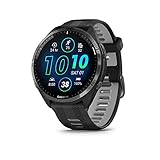
- Brilliant AMOLED touchscreen display with traditional button controls and lightweight titanium bezel
- Battery life: up to 23 days of battery life in smartwatch mode, up to 31 hours in GPS mode
- Confidently run any route using full-color, built-in maps and multi-band GPS
- Training readiness score is based on sleep quality, recovery, training load and HRV status to determine if you’re primed to go hard and reap the rewards (data presented is intended to be a close estimation of metrics tracked)
- Plan race strategy with personalized daily suggested workouts based on the race and course that you input into the Garmin Connect app and then view the race widget on your watch; daily suggested workouts adapt after every run to match performance and recovery
Flashlight-equipped models, namely the Fenix 7X and Epix Pro variants, benefit from the smarter LED shortcut handling discussed earlier. Non-flashlight Fenix 7 models don’t gain new hardware functionality here, but the software experience remains visually and structurally consistent.
In daily wear terms, nothing changes physically. Case sizes, sapphire versus Gorilla Glass options, steel or titanium bezels, and strap compatibility all remain the same, but the watches feel more polished and responsive in use, especially during multi-activity days.
Fenix 7 Pro and Epix Pro: Where Garmin Shows Its Hardware Bias
The Pro models build on everything the standard Fenix 7 and Epix receive, but they also unlock a small set of features tied to newer sensors and firmware privileges. Enhanced heart rate algorithms, improved sleep-stage confidence, and more stable Body Battery trends are most noticeable here.
Garmin’s December update leans into reliability rather than novelty on these watches. Overnight metrics sync faster, training load updates feel more immediate after workouts, and HRV status displays with fewer gaps or recalculations.
From a value perspective, this reinforces why the Pro models command a premium. The update doesn’t suddenly make them feel like new watches, but it quietly widens the performance gap versus older generations, particularly for athletes training seven days a week.
Fenix 6 Series: Maintenance Mode, With Select Quality-of-Life Improvements
Fenix 6, 6S, and 6X owners do receive the December update, but it’s a clearly trimmed-down version. Core stability fixes, minor UI responsiveness improvements, and behind-the-scenes reliability tweaks are the focus here.
You won’t see the newest training metrics, deeper readiness refinements, or updated widget layouts. The older sensor array and processor limit what Garmin can realistically add without compromising battery life or performance.
That said, the update still improves day-to-day usability. Button response feels slightly more predictable, and activity recording stability benefits users who rely on the Fenix 6 as a rugged outdoor tool rather than a cutting-edge training computer.
Forerunner 965 and 955: Training Metrics Take Priority
The Forerunner 965 and 955 receive nearly everything that matters from the December update, with an emphasis on training insight rather than lifestyle features. Daily Suggested Workouts, race widgets, and recovery metrics feel more tightly integrated, especially when following structured plans.
Touch interaction sees the same improvements as Fenix and Epix models, which is particularly important on the AMOLED-equipped 965. Navigating widgets, scrolling through workout previews, and reviewing post-run data feels more fluid without sacrificing accidental-touch protection.
Battery life remains unchanged in practical terms. Multi-band GPS performance, optical heart rate accuracy, and lightweight comfort all stay consistent, reinforcing these watches as top-tier options for runners and triathletes who value data density over rugged aesthetics.
Forerunner 265 and 255: Strong Gains, With Clear Limits
Forerunner 265 and 255 models benefit from many of the interface and training workflow improvements, but not all advanced metrics make the cut. Training Readiness refinements, better sleep consistency, and smoother workout execution are the highlights.
Some deeper analytics and long-term trend visualizations remain exclusive to higher-end models, reflecting Garmin’s segmentation rather than a technical inability. Still, the December update noticeably improves how these watches handle daily training without adding complexity.
In real-world wear, these remain some of Garmin’s most comfortable devices. Their lighter cases and slimmer profiles pair well with the refined software, making them easier to live with as all-day watches for runners who don’t need maps or expedition features.
Older Forerunners: Stability First, Features Second
Models like the Forerunner 745 and earlier generations receive limited support in this update cycle. Bug fixes, minor performance tuning, and compatibility updates dominate, with few visible changes to the user experience.
Garmin’s intent here is longevity rather than reinvention. These watches remain reliable training tools, but the December update doesn’t meaningfully alter their capabilities or competitive position.
For owners, this reinforces an important reality. Garmin continues to support older devices, but feature momentum increasingly favors watches released within the last two hardware cycles.
What This Means for Buying and Upgrading Decisions
Seen as a whole, December’s update rewards users already invested in Garmin’s current ecosystem rather than tempting immediate upgrades. Fenix 7, Epix Gen 2, and Forerunner 955/965 owners get the most tangible benefits, particularly in responsiveness and training clarity.
If you’re holding onto a Fenix 6 or older Forerunner, the update keeps your watch stable and usable, but it won’t close the gap to newer models. The changes are evolutionary, not transformational.
For prospective buyers, this compatibility breakdown matters as much as hardware specs. Garmin’s software trajectory increasingly defines long-term value, and December’s update makes it clear which watches sit closest to the center of that strategy.
What’s Missing or Limited: Feature Gaps, Hardware Constraints, and Model Cut-Offs
As generous as December’s update looks on paper, it also makes Garmin’s internal lines clearer than ever. Not every feature scales cleanly across generations, and some omissions are deliberate choices tied as much to product strategy as to hardware realities.
For users comparing models or wondering why a friend’s watch gained a feature theirs didn’t, this is where the fine print matters.
Hardware-Locked Features: Sensors, Screens, and Silicon
Several headline features simply cannot migrate backward because they rely on newer components. Watches without the latest multi-band GNSS chips, faster processors, or expanded memory pools miss out on improved mapping fluidity, quicker route recalculation, and some of the more responsive UI elements introduced this winter.
Display technology also plays a role. AMOLED-specific refinements, including smoother animation handling and richer glance layouts, remain exclusive to Epix Gen 2 and Forerunner 965. Memory-in-Pixel screens on Fenix and older Forerunners prioritize battery longevity and sunlight readability, but they limit how far Garmin can push visual complexity.
Health and training sensors draw an even firmer line. Models without the latest Elevate heart rate hardware do not receive updated HRV-derived insights or refined sleep-stage confidence. This is less about software favoritism and more about signal quality and consistency during motion, especially for runners and interval-heavy athletes.
Training Metrics That Stop Short on Older Models
While many watches gain improved Training Readiness stability and cleaner daily summaries, deeper layers remain locked to newer platforms. Advanced long-term trend views, expanded load ratio context, and some adaptive coaching logic are absent on Fenix 6-series and older Forerunners.
In practice, this means the fundamentals still work well. You can track load, recovery time, and aerobic versus anaerobic balance reliably. What’s missing is the additional narrative that helps contextualize months of training rather than days, which matters most to athletes planning seasons rather than weeks.
Garmin’s message here is subtle but consistent. Older watches are supported as capable tools, not as evolving analytics platforms.
Mapping, Navigation, and Outdoor Features Remain Tiered
Outdoor athletes will notice that navigation enhancements remain unevenly distributed. Fenix 7 and Epix models benefit most from smoother map panning, faster zooming, and more confident turn prompts, especially on long routes with elevation changes.
Fenix 6 and earlier devices continue to offer reliable breadcrumb navigation and basic maps, but the experience feels static by comparison. There are no major interface refreshes, no new route intelligence layers, and no meaningful gains in how information is surfaced mid-activity.
For hikers, climbers, and ultrarunners, this reinforces the value gap between generations. The older hardware still gets you from point A to point B, but the newer watches reduce friction when conditions change or fatigue sets in.
Smartwatch and Lifestyle Features Lag Behind
Despite incremental polish, Garmin’s smartwatch features remain conservative across the board, and especially so on older models. Notification handling, music controls, and glance customization see only minor refinements, with no meaningful leap in flexibility or third-party app integration.
Voice features, deeper assistant-style interactions, and richer on-watch messaging tools are still absent entirely. This keeps battery life strong and performance predictable, but it also limits Garmin’s appeal as a daily smartwatch compared to more lifestyle-oriented competitors.
For most endurance athletes, this is an acceptable trade-off. Still, December’s update does little to change the equation for users hoping their Fenix or Forerunner might replace a phone or general-purpose smartwatch.
Battery and Performance Gains Are Uneven
Garmin has clearly optimized power management for current-generation hardware. Fenix 7 and Forerunner 955/965 owners report steadier battery drain and fewer background slowdowns during heavy training weeks.
Older devices see stability improvements but no dramatic gains. Battery life remains predictable rather than extended, and activity performance feels familiar rather than transformed.
This distinction matters for multi-day events or back-to-back long sessions. Newer watches feel more confident under sustained load, while older models remain dependable but unchanged.
💰 Best Value

- Designed with a bright, colorful AMOLED display, get a more complete picture of your health, thanks to battery life of up to 11 days in smartwatch mode
- Body Battery energy monitoring helps you understand when you’re charged up or need to rest, with even more personalized insights based on sleep, naps, stress levels, workouts and more (data presented is intended to be a close estimation of metrics tracked)
- Get a sleep score and personalized sleep coaching for how much sleep you need — and get tips on how to improve plus key metrics such as HRV status to better understand your health (data presented is intended to be a close estimation of metrics tracked)
- Find new ways to keep your body moving with more than 30 built-in indoor and GPS sports apps, including walking, running, cycling, HIIT, swimming, golf and more
- Wheelchair mode tracks pushes — rather than steps — and includes push and handcycle activities with preloaded workouts for strength, cardio, HIIT, Pilates and yoga, challenges specific to wheelchair users and more (data presented is intended to be a close estimation of metrics tracked)
Clear Model Cut-Offs Define Long-Term Value
Perhaps the most important limitation is structural rather than technical. Garmin is now drawing a firm boundary around devices older than two hardware generations when it comes to feature evolution.
Fenix 5-series and early Forerunners remain supported for syncing, basic health tracking, and core activities, but December’s update confirms they are in maintenance mode. New ideas rarely flow downstream that far, regardless of how capable the watch still feels.
For buyers weighing longevity, this matters as much as materials, case size, or strap comfort. Sapphire glass, titanium bezels, and excellent finishing still define Garmin’s premium watches, but software trajectory increasingly determines how long they feel modern on the wrist.
Understanding these gaps doesn’t diminish the update’s impact. It clarifies who it’s really for, and why newer Fenix and Forerunner models now represent not just better hardware, but a more future-proof training platform.
Real-World Impact: Battery Life, Stability, and Performance After Updating
What ultimately matters is not the size of the changelog, but how the December update alters daily use once the watch is back on your wrist. Across Fenix and Forerunner lines, the most meaningful changes show up in battery behavior, system stability, and how confidently the watch handles demanding training blocks rather than in flashy headline features.
Battery Life: More Consistent, Not Miraculously Longer
On current-generation hardware, the update tightens battery predictability more than it extends headline longevity. Fenix 7, Epix Pro, Forerunner 955, and 965 units show steadier day-to-day drain, especially for users stacking GPS sessions, structured workouts, and continuous health tracking.
In practical terms, that means fewer surprise percentage drops overnight and less anxiety heading into long runs or rides without topping up. Multi-band GPS, offline maps, and music playback still draw heavily, but power consumption now feels more proportional to actual usage rather than spiking unpredictably.
Solar-equipped Fenix models benefit indirectly as well. The update does not suddenly turn sunlight into free endurance, but improved background efficiency allows solar gain to offset drain more consistently during long outdoor days, particularly on hikes or ultra-distance efforts.
Stability Under Training Load Improves Noticeably
The clearest win from December’s firmware is stability during heavy training weeks. Activity recording on newer Fenix and Forerunner models feels more robust, with fewer reports of mid-activity stutters, sensor dropouts, or post-workout processing delays.
This matters most for athletes running structured plans or multi-sport schedules. Sync times are slightly faster, training load calculations settle more quickly after workouts, and the watch feels less taxed when juggling GPS, heart rate, HRV status, and recovery metrics simultaneously.
Older devices, including Fenix 6 and Forerunner 745-era hardware, benefit from bug fixes and polish but not from the deeper performance optimizations. They remain reliable tools, yet the system feels fundamentally the same as before the update rather than newly refined.
User Interface Responsiveness and Daily Wear
Day-to-day interactions see small but welcome refinements. Menu navigation is smoother on AMOLED and MIP displays alike, particularly when scrolling through widgets or training history.
Touch responsiveness on Epix and Forerunner 965 improves marginally, which makes map panning and data screen customization feel less deliberate and more natural. Button-based navigation on Fenix models remains a highlight, especially for gloved use or wet conditions, and the update does not compromise that tactile reliability.
From a comfort and wearability standpoint, nothing changes physically, but reduced background lag makes the watch feel lighter in use. Titanium cases, polymer backs, and silicone or nylon straps all benefit indirectly when the software feels less intrusive during the day.
GPS Accuracy and Sensor Confidence Remain Consistent
The December update does not dramatically alter GPS accuracy, but it reinforces consistency. Multi-band performance remains excellent on supported models, with track smoothing and pace stability holding up well in urban and wooded environments.
Heart rate and pulse oximetry behavior are largely unchanged, though fewer post-activity recalculations suggest cleaner sensor data handling. For athletes who rely on pace alerts, power targets, or navigation cues, the watch feels more confident about the data it is presenting in real time.
This reinforces Garmin’s reputation for predictable performance rather than pushing experimental sensor behavior. For most endurance users, reliability trumps novelty, and the update leans firmly in that direction.
What This Means for Long-Term Ownership
Taken together, the December update strengthens the case for newer Fenix and Forerunner models as long-term training tools. Improved efficiency, steadier performance, and fewer friction points extend the practical lifespan of these watches even if headline battery specs remain unchanged.
For owners of older devices, the update confirms a plateau rather than a decline. Your watch still works, tracks accurately, and wears comfortably, but the experiential gap to current models is now driven as much by software refinement as by hardware.
In real-world use, that distinction becomes clear after a few weeks on the wrist. Newer models fade into the background during training and daily life, which is arguably the most valuable upgrade of all for athletes who care more about performance than spectacle.
Should You Update – And Does This Extend the Value and Longevity of Older Garmin Watches?
Viewed in the context of the steadier performance and reduced friction described above, the December update lands as a practical, low-risk improvement rather than a disruptive overhaul. It is designed to make supported Fenix and Forerunner watches feel calmer, more predictable, and more modern in daily use without asking users to change how they train.
For most owners, that alone answers the question. Yes, you should update, but with a clear understanding of what you gain and what you do not.
Who Should Update Immediately
If you train frequently, use structured workouts, or rely on daily readiness-style metrics to guide load and recovery, the December update is an easy recommendation. The refinements to background processing, UI responsiveness, and training metric stability are most noticeable to athletes who interact with their watch multiple times a day.
Runners and cyclists using pace, power, or heart rate alerts benefit from cleaner real-time behavior and fewer post-activity adjustments. That translates into more trust during hard efforts, which matters more than headline features when fatigue and decision-making are already taxed.
Outdoor users also gain value, particularly those navigating courses or managing long activities. The update does not reinvent navigation, but smoother map interactions and more consistent sensor handling reduce mental overhead when conditions are demanding.
Who Might Want to Wait
If your watch is primarily a lifestyle tracker with occasional workouts, the benefits are subtler. Battery life, display quality, materials, and physical comfort remain unchanged, so the update does not transform the experience if you already interact with the watch minimally.
There is also a small cohort of users who prefer to wait one or two weeks after a major Garmin rollout. That caution is reasonable, especially for those mid-training block or preparing for an event, even though this update has shown strong stability across early adopters.
As always, syncing, charging, and allowing a few activity cycles for metrics to recalibrate will deliver the best experience. Initial battery fluctuations in the first few days are normal and tend to settle quickly.
Does This Meaningfully Extend the Life of Older Fenix and Forerunner Models?
For watches that receive the full December feature set, the answer is largely yes. Software refinement is now one of the primary drivers of perceived age in Garmin devices, and this update narrows that gap more effectively than a spec bump ever could.
A Fenix 6 or Forerunner 955 does not suddenly gain the hardware advantages of newer AMOLED displays or next-generation sensors. What it does gain is a calmer, more efficient operating experience that keeps it competitive as a serious training tool.
That matters for longevity because it delays the point at which friction outweighs function. When menus respond instantly, metrics feel trustworthy, and the watch stays out of the way, the urge to upgrade fades even if newer models exist.
What This Says About Garmin’s Update Philosophy
The December update reinforces Garmin’s long-standing approach to endurance-focused wearables. Instead of chasing novelty, it prioritizes predictability, consistency, and confidence in the data being shown on the wrist.
From a value perspective, this is significant. Buyers investing in titanium cases, sapphire lenses, and durable polymer-backed designs want to feel that the software will age as gracefully as the hardware. This update delivers on that expectation better than most annual refreshes.
It also highlights a clear dividing line. Hardware upgrades still matter for display tech, battery ceilings, and sensor evolution, but software polish increasingly defines day-to-day satisfaction.
Final Verdict: Update With Confidence, Upgrade With Intention
The December Garmin update is worth installing on any compatible Fenix or Forerunner watch. It improves training flow, daily usability, and system stability in ways that are immediately noticeable to active users and quietly reassuring over time.
For owners of supported older models, it meaningfully extends relevance and delays replacement by making the watch feel sharper and more refined without sacrificing reliability. For prospective buyers, it strengthens the case for choosing a current or recent-generation Garmin knowing that meaningful software support continues well beyond launch.
In the end, this update does not chase spectacle. It reinforces why Garmin watches remain trusted training companions for years, not months, and why longevity, not novelty, is still the brand’s strongest advantage.