Stress, for me, doesn’t show up as a single dramatic moment. It’s the low-grade hum of too many tabs open mentally, the jittery sense that I’m always half a step behind, and the way focus slips not because I’m distracted, but because my nervous system feels permanently switched on. After years of testing smartwatches, rings, and meditation apps, I’ve become acutely aware that more data and more screens don’t always translate into more calm.
What drew me to Doppel wasn’t a promise of quantified serenity or yet another dashboard explaining how stressed I already feel. It was the opposite: a screenless wristband that does one thing, deliberately, using rhythmic vibration designed to interact with how the brain processes timing, anticipation, and physiological arousal. I wanted to know whether something this minimal could realistically help regulate stress and attention in the messy context of real life.
This test wasn’t about replacing therapy, medication, or proven coping strategies. It was about understanding whether a subtle, wearable sensory input could meaningfully nudge my nervous system toward calm and focus during workdays, travel, and cognitively demanding tasks, without demanding constant engagement in return.
Why stress and focus wearables often miss the mark
Most stress-focused wearables lean heavily on detection rather than intervention. Heart rate variability, skin temperature, and breathing metrics can be informative, but in practice they often arrive after the fact, or worse, add another layer of performance anxiety. I’ve tested devices that made me more aware of stress without giving me a practical way to shift out of it.
🏆 #1 Best Overall

- OLLY ULTRA STRENGTH GOODBYE STRESS ULTRA SOFTGEL: Goodbye Stress Ultra Softgels are blended with powerful botanicals and nutrients to help you stay calm and centered
- THE GOODS INSIDE: OLLY Goodbye Stress softgels are expertly blended with GABA, a fast working (within 30-60 minutes) active that supports a relaxed state of mind. L-Theanine is GABA's partner in sublime—it goes right to work in your brain to help you keep your cool, and Lemon Balm is a soothing botanical that has been used for centuries to help quiet the mind. Plus Ashwagandha for mood and energy support
- HOW TO TAKE: Take 2 softgels per day with water as needed. Swallow whole, do not chew. Comes with 60 capsules per bottle for a 30 day supply
- ULTRA SOFTGELS: Our premium Softgel blends are naturally colored, easy to swallow and have a hint of strawberry scent with zero sugar. This stress aid supplement also come in a convenient compact package.
- MIX AND MATCH: Delightful OLLY products can be taken together—mix and match as you please
There’s also the issue of cognitive load. When a device requires checking an app, interpreting charts, or responding to notifications, it competes with the very focus it claims to protect. For people with anxiety traits or ADHD tendencies, that friction can be counterproductive.
Doppel’s approach appealed because it bypasses analysis entirely. No scores, no streaks, no nudges to breathe “correctly,” just a physical rhythm delivered through the wrist, which is neurologically dense and already familiar territory thanks to watches.
The appeal of a screenless, haptic-first device
From a neuroscience and behavioral science perspective, rhythmic sensory input has a long history, from metronomes used in attention training to bilateral stimulation in certain therapeutic settings. Doppel positions itself in that lineage, using vibration patterns intended to influence anticipation and temporal perception, which are tightly linked to stress and focus regulation. I was curious whether that theory held up outside a lab.
As someone who wears mechanical watches daily, the idea of a device that occupies the wrist without demanding visual attention felt refreshingly compatible with my habits. A slim band, no display, and a single purpose suggested something closer to a tool than a gadget. Comfort, unobtrusiveness, and the ability to forget it’s there until it matters were central to why I wanted to test it.
Ultimately, I tested Doppel to see if calm and focus could be supported passively, through sensation rather than instruction. The real question wasn’t whether the concept sounded clever, but whether living with it day after day would feel grounding, distracting, or simply irrelevant once the novelty wore off.
What Doppel Actually Is (and Isn’t): How the Vibrating Wristband Works
Before getting into how Doppel affected my mood or concentration, it’s important to be clear about what kind of device this actually is. A lot of disappointment in wellness tech comes from mismatched expectations, and Doppel sits in a category that’s still unfamiliar to most people.
At its core, Doppel is a screenless haptic wearable that delivers rhythmic vibrations to your wrist. It doesn’t track stress, detect anxiety, or tell you when you’re overwhelmed. Instead, it continuously provides a physical tempo that your nervous system can, in theory, synchronize with.
Not a smartwatch, not a tracker, not a biofeedback loop
Doppel doesn’t measure heart rate, HRV, skin temperature, breathing, or sleep. There are no sensors reading your body and no algorithms reacting to your physiology in real time.
That means there’s no “closed loop” biofeedback like you’d find in something such as Muse, Oura, or even guided breathing apps. Doppel doesn’t know if you’re calm, stressed, distracted, or hyperfocused, and it doesn’t try to infer any of that.
This is intentional. The device is designed to remove interpretation and self-monitoring entirely, which is a notable philosophical break from most modern wellness wearables.
The core idea: external rhythm as a regulator
What Doppel actually does is generate a steady, adjustable vibration rhythm that you feel on the inside of your wrist. The concept draws on research around rhythmic entrainment, where the brain naturally aligns its internal timing to consistent external cues.
In practical terms, this is similar to how people instinctively tap their foot to music, calm themselves with repetitive motion, or find focus with background white noise or a metronome. Doppel’s bet is that a tactile rhythm, delivered through the wrist, can subtly influence anticipation, timing, and emotional regulation without conscious effort.
From a neuroscience perspective, this taps into how the brain predicts time and threat. Faster, irregular rhythms tend to increase arousal, while slower, predictable rhythms are associated with safety and calm. Doppel aims to bias the system toward the latter.
How the vibration actually feels on the wrist
The vibration itself is not like a phone buzz or a smartwatch notification. It’s softer, more rounded, and intentionally non-jarring, closer to a pulse than a shake.
When worn snugly, the sensation sits just beneath awareness after a few minutes. I found that it didn’t demand attention the way alerts do, but it was always there if I checked in with it, like background music you stop noticing until it stops.
Importantly, it doesn’t try to simulate a heartbeat. The rhythm is mechanical and consistent, which avoids the uncanny effect some bio-mimicking devices fall into.
Adjustable tempo, minimal control
Doppel allows you to adjust the vibration tempo, typically slower for calm and faster for focus-oriented states. The control is deliberately limited, with no granular customization or complex profiles.
That constraint feels aligned with the product’s philosophy. You’re not meant to optimize or tweak endlessly, but to pick a mode and let it run while you go about your day.
In use, this meant I wasn’t tempted to fiddle with settings or chase a “perfect” configuration. For someone prone to overthinking or compulsive checking, that simplicity is a feature, not a drawback.
The hardware: more watch-adjacent than fitness band
Physically, Doppel feels closer to a minimalist watch than a typical fitness tracker. It’s slim, lightweight, and designed to disappear under a cuff or alongside a mechanical watch on the other wrist.
The materials are utilitarian rather than luxurious, but finishing is clean and purposeful. The strap is flexible and comfortable for long wear, with no sharp edges or pressure points, which matters when the device’s entire job is to be felt without becoming irritating.
During full workdays, I never felt the urge to take it off due to discomfort, which is a quiet but crucial success for something intended to be worn during stress.
Battery life and daily friction
Because Doppel isn’t running sensors or a display, battery life is refreshingly straightforward. In my testing, it easily lasted multiple days between charges, even with continuous use.
Charging is simple and infrequent enough that it didn’t become another mental task to track. That stands in contrast to many wellness devices that promise calm while demanding nightly charging rituals.
The lack of notifications, syncing anxiety, or data review also means there’s essentially zero daily maintenance once it’s set up.
What Doppel explicitly does not promise
Doppel doesn’t claim to cure anxiety, improve clinical ADHD, or replace therapy or medication. It’s positioned as a support tool, not a diagnostic or treatment device.
There’s also no claim of immediate transformation. The effect, if it works for you, is meant to be subtle and cumulative rather than dramatic.
That honesty is worth highlighting, because it sets Doppel apart from wearables that oversell certainty in an area where individual nervous systems vary enormously.
A tool, not a coach
Living with Doppel felt less like being guided and more like being accompanied. There’s no voice telling you to calm down, no app congratulating you for compliance, and no data to judge yourself against.
Whether that’s appealing or frustrating depends on what you want from a wellness device. If you’re looking for insight, metrics, or progress tracking, Doppel will feel empty.
If, like me, you’re fatigued by devices that turn inner states into dashboards, Doppel’s quiet, one-way interaction starts to make a lot more sense.
The Neuroscience Angle: Can Rhythmic Vibration Really Calm the Nervous System?
All of this quiet, frictionless living naturally leads to the bigger question I kept circling back to while wearing Doppel: is there any real neuroscience behind this, or am I just responding to a pleasant distraction?
The short answer is that rhythmic vibration isn’t magic, but it’s also not arbitrary. There is a plausible, increasingly well-studied rationale for why something this simple can nudge the nervous system in a calmer direction for some people.
Why rhythm matters to the brain
The human nervous system is deeply responsive to rhythm. Heart rate, breathing, walking cadence, even speech patterns all tend to synchronize under the right conditions, a phenomenon known as entrainment.
When Doppel delivers a steady, heartbeat-like vibration, it’s tapping into this tendency rather than fighting it. Instead of asking you to consciously slow down, it introduces an external rhythm your body can subconsciously align with.
Rank #2

- PLANT-POWERED, MULTI-SYMPTOM STRESS RELIEF: StressCalm On the Go is powered by plants to relieve occasional symptoms of everyday stress, including nervous tension, irritability, hypersensitivity, and fatigue.* It’s sedative-free, so you can stay focused and relaxed without feeling drowsy.
- MELTAWAY TABLETS - NO WATER NEEDED: These easy-to-take unflavored meltaway tablets dissolve in your mouth without the need for water. They can be taken on an empty stomach, making them ideal for home, work, or on the go. Recommended for adults and children ages 12 and older.
- NON-DROWSY FORMULA: Stay calm with StressCalm's sedative-free formula. Enjoy the benefits of relief without the worry of drowsiness.
- A BETTER WAY TO FEEL BETTER: StressCalm is a homeopathic stress relief medicine that has no known interactions with other medications, herbs, or supplements. It’s also gluten-free with no artificial sweeteners, flavors, colors, or preservatives.
- A TRUSTED BRAND: With more than 90 years of expertise, Boiron medicines are manufactured to meet the highest standards of cGMP and HPUS for purity and quality.
In my experience, this mattered most when I was already keyed up. The vibration didn’t force calm, but it offered something stable to anchor to when my internal pace felt scattered.
Bottom-up regulation, not top-down control
Most stress-management tools rely on top-down regulation. You notice you’re stressed, then you intervene with breathing exercises, reframing, or mindfulness techniques that require cognitive effort.
Doppel works in the opposite direction. The vibration is a bottom-up signal, meaning it enters through the sensory system first and influences the autonomic nervous system without demanding attention.
That distinction is subtle but important. On busy workdays, when my prefrontal cortex was already overloaded, I found this passive approach easier to tolerate than techniques that asked me to stop and self-regulate.
The vagus nerve connection, without the hype
Any discussion of calming wearables eventually bumps into the vagus nerve, often with more marketing enthusiasm than scientific precision. The vagus nerve plays a major role in parasympathetic activity, which governs rest-and-digest responses.
There is some evidence that rhythmic sensory input, including vibration and touch, can influence vagal tone indirectly. However, it’s not accurate to say that a wristband is directly “stimulating” the vagus nerve in a targeted, medical sense.
What felt more realistic during my testing is that Doppel created conditions that made it easier for my system to downshift, not that it flipped a specific biological switch.
Why it can help focus as much as calm
Interestingly, the effect wasn’t limited to relaxation. On days when I felt mentally scattered rather than anxious, the vibration acted almost like a metronome for attention.
This aligns with research on sensory regulation in ADHD and anxiety-adjacent traits, where consistent, predictable input can reduce background noise in the nervous system. The vibration gave my brain something constant, which paradoxically made it easier to ignore everything else.
I noticed this most during writing sessions. The sensation faded into the background, but my tendency to fidget or task-switch dropped noticeably.
Placebo, expectation, and why that doesn’t fully explain it
It would be irresponsible not to address placebo effects. Expectation always plays a role in how we experience wellness devices, especially ones without measurable outputs.
That said, what made Doppel feel different from pure placebo is that I often forgot it was there. The moments when I noticed its impact were usually retrospective, realizing I hadn’t spiraled or tensed up the way I normally would.
If expectation were doing all the work, I’d expect a more conscious, performative sense of calm. Instead, the effect felt quiet, inconsistent, and context-dependent, which actually made it feel more credible.
Why results vary so widely between people
The nervous system is not one-size-fits-all. Factors like sensory sensitivity, baseline anxiety, medication, sleep quality, and even trauma history can change how rhythmic input is perceived.
For someone who finds vibration overstimulating, Doppel could be neutral or even irritating. For others, especially those who already self-soothe through tapping, pacing, or music, the device may feel immediately intuitive.
After weeks of wear, my takeaway wasn’t that Doppel universally calms the nervous system, but that it offers a specific kind of sensory support that happens to align well with certain nervous systems, including mine.
What the science suggests, and what it doesn’t promise
There’s no strong evidence that a vibrating wristband can rewire your stress response or deliver lasting neurological change on its own. Doppel doesn’t claim that, and neither should the user expect it.
What the neuroscience does support is the idea that gentle, predictable sensory input can reduce autonomic arousal in the moment. That reduction, repeated often enough, can meaningfully change how a stressful day feels.
Framed that way, Doppel isn’t a breakthrough or a gimmick. It’s a small, well-targeted intervention that lives or dies by how your nervous system responds to rhythm, and whether you value calm that arrives quietly rather than being announced by an app.
First Impressions and Wearability: Design, Comfort, and Living With It on the Wrist
After spending weeks thinking about how Doppel feels neurologically, the more immediate question became simpler: can I actually live with this thing on my wrist all day? Calm only matters if the device delivering it doesn’t constantly remind you it’s there.
My first impression was that Doppel doesn’t look like a wellness gadget in the way most do. It reads closer to a minimalist bracelet or a slim sports watch without a face, which immediately lowers the psychological barrier to wearing it outside the house.
Design language: deliberately understated
The Doppel wristband is visually quiet, almost to a fault. There’s no screen, no glowing LEDs demanding attention, and no obvious “tech” cues beyond a small control surface on the side.
That absence is intentional, and it works. In meetings, cafés, and public transit, it never triggered questions or curious glances, which matters more than I expected for something meant to regulate stress rather than track it.
The casing feels solid but not premium in a luxury-watch sense. Think functional polymer with clean lines rather than metal, finishing, or decorative flair.
Size, profile, and how it sits on the wrist
Doppel is slimmer than most fitness trackers but slightly wider than a traditional bracelet. On my medium wrist, it sat flat without rocking or rotating, which is critical for consistent haptic contact.
It’s light enough that I stopped registering its weight within minutes. That disappearing act is important, especially for a device that works best when it fades into the background of your awareness.
I wore it on my non-dominant wrist for most testing, though switching sides didn’t change the experience much. Unlike watches, there’s no visual orientation to worry about.
Strap comfort and skin contact over long days
The strap material feels similar to soft-touch silicone, flexible without being sticky. It handled sweat and heat well during walks and light workouts, with no noticeable irritation even after full-day wear.
After about a week, I stopped taking it off when working at a desk, cooking, or sleeping. That’s usually the point where wearables either earn their place or end up on the charger permanently.
If you’re sensitive to constant skin contact, the snug-but-not-tight fit takes some dialing in. Too loose and the vibration loses clarity; too tight and you’ll think about it too much.
The tactile experience of vibration, up close
The vibration itself is more subtle than most notification motors. It’s not the sharp buzz of a phone or smartwatch, but a softer, rounded pulse that feels closer to a gentle tap from inside the wrist.
At lower intensities, it blended into my bodily awareness rather than interrupting it. At higher intensities, it was unmistakable but still not jarring, though I found those settings less useful for calm.
What surprised me most was how quickly my brain categorized it as non-threatening. After a few days, the sensation felt familiar, almost expected, which is exactly what you want from a regulatory cue.
Living with it day to day
Because Doppel doesn’t demand interaction, it fits into daily routines more easily than app-driven wearables. There’s no checking stats, no nudges to improve performance, and no guilt spiral if you ignore it.
Battery life during my testing comfortably lasted several days between charges, which reinforced the sense that this isn’t something you need to manage constantly. Charging felt like an occasional chore rather than a daily obligation.
Rank #3

- OLLY GOODBYE STRESS GUMMY: Calm your mind and counter bad vibes with the help of our strawberry and lemon verbena flavored gummy supplements. This stress support zen blend uses GABA and L-Theanine to help combat acute effects of stress*
- KEEP CALM & STAY ALERT: At OLLY, we want the same things as you, like steady energy, better sleep & feeling healthy. Nothing helps you feel your best like feeling calm, cool & collected, & our Goodbye Stress gummies help support a relaxed state of mind*
- NATURALLY TASTY GUMMIES: Why leave fun, chewable vitamins to kids? When something feels good, you're more likely to do it & nothing feels better than feeling healthy. OLLY gummy vitamins & gummy supplements make it easy & fun to get your daily dose.
- HI THERE. WE'RE OLLY: We've made it our personal mission to make nutrition easy to understand, so you can pursue good health without compromise. Taking nutritional supplements shouldn't be a chore, which is why ours are just as effective as they are fun.
- OLLY IS DIFFERENT: Try our vitamins and wellness boosts and discover for yourself how we're different. OLLY gummy vitamins, gummy supplements and protein powders are fun, easy and rewarding to fit into your daily nutritional and healthy lifestyle goals.
Importantly, it never felt like it was trying to replace mindfulness, breathing exercises, or therapy. It sat alongside those tools, offering passive support rather than asking for effort.
Social comfort and identity friction
One underrated aspect of wearability is whether a device conflicts with how you see yourself. Doppel’s neutral design meant I never felt self-conscious wearing it in professional or social settings.
It also didn’t compete with my watch, which is something many wrist-based wellness devices fail at. I could wear both without feeling cluttered or over-accessorized.
If you already wear a mechanical watch or value wrist aesthetics, this matters. Doppel doesn’t ask you to abandon that identity, which makes long-term use far more realistic.
Day-to-Day Testing: Using Doppel at Work, During Anxiety Spikes, and for Focus Sessions
Once Doppel faded into my baseline awareness, its real test began: could it actually help in the moments that usually derail my calm or concentration? I wore it through normal workdays, deliberately stressful situations, and intentional focus blocks to see where it earned its keep and where it didn’t.
Using Doppel during a typical workday
At my desk, Doppel’s effect was most noticeable during low-grade, background stress rather than acute pressure. The gentle, rhythmic vibration acted like a metronome for my nervous system, subtly anchoring me when my attention started to fragment.
I didn’t feel calmer in a dramatic sense, but I felt steadier. My shoulders stayed relaxed longer, my breathing stayed slower, and I was less likely to bounce between tabs or compulsively check messages.
What stood out was that it didn’t pull focus away from work. Unlike a smartwatch notification or breathing prompt, Doppel never demanded acknowledgment, which made it easier to stay immersed in tasks that require sustained mental effort.
During anxiety spikes and moments of physiological stress
I’m skeptical of any wearable that claims to “stop” anxiety, so I paid close attention during moments when my heart rate spiked or my thoughts started racing. Doppel didn’t shut those feelings down, but it did seem to shorten their duration.
The vibration gave my body something consistent to orient around, which aligned with what we know about rhythmic sensory input and nervous system regulation. It felt less like a distraction and more like a reminder that I didn’t need to escalate the response further.
In situations like crowded spaces or tense conversations, the effect was subtle but real. I still felt anxious, but I recovered faster, and that distinction matters when you’re evaluating real-world usefulness rather than marketing claims.
Focus sessions and deep work experiments
For intentional focus sessions, I treated Doppel almost like a physical boundary around my attention. I’d turn it on, set a clear task, and let the rhythm run in the background without checking a timer or app.
The steady pulse helped reduce mental drift, especially during writing or reading-heavy work. When my attention wandered, the vibration acted as a quiet cue to return, without triggering the frustration that often comes with productivity tools.
It wasn’t a replacement for discipline or structure, but it complemented them well. Compared to music or ambient noise, Doppel felt more embodied and less cognitively demanding, which made it easier to use for longer stretches.
What surprised me after repeated use
Over time, I noticed that I didn’t always consciously register the vibration, yet its absence was noticeable. On days I forgot to wear it, I felt more reactive and less grounded, particularly during transitions between tasks.
This suggests Doppel’s value lies in consistency rather than intensity. It works best as a background regulator, not a tool you reach for only when things fall apart.
That also defines its limitation. If you’re looking for immediate relief or measurable performance gains, this may feel underwhelming. But if your goal is to gently nudge your nervous system toward steadier ground throughout the day, Doppel makes a quiet, credible case for itself.
What It Feels Like in Practice: The Sensation, Habituation, and Psychological Effects
Living with Doppel day to day reframed how I think about wearable feedback. Instead of delivering information or alerts, it communicates purely through rhythm, and that difference shapes the entire experience. What matters here isn’t what it measures, but how it feels to have something quietly pacing your body throughout the day.
The physical sensation on the wrist
The first thing people ask is whether it’s distracting or annoying, and that’s fair. The vibration isn’t a sharp buzz like a phone notification; it’s closer to a soft, rolling pulse that spreads slightly beyond the device itself. On the wrist, it feels more like a low-frequency hum than a tap.
Placement matters. Worn snugly on the inner wrist, where you’d feel a pulse, the sensation feels intentional and grounded rather than jittery. If it’s loose or sitting higher up the arm, the vibration becomes less coherent and easier to ignore.
In terms of hardware feel, Doppel is lightweight and unobtrusive, closer to a minimalist fitness band than a watch. There’s no screen demanding attention, no visual reminder that you’re wearing a “device,” which reduces the sense of being monitored and helps it fade into the background.
The adjustment period and habituation curve
During the first few days, I was hyper-aware of it. My brain kept checking in: What is that? Is it helping? Am I calmer yet? That self-monitoring is almost unavoidable early on, and it slightly undermines the calming effect at first.
After about a week, something shifted. The vibration stopped being a foreground sensation and became more like a baseline, similar to how you stop noticing the feeling of clothes on your skin. Importantly, this wasn’t a failure of the device; it was the mechanism working as intended.
Habituation didn’t mean it stopped influencing me. Instead, it changed how the influence showed up. I wasn’t thinking about the vibration, but my reactions felt less spiky, and transitions between tasks felt smoother, especially during cognitively demanding days.
Psychological effects: subtle, cumulative, and context-dependent
Doppel doesn’t produce a dramatic before-and-after moment. There’s no sudden calm washing over you, no instant focus lock-in. The psychological effect is more about reducing friction than creating a new state.
In stressful moments, the rhythm gave my nervous system something predictable to sync with. From a neuroscience perspective, rhythmic sensory input can support regulation by anchoring attention in the body, and that theory tracks with how this felt in practice. It didn’t eliminate stress, but it shortened the tail end of it.
For focus, the effect was less about intensity and more about continuity. I found it easier to stay with a task once I was already engaged, particularly during writing and reading. When my attention drifted, the pulse acted as a gentle nudge rather than an interruption, which is a critical distinction if you’re prone to frustration or attentional fatigue.
How it compares to other calming or focus tools
Compared to breathing exercises, Doppel is passive. You don’t have to remember to do anything or follow instructions, which makes it more sustainable on chaotic days. The tradeoff is that it lacks the immediate agency and feedback some people find reassuring.
Against audio-based tools like music or white noise, Doppel is less immersive but also less mentally taxing. It doesn’t compete for auditory bandwidth, which made it easier to use alongside calls, reading, or environments where headphones aren’t practical.
Relative to data-heavy wearables that track stress metrics or heart rate variability, Doppel feels almost intentionally old-fashioned. There’s no score to optimize or graph to interpret. For some users, that will feel refreshingly humane; for others, frustratingly opaque.
Where the effect feels strongest and where it fades
The benefits were most noticeable during prolonged, moderate stress rather than acute anxiety. Think long workdays, social overload, or sustained cognitive effort, not panic attacks or high-stakes moments. In those sharper situations, the vibration alone isn’t enough to override a fully activated stress response.
I also noticed diminishing returns if I cranked the intensity too high. Stronger vibrations didn’t equal stronger calm; they just pulled attention back to the device. The sweet spot was always just below conscious awareness.
This makes Doppel less of an emergency tool and more of a background stabilizer. It’s at its best when you wear it consistently and let it shape the edges of your day rather than trying to fix specific moments on demand.
Battery Life, Controls, and App Experience: The Practical Stuff That Matters
All of that subtle, background benefit only works if the device itself stays out of your way. With something like Doppel, the unglamorous details—battery life, how you start and stop it, and whether the app becomes a chore—end up mattering more than any neuroscience framing.
Battery life in real-world use
Doppel doesn’t publish the kind of multi-week battery claims you see from simple step trackers, and that’s fair given it’s running a vibration motor continuously. In my testing, I averaged a little over two full days per charge with daily use that ranged from six to ten hours at moderate intensity.
Rank #4
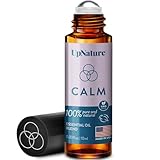
- Aromatherapy - Discover the power of relaxation with UpNature's Calm Essential Oil Roll-On Blend. This 100% natural aromatherapy oil is designed to soothe your senses, and promote a serene state of mind. Perfect for unwinding after a long day, this roll-on is an essential addition to your self-care regimen, helping you find calm and balance whenever you need it.
- Self Care Gifts for Women & Gifts for Her – Make gifting effortless with this calming essential oil roll-on. Thoughtfully packaged and easy to use, it’s a meaningful self-care gift women truly appreciate. A versatile gift for her for birthdays, valentine’s day, or any occasion centered around relaxation and everyday wellness.
- Premium Quality & Natural Ingredients - Our Calm essential oil blend is crafted from 100% pure, non-GMO ingredients, ensuring a gentle and effective experience. Free from toxins and additives, this roll-on is not only safe for your skin but also perfect for those who seek a natural approach to relaxation and well-being.
- Travel-Friendly & Nurse Essentials – This TSA-approved essential oil roll-on is a must-have for women on the go and healthcare workers alike. Nurses love its quick, calming effect during long shifts, while frequent travelers can enjoy soothing aromatherapy anytime, anywhere. A thoughtful relaxation gift and everyday essential.
- Safe & Easy to Use - Our pre-diluted essential oil roll-on is blended with MCT oil, making it safe for direct application to the skin. For best results, apply to pulse points such as wrists, temples, or behind the ears. As always, we recommend a patch test before use to ensure compatibility with your skin. If irritation occurs, discontinue use.
If I pushed the intensity higher or left it running from morning to night, that dropped closer to a day and a half. For a device meant to be worn consistently rather than occasionally, that means charging becomes part of your routine, not something you forget about for a week.
Charging itself is straightforward, using a small magnetic puck that snaps into place cleanly. It’s not quite as elegant as a watch charger from Apple or Garmin, but it never misaligned on me, and a full top-up took roughly 90 minutes from near empty.
Physical controls and day-to-day handling
One of the more thoughtful design choices is that Doppel doesn’t require the app for basic operation. A single physical button on the case lets you start or stop the vibration, and adjust intensity through short presses, which made it feel more like a tool than a gadget.
That button has a firm, deliberate click, and I could find it by feel without looking, even under a shirt cuff. In practice, that mattered more than I expected, especially during meetings or while walking, when pulling out a phone would have defeated the purpose.
There’s no screen, no haptic menu system, and no hidden gestures to remember. If you’re used to watches with multiple buttons or touch controls, this will feel almost primitive, but that simplicity reinforced the idea that Doppel is meant to fade into the background once it’s set.
The companion app: minimal by design
The app is where you initially configure Doppel’s vibration pattern and intensity range, and that’s largely where its role ends. It doesn’t bombard you with notifications, scores, or trend lines, which aligns with the device’s philosophy but may surprise anyone expecting a data-driven experience.
From a usability standpoint, the app is clean and stable on both iOS and Android in my testing. Connection was reliable, and once settings were saved to the device, I could go days without reopening the app at all.
What you won’t find are stress metrics, heart rate overlays, or any attempt to quantify “calm.” There’s also no scheduling or automation beyond manual control, which means you’re responsible for deciding when to use it rather than being prompted by the software.
Compatibility and everyday wear considerations
Doppel doesn’t try to replace a smartwatch, and it doesn’t meaningfully compete with one either. I wore it alongside a mechanical watch on the opposite wrist for much of my testing, and because there’s no screen or alerts, the two never felt redundant.
The band is soft, flexible, and breathable enough for all-day wear, though it’s clearly designed for comfort over luxury. On smaller wrists, the case sits relatively flat and didn’t dig in, but you’re always aware it’s there in a way a thin strap or bracelet wouldn’t be.
There’s no water resistance rating aimed at swimming, and I took it off for showers and workouts. That’s another small friction point, but one that’s common across non-fitness wellness wearables and something you adapt to quickly.
Does the practicality support long-term use?
Taken together, the battery life, physical controls, and restrained app design support Doppel’s role as a background stabilizer rather than a centerpiece device. It asks for just enough attention to stay charged and adjusted, then largely leaves you alone.
For users who crave data, insights, or automation, this will feel limiting. For those who want a calming or focusing influence without another screen demanding engagement, the tradeoffs make sense.
What stood out to me is that none of these practical elements pulled me out of the experience the way a buzzing notification or low-battery anxiety can with more complex wearables. In a device designed to reduce friction in your mental state, that restraint feels intentional rather than unfinished.
Where Doppel Fits (and Where It Doesn’t): Who This Wristband May Actually Help
After a few weeks of living with Doppel as a background tool rather than a headline device, its sweet spot became clearer to me. This is not a universal calm machine, and it’s not trying to be. It works best for specific kinds of people, in specific moments, with realistic expectations.
If you respond well to physical cues rather than data
Doppel makes the most sense if you already know that tactile input helps regulate your nervous system. If squeezing a stress ball, tapping your foot, or syncing your breathing to a rhythm has ever grounded you, the wrist-based vibration feels like a cleaner, more discreet version of that instinct.
I found it particularly effective during moments when my mind was racing but my body needed a nudge toward slowing down. There’s no interpretation required, no score to decode, just a steady external pulse that gives your attention something neutral to lock onto.
If, on the other hand, you rely on metrics to feel reassured, Doppel can feel almost uncomfortably silent. It offers no confirmation that it’s “working” beyond your own perception, which will frustrate users who want feedback loops or validation through numbers.
For anxiety-prone or overstimulated moments, not constant use
In my experience, Doppel worked best when I treated it like an intervention rather than a wearable I forgot about. I reached for it during stressful work blocks, pre-meeting jitters, or evenings when my nervous system felt stuck in high gear.
Wearing it all day diluted its impact. The vibration became easier to tune out, and the psychological association with calm weakened the longer it ran uninterrupted.
This makes it better suited to situational anxiety, acute stress, or focus sessions than generalized anxiety management. It’s a tool you deploy, not a baseline state it maintains for you.
ADHD traits and focus challenges: helpful, but not a fix
As someone with strong distractibility under cognitive load, I found Doppel genuinely useful during writing and editing sessions. The rhythmic vibration gave part of my attention something predictable to anchor to, which reduced the urge to seek stimulation elsewhere.
That said, it didn’t magically create focus on tasks I was deeply resistant to. It supported sustained attention once I had already started, but it didn’t replace motivation, structure, or behavioral strategies.
For people with ADHD traits, this feels like an adjunct rather than a solution. It pairs well with time-blocking, music, or environmental control, but it won’t compensate for a chaotic workflow on its own.
High-stress professionals who can’t step away
Where Doppel quietly shines is in environments where traditional calming techniques aren’t practical. You can’t always meditate, breathe audibly, or step outside during a tense meeting or deadline crunch.
Because the vibration is silent, private, and visually invisible, it let me regulate stress without signaling anything to the room. In that sense, it felt closer to a discreet coping mechanism than a wellness gadget.
If your stress comes from constant interruptions or emotional labor rather than physical exhaustion, this subtlety matters more than flashy features.
Who it’s likely not for
If you’re looking for measurable stress reduction, guided programs, or health insights, Doppel will feel underpowered. Devices that track heart rate variability or prompt breathing exercises will offer more structure and feedback.
It’s also not ideal for people who are sensitive to repetitive sensations. A few testers I spoke with described the vibration as distracting or mildly irritating, especially over longer sessions.
Finally, if you want a single device to handle fitness, notifications, and wellness in one place, Doppel’s single-purpose design will feel limiting rather than refreshing.
Value depends on mindset more than features
Doppel’s value isn’t in what it does, but in how it asks to be used. It assumes you’re willing to notice your own stress, decide to intervene, and accept a subjective outcome rather than a quantified one.
For me, that made it feel more intentional than many wellness wearables I’ve tested, but also easier to dismiss if you’re not already tuned into your internal state. This wristband doesn’t promise calm; it offers a cue, and leaves the rest up to you.
Doppel vs Other Calm-and-Focus Tools: Smartwatches, Rings, Breathwork, and Medication
After a few weeks with Doppel, the most useful way I could contextualize it wasn’t as a competitor to mindfulness or therapy, but as a very different class of tool altogether. It doesn’t measure you, coach you, or change your biology directly. It intervenes at the sensory level, and that puts it on a separate branch from most calm-and-focus solutions people already use.
Compared to smartwatches: less data, more discretion
I’ve tested stress features on Apple Watch, Garmin, and Fitbit for years, and they all approach calm through measurement first. Heart rate, HRV trends, breathing rate, and prompts to slow down are useful, but they require attention, interpretation, and a screen.
Doppel skips all of that. There’s no display, no metrics, no notifications, and nothing to glance at mid-meeting. In real-world wear, that made it closer to wearing a simple bracelet or slim watch than a piece of tech, especially since the band is lightweight, matte-finished, and doesn’t clack against a desk or shirt cuff.
💰 Best Value

- PLANT-BASED STRESS RELIEF: Unlike some other stress supplements Nature’s Bounty Stress Relief tablets use plant-based ingredients to support a calm state of mind and help you manage occasional stress (1)
- SUPPORT FROM ASHWAGANDHA: Nature’s Bounty Stress Relief tablets contain 600 mg Ashwagandha KSM-66 per serving; Ashwagandha KSM-66 is a clinically studied herbal extract that supports a healthy response to occasional stress (1)
- WITH L-THIANINE: Each serving of Nature’s Bounty Stress Relief contains 200mg of the amino acid L-Theanine to support the mood centers of the brain and promote a calm and relaxed mental state (1)
- QUALITY IS OUR PRIORITY: Nature’s Bounty is committed to the safety of our supplements; Our Stress Relief tablets are non-GMO; gluten free; sugar free; and contain no artificial color; flavor; or sweetener
- FROM THE TRUSTED WELLNESS EXPERTS: Nature’s Bounty Anxiety & Stress Relief tablets are a product of nearly 50 years of dedication to quality; consistency; and scientific research to make vitamins and nutritional supplements of excellence
The tradeoff is obvious. A smartwatch can tell you after the fact that you were stressed for three hours straight, while Doppel can’t tell you anything unless you’re already aware something’s off. If you like post-hoc insight and long-term trends, Doppel will feel blind by comparison.
Compared to rings: similar subtlety, different mechanism
Wellness rings like Oura or RingConn occupy a similar low-visibility niche, but their philosophy is almost the opposite. Rings are passive observers, quietly logging sleep quality, recovery, and physiological stress in the background.
Doppel is active and immediate. When it vibrates, it’s trying to shift your state right now, not score last night’s recovery or flag elevated stress hours later. In practice, I found rings better for pattern recognition and habit change, while Doppel was better for acute moments when I felt my nervous system ramping up.
Comfort-wise, I actually forgot about Doppel more easily than a ring during typing-heavy days. A ring is always there on your finger, whereas the wristband faded into the background until it switched on, which is exactly the point.
Compared to breathwork and meditation: less effective, more usable
There’s no question that breathwork, meditation, or progressive muscle relaxation can be more powerful than a vibrating wristband. When I have five uninterrupted minutes and the mental space to engage, those techniques work better and more predictably.
The problem is access, not efficacy. In real life, I don’t always have the privacy, quiet, or cognitive bandwidth to breathe slowly or close my eyes, especially during work stress or social tension.
Doppel doesn’t replace those practices for me, but it lowers the activation energy of doing something. It’s the difference between knowing what would help and actually being able to deploy a small intervention without breaking the flow of what I’m doing.
Compared to medication: not a substitute, but a different layer
It’s important to be clear here: Doppel is not an alternative to prescribed medication for anxiety, ADHD, or mood disorders. It doesn’t alter neurotransmitters, and it won’t stabilize chronic symptoms on its own.
What it can do, at least in my experience, is sit alongside medication as a situational aid. Several people I spoke with who use stimulants or anxiolytics described Doppel as a way to smooth edges during specific stress spikes, rather than something they rely on continuously.
That distinction matters. Medication addresses baseline regulation, while Doppel operates more like a tactile cue, nudging your nervous system during moments when you’re already activated.
Why Doppel feels different from “doing nothing” tools
Many calm-and-focus products fail because they ask you to believe in them abstractly. Doppel doesn’t explain itself much, and I think that’s intentional; you feel it before you analyze it.
The vibration pattern is steady, rhythmic, and non-startling, closer to a mechanical pulse than a notification buzz. Over time, my body began to associate it with slowing down, even when my thoughts hadn’t caught up yet.
That conditioning effect is subtle and not guaranteed. But when it works, it feels less like being told to calm down and more like being gently reminded that you can.
Final Verdict After Real-World Use: Is Doppel Worth It for Calm and Focus?
After several weeks of wearing Doppel in situations that reliably trigger stress or mental scatter, my takeaway is more nuanced than a simple yes or no. Doppel didn’t transform my baseline mental health, but it did meaningfully change how I handled specific moments when my nervous system tipped toward overload.
What surprised me most is how often I reached for it once it became part of my routine. Not because it promised calm in theory, but because it offered something tangible I could use without stopping what I was doing.
What Doppel actually does well in everyday life
Doppel’s strongest contribution is immediacy. I could activate it in the middle of a tense meeting, while writing under deadline pressure, or standing in a crowded space without anyone noticing or me needing to disengage.
The haptic pulse feels deliberate rather than techy, more like a metronome than a notification. Over time, my breathing often synced to it without conscious effort, and that alone was enough to soften the physical edge of stress even when my thoughts stayed busy.
For focus, the effect was subtler but still real. During mentally fragmented work sessions, the rhythm gave my attention something stable to anchor to, especially when background anxiety or restlessness was the real distraction.
Where the limitations show up
Doppel isn’t a magic switch for calm. If I was already deeply dysregulated or emotionally flooded, the vibration didn’t override that state; at best, it made the comedown slightly smoother.
It also requires a willingness to experiment. The benefit increased as I learned when to use it and when not to, which means it’s less effective if you expect instant results without a period of adaptation.
Battery life and simplicity are a double-edged sword. The device lasts long enough to be practical and is intentionally minimal, but that also means there’s no feedback loop, no data, and no sense of progress beyond how you feel.
Who Doppel is most likely to help
Based on my experience, Doppel makes the most sense for people who already have some awareness of their stress patterns but struggle with in-the-moment regulation. High-stress professionals, people with anxiety traits, and those with ADHD who experience physical restlessness rather than purely cognitive distraction may find it particularly useful.
It’s less compelling if you’re looking for a diagnostic tool, measurable outcomes, or guided programs. Doppel doesn’t coach you; it supports you quietly, assuming you’re willing to meet it halfway.
Importantly, it works best as a complement rather than a replacement. If you already use breathing techniques, medication, or therapy, Doppel can act as a bridge between intention and action when friction gets in the way.
How it compares to other calm-and-focus wearables
Unlike smartwatches or rings, Doppel doesn’t try to quantify stress or tell you how you’re feeling. There’s no HRV graph, no readiness score, and no retrospective insight.
That absence is intentional, and in some ways refreshing. Doppel operates entirely in the present moment, focusing on intervention rather than measurement, which reduces cognitive load rather than adding to it.
Compared to app-based breathing tools or mindfulness prompts, it’s faster and less disruptive. There’s no screen, no audio, and no need to explain to the people around you what you’re doing.
Is it worth the price and wrist space?
Value here depends on how much you struggle with access rather than knowledge. If you already know what helps you calm down but rarely manage to do it when it matters, Doppel offers a practical workaround.
From a wearability standpoint, it’s comfortable enough to forget about, light on the wrist, and unobtrusive under a sleeve. I never felt the urge to take it off during the day, which is more than I can say for many wellness devices I’ve tested.
If, however, you’re hoping for a solution that explains your stress, tracks progress, or replaces other supports, Doppel will likely feel underpowered for the price.
The bottom line
After real-world use, I see Doppel as a situational tool rather than a lifestyle overhaul. It doesn’t promise calm on demand, but it reliably lowers the barrier to doing something helpful when stress or distraction starts to rise.
For the right person, that small shift can matter a lot. Doppel won’t change who you are or how your brain works, but it can make self-regulation feel more accessible in moments when willpower alone isn’t enough.
If that problem resonates with you, Doppel is worth serious consideration. If it doesn’t, your money may be better spent elsewhere.