Atrial fibrillation, often shortened to Afib, is one of those conditions that can sit quietly in the background for years without obvious symptoms, yet dramatically increase long-term health risks. For many people, the first sign isn’t a fluttering chest or shortness of breath, but a stroke or heart failure event that seems to come out of nowhere. That gap between silent onset and serious consequence is exactly where modern wearables are trying to make a meaningful difference.
Smartwatches like Fitbit have evolved far beyond step counters, becoming all-day physiological sensors worn on the wrist for 23 hours a day. With optical heart rate sensors continuously watching for irregular rhythms, wearables are uniquely positioned to catch patterns that traditional, short clinical tests often miss. This shift is less about turning your watch into a doctor, and more about turning everyday life into a passive screening opportunity.
Understanding why Afib matters, and why companies like Fitbit are investing heavily in continuous detection, helps set realistic expectations for what these features can and cannot do. It also explains why continuous Afib tracking is fundamentally different from the one-off ECG tests many users are already familiar with.
What Atrial Fibrillation Actually Is — in Plain Language
Afib is a heart rhythm disorder where the upper chambers of the heart beat in an irregular, often rapid pattern instead of a steady rhythm. This irregularity can reduce how efficiently blood moves through the heart, allowing blood to pool and potentially form clots. If a clot travels to the brain, it can cause a stroke.
🏆 #1 Best Overall

- Learn to manage stress, sleep better and live healthier with Sense 2—our most advanced health and fitness smartwatch.Human Interface Input: Touchscreen
- Manage stress and live healthier: all-day stress detection with cEDA and daily Stress Management Score, ECG app for atrial fibrillation assessment(1), irregular heart rhythm notifications(2), SpO2(3), health metrics dashboard(4), mindfulness content
- Measure and improve sleep quality: personalized Sleep Profile(5), daily sleep stages & Sleep Score, smart wake alarm and do not disturb mode
- Enhance activity: built-in GPS and workout intensity map, Daily Readiness Score(5), Active Zone Minutes, all-day activity tracking and 24/7 heart rate, 40+ exercise modes and automatic exercise tracking, water resistant to 50 meters
- Designed for all-day wear: on-wrist Bluetooth calls, texts and phone notifications(6), customizable clock faces, Fitbit Pay(7), Amazon Alexa built-in(8), Google Wallet & Maps (Google Maps on Android only, coming Spring 2023 to iOS), 6+ day battery(9)
What makes Afib especially challenging is that it’s often intermittent and symptom-free. Many people experience episodes during sleep or rest, when they are least likely to notice anything unusual. That’s why Afib is frequently undiagnosed until a serious complication occurs.
Why Afib Is a Public Health Problem, Not a Rare Condition
Afib is one of the most common cardiac arrhythmias worldwide, affecting tens of millions of people globally, with risk increasing sharply after age 50. Factors like high blood pressure, obesity, sleep apnea, diabetes, and even endurance training can raise the likelihood of developing it. As populations age, Afib prevalence continues to climb.
From a healthcare perspective, Afib-related strokes tend to be more severe and more disabling than other types. Early detection doesn’t cure Afib, but it can dramatically change outcomes by prompting medical evaluation, medication, or lifestyle interventions before catastrophic events occur.
Why Traditional Detection Misses So Many Cases
Standard Afib diagnosis typically relies on short ECG recordings taken during a doctor’s visit or via a Holter monitor worn for a day or two. The problem is timing. If Afib doesn’t happen during that narrow window, the test can look completely normal.
This is where wearables change the equation. A device worn day and night, during sleep, stress, recovery, and quiet moments, has far more opportunity to notice irregular rhythm patterns that come and go unpredictably. Continuous monitoring isn’t more powerful because it’s more precise, but because it’s persistent.
Why Wearables Are Getting Involved Now
Advances in optical heart rate sensors, machine-learning algorithms, and low-power processing have made continuous rhythm analysis feasible on the wrist. Fitbit devices use photoplethysmography, or PPG, to measure tiny changes in blood flow with each heartbeat, creating a long-term rhythm profile rather than a single snapshot.
At the same time, regulators like the FDA and European authorities have created clearer pathways for approving consumer-facing health features. That regulatory clarity is why companies are now comfortable offering Afib notifications, with careful language that emphasizes awareness rather than diagnosis.
Why Continuous Afib Tracking Is Different From ECG Checks
Spot ECG features require user initiation, proper finger placement, and a moment of stillness. They’re excellent for capturing an episode you feel happening right now, but they rely on you noticing symptoms and taking action. Continuous Afib tracking works quietly in the background, analyzing heart rhythm patterns during rest and sleep without any user input.
This distinction is critical. Continuous tracking is designed to flag trends over time, not confirm a single event. Fitbit’s approach reflects this by providing periodic assessments and alerts rather than instant medical labels.
The Balance Between Awareness and Alarm
Wearable Afib detection sits in a delicate middle ground. It can empower users with early warnings and data to share with clinicians, but it’s not a replacement for medical evaluation or professional-grade diagnostics. False positives and missed episodes are both possible, even with clinically validated algorithms.
That’s why Fitbit and other manufacturers frame Afib tracking as a screening and awareness tool. The goal is to shorten the time between silent onset and informed medical conversation, without turning everyday heart data into a source of unnecessary anxiety.
Why This Matters for Fitbit Users Specifically
Fitbit’s strength lies in long battery life, comfortable designs, and a software ecosystem built around passive, all-day tracking. Those traits make continuous Afib monitoring practical in real-world use, especially during sleep when many arrhythmias occur. The experience is less about frequent interaction and more about quietly collecting meaningful data over weeks and months.
As we move into how Fitbit’s continuous Afib tracking actually works, it becomes clear why this feature exists, who it’s best suited for, and where its limits lie. Understanding the medical context first ensures the technology is used for what it does best: early awareness, not self-diagnosis.
From Optical Sensors to Algorithms: How Fitbit’s Continuous Afib Tracking Actually Works
Once the medical intent and limitations are clear, the technology itself becomes easier to understand. Fitbit’s continuous Afib tracking is not a single sensor or test, but a layered system that combines optical hardware, signal processing, and long-term pattern analysis designed for everyday wear. Each layer is optimized to work quietly in the background, prioritizing comfort, battery life, and data consistency over momentary precision.
The Optical Foundation: Photoplethysmography at the Wrist
At the hardware level, continuous Afib tracking relies on Fitbit’s optical heart rate sensor, which uses photoplethysmography, or PPG. Green LEDs shine light into the skin, and photodiodes measure tiny changes in reflected light caused by blood volume pulses with each heartbeat. From these pulses, the device derives beat-to-beat timing, also known as inter-beat intervals.
Unlike an ECG, PPG does not directly measure the heart’s electrical signals. Instead, it infers rhythm regularity from pulse timing, which is why Fitbit focuses on detecting irregular patterns over long windows rather than diagnosing a specific arrhythmia from a single snapshot.
Why Rest and Sleep Matter Most
Fitbit’s algorithms primarily analyze data during periods of rest and sleep, when motion is minimal and signal quality is highest. This choice reduces noise from arm movement, exercise-induced heart rate variability, and inconsistent skin contact. It also aligns with clinical reality, as many Afib episodes occur overnight or go unnoticed during quiet periods.
From a wearability standpoint, this plays directly into Fitbit’s strengths. Devices like the Charge, Sense, and Versa lines are lightweight, curved to sit flat against the wrist, and comfortable enough for overnight use, which is essential for capturing usable rhythm data night after night.
From Raw Pulses to Rhythm Analysis
Raw PPG signals are not immediately useful for Afib detection. Fitbit first applies filtering to remove motion artifacts, poor contact data, and irregular signals caused by loose straps, tattoos, or low perfusion. Only segments that meet internal quality thresholds are passed along for rhythm analysis.
The algorithm then evaluates variability and randomness in inter-beat intervals over extended time windows. Atrial fibrillation is characterized by an irregularly irregular rhythm, and the system looks for sustained patterns that match this signature rather than brief fluctuations that could be caused by stress, caffeine, or normal sinus arrhythmia.
Continuous Screening, Not Constant Labeling
Despite running continuously, Fitbit does not generate instant Afib alerts from minute-to-minute data. Instead, it aggregates rhythm assessments over days and weeks, looking for repeated irregular patterns that cross predefined clinical thresholds. This design choice helps reduce false positives and aligns with how screening tools are validated in clinical studies.
When sufficient evidence accumulates, Fitbit issues an Irregular Heart Rhythm Notification rather than a real-time warning. This reinforces the idea that the feature is identifying trends worth discussing with a clinician, not diagnosing an active medical emergency.
How This Differs From Fitbit’s ECG App
The ECG app on supported Fitbit models uses electrodes built into the case and bezel to record a single-lead electrical tracing when the user initiates a reading. That data is much closer to clinical ECG output and can classify Afib with higher specificity at that moment. However, it only captures a 30-second window and depends entirely on user action.
Continuous Afib tracking flips that model. It sacrifices momentary precision in favor of passive, long-term monitoring, filling in the gaps between ECG checks and capturing episodes the user never feels or thinks to test.
Clinical Validation and Regulatory Guardrails
Fitbit’s continuous Afib detection algorithms have been evaluated in large-scale clinical studies and cleared by regulators such as the FDA in the U.S. and CE authorities in Europe for use as a screening tool. These clearances are tightly scoped, covering detection of possible Afib in adults without a prior diagnosis and explicitly excluding use during exercise or in symptomatic emergencies.
Regulatory oversight also dictates how Fitbit communicates results. Notifications are deliberately phrased to avoid medical certainty, and users are guided toward follow-up testing rather than reassured or alarmed by the device alone.
Supported Devices and Practical Wearability
Continuous Afib tracking is available on select Fitbit devices equipped with the necessary optical sensors and processing power, including models in the Charge, Sense, and Versa families. These devices balance slim profiles, soft-touch materials, and breathable straps with battery lives that typically stretch from several days to over a week, depending on usage. That longevity is not incidental, as consistent wear is essential for meaningful rhythm screening.
In daily use, the feature requires no interaction beyond wearing the device snugly, especially during sleep. There are no manual checks to remember, no scheduled tests, and no impact on workout tracking or normal smartwatch functions.
How Alerts, Reports, and Data Presentation Work
When irregular rhythm patterns are detected, Fitbit sends a notification through the app rather than directly on the wrist in most cases. Users can view a summary showing the dates irregular rhythms were observed, along with contextual heart rate data during sleep or rest periods. This report is designed to be shareable with healthcare providers as a conversation starter, not a diagnostic record.
Fitbit intentionally avoids showing raw rhythm traces for continuous detection. That data remains processed and abstracted, reducing misinterpretation while still offering enough context to support medical follow-up.
Privacy, Data Handling, and User Control
Heart rhythm data collected for Afib detection is treated as sensitive health information within Fitbit’s ecosystem. It is encrypted, stored within the user’s account, and not shared with third parties without explicit permission. Users can delete their health data at any time and control how it is used within the app.
From a practical standpoint, continuous Afib tracking does not require a subscription beyond Fitbit’s standard health features in supported regions. The processing happens largely on-device and in secure backend systems, minimizing battery impact while maintaining regulatory compliance.
How Fitbit’s Approach Compares to Apple and Samsung
Apple and Samsung offer similar irregular rhythm notification systems built on PPG, but their design philosophies differ. Apple emphasizes tighter integration with ECG and health records, while Samsung leans on hybrid smartwatch functionality with shorter battery life. Fitbit’s differentiator remains long-duration comfort and passive monitoring, making it particularly well-suited for users who prioritize sleep tracking and minimal daily interaction.
None of these systems replace medical-grade monitoring, but Fitbit’s implementation reflects a deliberate focus on screening consistency rather than episodic precision. For users who value unobtrusive, always-on health awareness, that trade-off is central to how the feature actually works in real life.
Continuous Afib Tracking vs On-Demand ECG: What Fitbit Is (and Isn’t) Measuring
Understanding Fitbit’s Afib features requires separating two very different measurement approaches that often get lumped together. One runs quietly in the background over days and nights, while the other is a deliberate, user-initiated snapshot meant to capture a moment in time.
Both serve legitimate but distinct roles in heart rhythm awareness, and confusing them can lead to unrealistic expectations about what a smartwatch can actually detect.
Continuous Afib Tracking: Passive Pattern Detection, Not a Heart Tracing
Fitbit’s continuous Afib tracking relies on photoplethysmography, or PPG, the same optical sensor used for heart rate and sleep tracking. Green LEDs shine into the skin and measure tiny changes in blood volume with each pulse, allowing algorithms to assess rhythm regularity over long periods.
Instead of recording a waveform like an ECG, Fitbit analyzes pulse-to-pulse timing variability. When enough irregular patterns appear during rest or sleep, the system flags a potential Afib episode based on statistical confidence rather than a single event.
This is why Fitbit emphasizes multi-hour or multi-night monitoring. Afib can be intermittent, and short measurements often miss it entirely, making passive tracking particularly valuable for people who are asymptomatic or unaware of irregular rhythms.
Why Continuous Detection Only Runs at Rest and During Sleep
Motion is the biggest enemy of optical heart rhythm analysis. During exercise or active daytime movement, PPG signals are easily distorted by arm swing, muscle contraction, and changes in skin contact.
Fitbit limits continuous Afib analysis to periods of minimal motion, primarily overnight sleep and extended rest. This design choice improves accuracy and reduces false alerts, even though it means the system will not catch rhythm changes during workouts or stressful daytime activity.
From a real-world wearability standpoint, this is also where Fitbit’s lightweight cases, flexible straps, and strong overnight comfort matter. Devices like the Charge series and Sense line are designed to stay unobtrusive through long sleep sessions, which is when the feature does most of its work.
On-Demand ECG: A Manual, Medical-Style Snapshot
Fitbit’s ECG app uses a different sensor pathway entirely. By placing fingers on the device’s metal contact points, the watch records a single-lead electrical heart signal similar in concept to a clinical lead I ECG.
This measurement lasts about 30 seconds and captures the heart’s electrical activity in that exact moment. The output is a waveform that can classify results as normal sinus rhythm, Afib, or inconclusive, depending on signal quality and heart rate range.
Rank #2
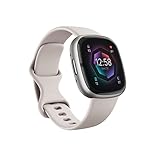
- Learn to manage stress, sleep better and live healthier with Sense 2—our most advanced health and fitness smartwatch.Operating temperature : 14° to 113° F (-10° to 45° C)..Band material type : Silicone
- Manage stress and live healthier: all-day stress detection with cEDA and daily Stress Management Score, ECG app for atrial fibrillation assessment(1), irregular heart rhythm notifications(2), SpO2(3), health metrics dashboard(4), mindfulness content
- Measure and improve sleep quality: personalized Sleep Profile(5), daily sleep stages & Sleep Score, smart wake alarm and do not disturb mode
- Enhance activity: built-in GPS and workout intensity map, Daily Readiness Score(5), Active Zone Minutes, all-day activity tracking and 24/7 heart rate, 40+ exercise modes and automatic exercise tracking, water resistant to 50 meters
- Designed for all-day wear: on-wrist Bluetooth calls, texts and phone notifications(6), customizable clock faces, Fitbit Pay(7), Amazon Alexa built-in(8), Google Wallet & Maps (Google Maps on Android only, coming Spring 2023 to iOS), 6+ day battery(9)
Because ECGs are intentional and brief, they are best suited for checking symptoms such as palpitations, dizziness, or a sense that the heart feels “off” right now.
What Continuous Tracking Can Catch That ECG Often Misses
The strength of continuous Afib tracking is exposure time. A single ECG recording represents less than one minute out of a day, while continuous monitoring samples rhythm patterns across many hours.
For people with sporadic Afib episodes, especially those that occur during sleep, on-demand ECGs can repeatedly return normal results. Fitbit’s background detection increases the odds of identifying these silent or nighttime events without requiring the user to actively check.
This difference is also why Fitbit presents its Afib notifications as trend-based reports rather than immediate alerts. The system looks for consistency over time, not urgency in the moment.
What Continuous Tracking Cannot Measure
Despite its name, continuous Afib tracking does not continuously record heart rhythm in a medical sense. There is no stored ECG trace, no electrical waveform, and no beat-by-beat rhythm strip that a cardiologist could independently interpret.
The feature cannot diagnose Afib, determine its duration precisely, or differentiate between Afib and other irregular rhythms such as atrial flutter or frequent premature beats. Fitbit intentionally abstracts this data to reduce misinterpretation and regulatory risk.
It also cannot detect heart attacks, dangerous ventricular arrhythmias, or structural heart issues. These limitations are shared across consumer wearables and reflect sensor physics, not software ambition.
Regulatory Clearance and Clinical Validation Differences
Fitbit’s continuous Afib detection is cleared in multiple regions as a screening feature, not a diagnostic tool. Clinical validation focuses on sensitivity and specificity for identifying irregular rhythm patterns consistent with Afib in large populations, rather than confirming individual episodes.
The ECG app, by contrast, undergoes a different regulatory pathway because it produces a medical-style signal. This is why ECG availability is limited to specific Fitbit models, regions, and age groups, while continuous detection can run on a wider range of devices.
In practical terms, this split allows Fitbit to offer broader passive monitoring without overpromising clinical certainty.
How Alerts and Reports Differ Between the Two
When continuous tracking detects possible Afib, users receive an Irregular Rhythm Notification summarizing when irregular patterns were observed. The report emphasizes dates, frequency, and context rather than urgency, reinforcing its role as a conversation starter with a healthcare provider.
ECG results appear immediately after the recording, with a clear classification and a downloadable PDF that includes the waveform. This makes ECG outputs more suitable for direct sharing with clinicians when symptoms are present.
Both features are designed to complement, not replace, traditional medical evaluation, but they serve very different decision-making moments for the user.
Choosing Which Matters More for Daily Use
For users who value passive health awareness, minimal interaction, and strong battery life, continuous Afib tracking aligns well with Fitbit’s broader design philosophy. Devices that last several days and remain comfortable overnight are better positioned to deliver meaningful background insights.
On-demand ECG is better viewed as an occasional tool rather than a constant safeguard. Its value depends on remembering to use it at the right moment, which is not always realistic for asymptomatic conditions.
Understanding this distinction helps set expectations and clarifies why Fitbit treats continuous Afib tracking and ECG as complementary features rather than interchangeable ones.
Supported Fitbit Devices and Hardware Requirements: Who Gets Continuous Afib Monitoring
With the distinction between passive Afib detection and on-demand ECG in mind, the next practical question is straightforward: which Fitbit devices are actually capable of running continuous Afib tracking in the background. The answer depends less on branding and more on the underlying sensor hardware, battery capacity, and how the device is designed to be worn day and night.
Fitbit’s approach prioritizes long-duration wear and overnight data collection, which immediately narrows the field to watches and trackers that can sustain continuous optical heart rate monitoring without aggressive charging schedules.
Fitbit Models That Support Continuous Afib Tracking
As of the current rollout, continuous Afib tracking via Irregular Rhythm Notifications is supported on newer Fitbit devices equipped with advanced optical heart rate sensors and sufficient processing capability. This includes the Fitbit Sense and Sense 2, Versa 3 and Versa 4, Charge 5 and Charge 6, Inspire 3, and select later-generation trackers that support all-day and all-night heart rate monitoring.
Notably, this feature is not limited to Fitbit’s premium smartwatch tier. Slim fitness trackers like the Charge and Inspire lines qualify because they are designed for uninterrupted wear, lighter weight, and fewer power-hungry display interactions.
Older models, including earlier Versa generations and discontinued trackers, typically lack either the necessary sensor fidelity or the sustained background processing required for validated irregular rhythm detection.
Why Optical Heart Rate Hardware Matters More Than ECG Electrodes
Continuous Afib tracking relies entirely on photoplethysmography, or PPG, which measures blood volume changes in the wrist using green and infrared LEDs. Unlike ECG, this method does not capture electrical signals directly, but it excels at long-term trend analysis when sampling is frequent and consistent.
Fitbit’s newer sensors feature multi-path light emitters, improved photodiodes, and better motion artifact filtering. These upgrades are critical for detecting subtle beat-to-beat variability during sleep, when Afib episodes are more likely to be detected cleanly.
Devices without these newer sensor arrays may still track heart rate accurately for fitness, but they do not meet the reliability thresholds Fitbit set for medical-regulated irregular rhythm detection.
Battery Life and Overnight Wear: The Hidden Requirement
Continuous Afib detection is most effective when the device is worn during sleep, which makes battery endurance a non-negotiable requirement. Fitbit devices that support this feature generally offer between five and ten days of real-world battery life, depending on display usage and enabled features.
This extended battery window reduces gaps in heart rhythm data caused by frequent charging. In contrast, smartwatches that require daily charging are statistically more likely to miss overnight arrhythmia patterns.
From a comfort standpoint, lighter cases, curved backs, and soft silicone or woven straps play an outsized role. A device that feels unobtrusive at night is far more likely to deliver meaningful Afib insights than a heavier watch worn inconsistently.
Software, Region, and Age Requirements
Hardware alone does not guarantee access. Continuous Afib tracking is regulated as a medical feature and is only available in countries where Fitbit has received regulatory clearance, including the United States, much of Europe, and select other regions.
Users must also meet minimum age requirements, typically 22 years or older, reflecting how Afib prevalence and validation studies are structured. The feature must be enabled within the Fitbit app, and users are guided through consent screens explaining what the data can and cannot indicate.
Fitbit Premium is not required for Irregular Rhythm Notifications, which reinforces its role as a baseline health safety feature rather than a subscription-locked insight.
Fitbit Smartwatches vs Trackers: Practical Trade-Offs
While both smartwatches and trackers can support continuous Afib monitoring, the day-to-day experience differs. Sense and Versa models offer larger displays, premium materials like stainless steel or aluminum cases, and broader health dashboards, which some users prefer for reviewing heart data directly on the wrist.
Trackers such as the Charge 6 or Inspire 3 prioritize discretion, comfort, and battery longevity. Their smaller size and lighter weight often make them better suited for continuous wear, particularly for users who care more about passive health monitoring than smartwatch features.
From a pure Afib detection standpoint, neither category has an inherent advantage. Consistency of wear and sensor contact quality matter far more than screen size or price.
Why Some Fitbit Devices Are Excluded
The absence of continuous Afib tracking on certain Fitbit models is not arbitrary. Devices with older-generation optical sensors, limited onboard memory, or shorter battery life may not reliably collect the dense, clean data needed for FDA-cleared detection algorithms.
Fitbit’s regulatory filings tie specific hardware configurations to validated performance. Allowing unsupported devices would risk false alerts or missed detections, undermining both user trust and regulatory compliance.
This conservative approach explains why Fitbit expands eligibility slowly, even when the underlying software capabilities appear similar on paper.
What to Check Before You Buy
For prospective buyers, the most important checklist items are explicit Irregular Rhythm Notification support, multi-day battery life, and a form factor you can comfortably wear overnight. Marketing terms like “heart health tracking” are not enough on their own.
It is also worth confirming regional availability and ensuring the device will be worn consistently, including during sleep and periods of low activity. Continuous Afib tracking is only as effective as the data it receives, and the best device is the one that stays on your wrist when you forget about it.
Understanding these hardware and eligibility requirements helps set realistic expectations and prevents confusion between what a Fitbit can technically measure and what it is cleared to report as a regulated health insight.
Behind the Scenes: Data Collection, Background Monitoring, and Battery Life Impact
Once hardware eligibility and regulatory clearance are in place, the real differentiator becomes how the feature operates day after day without asking anything of the user. Fitbit’s continuous Afib tracking is designed to fade into the background, collecting just enough data at the right times to remain clinically useful while still preserving the long battery life that many Fitbit owners prioritize.
What Data Fitbit Collects for Continuous Afib Tracking
Unlike on-demand ECG readings, continuous Afib tracking relies almost entirely on optical heart rate data captured through photoplethysmography, or PPG. Green LEDs illuminate the skin, and light-sensitive photodiodes measure subtle changes in blood volume with each heartbeat.
What matters for Afib detection is not just heart rate, but beat-to-beat variability and rhythm regularity over extended periods. Fitbit’s algorithms analyze the timing between pulses, looking for patterns of irregularity that are consistent with atrial fibrillation rather than occasional noise, movement, or benign rhythm changes.
To support this, Fitbit collects short windows of high-quality pulse data repeatedly throughout the day and night. These samples are only used when signal quality meets strict thresholds, meaning motion-heavy periods like workouts or brisk walking are often excluded from Afib analysis by design.
Why Monitoring Happens Mostly During Rest and Sleep
You may notice that Irregular Rhythm Notifications often reference nighttime or resting periods. This is intentional and central to how the system maintains accuracy.
Rank #3
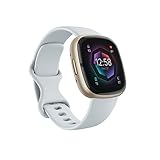
- Learn to manage stress, sleep better and live healthier with Sense 2—our most advanced health and fitness smartwatch
- Manage stress and live healthier: all-day stress detection with cEDA and daily Stress Management Score, ECG app for atrial fibrillation assessment(1), irregular heart rhythm notifications(2), SpO2(3), health metrics dashboard(4), mindfulness content
- Measure and improve sleep quality: personalized Sleep Profile(5), daily sleep stages & Sleep Score, smart wake alarm and do not disturb mode
- Enhance activity: built-in GPS and workout intensity map, Daily Readiness Score(5), Active Zone Minutes, all-day activity tracking and 24/7 heart rate, 40+ exercise modes and automatic exercise tracking, water resistant to 50 meters
- Designed for all-day wear: on-wrist Bluetooth calls, texts and phone notifications(6), customizable clock faces, Fitbit Pay(7), Amazon Alexa built-in(8), Google Wallet & Maps (Google Maps on Android only, coming Spring 2023 to iOS), 6+ day battery(9)
During sleep or quiet rest, wrist movement is minimal and skin contact is more consistent, allowing the optical sensor to capture cleaner pulse waveforms. This dramatically reduces false positives that could occur if the algorithm tried to interpret data collected during exercise, typing, or daily chores.
From a user perspective, this also explains why wearing your Fitbit overnight is so strongly emphasized. Continuous Afib tracking is less about 24/7 intensity and more about repeated, reliable sampling during the calmest moments of your day.
Background Processing and On-Device Intelligence
Fitbit does not continuously stream raw heart data to your phone or the cloud. Instead, much of the initial signal filtering and quality assessment happens directly on the device using low-power processors.
Only segments that meet predefined criteria are flagged for deeper analysis, with summary data synced periodically to the Fitbit app. This layered approach reduces both battery drain and unnecessary data transfer, while also supporting privacy by minimizing how much raw physiological data leaves the device.
Importantly, this is also why notifications are not instant. The system requires multiple qualifying irregular rhythm episodes across different sampling windows before an Irregular Rhythm Notification is generated, reinforcing that this is a trend-based screening tool rather than a real-time alarm.
How This Differs from Spot ECG Readings
Understanding the distinction between continuous Afib tracking and ECG app readings helps set realistic expectations. An ECG reading uses electrical sensors to capture a single-lead electrocardiogram on demand, producing a snapshot that can confirm Afib at that moment.
Continuous tracking, by contrast, never records an ECG waveform. It uses optical rhythm analysis to detect repeated irregular patterns over time, which is why it can run passively but cannot definitively diagnose Afib on its own.
In practical terms, continuous monitoring is more likely to catch asymptomatic or intermittent episodes, while ECG is better suited for confirming symptoms when you feel palpitations or discomfort. Fitbit intentionally positions these features as complementary rather than interchangeable.
Battery Life Tradeoffs and Real-World Impact
One of Fitbit’s longstanding advantages is battery longevity, and continuous Afib tracking is engineered to respect that. Because the feature piggybacks on optical heart rate monitoring that is already running for wellness metrics, the incremental battery impact is relatively modest.
On devices like the Charge series, Sense, or Inspire 3, most users will not notice a meaningful reduction in advertised battery life solely due to Afib monitoring. The system’s selective sampling and rest-focused analysis are key to keeping power consumption in check.
That said, overall battery life still depends on the full mix of features enabled. Frequent GPS use, always-on display modes, third-party apps, and high notification volume will have a far greater effect on daily charging needs than background Afib detection alone.
Why Consistent Wear Matters More Than Technical Specs
From a data quality standpoint, the most advanced algorithm is useless if the device is not worn consistently. Fit, strap material, and comfort directly influence whether the sensor maintains stable skin contact during sleep and extended wear.
Lighter trackers with flexible bands often outperform larger smartwatches in this specific use case, simply because users forget they are wearing them. Proper strap tension, avoiding overly loose fits, and keeping the sensor clean all contribute to better signal quality and fewer missed sampling opportunities.
In this sense, continuous Afib tracking is less about raw processing power and more about habit formation. The best results come from a device that blends into your routine, quietly collecting high-quality data without demanding attention or frequent charging.
Accuracy, Validation, and FDA Clearance: What the Clinical Evidence Really Says
After understanding how continuous Afib tracking works and why consistent wear matters, the natural next question is whether the data can be trusted. Fitbit’s approach sits at the intersection of consumer wellness tracking and regulated medical features, and the distinction is critical to interpreting its accuracy claims responsibly.
Rather than positioning continuous Afib detection as a diagnostic tool, Fitbit frames it as a screening and awareness feature. That framing is not marketing spin; it reflects how the system was clinically validated and how regulators allow it to be used.
What Fitbit’s FDA Clearance Actually Covers
Fitbit’s continuous Afib tracking received FDA clearance under the De Novo classification pathway, which is reserved for novel, low-to-moderate risk medical devices. This clearance applies specifically to the software algorithm that analyzes irregular heart rhythms from optical heart rate data collected during periods of inactivity or sleep.
Importantly, FDA clearance does not mean the feature diagnoses Afib. It means the algorithm has demonstrated reasonable assurance of safety and effectiveness for detecting signs consistent with Afib and notifying users so they can seek medical evaluation.
The clearance also does not apply universally to all Fitbit devices. Only models with compatible optical heart rate sensors, firmware, and regulatory approval in supported regions can offer continuous Afib detection, and availability varies by country due to local health authority rules.
The Clinical Studies Behind Fitbit’s Claims
Fitbit’s validation studies compared its passive Afib detection algorithm against gold-standard clinical references, typically ambulatory ECG monitors worn simultaneously by study participants. These studies included both individuals with known Afib and those without a prior diagnosis, reflecting real-world screening conditions.
Across published data, Fitbit reported high specificity, meaning the system is relatively conservative about flagging Afib when it is not present. Sensitivity was lower than that of continuous ECG monitoring, which is expected given the limitations of optical sensors and intermittent sampling.
In practical terms, this means Fitbit’s system is designed to avoid unnecessary alerts while still catching a meaningful portion of sustained Afib episodes. Brief, transient, or motion-heavy episodes are more likely to be missed, especially during daytime activity.
Why Optical Heart Rate Data Has Built-In Limits
Continuous Afib tracking relies on photoplethysmography, or PPG, which measures changes in blood volume under the skin rather than the heart’s electrical activity directly. While modern PPG sensors are highly refined, they remain indirect measurements.
Motion artifacts, poor skin contact, tattoos, low perfusion, and irregular sleep positions can all degrade signal quality. Fitbit’s algorithm mitigates this by focusing analysis on periods of rest and by requiring multiple irregular rhythm confirmations before generating a notification.
This conservative approach improves reliability but also explains why some users with known Afib may not receive frequent alerts. The system prioritizes confidence over completeness, which aligns with its role as an early warning tool rather than continuous surveillance.
How Accuracy Compares to Fitbit’s On-Demand ECG
Fitbit’s ECG app, available on higher-end models like Sense and Charge with ECG hardware, operates under a different regulatory standard. ECG recordings are classified as a Class II medical device feature and are intended for user-initiated recordings when symptoms occur.
In controlled conditions, ECG readings are generally more sensitive for detecting Afib at a specific moment in time. However, they rely on the user recognizing symptoms and remembering to run the test, which limits their usefulness for asymptomatic or nocturnal episodes.
Continuous Afib tracking trades moment-by-moment precision for long-term coverage. The two features are best understood as complementary, with continuous monitoring flagging patterns and ECG providing confirmatory snapshots.
False Positives, Missed Episodes, and What’s Normal
No wearable-based Afib detection system is perfect, and Fitbit is explicit about this in its regulatory disclosures. False positives can occur, particularly in people with other arrhythmias such as frequent premature atrial contractions or sinus arrhythmia.
Equally important is the risk of false reassurance. A lack of Afib notifications does not guarantee the absence of the condition, especially if episodes are brief, infrequent, or occur during high-motion activities.
This is why Fitbit’s alerts are phrased cautiously, encouraging users to consult a healthcare professional rather than take action based solely on the app. The system is designed to prompt conversation, not replace clinical judgment.
How Real-World Accuracy Depends on Daily Wearability
Clinical validation happens under controlled study protocols, but real-world accuracy depends heavily on how the device is worn day to day. Strap comfort, tracker weight, and long-term wear tolerance play a larger role here than raw sensor specifications.
Slim trackers like Inspire or Charge, with soft elastomer bands and minimal bulk, often deliver more consistent overnight data than heavier smartwatch-style designs. That consistency directly affects the algorithm’s ability to detect rhythm irregularities over time.
Battery life also matters indirectly. Devices that can be worn for several days without charging reduce data gaps, improving longitudinal accuracy even if the sensor hardware is identical.
How Fitbit’s Evidence Stacks Up Against Competitors
Compared to Apple and Samsung, Fitbit’s continuous Afib detection is closer in philosophy to population-level screening than moment-based testing. Apple’s irregular rhythm notifications follow a similar FDA-cleared model, though Apple relies more heavily on ecosystem integration and user-triggered ECG follow-up.
Samsung offers comparable features in some regions, but availability is more fragmented due to regulatory constraints and device compatibility. Fitbit’s strength lies in its focus on passive, long-duration monitoring with minimal battery impact.
None of these platforms claim diagnostic authority, and all emphasize follow-up with medical professionals. Where they differ is in how seamlessly the feature fits into daily life, and Fitbit’s validation strategy reflects its emphasis on continuous wear over episodic testing.
What Users Should Realistically Take Away
The clinical evidence supports Fitbit’s continuous Afib tracking as a credible screening tool for identifying potential irregular rhythms, especially in people who may not experience obvious symptoms. It is neither a definitive test nor a replacement for medical-grade monitoring.
When used consistently and interpreted appropriately, the feature can provide valuable context to share with a clinician. Its real strength lies not in perfection, but in quietly extending heart rhythm awareness beyond the doctor’s office and into everyday life.
How Alerts, Reports, and Trends Are Presented in the Fitbit App
Once Fitbit’s continuous Afib tracking is active and enough background data has been collected, the experience shifts from invisible monitoring to selective, context-driven feedback. Fitbit is deliberately conservative about when and how it surfaces information, aiming to avoid constant notifications while still flagging patterns that merit attention.
Rather than streaming raw heart rhythm data to the user, the app acts as an interpreter. It filters days or weeks of overnight photoplethysmography readings into summaries that are meant to be understandable without medical training.
Afib Detection Alerts: When and How You’re Notified
If Fitbit’s algorithm identifies a pattern consistent with atrial fibrillation across multiple overnight sessions, the first signal most users see is an Afib Detection alert within the Fitbit app. In some regions and device configurations, this may also be accompanied by a phone notification, but Fitbit avoids watch-based alerts that could cause anxiety during sleep.
The alert does not indicate a single event or timestamp. Instead, it reflects repeated irregular rhythm patterns that meet Fitbit’s cleared detection criteria over time, reinforcing that this is a screening signal rather than an emergency warning.
When the alert appears, the app clearly states that the finding is not a diagnosis and encourages users to consult a healthcare professional. Fitbit also explains, in plain language, what atrial fibrillation is and why follow-up matters, particularly for stroke risk and longer-term heart health.
Rank #4

- 1.59in l x 1.59in w x 0.49in h. ECG, stress sensing and a skin temperature sensor. Get notifications for calls, texts, calendar events and apps like Gmail and Facebook plus send quick replies and voice replies right from your wrist.
- Compatibility: Apple iOS 12.2 or higher, Android OS 7.0 or higher, Syncing range: Up to 30ft, Music control via Bluetooth Classic on Android and Bluetooth LE on iOS devices.
- Built-in GPS + GLONASS, Speaker, Microphone, Multi-path optical heart rate sensor, IR sensors for oxygen saturation (SpO2) monitoring
- Water-resistant to 50 meters. Battery life up to 6+ days. Heart rate tracking technology. Saves 7 days of detailed motion data minute by minute.
- International Model - No warranty in the US. In Box: Fitbit Versa 3, Classic wristband (both small & large), Charging cable
Understanding the Afib Report Summary
Tapping into the alert leads to an Afib Detection Report, which serves as the main user-facing artifact of the feature. This report summarizes the days on which irregular rhythms were detected, typically presented as a calendar-style or date-based list rather than continuous waveform data.
Each flagged day indicates that the algorithm observed Afib-like patterns during sleep, not that Afib was present all day. This distinction is emphasized repeatedly within the interface to reduce misinterpretation.
The report also includes contextual guidance on what to do next, such as sharing the information with a clinician or discussing further evaluation. Fitbit’s language remains intentionally cautious, reinforcing that the report supports conversation, not self-diagnosis.
Trends Over Time: Longitudinal Context, Not Real-Time Monitoring
Beyond individual alerts, Fitbit’s app places significant emphasis on trends. Users can see how often Afib detections occur over weeks or months, which aligns with the feature’s design as a long-term screening tool rather than a live monitor.
This trend-based presentation benefits from consistent wear and good battery life, tying back to Fitbit’s hardware philosophy. Slim trackers like Charge or Inspire, with multi-day battery endurance and comfortable elastomer bands, are more likely to generate uninterrupted datasets that make trend views meaningful.
Importantly, the app does not show continuous heart rhythm graphs or beat-to-beat variability tied specifically to Afib detection. That omission is deliberate and reflects regulatory boundaries as well as Fitbit’s focus on clarity over clinical density.
How Afib Data Fits Into the Broader Health Dashboard
Afib detection lives within Fitbit’s Health Metrics and heart health sections rather than as a standalone medical tab. This positioning subtly reinforces that rhythm screening is one component of overall cardiovascular awareness, alongside resting heart rate, sleep stages, and oxygen saturation trends.
For users wearing Fitbit smartwatches with richer displays and materials like aluminum or stainless steel cases, most interaction still happens on the phone. The watch itself remains a data collection device, prioritizing comfort and overnight wearability over detailed on-device reporting.
This separation helps preserve battery life and keeps the on-wrist experience simple, especially on models that prioritize slimness and low weight for 24/7 use.
Exporting and Sharing Reports With Clinicians
One of the most practical aspects of Fitbit’s Afib presentation is the ability to share reports. Users can export Afib Detection Reports as a PDF directly from the app, making it easier to bring objective, time-stamped information to a medical appointment.
While the report does not include raw sensor data or ECG-style tracings, clinicians often value the longitudinal context. Seeing repeated detections across specific dates can help inform decisions about further testing, such as a clinical ECG or longer-term Holter monitoring.
This design choice reflects Fitbit’s role as an early warning and documentation tool rather than a replacement for medical-grade diagnostics.
Managing Expectations and Avoiding Alert Fatigue
Fitbit intentionally limits how often it surfaces Afib-related feedback. Users will not receive daily confirmations of normal rhythm, nor will the app highlight minor or ambiguous irregularities that fall below detection thresholds.
This restraint reduces alert fatigue and aligns with how screening tools are used in clinical settings. The absence of alerts is not a guarantee of normal rhythm, and the app explicitly states that it cannot detect all cases of Afib.
For users comparing platforms, this approach contrasts with more interactive, user-triggered ECG features. Fitbit’s strength lies in quietly building a long-term rhythm narrative and presenting it only when there is enough confidence to justify user attention.
Privacy, Data Handling, and Regulatory Framing
All Afib detection data is stored and processed within Fitbit’s health data framework, with user controls governing sharing and export. Fitbit emphasizes that data is used to provide health insights and is not shared with third parties without consent.
Regulatory language is woven throughout the app experience, reminding users that the feature is FDA-cleared or CE-marked as a screening function in supported regions. These disclaimers are not hidden in footnotes but embedded directly into alerts and reports.
The result is an interface that balances transparency with reassurance, helping users understand what the feature can do, what it cannot, and how to use the information responsibly.
Privacy, Data Handling, and Regulatory Boundaries: What Fitbit Can and Cannot Claim
Fitbit’s continuous Afib tracking does not exist in a vacuum. Its design, messaging, and even how the data is displayed are shaped as much by privacy law and medical regulation as by sensor hardware or algorithms.
Understanding these guardrails helps explain why Fitbit communicates Afib insights conservatively, why some data remains hidden from users, and why the feature is framed as a screening tool rather than a diagnostic one.
How Afib Data Is Collected, Stored, and Processed
Continuous Afib detection relies on background optical heart rate data captured via the watch’s PPG sensor, typically during periods of rest or sleep when motion artifacts are lowest. This data is analyzed algorithmically to look for irregular rhythm patterns consistent with atrial fibrillation, rather than capturing a single moment in time like a spot ECG.
Fitbit processes this information within its health data infrastructure, where rhythm analysis is tied to the user’s Fitbit account rather than stored as isolated sensor logs. Users do not see raw PPG waveforms or beat-to-beat intervals, only summarized detection events when the system crosses confidence thresholds.
From a privacy standpoint, this abstraction matters. By limiting access to interpreted outcomes rather than raw biosignals, Fitbit reduces the risk of misinterpretation while also narrowing what data is exposed or shared outside the platform.
User Control, Sharing, and Data Portability
Afib detection data falls under Fitbit’s broader health data controls, which allow users to decide whether information is shared with healthcare providers, downloaded for personal records, or connected to third-party health platforms where supported. Exported reports are designed to be human-readable and clinician-friendly, not machine-level data dumps.
Fitbit states that Afib data is not sold to advertisers and is not shared externally without user permission. Within the app, privacy disclosures are integrated into the setup and report screens rather than buried in general terms and conditions.
For users weighing Fitbit against competitors, this approach mirrors Apple’s and Samsung’s stance on on-device processing and consent-based sharing, though Fitbit’s reporting remains more summarized by design.
Why Fitbit Avoids Raw Data and Real-Time Alerts
One of the most common questions from advanced users is why Fitbit does not provide continuous rhythm charts or real-time Afib alerts. The answer sits squarely at the intersection of medical regulation and risk management.
Providing raw rhythm data or live alerts could shift the feature’s classification closer to diagnostic or monitoring territory, which carries significantly higher regulatory and clinical obligations. By focusing on retrospective pattern detection and periodic review, Fitbit stays within the scope of a cleared screening function.
This also reduces anxiety-driven overuse. A real-time alert for every irregular beat could overwhelm users and clinicians alike, especially given the known limitations of wrist-based optical sensors.
FDA and CE Clearance: What It Actually Means
In supported regions, Fitbit’s continuous Afib detection is cleared by the FDA in the United States and carries CE marking in parts of Europe. These approvals confirm that the feature performs as intended for screening atrial fibrillation in adults above a specified age, typically 22 years and older.
Crucially, clearance does not mean the watch can diagnose Afib, rule it out, or replace clinical testing. Fitbit is required to clearly state that the feature cannot detect all cases and should not be used for people already diagnosed with Afib or those experiencing symptoms like chest pain or fainting.
These boundaries explain the careful language users see in notifications and reports. Fitbit can say it detected signs consistent with Afib over a given period, but it cannot claim medical certainty or provide treatment guidance.
Regulatory Language Built Into the User Experience
Unlike many wellness features, Afib detection includes explicit regulatory disclaimers directly in the app flow. Users encounter reminders about intended use during setup, when viewing reports, and when exporting data for a clinician.
This repetition is not accidental. Regulatory bodies require that limitations are communicated clearly and consistently, especially for features that could influence medical decision-making.
The result is an experience that may feel restrained compared to consumer-first fitness metrics, but one that prioritizes responsible interpretation over engagement metrics.
What Fitbit Is Legally and Ethically Prohibited From Claiming
Fitbit cannot state that its continuous tracking prevents stroke, detects all arrhythmias, or confirms the presence or absence of heart disease. It also cannot position the feature as suitable for users with known Afib, implanted cardiac devices, or those under active cardiac care.
Even accuracy claims are tightly framed. Fitbit can reference validation studies and overall performance metrics, but individual results are always contextual and probabilistic.
For consumers, this means the value of the feature lies in early awareness and documentation, not reassurance or diagnosis. Fitbit’s responsibility is to surface credible signals without crossing into medical advice.
How This Shapes Trust and Long-Term Use
By operating within strict privacy and regulatory boundaries, Fitbit trades immediacy for credibility. The feature may feel quieter than user-triggered ECG tools, but that quietness reflects intentional design choices shaped by law, ethics, and clinical practice.
For health-conscious users, this approach supports long-term wearability. The watch can be worn day and night, with minimal battery impact and no need for constant interaction, quietly building a rhythm history that can be shared when it matters most.
In that sense, Fitbit’s continuous Afib tracking is as much about what it does not do as what it does, and understanding those limits is essential to using it wisely.
Fitbit vs Apple Watch vs Samsung Galaxy Watch: Continuous Afib Detection Compared
With Fitbit’s regulatory-first approach in mind, the natural next question is how its always-on Afib monitoring stacks up against Apple and Samsung, both of which also market FDA-cleared atrial fibrillation features. On the surface, all three brands promise early awareness, but they arrive there through very different technical, regulatory, and usability paths.
Understanding those differences matters, because Afib detection is shaped as much by how a watch is worn and powered as by algorithms and sensors.
Passive Background Monitoring vs User-Initiated ECG
Fitbit’s defining distinction is that its Afib detection is fully passive. The watch continuously samples heart rhythm during periods of rest or sleep using the optical heart rate sensor, without requiring the user to trigger a recording or even be aware that monitoring is happening.
💰 Best Value

- TIMELESS DESIGN – Hybrid smartwatch with analog hands and digital health tracking. Stainless steel case with sapphire glass for durability. Available in multiple sizes and finishes.
- 35 DAYS BATTERY LIFE– Built for the long run with up to 35 days of continuous use on a single charge. Provides uninterrupted daily and nightly health tracking with extended power.
- HEALTH MONITORING– 30s medical-grade ECG and continuous heart rate tracking with AFib detection via the Withings ECG App. Includes high and low heart rate notifications.
- SLEEP, WORKOUT & RECOVERY INSIGHTS – rack sleep stages, breathing, and over 40 sports with VO₂ max and heart rate zones. Get a Vitality Score and 1 month of Withings+ for personalized insights.
- COMPATIBILITY & PROPRIETARY OS – Seamlessly connects to Android and iOS via the Withings App. Powered by our HealthSense OS with on-device machine learning for precise health metrics.
Apple Watch and Samsung Galaxy Watch, by contrast, lean more heavily on user-initiated ECG readings. Both brands offer irregular rhythm notifications in the background, but confirmation relies on the user actively opening the ECG app, placing a finger on the crown or bezel, and holding still for a 30-second recording.
This difference changes the kind of data each platform collects. Fitbit builds a long-term rhythm profile over nights and weeks, while Apple and Samsung prioritize episodic, snapshot-style recordings that can be reviewed or exported immediately.
Regulatory Scope and Intended Use
Fitbit’s continuous Afib feature is cleared specifically for users without a prior Afib diagnosis. It is framed as a screening tool designed to identify possible episodes that warrant further evaluation, not to monitor known conditions.
Apple and Samsung take a similar legal stance, but their messaging often feels more immediate because of the ECG workflow. An ECG PDF that looks like a clinical strip can create a stronger perception of diagnostic authority, even though the disclaimers are just as strict.
From a regulatory perspective, Fitbit’s quieter alerts and delayed reporting are intentional. By surfacing trends instead of real-time alarms, Fitbit stays firmly within its cleared use while reducing the risk of false reassurance or unnecessary panic.
Accuracy, Validation, and Signal Quality
All three platforms rely on photoplethysmography for background detection, which means they share common limitations. Motion, poor skin contact, tattoos, and irregular sleep can all degrade signal quality.
Fitbit’s strength lies in volume and consistency. Because the watches are lighter, slimmer, and designed for multi-day battery life, users are more likely to wear them overnight, which is when Afib detection is most reliable due to reduced movement.
Apple Watch and Samsung Galaxy Watch compensate with ECG hardware that can produce higher-fidelity rhythm strips, but only during intentional use. The quality is excellent in controlled conditions, yet it captures far fewer total hours of rhythm data.
Alerts, Reports, and User Interpretation
Fitbit notifies users only after detecting multiple irregular rhythm episodes across separate days. Alerts appear in the Fitbit app, accompanied by educational context and a summary report that can be shared with a clinician.
Apple Watch delivers irregular rhythm notifications more directly on the wrist, often sooner, but requires follow-up ECGs to provide actionable documentation. The experience feels more interactive, but also demands greater user judgment.
Samsung’s experience sits between the two. ECG results are clear and exportable, but background Afib notifications depend heavily on regional regulatory approval and compatible smartphones, which can limit availability.
Battery Life, Wearability, and Real-World Compliance
Continuous Afib tracking only works if the watch is worn consistently. Here, hardware design becomes as important as software.
Most Fitbit models supporting Afib detection offer five to seven days of battery life, slim cases, and soft elastomer straps that are comfortable for sleep. This makes overnight wear realistic for a wide range of users.
Apple Watch and Samsung Galaxy Watch typically require daily charging, especially if ECG, cellular connectivity, and bright displays are used. For users who remove their watch at night to charge, this creates gaps in rhythm monitoring that no algorithm can fill.
Platform Ecosystem and Data Portability
Fitbit emphasizes longitudinal health trends within its app, with Afib data presented alongside sleep stages, resting heart rate, and heart rate variability. This context can help clinicians interpret findings more meaningfully.
Apple’s ecosystem excels at data export. ECG PDFs integrate cleanly with Apple Health and can be shared across compatible health systems, making it easier for iPhone users already embedded in clinical workflows.
Samsung offers solid reporting tools, but compatibility varies by country and phone model, which can complicate long-term use for some consumers.
Which Approach Fits Which User
Fitbit’s continuous Afib detection is best suited to users who value passive monitoring, long battery life, and minimal interaction. It works quietly in the background, building evidence over time without demanding attention.
Apple Watch appeals to users who want immediate, hands-on insight and are comfortable initiating ECGs and interpreting short-term results. It feels more clinical, but also more demanding.
Samsung Galaxy Watch offers strong hardware and ECG capabilities, particularly for Android users, but its Afib experience is more fragmented due to regional and ecosystem constraints.
None of these watches replace medical care. The real difference lies in how they balance awareness, responsibility, and daily wearability, and understanding that balance is key to choosing the right tool for heart health awareness.
Benefits, Limitations, and Real-World Expectations for Everyday Users
Taken together, the platform differences outlined above shape how Fitbit’s continuous Afib tracking fits into everyday life. For most users, its value is less about dramatic alerts and more about steady, low-friction awareness that builds quietly over time.
Key Benefits: Passive, Long-Term Heart Rhythm Awareness
The most meaningful benefit of Fitbit’s approach is that it works without user action. Once enabled, the algorithm runs automatically during rest and sleep, scanning for irregular rhythm patterns over multiple nights.
This passive design aligns well with how Afib often behaves in the real world. Many people experience episodes during sleep or periods of inactivity, when they would never think to run a manual ECG.
Fitbit’s hardware design supports this goal. Slim cases, light weight, and soft elastomer straps make overnight wear comfortable, while multi-day battery life reduces the risk of missing data due to charging gaps.
Clinical Validation and Regulatory Guardrails
Fitbit’s Afib detection feature is FDA-cleared and CE-marked, meaning it has demonstrated acceptable performance in clinical studies for its intended use. That use is screening for signs of Afib in adults without a prior diagnosis, not diagnosing or ruling out disease.
In practice, this means the feature is designed to flag patterns that merit medical attention, not to provide definitive answers. A notification is a prompt for conversation with a clinician, typically followed by medical-grade ECG monitoring.
This regulatory framing is important for expectations. Fitbit is not claiming to catch every episode, nor to distinguish Afib from every other rhythm abnormality.
Limitations Users Need to Understand
Continuous Afib detection relies on optical heart rate sensors, not electrical signals. While modern photoplethysmography is highly capable, it is more susceptible to motion artifacts and cannot directly visualize heart waveforms.
Fitbit mitigates this by limiting analysis to periods of low movement, primarily sleep. The tradeoff is that Afib occurring during exercise or daytime activity may go undetected.
There are also eligibility constraints. The feature is not intended for users under 22, those with known Afib, or people with implanted cardiac devices, and availability varies by country due to regulatory approvals.
What Alerts Mean, and What They Don’t
When Fitbit detects an irregular rhythm consistent with Afib, it does not issue real-time alarms. Instead, users receive a notification summarizing findings over several days, often paired with a downloadable report.
This report shows dates and estimated durations of irregular rhythm detection, which can be shared with a healthcare provider. It does not show ECG tracings or confirm a diagnosis.
Equally important is the absence of alerts. Not receiving notifications does not guarantee a normal heart rhythm, especially if episodes are brief, infrequent, or occur outside rest periods.
Accuracy in the Context of Daily Life
In controlled validation studies, Fitbit’s algorithm has shown strong specificity, meaning false positives are relatively uncommon. This is intentional, as unnecessary alerts can create anxiety and lead to avoidable medical visits.
Sensitivity is more nuanced. The system is better at detecting sustained or recurring Afib patterns than rare or very short episodes.
For everyday users, this translates to a tool that favors reliability over immediacy. It is designed to surface meaningful trends, not to act as a constant warning system.
Who Benefits Most from Fitbit’s Approach
Fitbit’s continuous Afib tracking is particularly well suited to users who want health insights without micromanagement. Those who prioritize comfort, battery life, and sleep tracking tend to get the most value from it.
It can also be useful for people with risk factors such as age, hypertension, or family history, who want a low-effort way to stay informed. However, it is not a substitute for regular medical care or prescribed monitoring.
Users who prefer on-demand control, immediate feedback, or waveform-level data may find Apple Watch’s ECG-centric approach more satisfying, despite its higher maintenance.
Realistic Expectations: Awareness, Not Assurance
At its best, Fitbit’s Afib feature acts like a long-term observer rather than an emergency alarm. It watches quietly, collects context-rich data, and speaks up only when patterns persist.
This makes it less stressful to live with, but also less dramatic. It is not designed to catch every heartbeat anomaly or to replace clinical testing.
For everyday users, the real value lies in early awareness and better-informed conversations with healthcare professionals. When understood on those terms, Fitbit’s continuous Afib tracking becomes a practical, responsible addition to a broader heart health toolkit.
In the end, no smartwatch can diagnose Afib, but some can help you notice when it may be time to ask the right questions. Fitbit’s strength is doing exactly that, consistently, comfortably, and in the background of daily life.