If you download Strava today and never pay a cent, you still get a surprisingly capable activity tracker with one of the largest fitness communities on the planet. For many runners and cyclists, the free tier is enough to log workouts, sync data from a smartwatch, and feel part of a wider training culture without committing to yet another subscription.
This is where a lot of users start, and many never leave. Understanding exactly what Strava gives you for free, and just as importantly what it withholds, is the key to deciding whether the paid membership actually solves a problem you have or simply adds data you may never use.
Activity tracking and device compatibility
At its core, Strava’s free tier excels at recording and importing activities. You can track runs, rides, walks, hikes, swims, gym sessions, and more using the Strava app itself or automatically sync data from devices like Garmin, Apple Watch, Fitbit, Wahoo, Polar, COROS, and Suunto.
Distance, time, pace or speed, elevation gain, heart rate (if your device supports it), and GPS maps are all visible post-workout. For smartwatch users, this means your existing hardware does the heavy lifting while Strava acts as a clean, consistent hub across devices and platforms.
🏆 #1 Best Overall
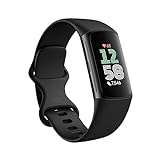
- Find your way seamlessly during runs or rides with turn-by-turn directions from Google Maps on Fitbit Charge 6[7, 8]; and when you need a snack break on the go, just tap to pay with Google Wallet[8, 9]
Battery life and recording accuracy depend entirely on your watch or bike computer, not Strava. In practice, Strava’s role here is software-focused, and the free experience is stable, reliable, and largely identical to the paid version when it comes to basic activity logging.
Social feed, kudos, and community engagement
One of Strava’s biggest strengths remains fully intact on the free tier: the social experience. You get a personalized activity feed, can follow friends or pro athletes, give and receive kudos, comment on workouts, and upload photos.
Clubs are also available without paying, allowing you to join local running groups, cycling teams, workplace challenges, or global interest-based communities. For many users, this social motivation is the primary reason to use Strava at all, and the free version delivers it without restriction.
If your main goal is accountability, inspiration, or staying connected with training partners across different devices, the free tier already checks those boxes.
Segments, leaderboards, and competition basics
Strava’s famous segments are partially available for free, but this is where the limits start to become noticeable. You can see that a segment exists on your route, view your effort time, and get notified if you’ve set a personal record.
What you cannot see on the free tier are full leaderboards beyond the top 10 results, detailed comparisons against other athletes, or advanced filtering by age group, weight class, or friends. For competitive runners and cyclists, this can feel like being shown the scoreboard but not allowed to study it.
Casual users may not care. Data-driven athletes often do, especially those using Strava as a virtual race environment.
Basic stats without long-term intelligence
Strava free gives you a simple activity log and weekly summaries, but it stops short of meaningful performance analysis. You can scroll through past workouts and see totals, yet there’s limited insight into trends, fitness progression, or training load over time.
There’s no deeper breakdown of how your pace, heart rate, or effort evolves across weeks or months. If you train by feel or follow an external plan from a coach, this may be perfectly acceptable.
If you’re hoping Strava will actively help you understand why you’re improving or stagnating, the free tier keeps that intelligence behind the paywall.
Routes and navigation with clear restrictions
Route creation is technically available for free, but functionality is constrained. You can view routes shared by others and manually build basic ones, yet features like smart route suggestions based on popularity, surface type, or elevation preferences are limited or unavailable.
Turn-by-turn navigation and real-time route guidance are also not part of the free experience. For cyclists and runners who explore new areas or travel frequently, this becomes a friction point quickly.
If you already rely on your Garmin, Wahoo, or Apple Watch for navigation, this may matter less. If Strava is your primary planning tool, the gaps are obvious.
Health and training insights you don’t get
The free tier shows heart rate data if recorded, but it doesn’t contextualize it. There’s no heart rate zone analysis, no effort scoring, no fatigue tracking, and no recovery guidance.
Similarly, features like Relative Effort, Fitness and Freshness, Training Load, and performance trend analysis are entirely locked behind the subscription. These are the tools that turn raw data into actionable decisions, and without them Strava remains a digital logbook rather than a coaching assistant.
For beginners, this simplicity can be refreshing. For intermediate athletes trying to train smarter rather than harder, it’s often where frustration begins.
Who the free version works best for
Strava’s free tier is genuinely useful for casual runners, recreational cyclists, and smartwatch owners who want a clean record of their activities and a strong social layer. If your goals revolve around consistency, enjoyment, and sharing progress, you may never feel underpowered.
The limits become apparent when your focus shifts toward improvement, competition, or structured training. That transition point is different for everyone, but once you start asking deeper questions of your data, the free version stops answering them.
Strava Subscription Pricing Explained: Monthly vs Annual Cost and Real-World Value
Once you hit the limits of the free tier, the next question is less about features and more about value. Strava doesn’t offer multiple subscription tiers or add-ons, so the decision comes down to whether the single paid plan justifies its cost for how you actually train.
Current Strava subscription pricing
Strava offers one paid membership with two billing options. The monthly plan typically costs around $11.99 / £8.99 per month, while the annual plan is usually priced at roughly $79.99 / £59.99 per year, depending on region and platform.
The annual option effectively drops the monthly cost to about $6.67, which is a meaningful discount if you plan to use the features year-round. There’s no functional difference between monthly and annual plans, only how much you’re willing to commit upfront.
Why the monthly plan makes sense for some users
The monthly subscription is best viewed as a low-risk trial for serious use. If you’ve just moved beyond casual tracking and want to see whether tools like Training Load, Relative Effort, or route intelligence actually change how you train, one or two months is often enough to find out.
This option also suits seasonal athletes. If you train seriously for a spring marathon, summer cycling block, or a specific event window, paying month-to-month can be more cost-effective than carrying an annual plan through inactive periods.
Annual pricing and the long-term value equation
For athletes who train consistently throughout the year, the annual plan is where Strava’s value becomes easier to justify. At roughly the cost of a single race entry or a pair of mid-range running socks, you get continuous access to trend data that only becomes meaningful over time.
Features like Fitness and Freshness, long-term power or pace analysis, and segment progress tracking benefit from uninterrupted data. Stopping and starting the subscription resets momentum, even if your historical activities remain visible.
What you’re actually paying for beyond features
It’s easy to frame Strava’s pricing as paying for locked tools, but the real cost-benefit lies in interpretation and convenience. Strava sits above your device ecosystem, whether you’re using a Garmin Forerunner, Apple Watch Ultra, Wahoo ELEMNT, or a Fitbit, and standardizes data in one familiar interface.
That cross-platform consistency has value. You’re not paying for sensors, battery life, or hardware features, but for a software layer that remains stable even if you switch watches, bike computers, or training setups over time.
How Strava compares to “free” metrics on your watch
Many modern wearables already offer training status, recovery time, or readiness scores at no extra cost. Garmin, in particular, provides deep on-device analytics, while Apple leans on third-party apps for similar insights.
Strava’s advantage is not depth in isolation but aggregation and comparability. If you rotate between devices, train across sports, or want one place to analyze runs, rides, and efforts without vendor lock-in, the subscription starts to look more reasonable.
Cost versus coaching alternatives
Viewed another way, Strava membership is far cheaper than human coaching and simpler than building a full stack of training apps. It won’t write adaptive plans or replace individualized guidance, but it does highlight trends, plateaus, and overreach clearly enough for self-coached athletes.
For data-driven users who don’t want spreadsheets or multiple subscriptions, that middle ground is exactly where Strava positions its pricing.
Who gets the strongest return on investment
Runners and cyclists training three or more times per week tend to extract the most value, especially if they care about improvement rather than just completion. Segment-focused athletes, competitive age-groupers, and users who plan routes frequently also benefit disproportionately.
On the other hand, if your smartwatch already answers most of your questions and Strava is mainly a social feed, the subscription can feel redundant. In that case, the free tier remains one of the strongest no-cost options in fitness tracking.
The practical decision framework
If you’re asking “what happened” after workouts, the free version is enough. If you’re asking “why did this feel harder,” “am I improving,” or “what should I do next,” the subscription directly targets those questions.
The monthly plan is the safest entry point for curious users. The annual plan only makes sense once Strava becomes part of how you plan, not just how you record.
Deep Dive: Strava Paid Features Explained One by One (Analysis, Training, Safety, Social)
With the decision framework in mind, it helps to slow down and look at what Strava membership actually unlocks in day-to-day use. Some features are immediately visible, others quietly change how you interpret your training over weeks and months.
Below, each paid feature category is broken down not as a marketing list, but in terms of how it behaves in the real world across common devices like Garmin, Apple Watch, Fitbit, and Wahoo.
Advanced Activity Analysis
The most foundational upgrade is access to full activity analysis beyond basic distance, time, and pace. Subscribers can see detailed pace, heart rate, power, cadence, and elevation charts with zooming and lap-by-lap comparisons.
For runners, this means understanding not just average pace, but where fatigue sets in, how heart rate drifts, and whether pacing was consistent. Cyclists get deeper insight into power distribution, climbing efficiency, and how terrain affected effort.
This is not raw-data heavy like TrainingPeaks, but it is clean, visual, and fast. On a phone or desktop, it is far easier to interpret than most watch companion apps, especially if you switch between ecosystems.
Relative Effort and Training Load Trends
Relative Effort is Strava’s heart-rate-based training load metric, designed to normalize effort across different activity types. It replaces the old suffer score and feeds into weekly and monthly load graphs.
For users without a Garmin Training Status or Apple Watch third-party analytics, this becomes the main way to track whether training volume is ramping too fast or stagnating. It works reasonably well for steady aerobic work but is less precise for short, high-intensity intervals.
The real value is the long-term view. Seeing how your current week compares to your typical load helps prevent accidental overtraining, especially for self-coached athletes.
Fitness and Freshness (Form Tracking)
Strava’s Fitness and Freshness charts are a simplified take on CTL, ATL, and TSB concepts used in coaching platforms. Fitness reflects long-term training load, fatigue reflects short-term stress, and form estimates readiness.
This feature is polarizing. For experienced athletes, it is a blunt instrument compared to Garmin’s recovery metrics or Whoop-style readiness scores. For beginners and intermediates, it offers a clear visual explanation of why workouts sometimes feel harder than expected.
If you train by feel but want confirmation, this chart is often enough. If you already live by HRV and recovery metrics on your watch, it may feel redundant.
Segment Leaderboards and Advanced Segment Tools
Segments are where Strava’s competitive DNA shows most clearly, and many of the best tools sit behind the paywall. Subscribers can see full leaderboards, age group rankings, weight class rankings, and historical attempts.
For cyclists and runners who enjoy chasing personal bests or comparing efforts against local athletes, this alone can justify the subscription. It turns ordinary routes into repeatable benchmarks.
Rank #2

- Inspire 3 is the tracker that helps you find your energy, do what you love and feel your best. All you have to do is wear it.Operating temperature: 0° to 40°C
- Move more: Daily Readiness Score(1), Active Zone Minutes, all-day activity tracking and 24/7 heart rate, 20+ exercise modes, automatic exercise tracking and reminders to move
- Stress less: always-on wellness tracking, daily Stress Management Score, mindfulness sessions, relax breathing sessions, irregular heart rhythm notifications(2), SpO2(3), menstrual health tracking, resting heart rate and high/low heart rate notifications
- Sleep better: automatic sleep tracking, personalized Sleep Profile(1), daily detailed Sleep Score, smart wake vibrating alarm, sleep mode
- Comfortably connected day and night: calls, texts & smartphone app notifications(4), color touchscreen with customizable clock faces, super lightweight and water resistant to 50 meters, up to 10 day battery life(5)
The segment effort analysis is also useful for training. You can compare power or pace across attempts to see if improvements came from fitness gains or better pacing.
Personal Heatmaps
Personal heatmaps visualize everywhere you’ve trained over time, with intensity based on frequency. It sounds cosmetic, but it becomes surprisingly practical when planning new routes.
For runners, it helps avoid repetition and discover quieter streets. For cyclists, it highlights preferred roads and natural loops, especially useful when traveling.
Heatmaps sync seamlessly regardless of whether activities come from a Garmin watch, Apple Watch, or bike computer, reinforcing Strava’s role as a neutral hub.
Route Planning with Popularity Data
Strava’s route builder uses anonymized activity data to suggest popular paths, favoring roads and trails other athletes actually use. This is one of the most consistently valuable paid features.
Compared to free mapping tools, Strava’s routes feel safer and more practical, especially for cycling. The elevation profiles are clear, and turn-by-turn cues export cleanly to Garmin, Wahoo, and Apple Watch-compatible apps.
If you frequently plan long runs, rides, or travel workouts, this feature alone can save time and frustration.
Live Segments
Live Segments bring Strava’s competitive elements onto your device in real time. On compatible Garmin and Wahoo devices, you can see how you’re performing against a PR or KOM during the effort.
This feature is niche but motivating. It turns structured or unstructured efforts into mini time trials without formal workouts.
Battery impact is minimal, but mental impact can be significant. Some athletes love the push, others find it distracting.
Training Log and Progress Tracking
Subscribers gain deeper weekly, monthly, and yearly summaries with trend lines across distance, time, elevation, and effort. These views make it easier to spot consistency gaps or sudden spikes.
Unlike watch-native apps, this history remains intact even if you switch devices. A five-year log looks the same whether you started on Fitbit, moved to Apple Watch, and ended up on Garmin.
For athletes who value continuity over features, this is a quiet but meaningful benefit.
Safety Features: Beacon and Live Location
Strava Beacon allows subscribers to share live activity tracking with selected contacts. It works independently of most watch brands, relying on the phone connection.
For solo runners and cyclists, especially those training early or late, this adds peace of mind. It is not a replacement for emergency detection on modern watches, but it complements it well.
Battery drain is modest, and setup is simple, making it one of the least intrusive safety tools available.
Social Features and Community Filtering
The paid tier does not add more friends, but it does improve how you interact with the social feed. Subscribers get deeper comparisons, better segment context, and richer activity insights when viewing others’ workouts.
For athletes motivated by community, this amplifies the feedback loop. Kudos and comments feel more informed when you can see effort trends and historical comparisons.
If you treat Strava purely as a private log, this category adds little. If social accountability keeps you consistent, it matters more than expected.
What’s Still Not Included
It is important to note what Strava membership does not offer. There are no adaptive training plans, no AI-generated workouts, and no direct coaching feedback.
Strength training analysis remains basic, and advanced recovery metrics like HRV readiness still live on your watch or in other platforms. Strava complements those tools rather than replacing them.
Understanding these limits helps set realistic expectations and avoid paying for features you do not actually need.
Training Metrics That Actually Matter: Fitness & Freshness, Relative Effort, and Progress Tracking
After social tools and safety features, Strava membership shifts focus to something more personal: making sense of your training load over time. This is where the subscription stops being about visibility and starts being about decision-making.
These metrics are not flashy, and they will not replace structured coaching software. What they do offer is a consistent, device-agnostic way to understand whether your training is building you up or quietly pushing you toward burnout.
Fitness & Freshness: Long-Term Load Without the Noise
Fitness & Freshness is Strava’s take on long-term training load, built from heart rate data, power, or pace depending on what your device supports. It looks at how much work you are doing over weeks, not just how hard yesterday felt.
Fitness reflects your chronic load, while Freshness shows short-term fatigue. When Freshness trends deeply negative for several days, it is often a warning sign before performance drops or motivation fades.
For Garmin users, this concept will feel familiar if you use Training Load Focus or Training Readiness, but Strava’s advantage is continuity. Switch from an Apple Watch to a Garmin, or from a Wahoo bike computer to a smartwatch, and the underlying training picture remains intact.
This is especially useful if you mix devices. A cyclist running power on a Wahoo and running with an Apple Watch still sees a unified load model rather than fragmented silos.
Relative Effort: Making Sense of Mixed Training Weeks
Relative Effort replaces the old Suffer Score and is one of Strava’s most practical paid metrics. It estimates how taxing a workout was based on heart rate response relative to your recent training history.
The key strength here is normalization. A hard interval session, an easy recovery run, and a long endurance ride can be compared on the same scale, even though they stress the body differently.
This is where Strava membership starts helping beginners and intermediates avoid a common trap: stacking too many “moderately hard” days in a row. Relative Effort makes that pattern visible in a way raw pace or distance never will.
It also works surprisingly well across brands. Apple Watch heart rate data, Garmin chest straps, and optical sensors on Fitbit all feed into the same effort model with minimal setup.
Progress Tracking: Trends, Not Just Personal Bests
Free Strava is excellent at celebrating single efforts. The paid tier is better at showing whether those efforts are part of an upward trend or a temporary spike.
Subscribers get deeper trend views for pace, power, heart rate, and elevation across weeks and months. This makes it easier to spot plateaus, regressions, or improvements that would otherwise be masked by day-to-day variability.
For runners, pace trends at a given heart rate are often more revealing than race results. For cyclists, sustained power improvements over similar routes tell a clearer story than one standout climb.
These tools reward consistency rather than hero workouts. If your training is irregular, the graphs will expose that quickly, which can be motivating or uncomfortable depending on your mindset.
How These Metrics Fit With Your Watch’s Own Analytics
Modern watches already offer rich metrics. Garmin users get Body Battery, Training Status, and HRV-based readiness, while Apple Watch relies more on third-party apps for similar insights.
Strava does not try to replace those systems. Instead, it acts as a neutral layer that sits above them, focusing on long-term patterns rather than daily readiness scores.
This matters for athletes who rotate devices or plan to upgrade. Your watch may change, but your Fitness curve and Relative Effort history do not reset with it.
Battery life, sensor quality, and comfort still matter at the device level. Strava simply ensures the data those devices generate continues to mean something years down the line.
Who These Metrics Are Actually For
If you log activities casually and rarely look beyond distance and time, these tools may feel excessive. The free tier already covers basic tracking and social sharing well.
If you train multiple times per week and want to improve without hiring a coach, this is where Strava membership earns its cost. The metrics reward consistency, moderation, and awareness rather than raw volume.
Data-driven athletes may still want more advanced platforms for planning and recovery. But for many runners and cyclists, Strava’s training metrics hit a sweet spot between simplicity and insight without locking you into a single ecosystem.
Segments, Leaderboards, and Competition: Is Strava Premium Worth It for Runners and Cyclists?
After training trends and long-term metrics, this is where Strava’s personality really shows. Segments and leaderboards are the platform’s most recognizable features, and they are also where the free vs paid divide is felt most sharply.
For many runners and cyclists, competition is not about racing others directly. It is about having a repeatable benchmark that turns an ordinary route into a test of progress.
What Segments Actually Are in Real-World Use
A segment is a user-defined stretch of road or trail, ranging from a 200‑meter sprint to a 20‑minute climb. Once created, every activity you record on that stretch is automatically compared to your past efforts and to everyone else who has run or ridden it.
This works across devices with no setup. Whether you are using a Garmin Forerunner, Apple Watch Ultra, Wahoo ELEMNT, or a Fitbit synced through Strava, segments are calculated server-side using GPS data.
In practice, segments become informal time trials. A familiar hill, park loop, or bike path turns into a consistent effort you can revisit without planning a workout.
Rank #3

- 【BUILT-IN GPS SMART WATCH – GO FURTHER, FREER, SMARTER】No phone? No problem. This fitness watch for women, featuring the latest 2025 technology, includes an advanced professional-grade GPS chip that precisely tracks every route, distance, pace (real-time & average), and calorie burned—completely phone-free. Whether you're chasing new personal records or exploring off the beaten path, your full journey is automatically mapped and synced in the app. Train smarter. Move with purpose. Own your progress. Own your journey.
- 【BLUETOOTH 5.3 CALLS & SMART NOTIFICATIONS】Stay effortlessly connected with this smart watch for men and women, featuring dual Bluetooth modes (BT 3.0 + BLE 5.3) and a premium microphone for crystal-clear calls right from your wrist—perfect for driving, workouts, or busy days. Receive instant alerts for calls, texts, and popular social apps like WhatsApp and Facebook. Just raise your wrist to view notifications and never miss an important moment.
- 【100+ SPORT MODES & IP68 WATERPROOF & DUSTPROOF】This sport watch is a versatile activity and fitness tracker with 100+ modes including running, cycling, yoga, and more. It features quick-access buttons and automatic running/cycling detection to start workouts instantly. Accurately track heart rate, calories, distance, pace, and more. Set daily goals on your fitness tracker watch and stay motivated with achievement badges. With IP68 waterproof and dustproof rating, it resists rain and sweat for any challenge. Not suitable for showering, swimming, or sauna.
- 【24/7 HEALTH ASSISTANT & SMART REMINDERS】This health watch continuously monitors heart rate, blood oxygen, and stress levels for comprehensive wellness tracking. Sleep monitoring includes deep, light, REM sleep, and naps to give you a full picture of your rest. Stay on track with smart reminders for sedentary breaks, hydration, medication, and hand washing. Women can also monitor menstrual health. Includes guided breathing exercises to help you relax. Your ultimate health watch with event reminders for a healthier life.
- 【ULTRA HD DISPLAY, LIGHTWEIGHT & CUSTOMIZABLE DIALS】This stylish wrist watch features a 1.27-inch (32mm) 360×360 ultra HD color display with a 1.69-inch (43mm) dial, offering vivid details and responsive touch. Its minimalist design fits both business and casual looks. Switch freely among built-in designer dials or create your own DIY watch face using photos, colors, and styles to showcase your unique personality. Perfect as a cool digital watch and fashion wrist watch.
Free vs Paid: What You Actually Lose Without Membership
On the free tier, Strava still records segment times. You can see your best effort on a given day and whether you set a personal record.
What you do not get is depth. Full leaderboards, historical rankings, age group placement, and detailed comparisons are locked behind membership.
Without Premium, segments become momentary feedback. With it, they become a long-term performance record tied to a specific piece of terrain.
Leaderboards: Motivation or Distraction?
Leaderboards rank athletes by time, filtered by overall, gender, age group, and sometimes weight class for cycling. For competitive users, this is often the single biggest reason to pay.
Seeing yourself move from top 40 percent to top 15 percent over a season can be more motivating than abstract metrics like VO₂ max estimates. It gives context to improvement that pace charts alone cannot.
For others, leaderboards can be demoralizing. Popular segments often include elite athletes, commuters on e‑bikes mislabeled as rides, or GPS anomalies that skew results.
Personal Records and Segment History Over Time
One of the most underrated Premium features is segment history. You can see every attempt on a segment, plotted over months or years.
This pairs naturally with the earlier-discussed fitness trends. If your Relative Effort is stable but your segment times are improving, you are getting fitter in a practical, terrain-specific way.
This matters for runners training on rolling routes and cyclists who rarely repeat identical power tests indoors. The environment becomes the test protocol.
Cyclists: Where Segments Are Most Compelling
Cycling segments tend to be longer and more power-dependent. Climbs, headwind sections, and sustained flats all reward pacing and fitness rather than explosive speed.
Riders using power meters benefit most. When a 10‑minute climb improves by 30 seconds at the same average watts, the signal is clear and actionable.
Battery life and GPS accuracy matter here. Dedicated bike computers from Garmin and Wahoo tend to produce cleaner segment matches than wrist-based devices, especially in wooded or urban areas.
Runners: Short Efforts, High Sensitivity
Running segments are often shorter and more sensitive to pacing, terrain, and GPS drift. A few seconds can separate dozens of athletes.
This can be motivating for tempo efforts or strides, but it also increases noise. Watch fit, arm swing, and satellite lock matter more than most runners realize.
Premium helps by showing trendlines rather than isolated results. One fast outlier matters less when you can see ten consistent attempts improving gradually.
Age Group Rankings and Fairer Comparison
Age group leaderboards are one of the most practical Premium filters. Competing against athletes within a similar life stage makes progress feel attainable.
For masters runners and older cyclists, this can completely change the value proposition. Moving up an age group leaderboard often reflects real fitness gains, not just luck or traffic conditions.
This is something the free tier simply does not provide in a meaningful way.
Local Legends and Ongoing Motivation
Strava’s Local Legend feature rewards consistency rather than speed, granting recognition to the athlete who completes a segment most often in a rolling 90‑day window.
This is included with membership and subtly shifts focus away from raw performance. Daily commuters and habitual runners often find this more motivating than chasing top times.
It also aligns well with durability-focused training. Showing up repeatedly matters as much as peak fitness.
Is This Worth Paying For if You Do Not Care About Winning?
You do not need to be competitive to benefit from segments. The value comes from having repeatable benchmarks that anchor your training to real terrain.
If you enjoy revisiting the same routes and want clear evidence of improvement, Premium turns segments into a personal performance log. If you constantly change routes or train mostly indoors, the appeal drops significantly.
This is where honesty matters. Segments reward routine and familiarity, not variety for its own sake.
How Segments Fit With Watch-Native Features
Garmin offers live segments and on-device alerts, but those still rely on Strava’s backend for history and rankings. Apple Watch users do not get native segment support at all, making Strava the only way to engage with this feature set.
Fitbit and Polar users also depend on Strava for meaningful segment competition. The watch records the effort; Strava gives it context.
Comfort, battery life, and GPS reliability still influence results. Strava does not fix hardware limitations, but it does make good data far more rewarding.
Who Should Pay for Strava Primarily for Segments
If competition, even casual or self-directed, keeps you consistent, this is one of the strongest arguments for membership. Runners and cyclists who repeat routes and train outdoors multiple times per week see the most return.
If your motivation comes from structured plans, recovery metrics, or indoor training platforms, segments may feel like a novelty. In that case, the free tier is often enough.
Segments do not make you faster on their own. But for the right athlete, they make improvement visible, tangible, and addictive in a way few other features can.
Using Strava With Smartwatches and Bike Computers: Garmin, Apple Watch, Fitbit, Wahoo Compatibility
Segments, training trends, and long-term progress only matter if your data gets into Strava cleanly and consistently. This is where hardware choice quietly determines how much value you actually extract from a Strava subscription.
Most modern watches and bike computers sync automatically, but the depth of integration, data fidelity, and real-time feedback vary widely. Some platforms treat Strava as a social archive, while others actively lean on it for analysis and motivation.
Garmin: The Most Complete Strava Integration
Garmin devices offer the deepest and most mature Strava compatibility on the market. Activities sync automatically via Garmin Connect, including GPS tracks, heart rate, power, cadence, elevation, and lap data with minimal intervention.
For Strava subscribers, Garmin’s advantage is how well it supports segments. Many Edge bike computers and higher-end Forerunner and Fenix watches support live segments, showing progress against PRs or KOM times directly on the device during the effort.
That said, live segments are a Garmin feature layered on top of Strava’s database. Without a Strava membership, you still record activities, but you lose detailed segment analysis, rankings, and historical comparisons inside Strava itself.
From a hardware perspective, Garmin’s long battery life, multi-band GPS on newer models, and physical buttons make it especially reliable for outdoor repeat routes. This reliability matters because Strava’s value increases when your data is consistent across weeks and months.
Apple Watch: Clean Sync, Software-First Experience
Apple Watch users typically record activities via Apple’s native Workout app or Strava’s own watch app. Both sync reliably, but the experience is less performance-driven than Garmin’s.
Apple Watch does not support live Strava segments on-device. This makes Strava’s post-activity analysis far more important, as segments only come to life after the workout is uploaded.
For casual runners and cyclists, this is not necessarily a downside. Apple Watch excels in comfort, display quality, and daily wearability, making it easy to record everything from short runs to commutes without thinking about it.
A Strava subscription adds meaning to that convenience by turning otherwise generic workouts into trendable efforts with pace analysis, segment comparisons, and long-term fitness tracking. Without Premium, Apple Watch data often feels underutilized inside Strava.
Fitbit: Strava as the Performance Layer
Fitbit devices sync to Strava automatically, but Fitbit’s own platform focuses more on wellness than performance. Metrics like steps, sleep, and readiness dominate the Fitbit app, while pace analysis and competitive benchmarks are secondary.
This makes Strava particularly valuable for Fitbit users who run or cycle outdoors. Segments, pace distribution, and weekly intensity tracking often feel more informative than Fitbit’s native summaries.
Fitbit hardware tends to prioritize comfort and battery life over GPS precision, especially on slimmer models. Strava cannot correct noisy GPS tracks, but it can still contextualize effort over time if routes are consistent.
For Fitbit owners, Strava Premium often feels less optional if performance improvement is the goal. The free tier works for logging, but the subscription fills gaps left by Fitbit’s software.
Wahoo: Purpose-Built for Strava-Style Training
Wahoo bike computers and watches are designed with third-party platforms like Strava in mind. Sync is fast, reliable, and includes full sensor support for power meters, heart rate straps, and cadence sensors.
Like Garmin, many Wahoo devices support live Strava segments during rides. This makes Strava membership particularly compelling for cyclists who train with intent rather than casually logging miles.
Wahoo hardware emphasizes durability, physical controls, and clear displays over smartwatch features. Battery life is typically excellent, which supports long rides where segment chasing and pacing matter most.
If you own a Wahoo device and ride outdoors regularly, Strava Premium integrates naturally into your workflow. Without it, much of the device’s competitive potential goes unused.
Rank #4

- 24H Accurate Heart Rate Monitoring: Go beyond basic tracking. Our watch automatically monitors your heart rate, blood oxygen (SpO2), and sleep patterns throughout the day and night. Gain deep insights into your body's trends and make informed decisions for a healthier lifestyle.
- Practical Sports Modes & Smart Activity Tracking: From running and swimming to yoga and hiking, track a wide range of activities with precision. It automatically records your steps, distance, calories burned, and duration, helping you analyze your performance and crush your fitness goals.
- 1-Week Battery Life & All-Day Wear: Say goodbye to daily charging. With an incredible up to 7-10 days of battery life on a single charge, you can wear it day and night for uninterrupted sleep tracking and worry-free travel. Stay connected to your data without the hassle.
- Comfortable to Wear & IP68 Waterproof: The lightweight, skin-friendly band is crafted for all-day comfort, even while you sleep. With IP68 waterproof, it withstands rain, sweat, It is not suitable for swimming or showering.
- Ease of Use and Personalized Insights via Powerful App: The display is bright and easy to read, even outdoors. Unlock the full potential of your watch. Sync with our dedicated app to view detailed health reports, customize watch faces, set sedentary reminders, and manage your preferences with ease.
What Strava Membership Actually Changes Across Devices
Regardless of brand, Strava membership does not improve raw data quality. GPS accuracy, heart rate reliability, and comfort are entirely dependent on your hardware.
What the subscription changes is interpretation. Training load trends, segment history, relative effort, and pace analysis apply equally whether the activity came from a $200 Fitbit or a $1,000 multisport watch.
If your device already offers deep training insights, Strava may feel redundant. If your watch records clean data but offers shallow analysis, Strava becomes the layer that makes sense of everything.
Who Benefits Most Based on Hardware Choice
Garmin and Wahoo users who train outdoors multiple times per week see the highest return on a Strava subscription, especially if they repeat routes or care about measurable improvement.
Apple Watch users benefit when they want structure and context without switching hardware ecosystems. Strava adds purpose to workouts that otherwise live as isolated data points.
Fitbit users who move beyond wellness into performance gain the most relative value. For them, Strava often feels like the missing performance app rather than an optional extra.
The hardware you already own should influence the decision as much as your training goals. Strava membership rewards consistency and comparability, and some devices simply feed that ecosystem better than others.
How Strava Membership Compares to Free Alternatives (Garmin Connect, Apple Fitness+, Fitbit, TrainingPeaks)
Once you understand how Strava membership enhances data interpretation across devices, the next logical question is whether it actually offers something you cannot already get elsewhere for free. Many smartwatch owners already have access to capable companion platforms, and in some cases, those platforms go deeper than Strava in very specific ways.
The real comparison is not about which app records activities better. It is about which platform best matches how you train, how much structure you want, and whether motivation comes from plans, metrics, or competition.
Strava vs Garmin Connect: Analysis Depth vs Competitive Context
Garmin Connect is arguably the most feature-rich free platform bundled with any hardware ecosystem. It offers advanced training load metrics, VO2 max estimates, recovery time, HRV status, sleep scoring, body battery, and device-specific insights that Strava cannot replicate.
Where Garmin Connect feels clinical, Strava feels comparative. Garmin tells you how stressed your body is; Strava shows how today’s effort stacks up against your past self and others on the same road or trail.
For runners and cyclists who repeat routes, Strava’s segment history, leaderboard placement, and effort comparison create a feedback loop Garmin does not emphasize. Garmin Connect is better for physiological modeling, but Strava is better for performance benchmarking in the real world.
If you already understand Garmin’s metrics and enjoy data dashboards, Strava membership can feel redundant. If you want motivation driven by competition and progression rather than physiology, Strava fills a gap Garmin intentionally leaves open.
Strava vs Apple Fitness+: Structure vs Open-Ended Training
Apple Fitness+ is not a direct competitor to Strava so much as a different philosophy entirely. Fitness+ focuses on guided workouts, instructor-led sessions, and habit formation rather than performance analysis.
Apple Watch users get excellent hardware comfort, strong heart rate accuracy, and smooth daily wearability, but Apple’s native workout summaries remain shallow for athletes chasing measurable improvement. Fitness+ excels indoors and for general fitness, not outdoor performance tracking.
Strava membership complements Apple Watch in a way Fitness+ does not. It turns outdoor runs and rides into comparable data sets with pacing trends, relative effort, and long-term progress visibility.
If your workouts are primarily treadmill, studio-based, or class-driven, Fitness+ offers better value. If you train outdoors and want context beyond calories and rings, Strava membership adds far more utility.
Strava vs Fitbit: Performance Tools vs Wellness Insights
Fitbit’s platform is built around accessibility and health-first metrics. Sleep, readiness scores, stress management, and daily activity balance are where Fitbit shines, especially for users who value all-day comfort and long battery life.
What Fitbit lacks is performance nuance. Pace trends, power-based cycling insights, and meaningful route comparison remain limited even behind Fitbit’s Premium paywall.
For Fitbit users transitioning from wellness into structured training, Strava membership often feels transformative. It adds performance language to otherwise generic workout logs without requiring a device upgrade.
If your primary goal is better sleep, stress awareness, and general activity consistency, Fitbit Premium is the better investment. If you want to train with intent, Strava becomes the performance layer Fitbit never fully built.
Strava vs TrainingPeaks: Motivation vs Precision Coaching
TrainingPeaks operates at the opposite end of the spectrum from Strava. It is designed for athletes following structured plans, often with a coach, and it excels at periodization, workout compliance, and power-based analysis.
TrainingPeaks is data-heavy, visually dense, and unapologetically serious. It assumes you already know why you are training and exactly what each session is meant to accomplish.
Strava membership is less precise but far more engaging for self-coached athletes. It encourages consistency through social reinforcement, progress visualization, and informal competition rather than strict plan adherence.
If you follow a coach or race-focused plan, TrainingPeaks offers better value. If you train independently and stay motivated by visible improvement and comparison, Strava feels more rewarding day to day.
Which Platform Actually Replaces Strava Membership?
No single free alternative fully replaces what Strava membership offers because Strava’s value lies in aggregation and comparison rather than raw metrics. It sits above hardware ecosystems instead of inside them.
Garmin Connect replaces Strava for athletes who want physiological insight over competition. Apple Fitness+ replaces it for users who prefer guided sessions over outdoor analysis. Fitbit replaces it for wellness-first users who value simplicity. TrainingPeaks replaces it for athletes who train with strict structure.
Strava membership makes the most sense for users who train outdoors regularly, repeat routes, and care about measurable improvement without committing to coaching software. It is not the deepest tool, but it is often the most motivating one.
Who Should Pay for Strava? Clear Recommendations by Athlete Type and Experience Level
At this point, the decision comes down less to features on a checklist and more to how you actually train, what motivates you to stay consistent, and where Strava fits alongside your watch or bike computer. Strava membership rewards athletes who repeat activities, care about trends over time, and enjoy measuring themselves against past efforts or others.
Below is a practical breakdown of who genuinely benefits from paying and who is better served staying on the free tier or using another platform entirely.
Casual Walkers, Lifestyle Exercisers, and Wellness-First Users
If your activity mix is mostly walking, light jogging, gym sessions, or occasional cycling, Strava membership adds very little tangible value. The free version already logs activities, syncs cleanly with Apple Watch, Fitbit, Garmin, and Wear OS devices, and lets you maintain a simple activity history.
Paid features like segments, Relative Effort, and training trends only become meaningful when workouts are frequent and repeatable. For lifestyle-focused users, platforms like Fitbit Premium or Apple’s native Fitness app offer more relevant insights around daily movement, sleep consistency, and recovery without pushing performance pressure.
Recommendation: Do not pay. Use Strava free as a social logbook, or skip it entirely if wellness metrics matter more than outdoor performance.
Beginner Runners and New Cyclists Building Consistency
For athletes in their first six to twelve months of structured activity, Strava membership can be motivating but is not essential. The free tier already provides distance, pace, elevation, and basic PRs, which is enough while learning pacing, form, and routine.
That said, the paid progress charts and weekly training load views can help beginners understand whether they are doing too much too fast. On entry-level watches like Garmin Forerunner 55, Apple Watch SE, or Fitbit Charge models, Strava can act as a simple performance layer without requiring deeper physiological knowledge.
Recommendation: Optional. Stay free initially, then consider subscribing once you are training three to four times per week and repeating routes.
Regular Runners Training Without a Coach
This is where Strava membership starts to justify its cost. Features like matched runs, pace analysis, heart-rate zone breakdowns, and longer-term trend tracking provide clear feedback without overwhelming the user.
For runners using Apple Watch, COROS Pace, or mid-range Garmin models, Strava often fills analytical gaps, especially around comparing efforts across seasons or similar terrain. The platform’s visual simplicity makes improvement feel tangible even without a formal plan.
Recommendation: Worth paying for if you self-coach and care about measurable improvement rather than just logging miles.
Cyclists Focused on Performance, Power, and Progress
Cyclists extract the most value from Strava membership, particularly those riding outdoors with GPS head units from Garmin, Wahoo, or Hammerhead. Segments, power curve comparisons, climb categorization, and effort analysis turn everyday rides into meaningful benchmarks.
While Strava does not replace dedicated tools like TrainingPeaks or Golden Cheetah, it excels at showing how today’s ride compares to last month’s or last year’s effort on the same road. For riders who race informally, chase KOMs, or use competition as motivation, the subscription feels immediately relevant.
Recommendation: Strongly recommended unless you already rely exclusively on coach-driven software.
Data-Driven Athletes Using Garmin, COROS, or Polar Ecosystems
If your watch already provides advanced metrics like VO2 max trends, training readiness, HRV status, and recovery time, Strava membership becomes less about data depth and more about context. Garmin Connect, in particular, offers deeper physiological insight without a subscription.
However, Strava still adds value through normalization. It lets you compare performances across devices, years, and locations in a way hardware-specific apps do not. For athletes training across multiple sports or devices, this aggregation is Strava’s hidden strength.
Recommendation: Pay only if you care about comparison, segments, and long-term visibility beyond your device brand.
Socially Motivated Athletes and Group Training Communities
If accountability, friendly competition, and shared suffering keep you consistent, Strava membership enhances that experience. Leaderboards, filtered segment rankings, and deeper comparisons with friends turn social interaction into a training tool rather than a distraction.
This matters most in clubs, group rides, running crews, and workplace challenges where marginal gains and bragging rights drive effort. The free tier shows activity; the paid tier turns it into competition.
Recommendation: Worth paying for if community is central to why you train.
💰 Best Value

- 【Superb Visual Experience & Effortless Operation】Diving into the latest 1.58'' ultra high resolution display technology, every interaction on the fitness watch is a visual delight with vibrant colors and crisp clarity. Its always on display clock makes the time conveniently visible. Experience convenience like never before with the intuitive full touch controls and the side button, switch between apps, and customize settings with seamless precision.
- 【Comprehensive 24/7 Health Monitoring】The fitness watches for women and men packs 24/7 heart rate, 24/7 blood pressure and blood oxygen monitors. You could check those real-time health metrics anytime, anywhere on your wrist and view the data record in the App. The heart rate monitor watch also tracks different sleep stages for light and deep sleep,and the time when you wake up, helps you to get a better understanding of your sleep quality.
- 【120+ exercise modes & All-Day Activity Tracking】There are more than 120 exercise modes available in the activity trackers and smartwatches, covering almost all daily sports activities you can imagine, gives you new ways to train and advanced metrics for more information about your workout performance. The all-day activity tracking feature monitors your steps, distance, and calories burned all the day, so you can see how much progress you've made towards your fitness goals.
- 【Messages & Incoming Calls Notification】With this smart watch fitness trackers for iPhone and android phones, you can receive notifications for incoming calls and read messages directly from your wrist without taking out your phone. Never miss a beat, stay in touch with loved ones, and stay informed of important updates wherever you are.
- 【Essential Assistant for Daily Life】The fitness watches for women and men provide you with more features including drinking water and sedentary reminder, women's menstrual period reminder, breath training, real-time weather display, remote camera shooting, music control,timer, stopwatch, finding phone, alarm clock, making it a considerate life assistant. With the GPS connectivity, you could get a map of your workout route in the app for outdoor activity by connecting to your phone GPS.
Athletes Following Structured Plans or Working With a Coach
For users on strict training plans, Strava membership is often redundant. TrainingPeaks, Final Surge, or coach-linked platforms handle workout compliance, progression, and feedback far more precisely.
Strava still works well as a public-facing activity feed or social outlet, but the paid features rarely influence training decisions in this context. Many coached athletes maintain Strava free purely for visibility.
Recommendation: Stay free. Spend subscription money on coaching tools instead.
Multi-Sport Athletes and Seasonal Trainers
Athletes who rotate between running, cycling, hiking, and other outdoor sports across the year benefit from Strava’s sport-agnostic design. Membership allows you to see how overall training volume and intensity shift seasonally without rebuilding dashboards every time your focus changes.
This is especially useful for users switching devices or sports modes on watches with limited native analytics. Strava becomes the long-term memory your hardware lacks.
Recommendation: Worth paying for if your training changes shape throughout the year and you want continuity.
Users Who Should Actively Avoid Paying
If you rarely repeat routes, train mostly indoors, or only glance at your activity history occasionally, Strava membership will feel like unused potential. The subscription does not create motivation where none exists, and it does not replace structured guidance.
Likewise, if your watch already satisfies your curiosity and you never open Strava beyond syncing, the paid tier will not change your behavior. In those cases, the free version is already doing its job.
Who Should Stick With the Free Version (And What You’ll Miss — or Won’t)
After looking at who actively benefits from Strava membership, it’s just as important to be clear about who doesn’t need to pay. For a large percentage of smartwatch owners and recreational athletes, the free tier already covers the essentials without meaningful compromises.
This isn’t about being frugal; it’s about matching the tool to your actual habits. Strava’s paid features only deliver value if you consistently engage with analysis, comparison, or competition.
Casual Exercisers and Consistency-First Users
If your primary goal is to stay active, log workouts, and keep a visual record of what you’ve done, the free version is more than sufficient. You still get activity tracking, maps, pace or speed summaries, elevation gain, photos, and social interaction.
For users coming from Apple Watch, Fitbit, or Garmin, most of the motivation already happens on the watch itself. Closing rings, hitting step goals, or following device-native prompts often matters more than post-workout analysis.
What you’ll miss are deeper trend insights like fitness and fatigue scores or detailed pace breakdowns over time. But if you’re not actively adjusting training based on that data, you won’t feel the absence day to day.
Watch Owners With Strong Native Analytics
Modern watches already do a lot of what Strava membership tries to upsell. Garmin’s Training Status, Apple’s Trends, Fitbit’s readiness-style metrics, and Polar’s cardio load features often go deeper than Strava’s generalized models.
In these cases, Strava acts more like a mirror than a coach. It reflects what your watch already told you, just in a different interface.
You’ll lose access to Strava’s interpretation of effort and progress, but you won’t lose the underlying data. For many users, that makes the subscription redundant rather than additive.
Solo Athletes Who Don’t Chase Segments or Leaderboards
Segments are one of Strava’s most visible paid features, but they only matter if you care about performance relative to others. If you run or ride alone, avoid repeat routes, or treat workouts as personal time rather than competition, segment rankings add little value.
The free tier still shows where segments exist and gives basic completion info. What’s locked behind the paywall is your exact ranking, progress comparisons, and detailed attempts over time.
If you’ve never felt the urge to check a leaderboard after a workout, you’re not suddenly going to start because you paid. In that sense, you’re not missing motivation; you’re skipping noise.
Indoor Trainers and Treadmill-Heavy Users
Strava membership is built around outdoor GPS data. Indoor rides, treadmill runs, and gym sessions sync fine on the free tier, but they don’t unlock the subscription’s strongest features.
Route-based analysis, segment comparisons, and elevation-adjusted metrics simply don’t apply indoors. Even effort scoring becomes less meaningful without GPS context.
If most of your training happens on Peloton, Zwift, a smart trainer, or a treadmill, your money is better spent on platforms designed specifically for that environment. Strava free still works well as a public logbook.
Data-Light Users Who Prefer Simplicity
Some athletes actively prefer not to overanalyze. They want distance, time, maybe average pace, and then they move on with their day.
Strava membership introduces more charts, more labels, and more signals to interpret. For users who don’t enjoy data exploration, this can feel like clutter rather than insight.
Sticking with the free version keeps Strava clean, fast, and focused on what happened rather than what it means. If simplicity keeps you consistent, that’s a feature, not a limitation.
What You’ll Genuinely Miss by Staying Free
Choosing the free tier does mean giving up long-term performance context. You won’t see fitness trend lines, fatigue modeling, or detailed pace analysis across months and years.
You’ll also miss finer-grained comparisons against past efforts and other athletes, which can be motivating if you thrive on measurable improvement. For some users, that feedback loop is the reason to subscribe.
The key distinction is whether you act on that information. If insights don’t change how you train, recover, or compete, then they’re interesting but not essential.
The Bottom Line for Free-Tier Users
Strava’s free version is not a trial with training wheels. It’s a fully functional activity platform that happens to reserve advanced interpretation for paying members.
If your watch already guides your training, your goals are general health or consistency, or your enjoyment comes from the act itself rather than comparison, staying free is a rational choice. In those cases, you’re not missing out; you’re simply avoiding features you wouldn’t use.
Final Verdict: Is Strava Membership Worth It in 2026?
After breaking down what you gain, what you lose, and how those features behave in the real world, the value of Strava membership comes down to one simple question: does Strava influence how you train, or does it just record what you’ve already done?
In 2026, Strava is no longer just a social feed with maps. It’s a performance interpretation layer that sits on top of your watch, bike computer, or phone, adding context, comparisons, and long-term trends your hardware often can’t show on its own.
If You Want Smarter Training Without Changing Devices
Strava membership makes the most sense if your watch or bike computer collects good data but offers limited long-term analysis. This is common with Apple Watch users, older Garmin models, Fitbit devices, and Wahoo head units that focus more on execution than interpretation.
The paid tools turn raw GPS tracks into actionable insight: fitness trends, relative effort, pace distribution, and historical comparisons that span years and devices. That continuity is Strava’s biggest strength, especially if you’ve switched watches, upgraded sensors, or train across multiple sports.
If you regularly look back at past efforts to adjust pace, plan recovery, or benchmark progress, membership earns its keep without requiring a hardware upgrade.
If Motivation Comes From Competition or Comparison
For runners and cyclists who thrive on external motivation, Strava membership still offers something few platforms replicate. Segments, leaderboards, matched runs, and effort comparisons create a low-friction way to compete without formal races.
This works particularly well outdoors, where GPS accuracy, elevation, and route familiarity matter. Seeing how your effort stacks up against last month, last year, or other athletes on the same stretch of road can meaningfully change how hard you push.
If competition keeps you consistent, the subscription cost is often repaid in training volume alone.
If Your Watch Already Does Most of the Thinking
On the other hand, athletes using high-end Garmin, COROS, or Polar watches may find some overlap. These devices already deliver training load, readiness, recovery guidance, and structured workout planning directly on the wrist.
In those cases, Strava membership doesn’t replace your watch’s ecosystem; it complements it. The value comes from cross-platform history, social features, and visual clarity rather than new physiological insight.
If you’re already following your watch’s recommendations and rarely open Strava beyond uploading activities, the free tier remains sufficient.
If You Train Indoors or Prefer Minimal Data
As discussed earlier, Strava membership is least compelling for indoor-first athletes. Treadmill runs, Peloton rides, and Zwift sessions simply don’t unlock Strava’s strongest features in the same way outdoor GPS does.
Likewise, if you prefer a clean logbook without interpretation layers, the added charts can feel like noise. In those scenarios, staying free isn’t settling; it’s choosing the version of Strava that best fits your mindset.
The Cost-Benefit Reality in 2026
At its current pricing, Strava membership sits in an awkward middle ground: more expensive than basic fitness apps, but cheaper than coaching platforms or hardware upgrades. Its value isn’t in exclusive data, but in how it connects and contextualizes what you already record.
You’re paying for perspective, not performance. For users who act on that perspective, the cost is justified. For those who don’t, it’s an optional layer, not a necessity.
The Clear Recommendation Framework
Subscribe if you train outdoors regularly, enjoy analyzing progress over time, or stay motivated through comparison and competition. Strava membership shines when it actively shapes your decisions.
Stay on the free tier if your goals are general fitness, indoor training, or simplicity, or if your wearable already provides all the guidance you need. You’ll still get reliable tracking, a social feed, and a long-term activity archive.
In 2026, Strava membership isn’t something every athlete needs, but for the right user, it remains one of the most effective ways to turn everyday activities into a coherent training story.