When the Jawbone UP3 arrived, it wasn’t trying to be just another step counter. It was Jawbone’s attempt to leapfrog the entire fitness band category by redefining what a wrist-worn tracker could measure, how it could look, and how deeply it could interpret health data without becoming a full smartwatch.
For readers considering an older tracker today, or trying to understand why the UP3 still gets mentioned in wearable history discussions, this context matters. The UP3 represents a moment when fitness wearables were transitioning from simple activity logs into always-on health monitors, often before the technology was fully ready.
Understanding what Jawbone set out to build, and the market it launched into, explains both why the UP3 was so ambitious and why it ultimately struggled to live up to its promise.
The Wearable Landscape in Late 2014
Jawbone officially announced the UP3 in November 2014, during a period when fitness trackers were booming but still narrowly focused. Fitbit dominated with devices like the Charge and Charge HR, Garmin leaned athletic, and smartwatches like the first Apple Watch had not yet shipped.
🏆 #1 Best Overall
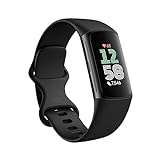
- Find your way seamlessly during runs or rides with turn-by-turn directions from Google Maps on Fitbit Charge 6[7, 8]; and when you need a snack break on the go, just tap to pay with Google Wallet[8, 9]
Most bands at the time tracked steps, estimated calories, and sleep, with heart rate just beginning to appear in consumer devices. Optical heart-rate sensors were new, bulky, and inconsistent, and few companies had figured out how to translate raw sensor data into meaningful health insights.
Jawbone believed the next competitive frontier wasn’t more metrics, but better interpretation. The UP3 was positioned as a wearable that didn’t just record activity, but understood the body.
What the UP3 Was Designed to Be
At its core, the Jawbone UP3 was designed as a screenless, always-on health companion rather than a traditional fitness tracker. It featured a multi-sensor array that combined optical heart-rate monitoring, skin temperature, galvanic skin response, and motion sensors, all sealed inside a slim aluminum and rubber band.
Jawbone marketed this as “clinical-grade” sensing, with the promise of tracking resting heart rate, recovery, sleep stages, and overall wellness trends automatically. Unlike competitors that relied heavily on manual input or button presses, the UP3 was meant to fade into the background and collect data continuously.
This design philosophy extended to its physical form. There was no display, no vibration alerts for notifications, and no replaceable strap system, emphasizing comfort, water resistance, and a minimal aesthetic over interaction.
The Software-First Philosophy
The UP3 was inseparable from the Jawbone UP app, which was the real product Jawbone wanted users to engage with. The app offered detailed sleep analysis, resting heart-rate trends, idle alerts, and lifestyle coaching that framed data in plain language rather than charts alone.
Jawbone’s strength had always been software storytelling, and the UP3 leaned heavily on that advantage. The band itself was passive, while the app tried to act like a personal health journal and coach, translating biometric signals into daily guidance.
This deep app dependence also meant the UP3 had little standalone value. Without a supported app ecosystem, the hardware alone could not meaningfully function, a reality that matters greatly when evaluating it today.
Ambition vs. Reality at Launch
In real-world use, the UP3 struggled to fully deliver on its most ambitious claims. Early firmware issues, syncing problems, and inconsistent heart-rate readings undermined confidence, particularly when compared to chest straps or even rival wrist-based sensors of the time.
Heart-rate tracking was continuous but not on-demand, and accuracy varied significantly depending on fit, skin tone, and movement. For resting trends it could be useful, but it was never reliable enough for workout-level precision, limiting its appeal to serious fitness users.
Compounding this, the UP3 was delayed significantly after announcement, finally reaching customers in mid-2015, by which time competitors had already improved their hardware and reliability.
How It Was Meant to Stand Apart
Jawbone positioned the UP3 as a premium lifestyle health device rather than a sports tracker. It emphasized sleep quality, recovery, and long-term wellness over pace, GPS, or training metrics.
Battery life, rated at up to seven days, was competitive for the era and helped support its always-on tracking vision. Comfort was generally good thanks to its lightweight build, though the fixed band design made fit critical and non-adjustable once chosen.
In theory, the UP3 was ahead of its time. In practice, it asked users to trust immature sensor technology and a fragile ecosystem during a period when reliability was becoming increasingly important.
Why This Context Still Matters Today
Looking back, the Jawbone UP3 makes more sense as a concept than as a product. Many ideas it introduced, continuous heart-rate tracking, passive wellness monitoring, and software-driven health insights, are now standard features in modern trackers.
However, its heavy reliance on Jawbone’s cloud services and app infrastructure means its usefulness today is extremely limited. With Jawbone exiting the wearable market in 2017, long-term support vanished, turning the UP3 into more of a historical artifact than a practical device.
For second-hand buyers and wearable enthusiasts, understanding what the UP3 was trying to be helps set realistic expectations. It wasn’t a failure of vision, but a reminder that being early in wearable tech often means carrying the cost of unfinished ideas.
Design, Materials, and Wearability: Minimalist Ambition vs Real-World Comfort
Seen through today’s lens, the Jawbone UP3’s design tells you almost everything about its priorities. This was a tracker meant to disappear on the wrist, acting as a passive wellness companion rather than an interactive device demanding attention.
Jawbone’s industrial design confidence was evident, but the gap between aesthetic ambition and long-term wearability would become one of the UP3’s most debated aspects.
Industrial Design: Fashion First, Interface Second
The UP3 featured a smooth, display-less band with a slim aluminum housing embedded into a rubberized strap. There was no screen, no buttons, and no traditional clasp, only a trio of tiny LED indicators for status and syncing.
At the time, this felt intentional rather than limiting. Jawbone wanted the app to be the interface, and the band to function more like jewelry than a gadget.
That philosophy aged poorly as competitors added small displays without sacrificing subtlety, making the UP3 feel opaque and overly dependent on a smartphone even by mid-2015 standards.
Materials and Build Quality: Premium Feel, Questionable Longevity
In hand, the UP3 felt more premium than many early fitness bands. The anodized aluminum core added rigidity and visual contrast, while the soft-touch elastomer strap was flexible and lightweight.
However, long-term durability proved inconsistent. Owners frequently reported cracking, splitting near the band ends, or separation between the rubber and the internal housing after months of use.
The proprietary magnetic charging connector was another weak point. While elegant, it was fragile in daily use, and failures here effectively rendered the device unusable, an especially serious flaw now that replacement accessories are scarce.
Fixed Band Design: Comfort Depends Entirely on Fit
Jawbone offered the UP3 in multiple fixed sizes rather than an adjustable strap. Once purchased, there was no fine-tuning the fit, a decision that directly affected both comfort and sensor accuracy.
When sized correctly, the UP3 was light and unobtrusive enough for 24/7 wear, including sleep. When sized incorrectly, it could feel either constrictive or loose, leading to discomfort, skin irritation, and unreliable heart-rate readings.
This sizing gamble made second-hand purchases especially risky, as buyers today often cannot try multiple sizes or return ill-fitting units.
Wearability Over Time: Sleep-Friendly, Activity-Ambivalent
For sleep tracking, the UP3’s low profile worked in its favor. It was slim enough to avoid catching on sheets or digging into the wrist, reinforcing Jawbone’s emphasis on nighttime recovery and passive monitoring.
During workouts or extended daytime wear, opinions were more mixed. The rubber strap could trap heat and moisture, and some users experienced rashes or irritation during prolonged wear, especially in warmer climates.
Water resistance made it suitable for showering and swimming, aligning with its always-on promise, but concerns about long-term sealing and band degradation made many owners cautious over time.
Minimalism vs Usability in Retrospect
The UP3’s design now feels like a transitional artifact from a period when wearables were still negotiating their identity. Jawbone pushed minimalism further than most, removing not just screens but almost all on-device feedback.
That choice amplified the device’s reliance on the app and cloud services, which today severely limits its practicality. Without a functional ecosystem, the beautifully restrained hardware has little standalone value.
As a piece of wearable design history, the UP3 remains interesting. As a comfortable, durable, and adaptable device for modern use, its physical design ultimately reflects the same story as its software: bold ideas constrained by execution and longevity.
Sensors and Health Tracking Capabilities: Steps, Sleep, and the Promise of Heart Rate
Jawbone’s minimalist hardware philosophy placed enormous weight on its sensor suite. With no screen and almost no on-device interaction, the UP3 lived or died by how accurately it could collect data and how intelligently the app could interpret it.
In concept, the UP3 was one of the most ambitious fitness bands of its era. In practice, its tracking strengths were uneven, and its most headline-grabbing feature never fully delivered on its promise.
Rank #2

- Inspire 3 is the tracker that helps you find your energy, do what you love and feel your best. All you have to do is wear it.Operating temperature: 0° to 40°C
- Move more: Daily Readiness Score(1), Active Zone Minutes, all-day activity tracking and 24/7 heart rate, 20+ exercise modes, automatic exercise tracking and reminders to move
- Stress less: always-on wellness tracking, daily Stress Management Score, mindfulness sessions, relax breathing sessions, irregular heart rhythm notifications(2), SpO2(3), menstrual health tracking, resting heart rate and high/low heart rate notifications
- Sleep better: automatic sleep tracking, personalized Sleep Profile(1), daily detailed Sleep Score, smart wake vibrating alarm, sleep mode
- Comfortably connected day and night: calls, texts & smartphone app notifications(4), color touchscreen with customizable clock faces, super lightweight and water resistant to 50 meters, up to 10 day battery life(5)
Core Motion Tracking: Steps and Daily Activity
At its foundation, the UP3 relied on a tri-axial accelerometer to track steps, movement intensity, and periods of inactivity. For basic step counting, it was broadly in line with other mid-2010s fitness bands, neither wildly inaccurate nor particularly precise by modern standards.
Casual daily walking was tracked reasonably well, but like many trackers of the time, the UP3 struggled with non-walking activities. Cycling, weight training, and tasks involving wrist movement without steps often confused the algorithm.
There was no GPS, no on-device workout modes, and no real-time feedback. Activity tracking was entirely passive, reinforcing the UP3’s role as a lifestyle monitor rather than a performance-focused fitness tool.
Sleep Tracking: Jawbone’s Strongest Discipline
Sleep tracking was where the UP3 genuinely stood out in its prime. Jawbone had long positioned sleep as the cornerstone of its platform, and the UP3 expanded on this with more advanced physiological inputs than its predecessors.
In addition to motion data, the UP3 used bioimpedance sensors to estimate resting heart rate and respiration during sleep. This allowed Jawbone to offer breakdowns of light sleep, deep sleep, and REM, at a time when many competitors still relied on movement alone.
When the band fit correctly and data synced reliably, sleep detection was impressively consistent. Bedtimes, wake times, and sleep duration were generally accurate, reinforcing the device’s value as a 24/7 recovery-focused wearable.
The Bioimpedance Experiment: Heart Rate Without Optics
Rather than using optical LEDs, the UP3 measured heart rate through bioimpedance, sending a small electrical signal through the wrist to detect changes associated with blood flow. This approach avoided the battery drain and bulk of optical sensors but came with strict requirements.
Heart rate readings were only available at rest, primarily during sleep or periods of stillness. There was no continuous heart-rate tracking during exercise, no real-time display, and no heart-rate-based training metrics.
Accuracy was highly dependent on fit, skin contact, hydration, and user physiology. Even under ideal conditions, readings could be inconsistent, delayed, or missing entirely, especially if the band shifted on the wrist.
Skin Temperature and Contextual Data
The UP3 also included skin temperature and ambient temperature sensors, which Jawbone used to add contextual insights rather than direct health metrics. Changes in skin temperature were presented as trends, intended to highlight recovery, illness, or environmental effects.
While conceptually appealing, these metrics were difficult for users to interpret meaningfully. Without clear baselines or actionable guidance, temperature data often felt abstract rather than practical.
Still, this multi-sensor approach hinted at a future where wearables would move beyond steps and toward holistic health monitoring, even if the UP3 itself never fully realized that vision.
App Dependence and the Fragility of Intelligence
All sensor data flowed through the Jawbone app, where algorithms transformed raw signals into sleep stages, trends, and coaching insights. The hardware alone was essentially inert without this software layer.
At launch, many features, especially heart rate and advanced sleep analysis, were delayed or unreliable due to firmware and app issues. Over time, updates improved stability, but confidence in the platform was permanently shaken.
Today, with Jawbone’s servers offline and app functionality severely limited or non-functional, the UP3’s sensors have little practical value. Even if the hardware still works, there is no ecosystem left to interpret the data it collects.
Retrospective Value: Insightful Then, Obsolete Now
From a historical perspective, the UP3’s sensor ambitions were ahead of their time. It attempted to infer meaningful health signals using low-power hardware in an era before modern optical sensors and machine learning maturity.
In real-world use, only step counting and sleep duration aged gracefully. Heart rate, temperature trends, and advanced sleep stages now feel unreliable compared to even entry-level modern fitness trackers.
For second-hand buyers today, the UP3’s health tracking capabilities are best understood as a snapshot of wearable experimentation rather than a viable alternative to current devices. The sensors tell an interesting story, but without the software to support them, that story ends abruptly.
Heart Rate Accuracy and Bioimpedance: Innovation That Never Fully Delivered
Jawbone’s most ambitious leap with the UP3 was its attempt to measure heart rate without optical sensors, relying instead on bioimpedance. This approach fit the company’s low-profile, screenless design philosophy, but it also introduced technical challenges that ultimately defined the tracker’s limitations.
Where modern fitness bands use green LEDs and photodiodes to read blood flow, the UP3 measured tiny changes in electrical resistance as blood volume shifted through the wrist. On paper, this allowed for lower power consumption, slimmer hardware, and improved comfort during sleep.
Why Jawbone Chose Bioimpedance Over Optical Sensors
At the time of development, optical heart rate sensors were still bulky, power-hungry, and inconsistent in slim wristbands. Jawbone wanted continuous physiological insight without sacrificing battery life, targeting up to seven days in a rigid, water-resistant housing.
Bioimpedance sensors also avoided visible lights, preserving the UP line’s minimalist aesthetic and making the band feel more like jewelry than equipment. In theory, this made the UP3 better suited for 24/7 wear, especially overnight.
Real-World Accuracy: Inconsistent and Context-Limited
In practice, heart rate accuracy was highly variable and dependent on near-perfect skin contact. The rigid strap, limited sizing options, and lack of micro-adjustments made consistent electrode contact difficult across different wrist shapes.
Jawbone quietly restricted heart rate tracking to resting and sleep periods, avoiding daytime activity where motion artifacts overwhelmed the signal. Even then, results often lagged behind chest straps and early optical competitors, sometimes producing implausible resting values or missing nights entirely.
Delayed Features and Eroded Trust
Heart rate tracking was not fully functional at launch, with months-long delays before firmware and app updates enabled it consistently. Early adopters effectively beta-tested the feature, and many never regained confidence even after improvements arrived.
Unlike step counting or basic sleep duration, heart rate trends were opaque and hard to validate. Users could not easily compare readings against external devices, and Jawbone provided little transparency about confidence intervals or data quality.
Bioimpedance as a Concept, Not a Finished Solution
The same bioimpedance system underpinned other advanced metrics, including respiration rate and sleep stage inference. When heart rate data was noisy, downstream insights suffered, compounding inaccuracies rather than correcting them.
Modern wearables still experiment with bioimpedance for body composition and hydration, but almost always alongside optical heart rate sensors. The UP3 tried to make bioimpedance do too much, too early, without the sensor fusion or processing power required to stabilize results.
Practical Value Today: Essentially Nil
With Jawbone’s software infrastructure gone, heart rate data from the UP3 is no longer accessible or interpretable in any meaningful way. Even if the hardware still powers on, there is no supported path to extract, validate, or contextualize bioimpedance-based readings.
Compared to today’s entry-level fitness trackers, which offer continuous optical heart rate, SpO2, and robust activity-based calibration, the UP3’s approach feels like a technological cul-de-sac. Its heart rate system remains historically interesting, but functionally stranded in a moment when ambition outpaced execution.
Battery Life, Charging System, and Long-Term Durability Issues
The fragility of the UP3’s sensing stack inevitably carried over into more mundane but equally consequential areas like power management and physical longevity. Where inaccurate data undermined trust in the software, battery behavior and charging reliability often dictated whether the band could be used at all.
Rated Battery Life vs. Real-World Use
Jawbone advertised up to seven days of battery life for the UP3, a figure that placed it competitively against early Fitbit Charge models and well ahead of smartwatch-style wearables of the time. In controlled conditions with minimal syncing and stable sensors, that estimate was achievable when the device was new.
In real-world use, especially with heart rate and sleep tracking enabled, most users reported closer to four or five days. Frequent Bluetooth syncing, firmware instability, and repeated failed data uploads could accelerate drain noticeably, sometimes dropping the band from full to empty in under three days.
Battery degradation over time was also pronounced. After a year or two of regular use, many UP3 units struggled to hold a charge beyond 24 to 48 hours, a steep decline for a device that depended on continuous wear to deliver meaningful insights.
Proprietary Charging Clip: Clever, but Fragile
The UP3 used a magnetic, snap-on charging clip rather than a port, continuing Jawbone’s long-standing preference for sealed hardware. In theory, this design improved water resistance and preserved the band’s clean, uninterrupted exterior.
In practice, the charging clip became one of the UP3’s most failure-prone components. The contacts were small, alignment was finicky, and slight movement during charging could interrupt power without any clear indication to the user.
Rank #3

- 【BUILT-IN GPS SMART WATCH – GO FURTHER, FREER, SMARTER】No phone? No problem. This fitness watch for women, featuring the latest 2025 technology, includes an advanced professional-grade GPS chip that precisely tracks every route, distance, pace (real-time & average), and calorie burned—completely phone-free. Whether you're chasing new personal records or exploring off the beaten path, your full journey is automatically mapped and synced in the app. Train smarter. Move with purpose. Own your progress. Own your journey.
- 【BLUETOOTH 5.3 CALLS & SMART NOTIFICATIONS】Stay effortlessly connected with this smart watch for men and women, featuring dual Bluetooth modes (BT 3.0 + BLE 5.3) and a premium microphone for crystal-clear calls right from your wrist—perfect for driving, workouts, or busy days. Receive instant alerts for calls, texts, and popular social apps like WhatsApp and Facebook. Just raise your wrist to view notifications and never miss an important moment.
- 【100+ SPORT MODES & IP68 WATERPROOF & DUSTPROOF】This sport watch is a versatile activity and fitness tracker with 100+ modes including running, cycling, yoga, and more. It features quick-access buttons and automatic running/cycling detection to start workouts instantly. Accurately track heart rate, calories, distance, pace, and more. Set daily goals on your fitness tracker watch and stay motivated with achievement badges. With IP68 waterproof and dustproof rating, it resists rain and sweat for any challenge. Not suitable for showering, swimming, or sauna.
- 【24/7 HEALTH ASSISTANT & SMART REMINDERS】This health watch continuously monitors heart rate, blood oxygen, and stress levels for comprehensive wellness tracking. Sleep monitoring includes deep, light, REM sleep, and naps to give you a full picture of your rest. Stay on track with smart reminders for sedentary breaks, hydration, medication, and hand washing. Women can also monitor menstrual health. Includes guided breathing exercises to help you relax. Your ultimate health watch with event reminders for a healthier life.
- 【ULTRA HD DISPLAY, LIGHTWEIGHT & CUSTOMIZABLE DIALS】This stylish wrist watch features a 1.27-inch (32mm) 360×360 ultra HD color display with a 1.69-inch (43mm) dial, offering vivid details and responsive touch. Its minimalist design fits both business and casual looks. Switch freely among built-in designer dials or create your own DIY watch face using photos, colors, and styles to showcase your unique personality. Perfect as a cool digital watch and fashion wrist watch.
Many owners experienced intermittent charging, where the band appeared to be connected but failed to gain charge overnight. Replacement clips were expensive, frequently out of stock, and today are effectively unobtainable, making a lost or damaged charger a terminal problem.
Sealed Design and the Cost of Non-Repairability
The UP3’s slim, integrated form factor left no room for user-accessible battery replacement. Once capacity declined or the battery failed outright, there was no official service path, even while Jawbone was still operating.
Third-party repair was impractical due to the band’s glued construction and flexible internal components. Attempting to open the housing often resulted in cosmetic damage or complete failure, discouraging all but the most determined tinkerers.
This sealed approach contrasts sharply with modern expectations around longevity and sustainability. While most current fitness trackers still use non-replaceable batteries, they benefit from more robust chemistry, better charge management, and clearer end-of-life signaling.
Water Resistance Claims vs. Long-Term Exposure
Jawbone rated the UP3 as water resistant for showering and hand washing, but not swimming. Early units sometimes failed even under these limited conditions, with moisture ingress leading to charging errors, sensor malfunction, or complete device death.
Repeated exposure to sweat, soap residue, and humidity accelerated degradation around the charging contacts and internal seals. Over time, bands that initially tolerated daily wear began exhibiting erratic behavior or refusing to power on at all.
Later production runs reportedly improved sealing, but the damage to the UP3’s reputation had already been done. For a device designed to be worn continuously, inconsistent water resistance undermined its core value proposition.
Structural Wear and Band Integrity Over Time
The UP3’s rubberized strap was comfortable and lightweight, conforming easily to the wrist during sleep and exercise. However, long-term durability was inconsistent, particularly at the clasp and sensor module junctions.
Cracking, delamination, and loss of elasticity were common after extended exposure to sweat and UV light. Unlike modular strap systems on many modern trackers, the UP3’s band was inseparable from its electronics, meaning cosmetic wear often forced full device replacement.
For second-hand buyers today, this presents a major risk. Even unused or lightly worn units may suffer from age-related material breakdown, independent of how carefully they were stored.
Practical Implications for Use Today
Taken together, battery degradation, charging dependency, and material aging make the UP3 exceptionally difficult to keep operational in 2026. A functioning unit requires a healthy battery, a working proprietary charger, intact seals, and a companion app that no longer exists.
Even as a passive step counter, the device’s reliability cannot be assumed from day to day. Compared to modern entry-level trackers that deliver week-long battery life, USB-standard charging, and predictable aging curves, the UP3 feels like a product from a far less forgiving era of wearable design.
The result is a device whose physical limitations now outweigh its historical appeal. What once aimed to be a seamless, always-on health companion is today constrained by the realities of early-generation hardware that was never built to last this long.
The Jawbone App Experience: Strengths, Insights, and Total Platform Dependence
If the UP3’s hardware now feels fragile and time-bound, the Jawbone app was always the other half of the equation. Unlike many contemporaries that offered partial on-device functionality, the UP3 was conceived as a sensor node entirely dependent on its smartphone companion for meaning, interpretation, and long-term usefulness.
That tight coupling delivered both the product’s greatest strengths and its most severe long-term liability.
A Software-First Philosophy Ahead of Its Time
Jawbone approached wearables less like watches and more like data collectors feeding a central intelligence. The UP app was visually refined, narrative-driven, and unusually holistic for its era, blending activity, sleep, and resting heart-rate trends into a single daily story rather than isolated metrics.
Instead of emphasizing raw numbers, the app framed progress through gentle coaching, behavioral prompts, and contextual insights. For many users, this made the UP3 feel less like a gadget and more like a quiet wellness companion.
This approach now feels familiar in 2026, but at launch it placed Jawbone well ahead of competitors that were still focused on step counts and calorie totals.
Sleep Tracking as the App’s Standout Strength
Sleep analysis was arguably the UP platform’s most compelling feature. The app presented sleep stages, duration, and consistency with clarity, highlighting trends over time rather than obsessing over nightly fluctuations.
The UP3’s multi-sensor approach, combining motion, skin temperature trends, and resting heart rate, allowed Jawbone to infer light and deep sleep with reasonable consistency for a wrist-worn device of its generation. While not medically accurate by modern standards, it often delivered actionable insights, particularly around sleep regularity and recovery.
Even today, some of Jawbone’s sleep visualizations feel more intuitive than those found in current budget trackers, which can overwhelm users with excessive granularity.
Heart Rate Data: Insightful Trends, Questionable Precision
Jawbone positioned the UP3’s optical heart-rate monitoring as a background metric rather than a real-time performance tool. The app focused on resting heart rate and long-term trends, avoiding live readouts during workouts.
In practice, this framing helped mask the sensor’s limitations. Resting heart-rate trends were generally plausible when the band maintained good skin contact, but variability between users was significant, particularly for those with smaller wrists or looser fits.
Because the app emphasized trendlines instead of absolutes, inaccuracies were less obvious, but they were still present. Compared to modern trackers with continuous sampling and improved algorithms, the UP3’s heart-rate data now feels coarse and occasionally unreliable.
Behavioral Coaching and the Human-Centric Interface
Where the Jawbone app truly differentiated itself was in tone. Notifications and insights were phrased conversationally, often suggesting small, achievable changes rather than issuing performance judgments.
The app encouraged consistency over intensity, reinforcing habits like daily movement, regular bedtimes, and mindful recovery. For users uninterested in competitive fitness or gamification, this approach felt refreshing and supportive.
This human-centric design philosophy remains one of Jawbone’s most underappreciated contributions to the wearable space, influencing later wellness-focused platforms even after the company’s exit.
Total Dependence on Cloud Services
That same software-centric design also made the UP3 extraordinarily vulnerable to platform failure. Nearly all data processing, visualization, and long-term storage occurred within Jawbone’s cloud infrastructure.
When Jawbone shut down its consumer services, the UP3 effectively lost its purpose overnight. Without the app, the band cannot sync data, display history, or deliver insights, rendering the hardware functionally inert even if it still powers on.
There is no offline mode, no third-party app support, and no officially supported data export path that preserves the original experience. This level of dependence now stands as a cautionary example of closed wearable ecosystems.
Compatibility and OS Limitations
During its active lifespan, the UP app supported both iOS and Android, but performance parity was inconsistent. Android users frequently reported delayed syncs, connection instability, and app crashes compared to the iOS experience.
As mobile operating systems evolved, Jawbone struggled to keep pace, and compatibility issues became more common even before the company’s collapse. Today, modern versions of iOS and Android no longer support the app at all, eliminating any practical path to use.
For second-hand buyers, this is the single most decisive factor. Unlike legacy watches that can function independently, the UP3 cannot be meaningfully used without a living software platform.
What the App Represents in Retrospect
Looking back, the Jawbone app represents both the high-water mark of the UP ecosystem and the reason it aged so poorly. Its insights, visual language, and emphasis on long-term behavior change were genuinely innovative.
At the same time, the absence of on-device autonomy or open integration options ensured that once the platform disappeared, so did the product. In 2026, the UP3’s app experience is best understood as a snapshot of what early wearable software aspired to be, rather than something that can still be meaningfully accessed or replicated today.
For historians of wearable technology, it remains a fascinating case study. For practical users, it reinforces just how critical software longevity and ecosystem resilience have become when evaluating any health-focused device.
Rank #4

- 24H Accurate Heart Rate Monitoring: Go beyond basic tracking. Our watch automatically monitors your heart rate, blood oxygen (SpO2), and sleep patterns throughout the day and night. Gain deep insights into your body's trends and make informed decisions for a healthier lifestyle.
- Practical Sports Modes & Smart Activity Tracking: From running and swimming to yoga and hiking, track a wide range of activities with precision. It automatically records your steps, distance, calories burned, and duration, helping you analyze your performance and crush your fitness goals.
- 1-Week Battery Life & All-Day Wear: Say goodbye to daily charging. With an incredible up to 7-10 days of battery life on a single charge, you can wear it day and night for uninterrupted sleep tracking and worry-free travel. Stay connected to your data without the hassle.
- Comfortable to Wear & IP68 Waterproof: The lightweight, skin-friendly band is crafted for all-day comfort, even while you sleep. With IP68 waterproof, it withstands rain, sweat, It is not suitable for swimming or showering.
- Ease of Use and Personalized Insights via Powerful App: The display is bright and easy to read, even outdoors. Unlock the full potential of your watch. Sync with our dedicated app to view detailed health reports, customize watch faces, set sedentary reminders, and manage your preferences with ease.
Reliability, Quality Control, and the Problems That Defined the UP3’s Reputation
If the app’s disappearance explains why the UP3 no longer has a future, its reliability problems explain why many users never fully trusted it even at launch. Hardware fragility, inconsistent quality control, and a long tail of early failures shaped the band’s reputation as much as its ambitious feature set.
This section is critical for understanding the UP3 not just as a discontinued product, but as a cautionary example of how execution can undermine innovation.
Early Production Issues and Launch Instability
The UP3’s troubled reputation began before most customers even received one. After being announced in late 2014, the tracker suffered repeated launch delays, officially attributed to waterproofing challenges tied to its heart-rate sensor design.
When units finally shipped in 2015, early adopters quickly discovered that those delays had not fully resolved the underlying issues. Reports of dead-on-arrival units, inconsistent syncing behavior, and rapid failures appeared within weeks of release.
Jawbone acknowledged problems and quietly revised internal components over time, but there was never a clear public distinction between early and later production runs. For buyers, this created uncertainty about whether a given unit was stable or fundamentally compromised.
Strap Delamination and Structural Failures
One of the most common physical failures involved the UP3’s strap construction. The band used a layered rubberized design with embedded electronics, rather than a removable strap or modular housing.
Over months of daily wear, many units experienced strap delamination, cracking, or bubbling, particularly near stress points around the wrist and clasp. Sweat, heat, and flexing accelerated the breakdown, even for users who avoided swimming or showering with the device.
Once the strap integrity failed, there was no repair path. Because the electronics were sealed inside the band, any physical degradation effectively ended the device’s usable life.
Water Resistance That Failed in Practice
On paper, the UP3 carried an IPX8 rating, suggesting it could survive continuous submersion. In real-world use, water exposure proved to be one of its most common causes of death.
Users reported failures after hand washing, light rain, or workouts involving heavy sweat. Swimming, despite being implicitly supported by the rating, was especially risky and frequently resulted in nonfunctional units.
The problem was not universal, but it was widespread enough that Jawbone replacements became routine. Over time, many owners learned to treat the UP3 as effectively non-waterproof despite its official specification.
Heart Rate Sensor Reliability and Accuracy Drift
The UP3’s optical heart-rate sensor was one of its headline features, but it was also a frequent source of complaints. Even when functioning, readings could be inconsistent during movement, strength training, or interval workouts.
More concerning was the failure rate of the sensor itself. Some units stopped reporting heart rate entirely after weeks or months, while others delivered erratic baseline readings that undermined sleep and resting heart rate insights.
Because heart-rate data fed directly into the UP app’s sleep staging and recovery metrics, sensor degradation had an outsized impact on the overall experience. When accuracy slipped, the platform’s most compelling features lost credibility.
Charging Contacts, Power Issues, and Silent Failures
The UP3 used a proprietary USB charging clip with exposed pogo-pin contacts on the band. Over time, these contacts were prone to corrosion, misalignment, or intermittent connectivity.
Many devices appeared to charge normally but failed to hold a charge, while others became stuck in boot loops or would not power on at all. In some cases, firmware updates attempted during unstable charging sessions resulted in permanently bricked units.
Because the UP3 had no screen or physical interface beyond vibration feedback, diagnosing these failures was difficult. A dead unit often provided no indication of whether the issue was battery-related, firmware-related, or terminal.
Replacement Programs and Customer Trust Erosion
To Jawbone’s credit, the company issued a large number of replacements during the UP3’s active years. Warranty exchanges were common, and many users received multiple units over the lifespan of their ownership.
However, replacement devices often exhibited the same issues as the originals. This created a cycle of short-term fixes rather than a clear resolution, gradually eroding customer confidence.
By the time Jawbone exited the consumer hardware market, the UP3 was widely perceived as unreliable, even among users who admired its design and data philosophy. That perception has persisted long after the hardware itself faded from relevance.
What This Means for Second-Hand Buyers Today
In 2026, reliability concerns compound the UP3’s software obsolescence. Even if an unused or sealed unit is found, age alone increases the risk of battery degradation, strap material breakdown, and sensor failure.
There are no replacement parts, no authorized service options, and no functional workaround for most hardware faults. Combined with the complete loss of app support, these reliability issues eliminate any realistic practical value.
As a historical artifact, the UP3 remains important. As a functioning fitness tracker, its reputation for fragility is not just deserved, but decisive.
Jawbone’s Collapse and What It Means Today: Software Support, Syncing, and Usability in 2026
The UP3’s hardware fragility was only one side of its long-term problem. Jawbone’s corporate collapse ultimately severed the software lifeline that made the band usable at all, transforming reliability concerns into total functional obsolescence.
What follows is not a hypothetical risk or edge case scenario. In 2026, the Jawbone UP3 exists in a post-support state that fundamentally alters what ownership means, regardless of the condition of the physical device.
The End of Jawbone as a Consumer Tech Company
Jawbone officially exited the consumer hardware market in 2017 after years of financial strain, delayed products, and mounting support costs. The UP3 was already struggling with manufacturing issues when the company’s restructuring effectively froze all future development.
Shortly after, Jawbone’s consumer-facing services were wound down, and its software teams were dissolved. While some backend services lingered temporarily, there was no long-term roadmap, no migration plan, and no commitment to maintaining app compatibility.
Unlike companies that sunset products gradually, Jawbone disappeared abruptly. That sudden exit left UP3 owners entirely dependent on an app ecosystem that was never designed to survive without active stewardship.
App Shutdown and Server Dependency
The Jawbone UP app was central to the UP3 experience. The band itself had no display, no onboard controls, and no way to review data without syncing to a smartphone.
Over time, Jawbone’s servers were shut down, authentication endpoints failed, and cloud-based features stopped functioning. Even before complete shutdown, syncing became increasingly unreliable as iOS and Android evolved beyond what the app was built to support.
In practical terms, this means the UP3 cannot reliably sync data in 2026. In many cases, it cannot sync at all, rendering the device incapable of showing steps, sleep, heart rate trends, or readiness scores.
Compatibility with Modern Smartphones
On modern versions of iOS and Android, the Jawbone UP app is either unavailable, fails to install, or crashes during setup. Bluetooth pairing itself may succeed, but without a functioning app and server handshake, the connection goes nowhere.
Some users attempt workarounds using older phones or archived APK files. Even when partially successful, these setups are fragile, insecure, and dependent on deprecated operating systems that are themselves impractical to use daily.
There is no official or unofficial migration path to export UP3 data into platforms like Apple Health, Google Fit, or Strava. Once Jawbone’s ecosystem vanished, the data model vanished with it.
Syncing, Firmware, and the Risk of Bricking
Firmware updates were historically required to stabilize UP3 performance and improve heart rate tracking. Today, attempting firmware interaction is risky, especially given the charging and connectivity issues discussed earlier.
A failed sync or interrupted update can still result in a bricked unit, but unlike during the product’s active years, there is no recovery process. No forced reset, no re-flashing tools, and no support channels exist.
💰 Best Value

- 【Superb Visual Experience & Effortless Operation】Diving into the latest 1.58'' ultra high resolution display technology, every interaction on the fitness watch is a visual delight with vibrant colors and crisp clarity. Its always on display clock makes the time conveniently visible. Experience convenience like never before with the intuitive full touch controls and the side button, switch between apps, and customize settings with seamless precision.
- 【Comprehensive 24/7 Health Monitoring】The fitness watches for women and men packs 24/7 heart rate, 24/7 blood pressure and blood oxygen monitors. You could check those real-time health metrics anytime, anywhere on your wrist and view the data record in the App. The heart rate monitor watch also tracks different sleep stages for light and deep sleep,and the time when you wake up, helps you to get a better understanding of your sleep quality.
- 【120+ exercise modes & All-Day Activity Tracking】There are more than 120 exercise modes available in the activity trackers and smartwatches, covering almost all daily sports activities you can imagine, gives you new ways to train and advanced metrics for more information about your workout performance. The all-day activity tracking feature monitors your steps, distance, and calories burned all the day, so you can see how much progress you've made towards your fitness goals.
- 【Messages & Incoming Calls Notification】With this smart watch fitness trackers for iPhone and android phones, you can receive notifications for incoming calls and read messages directly from your wrist without taking out your phone. Never miss a beat, stay in touch with loved ones, and stay informed of important updates wherever you are.
- 【Essential Assistant for Daily Life】The fitness watches for women and men provide you with more features including drinking water and sedentary reminder, women's menstrual period reminder, breath training, real-time weather display, remote camera shooting, music control,timer, stopwatch, finding phone, alarm clock, making it a considerate life assistant. With the GPS connectivity, you could get a map of your workout route in the app for outdoor activity by connecting to your phone GPS.
This makes even experimental use a gamble. A UP3 that powers on today may be unusable tomorrow simply by attempting to sync it.
Loss of Core Features Without Software
Without the app, the UP3 loses nearly everything it was designed to do. Activity tracking, sleep staging, resting heart rate trends, and Jawbone’s once-praised Smart Coach insights all disappear.
The optical heart rate sensor, already limited to resting and passive measurements, becomes meaningless without visualization or historical context. Even basic step counts cannot be accessed directly on the device.
What remains is essentially a sealed sensor package with no readable output. From a usability standpoint, that places the UP3 closer to a non-functional prototype than a consumer product.
Usability in 2026: The Reality Check
Taken as a complete system, the Jawbone UP3 is not usable in any practical sense today. Hardware aging, battery degradation, and charging failures intersect with total software abandonment to eliminate daily functionality.
Even collectors or enthusiasts hoping to experience the UP3 as it once was will find the barriers high and the payoff minimal. The experience cannot be meaningfully replicated without the original app infrastructure.
Compared to even the most basic modern fitness trackers, which offer onboard displays, multi-day battery life, stable apps, and ongoing updates, the UP3 has no competitive footing.
What the Collapse Ultimately Means for Buyers
Jawbone’s collapse transformed the UP3 from a flawed but ambitious tracker into a closed chapter. There is no future-proofing, no community-driven revival, and no practical second life as a minimalist wearable.
For second-hand buyers in 2026, this is not a question of value versus price. It is a question of whether the device can perform its intended function at all.
As a design milestone and an example of early wearable experimentation, the UP3 still has historical relevance. As a functional fitness tracker, Jawbone’s absence ensures that relevance stops at the display shelf, not the wrist.
Jawbone UP3 vs Modern Fitness Trackers: How Far the Category Has Moved On
Placed against today’s fitness trackers, the Jawbone UP3 doesn’t just feel dated—it illustrates how fundamentally the category has evolved since the mid-2010s. What was once considered ambitious innovation now reads as a cautionary snapshot of a formative but fragile era in wearables.
Hardware Philosophy: Minimalism Then, Information Density Now
The UP3 was designed around extreme minimalism: no screen, no buttons, and no direct user interaction beyond wearing it. All feedback lived in the app, with the band itself functioning as a passive sensor array wrapped in a sleek, rubberized shell.
Modern fitness trackers have largely rejected this approach. Even entry-level bands from Xiaomi, Fitbit, or Amazfit now include bright AMOLED displays, touch input, haptic feedback, and glanceable data that reduces dependence on a phone for basic information.
Heart Rate Tracking: From Experimental to Foundational
Jawbone positioned the UP3 as a leap forward by adding multi-sensor optical heart rate monitoring at a time when many bands lacked it entirely. In practice, the system was limited to resting heart rate and passive sampling, with no workout tracking and inconsistent accuracy depending on fit and skin tone.
Today’s trackers treat continuous heart rate monitoring as table stakes. Modern sensors deliver second-by-second data during workouts, improved accuracy through machine learning, and integration with VO2 max estimates, stress metrics, heart rate variability, and recovery scoring.
Sleep Tracking: Early Insight vs Modern Precision
Sleep analysis was one of the UP3’s strongest selling points. Its ability to distinguish light, deep, and REM sleep was genuinely ahead of its time, and Jawbone’s Smart Coach surfaced this data in a way that felt accessible rather than clinical.
Modern trackers now refine this further with blood oxygen trends, overnight heart rate variability, breathing rate analysis, and long-term sleep consistency metrics. What once felt insightful on the UP3 now feels rudimentary by comparison, especially without ongoing algorithm updates.
Software Dependency and Ecosystem Risk
The UP3’s total reliance on the Jawbone app was not unusual in its era, but it proved catastrophic once the company exited the market. Without cloud services, app support, or compatibility updates, the hardware became effectively unusable.
Contemporary wearables still depend on companion apps, but they benefit from mature ecosystems, regular updates, and multi-year support commitments. Even discontinued models from major brands often retain baseline functionality long after release, something the UP3 cannot claim.
Battery Life, Charging, and Long-Term Reliability
Jawbone promised up to seven days of battery life, which was respectable at launch. Over time, proprietary chargers, sealed batteries, and widespread charging failures became one of the UP3’s most common points of failure.
Modern trackers typically deliver similar or better endurance with standardized charging solutions, improved battery chemistry, and clearer replacement paths. Durability expectations have risen alongside water resistance, material quality, and long-term wear comfort.
Value Proposition: Historical Curiosity vs Practical Tool
When new, the UP3 targeted style-conscious users who valued discreet design and data-driven coaching over raw fitness performance. That positioning made sense in a market still defining what a fitness tracker should be.
In 2026, even budget trackers outperform the UP3 across health metrics, usability, and reliability. Its value now lies almost entirely in historical context—as an artifact of early wearable ambition—rather than as a viable alternative to modern fitness technology.
Should You Buy a Jawbone UP3 Today? Second-Hand Value, Use Cases, and Final Verdict
Given everything discussed so far, the question is no longer how the UP3 compares to modern trackers, but whether it has any realistic place in 2026 at all. The answer depends less on nostalgia and more on how you intend to use it.
What was once a forward-looking wearable now exists in a very different technological and support landscape. That context matters more than the hardware itself.
Second-Hand Market Reality and Pricing
On the secondary market, Jawbone UP3 units typically sell for very little, often priced more like novelty items than functional electronics. Low prices may seem tempting, but they reflect the tracker’s limited usability rather than hidden value.
Even unused or sealed units carry risk, as battery degradation, charging failures, and sensor drift occur regardless of wear history. Replacement chargers are scarce, proprietary, and frequently unreliable.
Compatibility and Functional Limitations in 2026
The single biggest obstacle is software. With Jawbone’s servers shut down and the companion app no longer supported, most UP3 units cannot be set up, synced, or meaningfully used.
Unlike some discontinued trackers that retain basic offline functionality, the UP3 depends almost entirely on its app for data access and interpretation. Without that ecosystem, it effectively becomes a non-functional wristband rather than a fitness tracker.
Are There Any Legitimate Use Cases Left?
For collectors of early wearable technology, the UP3 still holds historical interest. It represents an important moment when continuous heart rate tracking, premium materials, and minimalist design first converged in a consumer fitness band.
Design enthusiasts may also appreciate its slim profile, soft-touch materials, and understated aesthetics, which still feel refined compared to many bulky modern trackers. As a wearable artifact, it remains visually relevant even if technologically obsolete.
Why It Fails as a Practical Fitness Tool Today
As a daily health tracker, the UP3 no longer makes sense. Heart rate accuracy was inconsistent even when new, and without software support, the data it generates cannot be accessed or validated.
Basic expectations like step tracking, sleep summaries, trend analysis, and long-term health insights are either unavailable or inaccessible. Entry-level modern trackers now deliver all of this with better accuracy, battery life, and ongoing support for less than the UP3 originally cost second-hand.
Modern Alternatives That Make More Sense
If your goal is simple activity tracking, sleep monitoring, or general wellness awareness, even the most affordable current-generation trackers will outperform the UP3 across every meaningful metric. They offer reliable app ecosystems, firmware updates, standardized charging, and multi-year platform stability.
Importantly, they also provide health insights that evolve over time, something the UP3 can no longer do without algorithm updates or cloud processing.
Final Verdict
The Jawbone UP3 should not be purchased as a functional fitness tracker in 2026. Its reliance on a discontinued software ecosystem, combined with known hardware reliability issues, makes it an impractical and often unusable device for everyday health tracking.
Where it still succeeds is as a reminder of how ambitious early wearables were, and how quickly the category matured. As a design milestone or collector’s piece, it has meaning; as a tool for improving your health today, it does not.