Fitbit users have spent years looking at the same familiar sleep graphs, quietly wondering why two people with wildly different routines can wake up to nearly identical scores. That tension between rich biometric data and one-size-fits-all interpretation is exactly why this leak matters. What surfaced isn’t a marketing blurb or vague roadmap promise, but tangible clues inside Fitbit’s own ecosystem that suggest sleep tracking may soon adapt to you, rather than forcing you to adapt to it.
This section breaks down what actually leaked, where the evidence comes from, and how credible it appears. More importantly, it separates what we can confirm today from what we can reasonably infer, so expectations stay grounded while still acknowledging why this could be one of Fitbit’s most meaningful health upgrades in years.
Where the Leak Came From and Why It’s Credible
The leak traces back to a combination of Fitbit app code strings, UI placeholders, and early feature flags discovered in recent app updates rather than a single dramatic announcement. These elements were surfaced through routine APK teardowns and beta builds, the same method that previously exposed Fitbit’s Readiness Score and stress tracking before official launches.
What makes this leak more convincing than speculative rumor is consistency. Multiple references point toward individualized baselines, adaptive thresholds, and user-specific sleep insights, rather than generic improvements to sleep stage detection. Fitbit rarely leaves unused health terminology in production builds, especially when it involves regulated wellness metrics.
🏆 #1 Best Overall

- Inspire 3 is the tracker that helps you find your energy, do what you love and feel your best. All you have to do is wear it.Operating temperature: 0° to 40°C
- Move more: Daily Readiness Score(1), Active Zone Minutes, all-day activity tracking and 24/7 heart rate, 20+ exercise modes, automatic exercise tracking and reminders to move
- Stress less: always-on wellness tracking, daily Stress Management Score, mindfulness sessions, relax breathing sessions, irregular heart rhythm notifications(2), SpO2(3), menstrual health tracking, resting heart rate and high/low heart rate notifications
- Sleep better: automatic sleep tracking, personalized Sleep Profile(1), daily detailed Sleep Score, smart wake vibrating alarm, sleep mode
- Comfortably connected day and night: calls, texts & smartphone app notifications(4), color touchscreen with customizable clock faces, super lightweight and water resistant to 50 meters, up to 10 day battery life(5)
There is still no public-facing toggle or explanation inside the stable app, which strongly suggests the feature is under active internal testing rather than imminent release. Historically, Fitbit has taken several months to move from this stage to a public rollout, often starting with Premium users or select devices first.
What the Leaked Language Actually Mentions
The most telling evidence lies in repeated references to “personal sleep baseline,” “adaptive sleep need,” and “individual variance modeling.” These phrases are not currently used anywhere in Fitbit’s consumer-facing sleep reports, which still rely on age-based averages and generalized benchmarks.
Today’s Fitbit sleep score is largely derived from duration, time in stages, and restlessness, all measured against population norms. The leaked strings imply that future scoring may weigh how your sleep compares to your own historical patterns, not just how close you are to an idealized target.
There are also hints that Fitbit may begin accounting for consistency and physiological response rather than raw totals. For example, sleeping six and a half hours might no longer be penalized if your heart rate variability, overnight heart rate, and recovery markers indicate that it was sufficient for your body.
How This Would Differ From Fitbit’s Current Sleep Tracking
Right now, Fitbit’s sleep experience is polished but rigid. The charts are easy to understand, battery impact is minimal on devices like the Charge and Sense series, and overnight comfort remains excellent due to lightweight builds and soft straps. But the insights stop short of true personalization.
Sleep stage ranges, sleep score weighting, and even sleep goal recommendations are broadly standardized. Two users with different fitness levels, stress loads, or work schedules can receive the same advice despite radically different needs.
The leaked feature suggests Fitbit is moving toward adaptive interpretation rather than new sensors. This means the hardware you already wear overnight, whether a Versa, Sense, or Charge, could feel meaningfully smarter without any change in size, materials, or battery life.
What “Personalized” Likely Means and What It Probably Doesn’t
Based on Fitbit’s existing data capabilities, personalization likely means dynamic baselines built over weeks or months of use. Your normal sleep duration, recovery response, and sleep consistency would form a reference point that evolves with lifestyle changes, illness, or training load.
It does not mean real-time sleep coaching or clinical-grade diagnostics. There is no indication that Fitbit is attempting to replace sleep studies, diagnose insomnia, or provide medical treatment pathways. Regulatory realities alone make that extremely unlikely.
Instead, expect more nuanced feedback like adjusted sleep goals, context-aware scores, and insights that explain why a “lower” duration night might still be adequate for you. For users who already track readiness, stress, and HRV, this would tie those metrics together more coherently.
Why Fitbit Is Pushing This Now
The broader wearable market is shifting toward individualized health interpretation. Apple is leaning heavily into baseline deviations, Garmin focuses on personal load and recovery, and Oura has built its reputation almost entirely on personalized sleep insights.
Fitbit’s strength has always been accessibility, comfort, and battery life rather than raw sensor innovation. Personalized sleep tracking plays directly to that strength by extracting more value from existing hardware without compromising daily usability or overnight wear comfort.
For long-term Fitbit users, this leak suggests the platform is evolving beyond static dashboards toward something that feels more like a health companion. Whether it delivers on that promise will depend on execution, transparency, and how clearly Fitbit explains what the data actually means for your real life.
How Fitbit Sleep Tracking Works Today (and Where It Falls Short)
To understand why this leaked personalization feature matters, it helps to look closely at how Fitbit currently tracks sleep, what it does well, and where the experience starts to feel generic despite years of data collection.
The Sensors Doing the Heavy Lifting
Fitbit sleep tracking is built primarily on motion data from the accelerometer and heart-based signals from the optical heart rate sensor. On higher-end models like Sense and Charge, breathing rate, blood oxygen trends, and skin temperature variation are layered in overnight without additional user input.
From a hardware standpoint, this approach is efficient. The slim housings, lightweight materials, and soft silicone straps make overnight wear comfortable, and multi-day battery life means most users don’t skip nights due to charging fatigue.
Sleep Stages Are Algorithmic Estimates, Not Direct Measurements
Fitbit classifies sleep into Awake, Light, Deep, and REM using heart rate variability, movement, and overnight patterns. These stages are inferred rather than directly measured, which is standard across consumer wearables, but the presentation often feels more precise than the data truly is.
For many users, the stage breakdowns look consistent night to night, which builds trust. The limitation is that the model assumes broadly similar physiological responses across users, even though sleep architecture can vary widely based on age, fitness level, medication, and stress.
Sleep Score: Useful, But Largely Static
The Sleep Score blends duration, depth, and restoration signals into a single number that’s easy to understand at a glance. It’s one of Fitbit’s strongest user-facing features, especially for beginners who want quick feedback without digging into charts.
Where it falls short is adaptability. A six-hour night after weeks of solid recovery may score poorly even if your body handles it well, while an eight-hour night during illness or heavy training can score deceptively high.
Fixed Goals Don’t Reflect Real Life
Fitbit currently encourages fairly static sleep duration targets, usually centered around the standard seven to eight hour recommendation. While this aligns with public health guidance, it doesn’t reflect how individual sleep need fluctuates with workload, training volume, or cumulative sleep debt.
The platform tracks trends over time, but it rarely adjusts expectations dynamically. Users are left interpreting whether a “missed” goal actually matters, especially when other metrics like readiness or resting heart rate remain stable.
Limited Context Between Sleep and Recovery Metrics
Fitbit collects a rich set of overnight data, including HRV, resting heart rate, and breathing rate. These metrics appear alongside sleep reports, but they are often siloed rather than deeply integrated into a single narrative.
For example, a night with reduced duration but stable HRV may still trigger concern in the sleep report. The app doesn’t consistently explain when sleep quality compensated for shorter time in bed, leaving users to guess how concerned they should be.
Consistency Is Measured, But Not Interpreted
Fitbit does track sleep regularity, including bedtimes and wake times. However, the feedback tends to stop at highlighting variability rather than explaining its impact on recovery, mood, or performance.
For shift workers, frequent travelers, or parents, this can feel tone-deaf. The system flags inconsistency without acknowledging that irregular schedules don’t always equate to poor physiological recovery.
Software Experience Prioritizes Clarity Over Depth
The Fitbit app excels at accessibility, with clean visuals and simple language that make sleep data approachable. This is a major reason Fitbit remains popular with long-term users and first-time wearable buyers.
The tradeoff is that advanced interpretation is limited. Power users often outgrow the explanations before they outgrow the hardware, especially when wearing devices capable of collecting far more data than the app fully contextualizes.
Where the Current Model Starts to Feel Dated
At its core, today’s Fitbit sleep tracking treats users as variations on a shared average rather than truly distinct physiological profiles. It records trends well, but it rarely recalibrates expectations as your body adapts, ages, or responds to lifestyle changes.
This is the gap the leaked personalization feature appears designed to address. The hardware is already capable, the comfort and battery life are already there, but the interpretation layer hasn’t yet caught up to how long most users have been wearing their Fitbit every night.
What ‘Personalized’ Sleep Tracking Likely Means in Fitbit Terms
Given the limitations of Fitbit’s current model, personalization is less about adding new sensors and more about changing how existing data is interpreted over time. The leak points toward a software-layer evolution that reframes sleep metrics relative to you, not a generalized population baseline.
This aligns with where Fitbit already excels: long-term wear. With comfortable case profiles, lightweight aluminum or resin housings, breathable bands, and battery life that often stretches four to seven days, most users wear their Fitbit consistently enough to build meaningful personal baselines. That consistency is the raw material personalization depends on.
Rank #2

- Inspire 3 is the tracker that helps you find your energy, do what you love and feel your best. All you have to do is wear it. Compatibility-Apple iOS 15 or higher, Android OS 9 or higher
- Move more: Daily Readiness Score(1), Active Zone Minutes, all-day activity tracking and 24/7 heart rate, 20+ exercise modes, automatic exercise tracking and reminders to move
- Stress less: always-on wellness tracking, daily Stress Management Score, mindfulness sessions, relax breathing sessions, irregular heart rhythm notifications(2), SpO2(3), menstrual health tracking, resting heart rate and high/low heart rate notifications
- Sleep better: automatic sleep tracking, personalized Sleep Profile(1), daily detailed Sleep Score, smart wake vibrating alarm, sleep mode
- Comfortably connected day and night: calls, texts & smartphone app notifications(4), color touchscreen with customizable clock faces, super lightweight and water resistant to 50 meters, up to 10 day battery life(5)
From Population Averages to Personal Baselines
Today, Fitbit evaluates sleep stages, HRV, resting heart rate, and breathing rate against broad norms. A “good” HRV night or “poor” REM percentage is inferred from generalized ranges, even if your personal history suggests those values are typical for you.
Personalized sleep tracking would likely shift those comparisons inward. Instead of asking whether your sleep matches an average Fitbit user, the system would ask whether last night meaningfully deviated from your own 30-, 60-, or 90-day trends.
This matters because physiological norms vary widely. Some users naturally sit at lower HRV or shorter REM duration without negative outcomes, while others are more sensitive to small disruptions. A personalized model can flag changes that are actually significant for your body, not just statistically notable.
Adaptive Sleep Scoring That Learns Over Time
One of the more practical changes hinted at by the leak is adaptive sleep scoring. Rather than recalculating your score nightly against static thresholds, Fitbit could dynamically adjust scoring weight based on your historical patterns.
For example, if you routinely function well on slightly shorter sleep durations but show consistent HRV stability and normal resting heart rate, the system may stop penalizing those nights as harshly. Conversely, if subtle HRV drops have historically preceded illness or burnout for you, those signals could carry more weight even when sleep duration looks adequate.
This approach mirrors how athletes and recovery platforms already use trend-based interpretation. It doesn’t require new hardware, just smarter use of longitudinal data that Fitbit devices have quietly been collecting for years.
Contextualizing Irregular Schedules Instead of Punishing Them
Personalization also likely extends to how sleep timing and consistency are interpreted. Fitbit currently highlights irregular bedtimes but rarely explains their physiological impact beyond generic warnings.
A more personalized system could learn when irregularity is your norm and focus instead on downstream effects. For a shift worker or frequent traveler, the system might stop emphasizing bedtime variance and instead monitor how quickly heart rate, breathing rate, and sleep stages stabilize after schedule changes.
This would be a meaningful shift in tone. Rather than labeling behavior as “bad,” the app could explain resilience, adaptation, or delayed recovery in ways that feel realistic for people with nontraditional routines.
Sleep Insights That Tie Directly to Recovery and Readiness
Fitbit has already been moving toward recovery-oriented metrics with features like Daily Readiness Score. Personalized sleep tracking would likely tighten that connection, making sleep analysis less of a standalone report and more of a driver for daily recommendations.
In practical terms, this could mean clearer explanations of why a night with shorter duration still supports normal training or productivity, or why a long night of fragmented sleep might warrant caution. Sleep would become one input into a broader readiness narrative, interpreted through your historical responses to stress, exercise, and illness.
This is especially relevant for users wearing Fitbit smartwatches during workouts and all-day activity. When sleep, training load, and recovery signals speak the same personalized language, the guidance becomes easier to trust.
What Personalization Probably Will Not Mean
It’s equally important to temper expectations. Personalization is unlikely to unlock medical-grade diagnostics or replace clinical sleep studies. Fitbit devices, while comfortable and durable enough for nightly wear, still rely on optical heart rate sensors and movement data rather than EEG.
The leak also doesn’t suggest radically new sleep stages or entirely new metrics. Instead, the value comes from reframing familiar data points in a way that feels more individually relevant and less generic.
Users should also expect personalization to take time. These systems improve with weeks or months of consistent wear, meaning new users or those who wear their device intermittently may see fewer immediate benefits.
Why This Shift Matters for Everyday Fitbit Users
For long-term Fitbit owners, personalized sleep tracking represents an overdue payoff for years of passive data collection. It acknowledges that your body at year three of ownership is not the same as it was when you first unboxed the device.
It also reinforces Fitbit’s core value proposition. Comfortable hardware, solid battery life, and a friendly software experience only reach their full potential when the insights evolve alongside the user. If the leaked feature delivers even part of this promise, it could quietly but meaningfully extend the lifespan and usefulness of existing Fitbit devices without asking users to upgrade hardware.
Most importantly, it reframes sleep tracking from judgment to guidance. Instead of telling you how far you are from an idealized norm, it starts explaining how your sleep is changing, why that matters, and when it’s actually worth worrying about.
Potential New Metrics: From Generic Sleep Scores to Individual Baselines
Taken together, the leak suggests Fitbit is preparing to rethink not what it measures during sleep, but how those measurements are interpreted. Instead of anchoring insights to population-wide norms, the system appears to be shifting toward metrics that adapt to your own historical patterns over time.
This would represent a quiet but meaningful evolution. Fitbit’s current sleep tracking is already comprehensive, but much of its scoring still answers the question: how close were you to an average healthy sleeper last night?
Moving Beyond a One-Size-Fits-All Sleep Score
Today’s Fitbit Sleep Score blends duration, sleep stages, and overnight restoration into a single number. While easy to understand, it often fails to account for people whose “normal” doesn’t match textbook expectations.
The leaked feature hints at a future where your score is less about hitting ideal targets and more about how your sleep compares to your own baseline. For someone who consistently sleeps six and a half hours with strong deep sleep, that pattern may be treated as stable rather than perpetually suboptimal.
This shift would be especially valuable for long-term users whose devices already have years of data to work with. It reframes sleep quality as a personal trend line rather than a nightly pass-or-fail test.
Adaptive Sleep Stage Expectations
One likely evolution is dynamic interpretation of sleep stages. Rather than flagging low REM or deep sleep against fixed thresholds, Fitbit could evaluate whether those stages are meaningfully above or below your usual range.
For example, a night with reduced REM might only trigger concern if it deviates sharply from your normal REM percentage, not because it misses a generic benchmark. That context is critical for users who naturally skew toward certain sleep architectures due to age, training load, or lifestyle.
This approach aligns with how recovery is increasingly measured in sports science: relative change matters more than absolute numbers.
Personalized Recovery and Sleep Debt Signals
The leak also points toward more individualized recovery indicators. Instead of treating sleep debt as a universal deficit based on ideal duration, Fitbit could track cumulative shortfall relative to what your body appears to need.
For some users, eight hours may genuinely be optimal. For others, consistent performance and stable heart rate variability may emerge at lower durations, redefining what “enough” sleep looks like for that person.
In practical terms, this could make recovery nudges feel more relevant. Alerts would be triggered by meaningful deviation rather than by rigid assumptions baked into the algorithm.
Baseline-Aware Physiological Context
Fitbit already tracks resting heart rate, overnight heart rate variability, breathing rate, and skin temperature variation on supported models. What appears to be changing is how tightly those signals are anchored to your personal norm.
Instead of highlighting a slightly elevated resting heart rate because it’s above average, the system could emphasize when it’s elevated for you. That distinction matters when trying to connect sleep quality to illness, stress, or accumulated fatigue.
For users wearing their Fitbit continuously, this creates a more cohesive picture across sleep, all-day activity, and recovery without requiring new sensors or hardware upgrades.
Rank #3
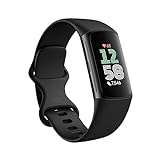
- Find your way seamlessly during runs or rides with turn-by-turn directions from Google Maps on Fitbit Charge 6[7, 8]; and when you need a snack break on the go, just tap to pay with Google Wallet[8, 9]
What’s Confirmed vs. What’s Inferred
It’s important to draw a clear line between what the leak shows and what remains educated speculation. There is no indication that Fitbit is introducing entirely new sleep metrics or medical-grade analysis.
What does appear credible is a reweighting of existing data using longer-term historical modeling. This is a software-driven change, not a hardware revolution, and it aligns with Fitbit’s recent emphasis on algorithmic improvements across compatible devices.
If implemented well, these personalized baselines could make familiar metrics feel newly useful, especially for users who already trust Fitbit’s comfort, battery life, and nightly wearability enough to keep it on their wrist year-round.
The real test will be whether Fitbit can surface this complexity in a way that remains approachable. Personalized insights only matter if users can understand them and act on them without feeling overwhelmed by data.
How This Could Change Sleep Stages, Readiness, and Recovery Insights
Taken together, baseline-aware modeling doesn’t just tweak how sleep is scored; it changes how meaning is assigned to each night. Sleep stages, readiness indicators, and recovery insights all stand to become less generic and more reflective of how your body actually behaves over time.
Sleep Stages That Adapt to Your Physiology
Fitbit’s current sleep stage breakdown relies on population-trained models that interpret heart rate patterns, movement, and breathing against broad norms. That works well at scale, but it can misrepresent users whose physiology consistently sits outside the median, such as naturally low-HRV sleepers or people with elevated resting heart rates.
The leaked feature suggests sleep stage classification could be adjusted using your historical patterns as context. For example, a night flagged as “light sleep heavy” today might look different once the system understands that your REM cycles typically occur later or present with subtler heart rate variability shifts.
This wouldn’t mean inventing new stages, but rather improving confidence in stage boundaries. Over weeks and months, stage trends could become more stable and less reactive to one-off anomalies like late meals, alcohol, or travel-related restlessness.
Readiness Scores That Reflect Capacity, Not Averages
Fitbit’s Daily Readiness Score already blends sleep, activity, and heart rate variability, but it still leans on generalized thresholds to determine strain versus recovery. A personalized baseline could recalibrate those thresholds so readiness reflects what your body can handle, not what an average user might tolerate.
In practice, this could mean fewer confusing mornings where you feel fine but see a low readiness score, or the opposite. If your long-term data shows you perform well despite slightly reduced sleep or modest HRV dips, the score may stop penalizing you as aggressively.
This approach mirrors how endurance athletes interpret training load, but applied in a consumer-friendly way. For everyday users, that could make readiness feel less like a judgment and more like a realistic planning tool for workouts, work stress, or rest days.
Recovery Insights That Connect Nights Instead of Isolating Them
One of the biggest limitations of current sleep tracking is its night-by-night framing. Recovery, however, is cumulative, and the leak hints that Fitbit may be moving toward multi-night context when interpreting strain and restoration.
Rather than treating a single short night as a failure, the system could weigh it against recent sleep debt, activity intensity, and baseline resilience. A poor night following several strong recovery nights may trigger a softer recommendation than the same sleep after a week of elevated stress.
For users who wear their Fitbit continuously thanks to its light case profile, flexible bands, and multi-day battery life, this longitudinal view becomes more reliable. The more consistently the device is worn, the better the recovery model can understand patterns rather than reacting to noise.
More Nuanced Health Signals Without New Hardware
Importantly, none of these changes appear to require new sensors, bulkier cases, or trade-offs in comfort. Models like the Charge, Sense, and Versa lines already capture the necessary inputs, making this an accessibility win rather than a premium-only feature.
That also means older but still supported devices could see meaningful improvements through software updates alone. From a value perspective, this reinforces Fitbit’s long-standing appeal: dependable hardware paired with gradually improving insights over time.
The challenge will be communication. If Fitbit can explain why your sleep stages, readiness, or recovery guidance has shifted, users are more likely to trust the system rather than assume inconsistency.
Why This Matters Beyond Sleep Charts
Personalized sleep interpretation pushes Fitbit closer to contextual health tracking rather than static reporting. It acknowledges that recovery isn’t universal and that meaningful change is defined by deviation from your own norm, not from an abstract ideal.
If executed carefully, this could make sleep tracking less about chasing perfect scores and more about understanding capacity, limits, and trends. For users trying to balance fitness, stress, and long-term health, that shift could be more impactful than any new metric added to the app.
Confirmed Signals vs Informed Speculation: Separating Facts from Educated Guesses
At this point in the story, it’s important to slow down and distinguish what Fitbit has effectively signposted from what we’re inferring based on patterns, past behavior, and industry context. Not every leaked string or UI hint carries the same weight, and not every promising idea will survive contact with real-world product constraints.
Framing this clearly helps set expectations. It also protects users from assuming that every rumor equals a guaranteed feature drop in the next app update.
What the Evidence Strongly Supports
The most credible signals point toward a shift in how sleep data is interpreted rather than how it’s collected. References surfaced in recent Fitbit app teardowns suggest changes to internal scoring logic, including language around baselines, trends, and comparisons to personal norms instead of fixed thresholds.
This aligns with Fitbit’s existing architecture. Devices like the Sense 2, Versa 4, and Charge 6 already track heart rate variability, resting heart rate, skin temperature variation, breathing rate, and sleep stages with sufficient resolution to support deeper personalization without new hardware.
There is also precedent. Fitbit has quietly adjusted sleep and readiness algorithms before, often without explicit changelogs, relying on backend updates rather than visible feature toggles. The difference this time is the clearer emphasis on individual deviation, which suggests a more formalized personalization layer rather than incremental tuning.
What Appears Likely, but Is Not Yet Confirmed
A reasonable interpretation is that Fitbit is moving toward adaptive sleep scoring, where your “good” or “poor” night is judged relative to your own historical range. That could mean fewer harsh penalties for occasional short sleep if your recovery markers remain stable, and more concern when subtle changes compound over time.
What remains speculative is how visible this will be to users. Fitbit could surface this as a new personalized sleep score, a contextual banner explaining anomalies, or simply quieter adjustments behind the scenes that change recommendations without changing the charts.
It’s also unclear whether personalization will apply equally across all metrics. Sleep duration is the easiest to contextualize, but applying the same logic to REM percentage, awakenings, or sleep timing introduces complexity that Fitbit may roll out gradually rather than all at once.
What Personalization Probably Will Not Mean
Despite the excitement, this is unlikely to be a fully transparent, user-adjustable system. Fitbit has historically avoided exposing raw algorithm controls, preferring simplified outputs that feel approachable to mainstream users rather than clinical dashboards.
It also probably won’t eliminate variability or confusion overnight. Wrist-based sleep tracking still relies on probabilistic models, and factors like loose bands, movement during sleep, or inconsistent wear will continue to affect accuracy, especially on lighter devices with flexible straps designed for comfort over rigidity.
Finally, this does not suggest medical-grade sleep diagnostics. Even with smarter personalization, Fitbit’s role remains wellness-oriented, offering trend awareness and guidance rather than condition-level insights.
Why These Distinctions Matter for Users
Understanding the line between confirmed direction and informed speculation helps users interpret changes when they arrive. If sleep scores shift or recommendations feel different, that doesn’t necessarily mean your sleep worsened or your device became less accurate.
Instead, it may reflect a system that’s learning your baseline and reacting more intelligently to context. For long-term Fitbit users who value comfort, battery life, and all-day wearability over nightly perfection, that trade-off could result in insights that feel more relevant, even if they’re less dramatic.
Rank #4

- Fitbit Charge 6 tracks key metrics from calories and Active Zone Minutes to Daily Readiness and sleep[4]; move more with 40+ exercise modes, built-in GPS, all-day activity tracking, 24/7 heart rate, automatic exercising tracking, and more
- See your heart rate in real time when you link your Charge 6 to compatible exercise machines, like treadmills, ellipticals, and more[5]; and stay connected with YouTube Music controls[6]
- Explore advanced health insights with Fitbit Charge 6; track your response to stress with a stress management score; learn about the quality of your sleep with a personalized nightly Sleep Score; and wake up more naturally with the Smart Wake alarm
- Find your way seamlessly during runs or rides with turn-by-turn directions from Google Maps on Fitbit Charge 6[7,8]; and when you need a snack break on the go, just tap to pay with Google Wallet[8,9]
- Please refer to the “Legal” section below for all applicable legal disclaimers denoted by the bracketed numbers in the preceding bullet points (e.g., [1], [2], etc
The real test will be how clearly Fitbit communicates these changes inside the app. Personalization only builds trust if users understand why the system is responding differently, not if it feels like the rules changed without explanation.
How Fitbit’s Approach Could Differ from Apple, Garmin, and Oura
If Fitbit does move toward deeper sleep personalization, it won’t be doing so in a vacuum. Apple, Garmin, and Oura already take markedly different philosophical approaches to sleep tracking, and the leaked signals suggest Fitbit may carve out a distinct middle ground rather than chasing any one competitor directly.
Apple: Tight Hardware Control, Conservative Interpretation
Apple’s sleep tracking is deeply integrated into the Apple Watch’s hardware and software stack, from sensor calibration to watchOS updates. That control allows Apple to lean heavily on consistency, but it also results in relatively conservative sleep stage interpretation and limited personalization beyond broad trends.
Where Apple focuses on longitudinal stability and clinical alignment, Fitbit has historically been more willing to adapt outputs to the individual. If Fitbit’s upcoming personalization adjusts baselines dynamically rather than enforcing fixed population norms, it could feel more responsive night-to-night, even on lighter devices like the Charge or Inspire with smaller sensors and longer battery life.
Garmin: Performance Context Comes First
Garmin treats sleep as a supporting metric for training readiness, recovery, and physiological load. Its algorithms heavily weight heart rate variability, resting heart rate, and activity stress, which works well for endurance athletes wearing bulkier watches with tighter straps and shorter battery cycles under heavy GPS use.
Fitbit’s leaked direction appears less performance-driven and more lifestyle-aware. Instead of framing sleep primarily as fuel for workouts, personalization may factor in irregular schedules, inconsistent bedtimes, and all-day wear comfort, areas where Fitbit’s softer bands, lighter cases, and multi-day battery life encourage continuous use.
Oura: Deep Insights, Narrow Form Factor
Oura arguably leads in individualized sleep insights, using a finger-based form factor that excels at overnight signal quality. Its personalization benefits from minimal movement artifacts and strong temperature and HRV tracking, but it requires users to commit to wearing a ring and maintaining a subscription for full insights.
Fitbit sits at the opposite end of that trade-off. Wrist-based tracking is inherently noisier, but Fitbit’s strength lies in accessibility, pricing tiers, and broad device compatibility across Android and iOS, suggesting its personalization will aim to compensate for variability rather than eliminate it through hardware constraints.
Fitbit’s Likely Differentiator: Adaptive Interpretation, Not Raw Precision
Rather than chasing medical-grade accuracy or athlete-level recovery metrics, Fitbit appears positioned to personalize how it interprets imperfect data. That could mean sleep stage ranges that adjust to your historical patterns, or sleep scores that contextualize disruption based on your typical movement, heart rate, and schedule.
This approach aligns with Fitbit’s long-standing software philosophy: smooth edges rather than expose complexity. For users who value comfort, durability, and all-day wearability over squeezing every decimal point of accuracy from a single night, adaptive interpretation may be more useful than absolute precision.
Why This Matters in a Crowded Sleep-Tracking Market
As sleep tracking matures, differentiation is less about adding new charts and more about making existing metrics feel personally relevant. Fitbit’s potential shift suggests it recognizes that users don’t just want to know how they slept, but whether that sleep was normal for them.
If executed carefully, this could make Fitbit’s sleep insights feel less judgmental and more explanatory than competitors that rely on static benchmarks. The risk, as always, will be clarity, because personalization only works if users can intuitively understand why their data is being interpreted differently from one week to the next.
Device and Platform Implications: Which Fitbits Might Support It
If Fitbit’s personalization push is about smarter interpretation rather than new raw signals, that immediately broadens the pool of devices that could benefit. Unlike features that depend on novel sensors, adaptive sleep analysis can often be deployed at the platform level, provided the underlying data quality clears a minimum threshold.
That said, not all Fitbits are created equal when it comes to overnight signal stability, processing headroom, and long-term trend collection. The most meaningful personalization is likely to arrive first on devices that already deliver consistent heart rate, SpO₂, and temperature-adjacent data night after night.
Flagship Smartwatches: Sense 2 and Versa 4
Sense 2 is the most obvious candidate for early support, simply because it already captures the widest range of sleep-relevant signals. Continuous heart rate, nightly SpO₂ estimates, skin temperature variation, and strong battery life for multi-night tracking make it well-suited to adaptive algorithms that rely on historical baselines.
Versa 4 lacks some of Sense 2’s sensor depth, but its comfort, lightweight aluminum case, and reliable overnight wearability still produce usable long-term trends. If personalization focuses on contextualizing sleep stages and movement rather than introducing new physiological metrics, Versa 4 users are unlikely to be excluded.
In both cases, the real dependency is not processing power on the watch itself, but Fitbit’s cloud-side analysis. That suggests feature parity could be close, even if insights are framed slightly differently based on available sensors.
Advanced Trackers: Charge 6 as a Likely Sweet Spot
Charge 6 may end up being the most interesting device for personalized sleep features. Its combination of strong heart rate accuracy, built-in GPS that supports daytime activity context, and a slim, low-profile design makes it exceptionally consistent for overnight wear.
Because Charge users often wear the device 24/7, Fitbit has access to richer circadian and recovery patterns than it does with users who remove smartwatches regularly. That continuous data stream is exactly what adaptive sleep interpretation thrives on.
From a value perspective, enabling advanced personalization on Charge 6 would also reinforce Fitbit’s narrative that you do not need a full smartwatch to get meaningful health insights.
Mainstream and Entry-Level Trackers: Inspire 3 and Luxe
Inspire 3 and Luxe sit on the edge of what is realistically feasible. Both are comfortable, discreet, and easy to wear overnight, which helps with consistency, but they rely on more limited sensor arrays and simpler heart rate hardware.
Personalization here would likely be more conservative. Instead of nuanced sleep stage reinterpretation, users might see adjusted sleep score expectations or gentler framing around restlessness and wake events based on personal history.
This tier is where Fitbit’s philosophy of smoothing complexity matters most. If personalization feels helpful without overwhelming users with caveats, these devices could still benefit meaningfully.
Older Devices and Backward Compatibility Limits
Fitbit has historically supported older hardware longer than many competitors, but personalization features often draw a line somewhere. Devices without SpO₂, temperature variation, or modern heart rate algorithms may only receive partial updates, if any.
That does not mean they become obsolete overnight, but it does suggest a tiered experience where newer models get deeper explanations while older ones retain today’s more generic benchmarks. Fitbit is likely to frame this as progressive enhancement rather than a hard cutoff.
The Role of the Fitbit App and Premium Subscription
The strongest indicator that this feature is platform-driven is its apparent dependence on the Fitbit app rather than on-device UI changes. That points directly to Fitbit Premium as a likely gatekeeper, especially if insights include long-term trend comparisons, adaptive baselines, or explanatory narratives.
Premium already houses advanced sleep analytics, and personalized interpretation fits naturally into that ecosystem. Free users may still see subtle improvements, but the most actionable context will almost certainly live behind the subscription.
What About Pixel Watch Users?
Although branded separately, Pixel Watch and Pixel Watch 2 rely heavily on Fitbit’s backend for sleep tracking. If personalization is implemented at the account level, Pixel Watch users should benefit as well, assuming sensor parity supports it.
Given Pixel Watch’s tighter integration with Google’s machine learning infrastructure, it could even serve as a proving ground for more advanced versions of these features. The key question will be whether Fitbit keeps the experience consistent across form factors or allows divergence based on hardware ambition.
In practice, the leaked feature suggests a future where sleep personalization is less about what you wear and more about how long and how consistently you wear it. That is a strategic shift that plays directly to Fitbit’s broad device lineup and its emphasis on everyday usability over specialized hardware.
Why Personalized Sleep Tracking Actually Matters for Real Users
If Fitbit really is shifting sleep insights from population averages to individual baselines, the impact will be felt less in flashy new charts and more in day-to-day decision making. After the platform-level discussion above, this is where the change becomes tangible for people who simply want to wake up feeling better, not decipher abstract sleep science.
The core promise of personalization is relevance. Sleep data only becomes useful when it reflects how your body behaves, not how an algorithm says a statistically average sleeper should behave.
💰 Best Value

- Enduring Battery Life: Keep moving with a 7-day battery life and water resistance for all your activities, rain or shine.
Generic Sleep Scores Break Down Faster Than Most Users Realize
Today’s Fitbit sleep metrics already look sophisticated, but they still lean heavily on generalized thresholds. A “good” amount of deep sleep, REM sleep, or overnight heart rate is defined by broad population norms, not by how your physiology trends over time.
For real users, this often creates quiet confusion. Someone who consistently functions well with lower REM percentages may be flagged as underperforming, while another user with textbook sleep stages might still feel exhausted but receive reassuring scores.
Personalization would allow Fitbit to say, “This is normal for you,” or “This is meaningfully different from your baseline,” instead of labeling nights as good or bad based on averages. That distinction matters far more than most users realize, especially when sleep data is used to justify lifestyle changes.
Context Turns Raw Data Into Actionable Insight
The leaked feature hints at adaptive explanations rather than static numbers. If Fitbit begins comparing your sleep to your own recent weeks, months, or similar days, the data gains context without requiring medical literacy.
For example, a shorter sleep duration paired with stable heart rate variability and breathing rate could be framed as resilient sleep rather than a failure. Conversely, a technically “long” night with elevated resting heart rate and temperature variation could be flagged as compromised recovery.
This is where personalization stops being cosmetic. It helps users decide whether to push through a workout, prioritize rest, or ignore a single off night instead of spiraling over a red score.
Why This Matters for Stress, Recovery, and Mental Load
Sleep tracking is emotionally charged. Many users already experience anxiety from seeing nightly scores, especially when those scores feel disconnected from how they actually feel during the day.
Personalized tracking has the potential to reduce that friction. When feedback reflects your own patterns, it becomes less judgmental and more explanatory, which lowers the cognitive burden of interpreting health data every morning.
In practical terms, this could make Fitbit feel more like a quiet coach than a constant evaluator. That shift is subtle, but it directly affects long-term adherence, which matters more than any single metric improvement.
Long-Term Wear Finally Gets Properly Rewarded
One underappreciated aspect of personalization is that it favors consistency over perfection. Users who wear their Fitbit nightly, even on older or less premium devices, generate the longitudinal data required for meaningful baselines.
This aligns with the earlier suggestion that the experience becomes account-driven rather than hardware-driven. A comfortable, lightweight tracker with solid battery life suddenly has more value than a feature-packed watch that only gets worn intermittently.
From a real-world usability standpoint, this reinforces Fitbit’s traditional strengths: comfort-focused designs, week-long battery endurance, and passive tracking that does not demand daily interaction.
Confirmed Signals vs Informed Speculation
What appears grounded in evidence is a shift toward adaptive baselines and personalized interpretation layered into the Fitbit app, likely enhanced through Premium. Fitbit has already laid the groundwork with temperature variation, SpO₂ trends, and long-term heart rate tracking.
What remains speculative is how granular this personalization becomes. It is unclear whether users will see explicit baseline ranges, narrative explanations, or silent background adjustments that simply change how scores are calculated.
There is also an open question about transparency. More personalized systems are powerful, but only if users trust them. Fitbit will need to balance algorithmic sophistication with clear explanations to avoid turning sleep tracking into a black box.
Why This Is Bigger Than Just Sleep Scores
Sleep sits at the center of recovery, immune response, stress regulation, and long-term health trends. Personalizing sleep tracking is not just a quality-of-life update; it is a prerequisite for meaningful health guidance.
If Fitbit gets this right, sleep data becomes a foundation rather than a feature. It informs readiness, activity recommendations, and even mental health signals without forcing users to interpret raw physiology.
That is why this leak matters. It suggests Fitbit is moving away from scoring sleep as a nightly performance and toward understanding it as an evolving relationship between the user, their habits, and their health over time.
What to Watch Next: Timeline Expectations and What Fitbit Users Should Do Now
With the direction now clearer, the practical question becomes timing and preparation. Fitbit rarely flips major health features on overnight; these systems tend to surface quietly, mature in the background, and only later receive a formal product name or marketing push.
When This Is Likely to Arrive
Based on Fitbit’s historical rollout patterns, personalized sleep interpretation is most likely to appear first as a backend change rather than a headline feature. That means users may notice shifts in sleep scores, readiness metrics, or insights without an obvious app update explaining why.
A reasonable expectation is a staged rollout over the next two major Fitbit app update cycles, potentially tied to a Premium feature expansion rather than a device launch. Fitbit has increasingly decoupled software innovation from hardware refreshes, especially as Google integration deepens.
If this follows previous behavior, broader visibility could arrive within six to twelve months, once enough longitudinal data validates the models across different age groups, health profiles, and device types.
Which Devices Are Most Likely to Benefit
Because this appears to be account-driven, most modern Fitbit devices should technically qualify. Trackers and watches that already capture overnight heart rate, HRV, SpO₂ trends, and skin temperature variation are the most likely to see meaningful gains.
This favors models known for comfort and consistent wear rather than premium materials or larger displays. Lightweight designs with flexible straps, breathable materials, and reliable multi-day battery life are better suited for continuous sleep tracking than heavier, feature-dense watches that get taken off at night.
In real-world terms, a slimmer tracker worn seven nights a week will likely unlock more value from personalization than a high-end smartwatch worn sporadically.
What Users Should Pay Attention to in the App
Early signs may show up subtly. Users should watch for changes in how sleep insights are worded, how much weight is placed on trends versus nightly results, and whether explanations reference “your typical range” rather than generic benchmarks.
Another signal will be how recovery and readiness metrics behave after poor or unusually good sleep. If scores become less reactive to single-night anomalies and more sensitive to multi-day patterns, that is a strong indicator that adaptive baselines are already at work.
Premium users, in particular, may see narrative insights become more contextual, tying sleep quality to stress, activity load, or illness signals instead of treating sleep as an isolated event.
What Fitbit Users Should Do Now
The most important step is consistency. Personalized systems only work when the data stream is stable, so wearing the device nightly, keeping firmware updated, and avoiding frequent device switching will matter more than chasing new hardware.
Users should also resist overreacting to nightly scores in the short term. If Fitbit is transitioning toward longer-term interpretation, the real value will come from observing weekly and monthly trends rather than optimizing for a single “perfect” night.
Finally, this is a good moment to reassess comfort and fit. A soft, well-fitted strap, breathable materials, and a device that does not disrupt sleep will directly influence data quality and, by extension, the usefulness of personalization.
The Bigger Takeaway
This leak does not point to a flashy new metric; it points to a philosophical shift. Fitbit appears to be betting that better interpretation, not more sensors, is what moves sleep tracking forward.
For users, that is encouraging. It suggests the devices they already own may become more insightful over time, provided they are worn consistently and paired with realistic expectations.
If Fitbit delivers on this direction, sleep tracking stops being a nightly scorecard and starts becoming something more valuable: a long-term health signal that adapts as the user does.