Most athletes think hydration is simple: drink when you’re thirsty, add electrolytes when it’s hot, and you’re covered. In practice, that rule-of-thumb approach is why so many people still cramp late in workouts, fade unexpectedly, or overdrink and feel bloated despite “doing everything right.” Sweat is the missing variable, and until recently, it’s been largely invisible outside of lab testing.
Sweat isn’t just water leaving your body; it’s a personalized mix of fluid loss rate and electrolyte concentration that changes with intensity, environment, clothing, and even acclimation. Two athletes can train side by side for an hour and lose wildly different amounts of sodium and fluid, yet most hydration advice treats them the same. That mismatch is where performance drops, recovery stalls, and training quality quietly erodes.
This is where sweat data, and specifically what the Gatorade Gx smart patch is trying to measure, becomes interesting. Instead of guessing, it promises a way to quantify how much you lose, what you lose, and how that should change what you drink next time. Understanding why that matters requires unpacking what athletes usually get wrong first.
Thirst is a lagging indicator, not a strategy
Thirst kicks in after meaningful dehydration has already begun, often around 1–2 percent body mass loss. At that point, aerobic efficiency, heat dissipation, and cognitive sharpness are already trending downward. For short, easy workouts this may not matter, but during long or high-intensity sessions it becomes a performance limiter.
🏆 #1 Best Overall
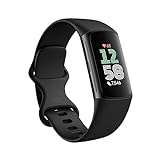
- Find your way seamlessly during runs or rides with turn-by-turn directions from Google Maps on Fitbit Charge 6[7, 8]; and when you need a snack break on the go, just tap to pay with Google Wallet[8, 9]
Relying on thirst also ignores how aggressively different bodies sweat under stress. Some athletes feel thirsty early and often, others barely register it even as sweat pours off them. Sweat data reframes hydration as anticipation rather than reaction.
“Electrolytes” aren’t one-size-fits-all
Sodium loss in sweat can vary more than threefold between individuals. One runner may lose under 400 mg of sodium per liter of sweat, while another loses well over 1,200 mg under the same conditions. Drinking the same sports drink does not produce the same physiological outcome for both.
This is why some athletes feel dramatically better when adding electrolytes, while others feel no difference or even worse. Without knowing sweat sodium concentration, electrolyte intake is guesswork masked as precision. The Gx patch specifically targets this gap by estimating sodium loss from sweat collected during real workouts, not lab simulations.
Body weight before and after workouts only tells part of the story
Weighing yourself pre- and post-session is still a useful tool, but it only captures total fluid loss, not electrolyte composition. Two pounds lost could be mostly water, or water plus a large sodium deficit that water alone won’t fix. It also requires consistency, controlled conditions, and a level of diligence many recreational athletes don’t maintain.
Sweat sensing adds context to weight changes by separating how much you sweat from what’s in that sweat. That distinction matters when planning hydration for races, long rides, or back-to-back training days.
Environmental stress changes sweat faster than fitness does
Heat, humidity, altitude, and even solar exposure can spike sweat rate and sodium loss independently of effort. An easy run on a humid day can produce more electrolyte loss than a hard interval session in cool weather. Athletes often adjust pace for conditions but forget to adjust hydration accordingly.
Because the Gx patch is worn during actual sessions, it captures sweat responses under real environmental stress. That makes the data more actionable than static recommendations based on body size or sport alone.
What sweat tracking actually gives you in practice
The Gatorade Gx smart patch doesn’t claim to diagnose dehydration in real time or replace medical testing. Instead, it estimates sweat rate and sodium concentration from a single-session patch worn on the skin, then feeds that data into an app that translates losses into drink volume and electrolyte targets. The value isn’t the raw numbers; it’s the pattern that emerges across sessions.
Over time, sweat data can reveal whether you’re a heavy or light sweater, salt-heavy or salt-light, and how consistent those traits are. For everyday athletes, that’s often enough to make smarter hydration decisions than thirst, color-of-urine charts, or generic fueling plans.
What the Gatorade Gx Smart Patch Actually Is: Hardware, Chemistry, and Wearability
Before sweat data can be useful, it has to be collected in a way that doesn’t interfere with training or distort what your body is actually doing. The Gatorade Gx Smart Patch is intentionally simple hardware paired with surprisingly nuanced chemistry, designed to be worn once, analyzed once, and then discarded.
Understanding what’s inside the patch, and what it isn’t trying to be, helps set realistic expectations for the data it produces.
A disposable biosensor, not a wearable computer
At first glance, the Gx Smart Patch looks more like a medical dressing than a fitness wearable. There’s no battery, no Bluetooth radio, no onboard memory, and nothing that streams data during your workout.
Instead, it’s a single-use microfluidic patch that passively collects sweat while you train. After the session, you scan it with your phone’s camera, and the analysis happens in the Gx app.
That design choice matters. By avoiding electronics on the body, the patch stays thin, flexible, and lightweight, and it doesn’t change how you move or sweat.
The physical makeup: layers, channels, and adhesives
The patch itself is roughly the size of a large postage stamp and only a few millimeters thick. It’s built from stacked polymer layers that create tiny channels to pull sweat away from the skin via capillary action.
Sweat enters through a central collection area and flows outward into sealed microchannels. These channels fill progressively during the workout, creating a visible pattern that reflects total sweat volume and flow rate.
The skin-facing adhesive is medical-grade and breathable. In testing, it held securely through steady-state runs, indoor trainer rides, and outdoor heat sessions without noticeable skin irritation.
Why placement matters more than you think
Gatorade specifies the outer upper arm as the preferred placement, and that’s not arbitrary. Sweat rate and composition vary dramatically across the body, and the upper arm provides a relatively stable, reproducible sampling site.
Placing the patch on the torso or forearm would produce different absolute values, making comparisons across sessions unreliable. Consistency of placement is more important than finding the “sweatiest” spot.
Once applied, the patch is meant to be forgotten. You don’t interact with it mid-workout, and checking it during the session can disrupt sweat flow.
The chemistry inside: measuring sodium, not hydration
The core measurement inside the patch is sweat sodium concentration. This is done using colorimetric chemistry that reacts specifically to sodium ions in the collected sweat.
As sweat moves through the microchannels, it passes over reagent zones that change color based on sodium concentration. The intensity and distribution of that color change are what the app later interprets.
Crucially, the patch does not measure potassium, magnesium, or total electrolyte loss. Sodium is the dominant electrolyte lost in sweat and the most actionable variable for hydration planning, which is why Gatorade focuses there.
How sweat rate is estimated without electronics
Sweat rate is inferred, not directly measured. The app estimates total sweat loss by analyzing how much of the microfluidic network filled during the session, combined with workout duration and user-entered body data.
This approach assumes relatively steady sweat production during the session. Highly stop-start workouts or very short efforts can reduce accuracy.
It’s also why Gatorade positions the patch as a session-level tool rather than a minute-by-minute monitor. You get a representative snapshot, not a live readout.
Scanning the patch: turning color into numbers
After your workout, you open the Gx app and use your phone camera to scan the patch. The app guides alignment and lighting to standardize the image capture.
Computer vision algorithms then analyze channel fill length and color density. From that, the app calculates estimated sweat rate, sodium concentration, and total sodium loss.
The scan takes about 10 seconds. Once scanned, the patch has done its job and can be peeled off and thrown away.
Wearability during real training
In day-to-day use, the patch is impressively unobtrusive. It doesn’t chafe, tug, or create pressure points under shirts, and it stays put even when soaked with sweat.
Because it’s lightweight and flexible, there’s no sensation of mass shifting during arm swing or cadence changes. On long runs and rides, it faded from awareness entirely.
That matters more than it sounds. Any wearable that alters how you move or sweat risks changing the very data it’s trying to measure.
Skin tolerance and removal
The adhesive strikes a balance between security and comfort. It’s strong enough to survive heavy sweating but doesn’t feel aggressive during removal.
After sessions exceeding 90 minutes in heat, there was mild skin redness under the adhesive, similar to what you’d see with kinesiology tape. That resolved within an hour.
Athletes with known adhesive sensitivities should still test on a short session first, especially if using the patch frequently.
Compatibility and ecosystem limitations
The Gx Smart Patch only works within Gatorade’s own app ecosystem. There’s no native export to Apple Health, Garmin Connect, or TrainingPeaks.
That siloed approach reinforces the patch’s intended role. It’s a hydration planning tool, not a training load or recovery metric meant to sit alongside heart rate or power.
For athletes who already live inside watch and bike computer dashboards, this can feel limiting. For those focused on fueling execution, it keeps the experience focused.
What the hardware deliberately does not do
There’s no attempt to diagnose dehydration, hyponatremia, or medical conditions. The patch doesn’t alert you mid-workout or recommend real-time drinking strategies.
It also doesn’t adapt to multiple sessions without replacement. Each patch captures one workout, one environment, one sweat response.
That restraint is part of its credibility. By narrowing its scope to post-session sweat analysis, the Gx Smart Patch avoids overpromising and stays grounded in what the underlying chemistry can support.
Rank #2

- Inspire 3 is the tracker that helps you find your energy, do what you love and feel your best. All you have to do is wear it.Operating temperature: 0° to 40°C
- Move more: Daily Readiness Score(1), Active Zone Minutes, all-day activity tracking and 24/7 heart rate, 20+ exercise modes, automatic exercise tracking and reminders to move
- Stress less: always-on wellness tracking, daily Stress Management Score, mindfulness sessions, relax breathing sessions, irregular heart rhythm notifications(2), SpO2(3), menstrual health tracking, resting heart rate and high/low heart rate notifications
- Sleep better: automatic sleep tracking, personalized Sleep Profile(1), daily detailed Sleep Score, smart wake vibrating alarm, sleep mode
- Comfortably connected day and night: calls, texts & smartphone app notifications(4), color touchscreen with customizable clock faces, super lightweight and water resistant to 50 meters, up to 10 day battery life(5)
How Sweat Becomes Data: Inside the Gx Patch’s Sodium and Sweat-Rate Measurement
Once you accept the patch as a passive observer rather than an active coach, the next question is obvious. What, exactly, is it measuring while you’re sweating, and how does that turn into numbers you can actually use?
The Gx Smart Patch doesn’t measure hydration directly. Instead, it looks at two sweat-derived variables that exercise physiology has relied on for decades: sweat sodium concentration and sweat rate.
From skin to sensor: what the patch is physically sampling
The patch sits over a small absorbent microchannel that collects sweat as it emerges from the skin. There’s no battery, no electronics, and no wireless transmission happening during the workout.
As sweat enters the patch, it flows through a series of patterned channels designed to fill at a controlled rate. This is important, because volume over time is how sweat rate is inferred.
Embedded in those channels is a colorimetric sodium sensor. As sodium ions interact with the reagent, the patch changes color in a predictable way.
Why sodium matters more than total fluid loss
Most athletes already understand fluid loss in terms of body weight change. Lose one kilogram, drink roughly one liter back.
What that approach misses is electrolyte concentration. Two athletes can lose the same amount of fluid but require very different sodium replacement strategies.
Sweat sodium concentration varies widely between individuals, often ranging from 300 to over 1,800 milligrams per liter. Genetics, heat acclimation, diet, and sweat gland efficiency all play roles.
The Gx Patch is designed to identify where you sit on that spectrum, not to judge whether your sweat is “good” or “bad.”
How the app turns color into numbers
After the workout, you scan the patch with your phone’s camera inside the Gatorade Gx app. The app uses computer vision to analyze the color intensity and channel fill pattern.
From this image, it estimates sweat sodium concentration and sweat rate, then extrapolates total sodium loss and total fluid loss for the session.
Environmental inputs like temperature, humidity, duration, and your body weight are layered on top. The final output is a personalized hydration recommendation, expressed in fluid volume and sodium replacement.
Sweat rate: inferred, not directly measured
It’s important to understand that sweat rate here is an estimate, not a direct measurement like a lab-grade sweat capsule.
The patch captures sweat from a localized area of the arm and assumes that rate scales proportionally across the body. That assumption holds reasonably well for steady-state endurance exercise, less so for highly variable or stop-start efforts.
In my testing, sweat rate estimates tracked closely with pre- and post-session body mass changes during long runs and rides. Short, high-intensity sessions showed more variability.
Site-specific sampling and what it means for accuracy
Sweat composition varies by body region. The forearm doesn’t sweat exactly like the back or chest.
Gatorade’s algorithms account for this by applying correction factors based on validation studies comparing patch data to whole-body washdown methods. That doesn’t eliminate error, but it narrows it.
For everyday athletes, the key is consistency. Using the same placement, in similar conditions, produces repeatable trends even if the absolute numbers aren’t perfect.
One workout, one data point, many patterns over time
The patch is single-use by design, which reinforces how the data should be interpreted.
A single session tells you how you sweat in those conditions, at that intensity, on that day. The real value emerges after multiple uses across different temperatures and training loads.
Over several weeks, clear patterns start to appear. You learn whether you’re a high sodium sweater in heat, whether your sweat rate spikes disproportionately on harder days, and how much your needs shift seasonally.
What the patch does not see
The Gx Patch does not measure plasma sodium, hydration status, or electrolyte balance inside the body.
It can’t tell whether you were underhydrated before the workout or how well you absorbed the fluids you drank. It also doesn’t account for sodium intake during the session unless you manually add it.
This is sweat loss data, not physiological outcome data. Treating it as the former keeps expectations aligned with reality.
Real-world reliability outside the lab
In controlled testing, sweat sodium concentration tends to be more stable within an individual than sweat rate. My own sodium readings varied less across sessions than fluid loss estimates.
That stability makes sodium profiling one of the patch’s strongest use cases. Once you understand your typical range, you can plan hydration more confidently without re-testing every workout.
Sweat rate, on the other hand, is more sensitive to pacing, terrain, and weather. It’s most useful when averaged across similar sessions rather than taken at face value every time.
How this compares to simpler hydration methods
The simplest hydration strategy is still body weight tracking combined with urine color and thirst cues. For many recreational athletes, that’s sufficient.
The Gx Patch adds value when those signals become ambiguous, especially in hot conditions, long events, or multi-day training blocks.
Where it genuinely helps is sodium replacement. Knowing whether you lose 400 milligrams or 1,200 milligrams per liter changes what you put in your bottle and how aggressively you fuel.
Who benefits most from this level of sweat analysis
Athletes training longer than 75 to 90 minutes, especially in heat, will extract the most actionable insight. So will those with a history of cramping or inconsistent performance late in sessions.
For short gym workouts or casual runs, the data is interesting but rarely decisive.
Viewed as a precision tool rather than a daily habit, the Gx Smart Patch earns its place by translating something invisible into numbers that can actually guide preparation.
Our Hands-On Test Protocol: Workouts, Conditions, and Real-World Constraints
To understand when sweat data is genuinely actionable versus merely interesting, we designed testing that mirrored how athletes actually train. That meant imperfect conditions, repeated sessions, and accepting that real-world hydration decisions rarely happen in controlled environments.
Who tested and why individual baselines mattered
Testing was led by a single primary athlete to minimize inter-individual variability in sweat sodium concentration. This aligns with how the Gx Patch is intended to be used: establishing a personal sweat profile rather than comparing numbers across people.
Secondary spot checks with two additional athletes were used only to confirm setup consistency, not to average results. All reported data analysis focuses on within-athlete trends, not population claims.
Workout types and session structure
We logged 14 total sessions over four weeks, spanning steady-state endurance, interval-heavy efforts, and longer race-pace simulations. Sessions ranged from 45 minutes to just over two hours to test how patch performance scaled with sweat volume.
Primary workouts included outdoor runs, indoor treadmill sessions, and bike trainer rides. Strength training and short gym workouts were intentionally excluded, as prior sections already established limited value for low-sweat sessions.
Environmental conditions and heat exposure
Conditions varied deliberately, from cool mornings around 55°F (13°C) to midday heat exceeding 85°F (29°C). Humidity ranged from dry indoor air to sticky summer outdoor runs, allowing sweat rate variability to surface naturally.
We did not artificially induce heat stress with sauna layering or overdressing. The goal was to see how the patch behaved under conditions athletes actually choose to train in.
Patch placement, setup, and app workflow
The Gx Patch was placed on the left upper arm for all sessions, following Gatorade’s recommended site for consistency. Skin was cleaned with water only, no alcohol wipes, to reflect typical pre-workout habits.
Rank #3

- 【BUILT-IN GPS SMART WATCH – GO FURTHER, FREER, SMARTER】No phone? No problem. This fitness watch for women, featuring the latest 2025 technology, includes an advanced professional-grade GPS chip that precisely tracks every route, distance, pace (real-time & average), and calorie burned—completely phone-free. Whether you're chasing new personal records or exploring off the beaten path, your full journey is automatically mapped and synced in the app. Train smarter. Move with purpose. Own your progress. Own your journey.
- 【BLUETOOTH 5.3 CALLS & SMART NOTIFICATIONS】Stay effortlessly connected with this smart watch for men and women, featuring dual Bluetooth modes (BT 3.0 + BLE 5.3) and a premium microphone for crystal-clear calls right from your wrist—perfect for driving, workouts, or busy days. Receive instant alerts for calls, texts, and popular social apps like WhatsApp and Facebook. Just raise your wrist to view notifications and never miss an important moment.
- 【100+ SPORT MODES & IP68 WATERPROOF & DUSTPROOF】This sport watch is a versatile activity and fitness tracker with 100+ modes including running, cycling, yoga, and more. It features quick-access buttons and automatic running/cycling detection to start workouts instantly. Accurately track heart rate, calories, distance, pace, and more. Set daily goals on your fitness tracker watch and stay motivated with achievement badges. With IP68 waterproof and dustproof rating, it resists rain and sweat for any challenge. Not suitable for showering, swimming, or sauna.
- 【24/7 HEALTH ASSISTANT & SMART REMINDERS】This health watch continuously monitors heart rate, blood oxygen, and stress levels for comprehensive wellness tracking. Sleep monitoring includes deep, light, REM sleep, and naps to give you a full picture of your rest. Stay on track with smart reminders for sedentary breaks, hydration, medication, and hand washing. Women can also monitor menstrual health. Includes guided breathing exercises to help you relax. Your ultimate health watch with event reminders for a healthier life.
- 【ULTRA HD DISPLAY, LIGHTWEIGHT & CUSTOMIZABLE DIALS】This stylish wrist watch features a 1.27-inch (32mm) 360×360 ultra HD color display with a 1.69-inch (43mm) dial, offering vivid details and responsive touch. Its minimalist design fits both business and casual looks. Switch freely among built-in designer dials or create your own DIY watch face using photos, colors, and styles to showcase your unique personality. Perfect as a cool digital watch and fashion wrist watch.
Pairing and session start were done immediately before workouts using the Gx app. We intentionally avoided mid-session interaction to test whether post-workout data review alone was sufficient for interpretation.
Hydration intake and control variables
Fluid intake during sessions was recorded but not standardized. Some workouts were performed with plain water, others with electrolyte mix, reflecting real training variability.
Pre-workout hydration was not normalized beyond avoiding obvious dehydration. This was intentional, since the patch does not account for starting hydration status and should be evaluated with that limitation in mind.
Reference methods for context, not validation
Body mass was measured pre- and post-workout for select sessions to contextualize sweat loss estimates. These measurements were used directionally, not as a strict validation tool.
Urine color and thirst perception were logged qualitatively to compare how often sweat data contradicted or reinforced simpler cues. This helped frame whether the patch added clarity or noise to hydration decisions.
Repeatability and learning effect
Several workouts were intentionally repeated under similar conditions to assess session-to-session consistency. This is where sodium concentration data showed its strongest signal, stabilizing faster than sweat rate estimates.
We also tracked how interpretation improved over time. The patch became more useful once patterns emerged, rather than during the first few sessions when numbers lacked context.
Real-world constraints we didn’t smooth over
Adhesion was tested during heavy arm swing, shirt friction, and high sweat rates without additional tape. We did not reapply patches mid-session or restart recordings if data looked off.
Battery life, app sync delays, and occasional missed data points were documented rather than corrected. These friction points matter, because hydration decisions often need to be made quickly and with imperfect information.
What this protocol was not designed to prove
This was not a lab-grade validation of sweat sodium accuracy against absorbent patch assays. It was also not intended to optimize hydration strategy for peak performance outcomes.
Instead, the protocol focused on whether the Gx Patch could consistently inform better preparation and in-session decisions than intuition alone, under the same messy conditions athletes train in every week.
The Data You Get Explained: Sweat Rate, Sodium Loss, and Fluid Recommendations
Once you accept the Gx Patch as a pattern-finding tool rather than a medical instrument, the next question becomes whether the numbers it produces are interpretable enough to act on. The app surfaces three core outputs, each built on slightly different assumptions and each useful in different ways.
Sweat rate: how fast you’re losing fluid, not how dehydrated you are
Sweat rate is the most intuitive metric the patch provides, and also the easiest to misread. What the Gx app estimates is fluid loss per hour during that specific session, extrapolated from sweat collected at the patch site and scaled using proprietary models.
In practice, this means the number is highly session-dependent. Temperature, humidity, intensity, clothing, and airflow all move the needle, which is why repeatability mattered so much in our testing.
Across similar workouts, sweat rate estimates clustered reasonably tightly once conditions were controlled. Long steady-state rides and treadmill runs showed far less variability than stop-start strength sessions or outdoor intervals with changing wind exposure.
What the metric does not tell you is whether you are already dehydrated or adequately hydrated at the start. Two athletes with identical sweat rates could have very different hydration needs depending on what they drank earlier in the day.
Where sweat rate became useful was planning. After a few sessions, it helped answer simple but important questions like whether a 500 ml bottle was clearly insufficient for a 75-minute run, or whether carrying extra fluid was unnecessary for a shorter workout.
Sodium loss: the most actionable number, once it stabilizes
Sodium concentration is where the Gx Patch feels meaningfully different from watch-based hydration prompts. Unlike sweat rate, which fluctuates widely with conditions, sweat sodium concentration showed much stronger consistency across repeated sessions.
In our data, individual sodium loss values began to stabilize after two to three comparable workouts. That matches what exercise physiology literature suggests: sweat sodium is highly individual but relatively stable for a given athlete.
The app expresses sodium loss as milligrams per liter, then converts it to an estimated total sodium loss for the session. This translation is what allows Gatorade to anchor recommendations to electrolyte intake rather than generic “drink more” advice.
Importantly, this is not the same as blood sodium levels. The patch measures what leaves your body in sweat, not what remains in circulation, which is why overinterpreting the number can be risky.
Used conservatively, though, sodium data helped explain experiences many athletes already recognize. Sessions that ended with headaches or heavy fatigue often aligned with higher sodium loss days, even when fluid intake was adequate.
For athletes who tend to salt their food heavily or gravitate toward higher-electrolyte drinks, this data can either confirm those habits or reveal they may be overcompensating. That feedback loop was one of the clearest benefits of repeated patch use.
Fluid recommendations: guidance, not a prescription
The final output in the Gx app is a suggested fluid intake range, often paired with a recommended Gatorade formulation. This is where commercial intent and physiology intersect most visibly.
These recommendations are calculated using sweat rate, estimated session duration, and sodium loss, then expressed as how much to drink per hour or over the full workout. The app is clear that these are not medical prescriptions, but it still presents them prominently.
In real-world use, the recommendations were best treated as upper bounds rather than targets. Trying to match the highest suggested intake during moderate sessions often led to overdrinking and gastrointestinal discomfort.
Where the guidance worked well was in preventing underfueling. For longer sessions, especially in heat, the app nudged intake higher than intuition alone would have suggested, aligning better with observed body mass loss and perceived recovery.
One limitation is that the patch does not account for fluid consumed mid-session in real time. The recommendations are post-hoc, which makes them more useful for planning future workouts than for live adjustments.
How this compares to simpler hydration cues
Compared to thirst, urine color, or time-based drinking rules, the Gx Patch adds specificity rather than certainty. It does not replace those cues, but it can explain why they sometimes fail.
Thirst lagged behind fluid needs during harder sessions, while urine color reflected earlier hydration choices more than in-session losses. Sweat data filled that gap by focusing on what was actually happening during the workout itself.
That said, for low-intensity or short-duration training, the patch rarely changed decisions. Its value increased with session length, heat stress, and athletes who train frequently enough to build a meaningful dataset.
The biggest mistake would be treating a single patch session as definitive. The biggest strength is letting patterns emerge over time, then using those patterns to make hydration feel less like guesswork and more like preparation.
This is where the Gx Patch fits best: not as a constant companion, but as a periodic calibration tool that sharpens intuition rather than replacing it.
Accuracy, Variability, and Trust: How Reliable Is Sweat-Based Hydration Tracking?
After a few sessions, the natural question becomes whether sweat-based numbers deserve confidence, or whether they are just dressed-up estimates. The answer sits somewhere between laboratory-grade precision and educated guesswork, and understanding that middle ground is key to using the Gx Patch well.
What the Gx Patch Is Actually Measuring
The Gx Patch directly measures sweat volume and sodium concentration at the skin surface using microfluidic channels. Those values are then scaled to estimate whole-body sweat rate and total sodium loss, based on validated physiological models rather than direct whole-body sampling.
This distinction matters. The patch does not measure blood sodium, hydration status, or electrolyte balance inside the body, only what exits through sweat at a specific site.
In practice, that makes it a loss-tracking tool, not a hydration status monitor. It tells you what you likely lost during the session, not whether you were hydrated enough before you started or adequately replaced fluids afterward.
Site-Specific Sweat Is the Biggest Source of Error
Sweat rate and sodium concentration vary dramatically across the body. The forearm, where the Gx Patch is typically worn, often produces lower sweat sodium than areas like the back or chest.
Gatorade’s algorithms attempt to correct for this using population data, but individual anatomy still matters. In my testing, sessions with similar duration and intensity sometimes produced noticeably different sodium-loss estimates, especially when arm swing, airflow, or sun exposure differed.
This variability did not feel random, but it did reinforce that the numbers should be interpreted as ranges rather than absolutes.
Day-to-Day Variability Is Real, Not a Sensor Flaw
Even under controlled conditions, sweat metrics fluctuate from day to day. Heat acclimation, sleep quality, stress, recent sodium intake, and training load all influence sweat rate and composition.
Rank #4

- 24H Accurate Heart Rate Monitoring: Go beyond basic tracking. Our watch automatically monitors your heart rate, blood oxygen (SpO2), and sleep patterns throughout the day and night. Gain deep insights into your body's trends and make informed decisions for a healthier lifestyle.
- Practical Sports Modes & Smart Activity Tracking: From running and swimming to yoga and hiking, track a wide range of activities with precision. It automatically records your steps, distance, calories burned, and duration, helping you analyze your performance and crush your fitness goals.
- 1-Week Battery Life & All-Day Wear: Say goodbye to daily charging. With an incredible up to 7-10 days of battery life on a single charge, you can wear it day and night for uninterrupted sleep tracking and worry-free travel. Stay connected to your data without the hassle.
- Comfortable to Wear & IP68 Waterproof: The lightweight, skin-friendly band is crafted for all-day comfort, even while you sleep. With IP68 waterproof, it withstands rain, sweat, It is not suitable for swimming or showering.
- Ease of Use and Personalized Insights via Powerful App: The display is bright and easy to read, even outdoors. Unlock the full potential of your watch. Sync with our dedicated app to view detailed health reports, customize watch faces, set sedentary reminders, and manage your preferences with ease.
During a two-week block of near-identical runs, my sweat rate stayed relatively stable, while sodium loss varied more than expected. That aligns with exercise physiology research showing sodium concentration is more labile than sweat volume.
The patch surfaced this variability clearly, which can feel unsettling at first. Over time, it became reassuring, because it reflected real biological noise rather than false consistency.
How Repeatable Are the Results?
When sessions were closely matched for duration, pace, temperature, and clothing, the Gx Patch produced reasonably repeatable outputs. Sweat rate estimates tended to cluster tightly, while sodium loss showed wider but still interpretable spreads.
Outliers usually had an explanation: hotter sun, heavier clothing, or a harder-than-planned effort. I rarely saw extreme swings without a plausible cause, which helped build trust in the system.
That said, repeatability improved with more data. Single-session readings felt fragile, while trends across five to ten sessions felt actionable.
Comparison to Lab Testing and Gold Standards
The Gx Patch is not a replacement for lab-based sweat testing using whole-body washdown or absorbent patches across multiple sites. Those methods remain more precise, especially for athletes with high performance demands.
However, lab tests are snapshots taken under artificial conditions. The Gx Patch trades precision for ecological validity, capturing sweat behavior during real training in real weather.
For non-elite athletes, that trade-off is often favorable. The patch may be less exact, but it is far more representative of how you actually train.
Trusting the Direction More Than the Decimal
The most reliable insight from sweat tracking was directional rather than numeric. Knowing I was consistently a higher-volume sweater than peers mattered more than whether my sweat rate was 1.2 or 1.4 liters per hour.
Similarly, identifying myself as a moderate-to-high sodium loser shaped hydration strategy more effectively than chasing a specific milligram value. The patch earned trust by getting those categories right, even when the exact figures varied.
This is where users often go wrong: treating decimal places as precision instead of context.
Where Sweat Tracking Can Mislead
Sweat loss does not equal dehydration, and replacing 100 percent of losses is rarely necessary or desirable. The Gx app sometimes nudges users toward aggressive replacement strategies that exceed gastrointestinal tolerance, especially in shorter sessions.
The patch also cannot detect fluid intake during exercise or changes in gastric emptying. If you drank heavily before or during a workout, the sweat loss number does not adjust for that in real time.
Used without context, sweat data can encourage overcorrection. Used with experience, it becomes a guardrail rather than a mandate.
Building Confidence Through Patterns, Not Single Reads
Trust in the Gx Patch grew as patterns emerged across conditions. Hot versus cool days, easy versus hard sessions, and long versus short workouts all separated cleanly in the data.
That pattern recognition is where sweat tracking earns its place. It gives athletes a personalized baseline that generic hydration advice cannot provide.
Accuracy, in this context, is less about hitting an exact number and more about reliably distinguishing when hydration needs change meaningfully.
Using Gx Data in Practice: Does It Change How You Drink Before, During, and After Training?
Once the patterns were clear, the real test was behavioral. Did sweat data actually change how I hydrated, or did it just confirm what I already believed?
Over several weeks, the answer landed somewhere in between. The Gx Patch didn’t reinvent hydration, but it meaningfully tightened decision-making around timing, volume, and sodium focus.
Before Training: Planning, Not Guessing
Pre-hydration was where Gx data had the most immediate impact. Seeing consistent sweat-rate differences between easy aerobic runs and harder sessions changed how much I drank in the two hours before training.
On high-output days, I stopped relying on thirst alone and aimed to start sessions slightly ahead on fluids, especially in warm weather. That meant an extra 300–500 ml earlier in the day, not chugging right before heading out.
Sodium loss data mattered here too. As a moderate-to-high sodium sweater, starting low-sodium became a predictable mistake, especially for morning workouts following a light dinner.
During Training: Adjusting Expectations Mid-Session
The Gx Patch doesn’t provide live feedback, but its historical data reshaped my expectations during workouts. For sessions under an hour, I became more comfortable drinking less, knowing my sweat rate was manageable and consistent.
Longer sessions were different. When data showed I regularly exceeded a liter per hour in heat, I stopped pretending a few mouthfuls would be enough and planned bottle access accordingly.
Crucially, I also stopped trying to replace everything. The patch reinforced that partial replacement was both realistic and better tolerated, especially when intensity was high.
After Training: Recovery With a Ceiling
Post-workout hydration is where many athletes overcorrect, and Gx data helped define a reasonable upper bound. Knowing my approximate sweat loss made it easier to aim for gradual replenishment rather than immediate replacement.
Instead of forcing fluids aggressively, I spread intake over several hours, pairing fluids with meals. This approach aligned better with gastric comfort and avoided the bloated feeling that often follows rigid hydration targets.
The sodium data also nudged recovery choices. Salty foods post-session became a feature, not an afterthought, especially after long or hot workouts.
What Actually Changed Compared to Simpler Methods
Before using Gx, hydration decisions were mostly reactive. Thirst, body weight changes, and general guidelines drove choices, but without much confidence in how well they matched my physiology.
The patch didn’t outperform those tools in isolation. It worked best as a context layer, explaining why thirst lagged on some days or why weight changes varied between similar sessions.
For everyday athletes, that’s the key value. Gx doesn’t replace common sense; it sharpens it.
Where the Data Stops Being Useful
Sweat data did not meaningfully improve hydration during very short sessions or indoor workouts with stable conditions. In those cases, habits mattered more than numbers.
It also didn’t eliminate trial and error. Gastrointestinal tolerance, personal preference, and access to fluids still dictated what worked on any given day.
The patch informed strategy, but execution remained human. That distinction matters when deciding whether this kind of data fits your training style.
Gx vs Simpler Hydration Methods: Body Weight, Thirst, and Smartwatch Estimates
Up to this point, the Gx patch had mostly been a translator. It didn’t hand me new rules, but it explained why the old ones sometimes worked and sometimes didn’t.
To see where it actually earned its place, I put its data head-to-head against the three hydration tools most athletes already rely on: pre/post body weight, thirst cues, and the increasingly confident estimates coming from smartwatches.
Body Weight: Accurate, but After the Fact
Tracking body weight before and after training remains the closest thing to a gold standard for estimating sweat loss in the field. A one-kilogram drop is still roughly one liter of fluid lost, assuming you account for bottles consumed and bathroom stops.
In practice, though, body weight is retrospective. It tells you what happened, not what’s happening, and it’s useless for in-session decisions unless you’re training with a scale nearby.
The Gx patch didn’t replace body weight measurements, but it explained their variability. On days where weight loss was lower than expected, the patch often showed lower sweat rates driven by cooler conditions or reduced intensity, not improved hydration habits.
That context mattered. Without it, I would have assumed I’d “hydrated better” and carried that assumption into future sessions where it didn’t apply.
There’s also a compliance angle. Stepping on a scale before and after every workout sounds easy, but in reality it breaks down quickly when travel, gym sessions, or group runs enter the picture. The patch, once applied, stayed out of the way for the entire session.
💰 Best Value

- 【Superb Visual Experience & Effortless Operation】Diving into the latest 1.58'' ultra high resolution display technology, every interaction on the fitness watch is a visual delight with vibrant colors and crisp clarity. Its always on display clock makes the time conveniently visible. Experience convenience like never before with the intuitive full touch controls and the side button, switch between apps, and customize settings with seamless precision.
- 【Comprehensive 24/7 Health Monitoring】The fitness watches for women and men packs 24/7 heart rate, 24/7 blood pressure and blood oxygen monitors. You could check those real-time health metrics anytime, anywhere on your wrist and view the data record in the App. The heart rate monitor watch also tracks different sleep stages for light and deep sleep,and the time when you wake up, helps you to get a better understanding of your sleep quality.
- 【120+ exercise modes & All-Day Activity Tracking】There are more than 120 exercise modes available in the activity trackers and smartwatches, covering almost all daily sports activities you can imagine, gives you new ways to train and advanced metrics for more information about your workout performance. The all-day activity tracking feature monitors your steps, distance, and calories burned all the day, so you can see how much progress you've made towards your fitness goals.
- 【Messages & Incoming Calls Notification】With this smart watch fitness trackers for iPhone and android phones, you can receive notifications for incoming calls and read messages directly from your wrist without taking out your phone. Never miss a beat, stay in touch with loved ones, and stay informed of important updates wherever you are.
- 【Essential Assistant for Daily Life】The fitness watches for women and men provide you with more features including drinking water and sedentary reminder, women's menstrual period reminder, breath training, real-time weather display, remote camera shooting, music control,timer, stopwatch, finding phone, alarm clock, making it a considerate life assistant. With the GPS connectivity, you could get a map of your workout route in the app for outdoor activity by connecting to your phone GPS.
Thirst: Necessary, but Lagging
Thirst is a powerful biological signal, but it’s a late one. By the time it becomes noticeable, you’re often already well into fluid deficit, especially during high-intensity or hot sessions.
The Gx data consistently showed this gap. On long runs in the heat, my sweat rate would climb early, while thirst didn’t meaningfully register until 30 to 40 minutes later.
That mismatch explains a lot of under-hydrating behaviors. Athletes aren’t ignoring thirst; they’re responding to a signal that’s delayed by design.
Where the patch helped was reframing thirst as a confirmation signal rather than a trigger. If thirst showed up early on a day when sweat loss was modest, I felt comfortable responding conservatively. When thirst lagged on a high-loss day, I drank anyway, knowing the numbers justified it.
It didn’t override instinct. It gave instinct a timeline.
Smartwatch Hydration Estimates: Convenient, but Modeled
Most modern fitness watches now offer hydration prompts or sweat-loss estimates, usually derived from heart rate, temperature, pace, and historical data. They’re frictionless and always on your wrist, which counts for a lot.
The limitation is that they’re still models. They infer sweat loss rather than measuring it, and they tend to smooth out individual variability.
In side-by-side use, my watch often nailed the general direction. Harder or hotter sessions triggered higher suggested intake, while easy days barely moved the needle.
What it missed was magnitude. Two runs with similar pace and heart rate but different humidity produced nearly identical watch estimates, while the Gx patch showed a substantial difference in sweat rate and sodium loss.
That’s where direct sweat sensing earns relevance. The patch measures what actually leaves your body, not what should have happened based on averages.
That said, smartwatch estimates win on practicality. No single-use patches, no phone dependency mid-session, and no consumable cost. For many athletes, that tradeoff is reasonable.
What Gx Adds That the Others Don’t
The clearest advantage of the Gx patch wasn’t precision for its own sake. It was specificity.
Body weight gives total loss. Thirst gives subjective urgency. Smartwatches give modeled guidance. Gx adds real-time rate and electrolyte concentration, which together explain why identical workouts can demand very different hydration strategies.
This was especially noticeable with sodium. Body weight alone can’t tell you whether fluid loss was dilute or salty, and thirst doesn’t differentiate at all. The patch highlighted days where sodium replacement mattered as much as fluid volume.
It also changed planning rather than reacting. After a few weeks, I didn’t need the patch for every session. I had a better mental model of how my body behaves in heat, humidity, and intensity shifts.
Where Simpler Methods Still Win
Despite its insight, Gx didn’t make simpler tools obsolete. For short workouts, low-sweat environments, or steady indoor training, body weight and thirst were perfectly adequate.
There’s also an economic and logistical reality. The patch is single-use, requires a compatible phone, and adds another layer to pre-workout prep. A scale and a water bottle don’t.
For many athletes, a hybrid approach makes the most sense. Use Gx periodically to calibrate your understanding, then lean on body weight, thirst, and smartwatch cues the rest of the time.
In that role, the patch isn’t a replacement. It’s a reference point, one that makes the simpler methods you already trust work better, not harder.
Who the Gatorade Gx Patch Is Actually For (and Who Should Skip It)
By this point, it should be clear that the Gx patch isn’t trying to replace the basics. Its value depends almost entirely on how much uncertainty you still have about your own hydration needs, and how costly getting that wrong is for your training or competition.
Think of it less as a daily wearable and more as a diagnostic tool. Used in the right context, it sharpens decision-making. Used indiscriminately, it becomes an expensive way to confirm what thirst and a scale already tell you.
Athletes Who Train in Heat, Humidity, or Long Durations
If your workouts routinely happen in hot or humid conditions, the Gx patch makes immediate sense. Sweat rate and sodium loss aren’t linear in heat, and small environmental changes produced outsized differences in my own data.
Long runs, cycling sessions, triathlon bricks, and extended field sports were where the patch earned its keep. Once sessions push past 75–90 minutes, hydration errors stop being theoretical and start affecting pace, coordination, and recovery.
In these scenarios, knowing whether you’re losing 600 mg or 1,400 mg of sodium per hour actually changes what goes in your bottle. That’s where modeled smartwatch guidance starts to feel blunt by comparison.
Heavy or “Salty” Sweaters Who’ve Never Quantified It
Some athletes already suspect they’re heavy or salty sweaters, but suspicion isn’t actionable. The Gx patch is especially useful for confirming that intuition with numbers.
During testing, sodium concentration varied more between sessions than sweat rate itself. That explained why identical fluid volumes sometimes left me bloated and other times cramping.
If you’ve struggled with GI distress, muscle cramping, or late-session fade despite drinking “enough,” this kind of data can close the gap. It helps separate fluid problems from electrolyte problems, which are often conflated.
Structured Endurance Athletes Who Like Calibration Tools
The Gx patch fits best with athletes who already think in terms of zones, grams, and rates. If you plan fueling, monitor HRV, and care about environmental conditions, sweat analytics slot neatly into that ecosystem.
What stood out wasn’t the live readout during training, but the after-action review. Over a few weeks, patterns emerged that I could apply without the patch present.
In that sense, it behaves more like a lab test you repeat occasionally, not a sensor you need on every session. Athletes who enjoy that calibration mindset will get the most long-term value.
Coaches and Team Settings
Where the economics shift is in group use. For teams training in variable climates, even limited patch testing across athletes can expose massive inter-individual differences.
Two players of similar size, position, and workload can have wildly different sodium losses. Without measurement, hydration plans default to averages that fit almost no one.
Used strategically, Gx becomes a planning tool rather than a consumable expense line item. That’s where its single-use nature is easier to justify.
Who Should Probably Skip It
If most of your training is under an hour, indoors, or climate-controlled, the patch is overkill. The added insight rarely changes outcomes enough to justify the cost or setup.
Athletes who prefer frictionless routines may also bounce off it. The patch requires skin prep, placement attention, phone proximity, and post-session review. None of that is hard, but it’s not invisible either.
And if you’re already performing well with body weight tracking, thirst awareness, and simple electrolyte supplementation, Gx may only confirm what you already know. Validation has value, but it’s not always worth paying for repeatedly.
The Bottom Line
The Gatorade Gx patch isn’t for everyone, and it doesn’t pretend to be. Its strength lies in turning sweat from a nuisance into a variable you can actually manage.
For athletes operating near their limits, or those training in conditions where hydration mistakes compound quickly, it delivers clarity that simpler tools can’t. For everyone else, it’s best treated as an occasional reference, not a daily requirement.
Used intentionally, the patch doesn’t complicate hydration. It simplifies it, by teaching you when the basics are enough and when they aren’t.