For years, smart glasses sat awkwardly between tech demo and social experiment, intriguing but rarely essential. By 2026, Meta’s approach looks materially different, not because the company suddenly cracked full AR, but because it reframed smart glasses as everyday wearables first and computing devices second. That shift is why rumors around third‑generation Ray‑Ban Meta glasses and Oakley’s Supernova 2 matter more than past iterations ever did.
If you’re following these leaks, you’re likely asking a practical question rather than a sci‑fi one: are Meta’s next smart glasses finally becoming something you’d wear all day, not just test for a week? Understanding why 2026 is a turning point helps separate meaningful progress from iterative noise, especially as Meta positions these products alongside smartwatches rather than against AR headsets.
From novelty hardware to wearable fundamentals
The first two generations of Ray‑Ban Meta glasses proved that cameras, microphones, and voice assistants could live inside normal-looking frames without destroying comfort or battery life. What they did not prove was long-term habit formation, partly because the value proposition felt narrow: quick photos, short videos, and basic audio features. In wearable terms, they behaved more like accessories than core devices.
By 2026, the expectation has shifted toward consistency and reliability, the same standards we apply to smartwatches. Battery life measured in full days, not hours, predictable charging behavior, durable hinges, and frames that survive daily wear are now table stakes. Meta’s rumored third-gen hardware is significant because it appears to focus on these fundamentals rather than chasing flashy optics.
🏆 #1 Best Overall
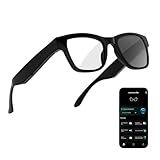
- 3-in-1 AI Glasses: Enjoy ① AI Voice Assistant (Powered by ChatGPT, Gemini & Deepseek), ② Stylish Photochromic Lenses Glasses, and ③ Bluetooth Open-Back Headphones, all in one.
- Free Talk Translation: Automatically detects and translates over 160 languages in real-time, allowing seamless work and translation without touching your phone or glasses.
- Voice, Video & Photo Translation: Supports over 98% of global languages, offering fast and accurate translations—ideal for international travel, business meetings, or cross-cultural communication.
- AI Meeting Assistant: Converts recordings from smart glasses into text and generates mind maps, making it easier to capture and organize meeting insights.
- Long Battery Life, Bluetooth 5.4 & Eye Protection: Up to 10 hours of music and 8 hours of talk time, with easy Type-C charging. Bluetooth 5.4 ensures stronger, stable connections, while photochromic lenses block UV rays and blue light, protecting your eyes in any environment.
Why Meta’s timing suddenly makes sense
Smart glasses struggled in the 2010s because the surrounding ecosystem wasn’t ready. Voice assistants were unreliable, on-device AI was weak, and consumers were uncomfortable with always-on cameras. In 2026, that context has changed, with more capable on-device processing, better privacy signaling, and normalized wearable microphones thanks to earbuds and watches.
Meta benefits from this shift more than most competitors. Its glasses don’t need to replace your phone or smartwatch; they extend them. Notifications, audio capture, contextual AI prompts, and lightweight media creation fit naturally into moments where pulling out a phone feels disruptive.
Lifestyle framing over developer-first AR
A key reason Meta’s smart glasses now feel relevant is the deliberate avoidance of full visual AR displays. While that may sound like a compromise, it keeps weight down, preserves lens aesthetics, and avoids battery drain that still plagues true AR optics. For Ray‑Ban buyers especially, fashion credibility and comfort remain non-negotiable.
Oakley’s Supernova 2 rumors suggest a parallel strategy aimed at sport and performance users rather than office or urban wearers. That hints at specialization rather than a one-size-fits-all platform, a move familiar to anyone who has watched smartwatches split into lifestyle, fitness, and adventure categories.
Smart glasses as companions, not replacements
In 2026, Meta’s glasses matter because they occupy a new tier in the wearable stack. They sit above earbuds in contextual awareness and below smartwatches in continuous tracking, acting as situational devices you rely on during movement, social interaction, and outdoor use. This positioning lowers expectations while increasing adoption.
Importantly, this also reduces friction for buyers who already own Apple Watch, Galaxy Watch, or Garmin hardware. Meta’s glasses don’t demand ecosystem lock-in to be useful; they promise incremental convenience, which historically is how wearable categories grow.
Incremental progress that actually compounds
None of the rumored upgrades for 2026 sound revolutionary in isolation. Better cameras, improved audio capture, faster voice interactions, and subtle design refinements rarely generate hype cycles. But wearables succeed through accumulation, where small usability gains stack into something you don’t want to leave at home.
That’s why Meta’s smart glasses deserve attention now. Not because they’ve become futuristic overnight, but because they’re finally behaving like real products designed for daily wear, with clear use cases and fewer excuses. The next sections dig into what’s genuinely confirmed, what’s still speculation, and where the third‑generation Ray‑Bans and Oakley Supernova 2 are likely to land on that spectrum.
What’s Official vs What’s Rumored: Separating Confirmed Meta Signals from Credible Leaks
At this stage, Meta’s 2026 smart glasses story is a mix of deliberate signaling and carefully managed silence. The company has learned from early VR and AR hype cycles, choosing to confirm direction without locking itself into consumer-facing promises too early. For buyers trying to decide whether to wait or buy now, understanding that distinction matters more than any single leaked spec.
What Meta has effectively confirmed through actions, not press releases
Meta has publicly committed to smart glasses as a long-term product category, not a side experiment. That commitment is visible in continued Ray‑Ban collaboration, steady software updates, and expanding regional availability rather than one-off launches.
Executives, including Mark Zuckerberg, have repeatedly framed smart glasses as the bridge between today’s wearables and future AR. Importantly, they describe them as AI-first devices rather than display-first hardware, signaling that cameras, microphones, and voice interaction remain the core pillars.
Meta has also confirmed that future glasses will continue avoiding full waveguide displays in the near term. The emphasis remains on all-day wearability, normal lens aesthetics, and battery life measured in hours of active use rather than minutes of visual overlays.
Ray‑Ban Meta third generation: what’s strongly implied
A third-generation Ray‑Ban Meta model is not officially announced, but its arrival is close to inevitable given the two-year cadence and Luxottica’s manufacturing cycles. Multiple supply-chain indicators point to a 2026 refresh rather than a radical redesign.
The most consistent signals suggest improved camera hardware, likely moving beyond the current sensor’s limitations in low light and motion stabilization. This would directly address one of the biggest real-world complaints: usable footage during walking, cycling, or nightlife scenarios.
Battery efficiency improvements are also strongly implied, not necessarily through bigger cells but via chipset optimization. Expect modest gains that translate to longer standby and more reliable day-long casual use rather than headline-grabbing numbers.
What remains rumor: displays, health tracking, and sensors
Heads-up displays remain the most misunderstood rumor. While internal prototypes almost certainly exist, there is no credible indication that consumer Ray‑Ban Meta glasses in 2026 will feature full visual overlays. At most, a minimal notification indicator or light-based feedback system is plausible.
Health tracking is another area where speculation runs ahead of reality. Temperature sensing, eye-based biometrics, or posture tracking have appeared in patents, but none have surfaced in reliable leaks tied to production hardware. For now, Meta appears content letting smartwatches handle continuous physiological data.
Likewise, GPS and cellular connectivity remain unlikely. The weight, heat, and antenna compromises still conflict with Ray‑Ban’s design constraints and target comfort levels.
Oakley Supernova 2: where credible leaks carry more weight
Oakley’s Supernova 2 rumors are more specific because Oakley operates under different design priorities. Sport and performance frames allow thicker temples, grippier materials, and less concern about visual subtlety.
Credible leaks suggest improved stabilization, better wind noise reduction, and more robust physical controls tailored for cycling, running, and outdoor sports. These upgrades align with Oakley’s brand DNA rather than representing experimental features.
Durability upgrades, including higher water resistance and impact tolerance, are also likely. This positions Supernova 2 as a functional alternative to action cameras for certain activities, not just a lifestyle accessory.
Software and AI: the least flashy but most reliable upgrade path
Where Meta’s signals are strongest is software. Voice interaction, contextual AI responses, and faster on-device processing are almost guaranteed improvements across both Ray‑Ban and Oakley lines.
Meta has already demonstrated a willingness to roll meaningful features via updates rather than reserving them for new hardware. This suggests that 2026 glasses may feel more refined out of the box, but also that current owners won’t be entirely left behind.
Compatibility remains phone-centric, relying on iOS and Android rather than building a closed ecosystem. That strategic choice lowers friction for adoption and reinforces the “companion device” positioning rather than competing directly with watches or phones.
Reading between the lines: what Meta is deliberately not promising
Meta is careful not to promise AR-style immersion, spatial interfaces, or productivity use cases. That restraint is itself a signal that the company sees smart glasses as lifestyle wearables first and technical showcases second.
The absence of dramatic claims around displays, enterprise use, or productivity tools suggests a realistic understanding of current constraints. Instead, Meta appears focused on making glasses that are lighter, more reliable, and easier to justify wearing every day.
For consumers, that honesty matters. It sets expectations correctly and frames the 2026 lineup as evolutionary products that refine behavior rather than reinvent it.
Third-Generation Ray-Ban Meta Glasses: Expected Design Changes, Hardware Upgrades, and Daily Wearability
If Oakley Supernova 2 represents Meta pushing outward into performance and sport, the third-generation Ray-Ban Meta glasses appear focused on tightening the fundamentals. Everything Meta has communicated, implicitly and explicitly, points toward refinement rather than reinvention, with an emphasis on comfort, subtlety, and everyday reliability.
This is consistent with the company’s broader restraint around AR promises. Instead of chasing visual spectacle, Meta seems intent on making glasses people genuinely want to wear from morning to evening without feeling like they are compromising on style or comfort.
Design evolution: thinner frames, smarter weight distribution
One of the most persistent complaints about first- and second-generation Ray-Ban Meta glasses has been weight concentration in the temples. Credible supply-chain chatter suggests Meta is actively addressing this by redistributing internal components and shaving millimeters off the arm thickness.
Expect frames that look closer to standard Ray-Ban Wayfarers or Headliners when viewed head-on. The goal is not to make the technology invisible, but to reduce the visual cues that these are “smart” glasses at all.
Materials are also likely to evolve subtly. Lighter composite plastics, improved internal reinforcement, and possibly revised hinge mechanisms could improve long-term durability without increasing bulk, which directly affects all-day wearability.
Comfort and fit: borrowing lessons from watch ergonomics
Meta’s approach increasingly mirrors how good watches are designed: comfort is about balance, not just raw weight. Even small changes in temple curvature, nose pad geometry, or hinge tension can dramatically affect fatigue over hours of use.
Leaks suggest more granular sizing options may finally appear, moving beyond a one-fit-most approach. This would be a significant quality-of-life upgrade, especially for users who found previous generations either too tight at the temples or unstable during movement.
Ray-Ban’s existing expertise in optical fit gives Meta an advantage here. If executed properly, third-gen glasses should feel closer to premium eyewear than consumer electronics, which remains a key psychological hurdle for adoption.
Camera and audio upgrades: incremental but meaningful
No credible source points to a dramatic camera leap, such as multi-sensor arrays or wide-angle action-cam performance. Instead, the expectation is incremental improvement: better low-light performance, faster image processing, and more reliable stabilization.
Microphone quality is likely a bigger focus than raw video resolution. Improved wind noise reduction and directional audio capture directly benefit voice commands, calls, and short-form video recording, which are core use cases for these glasses.
Speaker upgrades are also rumored, particularly around clarity at lower volumes. This matters for discreet use in public, where blasting audio defeats the entire purpose of glasses-based listening.
Battery life: chasing predictability, not miracles
Battery life remains one of the hardest constraints, and Meta appears realistic about that. Rather than promising all-day continuous use, third-generation Ray-Ban Metas are expected to deliver more predictable endurance across mixed usage.
Rank #2

- 【AI Real-Time Translation & ChatGPT Assistant】AI glasses break language barriers instantly with AI real-time translation. The built-in ChatGPT voice assistant helps you communicate, learn, and handle travel or business conversations smoothly—ideal for conferences, overseas trips, and daily use.
- 【4K Video Recording & Photo Capture 】Smart glasses with camera let you capture your world from a first-person view with the built-in 4K camera. Take photos and record videos hands-free anytime—perfect for travel moments, vlogging, outdoor adventures, and work documentation.
- 【Bluetooth Music & Hands-Free Calls 】Camera glasses provide Bluetooth music and crystal-clear hands-free calls with an open-ear design. Stay aware of your surroundings while listening—comfortable for long wear and safer for commuting, cycling, and outdoor use.
- 【IP65 Waterproof & Long Battery Life】 Recording glasses are designed for daily wear with IP65 waterproof protection against sweat, rain, and dust. The built-in 290mAh battery provides reliable performance for workdays and travel—no anxiety when you’re on the go.
- 【Smart App Control & Object Recognition】Smart glasses connect to the companion app for easy setup, file management, and feature control. They support AI object recognition to help identify items and improve your daily efficiency—perfect for travel exploration and a smart lifestyle.
Efficiency gains are likely coming from chipset optimizations and smarter power management, not larger batteries. That aligns with the push for slimmer frames and better weight balance.
The charging case will remain central to the experience. Faster top-ups and more reliable real-world charging cycles matter more than headline numbers, especially for users who treat these glasses as a daily companion rather than an occasional gadget.
Controls and usability: reducing friction, not adding features
Physical controls are expected to remain minimal, but more reliable. Capacitive touch improvements and clearer tactile feedback would address some of the frustrations reported by existing owners, particularly accidental inputs.
Voice remains the primary interface, and third-gen hardware should respond faster and more consistently. That responsiveness is crucial, because even slight delays break the illusion of natural interaction.
Importantly, Meta does not appear interested in layering complex gesture systems or experimental inputs onto the Ray-Ban line. Simplicity remains the guiding principle, reinforcing the lifestyle-first positioning.
Software experience: maturity over novelty
Out of the box, third-generation Ray-Ban Meta glasses are expected to feel more finished rather than more ambitious. Faster wake times, fewer dropped commands, and smoother phone handoffs all contribute to perceived quality.
Compatibility will remain firmly anchored to iOS and Android, with no standalone ambitions. This keeps friction low and avoids competing with watches or earbuds for attention.
For existing Ray-Ban Meta owners, this also clarifies the upgrade question. Third-gen glasses are shaping up as a comfort, reliability, and polish upgrade, not a feature revolution, which will matter when deciding whether waiting for 2026 is worthwhile.
Camera, Audio, and AI Assistants: How Meta’s Glasses Are Likely to Evolve Beyond First-Gen and Gen 2
If battery life and controls determine whether smart glasses are usable, camera, audio, and AI determine whether they feel worth wearing at all. This is the area where Meta’s smart glasses are expected to evolve most visibly by 2026, even if the changes remain evolutionary rather than transformative.
Unlike displays or true AR optics, these components can improve meaningfully without changing the overall form factor. That makes them a natural focus for third-generation Ray-Ban Meta glasses and the rumored Oakley “Supernova 2.”
Camera upgrades: from novelty capture to dependable point-of-view video
The current Ray-Ban Meta camera is best described as situationally useful rather than consistently reliable. It works well in bright light and casual moments, but struggles with motion, low light, and fast transitions, all of which limit its appeal beyond social clips.
Credible supply-chain chatter suggests third-gen models will move to a higher-resolution sensor with improved dynamic range rather than chasing headline megapixels. The bigger gains are expected to come from better image stabilization and faster capture response, reducing the delay between intent and recording.
For Oakley’s Supernova 2, the camera story may diverge slightly. Given Oakley’s sports positioning, leaks point toward a wider field of view and more aggressive electronic stabilization, tuned for cycling, running, and action scenarios where head movement is constant.
Low-light performance remains a wildcard. Physics limits what can be done in such small housings, but incremental sensor and processing improvements could finally make indoor and dusk shooting feel acceptable rather than compromised.
Audio evolution: clearer calls, more directional sound, fewer compromises
Audio has quietly been one of Meta’s strengths, and it is likely to remain a core differentiator versus competitors. Open-ear speakers embedded in the temples are expected to improve in both clarity and directional control, reducing sound leakage without sealing off the ear.
Third-gen Ray-Ban Meta glasses are rumored to use revised speaker chambers and improved microphone arrays. That should translate into clearer phone calls, better voice recognition in noisy environments, and more natural media playback at lower volumes.
For daily wearability, this matters more than raw loudness. The goal is audio that works while walking, commuting, or riding a bike, without forcing users to repeat commands or strain to hear responses.
Oakley’s variant may lean harder into wind noise reduction and outdoor voice pickup. If Meta wants Supernova 2 to appeal to cyclists and runners, mic performance at speed will be just as important as speaker output.
The AI assistant shift: from voice commands to contextual awareness
This is where Meta’s ambitions become more apparent, and also where skepticism is warranted. Today’s Ray-Ban Meta glasses rely on fairly literal voice commands, which works but feels shallow compared to Meta’s broader AI narrative.
By 2026, the assistant experience is expected to become more context-aware rather than more verbose. That means faster responses, better understanding of intent, and tighter integration with what the camera and microphones perceive, without overwhelming the user with constant prompts.
Leaks suggest Meta is focusing on subtle enhancements like smarter photo suggestions, automatic clip trimming, and more reliable object or scene recognition when explicitly requested. The emphasis appears to be on usefulness, not on pushing experimental AI features into a lifestyle product.
Crucially, these glasses are still not expected to offer continuous visual AI processing. Battery life, privacy optics, and social acceptability all limit how far Meta can push this, keeping the assistant reactive rather than always-on.
Privacy signals and social acceptability remain non-negotiable
Any camera and AI upgrade comes with increased scrutiny, and Meta is unlikely to relax its existing privacy safeguards. The visible LED recording indicator is expected to remain, possibly brighter or more noticeable, despite some user complaints.
This is not just a regulatory choice but a design constraint. Ray-Ban and Oakley branding both depend on social acceptance, and discreet recording without clear signals would undermine that positioning.
From a wearability perspective, this reinforces the idea that Meta’s glasses are tools for intentional moments, not passive surveillance devices. That limitation may frustrate some early adopters, but it also keeps the product viable for mass-market use.
Incremental gains, but meaningful ones for daily users
Taken together, camera, audio, and AI improvements in third-gen Ray-Ban Meta glasses are shaping up as quality-of-experience upgrades rather than spec-sheet leaps. Better reliability, faster response, and fewer friction points matter more than dramatic new capabilities.
For Oakley Supernova 2, the same core technology may be tuned toward performance use cases, offering clearer differentiation without fragmenting the platform. That strategy allows Meta to expand its lineup without diluting the lifestyle-first identity of the Ray-Ban models.
The key question for buyers will be whether these refinements solve the frustrations they already have. For many existing owners, that answer may finally be yes, even if the glasses still stop well short of true AR.
Displays or Still Screen-Free? The State of Micro-Displays, HUDs, and Why Meta Is Taking It Slow
If camera and AI upgrades are about usefulness, displays are where expectations tend to outrun reality. After two generations of screen-free Ray-Ban Meta glasses, many buyers are wondering whether 2026 is finally the year Meta adds a visual layer, or whether the company continues to resist the temptation of on-lens information entirely.
So far, every credible signal points to restraint rather than a sudden leap into full HUD territory. That restraint is not about technical inability so much as hard-earned lessons around wearability, cost, and social friction.
The current rumor landscape: no full display for Ray-Ban Gen 3
Among suppliers, developers, and Meta’s own public statements, there is no solid evidence that third-generation Ray-Ban Meta glasses will include a full binocular display or waveguide-based AR system. The most consistent reporting suggests the product remains screen-free, relying on audio, touch, and voice as its primary interface.
That aligns with Meta’s existing positioning. Ray-Ban Meta glasses are sold as eyewear first, electronics second, and introducing even a subtle visual overlay risks breaking that illusion for mainstream buyers.
There have been whispers of limited notification indicators, such as tiny internal LEDs or non-informational light cues, but not text, icons, or navigational prompts. Even these ideas appear exploratory rather than locked for production.
What about Oakley Supernova 2 and performance HUDs?
Oakley Supernova 2 is where the display question becomes more nuanced. Oakley’s audience is more tolerant of visible tech, thicker temples, and performance-first trade-offs, especially for cycling, running, or training use.
That has fueled speculation about a monocular micro-display or simple heads-up element for speed, time, or navigation cues. Importantly, this would not resemble full AR glasses, but rather a glanceable data window similar in spirit to early cycling HUDs or even a wrist-based sports watch moved into the field of view.
Even here, sources suggest caution. A single-eye micro-display introduces optical complexity, alignment issues across different face shapes, and potential eye strain, all of which clash with Oakley’s emphasis on clarity and comfort during motion.
The micro-display problem: power, heat, and optics
The biggest reason Meta is moving slowly is not software ambition but physics. Micro-OLED and microLED displays are improving rapidly, but integrating them into lightweight eyewear still carries steep trade-offs.
Any display bright enough for outdoor visibility draws power continuously, which directly conflicts with Meta’s push for all-day battery life. Heat dissipation becomes another issue, especially in warm climates or during active use, where temple-mounted electronics sit against the skin.
Optically, waveguides and combiners introduce reflections, color shifts, and reduced clarity compared to standard lenses. For brands like Ray-Ban and Oakley, whose reputations are built on lens quality and comfort, that compromise is not trivial.
Rank #3

- ADVANCED EYE PROTECTION: Relieve digital eye strain with premium blue light blocking lenses that filter harmful screen glare. Designed for long hours of computer work, these smart glasses provide anti eye fatigue benefits and UV400 protection to keep your vision clear and comfortable
- OPEN EAR AUDIO TECHNOLOGY: Enjoy high-fidelity sound through Bluetooth 5.3 while remaining aware of your surroundings for safe driving or commuting. These audio glasses support dual-device connection and hands-free calling with minimal sound leakage for privacy
- SECURE MAGNETIC CHARGING: Ensure a stable power connection with a reinforced magnetic interface that stays firmly in place. Addressing common charging issues, this eyewear provides up to 30 hours of standby, ensuring your Siri or AI assistant is always ready when needed
- AI REAL TIME TRANSLATION: Access seamless communication with support for 164 languages through the integrated smartphone application. These AI glasses function as a wearable translator for international travel, perfect for global frequent travelers and business professionals
- ADAPTIVE PHOTOCHROMIC DESIGN: Features professional integrated photochromic lenses that automatically darken in sunlight and clear indoors. This seamless transition provides optimal vision for switching between office work and outdoor driving, ensuring durable performance with a non-removable structure
Social acceptability matters more than feature checklists
Meta has learned, sometimes painfully, that how smart glasses look and feel in public matters more than what they can technically do. Even a faint visible display can change how bystanders perceive the wearer, moving the product from lifestyle accessory to conspicuous gadget.
That shift affects everything from fashion adoption to workplace acceptance. Ray-Ban’s success so far has come from blending into normal eyewear culture, not challenging it.
Adding a display also raises privacy assumptions. Glasses that show information outwardly signal recording and computing in a way audio-first devices do not, increasing scrutiny even if the actual capabilities remain limited.
Why Meta is sequencing displays after trust and habit
From a platform perspective, Meta appears to be building user habits first. Voice commands, audio feedback, and intentional camera use train people to treat smart glasses as a situational tool rather than a constant interface.
Only once that behavior is normalized does it make sense to add visuals without overwhelming users or provoking backlash. This is a markedly different strategy from early AR pushes that tried to introduce everything at once.
It also buys time for component costs to fall. A reliable, daylight-readable display that does not destroy battery life or lens quality is still expensive, and Meta wants these products priced closer to premium sunglasses than experimental headsets.
The likely 2026 reality: invisible upgrades, visible patience
For buyers hoping 2026 brings true on-lens information, the reality may feel conservative. Third-gen Ray-Ban Meta glasses are overwhelmingly likely to remain screen-free, while Oakley Supernova 2 may, at most, flirt with minimal performance indicators rather than full HUD functionality.
That does not mean Meta has abandoned displays altogether. It suggests the company is separating lifestyle smart glasses from future AR hardware more cleanly than before, avoiding a muddled middle ground that satisfies neither camp.
In the short term, the absence of a display keeps these glasses lighter, more comfortable, and easier to live with every day. For many users, that trade-off may matter more than seeing notifications float in midair.
Oakley ‘Supernova 2’: What We Know About Meta’s Sport-Focused Smart Glasses
If Ray-Ban Meta glasses are about social acceptability and everyday wear, Oakley Supernova 2 appears positioned as the opposite end of Meta’s strategy: performance-first, activity-led, and unapologetically technical.
Coming directly after Meta’s decision to delay displays in mainstream glasses, Supernova 2 fits the idea that sport is the one category where visible tech is tolerated, and often expected. Athletes already accept sensors, cameras, and chunky hardware if it improves training, safety, or capture.
What Supernova 2 is supposed to be
Based on consistent reporting and supply-chain chatter, Supernova 2 is not a new brand but a second-generation evolution of the Oakley smart glasses Meta has been developing quietly alongside Ray-Ban.
Where Ray-Ban Meta leans on Wayfarer-like minimalism, Supernova 2 is expected to use Oakley’s wraparound sport frames, similar to Radar or Sutro silhouettes. This allows for larger internal components, better weight distribution, and stronger wind and sweat resistance without compromising fit.
Crucially, Supernova 2 is rumored to remain a smart camera-and-audio device first, not a full AR headset. Any visual element, if it exists at all, is expected to be extremely limited and secondary to capture and coaching features.
Confirmed foundations: Oakley design, Meta internals
What is effectively confirmed is the partnership structure. Like Ray-Ban Meta glasses, Supernova 2 would combine Oakley’s frame engineering, lens technology, and sports ergonomics with Meta’s cameras, microphones, processors, and AI software.
Oakley frames are built for motion, which matters more than it sounds. Aggressive curves, rubberized contact points, and stable nose bridges make it far easier to keep cameras aligned during running, cycling, or trail sports.
This also suggests better durability than Ray-Ban models. Expect higher water resistance, improved sweat sealing, and frames that can survive drops and vibration without creaking or shifting.
Camera upgrades aimed at action, not selfies
One of the clearest rumored upgrades is a better camera system tuned for movement. That likely means a wider field of view, improved electronic stabilization, and faster capture without needing long voice prompts.
Meta’s current 12MP camera works well for casual moments, but Supernova 2 is expected to push further toward action-cam territory, at least in intent. This does not mean GoPro replacement, but it does suggest clearer clips while running or riding.
Lens placement also matters here. Oakley’s frame geometry gives Meta more flexibility to angle the camera naturally forward rather than slightly downward, a common complaint with first-gen lifestyle smart glasses.
Audio, controls, and real-world usability during workouts
Open-ear audio remains a core feature, but Supernova 2 is likely to prioritize clarity over bass. Wind noise reduction, directional microphones, and more reliable voice recognition during heavy breathing are all rumored focus areas.
Physical controls matter more in sport than in daily wear. Expect tactile buttons or reinforced touch zones that work with gloves, sweat, and fast movement, rather than subtle gestures designed for cafés and offices.
Battery life is also expected to improve, not necessarily in total hours, but in consistency. Sport users care more about knowing the glasses will last a full ride or run without sudden drop-offs than about all-day standby.
Fitness data: complementary, not competitive with watches
Despite the Oakley branding, Supernova 2 is not expected to replace a sports watch or bike computer. There is no strong evidence of onboard GPS, heart-rate sensors, or advanced biometric tracking.
Instead, Meta appears to be positioning the glasses as a companion layer. Voice prompts, lap confirmations, AI-generated summaries, and contextual audio feedback are more plausible than raw sensor overload.
This fits Meta’s broader ecosystem logic. The glasses add perspective and capture, while watches handle metrics and phones remain the hub for analysis.
The display question, revisited through a sport lens
Sport is the one context where a minimal display makes sense, but even here expectations should be restrained. Credible leaks suggest no full HUD, no navigation overlays, and no persistent visual interface.
If Supernova 2 includes any visual output at all, it would likely be something closer to a single-eye indicator, such as recording status or simple timing cues. Even that remains speculative, not confirmed.
The more conservative interpretation is that Supernova 2 stays screen-free, relying on audio and haptics to communicate. That keeps weight down, improves battery life, and avoids optical compromises that could interfere with high-end Oakley lenses.
Comfort, fit, and long-session wear
Oakley’s advantage is not style, but wearability under stress. Supernova 2 is expected to feel more secure than Ray-Ban Meta glasses during high-impact movement, with less bounce and fewer pressure points.
That does not mean it will be light. Sport frames can hide bulk better, but users should still expect a noticeable weight compared to non-smart sunglasses.
The trade-off is stability. For athletes, a slightly heavier frame that never shifts is preferable to a lighter one that constantly needs adjustment.
Pricing and who Supernova 2 is actually for
Pricing is unconfirmed, but expectations cluster above Ray-Ban Meta glasses. A likely range is premium Oakley territory, potentially landing between high-end sport sunglasses and entry-level action cameras.
That positions Supernova 2 for a narrower audience. These are not lifestyle accessories for casual users, but tools for cyclists, runners, hikers, and creators who already train with tech.
For everyone else, Supernova 2 may look overbuilt. But that is the point: it allows Meta to experiment with more aggressive hardware without risking the cultural acceptance Ray-Ban has carefully built.
Why Supernova 2 matters even if it sells less
Even if Supernova 2 remains niche, it serves a strategic purpose. It lets Meta test cameras, AI coaching, and durability improvements in demanding conditions before rolling them into mainstream models.
It also reinforces the idea that Meta’s smart glasses roadmap is splitting deliberately. Ray-Ban covers everyday life, while Oakley absorbs performance risk and technical ambition.
Seen this way, Supernova 2 is less about mass adoption and more about pressure-testing what smart glasses can become once trust, habits, and expectations are fully established.
Battery Life, Charging, and Real-World Use: The Biggest Constraint Meta Must Solve
If Supernova 2 is about pressure-testing durability and performance, battery life is where both Oakley and Ray-Ban models still feel fundamentally constrained. Every design decision Meta makes in smart glasses eventually runs into the same hard limit: how much power can realistically be carried in something that must sit comfortably on your face for hours.
Rank #4

- 6 Translation Modes for All Scenarios:Face-to-face translation, Voice Notes, Audio/Video Translation, Photo Translation, Simultaneous Interpretation, and Call Translation (voice + video). Chat with global friends or conduct international meetings smoothly—no language gap anymore! *Note: Translation requires APP connection (no offline function).
- AI Chat & Productivity Assistant Powered by ChatGPT + Deepseek-R1 + Gemini-2.5-Pro: Get seamless AI conversations for casual chats, info searches, writing help, brainstorming, and academic research. Also acts as a meeting assistant—records meetings, converts to text, and generates AI summaries & mind maps. Boost work/study efficiency drastically!
- 2-in-1 Photochromic Lenses Automatically transitions from clear indoors to sunglasses outdoors, blocking UV and blue light for all-environment eye protection.
- Immersive Audio & Hands-Free Control:3D surround sound open-back speakers + dual noise-canceling mics: Crystal-clear calls and immersive music without headphones. Touch controls for answering/hanging up calls, activating voice assistants, and switching music—one-touch convenience.
Unlike headsets or even smartwatches, smart glasses cannot hide thick batteries or rely on frequent interaction breaks. They have to work passively, disappear when not needed, and still be ready at a moment’s notice.
Where current Ray-Ban Meta glasses fall short
Second-generation Ray-Ban Meta glasses typically deliver three to four hours of mixed use, stretching closer to a day only if camera use and AI interactions are kept minimal. Continuous video capture, frequent voice prompts, or live streaming can drain them far faster than most users expect.
The charging case mitigates this, but it changes the usage pattern. You are effectively managing glasses the way you would true wireless earbuds, cycling them in and out of the case rather than wearing them from morning to night.
For lifestyle users, that compromise is acceptable. For athletes, creators, or travelers, it highlights how far smart glasses still are from being “always-on” devices.
Why third-generation Ray-Bans likely focus on efficiency, not capacity
Credible leaks suggest third-generation Ray-Ban Meta glasses will not dramatically increase battery size. Instead, the emphasis appears to be on more efficient chipsets, smarter power gating, and better AI workload scheduling.
That likely translates into incremental gains rather than breakthroughs. Expect longer standby time, less idle drain, and fewer surprise shutdowns, but not multi-day endurance.
Meta understands that Ray-Bans succeed because they feel like normal glasses. Sacrificing comfort, thickness, or weight for a larger battery would undermine the very product-market fit that made the line viable.
Supernova 2 and the endurance problem under real athletic use
Supernova 2 presents a different challenge. Recording rides, tracking sessions, or capturing extended outdoor footage puts sustained load on cameras, sensors, and audio systems.
Even if Oakley’s sport frames allow slightly more internal volume, physics still applies. Heat dissipation, weight balance, and sweat resistance all limit how aggressively Meta can push battery capacity.
This makes charging strategy just as important as raw endurance. Fast top-ups between sessions, reliable case charging, and predictable battery behavior matter more than headline hour counts.
Charging cases as a hidden part of the experience
Meta’s charging cases are doing more work than most people realize. They are not just accessories, but essential power buffers that define how these glasses fit into daily routines.
Expect refinements here before radical changes to the glasses themselves. Smaller cases with higher internal capacity, faster USB-C charging, and more accurate battery reporting are low-risk upgrades Meta can deploy across both Ray-Ban and Oakley lines.
Wireless charging remains unlikely in the near term. The inefficiency and heat involved are difficult to justify when every milliwatt matters.
Always-on AI versus realistic wear patterns
Meta’s long-term vision involves ambient AI that listens, sees, and assists continuously. The reality in 2026 will be more selective.
Battery constraints force smart glasses into a mode-based existence. Users will consciously decide when to activate AI features, when to record, and when to conserve power.
This is not a failure of ambition, but a reflection of current wearable physics. The smart glasses that succeed will be honest about their limits rather than pretending to replace smartphones outright.
What would count as a meaningful upgrade in 2026
For both third-generation Ray-Ban Meta glasses and Supernova 2, meaningful battery progress does not mean doubling runtime. It means removing friction.
That includes fewer mid-day charges, less anxiety about whether a short recording will kill the battery, and confidence that the glasses will last through the activity they are designed for.
Until battery density improves or new form factors emerge, this remains the biggest constraint Meta must solve. Everything else, from cameras to AI, is ultimately downstream of how long the glasses can stay comfortably on your face and switched on.
Meta’s Ecosystem Play: Apps, AI, Messaging, and How Glasses Fit Between Phone and Headset
If battery life defines what smart glasses can do, Meta’s ecosystem defines why you would use them at all. The company’s 2026 strategy is less about turning glasses into standalone computers and more about positioning them as an always-available extension of the phone, with selective overlaps into headset territory.
This middle-ground positioning is deliberate. Meta does not want Ray-Ban Meta or Oakley Supernova 2 to compete with smartphones or Quest headsets, but to reduce friction between moments when pulling out a phone feels excessive and wearing a headset is unrealistic.
Confirmed foundations: phone-tethered by design
What is confirmed is that Meta’s smart glasses remain phone-dependent in 2026. Processing, connectivity, app syncing, and most AI workloads still rely on the paired smartphone.
This approach keeps weight, heat, and battery demands on the glasses manageable. It also ensures compatibility across iOS and Android without forcing Meta to solve cellular radios, app stores, and on-device security in a form factor measured in grams.
Rather than a limitation, Meta treats this as a feature. The glasses are designed to feel invisible until needed, borrowing context and intelligence from the phone instead of duplicating it.
Apps: fewer icons, more intent-driven actions
Do not expect an app grid floating in your field of view. Meta’s smart glasses experience remains largely app-less in the traditional sense.
Confirmed functionality centers on system-level integrations: camera capture, audio playback, voice commands, notifications, and selective third-party hooks. Spotify, WhatsApp, Messenger, and phone-native services matter far more than a long-tail app ecosystem.
Credible leaks suggest Meta is refining how apps declare “glanceable” or “audio-first” states to the glasses. This would allow, for example, navigation cues, message previews, or recording prompts without overwhelming the user or draining the battery.
AI as the connective tissue, not the headline feature
Meta AI is the most visible part of the ecosystem, but also the most misunderstood. In 2026, AI on smart glasses is still largely cloud-assisted, triggered intentionally rather than running continuously.
Confirmed capabilities include voice queries, visual context recognition, translation, and content summarization. These are framed as short interactions, not persistent assistants that live in your ear all day.
Rumors point to better memory and personalization, but expectations should be tempered. Battery physics and privacy constraints mean AI will feel more like a smart tool you summon than a digital companion that never leaves.
Messaging and communication: where glasses quietly shine
Messaging is one area where smart glasses already feel more natural than phones. Reading a quick message, replying by voice, or capturing a moment hands-free aligns perfectly with the form factor.
Meta’s own platforms benefit most here. WhatsApp and Messenger integration is confirmed to remain first-class, with deeper voice reply support, audio message handling, and improved notification filtering expected.
This is also where Meta’s ecosystem advantage shows. Apple’s walled garden limits cross-platform glasses, while Meta can operate across Android and iOS with fewer constraints, even if system-level access remains imperfect.
Between phone and headset: a deliberately narrow lane
Meta is careful not to blur the line between smart glasses and AR headsets like Quest or future Orion-class devices. Ray-Ban Meta and Supernova 2 are not spatial computing products.
There is no persistent display, no app multitasking, and no immersive UI. Instead, the glasses handle moments: capturing video, listening to directions, identifying something you see, or responding to a message while your hands are busy.
This narrow scope is intentional. It keeps expectations realistic and prevents the glasses from feeling like compromised headsets or underpowered phones.
Why this ecosystem matters more than specs in 2026
Incremental hardware upgrades only matter if the ecosystem keeps pace. A better camera or lighter frame means little if software feels static or disconnected.
Meta’s advantage is iteration speed. AI models improve server-side, messaging features evolve without new hardware, and app integrations can deepen over time.
For buyers weighing whether third-generation Ray-Ban Meta glasses or Oakley Supernova 2 are worth waiting for, the ecosystem story may be the deciding factor. These glasses are not about what they replace, but about how seamlessly they disappear into routines already dominated by smartphones and, increasingly, AI-driven services.
💰 Best Value
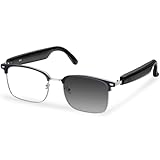
- 【Immersive HD Sound 】: BUDAOLIU smart glasses feature crystal-clear audio with advanced dual-driver speakers and noise-reduction technology. Precision-tuned for rich bass and balanced treble, these glasses deliver studio-quality sound for calls, music, and podcasts—perfect for audiophiles and multitaskers alike.
- 【Eye Protection】 : This bluetooth glasses feature advanced blue light filtering technology that blocks up to 40% of HEV blue light from screens, reducing eye strain and improving sleep quality. Combined with 99% UVA/UVB protection, they act as a shield against both digital and solar radiation, making them ideal for indoor and outdoor use.
- 【Adaptive Photochromic Technology】 : Equipped with photochromic materials, the lenses automatically darken in sunlight and return to clear indoors. This seamless transition eliminates the need to switch between regular glasses and sunglasses, offering convenience for users moving between environments.
- 【Lightweight & Stylish Design】 : Crafted with premium materials like pure steel frames and PC temples ,weight only 33g/1.16 once, these glasses prioritize comfort for all-day wear. The sleek, modern designs cater to diverse face shapes and personal styles—whether for professional, sporty, or casual looks.
- 【Long-Lasting Power】 : This Smart Glasses come with 55 mAh batteries on both the left and right sides. With just 1 hour of quick charging, the powerful battery life provides up to 4-6 hours of playback and up to 7 days of standby time.
Pricing, Positioning, and Who These Glasses Are Really For in 2026
All of this context around ecosystem, scope, and intent leads to a more practical question: where do Meta’s next smart glasses actually land in the market once money changes hands.
Unlike headsets, pricing here is not about justifying cutting-edge technology. It is about whether the glasses feel like a reasonable upgrade to something people already wear every day.
Expected pricing tiers and how Meta is segmenting the lineup
Based on current Ray-Ban Meta pricing and credible supply-chain chatter, third-generation Ray-Ban Meta glasses are likely to sit in the familiar $299 to $379 range depending on lens type and finish.
That puts them squarely in premium sunglasses territory, not consumer electronics shock pricing. Prescription lenses, polarized options, and limited-edition frames will almost certainly push some configurations closer to $450 once all-in.
Oakley Supernova 2 is expected to sit slightly higher. Oakley’s sport-performance positioning, more rugged materials, and likely higher-capacity battery point to pricing closer to $399 to $499, especially for Prizm-style lenses and wraparound frames.
Crucially, neither product appears aimed at undercutting cheap smart glasses from smaller brands. Meta is not chasing budget volume here; it is chasing lifestyle credibility.
Why Meta is resisting the “subsidized hardware” play
Meta could, in theory, subsidize these glasses aggressively to drive adoption. The fact that it has not is telling.
Smart glasses are worn on the face, not hidden in a pocket. If they feel cheap, plasticky, or obviously tech-first, adoption stalls regardless of features.
By pricing Ray-Ban Meta close to premium analog sunglasses and Oakley Supernova 2 close to high-end sport eyewear, Meta is signaling that design, materials, and comfort matter as much as cameras or AI.
This also reduces buyer’s remorse. Owners are less likely to feel they bought a disposable gadget and more likely to treat the glasses as a durable personal item with software that improves over time.
Who third-generation Ray-Ban Meta glasses are actually for
The Ray-Ban Meta buyer in 2026 is not an AR early adopter chasing novelty. They are a phone-centric user who values convenience and subtlety over raw capability.
This includes commuters, parents, travelers, and content-light creators who want hands-free capture, quick AI answers, and message handling without pulling out a phone. Comfort and weight matter more here than battery size or camera specs.
If you already like Ray-Ban frame ergonomics and wear sunglasses daily, these glasses make sense as a quiet upgrade. If you only wear sunglasses occasionally, the value proposition becomes harder to justify.
They are not for people expecting visual overlays, navigation arrows floating in space, or app-like experiences. Those expectations still belong firmly in headset territory.
Who Oakley Supernova 2 is targeting, and who it is not
Supernova 2 appears designed for a more specific, performance-driven audience. Think cyclists, runners, skiers, golfers, and outdoor users who already trust Oakley optics and fit.
Battery life, stability during movement, sweat resistance, and wind noise reduction matter more here than discreet aesthetics. A slightly bulkier frame is not a drawback if it enables longer recording sessions or more reliable voice control in motion.
That said, these are still not action cameras strapped to your face. Serious athletes who already rely on chest-mounted sensors, bike computers, or dedicated cameras may find the smart features complementary rather than essential.
Supernova 2 is for people who want smart assistance during activity, not deep performance analytics or training data replacement.
Positioning against watches, earbuds, and phones
One reason Meta’s pricing works is that these glasses do not directly replace another device category.
Smartwatches handle health tracking, notifications, and timekeeping. Earbuds handle audio immersion and calls. Phones handle everything else.
Smart glasses sit in the gaps between those devices. They reduce friction rather than consolidating functions, which makes buyers more tolerant of incremental gains.
Seen this way, $350 to $450 does not buy a new primary device. It buys fewer interruptions, faster moments, and more natural interactions in situations where screens feel intrusive.
Who should wait, and who should skip entirely
If you are waiting for true AR, visible displays, or app ecosystems you can interact with visually, neither third-gen Ray-Ban Meta nor Supernova 2 will satisfy you in 2026. Waiting for Meta’s future Orion-class products or competitors in the AR space makes more sense.
If privacy concerns, social signaling, or camera-in-public anxiety already bother you, these glasses will not magically solve that discomfort, even with better indicator LEDs and software controls.
But if you already wear premium sunglasses, trust Ray-Ban or Oakley ergonomics, and are curious about AI as a background assistant rather than a focal point, Meta’s pricing and positioning finally align.
In that context, these glasses are not expensive gadgets. They are evolutionary accessories that happen to be getting smarter at a pace that, by 2026, feels intentional rather than experimental.
Should You Wait or Buy Now? A Practical Upgrade Outlook for Ray-Ban and Oakley Fans
With the positioning clear, the real question becomes timing. Meta’s smart glasses are no longer novelties, but they are still evolving accessories rather than must-have platforms, and that distinction matters when deciding whether to jump in now or hold off for 2026 hardware.
If you already own Ray-Ban Meta (Gen 1 or Gen 2)
If you are using first- or second-generation Ray-Ban Meta glasses today and enjoy the concept, waiting makes sense. Credible leaks point to third-gen focusing on better battery efficiency, more reliable always-on voice control, and modest camera and audio refinements rather than radical new features.
In watch terms, this is a movement revision rather than a case redesign. Daily usability improves, but the core experience remains familiar, so upgrading early only makes sense if your current pair feels limited or worn out.
If you want smart glasses mainly as sunglasses or lifestyle accessories
If your primary goal is stylish sunglasses with occasional smart moments, buying now is defensible. Current Ray-Ban Meta models already deliver solid audio, acceptable photo capture, and frictionless voice commands in a form factor that wears like normal eyewear.
Waiting for 2026 will likely bring polish, not transformation. Lens options, comfort, and build quality are already at a level where most buyers will not feel shortchanged using today’s hardware for several years.
If you are an Oakley fan or activity-focused user
For Oakley loyalists, patience is the smarter play. Supernova 2 is shaping up to be more than a rebadge, with better stability during motion, improved wind handling for audio, and frames designed for long wear under helmets or caps.
That makes it a more purpose-built tool rather than a lifestyle crossover. If you run, cycle, ski, or spend long days outdoors, waiting for Oakley’s ergonomics and durability to arrive is likely worth it.
If you are hoping for true AR or visual interfaces
This is the clearest wait signal of all. Neither third-gen Ray-Ban Meta nor Supernova 2 is expected to introduce visible displays, spatial UI, or app ecosystems you interact with visually.
If that is the experience you want, skipping this generation entirely and watching Meta’s longer-term AR roadmap makes far more sense than incremental upgrades.
The value question: incremental, but increasingly intentional
What Meta is selling in 2026 is refinement, not reinvention. Battery life gets more predictable, voice interactions feel less brittle, and hardware comfort improves in ways you notice over hours, not minutes.
For buyers who view smart glasses like a good mechanical watch or premium sunglasses, something you wear daily rather than spec-chase annually, that approach is reasonable. The value is in reduced friction, not feature shock.
So, should you wait?
Wait if you already own Ray-Ban Meta glasses, want Oakley-specific performance, or are holding out for visible AR. Buy now if you are new to smart glasses, like Ray-Ban styling, and want a low-effort way to experiment with AI-assisted wearables without committing to a headset.
Meta’s smart glasses are finally behaving like mature consumer products. Whether you buy now or wait for 2026, the important shift is that these no longer feel like experiments, but like accessories quietly settling into everyday life.