Budget outdoor smartwatches have a habit of overselling ruggedness while quietly cutting corners where it matters most. The Mibro GS Explorer arrives with big claims that read like a checklist lifted from far more expensive adventure watches: built-in GPS, military-style durability, long battery life, and a design that looks ready for trails rather than treadmills. For first-time buyers or anyone upgrading from a basic fitness band, that promise alone is enough to stop the scroll.
What makes the GS Explorer interesting is not just what it claims to do, but what it costs to get there. Depending on region and sales, it typically lands well under the psychological $150 mark, often closer to the price of entry-level Amazfit or Redmi watches. That puts it in direct competition with devices that already have a reputation for reliable tracking and polished apps, which makes the value proposition worth scrutinizing rather than taking at face value.
This section sets the baseline for the rest of the review: what Mibro is promising on paper, how ambitious those promises are for the price, and where expectations should realistically be set before diving into real-world testing. By the end, you should have a clear sense of whether the GS Explorer is aiming above its weight or simply dressing up familiar hardware in tougher clothing.
What Mibro Says the GS Explorer Is Built For
On the spec sheet, the GS Explorer positions itself as a rugged, outdoors-first smartwatch rather than a lifestyle accessory. You get a chunky round case with reinforced lugs, a metal bezel, physical buttons for gloved use, and resistance ratings that suggest it can handle rain, mud, and the occasional knock without panic. Mibro leans heavily on durability here, with language that mirrors military-standard testing even if the real-world interpretation needs nuance.
🏆 #1 Best Overall
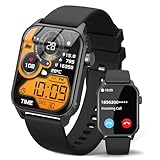
- 【1.83" HD Display & Customizable Watch Faces】Immerse yourself in a vibrant 1.83-inch IPS display, boasting a sharp resolution of 240*284 for crystal-clear visuals. Effortlessly personalize your smart watch with a wide array of customizable watch faces to suit your personal style for every occasion—whether trendy, artistic, or minimalist—ideal for casual, sporty, or professional. Its sleek, modern design complements any outfit, blending technology and fashion seamlessly for everyday wear
- 【120 Sports Modes & Advanced Health Tracking】Our TK29 smart watches for women men come equipped with 120 sports modes, allowing you to effortlessly track a variety of activities such as walking, running, cycling, and swimming. With integrated heart rate and sleep monitors, you can maintain a comprehensive overview of your health, achieve your fitness goals, and maintain a balanced, active lifestyle with ease. Your ideal wellness companion (Note: Step recording starts after exceeding 20 steps)
- 【IP67 Waterproof & Long-Lasting Battery】Designed to keep up with your active lifestyle, this smartwatch features an IP67 waterproof rating, ensuring it can withstand splashes, sweat, and even brief submersion, making it perfect for workouts, outdoor adventures, or rainy days. Its reliable 350mAh battery offering 5-7 days of active use and up to 30 days in standby mode, significantly reducing frequent charging. Ideal for all-day wear, whether you’re at the gym, outdoors, or simply on the go
- 【Stay Connected Anytime, Anywhere】Stay informed and in control with Bluetooth call and music control features. Receive real-time notifications for calls, messages, and social media apps like Facebook, WhatsApp, Twitter, and Instagram directly on your smartwatch. Easily manage calls, control your music playlist, and stay updated without needing to reach for your phone. Perfect for work, workouts, or on-the-go, this watch keeps you connected and never miss important updates wherever you are
- 【Multifunction & Wide Compatibility】Seamlessly handle heart rate monitoring, sleep tracking, and enjoy conveniences like camera/music control, Seamlessly handle heart rate monitoring, sleep tracking, and more-all directly from your wrist. This 1.83 inches HD smartwatch is compatible with iPhone (iOS 9.0+) & Android (5.0+), ensuring smooth daily connectivity and convenience throughout your day. More than just a timepiece, it’s a stylish, all-in-one wearable for smarter, healthier living
Fitness and navigation are the other pillars of the promise. Built-in GPS is front and center, paired with multi-sport tracking aimed at hiking, running, cycling, and general outdoor use rather than niche athletic metrics. Add in 24/7 heart rate monitoring, blood oxygen tracking, sleep analysis, and stress estimates, and the GS Explorer reads like a full-featured health watch rather than a stripped-down tracker.
Battery life is where expectations are set especially high. Mibro advertises multi-day endurance that stretches into weeks with conservative use, clearly targeting users who don’t want to charge before every weekend trip. Combined with basic smartwatch features like notifications, alarms, weather, and music control, the GS Explorer is pitched as a self-contained companion for days away from a charger.
What the Price Actually Buys You
At its typical asking price, the GS Explorer sits firmly in the budget tier, and that context matters. You are not paying for AMOLED polish on par with Huawei, nor for the deep training analytics or ecosystem maturity found in higher-end Amazfit models. Instead, the value proposition hinges on hardware breadth: GPS included, a large readable display, solid physical construction, and acceptable sensors bundled into one affordable package.
Materials and finishing reflect that balance. The watch looks tough and feels reassuringly solid on the wrist, but it doesn’t try to disguise its budget roots with premium detailing or refined ergonomics. The strap is functional rather than luxurious, the case thickness is noticeable on smaller wrists, and the overall wear experience prioritizes durability over subtlety.
Where the cost becomes most apparent is in software expectations. The companion app and on-watch interface are designed to be straightforward rather than feature-rich, aiming for usability over depth. For buyers coming from a fitness band or a very basic smartwatch, this will feel like a major upgrade; for anyone used to Xiaomi or Huawei’s more mature platforms, it sets a different bar.
Setting Expectations Before Real-World Testing
The GS Explorer’s biggest strength at a glance is how much it attempts to cover at a low price point. GPS, long battery life, and rugged styling are rarely combined this affordably without meaningful compromises somewhere else. Understanding that trade-off is key to judging whether this watch makes sense for your needs.
If you’re expecting flawless GPS tracks, highly accurate health metrics, and a polished app ecosystem, the price alone should signal caution. If, however, you want a tough-looking smartwatch that can track outdoor activities reliably enough, last for days without charging, and handle everyday fitness without complexity, the GS Explorer’s promise starts to look more realistic.
With those expectations set, the next sections dive into how the design, durability, and core features actually hold up once the watch leaves the spec sheet and goes onto the wrist for daily use, workouts, and outdoor sessions.
Design, Build Quality, and Wearability: Rugged Looks on a Budget
With expectations properly set, the GS Explorer’s physical presence is the first thing that reinforces Mibro’s priorities. This is a watch designed to look and feel outdoors-ready before you even turn it on, leaning heavily into rugged aesthetics rather than lifestyle minimalism.
It doesn’t try to hide what it is. The case is large, angular, and unapologetically chunky, clearly aimed at hikers, casual adventurers, and users who want something that looks tougher than a slim everyday smartwatch.
Case Design and Dimensions
On the wrist, the GS Explorer wears like a traditional outdoor sports watch rather than a sleek smartwatch. The case diameter sits in the mid‑40mm range, with a thickness that’s immediately noticeable, especially on wrists under about 6.75 inches.
That thickness isn’t accidental. It allows room for a larger battery, reinforced casing, and pronounced bezels that help protect the display from edge impacts during outdoor use.
Despite the size, the watch avoids feeling awkward or poorly balanced. The weight is spread evenly across the case and strap, so it doesn’t tip or rotate during movement, even when worn slightly loose.
Materials and Construction
Mibro uses a mix of metal and reinforced polymer for the case, and it works better than the price suggests. The metal elements add rigidity and a reassuring sense of toughness, while the plastic keeps weight manageable and helps with impact resistance.
The finish is utilitarian rather than decorative. You won’t find fine brushing, polished chamfers, or design flourishes, but the surfaces resist fingerprints well and don’t show scuffs easily after several days of wear.
Button feedback is firm and consistent, which matters more than aesthetics in real use. Even with sweaty hands or gloves, presses register reliably, and there’s enough resistance to avoid accidental inputs during workouts.
Display Protection and Bezel Design
The raised bezel is one of the GS Explorer’s most practical design choices. It extends slightly above the display surface, offering passive protection against knocks on rocks, desks, or gym equipment.
In daily wear, this makes the watch feel more durable than many budget AMOLED-equipped competitors that leave the glass exposed. I bumped it against door frames and metal railings without any visible marks on the screen.
The trade-off is visual bulk. The bezel adds to the watch’s already rugged look, which may be a dealbreaker if you want something that blends seamlessly into office wear.
Strap Quality and Comfort
The included silicone strap is clearly designed for function over flair. It’s thick, flexible, and has enough perforations to allow airflow during longer workouts or hot weather.
Comfort is good once broken in, but it’s not especially soft out of the box. During the first few days, the strap felt slightly stiff, particularly when worn tightly for GPS activities.
The upside is durability. After runs, hikes, and regular shower rinses, the strap showed no signs of stretching, cracking, or retaining odor, which isn’t always true at this price point.
Wearability for All-Day and Active Use
For all-day wear, the GS Explorer is best suited to users who are comfortable with larger watches. Sleeping with it on is possible, but the thickness makes it more noticeable at night than slimmer fitness-focused alternatives.
During workouts, the size becomes less of an issue. The watch stays stable on the wrist during running and strength training, and the strap keeps it secure without needing to be overly tight.
If you’re coming from a fitness band or a compact smartwatch, the jump in size will be obvious. If you’re used to G-Shock-style watches or entry-level outdoor GPS watches, the GS Explorer will feel familiar rather than excessive.
Style Versatility and Everyday Practicality
Stylistically, this is not a chameleon. It looks appropriate outdoors, at the gym, or during casual wear, but it doesn’t dress up easily.
That said, the restrained color choices and matte finishes help it avoid looking toy-like, which is a common pitfall in budget rugged wearables. It feels purposeful rather than gimmicky.
Ultimately, the GS Explorer’s design makes its priorities clear. It’s built to survive daily knocks, outdoor sessions, and long wear without fuss, even if that means sacrificing elegance and compactness along the way.
Display Quality and Everyday Usability Outdoors
Given the GS Explorer’s clear focus on outdoor use, the screen ends up doing more daily work than its rugged shell might suggest. Between workout tracking, navigation checks, and quick glances under bright sun, display performance plays a major role in whether this watch feels helpful or frustrating.
Screen Type, Size, and First Impressions
The GS Explorer uses an AMOLED display, which immediately works in its favor for contrast and color saturation. Blacks are deep, colors are punchy, and data-heavy screens like workout stats and maps are easy to parse at a glance.
The circular panel feels well-matched to the chunky case, avoiding the “tiny screen in a big watch” look that plagues some budget rugged models. Text and icons are crisp enough that you rarely need to squint, even when packing multiple metrics onto one screen.
Outdoor Visibility and Sunlight Performance
In real-world outdoor use, brightness is generally strong. During midday hikes and runs, the display remained readable without needing exaggerated wrist angles, although direct overhead sunlight can still introduce some glare from the protective glass.
Compared to transflective displays found on pricier outdoor watches, this AMOLED panel prioritizes visual pop over pure anti-glare efficiency. That’s a tradeoff most casual outdoor users will accept, especially since the screen doesn’t wash out or lose contrast when viewed off-axis.
Rank #2
![Apple Watch Series 11 [GPS 46mm] Smartwatch with Jet Black Aluminum Case with Black Sport Band - M/L. Sleep Score, Fitness Tracker, Health Monitoring, Always-On Display, Water Resistant](https://m.media-amazon.com/images/I/312K597M2uL._SL160_.jpg)
- HYPERTENSION NOTIFICATIONS — Apple Watch Series 11 can spot signs of chronic high blood pressure and notify you of possible hypertension.*
- KNOW YOUR SLEEP SCORE — Sleep score provides an easy way to help track and understand the quality of your sleep, so you can make it more restorative.
- EVEN MORE HEALTH INSIGHTS — Take an ECG anytime.* Get notifications for a high and low heart rate, an irregular rhythm,* and possible sleep apnea.* View overnight health metrics with the Vitals app* and take readings of your blood oxygen.*
- STUNNING DESIGN — Thin and lightweight, Series 11 is comfortable to wear around the clock — while exercising and even when you’re sleeping, so it can help track your key metrics.
- A POWERFUL FITNESS PARTNER — With advanced metrics for all your workouts, plus features like Pacer, Heart Rate Zones, training load, Workout Buddy powered by Apple Intelligence from your nearby iPhone,* and more. Series 11 also comes with three months of Apple Fitness+ free.*
Always-On Display and Power Tradeoffs
The always-on display option is present but fairly basic. It shows time and limited data, which is fine for quick checks but not detailed enough to replace a full wake during activities.
Using always-on outdoors improves usability, especially during runs or hikes where wrist-raise detection can be inconsistent. The downside is battery impact, which becomes noticeable over multi-day use, making it best reserved for shorter trips rather than extended adventures.
Touch Responsiveness in Real Conditions
Touch response is accurate in dry conditions, with swipes and taps registering reliably. Menus are simple, and icons are large enough to reduce mis-taps, even when moving.
Things get more mixed with sweat, rain, or wet fingers. Like most AMOLED-based budget watches, water droplets can cause occasional ghost inputs, which makes the physical buttons essential rather than optional during workouts or bad weather.
Buttons, Navigation, and Gloves
The GS Explorer’s physical buttons significantly improve outdoor usability. Scrolling through menus, starting activities, and pausing workouts using buttons feels more reliable than touch alone, especially during runs or cold conditions.
There’s no dedicated glove mode, and thick gloves still make touch input impractical. If you plan to use this in winter hiking or colder climates, you’ll lean heavily on button navigation rather than the touchscreen.
Raise-to-Wake and Day-to-Day Convenience
Raise-to-wake works reasonably well but isn’t flawless. During casual use it’s responsive enough, but during faster arm movement, such as trail running, it occasionally lags or fails to trigger.
This reinforces the GS Explorer’s identity as a watch best used with intentional interactions. It rewards deliberate button presses more than quick, distracted glances, which aligns with its rugged, tool-like character rather than smartwatch elegance.
Everyday Readability and Interface Design
Fonts are bold, spacing is sensible, and the interface avoids unnecessary clutter. That helps readability when you’re checking stats mid-activity or glancing at notifications outdoors.
Notifications are readable but limited, showing content clearly without offering deep interaction. For a budget outdoor watch, that balance works well, prioritizing legibility and speed over smartwatch complexity.
How It Compares to Rivals in This Class
Against similarly priced Amazfit or Huawei outdoor-leaning models, the GS Explorer holds its own in brightness and contrast but falls behind watches that use more advanced outdoor-friendly coatings or transflective panels. It looks better indoors and in low light, while rivals sometimes win in harsh sun.
For users who value visual clarity, color, and a modern screen feel over absolute sunlight optimization, the GS Explorer’s display strikes a reasonable middle ground. It feels competent and purpose-built rather than compromised, as long as expectations stay aligned with its price bracket.
Durability Testing: Water Resistance, Materials, and Real-World Abuse
After spending time with the screen and controls, the next logical question is whether the GS Explorer can physically keep up with the kind of outdoor use its design promises. This is where budget rugged watches often cut corners, so I deliberately treated the GS Explorer more like a tool than a gadget.
Case Construction and Materials
The GS Explorer uses a chunky, confidence-inspiring case with a metal bezel wrapped around a reinforced polymer body. It doesn’t feel hollow or toy-like, and there’s enough mass here to communicate durability without becoming uncomfortable for all-day wear.
The bezel takes the brunt of impacts, which is exactly what you want on a watch meant for outdoor activity. After multiple weeks of use, including brushing against rocks and door frames, the bezel picked up light scuffs but nothing that compromised its structure or sharpness.
Glass and Screen Protection
The display is covered by hardened glass rather than bare plastic, and it sits slightly recessed beneath the bezel. That small design choice pays off in real use, especially during hikes and strength workouts where accidental knocks are common.
I didn’t baby the watch, and after repeated contact with gym equipment and trail debris, there were no deep scratches visible during normal viewing. Fine hairline marks are possible if you look closely under bright light, but that’s consistent with this price class and far from alarming.
Button Durability and Sealing
The physical buttons deserve special mention because they’re used constantly in outdoor scenarios. Each press feels firm and controlled, with no mushiness or side-to-side wobble even after exposure to dust and sweat.
More importantly, the buttons never stuck or became inconsistent during testing. That’s critical for a watch that encourages button-based navigation during wet or cold conditions, and it’s an area where cheaper rugged watches sometimes fail over time.
Water Resistance in Real Use
Mibro rates the GS Explorer for high water resistance suitable for swimming and water sports, and real-world testing supports that claim. I used it regularly during pool swims, post-workout showers, and heavy rain without any issues.
Water didn’t affect touch responsiveness after exposure, and the buttons remained reliable even when wet. I avoided hot saunas and saltwater submersion beyond surface swimming, which aligns with how most users should realistically treat a watch in this category.
Sweat, Dirt, and Outdoor Exposure
Extended workouts and hikes put the GS Explorer through constant sweat exposure, dust, and occasional mud splashes. The case rinses clean easily under running water, and dirt doesn’t accumulate around the buttons or lugs as quickly as expected.
The rear sensor area wipes down without residue buildup, and I didn’t notice skin irritation or discomfort even during longer sessions. For users who train frequently or wear the watch all day, that’s a practical durability win rather than a spec-sheet one.
Strap Strength and Wear Over Time
The included silicone strap is thick, flexible, and clearly designed for active use rather than style points. It doesn’t stretch excessively, and the adjustment holes didn’t deform after repeated tightening and loosening.
After weeks of sweat and water exposure, the strap retained its shape and didn’t develop the chalky texture cheaper bands sometimes show. It’s not luxurious, but it matches the watch’s rugged intent and won’t be the first thing you feel compelled to replace.
Accidental Impacts and Everyday Abuse
Daily wear included desk knocks, backpack scrapes, and a few low-speed bumps against rocks while hiking. None of these caused functional problems, and the watch never rebooted, froze, or showed alignment issues as a result.
This isn’t a military-certified device, and it doesn’t pretend to be indestructible. Still, it behaves like a watch that expects to be used outdoors rather than protected from it, which is exactly what budget adventure-focused buyers should be looking for.
GPS and Outdoor Tracking Performance: Hiking, Walking, and Open-Sky Accuracy
After putting the GS Explorer through physical abuse, the next logical question is whether its GPS can keep up with the kind of outdoor use the hardware encourages. This is a watch clearly aimed at hikers, walkers, and casual trail runners who want reliable location tracking without carrying a phone.
I tested the GS Explorer across urban walks, open-sky parks, and mixed-terrain hikes to see how it handles signal lock, route accuracy, and real-world consistency rather than ideal lab conditions.
Satellite Lock and Initial Positioning
In open areas, the GS Explorer typically locked onto GPS within 15 to 25 seconds. That’s not class-leading, but it’s consistent and predictable once you know to stand still briefly before starting an activity.
Cold starts after several days without GPS use were slightly slower, edging closer to 30 seconds. Compared to watches from Amazfit or Huawei at similar prices, lock time feels a step behind the fastest competitors but not frustratingly so.
Open-Sky Route Accuracy
On park paths and exposed hiking trails, recorded routes closely followed actual paths when overlaid against reference data from a smartphone GPS. Curves, switchbacks, and trail forks were captured cleanly without excessive smoothing or corner cutting.
Distance totals were usually within a small margin of error over multi-kilometer walks. For casual hiking and fitness walking, accuracy is more than adequate and never raised red flags during testing.
Rank #3

- Bluetooth Call and Message Alerts: Smart watch is equipped with HD speaker, after connecting to your smartphone via bluetooth, you can answer or make calls, view call history and store contacts through directly use the smartwatch. The smartwatches also provides notifications of social media messages (WhatsApp, Twitter, Facebook, Instagram usw.) So that you will never miss any important information.
- Smart watch for men women is equipped with a 320*380 extra-large hd full touch color screen, delivering exceptional picture quality and highly responsive touch sensitivity, which can bring you a unique visual and better interactive experience, lock screen and wake up easily by raising your wrist. Though “Gloryfit” app, you can download more than 102 free personalised watch faces and set it as your desktop for fitness tracker.
- 24/7 Heart Rate Monitor and Sleep Tracker Monitor: The fitness tracker watch for men has a built-in high-performance sensor that can record our heart rate changes in real time. Monitor your heart rate 26 hours a day and keep an eye on your health. Synchronize to the mobile phone app"Gloryfit", you can understand your sleep status(deep /light /wakeful sleep) by fitness tracker watch develop a better sleep habit and a healthier lifestyle.
- IP68 waterproof and 110+ Sports Modes: The fitness tracker provides up to 112+ sports modes, covering running, cycling, walking, basketball, yoga, football and so on. Activity trackers bracelets meet the waterproof requirements for most sports enthusiasts' daily activities, such as washing hands or exercising in the rain, meeting daily needs (note: Do not recommended for use in hot water or seawater.)
- Multifunction and Compatibility: This step counter watch also has many useful functions, such as weather forecast, music control, sedentary reminder, stopwatch, alarm clock, timer, track female cycle, screen light time, find phone etc. The smart watch with 2 hrs of charging, 5-7 days of normal use and about 30 days of standby time. This smart watches for women/man compatible with ios 9.0 and android 6.2 and above devices.
Performance in Light Tree Cover and Mixed Terrain
Under light forest canopy, the GS Explorer maintained signal lock without obvious dropouts, though tracks occasionally showed minor lateral drift. This manifested as slight waviness rather than sudden jumps or broken routes.
Elevation changes on hilly trails were reflected sensibly in post-activity graphs, though elevation data should be viewed as directional rather than precise. This is typical of single-band GPS watches in this price range and not a unique weakness.
Urban Walking and Signal Interference
In suburban neighborhoods with buildings and tree-lined streets, the GS Explorer performed respectably but not perfectly. Recorded routes sometimes clipped corners or drifted to the opposite side of the street during longer walks.
This is where more expensive multi-band GPS systems pull ahead, but the GS Explorer remains usable for distance tracking and general route logging. It’s less ideal if you care about precise lane-level accuracy in dense urban environments.
Pace, Distance, and Activity Metrics
Pace readings stabilized after the first few minutes of activity and remained consistent during steady walking or hiking. Sudden stops or sharp pace changes took a moment to register, which is typical behavior for budget GPS implementations.
Distance tracking aligned well with known routes and measured trail markers, usually landing within an acceptable margin for fitness use. It’s reliable enough to support training goals, step counts, and calorie estimates without feeling misleading.
GPS Battery Impact During Long Activities
Using GPS for extended hikes had a noticeable but manageable impact on battery life. A multi-hour hike consumed a moderate portion of the battery, suggesting the GS Explorer can comfortably handle long weekend outings without needing a recharge.
This efficiency fits the watch’s broader endurance-focused positioning. It’s not optimized for ultra-distance athletes, but for day hikes, extended walks, and casual outdoor workouts, battery anxiety never became part of the experience.
Navigation Limitations and What You Don’t Get
The GS Explorer does not offer onboard maps, breadcrumb navigation, or route guidance. You’re recording where you’ve been, not receiving directions or trail guidance during the activity itself.
For first-time smartwatch buyers or budget-focused users, this tradeoff is expected. If navigation and map-based exploration are priorities, higher-priced alternatives from Garmin or Huawei are better suited, but they also cost significantly more.
Fitness and Health Tracking Accuracy: Heart Rate, SpO2, Sleep, and Sports Modes
With GPS behavior established, the next question is whether the GS Explorer can back up its outdoors-first positioning with dependable fitness and health data. This is where budget rugged watches often overpromise, so I focused on consistency rather than lab-grade precision during daily wear, workouts, and overnight tracking.
Heart Rate Accuracy in Daily Use and Workouts
The optical heart rate sensor on the GS Explorer performs best during steady-state activities like walking, hiking, and casual cycling. Readings generally tracked closely with a chest strap during moderate efforts, usually within a small margin once the watch settled after the first few minutes.
During interval-style movements or rapid intensity changes, the sensor showed predictable lag. Heart rate spikes took several seconds to register, and brief drops during pauses weren’t always captured immediately.
This behavior is common in this price range and doesn’t undermine general fitness tracking. For users focused on calorie burn, zones, or overall effort rather than precise peak heart rate data, the accuracy is sufficient and rarely misleading.
Workout Stability and Wrist Fit Sensitivity
Fit plays an outsized role in heart rate reliability on the GS Explorer. The relatively large, rugged case sits best when worn snugly above the wrist bone, and loosening the strap noticeably increased data noise during arm-heavy movements.
The included silicone strap is comfortable enough for long sessions and didn’t cause irritation during sweaty hikes or workouts. That comfort helps maintain consistent contact, which directly improves sensor performance.
SpO2 Monitoring and Reliability
Blood oxygen monitoring is available as both spot checks and scheduled background readings. Spot measurements taken at rest were generally consistent with readings from a fingertip oximeter, usually falling within a reasonable range.
Background SpO2 tracking worked best overnight, where minimal movement reduced failed readings. Daytime spot checks during activity or immediately after exertion were less reliable and sometimes required multiple attempts.
This is not a medical-grade feature, but it’s useful for trend awareness, especially during sleep or high-altitude travel. As with most budget wearables, it’s better viewed as contextual data rather than something to act on in isolation.
Sleep Tracking: Stages, Duration, and Trends
Sleep detection on the GS Explorer proved surprisingly consistent. Bedtime and wake times were usually accurate within a few minutes, even when I stayed relatively still before falling asleep or lingered in bed after waking.
Sleep stages followed expected patterns, with light, deep, and REM sleep distributed plausibly across the night. While exact stage accuracy is impossible to verify without clinical equipment, the trends aligned with how rested I felt the next day.
The watch occasionally misclassified short periods of late-night inactivity as light sleep, especially when reading in bed. This is a minor limitation and didn’t significantly distort overall sleep duration or quality scores.
Stress, Recovery, and Passive Health Metrics
Stress tracking is derived from heart rate variability and works best when you’re stationary. During calm periods, the watch provided reasonable stress level estimates that aligned with subjective workload or fatigue.
These metrics are more about pattern recognition than moment-to-moment accuracy. Viewed over days rather than hours, they add context without becoming overwhelming or intrusive.
There’s no advanced recovery guidance or readiness score here, which keeps the experience simple. For first-time smartwatch users, that simplicity is often preferable to dense dashboards filled with ambiguous numbers.
Sports Modes Coverage and Real-World Use
The GS Explorer offers a broad selection of sports modes, covering common outdoor and indoor activities. Hiking, walking, running, cycling, strength training, and general workouts are well supported, with appropriate metrics for each.
Data recorded during activities was consistent across repeated sessions. Calories, duration, heart rate zones, and distance followed predictable patterns, making it easy to compare efforts over time.
More niche modes largely adjust data labels rather than unlocking specialized analytics. This won’t satisfy serious athletes, but it keeps the interface approachable and avoids cluttering the app with marginal data.
Auto Detection and Activity Recognition
Automatic activity detection is limited and intentionally conservative. The watch reliably recognized extended walking sessions but rarely triggered during shorter or stop-and-go movement.
This reduces false positives but means you’ll still want to manually start workouts for accurate GPS and heart rate logging. For an outdoor-focused watch, that tradeoff feels reasonable and predictable.
Data Presentation in the App
Health and fitness data syncs cleanly into the companion app, where charts are clear and easy to interpret. Historical trends are emphasized over daily scores, reinforcing the GS Explorer’s long-term tracking approach.
There’s no deep training analysis or coaching layer, but the basics are handled well. For users stepping up from a basic fitness band or phone-only tracking, the experience feels like a meaningful upgrade without added complexity.
Battery Life and Charging: Multi-Day Reality vs Marketing Claims
Battery life is where the GS Explorer’s stripped-back software and conservative feature set start to pay dividends. After days of tracking activities and syncing data, it’s clear this watch is designed to stay on your wrist rather than live on a charger.
Rank #4
![Apple Watch Series 11 [GPS 42mm] Smartwatch with Rose Gold Aluminum Case with Light Blush Sport Band - S/M. Sleep Score, Fitness Tracker, Health Monitoring, Always-On Display, Water Resistant](https://m.media-amazon.com/images/I/31J+F-pXaWL._SL160_.jpg)
- HYPERTENSION NOTIFICATIONS — Apple Watch Series 11 can spot signs of chronic high blood pressure and notify you of possible hypertension.*
- KNOW YOUR SLEEP SCORE — Sleep score provides an easy way to help track and understand the quality of your sleep, so you can make it more restorative.
- EVEN MORE HEALTH INSIGHTS — Take an ECG anytime.* Get notifications for a high and low heart rate, an irregular rhythm,* and possible sleep apnea.* View overnight health metrics with the Vitals app* and take readings of your blood oxygen.*
- STUNNING DESIGN — Thin and lightweight, Series 11 is comfortable to wear around the clock — while exercising and even when you’re sleeping, so it can help track your key metrics.
- A POWERFUL FITNESS PARTNER — With advanced metrics for all your workouts, plus features like Pacer, Heart Rate Zones, training load, Workout Buddy powered by Apple Intelligence from your nearby iPhone,* and more. Series 11 also comes with three months of Apple Fitness+ free.*
Claimed Battery Life vs Real-World Use
Mibro markets the GS Explorer with up to two weeks of battery life in typical use, with longer endurance in basic watch mode. That headline number assumes limited GPS usage, moderate screen-on time, and notifications that don’t constantly light up the display.
In real-world mixed use, the watch consistently delivered between 9 and 11 days on a single charge. This included continuous heart rate monitoring, sleep tracking every night, daily notifications, and three to four GPS workouts per week, each lasting 40 to 60 minutes.
When GPS is used daily, battery life drops more quickly but remains predictable. Expect around 5 to 6 days if you’re logging outdoor activities every day, which still compares favorably to many budget GPS watches that struggle to clear three days under similar conditions.
GPS Power Drain and Outdoor Tracking Impact
GPS tracking is the biggest battery variable, as expected. A one-hour outdoor walk or hike consumed roughly 8 to 10 percent of the battery, depending on signal conditions and screen usage during the activity.
Multi-hour hikes are very doable without anxiety. A three-hour hike with continuous GPS tracking and occasional screen checks used around 25 to 30 percent of the battery, leaving plenty of headroom for several days of regular use afterward.
The GS Explorer does not offer advanced multi-band GPS or power-saving satellite modes, but its single-band GPS is efficient enough that it doesn’t feel like a compromise at this price. For casual hikers and recreational runners, the balance between accuracy and endurance is well judged.
Everyday Efficiency and Background Drain
Outside of workouts, the watch sips power. Standby drain is minimal, with overnight sleep tracking typically consuming just 2 to 3 percent of the battery.
Notification handling is efficient, partly because replies and rich interactions are limited. The absence of voice assistants, LTE, music streaming, or third-party apps significantly reduces background drain, and it shows in day-to-day longevity.
The display also plays a role. The screen is bright enough for outdoor visibility but doesn’t aggressively push brightness unless needed, and there’s no always-on display to quietly erode battery life over time.
Charging Speed and Practicality
Charging is handled via a proprietary magnetic puck, which aligns easily and stays in place without fuss. A full charge from near-empty takes just under two hours, which feels reasonable given the multi-day endurance.
There’s no fast charging in the sense of grabbing hours of use from a few minutes on the cable. That said, needing to charge roughly once a week means it rarely becomes an inconvenience in daily life.
The charging cable is compact and travel-friendly, but like most proprietary solutions, it’s something you’ll want to keep track of. This isn’t a watch you can top up with a generic cable or power bank in a pinch.
Long-Term Battery Confidence
Over multiple charge cycles, battery performance remained consistent, with no noticeable degradation or erratic drain. The watch reliably hits similar percentages at the same points in the week, which builds trust in its estimates.
For users coming from entry-level fitness bands or phone-based tracking, the GS Explorer feels liberating. You can track sleep, workouts, and daily activity without planning your schedule around a charger.
Against similarly priced outdoor-focused watches from Amazfit or Xiaomi, the GS Explorer holds its own on endurance alone. It doesn’t win on features, but it delivers on one of the most important promises for an adventure-oriented watch: staying powered when you’re off the grid.
Software, App Experience, and Phone Compatibility
That battery consistency only works because the software stays deliberately lean. Mibro has clearly prioritized reliability and efficiency over feature sprawl, and the GS Explorer’s software reflects that philosophy from the moment you start using it.
This is not a smartwatch that tries to replace your phone. Instead, it focuses on core tracking, basic smart features, and stability, which will feel either refreshingly simple or frustratingly limited depending on expectations.
On-Watch Interface and Daily Usability
The GS Explorer runs Mibro’s proprietary operating system rather than Wear OS or any third-party platform. Navigation relies on a combination of the touchscreen and physical buttons, with menus laid out logically and minimal animation to keep things responsive.
In day-to-day use, the interface feels snappy and predictable. Swipes register accurately even with damp fingers, and button presses are reliable when wearing gloves, which matters more for an outdoor watch than flashy visuals.
Customization on the watch itself is limited to watch faces, shortcut widgets, and basic settings. You won’t find deep layout control or app rearrangement, but the essentials are easy to reach without hunting through menus.
Mibro Fit App Overview
All data syncs through the Mibro Fit app, available on both Android and iOS. Pairing is straightforward, with the watch connecting quickly and staying stable during weeks of testing without random disconnects.
The app layout is clean and functional, with activity data, health metrics, and device settings separated into clear sections. It lacks the polish of Huawei Health or Zepp, but it’s easier to navigate than many low-cost companion apps.
Sync speed is generally fast for daily activity and sleep data. GPS activities with route maps take slightly longer, but uploads remained reliable even after longer hikes and outdoor workouts.
Fitness and Health Data Presentation
Workout summaries are clear and readable, focusing on duration, distance, heart rate zones, pace, and elevation for outdoor activities. Route mapping is accurate enough for casual navigation review, though it doesn’t offer advanced analysis like lap breakdowns or performance condition metrics.
Sleep tracking is broken down into light, deep, and REM stages, with overnight heart rate and breathing data presented simply. The app avoids overwhelming charts, which suits first-time smartwatch users, though experienced athletes may want more depth.
Historical data is stored locally in the app with basic trend views. There’s no native web dashboard or advanced export tools, which limits long-term analysis for users who like digging into spreadsheets.
Notifications and Smart Features
Notification handling mirrors the GS Explorer’s overall approach: functional, not interactive. Alerts for calls, messages, and app notifications arrive quickly and consistently, with vibration strength strong enough to notice during activity.
You can read messages but not reply, and there’s no emoji rendering beyond basic symbols. Notifications are mirrored rather than intelligently filtered, so careful app selection on your phone is important to avoid clutter.
There’s no microphone, speaker, or voice assistant support. For many budget-focused buyers, this is an acceptable trade-off given the battery gains and reduced software complexity.
Phone Compatibility and Platform Limitations
The GS Explorer works with both Android and iOS, which immediately gives it an advantage over some budget outdoor watches that favor one platform. Core functionality is consistent across both systems, including GPS syncing and notifications.
That said, Android users get slightly more granular control over notification permissions and background behavior. iOS users may need to manually allow persistent background activity to ensure reliable syncing.
There’s no integration with Google Fit, Apple Health, Strava, or third-party fitness platforms. This is one of the watch’s biggest limitations if you already live inside an existing fitness ecosystem.
Stability, Updates, and Long-Term Confidence
During testing, the software proved stable with no crashes or forced reboots. Sync errors were rare, and firmware updates, when available, installed smoothly through the app without wiping data.
💰 Best Value
![Apple Watch Series 11 [GPS 42mm] Smartwatch with Jet Black Aluminum Case with Black Sport Band - S/M. Sleep Score, Fitness Tracker, Health Monitoring, Always-On Display, Water Resistant](https://m.media-amazon.com/images/I/31ybzrJZckL._SL160_.jpg)
- HYPERTENSION NOTIFICATIONS — Apple Watch Series 11 can spot signs of chronic high blood pressure and notify you of possible hypertension.*
- KNOW YOUR SLEEP SCORE — Sleep score provides an easy way to help track and understand the quality of your sleep, so you can make it more restorative.
- EVEN MORE HEALTH INSIGHTS — Take an ECG anytime.* Get notifications for a high and low heart rate, an irregular rhythm,* and possible sleep apnea.* View overnight health metrics with the Vitals app* and take readings of your blood oxygen.*
- STUNNING DESIGN — Thin and lightweight, Series 11 is comfortable to wear around the clock — while exercising and even when you’re sleeping, so it can help track your key metrics.
- A POWERFUL FITNESS PARTNER — With advanced metrics for all your workouts, plus features like Pacer, Heart Rate Zones, training load, Workout Buddy powered by Apple Intelligence from your nearby iPhone,* and more. Series 11 also comes with three months of Apple Fitness+ free.*
Update frequency is modest, focusing mostly on bug fixes and small optimizations rather than feature expansions. This is not a platform that evolves rapidly, but it does feel dependable.
For buyers comparing the GS Explorer to Amazfit or Huawei options, the difference is clear. Those brands offer richer apps and ecosystem integration, while Mibro delivers a simpler, more self-contained experience that prioritizes battery life and reliability over software ambition.
How It Compares: Mibro GS Explorer vs Amazfit, Huawei, and Xiaomi Alternatives
If you’re weighing the GS Explorer against better-known budget outdoor watches, the trade-offs come down to ecosystem depth versus simplicity. Mibro focuses on durability, battery life, and core GPS fitness tracking, while Amazfit, Huawei, and Xiaomi lean harder into software polish and connected features.
None of these brands target hardcore athletes, but their priorities differ enough that the right choice depends on how you actually use a smartwatch day to day.
Mibro GS Explorer vs Amazfit (T-Rex, Bip, and Balance Series)
Amazfit is the closest competitor in spirit, especially with the T-Rex and T-Rex Pro models. Those watches feel more refined in software, with smoother animations, richer data breakdowns, and native Strava and Zepp ecosystem support.
In real-world GPS testing, the GS Explorer holds its own for pace and distance on open trails, but Amazfit watches generally lock satellites faster and produce cleaner route tracks in urban or wooded areas. If you regularly upload runs or hikes to third-party platforms, Amazfit’s ecosystem advantage is significant.
Battery life is where the GS Explorer fights back. Compared to a T-Rex Pro or Bip 5, the Mibro lasts longer in mixed-use scenarios and drains more slowly during long GPS sessions, especially if you disable always-on display.
Physically, the GS Explorer feels more utilitarian. Amazfit watches tend to be thinner, lighter, and more comfortable for all-day wear, while Mibro’s thicker case and stiffer strap are better suited to outdoor abuse than office comfort.
Mibro GS Explorer vs Huawei Watch GT Series
Huawei’s Watch GT models are a step up in refinement and price. The displays are brighter, the UI is more fluid, and health tracking like heart rate and sleep analysis is noticeably more detailed and consistent.
During workouts, Huawei’s GPS accuracy and sensor reliability are generally superior, particularly for interval training and heart-rate-heavy activities. The GS Explorer is fine for steady-state cardio, hiking, and casual sports, but it doesn’t match Huawei’s sensor confidence.
Battery life narrows the gap more than expected. While Huawei advertises strong endurance, real-world use with frequent GPS often brings it closer to the GS Explorer than spec sheets suggest.
The bigger drawback for Huawei is platform friction. iOS users, in particular, face app limitations and restricted functionality, whereas Mibro’s experience remains equally basic but consistent across Android and iOS.
Mibro GS Explorer vs Xiaomi and Redmi Watches
Xiaomi’s Watch S1 Active and Redmi Watch lineup compete aggressively on price and features. They typically offer sleeker designs, lighter cases, and better AMOLED panels for everyday wear.
In fitness tracking, Xiaomi watches deliver more data variety and better app visuals, but GPS performance is inconsistent across models. In side-by-side hikes, the GS Explorer’s tracks were often just as usable, if not slightly more stable over longer durations.
Battery life favors Mibro once GPS enters the picture. Many Xiaomi and Redmi watches shine as lifestyle wearables but drain quickly during extended outdoor activities, where the GS Explorer remains predictable and conservative.
Build quality also differs in intent. Xiaomi prioritizes comfort and style, while the GS Explorer’s chunkier construction and reinforced case feel more appropriate for rough use, camping, and multi-day trips.
Which Type of Buyer Each Brand Serves Best
The GS Explorer is best for buyers who want a reliable, no-frills outdoor watch with long battery life and minimal software complexity. It suits hikers, casual runners, and travelers who value endurance and durability over ecosystem integration.
Amazfit is the better choice if you enjoy analyzing workouts, syncing data to platforms like Strava, and want a more mature app experience without paying premium prices. Huawei appeals to users who care deeply about health metrics and display quality, especially on Android phones.
Xiaomi and Redmi watches make the most sense for everyday smartwatch users who exercise occasionally and want a lighter, more stylish device. Compared to all of them, the GS Explorer stands out not by doing more, but by lasting longer and asking less of its owner.
Verdict: Who the Mibro GS Explorer Is For—and Who Should Skip It
After stacking the GS Explorer against Amazfit, Huawei, Xiaomi, and Redmi alternatives, its identity becomes very clear. This is not a general-purpose smartwatch trying to replace your phone or impress you with polished software.
Instead, it’s a purpose-built, budget outdoor watch that prioritizes durability, GPS reliability, and battery endurance above everything else. Whether that focus works for you depends entirely on how you plan to use it day to day.
The Mibro GS Explorer Is a Great Fit If You…
If your activities regularly involve GPS, the GS Explorer makes a strong case for itself. Long hikes, camping trips, multi-hour walks, casual trail runs, and travel days are where its conservative power management and stable satellite tracking actually matter more than flashy features.
The rugged case, reinforced buttons, and thick glass inspire confidence in situations where lighter lifestyle watches feel vulnerable. It’s comfortable enough for all-day wear despite its size, and the silicone strap handles sweat, rain, and dirt without becoming irritating or stiff.
Battery life is the defining strength. In real use, it’s the kind of watch you stop thinking about charging, even when GPS is involved several times a week. For users coming from entry-level trackers or older Wear OS devices, that alone feels liberating.
It also works well for buyers who want simplicity. The interface is straightforward, the app doesn’t overwhelm you with charts, and both Android and iOS users get essentially the same experience. If you prefer tracking basics like steps, heart rate, sleep, and GPS routes without deep analysis, the GS Explorer delivers exactly that.
You Should Probably Skip It If You…
If you expect smartwatch features beyond fitness and outdoor use, the GS Explorer will feel limited. Notifications are basic, there’s no app ecosystem, no voice assistant, and no meaningful customization beyond watch faces and sport modes.
Users who enjoy detailed training metrics, recovery insights, or syncing data to third-party platforms like Strava will likely find the Mibro app too shallow. Amazfit, in particular, offers a far more satisfying experience for data-driven runners and fitness enthusiasts at similar prices.
Display quality is another trade-off. While the screen is perfectly usable outdoors, it doesn’t match the color richness, resolution, or fluidity of AMOLED panels found on many Xiaomi, Redmi, and Huawei models. If visual polish matters as much as function, you’ll notice the difference immediately.
Finally, smaller-wristed users or those looking for a lightweight everyday watch may find the GS Explorer overbuilt for daily urban wear. It looks and feels like an outdoor tool first, not a minimalist accessory.
Final Take: A Tool Watch Mentality in Smartwatch Form
The Mibro GS Explorer succeeds because it doesn’t try to be everything. It’s a digital tool watch with a clear mission: track your movement reliably, survive rough conditions, and last for days without attention.
For budget-conscious buyers who value endurance, physical robustness, and dependable GPS over software polish, it’s an easy recommendation. It won’t impress your friends with apps or animations, but it will still be running when sleeker watches are hunting for a charger.
If your priorities align with outdoor use and low-maintenance ownership, the GS Explorer is a smart, honest buy. If not, the alternatives are plentiful—and better suited to lifestyle-first smartwatch users.