The Microsoft Band is one of those rare wearables that refuses to stay in the past. Originally launched in 2014 and discontinued just two years later, it has quietly built a cult reputation among fitness enthusiasts who remember it as ahead of its time in both hardware ambition and cross-platform philosophy. If you’re hearing the name again now, it’s because renewed rumours, patent activity, and shifting market priorities have reopened the question of whether Microsoft’s most ambitious fitness tracker concept still has relevance today.
At its core, the Microsoft Band was not a smartwatch trying to be everything, nor a basic tracker counting steps in the background. It was a sensor-packed fitness-first device designed to sit between categories, offering serious health data, a distinctive curved display, and unusually broad phone compatibility at a time when ecosystems were becoming increasingly siloed. Understanding what it was, and what it tried to solve, is essential to understanding why people are still talking about it.
This section breaks down what the Microsoft Band actually was, why its original approach matters more now than it did a decade ago, and how comeback speculation fits into today’s fitness tracker landscape dominated by Apple, Google, Samsung, Garmin, and Fitbit.
A brief history of the Microsoft Band and why it stood out
When Microsoft unveiled the Band, it entered a market that was still defining itself. The Apple Watch had not yet launched, Fitbit was focused on simple step trackers, and Android Wear was in its infancy. Microsoft’s answer was a wide, rubberized wrist device with a rectangular, curved Gorilla Glass display that wrapped slightly around the wrist, prioritizing data density over traditional watch aesthetics.
🏆 #1 Best Overall
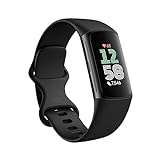
- Find your way seamlessly during runs or rides with turn-by-turn directions from Google Maps on Fitbit Charge 6[7, 8]; and when you need a snack break on the go, just tap to pay with Google Wallet[8, 9]
The hardware was unusually advanced for its time. It packed continuous heart-rate monitoring, GPS, accelerometer, gyroscope, skin temperature, UV exposure, ambient light, and galvanic skin response sensors, all in a single device. Even by today’s standards, that sensor list looks ambitious, particularly for a fitness tracker rather than a full smartwatch.
Crucially, it worked across Windows Phone, Android, and iOS with near feature parity. That cross-platform neutrality was rare then and remains notable now, especially as most modern wearables lock their best features behind a single operating system.
What Microsoft was really building with the Band
The Band was less about notifications and apps and more about Microsoft’s broader health data vision. Through Microsoft Health and later Microsoft HealthVault, the company positioned the Band as a personal data collector feeding long-term insights rather than daily gimmicks. Sleep tracking, guided workouts, VO2 max estimates, and recovery-style metrics were already part of the experience years before they became mainstream talking points.
The software experience reflected that philosophy. Instead of an app store or watch faces, users interacted with tile-based screens showing workouts, messages, calendar events, and sensor readouts. It wasn’t flashy, but it was functional, information-dense, and clearly designed for people who cared more about performance metrics than polish.
This focus also explains why the Band struggled commercially. It appealed strongly to data-driven users but less to fashion-conscious buyers, and Microsoft’s phone ecosystem decline made long-term support difficult despite the Band’s compatibility with rival platforms.
Why comeback rumours keep resurfacing
Microsoft officially exited the consumer fitness hardware market in 2016, issuing refunds and shutting down cloud services years later. Despite that, rumours of a Band revival surface regularly, often driven by Microsoft’s ongoing investment in health research, enterprise wearables, AI-driven analytics, and cloud-based medical platforms.
Patent filings related to biometric sensing, flexible displays, and non-invasive health monitoring have added fuel to the speculation. So has the broader industry shift toward recovery metrics, stress tracking, and AI-generated health insights, areas where the Band’s original concept feels unusually modern in hindsight.
To be clear, there is no confirmed new Microsoft Band as of now. What exists is a persistent belief that Microsoft’s original idea was abandoned too early, not that it was fundamentally flawed.
Why the Microsoft Band still matters in today’s market
Today’s fitness tracker market is crowded but increasingly fragmented. Apple dominates smartwatch-led health tracking, Garmin owns performance sports, Samsung straddles both worlds, and Fitbit has shifted toward subscription-driven insights under Google. Few devices prioritize cross-platform neutrality and raw sensor breadth the way the Band once did.
The Band’s legacy matters because it represents an alternative path: a fitness tracker that treats data as the product, not the hardware ecosystem. Its emphasis on comfort over style, wide compatibility, and deep biometric monitoring aligns closely with what many serious fitness users now say they want, even if they didn’t buy into it back then.
Whether or not Microsoft ever brings the Band back, understanding what it was helps frame the larger conversation about where fitness trackers are heading, who they’re really for, and whether today’s devices are solving problems or simply refining familiar formulas.
Design, Build Quality, and Wearability: How the Microsoft Band Feels on the Wrist Day to Day
Understanding why the Microsoft Band still sparks debate today means going back to how it physically interacted with the user. Long before recovery scores and readiness metrics became mainstream, Microsoft designed the Band around continuous wear, data accuracy, and practicality rather than visual flair.
A design that prioritized function over fashion
The Microsoft Band never tried to look like a traditional watch, and that was a deliberate choice. Its rectangular display sat horizontally across the wrist, more like a compact instrument panel than a timepiece, reinforcing that this was a fitness and data device first.
Visually, it leaned industrial rather than minimalist. Exposed metal edges, squared-off corners, and visible segmentation between the display and strap gave it a technical, almost prototype-like character that stood apart from softer, lifestyle-focused trackers of the era.
Materials and construction: understated but purposeful
The chassis combined a rigid magnesium alloy frame with a Gorilla Glass-protected touchscreen. Magnesium kept weight down while adding structural rigidity, which mattered given the number of sensors packed into the housing.
The band itself was made from fluoroelastomer, chosen for durability, sweat resistance, and long-term skin contact. While not luxurious, it aged better than many early silicone straps, resisting cracking and maintaining flexibility with regular use.
Dimensions, weight, and wrist presence
On the wrist, the Microsoft Band felt substantial without being heavy. It was wider than most fitness trackers of its time, which distributed weight across the wrist rather than concentrating it in a single puck-like module.
This width had a tradeoff. On smaller wrists, the Band could feel visually dominant and occasionally awkward under tight sleeves, but during workouts and outdoor activities, the broader footprint actually improved stability and sensor contact.
The adjustable clasp and fit system
Instead of traditional strap holes, Microsoft used a ratcheting clasp system that allowed for fine-grain adjustment. This made it easier to dial in a secure fit, which is critical for heart rate accuracy during movement.
Day to day, this adjustability was one of the Band’s most underrated strengths. Users could loosen it slightly for desk work and sleep, then snug it down for runs or gym sessions without swapping straps or fighting stiff buckles.
Comfort during long wear and sleep tracking
Despite its industrial look, the Band was designed to be worn 24/7. The underside housing was gently curved, and sensor windows were flush enough to avoid pressure points during extended wear.
For sleep tracking, opinions were more mixed. Side sleepers sometimes noticed the Band pressing into the wrist, especially if worn too tight, but many users adapted quickly by loosening the clasp at night, a flexibility the adjustment system made easy.
Durability in real-world use
The Microsoft Band was built to handle sweat, rain, and daily knocks without fuss. While not designed for swimming, it held up well to outdoor training and variable weather, aligning with its positioning as an all-day fitness companion rather than a fragile smart accessory.
Scratches on the metal frame were common over time, but largely cosmetic. The display itself proved relatively resilient, and the band material didn’t degrade as quickly as many first-generation wearables from competitors.
Daily usability versus modern expectations
By today’s standards, the Band feels utilitarian and unapologetically tech-forward. It lacks the visual polish and customization of modern smartwatches, but that simplicity also meant fewer distractions and clearer data access at a glance.
What stands out in hindsight is how intentionally it was designed around continuous biometric monitoring. The fit, materials, and physical layout all served the same goal: staying on your wrist comfortably enough, and securely enough, to collect meaningful data day after day.
Display and User Interface: Screen Technology, Readability, and On-Band Navigation
That emphasis on constant wear naturally places a lot of pressure on the screen and interface to be fast, legible, and unobtrusive. Microsoft approached the Band’s display less like a miniature smartphone and more like a data window designed to be checked dozens of times a day without breaking stride.
Rather than chasing visual flair, the Band’s screen and UI were engineered around information density, sensor feedback, and efficient interaction on a narrow wrist-mounted surface.
Screen technology and form factor
The Microsoft Band uses a slim, horizontally oriented touchscreen that stretches across the top of the wrist. On the original Band, this was a color TFT LCD panel, while the Band 2 moved to a curved AMOLED display that better followed the wrist’s natural shape.
Resolution was modest by modern smartwatch standards, but purposeful. The elongated aspect ratio allowed multiple data fields to be shown side by side, which worked especially well for workout metrics like heart rate, pace, distance, and time.
The curved glass on the Band 2 was more than an aesthetic upgrade. It reduced edge glare, improved viewing angles during arm movement, and made the device feel less like a rigid slab and more like a piece of wearable equipment.
Readability in motion and varying light
Readability was one of the Band’s quiet strengths. Text and icons were high-contrast, with a restrained color palette that favored clarity over decoration.
Outdoors, the display held up well in daylight, even if it never matched the sunlight visibility of modern transflective or always-on panels. Indoors and at night, brightness was sufficient without being harsh, which mattered for frequent glances during meetings or sleep tracking interruptions.
There was no always-on display in the contemporary sense. The screen woke with a wrist raise, button press, or tap, a trade-off that helped preserve battery life while still feeling responsive in daily use.
Touch interaction and physical controls
Navigation relied primarily on swipe gestures across the touchscreen, supported by a single physical button on the side. That button served as a home and back control, providing a reliable escape hatch if you got lost in menus mid-workout.
Swipes felt deliberate rather than flashy. Horizontal swiping moved between tiles, while vertical swipes drilled into more detailed views, such as per-mile splits or heart rate graphs during an activity.
The touchscreen itself was not designed for rapid-fire typing or complex gestures. Instead, it prioritized accuracy with sweaty fingers, gloves brushed against the screen, or quick interactions mid-run.
The tile-based user interface
Microsoft’s tile-based UI was instantly recognizable to anyone familiar with Windows Phone or the broader Microsoft ecosystem at the time. Each tile represented a function: steps, exercise, heart rate, sleep, notifications, weather, and guided workouts.
This structure made the Band feel predictable and easy to learn. Once users built muscle memory around tile order, accessing key data became almost subconscious, which is exactly what you want during training.
Customization was handled through the companion app rather than on the Band itself. Users could reorder tiles, enable or disable features, and choose which metrics appeared during workouts, keeping on-band interaction focused and uncluttered.
Notifications and glanceable data
Notifications were treated as secondary, not central. Messages, calls, and calendar alerts appeared as concise text blocks that you could read quickly or dismiss without digging through layers of UI.
This approach reinforced the Band’s identity as a fitness-first device rather than a wrist computer. Notifications informed without demanding attention, and there was no temptation to linger on the screen longer than necessary.
Rank #2

- Inspire 3 is the tracker that helps you find your energy, do what you love and feel your best. All you have to do is wear it.Operating temperature: 0° to 40°C
- Move more: Daily Readiness Score(1), Active Zone Minutes, all-day activity tracking and 24/7 heart rate, 20+ exercise modes, automatic exercise tracking and reminders to move
- Stress less: always-on wellness tracking, daily Stress Management Score, mindfulness sessions, relax breathing sessions, irregular heart rhythm notifications(2), SpO2(3), menstrual health tracking, resting heart rate and high/low heart rate notifications
- Sleep better: automatic sleep tracking, personalized Sleep Profile(1), daily detailed Sleep Score, smart wake vibrating alarm, sleep mode
- Comfortably connected day and night: calls, texts & smartphone app notifications(4), color touchscreen with customizable clock faces, super lightweight and water resistant to 50 meters, up to 10 day battery life(5)
Glanceable data was where the interface truly excelled. Heart rate trends, step progress, and workout stats were always one or two swipes away, presented in a way that emphasized trends and totals rather than raw clutter.
Learning curve and long-term usability
For new users, the Band’s interface was refreshingly straightforward. There were no app stores to manage, no watch faces to endlessly tweak, and no deep system settings buried on the device.
Over long-term use, this simplicity translated into reliability. The UI rarely slowed down, animations were minimal, and interactions remained consistent even as firmware updates added new features.
By modern standards, the interface lacks visual polish and personalization. Yet in the context of continuous biometric tracking and training-focused wear, the Microsoft Band’s display and navigation system were remarkably well judged, prioritizing speed, clarity, and function over spectacle.
Health and Fitness Tracking Features: What the Microsoft Band Monitors and How Accurate It Is
That emphasis on speed and clarity carries directly into how the Microsoft Band handles health and fitness tracking. Rather than overwhelming users with abstract scores or opaque readiness metrics, the Band focused on capturing a wide range of raw physiological data and presenting it in a way that felt actionable and easy to trust.
Microsoft’s approach leaned heavily on sensor fusion and continuous monitoring, aiming to give a more complete picture of daily activity and training load than most fitness trackers of its era.
Core activity tracking: steps, distance, and calories
At its foundation, the Microsoft Band functions as a full-time activity tracker. It monitors steps, distance traveled, active minutes, and estimated calorie burn throughout the day.
Step counting accuracy was generally strong for walking and steady movement, on par with Fitbit trackers from the same generation. Arm swing-dependent activities, such as pushing a stroller or carrying weights, could reduce accuracy, which was typical for wrist-based accelerometer systems at the time.
Calorie estimates combined movement data with heart rate readings, making them more reliable than trackers that relied solely on motion. While not laboratory-grade, the numbers tracked consistently enough to be useful for trend monitoring and weight management over time.
Continuous heart rate monitoring
One of the Microsoft Band’s standout features was its continuous optical heart rate tracking. Unlike earlier fitness bands that sampled heart rate only during workouts or on demand, the Band measured heart rate throughout the day and night.
In resting and low-intensity conditions, accuracy was solid, often within a few beats per minute of chest strap readings. During high-intensity or interval workouts, short spikes and dips could occur, especially during rapid wrist movement, but the data remained usable for pacing and effort awareness.
This always-on heart rate tracking enabled richer insights in the Microsoft Health platform, including resting heart rate trends and heart rate response during different activities.
Sleep tracking and recovery insights
Sleep tracking was another area where the Band aimed to go beyond basics. It automatically detected sleep duration and combined motion data with heart rate variability to estimate sleep quality.
Users could view time spent asleep, sleep interruptions, and average nighttime heart rate. While it did not provide modern sleep stage breakdowns like REM or deep sleep percentages, the overall sleep duration and consistency metrics were reliable enough to highlight poor sleep habits or recovery issues.
Comfort played a role here. The Band’s rigid, industrial design made overnight wear less comfortable than softer silicone trackers, which could affect compliance for light sleepers.
GPS-based workout tracking
Built-in GPS allowed the Microsoft Band to track outdoor runs, walks, and cycling sessions without a phone. This was a significant advantage over many fitness bands at the time, which relied on connected GPS.
Distance and route accuracy were generally good in open environments, with quick satellite lock times. Urban areas with tall buildings could introduce route smoothing and occasional signal drift, but overall performance compared favorably with early Garmin and Polar wrist-based GPS devices.
GPS workouts also enabled more detailed post-exercise analysis, including pace splits, elevation changes, and route maps within the Microsoft Health app.
Multi-sport modes and exercise recognition
The Band included dedicated modes for running, cycling, walking, and guided workouts. Each mode adjusted data collection frequency and on-screen metrics to suit the activity.
Manual workout selection was required, as automatic exercise detection was limited compared to modern trackers. However, once a workout was started, data capture was robust and consistent.
The inclusion of guided workouts, delivered directly to the Band’s screen, was forward-thinking. These sessions used heart rate feedback to cue intensity changes, making the Band feel more like a personal training tool than a passive tracker.
Advanced sensors: UV, skin temperature, and galvanic response
Beyond standard sensors, the Microsoft Band stood out for its experimental approach to biometric data. It included a UV sensor that measured sun exposure and provided alerts when exposure reached potentially harmful levels.
Skin temperature and galvanic skin response sensors added context to stress, recovery, and exertion levels. While these metrics were not always easy for casual users to interpret, they gave advanced users and data enthusiasts deeper insight into physiological trends.
Accuracy for these secondary sensors was less about precision and more about consistency. They worked best for observing changes over time rather than relying on absolute values.
Microsoft Health platform and data interpretation
All health and fitness data synced to the Microsoft Health app, available on iOS, Android, and Windows Phone. The app acted as the Band’s analytical engine, turning raw sensor data into charts, timelines, and trend reports.
Microsoft Health excelled at long-term visualization. Resting heart rate trends, weekly activity totals, and workout history were easy to review and export, appealing to users who wanted transparency rather than simplified scores.
The platform lacked the social and competitive features found in Fitbit or Garmin ecosystems, but it compensated with depth, flexibility, and a more analytical tone.
Overall accuracy and real-world reliability
In day-to-day use, the Microsoft Band delivered dependable tracking across most core metrics. Steps, heart rate, GPS distance, and sleep duration were consistent enough to build meaningful habits and training routines.
Its biggest limitations were comfort for all-day and overnight wear, occasional heart rate lag during high-intensity workouts, and the learning curve associated with interpreting some of the more advanced sensor data.
Taken as a whole, the Microsoft Band positioned itself closer to a training-focused fitness instrument than a lifestyle accessory. For users who valued data depth, transparency, and structured tracking over polish and aesthetics, its health and fitness feature set was ambitious, capable, and ahead of its time.
Sensors and Hardware Breakdown: Inside the Microsoft Band’s Tracking Technology
With the strengths and limitations of the data now clear, it helps to look under the hood. The Microsoft Band’s real ambition lived in its hardware, packing more sensors into a wrist-worn device than almost any fitness tracker of its era.
Rather than focusing on a single headline feature, Microsoft approached the Band as a modular sensing platform. Each component fed into a broader picture of movement, exertion, environment, and physiological response.
Optical heart rate sensor and continuous monitoring
At the core of the Band’s health tracking was its optical heart rate sensor, mounted on the underside of the curved chassis. It used green LED photoplethysmography to measure blood flow changes at the wrist, enabling continuous heart rate tracking throughout the day and during workouts.
In steady-state activities like walking, cycling, and zone-based training, readings were generally stable. During high-intensity intervals or rapid pace changes, the sensor could lag slightly, a limitation shared by most wrist-based optical systems at the time.
Continuous monitoring made the Band particularly useful for resting heart rate trends and sleep analysis. Over days and weeks, this sensor became one of the most meaningful contributors to long-term fitness insights.
10-sensor array: motion, environment, and physiology
What truly set the Microsoft Band apart was its unusually dense sensor array. In addition to heart rate, it included a three-axis accelerometer and gyroscope for step counting, activity recognition, and workout detection.
An onboard GPS module allowed the Band to track outdoor runs and rides without a phone. Distance and route mapping were reliable, though GPS use had a noticeable impact on battery life, encouraging selective rather than constant use.
Environmental sensors included an ambient light sensor and UV sensor. These were designed to provide contextual awareness rather than fitness metrics, with UV exposure alerts serving as a niche but thoughtful addition.
Skin temperature and galvanic skin response sensors
Two of the Band’s most forward-looking components were its skin temperature sensor and galvanic skin response sensor. Skin temperature tracked relative changes rather than absolute body temperature, making it more useful for spotting trends linked to recovery or illness.
Galvanic skin response measured subtle changes in skin conductivity caused by sweat gland activity. In practice, this sensor offered insight into stress and exertion patterns, especially when viewed over longer periods rather than single sessions.
These sensors pushed the Band beyond basic fitness tracking. They were clearly aimed at users willing to explore correlations and patterns instead of expecting instant, simplified conclusions.
Display, materials, and physical construction
The Microsoft Band featured a rectangular touchscreen with a curved Gorilla Glass surface designed to wrap slightly around the wrist. The display was functional rather than flashy, prioritizing glanceable data over vibrant visuals.
Rank #3

- 【BUILT-IN GPS SMART WATCH – GO FURTHER, FREER, SMARTER】No phone? No problem. This fitness watch for women, featuring the latest 2025 technology, includes an advanced professional-grade GPS chip that precisely tracks every route, distance, pace (real-time & average), and calorie burned—completely phone-free. Whether you're chasing new personal records or exploring off the beaten path, your full journey is automatically mapped and synced in the app. Train smarter. Move with purpose. Own your progress. Own your journey.
- 【BLUETOOTH 5.3 CALLS & SMART NOTIFICATIONS】Stay effortlessly connected with this smart watch for men and women, featuring dual Bluetooth modes (BT 3.0 + BLE 5.3) and a premium microphone for crystal-clear calls right from your wrist—perfect for driving, workouts, or busy days. Receive instant alerts for calls, texts, and popular social apps like WhatsApp and Facebook. Just raise your wrist to view notifications and never miss an important moment.
- 【100+ SPORT MODES & IP68 WATERPROOF & DUSTPROOF】This sport watch is a versatile activity and fitness tracker with 100+ modes including running, cycling, yoga, and more. It features quick-access buttons and automatic running/cycling detection to start workouts instantly. Accurately track heart rate, calories, distance, pace, and more. Set daily goals on your fitness tracker watch and stay motivated with achievement badges. With IP68 waterproof and dustproof rating, it resists rain and sweat for any challenge. Not suitable for showering, swimming, or sauna.
- 【24/7 HEALTH ASSISTANT & SMART REMINDERS】This health watch continuously monitors heart rate, blood oxygen, and stress levels for comprehensive wellness tracking. Sleep monitoring includes deep, light, REM sleep, and naps to give you a full picture of your rest. Stay on track with smart reminders for sedentary breaks, hydration, medication, and hand washing. Women can also monitor menstrual health. Includes guided breathing exercises to help you relax. Your ultimate health watch with event reminders for a healthier life.
- 【ULTRA HD DISPLAY, LIGHTWEIGHT & CUSTOMIZABLE DIALS】This stylish wrist watch features a 1.27-inch (32mm) 360×360 ultra HD color display with a 1.69-inch (43mm) dial, offering vivid details and responsive touch. Its minimalist design fits both business and casual looks. Switch freely among built-in designer dials or create your own DIY watch face using photos, colors, and styles to showcase your unique personality. Perfect as a cool digital watch and fashion wrist watch.
The chassis combined magnesium alloy with a silicone elastomer strap permanently integrated into the body. This design improved sensor contact and durability but limited customization and made fit more critical than on modular strap systems.
At roughly 30mm wide, the Band was larger and stiffer than many fitness trackers. For some users, this affected comfort during sleep and extended wear, especially on smaller wrists.
Haptics, buttons, and daily usability
Physical interaction was handled through a side-mounted button paired with touchscreen controls. The button provided a reliable way to wake the display or exit screens during workouts, an advantage when hands were sweaty or gloved.
Vibration alerts were strong and easy to notice during activity, reinforcing pacing cues, notifications, and safety alerts without relying on sound. This contributed to the Band’s training-first personality.
Water resistance was sufficient for sweat and rain but not designed for swimming. This positioned the Band firmly as a land-based fitness and training device rather than an all-sport tracker.
Battery hardware and charging system
Power came from a small internal battery designed to balance continuous sensing with reasonable endurance. Typical use delivered about one full day with heart rate monitoring and notifications, stretching into a second day with GPS used sparingly.
Charging relied on a proprietary USB cable that snapped into the Band’s underside. While secure, it added friction for travelers and made replacements less convenient than standard connectors.
Battery constraints influenced how the hardware was meant to be used. The Band rewarded intentional tracking sessions and nightly charging rather than multi-day, set-it-and-forget-it wear.
Hardware philosophy and competitive positioning
Viewed as a whole, the Microsoft Band’s hardware reflected a data-first philosophy. It favored sensor breadth, measurement frequency, and contextual awareness over minimalism or fashion-forward design.
Compared to rivals that streamlined hardware for comfort or battery life, the Band leaned toward experimentation and depth. This made it especially appealing to technically curious users and early adopters, even if it demanded compromises in wearability and simplicity.
The result was a fitness tracker that felt closer to a research-grade instrument than a lifestyle accessory, setting the stage for how its software and ecosystem would attempt to make sense of everything it measured.
Software, Apps, and the Microsoft Ecosystem: Microsoft Health, Data Insights, and Platform Integration
All of the Band’s dense hardware and short battery runway only made sense once you stepped into Microsoft’s software layer. This was where raw sensor data was translated into trends, coaching cues, and long-term health context rather than just daily step counts.
Microsoft approached the Band less like a smartwatch with apps and more like a sensor platform with a powerful analytics back end. The experience lived across the Band itself, the companion app, and Microsoft’s cloud services working together.
Microsoft Health: the hub for everything the Band measures
At the center of the experience was the Microsoft Health app, available across iOS, Android, and Windows Phone. This cross-platform support was unusual at the time and positioned the Band as ecosystem-agnostic rather than phone-brand exclusive.
The app organized data into clear, scrollable dashboards covering steps, heart rate, sleep, workouts, calories, and GPS routes. Instead of overwhelming users with charts, Microsoft emphasized daily summaries first, with deeper metrics only a tap away.
Historical views were a major strength. You could track resting heart rate trends, sleep consistency, and activity volume across weeks or months, which reinforced the Band’s data-first identity.
Data depth, trends, and actionable insights
What set Microsoft Health apart was its focus on interpretation, not just collection. The platform analyzed your data to surface correlations, such as how sleep quality affected next-day activity or how often you hit specific heart rate zones during workouts.
Guided insights appeared as plain-language cards rather than dense graphs. These suggestions felt closer to coaching prompts than medical diagnostics, keeping the experience approachable while still being informative.
Heart rate variability, recovery trends, and calorie burn estimates benefited from the Band’s continuous sensing. While not clinical-grade, the data richness exceeded most consumer trackers of its era and rewarded consistent wear.
Workout tracking and GPS integration
For workouts, Microsoft Health acted as a post-session analysis tool rather than a live coaching app. Runs, rides, and other GPS activities synced automatically, displaying maps, pace splits, elevation changes, and heart rate overlays.
The Band itself handled real-time metrics like pace, distance, and heart rate zones. After syncing, the app allowed you to revisit sessions in far greater detail than what could fit on the narrow display.
This division of labor worked well. The Band stayed focused and readable during exercise, while the app handled reflection and planning afterward.
Sleep tracking and recovery emphasis
Sleep tracking was one of the Band’s standout software features. The app broke nights down into time asleep, sleep efficiency, and movement-based stages, presenting the results in an easy-to-scan timeline.
More importantly, sleep data was tied back into daytime performance. Microsoft Health regularly highlighted how poor sleep correlated with reduced activity or elevated resting heart rate.
This holistic framing made the Band feel less like a step counter and more like a 24-hour health monitor, even if the hardware wasn’t always comfortable for overnight wear.
Notifications, productivity, and Cortana integration
Beyond fitness, the Band leaned into Microsoft’s productivity ecosystem. Notifications for calls, texts, emails, and calendar alerts synced reliably from the phone, with vibration strength adjustable per category.
Cortana integration was a distinctive feature for users invested in Microsoft services. Voice commands could set reminders, send quick replies, or log notes, though accuracy depended heavily on ambient noise and microphone placement.
These smart features felt practical rather than flashy. The Band was never trying to replace your phone, but it did reduce how often you needed to pull it out.
On-device apps and customization
The Band supported a small but purposeful set of on-device apps, including exercise modes, alarms, timers, weather, and basic messaging previews. App switching relied on swipes and the physical button, which kept navigation predictable even during workouts.
Customization focused on function rather than aesthetics. Users could choose which tiles appeared on the Band and in what order, tailoring the experience around training, productivity, or daily activity.
Watch faces were utilitarian, prioritizing legibility and data density over decoration. This reinforced the Band’s instrument-like character.
Third-party integrations and platform openness
Microsoft opened the Band to developers through a dedicated SDK, allowing third-party apps and services to access sensor data. This encouraged experimentation, particularly in fitness, research, and enterprise wellness use cases.
Cloud syncing enabled data export and integration with select health platforms, though the ecosystem never reached the breadth of Apple Health or later Google Fit implementations. Power users appreciated the openness, even if casual users rarely ventured beyond the default app.
The Band felt like a foundation rather than a finished marketplace. Its value depended heavily on how much the user cared about data portability and experimentation.
Software limitations and real-world usability
Despite its strengths, the software experience was not frictionless. Sync times could be slow, and occasional connectivity hiccups reminded users that the system relied on constant Bluetooth communication.
Battery constraints also shaped software behavior. Continuous sensing delivered richer insights, but it demanded disciplined charging habits to avoid missing data.
For users willing to engage with the platform daily, Microsoft Health rewarded curiosity and consistency. For those seeking passive, low-maintenance tracking, the software could feel demanding.
How the ecosystem defined the Band’s identity
Ultimately, Microsoft’s software and ecosystem determined who the Band was for. It wasn’t a fashion accessory or a casual wellness tracker, but a connected measurement tool designed to surface patterns over time.
The hardware collected aggressively, the software interpreted thoughtfully, and the ecosystem tied everything together across devices and services. For technically curious users, that combination was compelling, even if it came with trade-offs in simplicity and endurance.
Compatibility and Connectivity: Android, iOS, Windows, and Cross-Platform Experience
The Band’s ecosystem philosophy extended naturally into its approach to phone compatibility. Rather than locking users into a single mobile platform, Microsoft positioned the Band as a genuinely cross-platform fitness tracker, designed to behave consistently whether paired with Android, iOS, or Windows Phone.
That decision reinforced the Band’s identity as a data-first wearable. Your choice of phone influenced convenience and polish, but not access to core features or sensor depth.
Android compatibility and daily use
On Android, the Microsoft Band delivered its most flexible experience. Pairing was handled through the Microsoft Health app, with support for notifications, fitness tracking, GPS-assisted workouts, and background syncing.
Rank #4

- 24H Accurate Heart Rate Monitoring: Go beyond basic tracking. Our watch automatically monitors your heart rate, blood oxygen (SpO2), and sleep patterns throughout the day and night. Gain deep insights into your body's trends and make informed decisions for a healthier lifestyle.
- Practical Sports Modes & Smart Activity Tracking: From running and swimming to yoga and hiking, track a wide range of activities with precision. It automatically records your steps, distance, calories burned, and duration, helping you analyze your performance and crush your fitness goals.
- 1-Week Battery Life & All-Day Wear: Say goodbye to daily charging. With an incredible up to 7-10 days of battery life on a single charge, you can wear it day and night for uninterrupted sleep tracking and worry-free travel. Stay connected to your data without the hassle.
- Comfortable to Wear & IP68 Waterproof: The lightweight, skin-friendly band is crafted for all-day comfort, even while you sleep. With IP68 waterproof, it withstands rain, sweat, It is not suitable for swimming or showering.
- Ease of Use and Personalized Insights via Powerful App: The display is bright and easy to read, even outdoors. Unlock the full potential of your watch. Sync with our dedicated app to view detailed health reports, customize watch faces, set sedentary reminders, and manage your preferences with ease.
Android users benefited from deeper notification controls and more forgiving background app behavior, which helped reduce missed syncs during the day. Message previews, call alerts, calendar reminders, and app notifications felt dependable once configured correctly.
The experience was not effortless, however. Battery optimization settings on some Android devices could interfere with background syncing, requiring manual adjustments for consistent performance.
iOS compatibility: functional but constrained
iPhone support was solid at a feature level, but more restricted by Apple’s system policies. Fitness tracking, heart rate monitoring, sleep analysis, and GPS workouts all worked as intended, and data synced reliably to Microsoft Health.
Notifications were supported, but interaction was limited compared to Android. Users could view alerts but had less granular control over which apps pushed notifications, and response actions were minimal.
For iOS users focused primarily on fitness data rather than smartwatch-style interactions, the Band remained usable and accurate. It simply felt more like a companion display than an extension of the phone.
Windows Phone integration and platform symmetry
Unsurprisingly, the Band felt most at home on Windows Phone. Setup was straightforward, syncing was stable, and Microsoft Health integration felt cohesive with the broader Windows ecosystem.
Live Tiles, native app behavior, and consistent UI language made the Band feel like a natural accessory rather than a third-party add-on. Notifications, fitness tracking, and historical data access all worked smoothly within Microsoft’s design framework.
That said, Windows Phone’s declining app ecosystem limited long-term appeal. The Band worked well with the platform, but the platform itself constrained future potential.
Bluetooth connectivity and real-world reliability
The Band relied on Bluetooth for all phone communication, with no standalone cellular or Wi‑Fi syncing. In practice, this meant keeping your phone nearby for notifications, assisted GPS tracking, and timely data uploads.
Connectivity was generally stable, but not invisible. Occasional dropouts, delayed syncs, or the need to manually reconnect reminded users that the Band was constantly negotiating power consumption and data transfer.
Charging cadence played a role here. Low battery states could trigger reduced syncing frequency, which helped preserve endurance but sometimes delayed notifications or workout uploads.
Switching phones and cross-platform continuity
One of the Band’s quieter strengths was how well it handled platform switching. Because data lived primarily in the Microsoft Health cloud, users could move from Android to iOS, or to Windows Phone, without losing historical fitness records.
Re-pairing required a reset and fresh Bluetooth setup, but once logged into the same Microsoft account, past activity, sleep data, and workouts reappeared automatically. For users who changed phones frequently, this was a meaningful advantage.
This cloud-first approach also supported multi-device access. Fitness data could be viewed on phones, tablets, or desktop browsers, reinforcing the Band’s role as a measurement tool rather than a phone-dependent accessory.
What compatibility tells us about who the Band is for
The Band’s cross-platform support underscored Microsoft’s broader ambition. It was built for users who valued consistency across devices, transparency in data handling, and freedom from ecosystem lock-in.
That flexibility came with trade-offs in polish and immediacy, especially compared to tightly integrated rivals. But for technically curious users and platform-agnostic athletes, the Band’s compatibility story was unusually progressive for its time.
Rather than asking users to commit to a phone brand, the Band asked them to commit to their data.
Battery Life, Charging, and Real-World Endurance: What to Expect Between Charges
That emphasis on data continuity and cross-platform freedom came with a very real cost in day-to-day endurance. The Microsoft Band was a sensor-dense device with an always-on posture, and battery life was one of the areas where its ambitions most clearly collided with practical limits.
Rather than aiming for week-long longevity like simpler fitness bands, Microsoft positioned the Band closer to an early smartwatch in terms of power demands. Understanding its battery behavior is essential to knowing whether it fits your routine.
Official battery claims versus realistic use
Microsoft rated the Band for roughly two days of typical use on a single charge. In controlled scenarios with notifications enabled, passive tracking active, and limited workouts, that estimate was generally achievable.
Real-world usage, however, often landed closer to 24 to 36 hours. Users who tracked daily workouts, relied heavily on notifications, or frequently engaged the touchscreen rarely made it comfortably into a second full day.
How sensors and GPS impact endurance
The Band’s broad sensor array was both its defining feature and its biggest battery drain. Continuous heart rate monitoring, skin temperature sensing, and galvanic skin response tracking all ran quietly in the background, drawing power even when the display was off.
GPS was the most significant endurance hit. A single long outdoor run or cycling session with GPS enabled could consume a substantial portion of the battery, sometimes cutting total runtime nearly in half compared to non-GPS days.
Display behavior and day-to-day drain
The Band’s rectangular color display was bright and information-dense for its time, but it was not particularly efficient. Frequent wrist raises, notifications, and manual interactions added up quickly, especially at higher brightness levels.
Unlike simpler bands with monochrome or segmented displays, the Microsoft Band encouraged interaction. That usability benefit directly translated into more frequent charging.
Sleep tracking and overnight considerations
Microsoft designed the Band to be worn overnight, and it handled sleep tracking reliably. With a full charge before bed, most users could track sleep and still have enough battery for the following morning.
The challenge was sustainability. Wearing the Band 24/7 meant finding a consistent daily charging window, often during showers or desk time, rather than skipping nights.
Charging method and convenience
Charging was handled via a proprietary magnetic connector that snapped securely into place. The connection itself was reliable, but the cable was unique to the Band, making replacements or travel backups less convenient.
A full charge typically took around 90 minutes. There was no fast-charge behavior, and partial top-ups were common rather than optional for users pushing the Band hard.
Battery management and software behavior
As battery levels dropped, the Band quietly adjusted its behavior. Syncing frequency could decrease, background processes became more conservative, and users sometimes noticed delayed notifications or slower data uploads.
This adaptive throttling helped extend usability but reinforced the sense that battery life was always being actively negotiated. Power-saving modes existed, but enabling them reduced much of what made the Band appealing in the first place.
How the Band compares to rivals of its era
Against contemporaries like Fitbit’s Charge line, the Microsoft Band clearly lagged in endurance. Fitbit devices often delivered four to five days or more by limiting sensors and interaction, while the Band chose capability over longevity.
Compared to early Android Wear and Apple Watch models, however, the Band’s battery life was competitive. It sat in an uncomfortable middle ground: more demanding than a fitness tracker, but without the app ecosystem justification of a full smartwatch.
Who the battery life works for, and who it doesn’t
For data-driven users who valued rich sensor output and were already accustomed to daily charging, the Band’s endurance was manageable. It fit well into routines where charging nightly or every other night was acceptable.
For users expecting a set-it-and-forget-it fitness band, battery life was a frequent point of friction. The Microsoft Band rewarded engagement and curiosity, but it asked for attention in return, including regular time on the charger.
Strengths, Limitations, and Known Trade-Offs: Where the Microsoft Band Excels and Falls Short
Coming directly from the realities of battery life, the Microsoft Band’s broader strengths and weaknesses follow the same theme. It was a device built around ambition and data density, and that ambition shaped nearly every trade-off users encountered.
Sensor depth and data ambition
The Microsoft Band’s biggest strength was the sheer number and variety of sensors packed into a slim wrist-worn form. GPS, continuous heart rate, skin temperature, galvanic skin response, UV exposure, and ambient light sensing were all present at a time when most rivals focused on two or three metrics at most.
This allowed the Band to paint a more holistic picture of activity, stress, and environmental context. For users interested in trends rather than just steps, it offered insights few competitors could match.
The downside was complexity. More sensors meant more calibration, more background processing, and more opportunities for inconsistent readings depending on fit, skin type, or activity.
Microsoft Health platform integration
At its best, Microsoft Health acted as a serious analytics hub rather than a motivational dashboard. Charts were granular, timelines were detailed, and raw data was accessible in ways that appealed to technically minded users.
Cross-platform support for iOS, Android, and Windows Phone was another genuine advantage. Few fitness trackers of the era treated all three ecosystems equally.
However, the platform lacked the polish and long-term engagement hooks found in Fitbit’s ecosystem. Coaching, social challenges, and third-party integrations were limited, making it feel more like a tool than a lifestyle companion.
💰 Best Value

- 【Superb Visual Experience & Effortless Operation】Diving into the latest 1.58'' ultra high resolution display technology, every interaction on the fitness watch is a visual delight with vibrant colors and crisp clarity. Its always on display clock makes the time conveniently visible. Experience convenience like never before with the intuitive full touch controls and the side button, switch between apps, and customize settings with seamless precision.
- 【Comprehensive 24/7 Health Monitoring】The fitness watches for women and men packs 24/7 heart rate, 24/7 blood pressure and blood oxygen monitors. You could check those real-time health metrics anytime, anywhere on your wrist and view the data record in the App. The heart rate monitor watch also tracks different sleep stages for light and deep sleep,and the time when you wake up, helps you to get a better understanding of your sleep quality.
- 【120+ exercise modes & All-Day Activity Tracking】There are more than 120 exercise modes available in the activity trackers and smartwatches, covering almost all daily sports activities you can imagine, gives you new ways to train and advanced metrics for more information about your workout performance. The all-day activity tracking feature monitors your steps, distance, and calories burned all the day, so you can see how much progress you've made towards your fitness goals.
- 【Messages & Incoming Calls Notification】With this smart watch fitness trackers for iPhone and android phones, you can receive notifications for incoming calls and read messages directly from your wrist without taking out your phone. Never miss a beat, stay in touch with loved ones, and stay informed of important updates wherever you are.
- 【Essential Assistant for Daily Life】The fitness watches for women and men provide you with more features including drinking water and sedentary reminder, women's menstrual period reminder, breath training, real-time weather display, remote camera shooting, music control,timer, stopwatch, finding phone, alarm clock, making it a considerate life assistant. With the GPS connectivity, you could get a map of your workout route in the app for outdoor activity by connecting to your phone GPS.
Cross-platform compatibility as a double-edged sword
The Band worked with almost any smartphone, which reduced friction for users switching devices. Notifications, syncing, and firmware updates behaved consistently regardless of operating system.
At the same time, the experience was never fully native on any platform. iOS and Android users didn’t get the deep OS-level integration of Apple Watch or Android Wear devices, and Windows Phone users saw diminishing returns as the platform itself declined.
This universality came at the cost of tight ecosystem synergy. The Band existed slightly outside every camp rather than at the center of one.
Design, materials, and real-world comfort
From a materials standpoint, the Microsoft Band favored function over warmth. The rubberized strap, aluminum clasp, and glass display felt durable and purposeful, but also clinical.
The segmented strap design helped achieve a precise fit, which improved sensor accuracy. Comfort during workouts was generally good, especially for running and cycling.
All-day wear was more divisive. The rectangular shape, rigid strap segments, and industrial aesthetic made it harder to forget you were wearing it, particularly for smaller wrists.
Display usability and interaction limits
The color touchscreen was bright and responsive, especially outdoors. Swipe-based navigation worked reliably, and glanceable data screens were well laid out.
The narrow aspect ratio limited how much information could be shown at once. Reading longer notifications or reviewing historical data on-device often felt cramped.
This reinforced the Band’s reliance on the companion app. The display was excellent for quick checks, but not for deep interaction.
Fitness tracking accuracy and workout handling
GPS-based activities like running and cycling were a standout strength. Route mapping and pace consistency compared well with dedicated sports watches of the time.
Heart rate tracking was generally reliable during steady-state cardio, though it could lag during interval training. This was common for optical sensors of the era, but still noticeable for serious athletes.
Strength training and mixed workouts were supported but less refined. Automatic rep detection and exercise recognition never fully replaced manual logging.
Durability, water resistance, and daily resilience
The Microsoft Band was built to handle sweat, rain, and everyday wear. It was suitable for workouts and outdoor activity without constant worry.
Swimming was a clear limitation. Water resistance was not sufficient for pool or open-water use, which excluded a major category of fitness tracking.
This positioned the Band as an outdoor and gym-focused device rather than a true all-sport tracker.
Software evolution and long-term support concerns
Early firmware updates expanded features and improved stability, showing strong initial commitment. New tiles, tracking modes, and data views arrived at a steady pace.
Over time, the pace slowed, and the future of the platform became less certain. Users investing heavily in the ecosystem had to accept the risk of stagnation.
This uncertainty was a key trade-off. The Band delivered impressive capabilities in the present, but offered fewer guarantees about the future.
Value proposition then and now
At launch, the Microsoft Band was aggressively priced for its hardware. Few devices offered comparable sensor arrays without stepping into much higher price brackets.
The value depended heavily on how much users engaged with the data. Casual users often felt overwhelmed, while enthusiasts felt rewarded.
Ultimately, the Band excelled for people who wanted to understand their bodies through numbers rather than encouragement. That focus defined both its strengths and its shortcomings.
Who the Microsoft Band Is For — and How It Compares Conceptually to Fitbit, Garmin, and Apple Watch
By this point, a clear picture emerges of what the Microsoft Band was trying to be. It was not designed to disappear quietly on your wrist or gently nudge you toward healthier habits. Instead, it positioned itself as a data-forward, sensor-heavy wearable aimed at people who actively wanted to analyze their health and activity in detail.
That philosophy shaped exactly who the Band made sense for, and why it felt fundamentally different from its closest rivals at the time.
The ideal Microsoft Band user
The Microsoft Band appealed most to technically curious users who enjoyed digging into metrics rather than simply closing rings or hitting step goals. If you liked charts, trend lines, and raw numbers, the Band rewarded that curiosity more than most mainstream trackers.
It also suited users who wanted broad health visibility rather than sport-specific depth. With heart rate, GPS, skin temperature, galvanic skin response, and UV exposure all working together, the Band painted a wide physiological picture across daily life, workouts, and recovery.
Platform flexibility was another major draw. The Band worked across Windows Phone, Android, and iOS, making it attractive to households or workplaces where device ecosystems were mixed. Few wearables at the time handled cross-platform support as evenly.
Who the Microsoft Band was not for
For users seeking simplicity, the Band could feel overwhelming. Its interface prioritized information density over elegance, and the learning curve was steeper than most consumer fitness trackers.
It was also a less natural fit for swimmers and triathletes due to limited water resistance. Anyone needing reliable pool or open-water tracking had to look elsewhere.
Style-conscious buyers often struggled with the design. The rigid thermoplastic elastomer strap, visible clasp mechanism, and wide rectangular body prioritized sensor placement and durability over aesthetics or comfort on smaller wrists.
Conceptual comparison: Microsoft Band vs Fitbit
Fitbit’s philosophy has always centered on habit-building and approachability. Its devices focus on making activity tracking feel effortless, with friendly visualizations, long battery life, and minimal user friction.
The Microsoft Band took almost the opposite approach. Rather than abstracting data into simplified scores, it exposed more of the underlying metrics and trends. Where Fitbit encouraged consistency, the Band encouraged understanding.
Fitbit devices were generally slimmer, more comfortable for 24/7 wear, and easier to recommend to first-time users. The Band, by contrast, felt like a tool for users who already cared deeply about health data and wanted fewer layers between themselves and the numbers.
Conceptual comparison: Microsoft Band vs Garmin
Garmin’s wearables are built around performance, training structure, and sport-specific accuracy. Metrics like VO2 max, training load, recovery time, and advanced GPS features define the experience.
The Microsoft Band did include GPS and delivered respectable outdoor tracking, but it was never a pure sports watch. Its strength lay in blending fitness data with broader wellness signals such as stress response and daily physiological patterns.
Garmin devices favored physical buttons, long battery life, and outdoor robustness. The Band leaned more toward touchscreen interaction, daily wear, and holistic monitoring, even if that meant more frequent charging and fewer athlete-centric features.
Conceptual comparison: Microsoft Band vs Apple Watch
Apple Watch approached fitness as part of a larger lifestyle and smartwatch ecosystem. Notifications, apps, payments, and communication were just as central as workouts and health tracking.
The Microsoft Band was far more focused. Its smart features existed, but they served the fitness experience rather than competing with it. Notifications were functional, not transformative, and third-party app depth was limited.
Apple prioritized polish, comfort, and tight integration with iOS hardware. Microsoft prioritized sensor experimentation and platform neutrality. The result was a Band that often felt more experimental and technical, while the Apple Watch felt more refined and future-proof.
Where the Microsoft Band ultimately fit in the wearable landscape
Conceptually, the Microsoft Band sat between mainstream fitness trackers and serious sports watches, without fully becoming either. It delivered more health insight than Fitbit, more daily wellness breadth than Garmin, and less lifestyle integration than Apple Watch.
Its defining characteristic was ambition. Few wearables of its era attempted such a wide array of sensors in a single device, and fewer still made that data accessible across multiple platforms.
For the right user, the Band felt empowering and ahead of its time. For others, it felt bulky, complex, and uncertain in its long-term direction.
Final perspective
The Microsoft Band was best understood as a wearable for people who wanted to learn, measure, and experiment. It rewarded curiosity more than consistency and analysis more than motivation.
In that sense, it carved out a distinct identity rather than chasing its competitors directly. Whether that made it compelling or frustrating depended entirely on what the wearer expected from a fitness tracker.
Viewed through today’s lens, the Band remains a fascinating example of what happens when a technology company prioritizes data depth and ecosystem openness over simplicity and style.