Microsoft’s return to the health platform conversation is not a nostalgia play, and it is not about reviving Band-era fitness tracking. It reflects a structural shift in how health data is created, stored, and acted on across devices people already use every day, from smartwatches to laptops to workplace systems. For users embedded in Google Fit or Apple Health, this move raises a practical question: does a Microsoft-backed platform change how your data moves, who controls it, and which devices make sense long term?
The timing matters because the wearable market has matured past step counting and basic heart rate trends. Smartwatches now track sleep stages, heart rate variability, blood oxygen, temperature deviations, and recovery metrics continuously, while users expect that data to follow them across phones, PCs, and services without friction. Microsoft is stepping back in at a moment when health data has become infrastructure rather than a feature, and when neither Apple nor Google fully covers cross-platform realities.
What follows explains why Microsoft sees an opening now, what it believes the existing platforms leave unresolved, and how that could materially affect device compatibility, privacy expectations, and ecosystem lock-in for wearable owners over the next several years.
The ecosystem gap Apple and Google don’t fully address
Apple Health remains deeply powerful but structurally exclusive. It works best if you own an iPhone, likely an Apple Watch, and are comfortable with health data living primarily inside Apple’s mobile-first ecosystem, even as macOS access remains indirect and limited. For users who mix platforms, or who rely on Windows PCs for daily work, Apple Health can feel siloed despite its polish and data depth.
🏆 #1 Best Overall
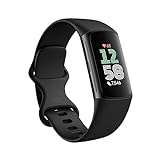
- Find your way seamlessly during runs or rides with turn-by-turn directions from Google Maps on Fitbit Charge 6[7, 8]; and when you need a snack break on the go, just tap to pay with Google Wallet[8, 9]
Google Fit, by contrast, is broadly compatible but strategically thin. It functions as a data aggregator rather than a central health OS, with inconsistent device support, uneven long-term feature investment, and a shifting relationship with Fitbit since Google’s acquisition. For many Wear OS users, Fit exists more as a background sync layer than a destination for meaningful insights.
Microsoft’s re-entry targets this gap: users who want platform neutrality without sacrificing data richness, long-term stability, or deep integration with the devices they actually spend the most time on, particularly Windows PCs.
Windows is still the world’s most common personal computing surface
Despite mobile-first narratives, Windows remains the dominant desktop operating system globally, especially in workplaces, universities, and mixed-device households. Health data increasingly intersects with these environments through productivity tools, remote work, ergonomic monitoring, and corporate wellness programs. Neither Apple Health nor Google Fit treats the PC as a first-class health surface.
Microsoft Health’s timing aligns with a broader strategy of making Windows context-aware rather than app-centric. A health platform that can surface recovery trends, activity gaps, or stress indicators alongside calendar load, work hours, and screen time becomes more actionable than a phone-only dashboard. This is not about replacing smartwatch apps, but about making their data relevant beyond the wrist.
For wearable users, this suggests a future where your watch’s data influences how your broader digital environment responds, rather than living in a separate fitness silo.
AI-driven health insights need scale and compute
Modern health platforms are shifting from raw metrics to interpretation. Trends like readiness scores, sleep coaching, and anomaly detection depend on large-scale data processing and longitudinal analysis rather than on-device calculation alone. Microsoft’s cloud infrastructure and AI tooling give it an advantage in extracting meaning from multi-device, multi-year health data.
Where Apple emphasizes on-device processing and privacy, and Google balances consumer insights with advertising-era data models, Microsoft positions itself as an enterprise-grade data processor with a long history in regulated environments. This matters as wearables move closer to clinical relevance, even if they remain consumer devices.
For users, the practical implication is whether future health insights feel smarter over time rather than static. A platform built for long-term analysis could appeal to people who keep devices for years and care about trends more than daily rings.
Regulation and data ownership are reshaping health platforms
Health data regulation is tightening globally, and consumer awareness around data ownership has increased. Apple’s stance is privacy-forward but closed, while Google’s approach remains under scrutiny due to its advertising DNA. Microsoft has spent decades operating under compliance-heavy frameworks in healthcare, government, and enterprise IT.
Re-entering now allows Microsoft to design a health platform with explicit data portability, auditability, and user-controlled sharing at its core rather than as an afterthought. This is especially relevant for users who want to move data between devices, services, or even insurers without losing history or control.
For wearable owners deciding which ecosystem to trust long term, this regulatory posture may matter more than individual features.
The wearable market is more fragmented than ever
Unlike the early smartwatch era, today’s market includes Apple Watch, Wear OS devices from multiple manufacturers, fitness-first brands, hybrid watches, and sensor rings, each with different strengths in battery life, comfort, materials, and durability. No single platform cleanly unifies them without compromise.
Microsoft’s re-entry acknowledges this fragmentation rather than trying to collapse it. A health platform that prioritizes interoperability over hardware lock-in could benefit users who rotate devices, value long battery life over app ecosystems, or prefer specific form factors for sleep and daily wear.
This is where Microsoft Health’s relevance becomes tangible: not as a competitor watch, but as a connective layer that makes diverse wearables feel like part of a coherent system rather than isolated gadgets.
What Microsoft Health Actually Is (And What It Is Not)
Seen in the context of fragmentation, regulation, and long-term data value, Microsoft Health is best understood as an infrastructure play rather than a flashy consumer app. It is designed to sit underneath devices and services, quietly organizing health data in ways that remain useful years down the line.
That framing matters, because many assumptions about Microsoft’s return to health are based on what Apple and Google have trained users to expect. Microsoft Health is not trying to win daily engagement through rings, streaks, or gamified dashboards.
A health data platform, not a watch or fitness app
Microsoft Health is fundamentally a cloud-backed health data platform that aggregates, normalizes, and contextualizes data from multiple sources. Think of it as a health data operating layer rather than a destination app you open every morning.
There is no Microsoft-branded smartwatch, no proprietary sensor hardware, and no expectation that users abandon their existing devices. Apple Watch, Wear OS watches, fitness bands, rings, blood pressure cuffs, and even clinical-grade devices can all be part of the picture, depending on integrations.
This immediately distinguishes it from Apple Health, which is deeply tied to Apple hardware, and Google Fit, which is optimized around Wear OS and Android phones. Microsoft’s bet is that long-term value comes from coherence across devices, not ownership of the wrist.
Not a replacement for Google Fit or Apple Health
Microsoft Health is not positioned as a drop-in replacement for the platforms users already rely on day to day. You are not expected to stop closing rings, logging workouts, or checking sleep scores where you already do that.
Instead, it operates alongside those systems, ingesting data with user permission and preserving it in a way that is less dependent on a single device generation or OS upgrade cycle. If Apple Health is the dashboard and Google Fit is the activity layer, Microsoft Health is closer to the archive and analysis engine.
For users who upgrade phones frequently, switch watch brands, or rotate devices for comfort, battery life, or specific activities, that distinction becomes practical rather than theoretical.
Designed for longitudinal insight, not daily motivation
One of the clearest philosophical differences is time horizon. Apple Health and Google Fit are excellent at daily and weekly feedback, but their insights often reset with device changes or feel shallow over multi-year spans.
Microsoft Health is optimized for longitudinal analysis: trends across months and years, correlations between activity, sleep, heart metrics, and external factors, and the ability to revisit historical data without losing fidelity. This aligns with how Microsoft has historically approached enterprise analytics and healthcare systems.
For users who care less about today’s step count and more about how their resting heart rate, VO2 max estimates, or sleep consistency evolve over five years, this approach may resonate more strongly.
Built around data portability and user-controlled sharing
A defining characteristic of Microsoft Health is its emphasis on data ownership and controlled portability. Users are expected to be able to export, migrate, and selectively share their data with third-party services, healthcare providers, insurers, or research platforms.
This is not framed as a social feature or a wellness perk, but as a compliance-first design choice rooted in Microsoft’s experience with regulated industries. Audit trails, permissions, and clear boundaries around data usage are part of the foundation rather than optional add-ons.
In contrast, Apple Health prioritizes on-device privacy but limits external access, while Google Fit’s cloud-centric model raises questions for users wary of advertising-adjacent ecosystems. Microsoft positions itself between those extremes.
Not a consumer-first lifestyle brand
There is no attempt to wrap Microsoft Health in lifestyle branding, influencer partnerships, or aspirational fitness narratives. The interface and messaging are intentionally utilitarian, focusing on clarity, structure, and interoperability.
This may make it feel less exciting at first glance, especially compared to the polished animations and motivational language of Apple’s ecosystem. However, it also means fewer incentives to nudge behavior in ways that benefit platform engagement over user understanding.
For some users, particularly those who already feel overwhelmed by notifications and wellness prompts, that restraint will be a feature rather than a drawback.
Why Microsoft’s approach could matter long term
Microsoft Health exists because the health data problem is no longer about collection, but about continuity. Sensors are improving, battery life is stretching into weeks for some devices, and comfort-focused designs mean people wear trackers more consistently than ever.
What has lagged behind is a neutral, durable place for that data to live as hardware, brands, and platforms change. Microsoft is aiming to be that place, leveraging its cloud infrastructure and regulatory credibility rather than consumer hardware dominance.
Whether that vision succeeds will depend on integrations and trust, but the intent is clear: Microsoft Health is not here to compete for your wrist. It is here to make whatever is on your wrist today, and five years from now, part of the same long-term health story.
Ecosystem Strategy: Windows, Android, iOS, and the Cross‑Platform Play
If Microsoft Health’s long-term bet is continuity, its ecosystem strategy is where that ambition becomes tangible. Rather than pulling users into a single hardware or OS funnel, Microsoft is trying to sit above operating systems, acting as a connective layer that survives phone upgrades, platform switches, and changing wearable preferences.
This is a fundamentally different posture from Apple and Google, both of which treat health data as a reinforcing pillar of their primary mobile platforms. Microsoft’s challenge is not dominance, but relevance across environments it does not control.
Windows as the control center, not the gatekeeper
Windows is the natural home base for Microsoft Health, but not in the way iOS is for Apple Health. The Windows app functions more like a dashboard and archive than a required hub, optimized for long-term trend analysis, exporting data, and managing permissions across devices.
On a large screen, sleep staging, heart rate variability trends, and multi-month training loads are easier to interpret than on a phone. This plays to Microsoft’s strength in productivity and data visualization rather than daily motivation loops.
Rank #2

- Inspire 3 is the tracker that helps you find your energy, do what you love and feel your best. All you have to do is wear it.Operating temperature: 0° to 40°C
- Move more: Daily Readiness Score(1), Active Zone Minutes, all-day activity tracking and 24/7 heart rate, 20+ exercise modes, automatic exercise tracking and reminders to move
- Stress less: always-on wellness tracking, daily Stress Management Score, mindfulness sessions, relax breathing sessions, irregular heart rhythm notifications(2), SpO2(3), menstrual health tracking, resting heart rate and high/low heart rate notifications
- Sleep better: automatic sleep tracking, personalized Sleep Profile(1), daily detailed Sleep Score, smart wake vibrating alarm, sleep mode
- Comfortably connected day and night: calls, texts & smartphone app notifications(4), color touchscreen with customizable clock faces, super lightweight and water resistant to 50 meters, up to 10 day battery life(5)
Crucially, Windows does not lock users in. Microsoft Health accounts are cloud-based, meaning a Windows PC enhances the experience but is not mandatory for access or setup.
Android: where Microsoft can be most aggressive
Android is where Microsoft Health can integrate most deeply without friction. Google Fit’s APIs are open, but the platform still nudges users toward Google services; Microsoft’s pitch is neutrality, offering Android users an alternative back-end without changing hardware.
For Wear OS watches, fitness bands, and Android-compatible smartwatches, Microsoft Health can ingest data directly or via partner apps. This includes metrics like continuous heart rate, SpO₂ trends, activity minutes, and GPS workouts, depending on manufacturer support.
Battery life and comfort considerations remain device-dependent, but Microsoft’s platform is designed to normalize data from watches that prioritize endurance and wearability over raw smartwatch features. A lightweight fitness tracker worn 24/7 is just as valuable as a flagship smartwatch in this model.
iOS: constrained access, strategic patience
Apple Health is deeply entrenched on iPhone, and Microsoft cannot bypass its permissions model. Any iOS integration depends on Apple allowing data to flow out, not just in.
Microsoft Health’s approach here is selective synchronization rather than full replacement. Users can choose to mirror key metrics like steps, workouts, and sleep summaries into Microsoft Health for continuity, even if Apple Health remains the primary collector.
This matters most for users considering a future platform switch. An iPhone user today, an Android phone tomorrow, and a different wearable next year can still keep a unified historical record outside Apple’s walled garden.
Wearable brands: platform-agnostic by design
Microsoft Health does not require manufacturers to commit exclusively or redesign their software stack. For wearable brands, integration is closer to a data partnership than a platform allegiance.
This is attractive to companies building devices focused on comfort, materials, and long-term wear rather than app ecosystems. Slim fitness rings, resin-cased trackers, titanium sports watches, and hybrid mechanical-smart designs can all feed data without needing a full smartwatch OS.
For users, this means fewer dead ends. A watch chosen for its dimensions, strap comfort, or week-long battery life does not become obsolete just because the phone ecosystem changes.
Web access and APIs: the quiet differentiator
Unlike Apple Health, which remains tightly coupled to Apple devices, Microsoft Health treats the web as a first-class surface. Secure browser access allows users to view and export their data without a specific phone or OS.
For developers and health services, Microsoft’s APIs are familiar and enterprise-ready. This enables integrations with training platforms, telehealth providers, and workplace wellness programs without forcing consumer-facing apps to rebuild everything from scratch.
The implication is subtle but important: health data becomes portable infrastructure rather than app-bound history.
Lowering the cost of switching ecosystems
The real cross-platform play is psychological as much as technical. Many users stay with Apple or Google not because they love the ecosystem, but because years of health data feel trapped there.
Microsoft Health reframes that equation by offering a parallel record that persists regardless of what is on your wrist or in your pocket. Switching phones, changing watch brands, or alternating between devices no longer means starting over.
For users who value long-term health trends over short-term streaks, that flexibility could quietly reshape how ecosystem loyalty works in wearables.
Device Compatibility: Smartwatches, Fitness Trackers, and Third‑Party Wearables
If ecosystem lock‑in is weakened by portable data, device compatibility becomes the real battleground. This is where Microsoft Health’s platform-first approach diverges most clearly from Apple Health and Google Fit, shifting emphasis from which watch you buy to how easily its data can live alongside everything else you use.
Mainstream smartwatches: broad support without OS favoritism
Microsoft Health is positioned to accept data from the dominant smartwatch platforms without demanding a native watch OS or exclusive companion app. Wear OS watches from Samsung, Pixel, Fossil-era hybrids, and smaller Android OEMs can integrate through existing health data layers rather than bespoke Microsoft firmware.
Apple Watch support is more nuanced but still practical. While Apple continues to restrict background access and system-level integrations, Microsoft Health can ingest Apple Watch data via authorized sync pathways, treating the watch as a data source rather than a first-party endpoint.
The result is a neutral layer that does not care whether your daily wear is aluminum or titanium, square or round, LTE-enabled or not. What matters is the consistency and fidelity of the data stream, not the logo on the crown.
Fitness trackers: battery life and comfort finally get priority
Fitness trackers benefit disproportionately from Microsoft Health’s device-agnostic stance. Slim bands and clip-on trackers that prioritize week-long battery life, lightweight resin housings, and all-day comfort can contribute data without being overshadowed by smartwatch-first assumptions.
Brands that historically lived on the margins of Google Fit or Apple Health gain a clearer path to relevance. Step counts, sleep stages, resting heart rate, SpO₂ trends, and recovery metrics are treated as first-class inputs even when they come from devices with monochrome displays or no screens at all.
For users, this validates choosing a tracker based on wearability rather than software prestige. A device that disappears on the wrist but delivers consistent data becomes more valuable in a system that rewards continuity over novelty.
Sports watches and performance-focused wearables
Performance watches sit at an interesting intersection. GPS-heavy devices with steel or fiber-reinforced cases, transflective displays, and multi-day battery life often generate richer datasets than mainstream smartwatches.
Microsoft Health’s model aligns well with these devices because it does not attempt to reinterpret or flatten advanced metrics. VO₂ max estimates, training load, recovery time, altitude acclimation, and structured workout data can remain intact while still feeding into a broader health record.
This preserves the appeal of purpose-built sports watches that trade slimness for durability, sapphire lenses, and physical buttons. Users can train seriously without fragmenting their long-term health history across multiple apps.
Rings, hybrids, and non-traditional form factors
The fastest-growing category in wearables is also the least compatible with traditional platforms. Smart rings, mechanical-smart hybrids, and jewelry-adjacent devices often struggle to justify full Apple Health or Google Fit integrations.
Microsoft Health lowers that barrier by emphasizing data schemas over UI conformity. Sleep, heart rate variability, temperature trends, and passive activity data from rings or hybrid watches can integrate without pretending to be a smartwatch.
This matters for users who care about materials, thickness, and wrist presence. A ceramic ring or a mechanical watch with hidden sensors can coexist with a digital-first health record instead of being siloed as a novelty.
Medical devices and regulated hardware
Blood pressure cuffs, glucose monitors, ECG patches, and smart scales represent a different class of wearable entirely. These devices prioritize accuracy, regulatory compliance, and data integrity over consumer polish.
Microsoft’s enterprise and healthcare DNA shows here. Device manufacturers can integrate through familiar compliance frameworks, enabling clinical-grade data to sit alongside lifestyle metrics without being visually or structurally diminished.
For users managing chronic conditions, this creates a single longitudinal record rather than a patchwork of vendor portals. The distinction between “fitness data” and “health data” becomes less rigid.
Legacy devices and data bridges
Not every device is new, and not every user upgrades annually. Microsoft Health’s compatibility strategy includes data bridges that allow historical exports and ongoing syncs from older platforms.
This is particularly relevant for users with years of accumulated data from discontinued trackers or previous-generation watches. Instead of abandoning that history, Microsoft Health treats it as valid context for future insights.
The practical effect is continuity. Device choice becomes less about preserving the past and more about optimizing the present, without the penalty of starting over.
What compatibility really means day to day
In daily use, compatibility shows up as fewer compromises. A user can rotate between a steel sports watch on weekends, a lightweight tracker for sleep, and a ring during travel, all without breaking their data timeline.
Comfort, case size, strap material, and battery endurance regain importance because software no longer dictates every decision. Microsoft Health does not eliminate ecosystem differences, but it softens their consequences.
For anyone tired of choosing between a watch they like wearing and a platform they feel stuck with, that shift may matter more than any single feature.
Rank #3

- 【BUILT-IN GPS SMART WATCH – GO FURTHER, FREER, SMARTER】No phone? No problem. This fitness watch for women, featuring the latest 2025 technology, includes an advanced professional-grade GPS chip that precisely tracks every route, distance, pace (real-time & average), and calorie burned—completely phone-free. Whether you're chasing new personal records or exploring off the beaten path, your full journey is automatically mapped and synced in the app. Train smarter. Move with purpose. Own your progress. Own your journey.
- 【BLUETOOTH 5.3 CALLS & SMART NOTIFICATIONS】Stay effortlessly connected with this smart watch for men and women, featuring dual Bluetooth modes (BT 3.0 + BLE 5.3) and a premium microphone for crystal-clear calls right from your wrist—perfect for driving, workouts, or busy days. Receive instant alerts for calls, texts, and popular social apps like WhatsApp and Facebook. Just raise your wrist to view notifications and never miss an important moment.
- 【100+ SPORT MODES & IP68 WATERPROOF & DUSTPROOF】This sport watch is a versatile activity and fitness tracker with 100+ modes including running, cycling, yoga, and more. It features quick-access buttons and automatic running/cycling detection to start workouts instantly. Accurately track heart rate, calories, distance, pace, and more. Set daily goals on your fitness tracker watch and stay motivated with achievement badges. With IP68 waterproof and dustproof rating, it resists rain and sweat for any challenge. Not suitable for showering, swimming, or sauna.
- 【24/7 HEALTH ASSISTANT & SMART REMINDERS】This health watch continuously monitors heart rate, blood oxygen, and stress levels for comprehensive wellness tracking. Sleep monitoring includes deep, light, REM sleep, and naps to give you a full picture of your rest. Stay on track with smart reminders for sedentary breaks, hydration, medication, and hand washing. Women can also monitor menstrual health. Includes guided breathing exercises to help you relax. Your ultimate health watch with event reminders for a healthier life.
- 【ULTRA HD DISPLAY, LIGHTWEIGHT & CUSTOMIZABLE DIALS】This stylish wrist watch features a 1.27-inch (32mm) 360×360 ultra HD color display with a 1.69-inch (43mm) dial, offering vivid details and responsive touch. Its minimalist design fits both business and casual looks. Switch freely among built-in designer dials or create your own DIY watch face using photos, colors, and styles to showcase your unique personality. Perfect as a cool digital watch and fashion wrist watch.
Health and Fitness Data Scope: What Microsoft Health Tracks Compared to Google Fit and Apple Health
With compatibility barriers softened, the next question becomes scope. What actually gets tracked, how deeply it is modeled, and how that data behaves over time is where platforms meaningfully diverge.
Microsoft Health positions itself less as a single app and more as a data spine, designed to absorb inputs from consumer wearables, clinical devices, and contextual sources without forcing them into a narrow fitness-first lens.
Core activity and movement metrics
At a baseline level, Microsoft Health tracks the same fundamentals users expect: steps, distance, active minutes, calories, floors climbed, and GPS-based workouts. Walking, running, cycling, strength sessions, and open-ended activities all map cleanly into its activity model.
Google Fit remains strong here for Android users, particularly with step consistency across phones and watches. Apple Health is deeply tied to Apple Watch sensors, offering excellent granularity but limited flexibility outside Apple hardware.
The difference is not the presence of these metrics, but how Microsoft treats them as neutral inputs rather than primary outputs. Activity data feeds broader health trends instead of sitting at the center of the experience.
Cardio fitness and vital signs
Heart rate data is where platforms start to feel philosophically different. Microsoft Health ingests resting heart rate, continuous heart rate streams, heart rate variability, VO₂ max estimates, and recovery indicators without privileging a specific sensor brand.
Apple Health leads in raw signal quality when paired with Apple Watch, particularly for HRV and ECG-derived metrics. Google Fit relies more heavily on partner apps and devices, which can result in uneven data resolution.
Microsoft’s advantage lies in normalization. A chest strap used during interval training, an optical sensor in a slim aluminum smartwatch, and a ring worn overnight can coexist without one invalidating the other.
Sleep, recovery, and circadian context
Sleep tracking in Microsoft Health spans duration, stages, consistency, and timing, but it places unusual emphasis on longitudinal patterns rather than nightly scores. Variability across weeks carries more weight than a single bad night.
Apple Health offers rich sleep stage data when Apple Watch is worn, but battery life and comfort often dictate whether users wear a 44–49mm case overnight. Google Fit typically acts as a pass-through, depending on OEM sleep algorithms.
By decoupling sleep from a single device, Microsoft Health makes room for lighter trackers, fabric straps, or rings that users are more likely to tolerate long term. Comfort and wearability regain importance in overnight data quality.
Training load, intensity, and performance signals
Beyond raw workouts, Microsoft Health tracks intensity distribution, heart rate zones, session frequency, and cumulative load trends. These are framed as signals, not prescriptions, avoiding the coach-like tone seen in some fitness platforms.
Apple Health captures much of this data but often leaves interpretation to third-party apps. Google Fit offers simplified heart points and move minutes, which are accessible but limited for experienced athletes.
Microsoft’s approach suits users rotating between devices with different capabilities. A titanium multisport watch for long runs, a slim tracker for daily wear, and a steel-cased smartwatch for work all contribute without breaking continuity.
Body metrics and composition data
Weight, body fat percentage, BMI, hydration, and body composition from smart scales integrate natively into Microsoft Health. Historical trends are preserved even when users change hardware or scale brands.
Apple Health handles this well within its ecosystem, though smart scale compatibility outside Apple-friendly vendors can be inconsistent. Google Fit supports weight tracking but often lacks deeper composition context unless paired with specific partners.
For users managing long-term body changes rather than short-term goals, Microsoft’s emphasis on trend stability matters more than daily fluctuations.
Medical-grade and condition-specific data
Where Microsoft Health clearly separates itself is in how it treats regulated health data. Blood pressure readings, glucose levels, ECG summaries, oxygen saturation, and medication adherence are structured as first-class data types.
Apple Health has made significant progress here, particularly with ECG and AFib history, but remains closely tied to Apple Watch hardware. Google Fit largely defers clinical data to external health apps.
Microsoft’s heritage in enterprise healthcare shows through. Clinical data is not visually sidelined or stripped of context, allowing users managing conditions to see lifestyle and medical metrics in the same timeline.
Contextual and environmental inputs
Microsoft Health also incorporates non-biometric context: location, elevation, temperature, calendar patterns, and work-rest rhythms. These inputs are used to explain variance rather than to gamify behavior.
Apple Health captures some environmental data indirectly, while Google Fit focuses more narrowly on activity-derived metrics. Neither treats context as a core explanatory layer.
For users balancing training with demanding schedules, travel, or shift work, this added dimension makes health data feel less judgmental and more realistic.
Data continuity, ownership, and long-term relevance
Perhaps the most important difference is temporal. Microsoft Health is designed to hold decades of mixed-quality data without forcing users to reset their baseline when devices change.
Apple Health excels when users commit fully to Apple hardware. Google Fit works best when Android phones and compatible watches remain constant.
Microsoft Health assumes change as the default. Watches get lighter, batteries last longer, materials shift from stainless steel to ceramic to resin, and the platform adapts without asking users to choose between progress and history.
Data Ownership, Privacy, and Cloud Infrastructure: Microsoft vs Google vs Apple
The longer Microsoft Health holds onto data across devices and years, the more unavoidable the next question becomes: who ultimately controls that data, where it lives, and how portable it really is. This is where platform philosophy matters as much as sensor accuracy or smartwatch comfort.
Data ownership and exportability
Microsoft Health frames user data as durable, user-owned records rather than app-scoped activity logs. Data is stored in a unified health graph designed to persist even when individual devices, brands, or form factors change.
Apple Health also emphasizes user ownership, but in practice data remains anchored to the Apple ID and the local device ecosystem. Exports exist, yet long-term portability often requires staying within Apple hardware to preserve continuity and fidelity.
Google Fit historically prioritizes aggregation over custody. Data can be exported and shared widely, but the platform assumes fluid app churn rather than decades-long personal archives.
Privacy models and monetization incentives
Apple’s privacy stance is the most consumer-visible, with on-device processing, end-to-end encryption for sensitive categories, and minimal data use beyond product features. The tradeoff is tight hardware coupling, which limits flexibility for users who switch watches or phones.
Google Fit operates inside an advertising-driven company, even though Fit data itself is contractually walled off. For some users, that separation is reassuring; for others, the broader business model still raises concerns.
Microsoft Health enters from a different angle. Microsoft’s revenue is anchored in cloud services, enterprise software, and healthcare infrastructure, not consumer advertising, which reduces pressure to monetize behavioral health data indirectly.
Cloud infrastructure and long-term storage
Under the hood, Microsoft Health is built atop Azure’s healthcare-grade cloud stack, the same backbone used by hospitals, insurers, and regulated research platforms. That matters for retention policies, compliance auditing, and the ability to store large volumes of mixed-resolution data without degradation.
Apple leans heavily on local device storage with encrypted iCloud synchronization. This is efficient for daily use and battery life, but less optimized for massive longitudinal datasets spanning decades and multiple hardware generations.
Google Fit uses Google Cloud’s scalable infrastructure, but its consumer-facing tools emphasize recent activity and trends rather than archival depth. Older data is accessible, yet not treated as a first-class asset.
Regulatory compliance and medical data handling
Microsoft’s experience with HIPAA, GDPR, and regional health regulations shows in how medical-grade data is isolated, permissioned, and logged. Clinical records, wearable-derived metrics, and third-party provider inputs can coexist without flattening everything into generic activity scores.
Apple has made strong progress with regulated features like ECG and AFib history, but these remain closely tied to Apple Watch hardware and Apple-approved workflows. Google Fit largely delegates regulated data handling to external apps and partners.
Rank #4

- 24H Accurate Heart Rate Monitoring: Go beyond basic tracking. Our watch automatically monitors your heart rate, blood oxygen (SpO2), and sleep patterns throughout the day and night. Gain deep insights into your body's trends and make informed decisions for a healthier lifestyle.
- Practical Sports Modes & Smart Activity Tracking: From running and swimming to yoga and hiking, track a wide range of activities with precision. It automatically records your steps, distance, calories burned, and duration, helping you analyze your performance and crush your fitness goals.
- 1-Week Battery Life & All-Day Wear: Say goodbye to daily charging. With an incredible up to 7-10 days of battery life on a single charge, you can wear it day and night for uninterrupted sleep tracking and worry-free travel. Stay connected to your data without the hassle.
- Comfortable to Wear & IP68 Waterproof: The lightweight, skin-friendly band is crafted for all-day comfort, even while you sleep. With IP68 waterproof, it withstands rain, sweat, It is not suitable for swimming or showering.
- Ease of Use and Personalized Insights via Powerful App: The display is bright and easy to read, even outdoors. Unlock the full potential of your watch. Sync with our dedicated app to view detailed health reports, customize watch faces, set sedentary reminders, and manage your preferences with ease.
For users managing conditions, this difference affects trust as much as usability. The platform that treats medical data as infrastructure rather than features is often the one users rely on longest.
Developer access and ecosystem transparency
Microsoft Health exposes structured APIs aimed at long-term interoperability, allowing device makers, clinics, and fitness platforms to read and write data without locking users into a single app experience. This approach favors consistency over visual polish.
Apple’s HealthKit is mature and tightly integrated, but access is curated and strongly governed. Developers gain stability, while users trade some openness for safety and performance.
Google Fit’s APIs are flexible and easy to integrate, which has helped it spread across budget wearables and niche devices. The downside is uneven data quality and inconsistent long-term support across apps.
Trust, longevity, and platform intent
Ultimately, data ownership is as much about confidence in a platform’s future as it is about legal rights. Microsoft Health positions itself as a neutral, long-horizon custodian, assuming users will change watches, materials, battery profiles, and operating systems many times over.
Apple Health rewards loyalty with deep integration and refined daily usability. Google Fit prioritizes accessibility and breadth, especially across price tiers and device categories.
Microsoft’s entry reframes the choice. It suggests a future where health data is less about the watch on your wrist today and more about preserving meaning across the next twenty years of wearables evolution.
Apps, Developers, and Integrations: How Open the Microsoft Health Platform Could Be
If Microsoft Health is serious about positioning itself as long-term health data infrastructure, the real test lies in how easily others can build on top of it. Platforms live or die not by their dashboards, but by whether developers, device makers, and service providers see them as worth supporting over multiple hardware cycles.
This is where Microsoft’s historical strengths in enterprise software, cloud tooling, and cross-platform services become more relevant than its past consumer wearables attempts. Rather than competing on visual polish or exclusive features, Microsoft Health appears designed to sit underneath apps users already trust.
APIs built for continuity, not just apps
Microsoft Health’s developer model emphasizes structured, bidirectional data access rather than one-way exports. Apps can both read and write health metrics, preserving original data resolution, timestamps, and source attribution instead of collapsing everything into summary scores.
That matters for advanced fitness platforms, recovery tools, and clinical services that rely on trends across months or years. A VO2 max estimate, sleep stage breakdown, or heart rate variability curve remains meaningful only if the platform preserves how it was measured, on which device, and under what conditions.
Apple HealthKit supports similar richness, but it is tightly coupled to iOS and watchOS assumptions around permissions, background processing, and device identity. Microsoft Health’s approach is more device-agnostic, reflecting the reality that many users rotate between watches with different sensors, materials, battery sizes, and comfort profiles.
Cross-platform by default, not as a concession
Unlike Apple Health, which effectively requires an iPhone as the hub, Microsoft Health is designed to function independently of a single operating system. Android phones, Windows PCs, web dashboards, and even headless integrations for clinics or insurers are treated as first-class endpoints.
For wearable owners, this reduces friction when switching ecosystems. A runner might train with a lightweight AMOLED watch for daily use, switch to a longer-lasting MIP-based outdoor watch for ultras, and still see consistent longitudinal data without managing parallel health silos.
Google Fit offers cross-platform access in theory, but in practice many integrations rely on indirect syncing or deprecated APIs. Microsoft’s emphasis on Azure-backed identity and permissions aims to make cross-platform support predictable rather than opportunistic.
Room for niche hardware and specialist sensors
One of the quieter advantages of an open health platform is what it enables at the margins. Smaller wearable brands, smart rings, medical-grade patches, and experimental sensor platforms often struggle to gain traction when forced to integrate deeply with Apple or Google’s consumer-first priorities.
Microsoft Health lowers that barrier by offering standardized ingestion pipelines without demanding exclusive UI or app-store prominence. A device with a specific focus, such as continuous temperature sensing, muscle oxygenation, or posture tracking, can contribute data without pretending to be a general-purpose fitness watch.
This could also benefit users who prioritize comfort and wearability over feature density. Lightweight watches, flexible straps, or non-wrist form factors can still participate fully in the ecosystem, even if they lack the processing power or battery life for rich on-device experiences.
Enterprise and clinical integrations as a differentiator
Where Microsoft Health most clearly diverges from Google Fit and Apple Health is its openness to non-consumer integrations. Clinics, employers, insurers, and research institutions are treated as expected participants rather than edge cases.
For developers building regulated or semi-regulated tools, this matters. Secure authentication, audit trails, and role-based access are part of the platform design, not afterthoughts layered on top of a consumer app.
Apple supports clinical data sharing through Health Records, but the flow is primarily one-directional and region-dependent. Microsoft Health’s model is more transactional, enabling ongoing data exchange that reflects how real-world care and research actually operate.
Monetization without locking users in
An open platform only works if developers can sustain businesses without compromising user trust. Microsoft Health appears to favor subscription services, analytics layers, and value-added insights rather than exclusive hardware tie-ins or opaque data resale.
This aligns with Microsoft’s broader platform strategy, where revenue is generated through cloud services and tooling rather than consumer lock-in. For users, it reduces the risk that adopting Microsoft Health today forces specific device purchases tomorrow.
The practical outcome is choice. Users can prioritize battery life, comfort, materials, or sensor quality in their wearables, knowing that the apps they rely on are less likely to break if they change watches or platforms.
What openness actually means for users
For everyday wearable owners, platform openness is invisible until it fails. It shows up when a favorite app loses support, when historical data disappears after a hardware upgrade, or when switching phones breaks years of trends.
Microsoft Health’s bet is that treating apps and integrations as durable infrastructure will matter more over time than tightly controlled experiences. If that promise holds, users gain flexibility without sacrificing data integrity.
Whether developers fully embrace that vision will determine how relevant Microsoft Health becomes. But structurally, it is designed less like a fitness app and more like a foundation, and that distinction could reshape how wearables ecosystems evolve.
User Experience and Real‑World Usability Across Devices
The promise of openness only becomes meaningful when it survives daily use across mismatched phones, watches, and apps. This is where Microsoft Health’s design philosophy diverges most clearly from Apple Health and Google Fit, not through visual flair but through how consistently it behaves when devices and contexts change.
Onboarding and first‑run experience
Microsoft Health’s onboarding is expected to feel more like setting up a service than adopting a lifestyle app. Account creation, permissions, and data sources are framed as modular choices rather than an all‑or‑nothing funnel, which reduces friction for users already invested in existing wearables.
Compared to Apple Health’s deeply OS‑embedded setup or Google Fit’s rapid but opinionated defaults, Microsoft’s approach trades speed for clarity. Users see what data is being ingested, from where, and under what scope before syncing begins, which matters for anyone juggling multiple devices or third‑party apps.
Daily interaction on phones and tablets
Day‑to‑day use emphasizes dashboards over timelines. Instead of pushing users toward rings, streaks, or gamified nudges, Microsoft Health surfaces trends, thresholds, and anomalies in a way that feels closer to an analytics tool than a fitness companion.
On iOS and Android, this makes the experience calmer but less emotionally engaging than Apple Health’s tight integration with Watch notifications or Google Fit’s lightweight prompts. For users who value passive tracking and retrospective insight over constant encouragement, that restraint can be a feature rather than a drawback.
Smartwatch integration across platforms
Unlike Apple Health, which is inseparable from Apple Watch, or Google Fit, which is optimized primarily for Wear OS, Microsoft Health positions the watch as a data source rather than the center of gravity. The practical effect is broader compatibility but fewer watch‑first interactions.
Wearables from Garmin, Fitbit, Samsung, and others are treated more evenly, with sync reliability prioritized over deep UI mirroring on the wrist. That means fewer custom tiles or complications, but also fewer breakages when watch OS updates roll out or when users switch brands.
Battery life and background reliability
One of the less visible wins of a service‑oriented platform is predictability. Microsoft Health’s background sync model favors scheduled ingestion and cloud reconciliation over constant polling, which reduces battery drain on both phones and watches.
For users wearing devices with smaller batteries or older chipsets, this matters more than flashy features. It also aligns with multi‑day wearables where comfort, weight, and strap choice encourage continuous use rather than nightly charging rituals.
Consistency when switching devices
Real‑world usability is often tested during transitions: upgrading a phone, replacing a watch, or temporarily wearing a different device. Microsoft Health is designed to treat these changes as routine events, not edge cases.
Historical data remains intact, data schemas stay stable, and re‑authentication is typically all that’s required. In contrast, users coming from Apple Health may notice how dependent their experience was on staying within Apple’s hardware loop, while Google Fit users may recognize familiar flexibility but with more durable data continuity.
💰 Best Value

- 【Superb Visual Experience & Effortless Operation】Diving into the latest 1.58'' ultra high resolution display technology, every interaction on the fitness watch is a visual delight with vibrant colors and crisp clarity. Its always on display clock makes the time conveniently visible. Experience convenience like never before with the intuitive full touch controls and the side button, switch between apps, and customize settings with seamless precision.
- 【Comprehensive 24/7 Health Monitoring】The fitness watches for women and men packs 24/7 heart rate, 24/7 blood pressure and blood oxygen monitors. You could check those real-time health metrics anytime, anywhere on your wrist and view the data record in the App. The heart rate monitor watch also tracks different sleep stages for light and deep sleep,and the time when you wake up, helps you to get a better understanding of your sleep quality.
- 【120+ exercise modes & All-Day Activity Tracking】There are more than 120 exercise modes available in the activity trackers and smartwatches, covering almost all daily sports activities you can imagine, gives you new ways to train and advanced metrics for more information about your workout performance. The all-day activity tracking feature monitors your steps, distance, and calories burned all the day, so you can see how much progress you've made towards your fitness goals.
- 【Messages & Incoming Calls Notification】With this smart watch fitness trackers for iPhone and android phones, you can receive notifications for incoming calls and read messages directly from your wrist without taking out your phone. Never miss a beat, stay in touch with loved ones, and stay informed of important updates wherever you are.
- 【Essential Assistant for Daily Life】The fitness watches for women and men provide you with more features including drinking water and sedentary reminder, women's menstrual period reminder, breath training, real-time weather display, remote camera shooting, music control,timer, stopwatch, finding phone, alarm clock, making it a considerate life assistant. With the GPS connectivity, you could get a map of your workout route in the app for outdoor activity by connecting to your phone GPS.
Accessibility and non‑fitness use cases
Microsoft Health’s UX also reflects an awareness that not every user is training for something. Accessibility settings, larger data views, and compatibility with assistive tools are treated as core requirements rather than optional layers.
This makes the platform viable for users managing chronic conditions, recovery, or workplace wellness programs, where usability is defined by clarity and reliability, not motivation mechanics. It is a quieter experience, but one that scales across very different bodies, devices, and daily routines.
Who Benefits Most From Microsoft Health Right Now (And Who Doesn’t)
Seen in the context of reliability, accessibility, and device flexibility, Microsoft Health’s appeal becomes less about headline features and more about fit. It rewards certain usage patterns immediately, while leaving others largely unchanged for now.
Multi-device users who refuse to pick a single ecosystem
If you rotate between watches, phones, or platforms, Microsoft Health already makes more sense than either Apple Health or Google Fit. It is designed for users who might wear a Garmin for training, a basic Wear OS watch for workdays, and still want their data to land in one coherent timeline.
This is especially valuable for people who treat wearables as tools rather than brand statements. Comfort, battery life, strap choice, and durability often drive these decisions more than ecosystem loyalty, and Microsoft Health accommodates that pragmatism instead of fighting it.
Windows-first users and Microsoft 365 professionals
For users already living inside Windows, Outlook, Teams, and Microsoft 365, the platform’s direction is immediately legible. Health data is positioned as another trusted dataset, not an isolated mobile-only experience that disappears when you open a laptop.
This matters for people who review trends on a larger screen, export data for personal analysis, or integrate health signals into workplace wellness programs. Apple Health still treats the Mac as a secondary viewer, while Google Fit’s desktop presence remains shallow by comparison.
Users prioritizing long-term data continuity over coaching
Microsoft Health is well suited to users who care more about what their data looks like in five years than what today’s app tells them to do next. The platform emphasizes stable schemas, backward compatibility, and historical integrity over aggressive feature churn.
This appeals to aging users, people managing chronic conditions, or anyone tracking slow-moving health indicators like resting heart rate trends, sleep consistency, or recovery baselines. It is less motivating in the short term, but more trustworthy over time.
Wearers of battery-conscious or minimalist hardware
Devices with smaller batteries, simpler displays, or older processors benefit from Microsoft Health’s restrained sync behavior. Fewer background calls and predictable ingestion cycles translate into better real-world battery life and fewer dropped connections.
This includes lightweight fitness bands, hybrid watches with long power reserves, and even traditional-looking smartwatches where comfort, case thickness, and strap ergonomics encourage continuous wear. For these users, reliability is a feature, not a compromise.
Healthcare-adjacent and accessibility-focused users
Microsoft Health’s design choices reflect familiarity with enterprise, healthcare, and assistive environments. Larger data views, clearer labeling, and compatibility with accessibility tools are treated as defaults rather than afterthoughts.
Users recovering from injury, managing medication schedules, or participating in employer-sponsored health programs will find the experience calmer and more legible than fitness-first platforms. It does not assume constant engagement, which can be a relief rather than a drawback.
Who won’t see much benefit yet: Apple Watch loyalists
If you wear an Apple Watch and plan to stay fully inside Apple’s hardware loop, Microsoft Health offers limited upside today. Apple Health’s deep OS-level integrations, sensor access, and app ecosystem still deliver a tighter, more expressive experience on Apple hardware.
Complications, workout views, and third-party app handoffs remain richer within Apple’s own stack. For these users, Microsoft Health functions more as a secondary archive than a daily driver.
Feature-driven fitness enthusiasts and quantified-self users
Athletes who rely on advanced training load metrics, adaptive coaching, or sport-specific analytics may find Microsoft Health underwhelming in its current form. It does not yet attempt to replace specialized platforms like Garmin Connect, Whoop, or TrainingPeaks.
The trade-off is intentional, but it means users chasing marginal performance gains will still need parallel tools. Microsoft Health can store the data, but it is not trying to interpret it at that level yet.
Users expecting a social or gamified health experience
Those motivated by badges, streaks, social challenges, or competitive leaderboards will find little here to keep them engaged. Microsoft Health is deliberately quiet, with minimal encouragement loops and no pressure to perform.
For some, that restraint improves adherence and reduces burnout. For others, especially new fitness adopters, it may feel flat compared to the energy of Google Fit or the visual polish of Apple Health.
Early adopters expecting immediate platform dominance
Finally, users expecting Microsoft Health to arrive as a fully dominant, universal health layer may be disappointed by its measured rollout. Device integrations are growing, but not exhaustive, and some features clearly prioritize stability over novelty.
That caution will frustrate those who want rapid expansion. It will reassure those who care more about whether their data still makes sense after the next phone upgrade, watch swap, or operating system reset.
Long‑Term Impact: Could Microsoft Health Reshape the Wearables and Health‑Data Landscape?
Taken together, the limitations outlined above point to Microsoft’s actual ambition. Microsoft Health is not trying to win daily engagement today; it is positioning itself as infrastructure that remains useful even when devices, platforms, and personal priorities change.
If that strategy holds, the long‑term impact is less about flashy features and more about quietly altering how health data flows across ecosystems.
A neutral health layer in a fragmented device world
The wearables market is increasingly fragmented, with Apple Watch dominating iOS, Wear OS spreading across multiple hardware brands, and specialist devices like Garmin, Oura, and Whoop serving focused niches. Each platform captures excellent data, but most still assume the user will remain loyal for years.
Microsoft Health’s biggest long‑term contribution could be acting as a neutral layer that survives hardware churn. For users who rotate between watches based on battery life, comfort, materials, or use case, that continuity has real value.
Decoupling health data from phone operating systems
Apple Health works best when paired with an Apple Watch and iPhone, while Google Fit is deeply tied to Android services. Microsoft Health, by contrast, is being built to function independently of a specific phone OS.
If Microsoft maintains equal footing across Android, iOS, Windows, and the web, it could weaken the assumption that your health history must live where your phone does. That shift would matter most to users who change platforms or use multiple devices daily.
Enterprise, clinical, and insurance spillover effects
Microsoft’s long history in enterprise software suggests a longer game beyond consumers. Over time, Microsoft Health could become a bridge between personal wearable data and clinical, workplace, or insurance systems, with clearer consent boundaries than today’s ad‑driven platforms.
That does not mean medical diagnosis or prescriptions. It does mean standardized data formats, long‑term retention, and compatibility with professional health tools that already run on Microsoft infrastructure.
Pressure on Google and Apple to clarify data ownership
Apple emphasizes privacy through hardware control, while Google emphasizes scale through services. Microsoft Health introduces a third model centered on portability, exportability, and long‑term access.
If users respond positively, competitors may face pressure to make data migration easier and retention policies more transparent. Even without dominating market share, Microsoft Health could shift expectations about who ultimately controls health history.
What it means for smartwatch design and priorities
If health platforms become less tied to a single ecosystem, smartwatch manufacturers gain more freedom. Brands could focus more on comfort, materials, battery longevity, sensor quality, and real‑world wearability rather than exclusive software features.
That could benefit users who value lighter cases, longer runtimes, or simpler interfaces over deep OS‑specific integrations. The watch becomes a better instrument, not just a platform lock‑in device.
The risk: relevance without engagement
The same restraint that makes Microsoft Health stable could also limit its influence. Without daily touchpoints, coaching, or strong emotional hooks, some users may forget it exists until they need it.
Long‑term success depends on whether Microsoft can add quiet usefulness without drifting into complexity. The challenge is staying indispensable without becoming intrusive.
The bottom line
Microsoft Health is unlikely to replace Apple Health for Apple Watch owners or Google Fit for Android loyalists in the near term. Its significance lies elsewhere, as a durable, cross‑platform repository that prioritizes continuity over convenience.
For users who value flexibility, long device lifespans, and control over their health data, Microsoft Health already matters. Over time, it could reshape expectations around portability, ownership, and ecosystem choice, even if it never becomes the most visible health app on your phone.