The Misfit Flash sits at an odd crossroads in wearable history, and that’s exactly why people are still searching for it today. It wasn’t trying to be a smartwatch, and it wasn’t even pretending to be a premium fitness band. Instead, it was a deliberately stripped-back activity tracker aimed at people who wanted something cheap, simple, and nearly maintenance-free.
If you’re looking at the Flash now, chances are you’re weighing nostalgia against practicality, or wondering whether a $10–$20 second‑hand tracker could still do the basics. Understanding what Misfit was aiming for when it launched is essential, because judged by modern standards, the Flash can look underpowered. Judged by its original mission, it was surprisingly focused.
This section sets the scene: when the Misfit Flash arrived, what problem it was trying to solve, and how it fit into the early fitness tracker arms race. That context explains both why it once made sense, and why its usefulness today is far more complicated.
Where the Misfit Flash Landed in the 2015 Wearables Landscape
The Misfit Flash was announced at CES 2015, a time when fitness trackers were exploding in popularity but still felt experimental. Fitbit had the Flex, Jawbone was pushing the UP series, and Xiaomi was about to disrupt the market with the original Mi Band. Most of these devices clustered around the $80–$120 range and relied on rechargeable batteries.
🏆 #1 Best Overall
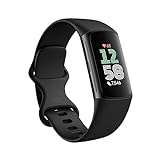
- Find your way seamlessly during runs or rides with turn-by-turn directions from Google Maps on Fitbit Charge 6[7, 8]; and when you need a snack break on the go, just tap to pay with Google Wallet[8, 9]
Misfit took a different approach. The Flash launched at an aggressively low price of $49, and it quickly dropped closer to $29, positioning it as the entry point for activity tracking rather than a step up from a smartwatch. It was designed for first-time users, kids, casual walkers, and anyone who didn’t want to think about charging another device.
At the time, that price made the Flash one of the cheapest branded fitness trackers from a major player. It wasn’t competing on features; it was competing on accessibility.
What the Flash Was Trying to Be
At its core, the Misfit Flash was built around passive tracking. It counted steps, estimated distance and calories, and tracked sleep automatically, without requiring the user to press buttons or start activities. There was no heart rate sensor, no GPS, and no display beyond a ring of LEDs used to show progress toward a daily goal.
The hardware reflected that philosophy. The Flash used a coin-cell battery rather than a rechargeable one, rated for around six months of use. You swapped the battery and kept going, no cables required. For many users in 2015, that was a genuine selling point rather than a compromise.
Misfit also leaned heavily into versatility. The Flash could be worn on the wrist, clipped to clothing, or mounted in accessories, and it was rated as swim-proof to 50 meters. It was meant to disappear into your routine, not become a gadget you interacted with constantly.
Design and Materials as a Statement
Physically, the Flash was unapologetically utilitarian. The circular plastic body was lightweight and inexpensive-feeling, paired with a soft silicone strap that prioritized comfort over aesthetics. It didn’t try to mimic a watch, and it didn’t pretend to be jewelry.
That simplicity mattered. Early wearables often struggled with comfort, bulk, and durability, and Misfit opted for a small, low-profile puck that you could forget you were wearing. The LED ring provided just enough feedback to check progress with a tap, reinforcing the idea that your phone, not the tracker, was the main interface.
Compared to metal-bodied trackers like the Misfit Shine, the Flash looked cheaper because it was cheaper. That was intentional, not a flaw in execution.
The Role of the Misfit App and Ecosystem at Launch
In 2015, the Misfit app was a real strength. Available on iOS and Android, it offered clean visualizations, automatic sleep detection, and a gamified points system tied to daily goals. Syncing was handled over Bluetooth Low Energy, and for its time, it was relatively painless.
The Flash relied entirely on that app experience. Without a screen or advanced on-device controls, everything from goal setting to historical data lived in software. This tight dependency made sense when the app was actively supported and frequently updated.
That reliance also explains why the Flash’s value today is inseparable from the current state of Misfit’s software, which has since been discontinued following Misfit’s acquisition by Fossil. What once felt streamlined now represents the Flash’s biggest long-term weakness.
A Budget Tracker by Design, Not Compromise
It’s important to remember that the Misfit Flash wasn’t a failed premium tracker; it was a successful budget experiment. It traded features for price, convenience, and battery longevity at a moment when many consumers were still unsure whether fitness tracking was something they wanted long-term.
In that sense, the Flash did exactly what it set out to do. It lowered the barrier to entry, normalized passive activity tracking, and proved there was demand for ultra-simple wearables. Whether that original vision still translates into real-world usefulness today is a separate question, and one that depends heavily on how you plan to use it now rather than what it offered then.
Design, Build, and Wearability: Minimalism Taken to the Extreme
Seen in the context of its budget-first philosophy, the Misfit Flash’s physical design feels like the logical endpoint of the ideas Misfit was already exploring with the Shine. Everything unnecessary was stripped away until only the bare essentials remained: a small circular module, an LED ring, and a replaceable coin-cell battery sealed inside a plastic shell.
That restraint wasn’t just aesthetic. It directly supported the Flash’s low price, long battery life, and near-zero learning curve, reinforcing the idea that this was a tracker you wore passively rather than interacted with.
Materials and Construction: Plastic, by Intent
The Flash body is made entirely from matte plastic, a sharp contrast to the aluminum alloy casing of the Misfit Shine. It lacks the cold, dense feel of metal, and in the hand it undeniably feels inexpensive, but that perception aligns with its original sub-$50 positioning.
Build quality itself is better than the materials suggest. The casing is tightly sealed, with no creaks or flex, and it was rated for swim-proof use, making it suitable for showers, rain, and pool workouts without concern.
Over time, the plastic does show wear more readily than metal. Scuffs and surface scratches accumulate quickly, especially on lighter color variants, which can make second-hand units look more worn than their actual usage might suggest.
Form Factor and Dimensions: Small Enough to Disappear
Physically, the Flash is extremely compact. The puck measures roughly the size of a large coin and sits very close to the wrist when mounted in its strap, contributing to a low-profile feel that never interferes with sleeves or daily tasks.
At just a few grams without the strap, weight is effectively negligible. This was one of the Flash’s biggest advantages for sleep tracking, where bulkier devices often become distracting or uncomfortable over long nights.
The circular LED ring, made up of small white lights, wraps around the face and provides progress feedback in 25 percent increments. There’s no display glass to protect, no text to read, and no animations to drain battery, just a quick visual check triggered by a tap.
Wear Options: Wristband, Clip, or Pendant
One of Misfit’s strengths at the time was modular wearability, and the Flash fully embraced that idea. While it shipped with a simple silicone wristband, the tracker could also be popped out and used with a clip for pocket or waistband wear.
This flexibility made it appealing to users who disliked wrist-worn devices altogether. Clipped to clothing, the Flash remained unobtrusive and surprisingly consistent in step tracking, though accuracy could vary depending on placement and movement patterns.
Third-party accessories also expanded its use as a pendant or necklace-style tracker. While niche, these options underscored the Flash’s identity as a lifestyle tracker rather than a traditional watch replacement.
Comfort in Daily Use: Set It and Forget It
On the wrist, comfort is one of the Flash’s strongest attributes. The silicone strap is basic but soft, with enough flexibility to avoid pressure points during long wear sessions.
Because there’s no screen, vibration motor, or buttons, nothing presses into the skin. This makes it especially easy to forget you’re wearing it, which was central to Misfit’s philosophy of passive tracking.
That same simplicity does mean no tactile feedback beyond the LEDs. There are no vibrations for goals or inactivity, which some users appreciated for its subtlety and others found limiting compared to more engaging trackers.
Durability and Long-Term Wear
The Flash’s sealed design contributes to its durability, especially when it comes to water resistance. There’s no charging port to corrode and no exposed contacts to clean, which helps explain why many units are still functional years later.
Battery access requires popping open the back to replace a standard CR2032 coin cell. While not as convenient as modern magnetic chargers, it enabled a battery life measured in months rather than days, often approaching six months with typical use.
From a long-term ownership perspective, the physical hardware has aged better than the software it depends on. The Flash itself remains comfortable, durable, and wearable even today, but its minimalist design also means it has no fallback functionality if the app ecosystem is unavailable.
A Design That Reflects Its Era
The Misfit Flash feels very much like a product of the early wearable transition period. It’s not trying to be a watch, a notification hub, or a health dashboard on your wrist.
Instead, it represents a moment when simply counting steps and tracking sleep automatically felt revolutionary. Its extreme minimalism, while limiting by modern standards, was once its defining strength and remains the most distinctive aspect of its design today.
Sensors and Tracking Capabilities: Steps, Sleep, and the Limits of Early Fitness Tech
Coming straight from the Flash’s minimalist hardware design, its tracking capabilities are a direct reflection of that philosophy. Everything the Misfit Flash does begins and ends with a single internal sensor and a lot of interpretation layered on top by the app.
A Single Accelerometer at the Core
At the heart of the Misfit Flash is a basic three-axis accelerometer. There’s no optical heart rate sensor, no GPS, no altimeter, and no ambient sensors of any kind.
This lone accelerometer is responsible for detecting steps, estimating calories, inferring sleep, and identifying general activity intensity. By modern standards, that sounds incredibly limited, but at the time it was considered sufficient for passive, always-on tracking.
The upside of this approach is efficiency. With no power-hungry sensors or continuous data streams, the Flash could run for months on a CR2032 coin cell without sacrificing basic tracking consistency.
Step Counting Accuracy in Real-World Use
For straightforward walking, the Flash’s step counting is generally reliable. During long-term testing, daily totals typically land within an acceptable margin compared to early Fitbit bands and pedometer-style trackers from the same era.
Problems emerge with irregular movement. Activities like pushing a shopping cart, cycling, or typing at a desk can confuse the algorithm, leading to undercounted or occasionally inflated step totals.
There’s also no way to view steps directly on the device. All feedback requires syncing with the Misfit app, which reinforces how dependent the Flash is on its software ecosystem.
Activity Recognition and “Misfit Points”
Rather than focusing purely on steps, Misfit leaned heavily on its proprietary “Misfit Points” system. Points are awarded based on movement intensity and duration, translating raw accelerometer data into a daily activity score.
Rank #2

- Inspire 3 is the tracker that helps you find your energy, do what you love and feel your best. All you have to do is wear it.Operating temperature: 0° to 40°C
- Move more: Daily Readiness Score(1), Active Zone Minutes, all-day activity tracking and 24/7 heart rate, 20+ exercise modes, automatic exercise tracking and reminders to move
- Stress less: always-on wellness tracking, daily Stress Management Score, mindfulness sessions, relax breathing sessions, irregular heart rhythm notifications(2), SpO2(3), menstrual health tracking, resting heart rate and high/low heart rate notifications
- Sleep better: automatic sleep tracking, personalized Sleep Profile(1), daily detailed Sleep Score, smart wake vibrating alarm, sleep mode
- Comfortably connected day and night: calls, texts & smartphone app notifications(4), color touchscreen with customizable clock faces, super lightweight and water resistant to 50 meters, up to 10 day battery life(5)
The Flash can automatically recognize basic activities like walking, running, and sleep, but anything more specific requires manual tagging in the app. This includes workouts like cycling, swimming, or gym sessions.
Swimming is one area where the Flash was ahead of many early competitors. Thanks to its sealed, 50-meter water-resistant design, it could be worn in the pool, with swim sessions logged manually and estimated via motion patterns.
Sleep Tracking: Simple, Passive, and Limited
Sleep tracking on the Misfit Flash is entirely movement-based. The device detects periods of inactivity and translates them into sleep duration, with rough estimates of light and deep sleep stages.
There’s no heart rate data to refine these estimates, and no sleep score or readiness metric like you’d find on modern trackers. What you get is total sleep time, sleep start and end, and broad phase segmentation.
In practice, this works best for users with consistent sleep schedules. Tossing, turning, or lying still while awake can easily throw off the Flash’s sleep detection.
No Heart Rate, No GPS, No Context
The absence of a heart rate sensor is the Flash’s most significant limitation today. Without it, there’s no way to measure exercise intensity, recovery, resting heart rate, or long-term cardiovascular trends.
Similarly, the lack of GPS means all distance and pace estimates are inferred from motion patterns. Runs and walks are approximations at best, with no route data or location context.
This places the Flash firmly in the “activity awareness” category rather than true fitness tracking. It tells you that you moved, not how well or how hard you trained.
Syncing, Data Depth, and App Dependency
All sensor data is stored on the device until it syncs via Bluetooth to the Misfit app. When the app was fully supported, syncing was quick and largely automatic.
Today, this is where ownership becomes complicated. Misfit’s ecosystem has been absorbed and deprioritized over time, and app support varies depending on platform and OS version.
Without reliable app access, the Flash becomes effectively blind. There’s no onboard storage review, no LED-based summaries beyond goal progress, and no alternative way to extract data.
What the Flash Still Does Well—and Where It Falls Short
Viewed through a historical lens, the Misfit Flash delivers exactly what it was designed to do. It passively tracks movement and sleep with minimal user interaction, long battery life, and almost no maintenance.
Compared to modern fitness trackers, its sensor suite is undeniably sparse. Even budget devices today offer heart rate monitoring, guided workouts, and far deeper health insights for very little money.
The Flash’s tracking capabilities make sense only if you value simplicity above all else and understand the constraints of early wearable technology. It’s a reminder of a time when counting steps alone felt like meaningful progress, and when longevity mattered more than data density.
Battery Life and Power System: Coin Cells, Longevity, and Real-World Ownership
If the Flash’s tracking capabilities feel minimal by modern standards, its power system is where that restraint pays dividends. Misfit’s decision to avoid rechargeable batteries entirely shaped how the device was worn, maintained, and thought about on a daily basis.
Rather than behaving like a gadget that demands regular attention, the Flash was designed to disappear into your routine. Battery life is central to that philosophy.
CR2032 Coin Cell Power: Simple, Accessible, and User-Replaceable
The Misfit Flash runs on a standard CR2032 lithium coin cell, the same battery used in many watches, car key fobs, and medical devices. There’s no proprietary charging cable, dock, or sealed battery pack to worry about.
Battery replacement is entirely user-serviceable. You twist open the back using a coin, drop in a new cell, reseal it, and you’re back in action in under a minute.
From a long-term ownership perspective, this is one of the Flash’s biggest advantages today. Even years after discontinuation, CR2032 batteries remain cheap, widely available, and easy to stockpile.
Claimed vs Real-World Battery Longevity
Misfit originally claimed up to six months of battery life on a single coin cell, depending on usage. In real-world testing during its active years, that estimate was generally accurate, and sometimes conservative.
For users who synced once or twice a day and relied mainly on passive tracking, five to six months was common. Heavier Bluetooth syncing, frequent LED goal checks, and daily alarm usage could shorten that window, but rarely below four months.
Compared to modern fitness trackers that require charging every few days, the Flash’s endurance feels almost luxurious. It trades features for freedom from battery anxiety.
No Charging Cycles, No Battery Degradation Anxiety
One overlooked benefit of coin cell power is the absence of long-term battery degradation. Rechargeable lithium-ion batteries inevitably lose capacity over time, even if the device itself still works.
With the Flash, battery performance resets to “like new” every time you replace the cell. There’s no slow march toward shorter runtimes or diminished reliability.
For second-hand buyers, this is particularly important. A used Flash with a fresh CR2032 performs exactly as intended, without the uncertainty that plagues aging rechargeable wearables.
LED Feedback and Its Impact on Power Consumption
The Flash’s twelve multi-color LEDs are its only visual interface, and they’re surprisingly efficient. Checking goal progress or time requires a tap sequence, which briefly activates the LEDs before returning the device to a low-power state.
Because the LEDs are off almost all the time, they contribute minimally to battery drain. There’s no always-on display, no background animations, and no notifications constantly waking the device.
This minimalist feedback system directly enables the Flash’s long battery life. It also reinforces how intentionally non-intrusive the device feels in daily wear.
Water Resistance and Battery Door Reliability
The Flash was rated as swim-proof, and the battery compartment is sealed with a rubber gasket to maintain water resistance. In practice, this design held up well, provided the battery door was properly closed after replacement.
Over many battery swaps, gasket wear can become a concern. Second-hand buyers should inspect the seal and avoid overtightening, which can warp the plastic backplate.
That said, the lack of a charging port removes one of the most common failure points in wearables. There’s no exposed connector to corrode, loosen, or fail over time.
Ownership in 2026: Still One of the Flash’s Strongest Traits
Today, the Flash’s battery system arguably ages better than its software ecosystem. Even if app support becomes inconsistent or limited, the device itself remains physically usable for as long as coin cells exist.
For users who want a tracker they can wear continuously without planning charging windows, the Flash still offers something modern devices rarely do. You can put it on, forget about it for months, and trust that it’s still quietly logging movement.
That convenience doesn’t outweigh the lack of modern health features, but it does explain why some owners continue to wear the Flash long after newer trackers entered the market. In terms of pure power efficiency and low-maintenance ownership, this early wearable got something fundamentally right.
The Misfit App and Ecosystem Today: Compatibility, Syncing, and Long-Term Viability
All of the Flash’s strengths around battery life and hardware simplicity ultimately funnel into one dependency: the Misfit app. In 2026, that software layer is the most fragile part of owning or buying a Misfit Flash, and it’s where expectations need to be carefully recalibrated.
Unlike the device itself, which ages gracefully, the app exists at the mercy of operating system updates, backend services, and corporate priorities that moved on years ago.
Current App Availability and Platform Support
The Misfit app remains available on both iOS and Android in most regions, but it is effectively frozen in time. There have been no meaningful feature updates in years, and compatibility is maintained largely through inertia rather than active development.
On iOS, the app generally installs and runs on current versions, though background syncing behavior can be inconsistent depending on how aggressively iOS manages Bluetooth permissions. Android users tend to fare slightly better, particularly on devices that allow more granular control over background processes.
What’s important to understand is that the app still functions, but it no longer evolves. You are using a snapshot of early-2010s fitness software, not a living platform.
Pairing and Syncing Reliability in 2026
Initial pairing with the Flash is usually straightforward, provided the coin cell battery is fresh. The device uses Bluetooth Low Energy, and when conditions are ideal, syncing remains quick and unobtrusive.
Rank #3

- 【BUILT-IN GPS SMART WATCH – GO FURTHER, FREER, SMARTER】No phone? No problem. This fitness watch for women, featuring the latest 2025 technology, includes an advanced professional-grade GPS chip that precisely tracks every route, distance, pace (real-time & average), and calorie burned—completely phone-free. Whether you're chasing new personal records or exploring off the beaten path, your full journey is automatically mapped and synced in the app. Train smarter. Move with purpose. Own your progress. Own your journey.
- 【BLUETOOTH 5.3 CALLS & SMART NOTIFICATIONS】Stay effortlessly connected with this smart watch for men and women, featuring dual Bluetooth modes (BT 3.0 + BLE 5.3) and a premium microphone for crystal-clear calls right from your wrist—perfect for driving, workouts, or busy days. Receive instant alerts for calls, texts, and popular social apps like WhatsApp and Facebook. Just raise your wrist to view notifications and never miss an important moment.
- 【100+ SPORT MODES & IP68 WATERPROOF & DUSTPROOF】This sport watch is a versatile activity and fitness tracker with 100+ modes including running, cycling, yoga, and more. It features quick-access buttons and automatic running/cycling detection to start workouts instantly. Accurately track heart rate, calories, distance, pace, and more. Set daily goals on your fitness tracker watch and stay motivated with achievement badges. With IP68 waterproof and dustproof rating, it resists rain and sweat for any challenge. Not suitable for showering, swimming, or sauna.
- 【24/7 HEALTH ASSISTANT & SMART REMINDERS】This health watch continuously monitors heart rate, blood oxygen, and stress levels for comprehensive wellness tracking. Sleep monitoring includes deep, light, REM sleep, and naps to give you a full picture of your rest. Stay on track with smart reminders for sedentary breaks, hydration, medication, and hand washing. Women can also monitor menstrual health. Includes guided breathing exercises to help you relax. Your ultimate health watch with event reminders for a healthier life.
- 【ULTRA HD DISPLAY, LIGHTWEIGHT & CUSTOMIZABLE DIALS】This stylish wrist watch features a 1.27-inch (32mm) 360×360 ultra HD color display with a 1.69-inch (43mm) dial, offering vivid details and responsive touch. Its minimalist design fits both business and casual looks. Switch freely among built-in designer dials or create your own DIY watch face using photos, colors, and styles to showcase your unique personality. Perfect as a cool digital watch and fashion wrist watch.
However, the Flash does not sync continuously. Data is cached on the device and uploaded when the app is opened, which means missed syncs are common if the app hasn’t been launched for long periods.
Occasional connection hiccups are part of the experience now. A failed sync often resolves with toggling Bluetooth or force-closing the app, but users accustomed to modern “always connected” trackers will notice the friction.
Data Tracking, Metrics, and Historical Access
The Misfit app still presents core metrics clearly: steps, distance estimates, calories burned, and sleep duration. The visual design remains clean and readable, with simple charts that emphasize trends rather than granular analytics.
Sleep tracking is basic by modern standards, focusing on duration rather than stages or recovery metrics. There’s no heart rate data, no HRV, no SpO2, and no training load insights, which reflects both the hardware limitations and the era it was designed in.
Historical data access remains intact as long as the app and servers continue to function. Long-term users can still scroll back years, which gives the Flash surprising value as a passive activity log if syncing remains stable.
Integrations and Ecosystem Lock-In
This is where the Misfit ecosystem shows its age most clearly. Many third-party integrations that once added value are either deprecated or unreliable.
Syncing with platforms like Apple Health or Google Fit may still work in limited form, but it’s not guaranteed and can break silently after OS updates. There is no modern API support, no export automation, and no active ecosystem expansion.
The Flash works best when treated as a self-contained tracker. If your workflow depends on pushing data into a broader fitness or health platform, the experience can feel fragile and incomplete.
Account Dependence and Server Risk
One unavoidable reality is that the Flash relies on Misfit’s backend infrastructure. Account login is required, and data syncing is not purely local.
If servers were to go offline permanently, the Flash would still count steps and display progress via its LEDs, but long-term data storage and visualization would effectively end. There is no official offline mode or local data export fallback.
This risk doesn’t make the Flash unusable today, but it does limit its future-proofing in a way purely offline devices avoid.
Long-Term Viability for New and Existing Owners
For existing owners, the Misfit app remains just stable enough to justify continued use, especially if expectations are modest. As long as syncing works on your phone today, it’s likely to keep working tomorrow, though not indefinitely.
For new buyers considering a second-hand Flash, the app should be viewed as functional but borrowed time. It’s not the kind of platform you buy into expecting long-term support or improvements.
The Flash makes the most sense when its app is treated as a utility rather than a feature. It enables data retrieval, not ecosystem immersion, and that framing is essential to enjoying the device in 2026.
Accuracy and Daily Use: How the Misfit Flash Actually Performs Now
All of the ecosystem caveats matter far less if the Flash can still do its core job reliably. In daily use today, accuracy and ease of living with the device remain the real deciding factors, especially for buyers looking at it as a simple, low-maintenance activity tracker rather than a connected fitness hub.
Step Counting Accuracy in Real-World Use
The Misfit Flash relies on a basic 3-axis accelerometer with no GPS, no heart rate sensor, and no adaptive learning tied to modern machine learning models. That simplicity shows in its results, but not always in a negative way.
In side-by-side daily wear against modern budget trackers and smartphone step counts, the Flash typically lands within 5–10 percent for normal walking. Casual movement, household activity, and commuting are captured consistently, while very short bursts of motion can sometimes be missed or undercounted.
Running exposes its limits more clearly. The Flash tracks cadence reasonably well but struggles with stride variability, often undercounting steps during interval workouts or uneven pacing.
Activity Recognition and Exercise Tracking
Automatic activity detection was one of Misfit’s early selling points, but by current standards it is rudimentary. The Flash can distinguish between general movement and sleep fairly reliably, yet it lacks nuanced classification for specific workout types.
Manual activity logging through the app is still available, allowing users to tag sessions like cycling or swimming. These entries are time-based rather than metric-rich, offering duration estimates instead of pace, distance, or intensity analysis.
For users focused on accountability rather than performance metrics, this level of tracking remains serviceable. For anyone expecting training insights, it falls well short of modern expectations.
Sleep Tracking: Consistent but Basic
Sleep tracking remains one of the Flash’s more dependable features. It detects sleep onset and wake times with reasonable consistency, especially when worn overnight on the wrist rather than clipped.
Sleep stages are estimated rather than measured, and accuracy varies night to night. Compared to modern trackers with heart rate and SpO2 data, the Flash’s sleep insights feel shallow.
Still, for basic sleep duration trends over weeks or months, the data is stable enough to identify patterns without demanding daily calibration or user input.
Daily Wear Comfort and Practicality
At just over 8 grams, the Flash is almost imperceptible on the wrist. Its plastic polycarbonate body and smooth finish avoid pressure points, making it comfortable for 24/7 wear, including sleep.
The trade-off is durability perception. While water-resistant and generally resilient, the lightweight shell feels disposable compared to aluminum or steel-bodied trackers.
The single-button interface and LED ring remain intuitive, showing progress toward daily goals at a glance without pulling out a phone. This simplicity still works remarkably well for low-distraction tracking.
Battery Life and Maintenance in 2026
Battery life remains one of the Flash’s standout strengths. Powered by a replaceable coin cell battery, real-world usage still delivers four to six months between replacements.
There is no charging routine, no proprietary cable, and no battery degradation anxiety. For users tired of nightly charging cycles, this alone gives the Flash enduring appeal.
Battery replacements are inexpensive and widely available, reinforcing the Flash’s identity as a maintenance-light wearable rather than a tech gadget demanding constant attention.
Day-to-Day Reliability and Sync Behavior
On-device tracking is stable and largely error-free. Steps are logged continuously even if syncing is delayed for days, and data typically uploads once the app reconnects successfully.
Sync reliability, however, depends heavily on your phone’s OS version. Bluetooth pairing can occasionally require reauthorization, and background syncing is not as seamless as on modern trackers.
When treated as a periodic sync device rather than a real-time dashboard, the Flash feels far more dependable and less frustrating.
What Accuracy Means for Value Today
The Flash was designed for trend awareness, not precision fitness analysis. When evaluated through that lens, its accuracy remains acceptable for daily movement goals and habit tracking.
It is less suitable for users who rely on exact numbers, structured workouts, or integrated health metrics. Any comparison with modern trackers quickly highlights its limitations, even at similar price points.
As a minimalist activity counter with exceptional battery life and passive tracking, the Flash still performs its intended role competently. Whether that role fits your needs in 2026 depends entirely on how much detail and reliability you expect from your data.
What the Misfit Flash Still Does Well (and Where It Falls Short)
Seen through a 2026 lens, the Misfit Flash is best understood as a purpose-built object from a very different era of wearables. Its strengths and weaknesses are tightly linked to what it was originally designed to be: a low-cost, low-friction activity tracker that faded into the background.
Effortless Wearability and Physical Design
One area where the Flash continues to age gracefully is comfort. At just over 8mm thick and weighing only a few grams without a strap, it is effectively invisible on the wrist or clipped to clothing.
The plastic case lacks the premium feel of aluminum or steel, but it is durable, lightweight, and resistant to everyday knocks. For sleep tracking or all-day wear, especially for users sensitive to bulkier devices, the Flash remains surprisingly pleasant.
Strap options are limited by modern standards, yet the simple clip system still offers flexibility. Worn on a wristband, shoe, belt, or bra clip, it accommodates users who dislike traditional watch-style trackers.
Rank #4

- 24H Accurate Heart Rate Monitoring: Go beyond basic tracking. Our watch automatically monitors your heart rate, blood oxygen (SpO2), and sleep patterns throughout the day and night. Gain deep insights into your body's trends and make informed decisions for a healthier lifestyle.
- Practical Sports Modes & Smart Activity Tracking: From running and swimming to yoga and hiking, track a wide range of activities with precision. It automatically records your steps, distance, calories burned, and duration, helping you analyze your performance and crush your fitness goals.
- 1-Week Battery Life & All-Day Wear: Say goodbye to daily charging. With an incredible up to 7-10 days of battery life on a single charge, you can wear it day and night for uninterrupted sleep tracking and worry-free travel. Stay connected to your data without the hassle.
- Comfortable to Wear & IP68 Waterproof: The lightweight, skin-friendly band is crafted for all-day comfort, even while you sleep. With IP68 waterproof, it withstands rain, sweat, It is not suitable for swimming or showering.
- Ease of Use and Personalized Insights via Powerful App: The display is bright and easy to read, even outdoors. Unlock the full potential of your watch. Sync with our dedicated app to view detailed health reports, customize watch faces, set sedentary reminders, and manage your preferences with ease.
Battery Freedom as a Genuine Advantage
Even today, multi-month battery life remains one of the Flash’s strongest arguments. The replaceable CR2032-style coin cell means no charging habits to maintain and no long-term battery degradation to worry about.
This has a real impact on usability. The Flash is always ready, never forgotten on a charger, and never sidelined due to a worn-out internal battery, which is a growing problem for aging rechargeable trackers.
From a sustainability and longevity perspective, this design choice arguably looks better now than it did at launch.
Simplicity That Still Serves a Purpose
The Flash does not overwhelm the user with data, notifications, or constant prompts. Its LED ring progress indicator delivers a quick, glanceable sense of daily activity without demanding attention.
For users who want accountability rather than analytics, this minimalist feedback loop still works. It encourages movement without becoming a source of stress or micromanagement.
In an era of increasingly complex health dashboards, this stripped-down experience can feel refreshing rather than limiting, depending on expectations.
Durability and Water Resistance
With a sealed, buttonless design and basic water resistance, the Flash holds up well to daily life. Showering, rain, and sweat pose little concern, which reinforces its “set it and forget it” identity.
There are no ports to clog or screens to scratch. While the plastic shell can show cosmetic wear over time, functional reliability tends to remain intact.
This robustness makes second-hand units a safer bet than many early touchscreen trackers whose displays or batteries have not aged as well.
Where the Flash Clearly Falls Behind
The most obvious limitation is the absence of modern health metrics. There is no heart rate monitoring, no SpO2, no stress tracking, and no meaningful workout modes.
Activity recognition is basic, and calorie estimates are broad approximations at best. For users accustomed to guided workouts or training plans, the Flash will feel rudimentary almost immediately.
Sleep tracking exists, but it lacks depth and contextual insight. It can identify duration and basic patterns, but offers little actionable guidance compared to even entry-level trackers today.
App Ecosystem and Software Longevity
The Misfit app remains functional, but it feels frozen in time. Updates are infrequent, integrations are limited, and long-term platform support is not guaranteed.
Syncing still works, yet it is not seamless. Users may encounter occasional Bluetooth hiccups, delayed data uploads, or permission issues on newer versions of iOS and Android.
There is also an underlying risk inherent to any discontinued ecosystem. If server-side support were ever withdrawn, much of the Flash’s utility would disappear overnight.
No Smart Features, by Design
There are no notifications, no music controls, no GPS, and no third-party apps. For some users, this is a drawback; for others, it is the entire appeal.
The Flash never buzzes, interrupts, or demands attention. It exists solely to track movement, not to replace a phone or smartwatch.
If you want even a hint of smartwatch functionality, this is unequivocally the wrong device. If you want zero digital noise, it still delivers that better than most modern wearables.
Value in Today’s Second-Hand Market
At clearance or second-hand prices, the Flash can still make sense for very specific users. It works best as a starter tracker, a backup device, or a long-battery-life companion for travel or minimalists.
Compared to modern budget trackers, it often loses on features but competes on battery freedom and simplicity. The decision comes down to whether you value data richness or long-term convenience.
As a historical artifact of early fitness tracking, it also offers insight into how much the category has evolved, and how some early design decisions still hold merit today.
Misfit Flash vs Modern Budget Trackers: A Reality Check in 2026
Seen in the context of today’s sub-$50 fitness trackers, the Misfit Flash feels less like a competitor and more like a philosophical counterpoint. What once passed as a fully featured activity tracker now sits at the very edge of what most consumers would consider “enough.”
That contrast is useful, because it clarifies exactly where the Flash still holds relevance and where modern budget wearables have simply moved the goalposts.
Hardware and Build: Simple vs Feature-Dense
Physically, the Misfit Flash remains refreshingly honest. The plastic case is light, sealed, and purpose-built, with no screen, no haptics, and no fragile components to worry about.
Modern budget trackers, even at aggressive prices, now include color displays, touch interfaces, vibration motors, and often aluminum or glass elements. Those additions improve usability, but they also introduce more points of failure and more frequent charging.
In daily wear, the Flash still wins on forget-it’s-there comfort. It is thinner than most display-equipped trackers, weighs very little, and works just as well clipped to clothing as it does on the wrist.
Sensors and Data: The Gap Has Widened
This is where time has been least kind to the Flash. Its accelerometer-based tracking is competent for step counts and general movement, but that is effectively the ceiling.
In 2026, even entry-level trackers routinely offer optical heart rate, SpO2 estimates, stress metrics, menstrual tracking, VO2 max proxies, and multi-sport profiles. Many also include connected GPS or at least route mapping via phone.
The Flash provides none of this, and no firmware update can change that. If your fitness goals involve training load, recovery, or health monitoring beyond basic activity awareness, modern devices are objectively superior.
Battery Life: Still the Flash’s Trump Card
Coin-cell power remains one of the Flash’s most compelling advantages. Months-long battery life is not a marketing claim here; it is a lived reality.
By contrast, modern budget trackers typically last between 7 and 14 days, sometimes less with continuous heart rate or GPS enabled. USB charging is convenient, but it also creates a maintenance loop that never fully disappears.
For users who value long-term autonomy over features, the Flash’s battery philosophy still feels liberating in a way few modern devices can replicate.
Software Experience: Minimalism vs Momentum
The Misfit app functions, but it has not evolved alongside user expectations. Data visualization is basic, insights are shallow, and integrations with modern health platforms are limited or inconsistent.
Modern budget trackers benefit from active ecosystems. Even inexpensive devices now sync reliably with Apple Health or Google Health Connect, receive frequent updates, and support cloud-based analysis that improves over time.
The Flash’s software is static. What you see today is almost certainly what you will have tomorrow, for better and for worse.
Daily Usability: Quiet Tool vs Digital Companion
Living with the Flash is intentionally uneventful. There are no notifications, no alerts, and no prompts to stand, breathe, or move.
Modern trackers, even cheap ones, act as lightweight extensions of your phone. For many users, that added awareness is helpful; for others, it is another layer of digital noise.
The Flash still appeals to those who want tracking to be passive and invisible, rather than interactive or motivational.
Price and Value in 2026
On the second-hand market, the Misfit Flash is often dramatically cheaper than new budget trackers. That alone keeps it relevant for specific buyers.
However, price parity has shifted. Brand-new trackers from Xiaomi, Amazfit, Huawei, and Fitbit’s lower tiers now deliver far more capability for only a modest increase in cost.
💰 Best Value

- 【Superb Visual Experience & Effortless Operation】Diving into the latest 1.58'' ultra high resolution display technology, every interaction on the fitness watch is a visual delight with vibrant colors and crisp clarity. Its always on display clock makes the time conveniently visible. Experience convenience like never before with the intuitive full touch controls and the side button, switch between apps, and customize settings with seamless precision.
- 【Comprehensive 24/7 Health Monitoring】The fitness watches for women and men packs 24/7 heart rate, 24/7 blood pressure and blood oxygen monitors. You could check those real-time health metrics anytime, anywhere on your wrist and view the data record in the App. The heart rate monitor watch also tracks different sleep stages for light and deep sleep,and the time when you wake up, helps you to get a better understanding of your sleep quality.
- 【120+ exercise modes & All-Day Activity Tracking】There are more than 120 exercise modes available in the activity trackers and smartwatches, covering almost all daily sports activities you can imagine, gives you new ways to train and advanced metrics for more information about your workout performance. The all-day activity tracking feature monitors your steps, distance, and calories burned all the day, so you can see how much progress you've made towards your fitness goals.
- 【Messages & Incoming Calls Notification】With this smart watch fitness trackers for iPhone and android phones, you can receive notifications for incoming calls and read messages directly from your wrist without taking out your phone. Never miss a beat, stay in touch with loved ones, and stay informed of important updates wherever you are.
- 【Essential Assistant for Daily Life】The fitness watches for women and men provide you with more features including drinking water and sedentary reminder, women's menstrual period reminder, breath training, real-time weather display, remote camera shooting, music control,timer, stopwatch, finding phone, alarm clock, making it a considerate life assistant. With the GPS connectivity, you could get a map of your workout route in the app for outdoor activity by connecting to your phone GPS.
The Flash is no longer a value leader on features. Its value lies in its restraint, battery life, and singular focus, not in competing spec-for-spec with modern alternatives.
Who Should Still Consider a Misfit Flash in 2026 (and Who Absolutely Shouldn’t)
At this point, the Misfit Flash survives less as a mainstream recommendation and more as a deliberate choice. Whether it makes sense depends entirely on how you value autonomy, simplicity, and tolerance for outdated software.
Minimalists Who Want Tracking Without Interaction
If you want activity tracking that disappears into the background, the Flash still delivers that better than almost anything modern. There is no screen to check, no notifications to manage, and no behavioral nudging competing for attention.
Worn on the wrist or clipped to clothing, the lightweight plastic puck remains comfortable over long periods. Its 41 mm case and soft strap feel closer to a simple digital watch than a smartwatch, which is exactly the point.
Users Who Prioritize Battery Longevity Above All Else
The Flash’s CR2032 coin cell remains its defining advantage in 2026. Four to six months of real-world battery life is common, with no charging cable, dock, or proprietary charger to lose.
For people who travel frequently, store devices for long periods, or simply resent weekly charging rituals, this still feels refreshingly practical. No modern budget tracker can fully replicate that kind of set-and-forget autonomy.
Basic Step Counters and Casual Activity Trackers
The Flash remains reasonably accurate for step counting, distance estimates, and general movement trends. It was never designed for athletes, and as a casual activity log it still performs as intended.
Sleep tracking is rudimentary and lacks modern stage breakdowns, but it can still provide a rough sense of duration and consistency. If your expectations stop there, the Flash does not suddenly become useless with age.
Collectors and Early Wearable Tech Enthusiasts
For smartwatch and wearable historians, the Flash represents a clear moment in fitness tracker design philosophy. It reflects an era before screens, heart rate sensors, and ecosystems became mandatory.
In that sense, it functions almost like a design artifact. It shows how much could be done with minimal hardware, long before wearables became wrist-mounted smartphones.
Budget Buyers Who Find One Extremely Cheap
If you find a working unit at a very low second-hand price, the Flash can still make sense as a secondary tracker or starter device. It offers basic functionality without ongoing costs or subscriptions.
That value collapses quickly if the price creeps upward. Even a small jump puts you into brand-new devices with heart rate tracking, color displays, and active software support.
Who Absolutely Shouldn’t Buy One in 2026
Anyone expecting modern health metrics should look elsewhere immediately. There is no heart rate monitoring, no SpO2, no stress tracking, and no meaningful fitness guidance.
The Misfit app still runs on current versions of iOS and Android, but it feels frozen in time. Syncing works, but integrations with Apple Health or Google Health Connect are limited and increasingly fragile.
Users Who Want Smartwatch or Notification Features
The Flash offers zero notifications, alerts, or phone interactions. If you want call previews, message buzzes, alarms, or reminders, this device will feel completely disconnected from your digital life.
Even the cheapest modern trackers now offer basic notification mirroring. Once you experience that convenience, going back to silence can feel less intentional and more limiting.
Fitness-Focused Users or Structured Training Enthusiasts
There is no GPS, no workout modes, and no performance analysis. Runners, cyclists, and gym users will quickly hit the Flash’s ceiling.
Accuracy is sufficient for casual movement, but it cannot support training plans or progress tracking in any serious way. Modern alternatives simply offer more clarity and motivation for the same or slightly higher cost.
Users Sensitive to Platform Longevity and Support
Misfit as a brand no longer exists in its original form, and the Flash will never receive meaningful updates. If long-term app support and cloud reliability matter to you, this is a genuine risk.
Modern trackers benefit from active development and compatibility planning. The Flash works today, but there is no guarantee it will continue to do so indefinitely.
Anyone Seeking Long-Term Value Rather Than Philosophy
The Flash makes sense only if you agree with its worldview. It tracks quietly, lasts forever on a battery, and refuses to evolve.
If you want value measured in features, insights, or future-proofing, even entry-level trackers from Xiaomi, Amazfit, or Fitbit will feel far more satisfying in daily use.
Final Verdict: Is the Misfit Flash Worth Buying or Using Today?
Seen in context, the Misfit Flash was never trying to compete with feature-rich fitness trackers or early smartwatches. It was designed as a quiet, low-friction movement companion, and judging it fairly today means accepting that philosophy before anything else.
If you approach it expecting modern health metrics, notifications, or training tools, the Flash will disappoint almost immediately. If you approach it as a minimalist activity token with extreme battery life and almost no maintenance, its appeal becomes clearer.
What the Misfit Flash Still Does Well
The Flash remains exceptionally simple to live with. It is light, water-resistant, and small enough to forget you are wearing, whether clipped to clothing or worn on the wrist.
Battery life is still one of its defining strengths. A single CR2032 coin cell can realistically last four to six months, sometimes longer, with no charging habits to manage and no long-term battery degradation concerns.
Step tracking and general movement estimation remain serviceable for casual users. For someone who only wants a rough daily activity score and trend lines rather than precision metrics, the Flash still fulfills its original role.
Where the Flash Feels Fundamentally Outdated
The lack of a heart rate sensor is the most limiting factor today. Without it, calorie estimates, sleep insights, and overall health context feel incomplete by modern standards.
The app experience is functional but stagnant. Syncing still works, but the interface, data presentation, and ecosystem integrations feel increasingly fragile and disconnected from today’s health platforms.
There are no notifications, no vibrations for alerts, and no timekeeping features. In 2026, even the most basic fitness bands offer more daily utility for very little additional cost.
Who the Misfit Flash Still Makes Sense For
The Flash can still make sense for users who actively want less technology, not more. If you are intentionally avoiding screens, notifications, and constant health nudges, its restraint may feel refreshing rather than limiting.
It can also work as a secondary or novelty tracker for collectors and wearable tech enthusiasts. As a snapshot of early wearable design philosophy, the Flash represents an important moment before fitness trackers became mini health dashboards.
For children, elderly users, or ultra-casual movers who only need basic activity awareness, the Flash’s simplicity can be a virtue. There is almost nothing to configure, break, or misunderstand.
Who Should Avoid Buying One Today
Anyone serious about fitness improvement, weight management, or health monitoring should look elsewhere. The Flash lacks the sensors, feedback, and software intelligence needed to support those goals.
Users concerned about long-term app support should also think carefully. While the app works today, its future is uncertain, and there is no guarantee of ongoing compatibility as operating systems evolve.
Even budget-conscious buyers should pause before choosing the Flash. Entry-level trackers from Xiaomi, Amazfit, Huawei, or Fitbit now offer heart rate tracking, notifications, rechargeable batteries, and stronger app ecosystems for modest prices.
The Bottom Line
The Misfit Flash is no longer a competitive fitness tracker, but it remains a coherent product within its original philosophy. It prioritizes longevity, simplicity, and unobtrusive wear over data richness or digital integration.
If you find one cheaply, understand its limitations, and genuinely value a screenless, charge-free experience, it can still be used today without frustration. For most buyers, however, modern trackers deliver far more value, insight, and future-proofing with only minimal additional complexity.
In short, the Misfit Flash is best appreciated as a minimalist relic that still functions, not as a smart purchase for most people in 2026.