The Misfit Ray arrived at a moment when wearables were pulling in opposite directions. Full smartwatches were getting bigger, brighter, and more demanding, while a quieter group of users just wanted something that tracked movement without looking like a gadget. If you are looking at the Ray today, it is usually because that tension still resonates, and modern watches feel like overkill for what you actually want to wear every day.
This section is about understanding intent more than specs. The Ray was never designed to compete with Apple Watch or even a Fitbit Surge; it was Misfit’s answer to people who wanted passive fitness tracking wrapped in something that felt closer to jewelry or a minimalist watch. Knowing what it was trying to be is essential before judging whether it still makes sense in 2026.
A product born from Misfit’s design-first philosophy
Misfit, before and shortly after its acquisition by Fossil in 2015, positioned itself as a design-led wearable company. Devices like the original Shine and Flash emphasized materials, long battery life, and visual restraint over screens and notifications. The Ray pushed this idea further by abandoning the coin shape entirely and leaning into a cylindrical, bracelet-like form.
The Ray’s aluminum tube construction, available in matte black, rose gold, silver, and later sportier finishes, was meant to disappear on the wrist. At roughly 12mm thick and very light, it prioritized comfort and visual neutrality rather than presence. This was a wearable intended to blend with fashion watches and bracelets, not replace them.
🏆 #1 Best Overall
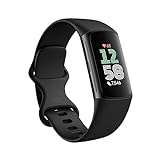
- Find your way seamlessly during runs or rides with turn-by-turn directions from Google Maps on Fitbit Charge 6[7, 8]; and when you need a snack break on the go, just tap to pay with Google Wallet[8, 9]
Neither a smartwatch nor a traditional fitness band
Calling the Misfit Ray a hybrid smartwatch is technically generous. There is no display, no timekeeping, and no interactive interface beyond subtle vibration patterns and tiny LED indicators. Instead, it sits in the same conceptual space as early Jawbone UP bands or the Fitbit Flex, relying almost entirely on the companion app for meaning.
What made the Ray different was how deliberately it rejected the “screen-on-the-wrist” idea. Misfit assumed users would check their phone for data and use the wearable purely as a sensor. In practice, that meant step tracking, basic sleep detection, and inactivity alerts, with almost no real-time feedback.
Simplicity as a feature, not a limitation
The Ray was designed around extreme simplicity. It tracks steps, estimates calories, and logs sleep automatically, with optional vibration nudges for inactivity or goal completion. There are no workout modes, no heart rate sensor, and no GPS, even by the standards of its release window.
Battery life was the payoff. Powered by three replaceable SR927W coin cells, the Ray could run for around six months without charging, depending on vibration usage. In an era when most wearables needed daily or weekly charging, this was a meaningful quality-of-life advantage that still holds appeal today.
Positioned for style-conscious, low-engagement users
Misfit was targeting people who wanted to be gently aware of their activity, not manage it obsessively. The Ray works best when you forget about it and review trends occasionally rather than chasing metrics. This makes it fundamentally different from modern fitness trackers that encourage constant interaction and optimization.
The interchangeable sport band and the ability to wear it as a bracelet were not gimmicks; they were central to the concept. Misfit understood that for many users, comfort and aesthetics determine long-term wear more than feature depth. The Ray’s smooth body, light weight, and lack of screen glare made it easy to wear 24/7, including during sleep.
Where it sat in the broader wearable landscape
At launch, the Ray competed indirectly with devices like the Fitbit Alta and Garmin Vivofit. Compared to Fitbit, it offered less data and motivation but far superior battery life and a more refined physical design. Against Garmin’s Vivofit, it felt more elegant and less overtly sporty, but also less informative.
Today, that positioning looks even more niche. Modern budget trackers offer heart rate, SpO2, multi-sport modes, and smartphone notifications for very little money. The Ray’s relevance now depends almost entirely on whether its original premise still aligns with how you want to engage with fitness and technology.
Understanding the Ray before judging it in 2026
The biggest mistake modern buyers make is expecting the Misfit Ray to behave like a stripped-down smartwatch. It was never meant to be glanced at, tapped, or checked for time or stats. It exists to quietly collect data, nudge you occasionally, and otherwise stay out of your way.
Seen through that lens, the Ray becomes easier to evaluate fairly. It is a relic of a design moment when wearables were experimenting with restraint, and its strengths and weaknesses only make sense when you understand that original goal.
Design, Materials, and Wearability: A Fitness Tracker Disguised as Jewelry
Understanding the Ray’s physical design is essential, because this is where its original philosophy is most clearly expressed. Misfit wasn’t trying to miniaturize a smartwatch or hide a screen; it was deliberately avoiding one. What you wear on your wrist feels closer to a piece of modern jewelry than a piece of consumer electronics.
Form factor and visual identity
The Misfit Ray uses a slim, cylindrical module measuring roughly 36mm long and just over 12mm in diameter, capped with soft curves and no visible seams. On the wrist, it reads more like a polished metal bead than a tracker, especially in darker finishes like black or rose gold. There is no face, no glass, and no visual focal point, which allows it to disappear in a way few wearables manage.
This absence of a display is not a limitation of technology so much as a design statement. Without a screen to orient around, the Ray looks the same from every angle, avoiding the “tech bracelet” look that dates many early trackers. Even in 2026, it still feels visually neutral enough to pass unnoticed in formal or fashion-forward settings.
Materials and finishing quality
The core module is made from anodized aluminum with a matte finish that resists fingerprints and glare. While it doesn’t have the cold heft of stainless steel, it also avoids feeling cheap or hollow. The finish quality holds up reasonably well over time, with minor scuffing rather than deep scratches being the most common wear pattern.
Water resistance is rated at 50 meters, which remains impressive even by modern standards. This makes the Ray safe for showers, swimming, and everyday exposure without anxiety. For a device designed to be worn continuously, this level of sealing was essential rather than optional.
Band system and wearing options
Misfit’s interchangeable band system is one of the Ray’s most underrated strengths. The standard sport band is made from soft silicone with enough flex to accommodate wrist swelling during exercise or sleep. It uses a simple clasp that avoids pressure points, which matters when you’re wearing it around the clock.
More interesting is the ability to remove the module entirely and wear it as a bracelet insert or necklace accessory using Misfit’s optional jewelry bands. This wasn’t a gimmick but a recognition that not everyone wants something strapped to their wrist 24/7. Few trackers, even now, offer this level of physical versatility without aftermarket hacks.
Comfort during long-term wear
At just under 8 grams for the module itself, the Ray is exceptionally light. Combined with its smooth cylindrical shape, this makes it easy to forget you’re wearing it, particularly during sleep. Side sleepers, who often struggle with bulkier trackers, will appreciate how little the Ray presses into the wrist.
There are no sharp edges, exposed contacts, or raised buttons to irritate the skin. Over weeks of wear, this matters more than it sounds, especially for users prone to contact irritation from traditional watch cases. The Ray’s comfort is not flashy, but it is deliberate and well executed.
Interaction design without a screen
Instead of a display, the Ray uses a row of tiny LED lights hidden beneath the aluminum shell. These illuminate briefly when you tap the device or receive a vibration alert, giving a rough sense of progress toward your daily goal. It’s an intentionally vague interaction that prioritizes awareness over precision.
This approach will frustrate users who want immediate feedback or on-demand stats. For the Ray’s intended audience, however, it reinforces the idea that the wrist device is not the dashboard. Your phone remains the place for reflection, not constant checking.
Durability and aging in real-world use
Because there is no screen to scratch or shatter, the Ray tends to age more gracefully than many early wearables. Battery access is via a sealed compartment, and the coin-cell system avoids the long-term degradation issues of rechargeable lithium packs. For buyers considering used units, this alone makes the Ray more viable than many similarly aged trackers.
That said, band availability can be a concern in 2026. Original Misfit bands are increasingly scarce, and third-party options are limited. If strap variety and easy replacement matter to you, this is one of the Ray’s more practical drawbacks.
How it feels compared to modern trackers
Placed next to a contemporary budget tracker, the Ray feels almost anachronistic. There’s no screen glow, no buzzing notifications demanding attention, and no visual clutter. Instead, it prioritizes physical comfort and visual restraint in a way modern devices rarely attempt.
For some users, this will feel refreshing rather than limiting. The Ray doesn’t compete on features; it competes on how little it intrudes. If you value something that complements your style instead of redefining it, the Ray’s design still makes a compelling, if highly specific, case.
Core Tracking Features: Steps, Sleep, and the Limits of Minimalism
Once you accept the Ray’s near-invisible presence on the wrist, its tracking philosophy starts to make sense. Everything it measures is designed to fade into the background, capturing habits over time rather than prompting moment-to-moment behavior changes. That mindset shapes both what the Ray does well and where it clearly stops short.
Step tracking as a baseline, not a motivator
At its core, the Misfit Ray is a pedometer built around a three-axis accelerometer. Step counts are generally consistent for everyday walking, commuting, and light activity, with accuracy that was competitive for its era and still acceptable by 2026 standards for casual users.
The Ray struggles with edge cases. Short, slow indoor walks, pushing a stroller, or carrying heavy bags can undercount steps, while repetitive wrist movements may inflate totals. Without GPS or cadence awareness, it interprets motion generously but not intelligently.
What the Ray does differently is how it frames steps. Progress is shown only as a rough percentage via LED pulses, discouraging fixation on exact numbers. This makes it better suited to users who want a gentle nudge toward daily movement rather than quantified precision.
Sleep tracking that favors consistency over insight
Sleep tracking on the Ray is automatic and requires no manual activation. As long as you wear it overnight, it detects sleep based on inactivity patterns and logs duration and basic sleep timing in the Misfit app.
There is no sleep stage breakdown, no REM estimates, and no recovery scoring. What you get is a simple record of when you fell asleep, when you woke up, and how long you were in bed, presented as trend data rather than nightly diagnosis.
In practice, this makes the Ray surprisingly usable for habit tracking. If your goal is to notice bedtime drift, inconsistent schedules, or chronic short sleep, the Ray provides enough data to be useful without turning sleep into another performance metric.
Activity recognition and what’s missing
Beyond steps and sleep, the Ray offers limited activity classification. It can auto-detect some activities like cycling or light sports, but these are inferred after the fact and often require manual confirmation in the app.
There is no heart rate sensor, no VO2 estimates, and no intensity-based training data. Calories burned are calculated using generic motion-based algorithms, which means they should be treated as rough estimates rather than actionable metrics.
This absence is intentional, not accidental. The Ray was never meant to compete with sport-focused trackers, and in 2026 that gap feels wider than ever when compared to even entry-level bands from Xiaomi or Fitbit.
Accuracy over time and real-world reliability
One advantage of the Ray’s simplicity is consistency. With fewer sensors and no firmware-heavy features, its tracking behavior tends to remain stable over months and years, assuming the battery is fresh and the device fits securely.
The aluminum body and lightweight form help maintain good skin contact without encouraging overtight wear. This improves motion detection while keeping comfort high, especially for sleep tracking where bulkier devices can become intrusive.
Rank #2

- Inspire 3 is the tracker that helps you find your energy, do what you love and feel your best. All you have to do is wear it.Operating temperature: 0° to 40°C
- Move more: Daily Readiness Score(1), Active Zone Minutes, all-day activity tracking and 24/7 heart rate, 20+ exercise modes, automatic exercise tracking and reminders to move
- Stress less: always-on wellness tracking, daily Stress Management Score, mindfulness sessions, relax breathing sessions, irregular heart rhythm notifications(2), SpO2(3), menstrual health tracking, resting heart rate and high/low heart rate notifications
- Sleep better: automatic sleep tracking, personalized Sleep Profile(1), daily detailed Sleep Score, smart wake vibrating alarm, sleep mode
- Comfortably connected day and night: calls, texts & smartphone app notifications(4), color touchscreen with customizable clock faces, super lightweight and water resistant to 50 meters, up to 10 day battery life(5)
For used-market buyers, sensor degradation is rarely the issue. The larger concern is software support, as Misfit’s platform has seen reduced attention since Fossil’s restructuring of its wearable division.
The app as the real dashboard
All meaningful data interpretation happens in the Misfit app, not on the wrist. The app’s visual language emphasizes streaks, averages, and long-term patterns, aligning with the Ray’s philosophy of quiet accountability.
In 2026, compatibility remains workable on both iOS and Android, but polish and update frequency lag behind modern competitors. Syncing is generally reliable, though occasional Bluetooth reconnects are part of the ownership experience with older hardware.
If you are comfortable treating your phone as a periodic check-in rather than a constant companion, the Ray’s tracking ecosystem still functions. If you expect rich insights, coaching, or health metrics, the limitations become apparent very quickly.
Battery Life and Power System: Coin Cells, Longevity, and Real-World Trade-Offs
If the app is the Ray’s brain, its power system is the reason it can afford to be so hands-off. Misfit’s decision to avoid rechargeable batteries entirely shapes the ownership experience as much as any sensor omission, and in day-to-day use it remains one of the Ray’s most distinctive traits.
CR1632 coin cells and the promise of set-and-forget power
The Misfit Ray runs on three user-replaceable CR1632 coin cell batteries, housed behind a sealed rear cap. Officially, Misfit claimed up to six months of battery life, though in real-world mixed use that estimate was often conservative rather than optimistic.
With daily activity tracking, frequent LED interactions, and regular Bluetooth syncing, six to seven months is a realistic expectation. More passive users, especially those who check stats less often and disable unnecessary notifications, can stretch that closer to eight months without trouble.
Consistency over peak performance
Unlike rechargeable trackers whose battery life gradually erodes over years, the Ray’s power profile stays remarkably consistent as long as fresh cells are installed. There is no slow decline in capacity or surprise shutdowns tied to aging lithium packs, which makes long-term ownership more predictable.
This matters in 2026, especially for secondary-market buyers. A used Ray with a clean battery compartment and intact seals performs much like it did when new, something that cannot be said for many early-generation Fitbit or Garmin devices with sealed rechargeable batteries.
Battery replacement: simple, but not frictionless
Replacing the Ray’s batteries is straightforward, requiring only a small screwdriver and a steady hand. The aluminum body separates cleanly, and Misfit’s internal layout is logical, with clear polarity markings and minimal risk of damaging connectors if handled carefully.
That said, this is still a maintenance task rather than a convenience feature. Coin cells are inexpensive and widely available, but replacing three at once feels more involved than dropping a device onto a charger every few days, especially for users accustomed to modern wearables.
Trade-offs in design, thickness, and comfort
The coin cell system directly enables the Ray’s slim cylindrical profile. At roughly 12 millimeters thick and noticeably lighter than most screen-based trackers, it disappears on the wrist in a way few rechargeable devices can match.
There is also no charging port, no exposed contacts, and fewer ingress points for moisture. Combined with the aluminum shell and strong water resistance, this contributes to the Ray’s durability as an everyday and sleep-tracking companion, particularly for users who dislike removing devices overnight.
No charging anxiety, but limited feedback
One downside of the Ray’s minimalist power approach is battery awareness. There is no on-device battery percentage readout, and the app’s low-battery warnings are functional but not granular.
In practice, this means replacements are reactive rather than proactive. The Ray typically gives enough warning to avoid downtime, but users who value precise battery management may find the lack of detail mildly frustrating.
Environmental and long-term ownership considerations
From a sustainability standpoint, disposable coin cells are harder to justify than rechargeable alternatives. Over several years, the cumulative waste and recurring cost add up, even if each individual replacement is inexpensive.
That said, the flip side is longevity. A Ray that remains usable for many years with fresh batteries arguably offsets the environmental cost of replacing entire sealed devices when their internal batteries fail, a common fate for early smartwatches.
How it compares to modern trackers in 2026
Against current budget trackers from Xiaomi or Amazfit, the Ray loses on raw efficiency per feature. Modern bands can deliver weeks of runtime on a single charge while offering screens, heart rate sensors, and richer data.
What the Ray still offers is freedom from charging routines altogether. For users who value predictability, lightness, and a watch-like experience over feature density, the coin cell system remains a compelling, if increasingly niche, alternative.
The Misfit App Experience: Setup, Insights, and Long-Term Viability in 2026
That same low-maintenance philosophy carries directly into the software side, for better and for worse. The Misfit Ray’s hardware simplicity only works if the companion app remains usable, and in 2026 that question matters more than it did when the Ray first launched.
Initial setup on modern phones
Pairing a Misfit Ray today is more about compatibility than complexity. The original Misfit app was gradually sunset following Fossil’s acquisition, and while some Rays can still connect through legacy versions of the app, success depends heavily on phone OS version and region.
On older Android devices or iPhones running earlier iOS builds, setup remains straightforward via Bluetooth LE. On current flagship phones, pairing can be inconsistent, with users often relying on sideloaded APKs or archived App Store installs rather than officially supported software.
Interface design and daily usability
When accessible, the Misfit app itself still feels refreshingly uncluttered. The dashboard centers on daily activity points, steps, distance, and sleep duration, with circular progress visuals that mirror the Ray’s understated hardware design.
There are no dense charts or layered menus to learn. This makes the app approachable for beginners, but also highlights how little the platform has evolved compared to modern fitness ecosystems.
Activity tracking and data depth
The Ray tracks steps, estimated calories, distance, and sleep using accelerometer-based motion analysis. There is no heart rate data, no blood oxygen tracking, and no advanced sleep staging beyond basic duration and restfulness estimates.
For casual users, this remains adequate for maintaining daily movement awareness. For anyone accustomed to modern wearables offering continuous biometric insights, the data feels thin and occasionally vague.
Sleep tracking: passive and unobtrusive
One area where the Ray still performs quietly well is sleep tracking. Because there is no charging routine and no glowing display, wearing it overnight feels closer to wearing a bracelet than a gadget.
The app presents sleep data in a simple timeline, focusing on total sleep and interruptions. It lacks clinical precision, but for spotting rough sleep patterns over time, it remains surprisingly usable.
Notifications, controls, and limitations
The Misfit Ray supports basic vibration alerts for calls, texts, and alarms, configured through the app. Customization is minimal, and notification reliability varies depending on OS permissions and background app behavior.
There is no two-way interaction, no quick replies, and no on-device controls beyond gesture-based functions. In 2026 terms, this feels extremely limited, though it aligns with the Ray’s intentionally distraction-free design.
Platform support and ecosystem risks
The biggest concern for prospective buyers today is long-term software viability. Official updates for Misfit-branded apps have effectively stopped, and Fossil’s own app ecosystem no longer prioritizes legacy Misfit devices.
This means no new features, no bug fixes, and increasing risk of incompatibility with future phone updates. The Ray is best treated as a static product whose functionality will not improve and may eventually degrade as operating systems move on.
Data portability and account longevity
Misfit accounts still allow basic data syncing when the app functions, but integration with third-party platforms like Google Fit or Apple Health is inconsistent. Export options are limited, making long-term data continuity harder than with modern trackers.
For users who value years of historical fitness data across devices, this is a meaningful drawback. The Ray works best as a self-contained experience rather than part of a broader health ecosystem.
What the app experience means for buyers in 2026
In practical terms, the Misfit Ray’s app is no longer a selling point, but a caveat. Buyers considering used or discounted units should assume a best-case scenario of basic tracking and a worst-case scenario of eventual app incompatibility.
For users drawn to the Ray’s design, comfort, and battery independence, the app may still be sufficient. For anyone expecting ongoing software support, evolving insights, or deep health metrics, the limitations are fundamental rather than fixable.
Daily Use and Accuracy: Living With the Ray as a Casual Activity Companion
If the app experience defines the Misfit Ray’s long-term viability, daily use defines whether it still earns wrist time. This is where the Ray’s age is easiest to forgive, because its core promise was never about data density or athletic rigor.
Rank #3

- 【BUILT-IN GPS SMART WATCH – GO FURTHER, FREER, SMARTER】No phone? No problem. This fitness watch for women, featuring the latest 2025 technology, includes an advanced professional-grade GPS chip that precisely tracks every route, distance, pace (real-time & average), and calorie burned—completely phone-free. Whether you're chasing new personal records or exploring off the beaten path, your full journey is automatically mapped and synced in the app. Train smarter. Move with purpose. Own your progress. Own your journey.
- 【BLUETOOTH 5.3 CALLS & SMART NOTIFICATIONS】Stay effortlessly connected with this smart watch for men and women, featuring dual Bluetooth modes (BT 3.0 + BLE 5.3) and a premium microphone for crystal-clear calls right from your wrist—perfect for driving, workouts, or busy days. Receive instant alerts for calls, texts, and popular social apps like WhatsApp and Facebook. Just raise your wrist to view notifications and never miss an important moment.
- 【100+ SPORT MODES & IP68 WATERPROOF & DUSTPROOF】This sport watch is a versatile activity and fitness tracker with 100+ modes including running, cycling, yoga, and more. It features quick-access buttons and automatic running/cycling detection to start workouts instantly. Accurately track heart rate, calories, distance, pace, and more. Set daily goals on your fitness tracker watch and stay motivated with achievement badges. With IP68 waterproof and dustproof rating, it resists rain and sweat for any challenge. Not suitable for showering, swimming, or sauna.
- 【24/7 HEALTH ASSISTANT & SMART REMINDERS】This health watch continuously monitors heart rate, blood oxygen, and stress levels for comprehensive wellness tracking. Sleep monitoring includes deep, light, REM sleep, and naps to give you a full picture of your rest. Stay on track with smart reminders for sedentary breaks, hydration, medication, and hand washing. Women can also monitor menstrual health. Includes guided breathing exercises to help you relax. Your ultimate health watch with event reminders for a healthier life.
- 【ULTRA HD DISPLAY, LIGHTWEIGHT & CUSTOMIZABLE DIALS】This stylish wrist watch features a 1.27-inch (32mm) 360×360 ultra HD color display with a 1.69-inch (43mm) dial, offering vivid details and responsive touch. Its minimalist design fits both business and casual looks. Switch freely among built-in designer dials or create your own DIY watch face using photos, colors, and styles to showcase your unique personality. Perfect as a cool digital watch and fashion wrist watch.
Viewed as a background companion rather than an active coach, the Ray remains surprisingly livable in 2026. Its strengths are physical, passive, and persistent rather than digital.
Comfort and wearability over long days
At roughly 12mm thick and weighing very little thanks to its aluminum or stainless steel tube construction, the Ray is easy to forget once it’s on. The cylindrical body distributes weight evenly across the wrist, avoiding the top-heavy feeling common to early fitness bands.
The standard sport band is soft and flexible, with a low-profile clasp that doesn’t dig into the wrist during typing or sleep. It wears more like a minimalist bracelet than a gadget, which is still one of its most enduring advantages.
Because there’s no screen, there’s no subconscious urge to check it. For users who find modern wearables distracting or anxiety-inducing, this absence becomes a feature rather than a limitation.
Step counting and everyday movement accuracy
The Ray uses a basic accelerometer-driven activity algorithm, tuned more for consistency than precision. In real-world use, step counts tend to land slightly below modern wrist-based trackers, particularly during short, stop-and-go movements like cooking or office pacing.
Over full days of walking, the totals are generally within an acceptable margin for casual users. Compared to phone-based step tracking, the Ray often performs better simply because it’s always worn and never left behind.
It does struggle with non-walking activities. Cycling, weight training, and pushing a stroller all tend to be undercounted, and there’s no manual activity mode to compensate.
Sleep tracking: simple, passive, and limited
Sleep tracking is automatic and requires no interaction, which fits the Ray’s philosophy well. Bedtime and wake times are usually identified correctly, assuming relatively consistent sleep schedules.
What’s missing is depth. There’s no sleep stage breakdown, no HR-based insights, and no readiness or recovery scoring. You get duration and basic consistency trends, nothing more.
For users who simply want a record of how long they slept over weeks or months, it still works. For anyone interested in sleep quality analysis, it feels outdated even by entry-level standards.
Gesture controls and real-world reliability
The Ray’s tap-based gesture system allows you to trigger light animations or check progress toward goals. In practice, it’s functional but inconsistent.
Taps sometimes fail to register unless performed with just the right firmness and angle. Accidental activations also happen, particularly when adjusting sleeves or resting your wrist on a desk.
Because the gestures don’t control anything essential, this inconsistency is tolerable. Still, it reinforces that the Ray works best when left alone rather than actively engaged.
Battery life in actual daily use
Battery longevity remains one of the Ray’s strongest traits. Powered by a standard coin cell, it routinely lasts four to six months depending on vibration alerts and daily activity levels.
There’s no charging routine to remember and no degradation curve like with lithium-ion cells. When the battery dies, you replace it and move on.
For users fatigued by nightly charging cycles, this alone can justify choosing an older device like the Ray over a modern tracker.
Durability and living with an always-on device
The metal body resists scratches better than glossy plastic trackers, though the polished finishes do show hairline marks over time. Water resistance is sufficient for handwashing and rain, but it’s not a device you’d confidently swim with daily.
Because there’s no screen, there’s also nothing to crack. This makes the Ray unusually resilient for long-term ownership, especially when buying used.
Its simplicity reduces failure points. Fewer sensors, fewer components, and fewer interactions mean fewer things to go wrong.
Accuracy in context: what expectations make sense
Judged against modern fitness trackers, the Ray is not especially accurate. Judged against its original intent, it remains competent.
It captures trends rather than specifics, habits rather than metrics. If your goal is to notice whether you’re moving less this month than last, it succeeds.
If your goal is to optimize training, recovery, or health outcomes, it falls well short. The Ray rewards low expectations and punishes ambitious ones.
What the Misfit Ray Doesn’t Do: Missing Features Then—and Why They Matter More Now
Understanding the Misfit Ray requires as much attention to what it omits as to what it includes. Some of these absences were defensible at launch, framed as deliberate minimalism rather than cost-cutting.
Viewed from 2026, however, those same gaps carry more practical consequences. The baseline for even entry-level fitness wearables has shifted, and the Ray now sits noticeably below it.
No heart rate monitoring
The most significant omission, even by 2016 standards, is heart rate tracking. The Ray relies entirely on accelerometer-based motion data, with no optical sensor on the underside of its aluminum tube.
At launch, this was positioned as a battery-saving tradeoff. Today, heart rate is foundational not just for fitness metrics, but for sleep analysis, stress estimation, and general health awareness.
Without heart rate data, the Ray cannot estimate calorie burn with any nuance, detect elevated resting trends, or provide insight into cardiovascular effort. It turns all activity into a single blunt measure: movement.
No screen, no real-time feedback
The Ray’s lack of a display is core to its design language, but it also limits its usefulness. There’s no way to check steps, time, or progress without pulling out your phone or memorizing vibration patterns.
Even minimalist trackers now manage small OLED or e-ink displays with negligible battery penalties. Real-time feedback has become an expectation, not a luxury.
For casual users, this means motivation suffers. The Ray tracks passively, but it does little to engage or encourage in the moment.
No GPS or connected location tracking
There is no built-in GPS, nor any connected GPS support via your phone. Runs, walks, and rides are logged purely as duration and movement intensity.
This was common in early trackers, but it sharply limits usefulness today. Distance accuracy is inferred, not measured, and there’s no route data whatsoever.
For anyone who walks or runs outdoors regularly, this absence quickly becomes frustrating. Even budget bands now offer phone-assisted GPS as a baseline feature.
Sleep tracking without depth
The Ray technically supports sleep tracking, but the results are extremely high-level. Sleep is categorized broadly, without stages, heart rate context, or recovery insight.
It can tell you whether you slept longer or shorter than usual. It cannot tell you how well you slept, or why a night felt restorative or not.
In a post-wellness era where sleep has become central to wearable value, this kind of shallow data feels increasingly outdated.
No notifications, no smart features
Beyond basic vibration alerts for goals or alarms, the Ray does not handle notifications. There’s no call alert, message buzz, or app integration.
Rank #4

- 24H Accurate Heart Rate Monitoring: Go beyond basic tracking. Our watch automatically monitors your heart rate, blood oxygen (SpO2), and sleep patterns throughout the day and night. Gain deep insights into your body's trends and make informed decisions for a healthier lifestyle.
- Practical Sports Modes & Smart Activity Tracking: From running and swimming to yoga and hiking, track a wide range of activities with precision. It automatically records your steps, distance, calories burned, and duration, helping you analyze your performance and crush your fitness goals.
- 1-Week Battery Life & All-Day Wear: Say goodbye to daily charging. With an incredible up to 7-10 days of battery life on a single charge, you can wear it day and night for uninterrupted sleep tracking and worry-free travel. Stay connected to your data without the hassle.
- Comfortable to Wear & IP68 Waterproof: The lightweight, skin-friendly band is crafted for all-day comfort, even while you sleep. With IP68 waterproof, it withstands rain, sweat, It is not suitable for swimming or showering.
- Ease of Use and Personalized Insights via Powerful App: The display is bright and easy to read, even outdoors. Unlock the full potential of your watch. Sync with our dedicated app to view detailed health reports, customize watch faces, set sedentary reminders, and manage your preferences with ease.
This was a conscious attempt to avoid becoming a smartwatch. In practice, it means the Ray exists in parallel with your phone rather than complementing it.
For users accustomed to even light notification filtering on modern hybrids, the Ray can feel disconnected from daily digital life.
Limited sport and activity recognition
Activity tracking is generic. Steps are steps, regardless of whether they come from walking, hiking, or light jogging.
There are no sport modes, no manual activity tagging, and no strength or cycling profiles. Everything funnels into the same activity score.
This simplifies the experience, but it also strips away context. Modern trackers excel at distinguishing effort types; the Ray treats them all the same.
App stagnation and long-term software risk
Misfit’s app was once praised for its clean design and gamified motivation. After Misfit’s acquisition by Fossil, development slowed, then largely stopped.
In 2026, app compatibility is the Ray’s biggest uncertainty. Syncing can still work on some modern phones, but updates are rare and long-term support is not guaranteed.
Buying a Ray today means accepting software risk. The hardware may last years, but its usefulness depends entirely on an ecosystem that is no longer actively evolving.
Why these omissions matter more now
When the Ray launched, its simplicity stood in contrast to bulky, screen-heavy trackers. Today, simplicity is no longer synonymous with limitation.
Modern devices manage heart rate, GPS, notifications, and detailed sleep tracking while still offering week-long battery life and slim profiles. The Ray’s tradeoffs no longer feel necessary.
What once read as intentional restraint now feels like being locked out of the baseline wearable experience. That doesn’t make the Ray useless, but it does narrow its audience considerably.
For buyers considering a used or discounted unit, these missing features aren’t abstract. They shape how often the Ray will be worn, checked, and ultimately trusted as part of a daily routine.
Durability, Water Resistance, and Build Quality Over Time
If the Ray’s feature set now feels frozen in time, its physical construction tells a different story. This is one area where Misfit’s design-first philosophy still holds up surprisingly well, especially for buyers considering a used unit years after launch.
Metal tube construction and everyday wear
The Ray’s cylindrical body is carved from anodized aluminum with stainless steel end caps, giving it more in common with a minimalist bracelet than a typical fitness tracker. There’s no display to crack, no bezel to scuff, and no moving parts beyond the vibration motor and internal accelerometer.
In daily wear, this translates to a tracker that shrugs off desk bumps, door frames, and bag tosses better than screen-based wearables. Minor cosmetic wear shows up as light scuffing or dulling in the anodized finish, particularly on darker colorways, but structural integrity rarely becomes an issue.
Because the electronics are fully sealed inside the tube, there’s no charging port to loosen over time. This design choice is a big reason many early Ray units are still operational a decade later.
Water resistance that actually matches real-world use
Misfit rated the Ray at 50 meters of water resistance, and unlike many modern “splash resistant” wearables, this rating was conservative. Showering, swimming, and regular exposure to water pose no real risk, assuming the seals haven’t been compromised by physical damage.
Long-term users report that water resistance tends to hold up better than on early smartwatches with USB charging contacts or speaker grilles. The Ray’s sealed, battery-powered design avoids most of the ingress points that cause water failure in aging wearables.
That said, it’s still an aging electronic device. Used buyers should assume the water resistance is no longer factory-fresh, especially on units that have seen years of pool use or frequent temperature changes.
Battery system as a durability advantage
The Ray’s use of standard coin-cell batteries is more than a convenience feature—it’s a durability asset. There’s no lithium-ion cell slowly degrading inside the case, and no need to open the housing or replace internal components as capacity fades.
With two SR927W batteries lasting up to six months, the Ray avoids one of the most common failure points in older wearables. As long as replacement batteries remain available, the Ray’s power system is effectively future-proof compared to sealed rechargeable trackers from the same era.
The battery door mechanism is simple but robust. Over time, the gasket can dry out or flatten, which again affects water resistance more than functionality, but outright failures are uncommon.
Strap system and long-term comfort
Instead of traditional lugs, the Ray uses flexible rubber sport bands or optional leather and metal accessories that snap around the tube. The stock sport band is comfortable, lightweight, and forgiving during movement, but it does show age faster than the tracker itself.
After several years, the rubber can lose elasticity or develop surface cracking, particularly in hot climates. The good news is that bands are inexpensive and widely available on the secondary market, making replacements easy even in 2026.
Comfort remains a strong point. At roughly 8mm thick and extremely light, the Ray disappears on the wrist, which reduces accidental impacts and long-term wear stress compared to bulkier devices.
What tends to fail—and what doesn’t
In long-term ownership, the Ray’s failures are more likely to be software- or app-related than physical. Hardware issues, when they occur, typically involve vibration motors weakening or LED indicators dimming, not catastrophic breakdowns.
The aluminum body rarely deforms, and internal sensors remain consistent for basic step tracking. There’s no screen burn-in, no touch layer to degrade, and no buttons to stop responding.
For buyers evaluating a used Ray, cosmetic condition matters more than mechanical health. Scratches and finish wear are common, but functional reliability is often better than expected for a device of this age.
Durability in context of modern alternatives
Compared to today’s slim fitness bands with glass displays and sealed lithium batteries, the Ray feels almost overbuilt. It lacks the fragility associated with touchscreens, charging pins, and waterproof microphones.
That durability doesn’t make it future-proof in a functional sense, but it does mean the Ray can survive years of casual wear with minimal maintenance. As a physical object, it ages more like a watch than a gadget.
For users prioritizing longevity, water tolerance, and low-maintenance ownership over features, the Misfit Ray remains one of the most physically resilient hybrid trackers ever made—even if the ecosystem around it has long since stopped evolving.
Buying the Misfit Ray Today: Used Market Prices, Risks, and What to Check Before You Buy
All of that physical resilience matters most now, because the only way to buy a Misfit Ray in 2026 is secondhand. The tracker’s appeal today isn’t about new features or future updates, but about whether its minimalist hardware still delivers enough value at the right price, with realistic expectations about software support.
What the Misfit Ray costs on the used market
Used Misfit Rays typically sell for modest money, reflecting both their age and discontinued status. In most regions, clean working examples fall between $20 and $50 USD, with boxed or near‑mint units occasionally pushing slightly higher.
Price variation is driven less by color or finish and more by condition and completeness. Sellers who include original bands, spare coin-cell caps, or unopened battery trays tend to command a small premium, even though replacements are inexpensive.
At anything above $60, the Ray stops making sense as a value proposition. Modern entry-level fitness bands with screens, rechargeable batteries, and active app development can be found in that range, even if they lack the Ray’s watch-like design restraint.
The biggest risk: software and ecosystem dependence
The Ray’s primary risk isn’t hardware failure but software viability. Misfit as a platform has been absorbed into Fossil’s broader wearable ecosystem, and active development on the original Misfit app has effectively ended.
App compatibility can vary depending on phone model and operating system version. On current versions of iOS and Android, setup generally still works, but syncing can be slower and less reliable than it was in the Ray’s prime.
💰 Best Value

- 【Superb Visual Experience & Effortless Operation】Diving into the latest 1.58'' ultra high resolution display technology, every interaction on the fitness watch is a visual delight with vibrant colors and crisp clarity. Its always on display clock makes the time conveniently visible. Experience convenience like never before with the intuitive full touch controls and the side button, switch between apps, and customize settings with seamless precision.
- 【Comprehensive 24/7 Health Monitoring】The fitness watches for women and men packs 24/7 heart rate, 24/7 blood pressure and blood oxygen monitors. You could check those real-time health metrics anytime, anywhere on your wrist and view the data record in the App. The heart rate monitor watch also tracks different sleep stages for light and deep sleep,and the time when you wake up, helps you to get a better understanding of your sleep quality.
- 【120+ exercise modes & All-Day Activity Tracking】There are more than 120 exercise modes available in the activity trackers and smartwatches, covering almost all daily sports activities you can imagine, gives you new ways to train and advanced metrics for more information about your workout performance. The all-day activity tracking feature monitors your steps, distance, and calories burned all the day, so you can see how much progress you've made towards your fitness goals.
- 【Messages & Incoming Calls Notification】With this smart watch fitness trackers for iPhone and android phones, you can receive notifications for incoming calls and read messages directly from your wrist without taking out your phone. Never miss a beat, stay in touch with loved ones, and stay informed of important updates wherever you are.
- 【Essential Assistant for Daily Life】The fitness watches for women and men provide you with more features including drinking water and sedentary reminder, women's menstrual period reminder, breath training, real-time weather display, remote camera shooting, music control,timer, stopwatch, finding phone, alarm clock, making it a considerate life assistant. With the GPS connectivity, you could get a map of your workout route in the app for outdoor activity by connecting to your phone GPS.
Before buying, it’s worth confirming that the seller has recently paired the device to a modern phone. A Ray that hasn’t synced in years may still function, but you’re relying on legacy app support that could degrade further without notice.
Battery system realities and what to inspect
One of the Ray’s enduring advantages is its use of standard SR927W coin-cell batteries instead of a sealed rechargeable pack. This eliminates battery aging in the conventional sense and keeps the device usable long after most early fitness trackers would have died.
That said, battery caps are a known weak point. Stripped threads, overtightened caps, or missing O-rings can compromise water resistance and make replacements frustrating.
When evaluating a used unit, check that both battery caps thread smoothly and sit flush. Corrosion inside the battery tube is rare but possible if old cells were left inside for years, and it’s a clear reason to walk away.
Water resistance and sealing after years of use
Originally rated for swim tracking, the Ray’s real-world water tolerance depends entirely on how it’s been treated. Age alone doesn’t ruin its seals, but repeated battery changes without proper care can.
Ask whether the Ray has been used for swimming recently and whether the O-rings are intact. Replacement rings are not always included with used units, and once compromised, water ingress can quietly kill vibration feedback or LEDs without immediate failure.
For buyers who plan to swim or shower with it, a well-preserved unit matters more than cosmetic perfection. For dry daily wear and step tracking, water resistance is less critical but still worth checking.
LEDs, vibration, and sensor health
Because the Ray has no screen, its LEDs and vibration motor are its only feedback mechanisms. Over time, these components can weaken, especially in heavily used units.
Test vibration strength by triggering a goal alert or phone notification. It should feel crisp and clearly noticeable, not muted or uneven.
LED brightness should be even across all indicators. Dim or inconsistent LEDs don’t usually affect tracking accuracy, but they do make interaction less intuitive, especially in daylight.
Straps, comfort, and sizing considerations
Most used Rays ship with at least one original silicone band, but age matters here. Rubber that looks fine in photos can feel stiff or sticky in person.
Fortunately, strap replacements remain easy to find and inexpensive. The Ray’s modular end caps accept third-party bands without fuss, preserving its comfort and slim wrist presence.
Because the tracker itself is extremely light, comfort issues almost always come down to the band, not the device. Budgeting a few extra dollars for a fresh strap often transforms the experience.
Who should and shouldn’t buy a Misfit Ray in 2026
The Ray still makes sense for buyers who want a discreet activity tracker that behaves more like a bracelet or minimalist watch than a smartwatch. It suits users who value battery longevity, lightness, and simplicity over metrics depth and visual feedback.
It’s not a good choice for anyone expecting ongoing software improvements, detailed health insights, or seamless integration with modern fitness platforms. There’s no heart-rate tracking, no GPS, and no evolving analytics to grow into.
Approached with clear expectations and a careful eye during purchase, the Misfit Ray can still be a quietly satisfying wearable. The key is treating it less like a future-proof fitness device and more like a well-made, self-contained tool from an earlier, more restrained era of wearables.
Misfit Ray vs Modern Alternatives: Who Should Still Consider One in 2026
Seen in context, the Misfit Ray now sits less as a competitor to modern fitness trackers and more as a philosophical alternative. It represents a time when wearables prioritized discretion, longevity, and passive tracking over dashboards and constant engagement.
Understanding whether it still makes sense today depends on comparing what it offers against what entry-level modern devices now consider baseline.
How the Ray compares to today’s budget fitness trackers
Modern budget trackers like the Fitbit Inspire series or Xiaomi’s Mi Band deliver far more data for very little money. Heart-rate monitoring, sleep stages, SpO2 estimates, on-device screens, and guided workouts are now standard at prices that undercut what the Ray once sold for new.
The tradeoff is experience. Those devices demand frequent charging, constant app interaction, and acceptance of a visibly “tech” object on the wrist, which isn’t what everyone wants.
The Ray’s strength is that it asks almost nothing of you. No screen to check, no menus to learn, and no nightly charging ritual, just quiet background tracking that fades into daily life.
Hybrid watches vs the Ray’s tracker-first design
Hybrid watches from Withings, Fossil, and even newer minimalist brands now blend analog dials with smart features more convincingly than ever. They offer step tracking, heart rate, notifications, and in some cases weeks-long battery life, all while looking like conventional watches.
However, those devices are still watches first. They are larger, heavier, and more noticeable on the wrist than the Ray, which behaves more like a piece of jewelry or a slim bracelet.
If you want something that replaces a traditional watch, a modern hybrid makes far more sense. If you want something that disappears next to a mechanical watch or stands alone as a subtle band, the Ray still occupies a niche few devices target.
Software longevity and platform realities
This is where modern alternatives clearly win. Current devices benefit from active development, deeper analytics, and integration with evolving health platforms that the Ray will never gain.
Misfit’s app still functions, but it is effectively frozen in time. Syncing works, basic stats are readable, and that’s the ceiling.
For users who enjoy trends, coaching, and data-driven motivation, this limitation will feel restrictive. For users who only want steps, light activity tracking, and occasional nudges, it may feel refreshingly sufficient.
Comfort, wearability, and everyday practicality
Physically, the Ray remains excellent. Its aluminum cylinder body is light, smooth, and unobtrusive, with finishing that still feels premium compared to many plastic-heavy modern trackers.
Battery life remains a standout advantage. Coin-cell operation means months of use without charging cables, docks, or proprietary chargers that can be lost or discontinued.
Modern devices may be more capable, but few match the Ray’s combination of comfort, weightlessness, and true forget-it’s-there wearability.
Who should still consider a Misfit Ray in 2026
The Ray still makes sense for minimalists who want basic activity tracking without screens, subscriptions, or behavioral nudging. It’s particularly appealing to watch enthusiasts who want a secondary tracker that doesn’t compete visually or physically with a traditional timepiece.
It also works well for users who dislike charging cycles or feel overwhelmed by modern fitness ecosystems. In that sense, the Ray is less a budget choice and more a deliberate one.
It is not suitable for users who expect health insights, future-proof software, or fitness features that evolve over time. Those buyers will be better served by even the cheapest current-generation tracker.
Final perspective: a niche device with clear boundaries
By 2026 standards, the Misfit Ray is undeniably limited, but it is also unusually focused. It does one thing quietly, comfortably, and with a level of restraint that modern devices rarely attempt.
If you approach it as a discontinued but well-designed tool rather than a full-featured fitness platform, it can still be a satisfying companion. The Ray isn’t competing with modern wearables on features anymore, but for the right user, it doesn’t need to.