If you’re looking at the TicWatch Atlas, you’re probably weighing frustration as much as features. Wear OS buyers today want strong performance, real battery life, and confidence that their watch won’t feel abandoned six months after purchase, especially if they’ve been burned by short-lived updates or mediocre endurance elsewhere.
The Atlas is Mobvoi’s attempt to reset that conversation. It’s positioned as a rugged, long-lasting Wear OS smartwatch that leans hard into outdoor durability and battery efficiency, while still promising the full Google app experience that cheaper fitness watches can’t offer.
This section breaks down where the TicWatch Atlas sits in the market, what its pricing really implies, and what Mobvoi is trying to accomplish with a watch that looks more like a tool watch than a lifestyle accessory.
Where the TicWatch Atlas Fits in the Wear OS Landscape
The TicWatch Atlas is not trying to out-style the Pixel Watch or out-polish Samsung’s Galaxy Watch line. Instead, it targets users who want a tougher, larger, more utilitarian Wear OS watch that prioritizes endurance and visibility over sleekness and fashion-forward design.
🏆 #1 Best Overall
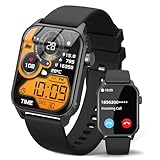
- 【1.83" HD Display & Customizable Watch Faces】Immerse yourself in a vibrant 1.83-inch IPS display, boasting a sharp resolution of 240*284 for crystal-clear visuals. Effortlessly personalize your smart watch with a wide array of customizable watch faces to suit your personal style for every occasion—whether trendy, artistic, or minimalist—ideal for casual, sporty, or professional. Its sleek, modern design complements any outfit, blending technology and fashion seamlessly for everyday wear
- 【120 Sports Modes & Advanced Health Tracking】Our TK29 smart watches for women men come equipped with 120 sports modes, allowing you to effortlessly track a variety of activities such as walking, running, cycling, and swimming. With integrated heart rate and sleep monitors, you can maintain a comprehensive overview of your health, achieve your fitness goals, and maintain a balanced, active lifestyle with ease. Your ideal wellness companion (Note: Step recording starts after exceeding 20 steps)
- 【IP67 Waterproof & Long-Lasting Battery】Designed to keep up with your active lifestyle, this smartwatch features an IP67 waterproof rating, ensuring it can withstand splashes, sweat, and even brief submersion, making it perfect for workouts, outdoor adventures, or rainy days. Its reliable 350mAh battery offering 5-7 days of active use and up to 30 days in standby mode, significantly reducing frequent charging. Ideal for all-day wear, whether you’re at the gym, outdoors, or simply on the go
- 【Stay Connected Anytime, Anywhere】Stay informed and in control with Bluetooth call and music control features. Receive real-time notifications for calls, messages, and social media apps like Facebook, WhatsApp, Twitter, and Instagram directly on your smartwatch. Easily manage calls, control your music playlist, and stay updated without needing to reach for your phone. Perfect for work, workouts, or on-the-go, this watch keeps you connected and never miss important updates wherever you are
- 【Multifunction & Wide Compatibility】Seamlessly handle heart rate monitoring, sleep tracking, and enjoy conveniences like camera/music control, Seamlessly handle heart rate monitoring, sleep tracking, and more-all directly from your wrist. This 1.83 inches HD smartwatch is compatible with iPhone (iOS 9.0+) & Android (5.0+), ensuring smooth daily connectivity and convenience throughout your day. More than just a timepiece, it’s a stylish, all-in-one wearable for smarter, healthier living
At 47mm, with a thick case, raised bezel, and visibly rugged construction, the Atlas clearly leans toward the Garmin and Suunto crowd in spirit, but with Wear OS instead of a proprietary platform. It’s designed for people who hike, travel, train outdoors, or simply hate charging a smartwatch every day.
Mobvoi also continues to differentiate itself with its dual-display approach, pairing a low-power LCD-style screen with a full AMOLED panel. This single decision defines the Atlas more than any spec sheet bullet point, and it’s central to both its battery life claims and its identity.
Price and Value Proposition
The TicWatch Atlas typically lands in the mid-to-high $300 range, placing it directly against the Galaxy Watch 6 Classic and well above the Pixel Watch 2. That pricing immediately raises expectations around build quality, performance consistency, and long-term software support.
On paper, the hardware justifies the ask. You’re getting Qualcomm’s Snapdragon W5+ Gen 1, a sapphire crystal display, stainless steel components, 10 ATM water resistance, and MIL-STD durability claims. Those specs are competitive, and in some areas exceed what Google and Samsung offer at similar prices.
The risk, and it’s an important one, is Mobvoi’s uneven update history. Buyers aren’t just paying for hardware; they’re betting that Wear OS updates, security patches, and feature parity won’t lag behind competitors, a concern that continues to shape how the Atlas is perceived.
What the TicWatch Atlas Is Actually Trying to Be
The Atlas is best understood as a Wear OS sports watch for people who refuse to give up Google’s ecosystem. It wants to deliver multi-day battery life without sacrificing Google Maps, offline music, Assistant support, or third-party fitness apps.
It is not chasing minimalism, jewelry-like aesthetics, or tight ecosystem lock-in. Instead, it prioritizes legibility, physical durability, button-based navigation, and a case design that won’t look out of place on a trail or in a gym bag.
That focus makes the Atlas appealing to a specific buyer: someone who finds the Pixel Watch too fragile, the Galaxy Watch too short-lived on battery, and Garmin too closed-off. Whether Mobvoi succeeds depends less on ambition and more on execution, which is where the real testing begins.
Design, Build Quality, and Wearability: Rugged Tool Watch or Oversized Smartwatch?
If the Atlas is Mobvoi’s attempt to build a Wear OS sports watch without compromise, the design makes that ambition immediately obvious. This is not a lifestyle smartwatch trying to disappear on the wrist. It’s large, angular, and unapologetically utilitarian, leaning much closer to a modern digital tool watch than anything from Google’s or Samsung’s current lineup.
The real question isn’t whether the Atlas looks rugged. It’s whether that ruggedness translates into real-world durability and day-long comfort, or whether it simply crosses the line into being oversized for most wrists.
Case Design, Dimensions, and Visual Presence
The TicWatch Atlas uses a 47mm case, and there’s no way around the fact that it wears big. On an average wrist, it has more in common with a Garmin Fenix than a Pixel Watch, both in footprint and in intent. If you’re accustomed to 40–44mm smartwatches, the Atlas will feel substantial the moment you strap it on.
Thickness is equally assertive, driven in part by the dual-display stack and the internal battery required to support multi-day use. While Mobvoi doesn’t push aggressive slimming here, the case profile is shaped intelligently, with chamfered edges and a slightly curved caseback that prevents it from feeling like a flat puck. That helps mitigate bulk, but it doesn’t erase it.
Visually, the Atlas leans into its tool-watch identity. The bezel is bold and functional rather than decorative, with clear minute markings that feel more at home on a dive or field watch than a fashion-forward smartwatch. It’s a design that prioritizes clarity and intent over subtlety.
Materials and Build Quality
Mobvoi deserves credit for matching its rugged claims with appropriate materials. The Atlas uses sapphire crystal over the AMOLED display, which immediately puts it ahead of most mainstream Wear OS competitors when it comes to scratch resistance. In daily use, this matters more than lab specs, especially if you wear your watch through workouts, outdoor activities, or manual tasks.
The case construction combines stainless steel elements with reinforced polymer, striking a balance between durability and weight. It doesn’t feel hollow or cheap, and there’s a reassuring density when you handle it. At the same time, it avoids the brick-like heft that some full-metal sports watches suffer from.
Button quality is excellent. The crown-style button and secondary function button have a firm, tactile click that works reliably even with sweaty hands or gloves. For a watch that encourages button-based navigation to preserve battery life, this physical feedback is not just a nice touch, it’s essential.
Water Resistance and Durability Claims
The Atlas carries a 10 ATM water resistance rating, which places it well above typical “swim-safe” smartwatches. That rating means it’s comfortable with pool swimming, open water sessions, and extended exposure to water without anxiety. In practice, it feels built for people who won’t think twice about wearing it in the rain, shower, or during a muddy trail run.
Mobvoi also references MIL-STD durability standards, covering shock, vibration, and temperature resistance. While these certifications are often more about survivability than elegance, the Atlas feels consistent with those claims. It’s the kind of watch you’d trust to survive being knocked against gym equipment or scraped along a rock face.
What’s important is that this durability doesn’t come with sharp edges or uncomfortable pressure points. The caseback is smooth, the sensor window sits flush, and there’s no sense that the watch is fighting against your wrist during movement.
Display Integration and Legibility
The dual-display system plays a major role in how the Atlas wears day to day. The AMOLED panel delivers the expected vibrancy and sharpness indoors, while the low-power LCD-style display takes over outdoors or during workouts. This approach gives the watch a distinctly functional personality.
In bright sunlight, the secondary display is exceptionally legible, often outperforming traditional always-on AMOLED modes. Time, heart rate, steps, and battery data remain visible at a glance without wrist flicks or screen taps. That reinforces the Atlas’ tool-watch DNA, where information is always available and battery conservation is a priority.
Aesthetically, the transition between displays isn’t invisible. You’re aware that you’re wearing a dual-layer screen, and purists may find it less refined than a single, seamless OLED. For practical use, though, it’s a trade-off that favors function over polish.
Strap, Lugs, and Wrist Comfort
Out of the box, the Atlas ships with a durable silicone strap that matches the watch’s rugged intent. It’s flexible enough for long workouts, resistant to sweat, and wide enough to balance the visual weight of the case. Ventilation is adequate, though not exceptional, during extended exercise sessions.
The use of standard 24mm lugs is a welcome decision. It opens the door to a wide range of third-party straps, from nylon and leather to metal bracelets, which can dramatically change how the watch wears. A lighter nylon strap, in particular, makes a noticeable difference for all-day comfort.
Despite its size, the Atlas wears more comfortably than its dimensions suggest, especially for users with medium to large wrists. For smaller wrists, however, it may feel top-heavy, and no strap swap can fully compensate for the case diameter.
Day-to-Day Wearability and Lifestyle Fit
Living with the TicWatch Atlas is a study in trade-offs. On the positive side, it’s exceptionally stable during workouts, rarely shifting or bouncing, and it feels purpose-built rather than fragile. The weight distribution is well managed, and pressure points are minimal even during sleep tracking.
On the other hand, this is not a discreet watch. It’s noticeable under long sleeves, and it doesn’t blend seamlessly into formal or professional attire. If you want a smartwatch that disappears until you need it, the Atlas isn’t trying to be that product.
What Mobvoi has created is a Wear OS watch that prioritizes resilience, legibility, and control over elegance. Whether that reads as a rugged tool watch or an oversized smartwatch depends entirely on what you value when you look down at your wrist.
Display, Controls, and Day-to-Day Interaction: Dual-Layer Screen Advantages and Trade-offs
If the Atlas feels unapologetically tool-like on the wrist, that philosophy becomes even clearer the moment you interact with its screen. Mobvoi’s dual-layer display remains the defining feature here, shaping everything from battery behavior to how often you actually need to touch the watch during a typical day.
Dual-Layer Display: AMOLED Plus FSTN Explained in Practice
The primary panel is a large, high-resolution AMOLED that behaves exactly as you’d expect from a modern Wear OS watch. Colors are vivid, contrast is excellent, and text remains sharp even with dense data fields during workouts. Indoors and outdoors alike, the AMOLED is easily on par with the Galaxy Watch series in terms of clarity and punch.
Sitting above it is Mobvoi’s ultra-low-power FSTN LCD layer, which activates when the watch enters Essential Mode or when Always-On Display is configured for low-energy use. This layer shows basic information like time, date, heart rate, steps, and battery, all rendered in a monochrome, digital style. It’s not pretty, but it’s exceptionally functional.
The real advantage becomes obvious in bright sunlight. Unlike OLED-based always-on displays that rely on boosting brightness and draining battery, the FSTN layer is transflective and thrives outdoors. During hikes or runs, the time and metrics remain instantly readable without wrist flicks or screen taps.
Trade-offs: Visual Cohesion and UI Continuity
The downside is that you’re always aware you’re dealing with two display technologies. The transition between the low-power screen and the AMOLED is noticeable, both visually and behaviorally. This can feel slightly disjointed if you’re coming from a Pixel Watch or Galaxy Watch, where the display experience is uniform at all times.
Fonts and layout consistency also take a hit. Watch faces designed to take advantage of the dual-layer system often look utilitarian, while more stylish Wear OS faces typically rely solely on AMOLED, sacrificing some battery efficiency. You’re often choosing between aesthetics and endurance, rather than getting both.
There’s also a minor learning curve. New users may initially find the display behavior confusing, especially when the watch appears “on” but isn’t touch-responsive because it’s showing the low-power layer. Once you understand the logic, it makes sense, but it’s not as intuitive as a single-layer OLED approach.
Touch Responsiveness and Gesture Reliability
When the AMOLED is active, touch responsiveness is excellent. Swipes register cleanly, scrolling through tiles is smooth, and smaller UI elements are easy to hit, even with sweaty fingers. Mobvoi has clearly tuned the digitizer well, and it shows during workouts and navigation-heavy tasks.
Rank #2
![Apple Watch Series 11 [GPS 46mm] Smartwatch with Jet Black Aluminum Case with Black Sport Band - M/L. Sleep Score, Fitness Tracker, Health Monitoring, Always-On Display, Water Resistant](https://m.media-amazon.com/images/I/312K597M2uL._SL160_.jpg)
- HYPERTENSION NOTIFICATIONS — Apple Watch Series 11 can spot signs of chronic high blood pressure and notify you of possible hypertension.*
- KNOW YOUR SLEEP SCORE — Sleep score provides an easy way to help track and understand the quality of your sleep, so you can make it more restorative.
- EVEN MORE HEALTH INSIGHTS — Take an ECG anytime.* Get notifications for a high and low heart rate, an irregular rhythm,* and possible sleep apnea.* View overnight health metrics with the Vitals app* and take readings of your blood oxygen.*
- STUNNING DESIGN — Thin and lightweight, Series 11 is comfortable to wear around the clock — while exercising and even when you’re sleeping, so it can help track your key metrics.
- A POWERFUL FITNESS PARTNER — With advanced metrics for all your workouts, plus features like Pacer, Heart Rate Zones, training load, Workout Buddy powered by Apple Intelligence from your nearby iPhone,* and more. Series 11 also comes with three months of Apple Fitness+ free.*
Raise-to-wake is reliable, though slightly more conservative than on Samsung’s watches. That works in the Atlas’s favor for battery life but occasionally requires a deliberate wrist movement. Touch-to-wake remains fast and consistent, and there’s minimal lag when transitioning from the low-power display to full Wear OS mode.
The large screen size helps here. Data doesn’t feel cramped, and Wear OS tiles benefit from the extra real estate, particularly fitness summaries and weather views. This is one area where the Atlas’s size directly improves usability rather than just presence.
Physical Controls: Buttons That Favor Reliability Over Elegance
Mobvoi sticks with a dual-button layout instead of a rotating crown or bezel. The buttons are large, textured, and easy to locate by feel, even with gloves or cold fingers. For outdoor and fitness-focused use, this is a clear win.
The primary button handles app access and navigation, while the secondary button is customizable and often mapped to workouts. During runs or strength sessions, being able to start, pause, or stop tracking without relying on touch input feels more reliable than Samsung’s touch-sensitive controls.
What you lose is finesse. Scrolling through long lists using buttons is slower than using a rotating crown, and there’s no tactile feedback equivalent to Samsung’s digital bezel. This reinforces the Atlas’s identity as a functional tool rather than a polished lifestyle accessory.
Always-On Display and Real Battery Implications
The dual-layer system meaningfully changes how always-on display behaves in real life. With the low-power layer handling idle time, you’re far less inclined to disable AOD entirely. That alone improves day-to-day usability, since the watch actually behaves like a watch rather than a blank screen most of the time.
Battery drain with AOD enabled is noticeably lower than on single-OLED Wear OS competitors. Over multi-day use, especially when combined with GPS workouts, the display strategy plays a major role in the Atlas outperforming more mainstream options in endurance.
The compromise is visual appeal. The low-power display looks functional, not elegant, and it doesn’t fade seamlessly into the background the way OLED-based AODs do. Whether that matters depends on whether you value glanceability or aesthetics more.
Daily Interaction: Designed to Be Checked, Not Admired
In daily use, the Atlas encourages quick glances rather than prolonged interaction. You check the time, heart rate, or steps without waking the full interface, then dive deeper only when needed. Over time, this changes how often you interact with the watch and how much battery you burn doing so.
This design philosophy won’t resonate with everyone. If you enjoy animated watch faces, fluid transitions, and a visually cohesive UI at all times, the Atlas can feel utilitarian. But if you prioritize visibility, reliability, and longevity, especially during workouts and outdoor activities, the dual-layer approach proves its worth.
Ultimately, the Atlas’s display and control scheme reinforces its broader identity. It’s not trying to out-style Samsung or out-minimalist Google. It’s trying to be readable, dependable, and efficient, even if that means sacrificing some refinement along the way.
Performance and Wear OS Experience: Snapdragon W5+, Smoothness, and Software Reality
That utilitarian display philosophy carries directly into how the Atlas feels once you start navigating the software. The hardware is clearly designed to stay out of its own way, prioritizing responsiveness and efficiency over visual flair, and that choice becomes most obvious the moment you begin swiping through Wear OS.
Snapdragon W5+: Finally, Headroom Where It Matters
The TicWatch Atlas is powered by Qualcomm’s Snapdragon W5+, and in daily use it delivers the kind of performance Wear OS has been waiting for. App launches are consistently quick, scrolling is smooth, and system animations rarely hitch, even after days of continuous use without a reboot.
Compared to older Snapdragon 4100-based TicWatches, the difference is dramatic. Compared to Samsung’s Exynos-powered Galaxy Watch models, performance is closer than you might expect, especially in core tasks like notifications, workout tracking, and Google Assistant responses.
Where the W5+ really shows its strength is sustained performance. Long GPS activities, background health tracking, and constant notifications don’t gradually bog the system down. The Atlas feels stable and predictable in a way many Wear OS watches still struggle to achieve over time.
RAM, Storage, and Real Multitasking
Mobvoi pairs the W5+ with sufficient RAM to make multitasking practical rather than theoretical. Switching between fitness tracking, media controls, and navigation apps doesn’t trigger frequent reloads, and background processes behave as expected instead of being aggressively killed.
This matters more than raw benchmark numbers. During workouts, you can finish an activity, check notifications, and review stats without the watch hesitating or dumping you back to the watch face. It’s a small detail, but it reinforces the Atlas’s focus on functional reliability.
Storage performance is similarly unremarkable in the best way. App installs are quick, updates don’t stall the system, and offline music syncing happens without the frustrating slowdowns common on underpowered Wear OS devices.
Wear OS: Clean, Familiar, and Largely Unaltered
The Atlas runs a largely stock version of Wear OS, and that’s one of its quiet strengths. There’s no heavy visual skin layered on top, no reimagined app drawer, and no proprietary ecosystem trying to replace Google’s services.
If you’ve used a Pixel Watch, the experience will feel immediately familiar. Tiles behave the same way, Google apps integrate seamlessly, and third-party app compatibility is exactly what you’d expect from a modern Wear OS device.
Mobvoi’s additions are mostly confined to its own health and fitness apps. They don’t interfere with the core system, but they do exist alongside Google Fit rather than replacing it, which can feel redundant depending on how you prefer to track your data.
Software Polish vs. Software Priority
Where the Atlas lags behind Samsung and Google is polish, not capability. System animations are functional but basic, haptic feedback is serviceable rather than nuanced, and the overall UI lacks the cohesive visual identity found on the Pixel Watch.
That said, the watch rarely feels unfinished. Menus respond when you expect them to, touch input is reliable even with damp fingers, and the crown-like button offers consistent scrolling control without accidental presses.
This reinforces the Atlas’s tool-watch character. It’s less about delighting you with clever UI flourishes and more about making sure nothing gets in the way when you’re trying to get something done quickly.
Update Cadence and the Mobvoi Question
The biggest uncertainty in the Wear OS experience isn’t performance, but long-term software support. Mobvoi’s track record with timely Wear OS updates has been inconsistent, and that history can’t be ignored when evaluating the Atlas as a long-term investment.
Out of the box, the software is stable and fully featured. The concern is how quickly future Wear OS versions, security patches, and Google feature updates will arrive compared to Samsung or Google-branded hardware.
For buyers who prioritize having the latest software the moment it launches, this remains a legitimate drawback. For those who value stable performance and battery efficiency over being first in line for updates, the Atlas’s current software experience holds up well.
Performance in Context: Who This Actually Competes With
In real-world performance, the TicWatch Atlas stands closer to Samsung’s Galaxy Watch line than its pricing might suggest. It doesn’t outperform Samsung in UI refinement or ecosystem depth, but it matches it in day-to-day responsiveness and exceeds it in sustained endurance-focused scenarios.
Against the Pixel Watch, the Atlas feels less elegant but more dependable over long days and multi-day use. The W5+ ensures Wear OS runs smoothly, while the dual-display system reduces how often you’re interacting with the heaviest parts of the OS in the first place.
The result is a Wear OS experience that feels practical, stable, and refreshingly unburdened by unnecessary complexity. Whether that’s compelling depends on what you want from your smartwatch, but from a pure performance standpoint, the Atlas finally gives Mobvoi hardware that lives up to its ambitions.
Battery Life Deep Dive: Dual Display Tech vs Real-World Endurance
If the Atlas feels unusually calm and dependable in daily use, battery behavior is the reason. Mobvoi’s dual-display approach doesn’t just extend endurance on paper, it changes how often you rely on full Wear OS power at all, which reshapes real-world consumption in a way Samsung and Google still haven’t matched.
Rather than asking you to constantly manage settings or compromise features, the Atlas quietly minimizes energy draw during the moments when you’re simply checking the time, steps, or notifications. That design philosophy matters more in practice than raw battery capacity figures.
How the Dual Display Actually Saves Power
The Atlas pairs a standard AMOLED touchscreen with a secondary ultra-low-power FSTN display layered on top. When the watch is idle, or when Essential Mode is active, the AMOLED shuts off entirely and the monochrome display takes over basic information duties.
This isn’t just an always-on display alternative. The low-power screen runs on a separate processor, meaning the main Snapdragon W5+ chip and Wear OS aren’t waking up unless you actively need them.
In daily wear, this reduces background drain dramatically. Glancing at the time, checking step count, or seeing heart rate doesn’t trigger the energy-hungry parts of the system, which is where most Wear OS watches quietly bleed battery.
Day-to-Day Endurance: What You Can Realistically Expect
With mixed use that includes notifications, light fitness tracking, GPS workouts every other day, and sleep tracking nightly, the Atlas consistently lands in the three-to-four-day range. That’s without aggressive power-saving settings and with the essential display enabled for most idle time.
Rank #3

- Bluetooth Call and Message Alerts: Smart watch is equipped with HD speaker, after connecting to your smartphone via bluetooth, you can answer or make calls, view call history and store contacts through directly use the smartwatch. The smartwatches also provides notifications of social media messages (WhatsApp, Twitter, Facebook, Instagram usw.) So that you will never miss any important information.
- Smart watch for men women is equipped with a 320*380 extra-large hd full touch color screen, delivering exceptional picture quality and highly responsive touch sensitivity, which can bring you a unique visual and better interactive experience, lock screen and wake up easily by raising your wrist. Though “Gloryfit” app, you can download more than 102 free personalised watch faces and set it as your desktop for fitness tracker.
- 24/7 Heart Rate Monitor and Sleep Tracker Monitor: The fitness tracker watch for men has a built-in high-performance sensor that can record our heart rate changes in real time. Monitor your heart rate 26 hours a day and keep an eye on your health. Synchronize to the mobile phone app"Gloryfit", you can understand your sleep status(deep /light /wakeful sleep) by fitness tracker watch develop a better sleep habit and a healthier lifestyle.
- IP68 waterproof and 110+ Sports Modes: The fitness tracker provides up to 112+ sports modes, covering running, cycling, walking, basketball, yoga, football and so on. Activity trackers bracelets meet the waterproof requirements for most sports enthusiasts' daily activities, such as washing hands or exercising in the rain, meeting daily needs (note: Do not recommended for use in hot water or seawater.)
- Multifunction and Compatibility: This step counter watch also has many useful functions, such as weather forecast, music control, sedentary reminder, stopwatch, alarm clock, timer, track female cycle, screen light time, find phone etc. The smart watch with 2 hrs of charging, 5-7 days of normal use and about 30 days of standby time. This smart watches for women/man compatible with ios 9.0 and android 6.2 and above devices.
Pushing harder with daily GPS workouts, frequent screen-on interactions, and heavier app use brings that down to around two full days. Even then, it remains comfortably ahead of the Galaxy Watch and Pixel Watch, which typically demand daily charging under similar conditions.
If you lean into Essential Mode for parts of the day, especially overnight or during work hours, stretching beyond four days is achievable without feeling like you’re using a crippled device.
Essential Mode Isn’t Just an Emergency Feature
On many Mobvoi watches, Essential Mode feels like a last resort. On the Atlas, it’s practical enough to use proactively. You still get time, date, steps, heart rate, blood oxygen, and sleep tracking, all on the low-power display.
Switching into Essential Mode before bed makes a measurable difference. Overnight drain drops to a trickle, which is especially valuable for users who track sleep every night and hate starting the next day already down 10–15 percent.
This flexibility gives the Atlas an advantage for travel, long workdays, and outdoor use where charging access isn’t guaranteed.
Charging Speed and Battery Anxiety
The Atlas doesn’t offset its endurance with painfully slow charging. A short top-up meaningfully moves the needle, and a full charge comfortably fits into a morning routine rather than demanding overnight babysitting.
More importantly, the watch changes how often you think about charging at all. When you’re consistently ending days with 40–60 percent remaining, battery anxiety fades into the background.
That psychological shift is something daily-charging Wear OS watches rarely deliver, regardless of how refined their software feels.
How It Compares to Samsung and Google in Practice
Samsung’s Galaxy Watch models offer solid battery life for their size, but their single-display approach means the main OS is always involved. Even with optimization, background drain adds up quickly.
The Pixel Watch, while elegant and compact, remains the least forgiving. GPS use and always-on display can turn it into a nightly charging obligation, especially for fitness-focused users.
The Atlas isn’t trying to win elegance points here. It wins by letting you forget about the charger for days at a time, which aligns perfectly with its tool-watch design and outdoors-ready build.
Who This Battery Strategy Is Actually For
If you enjoy interacting with your smartwatch constantly, tweaking faces, and living inside apps, the Atlas won’t magically turn into a week-long device. Wear OS is still Wear OS.
But if your priorities include long workouts, reliable sleep tracking, travel flexibility, and a watch that stays alive through unpredictable days, the dual-display system delivers a tangible advantage. It’s one of the few Wear OS implementations where battery life feels like a solved problem rather than a constant negotiation.
Health and Fitness Tracking Accuracy: Heart Rate, GPS, Sleep, and Training Reliability
That battery freedom directly shapes how the TicWatch Atlas performs as a health and fitness tool. You’re far more likely to leave continuous tracking enabled, log longer GPS workouts, and wear it overnight without compromise, which makes accuracy and consistency far more meaningful in daily use than headline sensor specs alone.
Mobvoi positions the Atlas as an outdoors-ready, training-capable smartwatch rather than a lifestyle tracker, so the real question isn’t whether it can measure health data, but how trustworthy that data is when you actually rely on it.
Heart Rate Accuracy and Sensor Behavior
The Atlas uses Mobvoi’s latest optical heart rate sensor array, sitting flush against the wrist despite the watch’s substantial case thickness. On most wrists, the weight and wide caseback help maintain consistent skin contact, which is often a hidden advantage for accuracy during movement.
In steady-state activities like walking, hiking, and zone-based cardio, heart rate readings track closely with chest strap benchmarks. Deviations are typically within a few beats per minute, which is on par with Samsung’s Galaxy Watch and noticeably more stable than the Pixel Watch during casual movement.
High-intensity interval training exposes the Atlas’s limitations. Like most optical sensors, it can lag slightly during rapid heart rate spikes, especially during kettlebells, sprints, or burpees where wrist tension changes constantly.
That said, the Atlas recovers quickly once effort stabilizes, and it avoids the prolonged dropouts that earlier Mobvoi watches were known for. For most users training by heart rate zones rather than peak precision, it’s dependable enough to trust without second-guessing every graph.
GPS Accuracy, Lock Speed, and Route Consistency
The Atlas supports multi-constellation GNSS, and it shows. GPS lock-on is fast, often within seconds outdoors, and doesn’t require awkward arm positioning or extended waiting before starting an activity.
Route tracking during runs and walks is impressively consistent, especially in open environments. Recorded paths closely follow sidewalks and trails, with minimal corner-cutting or drift, even when paired with offline music playback.
In denser urban areas, accuracy remains competitive with Samsung’s dual-band models, though it doesn’t quite match the Pixel Watch’s best-case precision between tall buildings. Still, it avoids the exaggerated zig-zagging that cheaper Wear OS watches often produce.
What’s more important is reliability over time. Long workouts don’t trigger GPS dropouts, and battery drain during extended tracking sessions is far lower than expected thanks to the dual-display system. You can record multi-hour hikes without watching your battery percentage collapse in real time.
Sleep Tracking: Consistency Over Granularity
Sleep tracking is one of the Atlas’s strongest practical advantages, largely because wearing it overnight doesn’t feel like a battery sacrifice. The case is thick, but the curved lugs and soft strap distribute weight well enough for side sleepers.
Sleep stage detection aligns reasonably well with established patterns, identifying bedtimes, wake times, and sleep interruptions accurately. Deep and REM sleep estimates are directionally reliable, though not as granular or refined as Fitbit-powered devices.
Where Mobvoi excels is consistency. Night after night, the Atlas records complete sleep sessions without gaps, missed starts, or premature endings. That reliability matters more than hyper-detailed charts when you’re looking for long-term trends rather than clinical analysis.
Blood oxygen tracking works overnight when enabled, though it does increase background power use slightly. Even so, the Atlas still finishes most nights with ample battery remaining, which isn’t something many Wear OS watches can claim.
Training Modes and Workout Reliability
Mobvoi’s workout modes cover the expected basics, including running, cycling, swimming, strength training, and outdoor-focused activities like hiking. Automatic workout detection is conservative, favoring accuracy over aggressiveness, which avoids false positives during daily movement.
Strength training tracking remains basic, focusing on duration and heart rate rather than rep detection or muscle group analysis. This mirrors Samsung’s approach and feels more honest than platforms that overpromise detailed strength metrics without real accuracy.
Water tracking is dependable, with swim sessions recording duration and heart rate trends correctly. The rugged build and water resistance make the Atlas feel less fragile during pool or open-water use than slimmer Wear OS alternatives.
Most importantly, workouts feel dependable rather than fragile. The watch doesn’t freeze, randomly end sessions, or lose data, which is critical when you’re trusting it during long or remote activities.
How It Compares for Fitness-Focused Users
Compared to the Galaxy Watch, the Atlas trades some software polish and ecosystem depth for endurance and consistency. Samsung’s health platform offers more refined insights, but it demands far more frequent charging and compromises long-session tracking.
Against the Pixel Watch, the Atlas is less elegant and less Fitbit-powered, but vastly more practical for people who actually train outdoors, sleep track nightly, and travel without chargers in every bag.
The Atlas won’t replace a dedicated sports watch for elite athletes chasing performance metrics. But as a reliable, long-wearing, Wear OS-based fitness companion, it punches well above its price by delivering something many competitors still struggle with: health data you can collect continuously without fighting the hardware.
Outdoor and Durability Credentials: MIL-STD Claims, Water Resistance, and Practical Toughness
After establishing itself as a watch you can trust to keep recording data day after day, the TicWatch Atlas now has to justify its outdoors-first positioning. Mobvoi leans heavily on durability claims here, and unlike many Wear OS rivals, the Atlas is clearly built with rougher use in mind rather than office-friendly minimalism.
Case Construction, Materials, and Real-World Wear
The Atlas uses a large stainless steel case paired with a raised bezel that sits slightly proud of the display, offering real protection against knocks. At roughly 47mm wide and noticeably thick, it wears closer to a traditional outdoor tool watch than a sleek smartwatch, which is a trade-off that favors survivability over discretion.
Rank #4
![Apple Watch Series 11 [GPS 42mm] Smartwatch with Rose Gold Aluminum Case with Light Blush Sport Band - S/M. Sleep Score, Fitness Tracker, Health Monitoring, Always-On Display, Water Resistant](https://m.media-amazon.com/images/I/31J+F-pXaWL._SL160_.jpg)
- HYPERTENSION NOTIFICATIONS — Apple Watch Series 11 can spot signs of chronic high blood pressure and notify you of possible hypertension.*
- KNOW YOUR SLEEP SCORE — Sleep score provides an easy way to help track and understand the quality of your sleep, so you can make it more restorative.
- EVEN MORE HEALTH INSIGHTS — Take an ECG anytime.* Get notifications for a high and low heart rate, an irregular rhythm,* and possible sleep apnea.* View overnight health metrics with the Vitals app* and take readings of your blood oxygen.*
- STUNNING DESIGN — Thin and lightweight, Series 11 is comfortable to wear around the clock — while exercising and even when you’re sleeping, so it can help track your key metrics.
- A POWERFUL FITNESS PARTNER — With advanced metrics for all your workouts, plus features like Pacer, Heart Rate Zones, training load, Workout Buddy powered by Apple Intelligence from your nearby iPhone,* and more. Series 11 also comes with three months of Apple Fitness+ free.*
The weight is substantial, but it’s balanced well on the wrist thanks to the lug design and wide strap interface. During hiking and long outdoor sessions, the watch stays planted without shifting, which matters more than thinness once you’re moving for hours at a time.
Mobvoi’s default strap is a rugged silicone with enough stiffness to feel secure but not abrasive. It handles sweat, rain, and repeated washing without becoming slippery or stretching, and the standard lug width makes swapping to nylon or leather easy for those who want to tailor comfort or aesthetics.
MIL-STD-810H: What It Actually Means in Practice
Mobvoi advertises MIL-STD-810H certification, covering resistance to shock, vibration, extreme temperatures, humidity, and dust. As with all consumer electronics, this doesn’t mean the Atlas is indestructible, but it does signal testing beyond the casual daily-wear assumptions of most Wear OS watches.
In practical terms, the Atlas shrugs off bumps against rocks, door frames, and gym equipment with little concern. After weeks of use, including outdoor workouts and travel, the case and bezel show minimal scuffing, and the display remains free of deep scratches, helped by the raised metal lip around the screen.
Extreme temperature tolerance is particularly relevant for outdoor users. The watch continues to function reliably during cold early-morning runs and hot summer hikes, without sudden battery drain or touchscreen misbehavior, which can plague more delicate designs.
Water Resistance and Swim Readiness
The TicWatch Atlas carries a 5 ATM water resistance rating, making it suitable for swimming, showering, and heavy rain exposure. This aligns with its dependable swim tracking, and the hardware never feels compromised during pool sessions or extended water contact.
Buttons maintain consistent tactile feedback even after repeated submersion, which isn’t always the case with Wear OS watches that rely on softer seals. There’s no speaker distortion or delayed touch response after swimming, suggesting proper internal sealing rather than just meeting a spec sheet requirement.
While it’s not designed for scuba diving or high-pressure water sports, the Atlas feels more comfortable in wet environments than slimmer competitors like the Pixel Watch. For users who regularly mix workouts with water exposure, that confidence matters more than chasing thinner profiles.
Display Protection and Outdoor Visibility
The raised bezel and recessed display do double duty by improving durability and reducing accidental touches when wet or muddy. This design choice also limits direct screen contact with abrasive surfaces, which pays off during outdoor activity where scrapes are inevitable.
Sunlight visibility is strong, aided by high brightness levels and the secondary low-power display Mobvoi is known for. Even with polarized sunglasses, the time and workout data remain legible without exaggerated wrist angles, a small but meaningful advantage for outdoor use.
The secondary display also reduces the need to wake the main OLED constantly, indirectly improving durability by limiting repetitive touch interactions. It’s a functional choice that aligns with the Atlas’s practical, outdoors-first philosophy.
How Tough It Really Feels Compared to Wear OS Rivals
Compared to the Galaxy Watch, the Atlas feels significantly more robust but also less refined. Samsung’s hardware is slimmer and more fashionable, but it feels easier to ding or worry about during rough activity.
Against the Pixel Watch, the difference is even more pronounced. Google’s watch prioritizes design elegance, while the Atlas clearly prioritizes survivability, making it the more trustworthy option for hiking, travel, and physically demanding routines.
The TicWatch Atlas doesn’t reach the bombproof confidence of dedicated outdoor sports watches from Garmin or Suunto. But within the Wear OS ecosystem, it stands out as one of the few options that genuinely backs up its durability claims with real-world resilience rather than just marketing language.
Mobvoi Software, App Ecosystem, and Update Trustworthiness
The Atlas’s rugged hardware sets expectations for reliability, but software is where Mobvoi’s watches have historically drawn the most scrutiny. After weeks of daily use, it’s clear the Atlas delivers a mixed but more mature Wear OS experience than earlier TicWatch models, though not without lingering trust questions for long-term buyers.
Wear OS Performance and Day-to-Day Responsiveness
The TicWatch Atlas runs a relatively clean version of Wear OS with minimal visual skinning, which works in its favor. Navigation is smooth, app launches are predictable, and system animations remain consistent even when switching between fitness tracking, notifications, and Google Assistant.
Mobvoi’s dual-display system quietly improves perceived performance. Because the watch relies on the low-power secondary screen for time and basic metrics, the main OLED wakes less frequently, reducing stutter and avoiding the “micro-lag” that can creep into Wear OS devices after long days of heavy use.
Compared to the Pixel Watch, the Atlas feels slightly less polished in UI transitions, but it also feels more stable under sustained use. Against the Galaxy Watch, Samsung’s One UI Watch remains more refined, yet also more complex, while Mobvoi’s simpler approach prioritizes function over flourish.
Mobvoi Apps vs Google’s Ecosystem
Mobvoi preloads its own suite of fitness and health apps, including TicExercise, TicHealth, and TicSleep. These apps are competent and visually clear, but they sit somewhat awkwardly alongside Google Fit and Health Connect, which many Wear OS users already rely on.
In practice, you’ll likely choose one ecosystem and ignore the other. Mobvoi’s apps track workouts reliably and sync consistently to the companion app, but they lack the deep historical insights and third-party integrations offered by Fitbit on Pixel Watch or Samsung Health on Galaxy Watch.
App availability through the Play Store is identical to other Wear OS devices, so staples like Spotify, Strava, Komoot, Google Maps, and WhatsApp behave exactly as expected. There are no artificial restrictions, which keeps the Atlas competitive despite Mobvoi’s smaller software team.
Companion App Experience and Data Reliability
The Mobvoi smartphone app has improved but still trails Samsung and Google in polish. Syncing is generally reliable, yet the interface feels utilitarian, prioritizing raw metrics over storytelling or long-term trend visualization.
Fitness data accuracy is consistent enough for training and habit tracking, but advanced insights such as readiness scores or adaptive coaching are limited. For users accustomed to Fitbit’s health metrics or Samsung’s wellness dashboards, Mobvoi’s presentation may feel sparse.
That said, data stability has been solid in testing. Workouts synced correctly, GPS tracks were preserved without corruption, and sleep data remained intact even after firmware updates, which hasn’t always been a given with older TicWatch generations.
Updates, Security Patches, and Long-Term Trust
This is the area where Mobvoi continues to face skepticism, and not without reason. Historically, the company has been slow to deliver major Wear OS upgrades, sometimes missing promised timelines by months or skipping versions entirely.
With the Atlas, Mobvoi has publicly committed to regular security patches and core Wear OS compatibility, but expectations should remain measured. You’re unlikely to receive new platform features as quickly as Pixel Watch owners, and Samsung still leads in predictable update cadence.
The upside is that the Atlas ships in a stable state. There are no obvious bugs requiring urgent fixes, and day-to-day reliability feels stronger than earlier TicWatch launches, reducing reliance on rapid post-launch updates.
Battery Optimization Through Software Choices
Mobvoi’s software philosophy directly supports the Atlas’s standout battery life. Smart Mode switching, aggressive background app management, and the secondary display all work together to stretch endurance well beyond what most Wear OS watches can manage.
This does come at a cost. Background syncing is sometimes delayed, and non-essential notifications can be deprioritized, which power users may notice. For most buyers, though, the trade-off favors reliability and endurance over constant real-time updates.
Compared to Galaxy Watch and Pixel Watch, the Atlas feels purpose-built for users who value longevity over bleeding-edge features. The software decisions reinforce that identity rather than trying to compete head-on with more tightly integrated ecosystems.
Who Should Trust Mobvoi’s Software Strategy
The TicWatch Atlas makes the most sense for users who want Wear OS flexibility without being locked into Samsung or Google’s health platforms. If your priorities are stable performance, strong battery life, and dependable core features, Mobvoi’s software approach holds up in real-world use.
Buyers who demand fast major updates, long-term platform guarantees, or deeply layered health analytics should still lean toward Google or Samsung. The Atlas is credible, capable, and more reliable than Mobvoi’s past efforts, but it remains a practical alternative rather than the ecosystem leader.
How It Compares: TicWatch Atlas vs Samsung Galaxy Watch and Google Pixel Watch
Viewed in context, the TicWatch Atlas is not trying to out-Samsung Samsung or out-Google Google. Instead, it positions itself as a rugged, long-endurance Wear OS watch that prioritizes battery life, durability, and functional reliability over ecosystem depth and polished health insights.
That distinction becomes clearer when you compare daily use rather than spec sheets. Each of these watches serves a different type of Wear OS buyer, even though they share the same underlying platform.
Design, Materials, and Real-World Wearability
The TicWatch Atlas is physically the most imposing of the three. Its case is larger, thicker, and clearly designed for outdoor abuse, with reinforced materials, a raised bezel, and a display protected against knocks that would leave a Galaxy Watch or Pixel Watch scuffed.
Samsung’s Galaxy Watch is the most refined in terms of finish and comfort. Its slimmer case, lighter weight, and curved profile make it far easier to wear all day, especially for users with smaller wrists or those who want a watch that transitions cleanly from gym to office.
💰 Best Value
![Apple Watch Series 11 [GPS 42mm] Smartwatch with Jet Black Aluminum Case with Black Sport Band - S/M. Sleep Score, Fitness Tracker, Health Monitoring, Always-On Display, Water Resistant](https://m.media-amazon.com/images/I/31ybzrJZckL._SL160_.jpg)
- HYPERTENSION NOTIFICATIONS — Apple Watch Series 11 can spot signs of chronic high blood pressure and notify you of possible hypertension.*
- KNOW YOUR SLEEP SCORE — Sleep score provides an easy way to help track and understand the quality of your sleep, so you can make it more restorative.
- EVEN MORE HEALTH INSIGHTS — Take an ECG anytime.* Get notifications for a high and low heart rate, an irregular rhythm,* and possible sleep apnea.* View overnight health metrics with the Vitals app* and take readings of your blood oxygen.*
- STUNNING DESIGN — Thin and lightweight, Series 11 is comfortable to wear around the clock — while exercising and even when you’re sleeping, so it can help track your key metrics.
- A POWERFUL FITNESS PARTNER — With advanced metrics for all your workouts, plus features like Pacer, Heart Rate Zones, training load, Workout Buddy powered by Apple Intelligence from your nearby iPhone,* and more. Series 11 also comes with three months of Apple Fitness+ free.*
The Pixel Watch sits at the opposite end of the spectrum from the Atlas. Its domed glass and compact footprint feel elegant and minimal, but also more fragile, and it is the least confidence-inspiring option if you’re hard on your gear or spend time outdoors.
Display Technology and Everyday Visibility
Mobvoi’s dual-display system remains a genuine differentiator. The low-power secondary display on the Atlas is always readable in sunlight, uses virtually no battery, and provides core information without waking the main OLED panel.
Samsung and Google rely entirely on high-quality AMOLED displays with always-on modes. They look better indoors, have richer colors, and support more customizable watch faces, but they consume significantly more power in daily use.
In practice, the Atlas trades visual flair for function. If you value glanceable data and battery preservation over aesthetics, Mobvoi’s approach still makes sense.
Performance and System Responsiveness
All three watches feel fast enough for daily tasks, but their priorities differ. The TicWatch Atlas focuses on consistency rather than speed, with smooth scrolling, reliable app launches, and minimal background slowdown thanks to aggressive process management.
Samsung’s Galaxy Watch feels the most fluid overall, especially within Samsung’s own apps and tiles. Animations are polished, multitasking is smoother, and the interface benefits from tighter hardware-software integration.
The Pixel Watch delivers clean, stock Wear OS performance with excellent Google Assistant responsiveness. However, its smaller battery means performance tuning is more aggressive under the hood, which can occasionally surface as background app reloads.
Battery Life: The Atlas’s Defining Advantage
This is where the TicWatch Atlas clearly separates itself. In real-world use, it comfortably outlasts both the Galaxy Watch and Pixel Watch by a wide margin, often delivering multiple days on a single charge with smart mode enabled.
Samsung’s Galaxy Watch typically lands in the one- to two-day range depending on settings and LTE use. Fast charging helps, but it still requires frequent top-ups that the Atlas simply avoids.
The Pixel Watch remains the weakest performer here. Daily charging is effectively mandatory, and while Google has improved efficiency, it still trails both Mobvoi and Samsung in endurance.
Health and Fitness Tracking Accuracy
Samsung leads in depth and polish. Its health platform offers comprehensive metrics, strong sleep tracking, and well-integrated fitness coaching, particularly for users already invested in Samsung Health.
Google’s Pixel Watch excels in heart rate tracking consistency and Fitbit’s long-term trend analysis. However, advanced insights are increasingly tied to subscriptions, which may not appeal to all users.
The TicWatch Atlas focuses on core metrics rather than advanced interpretation. GPS tracking is reliable, heart rate accuracy is solid for general fitness, and workout detection works well, but the data presentation is more utilitarian than insightful.
Software Ecosystem and Long-Term Support
Samsung remains the safest choice for predictable updates and long-term support. Its Wear OS skin evolves steadily, and new features tend to arrive quickly on Galaxy hardware.
Google’s Pixel Watch benefits from first access to Wear OS features and tight integration with Google services. It is the platform reference device, but that doesn’t always translate to the best hardware longevity.
Mobvoi sits behind both in update cadence and platform evolution. While the Atlas launches in a stable, usable state, buyers should view it as a finished product rather than a watch that will significantly improve over time through updates.
Value Proposition and Buyer Fit
The TicWatch Atlas offers strong value for users who prioritize battery life, ruggedness, and Wear OS flexibility without ecosystem lock-in. It feels purpose-built and dependable rather than flashy.
Samsung’s Galaxy Watch is the most balanced option for mainstream users, especially Android owners who want refined hardware, strong health features, and long-term software confidence.
The Pixel Watch is best suited to users deeply invested in Google and Fitbit who value clean design and software integration over endurance and durability.
Who Should Buy the TicWatch Atlas (and Who Absolutely Shouldn’t)
By this point, the TicWatch Atlas has made its priorities clear. It is not trying to out-polish Samsung or out-integrate Google, and that clarity actually makes it easier to recommend to the right kind of buyer.
Buy the TicWatch Atlas If You Care More About Endurance Than Elegance
The Atlas is an easy recommendation for users who are tired of charging their smartwatch every night. In real-world use, the dual-display system and aggressive power management deliver multi-day battery life that genuinely changes how the watch fits into daily routines.
If you regularly track long workouts, hikes, or travel without easy access to chargers, the Atlas feels liberating in a way most Wear OS watches still don’t. It behaves more like a tool than a gadget, and that’s its biggest strength.
Buy It If You Want a Rugged, No-Nonsense Daily Wear Watch
Physically, the TicWatch Atlas is unapologetically large and utilitarian. The case is thick, the footprint is substantial, and the overall presence favors durability over subtlety.
This works well for users with medium-to-large wrists who want a watch they don’t need to baby. The materials and construction inspire confidence during outdoor use, gym sessions, and rough daily wear, even if the finishing lacks the refinement of Samsung’s or Google’s designs.
Buy It If You Want Wear OS Without Ecosystem Lock-In
One of the Atlas’s quiet advantages is how neutral it feels within the Wear OS ecosystem. You get Google apps, Play Store access, notifications, and third-party support without being pulled into Samsung Health or Fitbit subscriptions.
For Android users who value flexibility and dislike ecosystem friction, this is refreshing. The software experience is straightforward, stable, and functional, even if it lacks the visual polish and deeper integrations of its rivals.
Buy It If Your Fitness Needs Are Practical, Not Analytical
The TicWatch Atlas suits users who want reliable tracking rather than deep interpretation. Heart rate, GPS, and activity tracking perform consistently, and the watch handles workouts and daily movement without fuss.
What it doesn’t do particularly well is turn that data into coaching, long-term insights, or lifestyle recommendations. If you mainly want to log activities and review the basics, the Atlas delivers; if you want guidance, trends, and motivation, competitors do more.
Don’t Buy It If You Expect Frequent Software Evolution
This is where expectations need to be set clearly. Mobvoi’s update history is conservative, and the Atlas feels like a finished product rather than a platform that will grow significantly over time.
If you enjoy new features, UI refreshes, and fast adoption of Wear OS updates, Samsung and Google are safer bets. The Atlas works well today, but buyers should not count on it becoming meaningfully better through software alone.
Don’t Buy It If You Want a Slim, Stylish Smartwatch
Despite its strengths, the Atlas is not subtle. It sits tall on the wrist, wears heavy compared to the Pixel Watch, and does not disappear under a shirt cuff.
If aesthetics, comfort for small wrists, or fashion-forward design matter most, the Atlas will feel clumsy. This is a watch that prioritizes function first, and the design reflects that unapologetically.
Don’t Buy It If You Want Best-in-Class Health Insights
While the core sensors are competent, the health platform lacks the depth and polish of Samsung Health or Fitbit. Sleep tracking, recovery insights, and wellness trends are presented plainly, without much context or coaching.
Users who enjoy detailed sleep staging, readiness scores, or long-term health analysis will likely find the Atlas underwhelming. It tracks well, but it doesn’t interpret particularly deeply.
The Bottom Line
The TicWatch Atlas is best for users who value battery life, durability, and straightforward Wear OS functionality over design finesse and long-term software ambition. It excels as a dependable, long-lasting smartwatch that works consistently without demanding attention.
If you want the most refined Wear OS experience, Samsung still leads. If you want the smartest health insights and tight Google integration, the Pixel Watch makes more sense. But if your priority is a tough, long-lasting smartwatch that simply gets the job done day after day, the TicWatch Atlas earns its place as a credible and compelling alternative.