Moov was never trying to be another wrist computer competing on screens, apps, or lifestyle features. It set out to be something far narrower and, at the time, far more ambitious: a wearable coach that could hear how you move, judge it in real time, and tell you how to fix it mid-workout. That singular focus is why people still search for Moov today, long after the brand faded from mainstream conversation.
If you’re comparing Moov to a Fitbit, Garmin, or Apple Watch, it helps to reset expectations early. This isn’t a smartwatch that happens to track workouts, and it’s not even a general-purpose fitness band. Moov was designed as a sensor-first system, built around biomechanics, motion analysis, and audio coaching rather than screens, notifications, or daily health dashboards.
This section explains where Moov came from, why it felt genuinely disruptive when it launched, and why its design philosophy still feels different even in 2026. Understanding that context is essential before judging whether Moov’s strengths still outweigh its growing limitations.
Moov’s Origins: A Coaching Tool Disguised as a Wearable
Moov launched in the mid-2010s through crowdfunding, positioning itself less like a consumer gadget and more like a digital personal trainer. The original pitch wasn’t steps, calories, or heart rate trends, but form correction for running, swimming, cycling, boxing, and bodyweight training. At a time when most trackers were glorified pedometers, that was a radical shift.
🏆 #1 Best Overall
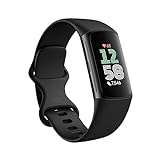
- Find your way seamlessly during runs or rides with turn-by-turn directions from Google Maps on Fitbit Charge 6[7, 8]; and when you need a snack break on the go, just tap to pay with Google Wallet[8, 9]
Instead of relying on a wrist-based optical heart rate sensor and a screen, Moov used a compact, screenless pod packed with accelerometers and gyroscopes. The idea was simple but demanding: track how your body moves in three-dimensional space and translate that data into coaching cues you could act on immediately. Audio feedback through connected headphones became the core interface, not a display.
That hardware-first, coaching-driven philosophy set Moov apart from Fitbit’s wellness focus and Garmin’s endurance metrics. Moov didn’t care what time it was or how many notifications you missed; it cared whether your cadence dropped, your arm swing drifted, or your swim stroke timing fell apart.
Why Moov Refused a Screen—and Why That Mattered
The absence of a screen wasn’t a cost-cutting move; it was a deliberate design decision. Moov believed that looking at your wrist during a run or swim broke form and diluted coaching effectiveness. By removing the display entirely, Moov forced users to engage through sound and movement, keeping attention on technique rather than numbers.
In practice, this made workouts feel more like a guided training session than data collection. Real-time cues like cadence corrections, pace adjustments, or stroke efficiency feedback arrived exactly when mistakes happened, not afterward in an app summary. Even today, most mainstream trackers still struggle to deliver meaningful real-time form coaching at that level.
The downside, even back then, was obvious. Without a screen, Moov couldn’t function as an everyday wearable, and outside of structured workouts it felt invisible. There was no passive motivation loop, no glanceable stats, and no smartwatch utility to justify wearing it all day.
What Moov Did Better Than Its Rivals
Moov’s motion tracking accuracy was its defining strength. For running, it broke down cadence, ground contact time, and symmetry in a way that felt closer to a gait lab than a consumer watch. For swimming, it delivered stroke-specific metrics and real-time pacing cues that were unusually detailed for a compact wearable.
The audio coaching experience remains one of Moov’s most impressive achievements. Feedback was contextual, actionable, and timed to your movement patterns rather than pre-programmed intervals. For beginners and intermediate athletes focused on technique improvement, that immediacy often mattered more than long-term trend graphs.
Battery life also benefited from the minimalist approach. Without a screen or constant heart rate monitoring, Moov could comfortably handle multiple workouts on a single charge, reinforcing its role as a session-based training tool rather than a 24/7 tracker.
Where the Concept Aged—and Why That Matters Now
Moov’s biggest weakness wasn’t hardware, but ecosystem longevity. As competitors rapidly expanded software platforms, third-party integrations, and cloud-based insights, Moov’s app and update cadence slowed. In 2026, long-term support, app stability, and compatibility are legitimate concerns for new buyers.
The lack of smart features also feels more limiting today than it did at launch. Modern users expect at least basic heart rate trends, recovery insights, and cross-platform syncing, even from niche fitness devices. Moov’s refusal to evolve beyond its original coaching-first identity ultimately narrowed its audience.
Still, Moov’s core idea hasn’t been fully replicated. Most modern fitness trackers measure more things, but few teach you how to move better in the moment. Whether that tradeoff makes sense for you depends entirely on whether coaching accuracy matters more than convenience, polish, and ecosystem security.
Design Philosophy: Screenless Wearable, Form Factor, and Wearability in Real Life
Moov’s design is the physical manifestation of its coaching-first philosophy. Where most fitness trackers evolved into wrist-mounted mini computers, Moov intentionally stripped the interface back to its essentials, betting that motion data and audio feedback mattered more than visual interaction. That decision shaped everything about how it looks, feels, and fits into real training.
A Screenless Device by Design, Not Omission
The absence of a screen is not a cost-saving shortcut; it is central to how Moov expects to be used. There is no glanceable data, no mid-run stat checking, and no post-workout dopamine hit from closing rings. Instead, your phone becomes the display before and after the session, while your ears receive feedback during it.
In practice, this changes athlete behavior. You are encouraged to run, swim, or move without constantly breaking form to look at your wrist. For technique-focused training, especially cadence work or swim drills, that uninterrupted flow can feel surprisingly liberating.
The downside is immediacy. If you rely on visual pacing cues, time-on-wrist awareness, or spontaneous interval adjustments, Moov can feel opaque. Audio prompts help, but they are not a full replacement for a screen when conditions are noisy or when you want silent confirmation mid-effort.
Form Factor: Compact, Lightweight, and Purpose-Built
Physically, Moov is closer to a sensor pod than a watch. The core unit is small, lightweight, and rounded, with a smooth polymer shell designed to avoid pressure points. There is no bezel, no crown, and no decorative flourish; it looks like sports equipment, not a lifestyle accessory.
This minimal mass is a major advantage during higher-intensity sessions. On the wrist, it disappears quickly, and when mounted on the ankle or foot for running analysis, it avoids the pendulum effect that heavier watches can introduce. For swimming, the low-profile shape reduces drag and prevents snagging during flip turns.
Compared to modern GPS watches that often exceed 40–50 grams and sit tall on the wrist, Moov feels almost old-school in its restraint. That restraint directly contributes to the accuracy of its motion data, since less weight means less sensor noise from device movement.
Multiple Wearing Positions, One Core Sensor
Unlike most mainstream trackers that assume wrist-only use, Moov was designed to be worn in different locations depending on the sport. Wrist placement works for general activity and boxing-style workouts, while ankle or foot placement unlocks deeper running metrics like ground contact time and symmetry.
This flexibility is one of Moov’s quiet strengths. Runners who care about biomechanics will appreciate that foot-mounted data often yields cleaner stride analysis than wrist-based accelerometers. Swimmers benefit from consistent stroke detection when the unit is secured firmly and not rotating with arm recovery.
The tradeoff is setup friction. You need to think about where to wear it, attach it correctly, and sometimes switch straps between sessions. That extra step is minor for dedicated athletes, but casual users may find it less convenient than simply strapping on a watch and going.
Straps, Materials, and Skin Comfort
Moov’s straps are functional rather than luxurious. Typically made from silicone or elastomer, they prioritize grip and water resistance over breathability or style. In sweaty or aquatic environments, they perform well, maintaining position without slipping.
Long-term comfort is generally good, especially given the device’s low weight. There are fewer reports of wrist fatigue or pressure marks compared to bulkier watches. However, the strap system lacks the refinement and adjustability of modern quick-release ecosystems found on Garmin or Apple Watch.
For all-day wear, Moov feels less natural. Without passive health tracking or timekeeping, wearing it outside of workouts serves little purpose, and the utilitarian look reinforces its identity as a training tool you put on deliberately, not an accessory you forget you’re wearing.
Durability and Water Confidence
Moov was built with movement and moisture in mind. The sealed design and lack of buttons or ports reduce failure points, making it well-suited to sweat-heavy sessions and regular swimming. Water resistance is sufficient for pool use and open-water training, aligning with its swim-coaching ambitions.
That said, durability expectations in 2026 are higher. Modern wearables combine robust sealing with scratch-resistant glass and reinforced housings, while Moov’s softer exterior can show cosmetic wear over time. Functionally, this rarely affects performance, but it does affect perceived longevity.
Living With Moov Day to Day
In real life, Moov feels less like a smartwatch and more like a piece of coaching equipment. You take it out when you intend to train with purpose, and you put it away when you are done. Battery life supports this behavior well, with multiple workouts per charge thanks to the screenless design and selective sensor use.
Compatibility and reliance on the companion app are inseparable from the hardware experience. Since all interaction happens through your phone, app stability and platform support directly impact usability. When that ecosystem feels dated or slow, the minimal hardware offers no fallback interaction.
For the right athlete, this focused design still makes sense. For users who want a single device to track steps, sleep, stress, notifications, and workouts seamlessly, Moov’s physical simplicity can feel restrictive rather than refreshing.
Motion Tracking and Sensor Accuracy: How Moov Measures Movement Compared to Modern Trackers
Moov’s usefulness lives or dies by how well it understands movement, because unlike modern watches, it has no screen, no rich post-workout visuals, and no passive health safety net. Everything hinges on sensor precision and the quality of its motion interpretation. In that narrow context, Moov still does some things unusually well, even by 2026 standards.
Sensor Hardware and Placement Philosophy
At its core, Moov relies on a 9-axis inertial sensor suite combining accelerometers, gyroscopes, and magnetometers. There is no GPS, no optical heart rate sensor, and no barometer, which immediately separates it from Garmin, Apple Watch, and most Fitbits.
What Moov does differently is placement. Instead of assuming the wrist is the best universal location, Moov is designed to be worn where movement matters most for a given activity: on the ankle for running, on the wrist or forearm for boxing and strength, and on the temple via swim goggle clip for swimming. This single design decision is responsible for much of Moov’s motion accuracy advantage in specific disciplines.
By removing the compromises of wrist-only tracking, Moov captures cleaner angular velocity and limb-specific motion data than most general-purpose wearables. In controlled movements, that data is often more precise than what a wrist-based smartwatch can infer.
Running Form Analysis: Strength in Biomechanics, Weakness in Context
For running, Moov’s ankle placement gives it a biomechanical edge. Metrics like cadence, ground contact timing, stride regularity, and impact patterns are measured directly rather than estimated. In steady-state runs, cadence accuracy is excellent and often matches or exceeds Garmin foot pod results.
Moov’s real-time audio coaching uses this data effectively. Cadence targets and form cues feel responsive and relevant, especially for beginner and intermediate runners working on efficiency rather than pace.
The limitation is environmental awareness. Without GPS, Moov cannot measure pace, distance, or elevation independently. It depends on your phone for spatial data, and when that connection falters, Moov’s running analysis becomes context-blind compared to modern watches that fuse GPS, barometer, and wrist heart rate into a unified model.
Swimming Metrics: Still a Moov Standout
Swimming remains Moov’s most technically impressive discipline. Mounted on swim goggles, the sensor tracks head movement and rotation rather than relying on wrist accelerations, which are notoriously noisy in water.
Stroke detection, lap counting, breathing timing, and stroke symmetry are all captured with high consistency in pool environments. Real-time audio feedback through bone-conduction-style cues is something even premium swim watches still struggle to deliver cleanly.
Rank #2

- Inspire 3 is the tracker that helps you find your energy, do what you love and feel your best. All you have to do is wear it.Operating temperature: 0° to 40°C
- Move more: Daily Readiness Score(1), Active Zone Minutes, all-day activity tracking and 24/7 heart rate, 20+ exercise modes, automatic exercise tracking and reminders to move
- Stress less: always-on wellness tracking, daily Stress Management Score, mindfulness sessions, relax breathing sessions, irregular heart rhythm notifications(2), SpO2(3), menstrual health tracking, resting heart rate and high/low heart rate notifications
- Sleep better: automatic sleep tracking, personalized Sleep Profile(1), daily detailed Sleep Score, smart wake vibrating alarm, sleep mode
- Comfortably connected day and night: calls, texts & smartphone app notifications(4), color touchscreen with customizable clock faces, super lightweight and water resistant to 50 meters, up to 10 day battery life(5)
Compared to modern Garmin or Apple Watch swim tracking, Moov lacks visual post-swim analytics depth. However, its raw detection accuracy for strokes and laps remains competitive, and in some cases more reliable for swimmers who struggle with wrist-based miscounts.
Strength Training and Boxing: Motion Quality Over Rep Quantity
In strength and boxing modes, Moov focuses on movement quality rather than rep counting alone. It analyzes acceleration patterns, range of motion, tempo, and consistency across repetitions.
For boxing-style workouts, punch velocity and form cues feel more meaningful than the calorie-centric summaries offered by mainstream trackers. Moov can identify sloppy mechanics and fatigue-induced form breakdown in ways wrist-based wearables typically smooth over.
The downside is that Moov does not integrate load tracking, exercise recognition libraries, or gym-friendly summaries like modern Garmin or Apple ecosystems. It tells you how well you moved, not what you lifted or how that fits into a broader training plan.
Algorithmic Coaching Versus Modern Sensor Fusion
Moov’s algorithms were built around interpreting clean inertial data rather than fusing multiple sensor streams. That approach still works when the movement pattern is repetitive and controlled, such as laps in a pool or cadence-focused running.
Modern trackers take a different route. Apple Watch and Garmin devices combine optical heart rate trends, GPS, barometric data, and long-term user baselines to contextualize movement within fatigue, recovery, and overall training load.
Moov’s coaching is immediate and mechanical. Modern wearables are slower but more holistic. Which is better depends on whether you value instant form correction or long-term performance modeling.
Accuracy Trade-Offs in 2026
Measured purely on motion tracking precision, Moov holds its own in narrow use cases. Its inertial data is clean, placement-aware, and purpose-built for technique feedback rather than lifestyle tracking.
Where it falls behind is continuity. There is no 24/7 movement baseline, no sleep correlation, no heart rate variability, and no adaptive modeling over weeks and months. Accuracy without context can feel limiting once initial form gains plateau.
For athletes who want real-time coaching on how they move, Moov remains unusually competent. For those who expect movement data to integrate seamlessly into recovery insights, readiness scores, and long-term progression, modern trackers deliver a more complete and future-proof experience.
Real-Time Audio Coaching: The Core Moov Experience for Running, Swimming, and Training
If Moov’s motion accuracy explains how it sees your movement, real-time audio coaching explains why it still feels different to use. This is where the hardware, algorithms, and no-screen philosophy converge into a single experience that remains largely unmatched, even in 2026.
Instead of asking you to check a watch face or interpret post-workout charts, Moov talks to you while you move. That immediacy shapes everything from pacing decisions to technique adjustments, and it defines whether Moov feels empowering or intrusive depending on your tolerance for constant feedback.
Running: Cadence, Impact, and Pace Delivered in Real Time
For running, Moov’s coaching focuses on cadence, stride efficiency, and impact forces rather than heart rate zones or GPS-based pace targets. The sensor, typically worn on the ankle or waist, captures lower-body mechanics more directly than a wrist-based device ever could.
During a run, Moov will cue you to increase or decrease cadence, smooth out impact, or maintain a target pace using spoken prompts through paired headphones. The feedback is reactive, adjusting as your form drifts rather than waiting for a lap summary or post-run analysis.
This approach works best for runners working on efficiency, injury prevention, or early-stage form correction. It is less useful for runners training by heart rate, elevation, or race-specific pacing, since Moov does not contextualize effort against physiology or terrain.
Swimming: Where Moov Still Feels Purpose-Built
Swimming remains Moov’s strongest discipline and the clearest example of its original vision. Worn on the temple via the swim strap, the sensor captures head movement, rotation timing, stroke rate, and turn efficiency with impressive consistency.
Audio coaching in the pool delivers stroke rate targets, lap cues, and rest prompts without requiring you to look at a screen between intervals. For swimmers used to structured sets, this feels closer to having a basic coach than wearing a tracker.
What Moov does particularly well here is maintaining rhythm. It encourages consistency in stroke timing rather than chasing raw speed, which is ideal for technique-focused swimmers but less compelling for competitive athletes tracking splits, SWOLF trends, or long-term volume progression.
Training and Cardio Workouts: Form First, Context Second
For bodyweight circuits, boxing-style cardio, and interval sessions, Moov’s coaching centers on repetition quality and tempo. The device counts reps, evaluates consistency, and cues you to speed up or slow down based on motion patterns.
This works well for structured, repetitive movements where form degradation is easy to detect. Squats, punches, and jumping movements benefit from Moov’s sensitivity to rhythm and range of motion.
The limitation is that Moov treats each session in isolation. There is no sense of cumulative fatigue, no recognition of mixed equipment workouts, and no integration into broader strength or conditioning plans.
The No-Screen Experience: Focused or Frustrating
Moov’s lack of a screen is not a design oversight but a philosophical choice. By forcing all interaction through audio, it eliminates mid-workout distractions and keeps your attention on movement rather than metrics.
For some users, this is liberating. For others, especially those accustomed to glancing at pace, heart rate, or elapsed time, it feels restrictive and dated.
In 2026, this trade-off matters more than ever. Modern watches offer both real-time cues and optional depth, while Moov offers a single, narrow lane with no fallback if its coaching style does not resonate with you.
Compatibility, Latency, and Daily Usability
Moov relies on a smartphone connection for processing and audio delivery, typically over Bluetooth headphones. Latency is generally low enough that cues feel timely, but it adds setup friction compared to self-contained watches.
Battery life is respectable due to the lack of a display, often lasting multiple workouts on a single charge. Comfort is also a strong point, as the lightweight sensor disappears once secured, especially in swim and run placements.
The software experience, however, feels increasingly static. App updates are infrequent, platform integrations are limited, and ecosystem longevity is a real concern when compared to Garmin, Apple, or even Fitbit.
Who This Coaching Model Still Works For in 2026
Moov’s real-time audio coaching remains genuinely effective for athletes who want immediate, mechanical feedback on how they move. Runners refining cadence, swimmers focusing on stroke consistency, and beginners learning proper movement patterns will still find tangible value.
It is a poor fit for users who want holistic training insights, recovery metrics, or smartwatch convenience. If you expect your wearable to guide long-term progression, integrate with multiple platforms, or replace a daily watch, Moov will feel incomplete.
Moov succeeds when treated as a single-purpose coaching tool rather than a modern fitness tracker. If that distinction aligns with your expectations, its audio-first coaching still delivers something most mainstream wearables only approximate.
Fitness Modes and Metrics Breakdown: Run, Swim, Cycling, and Bodyweight Workouts
With the broader coaching philosophy established, the real test of Moov comes down to how its individual fitness modes behave in practice. This is where the platform either clicks instantly or exposes its limitations compared to modern, screen-based wearables.
Rather than offering dozens of activity profiles, Moov focuses on a narrow set of movement-heavy disciplines where inertial sensor data and real-time audio cues can materially change how you perform.
Running: Cadence-First Coaching Over Traditional Pace Metrics
Moov’s running mode is built around cadence optimization rather than GPS-driven pace tracking. Using accelerometers and gyroscopes, it measures steps per minute, stride consistency, ground contact symmetry, and impact patterns.
Audio coaching cues actively push you toward a target cadence zone, typically in the 160–180 steps-per-minute range. This is delivered mid-run through headphones, prompting faster or slower turnover rather than reporting pace numbers.
For form-focused runners, especially beginners or injury-prone athletes, this approach can be genuinely corrective. You are trained to feel better running mechanics rather than chase speed on a display.
The trade-off is that Moov does not replace a GPS watch. Distance accuracy depends on phone GPS, pacing is indirect, and there is no on-device reference if audio cues stop or connectivity drops.
Compared to Garmin or Apple Watch, Moov feels narrow but intentional. It excels at one biomechanical variable while ignoring the broader training context those platforms provide.
Swimming: Where Moov Still Feels Purpose-Built
Swimming remains Moov’s strongest and most defensible mode even in 2026. Worn on the wrist or attached to goggles, the sensor tracks stroke type, stroke count, lap detection, breathing rhythm, and turn efficiency.
Rank #3

- 【BUILT-IN GPS SMART WATCH – GO FURTHER, FREER, SMARTER】No phone? No problem. This fitness watch for women, featuring the latest 2025 technology, includes an advanced professional-grade GPS chip that precisely tracks every route, distance, pace (real-time & average), and calorie burned—completely phone-free. Whether you're chasing new personal records or exploring off the beaten path, your full journey is automatically mapped and synced in the app. Train smarter. Move with purpose. Own your progress. Own your journey.
- 【BLUETOOTH 5.3 CALLS & SMART NOTIFICATIONS】Stay effortlessly connected with this smart watch for men and women, featuring dual Bluetooth modes (BT 3.0 + BLE 5.3) and a premium microphone for crystal-clear calls right from your wrist—perfect for driving, workouts, or busy days. Receive instant alerts for calls, texts, and popular social apps like WhatsApp and Facebook. Just raise your wrist to view notifications and never miss an important moment.
- 【100+ SPORT MODES & IP68 WATERPROOF & DUSTPROOF】This sport watch is a versatile activity and fitness tracker with 100+ modes including running, cycling, yoga, and more. It features quick-access buttons and automatic running/cycling detection to start workouts instantly. Accurately track heart rate, calories, distance, pace, and more. Set daily goals on your fitness tracker watch and stay motivated with achievement badges. With IP68 waterproof and dustproof rating, it resists rain and sweat for any challenge. Not suitable for showering, swimming, or sauna.
- 【24/7 HEALTH ASSISTANT & SMART REMINDERS】This health watch continuously monitors heart rate, blood oxygen, and stress levels for comprehensive wellness tracking. Sleep monitoring includes deep, light, REM sleep, and naps to give you a full picture of your rest. Stay on track with smart reminders for sedentary breaks, hydration, medication, and hand washing. Women can also monitor menstrual health. Includes guided breathing exercises to help you relax. Your ultimate health watch with event reminders for a healthier life.
- 【ULTRA HD DISPLAY, LIGHTWEIGHT & CUSTOMIZABLE DIALS】This stylish wrist watch features a 1.27-inch (32mm) 360×360 ultra HD color display with a 1.69-inch (43mm) dial, offering vivid details and responsive touch. Its minimalist design fits both business and casual looks. Switch freely among built-in designer dials or create your own DIY watch face using photos, colors, and styles to showcase your unique personality. Perfect as a cool digital watch and fashion wrist watch.
Real-time audio feedback during swim sets is surprisingly effective. Moov cues stroke tempo, encourages consistency, and flags inefficiencies without requiring you to check a watch face mid-lap.
The sensor’s lightweight construction and secure strap matter here. Comfort is excellent in the water, and the lack of a screen eliminates drag or visibility concerns common with larger swim watches.
What Moov lacks is post-workout depth. While you get actionable session feedback, long-term trend analysis and integration with swim training platforms remain limited compared to Garmin Swim or Apple’s fitness ecosystem.
Still, for technique-focused swimmers who want immediate correction rather than post-hoc analysis, Moov’s swim mode remains uniquely compelling.
Cycling: Functional but Clearly Secondary
Cycling support on Moov feels more like a compatibility checkbox than a core strength. Metrics include cadence estimation, effort levels, and basic duration tracking when paired with a phone.
There is no native power data, no speed sensor integration, and no advanced cycling dynamics. Audio coaching is minimal compared to run and swim modes, often limited to effort-based prompts.
This makes Moov a poor primary cycling computer replacement. Riders accustomed to Garmin Edge devices or Apple Watch cycling metrics will find the experience shallow.
Moov works best here as a supplementary tool for indoor or casual cycling, not as a serious training instrument.
Bodyweight and Strength Workouts: Technique Guidance Over Load Tracking
Moov’s bodyweight training mode focuses on movement quality rather than reps alone. It tracks range of motion, tempo, and exercise consistency during squats, push-ups, lunges, and core movements.
Audio coaching corrects depth, pacing, and symmetry in real time. This can be genuinely helpful for beginners learning proper mechanics without a trainer present.
There is no weight tracking, no progressive overload logic, and no integration with gym equipment. Moov is not designed for barbell training or advanced strength programming.
Compared to Fitbit or Apple’s strength modes, Moov sacrifices logging flexibility in favor of immediate form feedback. Whether that is valuable depends entirely on your training goals.
For home workouts and foundational movement training, Moov still delivers something most mainstream trackers do not prioritize.
Metrics You Do Not Get, and Why That Matters
Across all modes, Moov notably omits heart rate, recovery metrics, sleep tracking, stress monitoring, and readiness scores. There is no on-device display for time, pace, or progress.
This absence reinforces Moov’s identity as a coaching sensor rather than a health tracker. It also limits its usefulness as a daily wearable or all-in-one fitness solution.
In comparison, modern competitors bundle coaching cues with comprehensive physiological data. Moov asks you to commit fully to its single-purpose philosophy with no safety net if your needs evolve.
App Experience and Ecosystem Longevity: Software Support, Compatibility, and Data Value in 2026
All of Moov’s strengths and limitations ultimately converge inside its mobile app. Without a screen, heart rate sensor, or onboard storage meant for independent review, the app is the product.
That makes software quality, update cadence, and long-term compatibility far more critical here than with a conventional watch that can at least function on its own.
App Design and Usability: Purpose-Built, But Frozen in Time
The Moov app remains clean and focused, prioritizing guided workouts and post-session technique feedback over dashboards and lifestyle metrics. Navigation is straightforward, with dedicated modes for running, swimming, boxing, cycling, and bodyweight training.
However, by 2026 standards, the interface feels dated. Visualizations are functional rather than insightful, and customization options are thin compared to modern fitness platforms.
Workout setup is rigid, with limited ability to build custom sessions or modify coaching logic. You follow Moov’s framework rather than shaping your own, which reinforces its coaching-first identity but limits long-term adaptability.
Audio Coaching Reliability and Platform Behavior
Moov’s real-time audio coaching still works best when conditions are controlled. Paired headphones, stable Bluetooth, and minimal background app interference are essential for a smooth experience.
On newer versions of iOS and Android, background app management can occasionally interrupt coaching cues, especially during longer sessions. This is not constant, but it highlights how dependent Moov is on operating system-level permissions staying favorable.
When it works, the coaching remains the core value proposition. When it stutters, the entire experience collapses, because there is no visual fallback.
Compatibility and Device Support in 2026
Moov officially supports modern iOS and Android versions, but updates have become infrequent. Compatibility has so far been maintained rather than actively expanded.
There is no smartwatch companion app, no Apple Watch mirroring, and no Wear OS integration. Moov exists entirely outside today’s interconnected wearable ecosystems.
This isolation limits convenience and increases risk. If mobile OS requirements shift significantly, Moov users are more exposed than those using mainstream brands with active development teams.
Data Ownership, Exports, and Training Value
Moov’s data is largely locked within its app. There is no native integration with Strava, TrainingPeaks, Apple Health, or Google Health Connect.
Exports, where available, are basic and lack the depth endurance athletes expect for long-term trend analysis. Metrics focus on session-specific performance rather than longitudinal development.
This makes Moov less appealing for athletes who plan, review, and periodize training across multiple platforms. The data is useful in the moment, but its long-term value is limited.
Subscription Model and Ongoing Costs
Moov continues to require a subscription for full access to guided workouts and advanced coaching modes. Without it, the hardware loses much of its purpose.
Compared to Fitbit Premium or Garmin Connect, Moov’s subscription delivers narrower value. You are paying almost exclusively for motion-based coaching, not for health insights, recovery analytics, or ecosystem features.
For users who fully engage with Moov’s coached sessions multiple times per week, the cost can still make sense. For casual or mixed-discipline users, it often does not.
Ecosystem Longevity and Buying Risk
The biggest question surrounding Moov in 2026 is not what it does today, but how long it will continue to do it. App updates have slowed, feature expansion has stalled, and the platform feels static.
Moov hardware is durable and well-built, but durability means little if software support fades. This is the central risk of investing in a niche, coaching-only wearable.
By contrast, Garmin, Apple, and Fitbit continue to evolve their platforms, even if their coaching feedback is less immediate or technique-focused.
Who the App Experience Still Works For, and Who It Does Not
Moov’s app still serves beginners and technique-focused athletes who want real-time correction without distractions. Runners refining cadence, swimmers improving stroke efficiency, and home exercisers learning movement fundamentals can still extract meaningful value.
It is a poor fit for users who want an all-day wearable, health tracking, deep analytics, or seamless integration with broader training ecosystems. It is also a risky purchase for those expecting long-term platform growth.
Rank #4

- 24H Accurate Heart Rate Monitoring: Go beyond basic tracking. Our watch automatically monitors your heart rate, blood oxygen (SpO2), and sleep patterns throughout the day and night. Gain deep insights into your body's trends and make informed decisions for a healthier lifestyle.
- Practical Sports Modes & Smart Activity Tracking: From running and swimming to yoga and hiking, track a wide range of activities with precision. It automatically records your steps, distance, calories burned, and duration, helping you analyze your performance and crush your fitness goals.
- 1-Week Battery Life & All-Day Wear: Say goodbye to daily charging. With an incredible up to 7-10 days of battery life on a single charge, you can wear it day and night for uninterrupted sleep tracking and worry-free travel. Stay connected to your data without the hassle.
- Comfortable to Wear & IP68 Waterproof: The lightweight, skin-friendly band is crafted for all-day comfort, even while you sleep. With IP68 waterproof, it withstands rain, sweat, It is not suitable for swimming or showering.
- Ease of Use and Personalized Insights via Powerful App: The display is bright and easy to read, even outdoors. Unlock the full potential of your watch. Sync with our dedicated app to view detailed health reports, customize watch faces, set sedentary reminders, and manage your preferences with ease.
In 2026, Moov’s app is best understood as a specialized coaching tool with a finite ceiling. If that specific coaching experience is what you want right now, it can still deliver. If you want a platform that grows with you, it likely will not.
Battery Life, Durability, and Everyday Practicality
After questioning Moov’s long-term software future, the next practical concern is whether the hardware itself holds up in daily use. Battery life, physical durability, and how seamlessly it fits into real routines ultimately determine whether Moov feels liberating or inconvenient.
Battery Life: Long by Smartwatch Standards, Short by Modern Tracker Expectations
Moov’s lack of a screen and always-on display works heavily in its favor when it comes to battery life. In real-world use, most users can expect roughly three to five days of active training between charges, depending on workout frequency and audio coaching usage.
That was impressive when Moov first launched, but it now sits in an awkward middle ground. Screenless trackers like Whoop or some Garmin bands can last well over a week, while modern smartwatches offset shorter battery life with far broader functionality.
Charging is done via a proprietary clip-style charger, which is compact but easy to misplace. This adds friction compared to USB-C or wireless charging systems that have become standard across the category.
Durability and Water Resistance: Built for Sweat, Chlorine, and Repetition
Physically, Moov remains one of the more durable fitness wearables of its era. The polycarbonate body is lightweight but resilient, with no screen to scratch or crack during strength training or pool sessions.
Water resistance is sufficient for lap swimming and extended pool workouts, and Moov’s swim tracking remains one of its strongest use cases. Chlorine exposure, repeated submersion, and wet strap conditions do not appear to degrade performance or comfort over time.
The strap is functional rather than refined. It prioritizes security during movement over luxury feel, and while it holds up well, it does not offer the breathability or modularity seen in newer fabric-based bands.
Comfort and Wearability: Purpose-Built, Not All-Day Friendly
Moov is comfortable during workouts, which is where it is meant to live. Its low-profile, screenless design avoids wrist interference during kettlebell work, push-ups, or swim strokes.
As an all-day wearable, however, it falls short. There is no passive benefit to wearing it outside of workouts, since it does not track daily steps, sleep, heart rate, or recovery metrics in a meaningful way.
This sharply contrasts with Fitbit, Garmin, or Apple Watch devices that justify 24/7 wear by delivering continuous health insights. Moov asks to be worn intentionally, not habitually.
Everyday Practicality in 2026: Focused Tool or Functional Limitation
Moov’s everyday practicality depends entirely on how narrowly you define its role. If you treat it as a dedicated coaching device that comes out for specific sessions, its battery life and durability are strengths, not compromises.
If you expect it to replace or supplement a modern fitness tracker, the cracks appear quickly. There are no smart notifications, no glanceable feedback, and no role outside guided workouts.
In a market where even entry-level trackers deliver multi-day battery life alongside broad health monitoring, Moov’s practicality is tied to one question: do you want coaching, or do you want a wearable companion?
Who Battery and Build Quality Will Satisfy, and Who It Will Not
Moov still makes sense for runners, swimmers, and home exercisers who value real-time audio coaching and do not want a screen on their wrist. For these users, the battery life is sufficient, the durability is excellent, and the hardware fades into the background during training.
It is far less compelling for users who want one device to cover workouts, recovery, daily activity, and lifestyle tracking. In that context, Moov feels like an extra device to manage rather than a practical daily solution.
The hardware itself has aged better than the platform it supports. As a piece of physical equipment, Moov remains capable, but its everyday practicality in 2026 is inseparable from its narrow, coaching-first identity.
Moov vs Fitbit, Garmin, and Apple Watch: Contextual Comparison for Coaching-First Users
Placed against mainstream fitness trackers, Moov’s strengths and weaknesses become clearer, and more polarized. This is not a question of which device is “better” overall, but which philosophy aligns with how you actually train.
Where Fitbit, Garmin, and Apple Watch aim to be constant companions, Moov remains a purpose-built training instrument. That distinction shapes everything from hardware design to software expectations.
Coaching Philosophy: Instruction vs Interpretation
Moov’s defining advantage is real-time, prescriptive coaching delivered through audio cues. It does not simply log what you did and analyze it later; it actively tells you how to move, when to speed up, slow down, or correct form during the session.
Fitbit and Apple Watch rely primarily on post-workout interpretation. They summarize pace, heart rate zones, calories, and trends, but they rarely intervene mid-session unless you manually check the screen.
Garmin comes closer with structured workouts and pace alerts, especially on higher-end Forerunner and Fenix models. Even then, Garmin’s guidance is rule-based rather than biomechanical, focusing on targets rather than movement quality.
Motion Tracking and Form Awareness
Moov’s multi-axis motion sensors remain unusually precise for detecting cadence, stroke rate, impact symmetry, and repetition timing. For swimming and running, it captures technique-oriented data that wrist-based trackers often infer indirectly.
Fitbit and Apple Watch depend heavily on wrist motion and optical heart rate patterns. They are excellent for distance, pace, and heart rate trends, but less reliable when evaluating form consistency or drill-specific movement.
Garmin offers advanced running dynamics with compatible accessories, but that often requires chest straps or foot pods. Moov delivers comparable form awareness without add-ons, at the cost of broader health context.
Hardware Design and Wearability Trade-Offs
Moov’s screenless puck design prioritizes unobtrusive wear during workouts. It avoids wrist flex interference, works well on the ankle or waist, and disappears during swim sessions where watches can feel bulky.
Fitbit and Apple Watch favor slim, lightweight cases with bright displays, making them comfortable for all-day wear. Their materials and finishing emphasize lifestyle integration rather than pure training minimalism.
Garmin devices tend to be larger and more rugged, with polymer cases, metal bezels, and physical buttons optimized for outdoor and endurance use. They wear more like instruments than jewelry, but still serve as full-time watches.
Battery Life and Charging Reality
Moov’s battery life remains one of its quiet advantages. Because it only wakes during workouts and lacks a display, it can last multiple training sessions or even weeks depending on usage patterns.
Fitbit trackers typically last several days, balancing continuous heart rate tracking with modest displays. Apple Watch, even in its latest iterations, still requires daily charging for most users.
Garmin leads the category in endurance, especially with solar-assisted models, but those benefits come with higher cost and larger case sizes. Moov’s efficiency comes from simplicity, not battery innovation.
Ecosystem Depth and Longevity
This is where Moov shows its age most clearly. The app experience is functional but narrow, with limited updates, integrations, or long-term platform evolution.
Fitbit benefits from Google’s ecosystem, offering polished dashboards, social features, and increasingly AI-driven health insights. Garmin’s ecosystem is deep, data-rich, and trusted by serious athletes, though it can feel overwhelming to beginners.
Apple Watch dominates in app support, third-party integrations, and software longevity. Its fitness features evolve annually, even if coaching remains less specialized than Moov’s.
Daily Health Tracking vs Session-Specific Value
Moov offers virtually no value outside guided workouts. There is no meaningful step counting, sleep tracking, stress monitoring, or recovery scoring to justify wearing it all day.
Fitbit and Apple Watch excel at passive health monitoring, capturing trends that inform training readiness and long-term wellness. Garmin adds advanced recovery metrics like Body Battery and training load, bridging daily life and performance.
For users who want training data to live within a broader health narrative, Moov feels incomplete. For those who only care about improving the quality of specific workouts, that limitation may not matter.
Who Each Platform Serves Best in 2026
Moov still makes sense for coaching-first users who want immediate feedback, minimal distraction, and form-aware guidance during runs, swims, or home workouts. It works best as a secondary device, not a replacement for a smartwatch or fitness tracker.
💰 Best Value

- 【Superb Visual Experience & Effortless Operation】Diving into the latest 1.58'' ultra high resolution display technology, every interaction on the fitness watch is a visual delight with vibrant colors and crisp clarity. Its always on display clock makes the time conveniently visible. Experience convenience like never before with the intuitive full touch controls and the side button, switch between apps, and customize settings with seamless precision.
- 【Comprehensive 24/7 Health Monitoring】The fitness watches for women and men packs 24/7 heart rate, 24/7 blood pressure and blood oxygen monitors. You could check those real-time health metrics anytime, anywhere on your wrist and view the data record in the App. The heart rate monitor watch also tracks different sleep stages for light and deep sleep,and the time when you wake up, helps you to get a better understanding of your sleep quality.
- 【120+ exercise modes & All-Day Activity Tracking】There are more than 120 exercise modes available in the activity trackers and smartwatches, covering almost all daily sports activities you can imagine, gives you new ways to train and advanced metrics for more information about your workout performance. The all-day activity tracking feature monitors your steps, distance, and calories burned all the day, so you can see how much progress you've made towards your fitness goals.
- 【Messages & Incoming Calls Notification】With this smart watch fitness trackers for iPhone and android phones, you can receive notifications for incoming calls and read messages directly from your wrist without taking out your phone. Never miss a beat, stay in touch with loved ones, and stay informed of important updates wherever you are.
- 【Essential Assistant for Daily Life】The fitness watches for women and men provide you with more features including drinking water and sedentary reminder, women's menstrual period reminder, breath training, real-time weather display, remote camera shooting, music control,timer, stopwatch, finding phone, alarm clock, making it a considerate life assistant. With the GPS connectivity, you could get a map of your workout route in the app for outdoor activity by connecting to your phone GPS.
Fitbit suits users focused on habit-building, weight management, and accessible health insights with minimal technical friction. It offers less coaching depth but far greater everyday value.
Garmin remains the strongest option for performance-oriented athletes who want deep metrics, structured training plans, and long-term progression tracking across sports.
Apple Watch is ideal for users who want fitness features wrapped inside a full smartwatch experience, even if coaching remains more generalized.
Moov’s relevance in 2026 is not about keeping up with features, but about refusing to compete on them. If your priority is being coached, not quantified, Moov still occupies a niche that mainstream trackers only partially address.
Who Moov Still Makes Sense For—and Who Should Avoid It
Seen in the context of modern wearables, Moov’s value is less about what it tracks and more about how it teaches. That distinction matters, because it immediately narrows the audience to people who actively want guidance during a workout, not just a record of what already happened.
This is a product defined as much by its exclusions as its strengths. Understanding whether Moov fits in 2026 comes down to aligning expectations with its coaching-first design and acceptance of its long-term trade-offs.
Moov Still Makes Sense If You Want Real-Time Coaching, Not Passive Data
Moov remains uniquely compelling for users who respond to real-time audio cues rather than post-workout charts. The system’s motion sensors and algorithms are tuned to detect cadence, impact, stroke timing, and movement efficiency, then translate that into immediate corrections through spoken feedback.
For runners, this means cadence coaching and pacing prompts that adjust mid-session rather than after the fact. Swimmers benefit from lap counting, stroke recognition, and form-oriented guidance that works reliably in the water, an area where many wrist-based trackers still struggle without structured pool setups.
If you train alone and value having a “voice in your ear” correcting technique or pushing intensity, Moov delivers something mainstream wearables still only approximate. Garmin and Apple Watch can suggest workouts, but they rarely intervene moment by moment in the same way.
Best as a Secondary Device for Focused Training Sessions
Moov works best when treated as a session-specific tool rather than an all-day wearable. Its small, screenless pods are lightweight and comfortable, with flexible straps that disappear once you start moving, but they offer no reason to keep them on outside of training.
Many of the most satisfied users pair Moov with another device. A Garmin, Apple Watch, or Fitbit can handle daily steps, sleep, recovery, and notifications, while Moov steps in for runs, swims, or guided bodyweight workouts where form and pacing matter most.
In this role, Moov’s limited feature set becomes a strength. There are no distractions, no buzzing notifications, and no temptation to check stats mid-interval, only instruction and execution.
Good Fit for Beginners Who Want Structure Without Complexity
Moov can be especially effective for newer athletes who feel overwhelmed by data-heavy platforms. Instead of presenting VO2 max charts, training load graphs, or recovery scores, Moov focuses on actionable cues that require no interpretation.
For someone starting to run, learning swim technique, or returning to fitness after a long break, this simplicity can accelerate confidence and consistency. The device tells you what to do and when to do it, removing the cognitive load that often causes beginners to abandon more complex trackers.
That said, progression tracking is limited. Once a user outgrows the foundational coaching, Moov offers fewer tools to support long-term performance planning.
Where Moov Starts to Fall Apart for Most Users
Moov is a poor choice for anyone expecting a holistic health tracker. There is no meaningful sleep analysis, no continuous heart rate trend tracking, no stress or recovery insights, and no way to contextualize workouts within daily life.
The lack of a screen is intentional, but it also limits flexibility. You rely entirely on audio feedback and post-session app review, which can feel restrictive compared to the glanceable metrics and real-time visuals offered by even entry-level smartwatches.
Ecosystem longevity is another concern. Software updates have slowed, integrations are minimal, and there is little indication that Moov will expand into broader health or platform-level features in the way Apple, Garmin, or even Fitbit continue to do.
Who Should Avoid Moov in 2026
If you want a single device to wear all day, track health trends, and double as a smartwatch, Moov will disappoint almost immediately. It cannot replace a modern fitness tracker, regardless of how strong its coaching algorithms remain.
Data-driven athletes who enjoy analyzing long-term metrics, comparing training blocks, or syncing seamlessly with third-party platforms will find Moov limiting. Its insights are largely confined to the moment, not the season or year.
Finally, users concerned about future-proofing should think carefully. Buying into Moov today means accepting a narrower ecosystem with uncertain long-term support compared to the steady evolution seen from Garmin and Apple.
The Bottom Line on Fit
Moov still makes sense for a specific kind of athlete: someone who values real-time instruction, minimal distraction, and technique-focused coaching during workouts, and who is comfortable using it alongside another device.
It makes far less sense for users who want comprehensive health tracking, rich visual feedback, or a single wearable that adapts as their fitness goals evolve. In 2026, Moov is not outdated so much as unapologetically specialized, and that specialization will either be exactly what you want or the reason to look elsewhere.
Final Verdict: Is Moov Still Worth Buying in 2026?
All of those trade-offs bring the Moov conversation to a simple but important question: does its coaching-first philosophy still justify choosing it over a modern fitness tracker today. In 2026, the answer depends far more on how you train than on how much data you want to collect.
Moov remains one of the few wearables built around motion analysis rather than passive tracking. Its value is not in what it logs all day, but in how it actively intervenes during a workout to correct form, pacing, and efficiency.
What Moov Still Does Exceptionally Well
Real-time audio coaching is still Moov’s defining strength. During runs, swims, cycling, or bodyweight sessions, the device provides immediate cues on cadence, stride rate, stroke efficiency, or tempo, turning your phone into something closer to a digital coach than a data recorder.
The motion sensors remain impressively accurate for technique-focused metrics. Unlike wrist-based trackers that infer movement from a single location, Moov’s placement options allow it to measure limb motion directly, which is why its swim stroke detection and cadence analysis often feel more precise than what you get from entry-level watches.
Battery life also holds up well by modern standards for a non-screen wearable. Because Moov avoids power-hungry displays and always-on sensors, it can last multiple days or several long training sessions without anxiety, making it reliable for focused workouts rather than daily wear.
Where Moov Falls Behind in 2026
The lack of a screen, while intentional, increasingly limits usability. Competing devices now offer glanceable metrics, adaptive workouts, and real-time visuals without overwhelming the user, making Moov’s audio-only feedback feel restrictive rather than minimalist.
Health and lifestyle tracking is effectively absent. There is no meaningful sleep monitoring, recovery scoring, stress tracking, or continuous heart rate trends, which places Moov far outside the expectations of even casual fitness users in 2026.
The software ecosystem is the most concerning weakness. App updates are infrequent, third-party integrations are limited, and there is little indication that Moov will expand into broader health analytics or platform-level support, making it feel static in a market defined by rapid iteration.
Moov vs Modern Fitness Trackers
Compared to a Fitbit or Apple Watch, Moov is not a competitor so much as a complement. Those devices excel at passive tracking, health trends, and daily wear, while Moov focuses narrowly on improving how you move in the moment.
Against Garmin, the contrast is even sharper. Garmin offers deep training analytics, long-term performance modeling, and rich multisport support, whereas Moov prioritizes immediate technique correction over historical insight or seasonal planning.
In practice, most users who enjoy Moov today pair it with another wearable. Used alongside a smartwatch or sports watch, Moov can add a layer of coaching that mainstream trackers still struggle to replicate.
So, Is Moov Worth Buying?
Moov is still worth buying in 2026 if you want real-time, technique-driven coaching and are comfortable treating it as a workout-specific tool rather than an all-day wearable. Runners focused on cadence, swimmers refining stroke efficiency, and beginners who benefit from spoken guidance will find genuine value here.
It is not worth buying if you expect comprehensive health tracking, a modern app ecosystem, or a single device that evolves with your broader fitness goals. For those users, even entry-level smartwatches now deliver a more balanced and future-proof experience.
The most honest way to view Moov is as a specialized instrument, not a general-purpose tracker. If that specialization aligns with how you train, Moov can still earn its place in your kit. If not, the broader, more adaptable world of modern fitness wearables will serve you better.