If you are feeling confused, frustrated, or even misled by the Whoop 5.0 announcement, you are not alone. Long‑time members expected a familiar upgrade cycle, while new buyers are trying to understand whether Whoop still makes sense compared to a one‑time‑purchase smartwatch. This shift is not just about a new strap sensor, it is about how Whoop now defines ownership, access, and value.
What changed with Whoop 5.0 spans three layers at once: the physical hardware on your wrist, the software platform that interprets your data, and the business policy that determines how and when you get new devices. Understanding how those layers interact is the only way to decide whether upgrading, staying put, or joining now actually works in your favor.
This section breaks down those changes in plain terms, starting with the hardware itself, then moving into the platform strategy, and finally addressing the policy decisions that triggered most of the backlash. Once these pieces are clear, the upgrade paths later in the guide will make far more sense.
The Whoop 5.0 hardware update is evolutionary, not revolutionary
Physically, Whoop 5.0 does not represent a dramatic redesign. The capsule remains screenless, lightweight, and wrist‑agnostic, designed to disappear under a sleeve rather than act as a visual smartwatch replacement. Dimensions are slightly refined, with marginal reductions in thickness and weight, continuing Whoop’s long‑standing emphasis on 24/7 comfort over visual presence.
🏆 #1 Best Overall
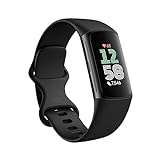
- Find your way seamlessly during runs or rides with turn-by-turn directions from Google Maps on Fitbit Charge 6[7, 8]; and when you need a snack break on the go, just tap to pay with Google Wallet[8, 9]
Materials and durability remain consistent with prior generations, using a sealed, water‑resistant housing intended for constant wear during training, sleep, and recovery. Strap compatibility largely carries forward, which is important for members who have already invested in multiple bands for different sports or aesthetics. From a wearability standpoint, Whoop 5.0 feels familiar rather than new.
Sensor changes are incremental. Whoop has improved its optical heart rate array, skin temperature sensing, and onboard processing efficiency, but the core metrics remain the same: heart rate variability, resting heart rate, respiratory rate, sleep staging, strain, and recovery. There is no built‑in GPS, no display, and no offline workout tracking, reinforcing that Whoop is still a background performance tool rather than an activity watch.
Battery life continues to land in the multi‑day range, aided by the external slide‑on battery pack system. This remains one of Whoop’s strongest real‑world usability advantages, allowing continuous wear without removing the strap to charge. For athletes focused on uninterrupted data collection, this matters more than raw specs.
The platform shift: Whoop is now clearly a long‑term software service
The more meaningful change with Whoop 5.0 is not what the device measures, but how Whoop positions the platform itself. The company is doubling down on the idea that members are subscribing to insights, not hardware. The strap is now explicitly treated as a delivery mechanism for software, rather than a product with its own upgrade lifecycle.
Software features, algorithm updates, and new analytics are no longer tied to buying a new device. Instead, Whoop is signaling that improvements will roll out continuously across supported hardware, with 5.0 positioned as the baseline going forward. This helps explain why the hardware update feels modest: Whoop wants progress to feel invisible and ongoing, not event‑driven.
From a daily usability perspective, the app experience remains central. Whoop’s strength is still in long‑term trend analysis, behavioral coaching, and recovery guidance rather than real‑time metrics. If you value passive insights over active interaction, the platform direction aligns with that philosophy. If you want more control, visibility, or workout autonomy, the gap versus smartwatches continues to widen.
Compatibility remains smartphone‑dependent, with iOS and Android support unchanged. There is no standalone functionality, reinforcing that Whoop is not trying to compete directly with Apple Watch or Garmin on features, but rather on depth of physiological interpretation.
The policy change: hardware is no longer “included” in the way members expected
This is where most of the confusion and backlash originates. Historically, Whoop marketed itself as a subscription where new hardware was included as part of ongoing membership. Many members internalized that as an implicit promise: stay subscribed long enough, and upgrades come at no additional cost.
With Whoop 5.0, that assumption was quietly but decisively reset. New members receive Whoop 5.0 as their included device, but existing members are no longer automatically entitled to a free hardware upgrade unless they extend or modify their subscription under specific terms. In some cases, upgrading requires committing to a longer membership period or paying an additional hardware fee.
This effectively reframes the relationship. You are not renting hardware indefinitely; you are subscribing to software access, with hardware treated as a subsidized entry point rather than a guaranteed refresh. For members who joined under earlier messaging, this feels like a retroactive rule change, even if it aligns with Whoop’s long‑term economics.
The impact depends heavily on your current status. New buyers see a clearer proposition: pay a subscription, get the current device. Long‑time members must now evaluate whether extending their commitment makes sense relative to how much incremental value the new hardware actually provides.
Why these changes matter more than the device itself
Whoop 5.0 is less about better sensors and more about redefining expectations. The company is prioritizing predictable revenue and platform continuity over hardware excitement, which places more responsibility on the user to decide whether the subscription delivers ongoing value.
For serious athletes who rely on Whoop’s recovery modeling and wear it nonstop, the changes may feel acceptable, even logical. For casual users or those comparing alternatives with screens, GPS, and no monthly fees, the new policy sharpens the trade‑offs.
Understanding this shift is essential before making any decision. The next sections will translate these changes into concrete upgrade paths, breaking down who should upgrade, who should wait, and who might be better off looking elsewhere based on training goals, budget tolerance, and expectations around ownership.
The New Whoop Upgrade Policy Breakdown: Subscriptions, Hardware Access, and What ‘Included’ Really Means
With that reframing in mind, the Whoop 5.0 rollout makes more sense when you stop thinking in terms of “upgrades” and start thinking in terms of access. The policy is not just about this generation of hardware; it is about formalizing how Whoop intends members to move through future generations.
What has changed is not the price of the subscription on paper, but the assumptions attached to it. Whoop is now explicit about what your membership buys you at any given moment, and what it does not.
Whoop memberships are now software-first, hardware-conditional
At its core, a Whoop membership is payment for access to the platform: recovery scores, strain tracking, sleep analytics, and long-term health trend modeling. The hardware exists to enable that software, but it is no longer positioned as a perpetually refreshed entitlement.
When you start a new subscription today, Whoop 5.0 is included as the current supported device. That inclusion applies only at the point of entry, not as an ongoing promise that future hardware revisions will automatically appear on your wrist.
This is a subtle but critical distinction. The band, sensors, battery pack, and charger are effectively subsidized onboarding tools, not assets you are continuously leasing with guaranteed replacement.
What “included” actually means for new members
For new buyers, the policy is relatively clean. You choose a 12- or 24-month membership, and Whoop 5.0 is shipped as part of that commitment with no separate hardware line item.
There is no upfront device purchase in the traditional sense, but the cost is embedded in the length of the subscription. Cancel early and the value proposition collapses; stay long enough and the hardware feels effectively free.
Importantly, this does not include accessories beyond the standard band, nor does it imply that future sensor revisions during your term will be swapped in automatically. You are included once, at signup, not continuously.
Existing members face a different set of rules
For current Whoop 4.0 members, the upgrade path to 5.0 depends on subscription timing rather than loyalty duration. Being a long-time user does not, by itself, unlock a free hardware refresh.
If you are nearing the end of your membership, Whoop may offer a discounted or included 5.0 device if you extend for an additional 12 or 24 months. If you are mid-cycle, upgrading often means either paying a hardware fee or agreeing to extend your term beyond your original end date.
This is where frustration has emerged. The rules are consistent internally, but they clash with expectations set during earlier generations, when upgrades were positioned as a perk of staying subscribed.
Hardware fees vs. subscription extensions
Whoop now uses two levers to manage upgrades: time and cash. You can pay with months or money.
Extending your subscription effectively amortizes the cost of the new device over a longer period, which is favorable if you were planning to stay anyway. Paying a hardware fee keeps your current end date intact but introduces a tangible upgrade cost that many members were not accustomed to seeing.
Neither option is inherently wrong, but both force a conscious decision. You are no longer passively upgraded; you are actively choosing how much the new hardware is worth to you.
Why this policy exists from a business perspective
From a sustainability standpoint, Whoop’s earlier model was generous but fragile. Shipping new hardware every few years to a large base of existing members without additional revenue created pressure that scaled poorly.
By tying hardware refreshes to subscription extensions, Whoop aligns manufacturing, logistics, and revenue more predictably. This mirrors how enterprise software handles major platform upgrades, not how consumer electronics traditionally behave.
Understanding this does not eliminate the sting for some users, but it explains why the company is unlikely to reverse course.
How this affects the real-world value of Whoop 5.0
The practical question is whether Whoop 5.0 justifies the new friction. In day-to-day use, the experience remains familiar: screenless, lightweight, fabric band, and designed for 24/7 wear without distraction.
Battery life and charging convenience matter here. If 5.0 delivers even modest gains in longevity or thermal efficiency, that benefits athletes who train daily and sleep with the device on. If the gains are marginal, the upgrade feels harder to justify under stricter terms.
Because Whoop’s software updates flow to older devices as well, hardware alone rarely unlocks exclusive insights. That makes the decision less about features and more about longevity, comfort refinements, and future-proofing.
The psychological shift: ownership versus participation
Perhaps the most important change is not contractual but psychological. Whoop is asking members to think of themselves as participants in an evolving platform, not owners of a product that will be periodically refreshed at no cost.
For users who value continuity, minimal distraction, and deep longitudinal data, this model can still make sense. The device is a tool, not the focus, and replacing it occasionally is part of staying in the ecosystem.
For users who prefer clear ownership, visible hardware progress, or the option to keep using a device indefinitely without ongoing fees, the policy exposes a fundamental mismatch.
Why clarity now prevents regret later
The Whoop 5.0 upgrade policy is not complicated once laid out, but it is unforgiving if misunderstood. Many of the negative reactions stem from discovering the rules only when an upgrade becomes desirable.
By understanding exactly what your subscription includes, when hardware is offered, and what trade-offs are required, you regain control of the decision. Whether you upgrade, extend, pay, or opt out entirely becomes a strategic choice rather than a surprise.
That clarity is essential before evaluating specific upgrade paths, because the right decision depends less on the device itself and more on how long you realistically see Whoop fitting into your training and lifestyle.
Who Is Affected (and How): Existing Whoop 3.0/4.0 Members vs New Buyers vs Lapsed Subscribers
With the philosophical shift now clear, the practical question becomes personal: how the Whoop 5.0 policy actually applies depends entirely on where you sit in the ecosystem today. Active members, first-time buyers, and former subscribers are all treated differently, with materially different costs, obligations, and expectations.
This is where most confusion arises, because the headline announcement sounds universal, but the real-world impact is segmented. Understanding which bucket you fall into is the difference between a predictable upgrade path and an unpleasant surprise.
Existing Whoop 4.0 members: continuity with new conditions
If you are currently on Whoop 4.0 with an active subscription, you are the group most directly affected by the policy change. Historically, long-tenured members could expect a new device after a certain tenure window, often without an explicit hardware charge beyond maintaining membership.
Under the Whoop 5.0 policy, hardware upgrades are no longer implicitly earned by time served alone. Instead, eligibility is tied to extending your subscription further into the future or paying an upfront hardware fee, with the exact terms varying by region and current plan length.
For many 4.0 users, this reframes the decision. The question is no longer “when do I qualify for the new band?” but “how long am I willing to commit to Whoop from today?” If you already planned to stay for another year or more, the extension may feel frictionless. If you were undecided, the upgrade forces that decision earlier than expected.
Rank #2

- Inspire 3 is the tracker that helps you find your energy, do what you love and feel your best. All you have to do is wear it.Operating temperature: 0° to 40°C
- Move more: Daily Readiness Score(1), Active Zone Minutes, all-day activity tracking and 24/7 heart rate, 20+ exercise modes, automatic exercise tracking and reminders to move
- Stress less: always-on wellness tracking, daily Stress Management Score, mindfulness sessions, relax breathing sessions, irregular heart rhythm notifications(2), SpO2(3), menstrual health tracking, resting heart rate and high/low heart rate notifications
- Sleep better: automatic sleep tracking, personalized Sleep Profile(1), daily detailed Sleep Score, smart wake vibrating alarm, sleep mode
- Comfortably connected day and night: calls, texts & smartphone app notifications(4), color touchscreen with customizable clock faces, super lightweight and water resistant to 50 meters, up to 10 day battery life(5)
From a hardware standpoint, this matters because the 4.0 remains a highly capable device. Its compact dimensions, lightweight sensor pod, soft fabric band options, and multi-day battery life still support 24/7 wear, including sleep and high-sweat training. Software parity means your recovery, strain, and sleep insights do not suddenly degrade if you stay put.
The risk for existing members is psychological as much as financial. Paying or extending for hardware that does not radically change daily experience can feel like a loyalty penalty, even if the math works out over time.
Existing Whoop 3.0 members: a narrower bridge forward
Whoop 3.0 users occupy a more constrained position. The 3.0 hardware is now multiple generations old, with bulkier dimensions, older optical sensors, and shorter battery endurance compared to 4.0 and beyond.
For this group, upgrading is less about chasing new features and more about staying compatible long term. While software support has historically been generous, there is a practical ceiling to how long older sensor hardware can keep pace with algorithmic improvements.
The 5.0 policy effectively compresses the upgrade window. You will almost certainly need to either extend your subscription or pay a hardware upgrade fee to move forward, and skipping 4.0 entirely may be the most sensible path.
If you are still training regularly and relying on recovery data, the smaller form factor, improved comfort, and more efficient charging system of newer generations materially improve daily usability. If your usage has already become intermittent, the policy may push you toward exiting rather than reinvesting.
New buyers: the cleanest, least emotional decision
Ironically, first-time Whoop buyers are the least affected by the controversy. You enter under the current rules, with no legacy expectations about free upgrades or tenure-based rewards.
For new members, the value proposition is straightforward. You are buying into a subscription service that includes hardware access, continuous software updates, and the option to upgrade devices later under clearly defined terms.
This clarity has advantages. You can evaluate Whoop 5.0 purely on whether the platform fits your training style, comfort preferences, and tolerance for wearing a minimalist device 24/7. Battery life, strap comfort, durability during contact sports, and the absence of a screen are either strengths or deal-breakers, depending on your habits.
If you are comparing Whoop to a smartwatch or a ring-based tracker, the decision is less about specs and more about philosophy. Whoop asks for commitment but offers focus, whereas competitors often bundle features at the expense of simplicity.
Lapsed subscribers: returning under stricter, clearer terms
If you previously used Whoop and canceled, the 5.0 policy resets the relationship. You are treated functionally as a new buyer, not as a returning member with accrued goodwill.
This can be disappointing if you left under the assumption that rejoining later would restore your place in line for hardware. Under the new model, past tenure does not meaningfully reduce future costs or commitments.
The upside is transparency. If you left because of cost, friction, or unclear value, the current policy makes it easier to assess whether Whoop now fits your priorities. You know exactly what hardware access requires, how long you are committing for, and what happens when a new generation arrives.
For athletes whose training volume or life circumstances have changed, this reset can be healthy. You are not “catching up” to the ecosystem; you are opting in again, eyes open.
Why these distinctions matter more than the device itself
Across all three groups, the hardware differences between generations are real but incremental. Comfort tweaks, battery efficiency, and sensor refinements improve the experience, but they rarely redefine it.
What has changed is how those improvements are accessed. The policy now rewards certainty and long-term commitment, while penalizing indecision or casual use.
Recognizing which category you fall into allows you to evaluate Whoop 5.0 rationally. The right choice is not universal, but it becomes obvious once your status, goals, and tolerance for subscription-based hardware are honestly aligned.
Whoop 5.0 Hardware in Context: Battery Life, Sensors, Wearability, and What’s Genuinely New (and What Isn’t)
After unpacking how policy and eligibility shape the upgrade decision, it helps to ground expectations around the hardware itself. Whoop 5.0 does move the platform forward, but it does so in a familiar, evolutionary way rather than through a radical redesign.
If you are hoping the device alone will justify a policy shift or a longer subscription commitment, this is where reality matters. The experience is better refined, not fundamentally different.
Battery life: marginal gains, not a mindset shift
Battery life has long been one of Whoop’s defining traits, largely thanks to the absence of a screen and a focus on background data collection. Whoop 5.0 continues this philosophy, offering incremental efficiency improvements rather than a dramatic leap in longevity.
In real-world use, this means fewer charging interruptions across a week, but not a device you can forget about indefinitely. The slide-on battery pack system remains central to the experience, allowing continuous wear while topping up, and that system is functionally unchanged.
If you found Whoop 4.x’s charging cadence acceptable, 5.0 will feel slightly smoother. If you were hoping for smartwatch-level endurance measured in weeks, nothing here changes the equation.
Sensors: refined accuracy over new categories
Whoop 5.0 builds on the same core sensor stack that defines the platform: optical heart rate, blood oxygen trends, skin temperature deviation, and motion tracking. Improvements focus on signal quality, sampling stability, and better handling of edge cases like high-intensity intervals or disturbed sleep.
There is no major expansion into new biometric categories. You are not suddenly getting ECG on demand, blood pressure estimation, or laboratory-grade recovery metrics.
For most athletes, the benefit is consistency rather than novelty. Trends feel cleaner, sleep staging is less erratic, and recovery scores fluctuate for clearer reasons, but the underlying data types remain familiar.
Wearability and comfort: subtle but meaningful tweaks
Physically, Whoop 5.0 continues the quiet march toward invisibility. The module is slimmer, edges are softer, and weight distribution is slightly improved, especially for smaller wrists or alternative wear locations like the bicep.
Materials and finishing are evolutionary rather than luxurious, but durability remains a strong point. The device is still built to survive sweat, impact, and round-the-clock wear without the fragility concerns common to screen-based trackers.
These changes matter most over months, not days. Long-term users are the ones who notice fewer pressure points during sleep and less subconscious awareness during training.
What hasn’t changed: no screen, no notifications, no shortcuts
The defining omissions remain intentional. Whoop 5.0 still has no display, no haptic nudges to stand or move, and no smartwatch-style interaction layer.
This is not an oversight; it is the core design philosophy. The hardware exists solely to serve the app, and the app exists to interpret long-term patterns, not manage moments.
If you ever wished your Whoop could double as a watch, a timer, or a lightweight smart device, this generation does nothing to accommodate that preference.
Compatibility and ecosystem continuity
Whoop 5.0 integrates cleanly into the existing ecosystem. Straps, form factors, and wearing options carry forward with minimal friction, and the mobile software experience remains consistent across generations.
This continuity reduces upgrade anxiety but also underscores the incremental nature of the hardware. You are stepping into a slightly better version of the same system, not learning a new one.
For teams, coaches, or long-term data-focused users, that continuity is a strength. For those craving novelty, it may feel underwhelming.
The honest hardware takeaway
In isolation, Whoop 5.0 is a better tracker than its predecessors. It is more comfortable, more efficient, and marginally more accurate across the metrics that matter to recovery-focused athletes.
What it is not is a reinvention. The gains are cumulative and experiential, not headline-grabbing.
This is why the surrounding policy matters so much. When hardware progress is incremental, the value calculation shifts away from specs and toward commitment, timing, and how deeply you plan to stay invested in the Whoop model.
Upgrade Paths Compared Side by Side: Free Upgrade, Paid Upgrade, Extend Subscription, or Stay Put
Once the hardware gains are understood as incremental rather than transformative, the decision shifts from excitement to arithmetic. Whoop 5.0 forces members to evaluate time remaining, cash outlay, and how much marginal comfort and efficiency actually matter to their training life.
There is no universally “right” path here. The correct choice depends on where you are in your subscription cycle, how sensitive you are to wearing comfort and battery friction, and whether you see Whoop as a long-term training infrastructure or a seasonal tool.
Path 1: Free Upgrade (Eligibility-Based)
The free upgrade is the cleanest option, but also the most limited. It applies only to members who meet Whoop’s internal eligibility criteria, typically tied to how recently you started or renewed a long-term subscription.
If you qualify, the decision is straightforward. You receive the 5.0 hardware, migrate seamlessly in the app, and continue paying the same subscription with no added cost or commitment extension.
From a value perspective, this is the only scenario where the incremental hardware improvements feel unambiguously positive. You gain comfort, efficiency, and longevity without recalculating the economics.
The catch is availability. Many long-term users, especially those nearing the end of a cycle or on shorter plans, will not see this option presented at all.
Path 2: Paid Upgrade (Hardware Buy-In)
The paid upgrade path is where most confusion and frustration live. Instead of receiving the new hardware as part of membership, you are asked to pay an upfront fee to move to Whoop 5.0 while keeping your existing subscription term intact.
This option makes sense only if the physical changes materially improve your daily experience. Users with sleep discomfort, frequent charging fatigue, or strap pressure issues may genuinely benefit from the smaller body and improved efficiency.
Rank #3

- 【BUILT-IN GPS SMART WATCH – GO FURTHER, FREER, SMARTER】No phone? No problem. This fitness watch for women, featuring the latest 2025 technology, includes an advanced professional-grade GPS chip that precisely tracks every route, distance, pace (real-time & average), and calorie burned—completely phone-free. Whether you're chasing new personal records or exploring off the beaten path, your full journey is automatically mapped and synced in the app. Train smarter. Move with purpose. Own your progress. Own your journey.
- 【BLUETOOTH 5.3 CALLS & SMART NOTIFICATIONS】Stay effortlessly connected with this smart watch for men and women, featuring dual Bluetooth modes (BT 3.0 + BLE 5.3) and a premium microphone for crystal-clear calls right from your wrist—perfect for driving, workouts, or busy days. Receive instant alerts for calls, texts, and popular social apps like WhatsApp and Facebook. Just raise your wrist to view notifications and never miss an important moment.
- 【100+ SPORT MODES & IP68 WATERPROOF & DUSTPROOF】This sport watch is a versatile activity and fitness tracker with 100+ modes including running, cycling, yoga, and more. It features quick-access buttons and automatic running/cycling detection to start workouts instantly. Accurately track heart rate, calories, distance, pace, and more. Set daily goals on your fitness tracker watch and stay motivated with achievement badges. With IP68 waterproof and dustproof rating, it resists rain and sweat for any challenge. Not suitable for showering, swimming, or sauna.
- 【24/7 HEALTH ASSISTANT & SMART REMINDERS】This health watch continuously monitors heart rate, blood oxygen, and stress levels for comprehensive wellness tracking. Sleep monitoring includes deep, light, REM sleep, and naps to give you a full picture of your rest. Stay on track with smart reminders for sedentary breaks, hydration, medication, and hand washing. Women can also monitor menstrual health. Includes guided breathing exercises to help you relax. Your ultimate health watch with event reminders for a healthier life.
- 【ULTRA HD DISPLAY, LIGHTWEIGHT & CUSTOMIZABLE DIALS】This stylish wrist watch features a 1.27-inch (32mm) 360×360 ultra HD color display with a 1.69-inch (43mm) dial, offering vivid details and responsive touch. Its minimalist design fits both business and casual looks. Switch freely among built-in designer dials or create your own DIY watch face using photos, colors, and styles to showcase your unique personality. Perfect as a cool digital watch and fashion wrist watch.
From a pure performance data standpoint, the justification is weaker. Accuracy gains are real but subtle, and they compound slowly over months rather than revealing themselves in immediate metrics.
If you are already satisfied with how your current Whoop wears and behaves, paying for incremental refinement may feel like solving a problem you do not have.
Path 3: Extend Subscription to Upgrade
This is the most strategic option, and also the one Whoop quietly prefers. By extending your subscription term, often by 12 months or more, you receive the Whoop 5.0 hardware with little or no upfront hardware fee.
Financially, this spreads the cost across time rather than concentrating it at checkout. Psychologically, it locks you deeper into the ecosystem.
This path works best for athletes who already treat Whoop as a long-term training companion rather than a gadget. Coaches, endurance athletes, and users building multi-year recovery baselines often fall into this camp.
The risk is commitment inertia. If your training priorities change or you become curious about alternatives, the extended term reduces flexibility even if the monthly math looks reasonable.
Path 4: Stay Put (No Upgrade)
Doing nothing is a valid and often underappreciated choice. Whoop does not gate features by hardware generation, and the core software experience remains consistent across devices.
If your current unit is comfortable, reliable, and holding battery well, the practical downside of staying put is minimal. Your data continuity remains intact, and the training insights do not suddenly degrade.
This option is especially sensible for users nearing the end of a subscription term. Waiting preserves optionality, whether that means upgrading later, renegotiating terms, or exiting the platform entirely.
Staying put also exposes the true pace of Whoop’s innovation cycle. If the idea of incremental hardware every few years paired with continuous subscription fees feels less compelling over time, restraint is a form of clarity.
How these paths differ in real-world use
The day-to-day experience between Whoop 4.0 and 5.0 is closer than the policy language suggests. Comfort during sleep, fewer micro-adjustments during training, and longer gaps between charges are the primary lived differences.
None of the paths change the fundamental Whoop proposition. There is still no screen, no on-device interaction, and no escape from the subscription-first model.
What does change is how locked in you become and how much you pay to preserve momentum. Understanding that distinction is more important than chasing the newest hardware badge.
Decision Guide for Current Members: When Upgrading to Whoop 5.0 Makes Sense—and When It Doesn’t
With the policy mechanics out of the way, the more useful question is practical: does upgrading actually change your experience enough to justify the cost and commitment?
For most current members, this is not a yes-or-no decision but a timing and use-case decision. The right answer depends on how hard you train, how long you plan to stay subscribed, and how sensitive you are to hardware friction in daily wear.
Upgrade to Whoop 5.0 if hardware friction is holding you back
If your current strap is the weakest link in your routine, Whoop 5.0 can be a quality-of-life upgrade. The smaller chassis sits flatter on the wrist, shifts less during sleep, and feels less intrusive during long endurance sessions or all-day wear.
This matters most for users training frequently or sleeping lightly. Less movement means cleaner heart rate capture overnight and fewer moments where you need to reseat or tighten the band mid-workout.
Battery life also plays into this. Longer intervals between charges reduce the odds of missing data during travel blocks, multi-day events, or heavy training weeks where plugging in becomes an annoyance rather than a habit.
Upgrade if you are already planning to stay with Whoop long term
The economics of the 5.0 upgrade favor members who already see Whoop as a multi-year platform rather than a one-season experiment. If you know you will renew regardless, rolling into a new term with updated hardware can feel cleaner than stretching aging hardware across another year.
This is especially true for users who value uninterrupted longitudinal data. Starting a fresh hardware cycle while keeping your recovery and strain history intact minimizes disruption and avoids the “replace later” decision point mid-term.
In this scenario, the upgrade is less about new features and more about resetting the physical interface between you and the platform.
Upgrade if your current device is aging or unreliable
Sensors degrade, batteries lose capacity, and straps loosen over time. If your current Whoop struggles to hold charge, drops data, or feels inconsistent during high-intensity sessions, upgrading solves a real problem rather than chasing novelty.
This applies most to early-generation hardware that has already lived a full lifecycle. Replacing it proactively can be cheaper and less frustrating than squeezing out another term and dealing with reliability issues along the way.
In these cases, the upgrade cost is effectively a maintenance expense rather than an indulgence.
Hold off if your current Whoop is still doing its job well
If your existing unit is comfortable, accurate, and lasting several days between charges, upgrading delivers marginal gains. The daily experience of checking recovery, strain, and sleep insights does not materially change with Whoop 5.0.
Software parity across generations means you are not missing algorithms, metrics, or coaching features by staying put. The training insights remain intact, and your data remains just as actionable.
For many members, especially recreational athletes, this is the quiet sweet spot: maximum value with minimum additional cost or commitment.
Hold off if flexibility matters more than polish
Upgrading often comes with a renewed subscription term or a deeper lock-in. If you are even mildly curious about alternatives or unsure how your training priorities will evolve, preserving flexibility has real value.
Staying on your current hardware while nearing the end of a term keeps options open. You can reassess the market, renegotiate pricing, or walk away without sunk-cost pressure influencing the decision.
This is particularly relevant for users cross-shopping screen-based watches, multisport GPS units, or platforms with one-time hardware pricing.
Be cautious if you expect a fundamentally new Whoop experience
Whoop 5.0 refines the hardware but does not redefine the product. There is still no display, no onboard controls, and no standalone functionality without the app.
If your hesitation with Whoop has always been philosophical rather than technical, upgrading will not resolve that tension. The strap remains a passive sensor feeding a subscription-driven software ecosystem.
Understanding this prevents disappointment and helps align expectations with reality.
Use timing to your advantage
For members mid-term, waiting can be strategic. Hardware pricing, upgrade incentives, and policy tweaks tend to evolve as adoption stabilizes.
If your current device is stable, letting the dust settle often results in clearer options and, occasionally, better terms. Early adoption convenience is real, but it is rarely the most cost-efficient path.
Timing the upgrade around subscription renewal, travel schedules, or training cycles can also minimize disruption.
The upgrade decision is about friction, not features
The most consistent takeaway from long-term Whoop use is that hardware fades into the background when it works well. Upgrading makes sense when it reduces friction you feel every day.
When friction is already low, restraint is rational. The platform rewards consistency more than novelty, and your training outcomes are shaped far more by behavior than by chassis revisions.
Recognizing which side of that line you fall on is the real decision.
Decision Guide for New Buyers in 2026: Joining Whoop 5.0 vs Alternatives in the Subscription Wearables Market
For first-time buyers, the Whoop 5.0 decision is less about upgrading friction and more about choosing an ecosystem philosophy. You are not leaving anything behind, but you are opting into a very specific relationship between hardware, software, and ongoing cost.
The key question is whether Whoop’s subscription-first, screenless model aligns with how you want to engage with training data day to day. In 2026, that choice matters more than ever because the alternatives have become sharper, more specialized, and in some cases, cheaper over time.
What joining Whoop 5.0 actually means as a new member
Buying into Whoop 5.0 today means you are primarily paying for software, not hardware. The strap is a lightweight sensor module designed to disappear on the wrist, with soft fabric bands, low-profile dimensions, and a comfort-first approach that works well for sleep, contact sports, and all-day wear.
Battery life remains one of Whoop’s strongest traits, typically spanning several days, and the slide-on battery pack allows continuous wear without downtime. There is no screen, no buttons, and no standalone functionality, so every interaction happens through the app.
As a new user, you are not comparing hardware generations; you are committing to a recurring membership that unlocks recovery scoring, strain tracking, sleep analysis, and long-term trend insights. If you stop paying, the device effectively becomes inert.
Who Whoop 5.0 is best suited for in 2026
Whoop continues to serve athletes and fitness-focused users who value behavioral feedback over raw metrics. The platform excels at telling you when to push, when to back off, and how sleep, stress, and training interact over weeks and months.
Rank #4

- 24H Accurate Heart Rate Monitoring: Go beyond basic tracking. Our watch automatically monitors your heart rate, blood oxygen (SpO2), and sleep patterns throughout the day and night. Gain deep insights into your body's trends and make informed decisions for a healthier lifestyle.
- Practical Sports Modes & Smart Activity Tracking: From running and swimming to yoga and hiking, track a wide range of activities with precision. It automatically records your steps, distance, calories burned, and duration, helping you analyze your performance and crush your fitness goals.
- 1-Week Battery Life & All-Day Wear: Say goodbye to daily charging. With an incredible up to 7-10 days of battery life on a single charge, you can wear it day and night for uninterrupted sleep tracking and worry-free travel. Stay connected to your data without the hassle.
- Comfortable to Wear & IP68 Waterproof: The lightweight, skin-friendly band is crafted for all-day comfort, even while you sleep. With IP68 waterproof, it withstands rain, sweat, It is not suitable for swimming or showering.
- Ease of Use and Personalized Insights via Powerful App: The display is bright and easy to read, even outdoors. Unlock the full potential of your watch. Sync with our dedicated app to view detailed health reports, customize watch faces, set sedentary reminders, and manage your preferences with ease.
It works particularly well for users who already follow structured training or who want a daily governor on intensity rather than a watch that encourages more activity. The absence of a display reduces distraction and makes it easier to wear 24/7, including during sleep and competition.
If you are motivated by coaching-style insights and are comfortable outsourcing interpretation to algorithms, Whoop’s experience remains cohesive and polished.
Where the subscription friction becomes real for new buyers
The recurring cost is the most important factor to internalize before joining. Over a two- or three-year horizon, Whoop often costs more than buying a premium smartwatch outright, especially if you would otherwise choose a device with no mandatory subscription.
There is also limited flexibility if your interests change. If you later decide you want onboard GPS, offline workouts, music playback, or quick-glance stats during training, Whoop cannot grow into that role.
For users who enjoy ownership, resale value, or the option to pause costs during off-seasons, the subscription-only access model can feel restrictive.
How Whoop 5.0 compares to screen-based smartwatches
Apple Watch and similar smartwatches offer a fundamentally different experience. You get a display, touch interaction, broad app support, and health features that extend beyond fitness, including notifications, payments, and safety tools.
Battery life is shorter, often requiring daily charging, and sleep tracking can feel secondary due to form factor and charging habits. However, there is no mandatory subscription to access core features, and the hardware retains utility even years later.
For users who want one device to cover training, communication, and daily life, a smartwatch often represents better functional value, even if the fitness insights are less opinionated than Whoop’s.
How Whoop 5.0 stacks up against performance-focused GPS watches
Garmin, Polar, and similar brands prioritize autonomy and data ownership. These watches offer onboard GPS, structured workouts, physical buttons, and weeks of battery life in larger cases designed for endurance use.
The trade-off is size and comfort, particularly for sleep, and a more technical interface that expects the user to interpret charts and metrics. Most platforms do not require a subscription for core training features, though optional services may add cost.
If your training revolves around pace, distance, navigation, and race preparation, a GPS watch often provides more direct control without ongoing fees.
Ring-based and minimalist trackers as indirect competitors
Devices like Oura appeal to users who prioritize sleep, readiness, and recovery over training load. Rings offer exceptional comfort and near-invisibility, but limited workout tracking and no real-time feedback.
These platforms also rely on subscriptions, though typically at a lower monthly cost than Whoop. They work best as passive health monitors rather than training companions.
For buyers torn between Whoop and a ring, the deciding factor is whether training strain and exercise context matter more than pure recovery metrics.
Choosing based on tolerance for guidance versus autonomy
Whoop’s strength is also its constraint. The platform tells you how you are doing and what it suggests you should do next, using a consistent framework that rewards adherence.
Other ecosystems give you tools and let you decide how to use them. This can feel empowering or overwhelming, depending on your personality and experience level.
If you want a coach-like system that reduces decision-making, Whoop remains compelling. If you prefer to self-direct and experiment, alternatives offer more freedom.
Cost realism for first-time buyers
Before joining, it helps to calculate total cost over the time you realistically expect to wear the device. A lower upfront barrier can mask a higher long-term commitment.
Ask whether you would still be comfortable paying the subscription if your training volume drops, if life gets busy, or if motivation fluctuates. The answer often reveals whether the model fits your habits.
For disciplined users who thrive on consistency, the ongoing cost can feel justified. For exploratory or seasonal users, it can become a source of quiet friction.
When joining Whoop 5.0 makes the most sense
Whoop is easiest to recommend when you already know you want a screenless, always-on fitness companion and are prepared to treat the membership as a training expense, not a gadget purchase.
It also makes sense if sleep, recovery, and long-term trends matter more to you than splits, maps, or smartwatch features. In that context, Whoop 5.0 delivers a refined, low-friction experience.
For everyone else, especially those still discovering what kind of athlete or user they are, the broader wearable market offers more flexibility with fewer strings attached.
The Economics of Whoop’s Model: Long-Term Cost, Value for Athletes, and How It Compares to Buying a Watch Outright
Once you accept Whoop as a coaching system rather than a gadget, the financial logic becomes clearer, but also more polarizing. This is where the Whoop 5.0 upgrade policy matters most, because it forces members to confront the true lifetime cost of staying in the ecosystem.
Instead of asking “How much does the device cost?”, the better question is “What am I paying per year for insight, and am I still using it enough to justify that?”
Why Whoop avoids the upfront hardware price
Whoop’s subscription-first model deliberately removes the psychological friction of a large one-time purchase. You are not buying a device with a chipset, enclosure, and battery life spec sheet; you are renting continuous access to an analytics platform that happens to include hardware.
From a manufacturing perspective, the strap itself is relatively simple. Lightweight materials, minimal physical controls, no display, and a sealed housing designed for 24/7 wear keep hardware costs predictable and durability high, even across multi-year use.
The value proposition shifts entirely to software: recovery algorithms, strain modeling, long-term trend analysis, and ongoing feature updates. The hardware is an access key, not the product.
What the long-term cost actually looks like
Over three to four years, a Whoop membership typically costs more than a mid-range sports watch bought outright. That is true even before factoring in optional accessories like bands, chargers, or bicep sleeves.
Where this feels acceptable or frustrating depends on consistency. Athletes who wear Whoop every day, log structured training, and actively use recovery guidance often amortize the cost mentally as part of coaching, nutrition, or gym expenses.
For users whose training volume fluctuates, the fixed monthly cost can feel heavier over time. A watch you already own does not charge rent during your off-season.
How the 5.0 upgrade policy changes the math
Previous generations trained members to expect hardware refreshes with minimal friction if they stayed subscribed. Whoop 5.0 reframes that expectation by tying upgrade eligibility more explicitly to contract timing and membership terms.
For long-tenured members, this can feel like paying twice: once through years of subscription fees, and again through either a renewed commitment or an upgrade charge. Economically, it exposes that the hardware was never “free”, only deferred.
For new members, the model is actually clearer. You enter knowing that access to future hardware is conditional, not guaranteed, and that the real purchase is ongoing service rather than ownership.
Subscription value versus hardware ownership
Buying a sports watch outright concentrates cost at the beginning. You pay for materials, sensors, finishing, and engineering upfront, then decide later whether software features are worth optional subscriptions.
A modern GPS watch includes a display, physical buttons, onboard storage, longer battery life per charge, and often premium materials like stainless steel or titanium. Even if you stop training seriously, the watch remains functional as a timepiece and activity tracker.
Whoop offers the opposite trade. You give up ownership, versatility, and independence in exchange for a system that continuously interprets your data and tells you what it means.
Software depth as the justification for recurring cost
Whoop’s pricing only makes sense if you value interpretation over instrumentation. The platform connects sleep quality, cardiovascular trends, and training stress into a single readiness score that updates daily without manual input.
For athletes who struggle to contextualize raw metrics like heart rate variability or resting heart rate, this guidance can prevent overtraining and improve adherence. In that case, the subscription replaces guesswork rather than duplicating it.
If you already understand your physiology and prefer to analyze your own data, the same insights may feel redundant. Paying monthly for conclusions you would reach anyway is where dissatisfaction often starts.
Opportunity cost in a crowded wearable market
The broader wearable market now offers more overlap than it once did. Many watches and rings include recovery metrics, sleep staging, and readiness-style scores without mandatory subscriptions.
What they usually lack is Whoop’s relentless focus on compliance and behavior shaping. Alerts, daily targets, and feedback loops are less polished elsewhere, but autonomy is higher.
Economically, this gives buyers more exit ramps. You can stop upgrading watches, skip software plans, or sell hardware, options that do not exist inside Whoop’s closed membership loop.
Who benefits most from Whoop’s economics
Whoop’s model favors athletes who treat training as a long-term practice rather than a phase. Endurance athletes, competitive team sport players, and highly structured fitness users extract the most value per dollar.
It also favors people who prioritize comfort and wearability. The low-profile strap, soft materials, and lack of a display make continuous wear easier than most watches, increasing data completeness and perceived return on cost.
💰 Best Value

- 【Superb Visual Experience & Effortless Operation】Diving into the latest 1.58'' ultra high resolution display technology, every interaction on the fitness watch is a visual delight with vibrant colors and crisp clarity. Its always on display clock makes the time conveniently visible. Experience convenience like never before with the intuitive full touch controls and the side button, switch between apps, and customize settings with seamless precision.
- 【Comprehensive 24/7 Health Monitoring】The fitness watches for women and men packs 24/7 heart rate, 24/7 blood pressure and blood oxygen monitors. You could check those real-time health metrics anytime, anywhere on your wrist and view the data record in the App. The heart rate monitor watch also tracks different sleep stages for light and deep sleep,and the time when you wake up, helps you to get a better understanding of your sleep quality.
- 【120+ exercise modes & All-Day Activity Tracking】There are more than 120 exercise modes available in the activity trackers and smartwatches, covering almost all daily sports activities you can imagine, gives you new ways to train and advanced metrics for more information about your workout performance. The all-day activity tracking feature monitors your steps, distance, and calories burned all the day, so you can see how much progress you've made towards your fitness goals.
- 【Messages & Incoming Calls Notification】With this smart watch fitness trackers for iPhone and android phones, you can receive notifications for incoming calls and read messages directly from your wrist without taking out your phone. Never miss a beat, stay in touch with loved ones, and stay informed of important updates wherever you are.
- 【Essential Assistant for Daily Life】The fitness watches for women and men provide you with more features including drinking water and sedentary reminder, women's menstrual period reminder, breath training, real-time weather display, remote camera shooting, music control,timer, stopwatch, finding phone, alarm clock, making it a considerate life assistant. With the GPS connectivity, you could get a map of your workout route in the app for outdoor activity by connecting to your phone GPS.
Those who enjoy experimenting with devices, switching platforms, or wearing traditional watches alongside fitness tracking will feel constrained. In purely economic terms, flexibility has value too.
Reframing the decision honestly
The mistake is comparing Whoop’s annual cost to the price of a single watch generation. The fair comparison is between Whoop and ongoing coaching, structured accountability, or managed training insight.
If you would otherwise pay for guidance, the subscription can be rational. If you mainly want metrics, ownership, and optional software, buying a watch outright remains the more economical path.
Understanding that distinction makes the Whoop 5.0 upgrade policy less about fairness and more about alignment. The frustration tends to come when expectations about ownership and entitlement do not match the business model you are actually in.
Common Confusions, Edge Cases, and FAQs: Early Adopters, Multi-Year Members, Promotions, and Resale Limitations
Once you accept that Whoop is a membership-first product, most of the friction around the 5.0 upgrade comes from edge cases rather than the core policy itself. These are the situations where expectations collide with timing, tenure, or assumptions about ownership.
What follows addresses the questions we see most from long-time members, recent joiners, and people considering joining specifically because of Whoop 5.0.
I just joined or upgraded hardware recently. Do I get Whoop 5.0 automatically?
This is the most emotionally charged scenario, and it is also where misunderstandings are most common. Whoop does not treat recent hardware shipments as a guarantee of next-generation eligibility unless explicitly stated in your account terms at checkout.
Historically, Whoop has used eligibility windows tied to remaining membership duration rather than purchase date alone. If your remaining subscription does not meet the minimum threshold set for 5.0, you should expect an upgrade fee or a required extension.
I have a multi-year membership. Does tenure matter more than payment history?
Tenure matters, but only within the boundaries of active, prepaid membership time. Whoop typically evaluates upgrade eligibility based on how far your paid membership extends into the future, not how long you have been a member historically.
This is why a three-year member who is month-to-month may be treated differently from a newer member who prepaid for 24 months. The system rewards future commitment, not past loyalty, which can feel counterintuitive if you are coming from traditional hardware ownership models.
What if I prepaid years ago under older promises or expectations?
Earlier generations trained users to expect hardware refreshes as part of the subscription, and that expectation is difficult to unwind. Whoop’s current position is that terms evolve, and upgrades are governed by the policy in effect at the time of the new device launch, not when you originally joined.
If you prepaid under older marketing language, support may offer discretionary credits or discounted extensions, but this is not guaranteed. It is best viewed as customer service goodwill rather than a contractual right.
Do promotions, student discounts, or corporate plans change upgrade eligibility?
Promotions affect price, not policy mechanics. Whether you joined through a student offer, referral discount, employer wellness program, or seasonal sale, your upgrade path is still governed by remaining membership duration.
Corporate plans introduce one additional variable: the account holder. If your employer controls the subscription, upgrade eligibility and fees may require employer approval, and hardware ownership remains with Whoop, not the individual user.
Can I extend my membership now to qualify for a cheaper or free 5.0 upgrade?
In many cases, yes, but timing matters. Whoop typically allows members to extend their subscription proactively, and doing so before initiating an upgrade can change eligibility outcomes.
The key detail is that extensions usually lock you deeper into the ecosystem. You are effectively trading flexibility for hardware access, which aligns with Whoop’s economic model but may not suit everyone.
What happens to my Whoop 4.0 after upgrading?
Once you upgrade, the older strap becomes functionally redundant. It cannot be used simultaneously on the same account, and it cannot be meaningfully repurposed outside the Whoop ecosystem.
This is where the closed-loop nature of the platform becomes tangible. Unlike watches that can be handed down or rotated, older Whoop hardware has no independent life.
Can I sell or give my old Whoop strap to someone else?
Resale is extremely limited. A used Whoop strap cannot be activated without a new membership, and Whoop does not officially support secondary-market transfers in the way watch brands do.
In practice, this collapses resale value to near zero. Buyers are effectively purchasing plastic and sensors without access, which is why secondhand Whoop devices rarely command meaningful prices.
Can I pause my membership and still upgrade later?
Pausing halts billing, but it also halts eligibility accrual. Time spent paused does not count toward upgrade thresholds, and reactivating later does not restore any missed eligibility windows.
If you suspect you may want Whoop 5.0, pausing during the transition period is usually counterproductive. Continuous membership is what the system is designed to reward.
Does Whoop 5.0 change battery life, comfort, or wearability enough to justify the policy shift?
While final specifications vary by generation, Whoop’s upgrades typically focus on sensor fidelity, efficiency, and incremental battery improvements rather than radical redesigns. The strap-first form factor, soft textile bands, and low-profile housing remain central to compliance and 24/7 wear.
If you already tolerate the strap well, 5.0 is unlikely to change your daily comfort calculus dramatically. The value comes from improved data quality and longer usable cycles, not a different wearing experience.
Is it ever smarter to cancel and rejoin instead of upgrading?
For some users, yes, especially if they are early in their fitness journey or unsure about long-term commitment. Canceling resets optionality, but it also forfeits tenure-based benefits and any accumulated eligibility.
Rejoining later may cost more overall and still require long-term prepayment. This strategy only makes sense if flexibility matters more to you than continuity.
Why does Whoop restrict ownership and resale so tightly?
From a policy perspective, this ensures data integrity, predictable revenue, and consistent user experience. From a consumer perspective, it removes exit value and amplifies the cost of changing your mind.
Neither is accidental. Understanding this trade-off is essential before interpreting the 5.0 upgrade policy as punitive rather than structural.
The real question most people are asking
Beneath every edge case is the same concern: am I being asked to pay more for something I thought I already earned. Whoop’s answer is that you are not buying devices, you are maintaining access.
Whether that feels acceptable depends less on the fairness of the policy and more on whether the system still matches how you train, recover, and commit over time.
Final Verdict: Choosing the Right Move Based on Your Training Goals, Budget Tolerance, and Commitment Level
By this point, the mechanics of the Whoop 5.0 policy should feel clearer, even if you don’t fully agree with them. The final decision isn’t about winning an argument with Whoop’s business model. It’s about choosing the option that best aligns with how seriously you train, how predictably you’ll use the data, and how comfortable you are with long-term subscription economics.
If you are a long-term, data-driven athlete
If you train year-round, value trend accuracy over novelty, and already use recovery, strain, and sleep scores to guide decisions, upgrading to Whoop 5.0 is the most frictionless path. The incremental sensor improvements, efficiency gains, and extended hardware lifespan matter more when you are looking at months and years of physiological data rather than week-to-week insights.
From a wearability standpoint, nothing fundamental changes. The lightweight housing, textile strap system, and 24/7 comfort remain the core experience, and battery life improvements tend to reduce charging interruptions rather than transform usage. For committed users, the policy feels less like a penalty and more like a continuation cost.
If you are consistent but budget-sensitive
For members who train regularly but feel the subscription cost more acutely, the decision becomes more nuanced. Upgrading only makes sense if you plan to stay subscribed long enough to amortize the upfront commitment without resentment.
If your current Whoop is still meeting your needs and your data feels actionable, staying put is a defensible choice. The platform does not lock older hardware out of core features overnight, and continuity can outweigh chasing marginal gains.
If you are early in your fitness journey or usage is inconsistent
If your training is sporadic, goalposts change often, or you are still building habits, upgrading to Whoop 5.0 is harder to justify. The system rewards consistency, not experimentation, and long-term commitments can quickly feel restrictive if motivation fluctuates.
In this case, canceling and reassessing later may preserve flexibility, even if it costs more in the long run. Whoop delivers its best value when you already know you will show up consistently.
If you are deciding whether to join Whoop for the first time
For new buyers, Whoop 5.0 represents the cleanest entry point, but also the clearest expression of the brand’s philosophy. You are not buying a device with resale value, premium materials, or visible craftsmanship in the traditional watch sense. You are buying into a software-driven coaching relationship that happens to require a strap on your wrist or arm.
Battery life, comfort, and durability are optimized for constant wear rather than aesthetics or customization. If that framing makes sense to you, joining now avoids future upgrade friction. If not, alternatives with ownership-based models may feel more satisfying.
If ownership and exit value matter to you
Whoop remains a poor fit for users who want hardware permanence, secondary market value, or the option to pause without penalty. The lack of resale, tightly controlled upgrades, and mandatory subscriptions are not temporary growing pains. They are foundational design choices.
No version change, including 5.0, alters that reality. If this aspect already feels uncomfortable, upgrading will not resolve the underlying tension.
The simplest way to decide
Ask yourself three questions. Do I use Whoop data often enough to change behavior? Am I comfortable paying continuously for access rather than ownership? And am I confident I will still care about this data a year from now?
If the answer to all three is yes, upgrading or joining with Whoop 5.0 is rational and defensible. If any answer is no, the smartest move may be to pause, downgrade expectations, or explore alternatives that better match your priorities.
Closing perspective
Whoop 5.0 doesn’t fundamentally change what Whoop is. It clarifies it. This is a long-term performance analytics service, not a gadget you accumulate or trade.
Understanding that distinction removes most of the confusion around the upgrade policy. What remains is a personal decision about commitment, value, and how deeply you want data embedded in your training life.