Most sleep tech promises better rest by tracking what already happened. NextSense Smartbuds are built around a more ambitious idea: detecting what your brain is doing in real time and responding while you’re still asleep. Instead of focusing on steps, heart rate trends, or next-day readiness scores, these earbuds aim to sit closer to the source of sleep itself—the electrical rhythms of the brain—and gently intervene with sound when it matters.
If you’ve experimented with smart rings, watches, or sleep-focused earbuds before, NextSense sits in an unfamiliar middle ground. They’re worn in-ear like audio earbuds, claim brain-sensing capabilities that echo simplified EEG systems, and use adaptive audio cues rather than passive noise masking. This section unpacks what that actually means in practice, how credible the approach is, and where these Smartbuds fit within today’s crowded sleep-tech landscape.
What the NextSense Smartbuds actually are
At a hardware level, NextSense Smartbuds look closer to low-profile sleep earbuds than consumer headphones. They’re designed to be worn overnight, prioritize soft-touch materials and shallow insertion depth, and avoid protruding housings that would press against a pillow. Comfort and stability matter here more than soundstage or bass response, because the core function is sensing and intervention during long, motionless hours.
Inside the earbuds are miniature electrodes positioned to make contact with the skin of the ear canal and outer ear. This region, while not as signal-rich as a full scalp EEG, can still pick up usable brainwave patterns when paired with sophisticated filtering and signal processing. The earbuds also incorporate motion sensors and standard audio drivers, allowing the system to combine brain activity, subtle movement, and sound delivery into a single closed loop.
🏆 #1 Best Overall

- 【Smart Hybrid ANC Blocks 98% Noise for Deep Sleep】The noise cancelling earbuds for sleep features dual-microphone Hybrid ANC technology that actively neutralizes up to 98% of disruptive sounds—like snoring, traffic, and appliance hum—for a profoundly quiet environment. A quick triple-tap lets you switch between ANC, Transparency Mode to match your situation.
- 【48-Hour Total Playtime & Fast Charging& LED Display】These Ertuly sleep earbuds for side sleepers offer up to 8 hours of playback per charge, with the case extending it to 48 hours total. The sleep buds recharge in just 1.5 hours via USB-C, and the case features an LED battery indicator for convenient power tracking. Ideal for extended use without frequent charging.
- 【Immersive Hi-Fi Sound & Sweat-Resistant Design】The sleeping headphones equipped with 13mm dynamic drivers, mini earbuds delivers immersive, balanced sound with rich bass. Its IPX6 rating ensures reliable protection against sweat and water, perfect for workouts and daily use. Includes soft ear tips and a compact charging case for comfort and portability.
- 【Sleep Mode with Zero Interruptions & All-Night Comfort】Our sleeping earbuds activates sleep mode with four quick taps to mute all alerts and block accidental touches. Designed for side sleepers, its ultra-thin, lightweight (≈3g) shape ensures zero-pressure comfort for peaceful sleep all night.
- 【Bluetooth 6.0 Auto Pairing & Clear Call Quality】Equipped with Bluetooth 6.0, the wireless earbuds for sleeping offers stable, low-latency connections within 10m and pairs instantly upon opening the case. Its ENC microphones filter background noise, ensuring crystal-clear calls in any environment.
How brain sensing works in practical terms
NextSense’s brain sensing is not medical-grade EEG, and it’s important to be clear about that. Rather than reading precise neural signals from multiple scalp locations, the Smartbuds detect broader frequency patterns associated with sleep stages, such as slower delta waves linked to deep sleep or faster activity that may signal lighter sleep or micro-arousals. Think of it as trend-level brain monitoring rather than diagnostic neuroscience.
The real value comes from timing. By continuously sampling brain activity, the system attempts to infer when you’re transitioning between sleep phases or experiencing fragmented sleep. That timing information feeds into the audio system, which decides whether to introduce a sound cue, adjust an existing one, or remain silent. This is fundamentally different from playing a static soundscape all night.
The role of audio cues in shaping sleep
The Smartbuds use sound not as entertainment, but as a behavioral and neurological nudge. Audio cues may include low-volume tones, noise textures, or rhythmic patterns designed to encourage relaxation, stabilize sleep depth, or reduce awakenings. These cues are intended to be subtle enough that they don’t wake you consciously, while still influencing neural activity beneath the surface.
This approach draws from research into auditory stimulation and sleep, where carefully timed sounds have been shown to enhance slow-wave activity or reduce sleep fragmentation in controlled settings. The challenge, and the gamble, is translating that research into a consumer product that works reliably across different sleepers, environments, and nights without becoming intrusive or ineffective.
How this differs from traditional sleep earbuds and wearables
Most sleep earbuds on the market focus on blocking noise or masking it with static audio. They may include basic sleep tracking, often inferred from movement or heart rate, but they don’t adapt dynamically to brain state. Watches and rings offer richer longitudinal data, but they sit far from the head and cannot directly influence sleep in real time.
NextSense attempts to collapse sensing and intervention into the same device, at the same anatomical site. That combination is what sets it apart conceptually. Instead of measuring sleep after the fact, it aims to participate in the sleep process itself, adjusting audio based on inferred brain activity rather than preset timers or user-selected schedules.
Who this approach is really for right now
In its current form, NextSense Smartbuds are best understood as an early-stage consumer neurotechnology product. The science behind auditory sleep modulation is real, but its effectiveness varies widely between individuals, and long-term outcomes in uncontrolled home environments are still being explored. This makes the Smartbuds more appealing to curious early adopters, quantified-self enthusiasts, and biohackers than to someone simply looking for guaranteed better sleep.
For the right user, however, this represents a meaningful shift in what sleep wearables can attempt. If the sensing proves reliable and the audio interventions are well-tuned, NextSense could mark a transition from passive sleep tracking to active sleep shaping. Whether it ultimately delivers consistent, measurable improvements is the question the rest of this evaluation will explore.
From EEG Labs to Your Pillow: How NextSense’s Brain-Sensing Actually Works
If NextSense’s ambition is to move sleep tech closer to neuroscience, the core question becomes whether meaningful brain signals can actually be captured from something as small and comfortable as an earbud. The answer, at least in principle, is yes, but with important caveats that shape how the Smartbuds behave in the real world.
Rather than promising clinical-grade EEG, NextSense focuses on extracting just enough neural information to guide timing-sensitive audio cues. Understanding that trade-off is key to understanding both its potential and its limits.
Why the ear is a surprisingly good place to read the brain
Traditional EEG uses an array of electrodes spread across the scalp to measure tiny voltage changes generated by synchronized neuronal activity. That setup is precise but impractical outside a lab, involving gels, wires, and careful placement.
The ear, however, sits close to the temporal cortex and offers a stable, low-motion contact point during sleep. Over the past decade, research into so-called ear-EEG or in-ear EEG has shown that while signals are lower amplitude than scalp EEG, they can still reflect broad changes in brain rhythms associated with sleep stages.
NextSense builds on this body of work by embedding dry electrodes into the surface of the earbud that rests against the ear canal and concha. The goal isn’t to map the brain in detail, but to detect shifts in dominant frequency bands that correlate with light sleep, deep sleep, and transitions between them.
What the Smartbuds are actually measuring at night
In practical terms, the Smartbuds are listening for patterns rather than raw thoughts. They monitor fluctuations in electrical activity that correspond to changes in slow-wave activity, lighter sleep rhythms, and moments of instability where sleep is more easily disrupted.
These neural signals are combined with motion and fit-quality data from onboard sensors. If the earbuds lose consistent skin contact or the wearer shifts heavily, the system can downweight or ignore brain-sensing data rather than acting on noisy input.
This hybrid approach reflects a realistic understanding of consumer sleep environments. The Smartbuds are not assuming perfect conditions; they are trying to infer sleep state probabilistically, night after night.
From brain rhythms to sleep stage inference
Once collected, the neural signals are filtered and analyzed on-device and through companion software. Instead of assigning rigid sleep stages the way lab polysomnography does, NextSense uses pattern recognition to estimate when the brain is most receptive to intervention.
This is an important distinction. The system isn’t trying to produce a medical-grade hypnogram, but to answer a simpler question: is now a good moment to play sound without waking the user?
By focusing on transitions and trends rather than exact classifications, NextSense aims to be responsive without being overconfident. It is a philosophy better suited to a consumer product than to a diagnostic tool.
How audio cues are timed to brain state
The intervention side of the system relies on carefully shaped audio delivered through the same earbuds doing the sensing. These sounds are typically low-volume tones or noise patterns designed to reinforce slow-wave activity or smooth transitions between sleep phases.
Crucially, the audio is not played continuously or on a fixed schedule. It is triggered when the system detects brain activity consistent with lighter sleep or emerging deep sleep, moments when the brain is most likely to respond without waking.
This closed-loop design, sensing and acting in near real time, is what separates NextSense from earbuds that simply play relaxing audio all night. The promise is not louder or smarter sound, but better timing.
Comfort, contact, and the engineering compromises
All of this sensing only works if the earbuds remain comfortable and properly seated for hours. NextSense uses soft-touch materials and a low-profile shape to minimize pressure, acknowledging that even small discomfort can derail sleep faster than any algorithm can fix.
Battery life also constrains how much processing can happen on-board. Some signal analysis is kept intentionally lightweight, with deeper processing deferred to the app after the fact, which limits real-time complexity but preserves overnight endurance.
These compromises explain why the Smartbuds aim for influence rather than control. They are designed to nudge sleep architecture, not dominate it, and their hardware reflects that restrained ambition.
How close this really is to lab-grade EEG
It’s important to be clear about what NextSense is not doing. The Smartbuds do not replace clinical EEG, nor can they diagnose sleep disorders or precisely quantify sleep stages in isolation.
What they do offer is a consumer-friendly interpretation of brain-sensing research, tuned for comfort, repeatability, and behavioral impact rather than precision. For many users, especially those already experimenting with sleep optimization, that may be enough to justify the trade.
The real test is consistency across nights and across users. Brain signals are highly individual, and while the underlying science is credible, translating it into reliable home use remains the defining challenge for NextSense’s approach.
Listening to Your Brain in Real Time: Sleep Stage Detection and Responsiveness
If the earlier sections explain why NextSense stops short of lab-grade EEG, this is where its approach becomes more interesting. Rather than chasing perfect classification, the Smartbuds focus on detecting transitions, subtle shifts in brain activity that signal when the brain is more receptive to influence. That emphasis on timing, not labeling, underpins how the system works night after night.
From raw brain signals to usable sleep states
NextSense’s earbuds use tiny electrodes embedded in the ear tips to pick up electrical patterns associated with cortical activity, closer to EEG than motion or heart-rate-derived estimates. In practical terms, the system looks for changes in frequency bands and signal stability that tend to correlate with wakefulness, lighter non-REM sleep, and deeper slow-wave phases. It is not naming stages with medical precision, but tracking when the brain is drifting, settling, or briefly surfacing.
This approach matters because sleep is not static. Even during deep sleep, micro-arousals and transitions occur, and those moments are when external input is either disruptive or beneficial. By focusing on detecting those inflection points, NextSense avoids the false confidence of rigid stage charts.
Why responsiveness matters more than accuracy
Traditional sleep trackers emphasize retrospective analysis. You wake up, open the app, and review a simplified narrative of what already happened, often based on indirect signals like movement or heart rate variability.
NextSense flips that priority. The Smartbuds are designed to respond while you are still asleep, using detected brain-state changes to decide if and when to deliver sound. Even if the classification is imperfect, the real-world value comes from acting at moments when the brain is naturally closer to the surface.
Audio cues as gentle neurological nudges
The audio itself is intentionally understated. These are not alarm-like tones or constant soundscapes, but brief, low-volume cues engineered to blend into the background of sleep rather than interrupt it.
When the system detects brain activity consistent with lighter sleep or the edge of deep sleep, it may introduce a tone designed to reinforce slow-wave activity or stabilize the current state. If the brain appears unresponsive or deeply settled, the earbuds stay silent, conserving battery and avoiding unnecessary stimulation.
Closed-loop sleep versus passive playback
This closed-loop design is the clearest differentiator from conventional sleep earbuds. Products that rely on static playlists assume that more sound equals more benefit, regardless of what the brain is doing at that moment.
NextSense treats audio as an intervention, not a blanket. The earbuds listen first, decide second, and act only when conditions suggest a positive effect is possible, which is a fundamentally different philosophy from all-night noise or meditation tracks.
Latency, limitations, and real-world variability
Real-time responsiveness depends on low latency and stable contact, both of which are harder to achieve in the ear than on the scalp. Small shifts in fit, changes in sleeping position, or individual differences in ear anatomy can affect signal quality, and the system has to adapt on the fly.
That variability explains why NextSense frames its technology as influence rather than enforcement. Some nights will show clearer responsiveness than others, and some users will see more consistent benefits, especially those with relatively stable sleep patterns to begin with.
What this means for users deciding to try it
For experienced sleep-tech users, the appeal is not the promise of perfect data, but the experience of a device that reacts to you instead of merely recording you. The Smartbuds represent an early but meaningful step toward consumer sleep technology that operates in dialogue with the brain.
At the same time, this is not a plug-and-play solution for insomnia or fragmented sleep. It is best understood as an experimental, science-informed tool that rewards patience, consistency, and curiosity, particularly for early adopters comfortable with the idea that real-time brain sensing is still an evolving frontier.
Rank #2

- Triple Noise‑Reduction System: Combines Active Noise Cancellation, Passive Isolation, and TÜV Rheinland‑Certified Adaptive Snore-Masking Technology to create a calmer sleep environment. Reduces a wide range of sounds heard at night including snoring, appliance hum, pet movement sounds, and traffic noise.
- Sleep Stories Calm Your Mind: Enjoy a curated selection of premium Sleep Stories from Calm. You can also explore a diverse sound library featuring AI Brainwave Audio and white noise options to match your preferences.
- Ultra Comfort Even for Side Sleepers: Each earbud weighs about 3 grams and is made from soft silicone for gentle contact with the ear. The 3D ergonomic design fits the natural contours of your ear for reduced pressure and night-long comfort.
- 8-10H All-Night Playtime: Provides 8-10 hours of playtime per charge and up to 5 nights with the charging case. Flexible playback options provide 6 to 16 hours of playback, enabling convenient use overnight or during naps.
- Sleep Monitoring and Daily Insights: Monitors sleep duration, position, and snoring to provide a clear overview of your sleep quality. Your data is displayed in a report to help you assess your habits and make appropriate adjustments.
Audio as a Sleep Intervention: How Sound Cues Are Used to Influence Sleep Quality
Once you accept the idea that sleep earbuds can listen to the brain, the next logical question is what they should say back. NextSense’s approach treats sound not as ambience or distraction, but as a precisely timed input designed to nudge neural activity without pulling the sleeper toward wakefulness.
This framing matters, because poorly timed or overly aggressive audio is one of the fastest ways to fragment sleep. The Smartbuds aim to operate below the threshold of conscious awareness, influencing sleep architecture while staying subjectively quiet.
Why sound can influence the sleeping brain at all
During non-REM sleep, especially deep slow-wave sleep, the brain exhibits rhythmic electrical patterns that reflect synchronized neuronal activity. Research over the past decade has shown that subtle auditory stimuli, when delivered in phase with these rhythms, can reinforce them rather than disrupt them.
This effect is most often studied using soft bursts of pink noise or carefully shaped tones. When timed correctly, these cues can modestly increase slow-wave amplitude, a proxy for deeper, more restorative sleep, without causing micro-awakenings.
From passive soundscapes to phase-aware stimulation
Traditional sleep audio assumes that continuous sound promotes relaxation through masking or habituation. White noise, rain tracks, and guided meditations can be helpful for falling asleep, but they do not adapt once sleep has begun.
NextSense uses brain-state detection to decide if and when to introduce sound, shifting the goal from relaxation to reinforcement. If the system detects stable slow-wave activity, it may deliver short, low-volume cues aligned to specific phases of the brain’s oscillations rather than playing uninterrupted audio.
What the audio actually sounds like in practice
The cues used by Smartbuds are intentionally unremarkable. They are brief, soft, and often described by early testers as closer to a muted whoosh or breath than a musical tone.
This is a deliberate design choice, since melodic or emotionally salient sounds are more likely to trigger cortical processing. The earbuds prioritize neutrality and brevity, aiming to influence timing rather than content.
Volume, timing, and the fine line between help and harm
The effectiveness of audio stimulation depends heavily on restraint. Even slight increases in volume or mistimed delivery can flip a helpful cue into a sleep-disrupting event.
NextSense continuously adjusts volume and pacing based on detected brain responsiveness, backing off if signs of arousal appear. If the brain does not show a measurable response, the system defaults to silence rather than forcing stimulation.
Targeting depth, continuity, and sleep stability
Rather than chasing a single metric like total sleep time, audio interventions are aimed at improving sleep continuity and depth. Reinforcing slow-wave sleep may help reduce nighttime awakenings and improve subjective restfulness, even if total hours remain unchanged.
This focus aligns with how many experienced sleep-tech users think about optimization. It is less about sleeping longer and more about sleeping better within the same window.
Interaction with memory and next-day cognition
There is growing interest in how sleep audio cues might influence memory consolidation. Studies have shown that sound cues associated with prior learning, when replayed during slow-wave sleep, can enhance recall.
NextSense does not currently position its audio system as a memory-training tool, but the underlying mechanism is related. By stabilizing deep sleep patterns, the Smartbuds may indirectly support the brain’s natural overnight processing without explicit cognitive targeting.
Comfort, fit, and why subtlety matters physically as well
Audio interventions only work if the earbuds remain comfortable and stable throughout the night. Pressure points, occlusion discomfort, or shifting fit can all increase arousal risk, regardless of how intelligent the software may be.
The Smartbuds’ low-profile design and soft materials are as critical to audio effectiveness as the algorithms themselves. A perfectly timed sound cue is useless if the hardware causes the sleeper to roll, adjust, or wake.
Battery life and the cost of silence
Because audio is delivered intermittently rather than continuously, power consumption is lower than always-on playback. Silence, in this case, is a feature that extends battery life and reduces thermal and physical presence in the ear.
This selective use of audio also reflects a philosophical shift. The goal is not to fill the night with sound, but to intervene briefly and then step out of the way.
How this differs from meditation apps and sleep coaching audio
Guided sleep content operates at the psychological level, engaging attention to calm the mind before sleep. NextSense operates at the physiological level, interacting with neural rhythms after consciousness has faded.
These approaches are not mutually exclusive, but they serve different users and different phases of the night. Smartbuds are designed for people who are already asleep and want subtle optimization, not those seeking help winding down.
Scientific credibility versus consumer expectations
The science behind auditory sleep stimulation is credible, but its effects are incremental, not transformative. Users expecting dramatic overnight changes are likely to be disappointed.
For those comfortable with marginal gains and probabilistic benefits, the appeal lies in the precision. Audio becomes a targeted tool, deployed sparingly, guided by real-time brain data rather than assumption.
Who is most likely to benefit from this approach
People with relatively stable sleep schedules and consistent sleep architecture are better candidates for audio-based reinforcement. Highly fragmented sleepers or those with frequent awakenings may see less reliable effects.
This does not make the technology ineffective, but it does place it firmly in the realm of optimization rather than treatment. As with much of consumer neurotechnology, results depend as much on the user’s baseline as on the device itself.
Smartbuds vs Traditional Sleep Earbuds and Wearables: What’s Fundamentally Different
Placed in context, NextSense Smartbuds are not just another attempt to make earbuds more comfortable for sleep. They represent a shift in what the device is paying attention to, and when it decides to act.
Traditional sleep earbuds and wearables mostly work on schedules, averages, or post-hoc analysis. Smartbuds attempt to operate inside the night itself, using brain-derived signals to time interventions while sleep is actively unfolding.
From passive playback to closed-loop interaction
Most sleep earbuds are fundamentally passive devices. They play white noise, nature sounds, or guided audio continuously, regardless of whether the brain is receptive or not.
NextSense Smartbuds operate as a closed-loop system. They listen first, using ear-based brain sensing to infer sleep stage, then decide if and when audio should be delivered.
This timing is the key distinction. Audio cues are not meant to mask sound or soothe consciousness, but to briefly interact with neural activity during specific windows, particularly during stable non-REM sleep.
Brain sensing versus movement and heart-rate inference
Wearables like rings, watches, and bands estimate sleep using motion, heart rate, heart rate variability, and skin temperature. These signals are indirect proxies that infer sleep stages after the fact.
Smartbuds add a layer closer to the source. Ear-based sensors capture EEG-like electrical activity, offering a more immediate view of sleep depth and rhythm, even if at lower resolution than clinical EEG.
In practical terms, this allows Smartbuds to detect transitions into slow-wave sleep in real time. Traditional wearables can tell you tomorrow that deep sleep happened; Smartbuds attempt to recognize it as it occurs.
Why earbuds are a strategic location for brain sensing
The ear canal is not an obvious place for brain sensing, but it is a practical one. It offers stable contact, minimal movement, and proximity to temporal brain regions without requiring headbands or adhesives.
Compared to wrist or finger wearables, ear-based sensing reduces noise from limb movement and positional changes. This stability matters when trying to detect subtle neural rhythms rather than gross physiological signals.
Comfort becomes critical here. Smartbuds must balance sensor contact, acoustic sealing, and low-profile housing to remain wearable for side sleepers over multiple hours, something traditional earbuds often struggle with even without sensors.
Selective audio versus all-night soundscapes
Conventional sleep earbuds assume more sound equals better sleep. Many users run audio for hours, sometimes all night, prioritizing consistency over precision.
NextSense takes the opposite approach. Audio is brief, quiet, and conditional, triggered only when the system believes the brain will respond beneficially.
This reduces battery drain and ear fatigue, but more importantly, it reframes audio as a tool rather than a blanket. Silence is not a failure state; it is the default.
Real-time intervention versus retrospective insight
Sleep wearables excel at analytics. They produce detailed charts, scores, and trends that help users adjust behavior over days or weeks.
Smartbuds aim to intervene without requiring user action or interpretation. The value proposition is not better data visualization, but micro-adjustments that happen while the user is unconscious.
This distinction changes how success is measured. Improvements may not show up as dramatic score changes, but as subtle shifts in sleep continuity or perceived restfulness.
Rank #3
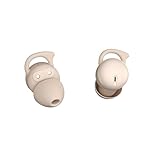
- Invisible Sleep Earbuds: Any invisible earbuds can be used alone, this smallest earbuds sits discreetly in your ears, perfect for hiding in your ears at work or sleep.And we designed sleep mode, in this mode, any button will be disabled, you can only use your phone to control the earbuds, avoid accidental touching
- Designed for Sleep: Sleep earbuds combined with proprietary skin-soft silicone eartips and eartip caps, the true wireless design provides you with a comfortable wearing experience all night, they are sleep earbuds perfect for side sleepers. Even if you toss and turn or sleep on your side, it won't cause any strain on your ears if you wear it for a long time.It can be used underwater for more than 6 hours continuously
- Bluetooth 5.3: Wide range of compatibility. 3D surround sound, 5.3 binaural chip, large capacity, using Bluetooth 5.3 technology, easy to pair with smartphones to connect, not bound by the cable, stable connection, no delay
- IPX6 Waterproof: IPX6 professional deep waterproof supports swimming, surfing, snorkeling and other sports. You will enjoy clear, precise, dynamic sound and balanced audio underwater
- Comfortable to Wear: You don't need to put the earphones in the ear canal, even listening to music all day, your ears will not feel sore. A great choice for music lovers.Built-in noise reduction microphone, more clear call; Whale cavity stereo surround sound technology, let the music experience higher quality
Comfort, form factor, and nightly wearability trade-offs
Traditional sleep earbuds focus almost entirely on comfort and noise isolation. Their materials, dimensions, and weight are optimized for extended passive wear.
Adding brain sensing introduces constraints. Sensors need consistent skin contact, housings must accommodate electronics, and battery placement becomes more complex.
NextSense Smartbuds attempt to manage this with low-profile designs and intermittent operation, but they will never feel as invisible as foam earplugs. This is a trade-off early adopters must consciously accept.
Software philosophy: automation over customization
Many sleep apps emphasize user control, letting people choose sounds, durations, schedules, and goals. This can be empowering, but it also increases cognitive overhead.
Smartbuds reduce user input by design. Algorithms decide when to act, how long to play audio, and when to remain silent.
For some users, this relinquishing of control will feel unsettling. For others, especially those fatigued by constant optimization decisions, it may be a relief.
What this means for value and expectations
Traditional sleep earbuds deliver immediate, predictable benefits: masking noise, creating routine, and aiding relaxation. Their value is easy to understand and easy to feel.
Smartbuds offer probabilistic gains. Benefits depend on sleep stability, correct detection, and subtle neural responsiveness, all of which vary night to night.
This makes NextSense less of a universal upgrade and more of a specialized instrument. It sits closer to consumer neurotechnology than lifestyle audio, and its value scales with the user’s tolerance for experimentation and marginal gains.
Scientific Credibility Check: What Research Supports Brain-Sensing and Audio Stimulation for Sleep?
Once you accept that Smartbuds operate in the realm of marginal gains rather than guaranteed outcomes, the next question becomes unavoidable: is there credible science behind listening to the brain and responding with sound during sleep, or is this just clever biofeedback marketing?
The short answer is that the underlying ideas are real, but the leap from lab-grade neuroscience to a consumer earbud introduces meaningful gaps that deserve scrutiny.
Can earbuds really sense brain activity during sleep?
Brain-sensing in earbuds typically relies on simplified electroencephalography, using electrodes positioned near the ear canal to detect electrical signals generated by cortical activity. This technique, often called ear-EEG, has been studied for over a decade and has shown that sleep stages like wake, light sleep, deep sleep, and REM can be inferred with reasonable accuracy compared to full scalp EEG.
However, “reasonable” in research terms does not mean identical. Ear-based sensing has lower signal fidelity, fewer channels, and greater susceptibility to motion artifacts than clinical polysomnography.
In practice, this means Smartbuds are not reading thoughts or mapping detailed neural patterns. They are detecting broad frequency bands associated with sleep depth and transitions, enough to inform timing decisions but not enough for fine-grained diagnosis.
What the science says about detecting sleep stages outside the lab
Multiple peer-reviewed studies suggest that ear-EEG can classify sleep stages with accuracy rates often in the 70 to 85 percent range when compared to lab EEG. That is notably higher than wrist-based actigraphy, which infers sleep indirectly from movement and heart rate.
The trade-off is stability. Maintaining consistent electrode contact inside or around the ear throughout a full night is harder than keeping sensors on the scalp with conductive gel and head caps.
This is where hardware design and fit become scientific variables, not just comfort concerns. Slight shifts in position, pressure changes for side sleepers, or dry skin can degrade signal quality and reduce the system’s confidence in its own detections.
Audio stimulation and sleep: more than just white noise
The second pillar of Smartbuds is not sensing, but intervention. Specifically, the use of sound to influence brain activity once sleep has already begun.
There is credible research showing that well-timed auditory stimulation can enhance slow-wave activity, the deep sleep phase associated with physical recovery and memory consolidation. These studies often use brief, low-volume tones delivered in synchrony with the brain’s natural slow oscillations.
The key is timing. Random or continuous sounds tend to disrupt sleep, while precisely timed cues can reinforce existing rhythms without waking the sleeper.
Closed-loop stimulation: why timing matters more than sound choice
Closed-loop systems listen first, then act. This distinguishes Smartbuds from traditional sleep audio products that play pre-set soundscapes regardless of what the brain is doing.
In laboratory settings, closed-loop auditory stimulation has been shown to increase slow-wave amplitude and, in some cases, improve next-day memory performance. These effects are modest but measurable.
Translating this to consumer hardware means accepting looser thresholds. Smartbuds are not synchronizing to individual brain waves with millisecond precision, but they can approximate sleep phase timing well enough to avoid playing sounds at clearly disruptive moments.
What remains unproven at the consumer level
While the mechanisms are supported by research, the outcomes are less certain outside controlled environments. There is limited large-scale, independent evidence showing that consumer-grade closed-loop sleep audio consistently improves sleep quality across diverse users.
Most published studies involve small sample sizes, short durations, and highly controlled conditions. Real-world variability, including caffeine use, stress, irregular schedules, and inconsistent wear, can easily overwhelm subtle neural effects.
This does not invalidate the approach, but it reframes expectations. Improvements, if they occur, are likely to be gradual, inconsistent, and easier to feel subjectively than to quantify with sleep scores.
Placebo, perception, and the role of belief
Sleep is uniquely vulnerable to expectation effects. Believing that a device is actively optimizing sleep can itself reduce anxiety and improve perceived restfulness.
This does not mean the technology is “just placebo,” but it does mean that user mindset becomes part of the system. Smartbuds that promise subtle neural nudges may work best for users who are already attentive to their sleep and receptive to experimentation.
From a consumer standpoint, this is not necessarily a flaw, but it does blur the line between physiological intervention and behavioral reinforcement.
How this stacks up against traditional sleep wearables
Compared to wrist-based trackers, brain-sensing earbuds operate closer to the source of sleep staging, which gives them theoretical advantages in timing and specificity. They are also one of the few consumer devices that attempt to intervene during sleep rather than simply observe it.
Compared to headbands or scalp-based EEG devices, earbuds trade signal quality for comfort and nightly compliance. They are easier to wear consistently, but they capture less information.
NextSense Smartbuds sit in a narrow middle ground. They are more ambitious than passive sleep audio, more interventionist than trackers, and less precise than clinical tools, which makes them scientifically intriguing but operationally fragile.
What to take seriously, and what to remain skeptical about
The science supporting brain-sensing and audio stimulation for sleep is real, peer-reviewed, and ongoing. The specific implementation in Smartbuds is plausible, not speculative.
What remains uncertain is magnitude. Expecting dramatic transformations in sleep architecture would be unrealistic, especially without long-term, independent validation.
Viewed through a sober lens, NextSense represents a credible early step toward adaptive sleep technology. It is not a breakthrough cure for poor sleep, but it is also not empty hype, provided users understand that they are buying into an evolving field rather than a finished solution.
Hardware, Comfort, and Night-Long Wearability: What Matters When You’re Sleeping with Tech in Your Ears
If Smartbuds are going to intervene in sleep rather than merely observe it, their hardware has to disappear once the lights go out. This is where ambition meets reality, because no amount of clever signal processing matters if the user pulls them out halfway through the night.
For brain-sensing earbuds like NextSense, comfort is not a secondary concern. It is the primary gating factor for whether the technology works at all.
Form factor and physical design: smaller isn’t optional
NextSense Smartbuds are closer in size to dedicated sleep earbuds than to mainstream true wireless earbuds designed for daytime use. The housing is shallow, with a low-profile outer shell that avoids protruding from the ear, a design choice that matters most for side sleepers.
Instead of chasing battery volume or oversized drivers, NextSense prioritizes minimizing pressure points within the concha. The overall geometry is tuned to sit flush, distributing contact across softer tissue rather than pressing into cartilage.
This immediately differentiates them from general-purpose earbuds that add “sleep tracking” as a software feature. Those devices often feel fine for an hour, but become intrusive after multiple sleep cycles and position changes.
Materials, skin contact, and overnight tolerance
The ear tips use soft, medical-grade silicone designed for extended skin contact, with a slightly tacky surface that helps maintain sensor contact without aggressive insertion depth. This is especially important because the brain-sensing electrodes rely on stable positioning rather than tight sealing.
Rank #4
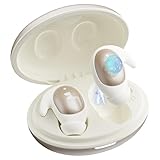
- 【Side sleeping comfort&sleep mode】Monster Wireless Earbuds designed for the ultimate side-sleeping experience, creating a sensation of them virtually vanishing. Meticulously crafted with an ultra-minimalist design and pliable, hypoallergenic silicone tips, Activate Sleep Mode to silence all notifications, disable accidental touch controls, and eliminate low battery beeps. Let your sleep be undisturbed and continue to be peaceful and comfortable.
- 【With Pure Monster Sound】 This bluetooth earbuds offer decreased distortion, immersive sound, and premium diaphragms for enhanced clarity and detail.It can provide high fidelity immersive stereo sound, deep bass, and rich studio quality to bring music to life. Whether you are outdoors or indoors, sleeping or playing games, you can clearly feel every beat.
- 【Multiple noise reduction&ultra long battery life】With the ENC enhanced microphone, Monster Sleep earphones can significantly reduce background noise and achieve clear communication. In noisy streets, gyms, or windy outdoors, hear every word clearly. Combined with a 24 hour long battery life, you don't have to worry about battery life from night to day, creating a peaceful personal oasis that is perfect for family use, flying, or hotel accommodation.
- 【Bluetooth 6.0】This wireless headphones utilizes advanced Bluetooth 6.0 chipset to provide an easy and fast pairing process. When you open the stylish and compact charging case, ear buds intelligent automatic reconnection system will be activated. No manual intervention is required. Enjoy a stable and anti-interference connection that can reach up to 15 meters, allowing you to freely shuttle while working.
- 【IPX6 Waterproof】This sleep bluetooth headphones is designed specifically for elasticity and has an IPX6 waterproof rating, providing strong waterproof protection to prevent splashing water and excessive sweating. This can ensure that your rest is not disturbed by moisture, whether it's intense exercise or sudden downpours. Very suitable for outdoor travel.
In practice, this means the Smartbuds feel looser than noise-isolating earbuds, but more stable than passive sleep earplugs. That balance reduces ear canal fatigue over long nights, particularly for users sensitive to pressure buildup.
Heat retention is another underappreciated factor in sleep wearables. NextSense keeps the outer shell relatively thin and avoids glossy coatings, which helps reduce that warm, sealed-in feeling that can wake users unconsciously.
Sensor placement: comfort versus signal integrity
The brain-sensing hardware sits along the inner surface of the earbud, making contact with the skin near the ear canal entrance. This placement is a compromise, capturing EEG-adjacent signals without requiring scalp electrodes or adhesive pads.
From a comfort standpoint, this is the least intrusive location possible for neural sensing. From a data standpoint, it introduces variability based on ear shape, sleeping position, and micro-movements during the night.
NextSense appears to have leaned into adaptive software rather than rigid hardware constraints, accepting noisier signals in exchange for wearability. That choice reinforces the idea that Smartbuds are meant for nightly use, not lab-grade measurement.
Side sleeping, tossing, and real-world movement
Most people do not sleep flat on their backs, and hardware that ignores this reality tends to fail quickly. The Smartbuds’ low-profile design reduces leverage against the pillow, which lowers the chance of the earbuds being pushed deeper into the ear or dislodged entirely.
For side sleepers, comfort depends less on softness and more on how the earbud reacts to lateral pressure. NextSense’s shape allows a small amount of rotational movement rather than resisting it, which prevents sharp pressure spikes.
That said, no earbud is completely unnoticeable when compressed against a mattress for hours. Users who already struggle with any in-ear devices at night may still find this category challenging.
Battery life and night-long reliability
NextSense targets a full night of operation with headroom to spare, typically covering 7 to 9 hours of sensing and audio output without requiring aggressive power-saving modes. This is crucial because interrupted operation undermines both data continuity and intervention timing.
The charging case is compact and utilitarian rather than premium-feeling, emphasizing portability and daily recharge habits. Most users will need to place the buds back in the case every morning, making this more like a nightly ritual than a weekly recharge device.
There is an inherent trade-off here. Smaller earbuds mean smaller batteries, and NextSense has clearly chosen consistency over multi-night endurance.
Durability, moisture, and sleep-specific stressors
Sleep is not a static environment. Sweat, humidity, skin oils, and subtle jaw movement all stress hardware differently than daytime use.
NextSense Smartbuds are designed to tolerate overnight moisture exposure, but they are not ruggedized workout earbuds. Users who experience heavy night sweating may need to clean them regularly to maintain sensor performance and comfort.
Long-term durability will likely depend on tip replacement cycles and how well the sensors maintain skin contact over months of use. This is an area where early adopters should expect gradual refinement rather than perfection out of the gate.
Why wearability is the hidden limiter of brain-sensing sleep tech
The earlier discussion about scientific plausibility becomes irrelevant if the hardware fails the comfort test. Brain-sensing during sleep is uniquely unforgiving, because the user is unconscious and cannot “push through” discomfort the way they might during a workout.
NextSense’s hardware choices suggest a realistic understanding of this constraint. The Smartbuds are engineered to be worn, not admired, and that practicality may be their most important feature.
For consumers evaluating whether this category makes sense, the question is less about whether the technology works in theory and more about whether it can stay in your ears until morning without reminding you it exists.
Software, App Intelligence, and Data Interpretation: How Actionable Is the Sleep Feedback?
If comfort and overnight stability determine whether brain-sensing is even possible, the software determines whether it is worth doing at all. NextSense’s ambitions rise or fall on how well raw neural signals are translated into insights a non-expert can actually use the next morning.
This is where the Smartbuds attempt to move beyond “sleep audio with graphs” and into something closer to an adaptive sleep system.
From ear-level signals to sleep stages: what the app is actually doing
NextSense does not present its data as full EEG traces, and that restraint is intentional. Instead, the app abstracts ear-based neural activity, motion, and acoustic context into probability-weighted sleep states rather than definitive medical staging.
In practical terms, the app estimates when you are likely transitioning between light sleep, deeper non-REM phases, and REM by combining brain-adjacent electrical patterns with micro-movement and in-ear fit stability. This hybrid approach is more sophisticated than accelerometer-only trackers, but it still avoids claiming clinical-grade precision.
The benefit here is consistency rather than absolute accuracy. Night-to-night comparisons tend to matter more for behavior change than a single “perfect” hypnogram, and NextSense appears to optimize for trend reliability over granular labeling.
Closed-loop audio: when feedback happens matters more than what it is
Where NextSense meaningfully differentiates itself is not in how it visualizes sleep, but in when it intervenes. The app continuously evaluates whether the user is in a receptive sleep window before deploying audio cues.
These cues are intentionally subtle. Rather than loud tones or abrupt changes, the system uses low-amplitude soundscapes, phase-shifted noise, or gentle rhythmic modulation designed to nudge the brain without triggering micro-awakenings.
Importantly, users are not flooded with explanations in the moment. The logic is post-hoc: you see when cues were applied, what state the system believed you were in, and whether those interventions coincided with longer periods of stable sleep.
Morning reports: insight versus information overload
The morning dashboard is where NextSense shows a welcome degree of editorial discipline. Instead of dumping dozens of metrics, the app foregrounds a small set of questions: how stable was your sleep, when did disruptions occur, and did interventions appear to help.
Sleep depth, continuity, and responsiveness to cues are presented as trends, not scores to chase. This avoids the gamification trap that has made some sleep trackers counterproductive for anxious users.
For more advanced users, deeper layers are accessible. You can inspect intervention timing, estimated neural responsiveness, and how often the system withheld audio because you were already in a stable phase, which is a crucial but often invisible part of closed-loop design.
Actionability: can you actually change your sleep with this data?
The app’s guidance is intentionally conservative. NextSense does not aggressively prescribe bedtime changes or lifestyle modifications based on a few nights of data.
Instead, it flags patterns that persist across multiple sessions, such as repeated delayed deep-sleep onset or frequent early-morning instability. The suggestions that follow are framed as experiments rather than rules, reinforcing that this is a learning system, not a diagnostic tool.
This approach will appeal to biohackers and self-trackers who value signal over certainty. Users expecting definitive answers or medical-style recommendations may find the feedback too cautious.
Learning over time: personalization versus placebo risk
NextSense positions its software as adaptive, learning how your brain responds to different cue types and timings. Over weeks, the system reportedly biases toward interventions that correlate with longer uninterrupted sleep blocks for that individual.
This is promising, but it also introduces the risk of perceived improvement driven by expectation. The app partially mitigates this by visualizing nights where no cues were deployed alongside nights with active intervention, allowing users to assess whether changes are actually occurring.
That transparency matters. It signals that NextSense is aware of the fine line between genuine neuro-adaptive feedback and well-designed placebo.
Data ownership, exports, and ecosystem compatibility
At this stage, the app is largely self-contained. Users can review historical data and trends, but integration with broader health platforms is limited compared to mainstream wearables.
For early adopters, this is a mixed outcome. The closed ecosystem allows tighter control over signal interpretation, but it also limits cross-validation with smartwatch or ring-based sleep data.
If NextSense expands export options or API access, the Smartbuds could become a powerful complementary sensor rather than a siloed experience.
How this software compares to traditional sleep wearables
Compared to wrist-based trackers, NextSense provides less lifestyle context but far more intervention logic. It is not trying to tell you how exercise or caffeine affected your sleep in isolation; it is trying to influence sleep while it is happening.
That distinction matters. Traditional wearables excel at retrospective analysis, while NextSense’s value proposition lives in real-time responsiveness.
Whether that trade-off feels worthwhile depends on the user. If you want a nightly report card, a watch or ring may feel more satisfying. If you are curious about actively shaping sleep rather than just measuring it, the Smartbuds’ software represents a genuine shift in approach.
Limitations, Open Questions, and Early-Adopter Tradeoffs
The same real-time ambition that makes NextSense compelling also exposes where the product is still fragile. Brain-sensing earbuds sit at the edge of what consumer hardware can reliably do overnight, and Smartbuds inherit both the promise and the constraints of that position.
💰 Best Value
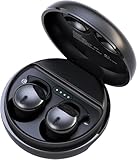
- Invisible Sleep Earbuds: Any invisible earbuds can be used alone, this smallest earbuds sits discreetly in your ears, perfect for hiding in your ears at work or sleep.It can be used for more than 6 - 8 hours continuously
- Designed for Sleep: Sleep earbuds combined with proprietary skin-soft silicone eartips and eartip caps, they are sleep earbuds perfect for side sleepers. Even if you toss and turn or sleep on your side, it won't cause any strain on your ears if you wear it for a long time.And we designed sleep mode, in this mode, any button will be disabled, you can only use your phone to control the earbuds, avoid accidental touching
- Bluetooth 5.3: Wide range of compatibility. 3D surround sound, 5.3 binaural chip, large capacity, using Bluetooth 5.3 technology, easy to pair with smartphones to connect, not bound by the cable, stable connection, no delay
- IPX6 Waterproof: IPX6 professional deep waterproof supports swimming, surfing, snorkeling and other sports. You will enjoy clear, precise, dynamic sound and balanced audio underwater
- Comfortable to Wear: You don't need to put the earphones in the ear canal, even listening to music all day, your ears will not feel sore. A great choice for music lovers.Built-in noise reduction microphone, more clear call; Whale cavity stereo surround sound technology, let the music experience higher quality
Signal reliability in a real bedroom, not a lab
Ear-based brain sensing is inherently noisier than clinical EEG. Jaw tension, side-sleeping pressure, subtle earbud shifts, and even pillow contact can degrade signal quality across the night.
NextSense’s algorithms appear designed to tolerate intermittent signal loss rather than demand continuous clean data. That is pragmatic, but it means some nights will yield less confident stage detection and fewer interventions, even if the user did everything “right.”
For early adopters, this requires a mindset shift. The system is probabilistic, not deterministic, and nights with sparse data should be expected rather than interpreted as failure.
Comfort tradeoffs of sleeping with active electronics
Smartbuds are smaller and lighter than traditional audio earbuds, but they are still physical objects in the ear canal for six to eight hours. Side sleepers may feel pressure buildup, especially during deeper stages when movement decreases.
Material choice and venting help, yet long-term comfort will vary dramatically by ear anatomy. This is not a passive ring or watch you forget is there; it is closer to wearing a lightweight in-ear monitor overnight.
For some users, even mild discomfort could counteract the sleep gains the system is trying to produce.
Battery life and overnight reliability
Running continuous sensing, Bluetooth communication, and adaptive audio cues is energy intensive. NextSense appears optimized for a single full night rather than multi-night endurance.
That design choice makes sense, but it introduces a hard dependency on charging discipline. Forgetting to dock the buds or starting the night with a partial charge can quietly turn the system into a passive earplug.
Unlike a watch that degrades gracefully as battery drops, Smartbuds either meaningfully intervene or largely do nothing.
Intervention subtlety versus audibility risk
Audio cues must walk a narrow line: strong enough to influence brain dynamics, subtle enough to avoid conscious perception. That balance is not universal across users or nights.
Some sleepers may occasionally notice tones or sound textures, especially during lighter sleep or transitions. Even brief awareness can feel disruptive, regardless of whether the cue was technically effective.
NextSense’s adaptive learning may reduce this over time, but early weeks are likely to involve tuning and trust-building rather than immediate invisibility.
Scientific validation versus consumer interpretation
Closed-loop auditory stimulation has real support in sleep research, particularly for slow-wave enhancement. What remains unclear is how consistently consumer-grade sensing can trigger those effects at home.
NextSense presents trends and correlations rather than clinical claims, which is the right regulatory posture. Still, users must resist over-interpreting nightly graphs as proof of neural optimization.
This is an exploratory tool, not a medical device, and its strongest value lies in pattern discovery over weeks, not single-night outcomes.
Limited ecosystem integration and comparative insight
As discussed earlier, Smartbuds largely operate inside their own data environment. That simplifies interpretation but restricts context.
Without tight integration into Apple Health, Google Health Connect, or third-party sleep platforms, users cannot easily reconcile Smartbuds data with heart rate variability, respiratory metrics, or long-term behavioral trends from other wearables.
For biohackers accustomed to triangulating multiple sensors, this can feel constraining rather than elegant.
Learning curve and expectation management
NextSense does not deliver instant gratification in the way many consumer sleep products do. Improvements, if they occur, emerge gradually as the system adapts to the user’s brain responses.
That makes it poorly suited for users seeking immediate validation or dramatic nightly scores. It is better approached as an experiment running quietly in the background.
Early adopters willing to tolerate ambiguity and variability will get more from the experience than those expecting deterministic optimization.
Value proposition hinges on curiosity, not certainty
Ultimately, Smartbuds ask users to buy into a hypothesis: that real-time, brain-informed nudges can meaningfully improve sleep beyond what passive tracking offers.
For some, that hypothesis alone justifies the tradeoffs in comfort, charging, and ecosystem limitations. For others, especially those already sleeping well with a watch or ring, the incremental benefit may feel speculative.
This is not a universal upgrade to existing sleep tech. It is a bet on where consumer neurotechnology might be heading next.
Who Should Actually Consider NextSense Smartbuds—and Is This the Future of Consumer Sleep Tech?
Taken together, the Smartbuds’ strengths and constraints make one thing clear: this is not a mass-market sleep accessory aimed at casual users. It is a niche, intentional product designed for people who are comfortable experimenting with emerging sensing modalities and living with imperfect feedback in exchange for new kinds of insight.
The real question, then, is not whether NextSense “works” in a universal sense, but who is positioned to extract meaningful value from what it is trying to do.
Best suited for neuro-curious sleepers and self-experimenters
If you already track sleep with a ring or watch and find yourself wondering what your brain is actually doing during light sleep, awakenings, or prolonged sleep onset, Smartbuds may feel genuinely novel. Their core appeal is not better sleep scoring, but access to a signal that most consumer devices still infer rather than observe.
Biohackers running structured experiments will appreciate that the buds introduce an active variable into sleep, not just passive measurement. Because the audio cues adapt to detected brain states rather than clock time, users can test whether certain sounds reliably coincide with faster downshifts into sleep or fewer micro-awakenings across weeks.
This makes the product particularly compelling for people who already think in terms of trends, baselines, and controlled changes. If you are comfortable accepting noisy data while looking for directional signals, Smartbuds fit naturally into that mindset.
Potentially helpful for light sleepers and sleep-onset strugglers
In practical terms, the Smartbuds’ audio system is most impactful during sleep onset and fragile sleep periods. Rather than blasting white noise or looping soundscapes, the system aims to introduce minimal, precisely timed cues that respond to neural activity in near real time.
For light sleepers who are easily tipped into wakefulness by environmental noise, this adaptive approach can feel less intrusive than conventional sleep earbuds. The buds are small and lightweight compared to over-ear alternatives, but comfort remains subjective, especially for side sleepers who already struggle with in-ear hardware overnight.
People with difficulty falling asleep may find value in how the system gradually shifts audio characteristics as brain activity slows. That said, anyone expecting a guaranteed knockout effect will likely be disappointed. This is closer to a subtle nudge than a sedative.
Who should probably skip this generation
If you are already sleeping well and satisfied with insights from an Apple Watch, Oura Ring, or Whoop, Smartbuds may feel redundant. They do not replace comprehensive sleep staging, respiratory tracking, or long-term readiness metrics, and they do not integrate cleanly with those ecosystems.
Users who prioritize seamless software, polished data visualizations, and clear daily recommendations may also find the experience frustrating. NextSense prioritizes experimentation over explanation, which can feel unfinished if you expect consumer-grade handholding.
Finally, anyone sensitive to in-ear pressure, frequent charging routines, or wearing hardware overnight should be cautious. Battery life is sufficient for nightly use, but the need to charge the buds and case regularly adds friction compared to passive wearables.
How this compares to traditional sleep earbuds and wearables
Traditional sleep earbuds focus on isolation and sound delivery. Watches and rings focus on physiological inference. Smartbuds attempt to occupy the narrow space between the two by sensing brain activity directly and using audio as an intervention, not just a masking tool.
That distinction matters because it reframes sleep tech as interactive rather than observational. Instead of asking what happened last night, the system is continuously making small decisions during the night itself, based on detected neural patterns.
However, this also exposes the limits of current consumer neurotechnology. Signal quality varies, interpretation is probabilistic, and the science of closed-loop sleep modulation is still evolving. Smartbuds are an early expression of this idea, not its final form.
Is this the future of consumer sleep tech?
Conceptually, yes. The idea that wearables should respond to internal state in real time, rather than just summarize it the next morning, aligns with where health technology is heading. Brain-informed feedback loops represent a logical next step beyond heart rate and motion-based sleep tracking.
Practically, Smartbuds feel like a first draft. Hardware comfort, ecosystem integration, and interpretability will need to mature before this approach feels mainstream. But as a proof of direction, they are more ambitious than most sleep products currently on the market.
For early adopters, the value lies in participating in that direction now. For everyone else, Smartbuds are best understood as a glimpse of what sleep tech could become when sensing, intervention, and personalization converge more seamlessly.
In that sense, NextSense Smartbuds are not a definitive solution to better sleep. They are an intelligent experiment, one that rewards curiosity, patience, and a willingness to live at the edge of consumer neurotechnology’s current limits.