By the late 2000s, fitness technology technically existed, but almost no one loved using it. Tracking your health meant tolerating awkward hardware, confusing data, and a sense that the tools were built for engineers and elite athletes rather than everyday people trying to move more. The gap between what consumers wanted and what the market offered was wide, visible, and growing.
This was the moment just before wearables went mainstream, when smartphones were becoming indispensable companions but had not yet absorbed fitness tracking into their cores. Sensors were shrinking, batteries were improving, and wireless syncing was finally plausible, yet no company had figured out how to wrap those capabilities into something people would actually wear all day. That tension is what made the arrival of the Nike FuelBand feel inevitable in hindsight.
To understand why FuelBand landed with such force, you have to look at the fragmented, compromised landscape that came before it. Wearable fitness tech wasn’t failing because people didn’t care about health; it was failing because the products ignored comfort, simplicity, and emotional engagement.
The Pedometer Era: Accurate Enough, Invisible to Culture
For decades, step tracking existed mostly in the form of basic pedometers clipped to waistbands. These devices were mechanically simple, often relying on spring-loaded mechanisms, and while reasonably accurate for counting steps, they offered no broader context. Calories burned, intensity, and daily patterns were either guessed or ignored entirely.
🏆 #1 Best Overall
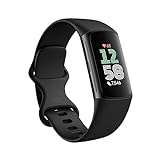
- Find your way seamlessly during runs or rides with turn-by-turn directions from Google Maps on Fitbit Charge 6[7, 8]; and when you need a snack break on the go, just tap to pay with Google Wallet[8, 9]
Battery life was excellent because the technology was primitive, but usability was poor. Tiny screens, reset-prone buttons, and plastic housings made them feel disposable rather than personal. Most importantly, they were never designed to be worn proudly, which kept them firmly outside mainstream culture.
Sports Watches Were Powerful but Exclusionary
At the high end, companies like Garmin and Polar were already doing impressive work with GPS watches and heart rate monitors. These devices delivered real training value, including pace, distance, and cardiovascular data, but they were purpose-built tools for runners, cyclists, and triathletes. They were large, thick, and unapologetically technical.
Daily wearability was not a priority. Rigid resin cases, utilitarian straps, and multi-button interfaces made them uncomfortable for all-day use, especially outside workouts. Software was desktop-based, syncing was slow, and the data felt like homework rather than motivation.
Early Digital Health Was Isolated from Daily Life
Before cloud dashboards and phone apps, fitness data lived in silos. You might upload a run via USB, review a chart once, and never look at it again. There was no ambient feedback loop, no gentle nudge to move more during the day, and no social layer to make activity feel shared or competitive.
Health tracking was something you did after exercise, not something that lived with you continuously. That disconnect meant behavior rarely changed, even when the data was accurate. The technology measured movement, but it didn’t inspire it.
Smartphones Changed Expectations Overnight
As the iPhone and Android phones spread, consumers became accustomed to fluid interfaces, instant feedback, and beautifully designed software. People began to expect that their devices would sync wirelessly, visualize data clearly, and fit naturally into their routines. Fitness tech suddenly felt archaic by comparison.
Crucially, smartphones also normalized wearing technology on your body all day. Bluetooth headsets, pocket supercomputers, and app ecosystems primed users to accept that personal data could be continuously collected, interpreted, and shared, if it was done well. Fitness tracking was the obvious next frontier.
No One Had Unified Hardware, Software, and Identity
What the market lacked was a single product that combined comfortable hardware, long-enough battery life, intuitive software, and a sense of personal identity. Devices either focused on function without emotion, or branding without deep integration. There was no universal metric, no simple goal that anyone could understand regardless of age or fitness level.
This was the opening Nike walked into. Not with superior sensors or breakthrough science, but with a recognition that fitness tracking needed to feel less like instrumentation and more like lifestyle. The industry was ripe for disruption not because the technology was missing, but because no one had yet connected it to how people actually wanted to live.
Nike Enters Hardware: The Origin Story of the FuelBand and the Nike+ Vision
Nike’s move into hardware didn’t begin as a gamble for relevance, but as a logical extension of a problem it had been circling for years. If fitness data was going to live with you all day, it couldn’t feel like medical equipment or a geeky accessory. It had to feel like Nike.
Long before the FuelBand existed, Nike was already experimenting with how digital feedback could change behavior, not just measure it. The company’s internal question wasn’t “How do we track activity?” but “How do we motivate millions of people who don’t think of themselves as athletes?”
Nike+ Before Wearables: Software Looking for a Body
Nike+ launched in 2006 as a collaboration with Apple, embedding a sensor in a running shoe that talked to an iPod. It was clunky by modern standards, but it introduced a radical idea at the time: activity data as an ongoing narrative, not a static log. Runs became shareable, trackable, and tied to personal milestones.
More importantly, Nike+ revealed something most hardware-first companies missed. People didn’t obsess over pace charts or stride metrics, but they cared deeply about streaks, goals, and how their effort compared to others. Motivation, not precision, was the real product.
By the late 2000s, Nike+ had millions of users, but it was still tethered to a specific activity and a specific setup. Running had to start and stop, data had to be synced later, and the system vanished the moment you took off your shoes. The vision demanded something you could wear all day.
The Decision to Build Hardware In-House
Rather than waiting for another tech partner, Nike made a bold and unusual choice for an apparel brand. It would design its own wearable from the ground up, controlling the hardware, software, and the emotional experience around it. This was not a white-label tracker with a swoosh slapped on top.
The internal Nike Digital Sport team was staffed with designers, behavioral psychologists, and engineers, not traditional consumer electronics veterans. Their mandate was clear: build something people would actually want to wear continuously, even when they weren’t working out.
This mindset directly influenced the FuelBand’s physical form. It wasn’t a watch, didn’t try to replace a phone, and deliberately avoided a traditional display. Instead, it became a slim wristband made of soft-touch elastomer, with a hidden LED matrix that only lit up when you needed it.
Fuel as a Universal Metric
At the heart of the FuelBand was Nike Fuel, a proprietary activity score designed to flatten complexity into a single, understandable number. It blended accelerometer data across steps, movement intensity, and duration, translating everything into points you could accumulate throughout the day.
This wasn’t about scientific transparency. Nike never claimed Fuel was a medical-grade metric, and that was intentional. By abstracting the data, the FuelBand removed intimidation and made daily activity feel like a game anyone could play.
The brilliance of Fuel was how it reframed success. You didn’t fail if you skipped a run, as long as you kept moving. Chasing a daily Fuel goal encouraged ambient activity, turning stairs, walks, and even pacing during phone calls into progress.
Designing for All-Day Wear, Not Just Workouts
The original FuelBand prioritized comfort and durability over sensor sophistication. It used a single-axis accelerometer, lacked GPS, and ignored heart rate entirely, which sounds primitive now but was a strategic trade-off. Fewer sensors meant better battery life, simpler software, and less friction.
Battery life hovered around four days, enough to avoid nightly charging while still feeling manageable. Charging via USB felt familiar to anyone using a smartphone, reinforcing the idea that this was a lifestyle device, not a piece of gym equipment.
On the wrist, the FuelBand was lightweight, flexible, and intentionally minimalist. The LED dots conveyed progress at a glance, and the capacitive button reduced accidental interactions. It was designed to disappear until it needed your attention.
The Nike+ Ecosystem Comes Together
Where the FuelBand truly differentiated itself was software. The Nike+ app presented activity as bold colors, simple rings, and clear progress bars, not spreadsheets. Syncing felt magical at the time, with wireless updates replacing the USB rituals of earlier trackers.
Social features were baked in from day one. Leaderboards, challenges, and sharable milestones turned solitary movement into something communal. This was a critical psychological shift that many competitors underestimated.
Nike understood that identity mattered as much as utility. Earning Fuel felt like earning status within a tribe, reinforced by Nike’s branding, athlete endorsements, and cultural cachet. Wearing a FuelBand signaled participation in a modern, active lifestyle.
Why the Launch Landed So Hard
When the FuelBand debuted in 2012, it didn’t win because it was the most advanced tracker. It won because it solved the exact problem the market had been circling: continuous motivation, not episodic measurement. It made fitness tracking feel effortless and emotionally rewarding.
The device arrived at the precise moment consumers were ready to wear technology all day, but before expectations ballooned to smartwatch-level functionality. The FuelBand felt focused, intentional, and refreshingly simple.
This early success helped define what a modern fitness tracker could be. Wrist-based, always-on, app-connected, socially aware, and designed as much by storytellers as engineers. Nearly every tracker that followed borrowed from this blueprint, whether they acknowledged it or not.
The Seeds of Its Own Limitation
Yet embedded in the FuelBand’s origin were the constraints that would later undo it. Nike’s strength in brand, motivation, and experience came with less appetite for iterative hardware development. The company treated the FuelBand as a product expression, not a long-term platform.
Fuel’s opacity, once liberating, became a liability as users demanded deeper insight and cross-platform compatibility. The closed ecosystem that made Nike+ feel special also limited its ability to evolve alongside faster-moving tech companies.
Nike had proven that wearables could inspire behavior and shape culture. What it hadn’t yet proven was that it wanted to be a hardware company for the long haul. That tension would define everything that came next.
Nike Fuel: The Brilliant (and Flawed) Metric That Changed How We Think About Activity
If the FuelBand was the object people wore, Nike Fuel was the idea they bought into. It was the invisible engine powering the experience, quietly translating motion into a single, ever-climbing score that felt universal, competitive, and addictive.
At a time when fitness tracking was fragmented into steps here, calories there, and workouts buried in spreadsheets, Nike collapsed everything into one number. That simplification was radical, and it reshaped how consumers understood daily activity.
What Nike Fuel Actually Measured
Nike Fuel wasn’t a calorie count, a step total, or a heart-rate-derived metric. It was a proprietary activity score generated from accelerometer data, weighted to reward intensity, duration, and overall movement throughout the day.
The FuelBand tracked motion in three dimensions and applied Nike’s internal algorithms to convert that data into Fuel points. A brisk walk, a run, dancing at a concert, or pacing during phone calls all contributed, blurring the line between exercise and life.
Crucially, Fuel was agnostic to sport. You didn’t need to label a workout or press start, which aligned perfectly with the FuelBand’s always-on, low-friction design and its week-long battery life.
Why a Single Number Was So Powerful
Fuel worked because it removed decision-making. Users didn’t have to interpret multiple charts or wonder which metric mattered most, since Nike had already decided that any movement was good movement.
This was behavior design masquerading as data science. By setting a daily Fuel goal, represented visually by glowing LEDs on the band itself, Nike turned abstract activity into a game that reset every morning.
The simplicity made Fuel universally legible. You could compare scores across ages, body types, and fitness levels without confronting the uncomfortable biological differences that calorie-based metrics exposed.
The Psychological Genius Behind the Metric
Nike understood that motivation thrives on progress, not precision. Fuel was intentionally abstract, which made it emotionally sticky rather than analytically demanding.
Rank #2

- Inspire 3 is the tracker that helps you find your energy, do what you love and feel your best. All you have to do is wear it.Operating temperature: 0° to 40°C
- Move more: Daily Readiness Score(1), Active Zone Minutes, all-day activity tracking and 24/7 heart rate, 20+ exercise modes, automatic exercise tracking and reminders to move
- Stress less: always-on wellness tracking, daily Stress Management Score, mindfulness sessions, relax breathing sessions, irregular heart rhythm notifications(2), SpO2(3), menstrual health tracking, resting heart rate and high/low heart rate notifications
- Sleep better: automatic sleep tracking, personalized Sleep Profile(1), daily detailed Sleep Score, smart wake vibrating alarm, sleep mode
- Comfortably connected day and night: calls, texts & smartphone app notifications(4), color touchscreen with customizable clock faces, super lightweight and water resistant to 50 meters, up to 10 day battery life(5)
Because users didn’t fully know how Fuel was calculated, they focused on earning more of it rather than questioning its math. That opacity reduced friction and encouraged behavior change in a way raw data rarely does.
The system rewarded consistency over heroics. A full day of moderate movement often outperformed a single intense workout, quietly teaching users that activity wasn’t something you scheduled, but something you lived.
When Abstraction Became a Liability
As the market matured, the very opacity that made Fuel accessible began to frustrate advanced users. People wanted to understand why a hard workout sometimes earned fewer points than expected, or why two similar days produced different results.
Nike never fully opened the black box. There was no way to audit Fuel, export it meaningfully, or reconcile it with emerging standards like heart-rate zones or VO2 max estimates.
As competitors like Fitbit and Garmin leaned into transparency and granularity, Fuel started to feel less like a universal language and more like a proprietary dialect.
Cross-Platform Limits and Trust Issues
Fuel existed almost entirely within the Nike+ ecosystem. It didn’t map cleanly to third-party platforms, and it couldn’t be meaningfully compared outside Nike’s walled garden.
That isolation mattered as users began juggling multiple devices, apps, and health platforms. Fuel had cultural weight, but little interoperability, which limited its long-term relevance in an increasingly connected wearable landscape.
Without external validation or clinical grounding, Fuel struggled to evolve from motivational score into trusted health signal.
The Legacy Fuel Left Behind
Modern wearables still echo Nike Fuel’s philosophy, even when they avoid its mistakes. Apple’s Activity Rings, Fitbit’s Active Zone Minutes, and Garmin’s intensity minutes all prioritize movement over narrow definitions of exercise.
These systems borrow Fuel’s core insight while grounding it in clearer metrics, better sensors, and cross-platform health frameworks. They balance motivation with explanation, gamification with trust.
Nike Fuel proved that data doesn’t need to be perfect to be powerful. It just needs to make people move, day after day, without asking them to think too hard about why.
Design, Hardware, and Real‑World Use: What the FuelBand Actually Got Right—and Wrong
If Fuel was the philosophical core of Nike’s wearable vision, the FuelBand itself was the physical proof that the idea could live on the wrist. Long before smartwatches normalized screens, sensors, and daily charging, Nike tried to solve the harder problem first: making a fitness device people actually wanted to wear all day.
That ambition shaped every design and hardware decision—for better, and ultimately, for worse.
A Bracelet First, a Gadget Second
The FuelBand didn’t look like a computer. It looked like a piece of modern athletic jewelry, with a soft-touch rubber exterior, clean geometry, and no obvious buttons beyond a discreet capacitive strip.
This was a deliberate rejection of the clip-on pedometers and plasticky wrist pods of the era. Nike understood that a device meant to track all movement had to disappear into daily life, not announce itself as medical equipment.
Comfort was a genuine strength. The flexible elastomer band hugged the wrist without pinching, and at roughly 30 grams, it was light enough to forget you were wearing it. That wearability mattered more than raw specs in 2012, and Nike got that right earlier than almost anyone.
The LED Matrix: Minimalism as Motivation
Instead of a traditional display, the FuelBand used a hidden LED dot matrix that lit up only when tapped. It showed time, Fuel points, steps, or calories, scrolling in bright Nike-branded colors.
This choice kept the band visually clean, but it also reframed how users interacted with data. You didn’t stare at metrics constantly; you checked in briefly, then moved on.
In real-world use, this reduced anxiety and obsession. The FuelBand nudged behavior without demanding attention, a philosophy that later resurfaced in glanceable smartwatch complications and ring-based progress indicators.
Durability and Daily Wear Tradeoffs
The FuelBand was designed for sweat and motion, not impact or immersion. It was water-resistant enough for rain and workouts, but not truly swim-proof, limiting its appeal to runners and gym-goers rather than triathletes or outdoor adventurers.
The clasp mechanism, particularly on early models, was a weak point. Some users reported cracking or loosening over time, especially with repeated flexing during intense activity.
These issues weren’t fatal in a first-generation product, but they highlighted Nike’s position as a lifestyle brand entering a hardware arena where long-term durability expectations were rising fast.
Battery Life: Acceptable Then, Limiting in Hindsight
Battery life averaged four to five days, depending on usage and LED brightness. Charging was handled via a built-in USB plug that popped out from the band itself, eliminating the need for a proprietary cable.
At launch, this felt clever and convenient. Compared to modern wearables, however, it locked the FuelBand into a middle ground: not long-lasting enough to fade into the background like a basic tracker, but not powerful enough to justify frequent charging with deeper features.
As competitors pushed battery life into weeks or added richer sensors that justified daily charging, the FuelBand’s power profile began to feel stuck in between.
Sensors Without Context
Hardware-wise, the FuelBand relied primarily on a 3-axis accelerometer. There was no heart-rate sensor, no GPS, no altimeter, and no way to distinguish intensity beyond motion patterns.
This simplicity aligned with Fuel’s abstraction, but it also capped the band’s ability to grow. As users became more sophisticated, they wanted validation that their effort mattered physiologically, not just algorithmically.
Without additional sensors, Nike had no clear upgrade path that didn’t involve fundamentally rethinking the product. Fitbit, Garmin, and later Apple all built their ecosystems around sensor expansion; Nike stayed philosophically minimal, and paid the price.
The Software Experience: Polished, but Closed
Paired with the Nike+ app, the FuelBand delivered a smooth, visually engaging experience. Syncing felt magical at the time, with progress charts, streaks, and celebratory animations reinforcing daily habits.
But the software was rigid. Data export was limited, customization was shallow, and advanced users quickly ran into walls.
In real-world use, this meant the FuelBand worked best for beginners—and stagnated as those users grew more knowledgeable. The hardware didn’t fail them; the ecosystem did.
Real‑World Value: Who the FuelBand Was Actually For
At its best, the FuelBand was transformative for people who had never tracked activity before. It reframed fitness as movement, rewarded consistency over intensity, and fit comfortably into everyday life.
At its worst, it frustrated athletes, data-driven users, and anyone who wanted their wearable to grow with them. The same design discipline that made it iconic also made it inflexible.
The FuelBand wasn’t underbuilt. It was under-evolved—and in a category moving as fast as wearables, that proved just as dangerous.
Cultural Impact: How the FuelBand Became a Lifestyle Symbol, Not Just a Tracker
By the time the FuelBand’s technical limitations became apparent, its cultural footprint was already secure. What Nike created wasn’t just an activity tracker, but a visible signal of intent—a wearable declaration that movement mattered, even outside the gym.
The FuelBand succeeded where earlier pedometers and clip-on trackers failed because it lived on the wrist, in public. It turned personal activity into something performative, shareable, and socially legible.
A Wristband You Didn’t Hide
Physically, the FuelBand was designed to be seen. Its matte rubberized finish, seamless clasp, and low-profile rectangular module felt closer to a fashion cuff than a piece of medical-adjacent hardware.
At roughly 20mm wide with a soft-touch elastomer strap, it was comfortable enough for all-day wear and subtle enough to pass in casual and professional settings. This mattered, because it normalized wearing a tracker continuously, not just during workouts.
The LED dot-matrix display was a masterstroke. With a press of a button, the band lit up with time, Fuel points, and progress bars, turning data into a moment of theater rather than a private app interaction.
Fuel as a Social Currency
Nike Fuel wasn’t scientifically precise, but culturally it was brilliant. By abstracting activity into a single universal score, Nike made fitness comparable across people, lifestyles, and social groups.
You didn’t need to explain pace, heart-rate zones, or VO2 max. You just knew whether you hit your goal, beat a friend, or broke a streak.
Rank #3

- 【BUILT-IN GPS SMART WATCH – GO FURTHER, FREER, SMARTER】No phone? No problem. This fitness watch for women, featuring the latest 2025 technology, includes an advanced professional-grade GPS chip that precisely tracks every route, distance, pace (real-time & average), and calorie burned—completely phone-free. Whether you're chasing new personal records or exploring off the beaten path, your full journey is automatically mapped and synced in the app. Train smarter. Move with purpose. Own your progress. Own your journey.
- 【BLUETOOTH 5.3 CALLS & SMART NOTIFICATIONS】Stay effortlessly connected with this smart watch for men and women, featuring dual Bluetooth modes (BT 3.0 + BLE 5.3) and a premium microphone for crystal-clear calls right from your wrist—perfect for driving, workouts, or busy days. Receive instant alerts for calls, texts, and popular social apps like WhatsApp and Facebook. Just raise your wrist to view notifications and never miss an important moment.
- 【100+ SPORT MODES & IP68 WATERPROOF & DUSTPROOF】This sport watch is a versatile activity and fitness tracker with 100+ modes including running, cycling, yoga, and more. It features quick-access buttons and automatic running/cycling detection to start workouts instantly. Accurately track heart rate, calories, distance, pace, and more. Set daily goals on your fitness tracker watch and stay motivated with achievement badges. With IP68 waterproof and dustproof rating, it resists rain and sweat for any challenge. Not suitable for showering, swimming, or sauna.
- 【24/7 HEALTH ASSISTANT & SMART REMINDERS】This health watch continuously monitors heart rate, blood oxygen, and stress levels for comprehensive wellness tracking. Sleep monitoring includes deep, light, REM sleep, and naps to give you a full picture of your rest. Stay on track with smart reminders for sedentary breaks, hydration, medication, and hand washing. Women can also monitor menstrual health. Includes guided breathing exercises to help you relax. Your ultimate health watch with event reminders for a healthier life.
- 【ULTRA HD DISPLAY, LIGHTWEIGHT & CUSTOMIZABLE DIALS】This stylish wrist watch features a 1.27-inch (32mm) 360×360 ultra HD color display with a 1.69-inch (43mm) dial, offering vivid details and responsive touch. Its minimalist design fits both business and casual looks. Switch freely among built-in designer dials or create your own DIY watch face using photos, colors, and styles to showcase your unique personality. Perfect as a cool digital watch and fashion wrist watch.
This simplicity made Fuel points ideal for social sharing. Daily goals, milestones, and achievements were easy to post, easy to understand, and emotionally rewarding, reinforcing habits through social validation rather than raw data.
Nike’s Brand Power at Full Volume
The FuelBand landed with the full force of Nike’s marketing machine behind it. Campaigns featured elite athletes, celebrities, and creatives wearing the band not as a training tool, but as part of their everyday identity.
This wasn’t accidental. Nike positioned the FuelBand less like a gadget and more like a piece of sports culture, aligned with streetwear, music, and design-forward lifestyles.
In doing so, Nike expanded the definition of who fitness technology was for. You didn’t have to be a runner, cyclist, or gym regular; you just had to move, and want that movement to count.
Gamification Before It Was a Buzzword
Long before streaks, rings, and badges became industry standard, the FuelBand made progress feel like a game you played against yourself. Daily goals reset every midnight, encouraging consistency over intensity.
The band vibrated and flashed when goals were hit, creating a physical feedback loop that reinforced behavior in real time. This tactile reward system made activity emotionally satisfying, not just intellectually acknowledged.
Crucially, it also reframed rest days and low-intensity movement as valid. Walking, commuting, and standing all contributed, which helped users integrate fitness into daily life rather than scheduling it separately.
From Tech Product to Identity Marker
For a brief window, the FuelBand occupied the same cultural space later filled by the Apple Watch. It was a recognizable object, a conversation starter, and a subtle status symbol.
Wearing one signaled that you cared about self-improvement, design, and modernity. It said you were paying attention to your body, even if you weren’t chasing performance metrics.
That identity resonance explains why the FuelBand’s influence outlasted its sales life. It taught the industry that wearables don’t succeed on specs alone—they succeed when people want to be seen wearing them.
Early Success and Market Momentum: Why the FuelBand Felt Inevitable in 2012–2013
By the time the FuelBand crossed from novelty into mainstream visibility, it no longer felt like an experiment. It felt like the logical next step in how people related to fitness, technology, and self-measurement, especially in a moment when smartphones had already trained users to expect constant feedback.
The cultural groundwork had been laid by Nike’s branding and gamified philosophy, but momentum came from how well the FuelBand aligned with broader shifts in consumer tech. It arrived when people were ready to wear technology, not just carry it.
Right Product, Right Moment
The FuelBand launched into a market that barely existed but was primed to explode. Smartphones were ubiquitous, app ecosystems were maturing, and consumers were increasingly comfortable syncing personal data to the cloud.
Unlike earlier pedometers or niche sports watches, the FuelBand required almost no technical literacy. You clipped it on, paired it with your phone, and your movement instantly became legible and shareable.
This timing advantage cannot be overstated. Had it launched three years earlier, it would have felt confusing; three years later, it would have faced far stiffer competition.
Hardware That Prioritized Wearability Over Specs
From a physical design standpoint, the FuelBand was intentionally simple. The silicone band was lightweight, flexible, and unobtrusive, with a low-profile LED matrix that disappeared when inactive.
There were no visible buttons cluttering the exterior, no aggressive sport styling, and no exposed metal that made it feel fragile or overly technical. It looked closer to a minimalist bracelet than a piece of fitness equipment.
Comfort mattered more than capability. Battery life of roughly four to five days was enough to avoid daily charging anxiety, and the band was durable enough for sweat, rain, and everyday wear without demanding special care.
A Software Experience That Felt Friendly, Not Clinical
Nike Fuel’s software was a major reason early adopters stayed engaged. The interface emphasized color, motion, and progress rather than charts, tables, or physiological jargon.
Users didn’t need to understand calories burned or heart rate zones to feel accomplished. Hitting a Fuel goal was intuitive, celebratory, and easy to explain to others.
The mobile app reinforced this simplicity. Syncing was quick by the standards of the time, visualizations were bold and legible, and social sharing was baked in without overwhelming users who preferred to keep progress private.
The Power of a Single Metric
Fuel, as an abstracted activity score, was controversial among purists but brilliant for mass adoption. It flattened complex human movement into a number that felt personal yet universal.
This abstraction lowered the barrier to entry. Users didn’t have to compare themselves to athletes or understand training theory; they only had to beat yesterday’s version of themselves.
That single metric also made the product highly adaptable. Whether you walked to work, danced at a concert, or did a structured workout, the FuelBand treated it all as valid effort.
Retail Visibility and Lifestyle Placement
Nike didn’t just sell the FuelBand in tech stores. It appeared in Nike retail locations, concept shops, and alongside apparel, reinforcing the idea that it was part of a lifestyle rather than a gadget aisle curiosity.
This placement mattered. Shoppers encountered the FuelBand while buying shoes or workout gear, not while comparing processors or storage specs.
It normalized the idea that technology could live on your wrist without looking like a computer, a lesson future smartwatch makers would take very seriously.
Early Adopters Became Ambassadors
FuelBand owners talked about it constantly, both online and offline. Daily goals, streaks, and LED celebrations made for easy storytelling and social proof.
Seeing friends light up their wrist after hitting a goal created curiosity and mild envy. It transformed abstract wellness into something visible and contagious.
This organic advocacy amplified Nike’s marketing and helped the FuelBand punch far above its actual sales numbers in cultural impact.
Limited Competition, Clear Narrative
In 2012 and 2013, alternatives were either niche sports watches aimed at serious athletes or basic pedometers with little emotional appeal. The FuelBand occupied the wide-open middle.
It offered enough insight to feel modern without demanding lifestyle changes. That clarity made the purchase decision feel safe, even obvious.
For a brief period, there was no dominant smartwatch and no unified fitness ecosystem. In that gap, the FuelBand didn’t just succeed; it defined expectations for what a wearable should be.
Why Momentum Masked Structural Weaknesses
The very factors that made the FuelBand feel inevitable also concealed early warning signs. Its reliance on a single metric limited long-term depth, and its ecosystem was tightly controlled by Nike.
At the height of its popularity, those constraints felt irrelevant. Engagement was high, press was glowing, and competitors were still finding their footing.
But as the category matured and user expectations grew, the difference between momentum and sustainability would become impossible to ignore.
Cracks in the Foundation: Battery Life, Accuracy Limits, and Platform Constraints
As expectations shifted from novelty to daily dependence, the FuelBand’s early compromises began to surface. What once felt elegantly simple started to feel constrained, especially for users wearing it not as a conversation piece but as an all-day companion.
These weren’t flaws that appeared overnight. They were structural limitations baked into the first generation of mainstream wearables, exposed as the category matured and competitors raised the bar.
Battery Life: Good Enough, Until It Wasn’t
On paper, the FuelBand’s battery life was respectable for its era, typically lasting four to seven days depending on LED usage and sync frequency. In practice, that number shrank quickly for engaged users who checked progress often or chased streaks aggressively.
Charging itself was awkward. The built-in USB plug felt clever at launch but made real-world charging surprisingly inconvenient, especially for users with crowded laptop ports or travel setups that favored wall chargers.
More importantly, the FuelBand introduced a behavioral friction that modern wearables work hard to eliminate. Forgetting to charge didn’t just mean losing data; it meant breaking streaks and losing momentum, a psychological penalty that felt disproportionate to a simple battery oversight.
Rank #4

- 24H Accurate Heart Rate Monitoring: Go beyond basic tracking. Our watch automatically monitors your heart rate, blood oxygen (SpO2), and sleep patterns throughout the day and night. Gain deep insights into your body's trends and make informed decisions for a healthier lifestyle.
- Practical Sports Modes & Smart Activity Tracking: From running and swimming to yoga and hiking, track a wide range of activities with precision. It automatically records your steps, distance, calories burned, and duration, helping you analyze your performance and crush your fitness goals.
- 1-Week Battery Life & All-Day Wear: Say goodbye to daily charging. With an incredible up to 7-10 days of battery life on a single charge, you can wear it day and night for uninterrupted sleep tracking and worry-free travel. Stay connected to your data without the hassle.
- Comfortable to Wear & IP68 Waterproof: The lightweight, skin-friendly band is crafted for all-day comfort, even while you sleep. With IP68 waterproof, it withstands rain, sweat, It is not suitable for swimming or showering.
- Ease of Use and Personalized Insights via Powerful App: The display is bright and easy to read, even outdoors. Unlock the full potential of your watch. Sync with our dedicated app to view detailed health reports, customize watch faces, set sedentary reminders, and manage your preferences with ease.
Accuracy and the Limits of a Single Metric
Nike Fuel’s brilliance as a motivational abstraction was also its greatest technical weakness. By collapsing all movement into a single proprietary score, Nike shielded users from complexity but also from meaningful insight.
The accelerometer-based tracking struggled with non-step activities, strength training, cycling, and everyday movements that didn’t fit a walking or running pattern. Users noticed discrepancies between perceived effort and Fuel points earned, especially as fitness routines diversified.
As competitors began offering step counts, distance, calories, heart rate, and later sleep tracking, Fuel started to feel opaque. Without raw data or transparent calculations, users couldn’t calibrate trust, and trust is essential for a device meant to guide behavior.
Comfort, Durability, and All-Day Wear Realities
Physically, the FuelBand was well-built but not universally comfortable. Its rigid, non-adjustable design worked well for some wrists but created pressure points for others, especially during sleep or extended wear.
The glossy finish and solid construction looked premium on day one, yet showed scratches quickly with real-world use. Water resistance was limited, forcing users to remove it during swimming or showers, interrupting the “always on” promise that fitness tracking relies on.
These details mattered more over time. A wearable isn’t judged in a display case; it’s judged at 11 p.m., after a long day, when comfort and convenience outweigh aesthetics.
Platform Lock-In and the Cost of Control
Nike’s tight control over the FuelBand ecosystem initially ensured a polished experience, but it also capped the product’s potential. The device relied heavily on the Nike+ platform, with limited third-party integrations and minimal data portability.
Early versions favored iOS, leaving Android users with delayed or reduced functionality. As smartphones became the primary computing platform for fitness data, this imbalance became increasingly difficult to justify.
Developers couldn’t build meaningfully on top of Nike Fuel, and power users couldn’t export data easily. In contrast, emerging platforms like Fitbit and later Apple Health treated data as an ecosystem asset rather than a brand moat.
Software Evolution Lagged Behind Hardware Ambition
The FuelBand hardware evolved incrementally, but the software philosophy remained static. Goal setting, visualization, and social features changed little even as user expectations accelerated.
There was no pathway for advanced users to grow within the system. No deeper analytics, no adaptive coaching, and no way to personalize the experience beyond adjusting a daily Fuel target.
What once felt refreshingly focused began to feel stagnant. In a category driven by continuous improvement, standing still was effectively moving backward.
When Momentum Met Maturity
The FuelBand didn’t fail because it was poorly designed. It faltered because the market outgrew the assumptions it was built on.
As wearables shifted from lifestyle accessories to health tools, battery reliability, accuracy transparency, and platform openness stopped being optional. The cracks that were invisible during the hype phase became impossible to ignore once users expected more than motivation lights on their wrist.
The Strategic Mistake: Why Nike Abandoned Hardware Just as Wearables Took Off
By the time the FuelBand’s limitations became obvious to experienced users, Nike was already questioning whether it belonged in the hardware business at all. What looked externally like a product sunset was, internally, a strategic retreat driven by culture, cost, and timing.
The irony is hard to ignore: Nike stepped back just as wearables were shifting from novelty to necessity.
Nike Was a Brand Company in a Hardware World
Nike excelled at storytelling, industrial design, and cultural relevance, but consumer electronics demanded a different muscle. Hardware required long-term roadmaps, iterative silicon improvements, supply chain discipline, and tolerance for thin margins.
The FuelBand itself reflected this tension. It was comfortable, lightweight, and visually distinctive, but it lacked the sensor depth, battery optimization, and component cadence that companies like Garmin and Fitbit were already refining.
For Nike, every hardware revision felt like a distraction from its core business. Shoes could be refreshed annually; electronics needed constant attention, firmware updates, and customer support infrastructure that never stopped.
The Cost Structure Didn’t Match the Opportunity
Unlike apparel, hardware margins were unforgiving. Each FuelBand unit carried component costs, warranty exposure, and inventory risk, all for a product category that consumers expected to improve every year.
Nike also lacked vertical control over critical technologies. Sensors, Bluetooth chips, and batteries were sourced, not owned, which made differentiation harder and iteration slower.
As competitors scaled, Nike faced an uncomfortable choice: invest heavily to keep up or exit before the economics turned against them. They chose the latter.
Betting on Software Without Owning the Platform
Nike’s official pivot was framed as a move toward software and services, not a retreat from wearables altogether. The company disbanded much of the FuelBand hardware team in 2014, signaling that Nike+ would live on without a wrist device.
The problem was that Nike didn’t control the platforms it depended on. iOS and Android dictated data access, background syncing, and notification behavior, limiting how deeply Nike+ could integrate without hardware leverage.
In contrast, Apple used the Apple Watch to anchor its Health platform, while Fitbit used its devices to define its software experience. Nike tried to be platform-agnostic in a market that rewarded vertical integration.
Missing the Inflection Point of the Smartwatch Era
The most consequential mistake wasn’t abandoning hardware; it was when Nike did it. The FuelBand was discontinued just months before the Apple Watch was announced.
Nike had already collaborated with Apple on Nike+ for years. A FuelBand successor, or even a transitional hybrid device, could have positioned Nike as a foundational fitness layer in the smartwatch era.
Instead, Nike became a partner brand rather than a platform owner. The Apple Watch Nike edition kept the swoosh visible, but the operating system, sensors, and long-term value belonged to Apple.
What Nike Underestimated About Wearables
Nike saw wearables as an extension of marketing and motivation. The industry evolved into something closer to personal infrastructure.
As tracking expanded into heart rate, sleep, recovery, and eventually medical-grade features, wearables stopped being accessories and started becoming daily dependencies. That shift favored companies willing to commit for the long haul.
Nike underestimated how sticky hardware ecosystems would become once users trusted them with years of personal health data.
The Legacy of an Early Exit
The FuelBand’s discontinuation is often framed as a failure, but it’s more accurately a missed compounding opportunity. Nike proved the concept, shaped the language of fitness tracking, and validated the wrist as the right place for motivation.
Others learned from its constraints. Fitbit expanded data access and analytics. Garmin doubled down on accuracy and battery life. Apple absorbed the lesson that hardware, software, and services had to evolve together.
Nike didn’t lose because the FuelBand was bad. Nike lost because it stepped away just as the rules of the game were being rewritten.
The Fallout and the Winners: How Fitbit, Apple Watch, and Garmin Learned from Nike’s Failure
Nike’s exit didn’t leave a vacuum for long. It created a proving ground, one where the next generation of wearable companies could study what worked, what didn’t, and which trade-offs Nike refused to make.
Where the FuelBand treated hardware as a means to an emotional end, its successors treated hardware as the foundation. The companies that won didn’t just copy Nike’s ideas; they inverted its priorities.
Fitbit: Turning Motivation into a Scalable Software Business
Fitbit was already on the market when the FuelBand launched, but Nike’s cultural success validated Fitbit’s core thesis. People didn’t need hardcore sports watches; they wanted simple, wearable devices that fit into daily life without demanding lifestyle changes.
Unlike Nike, Fitbit never pretended hardware was disposable. Early devices were inexpensive, lightweight, and unapologetically plastic, but they were comfortable enough to wear all day and battery-efficient enough to forget about charging for a week or more.
The real lesson Fitbit absorbed was that the product wasn’t the band; it was the data. Step counts, sleep trends, and long-term activity history became sticky once users invested months or years into them.
Fitbit leaned into dashboards, charts, and social challenges, slowly transforming passive motivation into habit-forming behavior. The company built its identity around being platform-agnostic, supporting iOS, Android, and later Windows, but always controlling the software experience end to end.
Where Nike abstracted activity into Fuel, Fitbit translated activity into something users could understand and act on. That clarity helped Fitbit scale rapidly, even if it later struggled to compete once smartwatches raised expectations around displays, sensors, and app ecosystems.
💰 Best Value

- 【Superb Visual Experience & Effortless Operation】Diving into the latest 1.58'' ultra high resolution display technology, every interaction on the fitness watch is a visual delight with vibrant colors and crisp clarity. Its always on display clock makes the time conveniently visible. Experience convenience like never before with the intuitive full touch controls and the side button, switch between apps, and customize settings with seamless precision.
- 【Comprehensive 24/7 Health Monitoring】The fitness watches for women and men packs 24/7 heart rate, 24/7 blood pressure and blood oxygen monitors. You could check those real-time health metrics anytime, anywhere on your wrist and view the data record in the App. The heart rate monitor watch also tracks different sleep stages for light and deep sleep,and the time when you wake up, helps you to get a better understanding of your sleep quality.
- 【120+ exercise modes & All-Day Activity Tracking】There are more than 120 exercise modes available in the activity trackers and smartwatches, covering almost all daily sports activities you can imagine, gives you new ways to train and advanced metrics for more information about your workout performance. The all-day activity tracking feature monitors your steps, distance, and calories burned all the day, so you can see how much progress you've made towards your fitness goals.
- 【Messages & Incoming Calls Notification】With this smart watch fitness trackers for iPhone and android phones, you can receive notifications for incoming calls and read messages directly from your wrist without taking out your phone. Never miss a beat, stay in touch with loved ones, and stay informed of important updates wherever you are.
- 【Essential Assistant for Daily Life】The fitness watches for women and men provide you with more features including drinking water and sedentary reminder, women's menstrual period reminder, breath training, real-time weather display, remote camera shooting, music control,timer, stopwatch, finding phone, alarm clock, making it a considerate life assistant. With the GPS connectivity, you could get a map of your workout route in the app for outdoor activity by connecting to your phone GPS.
Apple Watch: Vertical Integration as the Endgame
Apple didn’t just learn from the FuelBand; it absorbed its strengths and corrected its weaknesses. The Apple Watch launched with the explicit assumption that fitness would be one pillar, not the entire structure.
From day one, Apple treated the watch as a computer with sensors rather than a sensor with a screen. That distinction mattered. The Apple Watch was thicker, heavier, and had worse battery life than a FuelBand, but it could evolve through software updates and hardware revisions.
Nike’s biggest lesson for Apple was emotional engagement. Activity rings replaced Fuel points, but the philosophy was similar: abstract complex behavior into something visual, immediate, and slightly addictive.
Crucially, Apple never positioned fitness as marketing. HealthKit, later expanded into heart rate trends, ECG, blood oxygen, sleep staging, and medical integrations, turned the Apple Watch into long-term infrastructure. Once users trusted it with health data, switching costs skyrocketed.
The Apple Watch Nike edition symbolized the final shift in power. Nike provided branding, watch faces, and sport bands. Apple owned the silicon, the sensors, the operating system, and the future.
Garmin: Winning by Ignoring the Mainstream Playbook
If Fitbit learned from Nike’s accessibility and Apple learned from its emotional design, Garmin learned from its limitations. Garmin never tried to make wearables fashionable or minimal.
Instead, Garmin doubled down on accuracy, durability, and battery life. Devices were thicker, heavier, and often unapologetically utilitarian, but they delivered multi-day or even multi-week endurance.
Where the FuelBand focused on daily movement, Garmin focused on performance metrics: VO2 max estimates, training load, recovery time, GPS accuracy, and sport-specific profiles. These weren’t abstractions; they were tools.
Garmin also avoided Nike’s mistake of underinvesting in hardware iteration. Displays improved gradually, materials shifted toward reinforced polymers, steel, and titanium, and physical buttons remained standard for reliability during workouts.
The payoff was loyalty. Garmin users didn’t just buy a tracker; they bought into a training ecosystem that rewarded long-term use. In a market chasing mass appeal, Garmin quietly dominated the serious athlete segment.
The Shared Lesson: Hardware Is the Commitment, Not the Risk
What united Fitbit, Apple, and Garmin was a willingness to accept that wearables demand patience. Sensors improve incrementally. Algorithms get better with data. Trust compounds slowly.
Nike treated hardware as a campaign with a beginning and an end. Its successors treated hardware as a promise to keep showing up year after year.
Battery life, comfort, software updates, and backward compatibility became table stakes. Users expected their devices to survive sweat, sleep, travel, and aging bodies without being replaced annually.
The companies that won understood that once a wearable becomes part of someone’s daily routine, abandoning it feels personal. Nike underestimated how powerful that bond could become.
Why Nike’s Failure Was the Industry’s Shortcut
Nike paid the tuition for the entire category. It proved that people would wear a non-watch device on their wrist. It proved that abstraction could motivate behavior. It proved that fitness data could be emotional, not just analytical.
Fitbit learned to monetize consistency. Apple learned to fuse health with computing. Garmin learned to protect depth over scale.
The FuelBand didn’t disappear without a trace. It dissolved into the DNA of every wrist-worn device that followed, even if Nike itself chose not to carry it forward.
The FuelBand’s Legacy: The Ideas That Survived—and Why the Product Still Matters Today
By the time Nike stepped away, the market had moved on—but it had moved on along paths the FuelBand helped carve. What survived wasn’t the product itself, but a set of ideas so durable that they now feel inevitable.
The FuelBand mattered because it answered a question no one else had fully articulated yet: how do you make people care about data they don’t understand? Modern wearables are still solving that problem, just with better sensors, deeper platforms, and longer commitments.
Abstraction as Motivation, Not Measurement
Nike Fuel was deliberately opaque. It converted steps, movement, and exertion into a single score that felt game-like rather than medical or athletic.
That abstraction lowered the barrier to entry. You didn’t need to know what VO2 max meant, how heart rate zones worked, or whether a workout “counted.” You just moved, and the band rewarded you.
Today’s wearables still rely on this principle. Apple’s Activity Rings, Fitbit’s zone minutes, and Garmin’s Body Battery all translate complex physiology into simple visual goals. The math is more sophisticated now, but the philosophy traces directly back to Fuel.
The Wrist as a Behavioral Interface
Before the FuelBand, the wrist was still contested territory. Watches told time. Fitness devices clipped onto belts or hid in pockets.
Nike proved that a non-watch device could live comfortably on the wrist all day. The FuelBand’s soft-touch elastomer strap, lightweight polymer body, and subtle LED matrix prioritized comfort and visibility over traditional aesthetics.
That decision reframed the wrist as a behavioral interface. Glanceable feedback, daily goals, and passive tracking became expected. Smartwatches didn’t invent that habit; they inherited it.
Design as Emotional Engineering
The FuelBand wasn’t thin, especially by today’s standards, but it was intentional. Its curved shape hugged the wrist, the clasp felt secure, and the LED animations were celebratory rather than clinical.
Closing your Fuel goal triggered a visual moment that felt earned. Colors pulsed. Numbers danced. The device acknowledged effort in a way spreadsheets never could.
Modern wearables still chase that emotional response. Animations, haptics, badges, and streaks exist to replicate the same dopamine loop Nike engineered early—only now it’s backed by richer data and more durable hardware.
Software as the Center of Gravity
Nike understood early that hardware was just the sensor, not the product. Nike+ was where meaning lived.
The app framed activity as a lifestyle narrative, not a workout log. Social sharing, challenges, and progress over time mattered more than raw accuracy.
This insight shaped the entire category. Apple Health, Fitbit’s dashboards, and Garmin Connect all treat software as the primary experience. Hardware specs matter, but ecosystems are what keep users loyal.
Nike’s failure wasn’t misunderstanding software—it was failing to commit to it long-term.
The Cost of Walking Away
Where Nike faltered was continuity. Battery life was modest, charging was proprietary, and hardware updates were slow. More critically, users sensed uncertainty.
When Nike exited, FuelBand owners lost more than a device. They lost history, streaks, and trust. In wearables, that kind of loss feels personal because the device had been present for daily routines, sleep, travel, and sweat.
Every major wearable company internalized that lesson. Backward compatibility, long-term software support, and predictable product cycles are now non-negotiable. The industry learned the emotional cost of abandonment from Nike’s mistake.
Why the FuelBand Still Matters Today
The FuelBand didn’t fail because it was wrong. It failed because it was early—and because Nike treated it like a campaign instead of a covenant.
Its core ideas are now everywhere: simplified metrics, wrist-based motivation, software-first thinking, and design that prioritizes emotion alongside function. Apple refined them, Fitbit scaled them, and Garmin grounded them in performance.
The FuelBand deserves its place not as a relic, but as a prototype for an entire industry. It showed what was possible before the supply chains, sensors, batteries, and platforms were ready to sustain it.
In that sense, the FuelBand didn’t disappear. It evolved—quietly—into the wearables people now trust with their health, their habits, and their time.