Before wrist-based GPS watches became the unquestioned center of endurance training, there was a real problem athletes kept running into: attention. Runners and cyclists wanted real-time pacing and coaching, but glancing at a watch mid-stride or mid-ride was disruptive, sometimes unsafe, and often ignored entirely once fatigue set in. The Oakley Radar Pace emerged in that narrow window when the industry was still experimenting with where performance data should live on the body.
Oakley’s idea was not to replace the smartwatch, but to remove the need to look at one at all. By embedding sensors and audio coaching directly into a pair of high-performance sport sunglasses, the Radar Pace tried to solve the friction between data-rich training and uninterrupted movement. It was a bold attempt to make feedback ambient rather than visual, long before bone-conduction headphones and AI coaching apps became mainstream.
To understand why the Radar Pace existed, and why it ultimately struggled, you have to view it as a product of its moment: a convergence of Oakley’s dominance in sports optics and Intel’s ambition to push computing beyond the wrist. This section breaks down the specific gaps in training technology Oakley was targeting, and why smart glasses seemed like a logical, if risky, answer.
The problem of divided attention in endurance training
Serious endurance athletes live by metrics: pace, distance, cadence, and intensity zones. In the mid-2010s, accessing that data meant looking down at a wrist, bike computer, or phone screen, which subtly but consistently broke form and focus. For runners especially, frequent watch-checking could interfere with posture and rhythm, while cyclists risked safety in traffic or technical terrain.
🏆 #1 Best Overall

- [Stylish Aviator Design] An elegant plastic black, tortoise, cream,pink shiny finish elevates the aviator design even further. This sleek pair is all you need to add a little more punch to your appearance. The gorgeous frame fits any face with its plush nose cushions and is ideal for any day with sunshine.
- HIGH-DEFINITION UV400 LENSES – SOJOS UV400 lenses can filter out sunlight reflected glare and protect your eyes from long term damage by blocking harmful UVA and UVB rays.
- These SOJOS fashion sunglasses are choice for outdoor activities such as taking selfies,shopping,driving,traveling,and are suitable as a fashion accessory and daily wear all year round.With feminine colors,these are sunglasses that you can change out with your outfits.
- PRODUCT DIMENSION – Frame Width:145mm(5.70inches) | Lens Width: 54mm(2.13inches) | Lens Height: 46mm(1.81inches) | Temple Length: 146mm(5.75inches) | Nose Bridge: 21mm(0.83inches).
- PACKAGE – Sunglasses*1, microfiber pouch*1, microfiber glasses cleaning cloth*1,glasses paper box*1.
The Radar Pace reframed this as a human factors problem rather than a data problem. Instead of asking athletes to adapt their movement to technology, it attempted to bring feedback into the natural sensory flow of training. Spoken cues delivered through the frame meant pacing corrections, interval alerts, and distance updates arrived without requiring eye contact or hand movement.
This audio-first philosophy was ahead of its time, anticipating today’s obsession with “heads-up” and “eyes-free” interfaces. At launch, however, it was a radical departure from how athletes were conditioned to interact with their data.
Why sunglasses, not the wrist, were the chosen platform
Oakley didn’t randomly choose eyewear as the host device. Performance sunglasses already occupied a privileged position in outdoor sports: stable on the face, worn for long sessions, and socially acceptable in both training and racing contexts. Unlike early smart glasses with visible displays, the Radar Pace retained the familiar Radar frame silhouette, minimizing the feeling of wearing tech.
From a biomechanical standpoint, the head is also a consistent reference point. Unlike wrists, which swing and rotate, the head remains relatively stable, making it a viable location for inertial sensors to estimate pace and distance. Oakley and Intel leaned heavily on this idea, betting that motion sensors near the temples could approximate GPS-free run tracking.
The sunglasses format also sidestepped one of the biggest complaints about early wearables: clutter. Instead of adding another device to charge, strap on, and manage, the Radar Pace aimed to merge seamlessly into gear athletes already used daily.
Audio coaching as a substitute for screens and buttons
At the core of the Radar Pace concept was real-time audio coaching. Rather than passively displaying numbers, the system actively interpreted performance and spoke actionable instructions. If pace drifted, the glasses told you. If you hit a distance milestone, you heard it immediately, without having to ask.
This coaching model aligned more closely with how athletes work with human coaches, where feedback is directive and contextual. The intent was to reduce cognitive load by eliminating the need to interpret raw data mid-session. In theory, this allowed athletes to stay more present in their effort while still training with structure.
The trade-off was control. Without a screen, interaction depended on voice commands and limited physical inputs, which felt futuristic but also constrained. What Oakley was testing was not just new hardware, but a fundamentally different relationship between athlete and data.
Intel’s influence and the push beyond GPS dependency
Intel’s involvement shaped the Radar Pace into something more experimental than most Oakley products. Rather than relying on GPS, which was still power-hungry and inconsistent in urban or wooded environments, the system used accelerometers and gyroscopes to estimate pace and distance. This choice directly addressed battery life and form factor limitations.
The concept was appealing: a lighter device with fewer antennas, longer usable time, and fewer connectivity issues. It also aligned with indoor training scenarios like treadmills, where GPS offered no benefit. In practice, this approach placed enormous pressure on algorithm accuracy and calibration, especially across different running styles and terrains.
This sensor-first philosophy highlights what the Radar Pace was really trying to solve: not just where data lived, but how it was captured and interpreted in motion. It was an attempt to rethink the entire stack of endurance tracking, from hardware placement to feedback delivery.
A product aimed at serious athletes, not casual users
From pricing to setup complexity, the Radar Pace was never designed for casual fitness users. It assumed the wearer cared deeply about pacing accuracy, structured workouts, and performance feedback. The sunglasses format also implied outdoor use and commitment, not something you’d casually throw on for a short jog.
This narrow focus explains both the ambition and the vulnerability of the concept. By targeting a highly specific audience, Oakley created a product that felt purpose-built but unforgiving. If the coaching wasn’t accurate or the experience wasn’t seamless, there was little margin for goodwill.
In hindsight, the Radar Pace reads as a prototype disguised as a consumer product. It tried to solve real, well-defined problems in endurance training, but did so by asking athletes to adopt an entirely new form factor before the ecosystem around it was ready.
Design, Build Quality, and Wearability: Smart Tech Inside Performance Sunglasses
If the Radar Pace asked athletes to trust algorithms over GPS, it also asked them to trust a familiar Oakley silhouette to carry unfamiliar technology. Rather than inventing a futuristic frame, Oakley anchored the concept in the well-known Radar line, using design familiarity to lower the barrier to adoption. This decision shaped everything about how the Radar Pace looked, felt, and ultimately aged as a wearable.
A classic Oakley Radar frame with hidden intelligence
At first glance, the Radar Pace looked almost indistinguishable from standard Oakley Radar sunglasses. The semi-rimless design, aggressive wrap, and vented Plutonite lens signaled performance eyewear, not consumer electronics. That visual restraint was intentional, allowing athletes to wear them in races or group training without looking like early adopters of experimental tech.
The smart components were integrated into the arms, with subtle bulges housing sensors, battery, and electronics. Oakley avoided the obvious asymmetry seen in later smart glasses, but this also meant the frame had to balance added mass without altering its aerodynamic profile. From the outside, it succeeded; from the inside, compromises were unavoidable.
Materials, finishing, and durability under athletic use
Oakley leaned heavily on its O Matter frame material, which remained flexible, impact-resistant, and sweat-tolerant even with electronics embedded inside. The finish quality was consistent with Oakley’s premium sports lineup, with tight seams and no rattling components during movement. Nothing about the build felt fragile, even when flexed or handled roughly.
That said, durability here was more about environmental resilience than longevity. While the frame handled rain, sweat, and dust well, the non-user-serviceable electronics meant long-term ownership carried risk. Once battery health degraded or sensors drifted, there was no modular path to repair, a sharp contrast to traditional eyewear that can last a decade with lens replacements.
Weight distribution and on-face comfort during runs and rides
Weight was the most critical wearability challenge, and Oakley handled it better than expected. The Radar Pace was heavier than standard Radar sunglasses, but the weight was distributed evenly across both temples rather than concentrated on one side. This kept pressure off the nose bridge and prevented bounce during steady-state running.
Over longer sessions, especially beyond 90 minutes, the added mass became noticeable but rarely distracting. For cyclists, the experience was even better, as helmet straps and forward posture helped stabilize the frame. Compared to wrist wearables of the era, the sensation was different but not inherently worse, just unfamiliar.
Fit security and compatibility with real training environments
The Radar Pace retained Oakley’s Unobtainium nose pads and ear socks, which improved grip as sweat increased. This mattered more here than on standard sunglasses, since any slippage could disrupt sensor readings and audio alignment. In practice, the glasses stayed put during tempo runs and interval sessions, even on uneven terrain.
Compatibility with helmets, hats, and visors was mostly excellent. The temple arms slid cleanly under helmet retention systems, though bulkier helmet designs could press against the electronics housings. This wasn’t a dealbreaker, but it reinforced that the Radar Pace was designed primarily around running and cycling, not casual multi-sport use.
Controls, interfaces, and the absence of a screen
There was no display, no touch panel, and no visual feedback beyond standard sunglasses. Interaction relied on physical buttons embedded in the frame and audio cues delivered through the open-ear speaker system. This kept the athlete’s eyes forward, aligning with Oakley’s performance-first philosophy.
The lack of a screen reduced cognitive load but increased dependence on audio accuracy and timing. Button presses were reliable with gloves or sweaty fingers, but required memorization and deliberate input. This interface design felt purposeful rather than limiting, though it placed a high demand on the quality of the coaching experience to justify the tradeoff.
Battery integration and charging practicality
Battery life was one of the design’s quiet successes, enabled by the earlier decision to avoid GPS. The internal battery supported multiple long training sessions on a single charge, often outlasting early GPS watches. Charging was handled through a proprietary connector, which worked reliably but added friction to long-term ownership.
From a wearability standpoint, the battery integration was invisible. There were no hotspots, no heat buildup, and no shifting weight as charge levels changed. The downside, again, was permanence: when the battery aged, the entire product aged with it.
Eyewear first, wearable second
What stands out in retrospect is how committed Oakley was to preserving the integrity of performance eyewear. The Radar Pace never tried to look like a gadget pretending to be sunglasses. It was sunglasses that happened to coach you, track your movement, and talk back.
This prioritization made the Radar Pace unusually wearable compared to later smart glasses experiments. It also limited how much technology could evolve inside the frame. The design succeeded on comfort, stability, and athletic legitimacy, even if it constrained the product’s ability to adapt once the underlying tech moved on.
Sensors and Hardware Architecture: Footpod-Based Metrics, Head Tracking, and What Was (and Wasn’t) Measured
Oakley’s commitment to eyewear-first design dictated a very different sensor stack than what runners and cyclists were used to on the wrist. Instead of cramming GPS and biometric sensors into the frame, Radar Pace relied on a distributed architecture: external sensors handled motion and physiology, while the glasses focused on processing, audio delivery, and control.
This separation explains both the product’s strengths and its eventual limitations. It was technically elegant for its time, but increasingly out of step as integrated, all-in-one wearables improved.
Footpod-based motion tracking: stride over satellites
At the core of Radar Pace’s performance metrics was a shoe-mounted footpod, sold as part of the system and required for meaningful data. This sensor measured cadence, stride length, ground contact patterns, and pace using inertial data rather than satellite positioning.
In practice, this approach delivered surprisingly stable pace feedback, especially on tracks, treadmills, or routes with poor GPS reception. Instant pace was often smoother than early GPS watches, with fewer spikes and less lag when changing speed.
Distance accuracy depended heavily on proper calibration, typically via a known-distance run. Once dialed in, it held up well for steady-state training, but errors compounded over long or highly variable terrain compared to modern multi-band GPS.
What the footpod enabled—and what it couldn’t infer
Because the footpod lived at the point of ground contact, it could infer running efficiency metrics that GPS struggled with at the time. Cadence-based coaching cues felt timely, and stride adjustments were actionable rather than abstract numbers on a screen.
What it could not do was contextualize effort. There was no elevation data, no grade-adjusted pacing, and no environmental awareness beyond raw movement. Hill repeats and trail runs flattened into generic pace targets unless the athlete mentally adjusted.
For cyclists, this architecture was even more limiting. Without wheel sensors or power meters in the core package, Radar Pace was functionally runner-first despite its eyewear form factor.
Heart rate as an external dependency
Heart rate data came from a paired chest strap rather than anything built into the glasses. This ensured accuracy consistent with chest-based ECG sensors, but added another piece of kit to an already modular system.
The coaching engine used heart rate zones effectively for intensity guidance, especially during tempo and threshold efforts. Audio cues based on zone drift were often more useful than pace alone during fatigue.
Rank #2
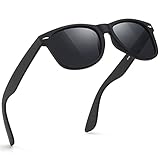
- CLASSIC SQUARE FRAME DESIGN: Polarized sunglasses men women are designed with retro square elements and are always favored by trendsetters. FEIDUSUN sun glasses polarized is excellent choice for you at any outdoor activities such as driving, fishing, hiking, cycling or any water sports to wear
- UV PROTECTION: These men's sunglasses come with UV protection TAC lenses that block of UVA and UVB rays. UV sunglasses are necessary to protect your eyes from long-term UV damage and keep your eyes healthy during leisure activities.Whether it's cloudy sunny, UV square sunglasses are an essential shield to protect your health
- MOVE FREE AND FEEL FREE: Because of the lightweight yet strong special material construction, they are lighter, more flexible and more durable than other sunglasses womens, reducing pressure on the nose and ears.Wearing women's sunglasses has never been more relaxing, secure and comfortable than now
- HD PROTECTION LENS: FEIDUSUN anti glare HD polarized retro sunglasses can effectively reduce the glare reflected from roads, water bodies, snow, and other water surfaces, restoring true colors and improving visual comfort.Eliminate reflected light and scattered light and protect eyes perfectly. Wearing black sunglasses for women has never been more relaxing, secure and comfortable than now
- CUSTOMER SERVICE: All FEIDUSUN customers will enjoy complete customer service for our polarized womens sunglasses. The quality of each product is double checked by a third party company.And it's lifetime support! If you have any questions, please feel free to contact us
Still, the lack of optical heart rate reflected the era. Today it reads as fragmentation; at launch, it was simply the only way to get reliable data without compromising the frame.
Head tracking and gesture control inside the frame
One of the more experimental elements was the inclusion of head tracking via onboard inertial sensors. Simple nod and shake gestures could be mapped to commands like confirming prompts or dismissing cues.
When it worked, it felt futuristic and hands-free in a way wrist wearables couldn’t match. When it didn’t, it was sensitive to running form, fatigue-induced posture changes, and environmental vibration.
Most athletes defaulted back to physical buttons, treating head gestures as a novelty rather than a core control method. It was a glimpse of ambient interaction that arrived before the software and sensor fusion were ready.
Processing without positioning: the missing GPS question
The most controversial omission was GPS, which Oakley intentionally avoided to preserve battery life, weight balance, and eyewear ergonomics. All positioning data was inferred rather than recorded.
This decision made sense within Oakley’s performance philosophy, but it limited post-run analysis. Route mapping, segment comparisons, and platform-agnostic data sharing were either absent or awkward.
As GPS chips became smaller and more efficient, this tradeoff aged poorly. What once felt like a principled design stance eventually looked like a hard technical ceiling.
What Radar Pace never tried to measure
There was no sleep tracking, no daily activity monitoring, and no attempt at lifestyle metrics. Even training load was expressed narrowly through session-based coaching rather than longitudinal analytics.
From a sports science perspective, this kept the system honest. Radar Pace was about executing a workout well, not quantifying your entire existence.
But as athlete expectations shifted toward holistic platforms, the absence of broader health data made Radar Pace feel isolated. It trained you in the moment, then largely let go once the session ended.
A hardware architecture ahead of its time—and boxed in by it
Looking back, the Radar Pace sensor strategy was coherent and purposeful. Externalize what benefits from placement elsewhere, keep the eyewear light, and prioritize real-time coaching over data hoarding.
The problem was scalability. As wrist wearables absorbed GPS, heart rate, motion sensing, and analytics into a single device, Radar Pace remained a system you had to assemble and maintain.
Its hardware architecture tells the story of an era when specialization still felt like the future. The market ultimately chose integration, but the ideas embedded here continue to echo in today’s audio-first and screenless training tools.
The Audio Coaching Experience: How Radar Pace Guided Runs and Rides in Real Time
If the hardware architecture explained why Radar Pace existed, the audio coaching experience explained what Oakley actually wanted it to be. This was never eyewear with notifications; it was a talking coach designed to live at head level, intervening only when it mattered.
Where wrist wearables pulled your attention downward, Radar Pace spoke directly into it. The result was a training experience that felt closer to guided performance than passive tracking.
Bone-conduction delivery and why it mattered
Radar Pace used bone-conduction audio built directly into the frame, transmitting sound through the temples rather than sealing the ears. This kept ambient awareness intact, which was critical for road running and cycling.
In practice, the audio was clear enough for structured cues but never hi‑fi. Voices sounded compressed and slightly metallic, yet intelligible even in wind, traffic, or group settings.
Comfort-wise, the placement was excellent. There were no ear fatigue issues on long runs, and because the glasses already needed firm contact for stability, the audio hardware never felt like an add-on.
Coaching logic rooted in cadence and intensity
Radar Pace’s coaching system revolved around cadence, pace estimation, heart rate, and effort bands rather than GPS-derived speed. During a run, the system continuously evaluated whether you were inside, above, or below the target range set by the workout.
Audio cues were concise and functional: prompts to increase cadence, slow slightly, hold effort, or prepare for a change in interval. There was no motivational fluff and no constant chatter.
From a sports science standpoint, this restraint was a strength. The system behaved more like a disciplined coach checking execution rather than a digital cheerleader narrating every metric.
Structured workouts over free-form training
Radar Pace worked best when following pre-defined workouts created in the companion app. Interval sessions, tempo runs, and progressive efforts were where the audio guidance felt genuinely useful.
During these sessions, cues arrived at logical transition points rather than arbitrary time intervals. You were told what to do, not bombarded with what you had already done.
Free-form runs were supported, but less compelling. Without structure, the coaching became reactive rather than directive, highlighting the system’s bias toward intentional training over casual exercise.
Real-time correction instead of post-run analysis
Because Radar Pace lacked GPS and deep post-session analytics, the audio coaching carried more responsibility. This was where feedback happened, not after the fact.
When cadence drifted or heart rate crept beyond the target zone, the correction came immediately. There was no need to glance at a screen or interpret charts later.
This real-time emphasis aligned with how experienced athletes often train. Execution mattered more than review, and Radar Pace prioritized keeping the session on track over generating impressive datasets.
Cycling-specific behavior and environmental awareness
On the bike, Radar Pace adjusted its assumptions. Cadence thresholds shifted, and audio cues were delivered less frequently to avoid distraction at speed.
Bone-conduction again proved its value here. Traffic noise, wind, and mechanical sounds remained audible, which made the system viable for outdoor road riding without compromising safety.
However, cycling exposed one of Radar Pace’s weaknesses. Without power data or GPS speed, the coaching felt less precise for performance-focused cyclists compared to runners.
Voice personality and user tolerance
Oakley’s choice of voice was neutral, calm, and almost clinical. It neither encouraged nor scolded, which some athletes appreciated and others found emotionally flat.
Over long sessions, repetition became noticeable. The limited vocabulary meant you would hear the same phrases many times, which could become mentally background noise.
Still, the lack of personality was intentional. Radar Pace treated training as execution, not entertainment, and its voice reflected that philosophy consistently.
Latency, accuracy, and trust
Audio cues arrived with minimal lag, which was critical for maintaining trust in the system. Delayed feedback would have undermined the entire concept.
Cadence-based guidance was particularly accurate, especially for runners with stable form. Heart rate responses were slightly slower, as expected with external sensors, but still usable for steady-state control.
Once you trusted the cues, it became easier to stop thinking about metrics altogether. That trust was hard-earned and central to Radar Pace’s appeal.
Why the audio-first approach aged better than the hardware
Ironically, the audio coaching philosophy has aged more gracefully than the glasses themselves. Modern platforms now emphasize voice guidance, adaptive workouts, and screenless training modes.
Radar Pace anticipated this shift years early, proving that real-time spoken feedback could guide performance without visual overload. What it lacked was the broader ecosystem to sustain it.
As a coaching interface, Radar Pace was focused, efficient, and surprisingly disciplined. Its failure wasn’t in how it guided athletes, but in how isolated that guidance ultimately became.
Rank #3
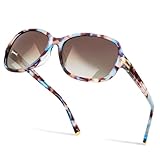
- Wrap Around Frame - Elegant wrap around design, smoothly fitting facial contours, balancing all day comfort and exquisite style.
- Polarized Lenses - SIPHEW sunglasses can filter out sunlight reflected glare and protect your eyes from long term damage by blocking harmful UVA and UVB rays.
- Product Materials - Crafted with a Acetate frame/lens, TAC polarized lenses, and exquisite metal accents.These retro square sunglasses are built for durability, clarity, and lasting wear.
- Product Dimension - Lens Width: 51mm(2.00in), Lens Height: 38mm(1.49in), Temple Length: 144mm(5.66in), Nose Bridge: 17mm(0.66in), Frame Width: 141mm(5.55in).
- 30-Day Face Shape Guarantee - Confidence in every purchase, if our sunglasses isn't fit your face, return within 30 days—no questions asked. backed by SIPHEW’s 24/7 customer care.
Accuracy and Performance in the Real World: Pace, Distance, and Training Feedback Compared to Watches
By the time Radar Pace earned that level of trust in its audio cues, the obvious question followed naturally: how did its underlying data actually compare to a traditional GPS watch? This is where Radar Pace felt both ahead of its time and technically constrained by its design choices.
Rather than replacing a watch outright, Radar Pace functioned as a performance layer on top of existing sensors. The glasses depended on a paired phone for GPS and external sensors for heart rate and cadence, which fundamentally shaped its accuracy profile in the real world.
Pace accuracy: strong on steady efforts, fragile during transitions
On steady-state road runs, Radar Pace’s pace guidance was impressively consistent. Once GPS lock stabilized, average pace and lap pace tracked closely with contemporary Garmin and Polar watches, usually within a few seconds per kilometer over longer intervals.
Where it struggled was during accelerations, hills, and stop-start efforts. Because pace calculations flowed from phone-based GPS rather than a wrist-mounted chipset, smoothing algorithms were conservative, causing brief lag when pace changed sharply.
For tempo runs and marathon-paced training, this was largely a non-issue. For fartlek sessions or interval-heavy workouts, a watch with instant pace and lap buttons remained more responsive and easier to trust.
Distance tracking: acceptable, but rarely class-leading
Distance accuracy landed firmly in the “good enough” category rather than elite. Over standard routes measured against known courses, Radar Pace typically finished within 1–2 percent of a dedicated GPS watch.
Urban environments exposed its limitations more clearly. Phone GPS susceptibility to signal bounce and delayed lock meant that dense city runs often showed slight under-reporting compared to watches using higher-quality antenna placement and multi-constellation support.
On open roads and bike paths, however, the difference was negligible. The real limitation was not raw distance error, but the lack of user-facing tools to audit or correct it mid-session.
Cadence as the secret weapon
Radar Pace performed best when it leaned on cadence rather than GPS. For runners with consistent mechanics, cadence-based pacing felt unusually stable, especially on rolling terrain where GPS pace fluctuates.
Compared to wrist watches that display cadence passively, Radar Pace actively coached it. Audio prompts nudged step rate up or down in real time, which made form-based adjustments easier to implement without staring at a screen.
This emphasis quietly masked some GPS shortcomings. As long as cadence remained stable, perceived effort and actual pace aligned closely enough to maintain quality training sessions.
Heart rate feedback: functional, not surgical
Heart rate guidance depended entirely on the paired external sensor, usually a chest strap. In that configuration, accuracy was comparable to watch-based systems of the same era, particularly for steady aerobic work.
Response time lagged slightly during intensity spikes, which limited its usefulness for short intervals or threshold testing. Radar Pace was better suited to zone-based control than precision physiological analysis.
Unlike modern watches that visualize heart rate trends and variability, Radar Pace reduced the data to spoken commands. That simplicity helped during workouts, but left less room for post-run analysis.
Training feedback versus visual watches
The most meaningful difference wasn’t numerical accuracy, but how that data was delivered. Watches ask athletes to interpret metrics visually, while Radar Pace interpreted them for you in real time.
This made errors feel less visible. If a GPS trace wandered slightly, the athlete rarely noticed as long as the coaching cues remained internally consistent.
For experienced runners used to dissecting charts and splits, this lack of transparency could feel limiting. For athletes focused on execution rather than analysis, it was oddly liberating.
Why watches ultimately won the accuracy argument
As GPS chipsets improved and wrist-based optical heart rate matured, watches pulled ahead on raw data quality. They also consolidated sensors, analytics, and training plans into a single, durable device.
Radar Pace never caught up in sensor integration or update cadence. Its reliance on external hardware meant accuracy improvements were tied to other products it didn’t control.
What Radar Pace proved, however, was that perfect data is not always required for effective training. Consistent, timely feedback can matter more than marginal gains in measurement precision, a lesson modern watch platforms have quietly absorbed.
User Interface Without a Screen: Voice Commands, Learning Curve, and Practical Usability
If accuracy was about what Radar Pace knew, usability was about how it spoke. With no screen, no buttons beyond basic controls, and no post-session visuals in your field of view, the entire user interface lived in audio prompts and voice commands.
This was not a stripped-down watch interface transplanted to glasses. It was a fundamentally different interaction model, one that forced Oakley and Intel to rethink how athletes consume information mid-effort.
Voice as the primary interface
Radar Pace relied on bone-conduction audio embedded in the frame arms, delivering cues without blocking ambient sound. In theory, this was ideal for road running and cycling, where situational awareness matters as much as pace.
Commands were issued verbally, using a limited but functional vocabulary. Asking for current pace, distance, time, or heart rate felt futuristic at launch, especially in an era when most watches required button presses or screen glances.
In practice, voice recognition worked best in controlled environments. Wind noise, traffic, group runs, or heavy breathing could all interfere, and missed commands broke the illusion faster than a frozen touchscreen ever would.
The learning curve: front-loaded friction
Radar Pace demanded patience early on. Unlike a watch, where most functions are discoverable through menus, this system required memorizing phrasing and timing your speech naturally during exertion.
Early sessions often involved trial and error, with athletes repeating commands or simplifying what they asked for mid-run. That cognitive load was noticeable, particularly for runners already managing pacing, terrain, and effort.
Once learned, however, the interaction became almost subconscious. Experienced users reported reaching a point where they stopped thinking about the interface entirely and simply responded to coaching cues.
Audio coaching versus manual control
Where Radar Pace shined was in proactive feedback. Instead of polling the device for data, the glasses told you when something mattered, such as drifting out of a target pace or heart rate zone.
This inverted the traditional wearable relationship. Rather than checking metrics reactively, the athlete focused on movement while the device acted as a silent coach until intervention was needed.
The downside was control granularity. You could not easily fine-tune alerts on the fly, mute specific metrics mid-session, or visually confirm anomalies, all of which modern watches handle effortlessly.
Practical usability during real training
During steady-state runs or long endurance rides, the screenless interface felt almost ideal. There was no temptation to glance down repeatedly, and the audio cues blended into the rhythm of training.
Intervals and complex workouts exposed the limits. Rapid pace changes, short recoveries, or structured sets sometimes outpaced the system’s ability to keep feedback timely and relevant.
For cyclists, the experience depended heavily on speed and environment. At higher speeds, wind noise reduced reliability, while helmet compatibility varied depending on fit and strap placement.
Why the interface aged faster than the hardware
The biggest challenge was not concept, but evolution. Voice assistants improved rapidly elsewhere, while Radar Pace remained static, locked to its original command set and processing capabilities.
Smartwatches gained touchscreens, haptic feedback, and increasingly sophisticated software updates. Radar Pace, by contrast, could not meaningfully expand its interface without a full hardware revision.
What remains impressive in hindsight is how coherent the experience was at launch. Radar Pace proved that a screen is not strictly necessary for performance guidance, but it also showed how difficult it is to maintain relevance without one as user expectations evolve.
Battery Life, Charging, and Durability: How the System Held Up to Training Demands
If the interface defined how Radar Pace felt during a workout, battery life and durability defined how often you trusted it enough to bring along. As a head-mounted system rather than a wrist device, its tolerance for sweat, weather, and repeated handling mattered more than raw specs on a box.
Real-world battery life during runs and rides
Oakley rated Radar Pace for roughly four hours of continuous use, and in controlled conditions that figure was largely accurate. A steady run with intermittent audio prompts would typically end with 20–30 percent remaining after about three and a half hours.
Rank #4

- HIGH-DEFINITION POLARIZED LENSES – SOJOS High Definition TAC polarized lenses can filter out sunlight reflected glare, and protect your eyes from long-term damage by blocking 99.99% of UV rays
- LIGHTWEIGHT MATERIALS – Crafted from premium Polycarbonate material, these sunglasses are designed to be lightweight yet durable enough to withstand everyday wear and tear. Enjoy a comfortable fit that lasts with solid metal hinges and UV400 lenses for ultimate protection from the sun's harmful rays. Perfect for any gender and all weather conditions.
- FASHION UNIQUE DESIGN – These SOJOS sunglasses are the perfect choice for outdoor sports and activities such as shopping, driving, walking, traveling, and are suitable as a high fashion accessory and daily wear all year round.
- PRODUCT DIMENSION – Lens Width: 48mm(1.89inches) | Lens Height: 42mm(1.65inches) | Temple Length: 147mm(5.79inches) | Nose Bridge: 18mm(0.71inches).
- GIFT IDEAS PACKAGE – Sunglasses*1, microfiber pouch*1, microfiber cleaning cloth*1, glasses box*1. It is also a gift packaged ready, making it a wonderful yet practical gift idea for friends and family!
The catch was variability. Sessions with frequent voice interactions, repeated pace corrections, or noisy environments that triggered re-prompts drained the battery noticeably faster.
For marathon-length efforts or long cycling days, battery anxiety was unavoidable. Unlike a watch that could limp through at low power, Radar Pace tended to shut down abruptly once depleted, cutting off all feedback mid-session.
Charging method and daily convenience
Charging was handled via a proprietary clip that attached to the right temple module. It was secure once seated, but alignment took a bit of finesse, especially after sweaty workouts.
There was no passthrough charging during use, meaning you could not top up on the fly or use an external battery during ultra-distance training. This reinforced Radar Pace’s identity as a session-specific tool rather than an all-day wearable.
Charging time was reasonable for its era, generally under two hours from empty. The bigger issue today is longevity: replacement cables are scarce, and battery degradation over time is unavoidable in a sealed module.
Heat, sweat, and environmental exposure
Radar Pace handled sweat impressively well. The electronics were sealed inside the temple arm, and in testing it tolerated heavy perspiration without performance drops or audio distortion.
Heat buildup was minimal, even during summer runs, which speaks to Oakley’s experience designing performance eyewear. The module never became uncomfortably warm against the head, a nontrivial achievement for early smart glasses.
Rain resistance was adequate but not confidence-inspiring. Light drizzle was fine, but prolonged exposure or heavy downpours were best avoided, especially given the lack of a formal, modern IP rating.
Structural durability and training abuse
From a mechanical standpoint, Radar Pace was tougher than it looked. The frame inherited Oakley’s familiar O Matter construction, flexing rather than cracking when stressed.
Drops onto hard surfaces were survivable, but not consequence-free. Misalignment of the charging contacts or minor audio issues could appear after repeated impacts, something a wrist-based device would shrug off more easily.
The temple-mounted electronics also made storage more delicate. Tossing the glasses unprotected into a gym bag was never a great idea, particularly given the cost and rarity of replacement parts today.
Long-term reliability in hindsight
With the benefit of time, Radar Pace’s durability story is mixed. The physical frame aged well, often outlasting the electronics inside it.
Battery degradation is now the limiting factor for surviving units, not cracked frames or failed sensors. Once capacity drops below a usable threshold, there is no practical path to refurbishment.
This highlights a core tension in early smart glasses. Oakley built something physically robust enough for serious training, but the sealed electronics and limited battery lifespan ultimately defined how long the system could remain viable.
Software, App Support, and Ecosystem Lock-In: Why Radar Pace Aged So Quickly
If hardware longevity was a slow-burning concern, software was the accelerant that truly dated Radar Pace. Even when the frame, speakers, and sensors were still functioning, the experience increasingly depended on a fragile app ecosystem that aged far faster than the glasses themselves.
Oakley built Radar Pace at a time when companion apps were treated as accessories rather than lifelines. In hindsight, that assumption proved fatal for a device that could not operate meaningfully on its own.
A smartphone-dependent brain
Radar Pace had no onboard screen and minimal local intelligence. Nearly everything beyond basic voice prompts depended on the smartphone app handling setup, workouts, metrics, and firmware behavior.
This meant that as iOS and Android evolved, Radar Pace was exposed to every breaking API change, background audio policy shift, and Bluetooth stack update. Unlike a smartwatch with an embedded UI, there was no fallback mode once app compatibility started to fray.
In practical terms, the glasses were only as smart as the phone they were paired to, and that dependency aged poorly as mobile operating systems marched on.
The Radar Pace app experience
At launch, the Radar Pace app was functional but narrow. It focused almost entirely on run and cycling sessions, with setup flows that assumed a motivated, technically patient athlete.
Workout configuration lived entirely in the app, including pacing targets, interval structures, and audio cue frequency. Once a session started, changes on the fly were limited, reinforcing how pre-planned the experience needed to be.
Compared to today’s training platforms, the interface felt rigid even then. There was little room for experimentation, ad hoc workouts, or adaptive feedback beyond pace-based coaching.
Firmware updates and silent stagnation
Early firmware updates addressed stability and audio clarity, but the update cadence slowed quickly. New features were rare, and the coaching logic remained largely unchanged throughout the product’s life.
There was no meaningful evolution toward richer metrics, adaptive training plans, or expanded sport support. Radar Pace never gained the kind of post-launch growth that Garmin, Polar, or even early Apple Watch users came to expect.
Once development slowed, the product effectively froze in time. As training science and athlete expectations advanced, Radar Pace stood still.
Ecosystem lock-in without ecosystem benefits
Radar Pace suffered from a unique form of lock-in. It required Oakley’s app and hardware pairing, but offered none of the ecosystem depth that usually justifies that constraint.
Data export options were limited and sometimes unreliable. Syncing to broader training platforms like Strava or TrainingPeaks lacked the polish and consistency athletes rely on for long-term analysis.
Without strong third-party integration, Radar Pace became a data island. Serious athletes, who often live inside multi-platform training ecosystems, had little tolerance for siloed metrics.
Voice coaching that could not evolve
The audio coaching system was Radar Pace’s defining feature, but it was also locked in amber. Voice prompts were scripted, repetitive, and tightly bound to pace targets.
There was no contextual intelligence. The system did not adapt based on fatigue trends, terrain, heart rate drift, or historical performance in the way modern audio coaching platforms now do.
As competitors introduced more dynamic guidance through headphones and watches, Radar Pace’s once-novel coaching began to feel static and overly prescriptive.
Compatibility decay and app store realities
As mobile operating systems updated, compatibility issues became more common. Some users encountered pairing instability, background audio interruptions, or outright app launch failures on newer phones.
Eventually, app store visibility became a problem of its own. Updates slowed, then stopped, and the app’s ability to meet modern OS requirements became questionable.
This is where many surviving Radar Pace units effectively met their end. Perfectly intact hardware became unusable not because it broke, but because the software scaffolding underneath it disappeared.
Lessons in hindsight
Radar Pace exposed a core risk of early smart glasses: when intelligence lives off-device, longevity becomes fragile. Unlike a mechanical watch or even a basic GPS sports watch, the product could not gracefully degrade.
There was no offline mode that preserved core functionality long-term. No open protocol that allowed the community to extend its life. Once Oakley stepped back, the product’s future narrowed dramatically.
In retrospect, Radar Pace was ahead of its time in form factor but behind in software philosophy. It taught the industry that for performance wearables, long-term relevance is dictated less by materials and more by how deeply and flexibly software is allowed to grow.
Why Oakley Radar Pace Failed to Gain Traction: Timing, Competition, and Athlete Expectations
By the time Radar Pace’s limitations around software longevity and adaptability became clear, the market around it had already shifted. What initially looked like a bold alternative to wrist-based wearables began to feel like a side path athletes were no longer willing to explore. The failure was not rooted in a single flaw, but in a convergence of timing, competitive pressure, and unmet expectations from serious users.
A product released between eras
Radar Pace arrived in an awkward middle period for performance wearables. It launched after GPS watches had already proven themselves reliable and accurate, but before athletes were truly open to abandoning wrist-based screens entirely.
💰 Best Value

- These SOJOS Oval sunglasses for women and men have high definition lenses, which can effectively block glare from sunshine and prevent your eyes from long-term damage
- These trendy oval sunglasses are crafted for women who celebrate bold style and self-expression.Designed to highlight your facial contours.Unleash your individuality and let your personal style shine through every curve
- From city explorations to nature escapades—be it driving,traveling,shopping,selfie sessions,cycling,climbing or fishing—SOJOS retro oval sunglasses deliver versatile performance.Doubling as a stylish accent,these timeless sunglasses transition seamlessly into your daily wardrobe,proving their worth through every season
- Choose from a variety of frame colors, lens colors, and lens treatments when purchasing these SOJOS classic oval sunglasses.Choose a color scheme that complements your personal brand and sense of style
- Package Contents:The package oval sunglasses*1, microfiber pouch*1, microfiber glasses cleaning cloth*1, glasses box*1
In 2016, runners and cyclists still wanted visual confirmation of pace, distance, and heart rate. Audio-only feedback felt experimental rather than liberating, especially for athletes accustomed to quick mid-interval glances or structured workouts with visual cues.
Had Radar Pace launched earlier, when GPS watches were bulkier and less refined, its proposition might have felt more compelling. Had it launched later, with smarter on-device processing and adaptive coaching, it might have met a more receptive audience.
Relentless competition from wrist-based ecosystems
While Oakley focused on form factor innovation, Garmin, Polar, and Suunto were perfecting their core products. Battery life stretched from hours to days, GPS accuracy improved, and optical heart rate moved from novelty to baseline expectation.
More importantly, these watches became portals into expanding training ecosystems. Athletes could analyze load, recovery, trends, and race readiness across months and years, something Radar Pace never meaningfully supported.
Against devices that offered multisport tracking, ANT+ sensor support, structured workouts, and deep post-session analysis, Radar Pace felt narrow. It solved one problem elegantly, but ignored many others athletes already considered essential.
The burden of asking athletes to change habits
Radar Pace required athletes to rethink how they trained. No screen meant trusting audio cues implicitly, and trusting that the system’s pacing logic matched their goals and physiology.
For disciplined runners, that was a big ask. Many already had finely tuned internal pacing or preferred control over when and how feedback arrived. Being told when to speed up or slow down, without contextual explanation, felt restrictive rather than empowering.
Cyclists faced additional friction. Sunglasses are already mission-critical safety equipment, and adding electronics, weight, and battery concerns to that layer introduced hesitation, especially for long rides or variable weather.
Accuracy perceptions and trust gaps
Even when the underlying GPS performance was acceptable, perception mattered. Audio-delivered pace changes amplified any delay or error, making small inaccuracies feel larger than they would on a wrist display.
Heart rate data, sourced from an ear-based sensor, was innovative but unfamiliar. Athletes accustomed to chest straps or wrist sensors questioned consistency during high-intensity efforts or temperature extremes.
Once doubt crept in, trust eroded quickly. Performance athletes are unforgiving of tools that feel uncertain, especially when alternatives had already earned credibility through years of incremental improvement.
Price, value, and limited upside
Radar Pace launched at a premium price relative to established GPS watches. For that cost, athletes received a single-purpose device with limited extensibility and no redundancy if the app or phone connection failed.
There was little sense of future-proofing. No promise of expanding metrics, no pathway to multisport use, and no meaningful third-party integrations on the horizon.
For many buyers, it felt like paying early-adopter pricing without early-adopter rewards. The risk-to-reward ratio simply did not favor experimentation.
A mismatch between innovation and athlete priorities
Radar Pace was engineered from a product-design-first mindset. It assumed that removing screens and simplifying feedback would naturally appeal to performance athletes.
In reality, athletes wanted smarter data, not less of it. They wanted context, history, and control layered on top of reliability, not abstraction in place of it.
The product was bold, but it solved a problem that most athletes did not feel urgently enough. As a result, it became a fascinating concept admired from a distance rather than a tool integrated into daily training routines.
Does Radar Pace Still Matter Today? Lessons for Modern Smart Glasses and Audio-Guided Wearables
Seen in isolation, Radar Pace looks like a product that simply arrived too early and left too little room for error. Viewed through today’s lens of smart glasses, open-ear audio, and AI-driven coaching, it feels more like a prototype for ideas the industry is still trying to solve.
Its relevance now is not about whether you should track one down and use it. It is about what it revealed, sometimes uncomfortably, about how athletes actually interact with guidance, data, and trust during training.
Audio-first coaching only works when trust is absolute
Radar Pace proved that audio coaching can be powerful, but only if the athlete never questions it. The moment pace cues felt late, heart rate feedback felt inconsistent, or GPS drifted, the entire experience unraveled faster than it would on a screen-based device.
Modern audio-guided platforms have learned this lesson. Garmin, Polar, and Apple now treat audio prompts as reinforcement rather than authority, always backed by a visible data trail the athlete can review before and after a session.
The takeaway is simple: audio guidance cannot replace data transparency. It has to earn the right to be believed through consistency, redundancy, and clear context.
Smart glasses need to earn their place on the face
Radar Pace highlighted how unforgiving the face-mounted form factor is. Weight distribution, heat buildup, lens compatibility, and stability under sweat all matter more than they do on the wrist.
Today’s smart glasses, from lightweight audio-first designs to camera-equipped lifestyle models, still struggle with this trade-off. Performance athletes will tolerate complexity on the wrist or chest, but anything on the face must disappear once the session starts.
Radar Pace showed that performance eyewear cannot merely add technology. It must preserve, or ideally improve, the core optical, comfort, and durability standards athletes already expect from brands like Oakley.
Battery life and failure modes matter more than features
One of Radar Pace’s quiet failures was how exposed it felt when things went wrong. Limited battery life, dependence on a phone connection, and no fallback display meant a single weak link could end a workout’s usefulness.
Modern wearables increasingly design around graceful failure. Watches store workouts offline, earbuds cache cues, and sensors continue recording even if a connection drops.
Radar Pace reminds us that endurance athletes prioritize reliability over novelty. A device that works imperfectly but predictably will always beat one that works brilliantly until it does not.
Why minimalism works better as an option, not a mandate
Radar Pace assumed athletes wanted less data during training, distilled into simple instructions. In practice, athletes wanted the choice to simplify, not to surrender control entirely.
Current platforms reflect this shift. Athletes can hide screens, reduce alerts, or rely on post-workout analysis while still knowing the data exists if needed.
The lesson here is not that minimalism is wrong. It is that enforced minimalism alienates advanced users, especially when training decisions carry physical consequences.
The concept aged better than the execution
Ironically, many of Radar Pace’s core ideas now feel mainstream. Bone-conduction and open-ear audio, conversational coaching, and screen-free focus are all common themes in modern endurance tech.
What changed is execution. Better sensors, longer battery life, smarter software, and more realistic expectations of how athletes want to be coached have closed the gap Radar Pace could not.
In that sense, Radar Pace did not fail so much as it handed the industry a checklist of pitfalls to avoid.
Who should still care about Radar Pace today
Radar Pace remains relevant for designers, product managers, and serious athletes interested in the evolution of training tools. It is a case study in how performance credibility is built slowly and lost quickly.
For collectors and wearable historians, it represents a rare moment when a legacy sports brand took a radical risk outside its comfort zone. For everyday athletes, it serves as a reminder to be skeptical of form-factor revolutions that promise simplicity without proving reliability.
Radar Pace no longer matters as a product you should use. It matters as a lesson the industry is still learning: innovation in endurance wearables succeeds not when it looks different, but when it quietly earns trust, session after session.