At its simplest, the $75 million Oura–Dexcom partnership is about tightly wiring the world’s most widely used consumer wellness ring to the most trusted name in clinical-grade continuous glucose monitoring. It is not Oura suddenly becoming a medical device company, and it is not Dexcom turning into a lifestyle brand. It is a strategic bridge between regulated glucose data and everyday wearable insights, built to scale far beyond early adopters.
For users who already track sleep, readiness, recovery, and activity with Oura, this deal is about context. Glucose becomes another layer of physiological signal, not a standalone medical chart, helping people understand how food, stress, training, and sleep interact in real life. For Dexcom, it is about getting CGM data out of clinical silos and into a form factor and app ecosystem people actually engage with daily.
What the $75 million is actually paying for
The headline number is not a one-time licensing fee. The investment funds multi-year product development, deep software integration, and commercial expansion between the two companies. That includes shared engineering resources, data science work, regulatory alignment, and go-to-market efforts aimed at both medical and non-medical users.
Crucially, this is not a hardware merger. Oura is not building a glucose sensor into the ring, and Dexcom is not shrinking a CGM into jewelry. The money supports an ecosystem-level integration where Dexcom’s existing CGMs feed glucose data directly into Oura’s app and analytics engine in a first-party, officially supported way.
🏆 #1 Best Overall
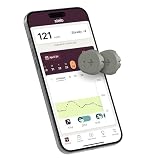
- ✅ For people NOT using insulin, ages 18 years and older
- ❌ Don’t use if: On insulin, on dialysis, or have problematic hypoglycemia
- YOUR SUCCESS, OUR COMMITMENT: If your biosensor fails before the 15-day wear time is up,[2] we will replace it for free. [3]
- PRODUCT SUPPORT: Provided by Stelo through SteloBot, which can be accessed via the Stelo app by going to Settings > Contact. SteloBot virtual support assistant is available 24/7, and live agent support available during regular business hours
- PERSONALIZED INSIGHTS: Understand your glucose patterns and how your glucose reacts to food, activity, and sleep
How the integration works in practice
From a user perspective, this partnership means Dexcom CGM data will appear natively inside the Oura app rather than living in a separate medical dashboard. Glucose trends can be viewed alongside sleep stages, overnight heart rate variability, resting heart rate, temperature deviation, and activity load. The value is not the glucose number itself, but how it behaves in response to meals, workouts, stress, and recovery.
Oura’s strength has always been long-term pattern recognition rather than moment-to-moment alerts. Expect glucose insights framed around variability, overnight stability, post-meal response, and how consistently your metabolism settles during rest. This is very different from the alarm-driven, compliance-focused experience of traditional diabetes CGM apps.
What this is not: non-invasive glucose sensing
Despite inevitable speculation, this deal does not magically turn the Oura Ring into a non-invasive glucose monitor. Dexcom sensors still require a small subcutaneous filament worn on the body, typically lasting 10 to 14 days depending on the model. The ring remains a passive sensor platform measuring optical, thermal, and motion data with multi-day battery life and high overnight wear compliance.
What changes is the narrative around non-invasive tracking. By correlating glucose with signals Oura already captures well during sleep and recovery, both companies get closer to understanding which proxy metrics might eventually predict metabolic stress without a needle. That is long-term research value, not a near-term product promise.
Why Dexcom chose Oura, specifically
Dexcom could have partnered with a smartwatch giant, but Oura offers something different: consistency of wear and high-quality overnight data. Rings are worn while sleeping far more reliably than watches, and sleep is when glucose regulation, insulin sensitivity, and hormonal balance reveal their most telling patterns. For metabolic insight, nighttime data is gold.
Oura’s user base also skews toward health-optimizers rather than purely fitness-driven users. These are people willing to log meals, experiment with nutrition timing, and interpret trends over weeks, not just chase daily scores. That audience aligns neatly with Dexcom’s push beyond Type 1 and Type 2 diabetes into metabolic health, prediabetes, and performance-aware consumers.
What users actually gain, day to day
In practical terms, this partnership reduces friction. Users no longer need to mentally reconcile data from separate apps or rely on third-party connectors with limited support. Glucose becomes part of the same readiness and recovery conversation that already drives behavior change in Oura’s ecosystem.
It also shifts how CGMs are used outside medical necessity. Instead of obsessing over every spike, users are encouraged to look at resilience, stability, and recovery trends. For athletes, biohackers, and health-focused consumers, that framing makes glucose data more actionable and less anxiety-inducing.
Why this matters for the broader wearable market
This deal signals a maturation point for consumer health wearables. Rather than racing to add more sensors, companies are focusing on smarter integrations between existing best-in-class technologies. It acknowledges that regulated medical data and consumer wellness insights do not need to compete if they are presented responsibly.
For competitors, it raises the bar. Smartwatches, rings, and future wearables will increasingly be judged on how well they contextualize health data, not just how much they collect. The Oura–Dexcom partnership is less about a single feature and more about defining what the next phase of health tracking is supposed to feel like.
Why Dexcom Needs Oura (and Why Oura Needs Dexcom): Strategic Motives on Both Sides
What makes this partnership notable is that it solves structural problems for both companies at the same time. Dexcom brings medical-grade sensing and regulatory credibility, but struggles with daily engagement outside diabetes. Oura owns the daily health conversation, but lacks a truly hard metabolic signal.
Seen through that lens, the $75 million isn’t just an investment. It’s a mutual shortcut into markets neither company could fully unlock on its own.
Why Dexcom needs Oura: escaping the “sick care” gravity well
Dexcom’s CGMs are the gold standard in glucose accuracy, sensor longevity, and reliability. But historically, they’ve lived inside a clinical frame: prescriptions, insurance codes, alarms, and disease management. That context is necessary for diabetes care, yet it limits how often non-diabetic users want to engage with the data.
Oura gives Dexcom a bridge into everyday health behavior. The ring is worn 24/7, especially at night, and its software already translates raw signals into recovery, readiness, and resilience narratives. That reframing allows glucose to show up as insight, not pathology.
There’s also a distribution advantage. Oura’s user base is global, subscription-native, and already paying for insights rather than hardware alone. For Dexcom, that’s a faster path into metabolic health, prediabetes, and performance markets without rebuilding its consumer experience from scratch.
Why Dexcom can’t rely on smartwatches alone
Dexcom has partnered with watch platforms before, but smartwatches remain compromised for metabolic context. Battery life forces compromises, overnight wear is inconsistent, and wrist-based form factors still prioritize activity over recovery.
Rings solve a different problem. Oura’s lightweight titanium design, low-profile form factor, and multi-day battery life mean it’s actually worn during sleep, illness, and rest days. For Dexcom, that unlocks glucose data during the most metabolically informative hours, when insulin sensitivity, cortisol, and growth hormone interact.
From a strategic standpoint, Oura isn’t just another screen. It’s the missing behavioral layer that makes glucose data stick.
Why Oura needs Dexcom: crossing the line from proxy signals to primary metabolism
Oura has built its reputation on interpreting indirect signals: heart rate variability, skin temperature, respiratory rate, and motion. Those proxies are powerful, but they stop short of explaining why the body is responding the way it is.
Glucose changes that. It’s a direct readout of metabolic input and stress, tightly linked to nutrition timing, sleep quality, training load, and illness. By integrating Dexcom’s data, Oura can connect cause and effect in ways no ring-only platform can.
This also future-proofs Oura against sensor commoditization. As more wearables add temperature, SpO2, and HRV, differentiation shifts to insight depth. Metabolic data is a moat, and Dexcom gives Oura access to it without becoming a regulated medical device company itself.
Regulatory cover and trust by association
Dexcom brings more than sensors. It brings FDA clearance, clinical validation, and a long track record with regulators and clinicians. That matters as Oura pushes deeper into health domains that border on medical interpretation.
By partnering rather than building its own glucose tech, Oura avoids regulatory risk while still benefiting from Dexcom’s credibility. For users, this subtly shifts perception: glucose insights feel grounded in medical reality, even when presented through a consumer-friendly lens.
That trust will matter as Oura expands into areas like cardiovascular risk, hormonal health, and long-term metabolic resilience.
A shared bet on subscription-driven health intelligence
Both companies are converging on the same business reality. Hardware margins compress, sensors become cheaper, and value concentrates in interpretation, personalization, and long-term engagement.
Dexcom’s traditional model depends on recurring sensor sales tied to medical need. Oura’s depends on recurring subscriptions tied to perceived insight. Together, they create a hybrid model where medical-grade data feeds a consumer-grade intelligence engine.
That alignment explains why this partnership is deeper than an API handshake. It’s a strategic convergence around how health data will be consumed, paid for, and trusted over the next decade.
CGMs Move Beyond Diabetes: How This Partnership Targets the Mainstream Health Market
What makes the Oura–Dexcom deal strategically disruptive is not the sensor itself, but the audience it’s designed for. This partnership is explicitly aimed beyond people managing diabetes and toward a much larger group already wearing rings, watches, and fitness trackers to understand daily health patterns.
For years, CGMs have sat in a medical silo, framed around glycemic control and disease management. Oura reframes glucose as a performance, recovery, and lifestyle signal, positioning it alongside sleep scores, readiness, and resilience rather than insulin dosing.
From clinical metric to everyday feedback loop
In a mainstream context, glucose stops being a diagnostic endpoint and becomes a behavioral mirror. Meals, alcohol, late workouts, poor sleep, travel stress, and illness all leave distinct glucose signatures that most people have never seen before.
Paired with Oura’s passive tracking, glucose data gains context without demanding constant user input. Instead of finger pricks or food logs, users see how real-world habits ripple through their metabolism over hours and days.
This is a fundamentally different value proposition from traditional CGM apps. It’s not about managing a condition; it’s about understanding cause-and-effect in everyday life.
Why Oura is the right form factor for mainstream CGMs
Smart rings solve a problem CGMs have struggled with outside clinical use: compliance. Oura’s lightweight titanium ring, long battery life, and 24/7 wearability make it easy to pair a temporary or intermittent CGM session with continuous baseline data.
Unlike a smartwatch, the ring doesn’t compete for attention. It quietly collects sleep stages, temperature deviations, resting heart rate, and HRV, then uses glucose as an explanatory layer rather than the main event.
Rank #2

- HSA/FSA eligible. No prescription needed.
- 24/7 GLUCOSE TRACKING. See your glucose response to food, exercise, sleep, and other lifestyle factors via the Lingo app.
- OPTIMIZE YOUR NUTRITION. Discover which foods work for you and those that don't. The Lingo app shows you how specific meals and other factors impact your glucose, so you can learn from your insights and build healthier habits.
- NAVIGATE PREDIABETES WITH A NEW VIEW OF YOU. More time in healthy glucose range is linked to lower diabetes risk. Three out of four users with prediabetes say Lingo was effective in helping to achieve their health goals¹.
- HEALTHY GLUCOSE SUPPORTS HEART HEALTH. What you eat matters to your glucose and your heart. Keeping your glucose in a healthy range (70–140 mg/dL) more often can help protect your heart from heart disease²⁻⁴.
For non-diabetic users, this matters. Most people don’t want another screen or another alert. They want insight delivered after the fact, in a format that helps them adjust habits without medical anxiety.
Lowering the psychological barrier to CGM adoption
Dexcom’s brand carries clinical weight, but that weight can be intimidating for healthy users. Oura acts as a soft entry point, translating glucose data into language that feels exploratory rather than prescriptive.
This is especially important for first-time CGM users experimenting out of curiosity, athletic optimization, or metabolic health goals. When glucose trends are presented alongside sleep debt or recovery strain, they feel less like a warning sign and more like a learning tool.
The result is a CGM experience that feels optional, time-bound, and educational rather than permanent and medicalized.
Expanding the CGM market without eroding clinical credibility
For Dexcom, the partnership is a controlled expansion rather than a dilution of focus. Oura users are not replacing clinicians or medical decision-making; they are accessing the same high-quality data through a different interpretive lens.
This allows Dexcom to grow total addressable market without undermining its FDA-regulated core business. The sensor remains medical-grade, but the use case broadens to include wellness, prevention, and performance.
It’s a playbook similar to what ECGs went through on smartwatches, but with tighter guardrails around interpretation and liability.
Metabolic health as the next mainstream wearable battleground
As sleep, heart rate, and activity metrics saturate the market, glucose offers something rarer: immediacy. Few other biomarkers respond as clearly and quickly to daily choices.
That immediacy is powerful for athletes fine-tuning fueling strategies, biohackers experimenting with fasting or low-carb diets, and health-conscious users trying to improve energy consistency and weight stability.
By embedding glucose into a broader health narrative, Oura and Dexcom are effectively betting that metabolic awareness becomes as normal as step counting once was.
Practical implications for everyday users
For consumers, this partnership likely means CGM access that feels more modular and less intimidating. Expect glucose tracking to be positioned as a limited-duration feature, integrated into Oura’s app experience rather than requiring full-time sensor wear.
Battery life, comfort, and daily usability remain unchanged on the ring side, which is critical. The CGM becomes an additive layer, not a permanent lifestyle adjustment.
For users already paying for Oura’s subscription, glucose insights slot naturally into an existing ecosystem of scores and trends. The learning curve is lower, and the perceived value is higher.
Why this signals a broader shift in wearable health strategy
Zooming out, the Oura–Dexcom partnership signals where wearables are heading next. The future isn’t about packing more sensors into a single device, but about intelligently combining specialized hardware through partnerships.
Non-invasive glucose remains technically elusive at scale. Until that changes, strategic integrations like this offer a practical bridge between medical-grade sensing and consumer-friendly insight.
In that sense, this deal isn’t just about CGMs going mainstream. It’s about redefining how advanced health data enters everyday life without turning every user into a patient.
From Fingersticks to Rings: How Oura Will Integrate Dexcom CGM Data in Practice
Moving from concept to daily use, the real test of the Oura–Dexcom partnership lies in how seamlessly glucose data fits into an experience that has, until now, been defined by passive sensing. Oura’s ring succeeds because it fades into the background, and any CGM integration has to respect that philosophy.
Rather than turning the ring into a glucose sensor, Oura is positioning itself as the contextual brain. Dexcom remains the source of truth for glucose, while Oura translates those readings into something behaviorally meaningful.
A modular CGM experience, not a permanent medical device
The most important design decision here is duration. Oura is expected to frame Dexcom CGM use as a temporary or episodic tool, typically worn for 10 to 14 days, rather than an always-on medical commitment.
This mirrors how many non-diabetic users already experiment with CGMs today, often cycling sensors around training blocks, diet changes, or metabolic resets. The difference is that Oura brings structure and interpretation to what is otherwise a raw data firehose.
For everyday users, this means opting into glucose tracking when it’s useful, then stepping away without losing continuity in their broader health trends.
How glucose data will actually appear inside the Oura app
Glucose data is unlikely to live as a standalone dashboard competing with Dexcom’s own app. Instead, it will be woven into Oura’s existing pillars: Sleep, Readiness, Activity, and increasingly, daytime stress and resilience.
Expect glucose curves to be aligned with meals, workouts, sleep timing, and recovery windows. A late-night spike won’t just be a spike; it becomes part of a narrative explaining reduced sleep efficiency or suppressed readiness the following morning.
This approach shifts glucose from a medical metric to a cause-and-effect signal, reinforcing Oura’s strength in longitudinal pattern recognition rather than real-time alerts.
What stays the same on the ring side
Critically, nothing about the physical ring changes. Oura’s hardware remains focused on optical heart rate, temperature trends, accelerometry, and comfort-first design, with its slim titanium form factor, smooth interior, and multi-day battery life intact.
There is no added bulk, no new charging routine, and no additional skin contact beyond what users already tolerate. That distinction matters because CGMs, even modern ones, still carry adhesive fatigue and placement considerations.
By keeping glucose off the ring itself, Oura avoids compromising wearability while still expanding its metabolic intelligence.
Data synchronization, timing, and user expectations
Dexcom CGMs typically sample glucose every five minutes, creating a dense dataset that behaves very differently from Oura’s averaged overnight metrics. Bridging that gap requires careful expectation-setting around latency, interpretation, and relevance.
Users should not expect second-by-second glucose alerts from their ring. Instead, Oura’s value comes from post-hoc insight, trend analysis, and correlation with sleep, stress, and activity behaviors already tracked continuously.
This distinction keeps Oura safely in the consumer health domain while still leveraging Dexcom’s FDA-cleared sensing accuracy behind the scenes.
Who benefits most from this integrated approach
Athletes experimenting with fueling strategies gain a clearer view of how carbs, timing, and intensity affect recovery rather than just performance. Biohackers testing fasting windows or low-glycemic diets get feedback grounded in sleep quality and readiness, not isolated glucose graphs.
Health-conscious users without metabolic disease may find the biggest benefit in short-term learning loops. A few weeks of glucose insight, contextualized by Oura’s scores, can permanently change eating and sleep habits without requiring lifelong sensor wear.
This is where the partnership quietly expands the CGM audience without medicalizing it.
Why this integration matters for the future of non-invasive tracking
Non-invasive glucose sensing remains the industry’s holy grail, but it is still not commercially reliable at scale. Until that barrier falls, hybrid models like this represent the most realistic path forward.
Rank #3

- HSA/FSA eligible. No prescription needed.
- 24/7 GLUCOSE TRACKING. See your glucose response to food, exercise, sleep, and other lifestyle factors via the Lingo app.
- OPTIMIZE YOUR NUTRITION. Discover which foods work for you and those that don't. The Lingo app shows you how specific meals and other factors impact your glucose, so you can learn from your insights and build healthier habits
- NAVIGATE PREDIABETES WITH A NEW VIEW OF YOU. More time in healthy glucose range is linked to lower diabetes risk. Three out of four users with prediabetes say Lingo was effective in helping to achieve their health goals¹.
- HEALTHY GLUCOSE SUPPORTS HEART HEALTH. What you eat matters to your glucose and your heart. Keeping your glucose in a healthy range (70–140 mg/dL) more often can help protect your heart from heart disease²⁻⁴.
Oura acts as the interpretive layer, while Dexcom supplies the invasive but proven measurement. The user experiences a unified health story rather than juggling multiple apps, subscriptions, and data silos.
In practice, this is less about replacing fingersticks with rings and more about replacing confusion with clarity.
What Changes for Users: Athletes, Biohackers, and Everyday Metabolic Health Tracking
Seen through a user lens, the Oura–Dexcom partnership is less about adding another sensor and more about changing how metabolic data fits into daily life. Instead of glucose existing as a standalone medical metric, it becomes contextual, behavioral, and increasingly actionable alongside sleep, readiness, and activity.
The practical shift is not more data, but better timing and framing of that data within routines people already follow.
For athletes: fueling, recovery, and training load finally connect
Athletes already use Oura to manage recovery, training stress, and sleep consistency, especially in endurance and high-volume sports. Adding Dexcom glucose data introduces a missing metabolic layer that helps explain why two identical training days can feel completely different the morning after.
Carbohydrate timing, intra-workout fueling, and post-training meals can now be evaluated against overnight glucose stability and next-day readiness scores. The insight is not about chasing perfect glucose curves mid-session, but understanding how fueling choices show up in recovery metrics 6 to 12 hours later.
For athletes who already value Oura’s lightweight form factor, all-day comfort, and multi-day battery life, this avoids the friction of managing another primary dashboard. The ring remains passive and unobtrusive, while glucose becomes a background signal that informs smarter decisions over time.
For biohackers: controlled experiments without app fatigue
Biohackers tend to cycle through CGMs in short bursts, testing fasting protocols, ketogenic phases, or time-restricted eating. The biggest upgrade here is not Dexcom’s accuracy, which was already industry-leading, but Oura’s ability to anchor those glucose changes to sleep depth, HRV trends, and stress load.
Instead of manually correlating screenshots across apps, users get structured insights that connect metabolic response to recovery cost. A late-night meal is no longer just a glucose spike, but a measurable hit to overnight restoration and next-day readiness.
This lowers the cognitive load of experimentation. The data becomes easier to interpret, easier to abandon when the experiment ends, and more likely to drive lasting behavior change rather than endless optimization loops.
For everyday users: metabolic awareness without medicalization
For non-diabetic users, CGMs have historically felt either intimidating or excessive. This integration reframes glucose as a short-term learning tool rather than a permanent health identity.
A few weeks of seeing how common meals, alcohol, or late workouts affect glucose stability and sleep quality can be enough to reset habits. Oura’s software experience emphasizes trends and scores, not alarms and thresholds, which keeps the experience firmly in the consumer wellness category.
The ring’s comfort, minimal maintenance, and long wearability matter here. Users can step into metabolic tracking without committing to constant sensor management or turning daily life into a clinical workflow.
What users should realistically expect, and what they should not
This is not real-time performance glucose coaching, and it is not designed to replace Dexcom’s core diabetes management tools. Glucose insights will arrive with context and reflection, not instant prompts during meals or workouts.
Users should expect correlations, pattern recognition, and behavior feedback that improves over days and weeks. They should not expect second-by-second control loops or diagnostic guidance.
Understanding that boundary is key to satisfaction. The value lies in synthesis, not surveillance.
A quieter but important shift in daily usability
Perhaps the most underrated change is reduction in friction. Fewer apps to check, fewer dashboards to reconcile, and fewer decisions about which metric matters most on a given day.
Oura becomes the narrative layer that turns Dexcom’s precise sensing into something livable. For users, that means metabolic health starts to feel like part of daily rhythm rather than a separate project they eventually abandon.
That shift, more than any single metric, is what could quietly expand CGM adoption far beyond its traditional audience.
Regulation, FDA Reality, and the Limits of ‘Wellness’ CGM Data
All of this momentum sits inside a tightly defined regulatory box. The Oura–Dexcom partnership only works because both companies are clear about what the experience is not: medical diagnosis, treatment, or real-time glucose decision-making.
That boundary is not a weakness. It is the legal and strategic framework that allows CGMs to reach non-diabetic users at scale without triggering the full weight of FDA medical device oversight inside Oura’s app.
Where the FDA line is actually drawn
Dexcom’s sensors are FDA-cleared medical devices, but that clearance applies to how Dexcom markets and operates them, not to every downstream use of the data. Once glucose readings flow into a third-party platform like Oura, the claims attached to that data matter more than the sensor’s accuracy itself.
Oura remains firmly positioned as a wellness product. It can visualize trends, correlations, and behavioral insights, but it cannot offer diagnostic thresholds, dosing guidance, or alerts framed as medical advice.
This distinction explains why users should not expect hypoglycemia alarms, meal-by-meal corrective prompts, or emergency notifications inside the Oura app. Those features would immediately pull Oura into regulated medical territory.
Why “wellness CGM” still has hard limits
Even with an FDA-cleared sensor, wellness-mode glucose data is intentionally softened. Readings may be delayed, averaged, or contextualized rather than presented as raw, moment-by-moment signals.
That design choice is not about hiding information; it is about risk management. Real-time glucose without clinical framing invites misuse, anxiety, and liability, especially for users without medical supervision.
The result is a system optimized for reflection, not reaction. It tells you how yesterday’s dinner affected overnight stability, not what to do in the next five minutes.
Dexcom Stelo, OTC CGMs, and what changes for consumers
Dexcom’s move into FDA-cleared over-the-counter CGMs is the quiet enabler behind this partnership. OTC clearance allows Dexcom to sell sensors to people without a diabetes diagnosis, but it does not automatically turn every integration into a medical tool.
Stelo and similar sensors are still bound by labeling that emphasizes general wellness, education, and personal insight. Oura’s role is to stay aligned with that language while adding value through sleep, readiness, and activity context.
This is why the partnership focuses on metabolic patterns over time rather than glucose “scores” that imply optimization or control.
What this means for insurance, liability, and support
Because this experience sits outside formal medical care, users should not expect insurance reimbursement, clinician dashboards, or integration with electronic health records. Customer support is product-focused, not clinical, and responsibility for interpretation rests with the user.
That tradeoff is intentional. It keeps costs lower, onboarding simpler, and usage flexible, especially for people who want temporary metabolic insight rather than lifelong monitoring.
It also protects both companies from the regulatory and legal exposure that comes with medical decision support.
Data accuracy versus data meaning
Dexcom’s sensing accuracy is not diluted by this approach, but the meaning assigned to the data is deliberately constrained. A precise glucose reading does not automatically become a precise health instruction.
Rank #4

- [Complete Starter Kit] - CareSens N Diabetes Testing Kit includes 1 blood glucose meter, 100 blood sugar test trips, 1 lancing device, 100 lancets, and a traveling case to provide you with the most affordable and convenient way for blood sugar testing. Our blood sugar test kit saves up to 250 tests and has a battery life of 1000 tests.
- [Small Sample Size] - CareSens N Plus Blood Sugar Monitor requires only a small blood sample size of 0.5 μL, making finger pricking easy and painless. CareSens N Diabetes Test Strip is auto coded and automatically recognizes the batch code encrypted on CareSens N Blood Glucose Test Strip.
- [Fast Results] - CareSens N Blood Glucose Meter provides fast results in just 5 seconds, making blood sugar testing fast and convenient. Our Glucometer Kit comes with a handy traveling case that can hold all your diabetes testing kit so that you can measure your blood sugar at the comfort of your home or anywhere else.
- [Easy to use] – CareSens N Blood Glucose Monitor kit is very simple and easy-to-use, making blood sugar testing easy for all. Our lightweight Blood Sugar Monitor has a simple design to make diabetes testing easy-to-understand and hassle-free.
- [Customer Service] - CareSens N Diabetes Testing Kit has a dedicated customer service team to provide you the best service to any issues or problems you're having! Our goal is to help you Sense Ahead of your Diabetes and Care for those you love. Your satisfaction is our number one priority. If you have any questions or concerns about your glucometer with strips and lancets – please contact us at any time.
Oura’s software acts as a narrative filter, blending glucose with sleep quality, recovery, and daily strain. That synthesis adds relevance, but it also removes the illusion that glucose alone tells the whole story.
For most non-diabetic users, this tradeoff increases usefulness rather than limiting it.
Privacy, consent, and the consumer health data gap
Another regulatory nuance is data governance. Medical CGM data inside Dexcom’s ecosystem may fall under different protections than wellness data inside a consumer wearable app.
Users should understand that once glucose data is visualized in Oura, it is governed by consumer health privacy policies, not clinical confidentiality norms. Transparency, consent controls, and data portability will matter more as these integrations deepen.
This is an area regulators are watching closely, and future rules could reshape how partnerships like this operate.
The strategic restraint that makes scale possible
The most important regulatory insight is that restraint is what allows growth. By staying on the wellness side of the FDA line, Oura can reach millions of users without medical onboarding, prescriptions, or clinician involvement.
Dexcom, in turn, expands its addressable market without undermining its core diabetes business or regulatory standing. The partnership works because both sides accept limits on claims, features, and immediacy.
For users, those limits define expectations. What they gain is metabolic awareness without medical obligation, and what they give up is real-time control that was never the goal of this experience in the first place.
How This Reshapes the Wearable Landscape: Apple, Samsung, WHOOP, and the CGM Arms Race
The restraint described above does not slow the market. It accelerates it. By proving that CGM data can be meaningfully integrated into a mainstream wellness platform without crossing into regulated medical decision-making, Oura and Dexcom have effectively reset the bar for what advanced health wearables can include.
This is not just about glucose. It is about who controls the interface between medical-grade sensors and everyday consumer behavior, and which companies are trusted to translate raw biology into habits people actually follow.
Apple: The long game of non-invasive glucose
Apple remains the gravitational force in the wearable ecosystem, even though it still lacks any form of native glucose sensing. Years of reporting suggest Apple is pursuing non-invasive optical glucose monitoring, but that effort has repeatedly proven slower, more complex, and more expensive than expected.
The Oura–Dexcom partnership highlights an uncomfortable contrast for Apple. While Cupertino chases a moonshot sensor that avoids skin penetration altogether, competitors are delivering real glucose insights today by integrating proven CGMs and framing them as wellness tools rather than diagnostic devices.
Apple’s strength remains scale, software polish, and ecosystem lock-in. An Apple Watch paired with HealthKit already aggregates sleep, heart rate variability, workouts, and nutrition data, but without glucose, metabolic health remains inferred rather than observed.
If Oura succeeds in making glucose contextually useful for millions of non-diabetic users, pressure will mount on Apple to either partner with a CGM player or accelerate a hybrid approach that blends invasive and non-invasive sensing. The risk for Apple is not technical failure, but narrative lag.
Samsung: Hardware ambition, ecosystem hesitation
Samsung sits in a different position. Its sensor roadmap is aggressive, and it has publicly discussed non-invasive glucose monitoring research, but its wearable software ecosystem remains fragmented across regions and devices.
Galaxy Watch hardware is competitive in battery life, durability, and comfort, particularly in recent generations with improved sensors and lighter cases. What it lacks is a coherent health narrative that users trust over months and years.
The Oura–Dexcom model shows Samsung a viable alternative to in-house sensor development. Partnering with an established CGM provider could instantly elevate Samsung Health’s metabolic credibility, especially in markets where Samsung already dominates Android wearables.
The challenge is focus. Without a clear positioning around recovery, readiness, or metabolic optimization, glucose risks becoming just another chart. Oura’s advantage is not hardware power, but interpretive discipline.
WHOOP: The philosophical cousin, now strategically exposed
WHOOP is the closest conceptual rival to Oura, even though its form factor, subscription model, and audience differ. It already emphasizes recovery, strain, and physiological context, and it has flirted with glucose integrations through limited partnerships and pilot programs.
The difference is scale and intent. Oura’s partnership with Dexcom is capitalized, long-term, and explicitly designed for mass adoption. WHOOP’s glucose experiments have felt more exploratory, targeted at elite athletes and biohackers rather than everyday users.
WHOOP’s strap-first design offers excellent comfort and battery life, but its lack of a screen makes glucose visualization heavily dependent on the phone app. That can work for committed users, but it limits ambient awareness and habit formation.
If glucose becomes a core pillar of consumer metabolic health, WHOOP will need to decide whether it wants to be a specialist performance platform or a broader health companion. The Oura–Dexcom deal narrows the space between those identities.
The CGM makers: From disease management to lifestyle platform
Dexcom is not alone in watching this shift. Abbott’s FreeStyle Libre ecosystem, in particular, has aggressively expanded beyond diabetes through programs like Libre Sense and athlete-focused initiatives.
What Oura offers Dexcom is something no CGM company has historically been good at: daily engagement outside of illness. Rings and wearables are worn 24/7, including sleep, rest days, and non-training periods when glucose still matters but motivation is low.
This changes the economics of CGMs. Instead of episodic use tied to clinical need, sensors become part of a broader wellness stack, justified by insights rather than alarms. That opens the door to new pricing models, subscription bundles, and lower-friction onboarding.
The risk for CGM makers is dilution of perceived seriousness. The upside is scale, brand familiarity, and long-term behavioral impact that clinical apps rarely achieve.
Why form factor matters more than ever
Rings, watches, and straps all tell different physiological stories. A ring like Oura excels at overnight data, passive comfort, and long battery life, often four to seven days depending on usage. Its titanium construction and low-profile design make it unobtrusive enough to forget, which is precisely why longitudinal data quality is high.
Watches offer immediacy and interaction, but at the cost of battery life and overnight comfort for some users. Straps maximize sensor contact but sacrifice visual feedback.
Glucose data does not demand constant checking. It benefits from reflection, pattern recognition, and correlation with sleep and recovery. In that sense, Oura’s form factor is unusually well suited to CGM integration, even though it does not house the sensor itself.
This subtle alignment between biology, hardware, and behavior is easy to underestimate, and difficult to replicate.
The arms race is not about sensors, it is about interpretation
Every major wearable company can collect data. Few can explain it without overwhelming or misleading users. The regulatory restraint discussed earlier forces Oura to focus on trends, context, and education rather than prescriptions.
That discipline may become the competitive moat. As glucose, blood pressure, and other sensitive biomarkers inch closer to consumer wearables, the winners will not be those who show the most numbers, but those who know which numbers to withhold.
Apple, Samsung, and WHOOP all have the technical capacity to integrate CGMs. The question is whether they are willing to accept the same limits on claims and control that make Oura’s approach scalable.
What this means for users watching the market
For consumers, this partnership signals that advanced metabolic data is no longer reserved for patients or professional athletes. It also suggests that future wearables will increasingly rely on partnerships rather than all-in-one hardware breakthroughs.
Choosing a platform will matter more than choosing a sensor. Software philosophy, privacy posture, battery life, comfort, and long-term interpretive quality will define value more than raw accuracy, which CGMs already deliver in abundance.
The CGM arms race has begun, but it is not being fought in laboratories alone. It is being fought in onboarding screens, daily insights, and the quiet moments when users decide whether the data actually helps them live better, or simply gives them something new to worry about.
The Non-Invasive Glucose Holy Grail: What This Partnership Is (and Isn’t) Solving Yet
The excitement around the Oura–Dexcom deal inevitably circles back to a single, almost mythic goal in wearables: accurate, non-invasive glucose monitoring. The idea of tracking blood sugar without needles, filaments, or disposable sensors has hovered over the industry for more than a decade, promised often and delivered never.
This partnership matters precisely because it acknowledges that reality instead of pretending it has been solved.
What non-invasive glucose actually means, and why it keeps failing
True non-invasive glucose sensing would measure blood glucose continuously without breaching the skin, typically using optical, electromagnetic, or biochemical proxies. Despite enormous R&D spend from Apple, Google, Samsung, and dozens of startups, none have achieved clinical-grade accuracy across real-world conditions.
The problem is not a lack of sensors. It is biological noise: hydration, skin thickness, temperature, perfusion, motion, and individual metabolic differences all distort readings beyond acceptable error margins.
What the Oura–Dexcom partnership is explicitly not doing
This deal does not introduce a glucose-sensing Oura Ring, nor does it hint that one is imminent. Oura’s hardware remains unchanged: no new emitters, no spectroscopy tricks, no hidden antennas waiting to be activated.
Dexcom’s contribution remains its proven invasive CGMs, likely from the G7 family, which still rely on a minimally invasive filament inserted under the skin. The partnership is about integration, interpretation, and scale, not a sensor breakthrough.
Why this is a strategic admission, not a limitation
By anchoring glucose data to Dexcom’s FDA-cleared sensors, Oura avoids the trap that has derailed others: overpromising accuracy before the physics are solved. This keeps Oura on the right side of regulators while still giving users access to gold-standard metabolic data.
It also reframes the problem. Instead of asking how to measure glucose non-invasively, Oura is asking how to make invasive glucose data livable, understandable, and behaviorally useful for non-patients.
The quiet shift from measurement to meaning
CGMs already produce extraordinary accuracy, often within single-digit percentage error. The real bottleneck is not data quality, but user fatigue, misinterpretation, and anxiety-driven behavior changes.
Oura’s strength has always been contextual layering: sleep stages, readiness scores, temperature trends, and activity strain presented with restraint. Glucose becomes another signal in that ecosystem, not the star of a constantly refreshing dashboard.
Why rings may be better companions to CGMs than watches
Smartwatches excel at immediacy, but glucose data rarely benefits from minute-by-minute checking. Rings, by contrast, disappear into daily life, collecting passive data with battery life measured in days rather than hours and comfort that does not demand constant engagement.
The Oura Ring’s lightweight titanium build, unobtrusive form factor, and multi-day battery life align well with the reflective nature of metabolic insights. It encourages review after the fact, when patterns matter more than spikes.
What users should not expect in the near term
This partnership will not eliminate Dexcom’s consumable costs, prescription requirements, or sensor replacements. Users will still need to apply, calibrate, and maintain a separate CGM system.
Nor will Oura suddenly start offering medical advice. Expect correlations, trends, and educational framing, not alerts telling you what to eat or how to dose anything.
What this signals to the broader wearable industry
The subtext of the $75 million investment is that even the most ambitious wearable companies now accept that non-invasive glucose remains unsolved at scale. Rather than waiting for a moonshot, Oura and Dexcom are building value where certainty already exists.
For competitors chasing all-in-one solutions, this is a warning. The market may reward those who integrate responsibly sooner than those who perfect invisibility later.
Why this still moves the needle toward non-invasive futures
Ironically, partnerships like this may accelerate non-invasive breakthroughs by normalizing glucose data among mainstream users. The more people understand how glucose behaves in daily life, the clearer the performance bar becomes for future sensors.
When non-invasive glucose finally arrives, it will not just need to work in a lab. It will need to outperform systems like this one, which already combine clinical accuracy with thoughtful, wearable-first interpretation.
Long-Term Implications: Subscription Models, Data Ownership, and the Future of Health Wearables
Seen in the context of the broader wearable arc, the Oura–Dexcom partnership is less about glucose alone and more about how premium health data will be packaged, paid for, and governed over the next decade. This is where the deal’s real weight sits.
The slow normalization of layered subscriptions
Oura users are already conditioned to a membership model, paying monthly to unlock readiness scores, sleep staging, and longitudinal insights from a ring that otherwise becomes a basic activity tracker. Dexcom users, meanwhile, live in a world of recurring consumables, prescriptions, and insurance-dependent pricing.
Bringing these ecosystems together quietly normalizes a future where advanced metabolic insights sit behind multiple paywalls at once. Hardware, software, and clinical-grade sensors are no longer a single purchase but an ongoing service stack.
For consumers, this raises a practical question: not whether glucose data is valuable, but whether it is valuable enough to justify another recurring line item. For Oura, the upside is clear—higher lifetime value per user without needing to push ring prices higher or compromise comfort, battery life, or industrial design.
From raw metrics to interpreted value
One reason subscriptions persist is that the real product is no longer the sensor but the interpretation layer. Dexcom already delivers accurate glucose readings; Oura’s value is contextualizing those readings against sleep quality, recovery, circadian alignment, and daily strain.
Over time, expect the combined experience to lean further into pattern recognition rather than moment-to-moment monitoring. Weekly metabolic summaries, sleep-linked glucose variability, and behavior-level correlations are more aligned with Oura’s passive, ring-first philosophy than constant alerts.
This also protects Oura from becoming a commodity data pipe. As long as interpretation improves, users are paying for understanding, not just access.
Data ownership becomes the quiet battleground
As glucose data moves from clinical necessity to lifestyle signal, questions around ownership and portability grow sharper. Who ultimately controls the combined dataset: the medical device company, the consumer wearable platform, or the user?
Dexcom operates under strict medical data regulations, while Oura sits closer to the consumer wellness side of the fence. Their collaboration forces a careful balancing act, ensuring compliance without discouraging mainstream adoption through friction-heavy consent flows.
For users, the long-term implication is vigilance. As more physiological systems converge into single dashboards, transparency around data sharing, secondary use, and model training will matter just as much as battery life or titanium finishes.
A blueprint for platform-first wearables
Strategically, this partnership signals that the future of health wearables is modular, not monolithic. Rings, watches, patches, and even smart fabrics each do different jobs best, and the winners will be platforms that orchestrate them cohesively.
Oura’s ring remains focused on comfort, durability, multi-day battery life, and wearability across sleep, training, and daily life. Dexcom continues to own accuracy, reliability, and regulatory trust in glucose sensing. Together, they form a system that is stronger than either trying to be everything.
This model is likely to be copied. Expect similar alliances around blood pressure, hormonal tracking, and cardiovascular risk, each pairing specialized sensors with consumer-friendly interpretation layers.
What this means for the future buyer
For prospective users, the message is nuanced. This partnership does not simplify health tracking into a single device, but it does make complex data more livable, especially for those already invested in understanding their physiology.
The trade-off is commitment: to subscriptions, to ecosystem lock-in, and to engaging with your data thoughtfully rather than casually. For athletes, biohackers, and health-focused consumers, that may be a fair exchange.
In the long run, the Oura–Dexcom deal is less about glucose today and more about setting expectations for tomorrow. Health wearables are becoming platforms, insight engines, and ongoing relationships, not gadgets—and this $75 million bet suggests both companies believe users are ready for that shift.